1. Introduction
Heat transfer enhancement plays a critical role in numerous technological applications, including energy production; chemical processing; heating, ventilation, and air conditioning (HVAC) systems; and electronic device cooling. Efficient thermal management is essential to ensure operational reliability, improve energy efficiency, and extend system lifespan. Phase change materials (PCMs) have attracted considerable attention due to their high latent heat storage capacity and ability to maintain nearly constant temperature during phase transition. During melting, PCMs absorb substantial heat without a significant temperature rise, while during solidification, the stored heat is released to the surroundings. Owing to these characteristics, PCMs are widely used for thermal energy storage, temperature stabilization, and passive cooling.
In recent years, PCM-based thermal management has been increasingly investigated for lithium-ion battery systems, particularly in energy storage devices, portable electronics, and electric vehicles. Effective thermal regulation is crucial for battery safety, electrochemical performance, and service life. High charge–discharge rates generate significant heat, which can lead to thermal runaway, accelerated aging, and capacity degradation if not properly controlled. Conventional cooling approaches, such as air and liquid cooling, often increase system complexity, energy consumption, and overall weight. In contrast, PCM-based cooling systems provide a passive, compact, and reliable solution due to their high heat absorption capacity during phase transition. Typically, an encapsulated PCM is positioned in direct contact with battery cells, functioning as a thermal buffer that absorbs excess heat during operation. The PCM maintains the battery temperature within a safe operating range during melting and, upon solidification, releases the stored latent heat to the environment or to a secondary cooling system. Therefore, PCM-based thermal management systems offer an effective, energy-efficient approach to mitigating temperature rise and improving thermal stability in lithium-ion battery modules.
Recent studies have investigated hybrid and active cooling strategies to enhance lithium-ion battery thermal management performance. Wang et al. [
1] developed a Z-type BTMS with adaptive fan control, reducing temperature non-uniformity by 65.5% compared with the baseline model. Yang et al. [
2] optimized airflow distribution in an air-cooled BTMS using intake manifold spoilers, achieving a maximum temperature difference of 3.64 K. Sarchami et al. [
3] experimentally demonstrated that AgO nanofluids (1–4% volume fraction) improved cooling performance in 21,700-format batteries, reducing peak temperature by up to 4.83 °C at 5 C discharge. Oyewola et al. [
4] enhanced airflow using a step-like divergence plenum, lowering maximum temperature by 3.94 K relative to the conventional Z-type system. Goodarzi et al. [
5] proposed a liquid–vapor phase transition cooling system that achieved reduced pack temperature and improved uniformity at low ambient temperatures. Liu et al. [
6] reported that a graphite-enhanced PCM combined with fin structures reduced battery temperature by 7.66 °C under high-load conditions, while Ghafoor et al. [
7] applied GA-SVM optimization to an air-cooled BTMS, reducing maximum temperature by 3.5 K and improving uniformity by 70%. Although these studies demonstrate significant improvements using active cooling, nanofluids, structural modifications, and optimization techniques, experimental validation of nano-enhanced PCM systems at the battery pack level remains limited, particularly for electrically insulating nanoparticles such as TiO
2, thereby motivating the present investigation.
Sun et al. [
8] investigated a hybrid battery thermal management system combining phase change materials and liquid cooling, in which a composite PCM comprising 10% expanded graphite in paraffin wax was used to regulate battery temperature and enhance heat dissipation. Xie et al. [
9] developed a compact and lightweight integrated battery thermal management system that enhanced both cooling and preheating performance through structural optimization, reporting optimal performance at channel width ratios of 0.60–0.65. Wu et al. [
10] proposed an online temperature regulation strategy for electric vehicle batteries using dynamic programming to optimize energy consumption during operation. Afraz et al. [
11] presented a simplified thermal model for a Tesla Model S battery pack and showed that increasing the discharge rate from 0.5 C to 5 C raised the average battery temperature to 84.5 °C, significantly increasing the risk of thermal runaway; moreover, every 15–30 °C rise in initial coolant temperature increased battery temperature by approximately 13.2 °C. Zhong et al. [
12] demonstrated that flow instability in electric vehicle cooling systems adversely affects heat dissipation and applied two-dimensional topology optimization to redesign cooling plates, achieving temperature reductions of up to 3.5 K compared with conventional plate configurations.
An et al. [
13] developed a bionic capillary–honeycomb hybrid battery thermal management system (CH-HBTMS) that integrates biomimetic cooling conduits with cellular cold plates to improve heat dissipation and coolant distribution. The combined honeycomb framework and multi-branch capillary channels enhanced flow uniformity, increased heat transfer contact area, and improved overall channel efficiency, leading to superior thermal regulation performance. Yi et al. [
14] proposed a compact BTMS incorporating an ultra-thin vapor chamber and reported maximum temperature reductions of 23.2%, 24.4%, and 25.5% at 1 C discharge. The system maintained temperature differences below 2 °C under various discharge rates and limited the maximum temperature difference to 2.28 °C even under demanding conditions (2 C discharge and 30 °C coolant inlet temperature), demonstrating robust thermal stability. Daniels et al. [
15] introduced a machine learning-based method to optimize temperature sensor placement in air-cooled lithium-ion battery modules, enabling early prediction and mitigation of thermal runaway propagation. Zhang et al. [
16] designed a leak-proof, large-scale BTMS that combines PCM with liquid-cooling channels. Compared with conventional liquid cooling, the PCM–liquid hybrid system reduced the maximum temperature difference (ΔT_max) by 34.9% within an inlet flow velocity range of 0.001–0.005 m/s, indicating improved temperature uniformity and enhanced cooling performance.
Yang et al. [
17] investigated air-cooled mini-channel heat sinks with porous structures for cell-level battery cooling and demonstrated that porosity significantly influences thermal performance; mini-channels with 10% porous blocks achieved cooling effectiveness comparable with that of fully porous channels. Suo et al. [
18] combined air cooling with PCM for prismatic batteries and reported a 64% improvement in thermal regulation. Their optimized design reduced the temperature difference by 11.91%, PCM volume by 43.16% (from 215,544 mm
3 to 123,000 mm
3), and pressure drop by 11.61%. Kou et al. [
19] examined scalable integration and phase transition behavior in advanced materials, while Suzuki et al. [
20] demonstrated that acetonitrile enhanced charge transfer kinetics in lithium-ion batteries. Xu et al. [
21] evaluated nanofluids in micro-channel heat exchangers and found that CuO–H
2O nanofluid improved the heat transfer coefficient by 4.89% and increased the Nusselt number by 1.64% compared with water. Jiao et al. [
22] highlighted the potential of implantable battery technologies for bioelectronic applications. Enmark et al. [
23] developed graphene-enhanced vapor chambers with 21.6% lower thermal resistance than conventional copper designs. Shi et al. [
24] proposed a multi-timescale optimization strategy for electric heavy-duty vehicle battery-swapping stations, achieving cost reductions of 4.26% and 6.03% compared with baseline operation.
Drummond et al. [
25] improved the performance of large-format lithium-ion pouch cells by addressing non-uniform distributions of current density, temperature, and state of charge, which become more pronounced at high C-rates and can accelerate degradation. Youk et al. [
26] investigated the stability of the solid electrolyte interphase (SEI) and dendritic lithium growth in lithium metal batteries, emphasizing that unstable lithium deposition significantly limits battery safety and cycle life. Choi et al. [
27] analyzed the thermal and power management of a hybrid battery–hydrogen fuel cell multicopter for urban air mobility applications, reporting reductions of 1.63% in both parasitic power consumption and hydrogen usage. Liu et al. [
28] studied a functional microencapsulated phase change material for thermal management. Choudhari et al. [
29] numerically analyzed different fin structures in a phase change material module for a battery thermal management system and its optimization. Chen et al. [
30] experimentally studied the thermal design of the fast-charging process of a lithium-ion battery module with liquid cooling. Next, Naphon and co-workers [
31,
32,
33,
34,
35,
36,
37] have made extensive contributions to battery thermal management research, particularly for cylindrical and prismatic battery packs. Their studies explored liquid and nanofluid cooling systems, considering the effects of coolant flow direction [
31,
32], inverse zigzag channel ferrofluid flow [
33], various structural configurations [
34], mini-channel heat sinks [
35], and embedded copper foam sheets [
36,
37], all demonstrating significant improvements in heat transfer and temperature uniformity.
Although extensive studies have investigated air cooling, liquid cooling, hybrid PCM–liquid systems, and optimization-based battery thermal management strategies [
1,
2,
3,
4,
5,
6,
7,
8,
9,
10,
11,
12,
13,
14,
15,
16,
17,
18,
19,
20,
21,
22,
23,
24,
25,
26,
27,
28,
29,
30,
31,
32,
33,
34,
35,
36,
37], several gaps remain. Many previous works focus primarily on active cooling methods or numerical modeling, while experimental validation of passive nano-enhanced PCM systems at the battery pack level remains limited. In particular, most PCM enhancement studies emphasize graphite or carbon-based additives, whereas experimental investigations of electrically insulating TiO
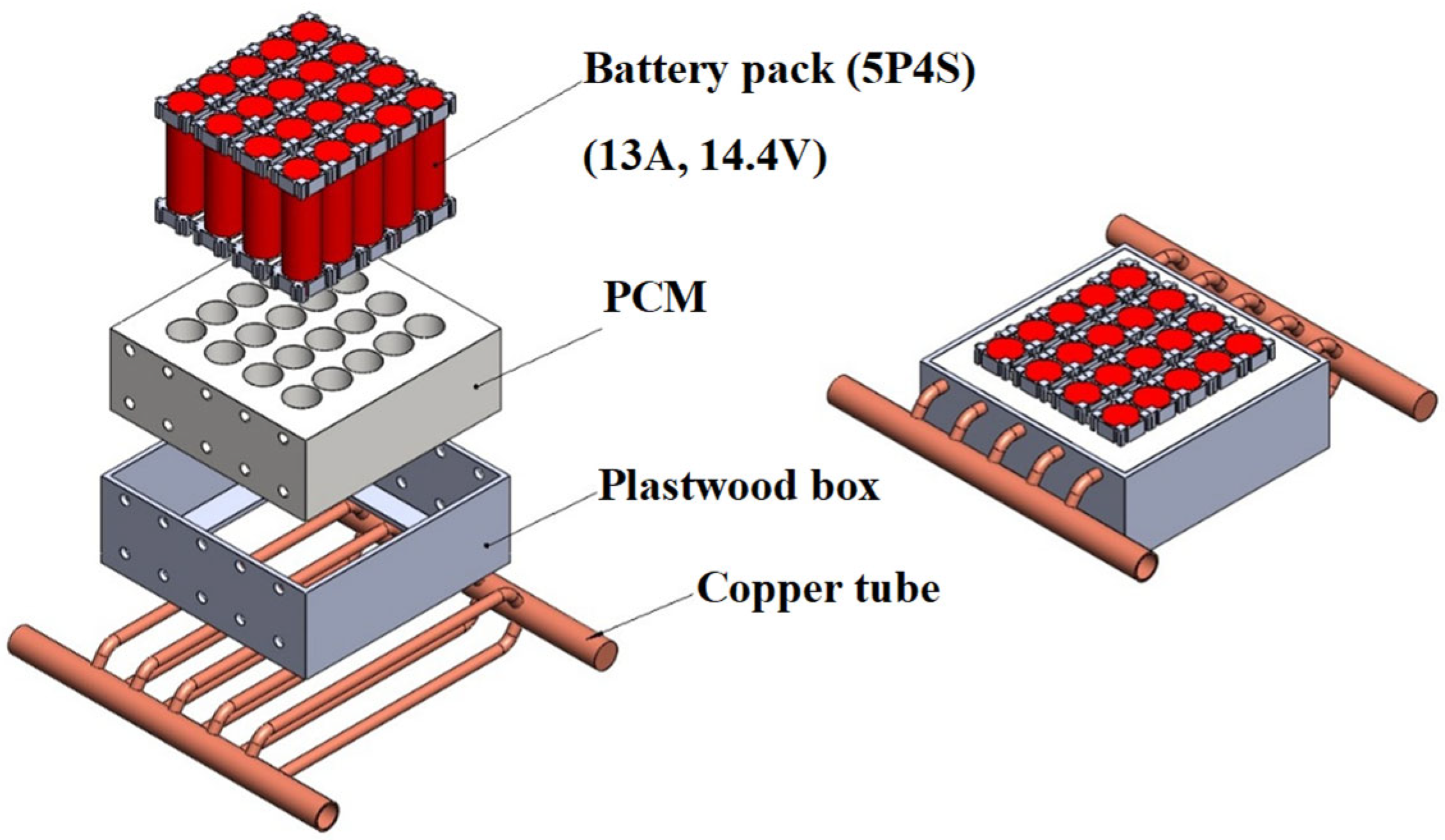
2 nanoparticles incorporated into PCM for cylindrical lithium-ion battery modules are scarce. Furthermore, direct comparisons between pure PCM and nano-enhanced PCM under identical operating conditions, along with detailed SOC-dependent thermal behavior analysis, have not been sufficiently reported. Therefore, this study experimentally evaluates the thermal performance of a 5P4S cylindrical lithium-ion battery pack using paraffin PCM and TiO
2-enhanced PCM under controlled 1 C discharge conditions, aiming to provide a simple, safe, and effective passive thermal management solution for electric vehicle applications.
This study presents the first comprehensive experimental pack-level investigation of TiO2 nano-enhanced phase change material (NePCM) for passive thermal management of a 5P4S cylindrical lithium-ion battery module under controlled 1 C discharge conditions. Unlike prior studies that primarily emphasize active cooling strategies, graphite-enhanced PCM, or numerical optimization approaches, this work isolates and quantifies the direct impact of electrically insulating TiO2 nanoparticles on PCM thermal conductivity and battery cooling performance under identical operating conditions. The study systematically evaluates peak temperature reduction, inter-cell temperature uniformity, and SOC-dependent thermal evolution, thereby providing a deeper understanding of dynamic heat transport behavior in nano-enhanced PCM systems. By integrating conductivity enhancement with latent heat storage while maintaining electrical safety and structural simplicity, this research establishes a scalable, energy-efficient, and practically deployable passive cooling solution for next-generation electric vehicle battery modules.
3. Data Reduction
Table 1 summarizes the specifications of the LiMn
2O
4 battery used in the module, a specific commercial 18650 lithium-ion battery. An important part of the transient simulation of the lithium-ion battery module is figuring out the power output in the form of heat during discharge. Two main factors contribute to heat generation (
Qg) in a battery cell, as reported in the literature [
43,
44,
45].
During discharge, the cell’s internal heat generation
is generally separated into two principal contributions: irreversible heating from resistive and polarization losses (dissipative Joule and overpotential heating) and reversible (entropic) heating due to the entropy change of the electrode reactions. A compact representation is
; the first (irreversible) term scales strongly with current and internal resistance (which depends on SOC, temperature, and SOH), while the second (reversible) term depends on the entropic coefficient
, which varies with SOC and electrode material and may be exothermic or endothermic. For high-power transient simulations, include polarization and mixing contributions and couple cell heat to the pack thermal model for accurate temperature predictions.
The irreversible heat generated during the electrochemical reaction in a lithium-ion battery is represented by the first term (
Qirr) in the heat generation equation. This term is based on the total internal resistance (
Re) and is due to Joule heating.
Due to electrochemical processes occurring within the battery, the second component (
Qrev) in the heat production equation represents the reversible reaction heat [
46]. It is important to consider the reversible heat production rate, which is given by [
47], particularly at low current rates.
Finding
Re and
dE/
dT is crucial to obtaining the total heat generation of the lithium-ion battery, according to the study above. Consequently,
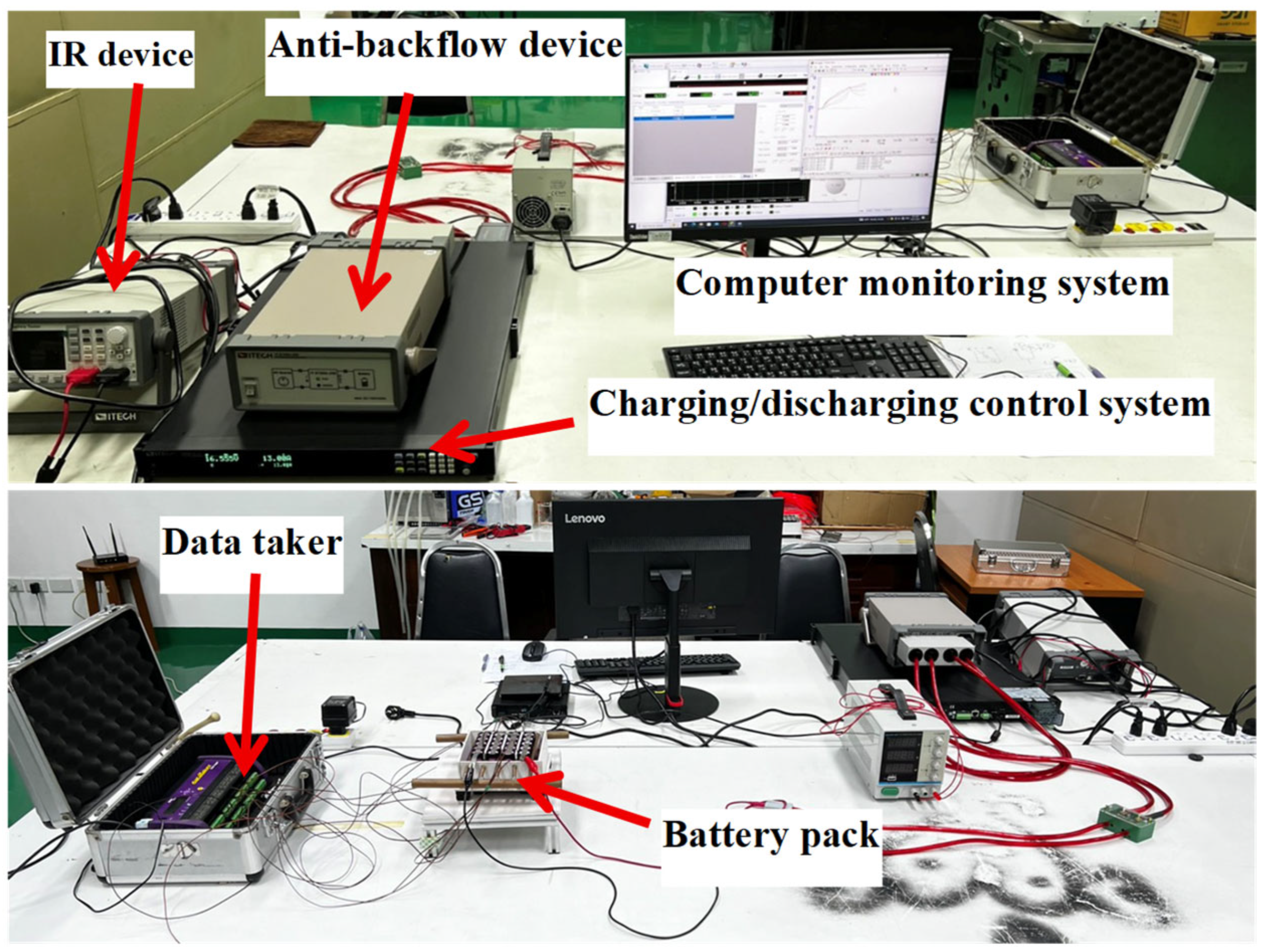
Figure 1 shows the experimental facilities, and the next experiments center on acquiring the parameters; fitting results are displayed later.
In general, electric resistance, according to the electrochemical principle, is composed of two components: the fixed (ohmic) cell resistance and the cell polarization resistance. Both the temperature and the battery’s state of charge (
SOC) influence the
Re. As shown in
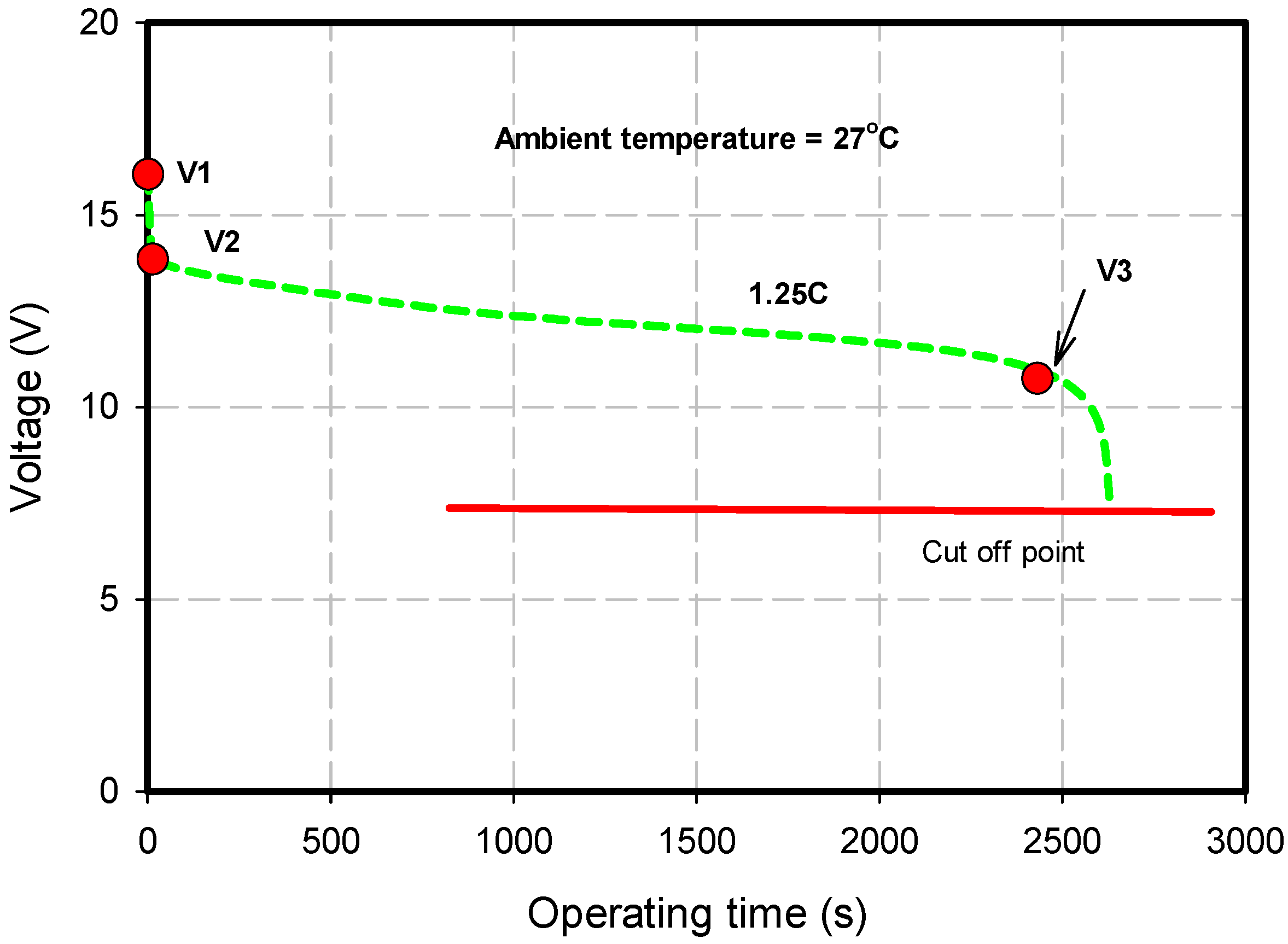
Figure 5, the voltage drop from
V1 to
V2 due to ohmic resistance, and the drop from
V2 to
V3 due to cell polarization resistance, are both necessary to obtain
Re at different temperatures. Hence, the following is how
Re may be obtained at 100%
SOC and 0 °C [
43]:
The following may be done to acquire the total internal resistance
Re using the nonlinear curve fitting approach using multiple variables [
43]:
An integral part of the entropy coefficient, denoted as
dE/
dT, is the cell temperature,
SOC, and charge density. In
SOC, however,
dE/
dT is largely unaffected by cell temperature and charge density. Consequently, we presume that the entropy coefficient
dE/
dT is a function of
SOC for the lithium-ion battery. The formula to determine the parameter
dE/
dT under a specified state of charge (
SOC) is:
The nonlinear polynomial fitting approach yields the following function for
dE/
dT [
39]:
4. Results and Discussion
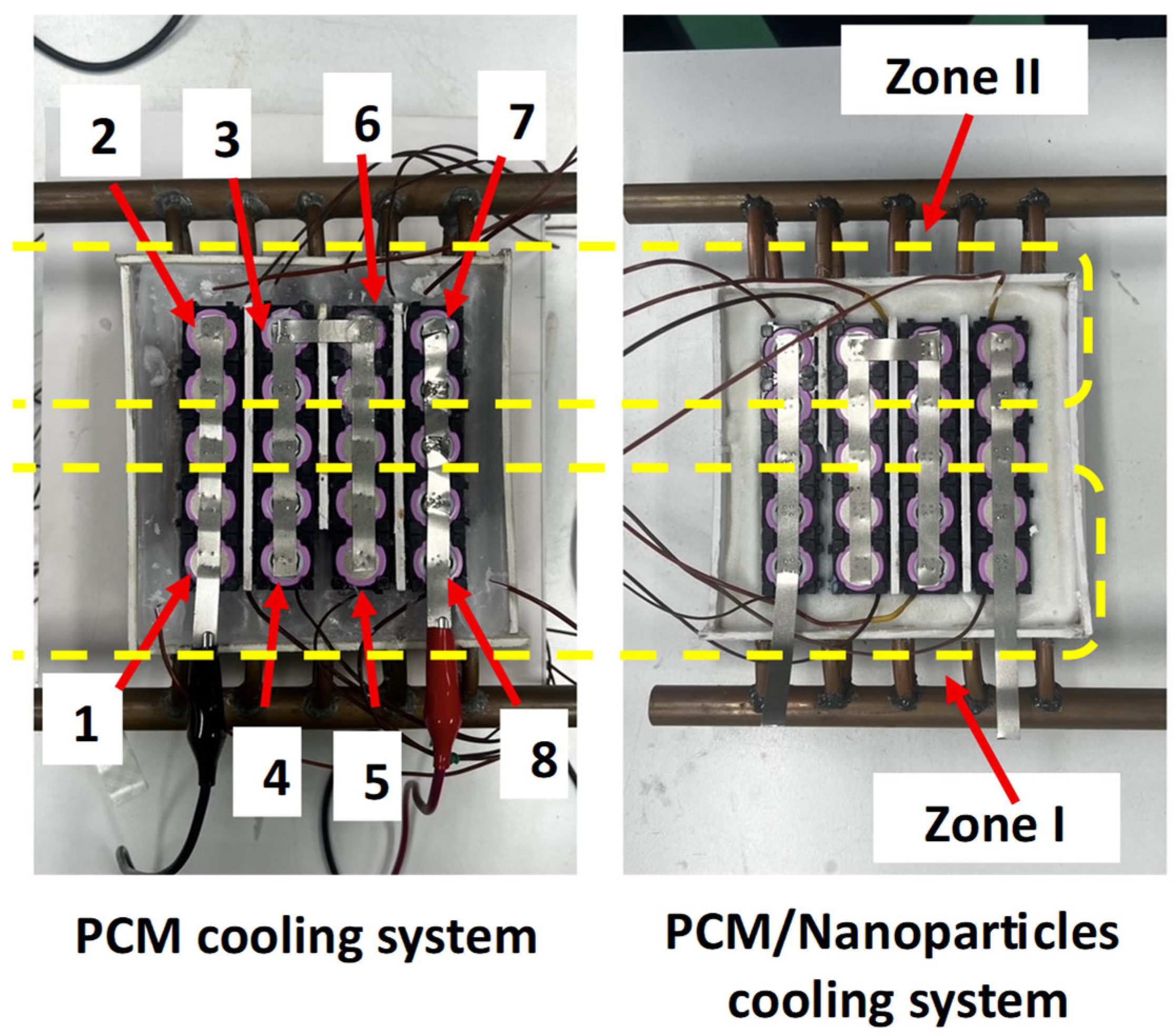
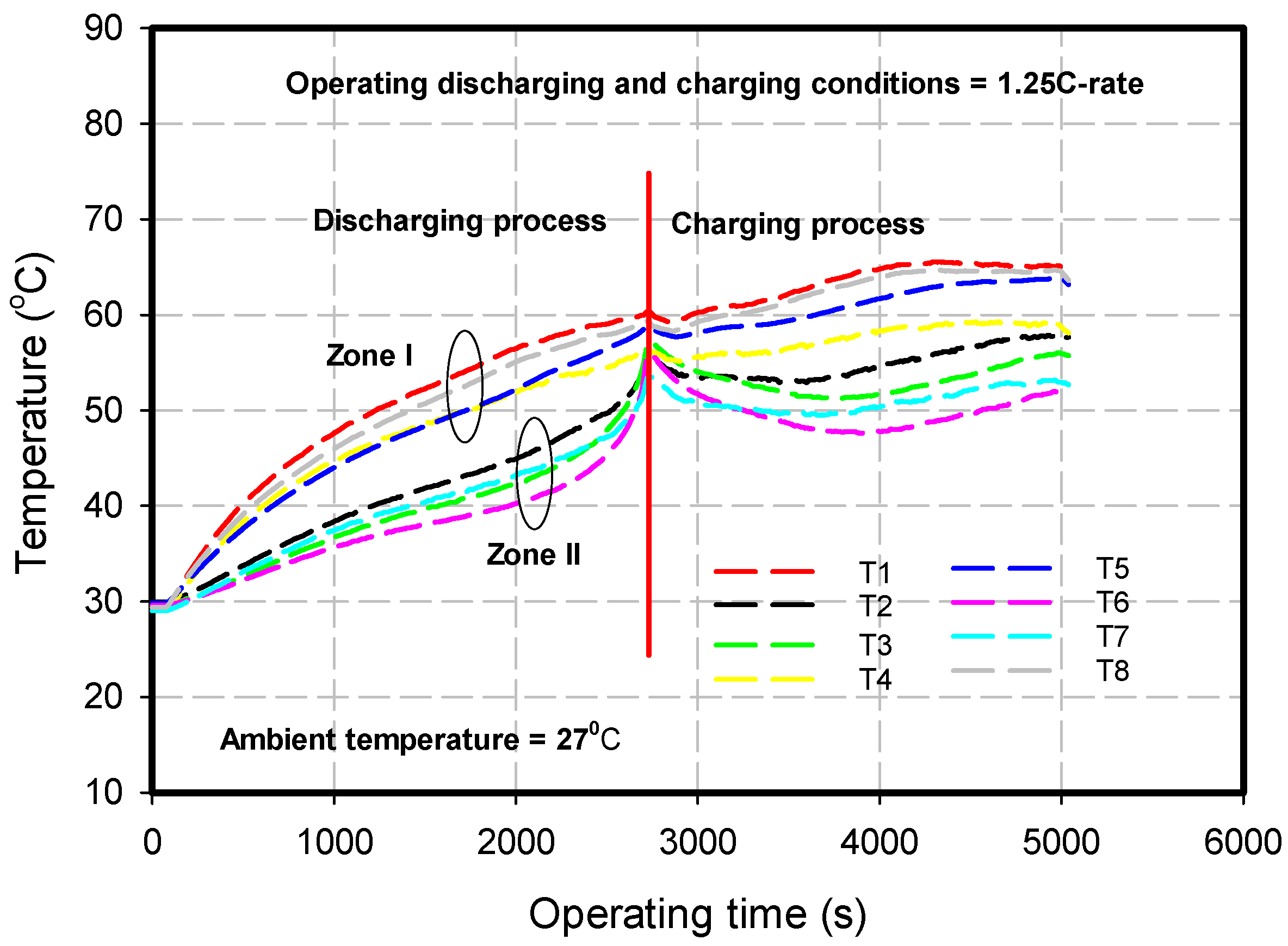
Figure 6 shows a full thermal history of the battery pack under a 1.25 C discharge–charge cycle using an air cooling system at 27 °C ambient temperature, measured at eight locations (T1–T8). During the discharge stage (0–~2800 s), all thermocouples rise steadily from ~30 °C to roughly 50–60 °C, but the curves split into two clear thermal regions (Zone I and Zone II); Zone I sensors (notably T1 and T5) consistently record the highest temperatures, reaching about 60 °C, while Zone II sensors (such as T6–T8) remain lower, typically 5–10 °C cooler, indicating a strong temperature gradient across the pack. This non-uniformity is mainly caused by uneven convective heat transfer in air cooling, where airflow distribution and local heat transfer coefficients vary with sensor position, leading to regions with weaker airflow or higher thermal resistance becoming hot spots. In addition, at 1.25 C, the internal heat generation rate is relatively high because irreversible heat (I
2R and polarization losses) increases sharply with current, leading to rapid thermal accumulation; once the pack temperature rises, internal resistance and reaction kinetics also change, further influencing heat generation and temperature rise. After the discharge ends (vertical red line), the charging stage (~2800–5200 s) begins, and temperatures drop slightly due to reduced instantaneous load and partial recovery, but they soon rise again because charging also produces heat through overpotential and resistive losses; importantly, the highest-temperature locations remain the same, showing that the pack has persistent thermal weak points. The peak charging temperature approaches ~65 °C, indicating that air cooling cannot effectively remove the accumulated heat, and the thermal imbalance between Zone I and Zone II persists throughout the cycle. Overall, the figure confirms that under moderate-to-high C-rate operation, air cooling leads to significant thermal stratification, hotspot formation, and delayed heat rejection, which can accelerate ageing, worsen cell imbalance, and increase the risk of performance degradation in repeated cycling.
At 27 °C ambient temperature,
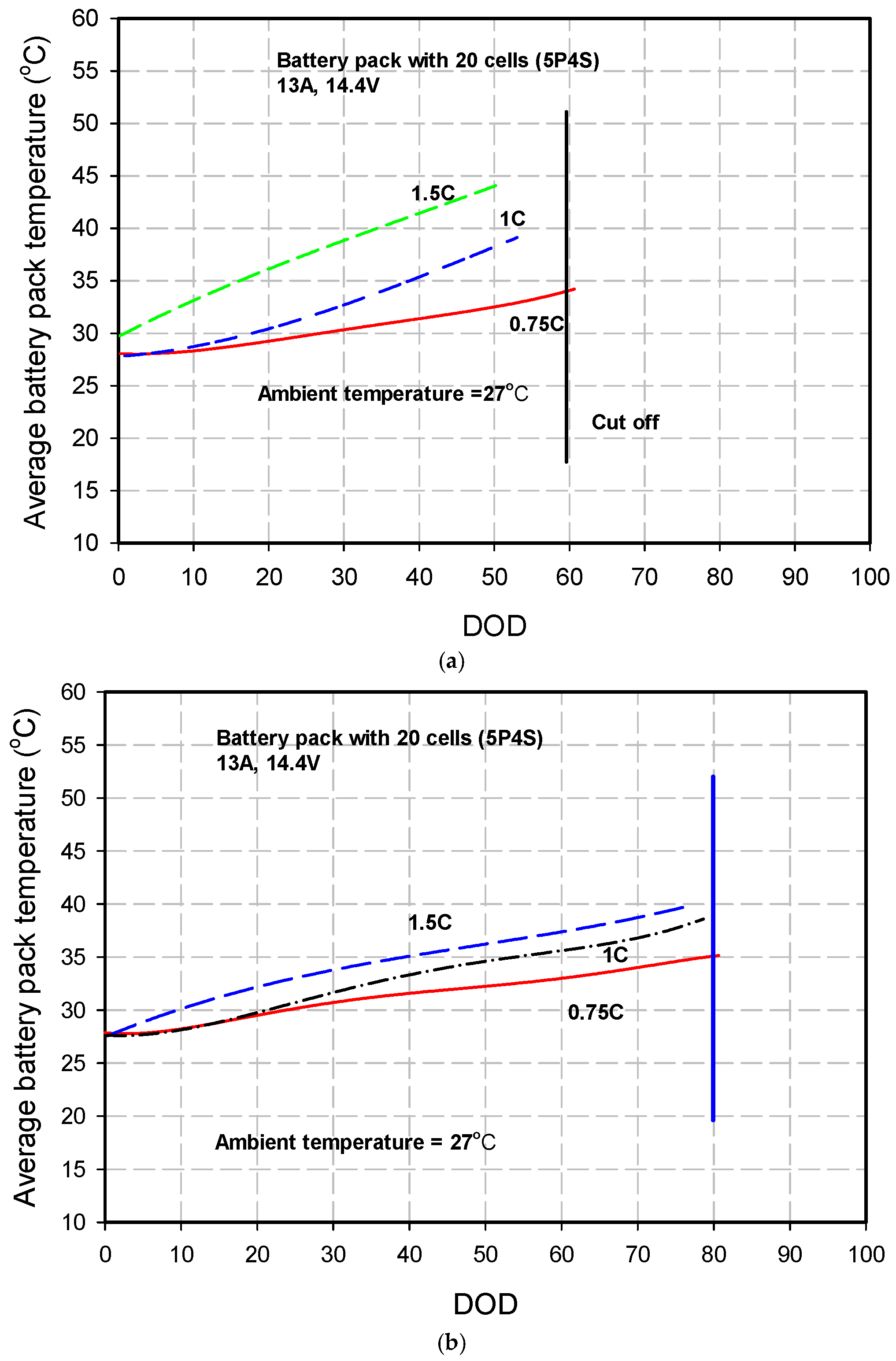
Figure 7 compares two cooling strategies: (a) a pure PCM cooling system and (b) a PCM/nanoparticle mixture cooling system. The two systems were tested at discharge rates of 0.75 C, 1 C, and 1.5 C. The average battery pack temperature changes with depth of discharge (DOD) for a 20-cell (5P4S) module under each strategy. Both instances exhibit a progressive rise in temperature with DOD due to the accumulation of electrochemical reaction heat and internal ohmic losses as the battery continues to discharge; nevertheless, there is a noticeable disparity in the thermal performance of the two subfigures. Ohmic (Joule) and entropic heating are the two main ways a battery produces heat during discharge. Higher discharge rates cause ohmic heating to occur more rapidly because the current flowing through the cell’s internal resistance generates heat. Entropic heat is a byproduct of the electrochemical reactions occurring within the battery. The exact nature of this contribution to the total thermal rise during high-rate discharges depends on the cells’ chemistry and current state of charge, but it can be slightly exothermic or endothermic. The internal resistance of the battery tends to rise with continued discharge, particularly at deeper depths of discharge, leading to greater heat accumulation. Particularly in high-power applications such as electric vehicles, this heat generation raises cell temperature, degrades performance, accelerates aging, and can pose a challenge for thermal management systems. An important metric for assessing thermal behavior and performance throughout the discharge period is the depth of discharge (DOD), which is the proportion of a battery’s capacity that has been utilized; a higher DOD indicates a more depleted battery, and 100% DOD signifies the battery is fully depleted. Discharge current is equal to the C-rate multiplied by the battery capacity. C-rate describes the rate of charging or discharging relative to a battery’s rated capacity; a value of 1 C means the battery can be fully charged or discharged in one hour, 0.5 C in two hours, and 2 C in half an hour, because of the direct relationship between DOD and C-rate, which governs temperature rise, stress, and overall safety during battery operation, increasing the C-rate results in higher currents, which, in turn, generate more internal heat owing to increased electrochemical activity and I
2R losses. The 1 C and 1.5 C curves in (a) rise significantly toward 40–45 °C until they reach a cutoff at about 55–60% DOD, suggesting poor thermal buffering at high loads, as the PCM absorbs heat until it approaches saturation.
On the other hand, the PCM/nanoparticle mixture speeds up heat spreading and delays PCM saturation, resulting in lower overall temperatures for all C-rates in (b). The outcome is a flatter temperature distribution, a longer effective safe DOD range before thermal limits are reached, and reduced thermal increase from high-rate discharge. By lowering the battery’s maximum temperature and preventing heat accumulation during high-power discharge, the comparison shows that PCM augmented with nanoparticles significantly enhances thermal regulation.
It should be noted that the present experiments were performed under a controlled ambient temperature of 27 °C in order to isolate the thermal contribution of PCM and PCM/nanoparticle enhancement. In practical EV applications, ambient temperature strongly affects both battery heat generation and PCM phase change behavior. At low ambient temperatures, the PCM may remain partially solid, reducing latent heat utilization but improving effective thermal conduction, while battery internal resistance increases, potentially increasing irreversible heat generation. Conversely, at high ambient temperatures, the PCM may begin closer to its melting point and reach full melting sooner, shortening the effective latent heat buffering period and potentially accelerating thermal saturation. In addition, deeper discharge windows (higher DOD) can cause a rapid voltage drop and increased polarization losses, resulting in stronger heat generation near end of discharge. Therefore, future studies should extend the investigation to a wider range of ambient temperatures (sub-ambient and elevated) and broader discharge windows, using an environmental chamber to improve real-world applicability.
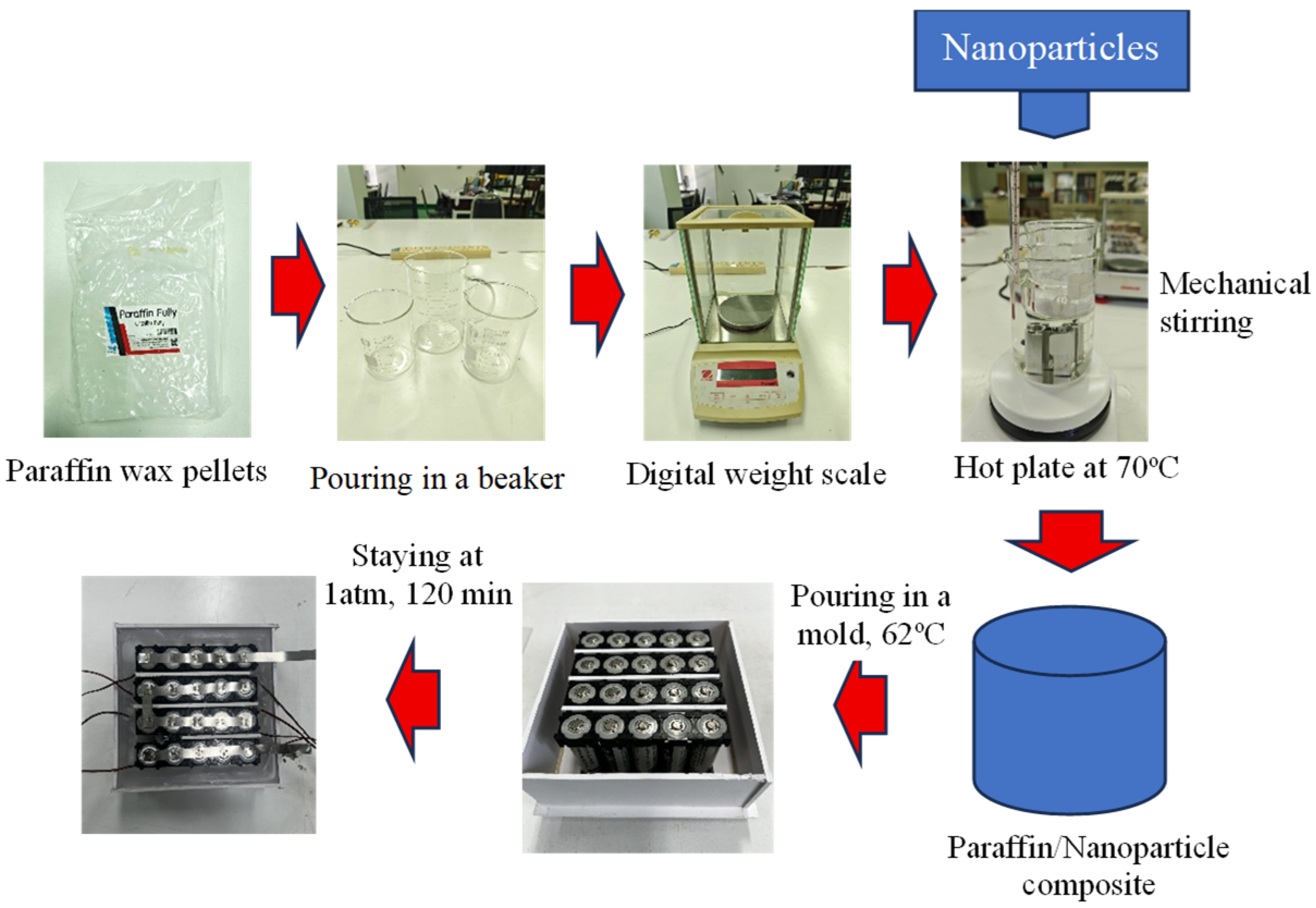
Enhancing the thermal conductivity of the PCM/TiO2 composite improves battery cooling performance by modifying the internal heat transport mechanisms within the PCM. Pure paraffin has a low thermal conductivity (0.2–0.4 W/m·K), which limits heat transfer from the battery surface into the bulk PCM. When TiO2 nanoparticles (8.9 W/m·K) are uniformly dispersed within the PCM matrix, they form conductive micro-networks that reduce overall thermal resistance and facilitate faster heat spreading. According to Fourier’s law, increasing the effective thermal conductivity decreases temperature gradients for a given heat generation rate, thereby improving radial and lateral heat diffusion between adjacent cells. This enhanced heat distribution reduces localized heat accumulation, suppresses hotspot formation, and improves inter-cell temperature uniformity in the 5P4S battery module. Additionally, improved conductivity enables deeper heat penetration into the PCM volume, allowing more material to participate in phase transition and thus improving latent heat utilization during melting. Consequently, the PCM/TiO2 composite achieves lower peak temperature, enhanced temperature stability, and more effective passive thermal regulation under 1 C discharge conditions.
Adding non-phase change nanoparticles (such as TiO2) to paraffin wax generally reduces the composite’s total latent heat storage capacity compared with pure paraffin, since only the paraffin undergoes the solid–liquid phase transition. In contrast, the nanoparticles contribute no latent heat, leading primarily to a dilution effect proportional to the nanoparticle mass fraction (i.e., the effective latent heat decreases as the PCM fraction decreases). In addition to this direct reduction, nanoparticles may slightly suppress the crystallization and phase change enthalpy of nearby paraffin molecules due to interfacial confinement and restricted molecular mobility, further lowering the measured latent heat. Although nanoparticles can also act as heterogeneous nucleation sites that reduce supercooling and improve solidification behavior, the overall latent heat of the composite is typically lower than that of pure paraffin, especially at higher loadings; however, at low concentrations (e.g., 0.25 wt%), the latent heat reduction is usually minimal while thermal conductivity and heat spreading performance are significantly improved.
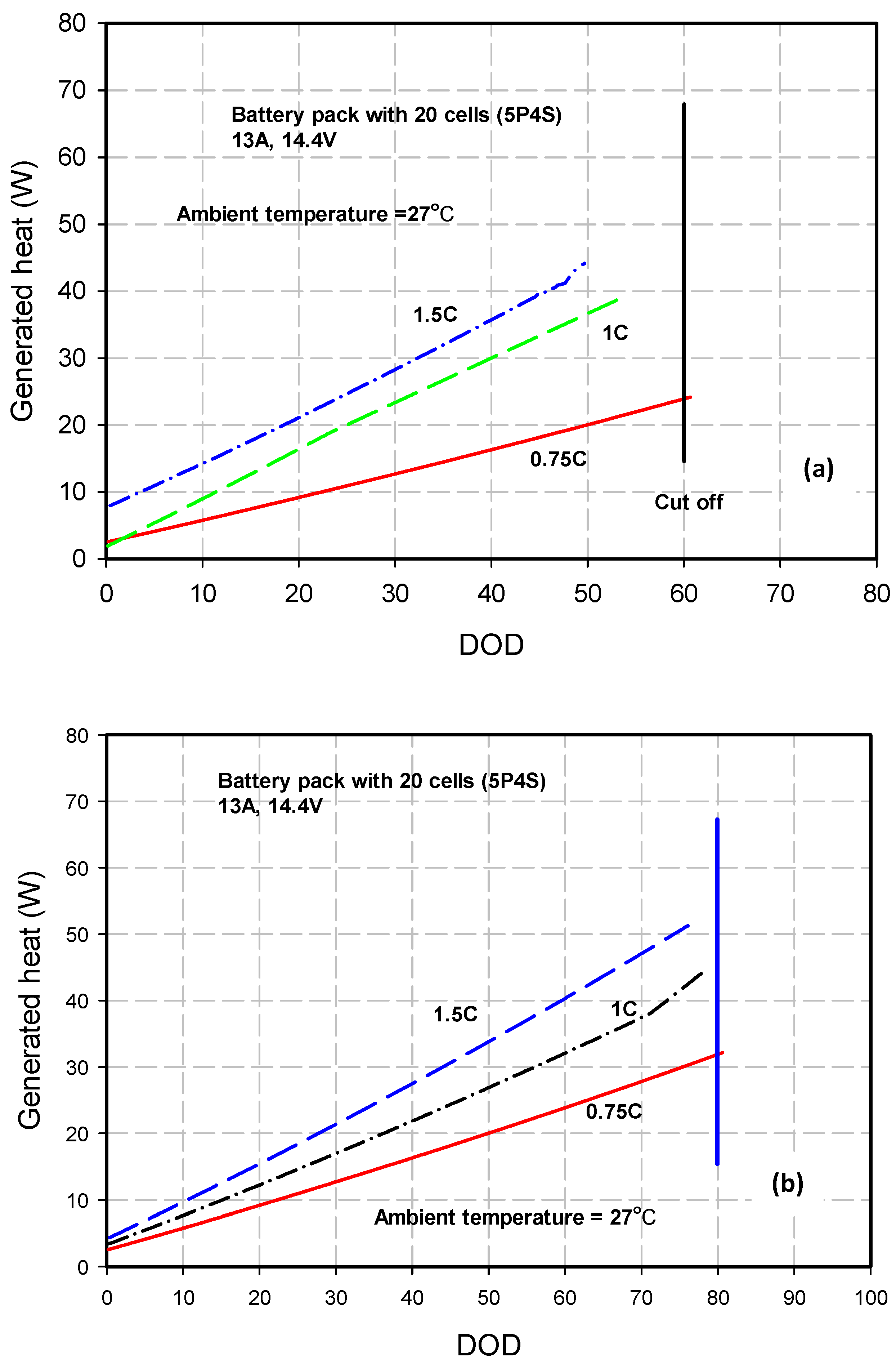
Figure 8 shows that at an ambient temperature of 27 °C, the heat generated by a 20-cell (5P4S) battery pack increases with depth of discharge (DOD) at three discharge rates: 0.75 C, 1 C, and 1.25 C. The cooling systems used are (a) pure PCM and (b) a PCM/nanoparticle mixture. Since the internal current flow and electrochemical reaction activity are both increased by continuous discharging, leading to larger ohmic (I
2R) losses and polarization heat, the heat generation increases practically linearly with DOD in both subfigures. The steepest increase in heat production is observed at 1.25 C, indicating that thermal output is highly dependent on the current size, and this trend is consistent across all C-rates. Although the particle-enhanced PCM system (b) does not decrease intrinsic heat generation (which is caused by the electrical behavior of the battery and not by cooling), it does increase the discharge depth (DOD) before thermal limits are reached (as shown by the extended discharge range) due to better thermal conductivity and heat spreading, which prevent the battery from overheating. When the battery is discharged more deeply and faster, heat accumulates due to the fundamental link between discharge current, internal resistance, and electrochemical kinetics.
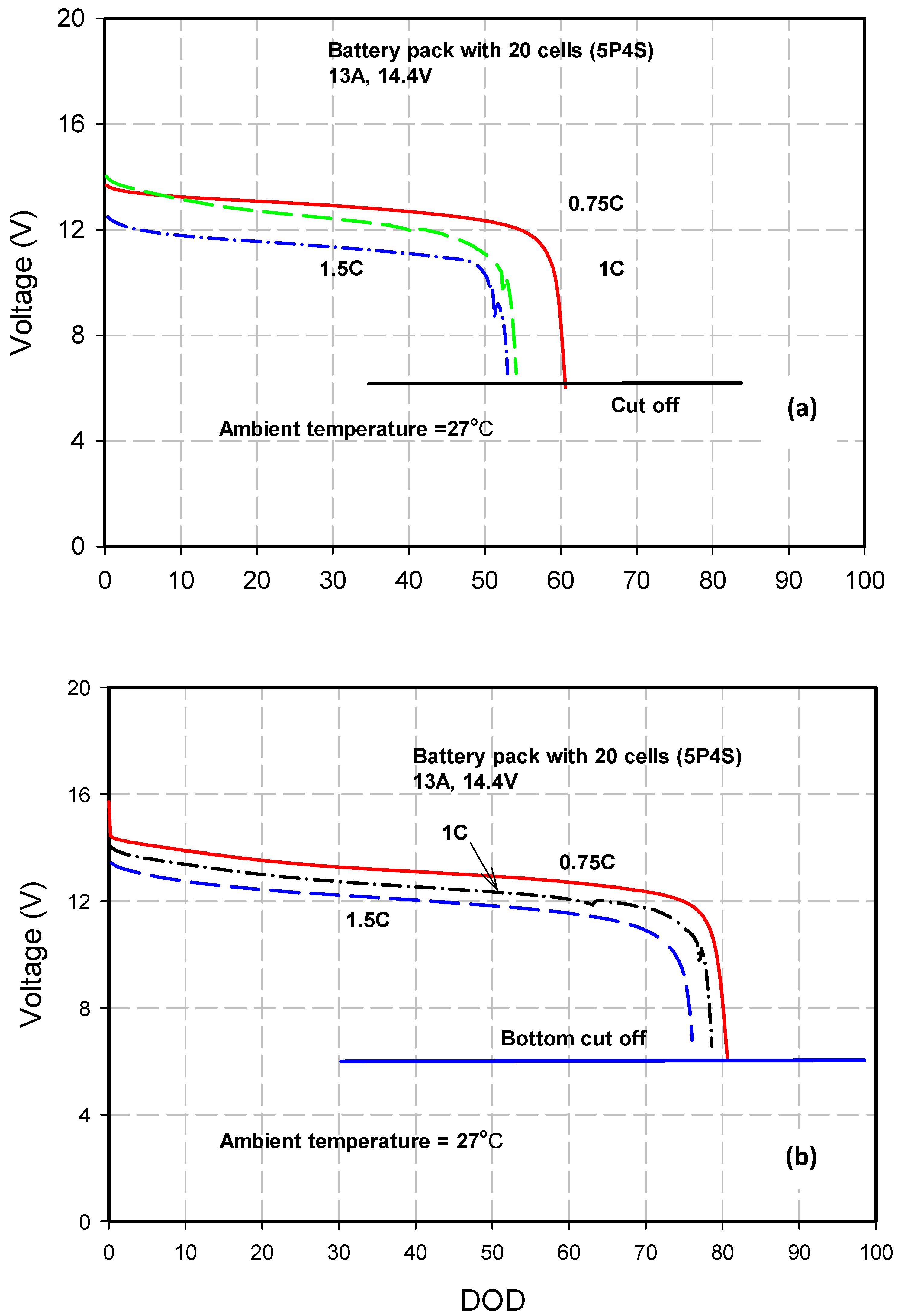
At three different discharge rates (0.75 C, 1 C, and high-load 1.25 C),
Figure 9 shows how the battery pack voltage changes with depth of discharge (DOD) for a 20-cell (5P4S) module in two different cooling systems: (a) a PCM cooling system and (b) a PCM/nanoparticle combination cooling system. Both situations exhibit a progressive decrease in voltage as DOD increases, owing to electrochemical potential loss and increasing internal resistance; however, the decline becomes substantially steeper towards the end of discharge when the active material is depleted and polarization spikes. Since higher currents amplify ohmic losses (I
2R) and reaction overpotential, higher C-rates lead to quicker voltage decay. On the other hand, the PCM/nanoparticle system enables the battery to discharge further before reaching the voltage cutoff due to improved heat dissipation, which keeps internal temperatures low and, consequently, lowers the effective resistance. Because power (P = VI) drops as voltage decreases, particularly at high DOD and C-rates, this voltage–DOD relationship directly impacts power output. This is because thermal stress and voltage sag limit usable power capacity. The coupled thermal–electrical feedback that establishes the safe and efficient operating window of the battery pack is determined by the trends and heat generation shown in earlier figures. This is because, in addition to accelerating voltage drop, high currents generate greater heat, which in turn increases internal resistance and further deepens voltage sag.
Determining a discharge window that balances usable capacity, thermal safety, voltage stability, and long-term cycle life is essential to optimizing the DOD range of this battery pack. In the figure, the voltage loss and thermal stress in the battery pack start to accelerate beyond about 50–55% DOD, when all discharge rate curves quickly approach the cutoff region. Regularly operating the pack at this high DOD would yield greater energy extraction per cycle, but it would also subject the cells to a sharper voltage drop, higher internal resistance, and greater heat generation, all of which hasten aging. For many lithium-ion systems, keeping the usable depth of discharge (DOD) within a moderate range—usually 60–80% of total capacity, meaning discharging only to 20–40% SOC remaining—greatly extends cycle life. This is because the cell avoids the deep discharge region, where the risks of electrode structural degradation, SEI thickening, and lithium plating become more pronounced. The depth and frequency of discharge (DOD) cycles are the primary determinants of battery cycle life; shorter DOD cycles result in more cycles, while longer DOD cycles shorten lifespan, even when the total energy delivered over the lifetime of the battery remains constant. As an illustration, a battery that is cycled at 100% DOD can only manage approximately 500–800 cycles, the same battery that is cycled at 50% DOD can surpass 1500–3000 cycles, and at 20–30% DOD, it might reach 5000 cycles and more, all subservient to operating temperature and chemistry. So, to maximize cycle life and minimize excessive voltage sag and thermal stress, it is recommended to avoid discharging the battery pack beyond about 50% DOD during high-C-rate operation. This recommendation is based on both the voltage drop profile and temperature trends from previous figures.
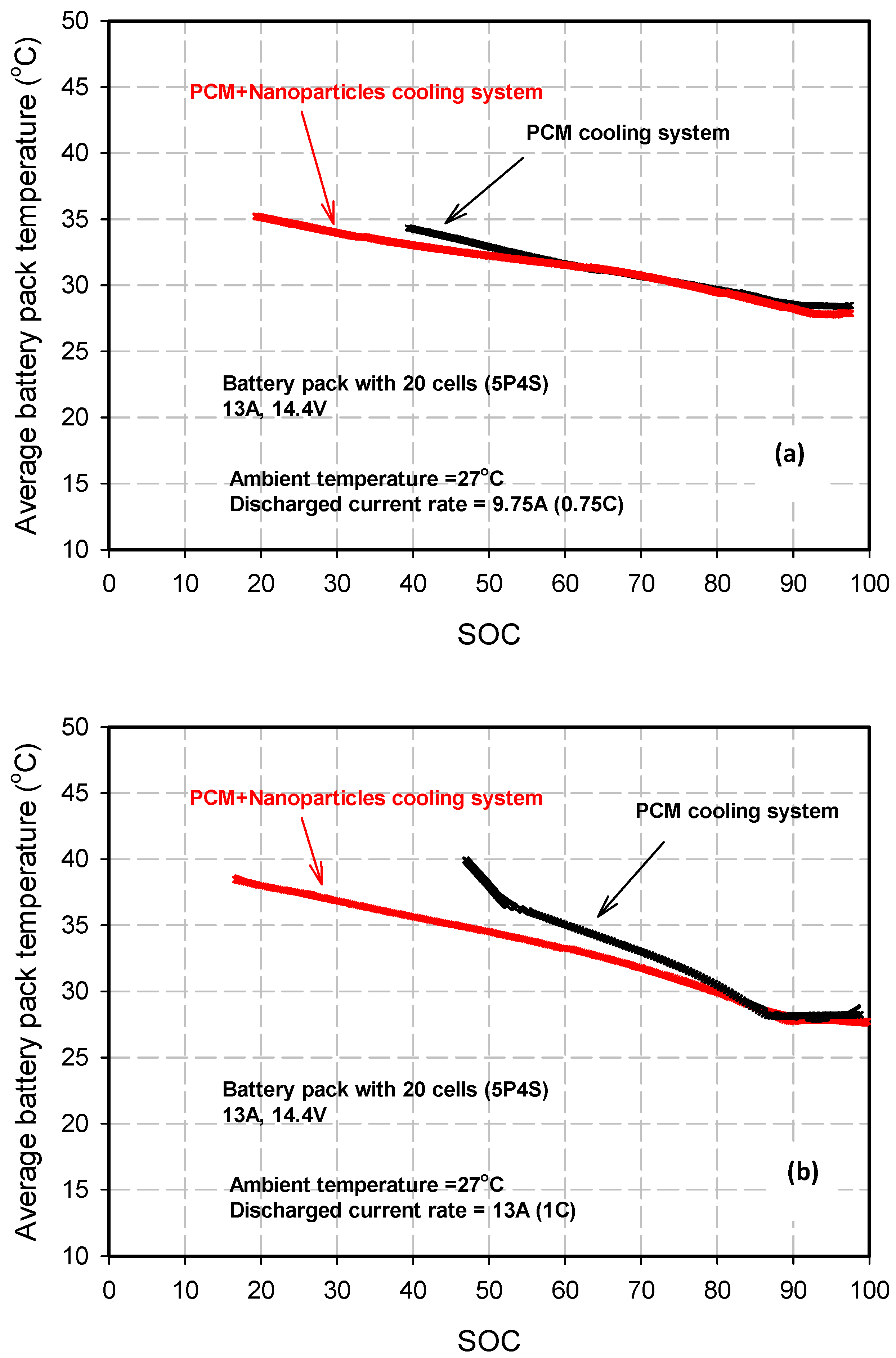
At discharge rates of (a) 0.75 C and (b) 1 C,
Figure 10 compares the average battery pack temperature versus state of charge (SOC) for a 20-cell (5P4S) module under two cooling strategies: pure PCM and a PCM/nanoparticle mixture. The results show that the nanoparticle-enhanced PCM consistently maintains lower temperatures than pure PCM, particularly at lower SOC (high DOD), when heat generation increases and internal resistance rises. Using a nanoparticle mixture improves heat transfer, delays saturation, and leads to cooler operation throughout the discharge. This contrasts with pure PCM, which experiences greater electrical and thermal stress as SOC decreases. Pure PCM’s thermal conductivity and heat-spreading ability are limited once it approaches saturation, so temperature rises more sharply. As polarization losses rise and the battery’s electrochemical potential drops, the trend shows that thermal behavior worsens with deeper discharge, leading to greater heat generation.
The percentage of a battery’s capacity that is usable is called its “state of charge” (SOC). The state of charge (SOC) of a battery is represented as a percentage, with 100% SOC indicating a fully charged battery and 0% SOC indicating a fully discharged battery. It is like a “fuel gauge” for batteries; SOC shows how much energy the battery has at any given moment. As a battery empties, chemical energy is converted to electrical energy, and the state of charge (SOC) decreases; conversely, as energy is restored during charging, the SOC increases. SOC and DOD (depth of discharge) are strongly related by the simple relationship: .
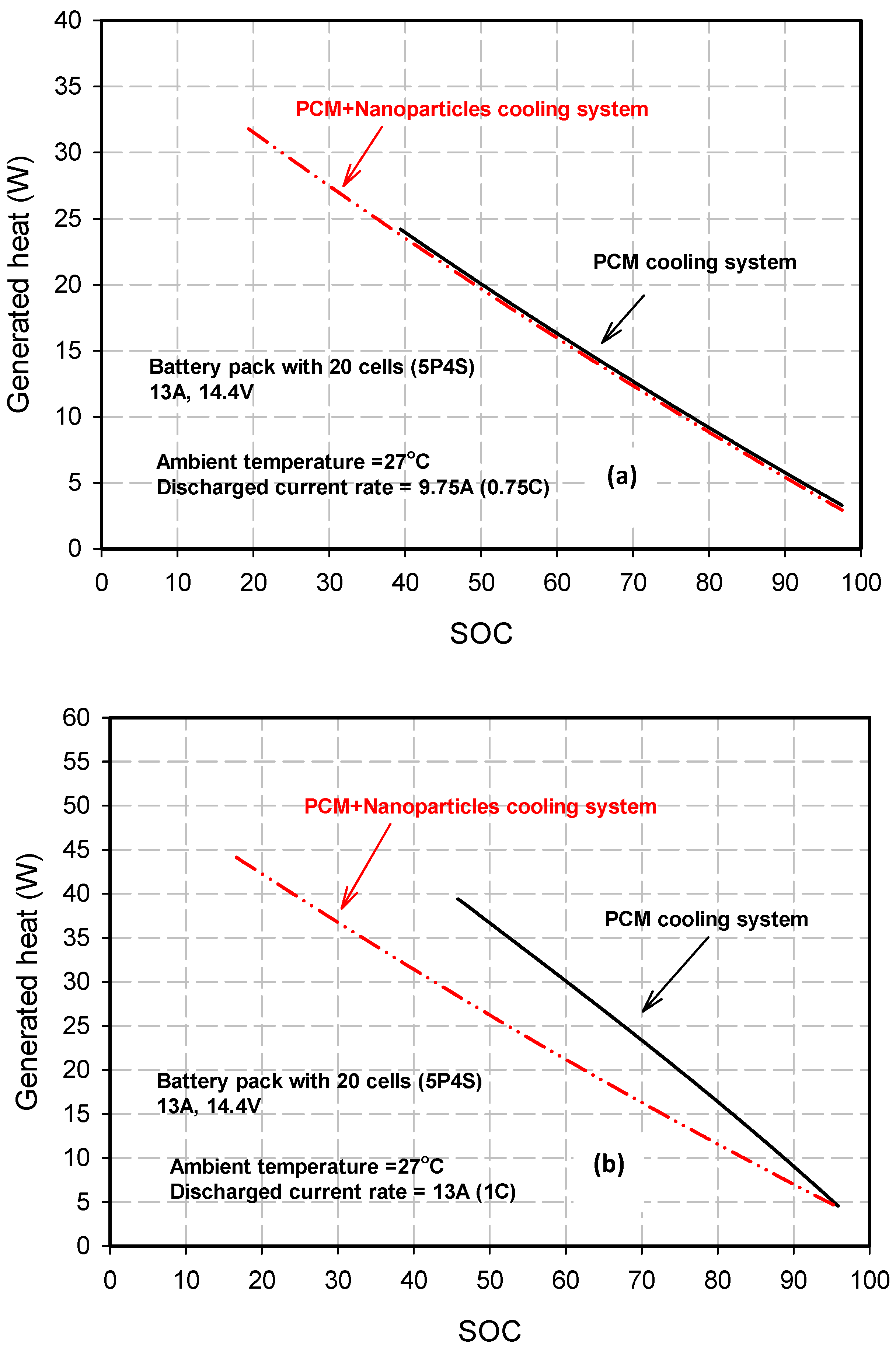
Heat generation increases significantly as SOC decreases due to deeper discharge (higher DOD), rising internal resistance, stronger polarization effects, and higher I
2R losses.
Figure 11 shows how the heat generated by a 20-cell (5P4S) battery pack changes with state of charge (SOC) for two cooling strategies—a PCM/nanoparticle mixture and pure PCM—under discharge rates of (a) 0.75 C and (b) 1 C, respectively. The nanoparticle-enhanced PCM system, as shown in both subfigures, consistently shows slightly higher apparent heat generation values than the pure PCM system. This is not due to the battery producing more heat intrinsically, but rather to the enhanced heat transfer allowing for more accurate or less suppressed measurement of the heat released. As the reactant concentration decreases, the electrochemical efficiency decreases and the current increases, leading to a dramatic increase in heat generation at lower SOC, especially under the 1 C condition. The phenomenon as a whole shows that as the battery approaches deeper discharge, heat output rises due to electrical losses, and the cooling method affects the dissipation of this heat but has no effect on the fundamental thermal behavior driven by the discharge rate and electrochemical limitations.