Article

Enhancing Pavement Performance Through Organosilane Nanotechnology: Improved Roughness Index and Load-Bearing Capacity


by
Gerber Zavala Ascaño
1,
Ricardo Santos Rodriguez
1 and
Victor Andre Ariza Flores
2,*
1
Escuela de Ingeniería Civil, Universidad Nacional Mayor de San Marcos, Lima 15081, Peru
2
Escuela de Posgrado, Pontificia Universidad Catolica de Chile, Santiago 7820436, Chile
*
Author to whom correspondence should be addressed.
Submission received: 7 February 2025 / Revised: 16 March 2025 / Accepted: 27 March 2025 / Published: 2 April 2025

Abstract

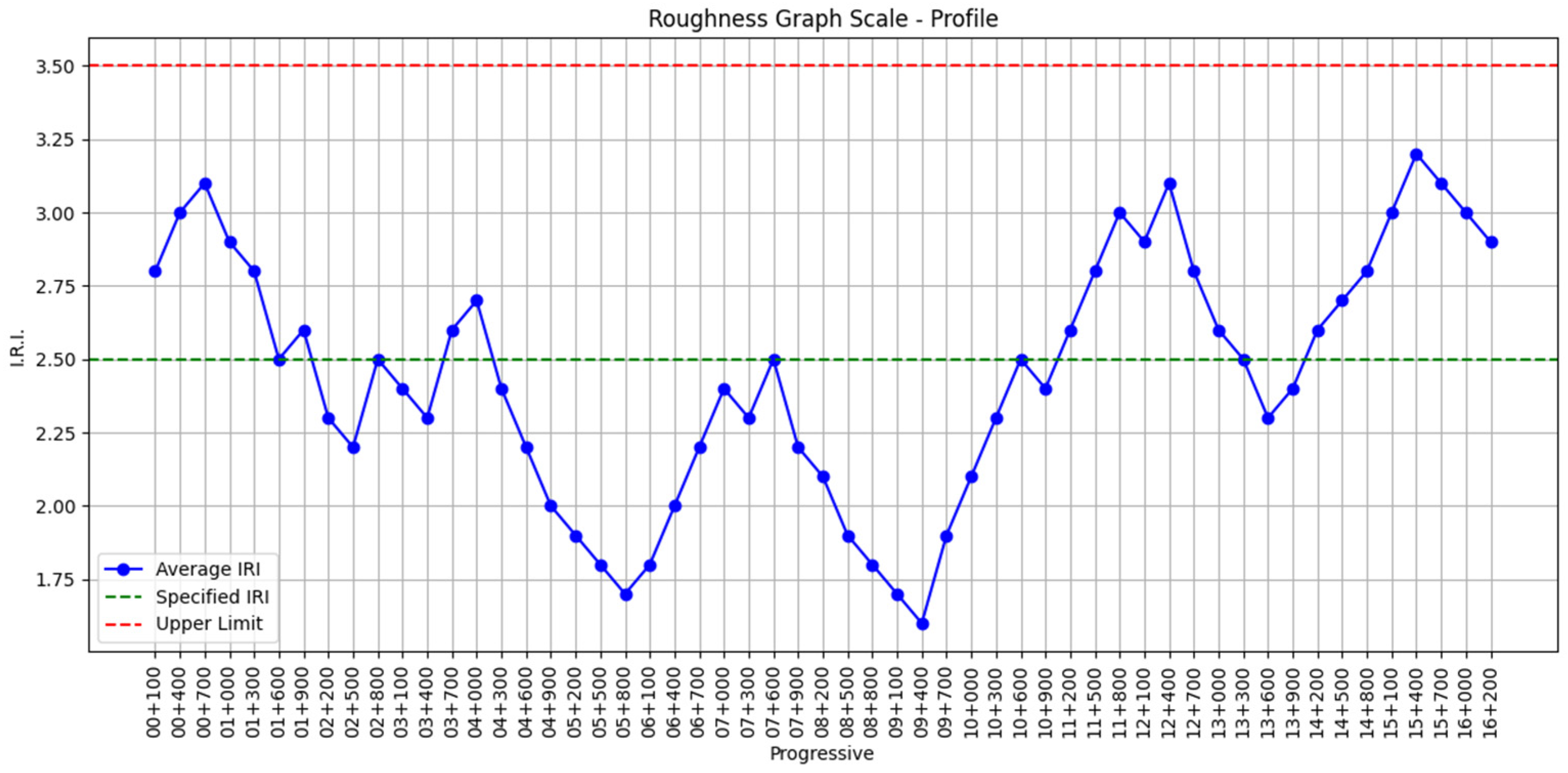
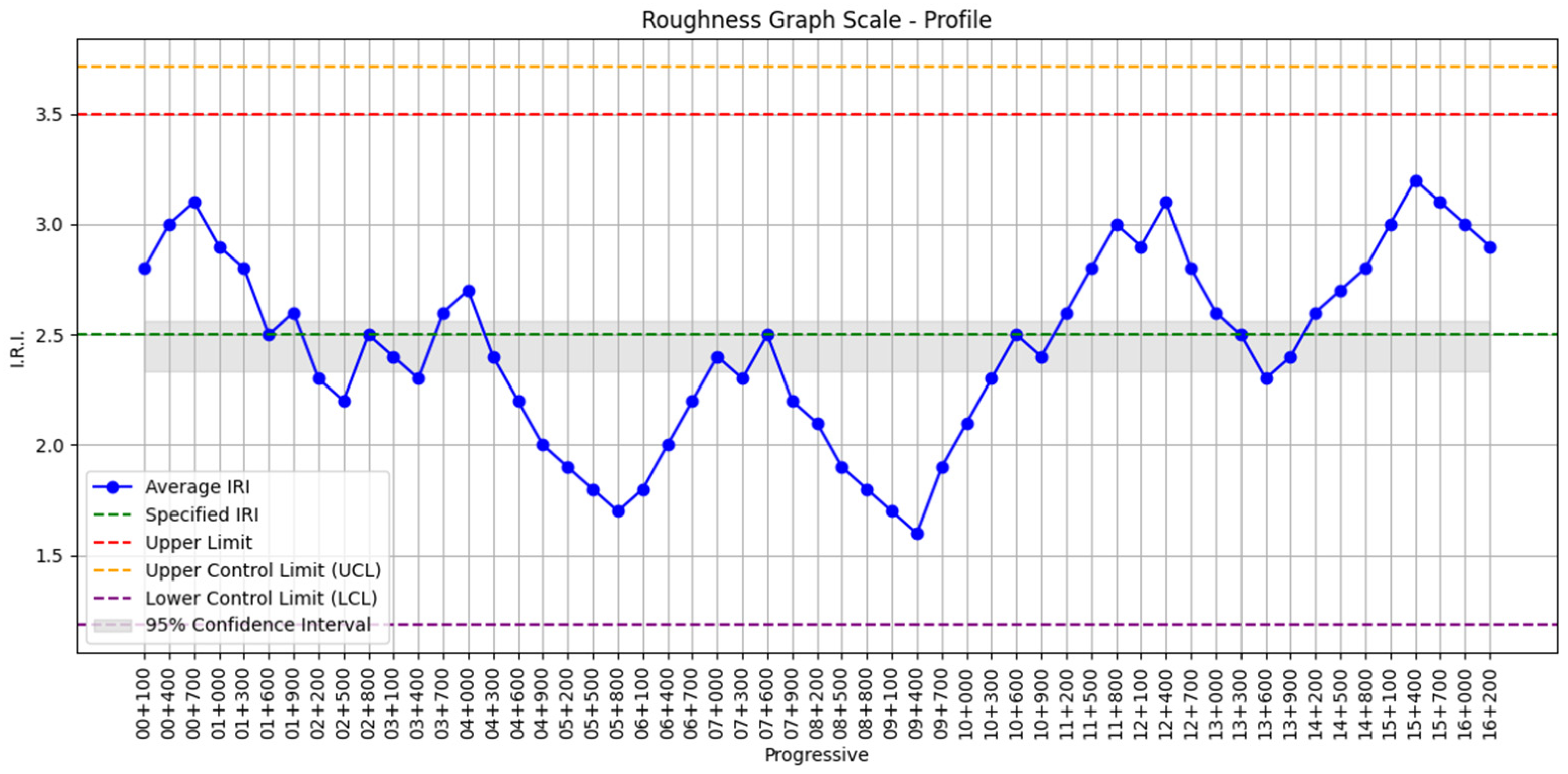
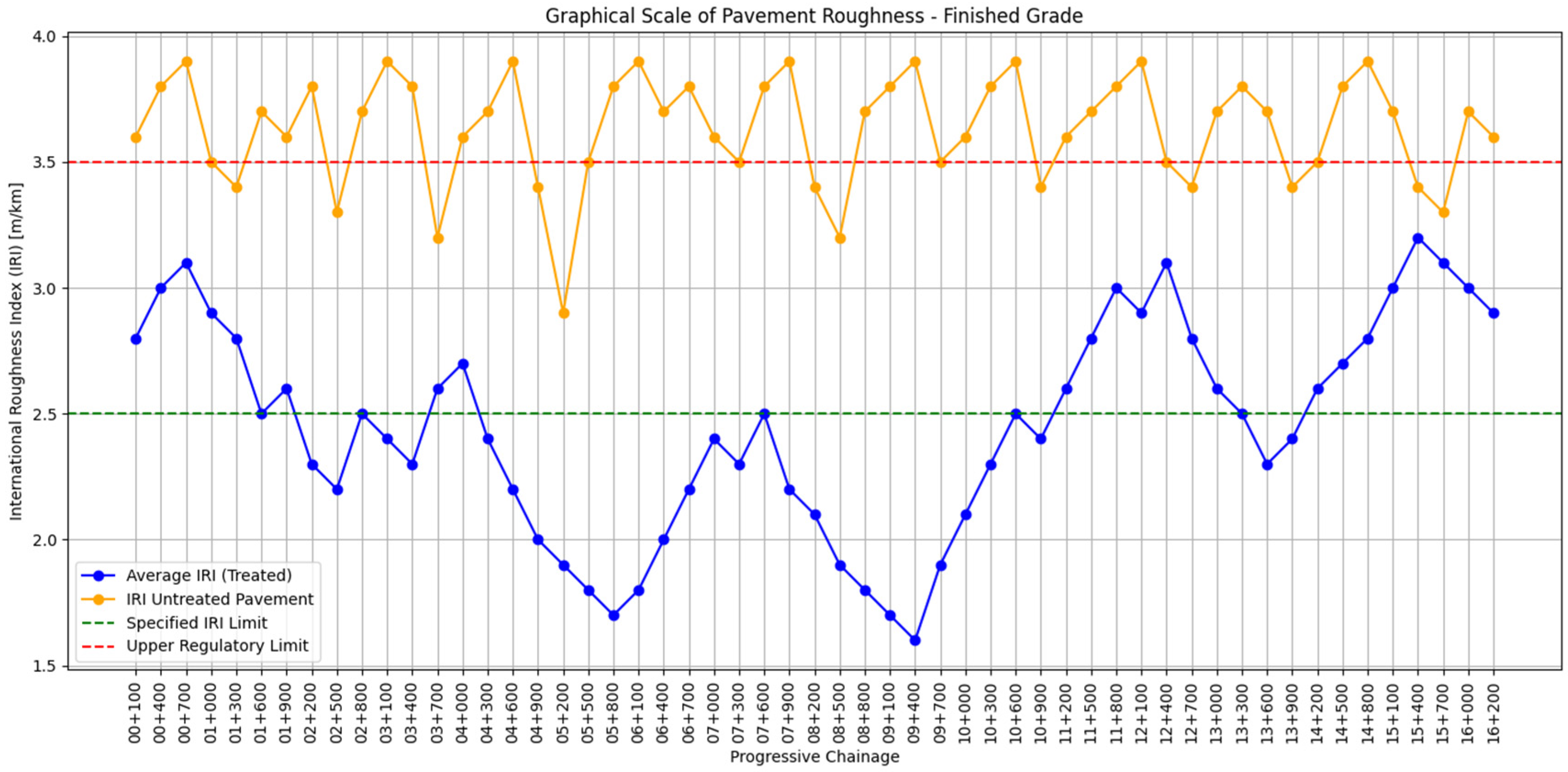
The increasing demand for sustainable road infrastructure necessitates alternative materials that enhance soil stabilization while reducing environmental impact. This study investigated the application of organosilane-based nanotechnology to improve the structural performance and durability of road corridors in Peru, offering a viable alternative to conventional stabilization methods. A comparative experimental approach was employed, where modified soil and asphalt mixtures were evaluated against control samples without nanotechnology. Laboratory tests showed that organosilane-treated soil achieved up to a 100% increase in the California Bearing Ratio (CBR), while maintaining expansion below 0.5%, significantly reducing moisture susceptibility compared to untreated soil. Asphalt mixtures incorporating nanotechnology-based adhesion enhancers exhibited a Tensile Strength Ratio (TSR) exceeding 80%, ensuring a superior resistance to moisture-induced damage relative to conventional mixtures. Non-destructive evaluations, including Dynamic Cone Penetrometer (DCP) and Pavement Condition Index (PCI) tests, confirmed the improved long-term durability and load-bearing capacity. Furthermore, statistical analysis of the International Roughness Index (IRI) revealed a mean value of 2.449 m/km, which is well below the Peruvian regulatory threshold of 3.5 m/km, demonstrating a significant improvement over untreated pavements. Furthermore, a comparative reference to IRI standards from other countries contextualized these results. This research underscores the potential of nanotechnology to enhance pavement resilience, optimize resource utilization, and advance sustainable construction practices.
Keywords: nanotechnology; soil stabilization; bituminous coatings; road corridors; organosilane-based nanomaterials nanotechnology; soil stabilization; bituminous coatings; road corridors; organosilane-based nanomaterials