Systematic Review

The Safety and Efficacy of Epinephrine-Added Irrigation Fluid in Arthroscopic ACL Reconstruction: A Systematic Review and Meta-Analysis


by
Hadeel Rshash Almutairi
1,*,
Abdullah Fahad Alkhalifah
1,
Rahaf Masaad Almutairi
1,
Wajd Fahad Alkhalifah
1,
Osama Omar Albladi
1,
Abdullah Saleh Almutairi
1,
Khaled Ghazzai Almutairi
1,
Moneerah Madallah Al-Harbi
1,
Ali Saud Alsaud
2,
Abdullah H. Alshahrani
3 and
Ismail Hamad Almogbil
3,*
1
Department of Surgery, Unaizah College of Medicine and Medical Sciences, Qassim University, Qassim 51433, Saudi Arabia
2
Department of Psychiatry, Unaizah College of Medicine and Medical Sciences, Qassim University, Qassim 51433, Saudi Arabia
3
Department of Orthopedic Surgery, College of Medicine, Qassim University, Buraydah 52571, Saudi Arabia
*
Authors to whom correspondence should be addressed.
Surgeries 2026, 7(2), 64; https://doi.org/10.3390/surgeries7020064
Submission received: 29 January 2026 / Revised: 8 April 2026 / Accepted: 10 April 2026 / Published: 29 May 2026

Abstract

Background/Objectives: Anterior cruciate ligament (ACL) injuries are common in sports; they can be seen with an arthroscope in more than half of instances of acute traumatic hemarthrosis and are frequently associated with meniscal tears. By reducing soft tissue injury and enabling faster recovery while attaining comparable long-term outcomes, the switch from open surgery to arthroscopic ACL repair (ACLR) has transformed treatment. However, maintaining efficient intra-articular visualization is essential for both patient safety and surgical precision. Methods: Using the PRISMA guidelines, a comprehensive systematic search was conducted across major medical databases, including PubMed, Web of Science, and ScienceDirect. The search strategy incorporated key terms such as epinephrine, irrigation fluid, and ACL reconstruction to identify relevant studies. The study focused on English-language clinical studies within the last 10 years that clearly assessed the safety and efficacy of epinephrine-added irrigation in ACL repair. The study design, patient demographics, specific outcomes (visualization, operation time, hemodynamics), and statistical findings were all carefully retrieved. The results were combined to determine the intervention’s safety profile and clinical value. Results: The pooled analysis demonstrated that the intervention group significantly decreased operating time (SMD = −0.51, 95% CI: −0.90 to −0.12, p = 0.01; I2 = 24%). However, postoperative knee function showed no statistically significant difference between groups (OR = 1.80, 95% CI: 0.61 to 5.30, p = 0.29; I2 = 0%). Postoperative pain levels also did not differ significantly between groups (SMD = −0.27, 95% CI: −0.63 to 0.09, p = 0.14; I2 = 0%). Heterogeneity was low across all analyses (I2 = 0–24%). Conclusions: Low-dose epinephrine in irrigation fluid significantly reduces operative time during arthroscopic ACL reconstruction, suggesting improved surgical efficiency. However, it does not significantly improve postoperative knee function or reduce pain compared to control irrigation. The intervention appears to be a reasonable alternative to tourniquets without major systemic cardiovascular effects. Nevertheless, preclinical data indicate potential chondrotoxicity. Therefore, while epinephrine can be considered to improve operating efficiency and reduce tourniquet-related problems, surgeons should weigh its use cautiously, especially in younger patients or those with susceptible cartilage.

1. Introduction

Injuries to the anterior cruciate ligament (ACL) are among the most common knee problems in sports. They can be seen with an arthroscope in up to 70% of people with acute traumatic hemarthrosis and are frequently associated with meniscal tears in nearly half of cases [1]. The shift from open to arthroscopic ACL reconstruction (ACLR) transformed surgical management by reducing soft tissue damage and promoting rapid rehabilitation, ensuring similar long-term outcomes [1]. Despite these advances, maintaining clear intra-articular visualization remains essential to ensure surgical precision and patient safety [2].
During arthroscopic ACLR, it can be hard to keep the area around the surgery clear because bleeding from capsular vessels and cancellous bone can make the surgery take longer and make it harder to insert the graft [2,3]. A tourniquet has traditionally helped with visualization, but it has well-known risks like nerve palsy, ischemia, pain after surgery, and a longer recovery time [2,4,5]. These limitations have compelled the exploration of pharmacological alternatives for hemostasis during ACL reconstruction [4].
Epinephrine, a potent α-adrenergic vasoconstrictor, is frequently incorporated into irrigation fluid to mitigate hemorrhage and enhance visibility [6,7,8]. Research findings indicate that dilute epinephrine solutions (1:3,000,000) significantly enhance visualization while preserving chondrocyte viability, analogous to saline solutions. However, higher concentrations (1:300,000) can be extremely toxic to tissues [6]. Clinical and experimental evidence demonstrates that low-dose epinephrine irrigation markedly reduces intra-articular hemorrhage with minimal cardiovascular side effects [5,9,10]. Reports of systemic reactions, including tachycardia, hypertension, and pulmonary edema, underscore the imperative for accurate administration and standardized dosing [7,8].
The shift from open to arthroscopic ACLR has transformed the surgical landscape by reducing trauma to soft tissues, speeding up recovery times, and yielding equivalent long-term results [11,12]. In this regard, the intraoperative environment, especially with regard to visualization, remains a major focus. Furthermore, ongoing debate centers on the notion that the currently predominant saline irrigation may actually worsen blood loss due to its relative hyperosmolarity, and thus the advantages of using a more physiologic medium like Ringer’s lactate are apparent [13].
Despite encouraging evidence supporting both agents, there remains limited synthesis addressing the safety and efficacy of epinephrine-added irrigation fluid in arthroscopic ACL reconstruction. Therefore, this systematic review aims to evaluate its role in reducing intraoperative bleeding and enhancing visualization while identifying optimal dosing strategies and highlighting current evidence gaps.

2. Materials and Methods

2.1. Search Strategy

This study was executed under the keen guidance of the PRISMA 2020 guidelines [14] with a view to maintaining transparency in methodology. The review protocol was prospectively registered in the PROSPERO International Prospective Register of Systematic Reviews (Registration No. CRD420251165390). We carried out electronic database search via protocol and targeted PubMed, Web of Science, Cochrane, and Google Scholar. Our search strategies combined terms like anterior cruciate ligament surgery (“anterior cruciate ligament reconstruction,” “ACL reconstruction,” “knee ligament reconstruction”), arthroscopy (“arthroscopy,” “knee arthroscopy,” “arthroscopic ACL reconstruction”), epinephrine exposure (“epinephrine,” “adrenaline,” “vasoconstrictor agents”), and irrigation techniques (“irrigation fluid,” “irrigation solution,” “arthroscopic irrigation,” “intra-articular irrigation,” “saline irrigation”). Outcomes of interest included efficacy measures (“operative field visualization,” “hemostasis,” “blood loss,” “operative time”) and safety outcomes (“cardiovascular effects,” “adverse events,” “intraoperative complications,” “postoperative complications”). Included studies were randomized controlled trials, prospective cohort studies, and retrospective cohort studies involving human participants.

2.2. PICOS Framework

  • Population (P): Adult patients (≥18 years) undergoing arthroscopic ACL reconstruction.
  • Intervention (I): Irrigation fluid containing epinephrine (any concentration).
  • Comparison (C): Irrigation fluid without epinephrine (e.g., normal saline, Ringer’s lactate).
  • Outcome (O): Primary: visualization, operative time. Secondary: postoperative knee function, pain, complications.
  • Study Design (S): Randomized controlled trials, prospective/retrospective cohort studies, case–control studies.

2.3. Eligibility, Data Extraction, and Management

Screen titles were separately reviewed by two independent persons by comparing titles and abstracts against a pre-specified eligibility criterion and retrieving full texts for studies that were relevant. Extraction of data was done in duplicate via a standardized form to capture important demographic information, study design, outcomes and risk-of-bias information. Where necessary, a third reviewer was consulted where appropriate; otherwise, discrepancies were resolved via discussion.

2.4. Inclusion and Exclusion Criteria

Comparative studies relevant to the study topic were prioritized. Study population in eligible studies needed to have been adults above 18 years undergoing arthroscopic ACL reconstruction and compared epinephrine-containing irrigation solutions with standard irrigation fluids. Studies were required to report at least one of the following outcomes: operative field visualization, intraoperative bleeding or blood loss, hemostasis, operative time, cardiovascular parameters, or intraoperative and postoperative complications. Case reports, reviews, and other non-comparative study types were excluded from this study. Only studies published between 2015 and 2024 were considered. The time restriction (2015–2024) was applied to ensure inclusion of recent and clinically relevant evidence reflecting current arthroscopic techniques, irrigation practices, and perioperative protocols, thereby improving the applicability of findings to contemporary surgical settings.

2.5. Statistical Data Analysis

All meta-analyses were performed using Review Manager (RevMan) version 5.4.1 (The Cochrane Collaboration, 2020), used for all quantitative analyses where pooled mean differences (MDs) with corresponding 95% confidence intervals (CIs) were calculated for operative time and other continuous outcomes. For dichotomous outcomes, including the incidence of intraoperative or postoperative complications and cardiovascular adverse events, pooled odds ratios (ORs) with 95% CIs were estimated. Odds ratios (ORs) with 95% CIs were estimated postoperative complications and cardiovascular adverse events among other dichotomous outcomes. A random-effects model was applied for all meta-analyses. The I2 statistic was used to evaluate statistical heterogeneity, which we classified into low (0–30%), moderate (30–60%), substantial (60–90%), or considerable (90–100%). A two-tailed p value of <0.05 was considered statistically significant for the pooled effect estimates. The methodological quality of non-randomized studies was assessed using the Newcastle–Ottawa Scale (NOS), while the risk of bias for randomized controlled trials was assessed using the Cochrane Risk of Bias 2.0 tool.

3. Results

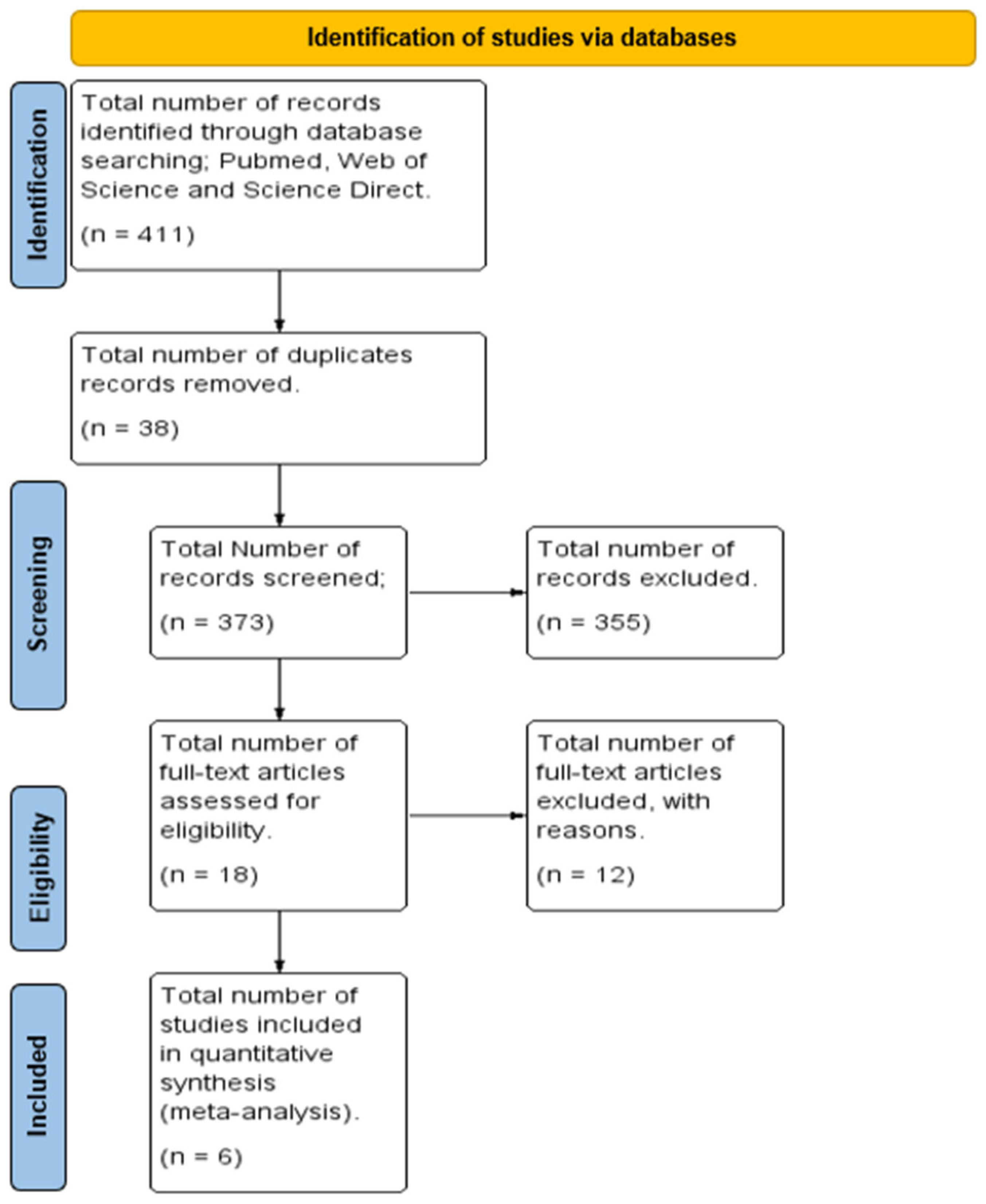
Using the approaches given in the methodology section, 411 articles were obtained in various databases: 169 in PubMed, 121 in Science direct, 121 in the Web of Science. Prior to inclusion in the systematic review and meta-analysis, the records’ eligibility was assessed using predetermined inclusion and exclusion criteria. Only six studies were chosen for this systematic review and meta-analysis based on the screening criteria shown below (see Figure 1).

3.1. Study Characteristics

The Table 1 summarizes the characteristics of included studies, with sample sizes ranging from 19 to 101 participants (and experimental models), encompassing randomized controlled trials, cohort studies, and laboratory investigations. Key outcomes assessed include intraoperative visualization, operative time, irrigation fluid usage, postoperative pain, bleeding, functional scores, and safety profiles, particularly cardiovascular effects and chondrocyte viability.

3.2. Meta-Analysis

The meta-analysis of two studies (Zhongyu et al., 2023 [9] and Fathi et al., 2017 [19]) assessed postoperative knee function. The pooled analysis demonstrated an overall odds ratio (OR) of 1.80 (95% CI: 0.61 to 5.30, p = 0.29), indicating no statistically significant difference between the intervention and control groups. The confidence interval crosses the line of no effect, further confirming the lack of statistical significance. Low heterogeneity was observed (I2 = 0%, χ2 = 0.09), suggesting consistent findings across the included studies (see Figure 2).
The meta-analysis of three studies (Zhongyu et al., 2023 [9], Lands et al., 2019 [18], and Fathi et al., 2017 [19]) revealed no statistically significant difference between the intervention and control groups in terms of postoperative pain, as measured by VAS scores. The pooled standardized mean difference (SMD) was −0.27 (95% CI: −0.63 to 0.09, p = 0.14). The analysis demonstrated low heterogeneity (I2 = 0%, χ2 = 1.19), indicating consistent findings across the included studies (see Figure 3).
The intervention group saw a statistically significant decrease in operating time, according to a pooled analysis of two investigations [15,19]. A moderate effect size favoring the experimental group was indicated by the total standardized mean difference of −0.51 (95% CI: −0.90 to −0.12, p = 0.01). (I2 = 24%, chi2 = 1.31) indicated low heterogeneity. This result implies that the intervention is linked to a significant reduction in surgical time (see Figure 4).

3.3. Assessment of Item Risk of Bias of the Included Studies

The Newcastle–Ottawa Scale, which was used to assess the quality of the included studies, demonstrated high methodological quality and a low risk of bias. All the three examined studies yielded low-risk scores. The investigations by Zhongyu et al., 2023 [9] received a 7 out of 9 score. Barroso et al., 2016 [17] and Lands et al., 2019 [18] received eight out of nine points. These continuously high scores imply strong selection criteria, robust comparability between study groups, and reliable result ascertainment across the studies (see Table 2).

3.4. Cochrane Risk of Bias Assessment

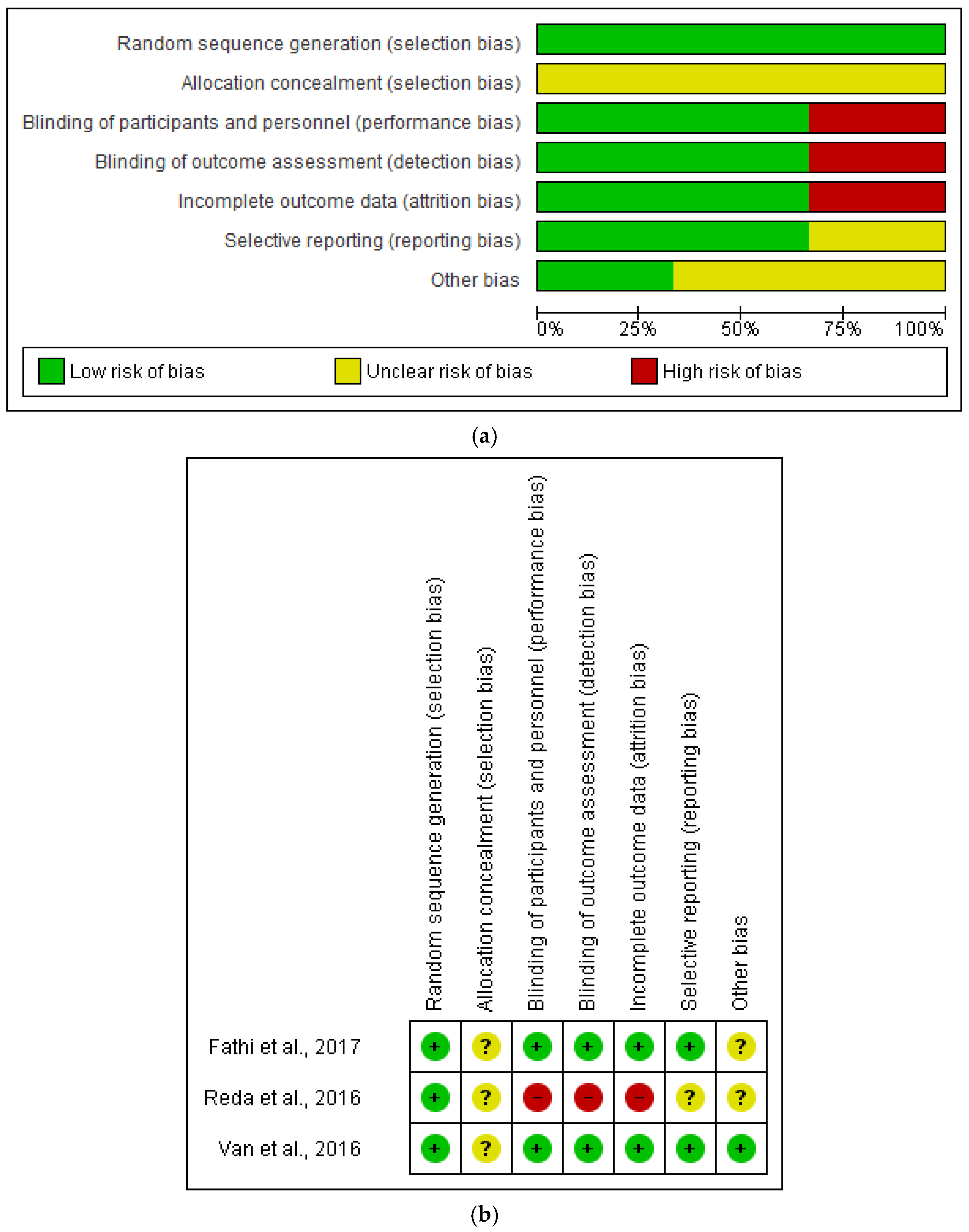
Three included RCT trials were evaluated for risk of bias, which found a consistent yet concerning pattern. In terms of dealing with missing outcome data, selective reporting, and random sequence generation, all studies (100%) demonstrated low risk. However, the prevalence of methodological ambiguities undermines the reporting. Importantly, due to insufficient reporting, all three trials (100%) had an unclear risk of bias for allocation concealment, participant, staff, and outcome assessor blinding. Furthermore, each study revealed a significant risk of “other bias”. As a result, while some features are compelling, the overall evidence need to be reported with caution due to considerable ambiguity regarding blindness and the presence of a high-risk factor (see Figure 5a,b).

4. Discussion

Anterior cruciate ligament (ACL) injuries are common in sports; they can be seen with an arthroscope in about 70% of instances of acute traumatic hemarthrosis and are frequently associated with meniscal tears in about 50% of cases [1]. By reducing soft tissue injury and enabling faster recovery while attaining comparable long-term outcomes, the switch from open surgery to arthroscopic ACL repair (ACLR) has transformed treatment. However, maintaining efficient intra-articular visualization is essential for both patient safety and surgical precision [1,2].
This meta-analysis revealed that the intervention significantly reduced operative time (SMD = −0.51, 95% CI: −0.90 to −0.12, p = 0.01), indicating improved surgical efficiency. However, there were no significant improvements in postoperative knee function (OR = 1.80, 95% CI: 0.61 to 5.30, p = 0.29) or postoperative pain (SMD = −0.27, 95% CI: −0.63 to 0.09, p = 0.14). These findings were supported by low heterogeneity (I2 = 0% for knee function and pain; I2 = 24% for operative time). The results suggest that epinephrine-added irrigation enhances surgical efficiency without compromising functional recovery or increasing patient discomfort. Contrary to these pooled findings, a study by Van et al. [15] found additional statistically significant improvements in visual clarity and fluid consumption. Epinephrine-infused irrigation may eliminate the need for a pneumatic tourniquet, as supported by Zhongyu et al. [9] and Reda et al. [16]. Furthermore, Barroso et al. [17] demonstrated that epinephrine’s benefits are preserved in local anesthetic mixtures, shortening recovery times and improving pain ratings.
Further, this review demonstrates favorable outcomes across several practical safety domains. Van et al. reported no significant changes in blood pressure or heart rate, indicating that low-dose intra-articular epinephrine has a minimal systemic cardiovascular impact [15]. These findings support the safe use of combination strategies while preserving a critical component of surgical infection prevention.
Consequently, there are two edged findings from this review. First, epinephrine-infused irrigation fluid is unquestionably efficacious, significantly enhancing visualization and operational efficiency in ACL restoration and serving as a helpful tourniquet alternative. Second, fresh evidence of potential chondrotoxicity suggests that practice needs to change and calls for a cautious, refined application. Instead of validating its value, which has already been proved, the study seeks to objectively evaluate epinephrine’s clinical efficacy and safety profile in human studies against promising alternatives such as TXA, utilizing validated measurement instruments such as those proposed by Lands et al. [18]. As a result, the gold-standard adjuvant already in use is reaching a tipping point, with its application guided by a new principle. Therefore, the fundamental requirement to safeguard the biological integrity of the joint must be balanced with the pursuit of the best arthroscopic technique.
According to this meta-analysis, the intervention did not significantly improve postoperative knee function, shorten operating time, or reduce postoperative pain. Low heterogeneity and high Newcastle–Ottawa Scale scores back up the findings. However, the drawbacks include the Cochrane risk-of-bias assessment, which suggests unknown hazards in allocation concealment and blinding, as well as a high risk of “other bias,” which jeopardizes internal validity, and a small number of trials that weaken statistical power. Furthermore, unsolved safety concerns about probable epinephrine chondrotoxicity are discovered, but they are not reflected in the clinical results studied. Future meta-analyses should focus on widening search tactics to include more papers, and prioritizing high-quality randomized controlled trials with reliable methodology. To address concerns regarding chondrotoxicity, future study should include and report standardized long-term assessments of cartilage health as a fundamental outcome measure, rather than relying solely on operational measurements.

5. Conclusions

This systematic review and meta-analysis demonstrate that adding low-dose epinephrine to irrigation fluid significantly reduces operative time during arthroscopic ACL reconstruction, indicating improved surgical efficiency. However, it does not significantly improve postoperative knee function or reduce pain. The intervention appears to be a dependable alternative to tourniquets without major systemic cardiovascular effects. Importantly, preclinical evidence raises concern about potential chondrotoxicity. Therefore, while epinephrine can be routinely used to enhance operating conditions and reduce tourniquet-related problems, surgeons should exercise caution—especially in younger patients or those with susceptible cartilage. Future high-quality randomized trials should directly compare epinephrine with tranexamic acid (TXA), evaluating both intraoperative visualization and long-term cartilage health outcomes.

Author Contributions

Conceptualization, H.R.A. and I.H.A.; methodology, H.R.A.; software, H.R.A.; validation, H.R.A., I.H.A. and A.F.A.; formal analysis, H.R.A.; investigation, H.R.A., R.M.A., W.F.A. and O.O.A.; resources, A.S.A. (Abdullah Saleh Almutairi) and K.G.A.; data curation, H.R.A., M.M.A.-H. and A.S.A. (Ali Saud Alsaud); writing—original draft preparation, H.R.A.; writing—review and editing, H.R.A., I.H.A., A.F.A. and A.H.A.; visualization, H.R.A.; supervision, I.H.A. and A.H.A.; project administration, H.R.A.; funding acquisition, I.H.A. All authors have read and agreed to the published version of the manuscript.

Funding

This research received no external funding.

Institutional Review Board Statement

Not applicable.

Informed Consent Statement

Not applicable.

Data Availability Statement

Available upon request.

Conflicts of Interest

The authors declare no conflicts of interest.

Abbreviations

The following abbreviations are used in this manuscript:
ACLAnterior Cruciate Ligament
ACLRAnterior Cruciate Ligament Reconstruction
CIConfidence Interval
GAGeneral Anesthesia
ICCIntraclass Correlation Coefficient
IKDCInternational Knee Documentation Committee
I2I-squared (Heterogeneity Statistic)
LALocal Anesthesia
MDMean Difference
NOSNewcastle–Ottawa Scale
OARSIOsteoarthritis Research Society International
OROdds Ratio
PRISMAPreferred Reporting Items for Systematic Reviews and Meta-Analyses
RCTRandomized Controlled Trial
ROMRange of Motion
SAGSShoulder Arthroscopy Grading Scale
SDStandard Deviation
SMDStandardized Mean Difference
TXATranexamic Acid
VASVisual Analog Scale

References

  1. Veltri, D.M. Arthroscopic anterior cruciate ligament reconstruction. Clin. Sports Med. 1997, 16, 123–144. [Google Scholar] [CrossRef] [PubMed]
  2. Nagashima, M.; Sasaki, R.; Tanaka, K.; Takeshima, K. The use of tourniquet is useful in terms of blood loss and soft tissue damage in arthroscopic anterior cruciate ligament reconstruction: A retrospective study. Sci. Rep. 2023, 13, 17798. [Google Scholar] [CrossRef] [PubMed]
  3. Çimen, O.; Azboy, I.; Cengiz, B.; Çavuş, M.; Karaoglu, S. Is intraoperative bleeding control useful after tourniquet release in arthroscopic anterior cruciate ligament reconstruction? Cureus 2023, 15, e44253. [Google Scholar] [CrossRef] [PubMed]
  4. Flevas, D.A.; Sarantis, M.; Tsakotos, G.; Sasalos, G.G.; Tokis, A.V. Arthroscopic anterior cruciate ligament reconstruction using neither a tourniquet nor drainage: A perioperative case series report. Life 2025, 15, 619. [Google Scholar] [CrossRef] [PubMed]
  5. Olszewski, A.D.; Jones, R.; Farrell, R.; Kaylor, K. The effects of dilute epinephrine saline irrigation on the need for tourniquet use in routine arthroscopic knee surgery. Am. J. Sports Med. 1999, 27, 354–356. [Google Scholar] [CrossRef] [PubMed]
  6. Dang, A.B.C.; McCarthy, M.B.; Dang, A.B.C.; Chowaniec, D.M.; Mazzocca, A.N.D. Effects of adding epinephrine to arthroscopic irrigation fluid on cultured chondrocyte survival in vitro. Arthroscopy 2011, 27, 1118–1122. [Google Scholar] [CrossRef] [PubMed]
  7. Sukur, E.; Kucukdurmaz, F. Comparison of cytotoxic effects of intra-articular use of tranexamic acid versus epinephrine on rat cartilage. Med. Sci. Monit. 2018, 24, 1166–1170. [Google Scholar] [CrossRef] [PubMed]
  8. Abdelrahman, T.; Tulloch, S.; Lebedeva, K.; Degen, R.M. Scoping review of complications associated with epinephrine use in arthroscopy fluid. Physician Sportsmed. 2021, 49, 500–509. [Google Scholar] [CrossRef] [PubMed]
  9. Xia, Z.; Yu, Z.; Guo, B.; Kong, X.; Guo, M.; Xu, J. Intra-articular administration of adrenaline plus an irrigation pump system for visibility during the arthroscopic reconstruction of multiple knee ligaments without a tourniquet. Front. Surg. 2023, 10, 1045839. [Google Scholar] [CrossRef] [PubMed]
  10. Zapata, A.; Serra Aguado, C.I.; Redondo, J.I.; Soto Muñoz, J.R.; Sansano-Maestre, J.; Fernández-Parra, R. Cardiovascular effects of adding adrenaline to arthroscopic knee irrigation fluid in canine diagnostic procedures. Animals 2025, 15, 1544. [Google Scholar] [CrossRef] [PubMed]
  11. Alkhatib, N.; AlNouri, M.; Abdullah, A.S.A.; Alzobi, O.Z.A.; Alkaramany, E.; Sasaki, E.; Ishibashi, Y. Tranexamic acid use in anterior cruciate ligament reconstruction decreases bleeding complications: A systematic review and meta-analysis of randomized controlled trials. Arthroscopy 2022, 38, 506–518. [Google Scholar] [CrossRef] [PubMed]
  12. Malik, S.S.; Tahir, M.; Jordan, R.W.; Kwapisz, A.; D’Alessandro, P.; MacDonald, P.B.; Woodmass, J.M. The effect of tranexamic acid and epinephrine on visual clarity during arthroscopic shoulder surgery: A meta-analysis of randomized controlled trials. Orthop. Traumatol. Surg. Res. 2024, 110, 103844. [Google Scholar] [CrossRef] [PubMed]
  13. Siegel, M.G. Editorial commentary: Epinephrine solution in arthroscopic irrigation fluid is marginally superior to intravenous tranexamic acid, but should we focus instead on using Ringer’s lactate instead of normal saline for arthroscopic clarity? Arthroscopy 2025, 41, 4469–4471. [Google Scholar] [CrossRef] [PubMed]
  14. Page, M.J.; McKenzie, J.E.; Bossuyt, P.M.; Boutron, I.; Hoffmann, T.C.; Mulrow, C.D.; Shamseer, L.; Tetzlaff, J.M.; Akl, E.A.; Brennan, S.E.; et al. The PRISMA 2020 statement: An updated guideline for reporting systematic reviews. BMJ 2021, 372, n71. [Google Scholar] [CrossRef] [PubMed]
  15. van Montfoort, D.O.; van Kampen, P.M.; Huijsmans, P.E. Epinephrine diluted saline–irrigation fluid in arthroscopic shoulder surgery: A significant improvement of clarity of visual field and shortening of total operation time. A randomized controlled trial. Arthroscopy 2016, 32, 436–444. [Google Scholar] [CrossRef] [PubMed]
  16. Reda, W.; ElGuindy, A.M.; Zahry, G.; Faggal, M.S.; Karim, M.A. Anterior cruciate ligament reconstruction; is a tourniquet necessary? A randomized controlled trial. Knee Surg. Sports Traumatol. Arthrosc. 2016, 24, 2948–2952. [Google Scholar] [CrossRef] [PubMed]
  17. Barroso Rosa, S.; James, D.; Matthews, B.D. Is knee arthroscopy under local anaesthetic a patient-friendly technique? A prospective controlled trial. Eur. J. Orthop. Surg. Traumatol. 2016, 26, 633–638. [Google Scholar] [CrossRef] [PubMed]
  18. Lands, V.W.; Avery, D.M.; Malige, A.; Stoltzfus, J.; Gibson, B.W.; Carolan, G.F. Rating visualization in shoulder arthroscopy: A comparison of the visual analog scale versus a novel shoulder arthroscopy grading scale. J. Orthop. Spine 2019, 7, 8–11. [Google Scholar]
  19. Fathi, H.M.; Ezz, G.F. Periarticular infiltration of bupivacaine versus levobupivacaine in postoperative analgesia in patients undergoing total knee arthroplasty. Res. Opin. Anesth. Intensive Care 2017, 4, 70–76. [Google Scholar]
Figure 1. PRISMA Flow Diagram.
Surgeries 07 00064 g001
Figure 2. Post-operative Knee Functions [9,19].
Surgeries 07 00064 g002
Figure 3. Postoperative Pain (VAS Scores) [9,18,19].
Surgeries 07 00064 g003
Figure 4. Operative Time [15,19].
Surgeries 07 00064 g004
Figure 5. (a) Risk of bias graph. (b) Risk of bias summary [15,16,19].
Surgeries 07 00064 g005
Table 1. This table summarizes the characteristics of the included clinical studies evaluating the safety and efficacy of epinephrine-added irrigation fluid in arthroscopic procedures, including ACL reconstruction.
Authors CountrySample SizeStudy DesignInterventionResultsConclusions
Van et al., 2016 [15]The Netherlands101 patients (52 epinephrine group, 49 control)Prospective, randomized, double-blind controlled trialEpinephrine 0.33 mg/L diluted in normal salineThe epinephrine group had significantly improved visual acuity (p = 0.002) and significantly shorter overall operational time (p = 0.008). The epinephrine group used considerably less irrigation fluid overall (p = 0.001). Bankart and SLAP repairs showed the most impact on visual clarity and a 15-min reduction in operation time. The administration of epinephrine had no discernible impact on blood pressure or heart rate.During therapeutic shoulder arthroscopy, the addition of epinephrine (0.33 mg/L) to irrigation fluid improves visual acuity while significantly cutting down on operating time and fluid consumption. Contrary to original predictions for subacromial and rotator cuff surgeries, the Bankart and SLAP procedures showed the biggest results. No adverse cardiovascular responses were noted.
Zhongyu et al., 2023 [9]China19Retrospective cohort study1 mL adrenaline (1:1000) diluted in 50 mL normal saline; 10 mL injected into the joint + 10 mL into portal sitesEvery patient was monitored for a minimum of six months. The mean VAS score, ROM, Lysholm score, and IKDC at the most recent follow-up were, respectively, 1.79 ± 0.86, 121.21 ± 10.96, 88.16 ± 5.21, and 88.53 ± 5.06. Tegner activity on average level dropped considerably between pre-injury and post-operation (5.16 ± 0.83 vs. 3.11 ± 0.88, p < 0.001). Out of the 19 patients, only two (10.53%) had asymptomatic knees with positive Lachman tests, whereas 17 (89.47%) had adequate knee function.
During arthroscopy, 17 patients (89.47%) had good or excellent visualization. In order to obtain a clean surgical vision, three (15.79%) of the 19 patients needed higher fluid pressure. Due to ongoing intra-articular bleeding following the use of shavers, two patients underwent tourniquet inflation.
In order to obtain a good vision field, it is advised to provide adrenaline intra-articularly along with an irrigation pump system. More evidence-based research with a bigger sample size is required.
Reda et al., 2016 [16]Egypt 58 (29 per group)randomized controlled trialAdrenaline 1 mg + morphine 10 mg per 250 mL saline (final adrenaline concentration 4 mg/L, approx. 1:250,000) injected intra-articularlyAnalysis of fifty-eight patients was possible. At 4 and 10 h, the A group’s level of discomfort and requirement for analgesics were noticeably higher. At 24 h after surgery, the amount in the surgical drain was greater in the A group (p = 0.001). There was a significantly significant girth difference between the calf and thigh measurements at two weeks. between the two groups (p = 0.001).This study demonstrated that the effects on muscular strength are transient and that the use of tourniquets in ACL reconstruction enhances immediate post-operative discomfort and hemarthrosis symptoms. A combination of morphine and adrenaline can be used in place of the tourniquet without affecting visibility or operating time.
Barroso et al., 2016 [17]Australia82 (48 LA, 34 GA)Prospective controlled clinical trialAdrenaline added to bupivacaine/lidocaine mix (0.5% bupivacaine + 1% lignocaine, both with adrenaline)The LA group’s recovery time was significantly shorter—14 min and 55 s as opposed to 72 min and 25 s (p = 0.004). When compared to the GA group, the LA group’s pain levels were noticeably lower. There were no LA failures that led to conversion to GA, and there was no difference in patient satisfaction between the two groups. 4.81/5 in the LA group and 4.88/5 in the GA group. 34 patients entered the GA group and 48 patients joined the LA group. Both groups received comparable intraarticular treatments and showed comparable demographic characteristics.LA is a dependable choice for patients undergoing KA when it comes to anesthesia. When compared to GA, the use of LA reduces recovery time and postoperative pain while maintaining comparable levels of patient satisfaction.
Lands et al., 2019 [18]USA20 video clips (from a library of procedures)Diagnostic reliability study (comparison of two rating scales)Not specifiedThe VAS and SAGS showed excellent consistency and interobserver reliability across raters, with intraclass correlation values (ICCs) of 0.96 and 0.97, respectively. Five out of six raters had strong intraobserver variability on the VAS and SAGS, with ICCs ranging from 0.87 to 0.97 and 0.61 to 0.93, respectively.Both the VAS and the SAGS can be used to quantify visualization in shoulder arthroscopy with a strong-to-excellent degree of consistency.
Fathi et al., 2017 [19]Egypt 44 patients (22 per group)Randomized, double-blinded, comparative studyL Group: 150 mg levobupivacaine HCl, 0.25% concentration.
Group: 150 mg bupivacaine HCl, 0.25% concentration.
Both Groups: +0.3 mg of adrenaline (1/200,000 concentration) diluted in normal saline to a total volume of 60 mL.
Regarding preoperative data, there was no discernible difference between the two groups. The two groups’ levels of pain management were similar. There were no notable complications found. Both groups showed good functional recovery, although the B group’s mean degree of knee maximum flexion was higher.For patients undergoing complete knee replacement, periarticular levobupivacaine and bupivacaine have similar analgesic effects.
GA—general anesthesia; ICC—intraclass correlation coefficient; IKDC—International Knee Documentation Committee; LA—local anesthesia; ROM—range of motion; SAGS—Shoulder Arthroscopy Grading Scale; SLAP—superior labrum anterior to posterior; VAS—visual analog scale.
Table 2. Newcastle–Ottawa Risk of Bias Assessment Tool.
AuthorsSectionComparabilityOutcomeRisk of Bias Scores (0–3: High, 4–6: Moderate, 7–9: Low)Quality Score
Q1Q2Q3Q4Q5Q6Q7Q8
Zhongyu et al., 2023 [9]111101117/9Low Risk
Barroso et al., 2016 [17]111111118/9Low Risk
Lands et al., 2019 [18]101121118/9Low Risk
The methodological quality was graded using the nine aspects of the Newcastle–Ottawa Scale, which are divided into three categories (selection, comparability, and result). A study with a score of 7 to 9 is regarded good quality and has a low risk of bias; research with a score of 4 to 6 is considered fair quality and has a moderate risk; and research with a score of 0 to 3 is considered low quality and has the greatest risk of bias.
Disclaimer/Publisher’s Note: The statements, opinions and data contained in all publications are solely those of the individual author(s) and contributor(s) and not of MDPI and/or the editor(s). MDPI and/or the editor(s) disclaim responsibility for any injury to people or property resulting from any ideas, methods, instructions or products referred to in the content.