Article

Complex Scene Occluded Object Detection with Fusion of Mixed Local Channel Attention and Multi-Detection Layer Anchor-Free Optimization


School of Information, Beijing Wuzi University, Beijing 101149, China
*
Author to whom correspondence should be addressed.
Automation 2024, 5(2), 176-189; https://doi.org/10.3390/automation5020011

Submission received: 6 May 2024 / Revised: 4 June 2024 / Accepted: 15 June 2024 / Published: 17 June 2024

Abstract

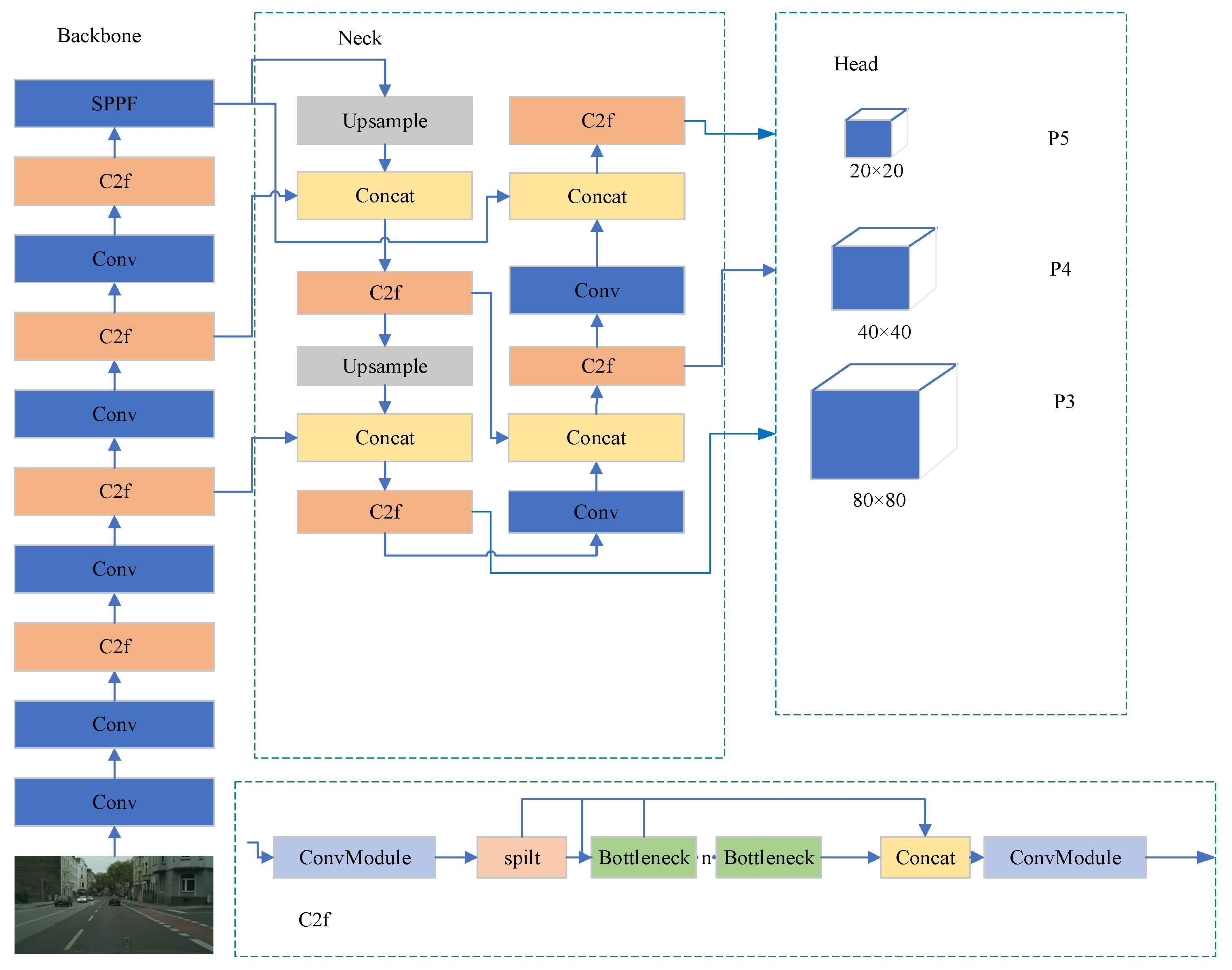
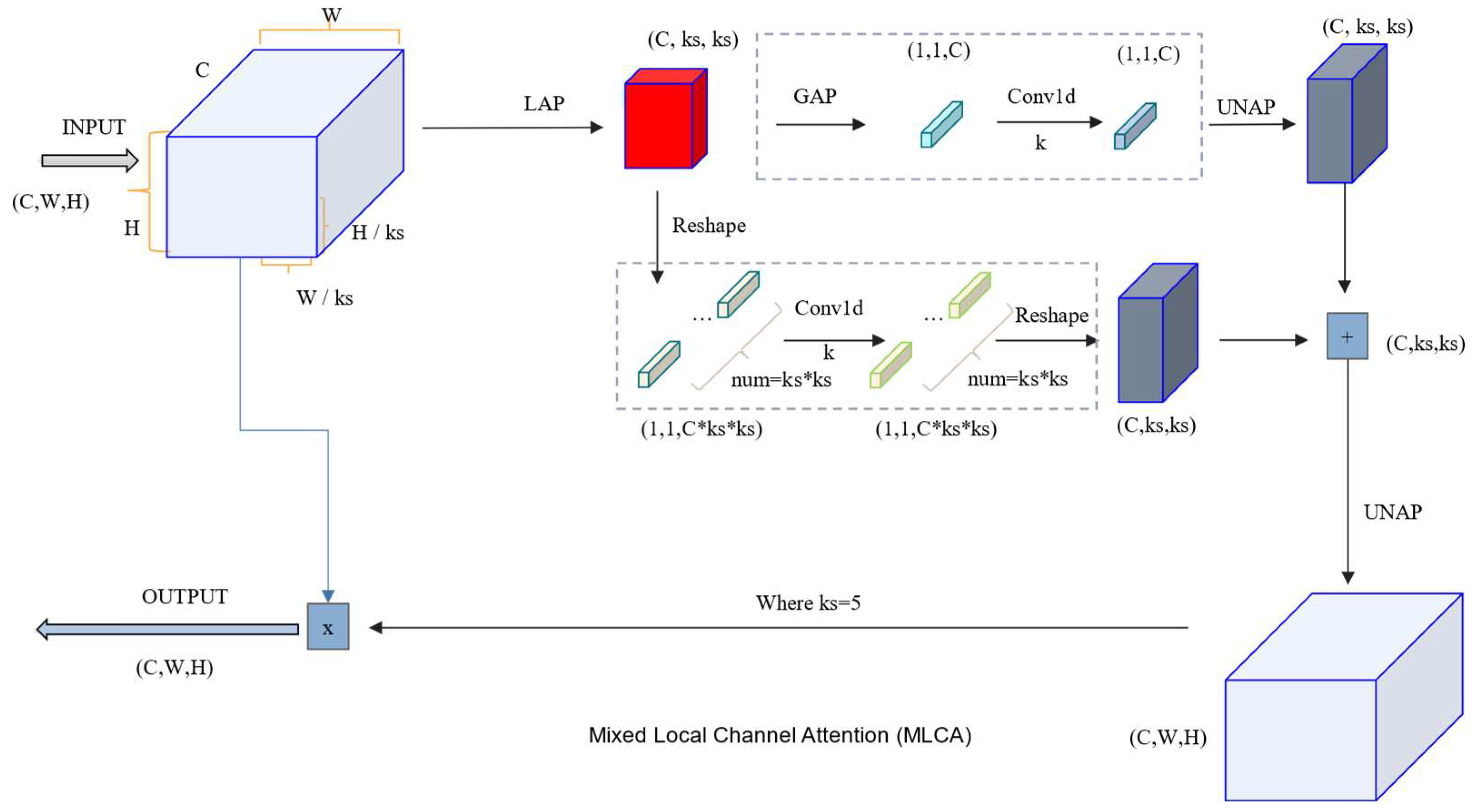
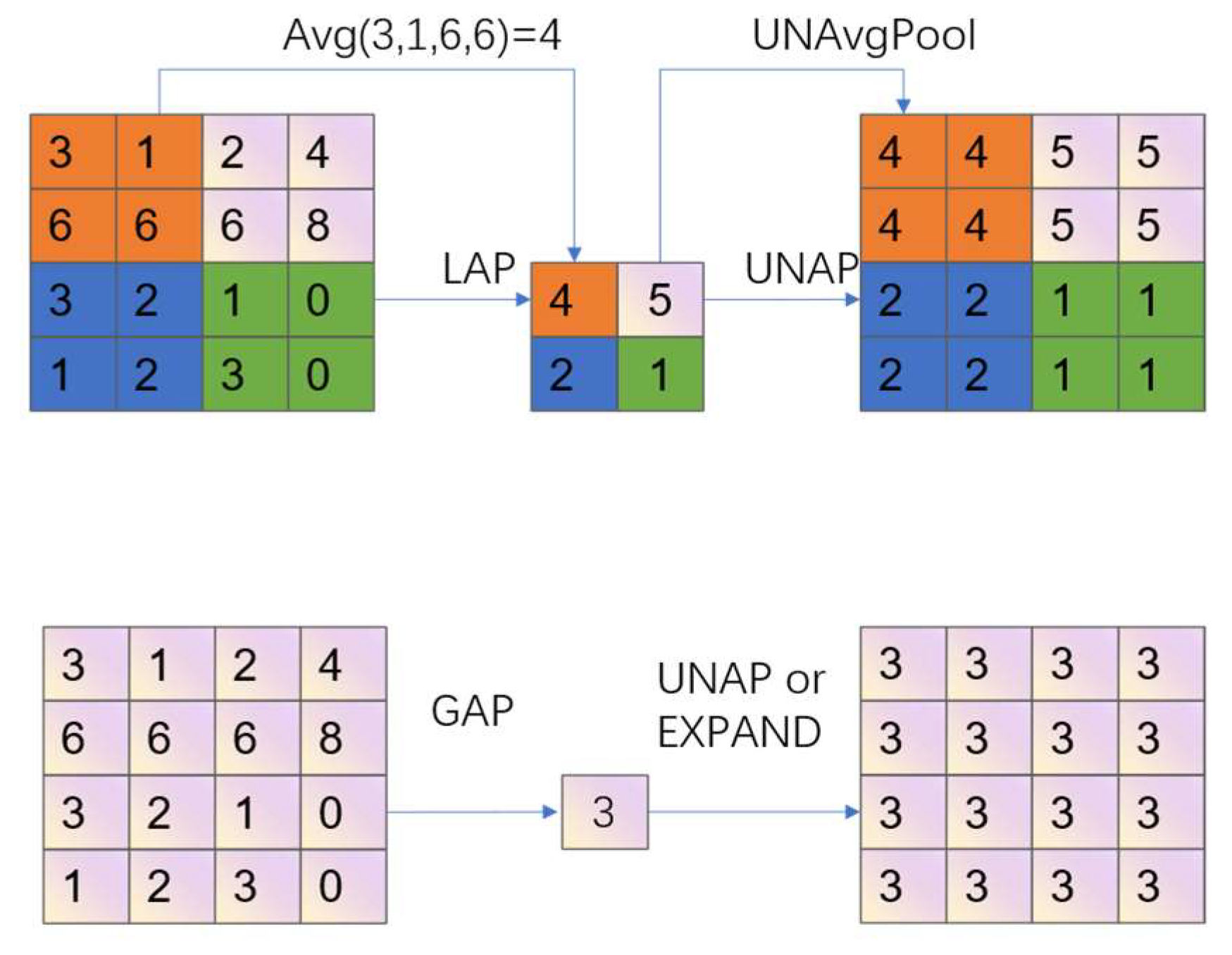
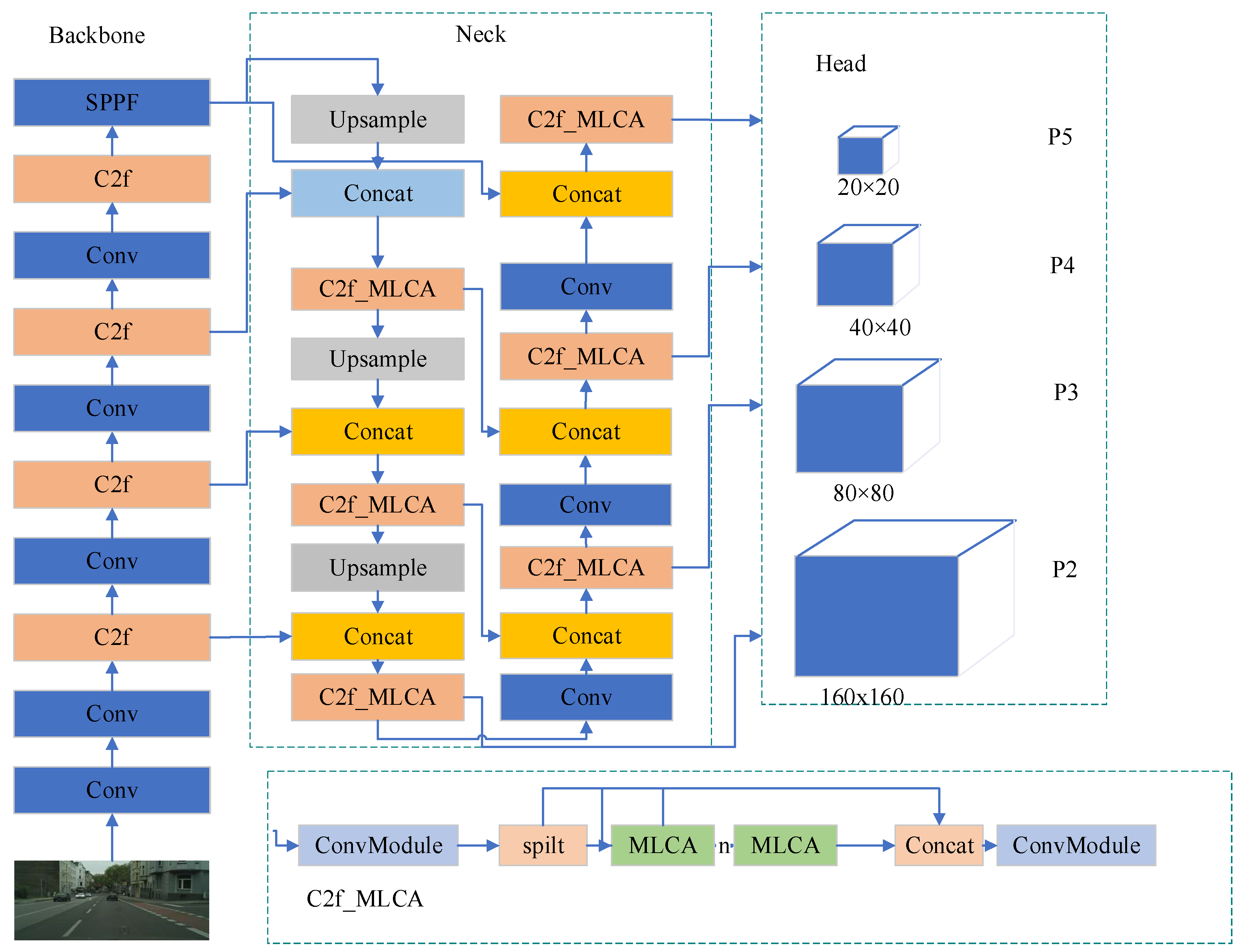
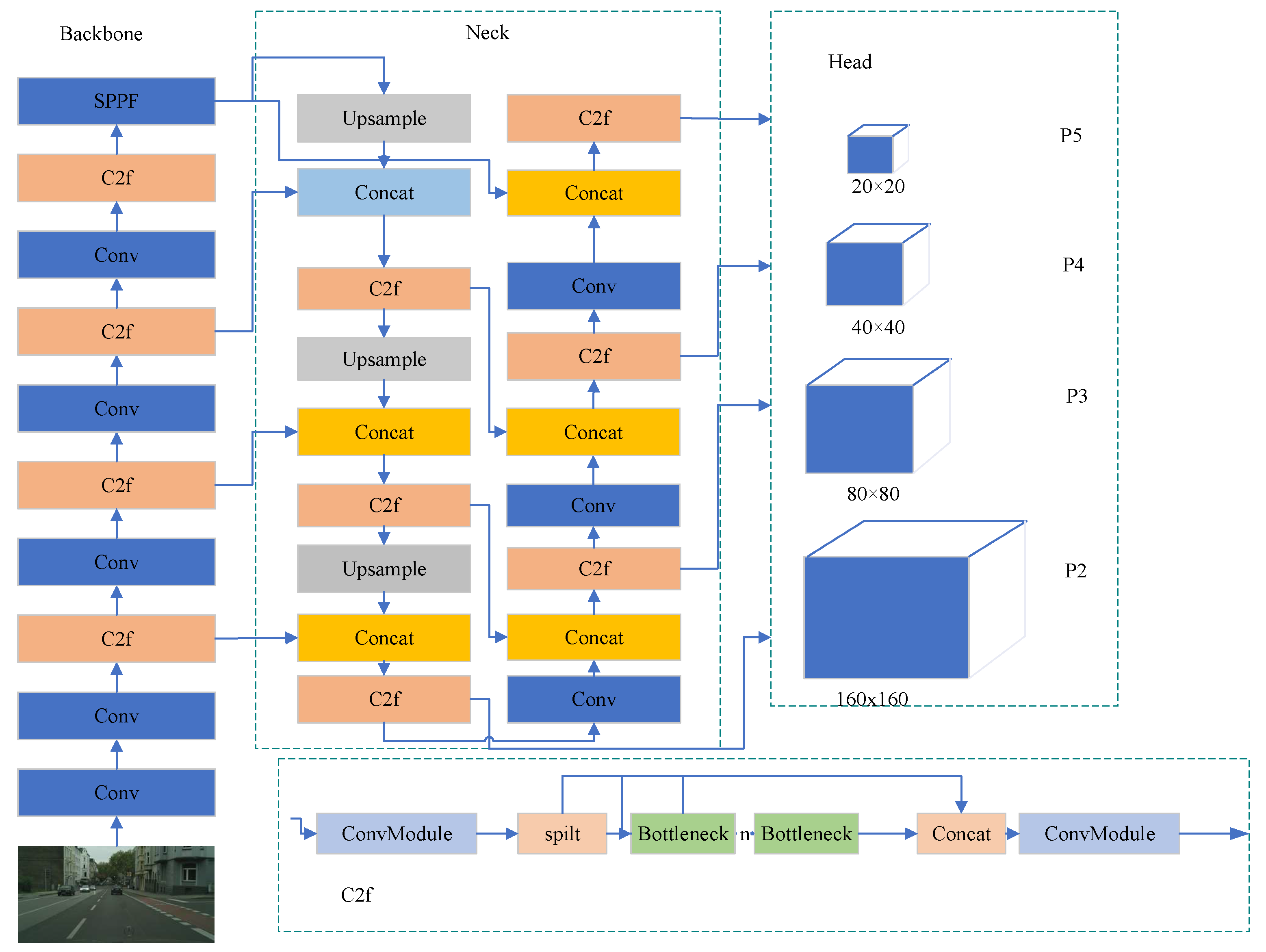
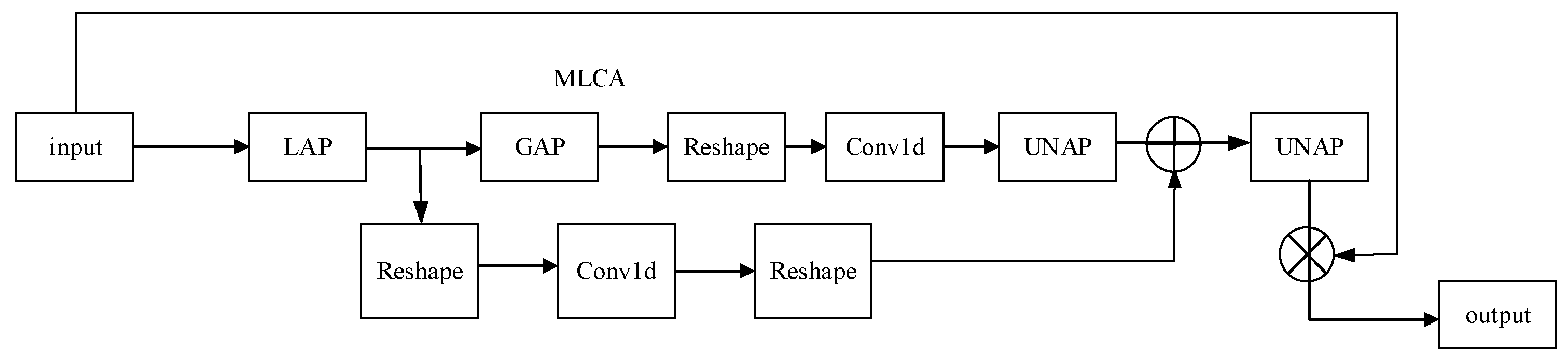
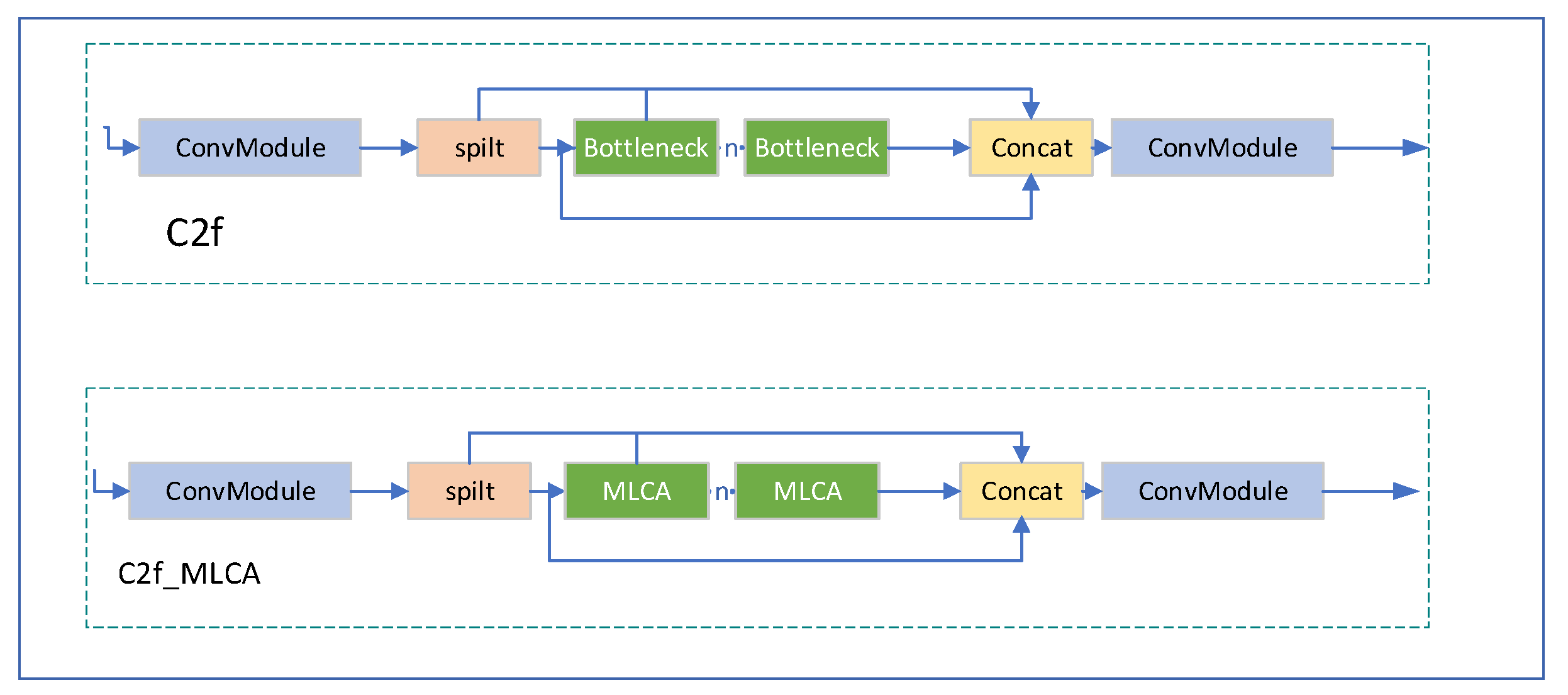
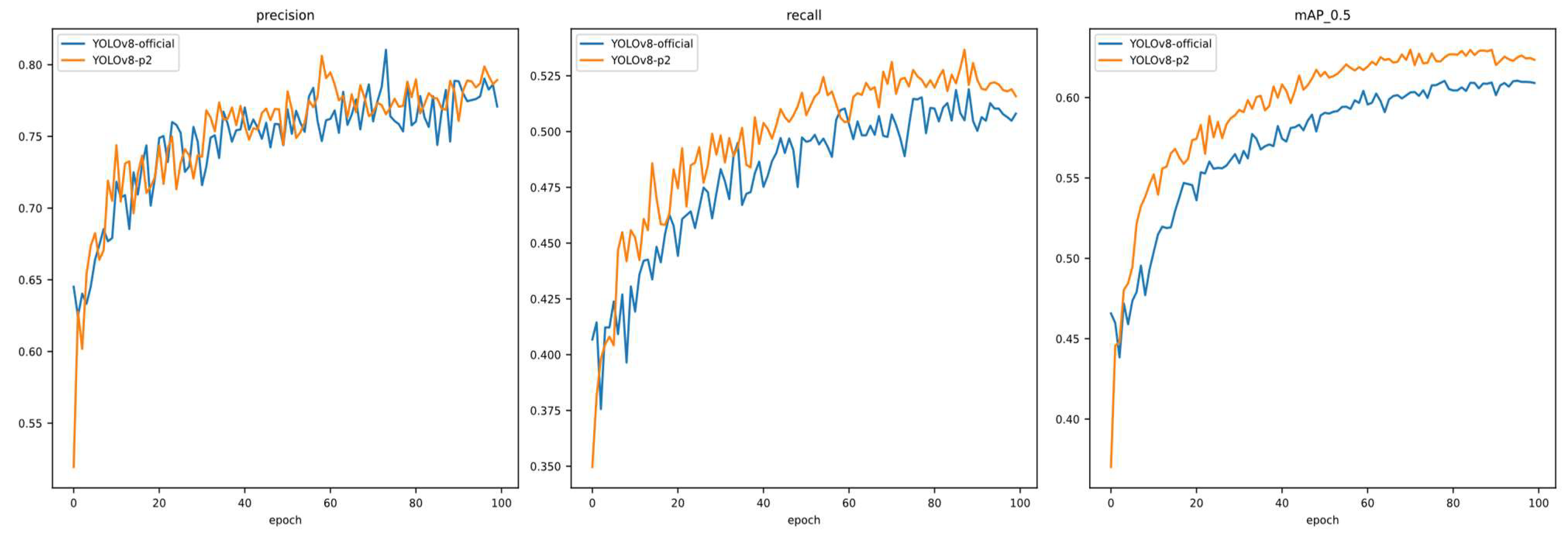
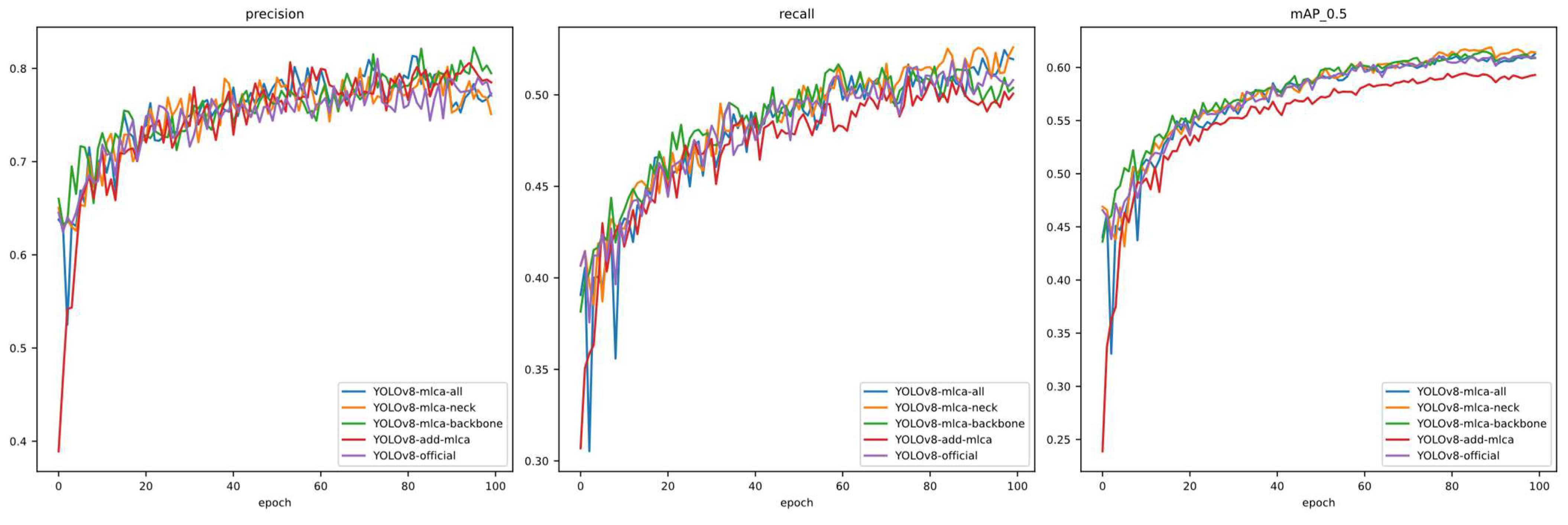
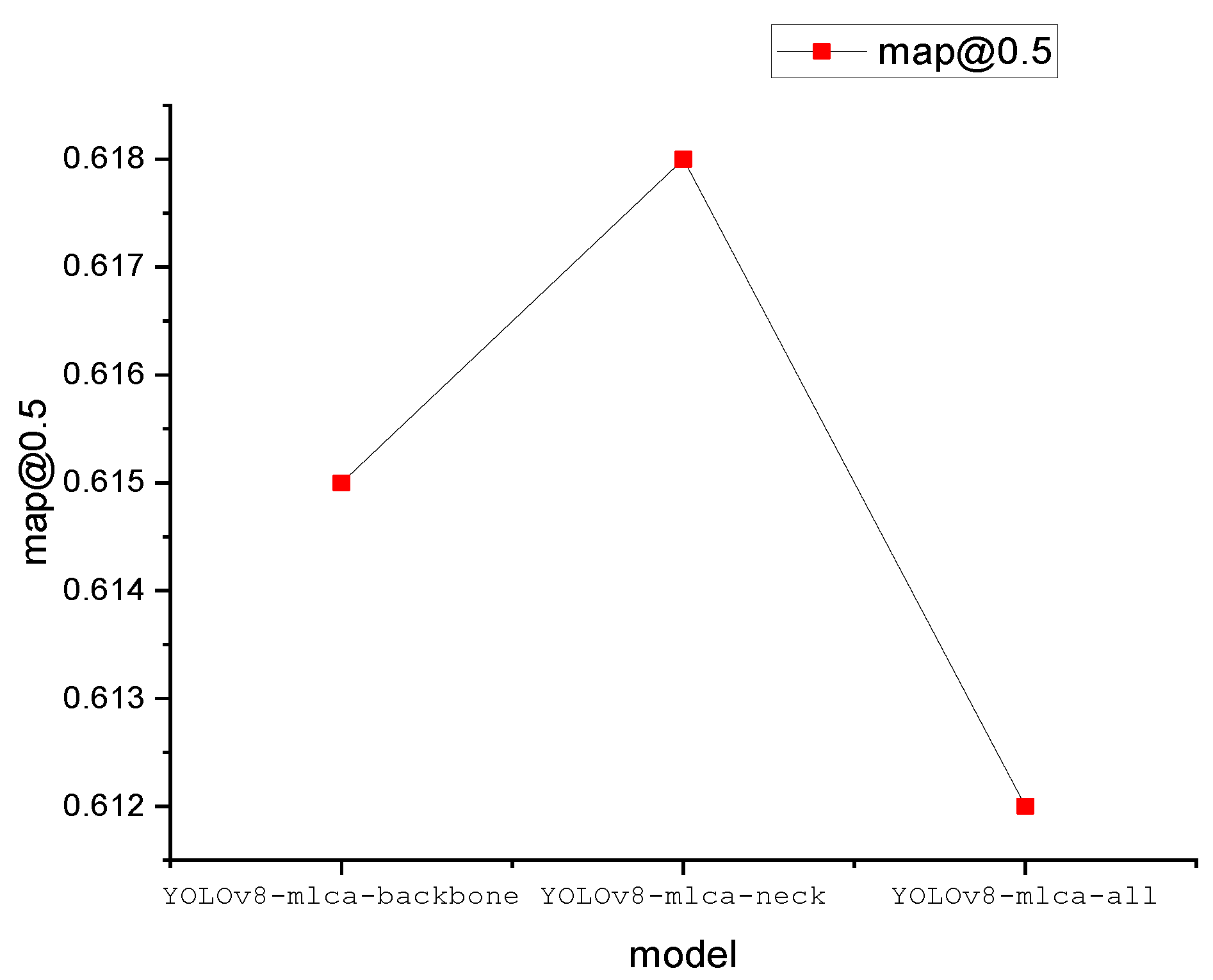
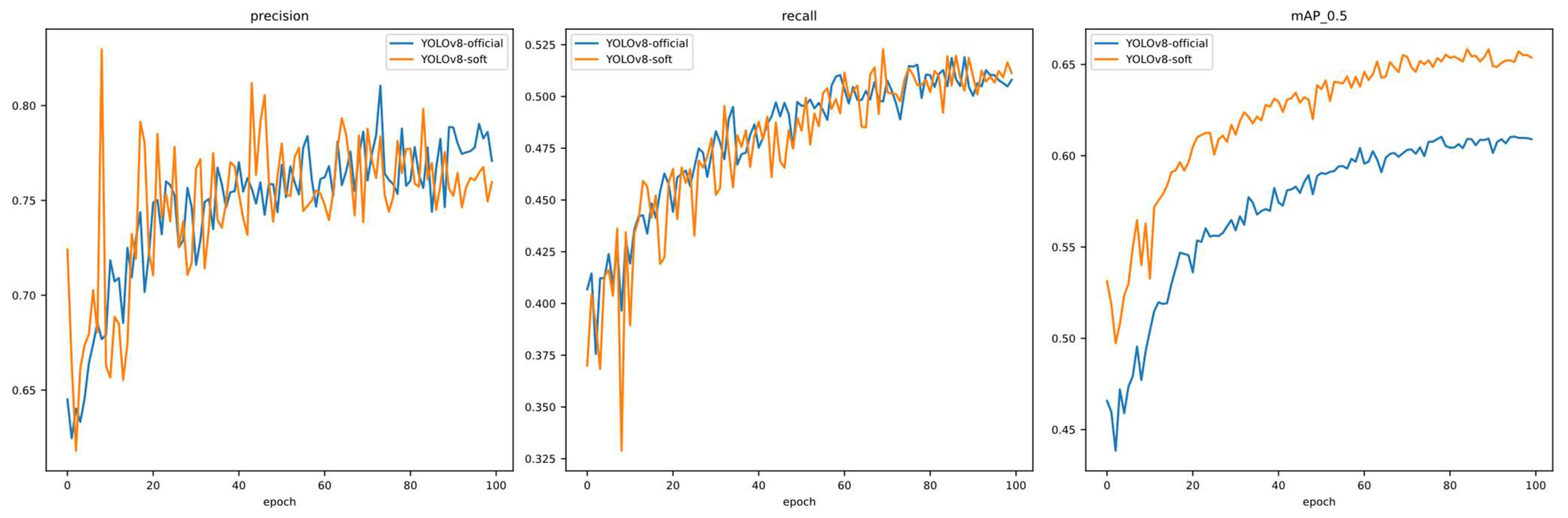
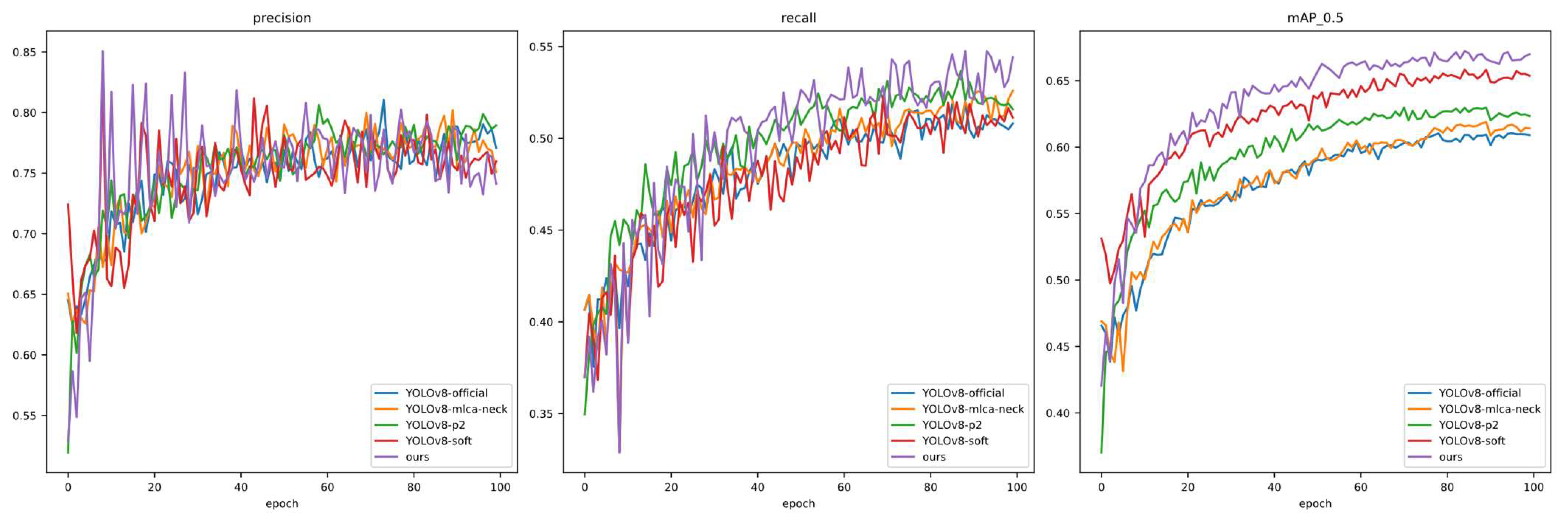
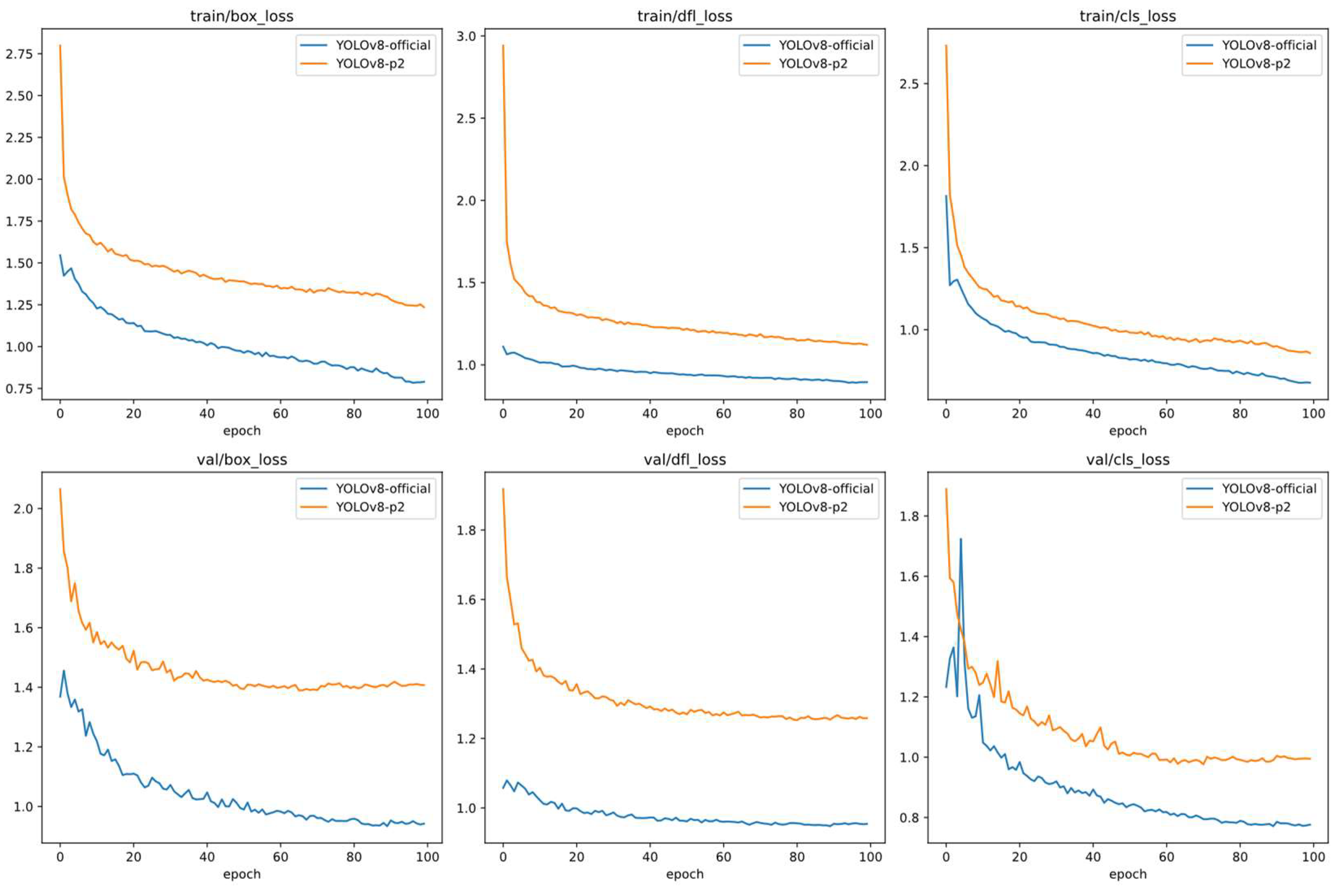
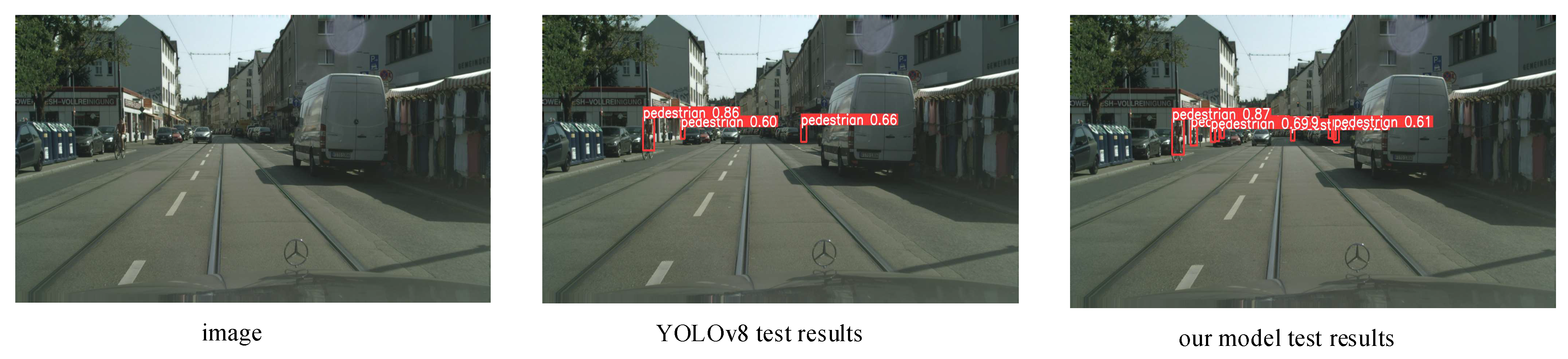
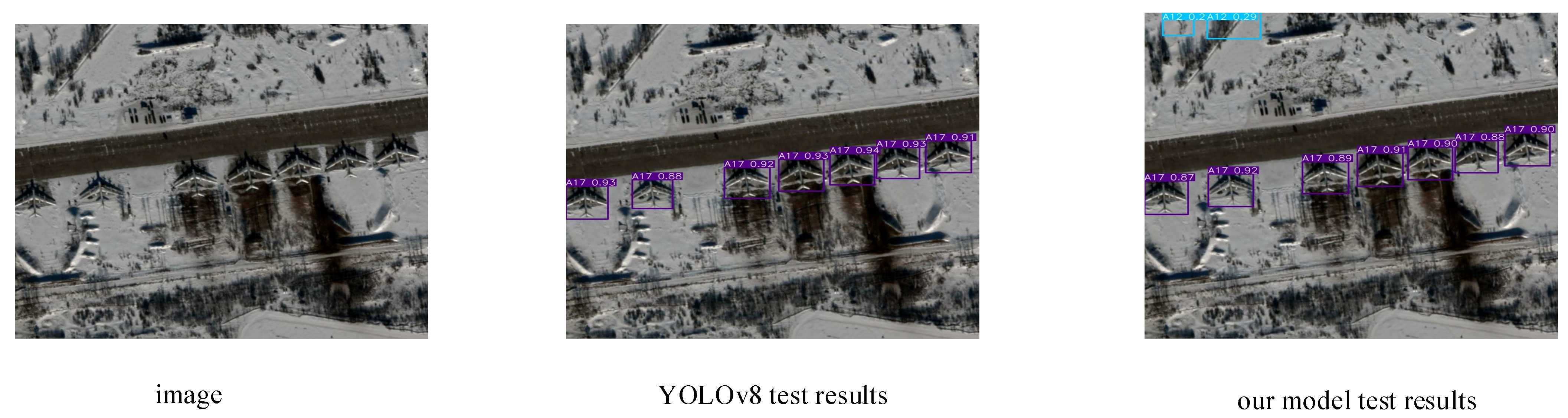
The field of object detection has widespread applicability in many areas. Despite the multitude of object detection methods that are already established, complex scenes with occlusions still prove challenging due to the loss of information and dynamic changes that reduce the distinguishable features between the target and its background, resulting in lower detection accuracy. Addressing the shortcomings in detecting obscured objects in complex scenes with existing models, a novel approach has been proposed on the YOLOv8n architecture. First, the enhancement begins with the addition of a small object detection head atop the YOLOv8n architecture to keenly detect and pinpoint small objects. Then, a blended mixed local channel attention mechanism is integrated within YOLOv8n, which leverages the visible segment features of the target to refine the feature extraction hampered by occlusion impacts. Subsequently, Soft-NMS is introduced to optimize the candidate bounding boxes, solving the issue of missed detection under overlapping similar targets. Lastly, using universal object detection evaluation metrics, a series of ablation experiments on public datasets (CityPersons) were conducted alongside comparison trials with other models, followed by testing on various datasets. The results showed an average precision (map@0.5) reaching 0.676, marking a 6.7% improvement over the official YOLOv8 under identical experimental conditions, a 7.9% increase compared to Gold-YOLO, and a 7.1% rise over RTDETR, also demonstrating commendable performance across other datasets. Although the computational load increased with the addition of detection layers, the frames per second (FPS) still reached 192, which meets the real-time requirements for the vast majority of scenarios. Such findings indicate that the refined method not only significantly enhances performance on occluded datasets but can also be transferred to other models to boost their performance capabilities.
Keywords: autonomous driving; occluded object detection; mixed local channel attention; YOLOv8n; Soft-NMS autonomous driving; occluded object detection; mixed local channel attention; YOLOv8n; Soft-NMS