Review

Use of Hydrothermal Treatment for Anaerobic Digestion of Dairy Manure: Process, Perspectives, and Challenges


1
Biological Systems Engineering, Washington State University, Pullman, WA 99163, USA
2
Department of Chemistry, Northwestern University, Evanston, IL 60208, USA
*
Author to whom correspondence should be addressed.
Fuels 2026, 7(3), 49; https://doi.org/10.3390/fuels7030049
Submission received: 12 May 2026 / Revised: 17 June 2026 / Accepted: 13 July 2026 / Published: 21 July 2026

Abstract

Effective management of dairy manure is crucial for reducing environmental and public health risks. This waste material can serve as a viable source of bioenergy via anaerobic digestion. The recalcitrance of lignocellulosic fiber in manure presents challenges for its efficient conversion to methane. Hydrothermal pretreatment of manure fiber improves process performance by deconstructing the lignocellulosic structure. Low-temperature hydrothermal treatment (90–180 °C) of lignocellulosic biomass optimally enhances the AD process performance by limiting the formation of inhibitory compounds such as furfurals. The integration of an optimal hydrothermal pretreatment within an anaerobic digestion system can improve the homogeneity, miscibility, and digestibility of dairy manure, thereby enhancing biogas yield. This review examines the hydrothermal treatment of lignocellulosic biomass, with a focus on dairy manure, the water chemistry involved in pretreatment, relevant process parameters, and the challenges faced in anaerobic digestion.

1. Introduction

The growing global demand for energy sources has sparked significant interest in renewable energy [1,2,3]. Bioenergy mainly comes from lignocellulosic biomass, such as wood, forestry residues, marine products, animal manure, and wastewater sludge [4,5,6,7,8,9]. Animal waste holds considerable potential as a feedstock for this purpose. The dairy industry in the United States generates approximately 19 million tons of waste annually [10,11]. Directly applying large amounts of manure from concentrated animal feeding operations (CAFOs) raises social and environmental concerns. Pathogenic microorganisms are routinely present in dairy manure, and their persistence poses significant environmental and public-health risks. Excessive manure application to soil can cause nutrients leaching into groundwater or runoff that leads to eutrophication [6,7,12,13]. It is crucial to address the spread of potential pathogens associated with manure waste. Converting animal manure into bioenergy through anaerobic digestion offers an effective method for transformation and waste management, thereby lessening ecological impacts [13,14,15] and supporting energy security along with positive socioeconomic benefits. Historically, producing alternative fuels and value-added chemicals from waste biomass has relied primarily on two conversion pathways: thermochemical and biochemical methods. Biochemical processes are mostly well-developed and widely employed, as documented in the current literature [16,17]. However, these methods alone are not efficient for treating lignin-rich organic waste, such as dairy manure. Conventional thermochemical technologies like pyrolysis and gasification are not suitable for processing biomasses with high moisture content, including dairy manure [18,19,20,21]. Conversely, various types of solid and liquid biomass waste—including high-organic-content wastewater, animal manure, and agricultural residues—can produce biogas through anaerobic systems.
Anaerobic digestion (AD) is an established technology that converts the organic part of waste biomass into sustainable fuel, specifically methane, in the absence of oxygen [22,23,24]. It can (AD) serve as an effective treatment method of wastes from animal agriculture, offering advantages across various concerns [1,25]. The primary benefit of anaerobic digestion of dairy manure is the mitigation of uncontrolled methane emissions and their detrimental impact on greenhouse gases. AD provides notable advantages for dairy farms, such as odor management, waste stabilization, insect management, pathogen reduction, nutrient conservation, and mineralization. Numerous studies have documented the conversion of manure waste into renewable energy, specifically methane gas through anaerobic digestion [26,27]. Dairy cow manure is a readily accessible resource employed in anaerobic digestion. AD is executed through sequential and separate phases: Hydrolysis, Acidogenesis, Acetogenesis, and Methanogenesis [5,28,29]. Among these stages, hydrolysis is widely recognized as the most challenging and rate-limiting step, particularly when processing lignocellulosic or fiber-rich substrates such as dairy manure [13]. Harsh chemical or thermal pretreatment of lignocellulosic biomass often leads to the formation of inhibitory compounds, such as furfural, HMF, and a variety of soluble phenolics derived from lignin depolymerization. In addition, biogas production from manure waste is constrained by factors including challenging degradability, a low C/N ratio, and minimal volatile solids (VS) [23,30,31]. The slow and partial degradability of manure constitutes the primary bottleneck of the conventional anaerobic digestion process.
A drawback is that anaerobic microbes can convert only a specific proportion of organic mass into CH4 during digestion. A substantial amount of carbon still stays in the digestate in the forms of cellulose, hemicellulose, lignin, and proteins [23,32,33]. Research studies have indicated that hydrolysis is the foremost rate-limiting step [5,34]. Diverse feedstock types can be utilized in the anaerobic digestion process to produce fuel and value-added products [35,36,37,38]. Biogas composition depends entirely on the substrate used and digestion conditions [24,39]. Biogas mostly comprises methane and carbon dioxide, along with trace quantities of other gases like nitrogen, hydrogen, hydrogen sulfide, ammonia, and water vapor.
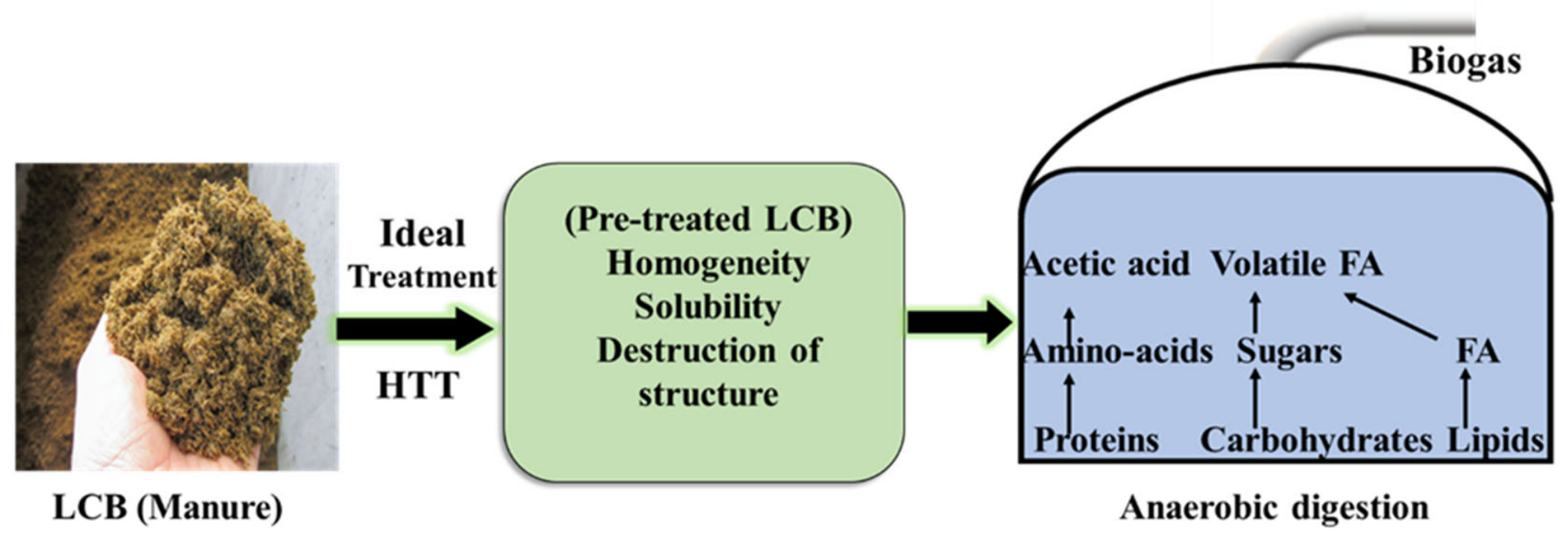
Prior research on pretreatment for AD mostly concentrated on the hydrothermal treatment of various lignocellulosic biomass, including algal biomass, sewage sludge, and food waste inside the biorefinery process [4,40,41,42]. However, process inhibition is commonly noticed during digestion [24,43,44,45]. Animal dung consists of lignocellulosic fibers that remain undigested by the animals. Dairy cow excrement contains approximately 40–50% fibrous lignocellulosic material, primarily derived from plant sources, that remains undigested in bovine rumen [46]. The resistant nature of manure fiber hinders the rapid access of microbes to the feedstock [47]. Together with proteins and extractives, lignocellulosic biomass (LCB) is mostly made up of three polymers: cellulose, hemicellulose, and lignin. These polymers are arranged in intricate, non-uniform three-dimensional structures to differing degrees and with various relative compositions depending on the type of lignocellulosic biomass [3]. In anaerobic environments, lignin exhibits resistance to breakdown due to intermolecular interactions and the crystallinity of cellulose fibers. It also limits the hydrolysis efficiency of cellulases. The diversity and intricacy of their structures account for their rate-limiting stages and process inhibition. Therefore, pretreatment is often needed before use in AD for biogas production [22,48]. Numerous studies performed on various pretreatment techniques evaluated the advantages and disadvantages of each treatment ahead of the anaerobic digestion process [32,49,50,51]. Nevertheless, optimal hydrothermal pretreatment, particularly for wet biomass, such as dairy manure, is scarce. Figure 1 shows the schematic integrated hydrothermal treatment of dairy manure.
For the methodological approach used in this review, Google Scholar served as the primary search engine used to identify the most recent and relevant publications. Keywords related to anaerobic digestion, dairy manure pretreatment, hydrothermal processing, and biogas enhancement were used to retrieve peer-reviewed articles, reviews, and technical reports. Peer-reviewed literature on low-temperature treatment of dairy manure is limited, and the few available studies focus mainly on low-temperature anaerobic digestion (AD) rather than broader thermal or physicochemical treatments. Because of the limited literature specifically addressing hydrothermal pretreatment of dairy manure, this review focuses on the general structural changes that occur in lignocellulosic biomass during hydrothermal treatment. It also examines how these transformations influence dairy-manure degradation, water chemistry and process parameters prior to anaerobic digestion.

2. Hydrothermal Processing

Hydrothermal liquefaction converts biomass into liquid bio-crude [20,52]. Hydrothermal processing produces a high yield of an aqueous phase, thereby enhancing the potential methane yield through anaerobic digestion [4,42,53,54]. Coupling hydrothermal processing with anaerobic digestion could be an alternative strategy to enhance overall process performance [4,55]. Most organic solid waste can be destroyed and dissolved by advanced technology in the presence of oxidizing agents [10,56,57]. In this process, complex organic solid wastes are broken down into smaller molecules, including short-chain acids, bio-crude oil, carbon dioxide, and water [29,58]. Hydrothermal oxidation transforms heteroatomic biomass species into safe products, unlike the harmful byproducts of carbonization and combustion, such as ammonia and nitrogen oxides (NOx) [10]. The hydrothermal process is receiving increasing attention because of the unique inherent properties of high-temperature water [59]. The supercritical state of water has a high ion yield and a low dielectric constant, which are favorable for promoting chemical reactions without catalysts. On the other hand, subcritical water behaves like an extremely reactive liquid. HTT offers several advantages over other thermochemical technologies, including the absence of acid-base catalysts, compatibility with a wide range of bioresources, complete utilization of carbon content, and, most importantly, the production of low-oxygen-content bio-oil as the main product [5,60]. Given its promise for treating wet waste (dairy manure), this review aims to provide the pretreatment chemistry of hydrothermally treated waste and its potential use as a pretreatment for AD. Integrated hydrothermally processed waste in a versatile AD bio-refinery can offer a sustainable and cost-effective solution to current waste disposal problems and resource recovery from organic solid waste. Among these, co-digestion of protein- and lipid-rich waste biomass (food waste) with dairy manure is an evolving field of sustainable AD biorefinery [61,62,63].

3. Dairy Manure AD System: A Potential Future Energy Source

Dairy manure is a low-value energy source with significant potential for biogas [5,26,64]. The chemical composition and properties of manure are significantly influenced by the digestibility, protein, and fiber contents of the forage, the age of the animals, and the environment of the CAFO system [34,65,66]. CAFOs are a sustainable source of refuse biomass that generates manure year-round [67]. The rise in the number of CAFOs has resulted in an excess of manure relative to the needs of local cropland. The misuse of manure can spread various pathogens and organic contaminants, negatively impacting human health and the ecosystem upon environmental release [14,31,68] Intensified livestock production constitutes a significant source of greenhouse gas emissions (CO2, N2O, and CH4). Methane emissions during manure handling and storage are particularly concerning due to their high global warming potential [69]. Animal manures provide essential nutrients, particularly nitrogen (N) and phosphorus (P), which are vital for crop growth [58,70]. Nonetheless, these highly mobile nutrients have emerged as non-point source contributors to eutrophication in multiple aquatic systems [10,15,71,72]. To mitigate these environmental impacts, advancements in treatment and management technologies are necessary, considering both ecological protection and the economic feasibility of the processes involved [23,32,33]. Stockpiled manure provides a comfortable habitat and safe ground for the growth of various pests, ranging from insects to rodents. More importantly, anaerobic digestion addresses current issues such as odor management, water pollution, pathogen reduction, pest control, and greenhouse emission reductions [73]. On average, dairy manure contains 31% cellulose, 12% hémicellulose, 12.2% lignin, 12.5% crude proteins, and 12.5% starch [22,65,74]. The carbohydrate components, specifically cellulose and hemicellulose, become fermentable following hydrolysis [75]. Therefore, manure can serve as a biorefinery feedstock via anaerobic digestion. The AD system offers several important benefits without demanding cumbersome and costly maintenance procedures. These systems can be adjusted to suit the climatic conditions of any country [34,70]. A critical component of dairy manure is the recalcitrant fibrous material that survives the cow’s digestion process [55,76]. Research indicates that only 20–30% of the initial manure fiber is converted into methane [47]. This incomplete conversion leads to a substantial volume of digests and an aqueous mixture of effluents that are suitable for agronomic applications [77]. AD fiber presents numerous potential avenues for revenue enhancement, including applications in dairy bedding, soil amendments, composite materials, and liquid fuel, etc. [4,77]. These organics require further processing to optimize their economic value [34]. Consequently, pretreating manure before anaerobic digestion is an effective strategy to enhance digestion efficiency and increase biogas production [34,77]. Table 1 presents representative compositions of lignocellulose in dairy manure. Dairy manure also contains various extractives, including lipids, proteins, starch, and inorganic substances. The anaerobic digestion (AD) process is intricate; however, understanding the lignocellulosic composition of manure informs suitable pretreatment methods applicable to each type.
The data in Table 1 exhibits variation and significant dispersion. The digestibility of animals varies across different regions of the world [36,80]. Cellulose serves as the primary structural element of cell walls, contributing to the mechanical strength and chemical stability of lignocellulosic biomass. Hemicellulose is a copolymer that is composed of a variety of C-5 and C-6 carbohydrates that are present in the cell wall [16,49]. After hydrolysis, the carbohydrate components (cellulose and hemicellulose) are fermentable. Nevertheless, the intrinsic attributes of lignocellulosic dairy manure, including its structural and chemical qualities, render it resistant to biodegradation by enzymes and microorganisms [24,81]. Lignin is an amorphous phenolic macromolecule characterized by significant variability due to the coupling of 4-hydroxyphenylpropanoids. Lignin generally serves as a significant impediment to the biochemical conversion of lignocellulosic biomass, such as dairy manure [82,83]. The valorization of lignin-rich fractions in an anaerobic digestion process can be enhanced through effective pretreatment. A sustainable and cost-effective solution is essential for the disposal and resource recovery of organic solid waste.

4. Pretreatment of Lignocellulosic Biomass

Pretreatment is the initial phase in addressing the recalcitrance of lignocellulosic material for anaerobic digestion [49,50]. It pertains to the disruption of lignocellulosic biomass to render cellulose and hemicellulose in the pretreated solids accessible for enzymatic hydrolysis into fermentable sugars [84,85]. The primary objective of pretreatment is to reduce size, enhance surface area, minimize inhibitor development for fermentation, and recover lignin for conversion into useful products [86,87]. Thermochemical methods appear to be more effective than various biological, chemical, and physical pretreatments in enhancing cellulose susceptibility to enzymatic action. The traditional pretreatment methods include direct anaerobic digestion, without any treatment, cost-intensive and chemical and energy-intensive [29]. The management of organic solid waste across various temperature ranges improves anaerobic digestibility [22,88,89].
Various pretreatment methods, including thermal, chemical, biological, and mechanical, have been documented in the literature before the anaerobic digestion process on primary sludge and lignocellulosic biomass, such as dairy manure [9,90,91,92]. Physical and mechanical pretreatment techniques are typically utilized to enhance microbial access to hydrolyzable polymers and diminish cellulose crystallinity [93]. While physical and mechanical pretreatments do not generate inhibitory chemicals, they are also energy-intensive processes. Chemical pretreatment possesses multiple drawbacks, including the elevated expense of acids and alkalis, the requirement for a corrosion-resistant reactor, and the necessity of neutralization before the downstream digestion of lignocellulosic biomass. Furthermore, acid use in lignocellulosic pretreatment has been linked to the generation of inhibitory byproducts, including furfural and HMF [5].
Likewise, steam explosion is an energy-intensive procedure requiring a properly engineered high-pressure vessel [49,91,94]. Biological pretreatment is frequently sluggish and less efficacious [16,95]. Furthermore, biological pretreatments are susceptible to fluctuations in the feedstock. Toxic chemicals can readily impede the function of microorganisms in manure [95]. There have been several research studies recently published on the thermochemical and biochemical processing of third generation (algae fuel from a microbial community) biofuels [15,42,59,65]. Nonetheless, there remains a deficiency of research studies concerning the hydrothermal preparation of dairy manure. Due to the substantial capital expenditure associated with anaerobic digestion facilities, it is prudent to minimize any additional infrastructure and labor expenditures incurred from the separate processing of organic waste [34]. Consequently, it is advantageous to utilize existing infrastructure, such as the digesters often constructed at wastewater treatment facilities or on farms for manure processing, for all potential diverse wastes [38,76].
A bio-refinery is a comprehensive concept wherein various biomass feedstocks are transformed into a diverse array of valued products through integrated processes. Biogas can be generated from several feedstocks, including agricultural residues, animal waste, and urban organic waste. Organic waste constituents, including lipids and proteins, affect biogas and methane production. The primary obstacles associated with the anaerobic digestion system include poor methane yield, prolonged retention time requirements, and the presence of non-digestible substrate components. Consequently, certain pretreatment methods or alternative anaerobic digestion configurations are essential to mitigate the detrimental impacts of substrates, as exemplified by dairy manure [22].
Additionally, the pretreatment technique should be commercially feasible and should not slow down the processes that determine the rate, including fermentation and hydrolysis [77,96]. Dairy manure serves as a prevalent substrate for anaerobic digestion due to its high nutrient content. However, it exhibits low biodegradability attributed to its substantial lignocellulosic fiber content, which ranges from 40 to 50% [75]. To tackle this major hindrance, suitable pretreatment techniques are required to efficiently degrade organic matter [97]. The suitable pretreatment technique should enhance methane yield by disintegrating the cell walls of the substrate, solubilizing the hemicellulose and lignin effectively, so that effective microbial hydrolytic activity occurs in AD [5,75]. Hydrothermal pretreatment represents a viable method for achieving this objective. Most research has focused on sludge and effluents, with limited studies addressing the thermal pretreatment of dairy manure [98,99]. This review aims to address the knowledge gap regarding hydrothermal pretreatment and its application to wet biomass, specifically dairy manure. It examines the effects of water chemistry during hydrothermal processing on structural changes post-treatment, as well as the associated process design challenges.

4.1. Steps and Reaction Paths for Hydrothermal Treatment

Hydrothermal treatments typically denote the thermal processing of wet animal manure without prior drying. A variety of terminologies have been documented in the literature, including liquid hot water pretreatment, hot compressed water pretreatment, hydro-thermolysis, and wet torrefaction, among others [57,100,101]. Nonetheless, there exist certain subtle distinctions within each process. The hydrolysis of organic matter, followed by oxidation, through a series of chain reactions, constitutes the primary pathways of reaction [57,99]. Furthermore, wet air oxidation may serve as a method for the solubilization of raw materials. Moreover, this process is characterized as an oxidative hydrothermal reaction that transpires at elevated temperatures ranging from 150 to 300 °C and under pressures between 20 and 150 bar, all in the presence of oxygen [13,57,98]. During this process, thorough oxidation yields carbon dioxide and water. Nonetheless, the process of deconstructing biomass is contingent upon the specific oxidants employed and the prevailing reaction conditions [51]. In the context of oxygen delignification, the presence of oxygen enhances the reaction rate and produces free radicals under conditions of elevated temperature and pressure [102]. The comprehensive analyses of individual hydrothermal processing methods fall outside the scope of this review. Readers should consult published articles to gain a more profound comprehension of each process [19,41,101].
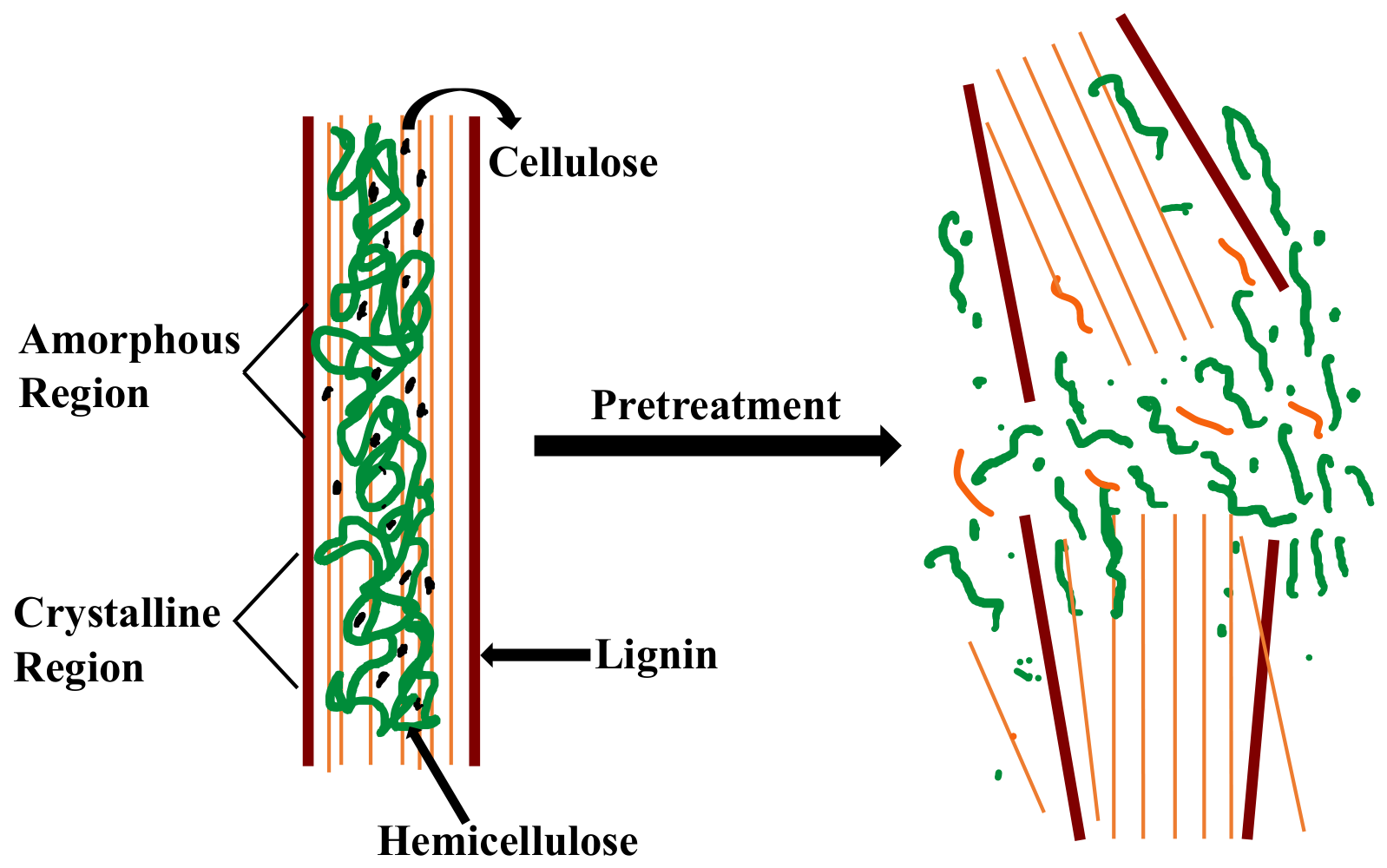
Hydrothermal processing represents a fundamental thermochemical conversion methodology. The HTT process is gaining traction owing to its minimal processing temperature, remarkable energy efficiency, and the production of products with low oxygen content [5,60,103]. The process does not involve drying as a preliminary treatment; however, the resultant product exhibits a superior heating value, enhanced energy yield, and reduced ash content in comparison to pyrolytic char. Consequently, HTT is regarded as a more pragmatic option compared to the carbonization of animal manure to produce solid biofuel [104,105]. The fundamental hydrothermal process typically incorporates water as a reactant at a moderate temperature range of 250–374 °C, maintained under a pressure of 4–22 MPa [5]. Under these circumstances, water assumes a role in a highly dense supercritical state [19,106]. During this HTT process, organic material experiences many reactions, including depolymerization by hydrolysis, dehydration, and decarboxylation, resulting in the formation of water-soluble intermediates. Concurrently, many elimination, rearrangement, condensation, and polymerization processes may transpire, yielding water-insoluble compounds such as bio-crude and biochar [11]. The hydrothermal process can be categorized into two distinct reaction conditions: subcritical and supercritical water conditions. The conditions are dictated by the critical point of water, which occurs at 374 °C and 22.1 MPa. The two parameters each present distinct advantages for the hydrothermal treatment of biomass [84,107]. Under supercritical conditions, the macromolecular structure of biomass undergoes decomposition, leading to the solubilization of significant portions of cellulose and lignin. At 100 °C, the water-soluble fraction of biomass undergoes diffusion into the water, while the hydrolysis reaction commences at temperatures exceeding 150 °C [108]. The cellulose and hemicellulose break down to monomers and shorter chains during this process. The dense biomass transforms into a slurry during the intermediary phase at a temperature of 200 °C and a pressure of 1 MPa. Ultimately, the liquefaction process commences at a temperature of 300 °C, resulting in the production of crude oil. Consequently, the exploration of energy valorization of wet waste biomass via the hydrothermal method represents a significant area of inquiry in contemporary research [109]. Hydrothermal pretreatment represents a promising approach for attaining significant solubilization of organic matter [48]. The effective and dependable pretreatment process dismantles the resistant structure of the lignocellulosic fraction, thereby augmenting both acidogenic and methanogenic biodegradability, which in turn enhances methane production [28,110]. Figure 2 below shows the structure change of lignocellulosic biomass during pretreatment.
Cellulose constitutes approximately 15–30% (on a dry basis) of the total biomass found in lignocellulosic materials, particularly in dairy manure [50,65]. The cellulose chains possess a significant abundance of hydroxyl groups, which consequently facilitates the formation of hydrogen bonds among them. The development of microfibrils with high tensile strength in cellulose arises from the intricate interconnection of cellulose molecules through hydrogen bonding and van der Waals forces [5,16]. Cellulose exhibits a distinct orientation characterized by low amorphousness and high crystallinity. Consequently, the elevated crystalline index of cellulose and polysaccharide coating signifies a reduction in cellulose degradation [50]. The primary objective of hydrothermal treatment is to alter the inter-intra hydrogen bonds, ultimately leading to modifications in the crystallinity structure of cellulose [16]. Cellulose structural transformations via a degree of polymerization take place at high temperatures and pressures [4]. Scattered literature supports the polymerization and cracking of cellulose during hydrothermal treatment [17,111]. The hydrolysis behavior of both amorphous and crystalline cellulose has been examined [112]. Reduced temperatures were necessary to break the glycosidic bonds within the chain segments of amorphous cellulose, as increased crystallinity enhances their organization and stability [113].
Conversely, temperatures over 200 °C were required to extract glucose oligomers from crystalline cellulose during hydrothermal treatment [50,112]. Hemicellulose possesses a lower molecular weight and shorter chains than cellulose, making it readily hydrolyzable. The literature indicates that the significant breakdown of hemicellulose contributes to the generation of HMF as inhibitory chemicals. Elevated temperatures and extended residence time during acid treatment contribute to the development of inhibitors (HMF and furfural), which exert harmful effects on the fermentation process [114]. Limited research has been conducted on the ideal thermal processing of swine manure. The treated slurry at 70 °C exhibited a more favorable impact on biomethane generation compared to 110 °C [83]. In other studies, methane production increased at temperatures up to 140 °C with thermal pretreatment; however, as the temperature rose, biogas yield diminished. The ideal thermal pretreatment for agricultural waste was identified to be between 90 °C and 120 °C, resulting in a methane yield enhancement over 60% [115]. The hydrothermal technology for the treatment of lignocellulosic biomass has been thoroughly examined. Nevertheless, the appropriate hydrothermal pretreatment procedure for cattle (both non-dairy and dairy) remains under examination. Unlike unprocessed lignocellulosic biomass, which mostly comprises cellulose, hemicellulose, and lignin that have been degraded in the rumen’s digestive tract [21,46]. Consequently, hydrothermal pretreatment at low temperatures is necessary prior to the anaerobic digestion process.
While hydrothermal processing of wet animal dung is not a cutting-edge approach, it presents certain obstacles. The primary challenges include generating inhibitory compounds that contaminate biomass, such as furfurals and 5-HMF [5,93,116]. The D-glucose unit (cellulose) undergoes dehydration in supercritical water to yield 5-hydroxymethyl furfural, which is subsequently decomposed into formic acid and levulinic acid. The literature indicates that xylo-oligomers and oligomeric sugars can be eliminated through the hydrolysis and fermentation of pentose. Inhibitory compounds, including weak acids, furan aldehydes, and phenolic compounds, pose significant challenges to the enzymatic process and fermentation [117]. Researchers have employed metabolically engineered yeast strains to mitigate the inhibitory effects of these compounds [5,118,119].
Additionally, lignin also inhibits the hydrolysis process by forming a physical barrier to the adsorption of cellulase enzymes [65]. Since the harsh hydrothermal pretreatment increases the lignin content in which de- and re-polymerization reactions occur, which is more inhibitory to cellulase than before treatment. Although thermal pretreatment has a lot of advantages, mostly in terms of digestibility, high temperature and long residence time prompted some chemical reactions such as the Maillard reaction, which forms complex (polymerization between the carbohydrates and amino acids) recalcitrance [120,121]. Given that dairy manure contains substantial amounts of proteins and carbohydrates, the hydrolysis step becomes a critical bottleneck in anaerobic digestion. The structural complexity of lignocellulosic fibers slows enzymatic breakdown, while the presence of proteins introduces additional challenges during high-temperature pretreatment. Under elevated temperatures, especially during hydrothermal processing, the free amino groups from proteins can react with reducing sugars derived from carbohydrate degradation, initiating the Maillard reaction. These Maillard-derived products can reduce substrate biodegradability, interfere with hydrolytic and fermentative enzymes, and ultimately suppress methanogenic activity. As a result, both the inherent recalcitrance of lignocellulosic fibers and the formation of Maillard reaction products contribute to hydrolysis being the most challenging and rate-limiting phase in the anaerobic digestion of dairy manure. Furthermore, the reduction in overall process efficiency, including methanogenesis, has been reported due to recalcitrant compounds. In the literature, it has been reported moderate pretreatment yielded higher methane [10,41]. Therefore, it is crucial to determine the temperature and time for effective thermal pretreatment based on the characteristics of substrates. Furthermore, lignin-derived phenolics are the main inhibitors of enzymatic hydrolysis [5]. The biggest challenge to pretreating substrate (dairy manure) is combining the most appropriate technique that matches the ideal substrate composition.
Hemicellulose and lignin are solubilized at temperatures above 150 °C and 180 °C, respectively [122]. The hydrothermal pretreatment process hydrolyzes hemicellulose by liberating acetyl groups and removing the lignin, which enhances the amount of cellulose fiber exposed. The detached hemicellulose remains in the liquid fraction of the pretreated slurry, and the formation of monomeric sugars during the process is minimal. To avoid sugar degradation and inhibitor formation, one should control the pH between 4 and 7 [49,123]. Furthermore, the release of acetic acid during pretreatment acts as a catalyst to further degrade biomass and increase sugar yield simultaneously. Since the crystallinity of cellulose hinders the disruption of lignocellulosic material, size reduction is the usual step to disrupt biomass crystallinity [49]. However, more power input for mechanical size reduction, particularly in wet biomass, is not a viable option [50,63]. Hemicellulose is the least resistant to lignocellulosic materials’ thermal and chemical processing components. Starch is also a standard component of lignocellulosic biomass, but it is more readily hydrolyzed than cellulose. The lipids (fats and oils) are non-polar compounds. These triglycerides and proteins are readily hydrolyzed in hot compressed water into fatty and amino acids via breaking ester and amide groups [122]. Some other studies also showed that the hydrolysis of lipids is also autocatalyzed by fatty acids [110]. An initial pretreatment of lignocellulosic biomass (dairy manure) is necessary for the efficient progress in AD bio-refinery, such as during fermentation, etc. [117,124]. The main advantages of hydrothermal pretreatment are reducing the degree of crystallization, removing pathogens, and polymerizing cellulose [124]. Overall, the pretreatment process includes the solids’ fragmentation, alternating the lignocellulosic structure, increasing the contact area between the materials, and enzymatic reagents.
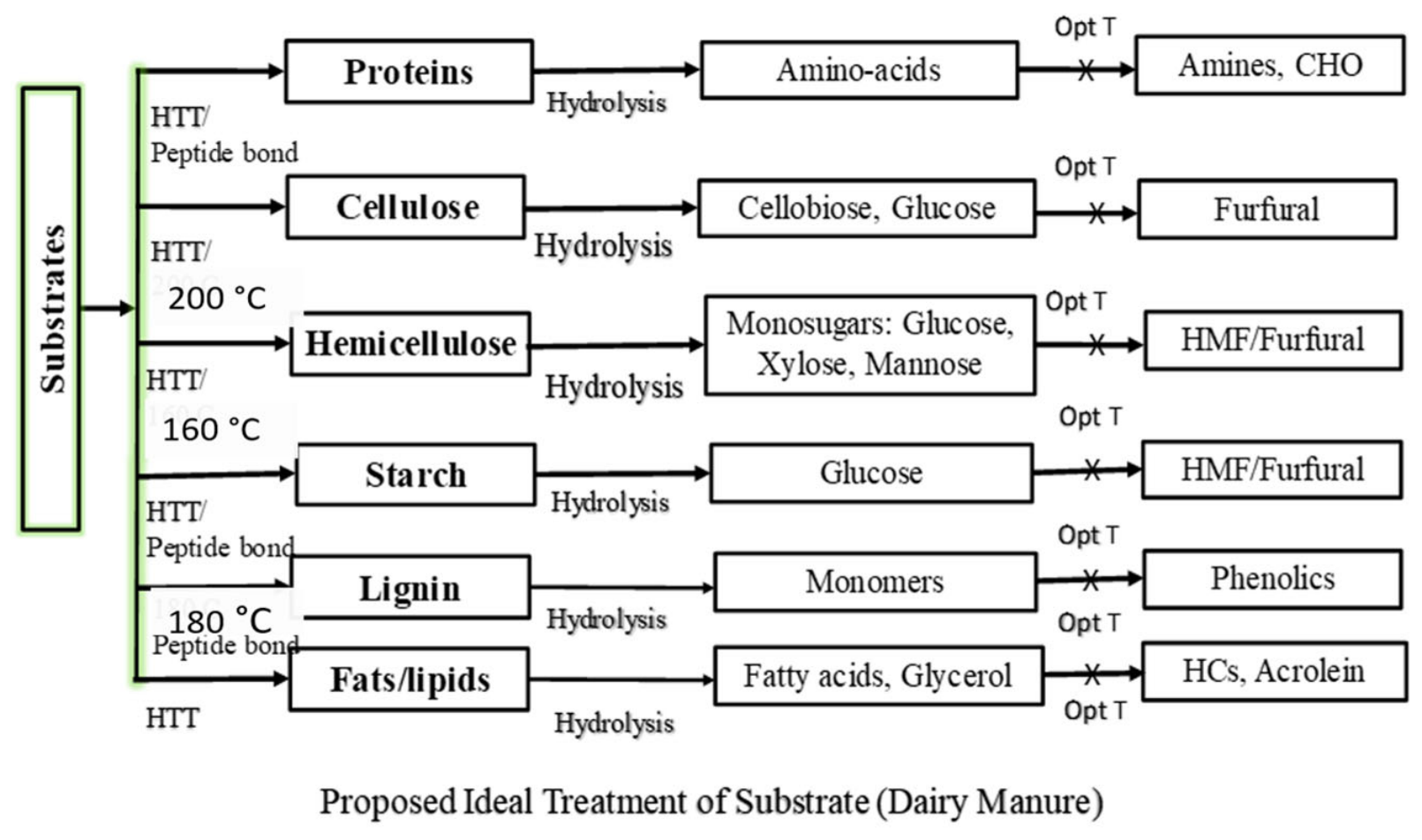
Considering all these facts, we proposed an optimum hydrothermal-processing technology for lignocellulosic biomass (dairy manure). The proposed hydrothermal pretreatment (as shown in Figure 3) is considered an environmentally friendly process. Figure 3 illustrates how the hydrothermal treatment at low temperature affects the composition of the manure structure. The structure of cellulose is characterized by extensive intramolecular and intermolecular hydrogen bonding networks, while proteins are linked by peptide bonds. The primary objective of pretreatment is to fractionate lignocellulose, thereby enhancing its accessibility for microbial degradation. The pretreatment of lignocellulosic biomass remains one of the most challenging steps in enhancing anaerobic digestibility because the structural complexity of cellulose, hemicellulose, and lignin limits microbial accessibility. Harsh pretreatment conditions are prone to generating toxic inhibitory byproducts, including furfural, 5-hydroxymethylfurfural (HMF), and phenolic compounds, all of which can suppress microbial activity and hinder the performance of methanogens during anaerobic digestion. On the other hand, mild hydrothermal pretreatment results in the formation of fewer inhibitors, which arise from sugar degradation at elevated temperatures, and does not require chemical additives. Optimum hydrothermal pretreatment improves biodegradability, methane yield, and homogeneity by disrupting hydrogen and peptide bonds, sterilizing manure, and reducing pathogens. The diagram illustrates controlled hydrothermal pretreatment (Opt T), wherein inhibitory compounds, including amines, furfural, phenolics, and acrolein, can be effectively mitigated during the process. The development of cost-efficient technology remains a challenge.

4.2. Water Chemistry During Hydrothermal Pretreatment

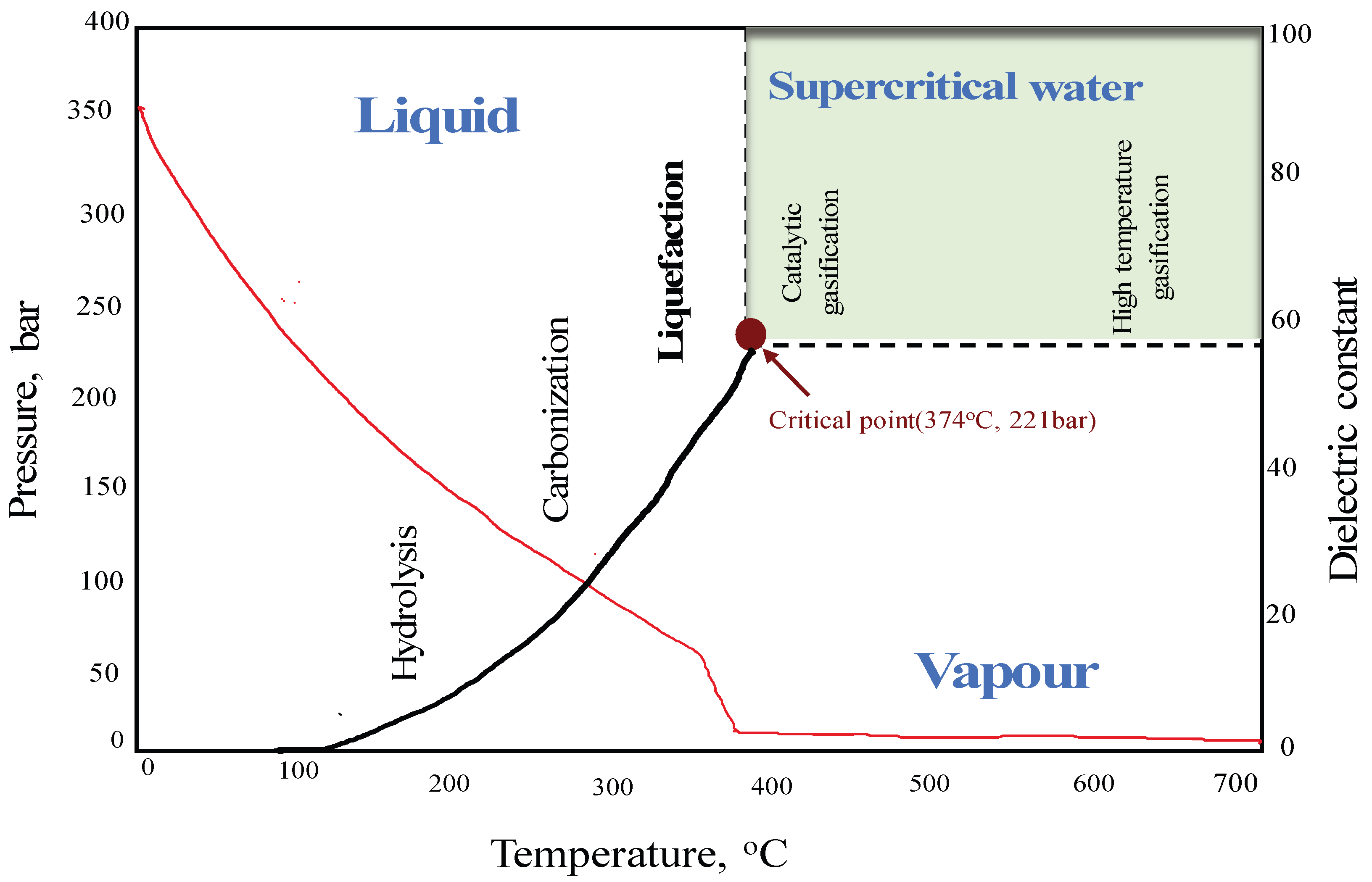
Understanding the hydrothermal reactions of cattle dung during hydrothermal processing necessitates an awareness of the role of water as a catalyst, reactant, and solvent [15]. Figure 4 illustrates the phase diagram of water. Water typically has limited interaction with hydrophobic organic molecules under ordinary environmental conditions (20 °C and 1 bar). At the critical point, the reactivity of water escalates under increased temperature and pressure, both with and without phase transitions [122]. In a supercritical state, water functions as both a reactant and a catalyst [42,81]. At the critical state, the characteristics of water, including the ionic product, density, viscosity, and dielectric constant, exhibit rapid fluctuations [4]. Consequently, at the critical point, water serves as an efficient medium for the majority of homogenous organic processes necessitating high miscibility. The absence of phase boundaries leads to rapid and complete responses during reactions. The dipole moment of supercritical water at this level is 1.85 D, functioning as a non-polar solvent. Likewise, the viscosity of water diminishes with rising temperature, approaching the viscosity of water vapor around the critical point. It enhances mass transfer, thereby expediting chemical reactions [81,107]. This low viscosity results in a high diffusion coefficient, thereby increasing reaction rates. Figure 4 illustrates that the dielectric constant of water is eighty under average temperature and pressure conditions. It decreases significantly to 5 at a critical point, which serves as the standard reference for non-polar solvents [42]. Furthermore, hot-compressed water in both subcritical and supercritical states exhibit remarkable physical and chemical properties, displaying behavior that resembles both a gas and a liquid [4,15]. Subcritical water behaves like an extremely reactive liquid, while supercritical water behaves like a hybrid between a gas and a liquid.
The hydrothermal process in supercritical water has three basic stages: oxidative, hydrolytic, and hydrothermal. Water operates as an acid at high temperatures by autoionization, which produces hydrogen ions and causes the pH to drop significantly to an acidic level [3,4]. Hydrothermal conversion of lignocellulosic biomass into glucose involves heating the biomass in conjunction with water [56]:
K w = H + O H − / [ H 2 O ]
The basic chemistry of the process involves adding water molecules and cleaving them at high temperatures into hydrogen cations (H+) and hydroxide anions (OH−), producing various forms of the original molecule. The stoichiometric reactions of cellulose and hemicellulose (xylan) to produce the equivalent glucose and xylose in the hydrothermal process are given below [4,126]. Overall, this is the typical hydrothermal process that converts biomass from a solid to a liquid. Under high temperature hydrothermal conditions lower pH and accelerates Maillard reactions, phenolics and inhibitors as byproducts:
n C 6 H 10 O 5 + n H 2 O → n C 6 H 12 O 6
X y l a n → X y l a n a q → X y l o s e → F u r f u r a l
A r a b i n a n → A r a b i n a n a q → A r a b i n o s e → F u r f u r a l
A c e t y l → A c e t a t e
G l u c a n → G l u c a n a q → G l u c o s e → H M F
Hydrous conditions are essential in the mechanism of hydrothermal pretreatment. Moisture content, temperature, residence time, heating rate, and catalyst are essential parameters in the hydrothermal process [4,127]. Chemical reactions in high-temperature water adhere to ionic pathways, whereas low-density water operates via a free radical mechanism [128]. Temperature plays a crucial role in providing sufficient heat to disintegrate organic macromolecules, facilitating fragmentation and the recombination of chemical bonds with high activity. Hydrothermal reactions are significant at elevated temperatures due to their high rates of degradation and polymerization of AD fiber compounds [4,77]. The degradation of primary macromolecular constituents of sewage sludge was assessed in relation to temperature [25]. Polysaccharides exhibit a greater ease of hydrolysis compared to proteins, with lipids following in this regard. The kinetics of each component in AD fiber, being a complex mixture, are interdependent. Understanding the primary reaction pathways in hydrothermal reactions is essential. The efficiency of pretreatment is closely linked to the characteristics and composition of the substrate, as each method presents distinct advantages and disadvantages. Hydrothermal processing appears to be a suitable option for various types of manure. The efficacy of this pretreatment is significantly influenced by the processing temperature and duration of pretreatment [46]. Comprehending the water chemistry mechanism facilitates the development of an efficient pretreatment method that addresses the bottleneck occurring during hydrolysis, thereby optimizing the anaerobic digestion process.
Additionally, residence time is a significant factor in hydrothermal processing. Controlling the residence time influences the degree of polymerization of soluble monomers in the hydrothermal pretreatment process [125]. An extended residence time enhances the degradation process. Literature indicates a critical residence time for achieving maximum oil yield [81]. Reaction times for anaerobic digestate range from minutes to hours [58]. Pressure is an additional parameter influencing biomass degradation during hydrothermal treatment. Under subcritical and supercritical conditions, pressure facilitates the maintenance of single-phase media [25]. Increased pressure elevates solvent density, leading to the degradation of biomass macromolecules and facilitating decomposition and extraction processes. The literature has reported the influence of particle size in the HTT process. The liquid-to-solid ratio, or solid concentration, is related to the reactors. A higher liquid-to-solid ratio (LSR) is primarily utilized in continuous reactors, while a lower liquid-to-solid ratio is maintained in batch processes. The impact of particle size is minimal for elevated LSRs. Lowering the LSR for larger particle sizes results in reduced biomass solubilization. In certain lignocellulosic materials, reducing particle size is not required for optimal solubilization. This is particularly true for dairy-manure fibers, which are already partially degraded in the bovine rumen, resulting in a more accessible structure compared with untreated plant biomass. Conversely, the reduction in particle size influences the recovery of polysaccharides [129]. Researchers have examined the hydrothermal pretreatment of cattle manure to enhance anaerobic digestibility [14,130,131]. Various structural and compositional characteristics influence the biodegradability of manure fiber, including cellulose crystallinity and the presence of lignin and hemicellulose [132]. The pursuit of low-severity manure pretreatment that is both sustainable and economically viable will have a substantial effect on the anaerobic biorefinery.

4.3. Effects of Hydrothermal Pretreatments on Cattle Manure

Most studies are performed on simplified model compounds rather than actual AD fiber [110,133]. The issues arise from the heterogeneity and complexity of anaerobic digestate. The morphological structure of AD fiber is a critical area of study. In-depth morphological studies would enhance the understanding of the physicochemical properties of AD digestate. Numerous studies have been utilized to visualize structural changes, primarily in model species of lignocellulosic biomass [133,134,135]. The prevalent techniques documented in the literature include Fourier transform infrared spectroscopy (FTIR), nuclear magnetic resonance (NMR), X-ray powder diffraction (XRD), scanning electron microscopy (SEM), and transmission electron microscopy (TEM) [98,136,137]. The combined application of FTIR and NMR enhances the structural elucidation of the effects of pretreatment on fiber. Scanning Electron Microscopy (SEM) and X-ray Diffraction (XRD) are employed to observe morphological alterations and to assess the crystallinity index, respectively [135,138,139].
Recent research has investigated hydrothermal pretreatment to assess its feasibility and practicality in anaerobic digestion bio-refineries for optimizing biogas production. The substrate includes a comprehensive array of simple and complex organic matter, and the identification of specific organic compounds through chemical analysis is instrumental in advancing technology in the anaerobic co-digestion process. The classification of biochemical composition is useful for assessing the biodegradability of substrates. A suitable pretreatment method can improve the anaerobic digestion of manure and increase methane yield [95]. (Niasar et al., 2011) [140] studied the pretreatment mechanism using lime Ca(OH)2 on cattle manure, showing 23% removal of total lignin and 76% higher methane yields than untreated manure. In other studies, pretreatment of swine manure was studied to solubilize lignin degradation in manure, enhancing methane yield [141]. The alteration of structural disruption within the lignocellulosic matrix represents a complex process that is challenging to comprehend at the molecular level. The mechanism of xylan dissolution was investigated in the literature utilizing transmission electron microscopy to achieve an ultrastructural analysis [137].
Researchers have examined various pretreatment processes of dairy manure regarding structural changes [142,143]. Scanning Electron Microscopy (SEM) is employed to examine physical morphology, while Fourier Transform Infrared Spectroscopy (FTIR) is utilized to assess chemical composition. Nuclear magnetic resonance (NMR) and elemental analysis are employed to analyze raw materials and products [142,144]. The solid fraction obtained post-hydrothermal treatment exhibits a low yield due to structural modifications of cellulose and lignin. The solubilization of hemicellulose is directly influenced by temperature, resulting in a decrease in solid product yield as temperature increases. Carbohydrates exhibit greater susceptibility to elevated temperatures compared to proteins in lignocellulosic biomass. The elevated pretreatment temperature results in increased lignin content in the solid fraction, thereby reducing the overall methane yield [145]. The literature indicates the application of chemical pretreatment to solubilize the fiber content in dairy manure. Sulfuric acid effectively pretreats dairy manure to release monosaccharides from lignocellulosic material. Alkaline pretreatment, utilizing lime or sodium hydroxide, is extensively documented for the treatment of cattle manure [74]. Thermal pretreatment has been applied to a mixture of cattle and swine manure for methane production. A 16% increase in methane yield was observed following the treatment of manure at 140 °C for 40 min [74,146]. A comparison of the thermal, chemical, and thermochemical pretreatment of chicken manure was conducted in other studies. Thermochemical pretreatment of poultry manure demonstrated a notable enhancement in methane yield [147]. Table 2 summarizes studies on the HTT process of dairy manure. This process signifies a potential method for the sustainable use of the valuable resource, dairy manure. Prior research has predominantly concentrated on hydrothermal liquefaction, carbonization, and gasification [81]. A limited number of studies have been conducted on the low-temperature treatment of dairy manure and other lignocellulosic biomass [48,104].

5. Area of Concern Integrating Hydrothermal Treatment

The complexity of the anaerobic digestion system arises primarily from the interconnection of various process aspects, including microbiological, chemical, and operational factors [14,154,155]. The primary objective of the anaerobic digestion system is to optimize methane production. Enhancing the AD system necessitates a synthesis of methodologies, including hydrothermal processing [116]. The available literature on hydrothermal processing studies is based on a laboratory scale [65,154]. It is due to its simplicity of operation. Batch reactors are more common in the field of HTT. In the case of a batch reactor, any type of material can be screened with a wide range of operating conditions and process variations. On the other hand, batch reactors have some drawbacks, such as thermal instability [156]. Since the process conditions are not constant, the system in batch reactors operates from ambient conditions to the desired temperature and pressure [15]. Because of the variation condition, the real mechanism is still unknown which parameter has a key role in the reaction. Also, in most batch experiments, the pressure is obtained by the heating up of the reactants, which correlates to the saturation condition of the water. To deal with this, the pre-pressurizing system with inert gas can help [57]. Also, high pressure increases the solubility of the inert gas in liquid water, which makes pre-pressurization less useful [4,124].
The varying contact patterns associated with impellers in batch reactors present limitations for practical industrial application. The limitations, including prolonged heat-up and cool-down times, restricted heat recovery potential, constrained feedstock loading, and inadequate process control, present significant challenges to the adoption of this technology for future sustainability efforts. Consequently, batch processing is impractical for the industrial development process. Research must concentrate on ongoing experimental data and associated technical issues pertinent to this process [156].

6. HTT-Anaerobic Bioreactors Limitations

Conventional batch hydrothermal processing technology requires transformation into a continuous self-regulated process. Multiple research studies have been presented in the literature concerning continuous HTT [106,157]. The studies examine laboratory-scale plants and the influence of pressure and temperature on the phase diagram, specifically the saturation line, as illustrated in Figure 4. However, limited research exceeds saturation temperature and pressure, among other factors. Two-stage and multi-stage continuously fed bioreactor systems are currently prevalent [4]. In this system, biochemical processes including hydrolysis, acidification, acetogenesis, and methanogenesis can occur independently. The two-stage system appears to be an effective method for the treatment of all organic waste. Literature indicates that a two-stage system facilitates the selection and enrichment of distinct bacteria during each phase. Acidogenic bacteria converts complex organic materials into volatile fatty acids and alcohols [24]. Methanogenesis involves the conversion of substrates by methanogens into methane and carbon dioxide. Improvements to batch-related drawbacks can be achieved through the development of industry-scale continuous reactors [22]. The implementation of a continuous reactor can lead to significant improvements in mixing contact patterns. Researchers at the Pacific Northwest National Laboratory (PNNL) have recently focused on establishing continuous reactors for the processing of various biomass types. Currently, a novel approach for the development of lab-scale serial HTL devices is emerging in other regions [157].
Anaerobic digestion typically occurs within a sealed, self-contained reactor. This batch reactor facilitates regulated mixing and maintains a constant temperature in anaerobic conditions. The hydraulic retention time (HRT) in standard manure and municipal digesters typically ranges from 10 to 30 days. However, residence time depends entirely on feedstock types and solids [28]. Additionally, In the US, complete mixed reactors (CMR), mixed plug flow reactor (MPFR), covered lagoon (CL), and plug flow reactors are getting popular in handling heterogeneous materials [158]. Anaerobic co-digestion itself is challenging organic waste treatment technology. It contains four steps: hydrolysis, acidogenesis, acetogenesis, and methanogenesis [28]. Therefore, a two-step AD process design helps to predict and control bioprocess and optimize the digestion system. Since an anaerobic reactor (digester) is also considered the heart of the digestion system, anaerobic microorganisms thrive and are responsible for digestion steps [9,28,88]. Some researchers categorized anaerobic digesters based on total solid contents, such as wet and dry types in the literature. The solid content significantly impacts the AD process’s cost, performance, and technique. The dry digesters usually intake feedstock having TS > 20%. The wet digesters are categorized to serve the feedstock having TS < 15%, which is well established in the wastewater treatment field [28,88]. Currently, because of the continuous progress of bioprocess engineering and biotechnology, the design and operation of new digesters are improving simultaneously. The effluents and wet biomass with high solid content can be well treated in continuously stirred tank reactors (CSTR), up-flow anaerobic sludge blanket (UASB) reactors, etc. [43,159]. Therefore, the design of bioreactors for the degradation of dairy manure plays a vital role in system performance.

Concerns and Challenges Related to HTT Before AD

AD as a highly sensitive and technically complex process has its drawbacks including instability, long residence time, low efficiency, and highly polluted supernatant [97,117]. The reason for this is that the circumstances of AD and animal feed have a significant impact on the composition of manure fiber [14]. The anaerobic digestion process has four sequential steps, and the microbial activities associated with these feedstock pathways are difficult to anticipate at each phase [93]. Substantial investments and higher skill levels are necessary to maintain the process’s efficiency. The utilization of chemicals and the excessive accumulation of specific compounds during digestion rapidly results in inhibition and failure [16]. While hydrothermal processing presents a promising alternative for extracting valuable chemicals from organic solid waste, it also entails numerous problems and issues. Hydrothermal processing efficiently addresses non-biological waste when alternative treatment approaches prove less effective [4]. Hydrothermal processing possesses superior technical capabilities for waste reduction, hazards elimination, and resource recovery compared to all other alternatives [106]. The hydrothermal conversion of solid waste into fuel is more time-efficient, requires less energy, and is more effective as it eliminates the need for the waste drying process [15]. Moreover, numerous obstacles are linked to the hydrothermal processing of diverse solid wastes. The heterogeneity of feedstock predominates the final products and yield, as the major components of feedstock exhibit distinct behaviors during hydrothermal processing [4].
Autogenous pressure during the procedure aids in sustaining single-phase medium [54]. It also enhances solvent density, allowing a high-density medium to penetrate effectively into the molecular structure of biomass components. Particle size, temperature, heating rate, residence duration, pH, and pressure are essential factors in biomass degradation during hydrothermal treatment [128]. The literature has not examined the influence of critical reaction variables, including total solids, process temperature, solid–liquid ratio, and residence time, in hydrothermal treatment. Limited research has been undertaken on the various solid–liquid ratios [149]. The aqueous state is crucial to the reaction mechanism of the hydrothermal pretreatment process. Water is an effective medium for heat transfer and storage [64,74,160].
Addressing this issue requires a comprehensive analysis of reaction kinetics, reaction pathways, and the formation of various intermediates. It is essential to examine both parallel and consecutive reactions in hydrothermal processing. Hydrothermal treatment typically involves the evolution of various organic reaction pathways, making it crucial to identify these pathways [81]. A comprehensive understanding of reaction pathways requires the selection and production of numerous reactions and compounds to achieve the desired products. This process identifies the optimal synthesis route, facilitating environmentally sustainable and economically viable process design. Mass transfer is a critical parameter in the design and optimization of chemical reaction processes. Comprehending the mass transfer mechanism under intensified conditions, including elevated temperature and pressure, is essential. Manure possesses a complex chemical structure and elevated fat/lipid content, which restricts the effectiveness of the anaerobic digestion process [39,82,112]. Consequently, certain pretreatments are essential for a stable anaerobic digestion process. Furthermore, a detailed understanding of carbohydrate chemistry during hydrothermal pretreatment is essential for guiding sustainable anaerobic digestion bio-refinery processes. Conversely, limited research has been conducted on post-treatment for AD, which offers benefits such as low energy consumption and reduced digested volume [92]. This strategy additionally enhances the economic value associated with increasing methane yield.

7. Future Prospective of HTT on Anaerobic Digestion Technology

Recently, the usability and viability of anaerobic digestion methods have been on the rise. The hydrolysis phase constrains the anaerobic digestion of solid waste, necessitating ongoing research on an appropriate pretreatment strategy to enhance the solubilization of organic matter. Numerous pretreatment procedures have been examined on diverse lignocellulosic biomass, although only a limited number of ways have been suggested to attain elevated methane yield at minimal expense. Hydrothermal processing is an advantageous method for valorizing diverse biomass, particularly feedstocks with high moisture content. This method is garnering attention in anaerobic digestion biorefineries due to its ability to directly utilize high-moisture diverse wastes without requiring energy-intensive preparation. It is essential to examine model molecules and solid biomass substrates to comprehend the reaction mechanism and critical experimental variables. The distinct physicochemical features of subcritical and supercritical water render the optimal temperature and residence duration crucial for the efficient treatment of diverse waste in the hydrothermal process. Hydrothermal processing integrated with anaerobic digestion bio-refinery will be implemented in industrial applications to address energy shortages and produce high-quality goods. The obstinate composition of dairy manure complicates the degradation of feedstock by anaerobic microorganisms in anaerobic digestion biorefineries. Consequently, optimal hydrothermal treatment is essential to improve the anaerobic digestion rate and methane production. The generation of recalcitrant inhibitors, such as furfurals and 5-HMF, during hydrothermal treatment can be mitigated following the experimentation with organic wastes. The ideal pretreatment technology must enhance feedstock digestibility, prevent inhibitor development, and be both cost-effective and environmentally sustainable.
The appropriate processing of livestock waste for biogas production has not been investigated to the same extent as other lignocellulosic biomass. Research on the impact of different pretreatment procedures on the lignocellulosic content of manure is limited. Nonetheless, novel characterization techniques are still required to address the inherent biodegradability of heterogeneous materials. The existing literature on dairy manure encompasses several research addressing economic and environmental strategies that restrict the efficient viability of the pretreatment process for its conversion into biofuel (methane). Subsequent investigations ought to concentrate on the response mechanisms of various pretreatment techniques and the relationship between the effective degradability of feedstock (dairy manure) and its compositional characteristics.

8. Concluding Remarks

Anaerobic digestion (AD) of dairy manure is increasingly recognized as a promising and widely adopted technology from a management and sustainability standpoint. AD not only generates renewable biogas but also mitigates several environmental and socioeconomic challenges associated with conventional manure handling. However, the major limitation of raw dairy manure is its inherently low biodegradability, which results in reduced methane yield. To overcome this constraint, low-cost and environmentally friendly pretreatment strategies are required to enhance organic matter solubilization prior to AD. This review highlights the challenges associated with hydrothermal chemistry and various pretreatment methods. Based on the evidence discussed, low-temperature hydrothermal pretreatment emerges as a particularly eco-friendly and practical option for improving the digestibility of dairy manure within a sustainable AD biorefinery framework. Despite its potential, a fully cost-effective and environmentally benign process has not yet been fully established. Nevertheless, low-temperature thermal pretreatment remains a viable and promising pathway for improving dairy manure utilization and maximizing biogas production. To reduce the high cost associated with transporting and collecting dairy manure, future anaerobic digestion (AD) systems should be strategically integrated with hydrothermal treatment (HT) technologies and located near concentrated animal feeding operations (CAFOs). Co-locating AD and HT units at or near CAFO sites minimizes hauling distances, lowers operational costs, and enables on-site conversion of wet manure into energy-rich intermediates, nutrient-dense liquids, and stabilized solids.
Although this review provides valuable insights into hydrothermal chemistry and pretreatment strategies, it lacks a detailed structural analysis of dairy manure before and after hydrothermal treatment. Understanding changes in lignocellulosic structure, fiber composition, crystallinity, and solubilization is essential for explaining why certain pretreatments enhance biodegradability and methane yield. Furthermore, comprehensive techno-economic analysis (TEA) and life cycle assessment (LCA) are missing. These evaluations are critical for determining whether hydrothermal pretreatment is financially viable and environmentally beneficial at scale. Future studies should integrate TEA and LCA to assess the true sustainability and economic feasibility of manure-based AD systems.

Author Contributions

Conceptualization, K.M. and S.C.; methodology, K.M.; validation, K.M.; investigation, K.M. and K.D.; writing—original draft, K.M., K.D. and M.K.-R.; writing—review and editing, S.C., M.K.-R. and M.G.-P.; supervision, S.C. and M.G.-P.; project administration, S.C. and K.M.; funding acquisition, S.C. and M.G.-P. All authors have read and agreed to the published version of the manuscript.

Funding

The authors are very thankful to the Washington State Applied Bioenergy program and the Department of Energy (DOE) for the financial support provided. This material is based on work supported by the US Department of Energy’s Office of Energy Efficiency and Renewable Energy (EERE) under the Bioenergy Technologies Office Award Number DE-EE0008808/000.

Data Availability Statement

The original contributions presented in this study are included in the article, further inquiries can be directed to the corresponding author.

Conflicts of Interest

The authors declare that they have no known competing financial interests or personal relationships that could have appeared to influence the work reported in this paper.

References

  1. Callegari, A.; Tucci, M.; Aulenta, F.; Viggi, C.C.; Capodaglio, A.G. Anaerobic sludge digestion enhancement with bioelectrochemical and electrically conductive materials augmentation: A state of the art review. Chemosphere 2025, 372, 144101. [Google Scholar] [CrossRef] [Scilit] [PubMed]
  2. Damartzis, T.; Zabaniotou, A. Thermochemical conversion of biomass to second generation biofuels through integrated process design—A review. Renew. Sustain. Energy Rev. 2011, 15, 366–378. [Google Scholar] [CrossRef] [Scilit]
  3. Isikgor, F.H.; Remzi Becer, C. Lignocellulosic biomass: A sustainable platform for the production of bio-based chemicals and polymers. Polym. Chem. 2015, 6, 4497–4559. [Google Scholar] [CrossRef] [Scilit]
  4. Ahmad, F.; Silva, E.L.; Varesche, M.B.A. Hydrothermal processing of biomass for anaerobic digestion—A review. Renew. Sustain. Energy Rev. 2018, 98, 108–124. [Google Scholar] [CrossRef] [Scilit]
  5. Ahmed, B.; Aboudi, K.; Tyagi, V.K.; Álvarez-Gallego, C.J.; Fernández-Güelfo, L.A.; Romero-García, L.I.; Kazmi, A.A. Improvement of Anaerobic Digestion of Lignocellulosic Biomass by Hydrothermal Pretreatment. Appl. Sci. 2019, 9, 3853. [Google Scholar] [CrossRef] [Scilit]
  6. Mainali, K.; Mood, S.H.; Pelaez-Samaniego, M.R.; Sierra-Jimenez, V.; Garcia-Perez, M. Production and applications of N-doped carbons from bioresources: A review. Catal. Today 2023, 423, 114248. [Google Scholar] [CrossRef] [Scilit]
  7. Mainali, K.; Sarker, M.I.; Mullen, C.A.; Jimenez, V.S.; Garcia-Perez, M. Statistical optimization to improve N and C efficiency in biochar from model systems. Bioresour. Technol. Rep. 2023, 24, 101646. [Google Scholar] [CrossRef] [Scilit]
  8. Tursi, A. A review on biomass: Importance, chemistry, classification, and conversion. Biofuel Res. J. 2019, 6, 962–979. [Google Scholar] [CrossRef] [Scilit]
  9. Vallejos, M.E.; Felissia, F.E.; Area, M.C. Hydrothermal treatments applied to agro-and forest-industrial waste to produce high added-value compounds. BioResources 2017, 12, 2058–2080. [Google Scholar] [CrossRef] [Scilit]
  10. Mainali, K.; Mullen, C.A.; Sarker, M.I.; Mood, S.H.; Garcia-Perez, M. Production of N–Mg doped biochars for phosphate adsorption from renewable sources. Biomass Bioenergy 2024, 185, 107221. [Google Scholar] [CrossRef] [Scilit]
  11. Posmanik, R.; Martinez, C.M.; Cantero-Tubilla, B.; Cantero, D.A.; Sills, D.L.; Cocero, M.J.; Tester, J.W. Acid and alkali catalyzed hydrothermal liquefaction of dairy manure digestate and food waste. ACS Sustain. Chem. Eng. 2017, 6, 2724–2732. [Google Scholar] [CrossRef] [Scilit]
  12. Mainali, K.; Sarker, M.I.; Mullen, C.A.; Sharma, B.K.; Yadav, M.P.; Ngo, H.; Garcia-Perez, M. Thermal decomposition kinetics of dairy manure hydrochars. J. Energy Inst. 2025, 120, 102088. [Google Scholar] [CrossRef] [Scilit]
  13. Mainali, K.; Haghighi Mood, S.; Chen, S.; Garcia-Perez, M. Partial wet oxidation of dairy manure as a pretreatment process to produce acetic acid ‘a Source Growth of Methanogens’. Waste Manag. Res. 2024, 42, 206–217. [Google Scholar] [PubMed]
  14. Font-Palma, C. Methods for the Treatment of Cattle Manure—A Review. C 2019, 5, 27. [Google Scholar] [CrossRef] [Scilit]
  15. Kumar, M.; Olajire Oyedun, A.; Kumar, A. A review on the current status of various hydrothermal technologies on biomass feedstock. Renew. Sustain. Energy Rev. 2018, 81, 1742–1770. [Google Scholar] [CrossRef] [Scilit]
  16. Amin, F.R.; Khalid, H.; Zhang, H.; Rahman, S.U.; Zhang, R.; Liu, G.; Chen, C. Pretreatment methods of lignocellulosic biomass for anaerobic digestion. AMB Express 2017, 7, 72. [Google Scholar] [CrossRef] [Scilit] [PubMed]
  17. Xu, N.; Liu, S.; Xin, F.; Zhou, J.; Jia, H.; Xu, J.; Jiang, M.; Dong, W. Biomethane production from lignocellulose: Biomass recalcitrance and its impacts on anaerobic digestion. Front. Bioeng. Biotechnol. 2019, 7, 191. [Google Scholar] [CrossRef] [Scilit] [PubMed]
  18. Brown, R.C. (Ed.) Thermochemical Processing of Biomass: Conversion into Fuels, Chemicals and Power; John Wiley & Sons: Hoboken, NJ, USA, 2019. [Google Scholar]
  19. Gollakota, A.R.K.; Kishore, N.; Gu, S. A review on hydrothermal liquefaction of biomass. Renew. Sustain. Energy Rev. 2018, 81, 1378–1392. [Google Scholar] [CrossRef] [Scilit]
  20. Mehrez, K.; Fryda, L.; Visser, R.; Kane, A.; Leblanc, N.; Djelal, H. Hydrothermal processes of contaminated biomass: Fate of heavy metals and liquid effluent valorization. Biomass Convers. Biorefinery 2025, 15, 11493–11508. [Google Scholar]
  21. Nazari, L. Hydrothermal Liquefaction of High-Water Content Biomass and Waste Materials for the Production of Biogas and Bio-Crude Oil. Ph.D. Thesis, The University of Western Ontario, London, ON, Canada, 2016. [Google Scholar]
  22. Atelge, M.R.; Atabani, A.E.; Banu, J.R.; Krisa, D.; Kaya, M.; Eskicioglu, C.; Kumar, G.; Lee, C.; Yildiz, Y.Ş.; Unalan, S.; et al. A critical review of pretreatment technologies to enhance anaerobic digestion and energy recovery. Fuel 2020, 270, 117494. [Google Scholar] [CrossRef] [Scilit]
  23. Park, S.; Han, S.K.; Song, E.; Kim, H.; Kim, M.; Lee, W. Effect of hydrothermal pretreatment on physical properties and co-digestion from food waste and sewage sludge mixture. Waste Manag. Res. 2020, 38, 546–553. [Google Scholar] [CrossRef] [Scilit] [PubMed]
  24. Rasapoor, M.; Young, B.; Brar, R.; Sarmah, A.; Zhuang, W.Q.; Baroutian, S. Recognizing the challenges of anaerobic digestion: Critical steps toward improving biogas generation. Fuel 2020, 261, 116497. [Google Scholar] [CrossRef] [Scilit]
  25. Razavi, A.S.; Koupaie, E.H.; Azizi, A.; Hafez, H.; Elbeshbishy, E. Hydrothermal pretreatment of source separated organics for enhanced solubilization and biomethane recovery. Bioresour. Technol. 2019, 274, 502–511. [Google Scholar] [CrossRef] [Scilit] [PubMed]
  26. Gyadi, T.; Bharti, A.; Basack, S.; Kumar, P.; Lucchi, E. Influential factors in anaerobic digestion of rice-derived food waste and animal manure: A comprehensive review. Bioresour. Technol. 2024, 413, 131398. [Google Scholar] [CrossRef] [Scilit] [PubMed]
  27. Tufaner, F.; Avşar, Y. Effects of co-substrate on biogas production from cattle manure: A review. Int. J. Environ. Sci. Technol. 2016, 13, 2303–2312. [Google Scholar] [CrossRef] [Scilit]
  28. Meegoda, J.N.; Li, B.; Patel, K.; Wang, L.B. A review of the processes, parameters, and optimization of anaerobic digestion. Int. J. Environ. Res. Public Health 2018, 15, 2224. [Google Scholar] [CrossRef] [Scilit] [PubMed]
  29. Zhang, Y.; Banks, C.J.; Heaven, S. Anaerobic digestion of two biodegradable municipal waste streams. J. Environ. Manag. 2012, 104, 166–174. [Google Scholar] [CrossRef] [Scilit]
  30. Fox, J.T.; Zook, A.N.; Freiss, J.; Appel, B.; Appel, J.; Ozsuer, C.; Sarac, M. Thermal conversion of blended food production waste and municipal sewage sludge to recoverable products. J. Clean. Prod. 2019, 220, 57–64. [Google Scholar] [CrossRef] [Scilit]
  31. Szogi, A.A.; Matias, B.V.; Kyoung, S.R. Methods for treatment of animal manures to reduce nutrient pollution prior to soil application. Curr. Pollut. Rep. 2015, 1, 47–56. [Google Scholar] [CrossRef] [Scilit]
  32. Khalid, A.; Arshad, M.; Anjum, M.; Mahmood, T.; Dawson, L. The anaerobic digestion of solid organic waste. Waste Manag. 2011, 31, 1737–1744. [Google Scholar] [CrossRef] [Scilit] [PubMed]
  33. Kunz, A.; Miele, M.; Steinmetz, R.L.R. Advanced swine manure treatment and utilization in Brazil. Bioresour. Technol. 2009, 100, 5485–5489. [Google Scholar] [CrossRef] [Scilit] [PubMed]
  34. Atandi, E.; Shafiqur, R. Prospect of anaerobic co-digestion of dairy manure: A review. Environ. Technol. Rev. 2012, 1, 127–135. [Google Scholar] [CrossRef] [Scilit]
  35. Chen, Y.; Jiang, Q.; Zhu, R.; Shi, J.; Chai, H.; Li, L.; Ai, H.; Shi, D.; He, Q.; Gu, L. Effects of green waste addition on waste activated sludge and fat, oil and grease co-digestion in mesophilic batch digester. Environ. Technol. 2020, 42, 2870–2884. [Google Scholar] [CrossRef] [Scilit] [PubMed]
  36. Li, K.; Liu, R.; Sun, C. Comparison of anaerobic digestion characteristics and kinetics of four livestock manures with different substrate concentrations. Bioresour. Technol. 2015, 198, 133–140. [Google Scholar] [CrossRef] [Scilit] [PubMed]
  37. Şenol, H.; Açıkel, Ü.; Demir, S.; Oda, V. Anaerobic digestion of cattle manure, corn silage and sugar beet pulp mixtures after thermal pretreatment and kinetic modeling study. Fuel 2020, 263, 116651. [Google Scholar] [CrossRef] [Scilit]
  38. Xu, F.; Li, Y.; Ge, X.; Yang, L.; Li, Y. Anaerobic digestion of food waste—Challenges and opportunities. Bioresour. Technol. 2018, 247, 1047–1058. [Google Scholar] [CrossRef] [Scilit] [PubMed]
  39. Cantero-Tubilla, B.; Cantero, D.A.; Martinez, C.M.; Tester, J.W.; Walker, L.P.; Posmanik, R. Characterization of the solid products from hydrothermal liquefaction of waste feedstocks from food and agricultural industries. J. Supercrit. Fluids 2018, 133, 665–673. [Google Scholar] [CrossRef] [Scilit]
  40. Kumar, A.K.; Sharma, S. Recent updates on different methods of pretreatment of lignocellulosic feedstocks: A review. Bioresour. Bioprocess. 2017, 4, 7. [Google Scholar] [CrossRef] [Scilit] [PubMed]
  41. Ruiz, H.A.; Rodríguez-Jasso, R.M.; Fernandes, B.D.; Vicente, A.A.; Teixeira, J.A. Hydrothermal processing, as an alternative for upgrading agriculture residues and marine biomass according to the biorefinery concept: A review. Renew. Sustain. Energy Rev. 2013, 21, 35–51. [Google Scholar] [CrossRef] [Scilit]
  42. Tekin, K.; Karagöz, S.; Bektaş, S. A review of hydrothermal biomass processing. Renew. Sustain. Energy Rev. 2014, 40, 673–687. [Google Scholar] [CrossRef] [Scilit]
  43. Neshat, S.A.; Mohammadi, M.; Najafpour, G.D.; Lahijani, P. Anaerobic co-digestion of animal manures and lignocellulosic residues as a potent approach for sustainable biogas production. Renew. Sustain. Energy Rev. 2017, 79, 308–322. [Google Scholar] [CrossRef] [Scilit]
  44. Paudel, P.P.; Kafle, S.; Park, S.; Kim, S.J.; Cho, L.; Kim, D.H. Advancements in sustainable thermochemical conversion of agricultural crop residues: A systematic review of technical progress, applications, perspectives, and challenges. Renew. Sustain. Energy Rev. 2024, 202, 114723. [Google Scholar] [CrossRef] [Scilit]
  45. Uludag-Demirer, S.; Demirer, G.N.; Frear, C.; Chen, S. Anaerobic digestion of dairy manure with enhanced ammonia removal. J. Environ. Manag. 2008, 86, 193–200. [Google Scholar] [CrossRef] [Scilit]
  46. McVoitte, W.P.A.; Grant Clark, O. The effects of temperature and duration of thermal pretreatment on the solid-state anaerobic digestion of dairy cow manure. Heliyon 2019, 5, e02140. [Google Scholar] [CrossRef] [Scilit] [PubMed]
  47. Liao, W.; Liu, Y.; Liu, C.; Wen, Z.; Chen, S. Acid hydrolysis of fibers from dairy manure. Bioresour. Technol. 2006, 97, 1687–1695. [Google Scholar] [CrossRef] [Scilit] [PubMed]
  48. Phuttaro, C.; Sawatdeenarunat, C.; Surendra, K.C.; Boonsawang, P.; Chaiprapat, S.; Khanal, S.K. Anaerobic digestion of hydrothermally-pretreated lignocellulosic biomass: Influence of pretreatment temperatures, inhibitors and soluble organics on methane yield. Bioresour. Technol. 2019, 284, 128–138. [Google Scholar] [CrossRef] [Scilit] [PubMed]
  49. Baruah, J.; Nath, B.K.; Sharma, R.; Kumar, S.; Deka, R.C.; Baruah, D.C.; Kalita, E. Recent Trends in the Pretreatment of Lignocellulosic Biomass for Value-Added Products. Front. Energy Res. 2018, 6, 141. [Google Scholar] [CrossRef] [Scilit]
  50. Kucharska, K.; Rybarczyk, P.; Hołowacz, I.; Łukajtis, R.; Glinka, M.; Kamiński, M. Pretreatment of lignocellulosic materials as substrates for fermentation processes. Molecules 2018, 23, 2937. [Google Scholar] [CrossRef] [Scilit] [PubMed]
  51. Kumar, B.; Bhardwaj, N.; Agrawal, K.; Chaturvedi, V.; Verma, P. Current perspective on pretreatment technologies using lignocellulosic biomass: An emerging biorefinery concept. Fuel Process. Technol. 2020, 199, 106244. [Google Scholar] [CrossRef] [Scilit]
  52. Dimitriadis, A.; Bezergianni, S. Hydrothermal liquefaction of various biomass and waste feedstocks for biocrude production: A state of the art review. Renew. Sustain. Energy Rev. 2017, 68, 113–125. [Google Scholar] [CrossRef] [Scilit]
  53. Funke, A.; Ziegler, F. Hydrothermal carbonization of biomass: A summary and discussion of chemical mechanisms for process engineering. Biofuels Bioprod. Biorefining 2010, 4, 160–177. [Google Scholar] [CrossRef] [Scilit]
  54. Kim, D.; Lee, K.; Park, K.Y. Hydrothermal carbonization of anaerobically digested sludge for solid fuel production and energy recovery. Fuel 2014, 130, 120–125. [Google Scholar] [CrossRef] [Scilit]
  55. Mukherjee, C.; Denney, J.; Mbonimpa, E.G.; Slagley, J.; Bhowmik, R. A review on municipal solid waste-to-energy trends in the USA. Renew. Sustain. Energy Rev. 2020, 119, 109512. [Google Scholar] [CrossRef] [Scilit]
  56. Kruse, A.; Funke, A.; Titirici, M.M. Hydrothermal conversion of biomass to fuels and energetic materials. Curr. Opin. Chem. Biol. 2013, 17, 515–521. [Google Scholar] [CrossRef] [Scilit] [PubMed]
  57. Munir, M.T.; Mansouri, S.S.; Udugama, I.A.; Baroutian, S.; Gernaey, K.V.; Young, B.R. Resource recovery from organic solid waste using hydrothermal processing: Opportunities and challenges. Renew. Sustain. Energy Rev. 2018, 96, 64–75. [Google Scholar] [CrossRef] [Scilit]
  58. Awasthi, M.K.; Sarsaiya, S.; Wainaina, S.; Rajendran, K.; Kumar, S.; Quan, W.; Duan, Y.; Awasthi, S.K.; Chen, H.; Pandey, A.; et al. A critical review of organic manure biorefinery models toward sustainable circular bioeconomy: Technological challenges, advancements, innovations, and future perspectives. Renew. Sustain. Energy Rev. 2019, 111, 115–131. [Google Scholar] [CrossRef] [Scilit]
  59. Cao, L.; Zhang, C.; Chen, H.; Tsang, D.C.; Luo, G.; Zhang, S.; Chen, J. Hydrothermal liquefaction of agricultural and forestry wastes: State-of-the-art review and future prospects. Bioresour. Technol. 2017, 245, 1184–1193. [Google Scholar] [CrossRef] [Scilit] [PubMed]
  60. Peterson, A.A.; Vogel, F.; Lachance, R.P.; Fröling, M.; Antal, M.J.; Tester, J.W. Thermochemical biofuel production in hydrothermal media: A review of sub-and supercritical water technologies. Energy Environ. Sci. 2008, 1, 32–65. [Google Scholar] [CrossRef] [Scilit]
  61. Aierzhati, A.; Stablein, M.J.; Wu, N.E.; Kuo, C.T.; Si, B.; Kang, X.; Zhang, Y. Experimental and model enhancement of food waste hydrothermal liquefaction with combined effects of biochemical composition and reaction conditions. Bioresour. Technol. 2019, 284, 139–147. [Google Scholar] [CrossRef] [Scilit] [PubMed]
  62. Neves, L.; Oliveira, R.; Alves, M.M. Co-digestion of cow manure, food waste and intermittent input of fat. Bioresour. Technol. 2009, 100, 1957–1962. [Google Scholar] [CrossRef] [Scilit] [PubMed]
  63. Paudel, S.R.; Banjara, S.P.; Choi, O.K.; Park, K.Y.; Kim, Y.M.; Lee, J.W. Pretreatment of agricultural biomass for anaerobic digestion: Current state and challenges. Bioresour. Technol. 2017, 245, 1194–1205. [Google Scholar] [CrossRef] [Scilit] [PubMed]
  64. Paul, S.; Dutta, A. Challenges and opportunities of lignocellulosic biomass for anaerobic digestion. Resour. Conserv. Recycl. 2018, 130, 164–174. [Google Scholar] [CrossRef] [Scilit]
  65. Chen, J.; Wang, L.; Zhang, B.; Li, R.; Shahbazi, A. Hydrothermal liquefaction enhanced by various chemicals as a means of sustainable dairy manure treatment. Sustainability 2018, 10, 230. [Google Scholar] [CrossRef] [Scilit]
  66. Surendra, K.C.; Sawatdeenarunat, C.; Shrestha, S.; Sung, S.; Khanal, S.K. Anaerobic digestion-based biorefinery for bioenergy and bio-based products. Ind. Biotechnol. 2015, 11, 103–112. [Google Scholar] [CrossRef] [Scilit]
  67. Ekpo, U.; Ross, A.B.; Camargo-Valero, M.A.; Fletcher, L.A. Influence of pH on hydrothermal treatment of swine manure: Impact on extraction of nitrogen and phosphorus in process water. Bioresour. Technol. 2016, 214, 637–644. [Google Scholar] [CrossRef] [Scilit] [PubMed]
  68. Cole, D.; Lori, T.; Steve, W. Concentrated swine feeding operations and public health: A review of occupational and community health effects. Environ. Health Perspect. 2000, 108, 685–699. [Google Scholar] [CrossRef] [PubMed]
  69. Feng, L.; Ward, A.J.; Moset, V.; Møller, H.B. Methane emission during on-site pre-storage of animal manure prior to anaerobic digestion at biogas plant: Effect of storage temperature and addition of food waste. J. Environ. Manag. 2018, 225, 272–279. [Google Scholar] [CrossRef] [Scilit]
  70. Hagos, K.; Zong, J.; Li, D.; Liu, C.; Lu, X. Anaerobic co-digestion process for biogas production: Progress, challenges and perspectives. Renew. Sustain. Energy Rev. 2017, 76, 1485–1496. [Google Scholar] [CrossRef] [Scilit]
  71. Marshall, J.A.; Morton, B.J.; Muhlack, R.; Chittleborough, D.; Kwong, C.W. Recovery of phosphate from calcium-containing aqueous solution resulting from biochar-induced calcium phosphate precipitation. J. Clean. Prod. 2017, 165, 27–35. [Google Scholar] [CrossRef] [Scilit]
  72. Vikrant, K.; Klemeš, J.J.; Lee, C.T.; Perry, S. Engineered/designer biochar for the removal of phosphate in water and wastewater. Sci. Total Environ. 2018, 616–617, 1242–1260. [Google Scholar] [CrossRef] [Scilit] [PubMed]
  73. Niles, M.T.; Horner, C.; Chintala, R.; Tricarico, J. A review of determinants for dairy farmer decision making on manure management strategies in high-income countries. Environ. Res. Lett. 2019, 14, 053004. [Google Scholar] [CrossRef] [Scilit]
  74. Ismail, M.N.; Tinia, I. Pretreatment of lignocellulosic biomass from animal manure as a means of enhancing biogas production. Eng. Life Sci. 2015, 15, 733–742. [Google Scholar] [CrossRef] [Scilit]
  75. Chen, S.; Wen, Z.; Liao, W.; Liu, C.; Kincaid, R.L.; Harrison, J.H.; Elliott, D.C.; Brown, M.D.; Stevens, D.J. Studies into using manure in a biorefinery concept. Appl. Biochem. Biotechnol. 2005, 124, 999–1015. [Google Scholar] [CrossRef] [Scilit]
  76. Elalami, D.; Carrère, H.; Monlau, F.; Abdelouahdi, K.; Oukarroum, A.; Barakat, A. Pretreatment and co-digestion of wastewater sludge for biogas production: Recent research advances and trends. Renew. Sustain. Energy Rev. 2019, 114, 109287. [Google Scholar] [CrossRef] [Scilit]
  77. Pelaez-Samaniego, M.R.; Hummel, R.L.; Liao, W.; Ma, J.; Jensen, J.; Kruger, C.; Frear, C. Approaches for adding value to anaerobically digested dairy fiber. Renew. Sustain. Energy Rev. 2017, 72, 254–268. [Google Scholar] [CrossRef] [Scilit]
  78. Orlando, M.-Q.; Borja, V.-M. Pretreatment of animal manure biomass to improve biogas production: A review. Energies 2020, 13, 3573. [Google Scholar] [CrossRef] [Scilit]
  79. Teater, C.; Yue, Z.; MacLellan, J.; Liu, Y.; Liao, W. Assessing solid digestate from anaerobic digestion as feedstock for ethanol production. Bioresour. Technol. 2011, 102, 1856–1862. [Google Scholar] [CrossRef] [Scilit] [PubMed]
  80. Li, R.; Chen, S.; Li, X. Biogas production from anaerobic co-digestion of food waste with dairy manure in a two-phase digestion system. Appl. Biochem. Biotechnol. 2010, 160, 643–654. [Google Scholar] [PubMed]
  81. Pavlovic, I.; Knez, Z.; Skerget, M. Hydrothermal reactions of agricultural and food processing wastes in sub-and supercritical water: A review of fundamentals, mechanisms, and state of research. J. Agric. Food Chem. 2013, 61, 8003–8025. [Google Scholar] [PubMed]
  82. Bayat, H.; Cheng, F.; Dehghanizadeh, M.; Soliz, N.; Brewer, C.E.; Jena, U. Hydrothermal Liquefaction of Food Waste: Bio-crude oil Characterization, Mass and Energy Balance. In 2019 ASABE Annual International Meeting; American Society of Agricultural and Biological Engineers: St Joseph, MI, USA, 2019. [Google Scholar]
  83. Rafique, R.; Poulsen, T.G.; Nizami, A.S.; Asam, Z.U.Z.; Murphy, J.D.; Kiely, G. Effect of thermal, chemical and thermo-chemical pretreatments to enhance methane production. Energy 2010, 35, 4556–4561. [Google Scholar] [CrossRef] [Scilit]
  84. Kumar, S.; Gupta, R.; Lee, Y.Y.; Gupta, R.B. Cellulose pretreatment in subcritical water: Effect of temperature on molecular structure and enzymatic reactivity. Bioresour. Technol. 2010, 101, 1337–1347. [Google Scholar] [CrossRef] [Scilit] [PubMed]
  85. Xu, H.; Li, B.; Mu, X. Review of alkali-based pretreatment to enhance enzymatic saccharification for lignocellulosic biomass conversion. Ind. Eng. Chem. Res. 2016, 55, 8691–8705. [Google Scholar] [CrossRef] [Scilit]
  86. Brodeur, G.; Yau, E.; Badal, K.; Collier, J.; Ramachandran, K.B.; Ramakrishnan, S. Chemical and physicochemical pretreatment of lignocellulosic biomass: A review. Enzym. Res. 2011, 2011, 787532. [Google Scholar] [CrossRef] [Scilit]
  87. Karimi, K.; Taherzadeh, M.J. A critical review on analysis in pretreatment of lignocelluloses: Degree of polymerization, adsorption/desorption, and accessibility. Bioresour. Technol. 2016, 203, 348–356. [Google Scholar] [CrossRef] [Scilit] [PubMed]
  88. Van Fan, Y.; Klemeš, J.J.; Lee, C.T.; Perry, S. Anaerobic digestion of municipal solid waste: Energy and carbon emission footprint. J. Environ. Manag. 2018, 223, 888–897. [Google Scholar] [CrossRef] [Scilit]
  89. Van, D.P.; Fujiwara, T.; Tho, B.L.; Toan, P.P.S.; Minh, G.H. A review of anaerobic digestion systems for biodegradable waste: Configurations, operating parameters, and current trends. Environ. Eng. Res. 2019, 25, 1–17. [Google Scholar] [CrossRef] [Scilit]
  90. Shah, A.A.; Toor, S.S.; Conti, F.; Nielsen, A.H.; Rosendahl, L.A. Hydrothermal liquefaction of high ash containing sewage sludge at sub and supercritical conditions. Biomass Bioenergy 2020, 135, 105504. [Google Scholar] [CrossRef] [Scilit]
  91. Xu, Z.-X.; Cheng, J.H.; He, Z.X.; Wang, Q.; Shao, Y.W.; Hu, X. Hydrothermal liquefaction of cellulose in ammonia/water. Bioresour. Technol. 2019, 278, 311–317. [Google Scholar] [CrossRef] [Scilit] [PubMed]
  92. Yuan, T.; Cheng, Y.; Zhang, Z.; Lei, Z.; Shimizu, K. Comparative study on hydrothermal treatment as pre-and post-treatment of anaerobic digestion of primary sludge: Focus on energy balance, resources transformation and sludge dewaterability. Appl. Energy 2019, 239, 171–180. [Google Scholar] [CrossRef] [Scilit]
  93. Sayara, T.; Sánchez, A. A Review on Anaerobic Digestion of Lignocellulosic Wastes: Pretreatments and Operational Conditions. Appl. Sci. 2019, 9, 4655. [Google Scholar] [CrossRef] [Scilit]
  94. Kumar, P.; Barrett, D.M.; Delwiche, M.J.; Stroeve, P. Methods for pretreatment of lignocellulosic biomass for efficient hydrolysis and biofuel production. Ind. Eng. Chem. Res. 2009, 48, 3713–3729. [Google Scholar] [CrossRef] [Scilit]
  95. Maurya, D.P.; Singla, A.; Negi, S. An overview of key pretreatment processes for biological conversion of lignocellulosic biomass to bioethanol. 3 Biotech 2015, 5, 597–609. [Google Scholar] [CrossRef] [Scilit] [PubMed]
  96. Hrnčič, M.K.; Kravanja, G.; Knez, Z. Hydrothermal treatment of biomass for energy and chemicals. Energy 2016, 116, 1312–1322. [Google Scholar] [CrossRef] [Scilit]
  97. Amani, T.; Nosrati, M.; Sreekrishnan, T.R. Anaerobic digestion from the viewpoint of microbiological, chemical, and operational aspects—A review. Environ. Rev. 2010, 18, 255–278. [Google Scholar] [CrossRef] [Scilit]
  98. Hii, K.; Baroutian, S.; Parthasarathy, R.; Gapes, D.J.; Eshtiaghi, N. A review of wet air oxidation and thermal hydrolysis technologies in sludge treatment. Bioresour. Technol. 2014, 155, 289–299. [Google Scholar] [CrossRef] [Scilit] [PubMed]
  99. Yousefifar, A.; Baroutian, S.; Farid, M.M.; Gapes, D.J.; Young, B.R. Fundamental mechanisms and reactions in non-catalytic subcritical hydrothermal processes: A review. Water Res. 2017, 123, 607–622. [Google Scholar] [CrossRef] [Scilit] [PubMed]
  100. Yan, W.; Acharjee, T.C.; Coronella, C.J.; Vasquez, V.R. Thermal pretreatment of lignocellulosic biomass. Environ. Prog. Sustain. Energy Off. Publ. Am. Inst. Chem. Eng. 2009, 28, 435–440. [Google Scholar] [CrossRef] [Scilit]
  101. Zheng, Y.; Zhao, J.; Xu, F.; Li, Y. Pretreatment of lignocellulosic biomass for enhanced biogas production. Prog. Energy Combust. Sci. 2014, 42, 35–53. [Google Scholar] [CrossRef] [Scilit]
  102. Hendriks, A.T.W.M.; Zeeman, G. Pretreatments to enhance the digestibility of lignocellulosic biomass. Bioresour. Technol. 2009, 100, 10–18. [Google Scholar] [CrossRef] [Scilit] [PubMed]
  103. Xiao, L.-P.; Shi, Z.J.; Xu, F.; Sun, R.C. Hydrothermal carbonization of lignocellulosic biomass. Bioresour. Technol. 2012, 118, 619–623. [Google Scholar] [CrossRef] [Scilit] [PubMed]
  104. Song, C.; Zheng, H.; Shan, S.; Wu, S.; Wang, H.; Christie, P. Low-temperature hydrothermal carbonization of fresh pig manure: Effects of temperature on characteristics of hydrochars. J. Environ. Eng. 2019, 145, 04019029. [Google Scholar] [CrossRef] [Scilit]
  105. Zhou, S.; Liang, H.; Han, L.; Huang, G.; Yang, Z. The influence of manure feedstock, slow pyrolysis, and hydrothermal temperature on manure thermochemical and combustion properties. Waste Manag. 2019, 88, 85–95. [Google Scholar] [CrossRef] [Scilit] [PubMed]
  106. Yang, J.; Yang, L. A review on hydrothermal co-liquefaction of biomass. Appl. Energy 2019, 250, 926–945. [Google Scholar] [CrossRef] [Scilit]
  107. Tran, K.-Q. Fast hydrothermal liquefaction for production of chemicals and biofuels from wet biomass–the need to develop a plug-flow reactor. Bioresour. Technol. 2016, 213, 327–332. [Google Scholar] [CrossRef] [Scilit] [PubMed]
  108. Kor-Bicakci, G.; Eskicioglu, C. Recent developments on thermal municipal sludge pretreatment technologies for enhanced anaerobic digestion. Renew. Sustain. Energy Rev. 2019, 110, 423–443. [Google Scholar] [CrossRef] [Scilit]
  109. Yang, B.; Tao, L.; Wyman, C.E. Strengths, challenges, and opportunities for hydrothermal pretreatment in lignocellulosic biorefineries. Biofuels Bioprod. Biorefining 2018, 12, 125–138. [Google Scholar]
  110. Deniel, M.; Haarlemmer, G.; Roubaud, A.; Weiss-Hortala, E.; Fages, J. Energy valorisation of food processing residues and model compounds by hydrothermal liquefaction. Renew. Sustain. Energy Rev. 2016, 54, 1632–1652. [Google Scholar] [CrossRef] [Scilit]
  111. Fan, Y.; Hornung, U.; Dahmen, N.; Kruse, A. Hydrothermal liquefaction of protein-containing biomass: Study of model compounds for Maillard reactions. Biomass Convers. Biorefinery 2018, 8, 909–923. [Google Scholar] [CrossRef] [Scilit]
  112. Hu, F.; Ragauskas, A. Pretreatment and lignocellulosic chemistry. Bioenergy Res. 2012, 5, 1043–1066. [Google Scholar] [CrossRef] [Scilit]
  113. Kazem-Rostami, M.; Orte, A.; Ortuño, A.M.; David, A.H.G.; Roy, I.; Miguel, D.; Garci, A.; Cruz, C.M.; Stern, C.L.; Cuerva, J.M.; et al. Helically Chiral Hybrid Cyclodextrin Metal–Organic Framework Exhibiting Circularly Polarized Luminescence. J. Am. Chem. Soc. 2022, 144, 9380–9389. [Google Scholar] [CrossRef] [Scilit] [PubMed]
  114. McKillip, W.J.; Collin, G. Ullmann’s Encyclopedia of Industrial Chemistry, 6th ed.; Wiley-VCH: Weinheim, Germany, 2002. [Google Scholar]
  115. Menardo, S.; Airoldi, G.; Balsari, P. The effect of particle size and thermal pretreatment on the methane yield of four agricultural by-products. Bioresour. Technol. 2012, 104, 708–714. [Google Scholar] [CrossRef] [Scilit] [PubMed]
  116. Shana, A.D.; Ouki, S.; Asaadi, M.; Pearce, P. Influence of an intermediate thermal hydrolysis process (ITHP) on the kinetics of anaerobic digestion of sewage sludge. Chem. Eng. Trans. 2012, 29, 1267–1272. [Google Scholar]
  117. Anukam, A.; Mohammadi, A.; Naqvi, M.; Granström, K. A Review of the Chemistry of Anaerobic Digestion: Methods of Accelerating and Optimizing Process Efficiency. Processes 2019, 7, 504. [Google Scholar] [CrossRef] [Scilit]
  118. Zhang, L.; Tsui, T.H.; Tong, Y.W.; Liu, R.; Rasmey, A.H.M. Inhibition and Deactivation of Lignocellulosic Hydrolysis Inhibitors on Microbial Fermentation for Microbial Lipid Production. In Microbial Lipids and Biodiesel Technologies; Springer Nature: Singapore, 2025; pp. 139–153. [Google Scholar]
  119. Zhang, L.; Xu, C.C.; Champagne, P. Overview of recent advances in thermo-chemical conversion of biomass. Energy Convers. Manag. 2010, 51, 969–982. [Google Scholar] [CrossRef] [Scilit]
  120. Golon, A.; Kropf, C.; Vockenroth, I.; Kuhnert, N. An investigation of the complexity of Maillard reaction product profiles from the thermal reaction of amino acids with sucrose using high resolution mass spectrometry. Foods 2014, 3, 461–475. [Google Scholar] [CrossRef] [Scilit] [PubMed]
  121. Sanchis-Sebastiá, M.; Erdei, B.; Kovacs, K.; Galbe, M.; Wallberg, O. Analysis of animal bedding heterogeneity for potential use in biorefineries based on farmyard manure. Waste Biomass Valorization 2019, 11, 2387–2395. [Google Scholar] [CrossRef] [Scilit]
  122. Toor, S.S.; Rosendahl, L.; Rudolf, A. Hydrothermal liquefaction of biomass: A review of subcritical water technologies. Energy 2011, 36, 2328–2342. [Google Scholar] [CrossRef] [Scilit]
  123. Li, H.-Q.; Jiang, W.; Jia, J.X.; Xu, J. pH pre-corrected liquid hot water pretreatment on corn stover with high hemicellulose recovery and low inhibitors formation. Bioresour. Technol. 2014, 153, 292–299. [Google Scholar] [CrossRef] [Scilit] [PubMed]
  124. Putro, J.N.; Soetaredjo, F.E.; Lin, S.Y.; Ju, Y.H.; Ismadji, S. Pretreatment and conversion of lignocellulose biomass into valuable chemicals. RSC Adv. 2016, 6, 46834–46852. [Google Scholar] [CrossRef] [Scilit]
  125. Wang, T.; Zhai, Y.; Zhu, Y.; Li, C.; Zeng, G. A review of the hydrothermal carbonization of biomass waste for hydrochar formation: Process conditions, fundamentals, and physicochemical properties. Renew. Sustain. Energy Rev. 2018, 90, 223–247. [Google Scholar] [CrossRef] [Scilit]
  126. Zhao, X.; Zhang, L.; Liu, D. Biomass recalcitrance. Part I: The chemical compositions and physical structures affecting the enzymatic hydrolysis of lignocellulose. Biofuels Bioprod. Biorefining 2012, 6, 465–482. [Google Scholar] [CrossRef] [Scilit]
  127. Akhtar, J.; Aishah Saidina Amin, N. A review on process conditions for optimum bio-oil yield in hydrothermal liquefaction of biomass. Renew. Sustain. Energy Rev. 2011, 15, 1615–1624. [Google Scholar] [CrossRef] [Scilit]
  128. Sandquist, J.; Tschentscher, R.; del Alamo Serrano, G. Hydrothermal liquefaction of organic resources in biotechnology: How does it work and what can be achieved? Appl. Microbiol. Biotechnol. 2019, 103, 673–684. [Google Scholar] [PubMed]
  129. Sawatdeenarunat, C.; Surendra, K.C.; Takara, D.; Oechsner, H.; Khanal, S.K. Anaerobic digestion of lignocellulosic biomass: Challenges and opportunities. Bioresour. Technol. 2015, 178, 178–186. [Google Scholar] [CrossRef] [Scilit] [PubMed]
  130. Wu, K.; Zhang, X.; Li, X.; Yuan, Q.; Liu, R. Investigation of hydrochar properties and bio-oil composition from two-stage hydrothermal treatment of dairy manure. Fuel 2023, 339, 126945. [Google Scholar] [CrossRef] [Scilit]
  131. Wu, K.; Zhang, X.; Yuan, Q. Effects of process parameters on the distribution characteristics of inorganic nutrients from hydrothermal carbonization of cattle manure. J. Environ. Manag. 2018, 209, 328–335. [Google Scholar] [CrossRef] [Scilit]
  132. Elumalai, S.; Espinosa, A.R.; Markley, J.L.; Runge, T.M. Combined sodium hydroxide and ammonium hydroxide pretreatment of post-biogas digestion dairy manure fiber for cost effective cellulosic bioethanol production. Sustain. Chem. Process. 2014, 2, 12. [Google Scholar] [CrossRef] [Scilit]
  133. Madsen, R.B.; Biller, P.; Jensen, M.M.; Becker, J.; Iversen, B.B.; Glasius, M. Predicting the chemical composition of aqueous phase from hydrothermal liquefaction of model compounds and biomasses. Energy Fuels 2016, 30, 10470–10483. [Google Scholar] [CrossRef] [Scilit]
  134. Auxenfans, T.; Crônier, D.; Chabbert, B.; Paës, G. Understanding the structural and chemical changes of plant biomass following steam explosion pretreatment. Biotechnol. Biofuels 2017, 10, 36. [Google Scholar] [CrossRef] [Scilit] [PubMed]
  135. Zheng, Q.; Zhou, T.; Wang, Y.; Cao, X.; Wu, S.; Zhao, M.; Wang, H.; Xu, M.; Zheng, B.; Zheng, J.; et al. Pretreatment of wheat straw leads to structural changes and improved enzymatic hydrolysis. Sci. Rep. 2018, 8, 1321. [Google Scholar] [CrossRef] [Scilit] [PubMed]
  136. Liu, H.-M.; Li, M.F.; Yang, S.; Sun, R.C. Understanding the mechanism of cypress liquefaction in hot-compressed water through characterization of solid residues. Energies 2013, 6, 1590–1603. [Google Scholar] [CrossRef] [Scilit]
  137. Wi, S.G.; Cho, E.J.; Lee, D.S.; Lee, S.J.; Lee, Y.J.; Bae, H.J. Lignocellulose conversion for biofuel: A new pretreatment greatly improves downstream biocatalytic hydrolysis of various lignocellulosic materials. Biotechnol. Biofuels 2015, 8, 228. [Google Scholar] [CrossRef] [Scilit] [PubMed]
  138. Pingali, S.V.; Urban, O.S.; Heller, W.T.; McGaughey, O.; O’Neill, H.; Foston, M.B.; Li, H.; Wyman, C.E.; Myles, D.A.; Langan, P.; et al. Understanding multiscale structural changes during dilute acid pretreatment of switchgrass and poplar. ACS Sustain. Chem. Eng. 2016, 5, 426–435. [Google Scholar] [CrossRef] [Scilit]
  139. Zheng, Y.; Wang, B.; Wester, A.E.; Chen, J.; He, F.; Chen, H.; Gao, B. Reclaiming phosphorus from secondary treated municipal wastewater with engineered biochar. Chem. Eng. J. 2019, 362, 460–468. [Google Scholar] [CrossRef] [Scilit]
  140. Niasar, H.S.; Karimi, K.; Zilouei, H.; Salehian, P.; Jeihanipour, A. Effects of lime pretreatment on biogas production from dry dairy cattle manure. Minerva Biotecnol. 2011, 23, 77. [Google Scholar]
  141. Nizami, A.S.; Thamsiriroj, T.; Singh, A.; Murphy, J.D. Role of leaching and hydrolysis in a two-phase grass digestion system. Energy Fuels 2010, 24, 4549–4559. [Google Scholar] [CrossRef] [Scilit]
  142. Miyata, Y.; Sagata, K.; Yamazaki, Y.; Teramura, H.; Hirano, Y.; Ogino, C.; Kita, Y. Mechanism of the Fe-Assisted Hydrothermal Liquefaction of Lignocellulosic Biomass. Ind. Eng. Chem. Res. 2018, 57, 14870–14877. [Google Scholar] [CrossRef] [Scilit]
  143. Wei, Y.; Li, X.; Yu, L.; Zou, D.; Yuan, H. Mesophilic anaerobic co-digestion of cattle manure and corn stover with biological and chemical pretreatment. Bioresour. Technol. 2015, 198, 431–436. [Google Scholar] [CrossRef] [Scilit] [PubMed]
  144. Ramirez, J.A.; Brown, R.J.; Rainey, T.J. A review of hydrothermal liquefaction bio-crude properties and prospects for upgrading to transportation fuels. Energies 2015, 8, 6765–6794. [Google Scholar] [CrossRef] [Scilit]
  145. Fernández-Cegrí, V.; De la Rubia, M.Á.; Raposo, F.; Borja, R. Effect of hydrothermal pretreatment of sunflower oil cake on biomethane potential focusing on fiber composition. Bioresour. Technol. 2012, 123, 424–429. [Google Scholar] [CrossRef] [Scilit] [PubMed]
  146. Mladenovska, Z.; Hartmann, H.; Kvist, T.; Sales-Cruz, M.; Gani, R.; Ahring, B.K. Thermal pretreatment of the solid fraction of manure: Impact on the biogas reactor performance and microbial community. Water Sci. Technol. 2006, 53, 59–67. [Google Scholar] [CrossRef] [Scilit] [PubMed]
  147. Ardİc, I.; Fadime, T. Effects of thermal, chemical and thermochemical pretreatments to increase biogas production yield of chicken manure. Fresenius Environ. Bull. 2005, 14, 373–380. [Google Scholar]
  148. Theegala, C.S.; Midgett, J.S. Hydrothermal liquefaction of separated dairy manure for production of bio-oils with simultaneous waste treatment. Bioresour. Technol. 2012, 107, 456–463. [Google Scholar] [CrossRef] [Scilit] [PubMed]
  149. Gong, L.; Yang, X.; Wang, Z.; Zhou, J.; You, X. Impact of hydrothermal pretreatment on the anaerobic digestion of different solid–liquid ratio sludges and kinetic analysis. RSC Adv. 2019, 9, 19104–19113. [Google Scholar] [CrossRef] [Scilit] [PubMed]
  150. Erdogdu, A.E.; Polat, R.; Ozbay, G. Pyrolysis of goat manure to produce bio-oil. Eng. Sci. Technol. Int. J. 2019, 22, 452–457. [Google Scholar] [CrossRef] [Scilit]
  151. dos Passos, J.S.; Straka, P.; Auersvald, M.; Biller, P. Upgrading of hydrothermal liquefaction biocrudes from mono-and co-liquefaction of cow manure and wheat straw through hydrotreating and distillation. Chem. Eng. J. 2023, 452, 139636. [Google Scholar] [CrossRef] [Scilit]
  152. Ferrentino, R.; Sacchi, G.; Scrinzi, D.; Andreottola, G.; Fiori, L. Valorization of swine manure for a circular approach through hydrothermal carbonization. Biomass Bioenergy 2023, 168, 106689. [Google Scholar] [CrossRef] [Scilit]
  153. Machaieie, L.Â.; Tavares, J.M.R.; Vaskina, I.; Witaszek, K.; Kupryaniuk, K.; Janczak, D.; Dach, J. Effects of pretreatment strategies on hydraulic retention time of dairy cow manure through anaerobic digestion: Exploratory study. J. Ecol. Eng. 2026, 27, 505–518. [Google Scholar] [CrossRef] [Scilit]
  154. Cantrell, K.; Ro, K.; Mahajan, D.; Anjom, M.; Hunt, P.G. Role of thermochemical conversion in livestock waste-to-energy treatments: Obstacles and opportunities. Ind. Eng. Chem. Res. 2007, 46, 8918–8927. [Google Scholar] [CrossRef] [Scilit]
  155. Hagelqvist, A.; Karin, G. Co-digestion of manure with grass silage and pulp and paper mill sludge using nutrient additions. Environ. Technol. 2016, 37, 2113–2123. [Google Scholar] [CrossRef] [Scilit] [PubMed]
  156. Castello, D.; Thomas, H.P.; Lasse, A.R. Continuous hydrothermal liquefaction of biomass: A critical review. Energies 2018, 11, 3165. [Google Scholar] [CrossRef] [Scilit]
  157. Elliott, D.C.; Biller, P.; Ross, A.B.; Schmidt, A.J.; Jones, S.B. Hydrothermal liquefaction of biomass: Developments from batch to continuous process. Bioresour. Technol. 2015, 178, 147–156. [Google Scholar] [CrossRef] [Scilit] [PubMed]
  158. Chapman, M.R.; Kwan, M.H.T.; King, G.; Jolley, K.E.; Hussain, M.; Hussain, S.; Salama, I.E.; Niño, C.G.; Thompson, L.A.; Bayana, M.E.; et al. Simple and versatile laboratory scale CSTR for multiphasic continuous-flow chemistry and long residence times. Org. Process Res. Dev. 2017, 21, 1294–1301. [Google Scholar] [CrossRef] [Scilit]
  159. Hu, Y.; Wu, J.; Li, H.Z.; Poncin, S.; Wang, K.J.; Zuo, J.E. Study of an enhanced dry anaerobic digestion of swine manure: Performance and microbial community property. Bioresour. Technol. 2019, 282, 353–360. [Google Scholar] [CrossRef] [Scilit] [PubMed]
  160. Islam, M.N.; Park, J.-H. A short review on hydrothermal liquefaction of livestock manure and a chance for Korea to advance swine manure to bio-oil technology. J. Mater. Cycles Waste Manag. 2018, 20, 1–9. [Google Scholar] [CrossRef] [Scilit]
Figure 1. Schematic of integrated hydrothermal processing of dairy manure before AD.
Fuels 07 00049 g001
Figure 2. Conceptual illustration of the disruption of lignocellulosic biomass by HTT (redrawn adopted from [5].
Fuels 07 00049 g002
Figure 3. Proposed optimum hydrothermal pretreatment of dairy manure.
Fuels 07 00049 g003
Figure 4. Phase diagram of water redrawn and adopted from [107,125].
Fuels 07 00049 g004
Table 1. Typical lignocellulosic composition of manure.
Source Cellulose (%)Hemicellulose (%)Lignin (%)References
AnimalCattle manure 14.2–27.412.2–21.46.1–13[47,75]
Dairy12.227.413.0[75]
Cow21.3820.4511.48[78]
Swine manure13.2–13.920.4–21.94.1–6.4[75]
Poultry manure7.7–12.016.4–21.54.1–7.2[47,75]
Raw dairy manure21.717.214.5[79]
Anaerobic Digester (CSTR)AD Fiber33.915.921.1[79]
Table 2. Summary of major studies of hydrothermal processing (HTT) of dairy manure in the literature.
Manure TypeCatalyst ConditionReaction ConditionResultsReference
Dairy NH3.H2O, H3PO4, glycerol (1%); Catalyst/manure = 1:10 to 4:10350 °C under N2 for 30 minSignificantly increased the production of liquid chemicals.[65]
Manure Digestate and Food Waste5 M H3PO4 and 1 M NaOH300 °C for 60 minBio-crude oil yield (60 wt.%)[11]
Dairy Manure CO is used as a process gas and sodium carbonate as a catalyst Batch reactor, 250–350 °C, 5–20.5 MPa, 15 min(67.6%) oil yield[148]
Dairy Manure fiber Dilute acid hydrolysis (75%) H2SO4 3:5 sample to acid ratio 30 min reaction time, 130 °C 84% yield of glucose [47]
Sewage sludge N/ALab-scale reactor, Reaction time: 60 min, 160 °C, 0.8 MPa, etc. methane yield (66%)[149]
Swine manure0.1 M NaOH, H2SO4, CH3COOH120 °C, 170 °C 600 mL high-pressure bath reactor, 1 h94% extraction of phosphorous at 170[67]
Goat ManureNAFixed bed reactor, 500 °C Pyrolysis 26.1 wt.% bio-oil. 48.6% biochar[150]
Dairy ManureRu 350 °C, 20 Mpa
Batch, continuous flow stirred-tunnel reactor
CH4, CO2[81]
AD Fiber + Sewage SludgeNASubcritical hydrothermal conditions (260 °C), stainless steel autoclave42% methane yield and significant oil contain (17,398 BTU/lb)[30,76]
Cow manure and Wheat StrawCoMo (2.8 wt.% Co and 10.3 wt.% Mo in Al2O3)Continuous HTL, Co-HTL 330 °CHigh Carbon yield of 34 and 38%, manure and wheat straw respectively[151]
Dairy manure NATwo stage Hydrothermal treatment Energy recovery (43.91–67.86%)[130]
Swine manure NA Hydrothermal carbonization High yield of biogas production (HTC + AD process)[152]
Manure NAMechanical and thermal
70 °C for 1 h
80% high methane yield [153]
Disclaimer/Publisher’s Note: The statements, opinions and data contained in all publications are solely those of the individual author(s) and contributor(s) and not of MDPI and/or the editor(s). MDPI and/or the editor(s) disclaim responsibility for any injury to people or property resulting from any ideas, methods, instructions or products referred to in the content.