
Article

Islet Amyloid Polypeptide Analogues with Reduced Aggregation: Implications for Type 2 Diabetes
1
Centre for Health and Life Sciences Research, London Metropolitan University, Holloway Road, London N7 8DB, UK
2
Department of Chemistry, King’s College London, London SE1 1DB, UK
3
Biomolecular Spectroscopy Centre, Optical & Chiroptical Spectroscopy Facility, The Wolfson Wing, Hodgkin Building, King’s College London, London SE1 1UL, UK
*
Author to whom correspondence should be addressed.
Endocrines 2026, 7(2), 28; https://doi.org/10.3390/endocrines7020028

Submission received: 2 March 2026 / Revised: 18 May 2026 / Accepted: 5 June 2026 / Published: 9 June 2026
(This article belongs to the Section Obesity, Diabetes Mellitus and Metabolic Syndrome)

Abstract

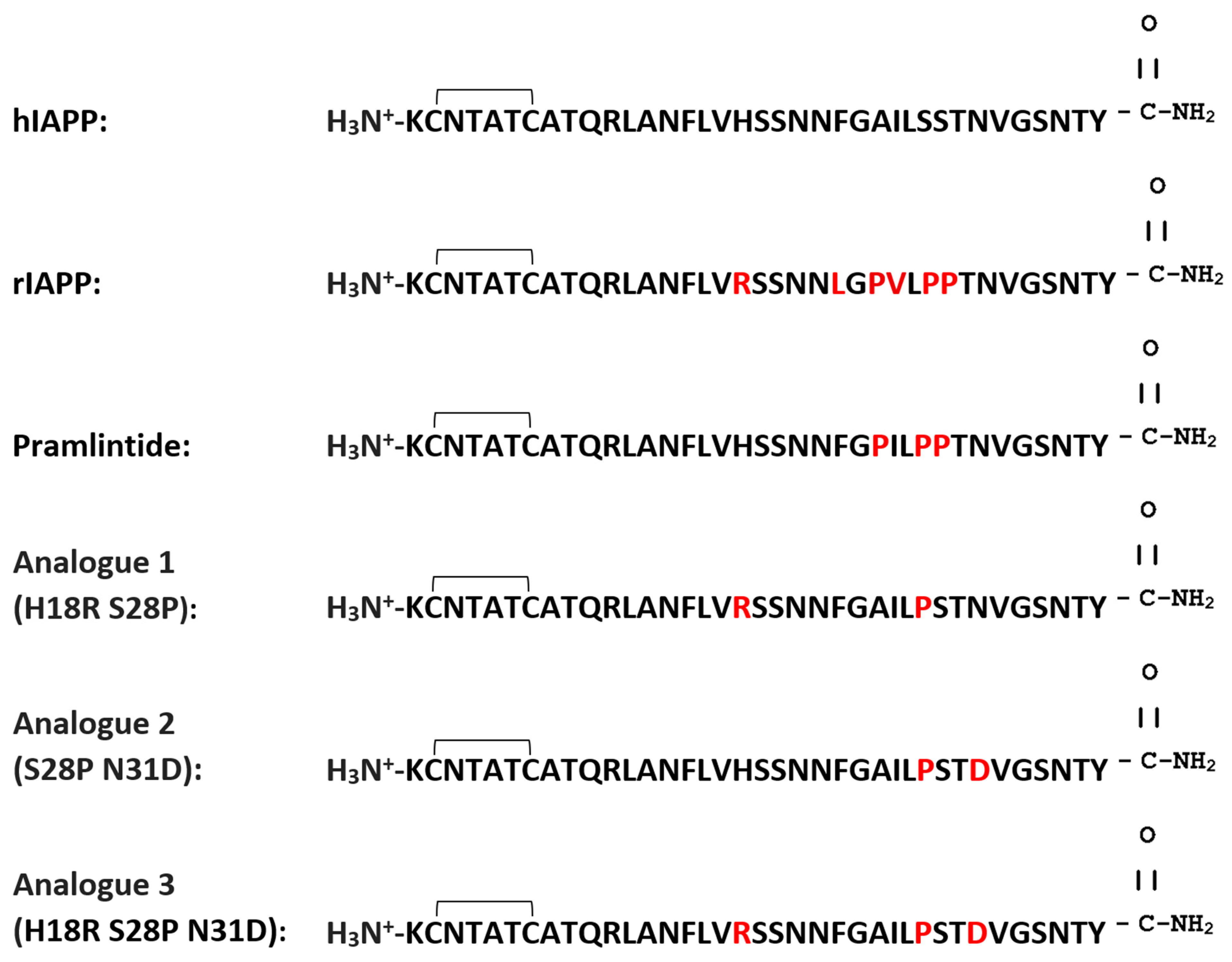
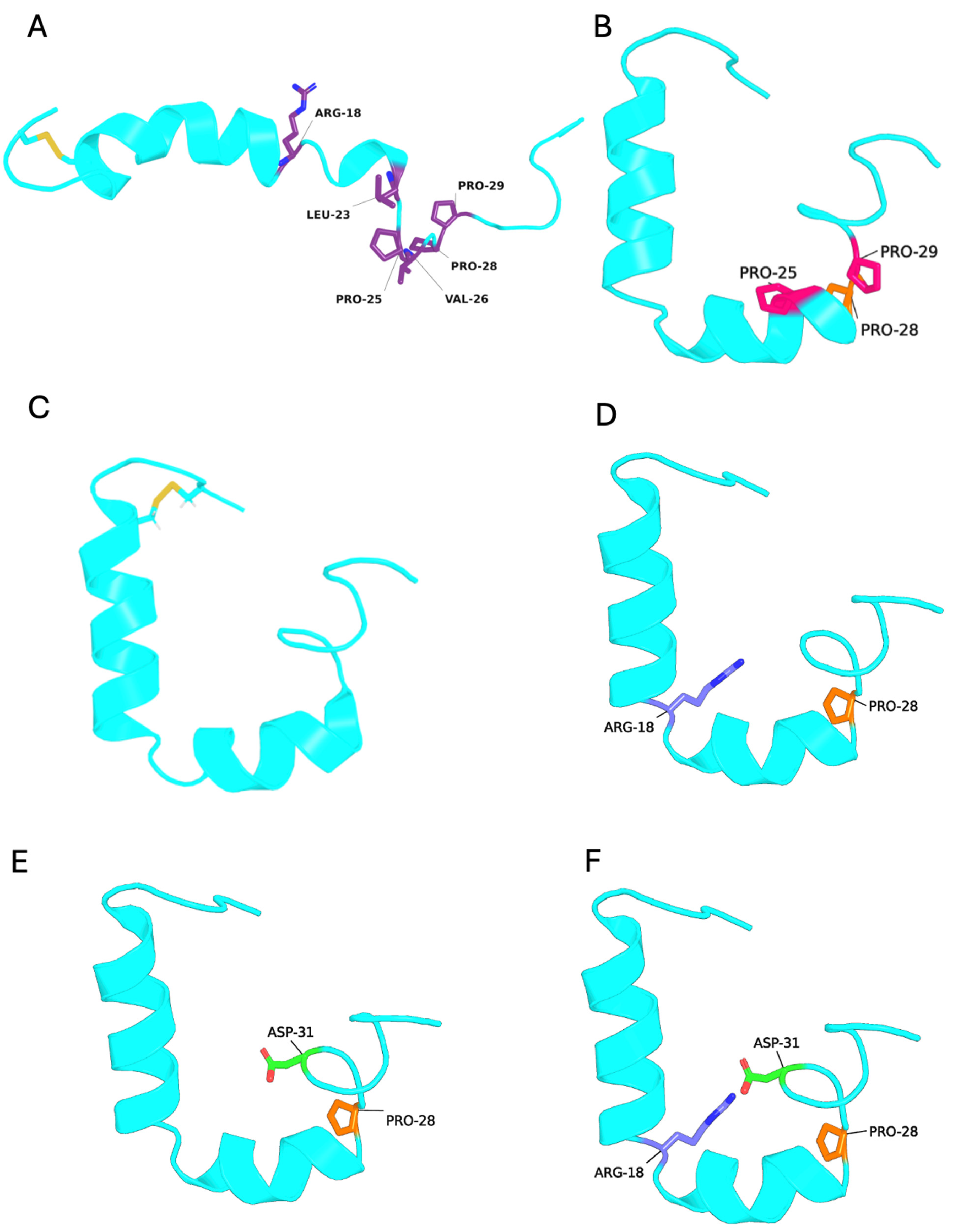
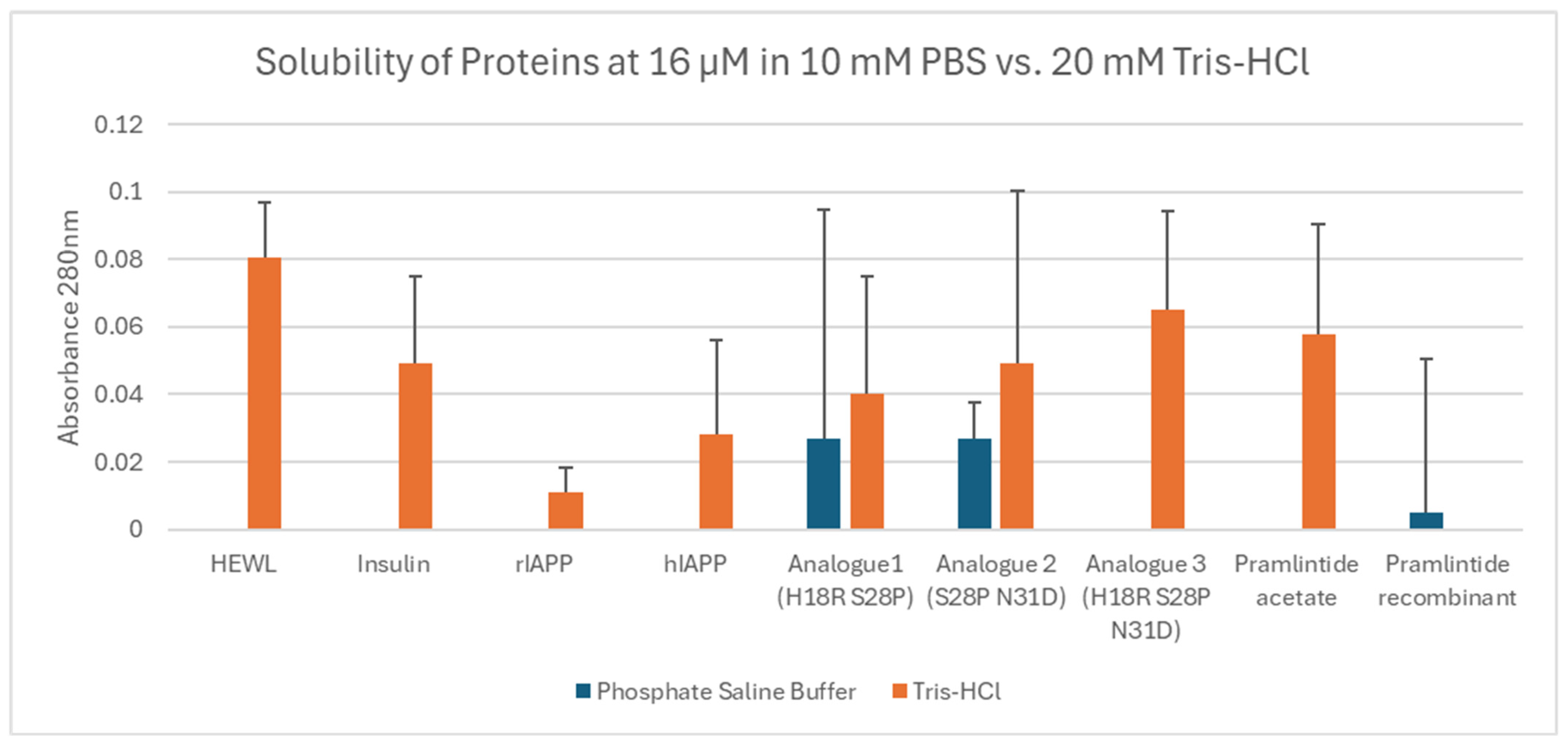
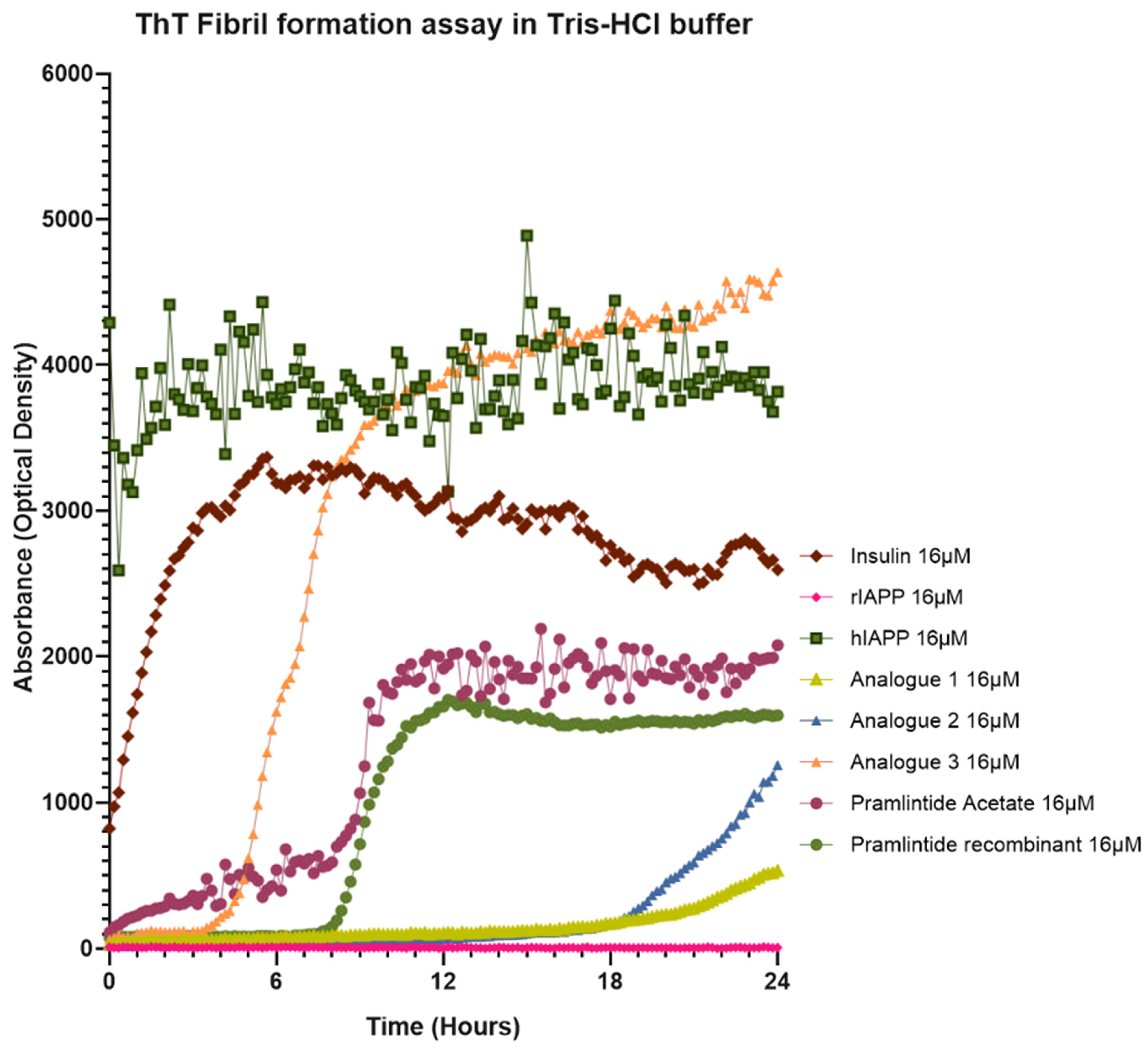
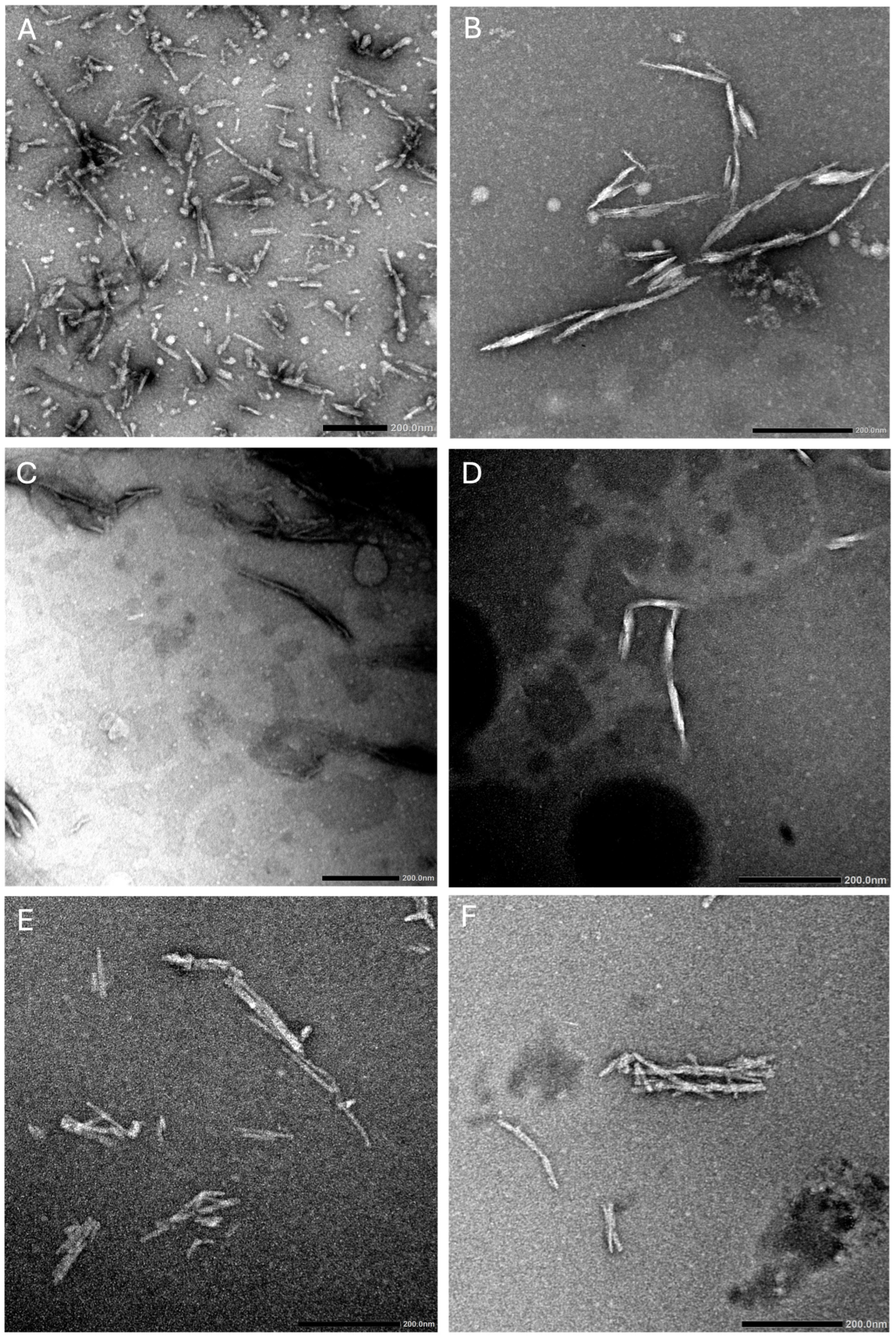
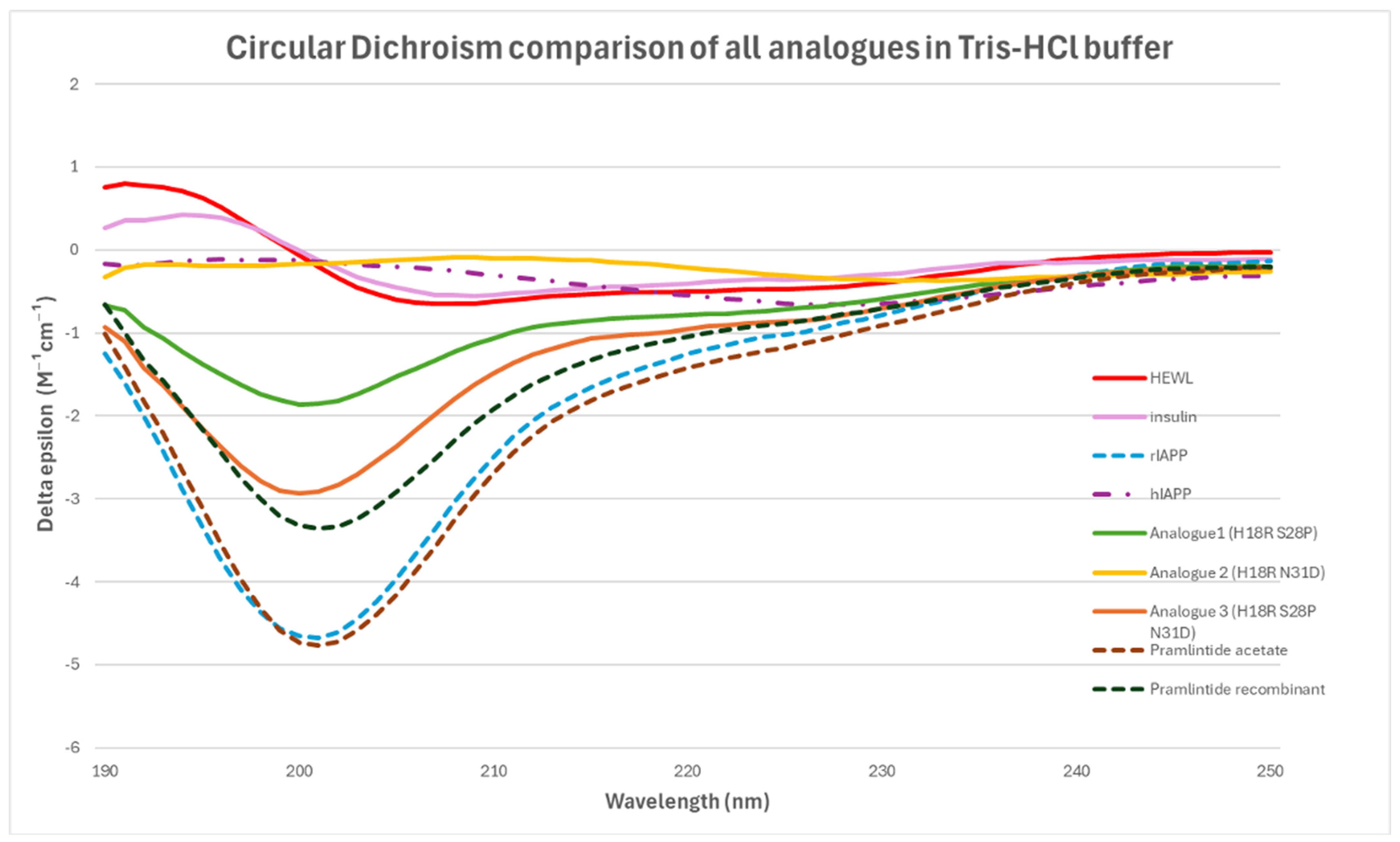
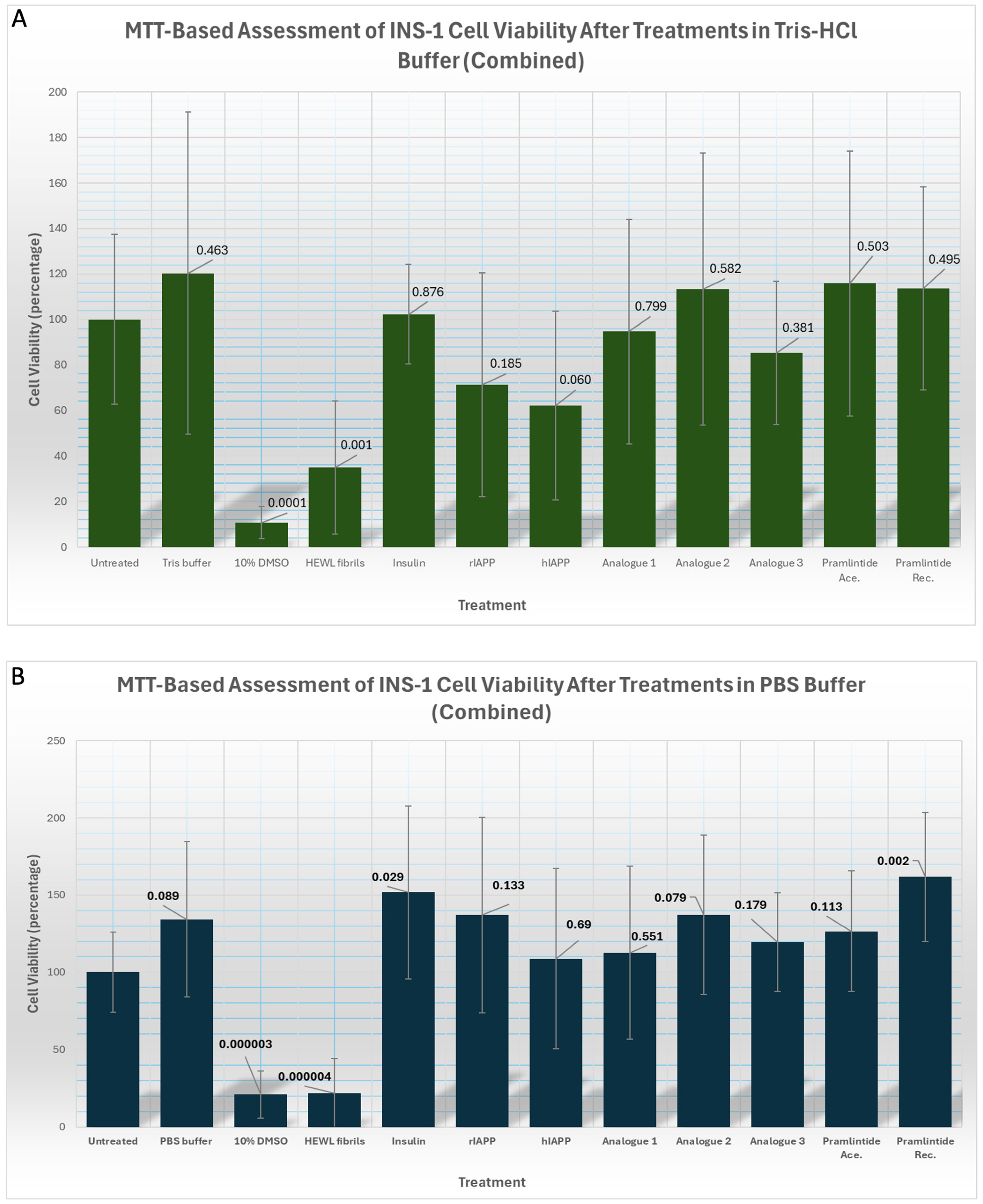
Background: Type 2 diabetes is projected to affect millions of people annually as the number of cases rises year on year. This includes children. Treating diabetes and its related comorbidities has a huge economic impact and puts pressure on healthcare providers. Understanding the disease at a molecular level is key for developing better therapeutics. The protein Islet Amyloid Polypeptide (IAPP) or amylin is important for glucose regulation; however, it is also instrumental in type 2 diabetes pathology. Human IAPP can misfold into oligomers and amyloid fibrillar aggregates within pancreatic islets, promoting β-cell dysfunction and death, contributing to progressive insulin deficiency and worsening hyperglycaemia. Methods: Based on previous studies on mutations at residues 18, 28 and 31,we have designed three novel IAPP analogues (two double and one triple mutant) to assess whether the combined amino acid substitutions impact fibril formation, solubility and toxicity. Results: All three of our analogues show a reduced propensity to aggregate and are more soluble than wild type IAPP. Compared with pramlintide, a clinically prescribed synthetic analogue of human amylin, all of our analogues appeared to have similarly reduced toxicity and improved solubility relative to human IAPP. Additionally, two of our analogues exhibited a markedly slower rate of fibril formation. Conclusions: Our results highlight the importance of targeting multiple residues as a promising strategy for developing improved diabetes therapeutics in the future.
Keywords: Islet Amyloid Polypeptide; hIAPP; amylin; type 2 diabetes mellitus; amyloid; analogues; therapeutics Islet Amyloid Polypeptide; hIAPP; amylin; type 2 diabetes mellitus; amyloid; analogues; therapeutics