1. Introduction
Twiddler’s syndrome, first described by Bayliss et al. in 1968 [
1], is an uncommon but clinically important complication of implantable cardiac devices. It is characterised by rotation of the pulse generator within its subcutaneous pocket, resulting in lead torsion, lead retraction, and device malfunction [
1,
2]. The syndrome derives its name from the presumed mechanism of conscious or unconscious manipulation of the device by the patient. The reported prevalence of Twiddler’s syndrome varies across device types and patient populations. Contemporary cardiac device cohorts estimate an overall prevalence of approximately 1.2%, although this likely underestimates the true incidence due to under-recognition and inconsistent diagnostic criteria [
2]. The clinical consequences extend beyond loss of pacing or sensing and include recurrence of the index arrhythmia, syncope, need for repeat surgical intervention, and potentially serious adverse events such as inappropriate implantable cardioverter-defibrillator (ICD) shocks [
3].
Understanding the risk factors for Twiddler’s syndrome has evolved substantially over the past two decades. Early case reports emphasized patient-related factors such as deliberate device manipulation, psychiatric comorbidities, and cognitive impairment [
4,
5]. More recent multivariable analyses have identified female sex (odds ratio [OR] 3.76), higher body mass index (OR 1.08 per unit increase), and the use of psychoactive medications, particularly antidepressants (OR 3.58) and antipsychotics, as independent predictors of syndrome development [
2]. Device-related and technical factors have also emerged as important contributors, including oversized generator pockets, inadequate device fixation, specific generator geometries prone to rotation, and the use of single-anchor fixation systems [
3,
6]. Recognition of the combined influence of patient-related and technical factors has important implications for risk stratification and prevention strategies.
Management of Twiddler’s syndrome requires surgical revision with lead replacement and device repositioning. However, recurrence rates following initial revision have been reported as high as 50% with conventional suture fixation techniques alone [
7]. This high recurrence rate has prompted investigation of enhanced prevention strategies, including the use of nonabsorbable antimicrobial envelopes, secure generator fixation techniques, minimising pocket size, submuscular or alternative anatomic placement, and preoperative psychological screening in high-risk patients [
3,
7,
8]. Preliminary evidence suggests that antimicrobial envelope use may reduce recurrence to 0% compared to 50% with suture-only approaches, though these findings require validation in larger cohorts [
7].
Furthermore, advances in leadless pacemaker technology have established these devices as a preventive option in selected high-risk patients. By eliminating both the generator pocket and transvenous leads, leadless systems remove the anatomic substrate for Twiddler’s syndrome [
9]. Professional societies, including the American College of Cardiology, now recommend consideration of leadless pacing for patients at increased risk of pocket or lead complications, such as those with behavioural or cognitive risk factors [
10]. Ongoing innovations, including dual-chamber leadless systems and atrioventricular synchronised pacing, continue to expand the clinical applicability of this technology [
5,
9].
Despite growing awareness of Twiddler’s syndrome, important knowledge gaps remain regarding optimal prevention strategies, predictors of recurrence, and long-term outcomes following revision. In this context, case series continue to play an important role in illustrating the clinical spectrum of the condition and informing real-world management decisions.
We, therefore, present a case series of three patients with pacemaker-associated Twiddler’s syndrome managed at our institution, highlighting common clinical features, recurrence patterns, and practical considerations relevant to prevention and management. Cases were identified through a review of pacemaker clinic records and device interrogation logs over a three-year period. Inclusion required clinically and radiographically confirmed lead retraction consistent with Twiddler’s syndrome. Implantations were performed within a single cardiology department using standard transvenous techniques, with prepectoral device placement as standard practice and fixation strategy at the discretion of the implanting operator. Clinical, imaging, procedural, and outcome data were collected retrospectively from patient records.
2. Case Descriptions
2.1. Case 1
A 69-year-old woman presented to a regional emergency department with recurrent dizziness and presyncope. Electrocardiography demonstrated atrial fibrillation with a slow ventricular response, with a mean ventricular rate of 32 beats per minute. Her medical history included osteoarthritis and diverticular disease, with no regular medications. There was no documented psychiatric illness, although her general practitioner reported recent cognitive decline.
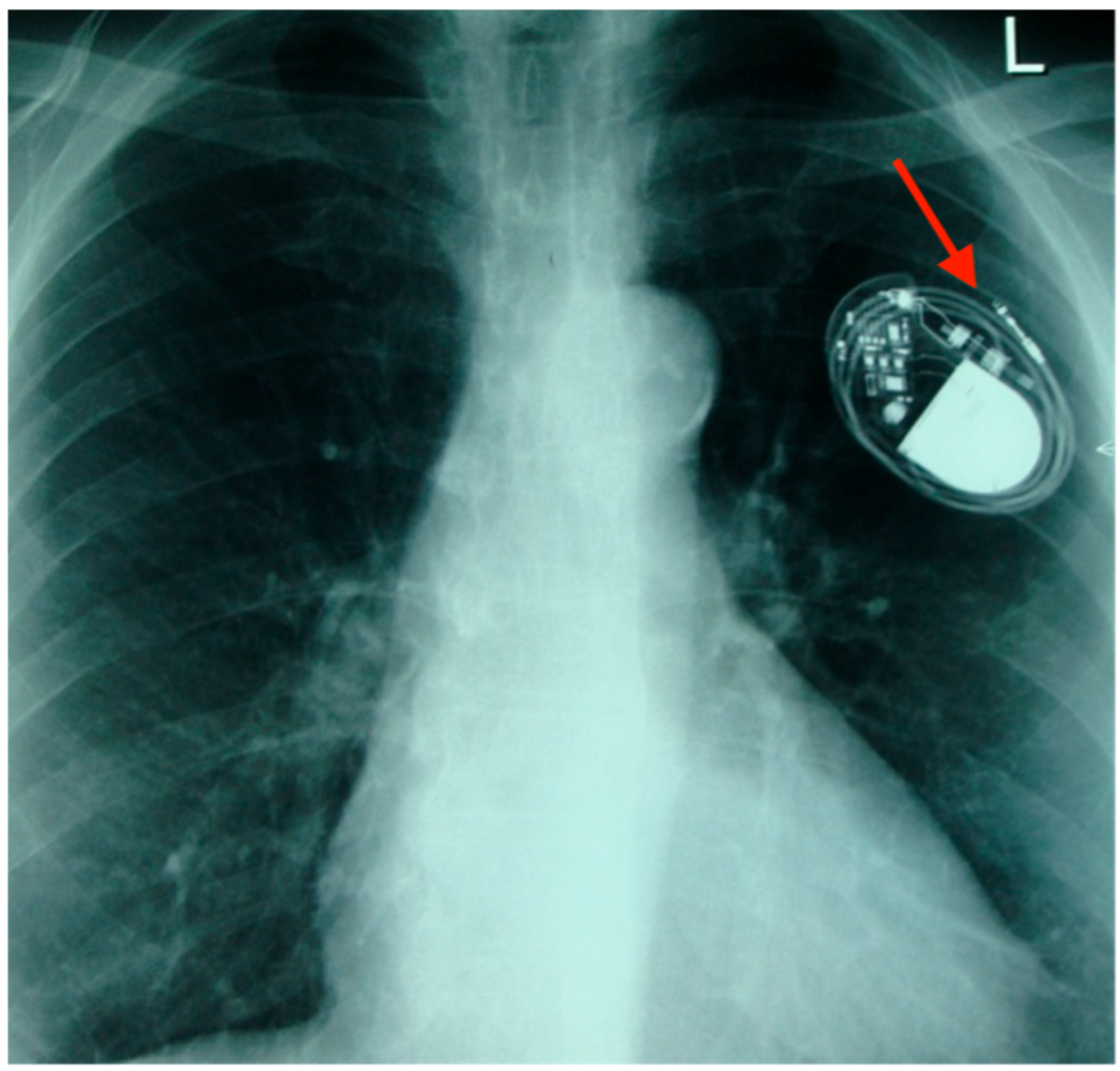
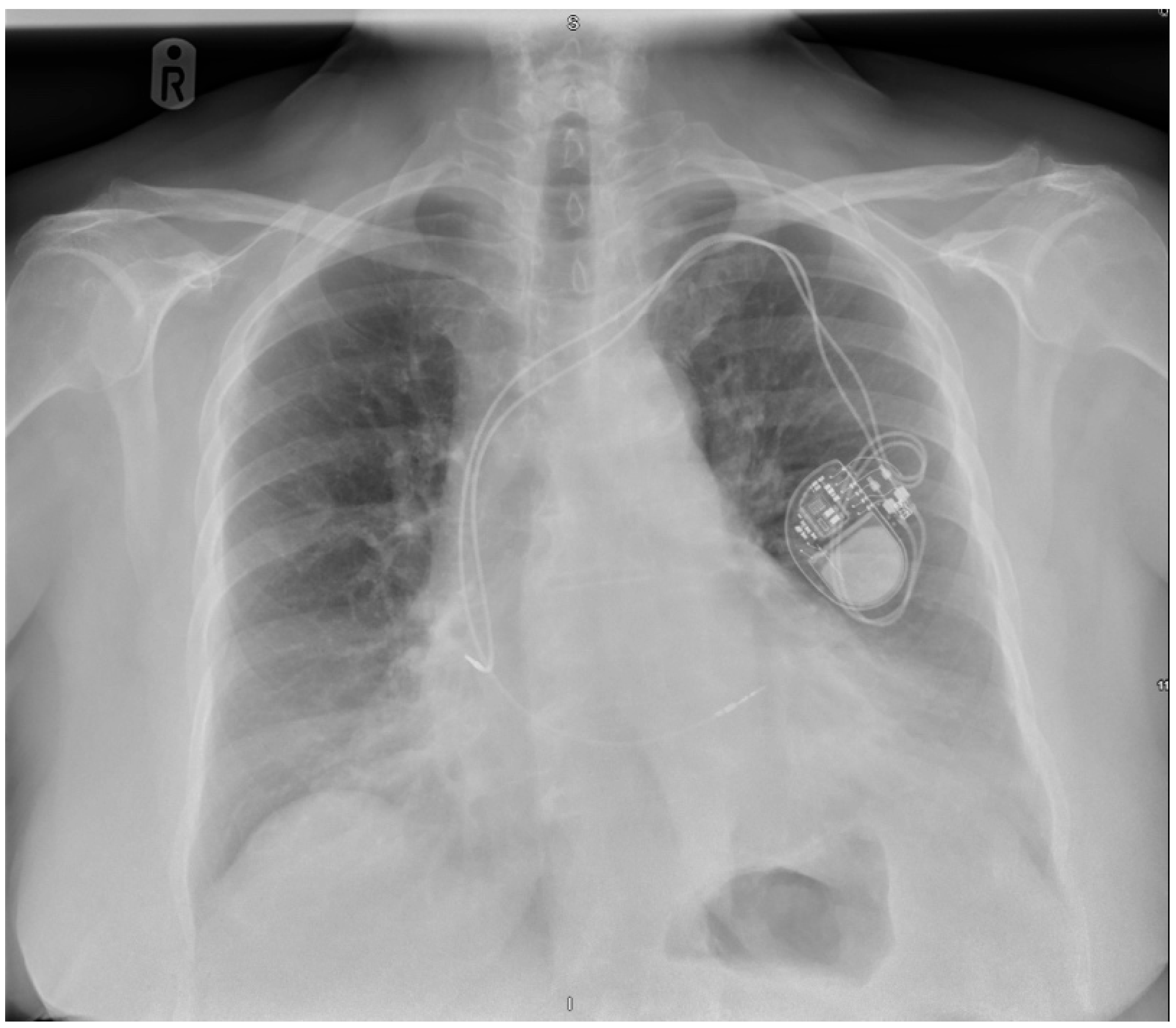
Inpatient telemetry confirmed symptomatic bradycardia, and she underwent implantation of a single-chamber VVIR pacemaker. The device was implanted via the left subclavian vein, with an active-fixation lead positioned in the right ventricular apex. Post-procedural chest radiography confirmed satisfactory lead position (
Figure 1), and the patient was discharged following an unremarkable pacing check.
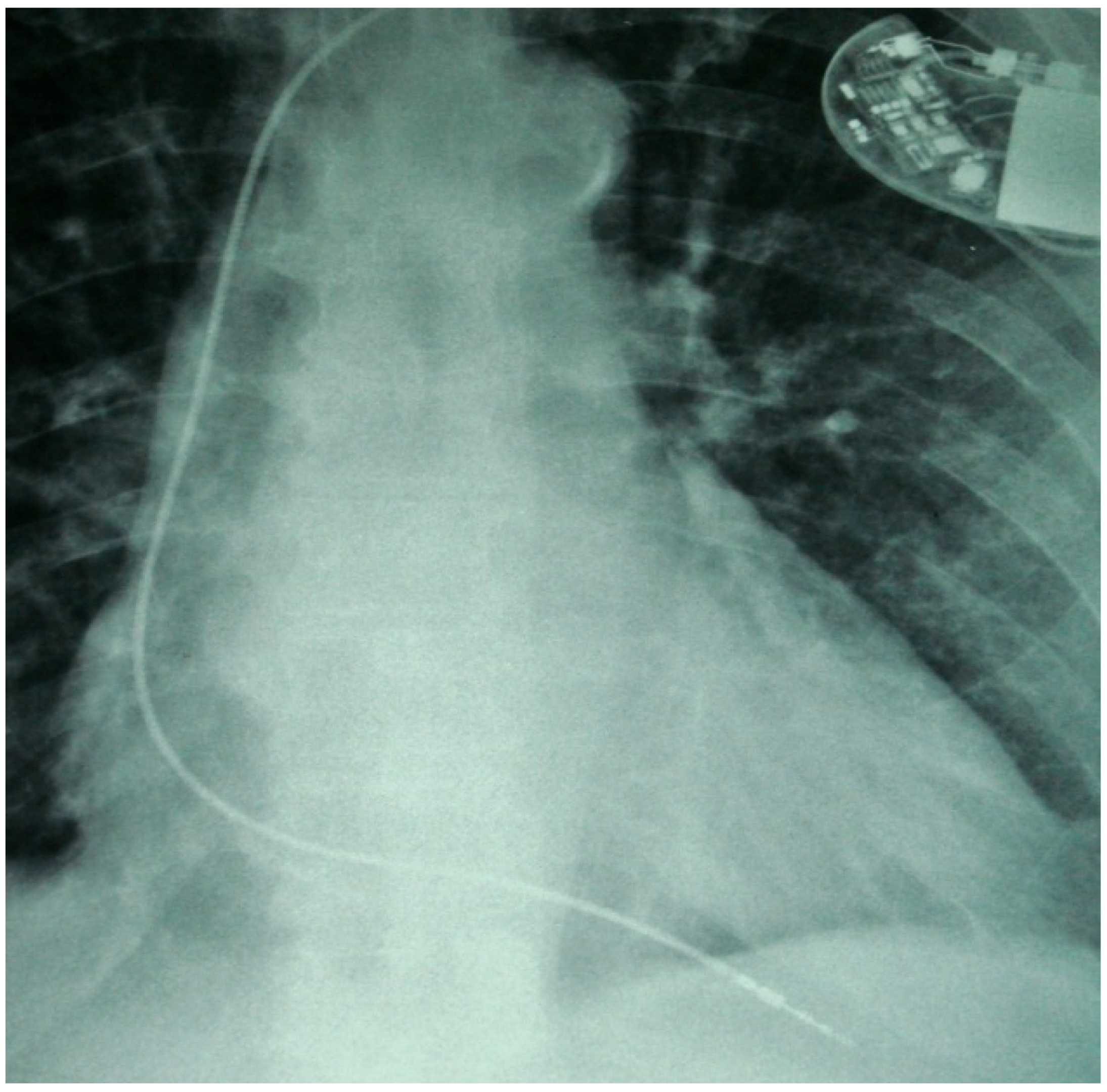
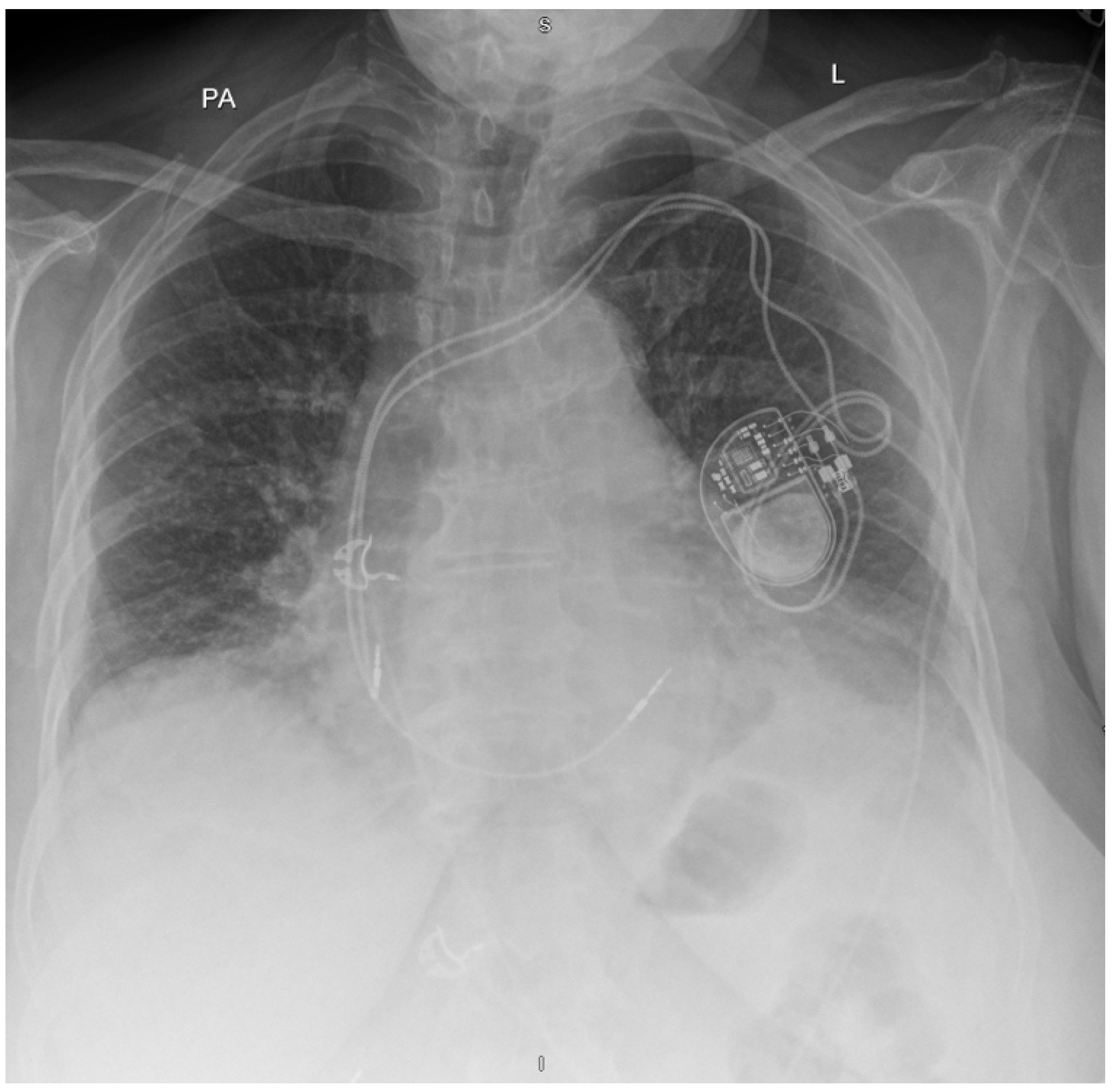
One week later, she re-presented with recurrent presyncope. Chest radiography demonstrated complete lead retraction with coiling around the pulse generator, consistent with Twiddler’s syndrome (
Figure 2). Surgical revision was performed with explantation of the lead and generator, implantation of a new ventricular lead, and reinforced generator fixation to the underlying pectoral muscle. The patient and her family were counselled regarding avoidance of device manipulation. At eight-week follow-up, she remained asymptomatic with stable device parameters and no evidence of recurrence.
2.2. Case 2
A 71-year-old woman with a history of ischaemic heart disease and type 2 diabetes mellitus presented with presyncope and exertional dyspnoea. Telemetry demonstrated prolonged sinus pauses, and she was diagnosed with symptomatic sick sinus syndrome. A dual-chamber pacemaker was implanted without complication, with post-procedural chest radiography confirming satisfactory atrial and ventricular lead positioning. There was no documented psychiatric history or cognitive impairment.
One week later, she re-presented with recurrent presyncope. Device interrogation demonstrated failure to sense and capture in both chambers, and chest radiography confirmed complete retraction of both atrial and ventricular leads, with coiling around the pulse generator. Surgical revision was undertaken with explantation of the system and reimplantation of new leads and a generator in a second prepectoral pocket. No additional preventive fixation strategies or structured counselling were documented in the patient notes.
Two weeks later, she presented again following a syncopal episode at home. Repeat interrogation and imaging confirmed recurrent Twiddler’s syndrome with complete lead retraction. The system was explanted for a second time, and a new pacemaker was implanted in a subpectoral location with reinforced generator fixation. Extensive counselling was provided to the patient regarding avoidance of device manipulation. At one-year follow-up, the device remained stable with no further recurrence.
2.3. Case 3
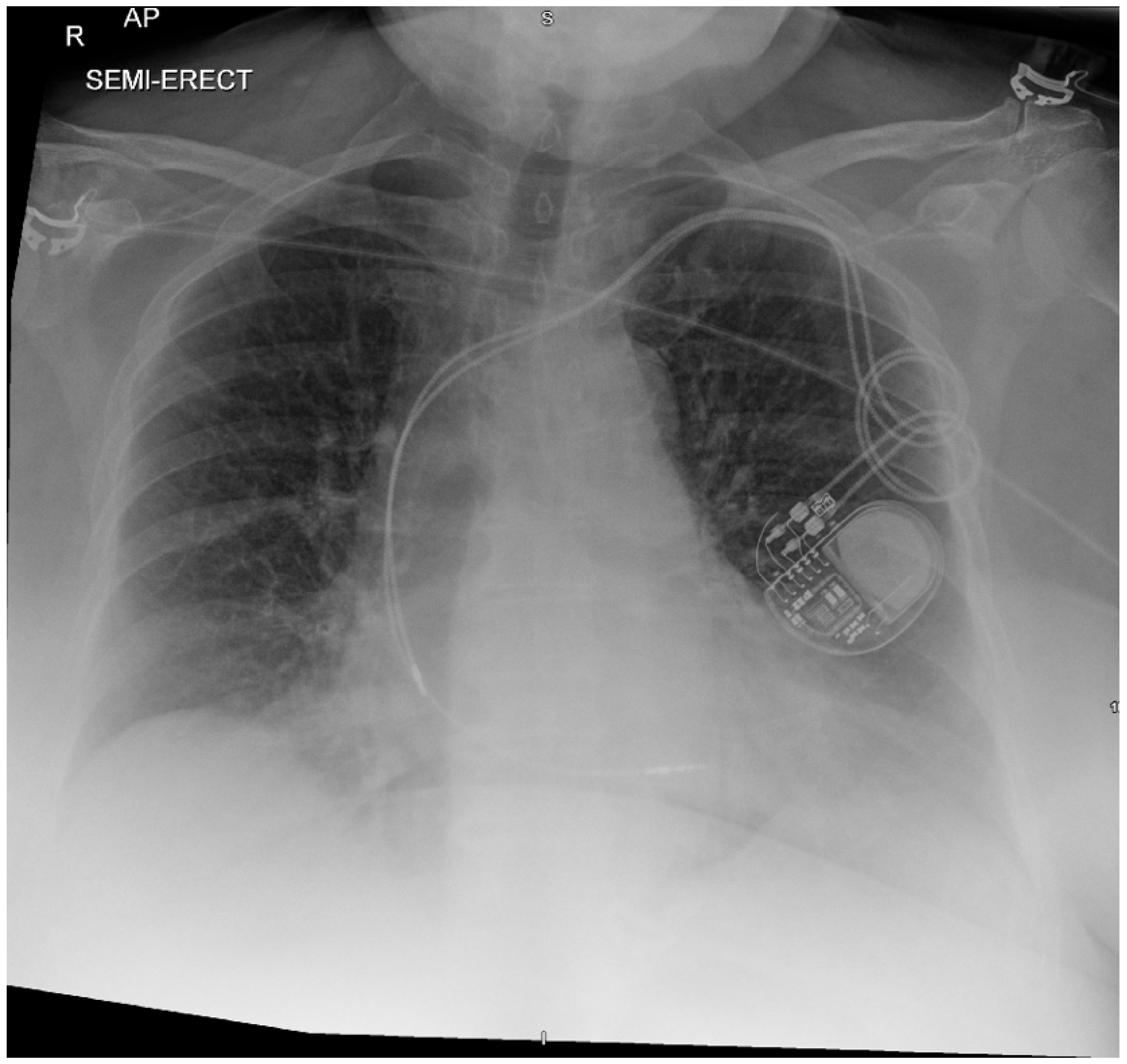
A 77-year-old woman with a history of depression, including electroconvulsive therapy for more than 20 years previously, presented following a syncopal episode. Electrocardiography demonstrated complete heart block. A dual-chamber pacemaker was implanted in a prepectoral pocket, with satisfactory atrial and ventricular lead positioning confirmed on post-procedural chest radiography (
Figure 3). No enhanced fixation techniques were reported.
At routine pacemaker clinic review three weeks later, device interrogation revealed atrial lead dysfunction with failure to sense and capture in both bipolar and unipolar configurations. Chest radiography demonstrated complete atrial lead retraction with tight coiling around the pulse generator, consistent with Twiddler’s syndrome (
Figure 4). The ventricular lead remained functional but appeared under tension. The patient denied manipulating the device.
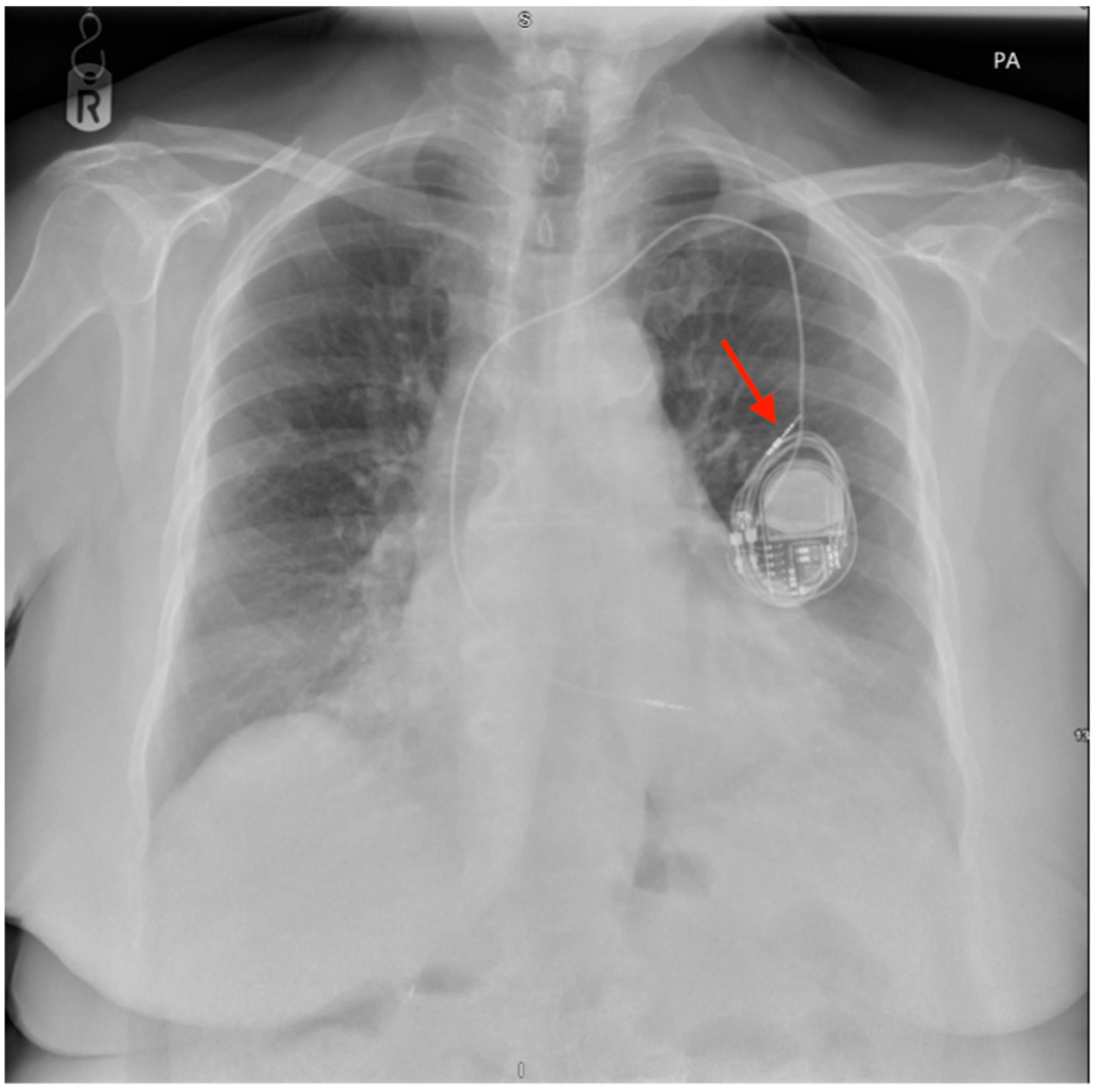
Surgical revision was performed with atrial lead replacement and repositioning of the ventricular lead. The generator was resecured within the prepectoral pocket using reinforced fixation to the underlying muscle. Post-procedural imaging confirmed a stable lead position (
Figure 5). The patient and her family were counselled repeatedly regarding avoidance of device handling. At four-month follow-up, device interrogation and imaging demonstrated stable lead position with no evidence of recurrence (
Figure 6).
3. Discussion
This case series highlights several important and recurring themes in the presentation and management of Twiddler’s syndrome. Across all cases, lead retraction occurred early following device implantation, recurred in the absence of enhanced preventive strategies, and was associated with patient and procedural characteristics previously identified as risk factors in the literature. Together, these findings reinforce the concept that Twiddler’s syndrome is a predictable and, in many cases, preventable complication.
A key observation from this series is the early timing of lead retraction, with all cases presenting within the first three weeks following implantation. This aligns with prior reports suggesting that the immediate post-implant period represents the highest risk window for generator rotation and lead displacement, before fibrotic encapsulation of the pocket occurs [
11]. During this period, generator mobility is greatest, and patients may inadvertently manipulate the device due to postoperative discomfort, curiosity, or anxiety. Recognition of this temporal vulnerability has important implications for both procedural planning and post-implant surveillance.
Our cases also underscore the importance of identifying patients at increased risk at the time of implantation. All patients were female and older, and two had either documented or suspected cognitive or psychiatric vulnerability. While none admitted to deliberate device manipulation, denial of handling is well recognised in Twiddler’s syndrome and does not exclude the diagnosis. These cases illustrate that risk assessment should extend beyond overt psychiatric disease and include more subtle factors such as cognitive decline, prior mental health history, and the physical characteristics of the patient [
2].
The management trajectories observed in this series further emphasise the limitations of standard revision strategies. In Case 2, repeated recurrence followed initial revision in the absence of documented reinforced fixation or structured counselling. In contrast, cases in which reinforced fixation and explicit patient and family counselling were employed were associated with durable outcomes. This mirrors existing evidence that conventional suture fixation alone may be insufficient, with reported recurrence rates of up to 50 percent following initial revision [
7]. However, given the small sample size and the sequential and non-standardised application of preventive strategies, causal inferences cannot be drawn, and these findings should be considered hypothesis-generating. Enhanced preventive strategies, including multi-point generator fixation, minimisation of pocket size, use of alternative anatomical locations, and adjunctive measures such as antimicrobial envelopes, may therefore be more appropriately considered at the outset in selected high-risk patients rather than reserved for subsequent revision procedures.
Taken together, these findings support a preventive, rather than reactive, approach to Twiddler’s syndrome. For patients identified as high risk, consideration should be given to reinforced fixation strategies at the index implant, rather than reserving these measures for revision procedures. This approach has the potential to reduce morbidity, avoid repeated surgical interventions, and minimise healthcare utilisation.
4. Conclusions
Twiddler’s syndrome remains an uncommon but clinically significant complication of pacemaker implantation, with the greatest risk occurring in the early post-implantation period. This case series highlights the importance of recognising patient-related and procedural risk factors at the time of implantation and demonstrates that recurrence is common when preventive strategies are not adequately addressed.
A structured approach to risk identification, combined with consideration of reinforced fixation strategies at the outset in selected patients, may reduce the incidence of lead retraction and the need for repeat surgical intervention. Early vigilance during the first few weeks following implantation, alongside clear patient and family education, is essential.
Future studies are needed to better define optimal preventive strategies and clarify the role of emerging technologies, including leadless pacing, in patients at increased risk of Twiddler’s syndrome. Until then, careful patient selection and proactive procedural planning remain central to minimising this potentially avoidable complication.