

Systematic Review

Coronary CT Angiography Radiomics for Identifying Coronary Artery Plaque Vulnerability: A Systematic Review


1
Cardiology Department, St. James’s Hospital, D08 NYH1 Dublin, Ireland
2
Radiology Department, St. James’s Hospital, D08 NYH1 Dublin, Ireland
*
Author to whom correspondence should be addressed.
Hearts 2024, 5(4), 584-599; https://doi.org/10.3390/hearts5040045
Submission received: 6 November 2024 / Revised: 19 November 2024 / Accepted: 21 November 2024 / Published: 25 November 2024

Abstract

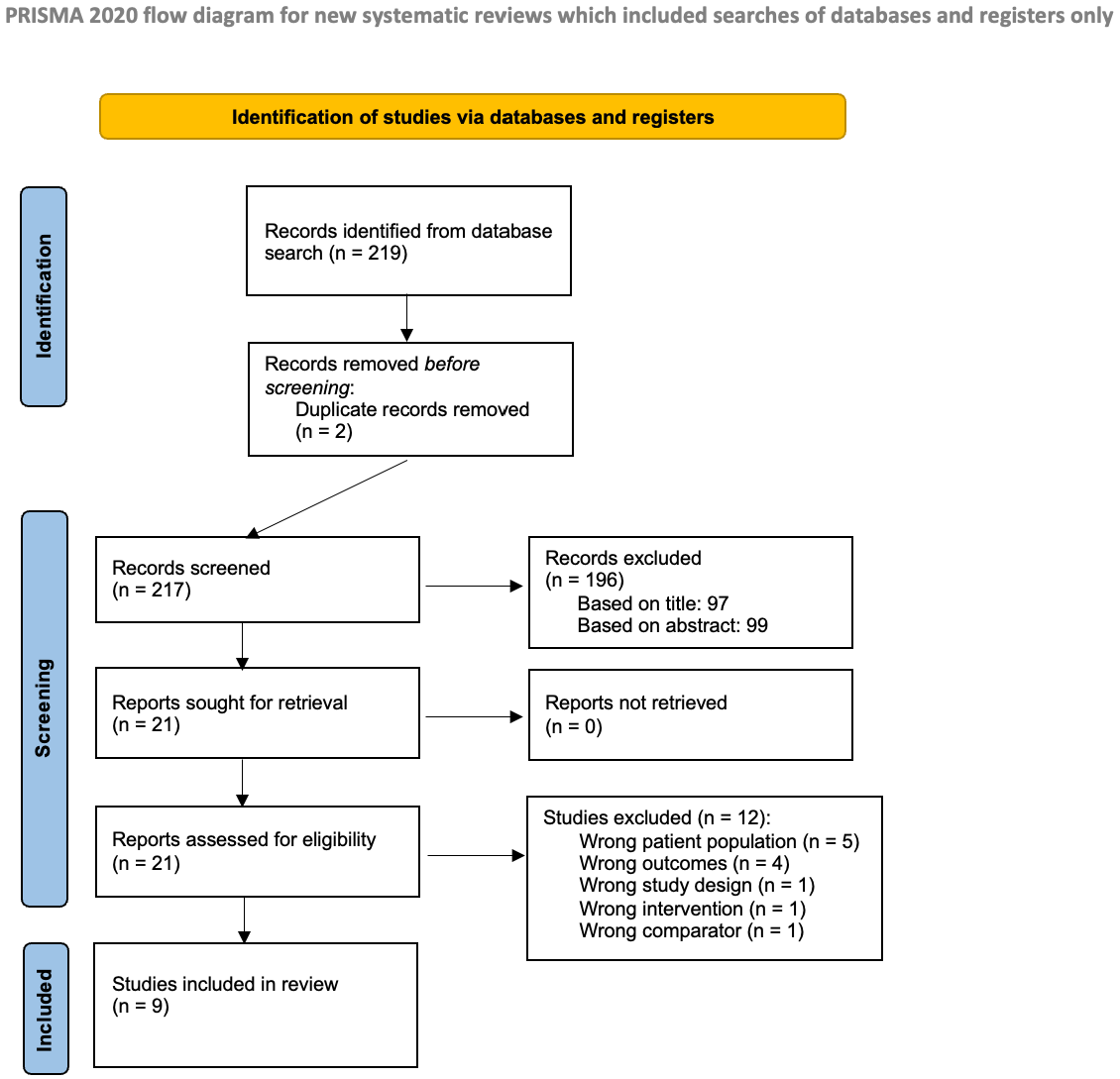
Background/objectives: Acute coronary syndrome (ACS) is a major global health issue primarily caused by the rupture or erosion of vulnerable coronary plaques. Non-invasive identification of these plaques through coronary computed tomography angiography (CCTA) can be improved with radiomics, which extracts and analyses quantitative features from medical images. This systematic review aims to comprehensively evaluate the literature surrounding the role of radiomics in assessing coronary plaques via CCTA. Methods: A systematic search of Medline, EMBASE, and Web of Science was conducted up to July 2024. Nine studies met the inclusion criteria, and their methodological quality was assessed using the radiomic quality score (RQS) and the QUADAS-2 tool. Results: All studies that evaluated radiomic models for plaque vulnerability reported area under the curve (AUC) values exceeding 0.7, indicating at least modest diagnostic performance. In the four studies that made direct comparisons, radiomic models consistently outperformed conventional CCTA markers. However, RQS scores ranged from 2.7% to 41.7%, reflecting variability in study quality and underscoring the need for more robust validation. Conclusions: Radiomics has the potential to enhance CCTA-based identification of vulnerable coronary plaques, offering a promising non-invasive approach to predicting major adverse cardiovascular events. However, the current body of research is limited by the lack of external validation, reliance on small, single-centre retrospective studies, and methodological inconsistencies, which impact the generalisability and reproducibility of findings. Future research should prioritise prospective, multi-centre studies with standardised protocols and rigorous validation frameworks to effectively incorporate radiomics into clinical practice.
Keywords: radiomics; coronary CT angiography; vulnerable coronary artery plaque radiomics; coronary CT angiography; vulnerable coronary artery plaque

