Article

Analysis of Performance of Bone-Anchored Implants for Amputation Limb Prostheses


by
Riyam Basim Al-Tameemi
1,2,
Hashem Mazaheri
1,*,
Jumaa Salman Chiad
3 and
Mahdi Shaban
1
1
Department of Mechanical Engineering, Faculty of Engineering, Bu-Ali Sina University, Hamedan P.O. Box 651754161, Iran
2
Imam Alkadhim University College, Baghdad 14522, Iraq
3
Al-Karkh University of Science, Baghdad 1001, Iraq
*
Author to whom correspondence should be addressed.
Appl. Mech. 2025, 6(4), 77; https://doi.org/10.3390/applmech6040077

Submission received: 2 July 2025 / Revised: 4 August 2025 / Accepted: 31 August 2025 / Published: 17 October 2025

Abstract

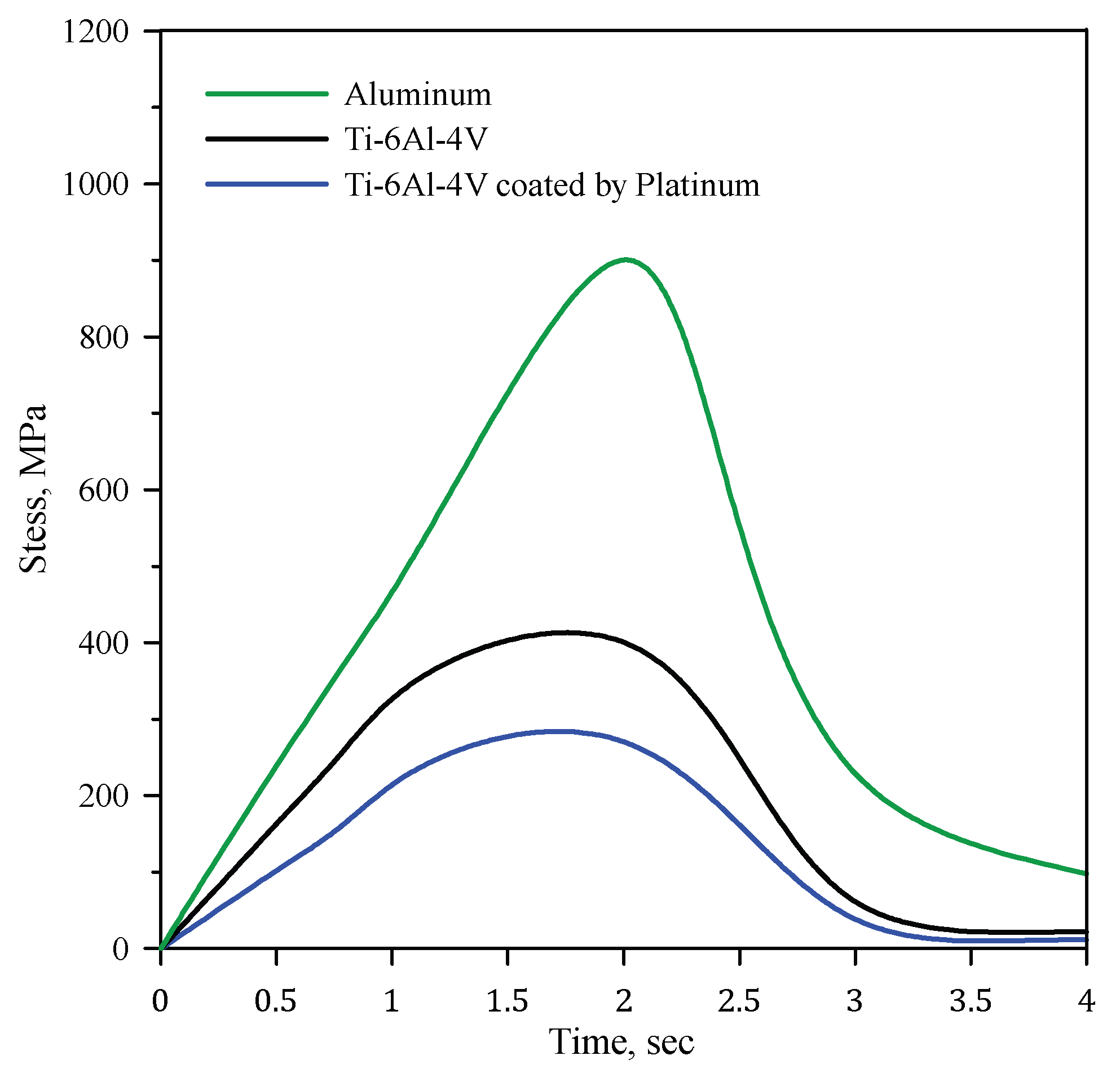
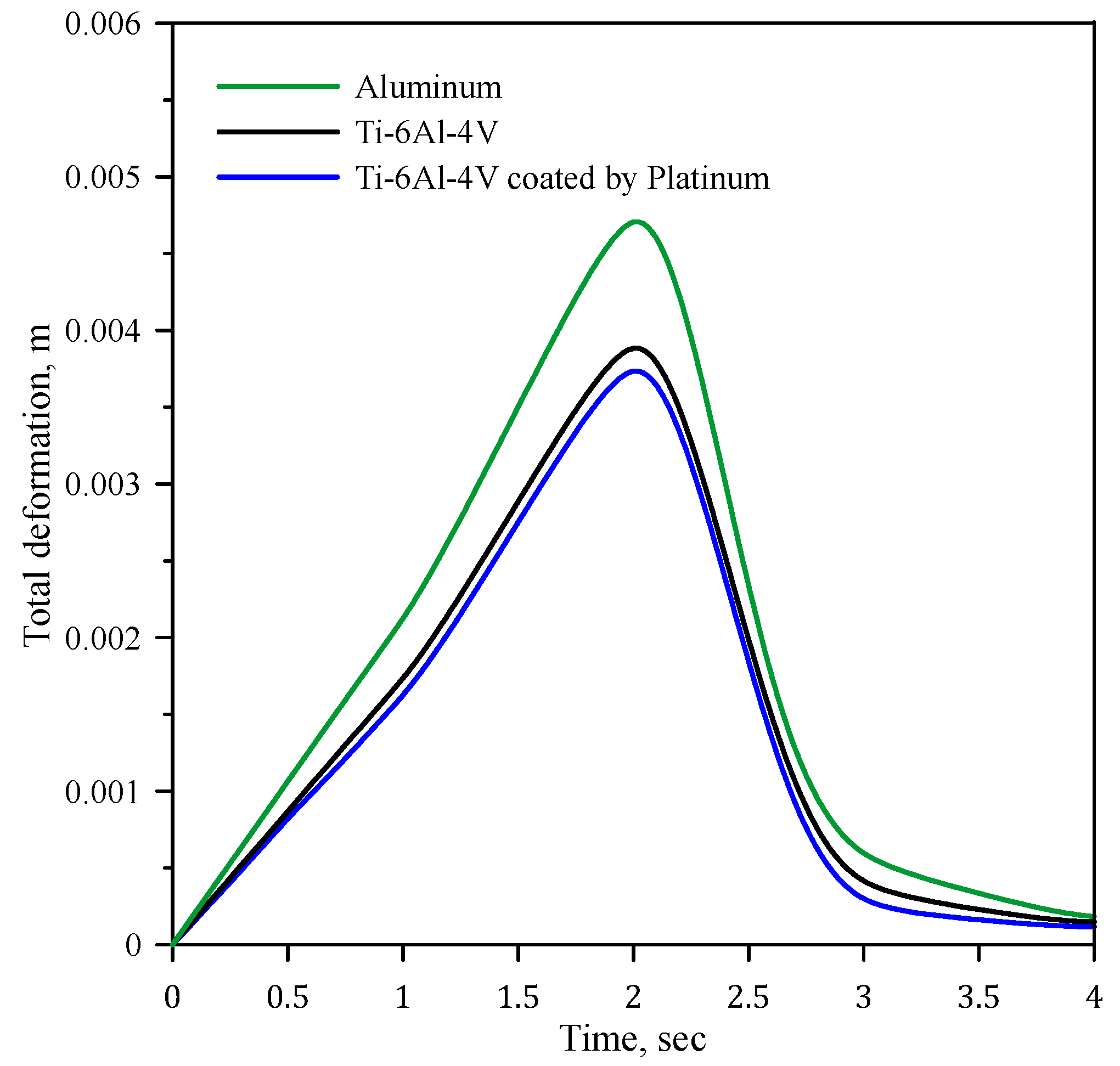
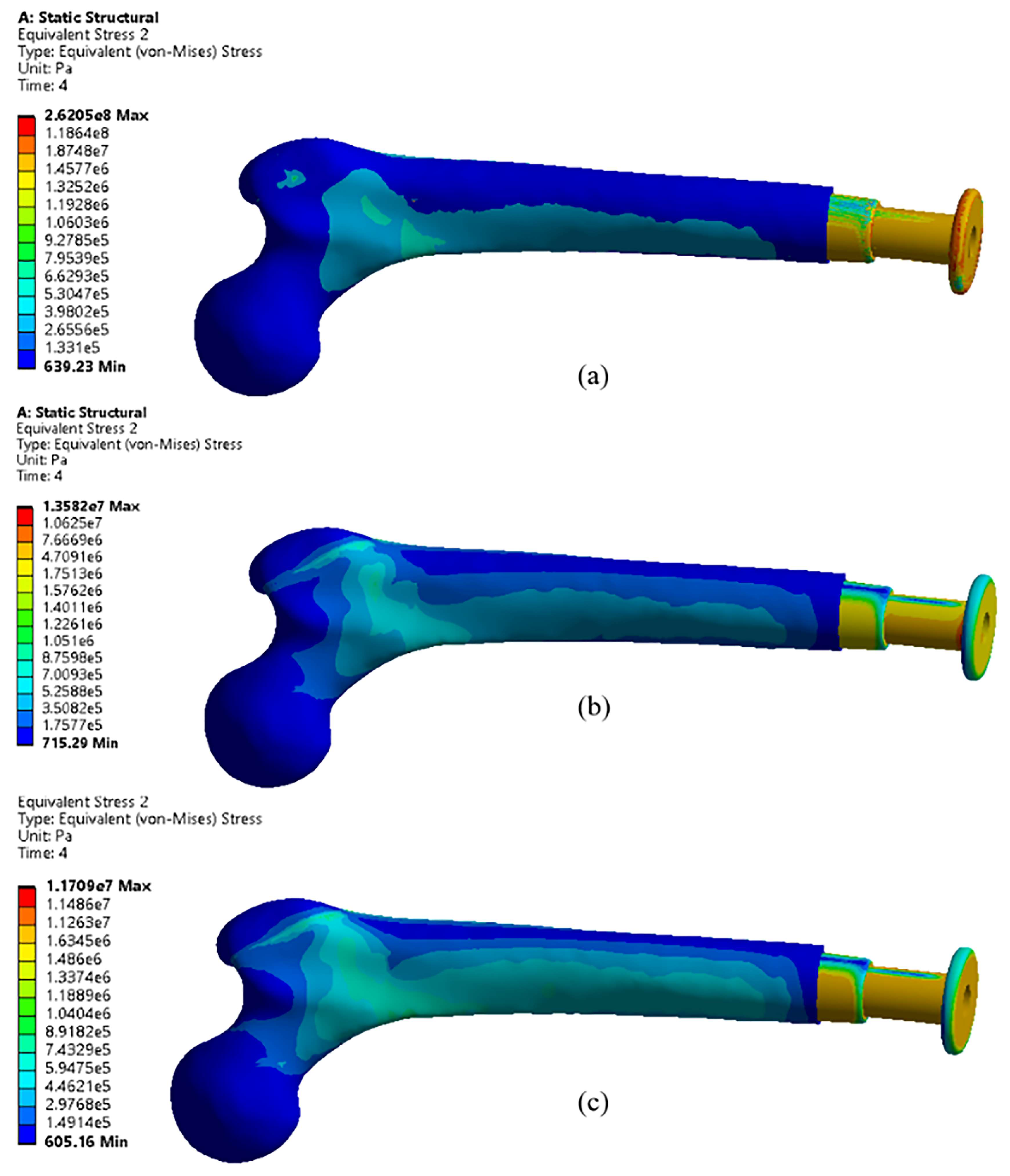
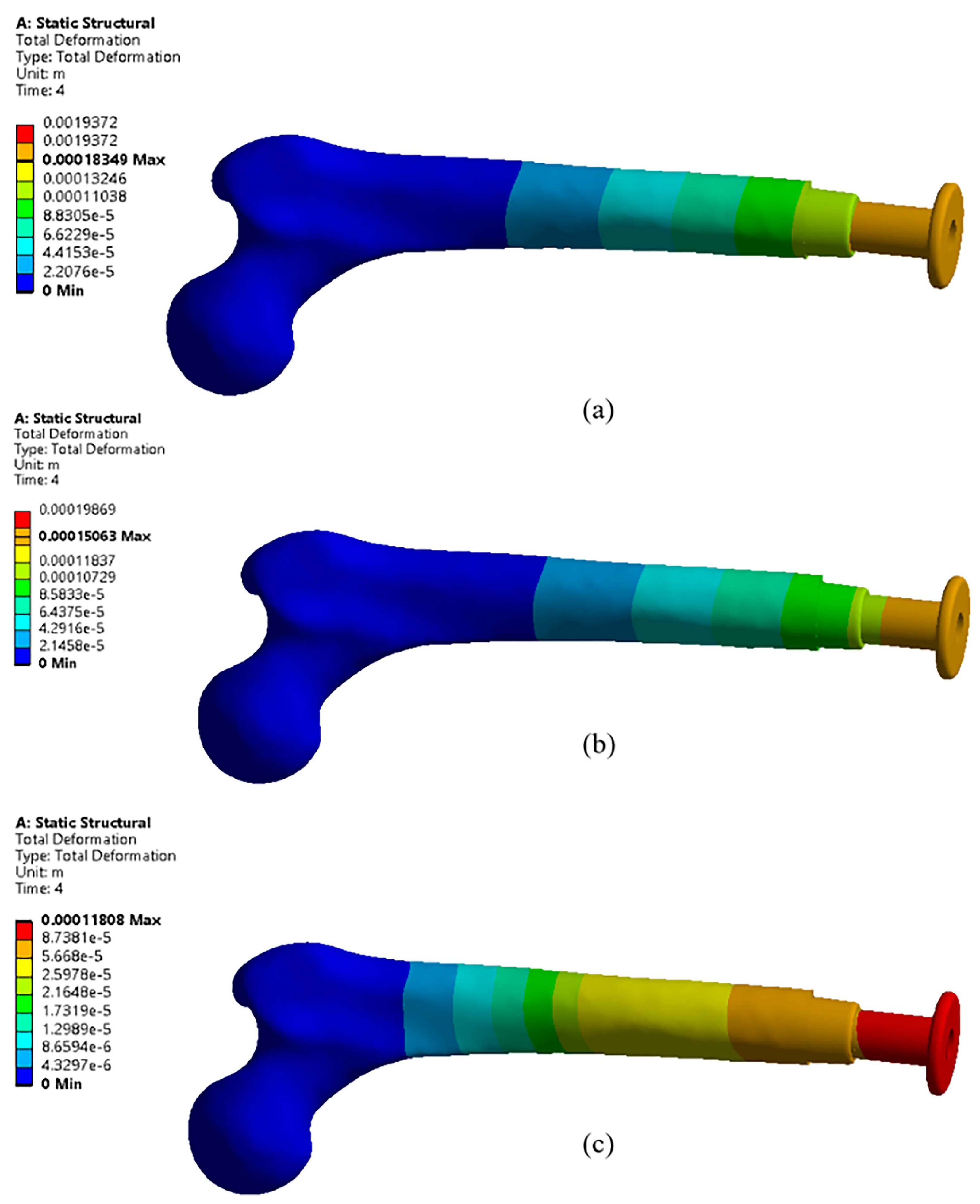
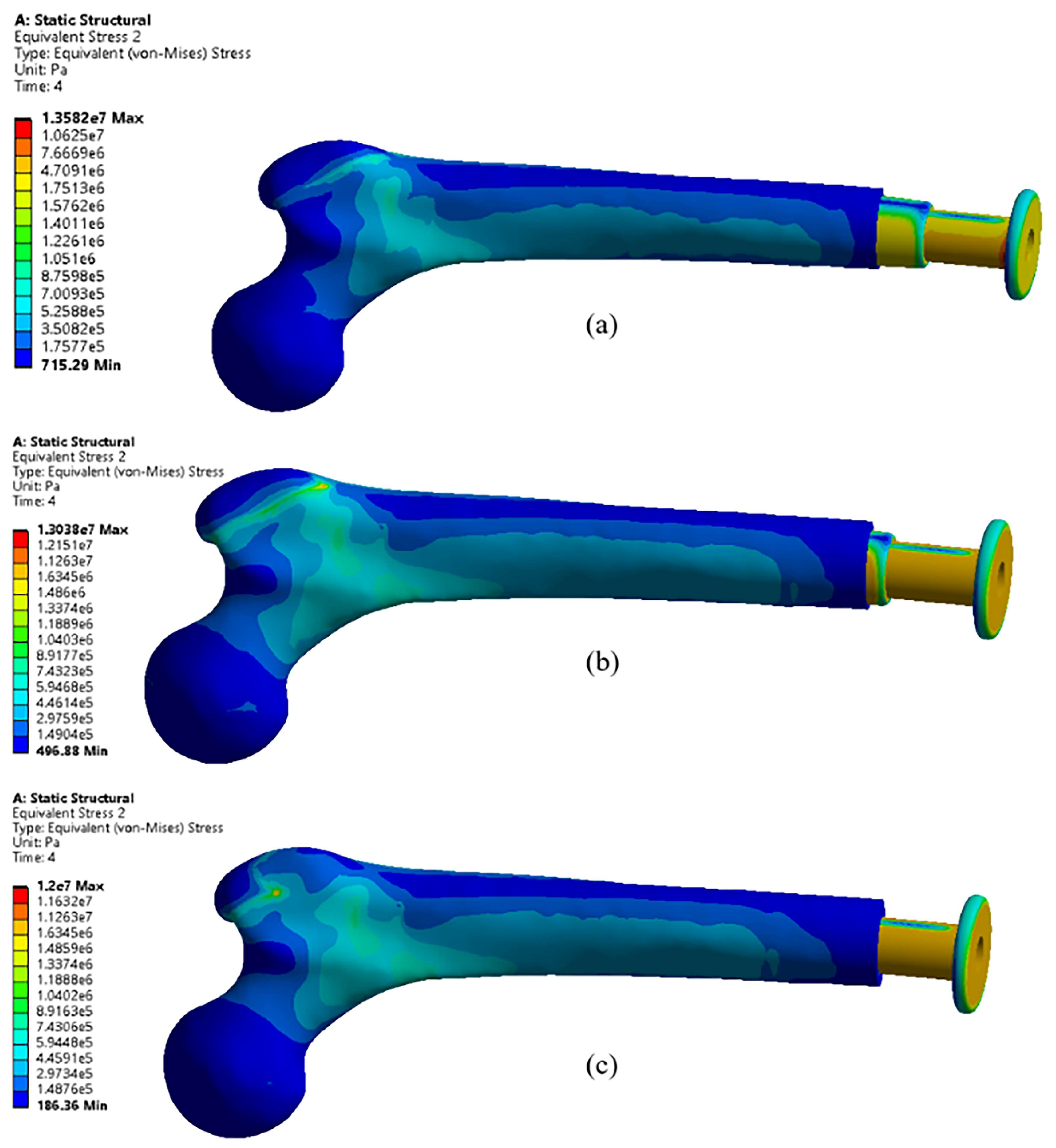
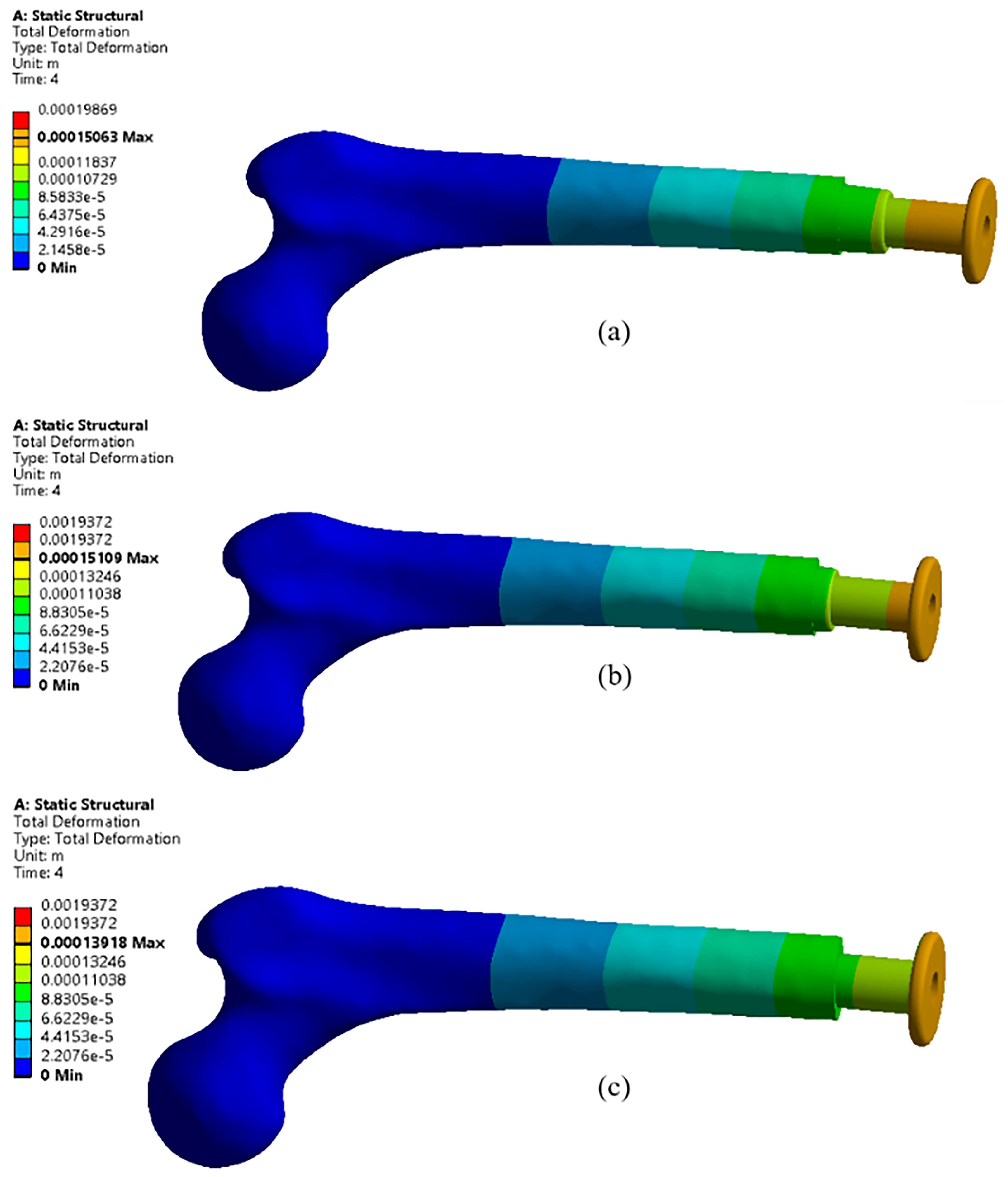
Bone-anchored implants have transformed prosthetic technology by providing a promising alternative to traditional socket-based prostheses through enhanced stability, comfort, and natural limb functionality. These advancements result from developments in osseointegration techniques, improved surgical methods, and innovative implant materials. To address current limitations, continued research remains essential to enhance safety and effectiveness, thereby promoting wider adoption of these advanced prosthetic solutions. This study focuses on modeling bone-anchored implants for limb prostheses in amputees. The research evaluates structural behavior and performance of osseointegrated implants under various conditions while optimizing implant design. The investigation examines different materials including aluminum, Ti-6Al-4V, and Ti-6Al-4V coated with 10 µm platinum. Additionally, implants of different lengths (207 mm, 217 mm, and 197 mm) were analyzed. The results indicate that Ti-6Al-4V and Ti-6Al-4V coated with ten µm platinum reduce stress by 46% and 65%, respectively. Ti-6Al-4V coated with platinum demonstrates the lowest equivalent stress, highlighting the coating’s effectiveness. Furthermore, the coated implant exhibits the lowest deformation—22.92% less than aluminum and 5.13% less than uncoated Ti-6Al-4V. Shorter implant lengths reduce deformation through increased stiffness, whereas longer implants, such as the 217 mm length display greater deformation due to enhanced flexibility.
Keywords: limb prostheses; osseointegrated implants; equivalent stress; Ti-6Al-4V coated with platinum limb prostheses; osseointegrated implants; equivalent stress; Ti-6Al-4V coated with platinum