


Abstract
In implant treatment in the aesthetic zone, high aesthetic quality is required in addition to functionality and long-term stability when reconstructing defects in peri-implant tissues. Post-traumatic cases often present with extensive loss of both hard and soft tissues, making the selection of an appropriate grafting method essential. This report describes a case in which an interpositional gingival graft (IGG) and a strip gingival graft (SGG) were combined to regenerate peri-implant soft tissue following guided bone regeneration (GBR), maintaining favorable tissue morphology and aesthetics for six years. The patient was a 53-year-old woman who suffered trauma after falling down stairs, resulting in a fractured bridge in the right maxillary canine region and crown fracture. The traumatized tooth was extracted, and GBR was performed to restore hard tissue volume. Subsequently, IGG and SGG were used to improve soft tissue thickness, interproximal papilla height, and a healthy mucogingival junction (MGJ). A cantilever implant prosthesis was selected as the final restoration. Over six years, no gingival recession or marginal bone loss was observed, and excellent aesthetic stability was maintained. A mini-review of published reports on IGG and SGG demonstrated their efficacy in enhancing soft tissue volume. The findings of this case suggest that a comprehensive approach—including bone augmentation, soft tissue grafting, and prosthetic design—can provide predictable, long-term aesthetic and functional outcomes in complex post-traumatic cases (223).
1. Introduction
In implant treatment in the aesthetic zone, not only functional restoration but also the qualitative and quantitative stability of hard and soft tissues significantly influence long-term treatment outcomes [1,2,3,4]. In the anterior region, aesthetic demands are particularly high, and even minor tissue changes can greatly affect patient satisfaction. Therefore, accurately predicting the required tissue volume and selecting an appropriate reconstructive technique are essential. In implant sites with substantial loss of alveolar bone and mucosa due to trauma, a single surgical approach often fails to achieve sufficient volume, necessitating multiple staged procedures and complex treatment planning. In poor-quality alveolar ridges—particularly Seibert Class II or III defects—bone grafting alone has limitations, and the combination of hard and soft tissue augmentation has been recommended [5,6]. Adequate width and thickness of keratinized mucosa are critical not only for achieving osseointegration but also for ensuring long-term aesthetic and functional stability [5,6,7]. The interpositional gingival graft (IGG) is a useful method for correcting soft tissue deficiency at compromised implant sites. By inserting connective tissue into a pouch-like recipient site, this approach provides both vascular support and a stable increase in soft tissue thickness [8]. In contrast, the strip gingival graft (SGG), proposed by Urban et al., uses a thin connective tissue strip to promote wound healing and reposition the mucogingival junction (MGJ), thereby improving both function and aesthetics [9,10]. Although both techniques use connective tissue harvested from the palate, their indications and biological objectives differ. IGG is primarily designed to increase soft-tissue volume by placing a thicker graft within a submucosal pouch, making it suitable for correcting buccal contour deficiencies. In contrast, SGG employs a thin connective-tissue strip to reposition and stabilize the mucogingival junction, which is useful when coronal migration of the MGJ occurs after GBR. Following extensive GBR with a non-resorbable membrane, additional connective tissue grafting is often necessary to refine soft tissue contours. During healing, however, the MGJ frequently shifts coronally and does not fully return to its original position, posing a clinical challenge. Although free gingival grafting can be considered, “graft island-like” appearance in the aesthetic zone may result in poor cosmetic outcomes [11,12], and additional harvesting increases surgical invasiveness. Alveolar ridge deformities in the anterior maxilla often result from traumatic injuries, and their management requires an understanding of both the biological limitations and the interplay between hard- and soft-tissue reconstruction. Although guided bone regeneration, connective tissue grafting, and various interpositional graft techniques have been documented, the literature remains heterogeneous regarding indications, expected volumetric changes, and long-term stability. Furthermore, cases involving combined vertical and horizontal deficiencies present additional challenges, as the predictability of single-modality augmentation is often limited. Clarifying treatment strategies for such defects is therefore clinically relevant, particularly when aesthetic demands are high. In this context, the present case offers insight into the staged integration of hard- and soft-tissue augmentation procedures and illustrates how individualized sequencing can support long-term stability in complex post-traumatic situations.
Although guided bone regeneration, connective tissue grafting, and various interpositional graft techniques have been documented, the literature remains heterogeneous regarding the optimal combination and sequencing of these procedures for complex post-traumatic defects. The primary purpose of this paper is to propose a predictable treatment strategy for extensive hard- and soft-tissue deficiencies in the aesthetic zone by evaluating the clinical efficacy of a staged integration of IGG and SGG. Through a 6-year follow-up and a contextual mini-review, this study aims to clarify the biological rationale and decision-making framework required to achieve long-term tissue stability and aesthetic outcomes in challenging clinical scenarios.
2. Case Presentation
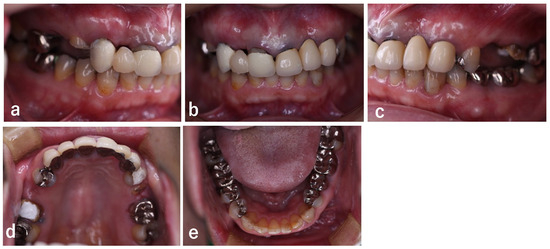
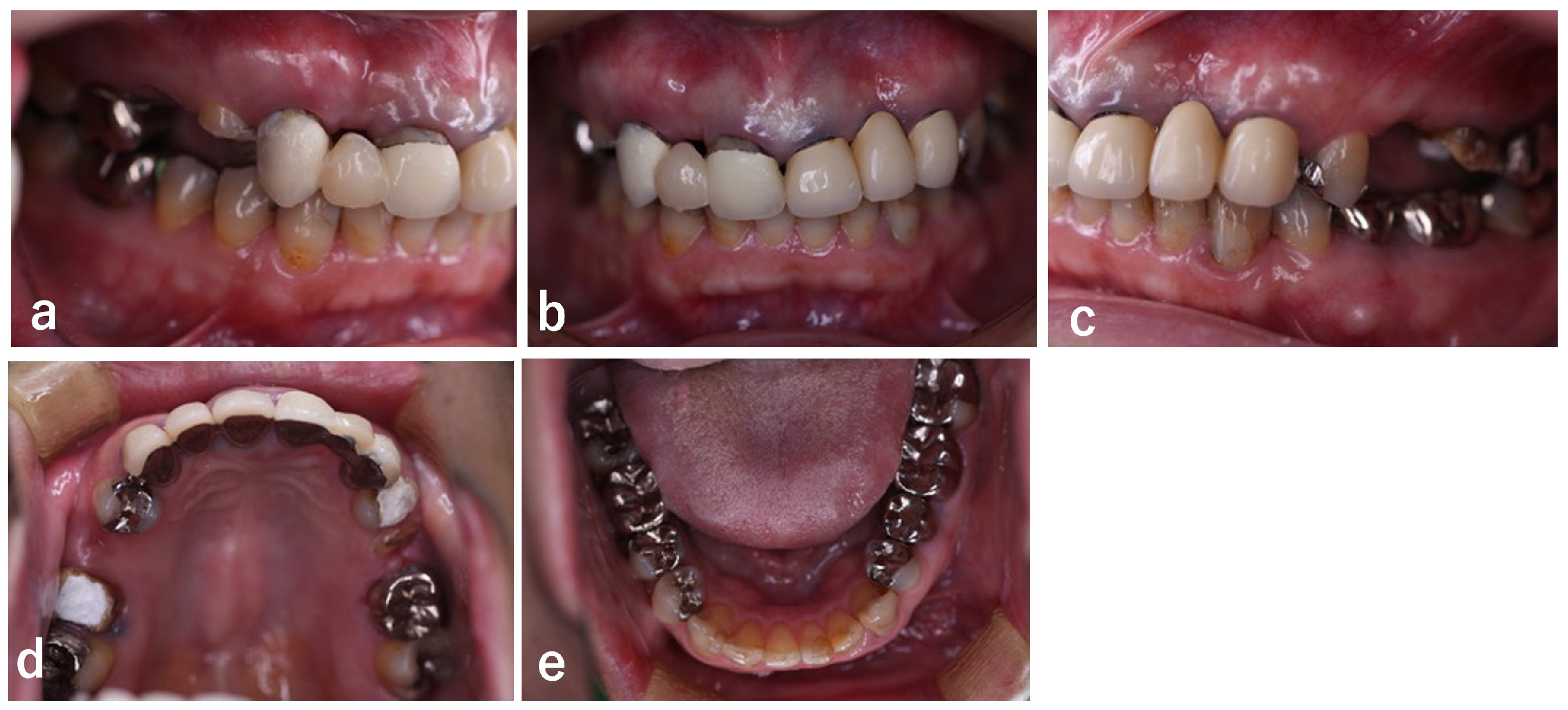
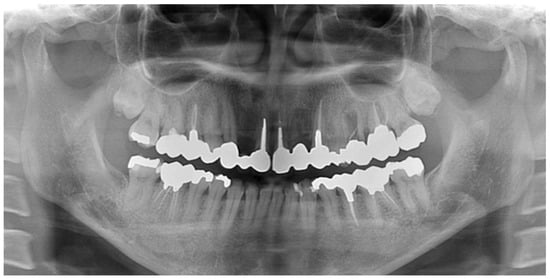
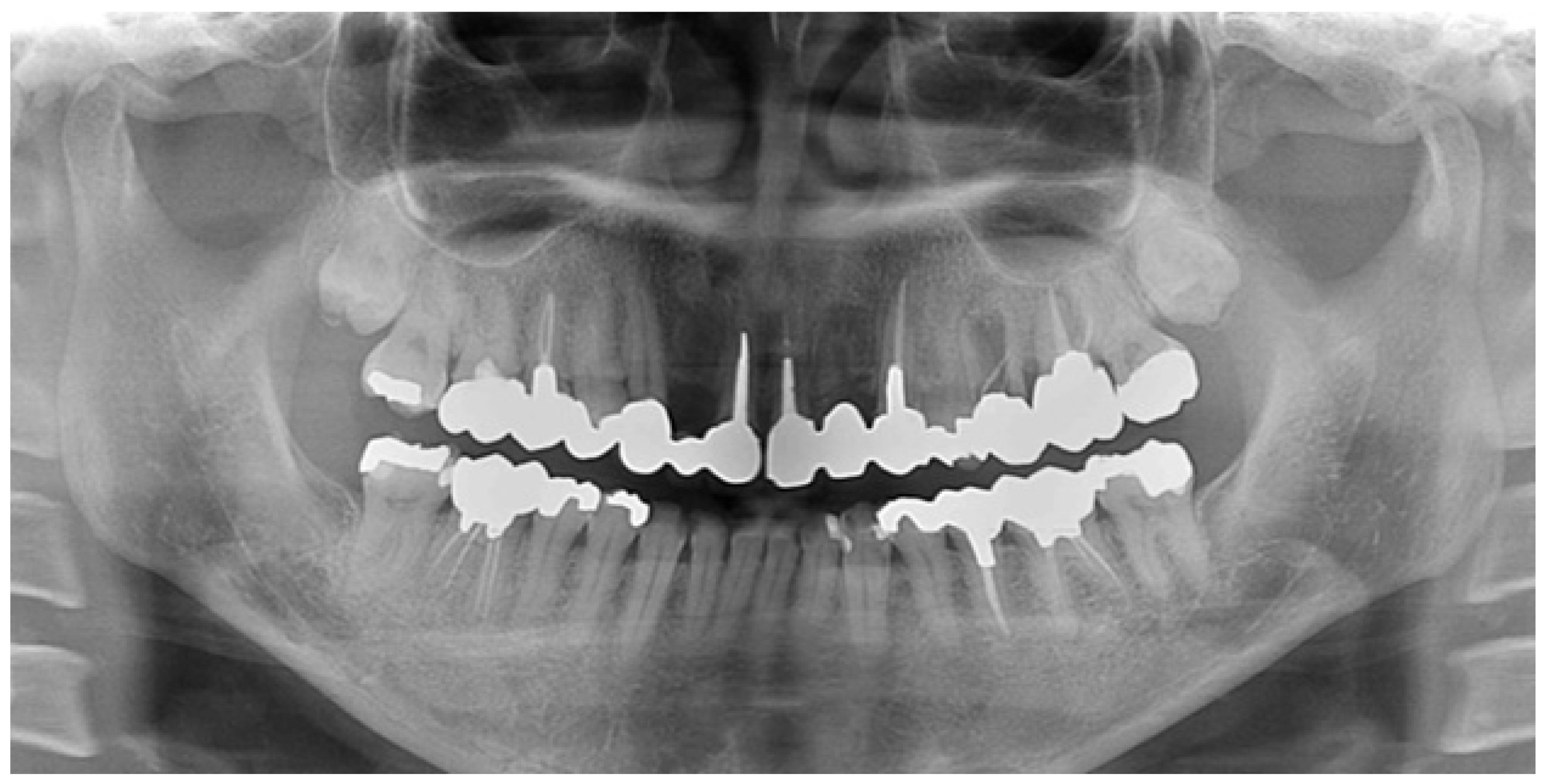
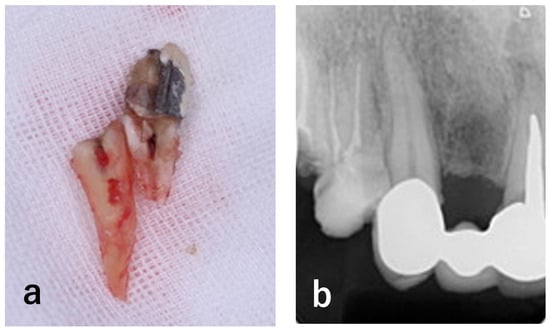
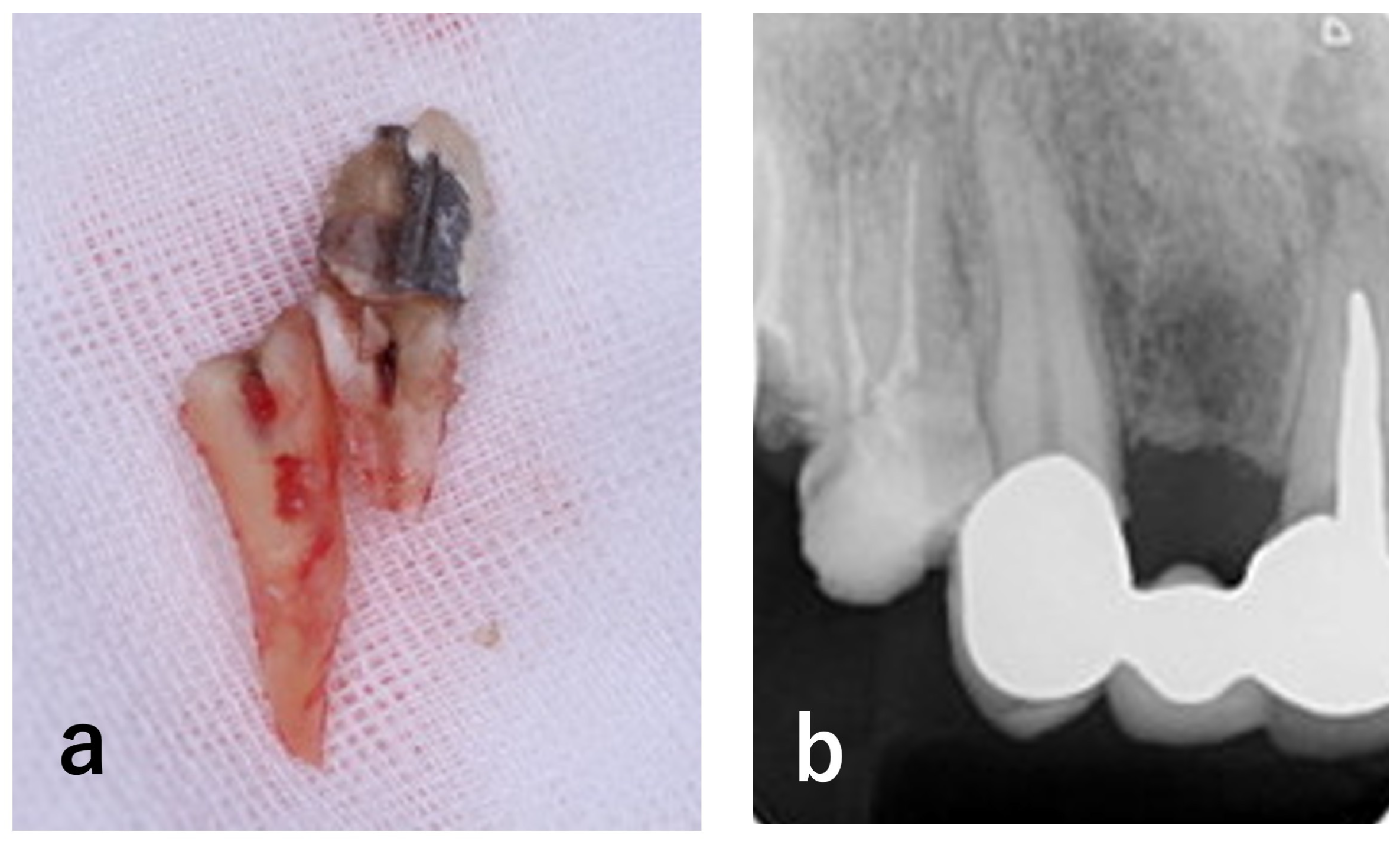
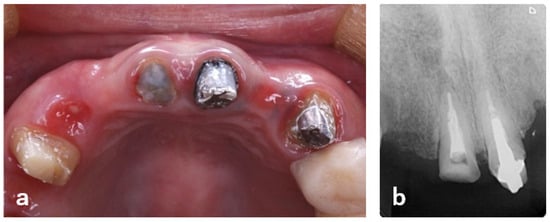
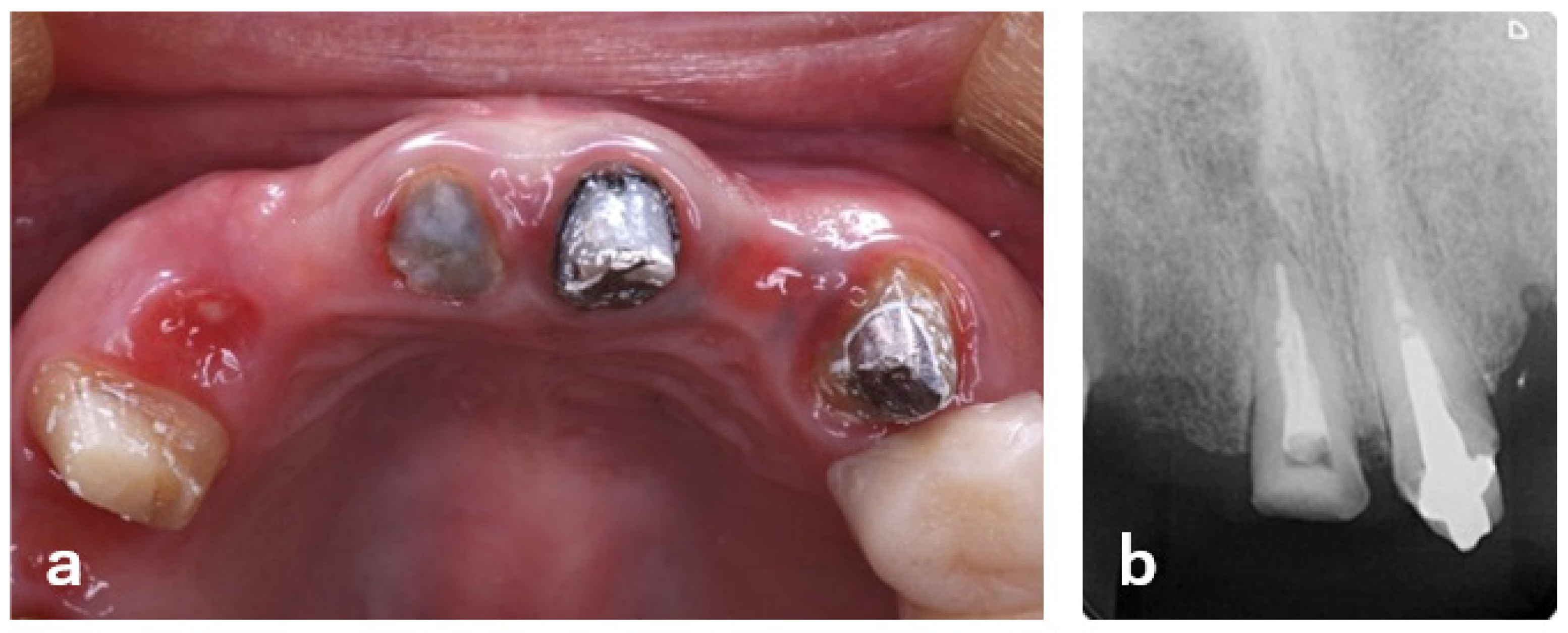
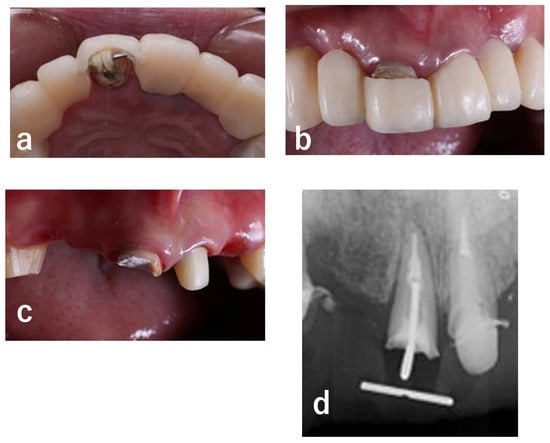
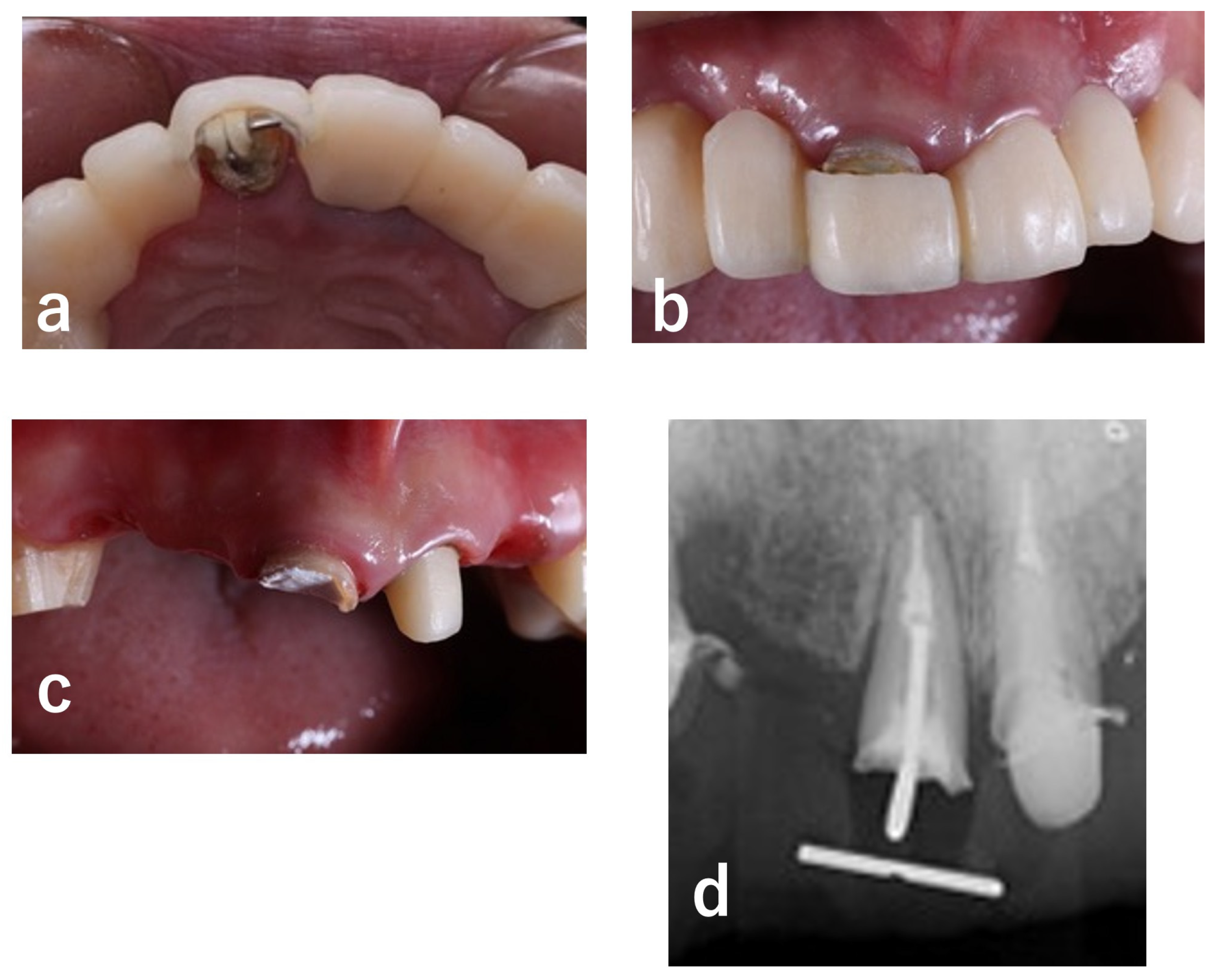
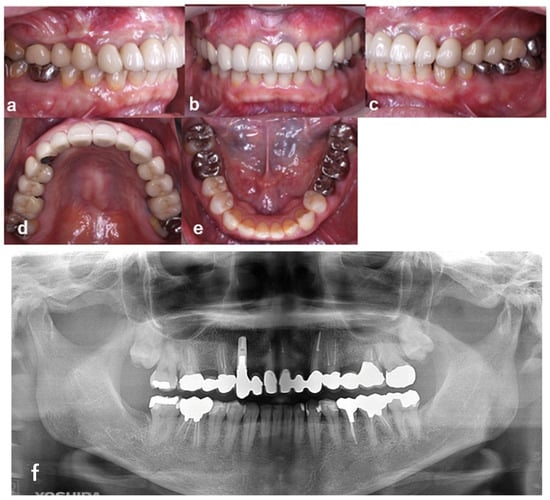
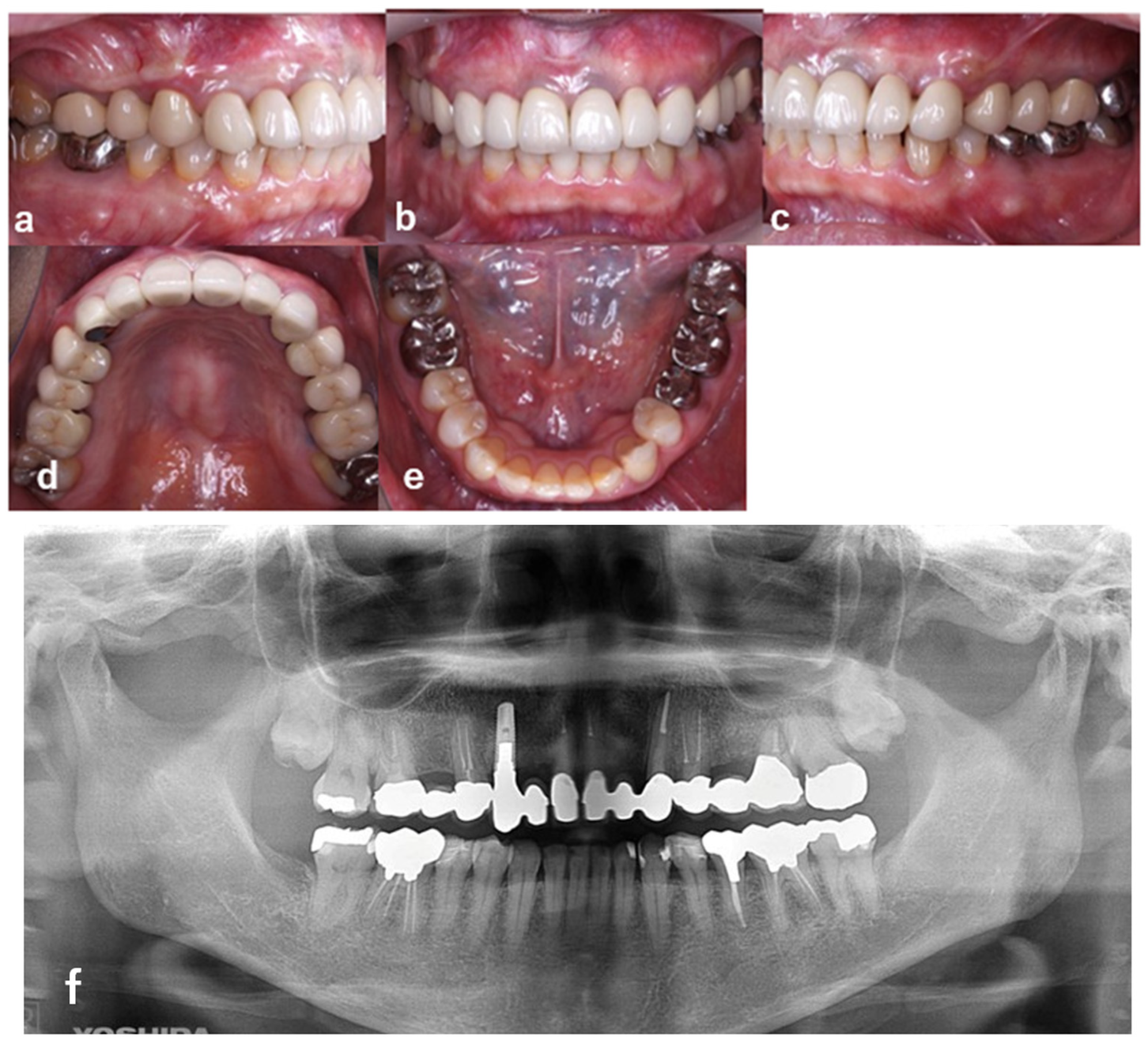
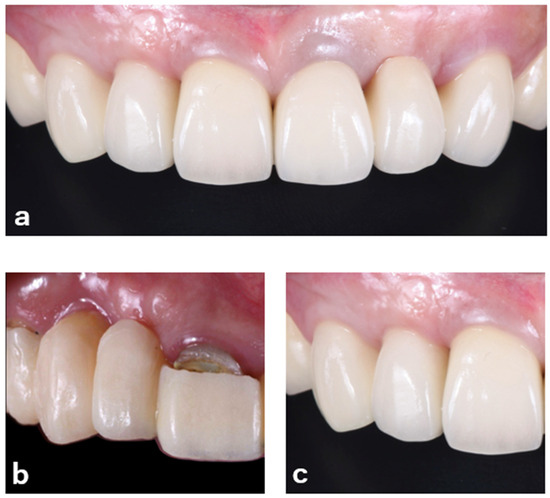
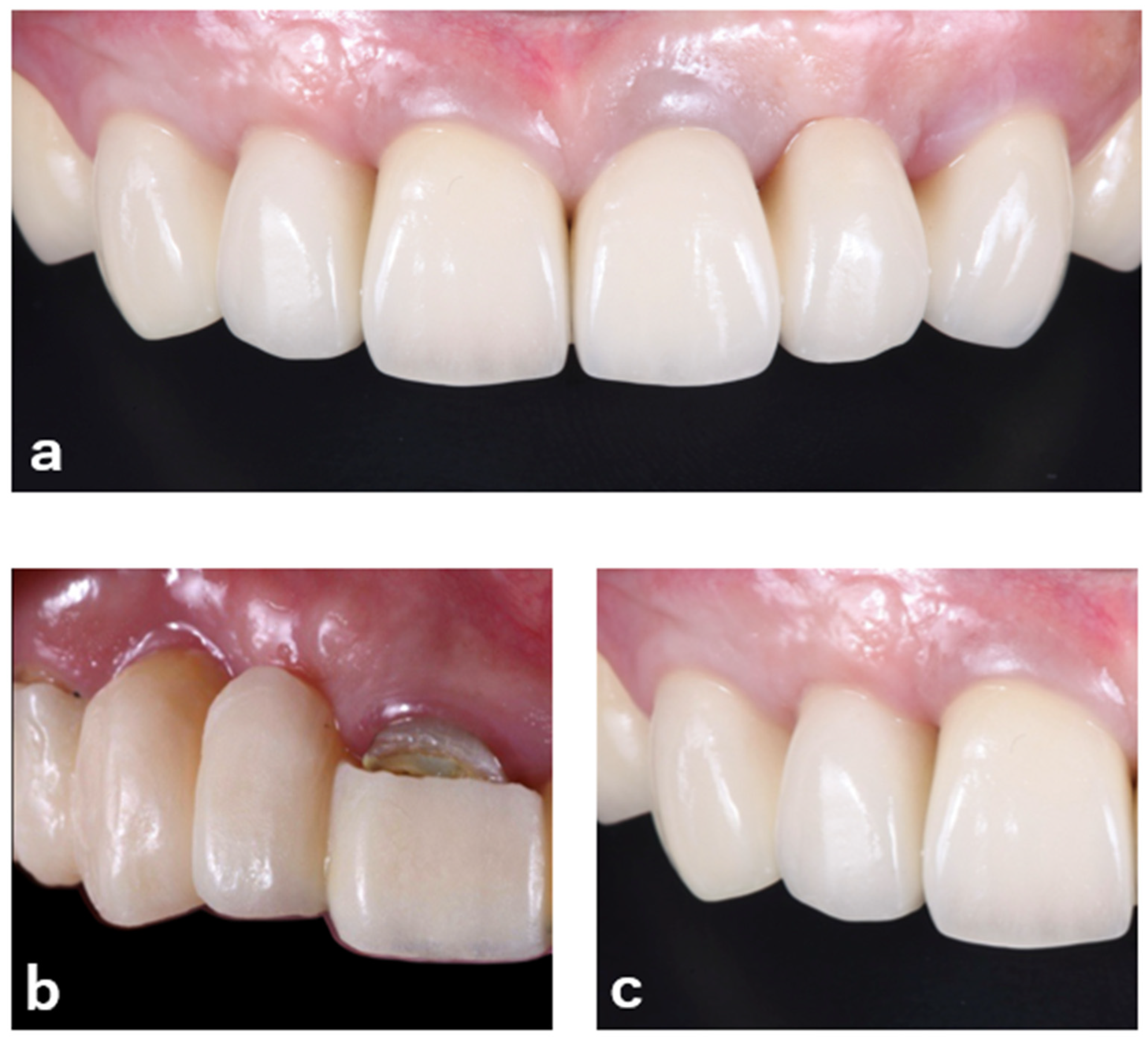
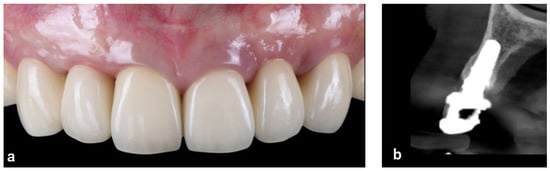
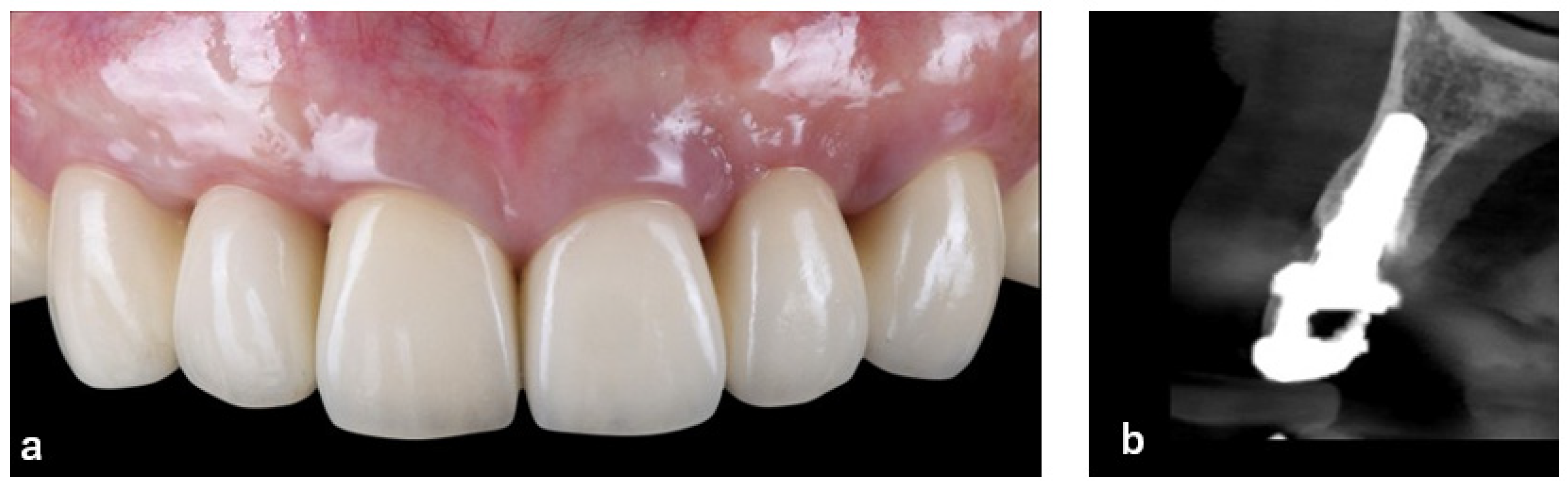
This case report was prepared following the CARE guidelines [13]. The patient was a 53-year-old woman who presented in August 2015 with the chief complaint of a dislodged maxillary right crown. She had fallen down stairs, resulting in fracture of the bridge spanning teeth #11–13 and dislodgement of the #14–16 prosthesis (Figure 1 and Figure 2). Tooth #26 was undergoing root canal treatment at another clinic, and a bridge was planned for #24–26. Her medical history was unremarkable. At the initial examination, the patient’s gingival phenotype was assessed as thin to medium. At the initial assessment, clinical examination confirmed a pronounced buccal ridge deficiency and reduced soft-tissue volume in the anterior maxilla. No signs of active periodontal disease were detected, and probing depths around adjacent teeth were within normal limits. Radiographic evaluation—including periapical radiographs, panoramic imaging, and CBCT—revealed substantial vertical and horizontal bone loss at the site of the traumatized tooth #13, while adjacent teeth showed no pathological findings. These clinical and paraclinical findings established the diagnosis of post-traumatic hard- and soft-tissue deficiency, indicating the need for staged reconstruction. Occlusal examination revealed insufficient posterior support, with only teeth #17 and #27 maintaining contact. A long-span provisional restoration from #16 to #26 was fabricated to re-establish occlusal support. After stabilizing occlusion, each tooth was reassessed. Subsequently, root canal treatment was initiated for tooth #13 to evaluate its potential for preservation. However, at the final assessment, a root fracture with acute symptoms was confirmed. Given the poor prognosis, extraction was indicated. The mandibular centric relation (CR) was obtained during treatment using an anterior jig. The occlusal records were taken using autopolymerizing resin and silicone bite registration material and mounted on a semi-adjustable articulator. The prosthetic plan involved confirming occlusal stability using a temporary restoration, reconstructing molar support and providing anterior guidance, and establishing functional occlusion in stages. (Figure 3). Because the patient strongly preferred a fixed prosthesis for the aesthetic zone (#12–13), a cantilever implant-supported prosthesis was planned. She also wished to retain tooth #11; thus, orthodontic extrusion was attempted to increase soft tissue height and interproximal bone support (Figure 4). The estimated duration for extrusion was approximately four months [7,14,15] (Figure 5). Given the significant bone defect, a staged implant approach was selected [16]. For suturing, 5-0 monofilament synthetic absorbable sutures (Monocryl®, Johnson & Johnson, New Brunswick, NJ, USA) were primarily used, with an emphasis on stabilizing the wound margins and preserving vascular supply (Figure 6). Nine months later, an implant (SCREW-LINE, φ 4.3 × 13 mm; CAMLOG®, Basel, Switzerland) was placed at site #13 using a surgical guide, and a torque of 30 N·cm was achieved at placement, confirming adequate primary stability (Figure 7). A tooth-supported surgical guide was fabricated using CT data and a diagnostic wax-up. Its accuracy was verified by confirming proper adaptation to the adjacent teeth preoperatively and, intraoperatively, by assessing guide stability and visually checking the planned implant position relative to surrounding anatomical structures. Six months after implant placement, soft tissue volume remained inadequate at #12–13. A pouch-type IGG was performed to thicken the soft tissue [8] (Figure 8), resulting in improved three-dimensional soft tissue contours (Figure 9). No preoperative medications were prescribed. Postoperatively, the patient received oral loxoprofen sodium for pain control and amoxicillin for 10 days as antibiotic prophylaxis. Postoperative instructions included avoiding strenuous exercise, bathing, and alcohol consumption for a short period. The patient was also informed of the possibility of facial ecchymosis following GBR. Sutures were removed two weeks after surgery, and an additional follow-up visit was scheduled two weeks later to monitor healing. After healing, soft tissue molding was continued with a provisional crown. A buccal frenulum attachment was noted near tooth #15, corresponding to the pontic area. Therefore, SGG—an approach with reduced invasiveness—was selected with patient consent [9,11,12] (Figure 10). Three months after SGG, fabrication of the final prosthesis began. A porcelain-fused-to-metal cantilever implant prosthesis for #12–13 was delivered [17,18,19] (Figure 11). For the definitive prosthetic restoration, a UCLA-type custom abutment (castable type) was used. This abutment was selected instead of a prefabricated component to provide greater prosthetic flexibility, allowing for optimal soft-tissue contouring and emergence profile in the aesthetic zone. The restoration was screw-retained to facilitate maintenance and ensure future retrievability. The management of both hard and soft tissues resulted in an aesthetically satisfactory appearance (Figure 12). At six years post-treatment, only minimal soft tissue recession was noted, and cone-beam CT showed stable bone around the implant (Figure 13). The peri-implant papilla and buccal gingival volume were well maintained, with no signs of bleeding or pocket formation. The patient was highly satisfied with the outcome. For objective evaluation of the aesthetic outcome, the Pink Esthetic Score (PES) was utilized. The PES was 9 (out of a maximum 10) at the time of final prosthesis delivery (baseline) and remained stable at 8 at the 6-year follow-up, indicating excellent long-term maintenance of the peri-implant soft tissue. No intraoperative or postoperative complications were observed in this case. Specifically, no infection, wound dehiscence, peri-implantitis, or titanium-mesh exposure occurred throughout the treatment period. Risk management included strict aseptic surgical protocols, tension-free primary closure, postoperative antibiotic administration, and regular follow-up visits to monitor healing and ensure early detection of any adverse events. During the 6-year follow-up period, no major adjustments such as prosthesis remake or occlusal reconstruction were required. Minor occlusal adjustments and polishing were performed when necessary during routine maintenance visits. The maintenance protocol consisted of professional cleaning, evaluation of peri-implant tissues, and verification of occlusal stability at intervals of 3 to 6 months. A chronological summary of the staged procedures and intervals is presented in Table 1 to provide clarity regarding the treatment sequence and duration.
Figure 1.
Pretreatment intraoral photographs. (a) Right side view; (b) Frontal view; (c) Left side view; (d) Maxillary occlusal view; (e) Mandibular occlusal view.
Figure 2.
Panoramic radiograph obtained before the traumatic incident.
Figure 3.
(a) The root of tooth #13 showing a vertical fracture. (b) Periapical radiograph of tooth #13.
Figure 4.
(a) Occlusal view of tooth #11 prior to orthodontic extrusion, showing an insufficient ferrule and fragile tooth structure. (b) Periapical radiograph of tooth #11.
Figure 5.
(a) Occlusal view at the start of orthodontic treatment. (b) Occlusal view approximately 4 months later, demonstrating the effect of extrusion. (c) Occlusal view at completion of extrusion, showing increased healthy tooth structure. (d) Approximately 1.5 mm of extrusion was achieved.
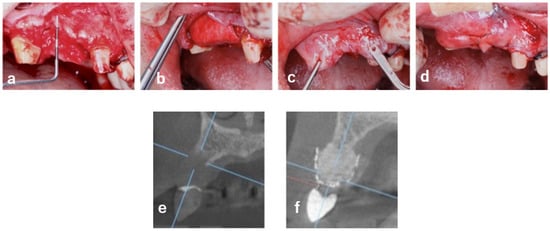
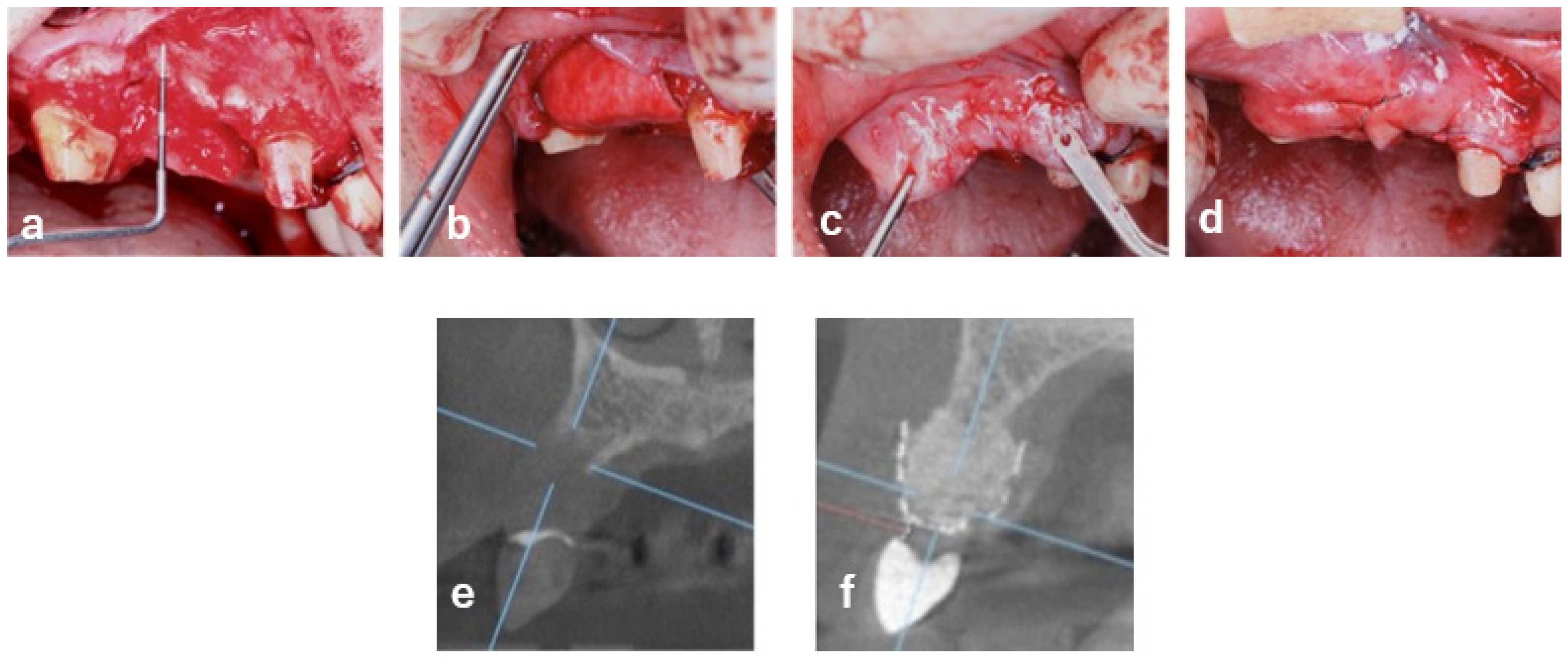
Figure 6.
(a) A large vertical bone defect of approximately 5 mm observed after full-thickness flap elevation. (b) GBR performed using a titanium mesh (Ultra Flex Mesh Plate, Olympus Thermo Biomaterials, Tokyo, Japan), deproteinized bovine bone mineral: DBBM (Bio-Oss®, Geistlich, Wolhusen, Switzerland) and an absorbable membrane (Bio-Gide®, Geistlich, Wolhusen, Switzerland). (c) Releasing incision made to advance the flap coronally. (d) Tension-free primary closure achieved. (e) Pre-GBR CT image showing significant bone resorption at tooth #13. (f) Post-GBR CT image showing bone-like tissue formation beneath the titanium mesh.
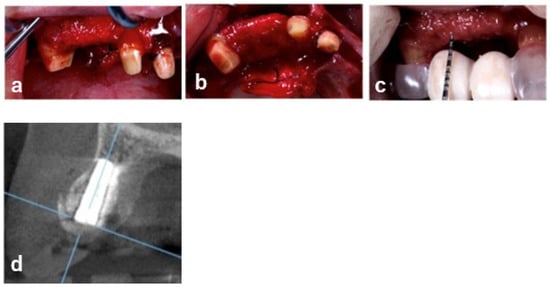
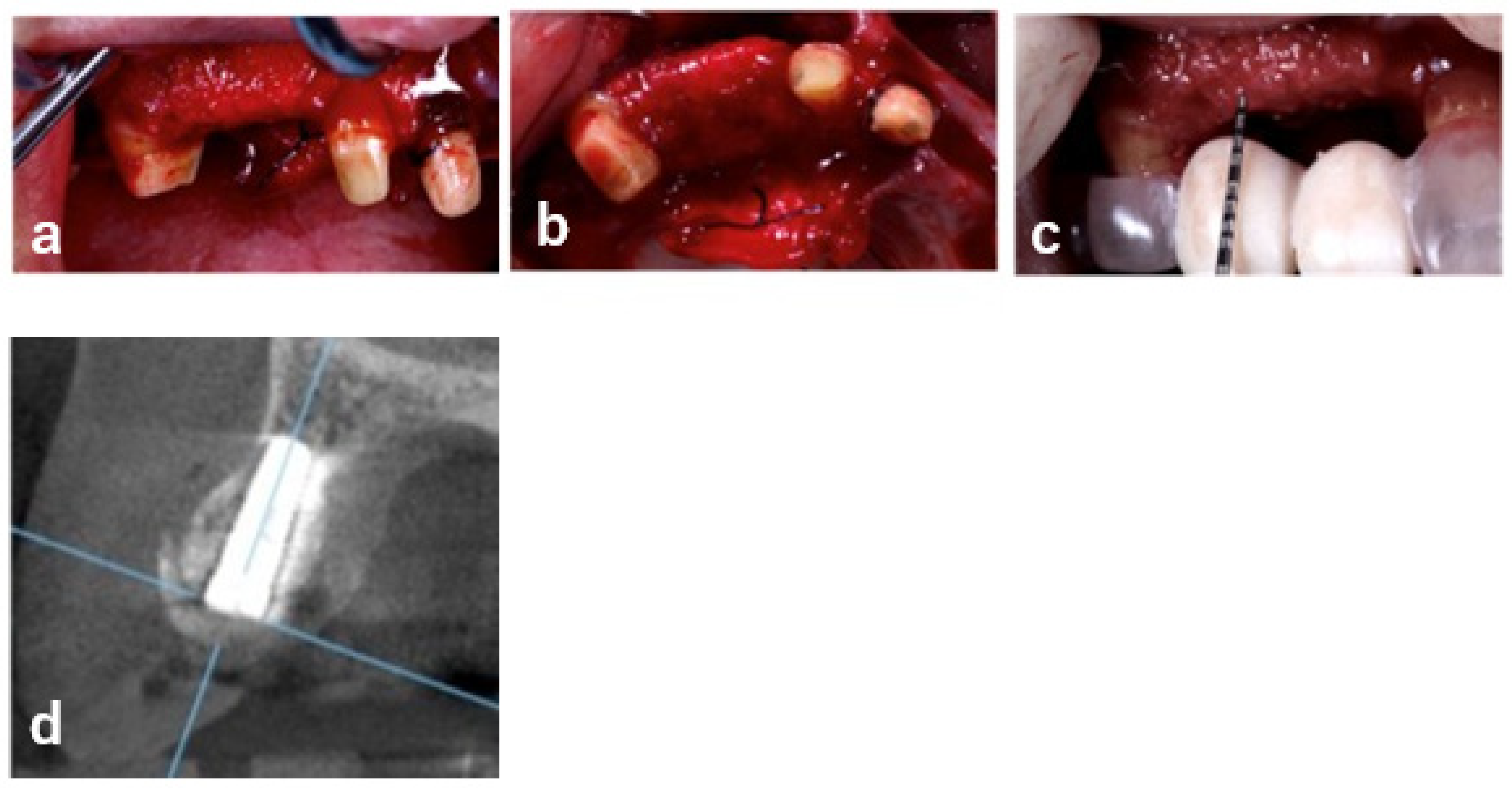
Figure 7.
(a) Clinical view of site #13 prior to implant placement, 9 months after GBR, showing substantial hard tissue formation. (b) Occlusal view demonstrating horizontal bone augmentation. (c) Vertical augmentation achieved up to 3 mm below the surgical stent. (d) Postoperative CT image showing the implant positioned within the regenerated bone.
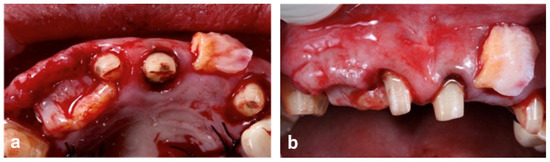
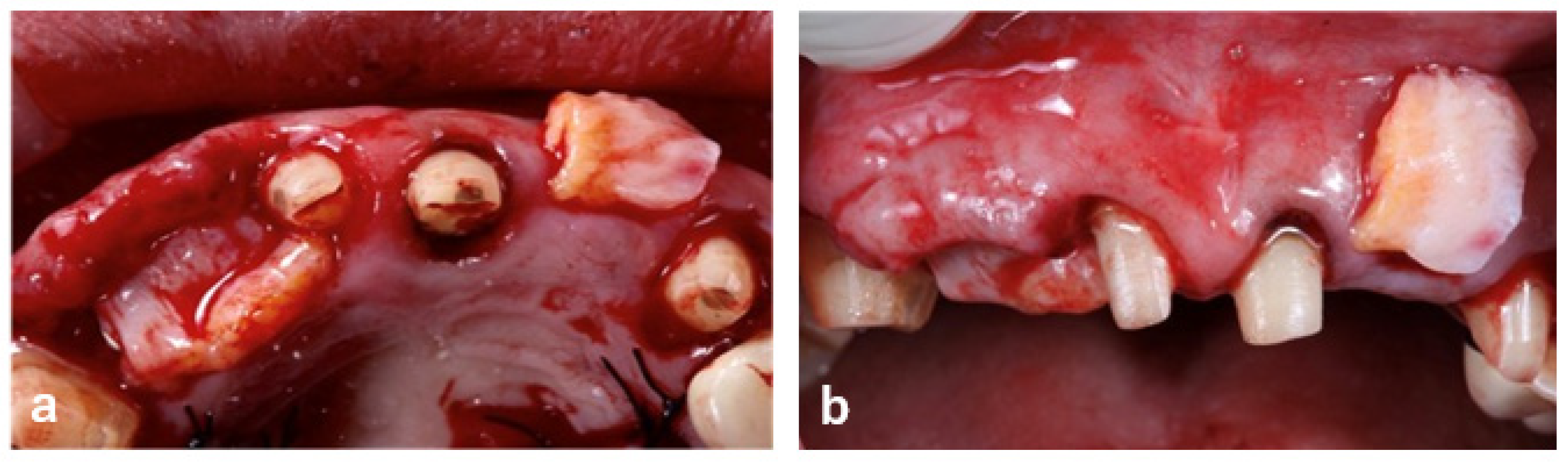
Figure 8.
(a) Intraoperative view of soft tissue augmentation. Connective tissue was harvested from both sides of the palate. One graft was placed buccally over teeth #12 and #13, and half the graft was placed on the alveolar crest to perform IGG. The remaining tissue was placed at tooth #22 to augment the ridge. (b) Occlusal view after graft placement.
Figure 9.
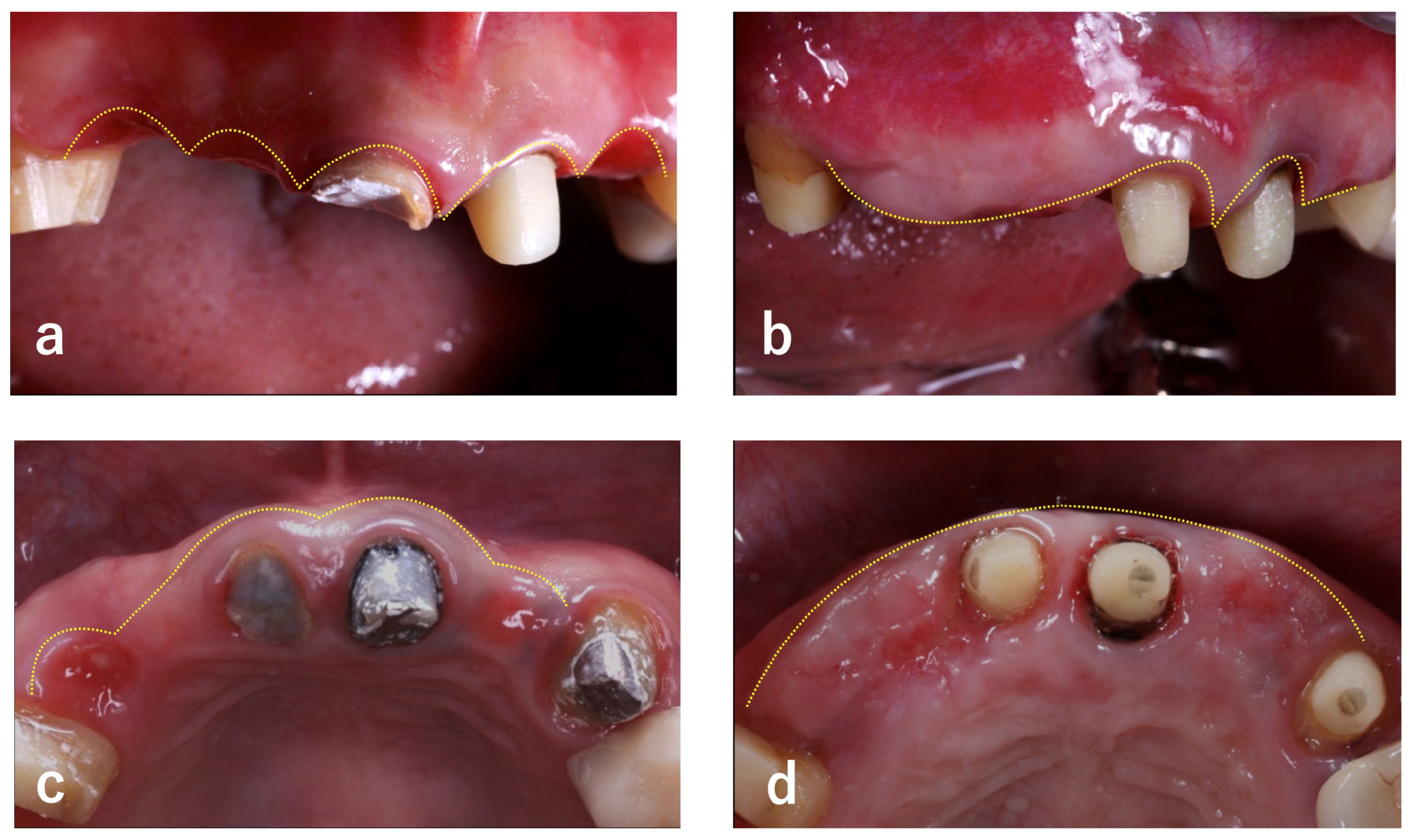
(a) Preoperative frontal view showing severe alveolar ridge deficiency. (b) Frontal view after hard and soft tissue augmentation demonstrating adequate ridge restoration, with vertical soft-tissue augmentation of 6 mm at #13, 5 mm at #12, and 3 mm at #22. (c) Preoperative occlusal view showing compromised arch form. (d) Postoperative occlusal view showing reestablished arch integrity, with horizontal soft-tissue augmentation of 5 mm at #13, 5 mm at #12, and 4 mm at #22.
Figure 10.
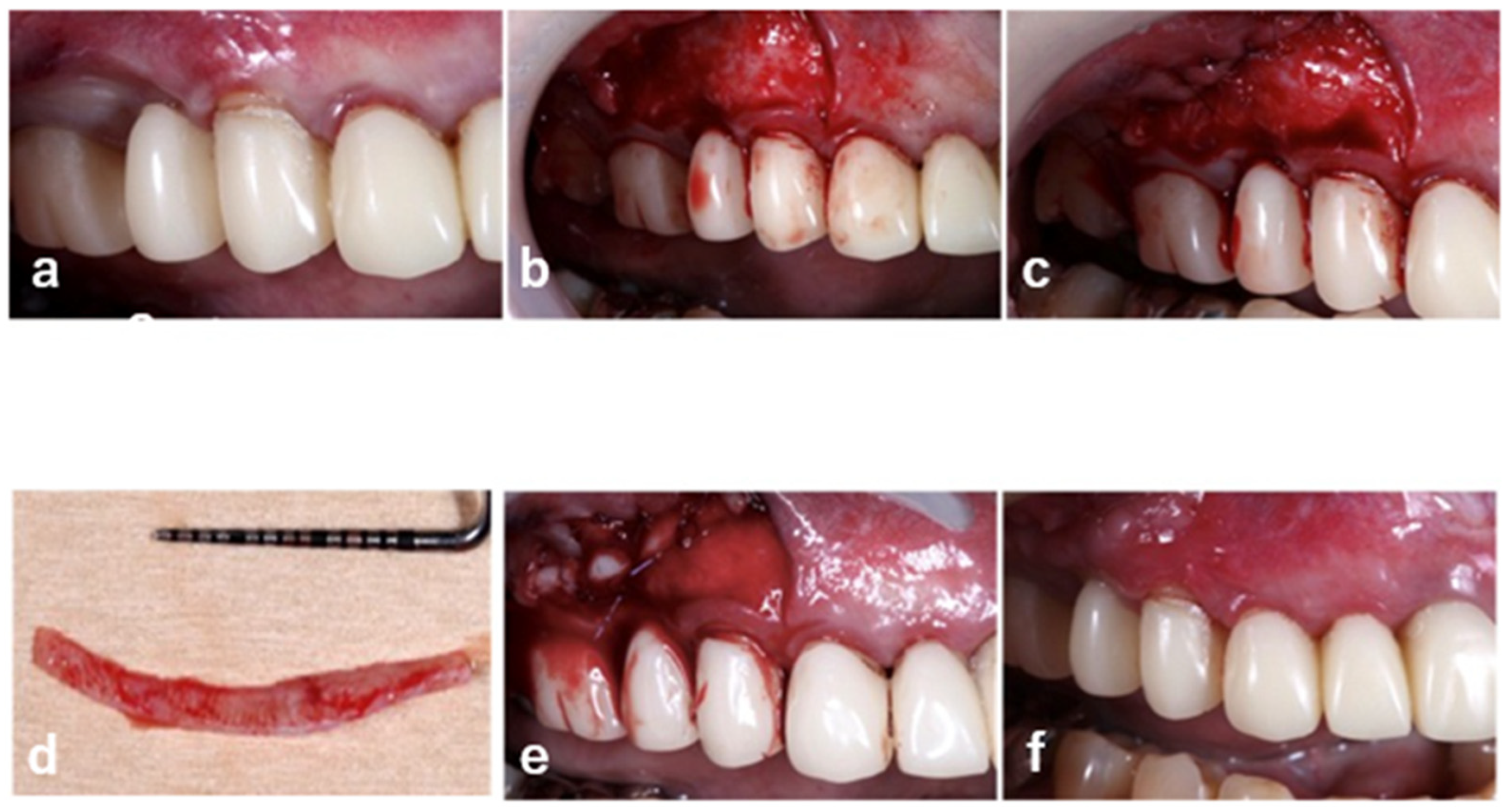
(a) Provisional bridge (#14–16) before SGG; a frenulum attachment is noted near the pontic area of tooth #15. (b) Partial-thickness flap elevation. (c) Apical repositioning and suturing of the flap margin. (d) Strip-shaped free gingival graft harvested from the palate. (e) Apical placement of the FGG strip. (f) Three-month postoperative view demonstrating formation of keratinized gingiva with minimal invasiveness.
Figure 11.
(a–f) Postoperative intraoral photographs and digital panoramic radiograph following prosthesis placement.
Figure 12.
(a) Intraoral photograph of the maxillary anterior region after placement of the final prosthesis showing a favorable aesthetic result. All restorations were fabricated in porcelain-fused-to-metal. (b) Preoperative view of the right anterior region (#12, #13) showing insufficient soft tissue. (c) Postoperative view showing adequate regeneration of hard and soft tissue and improved aesthetics.
Figure 13.
(a) Frontal view at 6-year follow-up showing minimal gingival recession with stable soft tissue contours. (b) CT image at tooth #13 showing stable peri-implant bone 8 years after GBR.
Table 1.
Chronological treatment schedule summarizing staged procedures and intervals in the present case.
3. Discussion
Soft tissue management following GBR in the aesthetic zone lacks fully standardized protocols. In large defects, non-resorbable membranes are often necessary for GBR; however, two clinical issues remain: (1) insufficient soft tissue volume [5,6,8,9,10,16,20,21]; and (2) coronal displacement of the MGJ due to flap advancement [9,11,12]. Previous studies have shown that healthy peri-implant soft tissue contributes significantly to long-term stability [22,23]. CTG and FGG are the standard grafting methods, but large defects require substantial donor tissue, increasing morbidity. In contrast, SGG offers reduced invasiveness and minimizes the risk of graft-island appearance, making it advantageous in aesthetic areas [11,12]. In the present case, staged hard and soft tissue reconstruction allowed each technique to maximize its benefits. IGG provided vascularized connective tissue to increase thickness, while SGG corrected the coronally displaced MGJ following GBR. These outcomes suggest that collagen-rich soft tissue architecture can be predictably maintained long term.
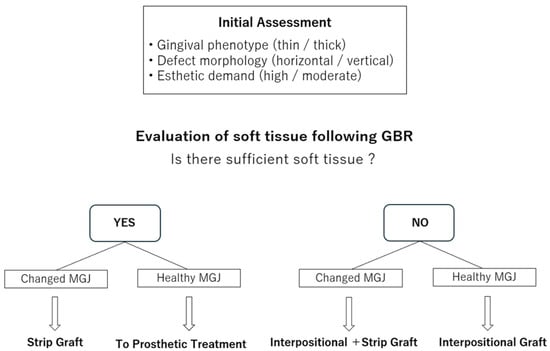
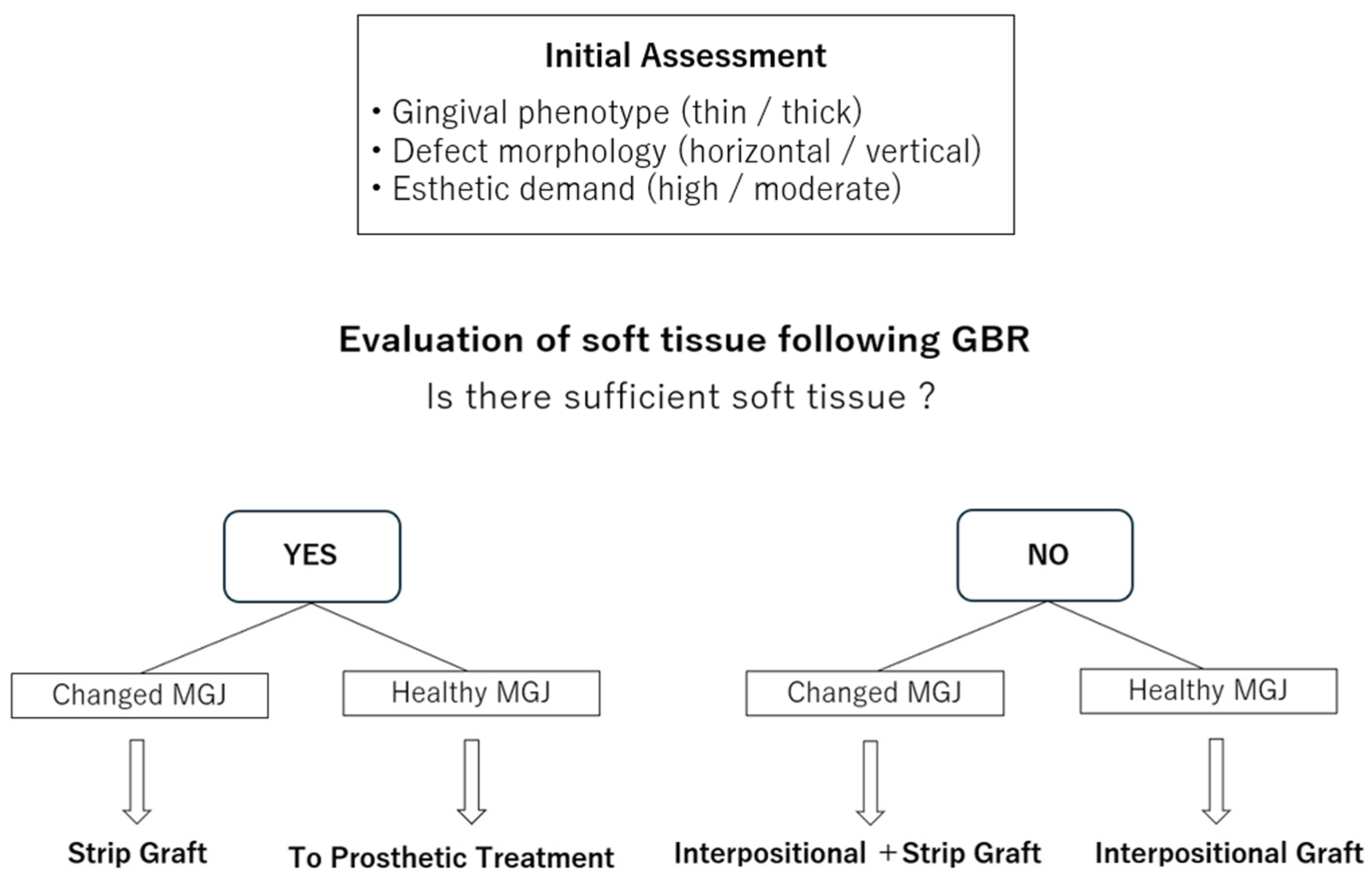
A flowchart summarizing our soft tissue management approach after GBR is presented in Figure 14. The chart enables the selection of appropriate grafting techniques based on the presence or absence of keratinized mucosa. For complex traumatic defects, the stepwise approach based on the 4-D concept—time, position, tissue, contour—proposed by Funato et al. is particularly effective [16,20,21]. These steps include: (1) orthodontic extrusion to guide soft tissue height [7,14,15], (2) staged GBR to secure bone volume [10,16], and (3) soft tissue augmentation for final contour formation. The cantilever design—avoiding multiple adjacent implants—may also have contributed to papilla preservation. Tymstra et al. reported that one-year hard and soft tissue outcomes were similar between cantilever prostheses and parallel implant placements [17]. Henny J et al. also reported favorable long-term outcomes exceeding 10 years in a systematic review [18]. Moreover, Linkevicius et al. demonstrated that thick peri-implant soft tissue reduces marginal bone resorption [19], supporting the significance of maintaining adequate soft tissue volume.
Figure 14.
Flowchart outlining treatment options for soft tissue defects following GBR.
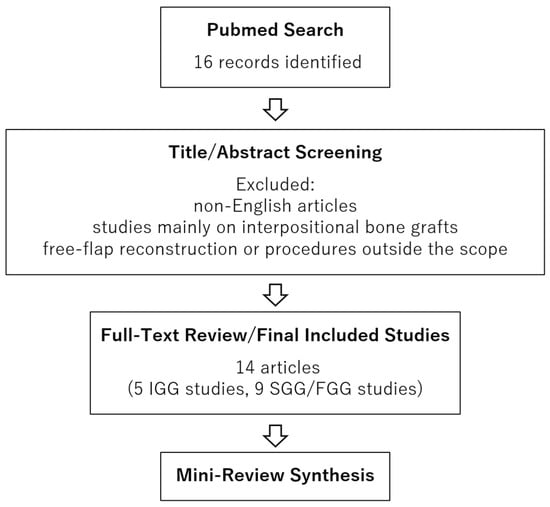
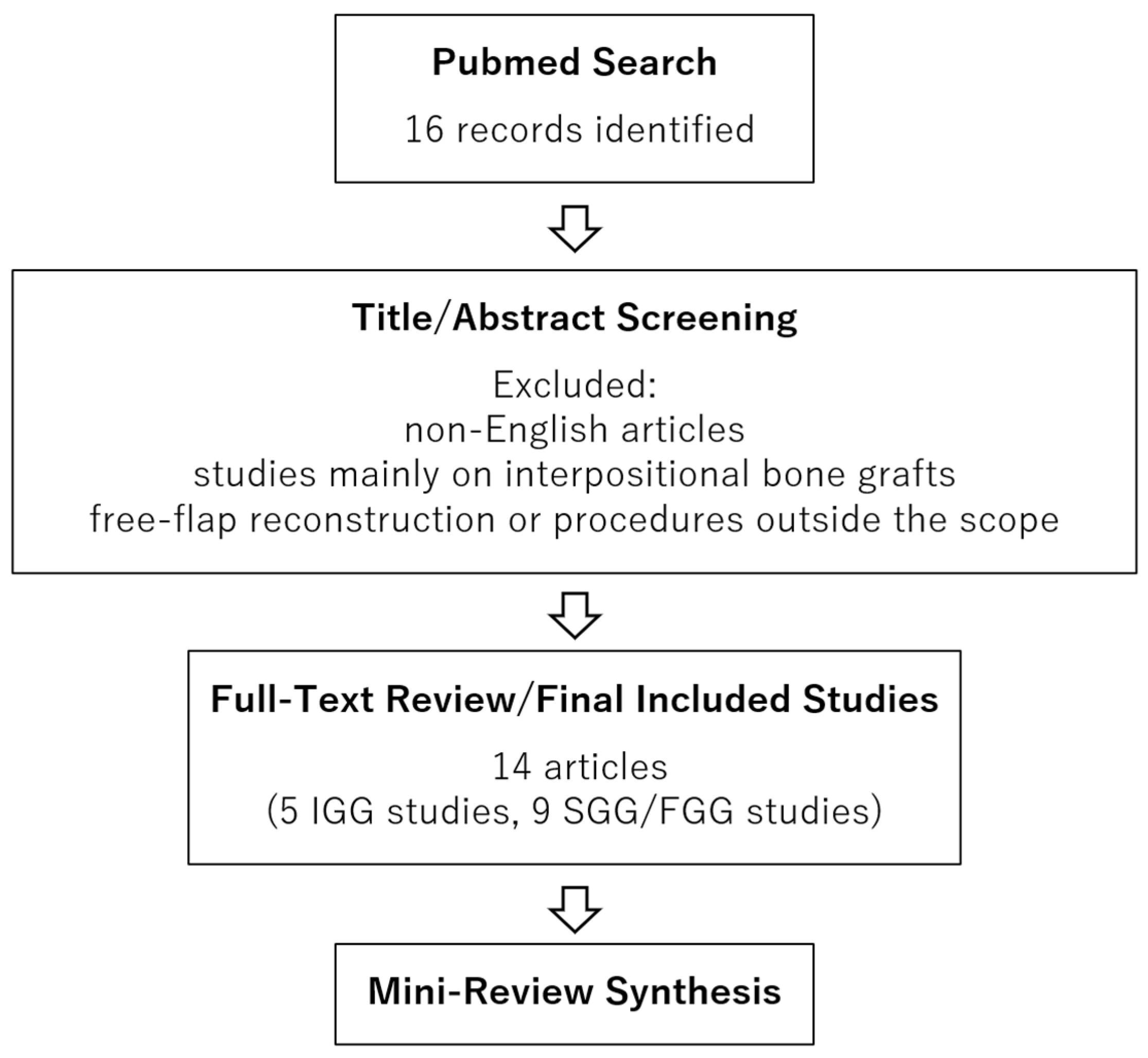
A manual PubMed search was performed for IGG using the terms “interpositional gingival graft” AND “implant” and for SGG using “strip gingival graft” AND “implant.” Exclusion criteria included non-English articles and reports describing interpositional bone grafts (Figure 15). Sixteen papers were identified: 5 on IGG and 11 on SGG/FGG (7 case reports, 4 randomized controlled trials, 2 cohort studies, and 3 retrospective or other studies). After detailed review of the full texts, two papers were excluded: one retrospective study focusing primarily on the sandwich osteotomy technique and another on free fibula flap reconstruction for edentulous jaws. Finally, it is identified that there are 5 studies on IGG (3 case reports, 2 randomized controlled trials) and 9 studies on SGG/FGG (4 case reports, 1 case series, 1 cross sectional study, 1 retrospective study, 1 single arm clinical trial, 1 randomized controlled trials). Soft tissue improvement was most frequently reported in the aesthetic zone, and follow-up periods of up to eight years have been documented [24,25,26,27,28,29,30] (Table 2). The present case contributes one of the longest follow-ups (6 years) among IGG-SGG combination reports. The research report is shown in Table 3 [31,32,33,34,35,36,37]. It should also be emphasized that the studies summarized in Table 2 and Table 3 are highly heterogeneous with respect to design, indications, and follow-up duration. Therefore, these data are not meant for direct comparison with the present case. Instead, they provide a contextual overview of the limited evidence available for IGG and SGG techniques and illustrate how this case aligns with general clinical trends reported in the literature. As a single case report, our findings cannot be interpreted at the same level as randomized or long-term cohort studies, but they contribute to the descriptive understanding of treatment sequencing and soft-tissue behavior in complex post-traumatic defects. The purpose of this mini-review is not to provide a comprehensive or systematically structured evaluation of all existing evidence, but rather to summarize representative studies that contextualize the clinical decisions made in the present case. Its scope is intentionally limited to key publications directly relevant to IGG and SGG, serving to frame the rationale for the staged soft-tissue management rather than to establish definitive comparative conclusions. Recent publications by Urban et al. in the 2020s have expanded available data on soft tissue grafting techniques [28,30]. Randomized controlled trials have compared vascularized interpositional periosteal-connective tissue grafts with conventional CTG [31], grafting versus non-grafting [33], and an FGG-strip plus xenogenic collagen matrix (XCM) hybrid approach versus traditional FGG [34]. Notably, XCM demonstrated comparable performance to autogenous grafts, suggesting that minimally invasive alternatives may become increasingly feasible. However, other authors found that, although connective tissue grafting effectively maintains the mucosal level in the aesthetic region of implants, it may lead to a reduction in buccal bone thickness and therefore should not necessarily be considered a standard technique for aesthetic implant treatment [38,39]. Therefore, careful case selection is essential when applying the various soft tissue grafting techniques introduced in this case report.
Figure 15.
Mini-Review Flowchart.
Table 2.
Case reports of IGG and SGG.
Table 3.
Previous Studies of Interpositional gingival graft and Strip gingival graft.
This report has several limitations. As a single complex case, the findings cannot be generalized, and causal inferences regarding the effectiveness of IGG or SGG cannot be drawn. The accompanying mini-review was based on a limited PubMed search and therefore may not have captured all relevant studies. Moreover, soft-tissue changes were assessed primarily through clinical observation and photographic comparison, without the use of standardized objective measurements. Future research with larger cohorts, standardized outcome measures, and comparative designs will be essential to further clarify the indications, long-term predictability, and clinical advantages of these soft-tissue grafting approaches. Incorporating quantitative assessment methods, such as calibrated measurements of keratinized mucosa width, evaluation of soft-tissue thickness, or validated aesthetic scoring systems, would also improve the robustness of outcome assessment in future studies.
From a clinical standpoint, this case highlighted the importance of sequencing hard- and soft-tissue procedures according to the biological limitations of a post-traumatic defect. The decision to combine IGG and SGG was not solely based on previously published reports but also on intraoperative observations: the need for vascularized connective tissue to restore buccal contour, the persistent coronal displacement of the mucogingival junction after GBR, and the patient’s request to minimize additional donor-site morbidity. These practical considerations strongly influenced the treatment sequence and ultimately contributed to the long-term stability achieved in this case. The experience suggests that a staged approach allows each procedure to address a specific deficiency while respecting tissue healing dynamics.
4. Conclusions
The combined use of interpositional gingival grafts and strip gingival grafts might be an effective strategy for aesthetic implant treatment, as it simultaneously improves soft tissue thickness, morphology, and vascular stability. This case demonstrated stable aesthetic and biological outcomes for 6 years postoperatively, supporting the clinical utility of these techniques for managing complex post-traumatic defects.
Author Contributions
K.N. performed all surgical and prosthetic procedures and approved the final version. T.T. collected the data and assessed radiographic analysis. A.F. assessed the data. K.S. wrote the manuscript. All authors have read and agreed to the published version of the manuscript.
Funding
This research received no external funding.
Institutional Review Board Statement
This report was conducted in accordance with the Declaration of Helsinki. Owing to the retrospective nature of the case report, ethical committee approval was not needed. Written informed consent was obtained from the patients.
Informed Consent Statement
Informed consent was obtained from all subjects involved in the study. Written informed consent has been obtained from the patients to publish this paper.
Data Availability Statement
All data will be present upon request.
Acknowledgments
All the authors thank Implant Dentistry, Nihon University School of Dentistry, Dental Hospital, for providing the institutional support that enabled the publication of this case report. After writing the original manuscript, K.S. utilized OpenAI’s ChatGPT (GPT-5) for English proofreading to enhance readability and language expression, aiming to improve the final manuscript’s readability and quality.
Conflicts of Interest
Koji Naito was employed by DIABUILDING Dental Clinic. Akiyoshi Funato was employed by Nagisa Dental Clinic. Tsutomu Tanno was employed by Tanno Dental Clinic. The remaining authors declare that the research was conducted in the absence of any commercial or financial relationships that could be constructed as a potential conflict of interest.
References
- Choquet, V.; Hermans, M.; Adriaenssens, P.; Daelemans, P.; Tarnow, D.P.; Malevez, C. Clinical and radiographic evaluation of the papilla level adjacent to single-tooth dental implants. J. Periodontol. 2001, 72, 1364–1371. [Google Scholar] [CrossRef] [Scilit]
- Fürhauser, R.; Flores-de-Jacoby, L.; Mailath, G.; Watzek, G. Evaluation of soft tissue around single-tooth implant crowns, the PES. Clin. Oral Implants Res. 2005, 16, 639–644. [Google Scholar] [CrossRef] [Scilit] [PubMed]
- Belser, U.C.; Grütter, L.; Vailati, F.; Bornstein, M.M.; Weber, H.P.; Buser, D. Outcome evaluation of early placed maxillary anterior implants. Clin. Oral Implants Res. 2009, 20, 508–514. [Google Scholar]
- Buser, D.; Martin, W.; Belser, U.C. Optimizing esthetic outcomes by abutment design and implant position. Int. J. Periodontics Restor. Dent. 2008, 28, 441–451. [Google Scholar]
- Zuhr, O.; Rebele, S.F.; Thalmair, T.; Hürzeler, M.B. Plastic-esthetic soft tissue management around implants. Int. J. Periodontics Restor. Dent. 2007, 27, 357–365. [Google Scholar]
- Cairo, F.; Tonetti, M.S. Soft tissue management around implants. Periodontol. 2000 2019, 81, 111–129. [Google Scholar]
- Salama, H.; Salama, M. Orthodontic extrusive remodeling for implant site development. Int. J. Periodontics Restor. Dent. 1993, 13, 312–333. [Google Scholar]
- Seibert, J.S. Reconstruction of deformed partially edentulous ridges using interpositional connective tissue grafts. Compend. Contin. Educ. Dent. 1996, 17, 796–804. [Google Scholar]
- Urban, I.A.; Monje, A.; Lozada, J.L.; Wang, H.L. A critical evaluation of different soft tissue grafting techniques following vertical ridge augmentation. Int. J. Periodontics Restor. Dent. 2015, 35, 631–639. [Google Scholar]
- Urban, I.A.; Lozada, J.L.; Wang, H.L. Vertical ridge augmentation and soft tissue reconstruction of the anterior maxilla. Int. J. Periodontics Restor. Dent. 2014, 34, 639–647. [Google Scholar]
- Sullivan, H.C.; Atkins, J.H. Free autogenous gingival grafts. I & II. Periodontics 1968, 6, 121–160. [Google Scholar]
- Wang, Z.; Lao, S.H.; Wang, Q. Adjacent free gingival grafting in the anterior region to avoid color inconsistency: A clinical report. J. Prosthet. Dent. 2025, 134, 2030–2034. [Google Scholar] [CrossRef] [Scilit] [PubMed]
- Riley, D.S.; Barber, M.S.; Kienle, G.S.; Aronson, J.K.; von Schoen-Angerer, T.; Tugwell, P.; Kiene, H.; Helfand, M.; Altman, D.G.; Sox, H.; et al. CARE guidelines for case reports, explanation and elaboration document. J. Clin. Epidemiol. 2017, 89, 218–235. [Google Scholar] [CrossRef] [Scilit] [PubMed]
- Amato, F.; Mirabella, A.D.; Macca, U.; Tarnow, D.P. Implant site development by orthodontic forced extraction. Int. J. Oral Maxillofac. Implants 2012, 27, 411–420. [Google Scholar] [PubMed]
- Pellegrini, G.; Pagni, G.; Rasperini, G. Implant site development by orthodontic extrusion of hopeless teeth. Clin. Oral Implants Res. 2015, 26, 1100–1106. [Google Scholar]
- Ishikawa, T.; Funato, T. Three-dimensional bone and soft tissue management for anterior implant esthetics. Int. J. Periodontics Restor. Dent. 2010, 30, 9–17. [Google Scholar]
- Tymstra, N.; Raghoebar, G.M.; Vissink, A.; Meijer, H.J.A. Dental implant treatment for two adjacent missing teeth in the maxillary esthetic zone. Clin. Oral Implants Res. 2011, 22, 207–213. [Google Scholar] [CrossRef] [Scilit]
- Taha, A.; Al-Shahat, M.A.; Ghazy, M. Clinical and radiographic evaluations of implant-supported cantilever fixed partial dentures replacing maxillary anterior teeth: A randomized clinical trial. J. Prosthet Dent. 2020, 124, 659–666. [Google Scholar] [CrossRef] [Scilit]
- Linkevicius, T.; Apse, P. Influence of soft tissue thickness on crestal bone stability. Clin. Oral Implants Res. 2009, 20, 67–72. [Google Scholar]
- Funato, T.; Salama, M.A.; Ishikawa, T.; Salama, H.; Garber, D.A. Timing, positioning, and sequential staging in esthetic implant therapy, a four-dimensional perspective. Int. J. Periodontics Restor. Dent. 2007, 27, 313–323. [Google Scholar]
- Funato, T.; Ishikawa, T.; Kitajima, H.; Yamada, M.; Moroi, H. A novel combined surgical approach to restore peri-implant papillae and labial convexity. Int. J. Periodontics Restor. Dent. 2007, 27, 549–557. [Google Scholar]
- Fathi, A.; Salehi, S.; Kazemi, F.; Jazi, S.N. The Significance of Keratinized Mucosa on Implant Health: An Umbrella Review. J. Oral Implantol. 2025, 51, 314–320. [Google Scholar] [CrossRef] [Scilit] [PubMed]
- Zhang, Z.; Zhang, Z.; Wang, P.; Zheng, Y.; Wang, Z.; Wang, Z. The relationship between adequate keratinized mucosa and peri-implant disease: A systematic review and meta-analysis. BMC Oral Health 2025, 25, 345. [Google Scholar] [CrossRef] [Scilit] [PubMed]
- Han, T.J.; Klokkevold, P.R.; Takei, H.H. Strip gingival autograft used to correct mucogingival problems around implants. Int. J. Periodontics Restor. Dent. 1995, 15, 404–411. [Google Scholar]
- Nemcovsky, C.E.; Moses, O.; Artzi, Z. Gingival reconstruction with an onlay-interpositional graft following excision of a pyogenic granuloma, description of a surgical approach. Pract. Proced. Aesthet. Dent. 2003, 15, 173–176. [Google Scholar]
- Kim, C.S.; Jang, Y.J.; Choi, S.H.; Cho, K.S. Long-term results from soft and hard tissue augmentation by a modified vascularized interpositional periosteal-connective tissue technique in the maxillary anterior region. J. Oral Maxillofac. Surg. 2012, 70, 484–491. [Google Scholar] [CrossRef] [Scilit]
- Sohn, J.Y.; Park, J.C.; Cho, K.S.; Kim, C.S. Simultaneous placement of an interpositional free gingival graft with nonsubmerged implant placement. J. Periodontal Implant Sci. 2014, 44, 94–99. [Google Scholar] [CrossRef] [Scilit]
- Urban, I.A.; Tattan, M.; Ravida, A.; Saleh, M.H.; Tavelli, L.; Avila-Ortiz, G. Simultaneous Alveolar Ridge Augmentation and Periodontal Regenerative Therapy Leveraging Recombinant Human Platelet-Derived Growth Factor-BB (rhPDGF-BB): A Case Report. Int. J. Periodontics Restor. Dent. 2022, 42, 577–585. [Google Scholar] [CrossRef] [Scilit]
- Yaroshevich, P.; Puisys, A. Effects of Soft Tissue Augmentation Procedures Around Dental Implants With Epithelial Embossed Connective Tissue Graft Using Coronally Shifted Strip Graft Technique: A Case Report With 2 Years Follow Up. Int. J. Periodontics Restor. Dent. 2025, 1–18. [Google Scholar] [CrossRef] [Scilit]
- Urban, I.A.; Di Martino, M.; Rangel, R.F.; Latimer, J.; Forster, A.; Tavelli, L. Interimplant Papilla Reconstruction Using the Iceberg and ‘Garage’ Connective Tissue Graft Technique: A Case Report and Technique Illustration. Int. J. Periodontics Restor. Dent. 2025, 45, 616–625. [Google Scholar]
- Akcalı, A.; Schneider, D.; Ünlü, F.; Bıcakcı, N.; Köse, T.; Hämmerle, C.H. Soft tissue augmentation of ridge defects in the maxillary anterior area using two different methods: A randomized controlled clinical trial. Clin. Oral Implants Res. 2015, 26, 688–695. [Google Scholar] [CrossRef] [Scilit] [PubMed]
- Urban, I.A.; Tavelli, L.; Barootchi, S.; Wang, H.L.; Barath, Z. Labial Strip Gingival Graft for the Reconstruction of Severely Distorted Mucogingival Defects: A Prospective Case Series. Int. J. Periodontics Restor. Dent. 2020, 40, 845–852. [Google Scholar] [CrossRef] [Scilit] [PubMed]
- Naiem, S.N.; Hosny, M.; El Nahass, H. Esthetics and bone changes of immediate implants with or without vascularized interpositional periosteal connective tissue grafting: A 2-year randomized controlled trial. Clin. Oral Implants Res. 2023, 34, 498–511. [Google Scholar] [CrossRef] [Scilit] [PubMed]
- Farooqui, A.A.; Kumar, A.B.T.; Shah, R.; Triveni, M.G. Augmentation of Peri-implant Keratinized Mucosa Using a Combination of Free Gingival Graft Strip with Xenogeneic Collagen Matrix or Free Gingival Graft Alone: A Randomized Controlled Study. Int. J. Oral Maxillofac. Implants. 2023, 38, 709–716. [Google Scholar] [CrossRef] [Scilit]
- Jiménez-Tundidor, R.; Marco-Español, R.; Segura-Mori, L.; Bazal-Bonelli, S.; Sánchez-Jorge, M.I.; Granić, M.; Cortés-Bretón Brinkmann, J.; López-Quiles, J. A Strip Free Gingival Graft and a Xenogeneic Collagen Matrix to Increase Keratinized Tissue After Vertical Bone Augmentation. J. Oral Implantol. 2024, 50, 408–414. [Google Scholar] [CrossRef] [Scilit]
- Huang, J.P.; Wang, Y.Y.; Dai, A.; Sun, P.; Ding, P.H. A combination technique of strip free gingival grafts and xenogeneic collagen matrix in augmenting keratinized mucosa around dental implants: A single-arm clinical trial. BMC Oral Health 2024, 24, 634. [Google Scholar] [CrossRef] [Scilit]
- Urban, I.A.; Mancini, L.; Akhondi, S.; Tavelli, L. Esthetic and Colorimetric Assessment of Peri-implant Soft Tissue Augmented with the Strip Gingival Graft Harvested Either from the Buccal Soft Tissue or the Palate: A Retrospective Study. Int. J. Periodontics Restor. Dent. 2025, 1–20. [Google Scholar] [CrossRef] [Scilit]
- Zuiderveld, E.G.; van Nimwegen, W.G.; Meijer, H.J.A.; Jung, R.E.; Mühlemann, S.; Vissink, A.; Raghoebar, G.M. Effect of connective tissue grafting on buccal bone changes based on cone beam computed tomography scans in the esthetic zone of single immediate implants: A 1-year randomized controlled trial. J. Periodontol. 2021, 92, 553–561. [Google Scholar] [CrossRef] [Scilit]
- Zuiderveld, E.G.; Raghoebar, G.M.; Vissink, A.; Gareb, B.; Meijer, H.J.A. Efficacy of soft tissue augmentation in the maxillary esthetic region: A 5-year randomized controlled trial. J. Periodontol. 2025, 96, 1315–1326. [Google Scholar] [CrossRef] [Scilit]

Disclaimer/Publisher’s Note: The statements, opinions and data contained in all publications are solely those of the individual author(s) and contributor(s) and not of MDPI and/or the editor(s). MDPI and/or the editor(s) disclaim responsibility for any injury to people or property resulting from any ideas, methods, instructions or products referred to in the content. |
© 2026 by the authors. Licensee MDPI, Basel, Switzerland. This article is an open access article distributed under the terms and conditions of the Creative Commons Attribution (CC BY) license.