Article

Dynamic Load Optimization of PEMFC Stacks for FCEVs: A Data-Driven Modelling and Digital Twin Approach Using NSGA-II

1
School of Physics, Engineering and Computer Science, College Lane Campus, University of Hertfordshire, Hatfield AL10 9AB, UK
2
School of Mechanical Engineering, KN Toosi University of Technology, Tehran 19697-64499, Iran
*
Author to whom correspondence should be addressed.
Vehicles 2025, 7(3), 96; https://doi.org/10.3390/vehicles7030096

Submission received: 13 July 2025 / Revised: 2 September 2025 / Accepted: 4 September 2025 / Published: 7 September 2025

Abstract

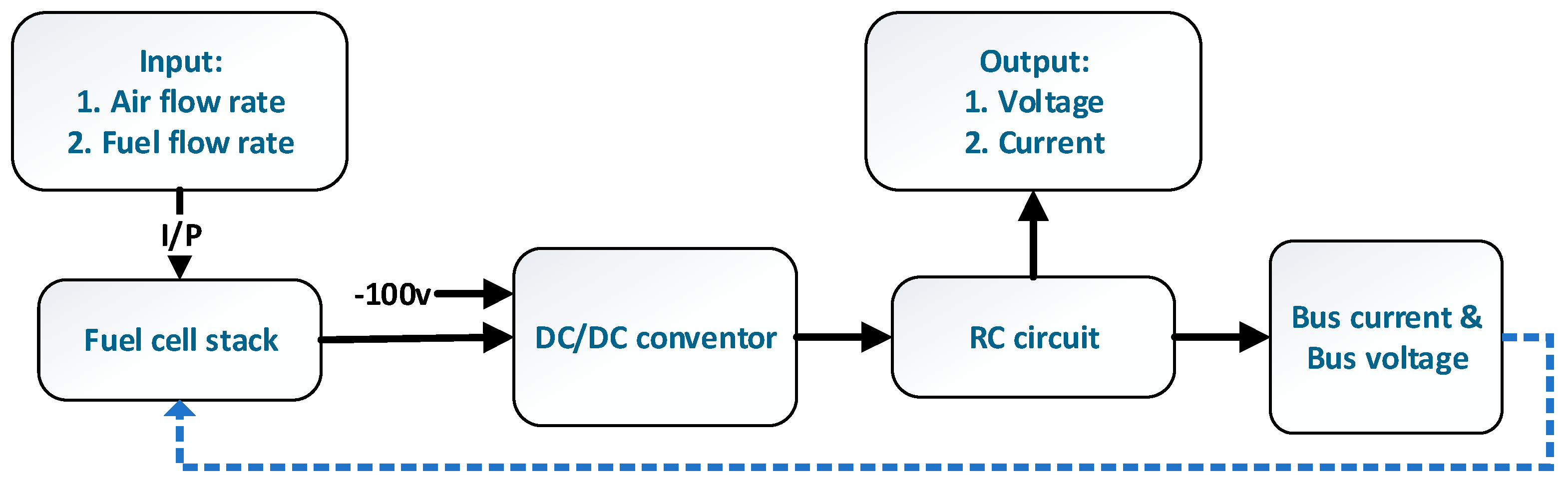
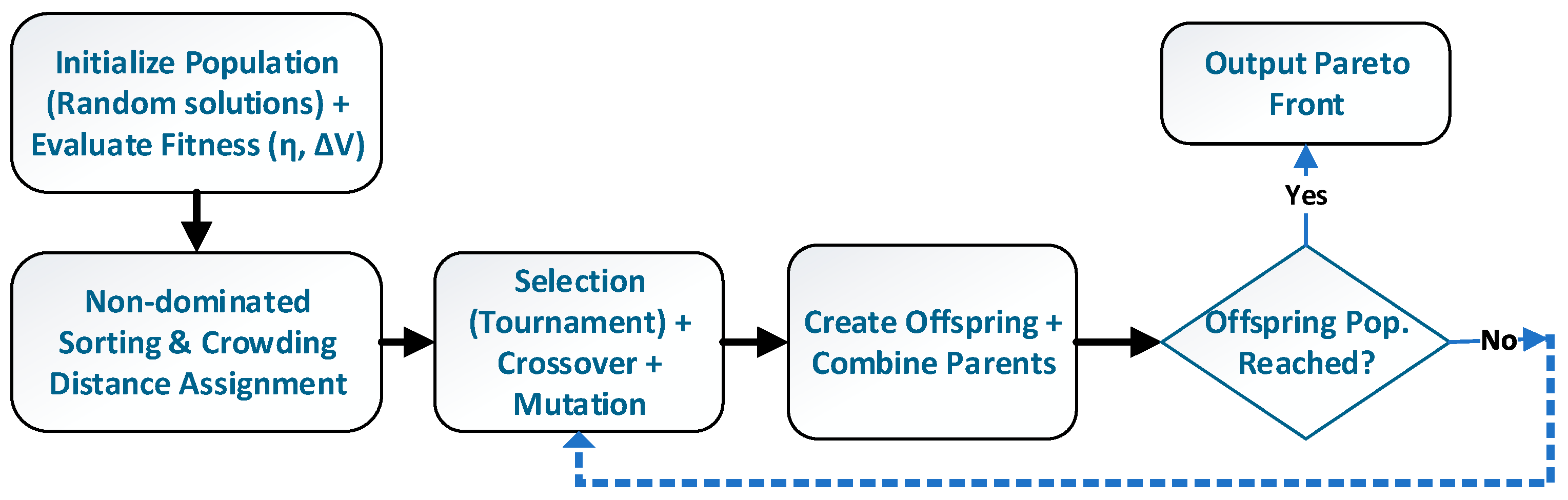
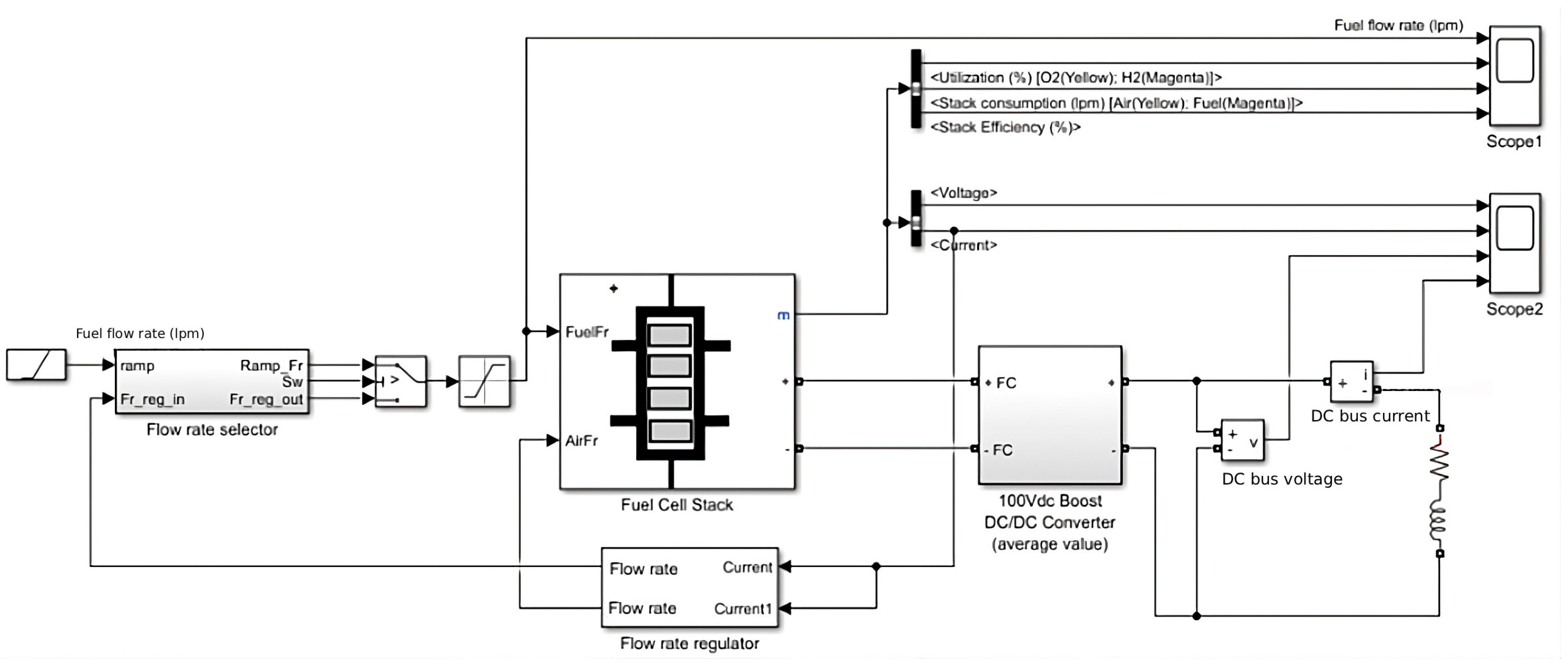
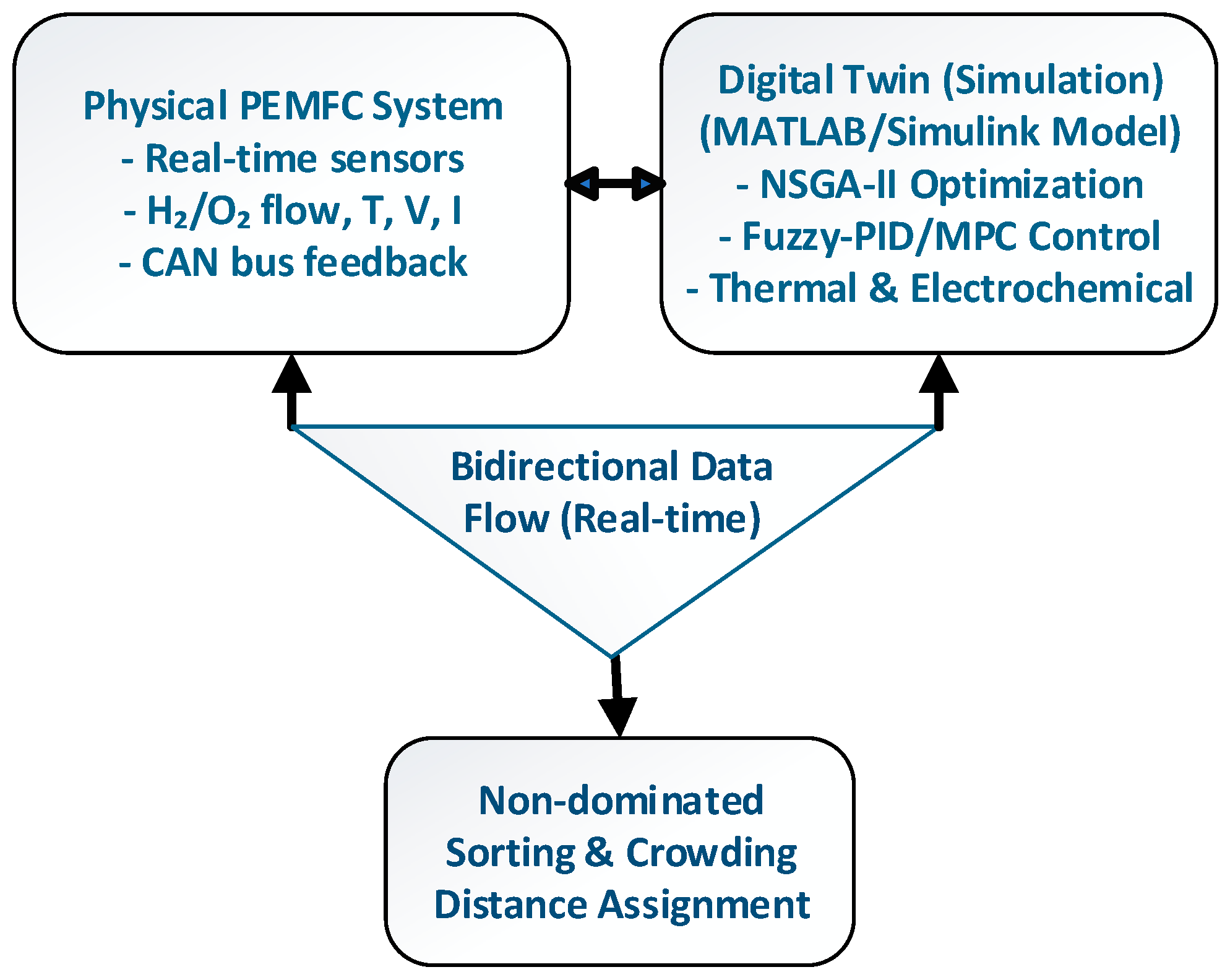
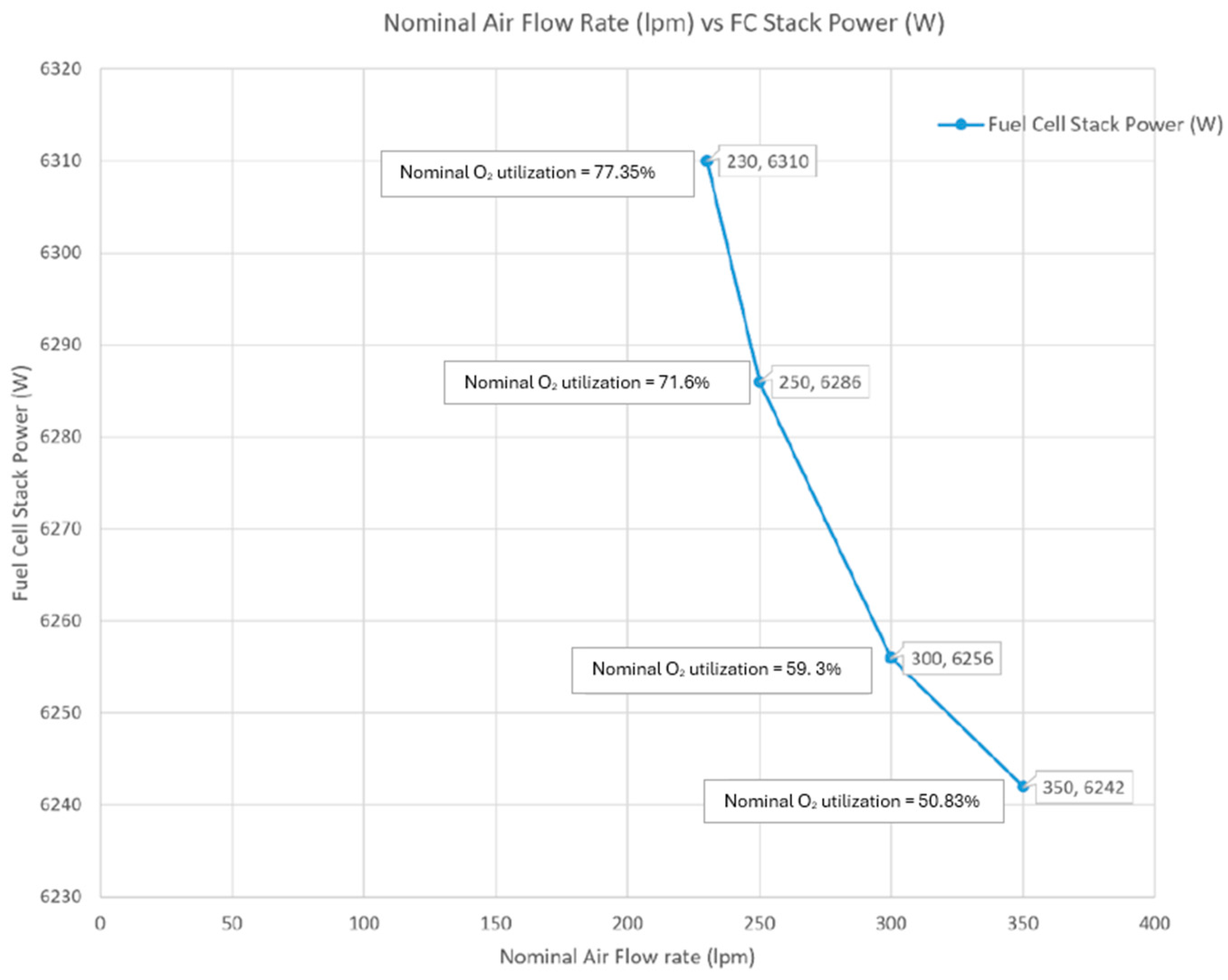
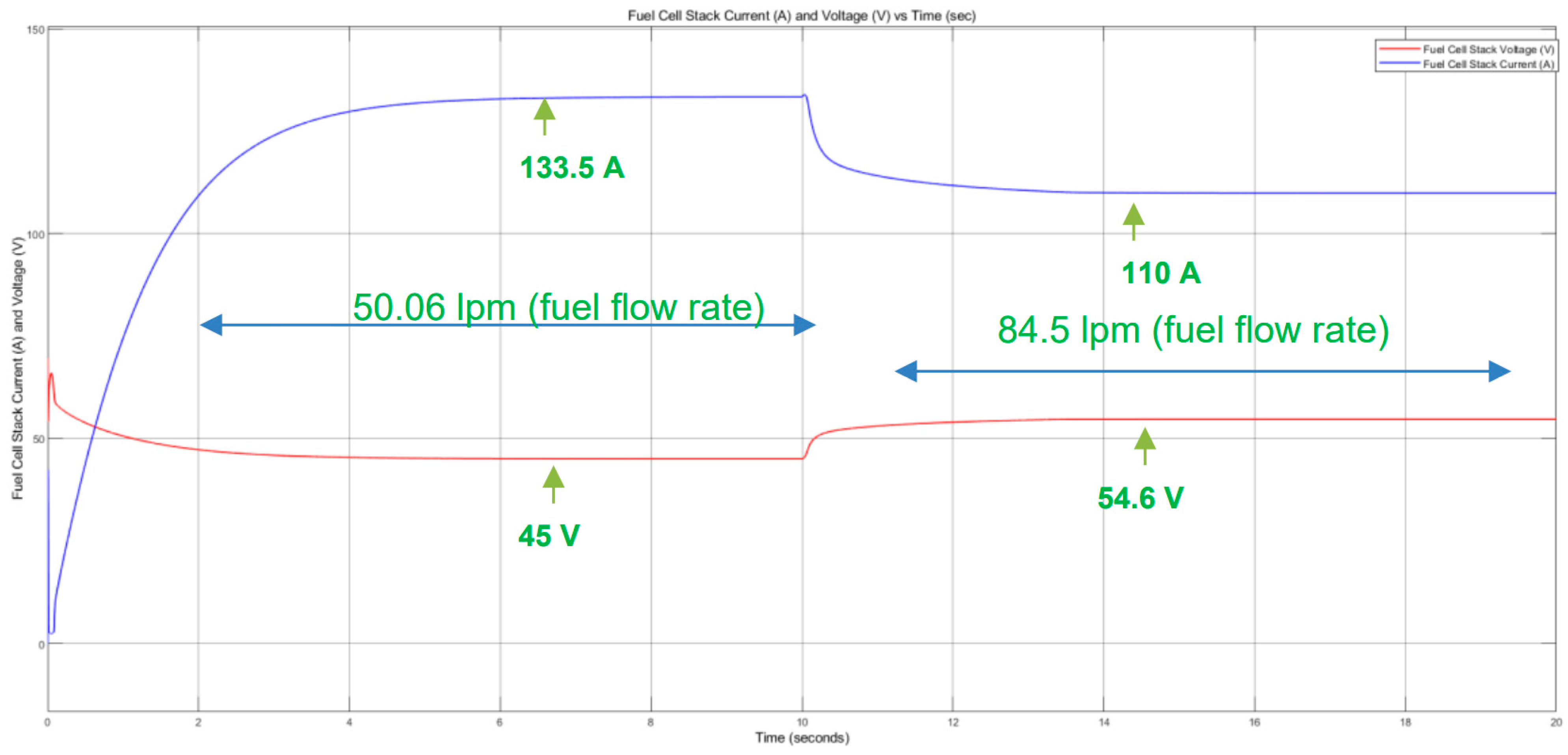
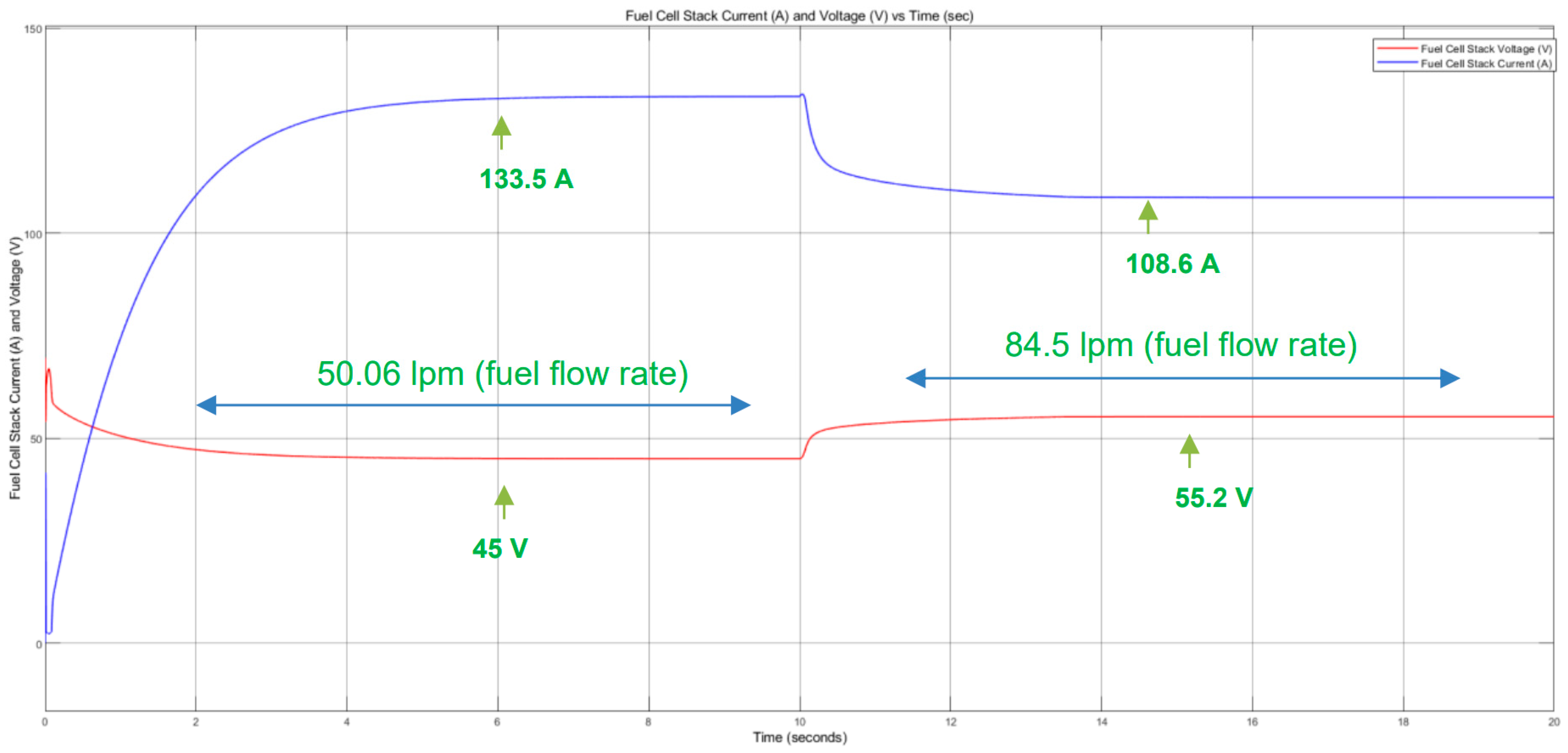
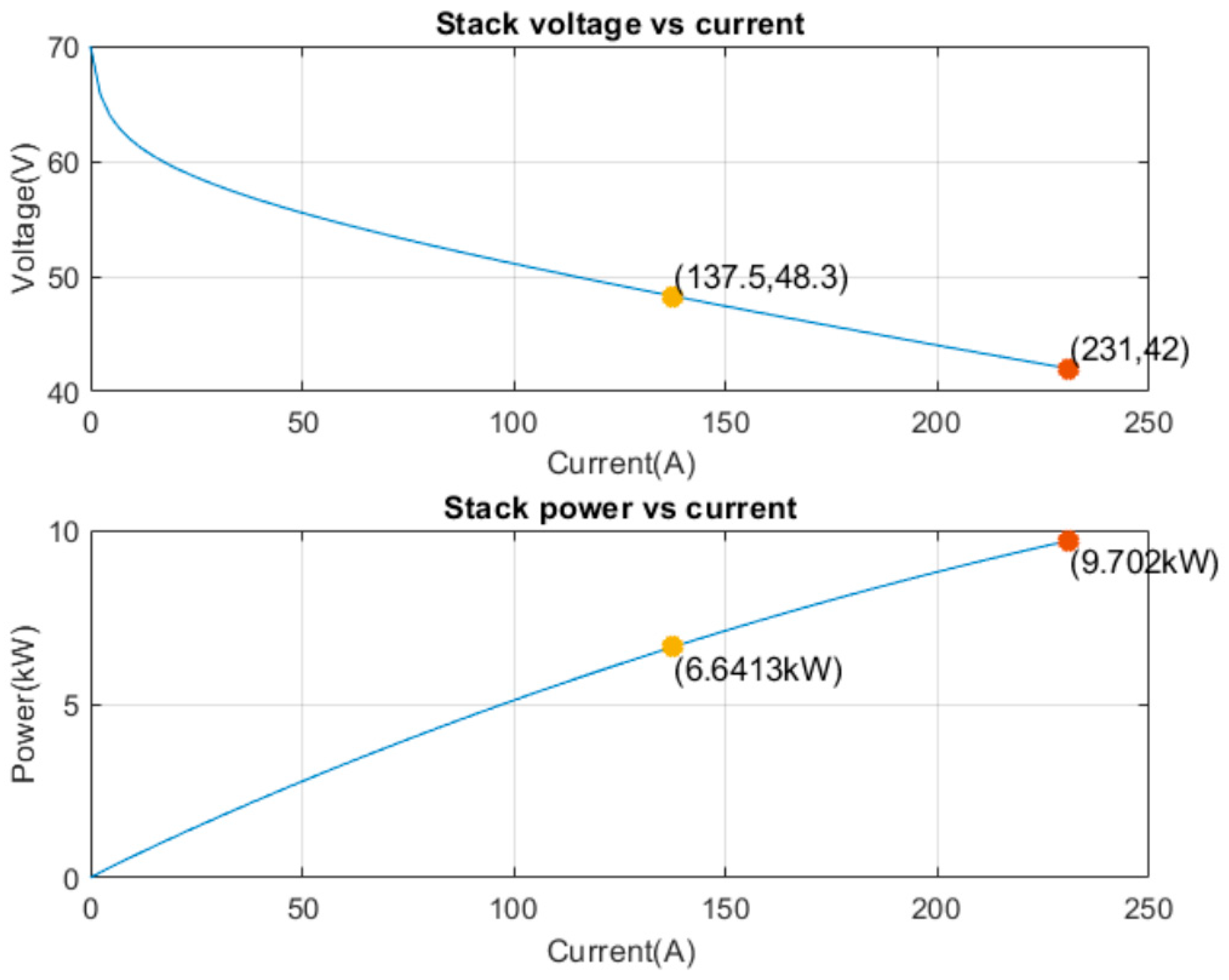
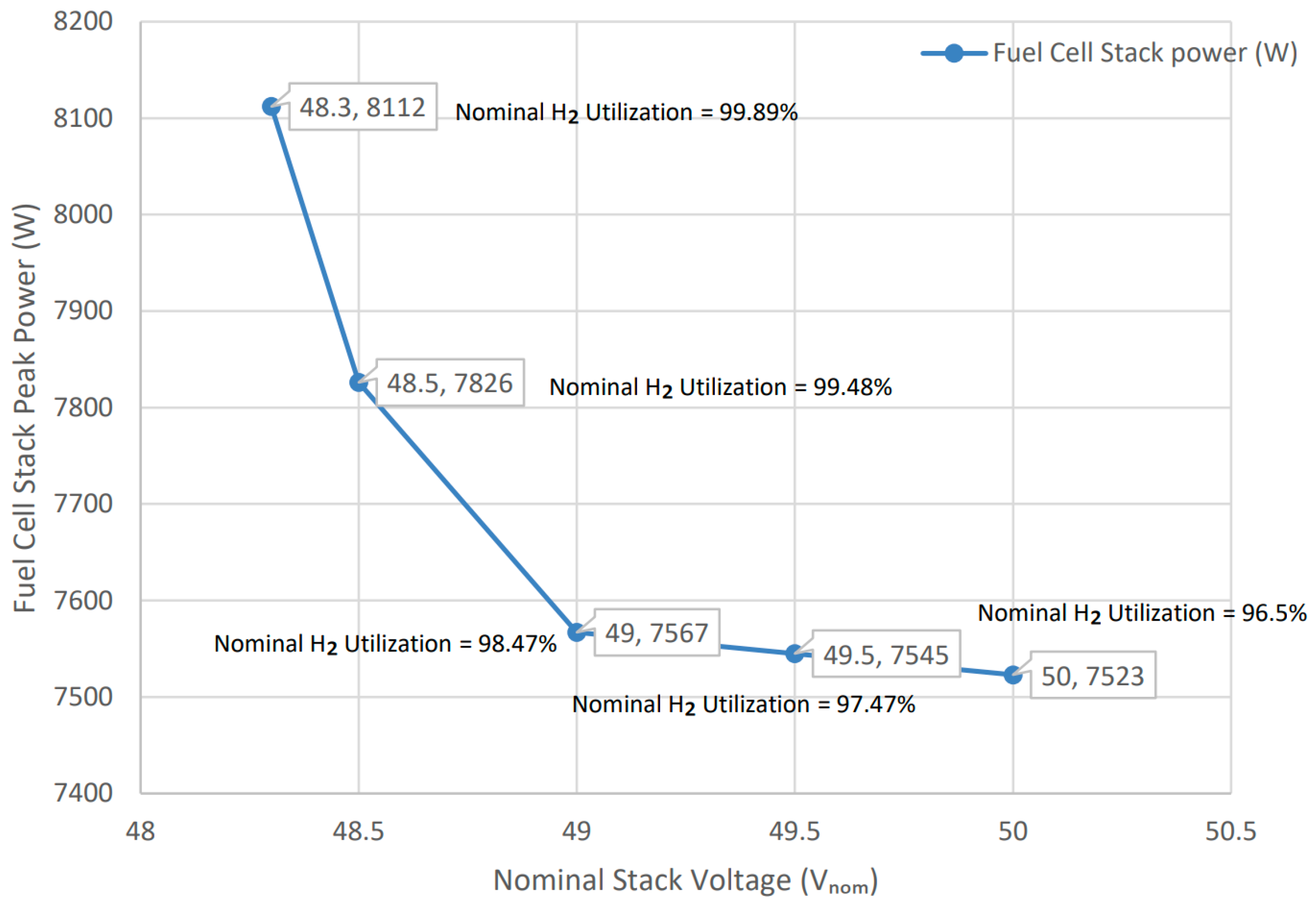
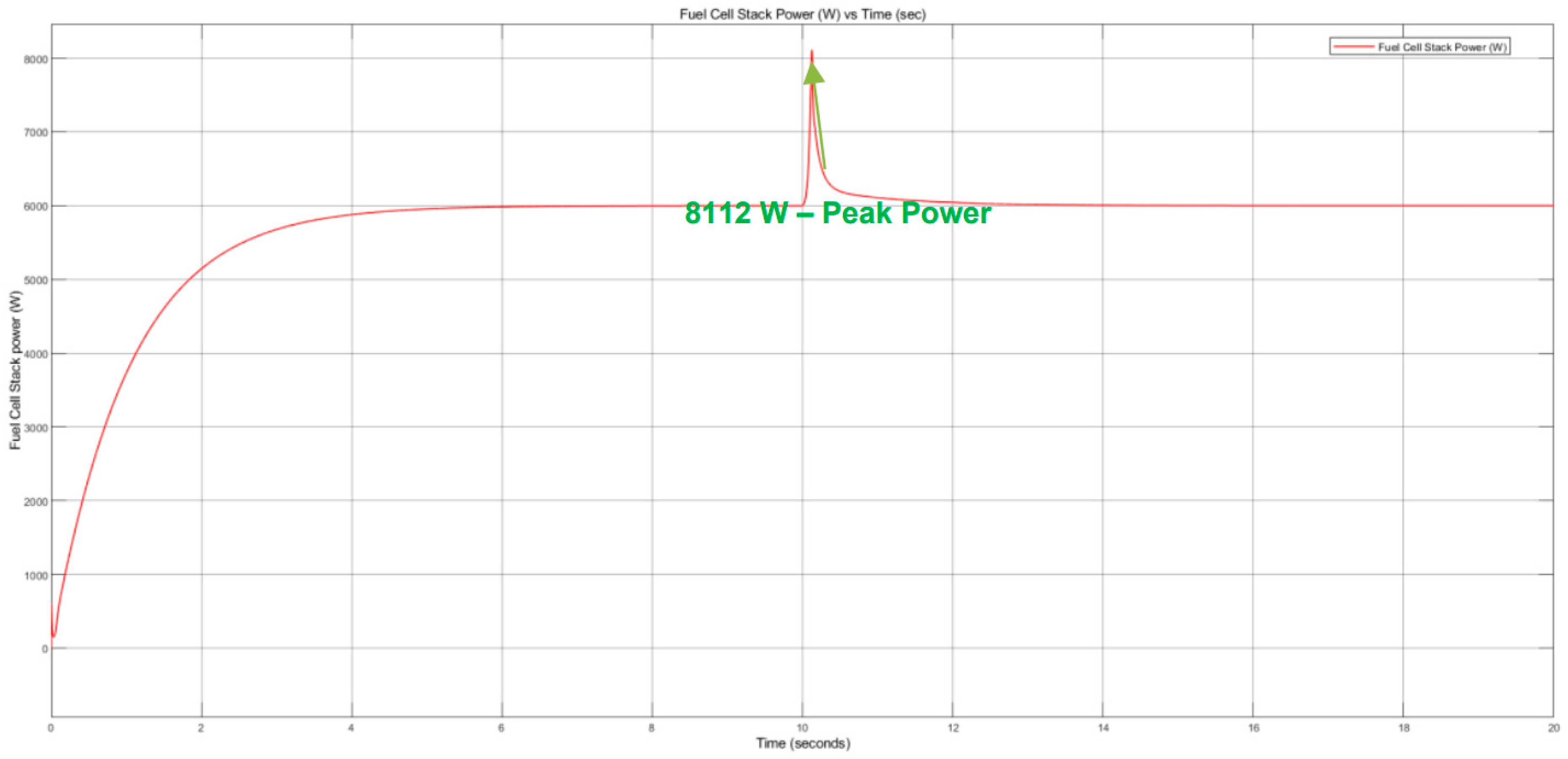
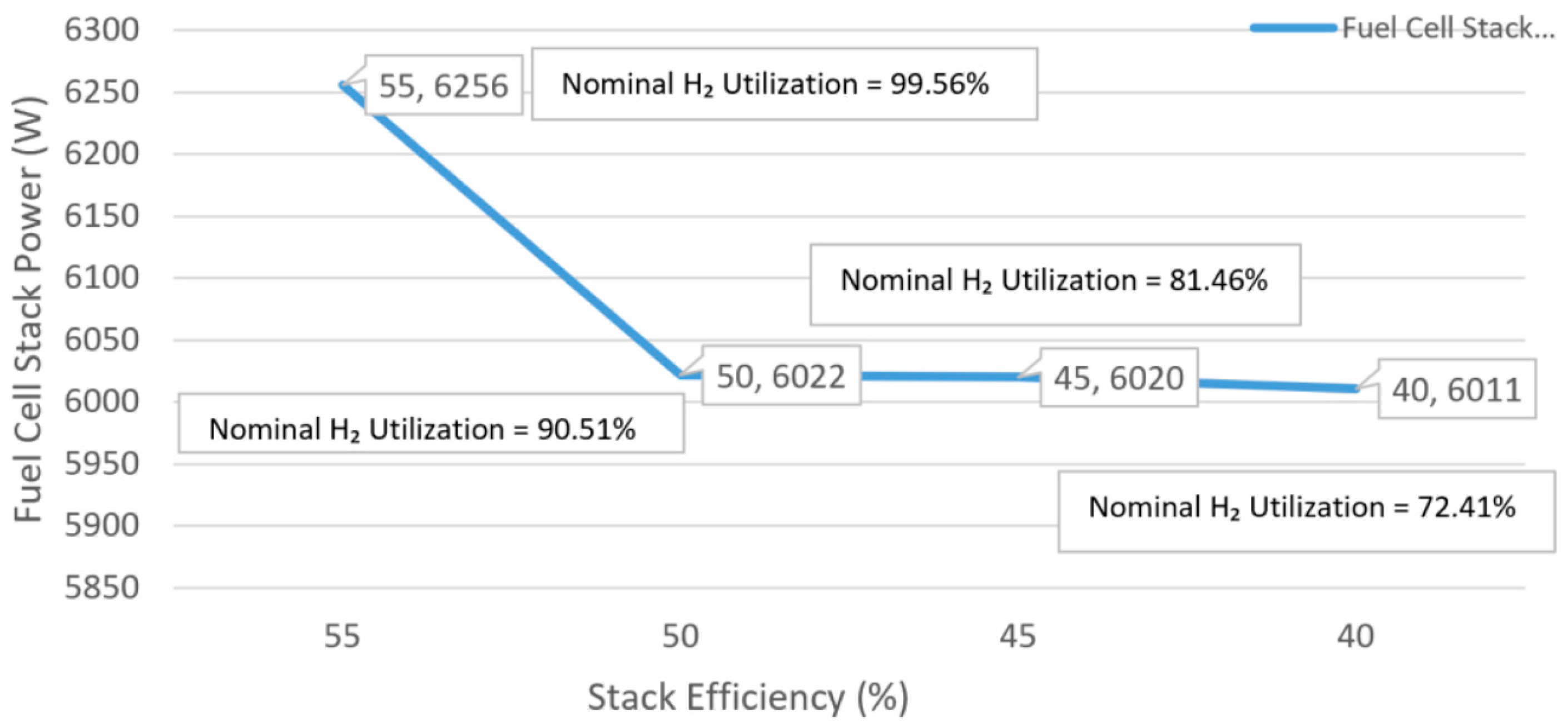
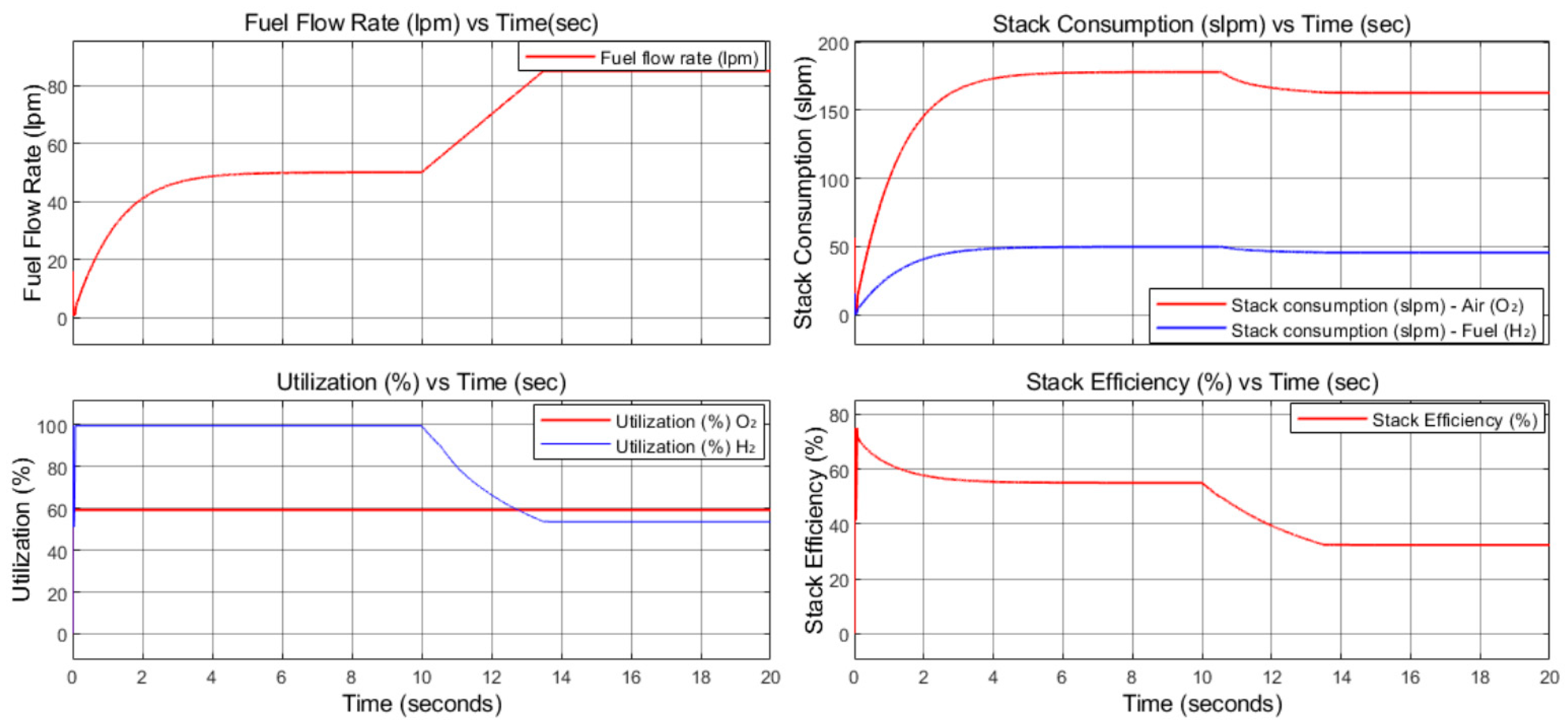
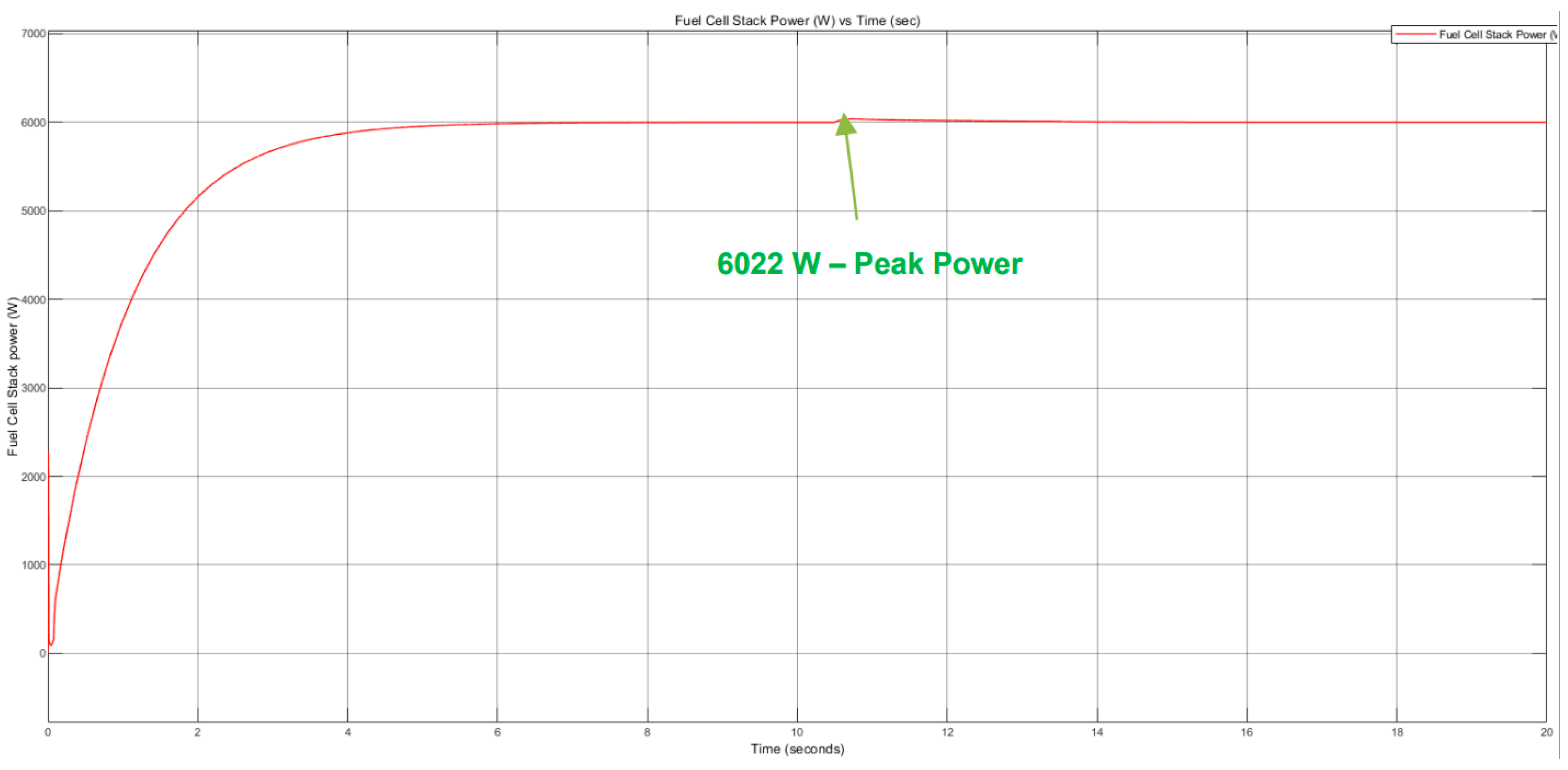
This study presents a machine learning-enhanced optimization framework for proton exchange membrane fuel cell (PEMFC), designed to address critical challenges in dynamic load adaptation and thermal management for automotive applications. A high-fidelity model of a 65-cell stack (45 V, 133.5 A, 6 kW) is developed in MATLAB/Simulink, integrating four core subsystems: PID-controlled fuel delivery, humidity-regulated air supply, an electrochemical-thermal stack model (incorporating Nernst voltage and activation, ohmic, and concentration losses), and a 97.2–efficient SiC MOSFET-based DC/DC boost converter. The framework employs the NSGA-II algorithm to optimize key operational parameters—membrane hydration (λ = 12–14), cathode stoichiometry (λO2 = 1.5–3.0), and cooling flow rate (0.5–2.0 L/min)—to balance efficiency, voltage stability, and dynamic performance. The optimized model achieves a 38% reduction in model-data discrepancies (RMSE < 5.3%) compared to experimental data from the Toyota Mirai, and demonstrates a 22% improvement in dynamic response, recovering from 0 to 100% load steps within 50 ms with a voltage deviation of less than 0.15 V. Peak performance includes 77.5% oxygen utilization at 250 L/min air flow (1.1236 V/cell) and 99.89% hydrogen utilization at a nominal voltage of 48.3 V, yielding a peak power of 8112 W at 55% stack efficiency. Furthermore, fuzzy-PID control of fuel ramping (50–85 L/min in 3.5 s) and thermal management (ΔT < 1.5 °C via 1.0–1.5 L/min cooling) reduces computational overhead by 29% in the resulting digital twin platform. The framework demonstrates compliance with ISO 14687-2 and SAE J2574 standards, offering a scalable and efficient solution for next-generation fuel cell electric vehicle (FCEV) aligned with global decarbonization targets, including the EU’s 2035 CO2 neutrality mandate.
Keywords: PEMFC; dynamic load response; NSGA-II optimization; Nernst voltage; stoichiometry; digital twin; SiC MOSFET; FCEV; thermal management PEMFC; dynamic load response; NSGA-II optimization; Nernst voltage; stoichiometry; digital twin; SiC MOSFET; FCEV; thermal management