Article

Is the Non-Pointness of the Electron Observable in e+e Annihilation at Center-of-Mass Energies 55–207 GeV?

1
School of Physical Sciences, University of Science and Technology of China, No. 96, Jinzhai Road Baohe District, Hefei 230026, China
2
Institute of Physics, Academia Sinica, Taipei 11529, Taiwan
3
Physics and Astronomy Department, Manhattan College, 4513 Manhattan College Parkway, Riverdale, NY 10471, USA
4
Experimental Physics Department, CERN, 1211 Geneva, Switzerland
5
Institute for Particle Physics and Astrophysics, ETH Zurich, Wolfgang-Pauli-Strasse 27, 8093 Zurich, Switzerland
*
Author to whom correspondence should be addressed.
Physics 2023, 5(3), 752-783; https://doi.org/10.3390/physics5030048
Submission received: 15 November 2022 / Revised: 3 June 2023 / Accepted: 10 June 2023 / Published: 10 July 2023
(This article belongs to the Section High Energy Physics)

Abstract

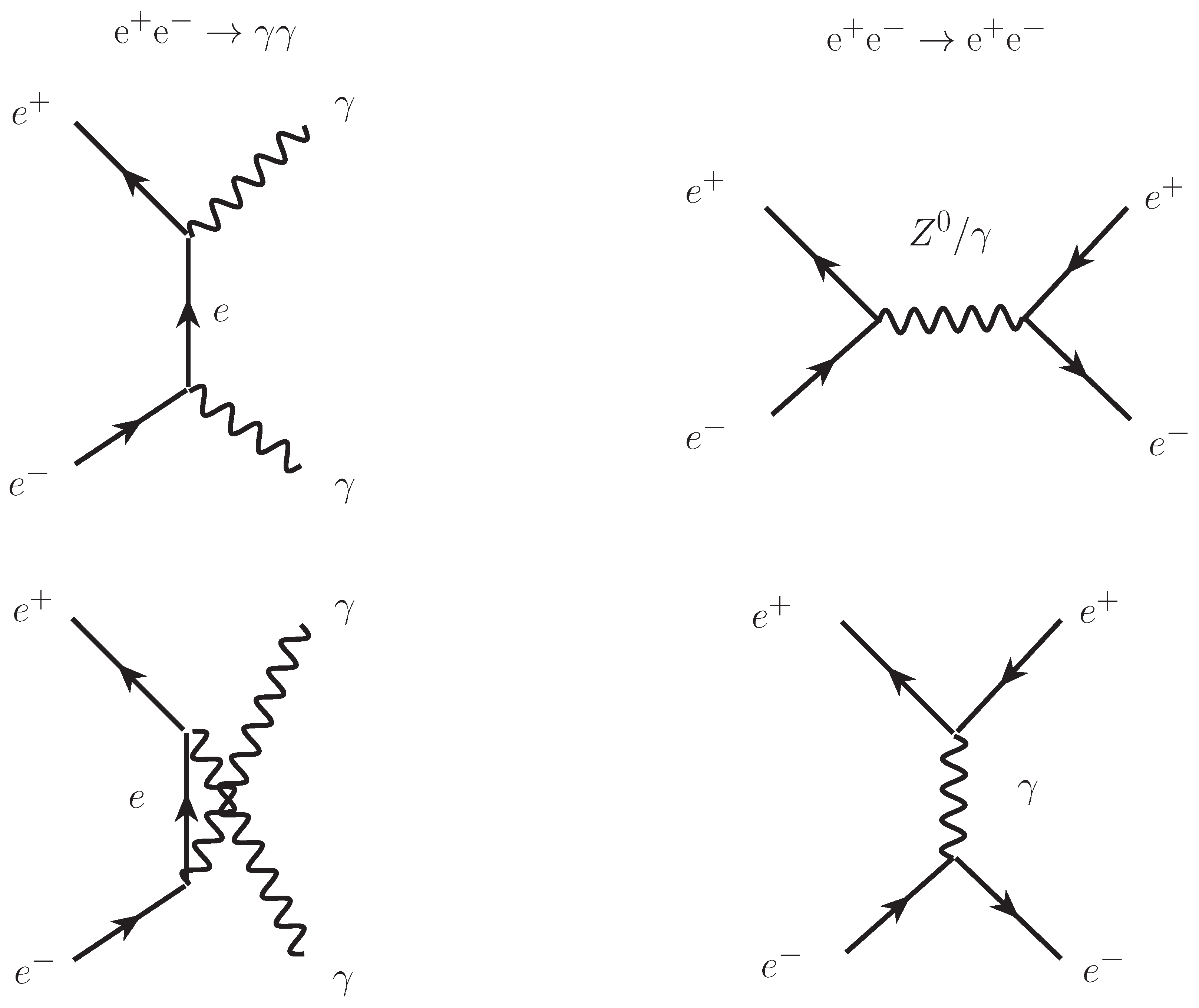
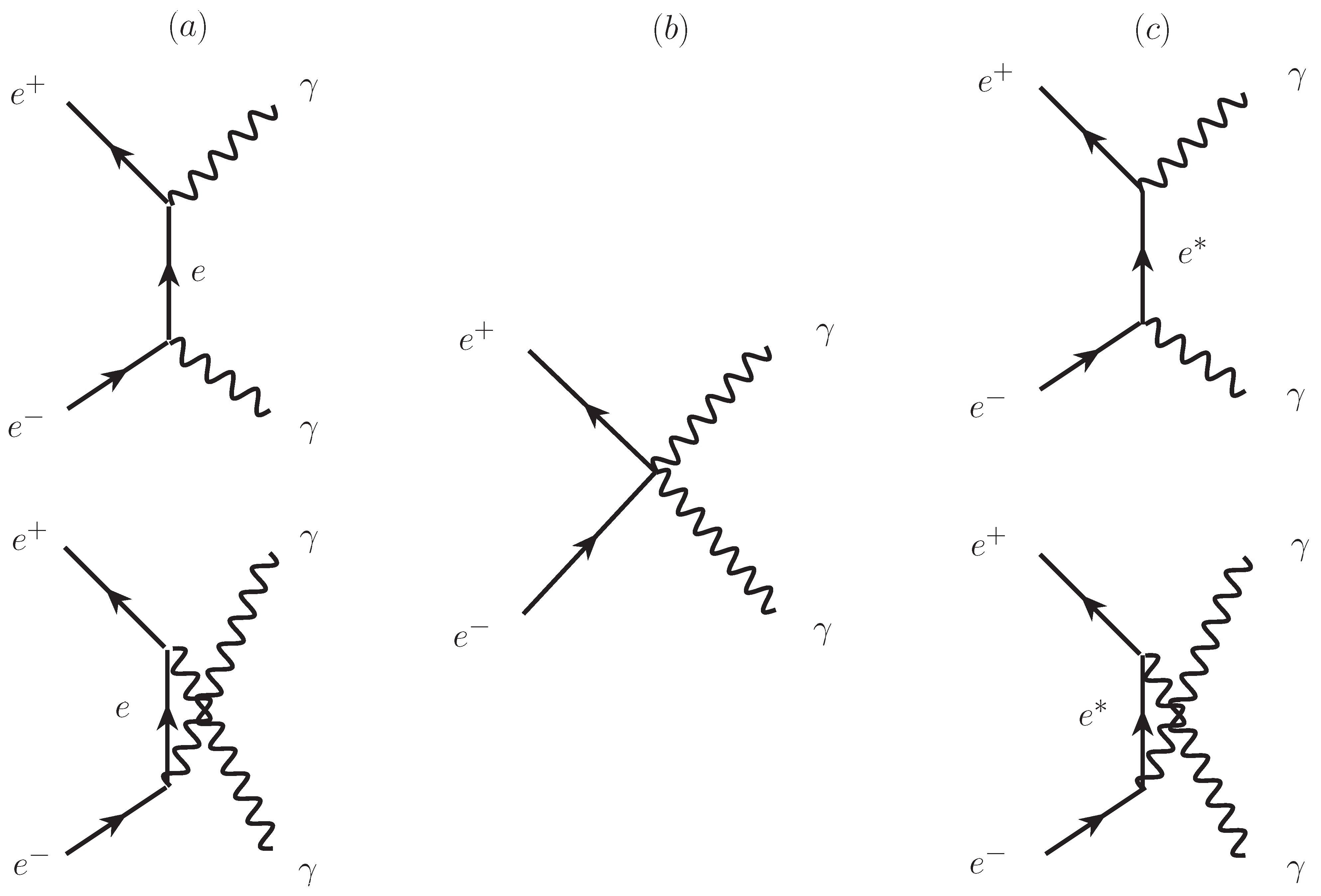
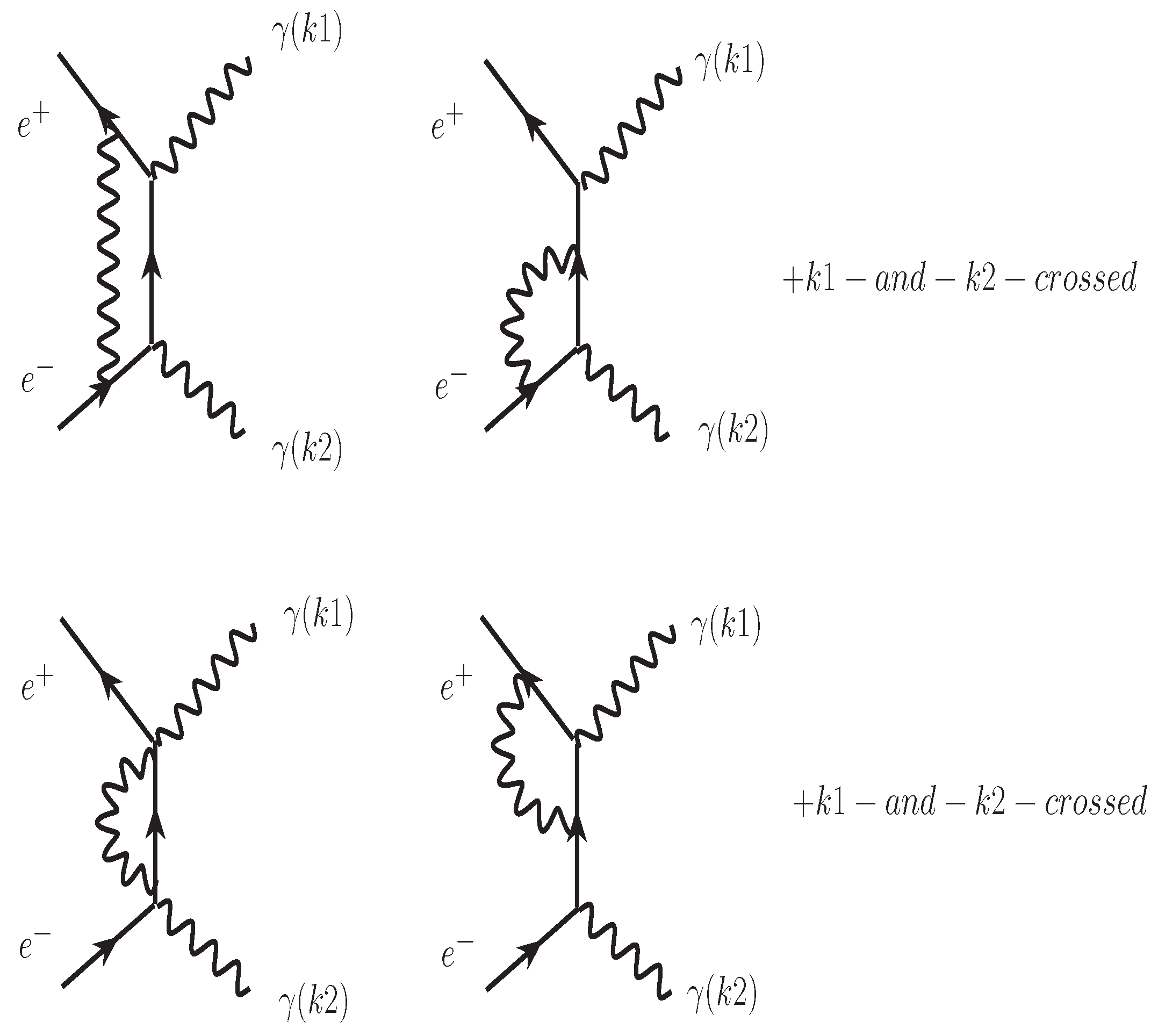
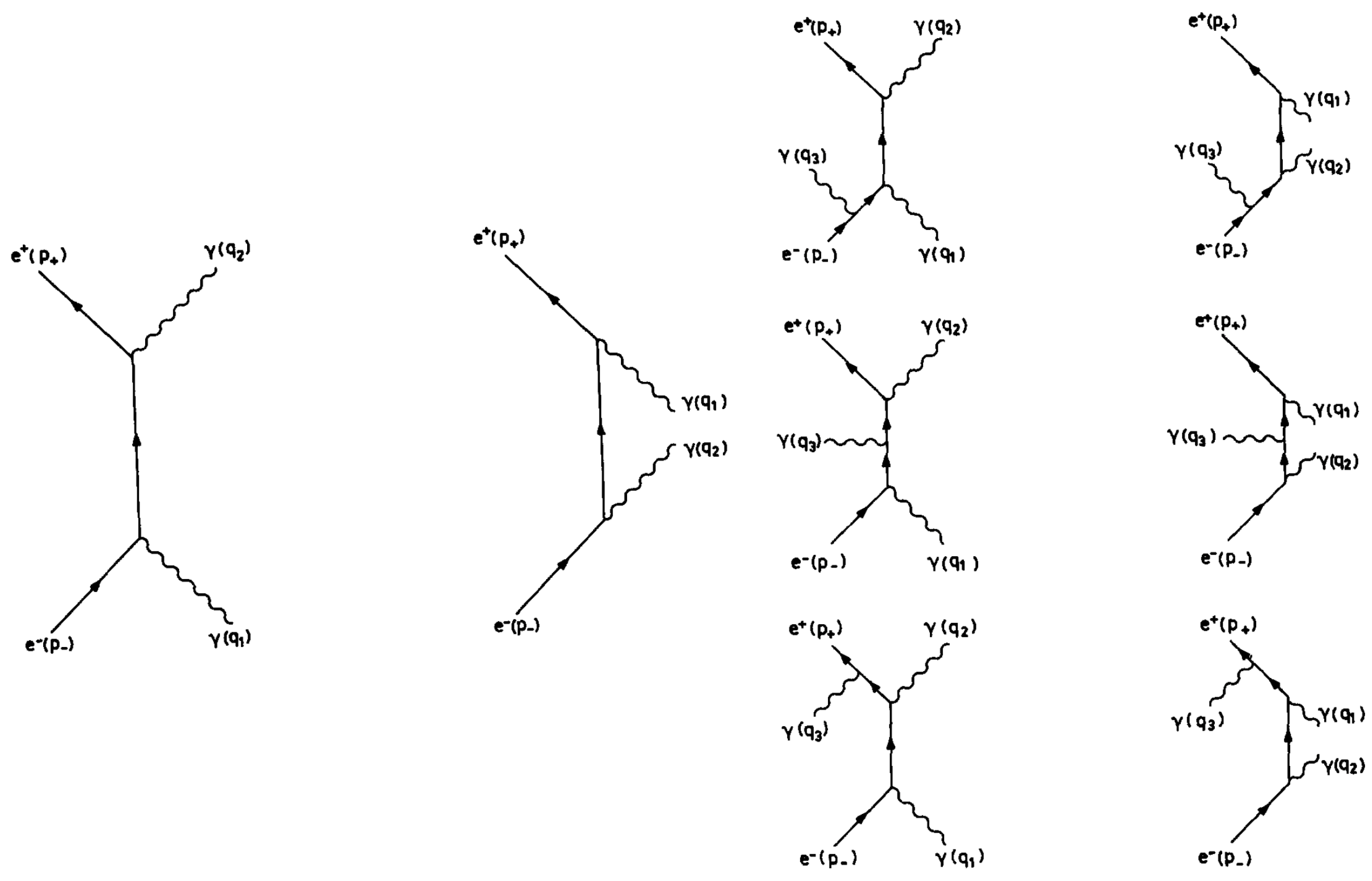
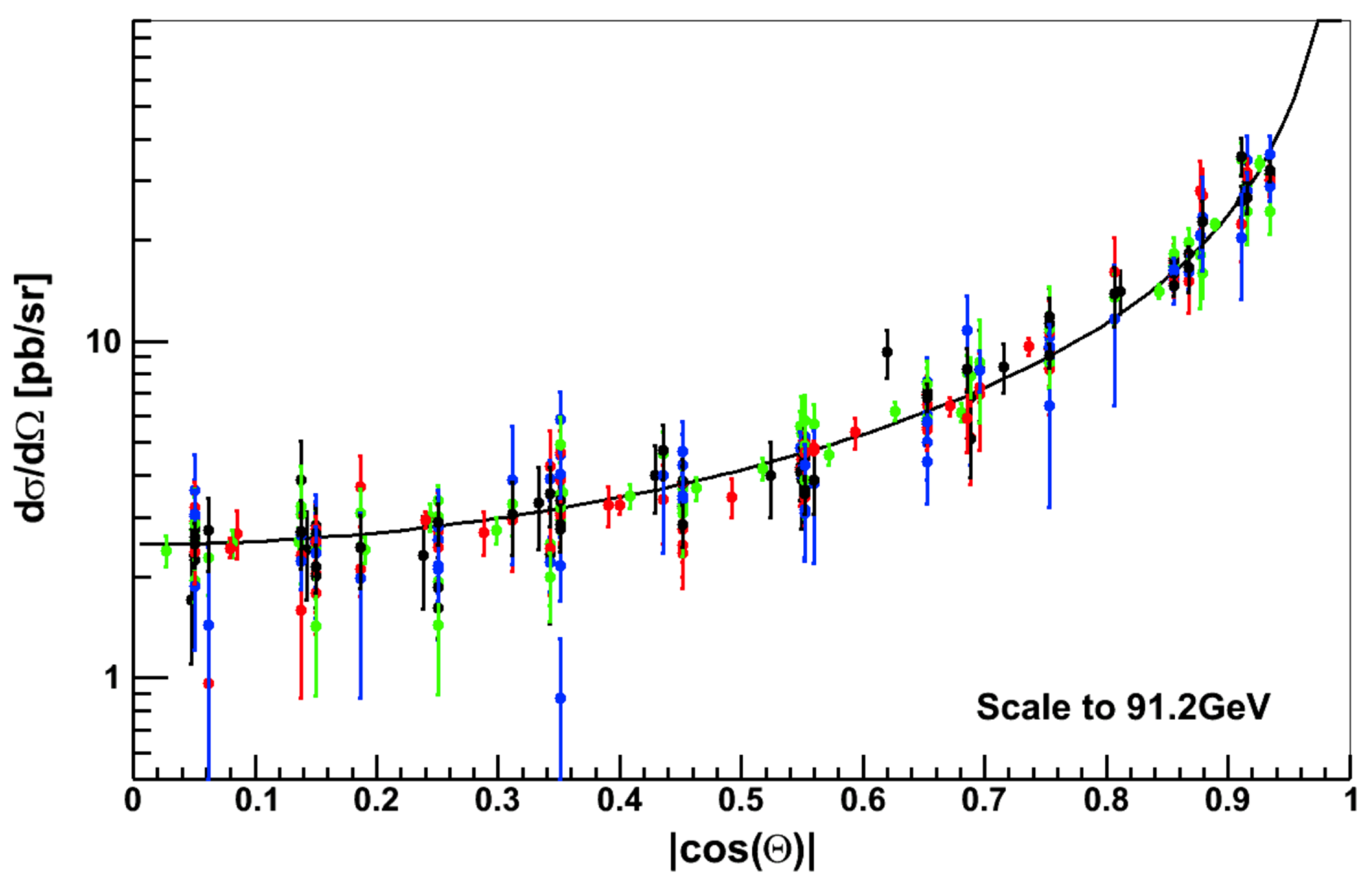
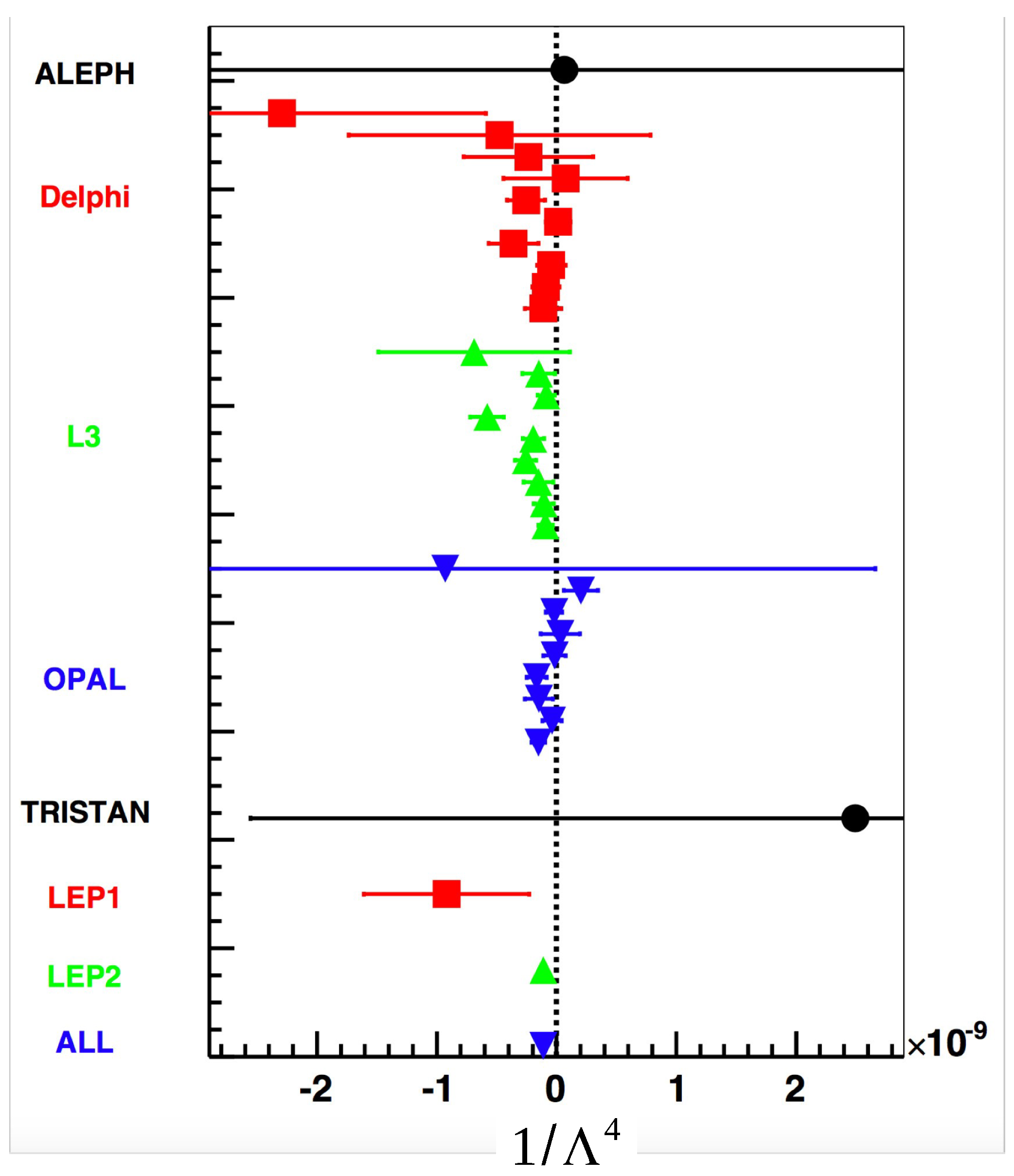
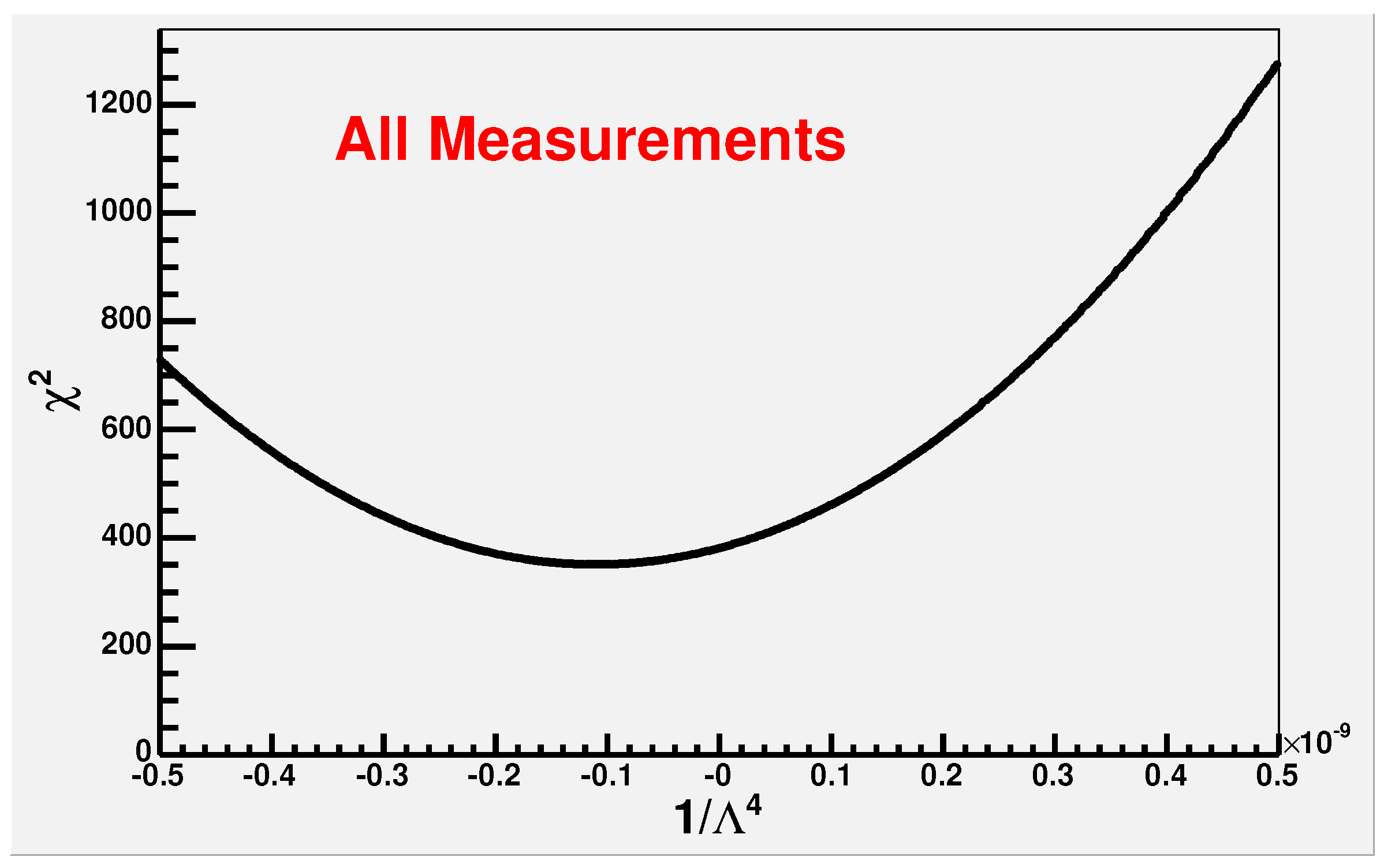
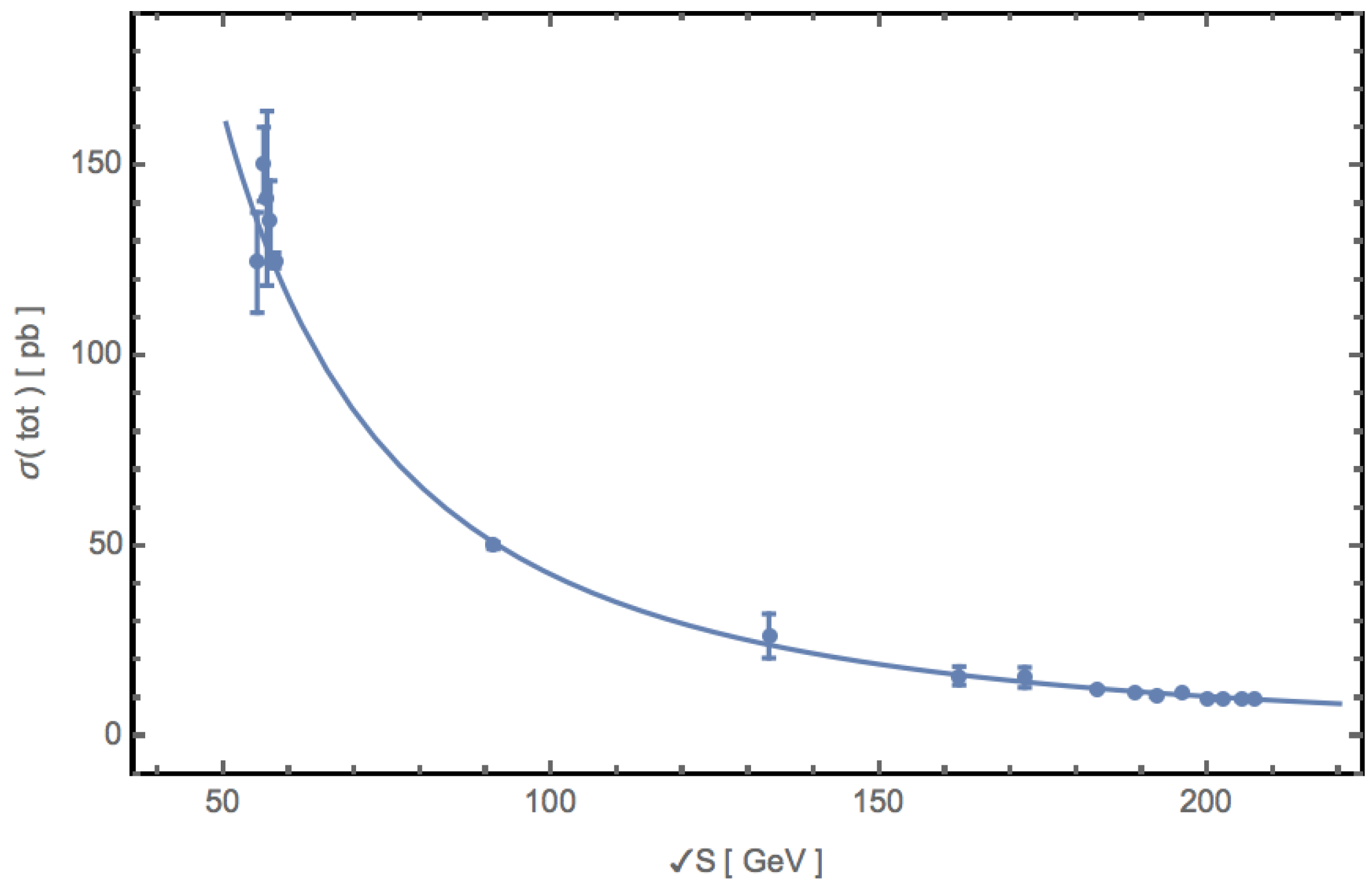
The experimental data from VENUS, TOPAS, OPAL, DELPHI, ALEPH and L3 Collaborations collected from 1989 to 2003 are applied to study the quantum electrodynamics (QED) framework through the direct contact interaction term approach, using the annihilation reaction e+eγγ(γ). The analysis involves performing a χ2-test to detect the presence of an excited electron e*, and and evidence of non-point like behavior in the e+e annihilation zone. The analysis yields compelling results, showing a significant signal at a confidence level of approximately 5 standard deviations. These findings suggest the existence of an excited electron with a mass of 308 ± 14 GeV and indicate the presence of a contact interaction characterized by a cutoff scale of 1253.53 ± 226 GeV. Furthermore, the interpretation of the cutoff scale result in terms of a radius of (1.57 ± 0.07) × 10−17 cm raises an intriguing possibility regarding the electron’s non-pointness.
Keywords: QED; contact interaction; beyond standard model QED; contact interaction; beyond standard model