Article

An Experimental and Numerical Study on the Effect of Spacing between Two Helmholtz Resonators


Faculty of Engineering, University of Bristol, Bristol BS8 1TR, UK
*
Author to whom correspondence should be addressed.
Acoustics 2021, 3(1), 97-117; https://doi.org/10.3390/acoustics3010009

Submission received: 12 January 2021 / Revised: 2 February 2021 / Accepted: 8 February 2021 / Published: 15 February 2021
(This article belongs to the Special Issue Resonators in Acoustics)

Abstract

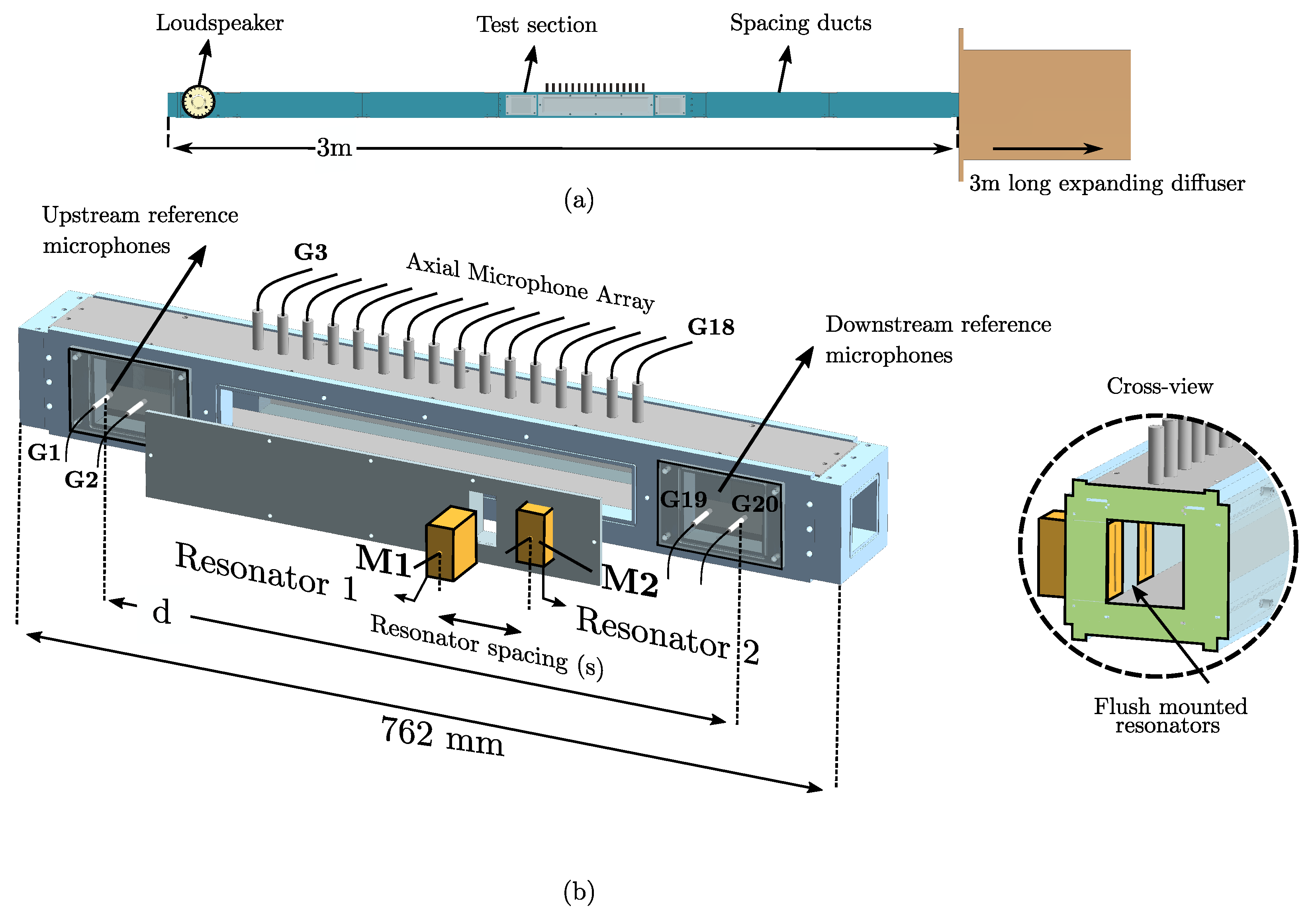
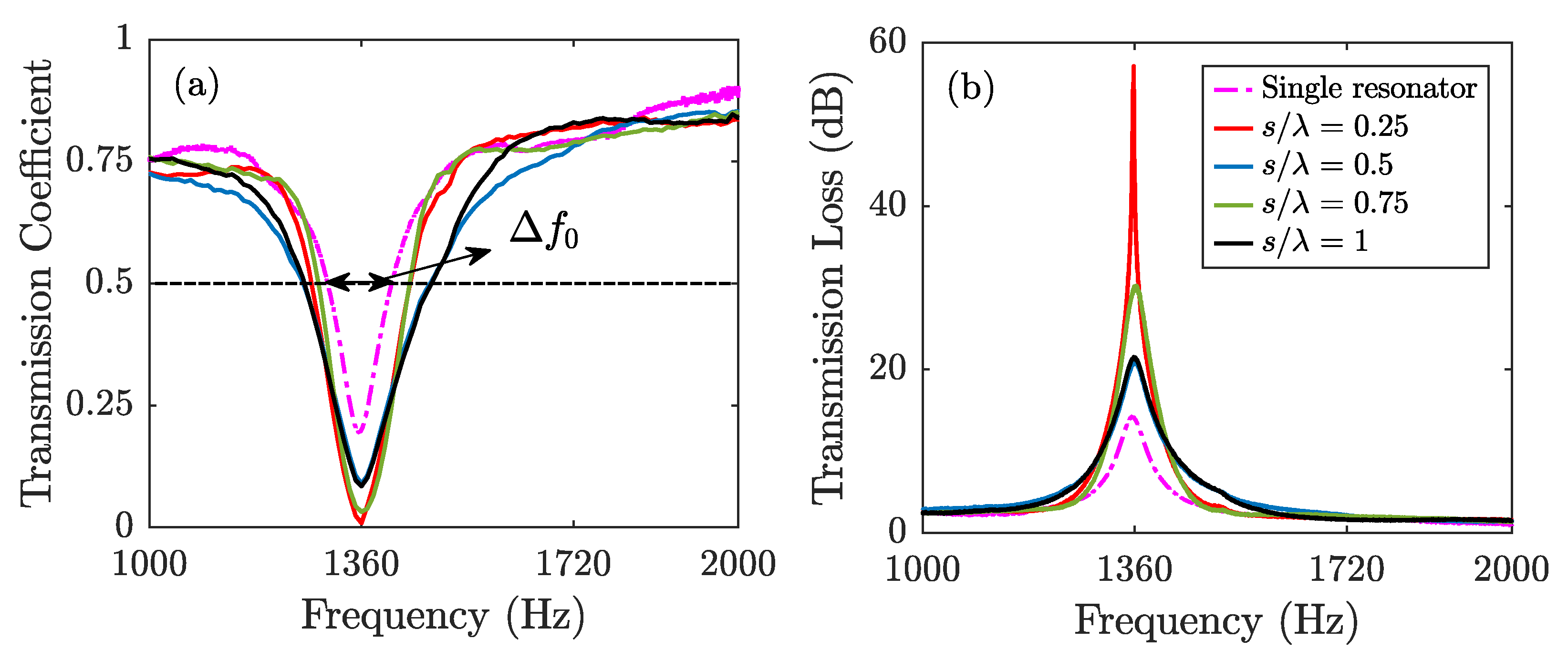
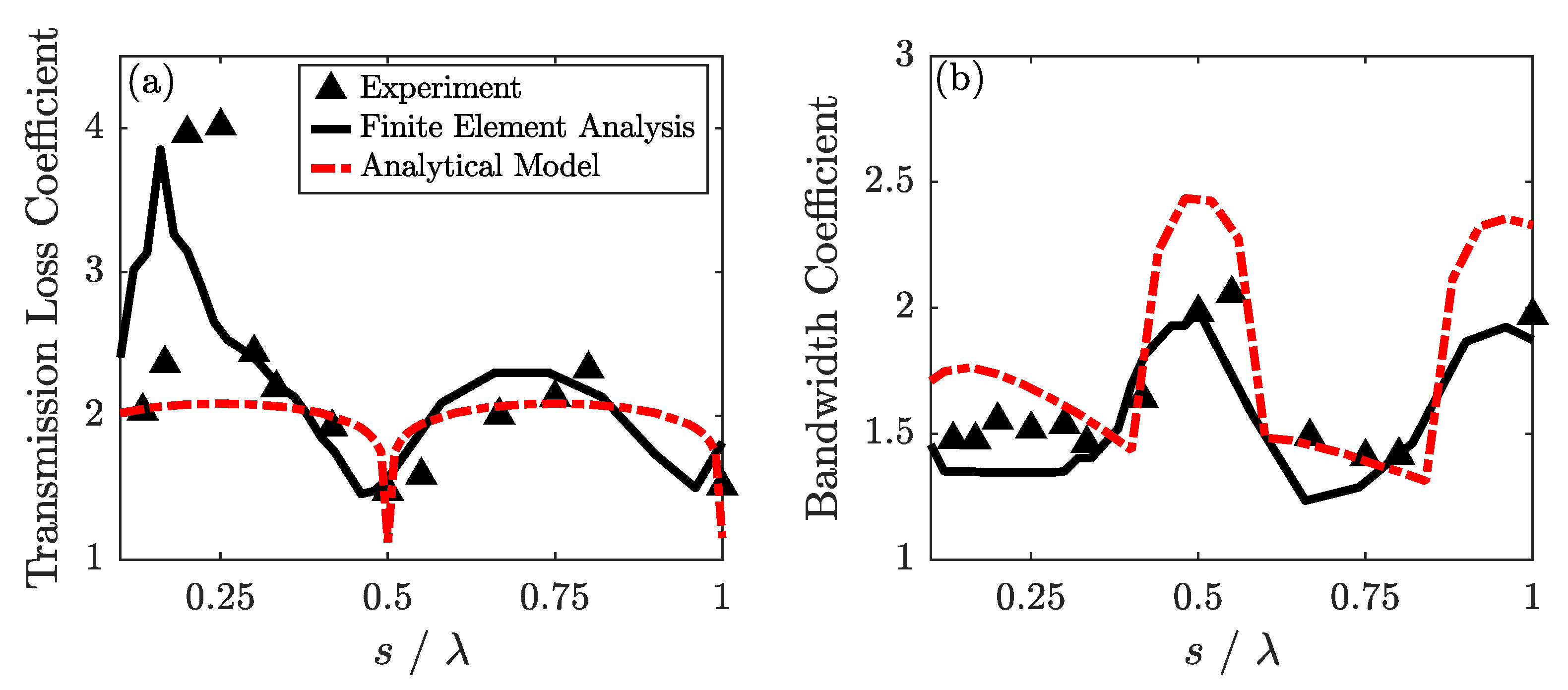
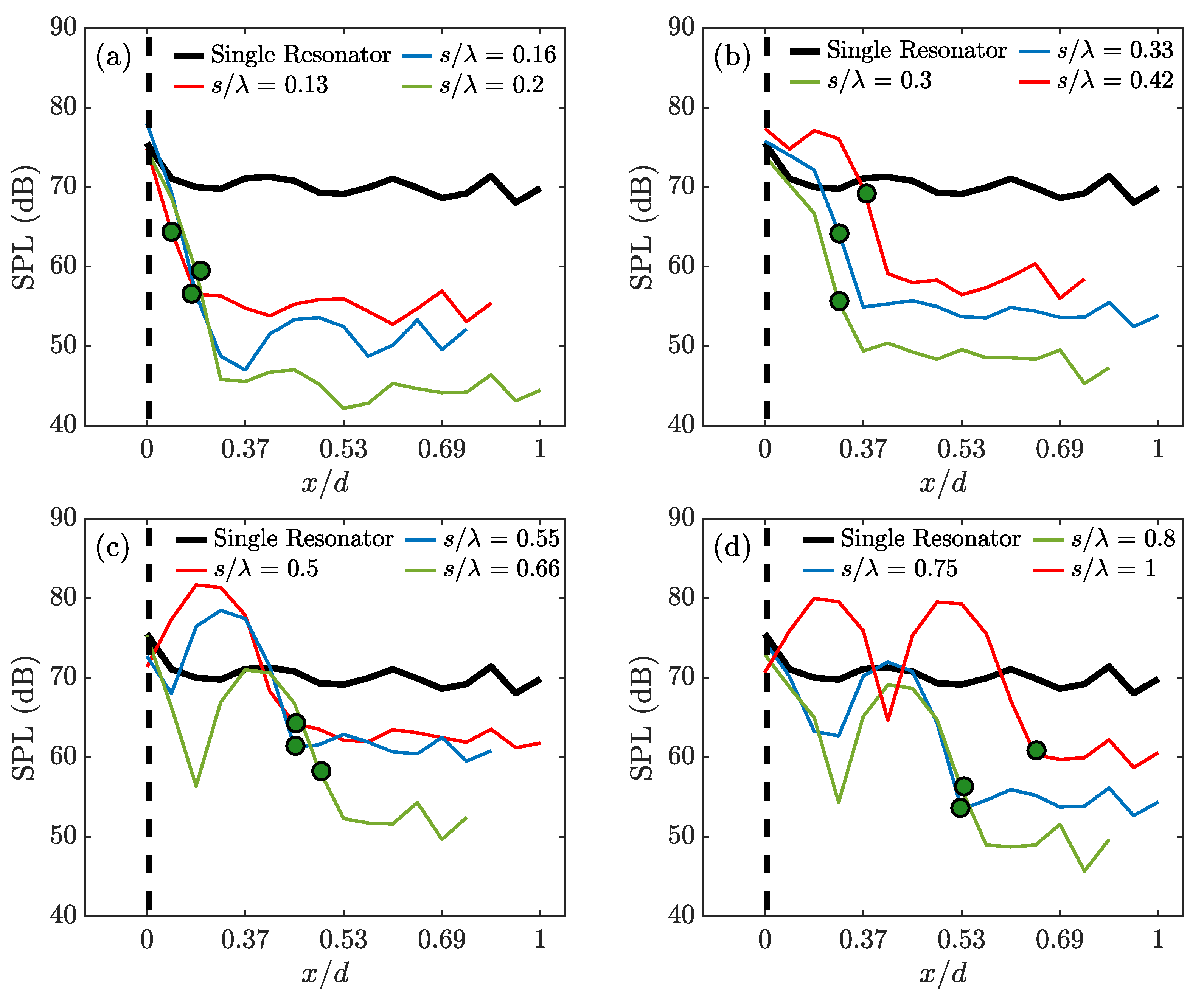
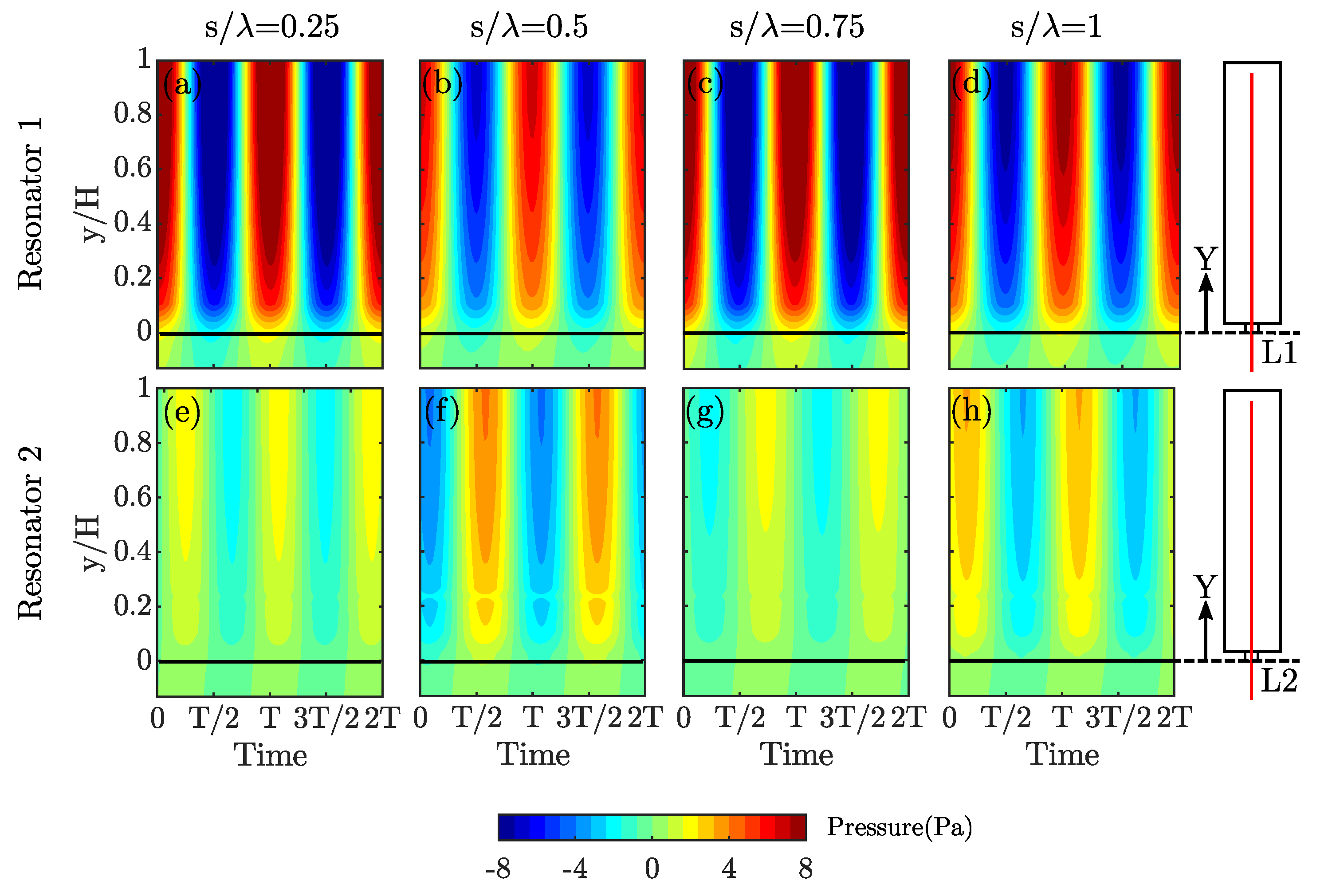
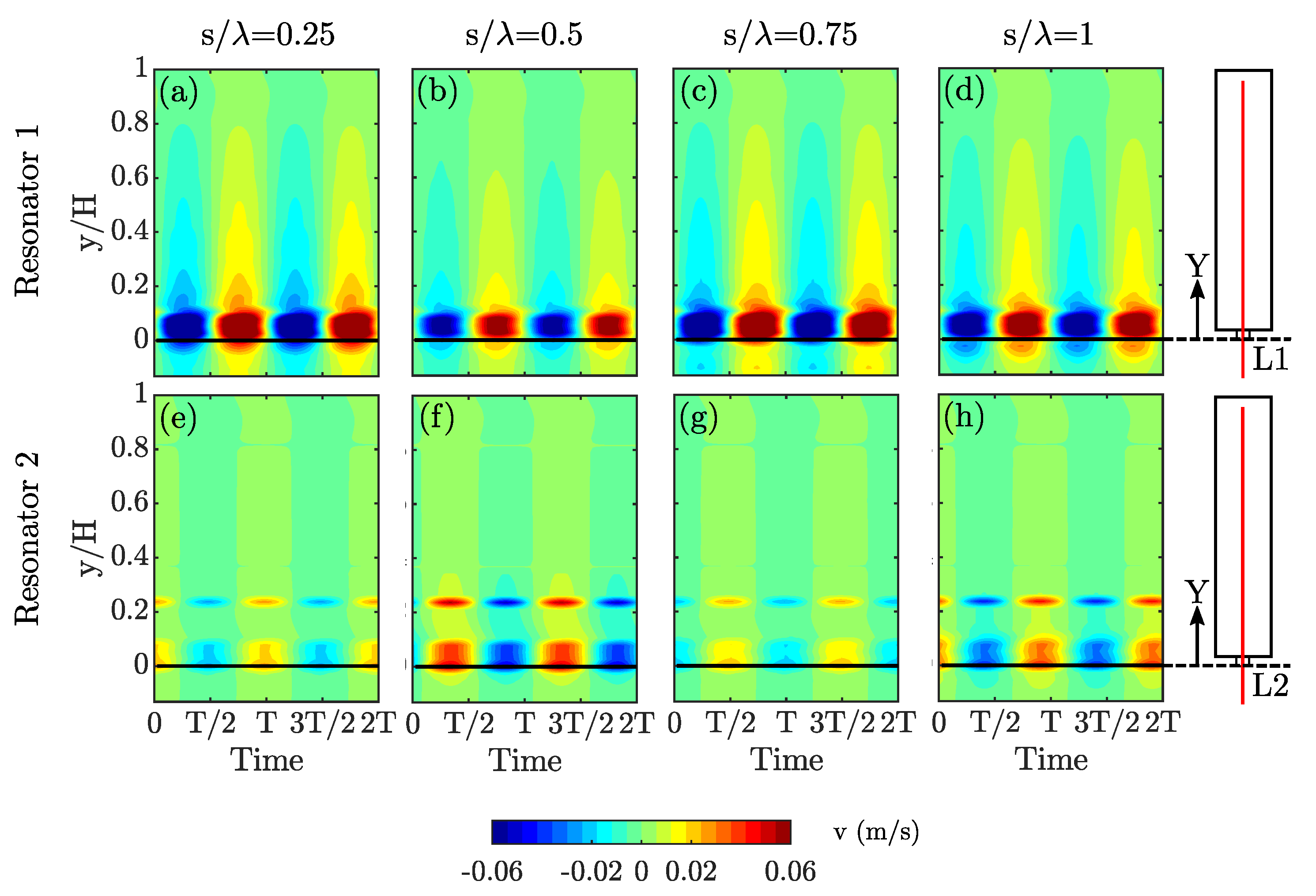
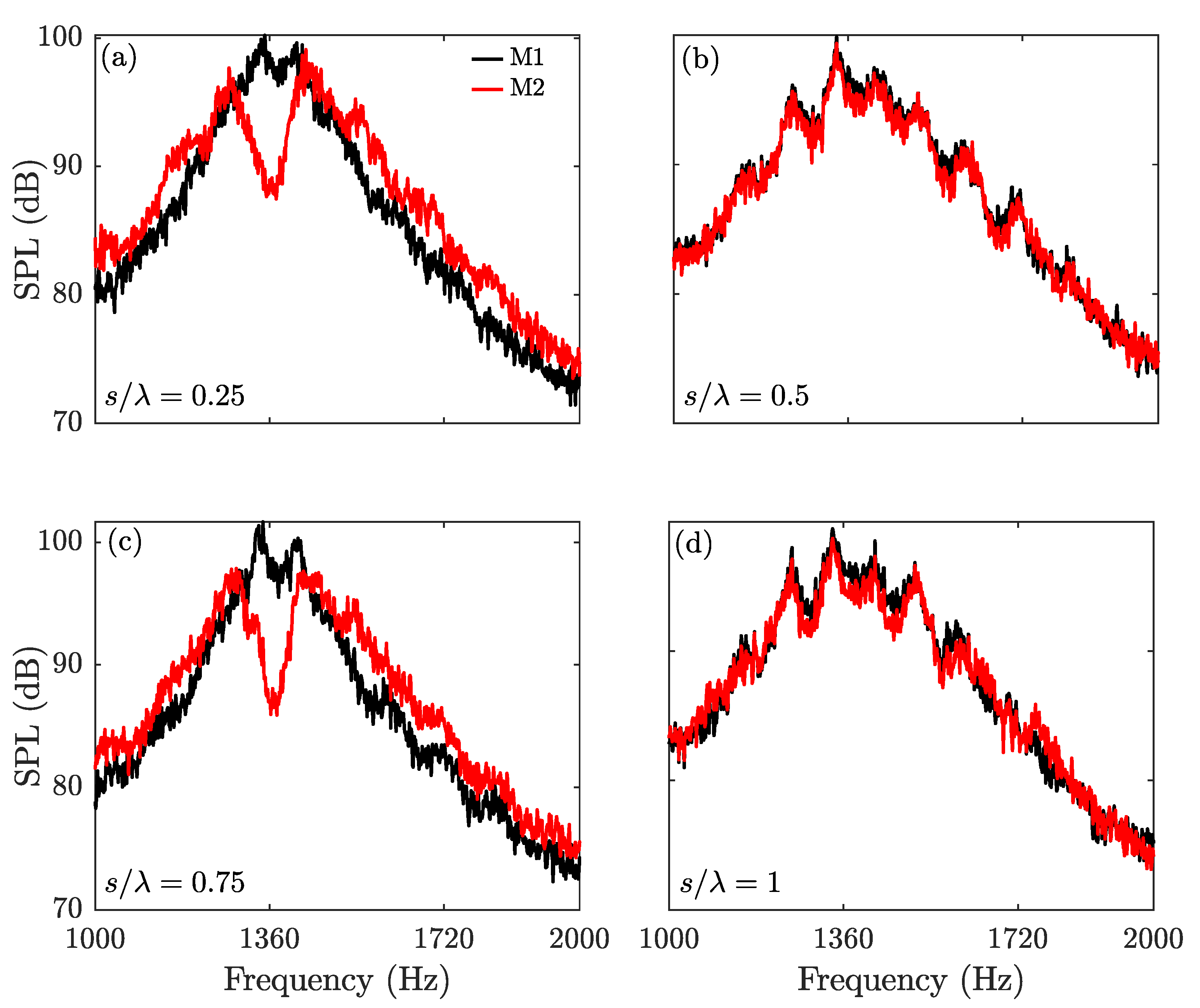
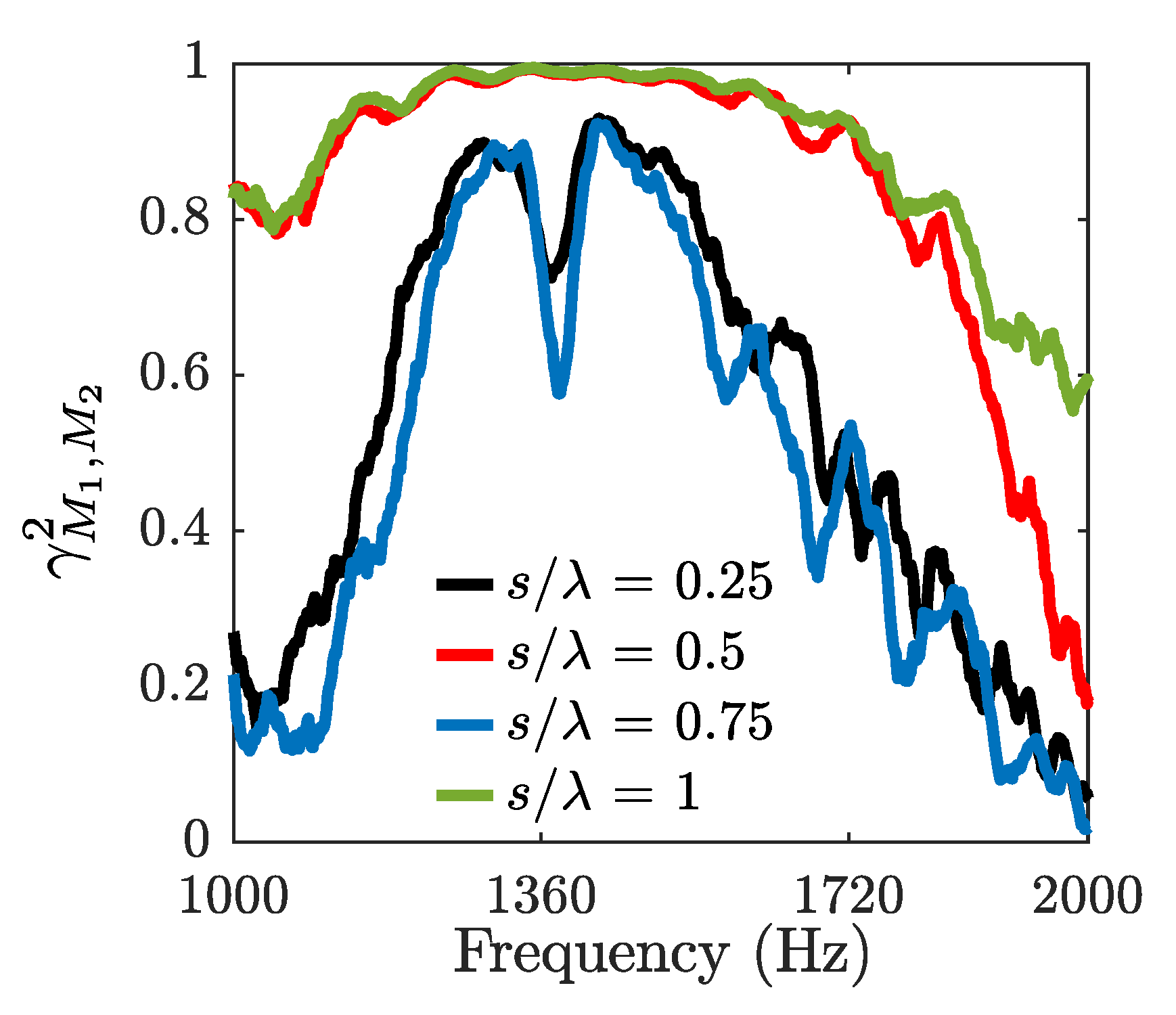
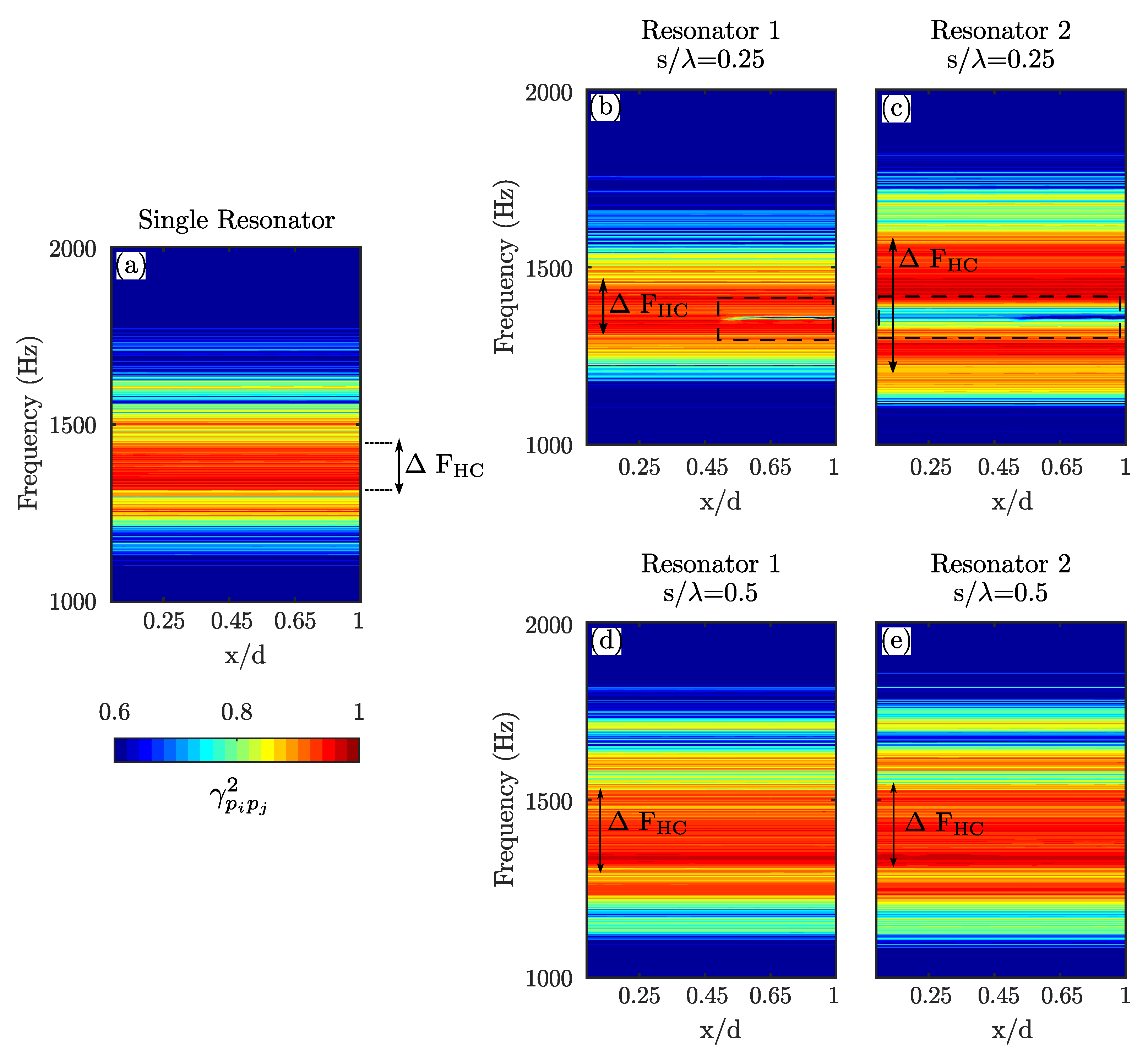
This study investigates the acoustic performance of a system of two Helmholtz resonators experimentally and numerically. The distance between the Helmholtz resonators was varied to assess its effect on the acoustic performance of the system quantitatively. Experiments were performed using an impedance tube with two instrumented Helmholtz resonators and several microphones along the impedance tube. The relation between the noise attenuation performance of the system and the distance between two resonators is presented in terms of the transmission loss, transmission coefficient, and change in the sound pressure level along the tube. The underlying mechanisms of the spacing effect are further elaborated by studying pressure and the particle velocity fields in the resonators obtained through finite element analysis. The results showed that there might exist an optimum resonators spacing for achieving maximum transmission loss. However, the maximum transmission loss is not accompanied by the broadest bandwidth of attenuation. The pressure field and the sound pressure level spectra of the pressure field inside the resonators showed that the maximum transmission loss is achieved when the resonators are spaced half wavelength of the associated resonance frequency wavelength and resonate in-phase. To achieve sound attenuation over a broad frequency bandwidth, a resonator spacing of a quarter of the wavelength is required, in which case the two resonators operate out-of-phase.
Keywords: helmholtz resonator; impedance tube; linear acoustics helmholtz resonator; impedance tube; linear acoustics