3.1. Exploratory QSPR-Based Correlation Analysis of Furan Derivatives as Corrosion Inhibitors
The study of corrosion involves preventing or managing the gradual deterioration of metals caused by their interaction with the environment and is broadly divided into corrosion inhibition, corrosion monitoring, and corrosion risk assessment. Among available protection methods, corrosion inhibitors remain one of the most widely used strategies for mitigating corrosion [
40]. These compounds are generally classified as inorganic or organic, although inorganic inhibitors often pose toxicity and environmental concerns. Organic inhibitors protect metals by adsorbing onto the surface and blocking active corrosion sites through electron donation or coordinate bonding [
41]. Furan-derived organic compounds, in particular, have been reported to exhibit strong inhibition performance in acidic environments, as their electronic structures enable them to accept unbound electrons from the metal surface and form coordinated covalent bonds, effectively suppressing the corrosion process [
42,
43,
44,
45]. The effectiveness of these inhibitors is quantified using inhibitor efficiency (IE%), which measures the percentage reduction in corrosion rate achieved in the presence of an inhibitor [
46].
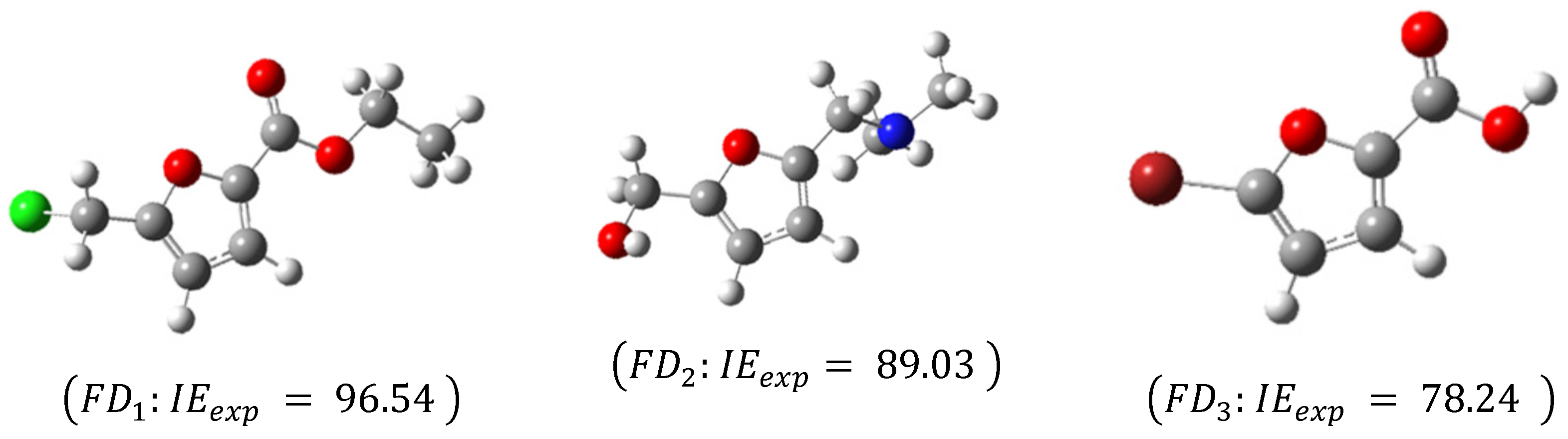
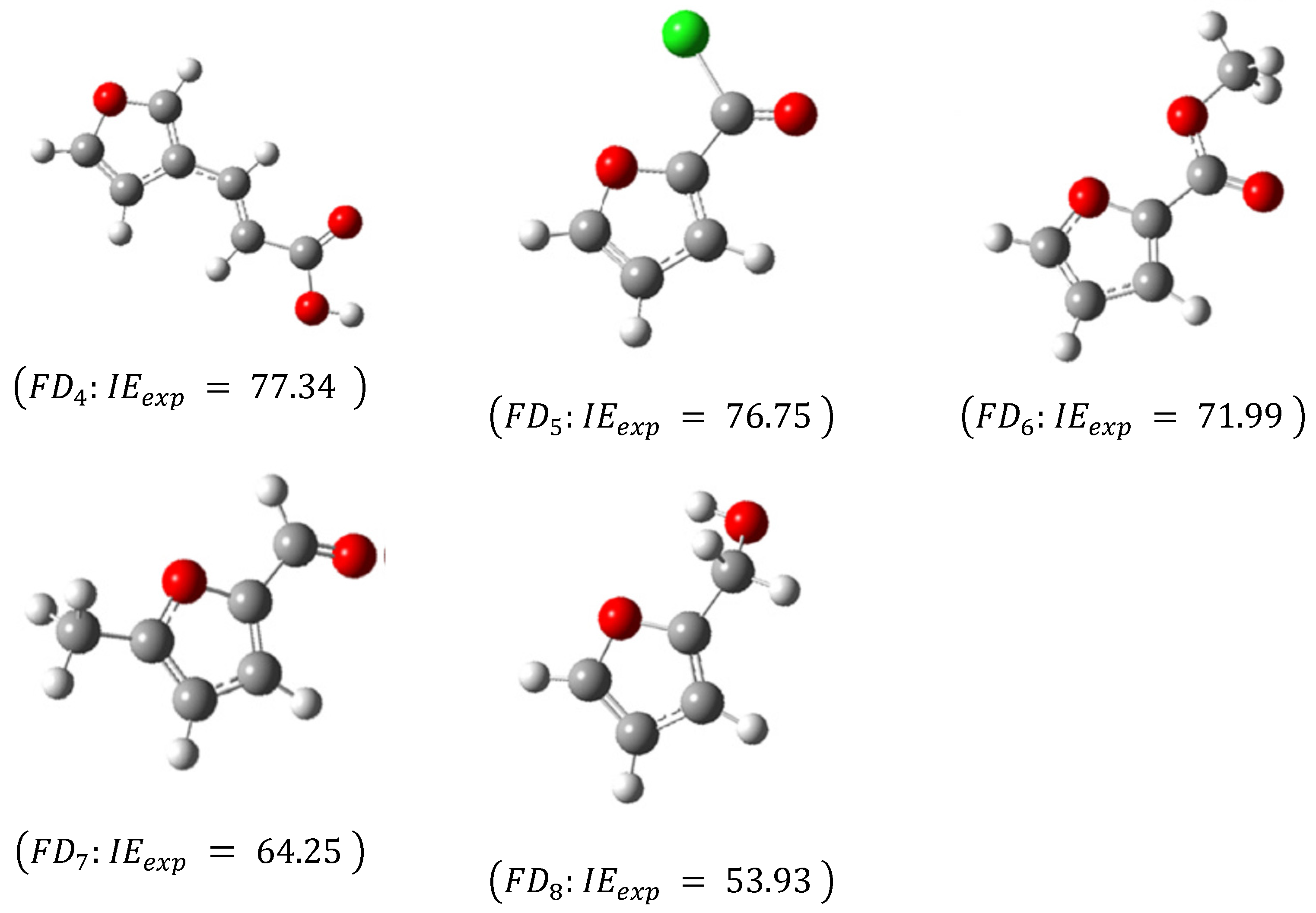
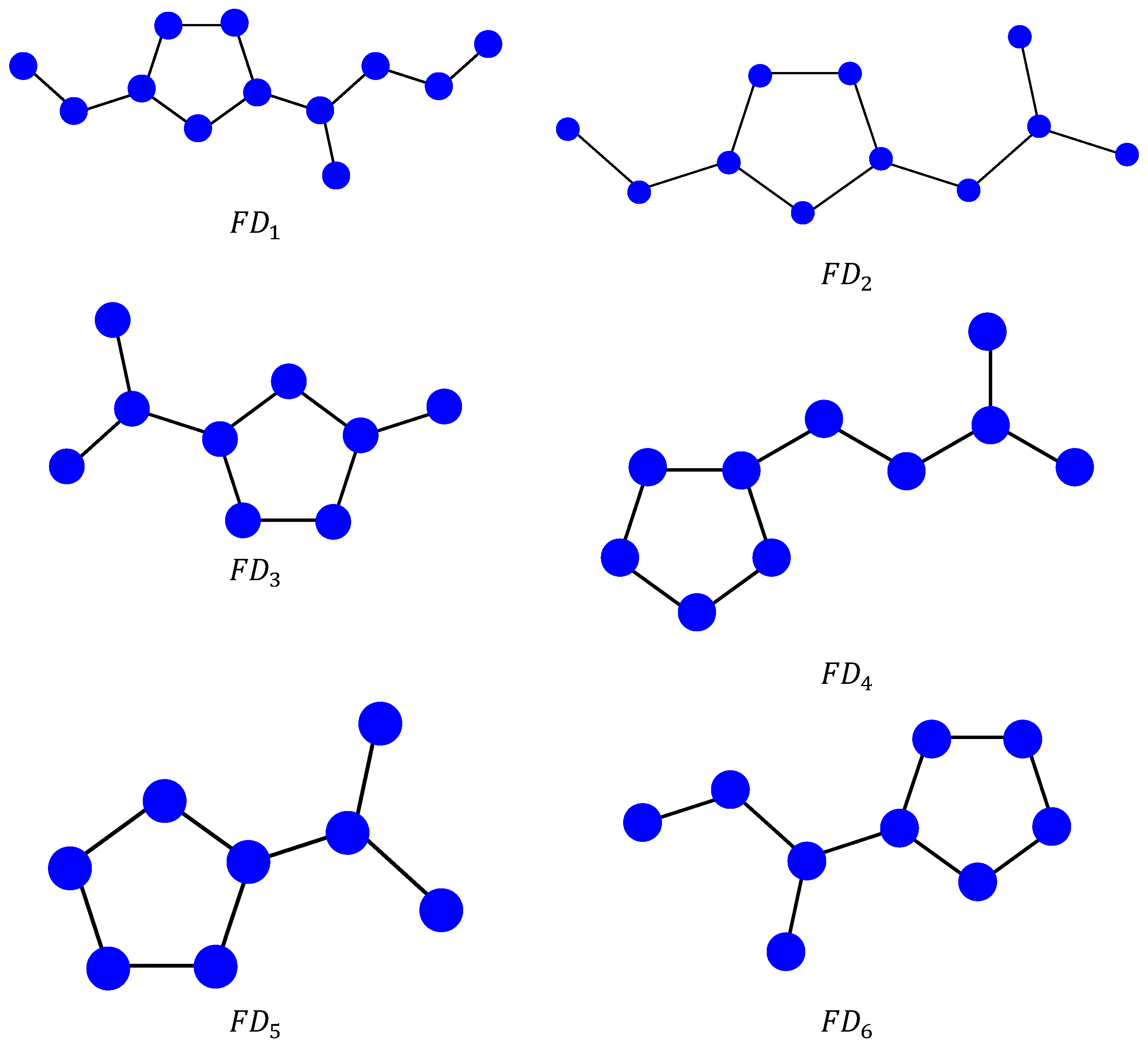
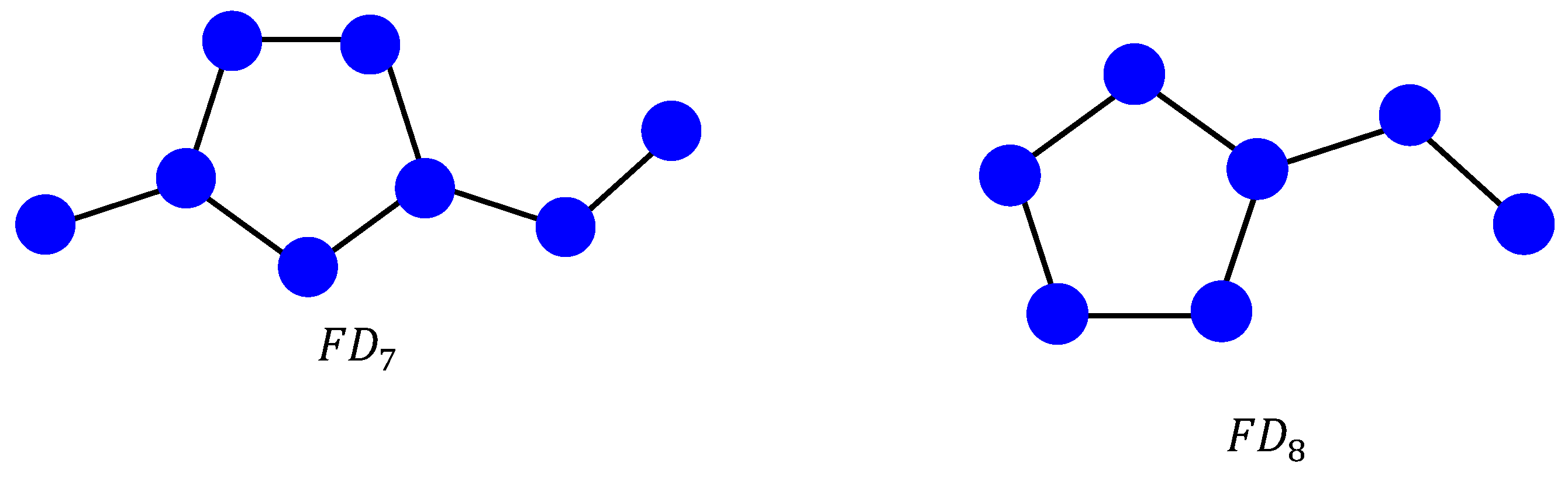
In this context, the present study employs a chemical graph theory-based analytical framework to examine the relationship between molecular structure and inhibition efficiency (IE%) of selected furan derivatives. By representing these inhibitors as molecular graphs, reverse degree-based topological descriptors are calculated to capture key structural features. These descriptors are then correlated with experimentally reported IE% values through an exploratory QSPR-based correlation analysis, aimed at assessing descriptor sensitivity rather than predictive screening or molecular design. Experimental inhibition efficiency data for eight furan derivatives, as reported in [
44,
47], are used as benchmark data for this analysis. The chemical structures of the compounds are summarized in
Figure 1, and their corresponding molecular graphs (
) are presented in
Figure 2.
Although the reverse degree-based descriptors are derived analytically, the present work adopts a graph-theoretical framework as a systematic and scalable approach for descriptor calculation and exploratory statistical analysis across multiple molecular structures, rather than an algorithmic or simulation-based predictive method. All descriptor calculations were performed analytically using graph-theoretical formulations derived from the Reverse M-polynomial and Reverse NM-polynomial. No computational chemistry software, simulation tools, or numerical packages were used in this study. The calculations are fully reproducible using the presented mathematical framework.
In the molecular representations shown in
Figure 1, vertices correspond to atoms, and different colors denote different atom types (e.g., C, O, Cl). Hydrogen atoms are omitted in the molecular graph representations to simplify the graph topology. The experimental inhibition efficiency (IE%) values employed here are taken from previously published electrochemical and gravimetric corrosion studies conducted on mild steel under acidic conditions [
45,
48]. Each furan derivative is represented by its corresponding chemical graph, where vertices denote atoms, and edges represent chemical bonds. Reverse degree-based descriptors are calculated using the Reverse M-polynomial and Reverse NM-polynomial formulations introduced in
Section 2. For clarity and conciseness, the detailed derivation of the descriptors is illustrated for the representative compound
FD1 only, while analogous derivations for the remaining furan derivatives follow the same procedure and are summarized in
Table 2,
Table 3,
Table 4,
Table 5,
Table 6 and
Table 7.
The Reverse M-polynomial of the first furan derivative is obtained in the following way: the molecular graph of has 12 vertices, 12 edges, and . The edge set of can be divided into five classes, and , on the basis of reverse degree of vertices, with cardinalities, and
By definition of the Reverse M-polynomial,
Similarly, using edge partition techniques based on reverse degree,
Table 2 was generated, and
Table 3 presents the Reverse M-polynomial of other furan derivatives.
Now we derive the reverse NM-polynomial, , we identify the maximum neighborhood degree of as . The edge set of is then partitioned into ten classes based on the reverse neighborhood degree of its vertices as and , with the following cardinalities: and
By definition of Reverse NM-polynomial,
Similarly, using edge partition techniques based on reverse neighborhood degrees,
Table 5 was generated, and
Table 6 presents the Reverse NM-polynomial of other furan derivatives.
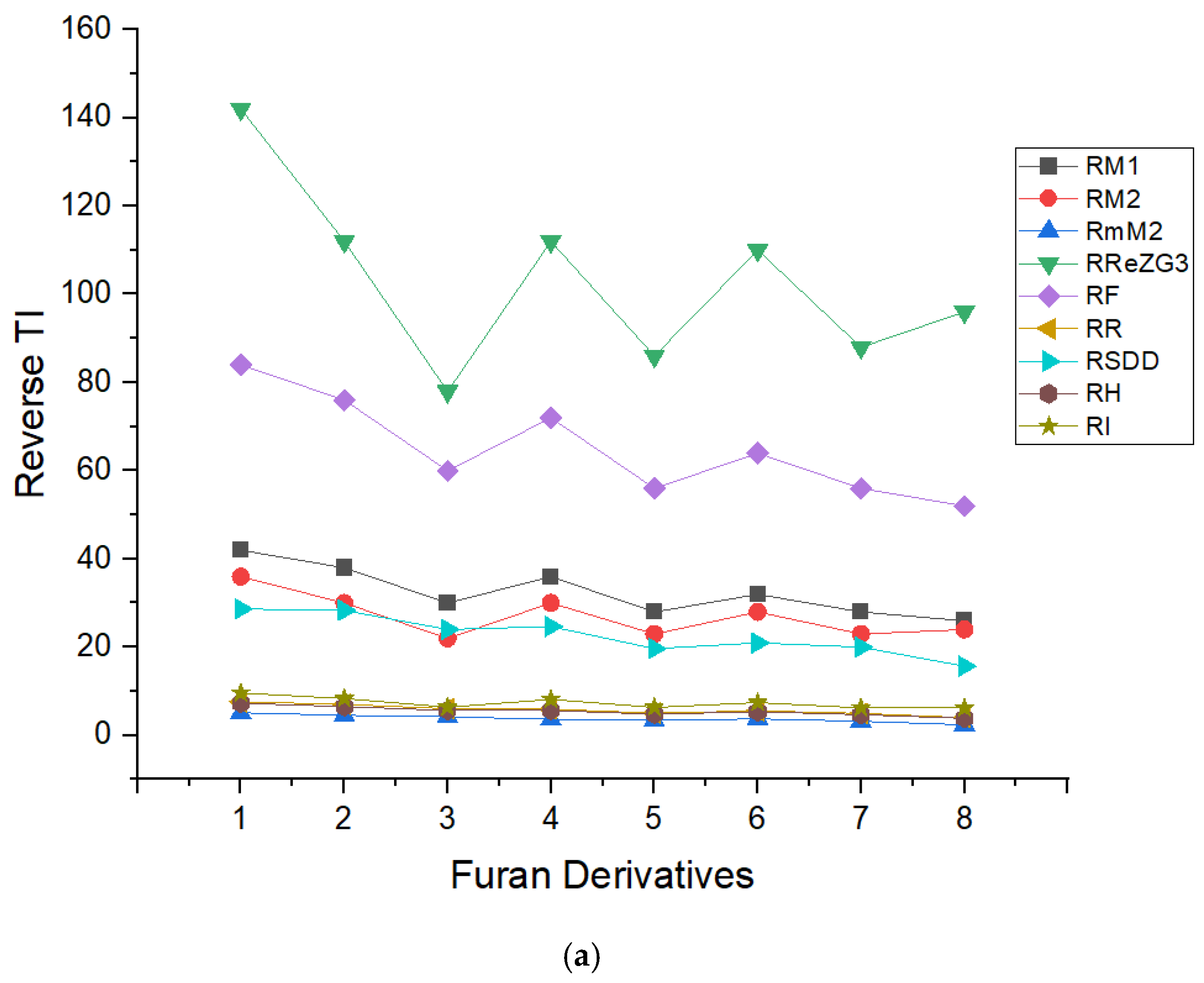
Table 4 shows that the computed reverse degree-based descriptor values vary systematically across the furan derivatives, reflecting differences in molecular size and connectivity.
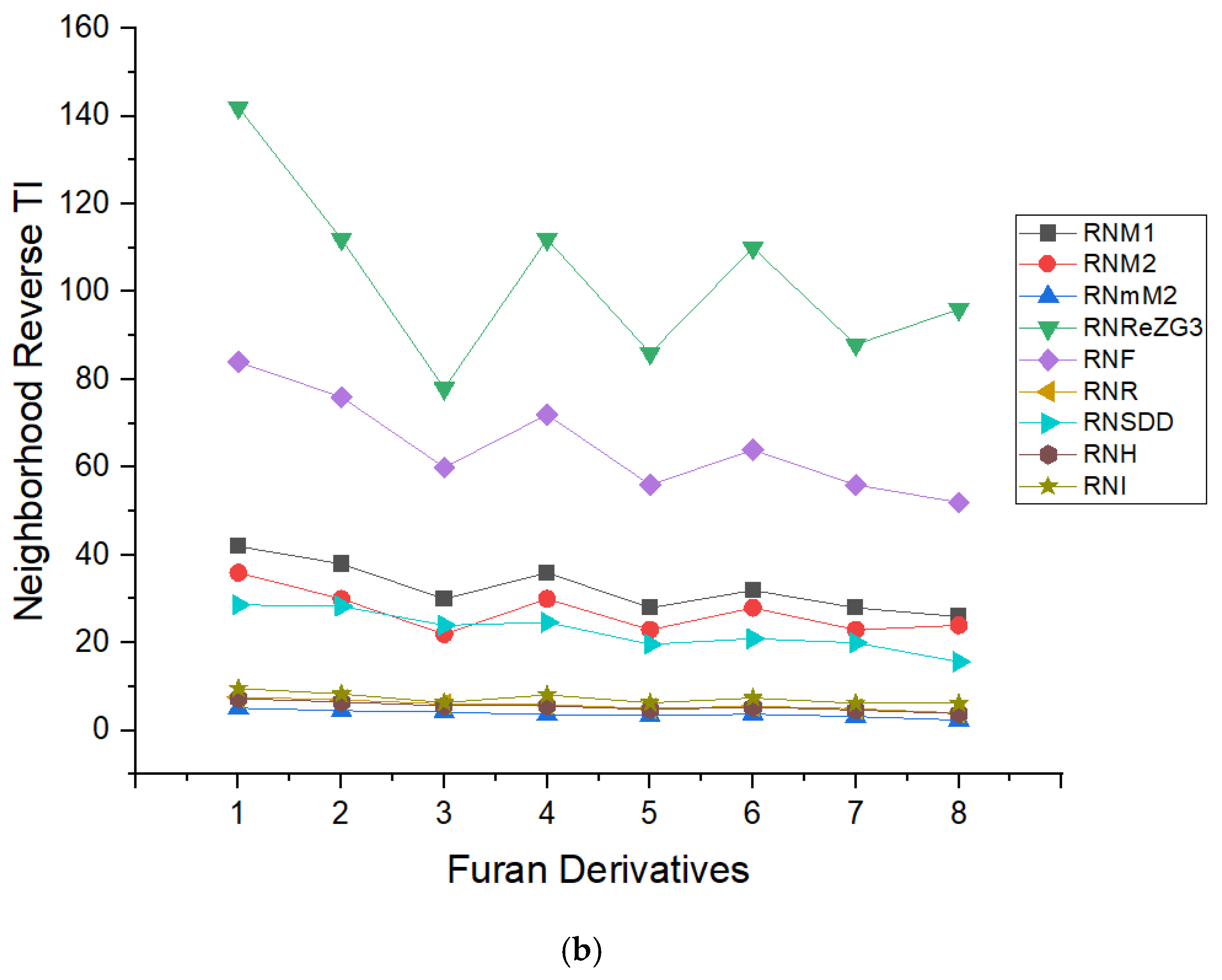
Table 7 summarizes the corresponding reverse neighborhood degree-based descriptor values, highlighting structural variations among the furan derivatives at the neighborhood level. The graphical representation of
Table 4 and
Table 7 is shown below in
Figure 3.
To examine the relationship between the experimental corrosion inhibition efficiency
of the studied furan derivatives and their molecular structure, an exploratory Quantitative Structure–Property Relationship (QSPR)-based correlation analysis was conducted. Linear regression analysis was employed to assess the statistical association between the calculated reverse topological descriptors (
RTI) and the experimental data. The general linear relationship is expressed as
where
represents the regression coefficient,
is the intercept, and
RTI denotes the specific reverse topological index considered in the analysis. Linear regression is employed as a simple and interpretable approach suitable for exploratory analysis on small datasets, where the objective is to identify trends rather than develop predictive models.
The statistical quality of the exploratory correlations was evaluated using the Pearson correlation coefficient (r), the p-value, the standard error of estimate (SE), and the Fisher F-statistic (F). The statistical significance of the regression parameters was evaluated using p-values and F-statistics; however, due to the limited sample size, these results are interpreted strictly in an exploratory and descriptive manner.
Although the dataset consists of a limited number of compounds, exploratory QSPR studies based on small datasets are commonly employed for preliminary assessment of descriptor sensitivity in chemical graph theory. The objective of the present analysis is not to develop predictive or validated models, but to identify structural trends and assess the responsiveness of reverse topological descriptors to variations in molecular structure.
The strongest statistical associations between the reverse topological descriptors and inhibition efficiency within the analyzed dataset are summarized in
Table 8. The analysis indicates that the reverse molecular descriptors
,
, and
exhibit the highest Pearson correlation coefficients with the experimental inhibition efficiency values. In particular,
and
show similarly strong correlations, corresponding to coefficients of determination of approximately 0.92, while
RH exhibits a comparable level of association. The
RSDD index also demonstrates a notable correlation, reflecting the sensitivity of this descriptor to structural features relevant to inhibition behavior. The associated
F-statistics and standard errors support the statistical significance of these correlations within the analyzed dataset; however, given the limited sample size, these results are interpreted strictly as exploratory associations rather than evidence of predictive or validated QSPR models.
It is important to note that the topological descriptors used in this study do not explicitly account for electronic properties such as frontier orbital energies or electronegativity effects, which are known to influence corrosion inhibition behavior. The present analysis therefore focuses on structural sensitivity, and incorporation of electronic descriptors remains a direction for future work.
These results suggest that the descriptors , RR, and RH capture structural features that are strongly associated with inhibition efficiency within the analyzed dataset, suggesting that reverse degree-based descriptors can effectively reflect molecular characteristics relevant to corrosion inhibition.
A correlation analysis was performed to assess the strength and direction of linear associations between the experimental inhibition efficiency
and nine reverse topological descriptors. The results summarized in
Table 9 indicate that all studied descriptors exhibit positive Pearson correlation coefficients with
, reflecting a consistent trend within the analyzed dataset.
The results in
Table 9 further indicate that descriptors such as
,
,
, and
RSDD exhibit comparatively stronger correlations with the experimental inhibition efficiency than the remaining indices. These findings suggest that the structural features encoded by these reverse topological descriptors are sensitive to variations in inhibition behavior for the studied furan derivatives. However, given the limited sample size, these correlations should be interpreted as exploratory rather than predictive.
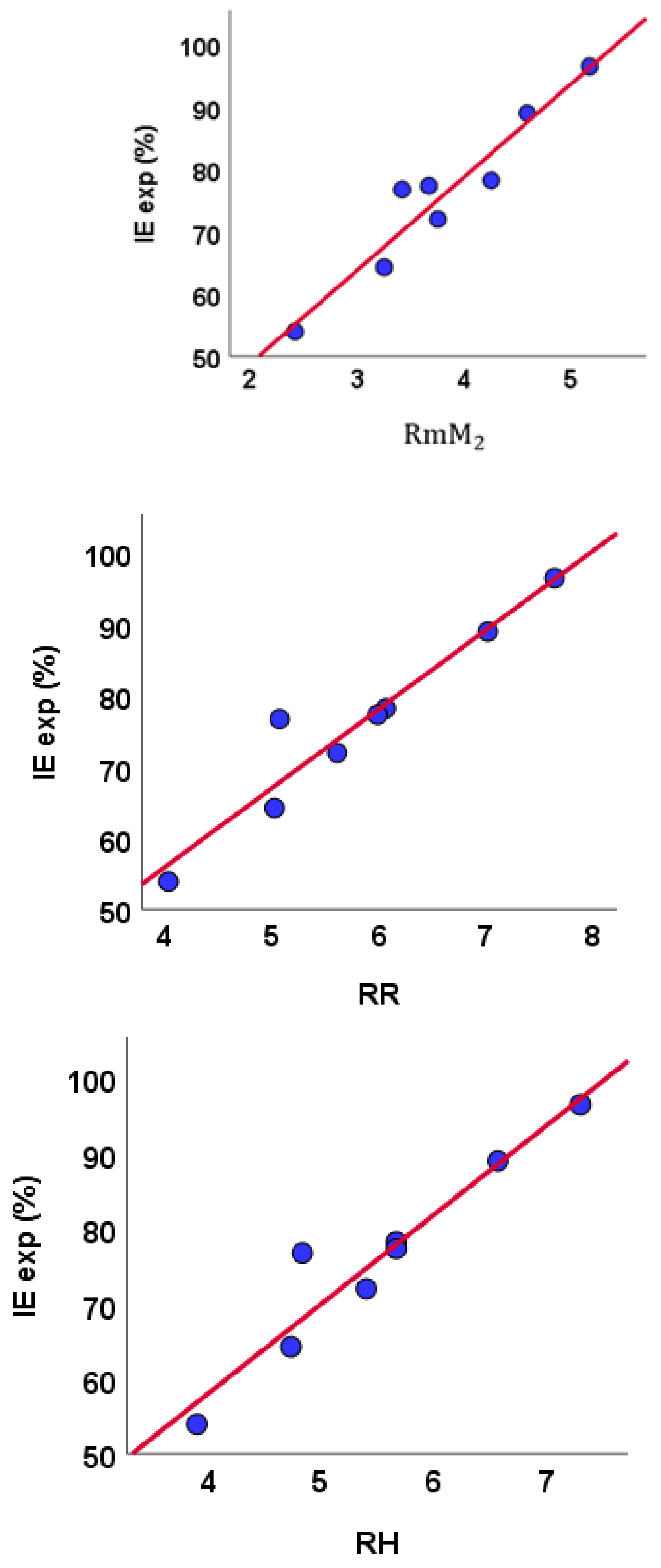
Figure 4 illustrates these relationships, showing the linear trends between selected reverse topological descriptors and the experimental inhibition efficiency within the dataset.
Additionally, an exploratory QSPR-based correlation analysis was conducted using reverse neighborhood topological descriptors (
RNTI) to examine their association with the experimental inhibition efficiency (
). The results summarized in
Table 10 indicate positive Pearson correlations for the considered descriptors, with varying strengths. Among them,
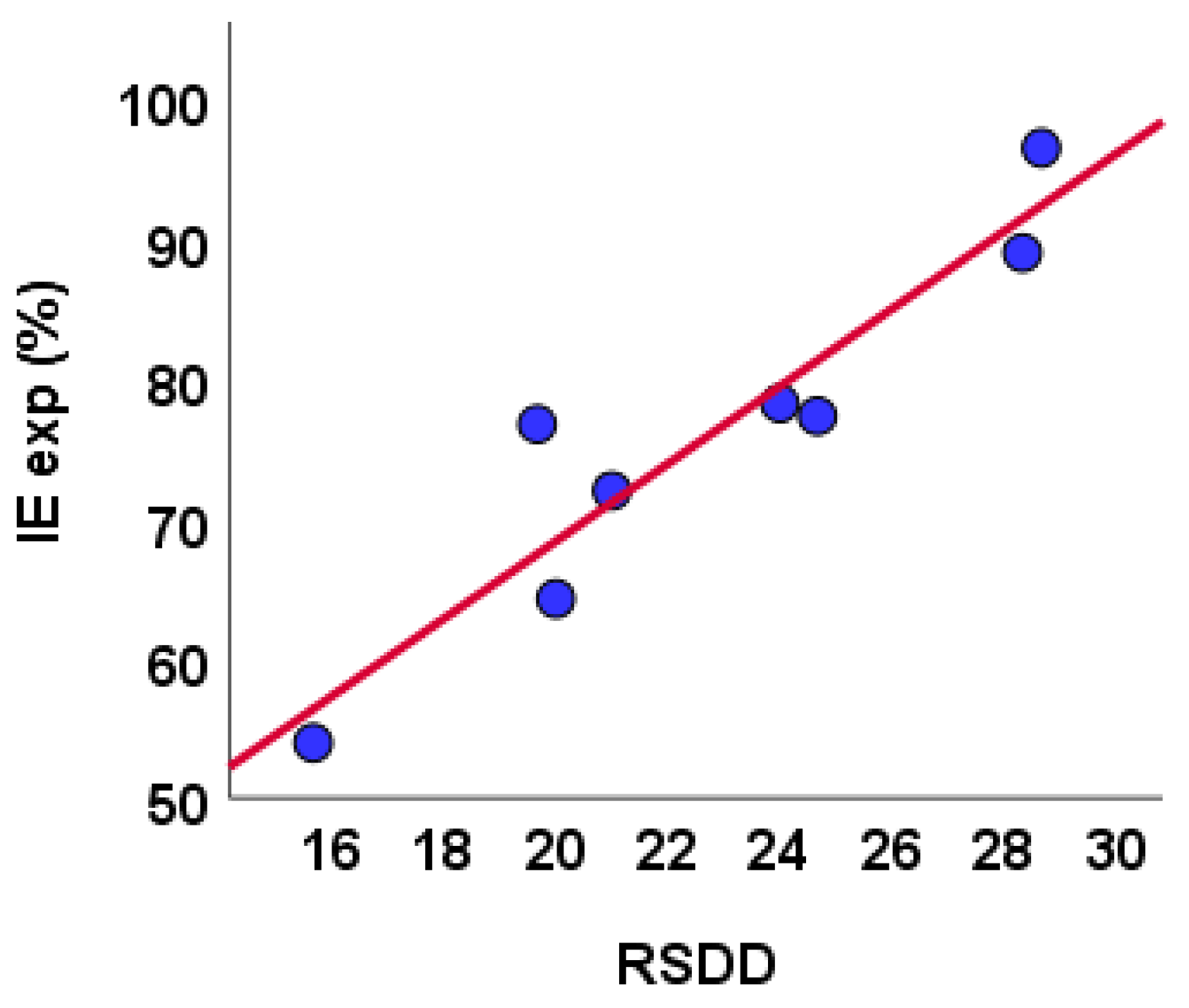
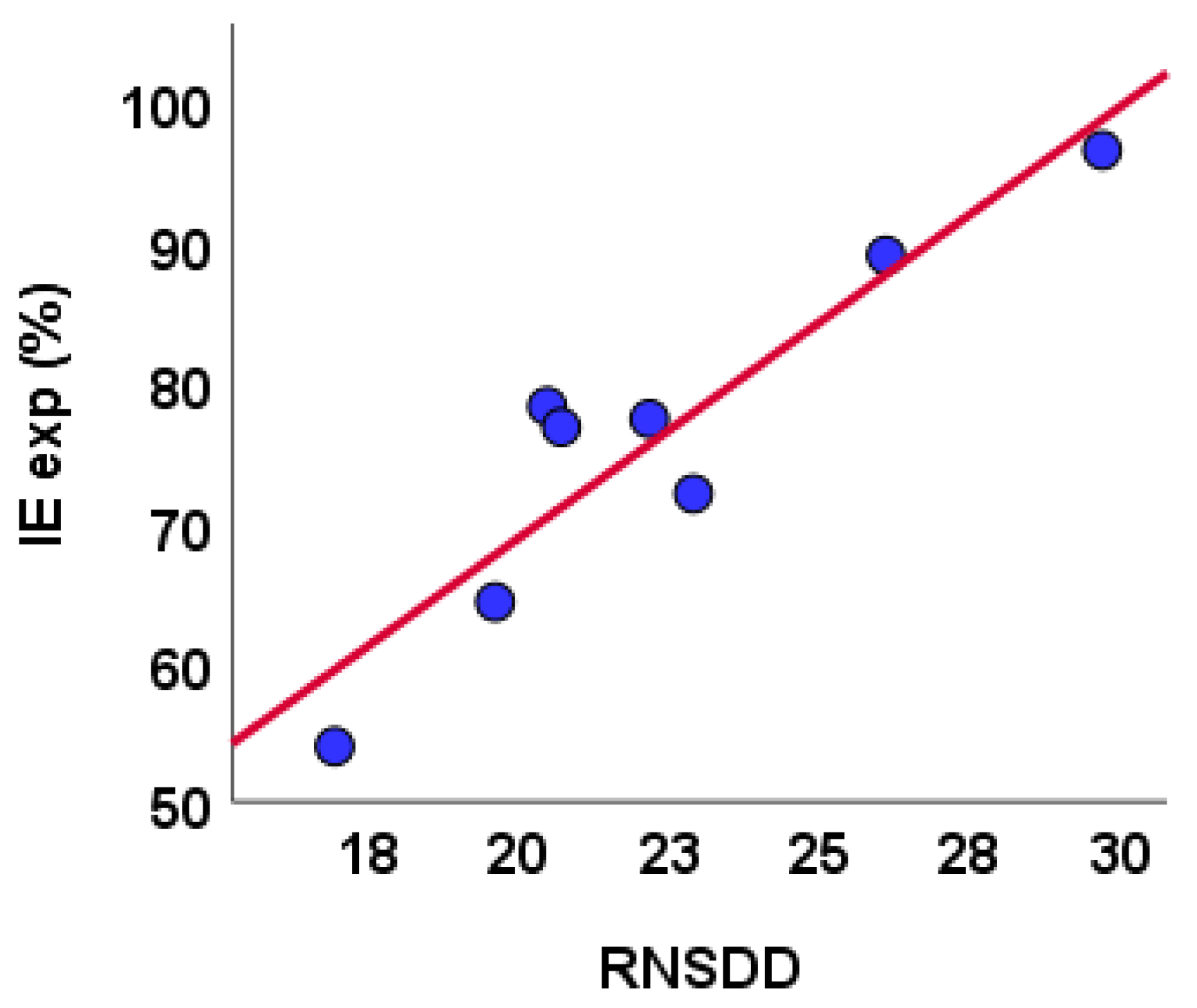
RNSDD exhibits the strongest correlation within the analyzed dataset, highlighting its sensitivity to structural variations in the studied furan derivatives. These results should be interpreted as exploratory due to the limited dataset size.
Among the reverse neighborhood descriptors,
RNSDD shows the strongest association with inhibition efficiency, highlighting the potential relevance of neighborhood-based structural information in describing variations in inhibitor performance.
Figure 5 presents the corresponding relationships based on reverse neighborhood descriptors, illustrating their structural sensitivity to inhibition efficiency and supporting the observed trends.
3.2. Reverse M-Polynomial and Reverse NM-Polynomial for Nanoporous Graphene with 14- Annulene Pores
Graphene is a two-dimensional carbon material with outstanding chemical stability, mechanical strength, and impermeability, which has motivated extensive interest in its potential for anticorrosion-related applications. As a protective coating, graphene can act as a physical barrier that inhibits the diffusion of corrosive species such as oxygen, water, and chloride ions to the metal surface [
48,
49]. Porous and defect-engineered graphene derivatives can improve coating adhesion and compatibility with different matrices; however, pores, grain boundaries, and structural defects may also act as penetration pathways for corrosive agents and induce localized or galvanic corrosion. Moreover, challenges related to large-scale fabrication, defect control, coating uniformity, substrate adhesion, and long-term durability limit practical implementation. Therefore, a thorough understanding of the structural characteristics of graphene and its derivatives is important for evaluating their potential role in corrosion-protection systems [
50,
51].
In this section, we examine the structural characteristics of nanoporous graphene containing 14-annulene pores. Such graphene architectures exhibit nonplanar geometries that have attracted interest in areas such as nanoelectronics, sensing, and separation due to their tunable electronic features and well-defined pore structures [
52]. In earlier work [
53], the structural and spectral properties of nanoporous graphene (NPG) with 14-annulene pores were investigated using graph-theoretical methods. Analytical expressions for selected topological descriptors were derived, and information-theoretic entropy analysis indicated that NPG structures exhibit higher scaled bond-wise entropies than rectangular kekulene-based graphene structures of comparable size, reflecting increased pore size and structural complexity.
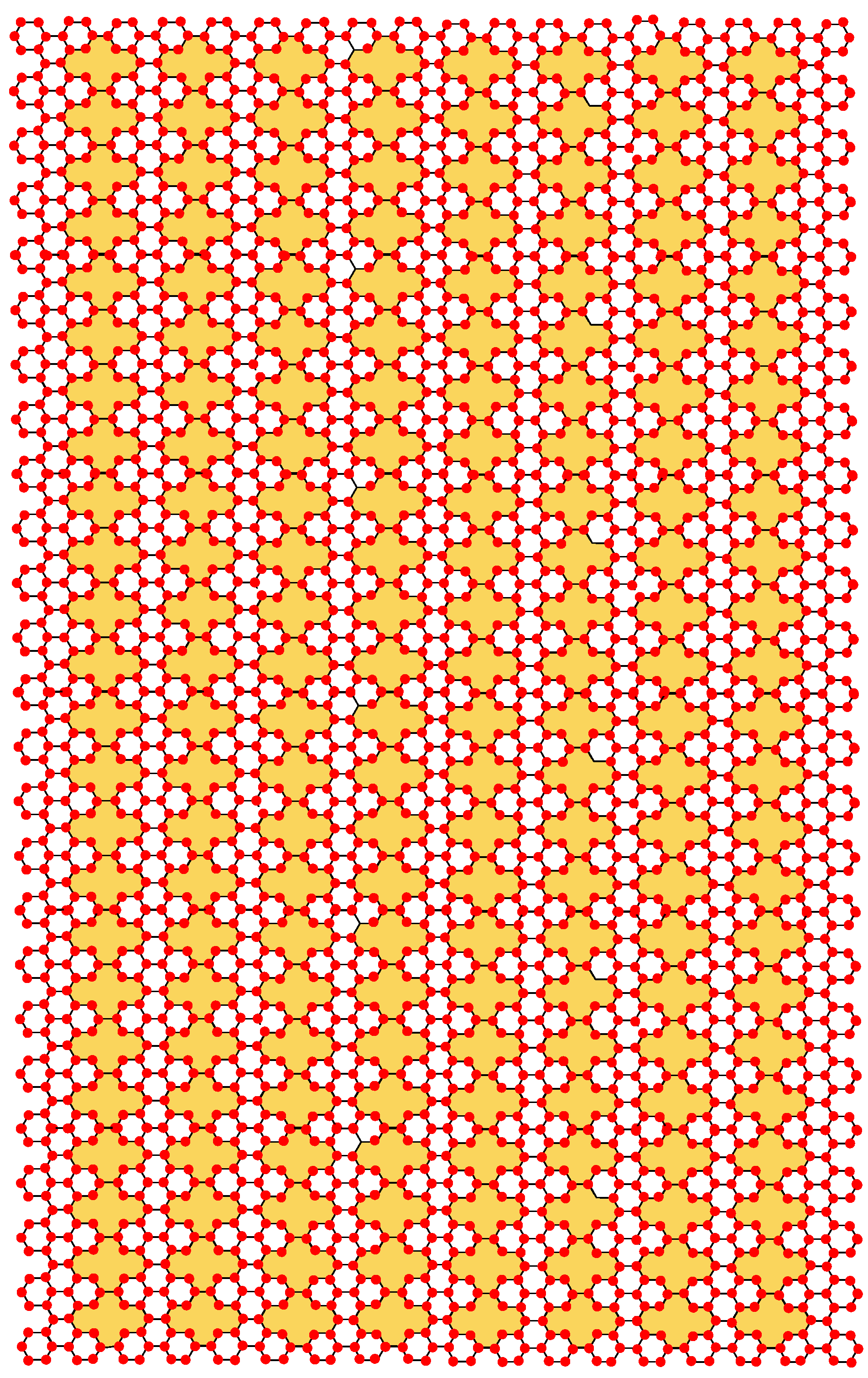
For reverse degree-based structural analysis, the nanoporous graphene framework containing 14-annulene pores is modeled as a simple connected chemical graph, denoted by
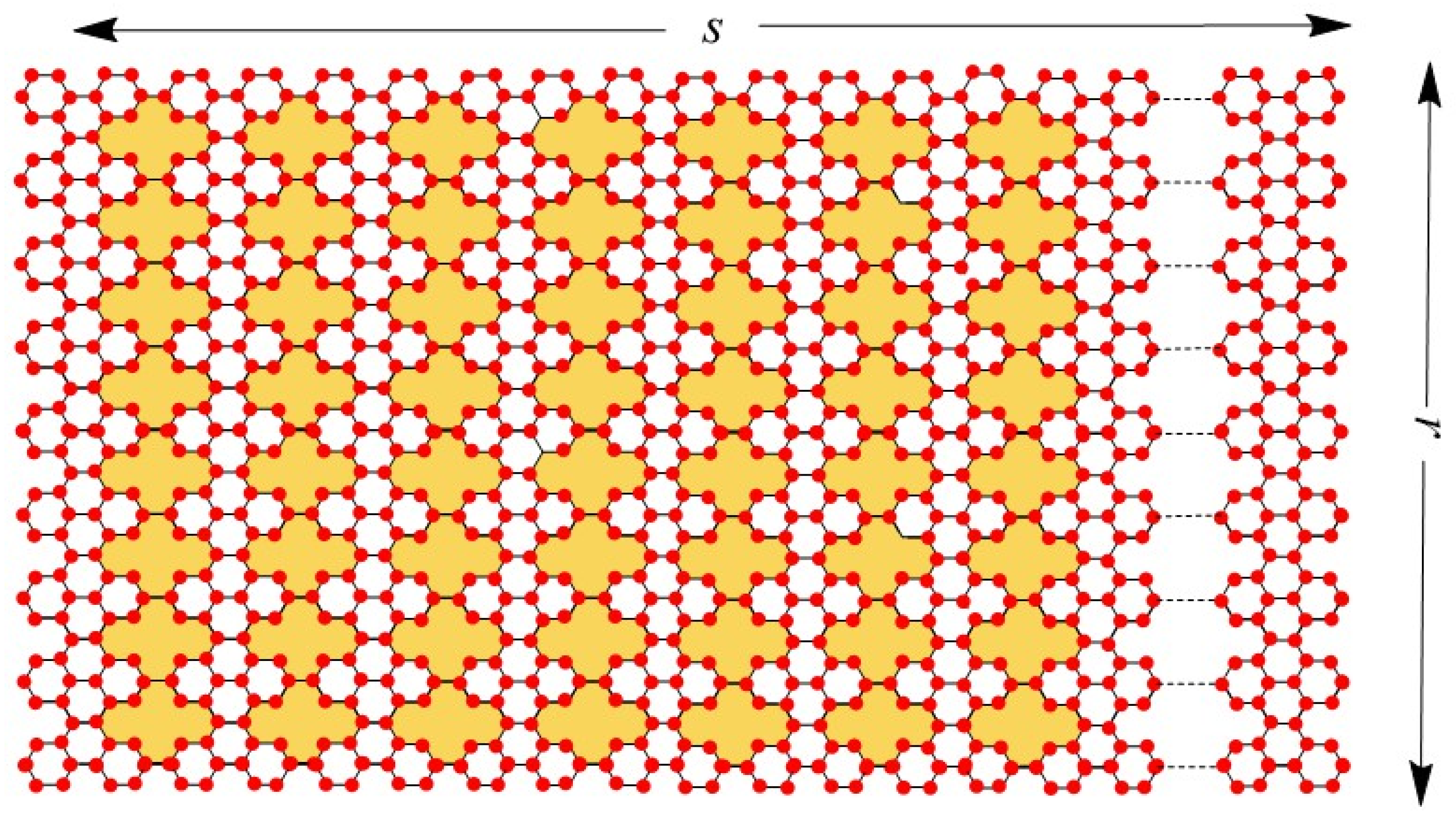
, as shown in
Figure 6. The graph consists of
r rows and
s columns, containing
14-annulene pores, which are highlighted in light yellow in
Figure 6 and distributed uniformly throughout the structure.
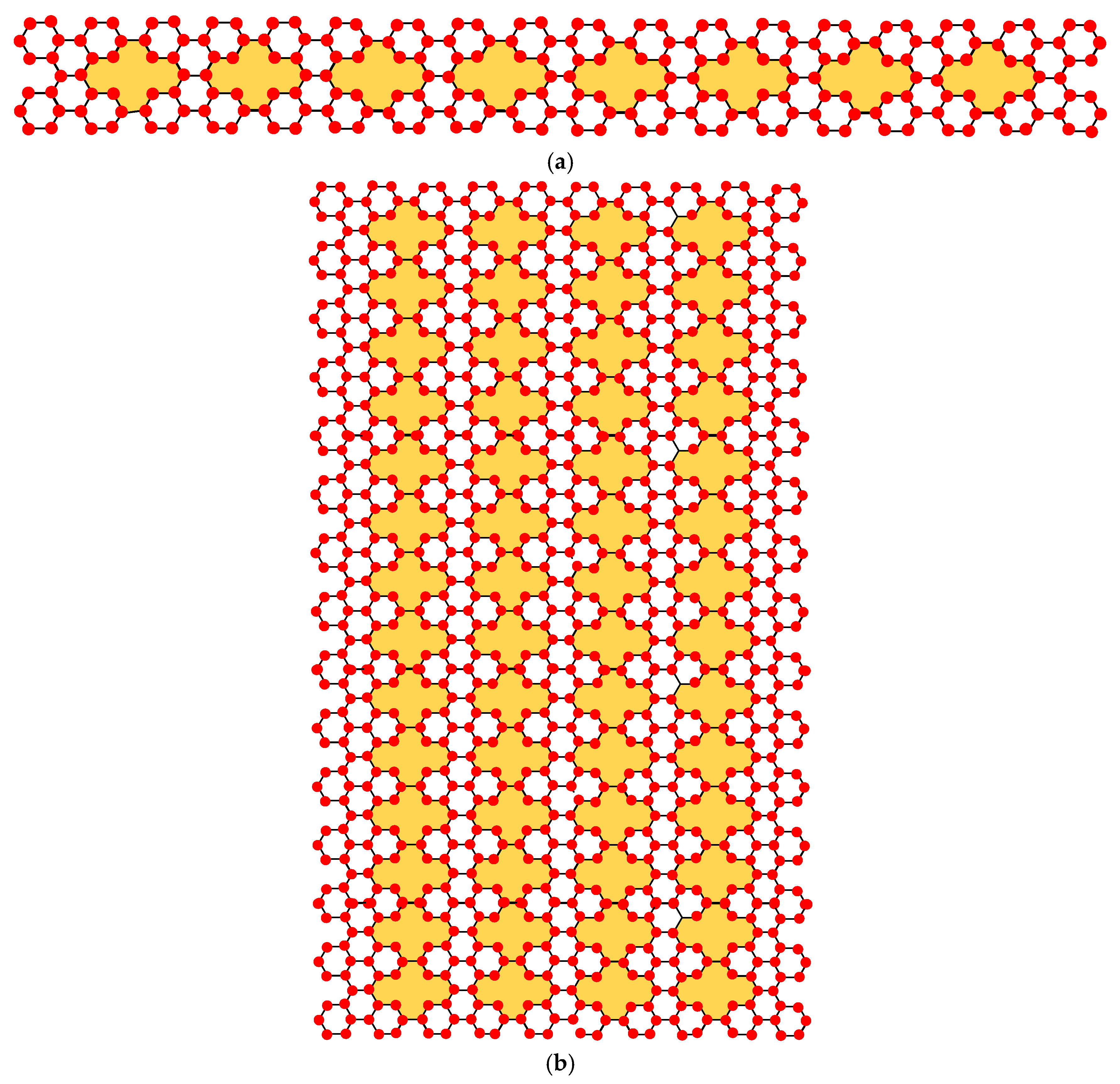
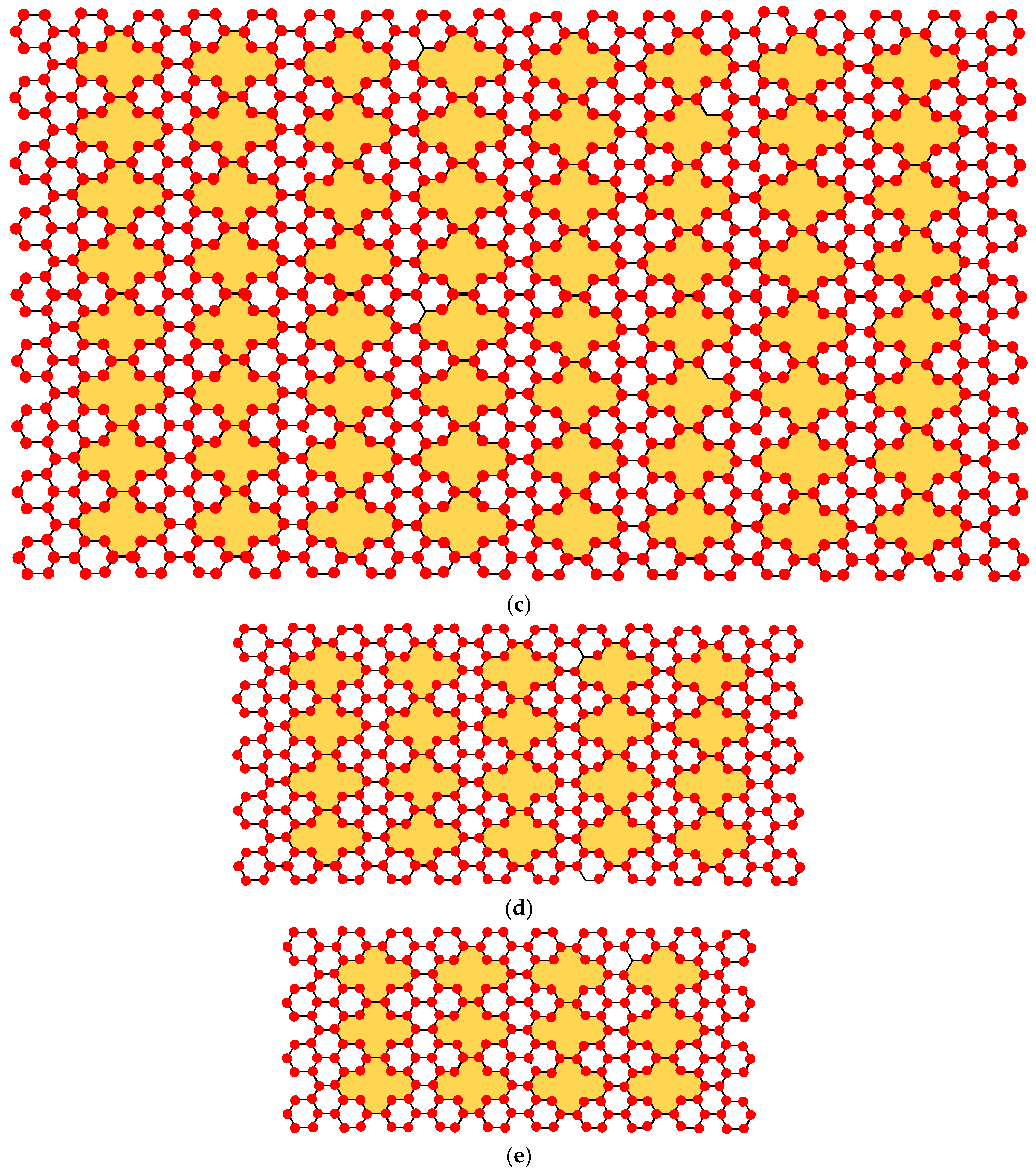
Figure 7 presents representative examples of
for various sizes.
Analytical Expression 1. Reverse M-polynomial of .
Derivation . The molecular graph is shown below in Figure 8. Given 8, we have and .
The edge set of
can be divided into three classes on the basis of the reverse degree of vertices as follows:
By definition of the Reverse M-polynomial,
Applying the Reverse M-polynomial formalism together with the operators in
Table 1, the reverse degree-based topological descriptors for
are evaluated as follows.
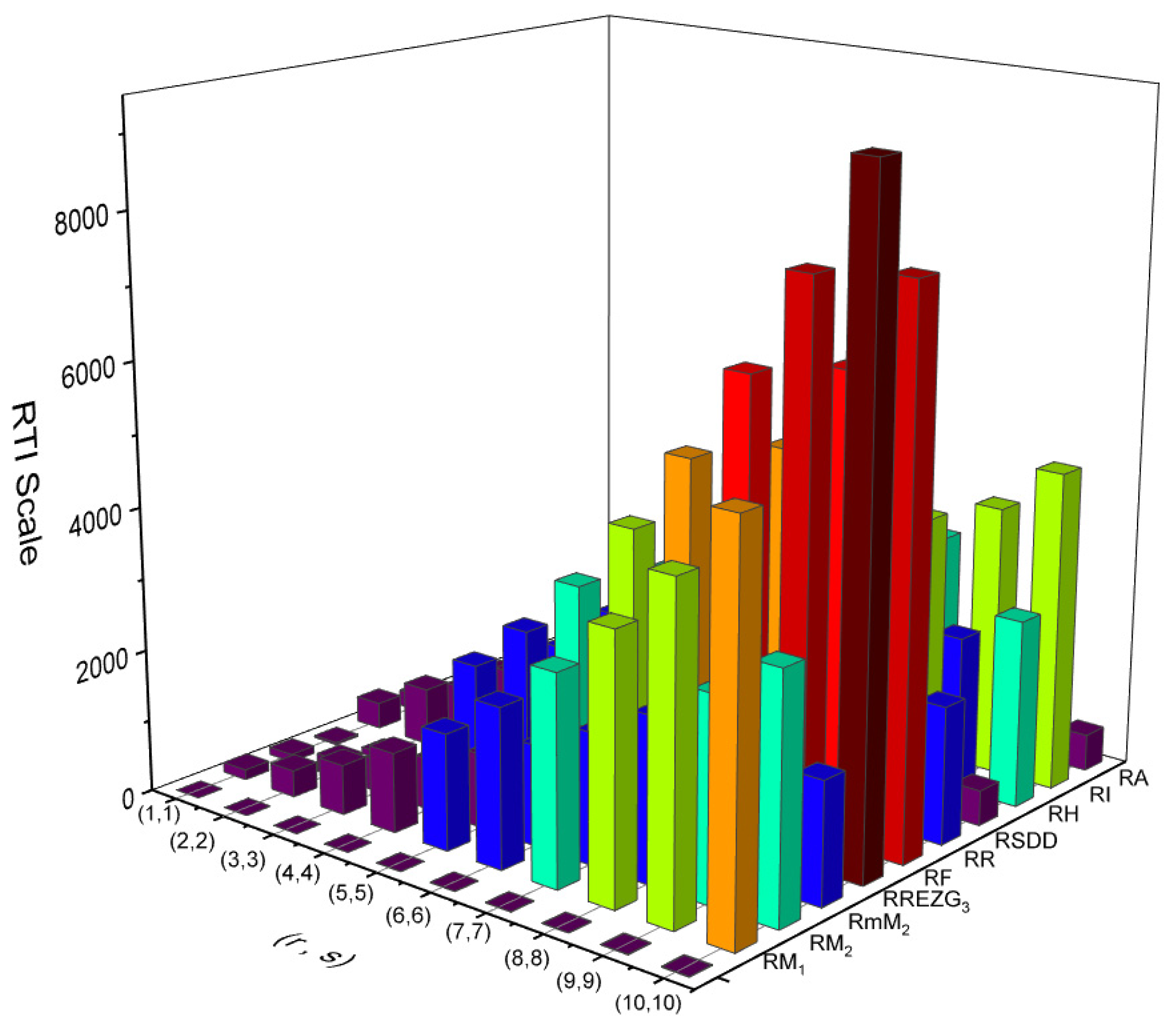
Table 11 summarizes the computed reverse degree-based topological descriptors for nanoporous graphene nanoribbons with 14-annulene pores as a function of structural size and pore repetition. The table is included to illustrate systematic trends in descriptor values with respect to graph topology, providing reference data for comparative structural analysis of nanoporous graphene architectures.
The results in
Table 11 indicate that reverse degree-based descriptors increase monotonically with the size of the graphene nanoribbon, reflecting the growth in vertex connectivity and edge structure induced by pore incorporation. These trends demonstrate the sensitivity of degree-based descriptors to global structural expansion and pore distribution within the graphene framework.
Figure 9 presents an interactive visualization of the descriptor values summarized in
Table 11.
Analytical Expression 2. Reverse NM-polynomial of .
Derivation . By applying edge partitioning, degree counting, and structural analysis of the graph, as illustrated in
Figure 8, we have The edge set of
can be divided into eleven classes on the basis of reverse neighborhood degree of vertices as follows:
By the definition of Reverse NM-polynomial
Reverse neighborhood topological descriptors for
. Let (
NPG[14]AP(r,s);
x,
y) =
f(
x,
y) = (8
rs +
s)
xy + (8
rs + 4
s)
xy2 + (6
s)
x2y2 + (4
rs − 4
r + 4
s − 4)
x2y4 + (4
r + 4
s + 4)
x2y5 + (
rs −
r + 2
s − 2)
x3y3 + (4
rs − 4
r + 4
s − 4)
x3y4 + (4
s − 4)
x3y5 + (4
s − 4)
x5y5 + (4
r + 8)
x5y6 + (4)
x6y6, then
Table 11 and
Table 12 compare reverse degree-based and reverse neighborhood degree-based topological descriptors derived from the Reverse M-polynomial and Reverse NM-polynomial, respectively, for nanoporous graphene nanoribbons of increasing size. All reported descriptors exhibit a monotonic increase with system size, reflecting the growth and increasing structural complexity of the graphene framework. The reverse M-polynomial-based descriptors (
Table 11) display a gradual and stable increase, indicating sensitivity to global structural expansion. In contrast, the reverse NM-polynomial-based descriptors (
Table 12) increase more rapidly due to the incorporation of neighborhood degree information, which enhances sensitivity to local connectivity and pore arrangement. As a result, reverse NM-based descriptors emphasize local structural variation, whereas reverse M-based descriptors reflect overall topological scaling. Since experimental corrosion inhibition data are not available for the considered graphene systems, no direct correlation with inhibition efficiency is established. Instead, this analysis is intended to examine descriptor scaling behavior and structural sensitivity, without implying predictive performance. These results describe the structural scaling behavior of the descriptors and do not imply any direct correlation with corrosion inhibition efficiency for graphene systems.