Article

Silane-Based Coatings Containing TiO2 for Corrosion Protection of 316L Stainless Steel

by
Ainhoa Altube
1,*,
Estibaliz Rodríguez-Cambero
1,
Ana I. Viñuales
1,*,
Eva García-Lecina
1,
José Antonio Díez
1 and
Hans Jürgen Grande
1,2
1
CIDETEC, Basque Research and Technology Alliance (BRTA), Po. Miramón 196, 20014 Donostia-San Sebastian, Spain
2
Advanced Polymers and Materials: Physics, Chemistry and Technology Department, University of the Basque Country (UPV/EHU), Avda. Tolosa 72, 20018 Donostia-San Sebastian, Spain
*
Authors to whom correspondence should be addressed.
Corros. Mater. Degrad. 2026, 7(1), 10; https://doi.org/10.3390/cmd7010010
Submission received: 18 November 2025 / Revised: 22 January 2026 / Accepted: 2 February 2026 / Published: 6 February 2026

Abstract

The present work aims to evaluate the electrochemical behaviour of 316L stainless steel flat sheets both uncoated and coated with an organic–inorganic silane hybrid formulation based on TEOS (tetraethyl orthosilicate) and TMES (Trimethylethoxysilane) as silane precursors. The influence of the modification of the silane-based layer by the incorporation of 3-aminopropyl trimethoxysilane (APS) doped TiO2 (N-TiO2) on the pitting properties of the coatings has been studied. The obtained protective films have been characterized from compositional (EDX), morphological (FE-SEM), and electrochemical (corrosion) points of view. Concerning their morphology, the coatings look continuous and smooth. Regarding their electrochemical properties, the results show that the application of the developed N-TiO2-containing silane coatings extends the passive potential range of 316L stainless steel in simulated body fluid; thus, it improves the pitting resistance of the substrate.

1. Introduction

Stainless steel is one of the most important engineering materials on earth, and it is extensively used in different applications and sectors. The main advantages of stainless steel over other metals and alloys are its satisfactory corrosion resistance, high mechanical stability, and low cost. That is why stainless steel can be found in almost every industrial sector: in the backbones of buildings, frames of cars, heavy duty manufacturing equipment, and delicate surgical instruments and prostheses [1].
Among the wide range of stainless steel compositions available on the market, AISI 316L is the most common choice utilized to manufacture metallic implants and medical devices. Although 316L stainless steel (316L SS) is corrosion resistant under conventional engineering application conditions, this material corrodes in the presence of human body fluids [2], which leads to the release of toxic and potentially allergenic metal ions (e.g., Fe, Cr, and Ni). In fact, human body fluid is considered a very corrosive environment since it is a highly oxygenated saline electrolyte, its pH is around 7.4, and its temperature is 37 °C [3]. That is why stainless steel is only suitable for temporary implant devices, such as fracture plates, hip nails, and screws [4]. Therefore, developing new coatings with the aim of improving the corrosion resistance of stainless steel is of vital importance. According to the literature [5,6], the application of sol–gel-based coatings is a very promising technology for protecting stainless steel. These types of coatings may be tailored to improve the corrosion resistance of stainless steel and, potentially, to incorporate additional functionalities such as bioactivity.
The sol–gel process is a wet-chemical technique for fabricating coatings starting from a chemical solution containing colloidal precursors based on silicon alkoxides (sol). In the presence of acids or bases, this colloidal solution can evolve towards the formation of an organic–inorganic network containing a liquid phase (gel) through a complex series of hydrolysis and condensation reactions. The drying process serves to remove the liquid phase from the gel. Then, a thermal treatment (curing) is usually performed to favour polycondensation reactions and enhance the protective properties [7] of the generated hybrid coating.
Related to the application envisaged within this proposal, two silane molecules have been chosen as the base matrix for the coatings: TEOS, which allows for the formation of robust close-packed networks, and TMES, which provides flexibility to the system and leads to durable coatings. In addition to this, these kinds of sol–gel compositions have been proven to be biocompatible materials that can be used in biomedical applications [8,9].
In a previous work [10], this basic formulation was modified by the incorporation of two types of TiO2 particles (either methacryloxy or amine functionalized). The obtained results indicated that the applied coatings were continuous and provided good coverage of the substrate. In addition, this type of coating provided good corrosion protection to 316L stainless steel (mainly due to the silane matrix), since the EIS results showed that there was no degradation on the coating after a week of exposure to H2SO4. Moreover, it was found that amine functionalization yielded the best results concerning corrosion resistance.
It should be mentioned that the safety evaluation of TiO2 is still ongoing and has a practical impact on manufacturers, since nanoparticles are potentially carcinogenic by inhalation [11]. To minimize any kind of risk, the concentration of particles used in this work was less than 1%. Moreover, as they were incorporated into a solid coating, they could not be inhaled.
The aim of this work is to extend the previously performed work to study the influence of the incorporation of three different concentrations of amino-modified TiO2 nanoparticles into the base solution (50, 150, and 500 ppm) in order to gain further knowledge on their effect on the protective properties provided by this type of coating. The effectiveness of these modifications has been assessed by XPS (X-ray photoelectron spectroscopy) and FT-IR (Fourier transform infrared spectroscopy). The structure of the particles was examined before and after functionalization using TEM (transmission electron microscopy).
The obtained new formulations were applied to 316L stainless steel and evaluated in terms of the influence of the included modifications on their corrosion behaviour. Because these alloys are used for biomedical purposes, the corrosion resistance of uncoated and coated substrates was evaluated in phosphate-containing simulated body fluid solutions (PSBF) by linear sweep voltammetry (LSP) and by electrochemical impedance spectroscopy (EIS). All formulations were applied by dip-coating to facilitate the control of the thickness of the layers. The results obtained show that the silane hybrid coatings provide good coverage of the substrate and improve the resistance of 316L stainless steel against pitting.

2. Materials and Methods

2.1. Materials and Reagents

Unpolished rectangular flat-shaped panels of AISI 316L stainless steel (316L SS) supplied by Urduri were used in the present work. The chemical composition of 316L SS is presented in Table 1. This stainless steel composition was chosen since it is widely used in medical applications ranging from body prosthesis and implants to chirurgical material because of its excellent biocompatibility. Prior to the deposition, the stainless steel panels were cleaned with acetone and degreased by immersion using a dilute alkaline cleaner (KLEANEX LE32® from ATOTECH, Bilbao, Spain) at 65 °C for 5 min. Then, they were rinsed with DI water and air-dried.
Nanosized titania particles (Degussa P25) were purchased from Evonik (Essen, Germany). 3-aminopropyl trimethoxysilane (APS), tetraethyl orthosilicate (TEOS), and trimethylethoxysilane (TMES) were acquired from Aldrich (Madrid, Spain). Solvents (EtOH, HCl, and NH3) were purchased from (Scharlau from Cymit quimica Barcelona, Spain)). All reagents were used as received.

2.2. Surface Functionalization of TiO2 Nanoparticles

The surface of the TiO2 particles was modified with APS according to a standard procedure described in the literature [12]: 1 mL of APS was added to an aqueous TiO2 dispersion (0.5 g of TiO2 in 50 mL distilled H2O). Then, the initial pH (10.8) was adjusted to 9.8 using 5N HCl and the resultant dispersion was refluxed for 20 h. Finally, the particles were separated by centrifugation and rinsed twice with EtOH and H2O, alternatively. For simplicity, these modified particles will be referred to as N-TiO2.
Transmission electron microscopy (TEM) was used to obtain information on the shape and size of the particles (modified and unmodified). A JEOL 1011 microscope was used for this purpose. It was operated at an accelerating voltage of 10 kV. Samples were mounted on formvar/carbon-coated Cu 200 mesh grids by placing a drop of particles suspended in ethanol on them.
The functionalization of particles was confirmed by X-ray photoelectron spectroscopy (XPS) using a SPECS SAGE HR instrument provided with a PHOIBOS analyser (mean radius = 100 mm).
Fourier transform infrared spectroscopy (FT-IR) was also used to confirm the incorporation of APS into TiO2 particles. The IR absorption spectra were recorded on a Nicolet Avatar 360 spectrophotometer in the wavenumber range from 4000 cm−1 to 450 cm−1. All data were obtained using an incidence angle of 75° to the surface of the specimens.

2.3. Application of Coatings

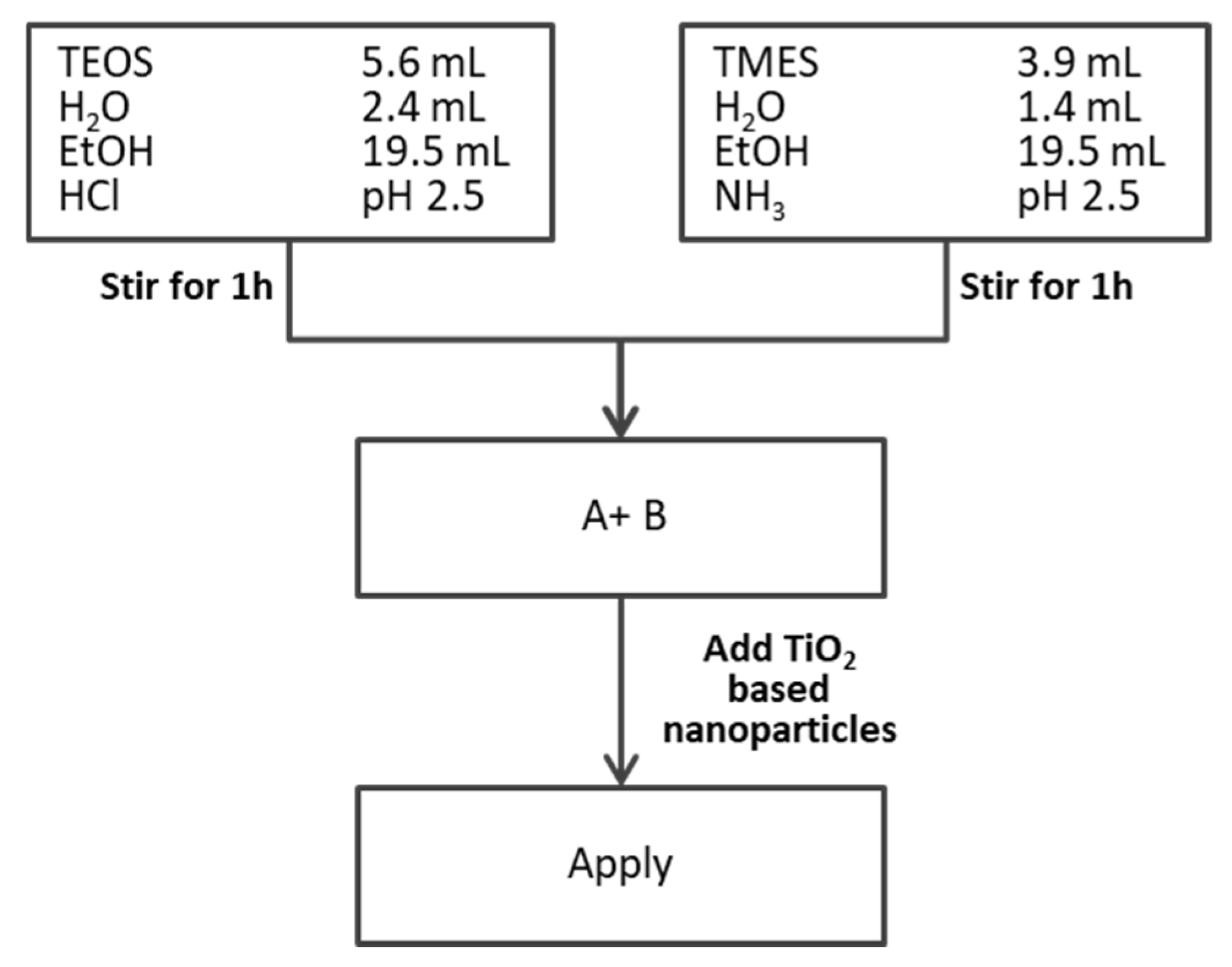
Two silane solutions were prepared separately by adding TEOS and TMES, respectively, to a mixture of deionized (DI) water and ethanol in the amounts shown in Figure 1.
Each silane solution was stirred apart for one hour, and both were mixed after this time. Then, the corresponding amounts of N-TiO2 nanoparticles (50, 150, or 500 ppm) were added under vigorous stirring to obtain the final formulations. Additionally, a formulation without nanoparticles was prepared for comparison. The pH of the final solutions was between 2 and 3.
Silane-based films were grown on flat stainless-steel sheets (3 × 7 cm) by dip-coating. First, the sheets were properly degreased (KLEANEX LE 32 from ATOTECH, Bilbao, Spain, 60 °C, 5 min), and then they were immersed for 1 min in the corresponding freshly prepared formulation at room temperature and withdrawn at a constant rate of 1 mm/s. The solution was kept still to obtain homogeneous coatings. After being coated, the panels were cured in an oven at 150 °C for 1 h to complete the polymerization of the film. An additional set of panels was evaluated without any coating to compare the results.

2.4. Characterization of the Coatings

Microstructural characterization of the coatings was performed by scanning electron microscopy (SEM, JEOL JSM 5500 LVl, Izasa, Barcelona, Spain). Energy dispersive X-ray spectroscopy (EDX, Oxford Instruments Inca Energy Series 200, Izasa, Barcelona, Spain) was used for qualitative elemental analysis. The thickness of the coatings was determined by interferometry using a Filmetrics 20-UV (Scientec Iberica, Madrid, Spain) instrument in three different areas.
Water contact angles of the coatings were evaluated using static contact angle (CA) measurements in a Theta 200-Basic goniometer (Biolin Scientific, Lasing, Madrid, Spain) using the sessile drop technique. The contact angle measurement started 2 s after depositing the drop and lasted 3 s. This procedure was repeated on at least three separate places of each sample.
The surface roughness of the samples was measured using a Taylor–Hobson model Talysurf 50 profilometer (Isocontrol S.L., Madrid, Spain) on at least three separate places of each sample. Then, the arithmetic average of the absolute roughness values (Ra) was calculated.
The electrochemical behaviour of the coatings was evaluated using a Bio-Logic potentiostat-galvanostat (Madrid, Spain). For that purpose, a conventional electrochemical cell of 250 cm3 capacity was placed in a Faraday cage to minimize unwanted noise. The working electrode (WE) had a 1 cm2 exposed area, and a platinum mesh was used as the counter electrode (CE) to close the circuit. All potentials were measured using a standard Ag/AgCl (198 mV vs. NHE) reference electrode (RE). All the electrochemical measurements were performed in a phosphate-containing simulated body fluid (PSBF) solution, whose composition is shown in Table 2, and which was prepared at the lab. The reproducibility of the electrochemical results was checked by performing 3 replicates of each type of sample.
The experimental setup consisted of the following three steps:
  • The open-circuit potential (OCP) of the samples was stabilized for 1 h.
  • The impedance experiments were conducted over a frequency range from 105 Hz to 10 mHz by superimposing a 10 mV AC amplitude over the DC bias of the potentiostat that was the OCP. Seven points were registered per decade.
  • Finally, the anodic polarization curves were obtained at a scan rate of 1 mV/s, starting at the OCP. The scan direction was reversed at J = 10 mA/cm2 to observe the possible repassivation ability of the system.
EC-Lab® 11.62 software was used to analyse the plots and extract the values of various representative electrochemical parameters:
  • The corrosion potential (Ecorr), in this case equivalent to OCP, is related to the thermodynamic corrosion tendency of the sample.
  • The breakdown potential (Eb) and the passivation range (Eb-Ecorr) were estimated and correlated with the pitting resistance of the silane coating.
  • The corrosion current density (Jcorr) is related to the corrosion rate at the corrosion potential. The value of this parameter was obtained from the intersection of the anodic Tafel branch and the corrosion potential value [13].

3. Results and Discussion

3.1. Functionalization of Particles

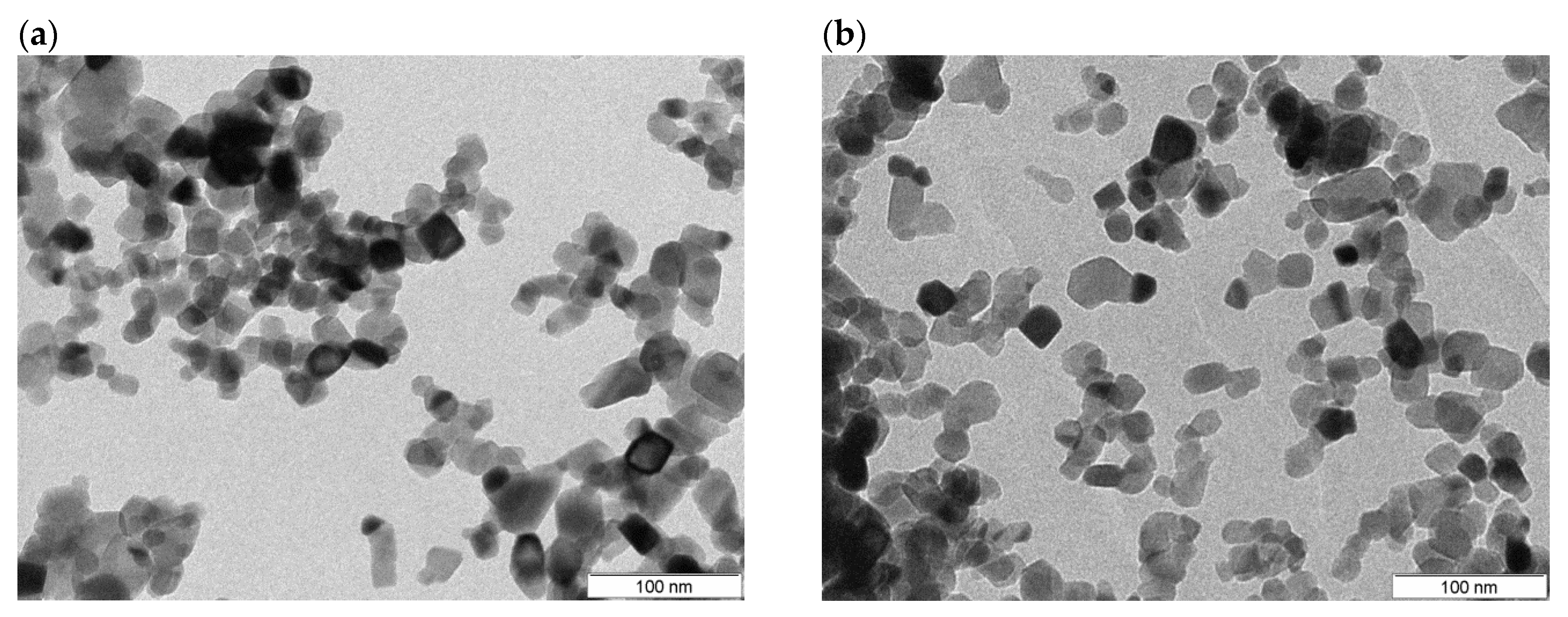
TEM was used to evaluate the shape and size of the unmodified and APS-modified nanoparticles. The micrographs obtained are presented in Figure 2a and Figure 2b, respectively. As can be observed, unmodified TiO2 nanoparticles show an irregular shape and a size distribution ranging from 20 to 50 nm in length. Moreover, according to these results, the chemical modification of the nanoparticles with APS does not lead to significant changes in the shape and size of the nanoparticles, whose length ranges from 15 to 60 nm.
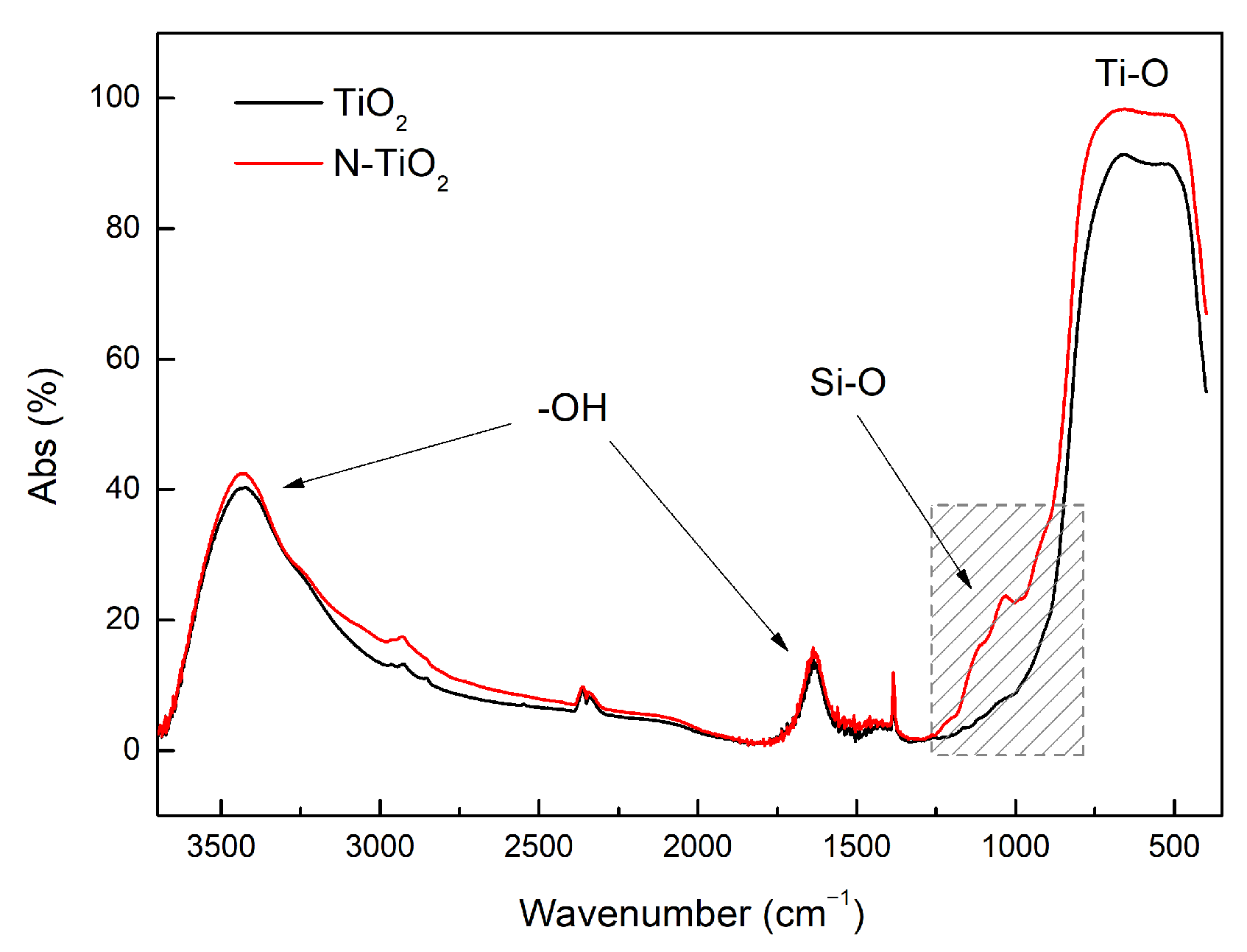
Figure 3 shows the FT-IR spectra corresponding to both types of nanoparticles. The spectrum of bare TiO2 particles shows three main bands that have been assigned according to the literature [14]. The broad band at 3600–3000 cm−1 is related to the O–H vibration of the Ti–OH groups and H2O molecules. The narrower one at around 1640 cm−1 can be assigned to O-H group bending vibration modes. Finally, the band at 653–550 cm−1 corresponds to the vibration of the Ti–O bond.
Concerning silane modified nanoparticles, the spectrum is quite similar to the former one, but two new bands can be identified (shaded area) in the 900–1200 cm−1 wavenumber region. These peaks can be attributed to the Si-O bond of the APS and confirm the successful modification of the nanoparticles.
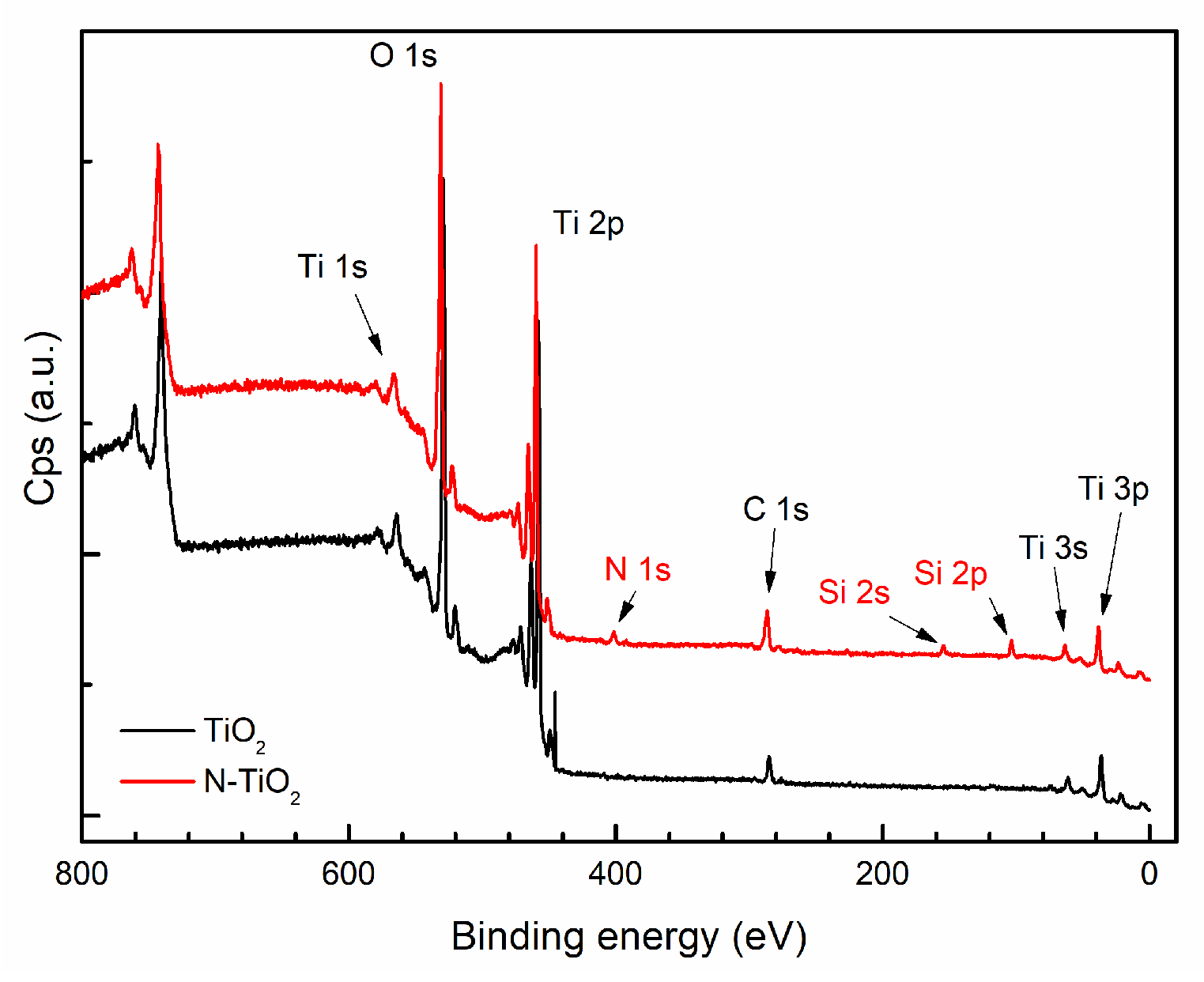
To confirm the results obtained by FTIR, a complementary technique was chosen. XPS was used to further analyse the nanoparticles and confirm the presence of silane molecules on the surface of the TiO2 nanoparticles. Figure 4 compares the XPS survey spectra of unmodified and APS-modified N-TiO2 nanoparticles.
It can be observed that the spectrum of unmodified TiO2 nanoparticles exhibits the typical binding energies corresponding to characteristic peaks of Ti2p, O1s, and C1s spectra in the region of 458, 530, and 284 eV, respectively [15]. Since TiO2 does not contain carbon, the latter can be ascribed to the adventitious hydrocarbon coming from the XPS instrument itself (adventitious hydrocarbon comes from the adsorption of atmospheric CO2 on the surface of air-exposed samples) [15,16]. Compared to the survey spectrum of the unmodified TiO2, the response of N-TiO2 nanoparticles exhibits new peaks corresponding to N1s and Si2p (around 400 and 103 eV, respectively) photoemission energies. This result demonstrates the modification of the surface with APS. This result is in good agreement with the reported results for N-TiO2 nanoparticles [17,18] and confirms the presence of silane on the surface of the nanoparticles.
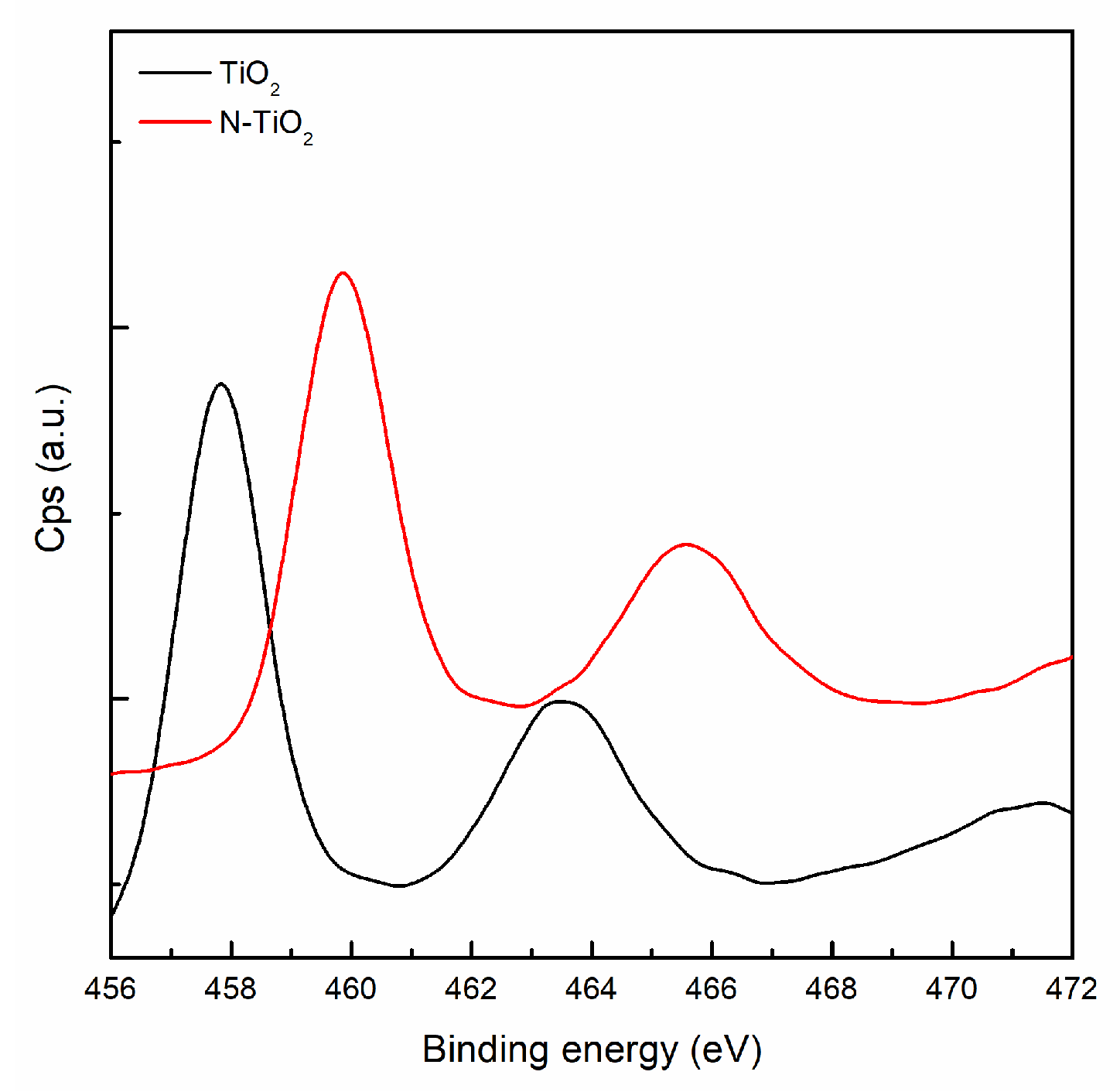
Figure 5 shows a more detailed view of the XPS spectra in the Ti2p region, in which the characteristic signals of Ti (IV), Ti2p3/2, and Ti2p1/2 are represented. For the unmodified TiO2, these two signals are located at 458 eV and 464 eV, respectively, whereas for N-TiO2, they are shifted to 460 eV and 466 eV. The shift to higher energies may be induced by the electron transfer between TiO2 and APS in the formation of Ti-O-C bonds [19].

3.2. Characterization of the Coatings

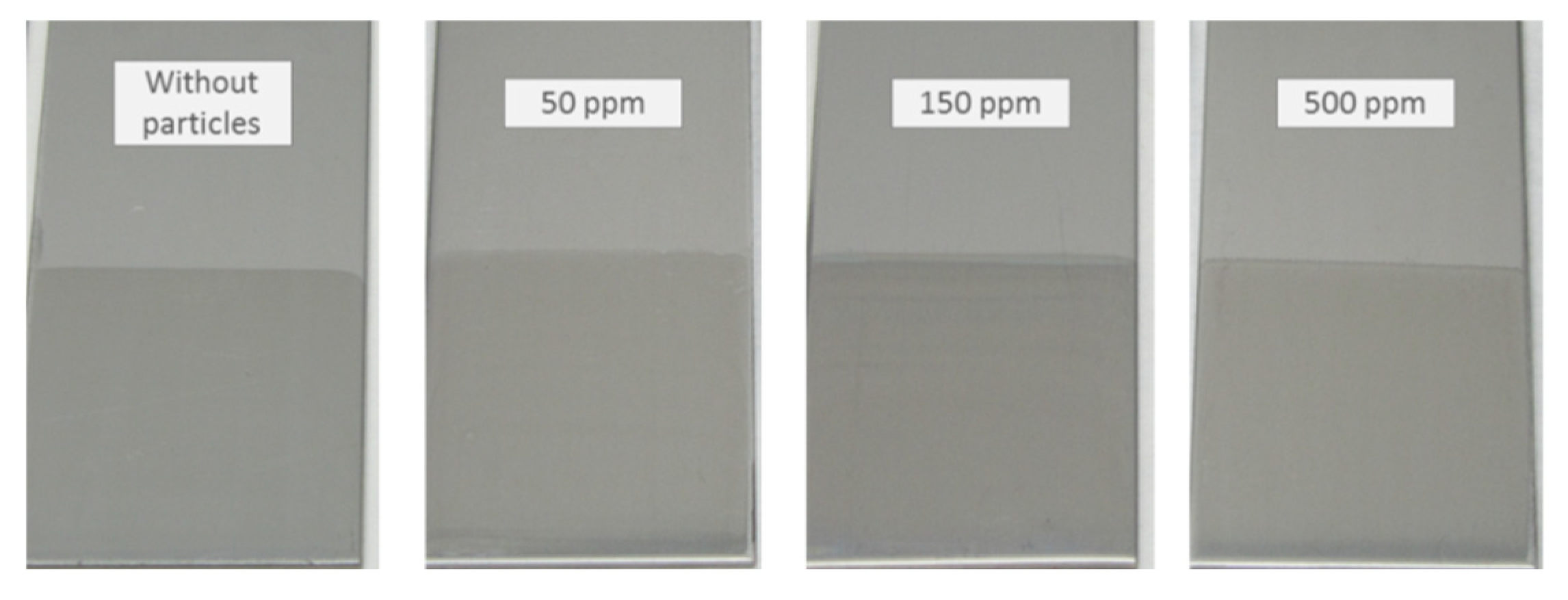
Figure 6 shows the visual aspect of the obtained silane-based coatings. As can be observed, all of them are homogenous and slightly darken the surface of the stainless steel. There is no significant visual difference related to the composition of the coatings.
The hydrophobicity of the coatings has been measured in terms of the water contact angle. The results obtained are summarized in Table 3 and Figure 7.
As can be observed, the values of the water contact angle for the coatings without and with N-TiO2 are close to the hydrophobic behavior (90°) and are quite similar to each other, regardless of the amount of N-TiO2 added. This result suggests that the incorporation of N-TiO2 up to 500 ppm does not influence the wetting properties of the coatings (Table 3). Furthermore, compared to WCA on bare 316L SS, the values decrease from 99° to approximately 85°. Considering the roughness results (uncoated 316L SS, 54 ± 3 nm; N-TiO2-coated samples around 37 ± 3 nm), this decay might be a consequence of surface levelling produced by the coating.
The thickness of all the obtained coatings, measured using an interferometric method, was around 270 ± 20 nm. As expected from the Landau–Levich equation [20], since the withdrawal time was always kept constant and all the precursor solutions were remarkably similar, no significant differences were observed for films with different nanoparticle contents.
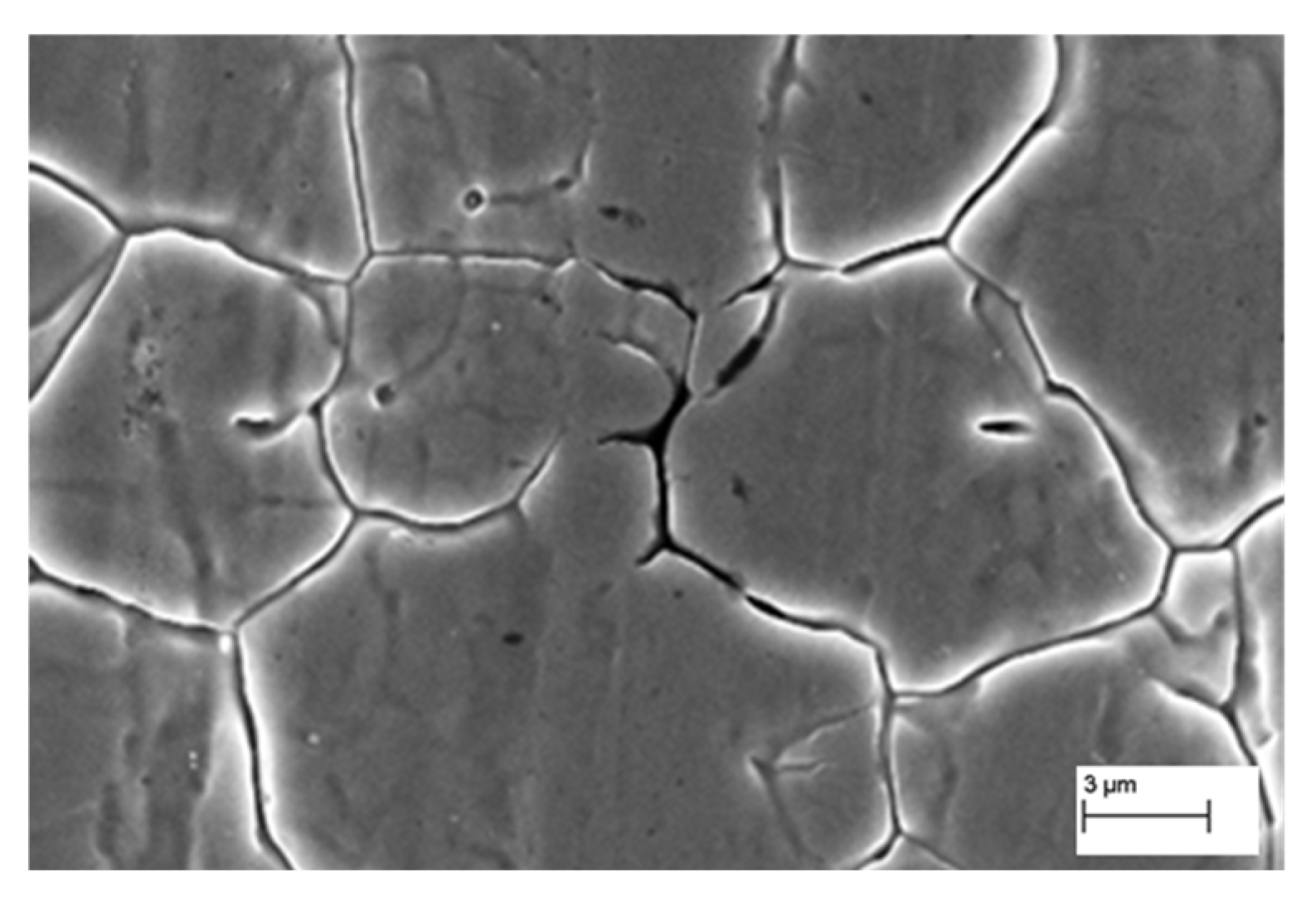
Scanning electron microscopy (SEM) was used to perform morphological analysis of the obtained coatings. First, Figure 8 shows a SEM image of the uncoated 316L SS and its typical grain-like structure [21]. It can be noted that grain boundaries look white and shiny for the bare substrate.
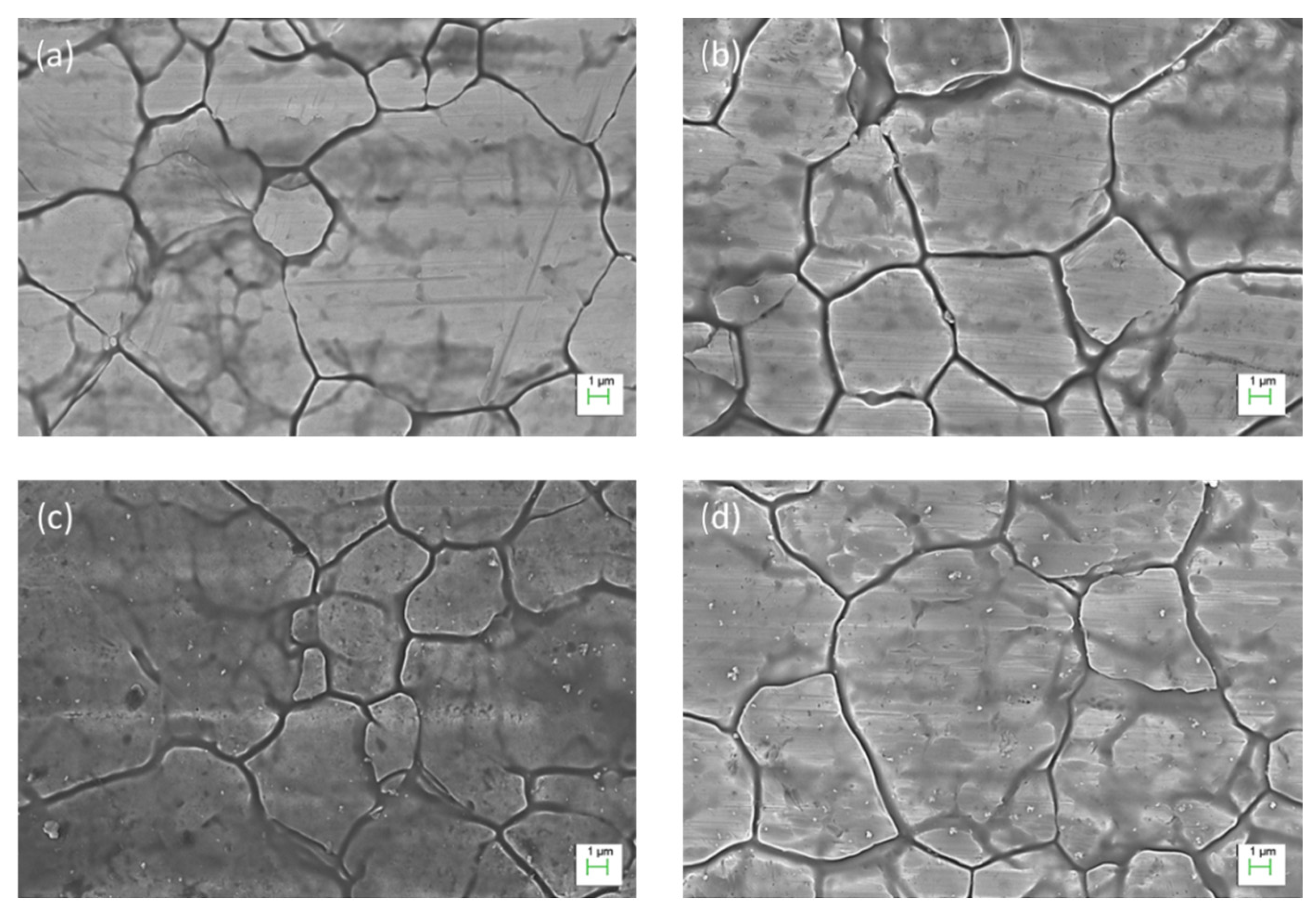
Figure 9 shows the SEM micrographies of the silane-coated samples. The main difference found between the bare 316L SS and silane-covered samples is the change in colour, especially at grain boundaries that look black for the latter. Despite this change in colour, the silane layers cannot be identified in these micrographies because they appear transparent and homogeneous. Only some white spots can be seen in the picture, whose concentration increases with N-TiO2 content. As a result, EDX analysis was conducted to confirm the presence of the coatings and the composition of the white spots.
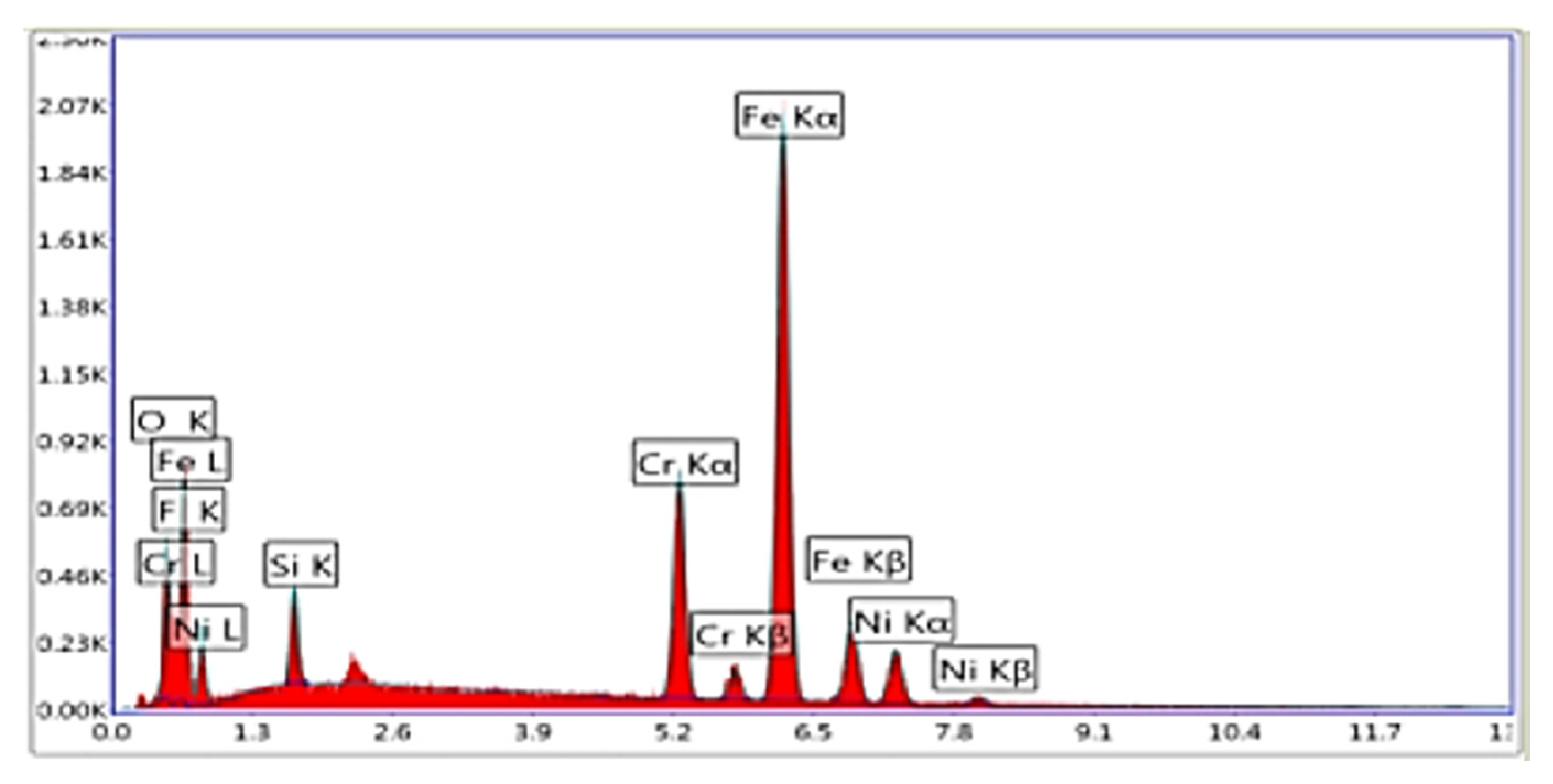
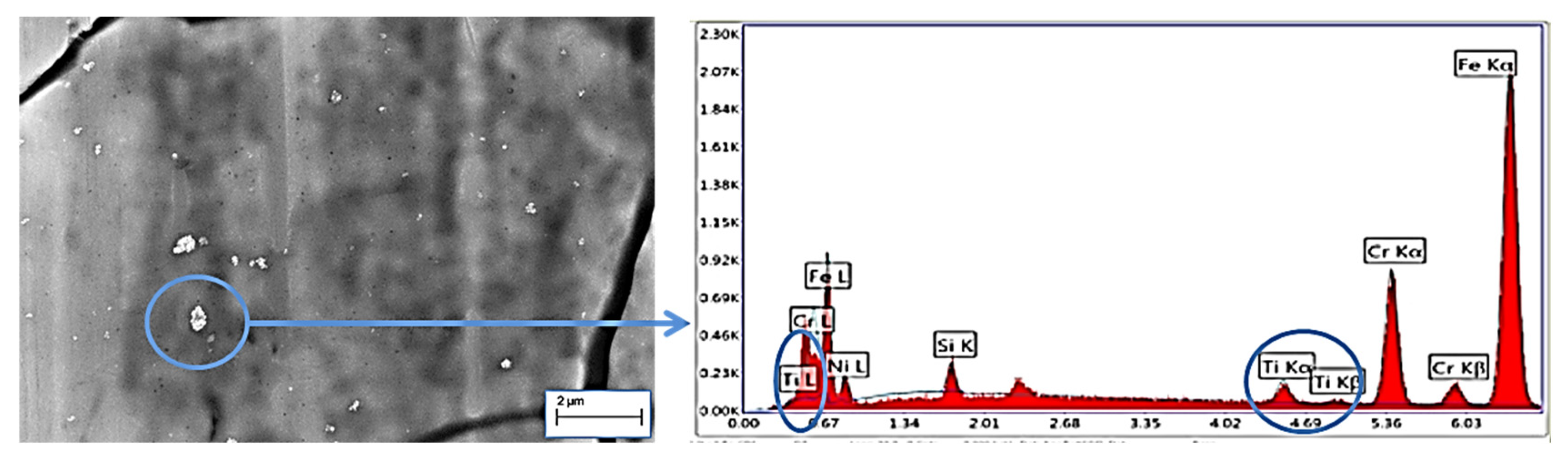
Figure 10 shows, as an example, the results of the elemental analysis of the 150 ppm TiO2-containing coating. The presence of the two main elemental components of the silane formulation, O and Si, confirms the presence of the coatings on the samples. On the other hand, Cr, Fe, and Ni are also identified. Those signals are related to the main elements present in the composition of the stainless steel substrate. Regarding the white spots that can be observed in the images of the N-TiO2-containing coatings, the EDX analysis (Figure 11, right, marked with blue circles) suggests that they are Ti (and thus N-TiO2 nanoparticle) aggregates.

3.3. Protection Performance

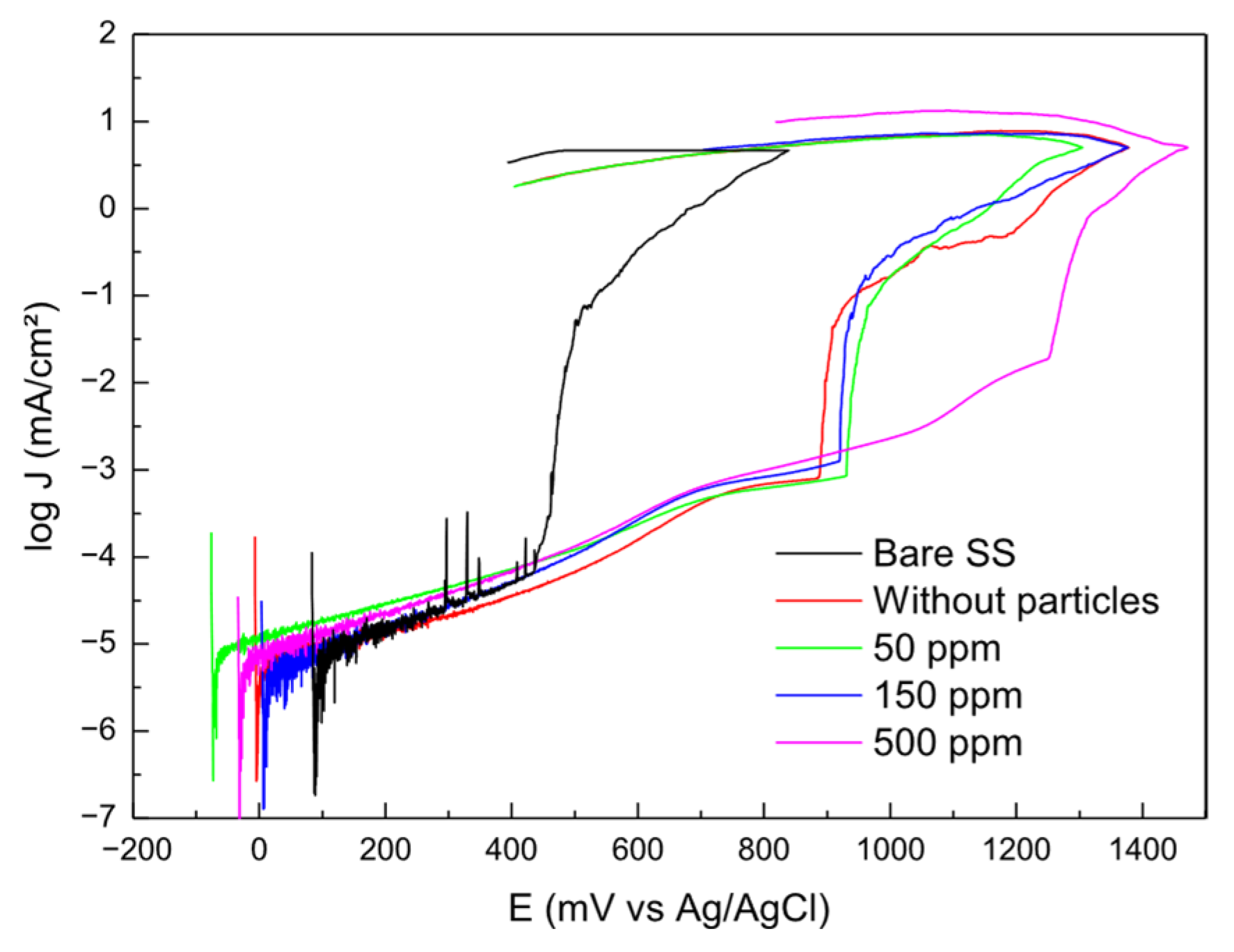
To assess the electrochemical properties of the applied coatings on stainless steel, polarization curves were registered for both uncoated and coated samples in PSBF. The polarization curves were obtained in a potential region starting at the OCP and registered at a scan rate of SR = 1 mV/s. The scan was reversed at J = 10 mA/cm2 to observe the repassivation ability of the system.
Figure 12 shows the curves corresponding to all the samples studied, and Table 4 summarizes the main electrochemical values obtained from the analysis of the plots. Corrosion potential (Ecorr) and corrosion current density (Jcorr) values corresponding to the various systems studied were extracted from the potentiodynamic polarization plots. EC-Lab software was used to calculate the Rp.
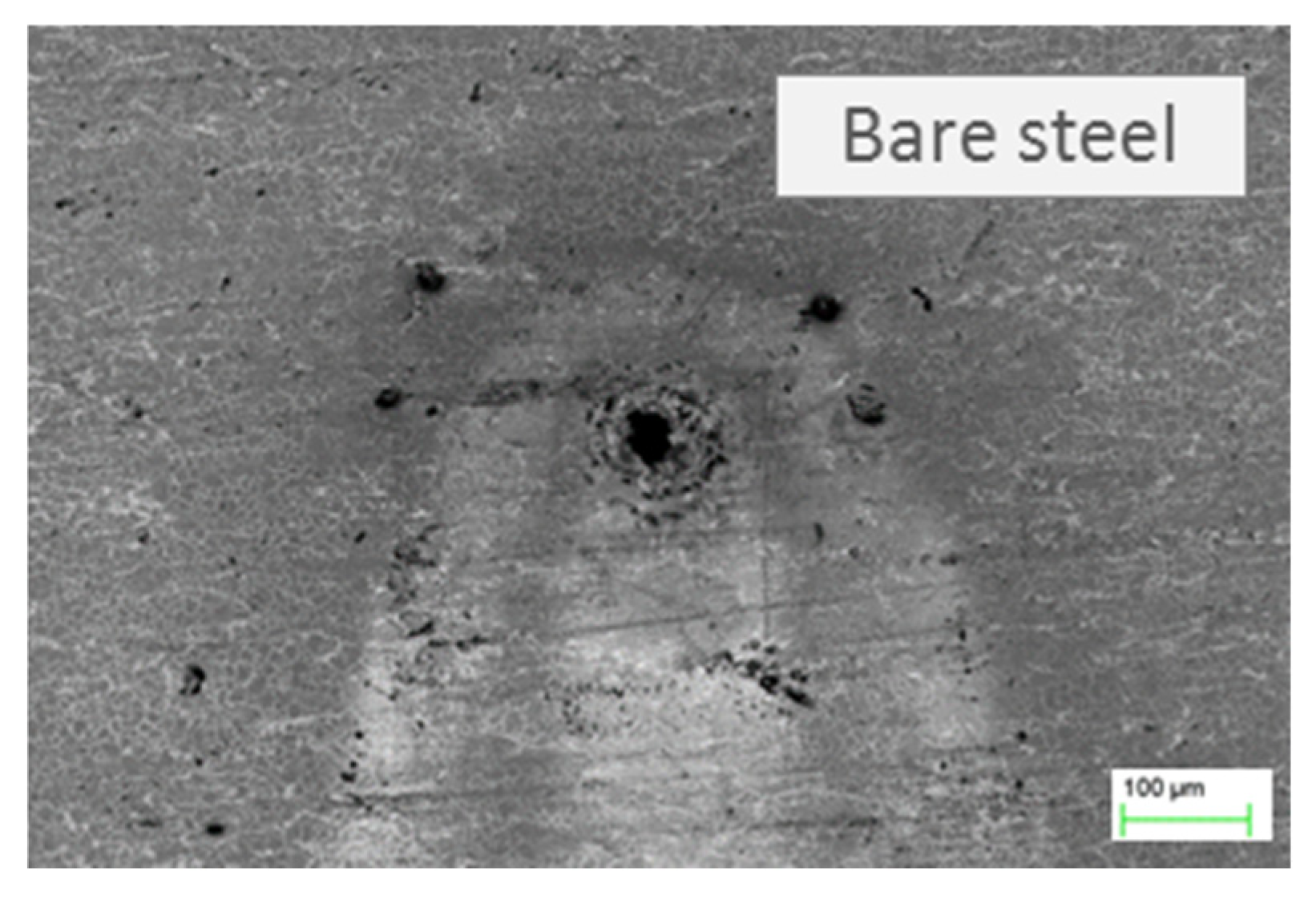
This plot reveals that the corrosion potential of 316L SS (black line) is located at around +85 mV vs. Ag/AgCl, and the corrosion current density (Jcorr) has a value of 7 × 10⁻⁶ mA/cm2. Then, a current plateau indicating a wide passivation range of about 350 mV is observed. Finally, a breakdown potential characterized by a sharp and monotonic increase in current density with potential is found. This rapid increase in the current density suggests the occurrence of a pitting corrosion process. The potential corresponding to this current transient (in this case, 435 mV vs. Ag/AgCl), is known as the breakdown potential Eb. Finally, the big hysteresis found on the reverse scan shows that repassivation of the surface does not occur [22]. As can be observed in the image (Figure 13) obtained by optical microscopy, pits developed during the experiment.
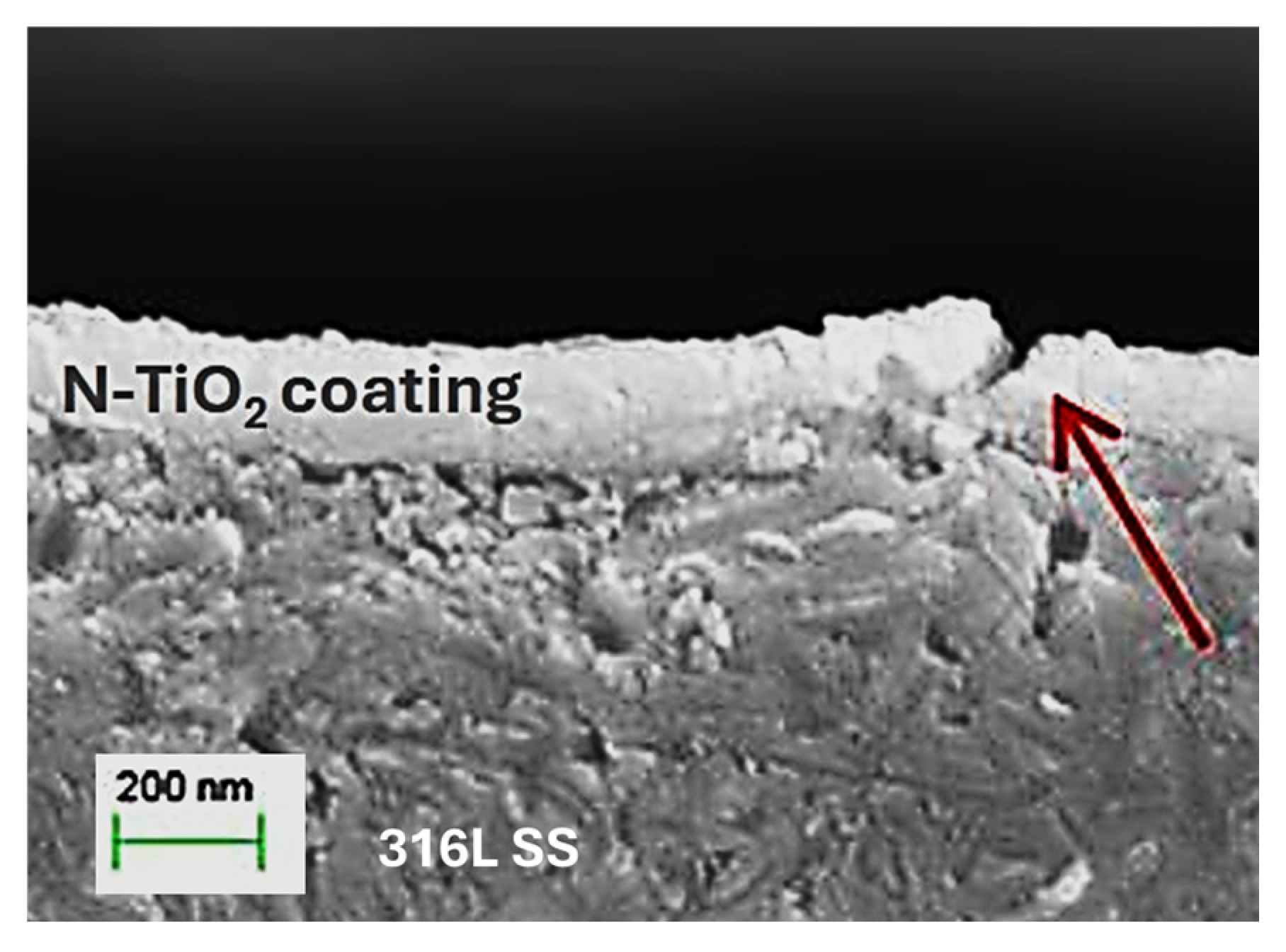
The results of the application of the silane protective coatings on the electrochemical behaviour of the 316L SS are summarized in Table 4. Looking at the OCP, it can be observed that this parameter is hardly influenced by the application of coatings. A similar conclusion can be obtained from the comparison of the corrosion current density values. This fact could be explained by the presence of defects of the coatings as marked by a red arrow in the cross-section micrography of Figure 14. However, a more in-depth analysis should be performed to confirm this point. In fact, it can be mentioned that these defects could not be detected on upper-view micrographies (Figure 9 and Figure 11).
Regarding the breakdown potential values, it was found that the application of the coatings shifted them anodically by at least 450 mV and up to around 1 V vs. Ag/AgCl (500 ppm coating). Consequently, the passivity range of the coated samples is about 550 mV wider than that corresponding to the bare 316L SS. The highest value (a passivity range of almost 1300 mV) is observed in the 500 ppm N-TiO2-containing sample. Similarly to uncovered samples, no repassivation is observed for coated samples. This result suggests that the main protective function of the sol–gel coatings is to act as pit initiation inhibitors.
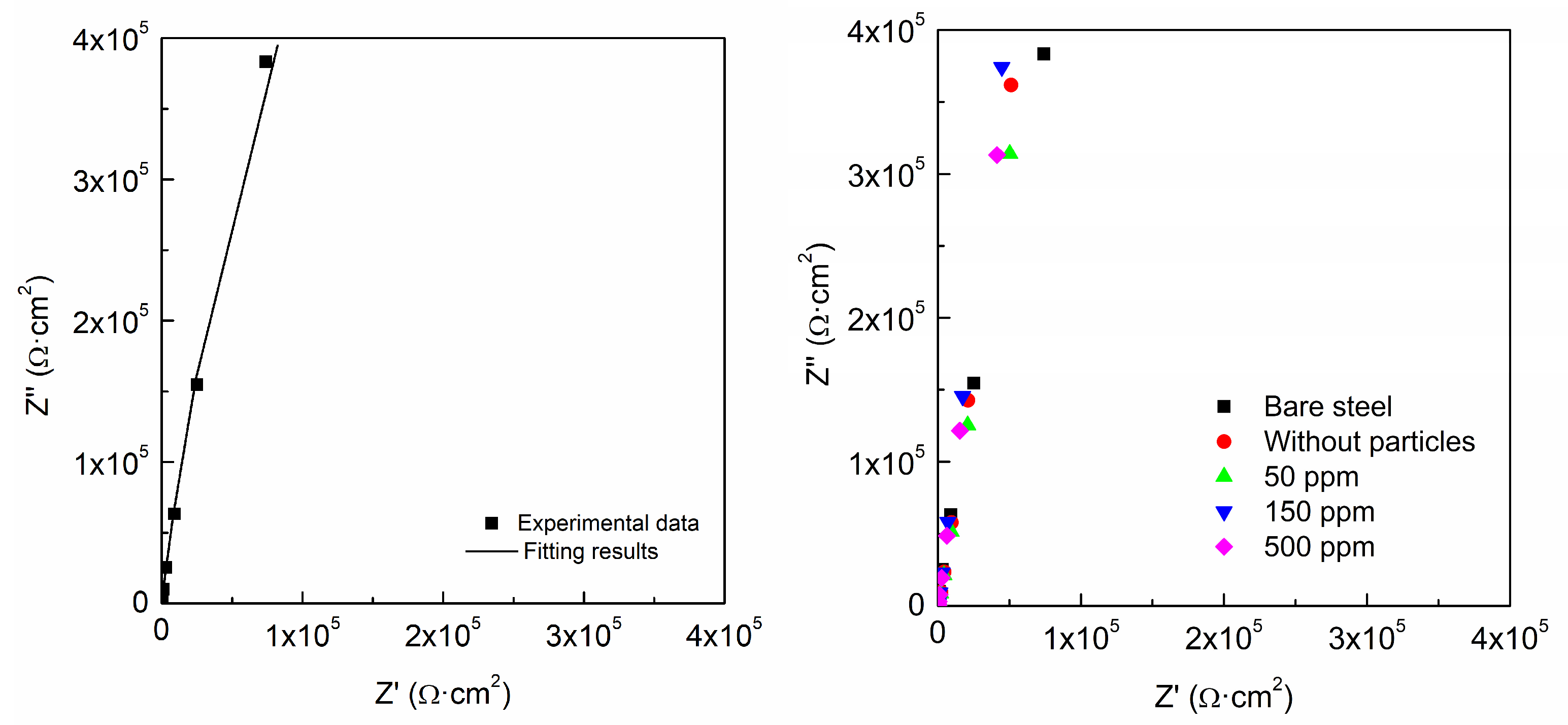
As is well known, EIS analysis can provide valuable information regarding protective properties of the coatings. The Nyquist plot (Figure 15, left) shows the experimental and fitted data for bare 316L SS. As can be observed, the overall shape of the impedance of the bare steel sample shows a capacitive-type behaviour that is usually related to the response of passive metals. The results corresponding to uncoated and coated samples are presented in Figure 15 (right). As can be observed, all the samples display a similar behaviour.
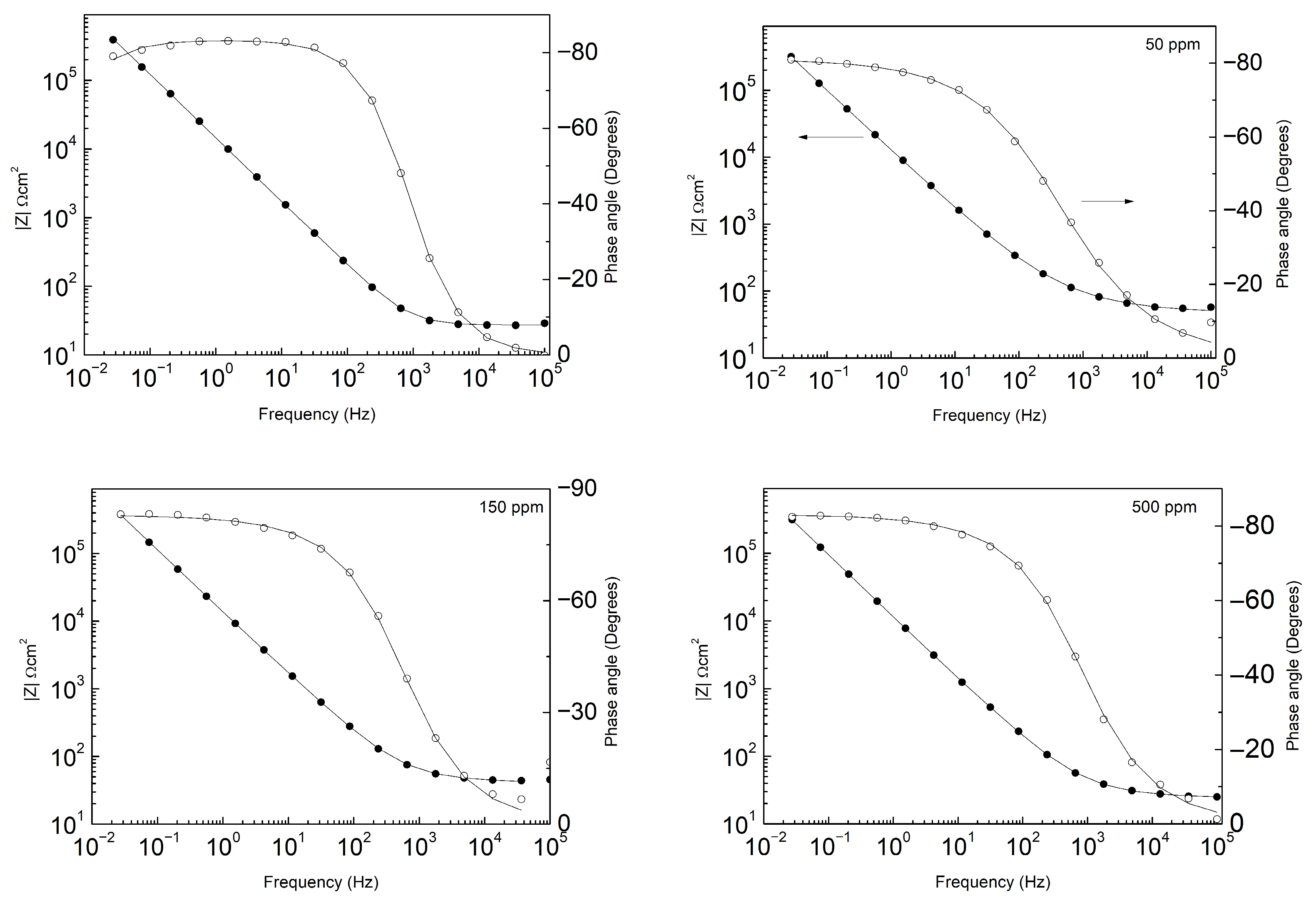
Regarding the Bode plots of the coated samples with and without particles (Figure 16), they present a wide plateau extending from around 102 to 10−1 Hz and a maximum phase angle of approximately −80°. This behaviour could suggest a high corrosion resistance, as is also indicated by the value of the impedance modulus obtained from the fitting: over 105 Ohm·cm2.
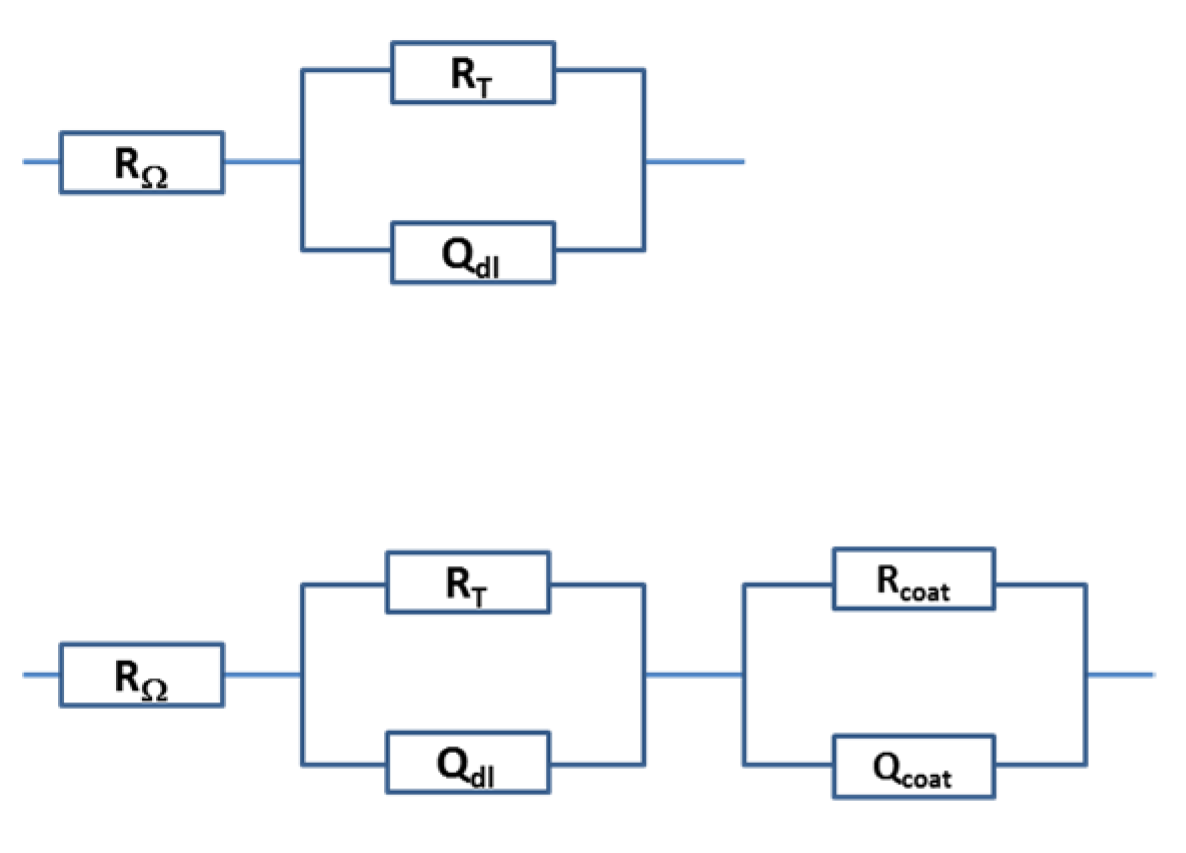
The experimental results obtained for the coated 316L SS samples were evaluated using two different equivalent circuit models (Figure 17). From one side, the simple single-time constant circuit shown in the upper part of Figure 17 was used to fit the impedance plots. In this circuit, RΩ represents the ohmic resistance of the solution, and RT and Qdl are used to describe the charge-transfer resistance of the coating and the reactions at the substrate–PSBF solution interface, respectively. Both can usually be related to the degradation of the substrate. It should be noted that, in this model, a constant phase element, Qdl, has been used instead of pure capacity, Cdl, to represent the capacitive element to consider the deviations of the system from the ideal behaviour [23]. The parameter n indicates the extent of that deviation (the lower the value the higher is the deviation). The values of the fitted parameters are given in Table 5. In addition to this, a 2-time constant new model was also used. This model was used since it usually represents the behaviour of porous coating systems [24]. It assumes that the coating can block water penetration. However, the presence of defects would allow water easily to reach the metal substrate and form an electrical double-layer capacitor at the interphase metal–solution interface, causing pitting.
Both circuits give quite a good fitting for the high-frequency capacitive component (Qdl), but the amount of data was not enough to obtain a reliable RT value. Therefore, the performance of the coatings has been compared using the |Z| value at the lowest frequency (10 mHz). All data are summarized in Table 5.
Concerning the fitting of the lower frequency part of circuit 2, even if the fit seemed good with the experimental values of the parameters, further experimental work should be performed to obtain more experimental data at frequencies lower than 102 Hz and more accurate data values.
As can be observed, the calculated values of the electrochemical parameters obtained from both equivalent circuits are similar for all the systems. These results suggest that the presence of defects allows the penetration of electrolyte that reaches the surface and, therefore, that the applied layer functions as a partially protective barrier for 316L SS, probably because of its low thickness (less than 300 nm).

4. Conclusions

Silica-based coatings were obtained on 316L SS by dip-coating undoped and N-TiO2-doped TEOS/TMES using sol–gel processes. According to the characterization data presented, the coatings obtained by dip-coating were thin (about 270 nm) and homogeneous in every case.
The protective performance of the coatings was evaluated by polarization and electrochemical measurements in PSBF solution. All undoped and N-TiO2-doped coatings showed similar impedance and capacitance values. Despite the OCP and corrosion current density values remaining very similar, the anodic shift in the breakdown potential and the expansion of the passive range by at least 450 mV and up to 1300 mV for the 500 ppm coating suggest that the main protective function of the sol–gel coatings is to act as pit initiation inhibitors. The low thickness of the coatings (less than 300 nm) and the presence of defects allow PSBF to easily reach the metal substrate and form an electrical double-layer capacitor at the metal–solution interphase, causing pitting.
Concerning the electrochemical properties of the coatings themselves, further research should be performed at a low frequency range of EIS and after long-term exposure to obtain additional information about the coatings as well as to gain a deeper understanding of the anticorrosion performance of the coatings.

Author Contributions

Investigation, A.A. and E.R.-C.; writing—original draft and writing—review and editing, A.A.; resources, E.G.-L.; visualization and supervision, A.I.V.; funding acquisition, J.A.D.; validation, H.J.G. All authors have read and agreed to the published version of the manuscript.

Funding

This research received no external funding.

Data Availability Statement

The original contributions presented in this study are included in the article. Further inquiries can be directed to the corresponding author(s).

Acknowledgments

The authors would like to thank BIOMAGUNE for its help with XPS experiments and the Universitat Rovira i Virgili for TEM micrography analysis.

Conflicts of Interest

The authors declare no conflicts of interest.

Abbreviations

The following abbreviations are used in this manuscript:
TEOSTetraethyl orthosilicate
TMESTrimethylethoxysilane
APS3-aminopropyl trimethoxysilane
316L SS316L stainless steel
PSBFPhosphate containing simulated body fluid

References

  1. Rosenbloom, S.N.; Corbett, R.A. An Assessment of ASTM F 2129 Electrochemical Testing of Small Medical Implants—Lessons Learned. In Proceedings of the CORROSION 2007, Nashville, TN, USA, 11–15 March 2007; NACE International: Houston, TX, USA, 2007; pp. 1–10. [Google Scholar] [CrossRef]
  2. Xu, W.; Yu, F.; Yang, L.; Zhang, B.; Hou, B.; Li, Y. Accelerated Corrosion of 316L Stainless Steel in Simulated Body Fluids in the Presence of H2O2 and Albumin. Mater. Sci. Eng. C 2018, 92, 11–19. [Google Scholar] [CrossRef] [PubMed]
  3. Talha, M.; Behera, C.K.; Sinha, O.P. Potentiodynamic Polarization Study of Type 316L and 316LVM Stainless Steels for Surgical Implants in Simulated Body Fluids. J. Chem. Pharm. Res. 2012, 4, 203–208. [Google Scholar]
  4. Xu, Y.; Li, Y.; Chen, T.; Dong, C.; Zhang, K.; Bao, X. A Short Review of Medical-Grade Stainless Steel: Corrosion Resistance and Novel Techniques. J. Mater. Res. Technol. 2024, 29, 2788–2798. [Google Scholar] [CrossRef]
  5. Barrino, F. Hybrid Organic–Inorganic Materials Prepared by Sol–Gel and Sol–Gel-Coating Method for Biomedical Use: Study and Synthetic Review of Synthesis and Properties. Coatings 2024, 14, 425. [Google Scholar] [CrossRef]
  6. Bollino, F.; Catauro, M. Sol-Gel Technology to Prepare Advanced Coatings. In Photoenergy and Thin Film Materials; Wiley: Hoboken, NJ, USA, 2019; pp. 321–378. [Google Scholar] [CrossRef]
  7. Rafiaei, F.; Naderi, R.; Dehghanian, C. Impact of Curing on the Corrosion Performance of an Eco-Friendly Silane Sol-Gel Coating on 304L Stainless Steel. RSC Adv. 2015, 5, 43225–43233. [Google Scholar] [CrossRef]
  8. Somasundaram, S. Silane Coatings of Metallic Biomaterials for Biomedical Implants: A Preliminary Review. J. Biomed. Mater. Res. B Appl. Biomater. 2018, 106, 2901–2918. [Google Scholar] [CrossRef] [PubMed]
  9. Kierat, O.; Dudek, A. Sol–Gel-Derived Vinyltrimethoxysilane (VTMS)/Tetraethoxysilane (TEOS) Hybrid Coatings on Titanium Materials for Use in Medical Applications. Materials 2025, 18, 2273. [Google Scholar] [CrossRef] [PubMed]
  10. Altube, A.; García-Lecina, E.; Merino, L.; Díez, J.A.; Grande, H. Development and Characterization of Conductive Sol-Gel Coatings for Corrosion Protection of 316L Steel. In Proceedings of the Solgel 2017, SG2017-336, Liège, Belgium, 3–8 September 2017. [Google Scholar]
  11. Kulich, P.; Marvanová, S.; Skoupý, R.; Škorič, M.; Vysloužil, J.; Šerý, O.; Mikuška, P.; Alexa, L.; Coufalík, P.; Křůmal, K.; et al. Subchronic Inhalation of TiO2 Nanoparticles Leads to Deposition in the Lung and Alterations in Erythrocyte Morphology in Mice. J. Appl. Toxicol. 2025, 45, 1004–1018. [Google Scholar] [CrossRef] [PubMed]
  12. Chen, Q.; Yakovlev, N.L. Adsorption and Interaction of Organosilanes on TiO2 Nanoparticles. Appl. Surf. Sci. 2010, 257, 1395–1400. [Google Scholar] [CrossRef]
  13. Kuratani, K.; Fukami, K.; Tsuchiya, H.; Usui, H.; Chiku, M.; Yamazaki, S. Electrochemical Polarization Part 1: Fundamentals and Corrosion. Electrochemistry 2022, 90, 22–66085. [Google Scholar] [CrossRef]
  14. Kazemi, M.; Navarchian, A.H.; Ahangaran, F. Effects of Silica Surface Modification with Silane and Poly(Ethylene Glycol) on Flexural Strength, Protein-Repellent, and Antibacterial Properties of Acrylic Dental Nanocomposites. Dent. Mater. 2023, 39, 863–871. [Google Scholar] [CrossRef] [PubMed]
  15. Wu, X.; Fang, S.; Zheng, Y.; Sun, J.; Lv, K.; Yu, J.C.; Ho, W.K. Thiourea-Modified TiO2 Nanorods with Enhanced Photocatalytic Activity. Molecules 2016, 21, 181. [Google Scholar] [CrossRef] [PubMed]
  16. Kusiak-Nejman, E.; Moszyński, D.; Kapica-Kozar, J.; Wanag, A.; Morawski, A.W. Assessment of the Suitability of the One-Step Hydrothermal Method for Preparation of Non-Covalently/Covalently Bonded TiO2/Graphene-Based Hybrids. Nanomaterials 2018, 8, 647. [Google Scholar] [CrossRef] [PubMed]
  17. Cheng, F.; Sajedin, S.M.; Kelly, S.M.; Lee, A.F.; Kornherr, A. UV-Stable Paper Coated with APTES-Modified P25 TiO2 Nanoparticles. Carbohydr. Polym. 2014, 114, 246–252. [Google Scholar] [CrossRef] [PubMed]
  18. Foo, C.; Li, Y.; Lebedev, K.; Chen, T.; Day, S.; Tang, C.; Tsang, S.C.E. Characterisation of Oxygen Defects and Nitrogen Impurities in TiO2 Photocatalysts Using Variable-Temperature X-Ray Powder Diffraction. Nat. Commun. 2021, 12, 661. [Google Scholar] [CrossRef] [PubMed]
  19. Martins, N.C.T.; Ângelo, J.; Girão, A.V.; Trindade, T.; Andrade, L.; Mendes, A. N-Doped Carbon Quantum Dots/TiO2 Composite with Improved Photocatalytic Activity. Appl. Catal. B 2016, 193, 67–74. [Google Scholar] [CrossRef]
  20. Ozgowicz, W.; Kurc-Lisiecka, A.; Grajcar, A. Corrosion Behaviour Corrosion Behaviour of Cold-Deformed Austenitic Alloys. In Environmental and Industrial Corrosion—Practical and Theoretical Aspects; InTech: London, UK, 2012. [Google Scholar] [CrossRef]
  21. Kuffner, B.H.B.; Capellato, P.; Ribeiro, L.M.S.; Sachs, D.; Silva, G. Production and Characterization of a 316l Stainless Steel/β-Tcp Biocomposite Using the Functionally Graded Materials (Fgms) Technique for Dental and Orthopedic Applications. Metals 2021, 11, 1923. [Google Scholar] [CrossRef]
  22. Bou-Saleh, Z.; Shahryari, A.; Omanovic, S. Enhancement of Corrosion Resistance of a Biomedical Grade 316LVM Stainless Steel by Potentiodynamic Cyclic Polarization. Thin Solid Films 2007, 515, 4727–4737. [Google Scholar] [CrossRef]
  23. Altube, A.; Pierna, A.R.; Marzo, F.F. Hydrogen Evolution Reaction with Finemet–Co Amorphous Alloys in Acid Solution. J. Non Cryst. Solids 2001, 287, 297–301. [Google Scholar] [CrossRef]
  24. Ahmed, R.; Vourlias, G.; Algoburi, A.; Vogiatzis, C.; Chaliampalias, D.; Skolianos, S.; Berger, L.M.; Paul, S.; Faisal, N.H.; Toma, F.L.; et al. Comparative Study of Corrosion Performance of HVOF-Sprayed Coatings Produced Using Conventional and Suspension WC-Co Feedstock. J. Therm. Spray Technol. 2018, 27, 1579–1593. [Google Scholar] [CrossRef]
Figure 1. Procedure used to prepare silane-based formulations.
Cmd 07 00010 g001
Figure 2. TEM images of (a) unmodified TiO2 and (b) N-TiO2 particles.
Cmd 07 00010 g002
Figure 3. FT-IR spectra of TiO2 (black line) and N-TiO2 (red line).
Cmd 07 00010 g003
Figure 4. XPS spectra of unmodified TiO2 (black line) and N-TiO2 nanoparticles (red line).
Cmd 07 00010 g004
Figure 5. XPS spectra of Ti 2p signals of TiO2 and N-TiO2.
Cmd 07 00010 g005
Figure 6. Visual appearance of the silane-coated 316L SS sample without and with N-TiO2 particles at different concentrations.
Cmd 07 00010 g006
Figure 7. From left to right, contact angle images of bare 316L SS, and silane-coated samples without and with 150 ppm N-TiO2 particles.
Cmd 07 00010 g007
Figure 8. SEM micrography of bare 316L SS sample.
Cmd 07 00010 g008
Figure 9. SEM micrographies of coated 316L SS samples (a) without and with N-TiO2 particles on different concentrations: (b) 50 ppm, (c) 150 ppm and (d) 500 ppm.
Cmd 07 00010 g009
Figure 10. EDX spectrum of coated 316L SS sample treated with 150 ppm N-TiO2 containing silane coating.
Cmd 07 00010 g010
Figure 11. SEM micrography (left) and EDX spectrum (right) of a TiO2-containing silane coating (150 ppm TiO2).
Cmd 07 00010 g011
Figure 12. LogJ-.E curves of silane-coated 316L SS samples without and with particles.
Cmd 07 00010 g012
Figure 13. Pit created during the polarization.
Cmd 07 00010 g013
Figure 14. SEM micrography of a defect in the cross-section of a coated 316L SS sample (150 ppm N-TiO2).
Cmd 07 00010 g014
Figure 15. (Left): EIS experimental data (markers) and fitted response (line) of bare 316L SS. (Right): EIS experimental data of bare and coated 316L SS samples.
Cmd 07 00010 g015
Figure 16. Bode plots of the samples studied (without and with particles). Symbols are used for experimental results and continuous lines for fitted results.
Cmd 07 00010 g016
Figure 17. Equivalent circuits used to fit the experimental results obtained for coated 316L SS systems.
Cmd 07 00010 g017
Table 1. Chemical composition of 316L stainless steel wt.%.
CrNiMoMnSiCPSOthers
16.5–1810–132–2.520.750.070.0450.0150.10
Table 2. Composition of simulated body fluid used in this work.
CompositionContent
NaCl8 g/L
CaCl20.15 g/L
KCl0.40 g/L
MgCl2·6H2O0.10 g/L
NaHCO30.35 g/L
NaH2PO4·2H2O0.06 g/L
KH2PO40.06 g/L
MgSO4·7H2O0.06 g/L
Glucose1 g/L
Table 3. Water contact angles measured (WCA) for all systems.
UncoatedWithout Particles50 ppm150 ppm500 ppm
WCA [°]99 ± 286 ± 584 ± 487 ± 286 ± 3
Table 4. Electrochemical parameter values for uncoated and coated 316L SS samples.
OCP
mV vs. Ag/AgCl
Jcorr
×10−6 mA/cm2
Eb
mV vs. Ag/AgCl
Eb-Ecorr
mV
Uncoated85 ± 57 ± 1430 ± 10350 ± 20
Without particles−6 ± 56 ± 1890 ± 20900 ± 25
50 ppm−75 ± 58 ± 1930 ± 201000 ± 25
150 ppm5 ± 55 ± 1920 ± 20920 ± 25
500 ppm−33 ± 56 ± 11250 ± 201290 ± 25
Table 5. EIS parameter values for uncoated and coated 316L SS samples.
|Z|Double Layer
(2 Time Constant)
Double Layer
(1 Time Constant)
Ω·cm2
(±10%)
Qdl (F/cm2)
(±10%)
nQdl (F/cm2)
(±10%)
n
Uncoated383,000 1 × 10⁻⁵ 0.93
Without particles362,0001.37 × 10−50.841.97 × 10−50.98
50 ppm314,0001.56 × 10−50.841.55 × 10−50.89
150 ppm374,0001.37 × 10−50.891.37 × 10−50.92
500 ppm313,0001.65 × 10−50.891.60 × 10−50.92
Disclaimer/Publisher’s Note: The statements, opinions and data contained in all publications are solely those of the individual author(s) and contributor(s) and not of MDPI and/or the editor(s). MDPI and/or the editor(s) disclaim responsibility for any injury to people or property resulting from any ideas, methods, instructions or products referred to in the content.