Article

Surface-Modified Chitosan: An Adsorption Study of a “Tweezer-Like” Biopolymer with Fluorescein


Department of Chemistry, University of Saskatchewan, 110 Science Place, Saskatoon, SK S7N 5C9, Canada
*
Author to whom correspondence should be addressed.
Surfaces 2019, 2(3), 468-484; https://doi.org/10.3390/surfaces2030035

Submission received: 25 July 2019 / Revised: 10 August 2019 / Accepted: 14 August 2019 / Published: 18 August 2019

Abstract

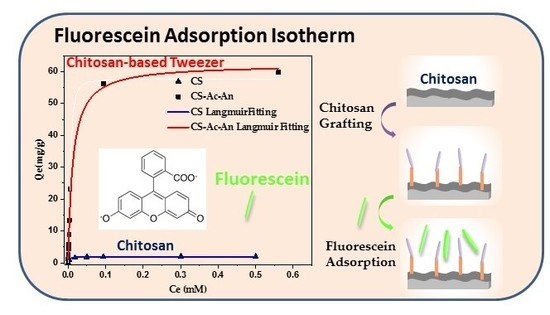
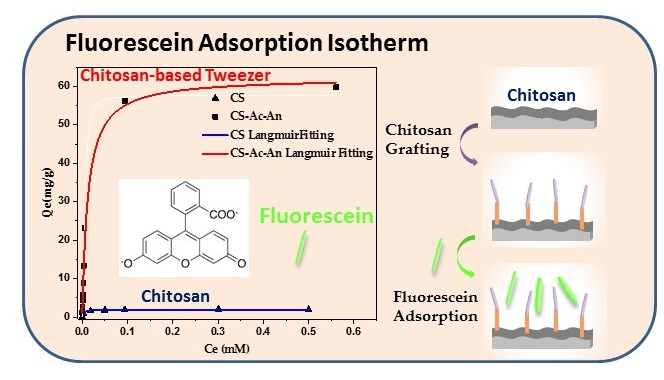
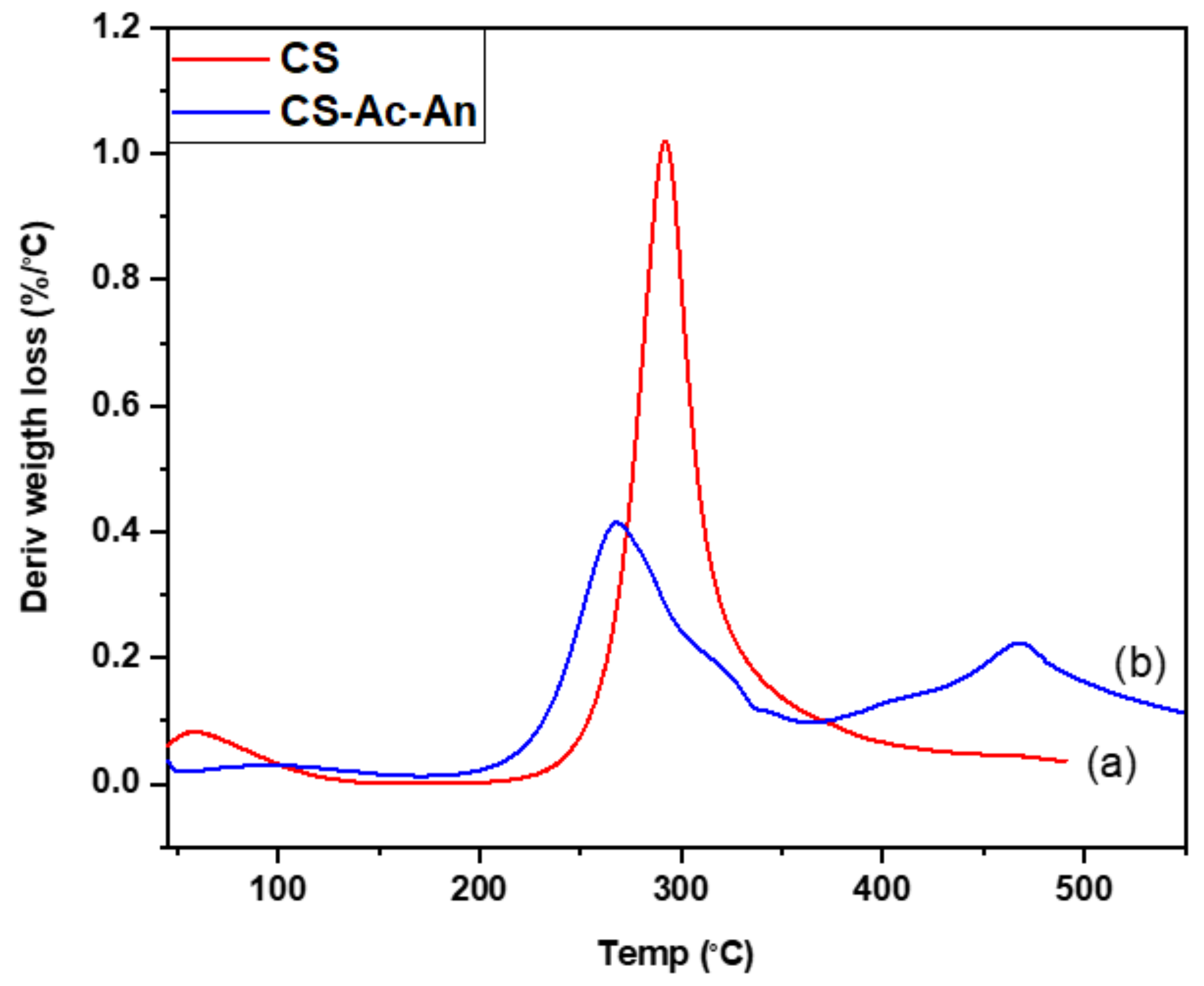
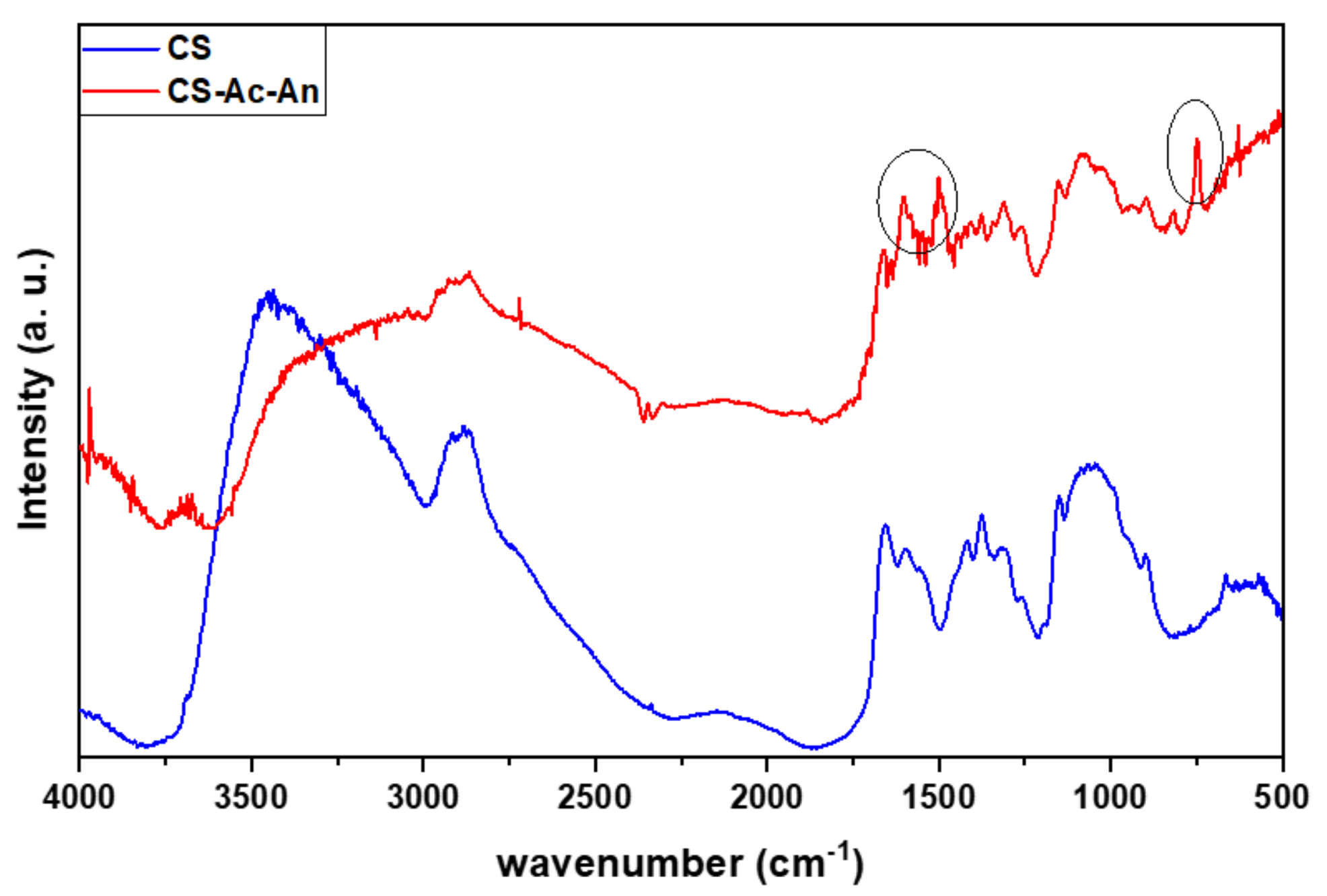
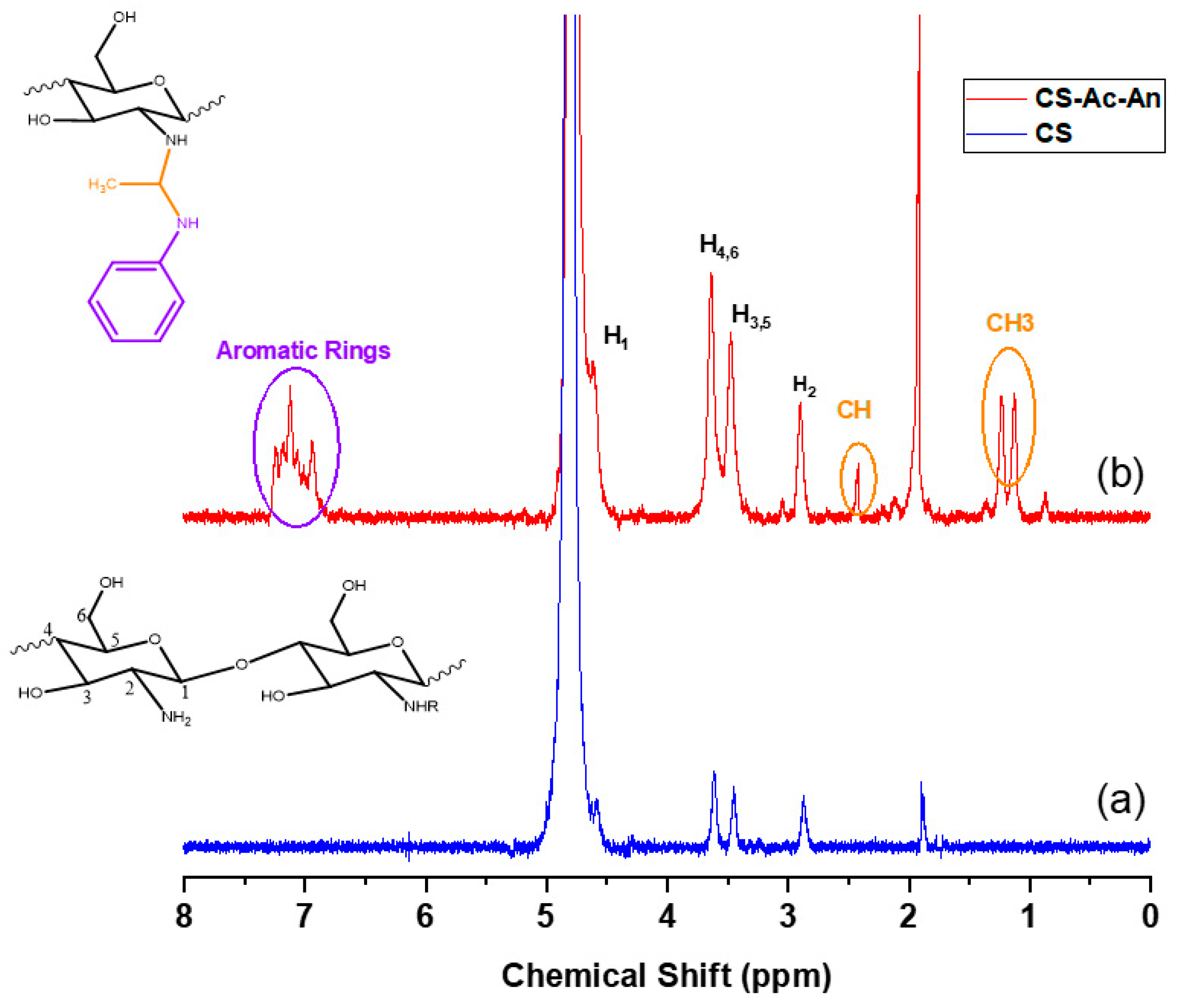
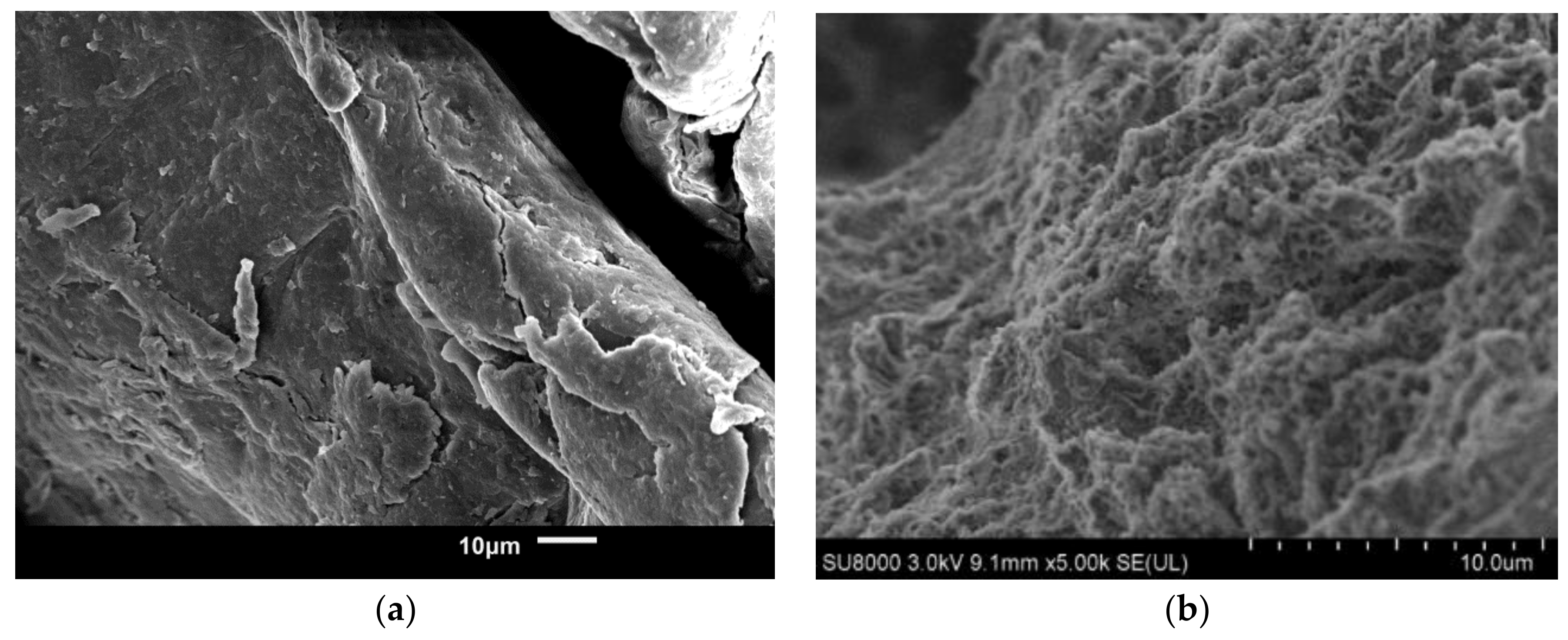
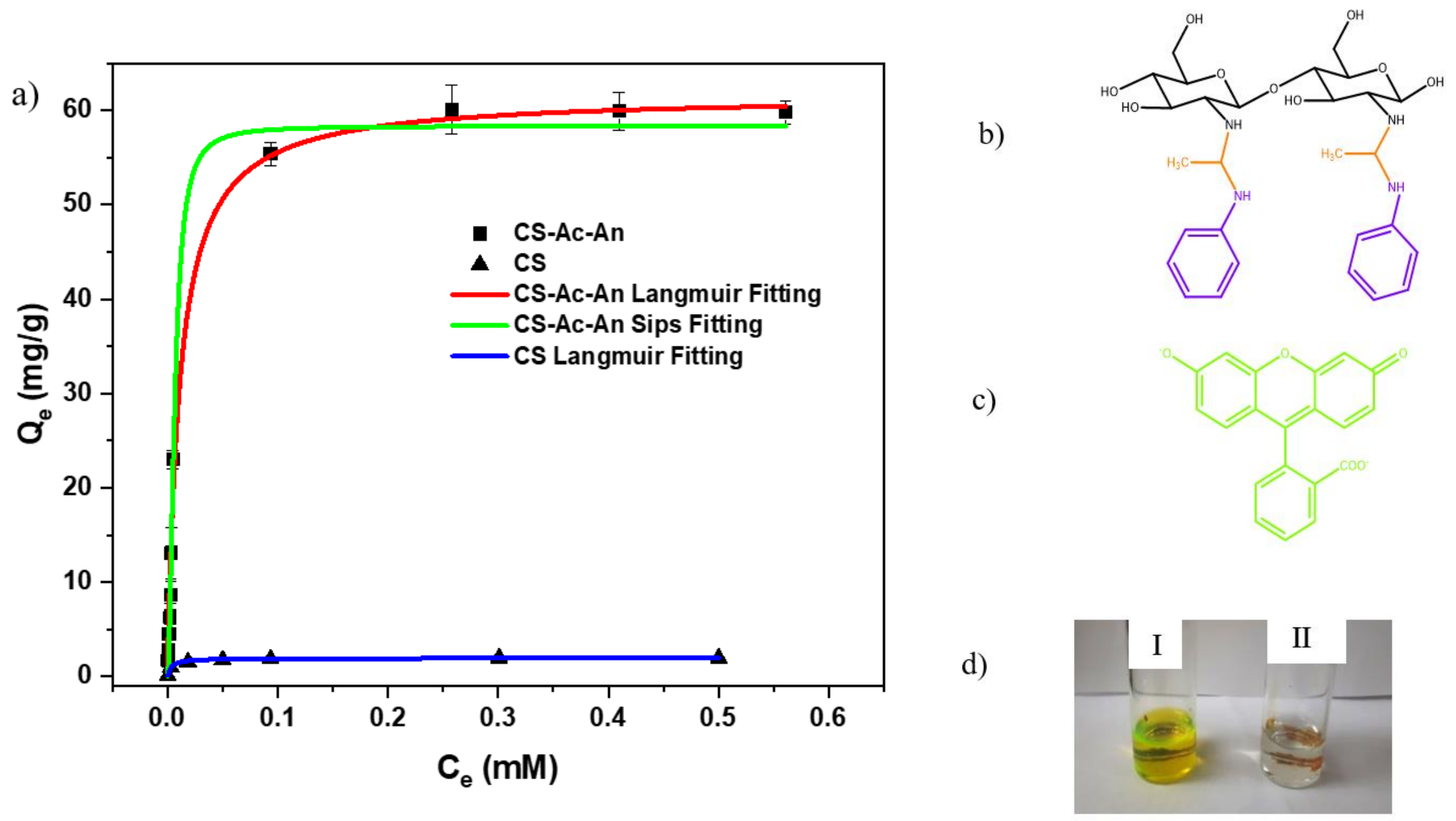
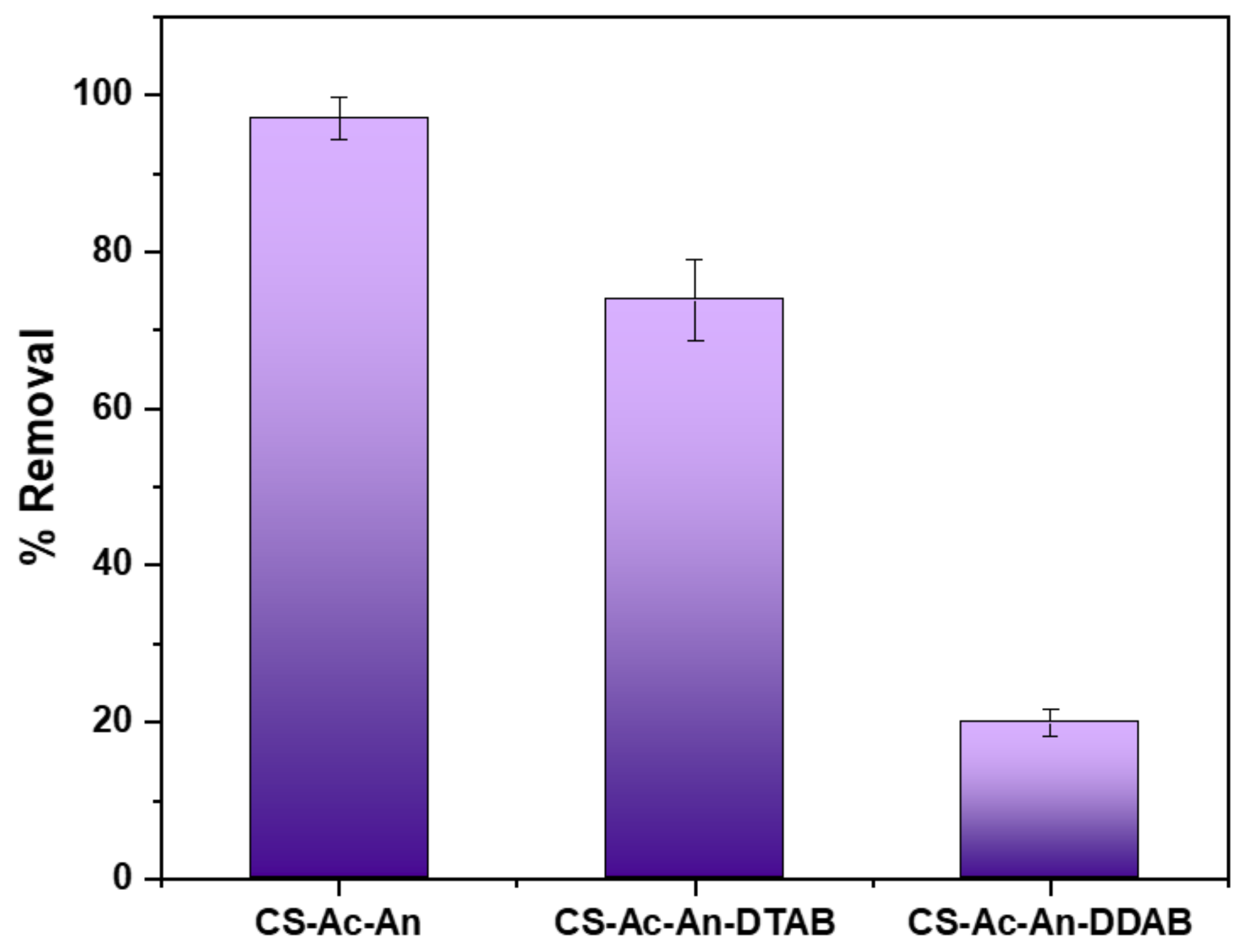
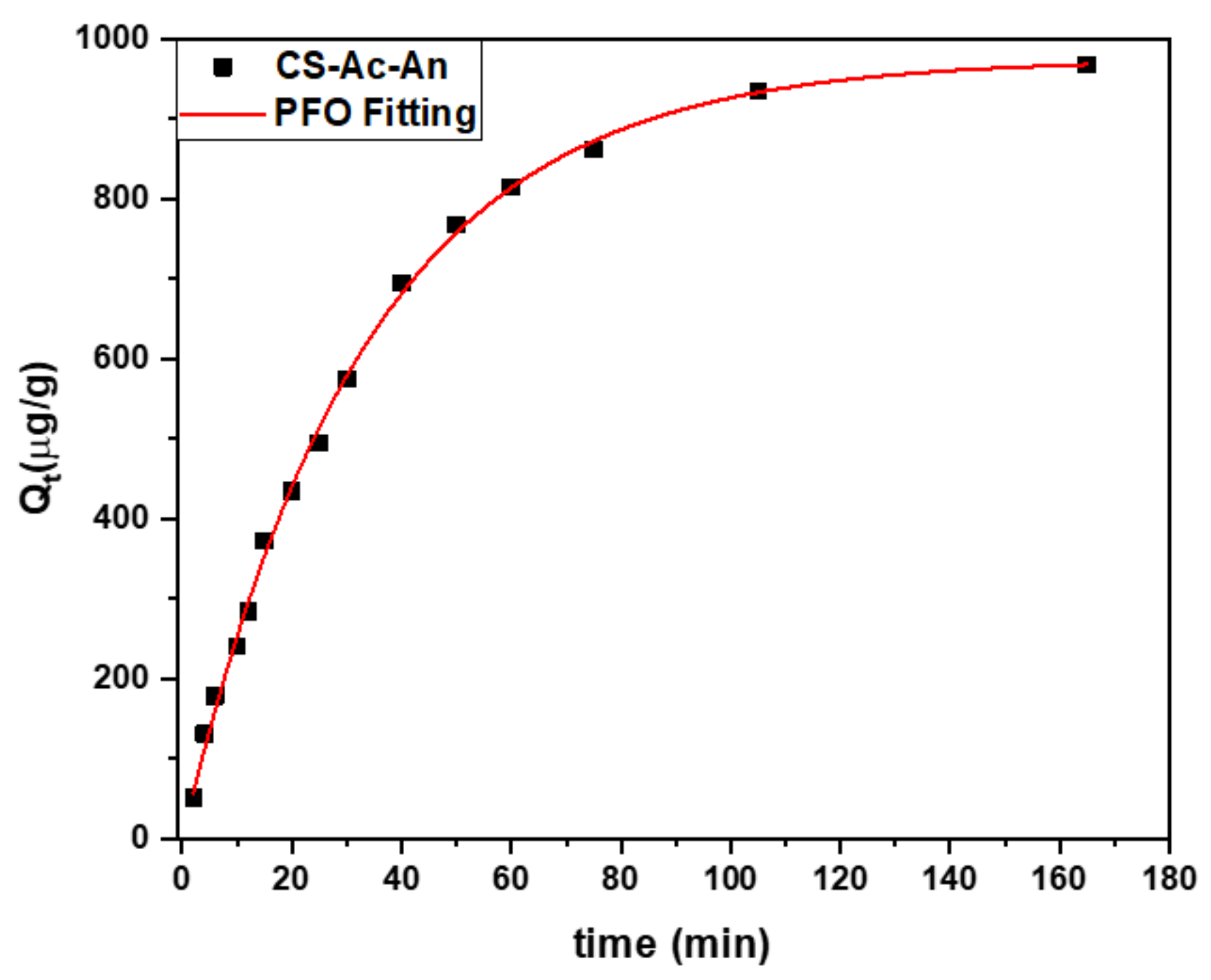
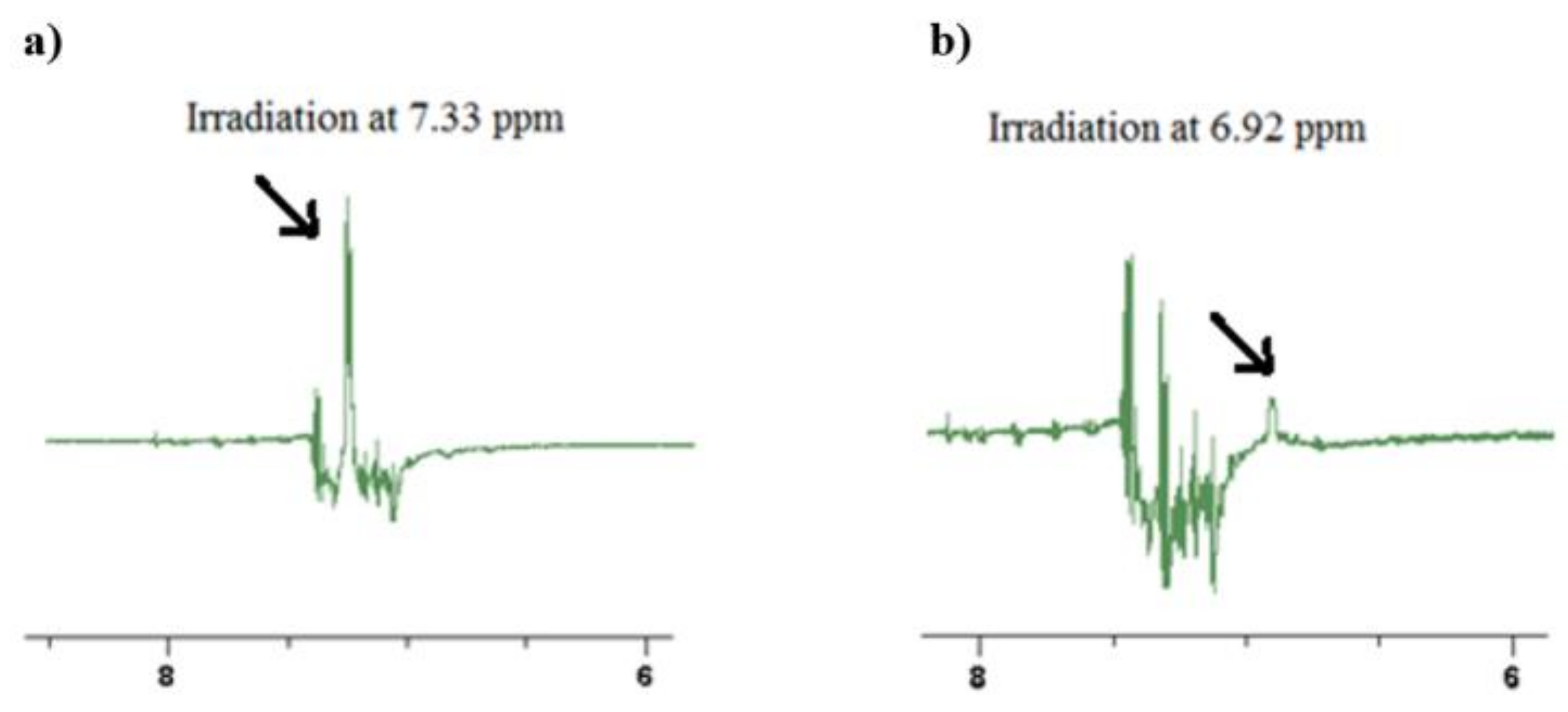
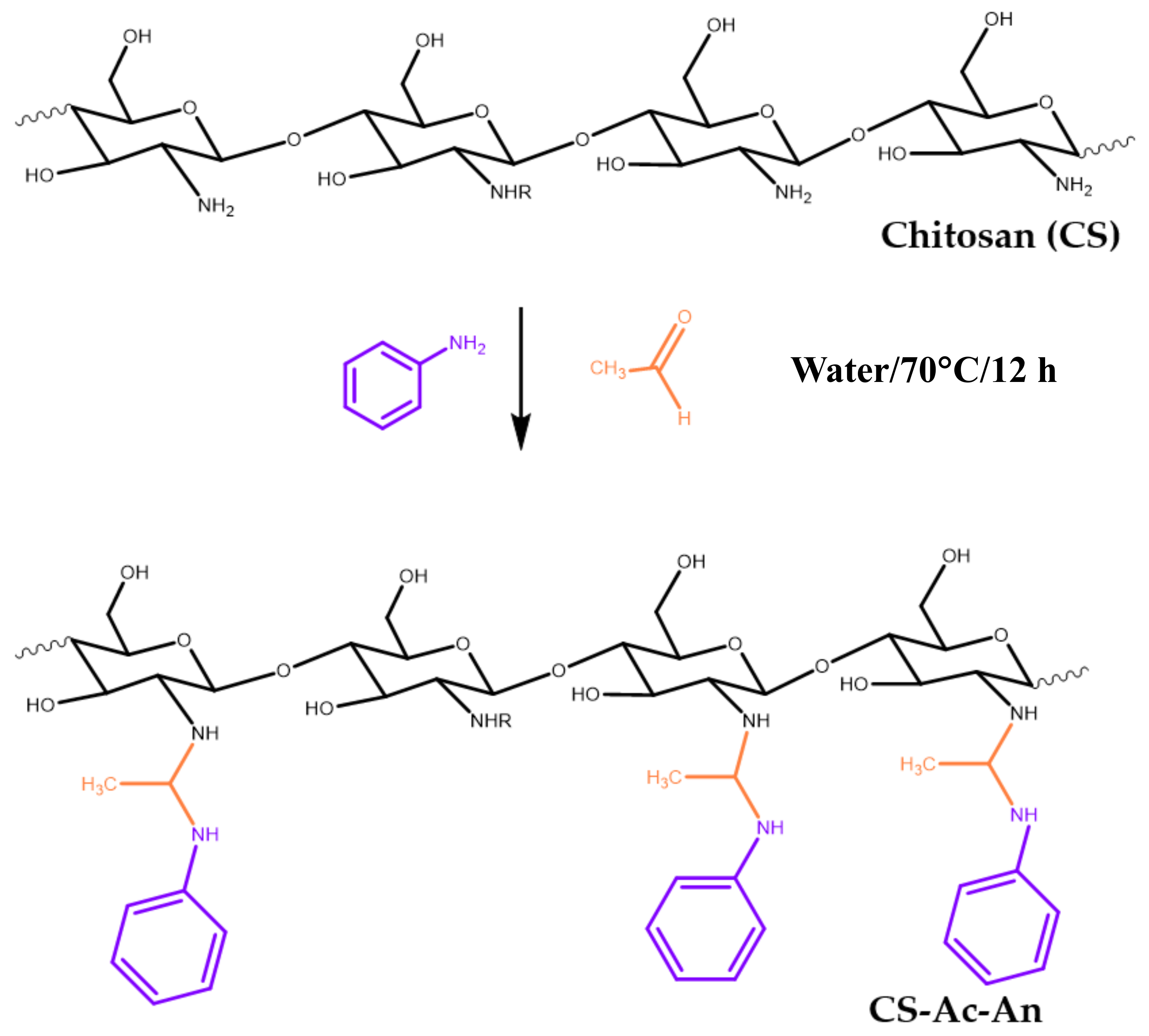
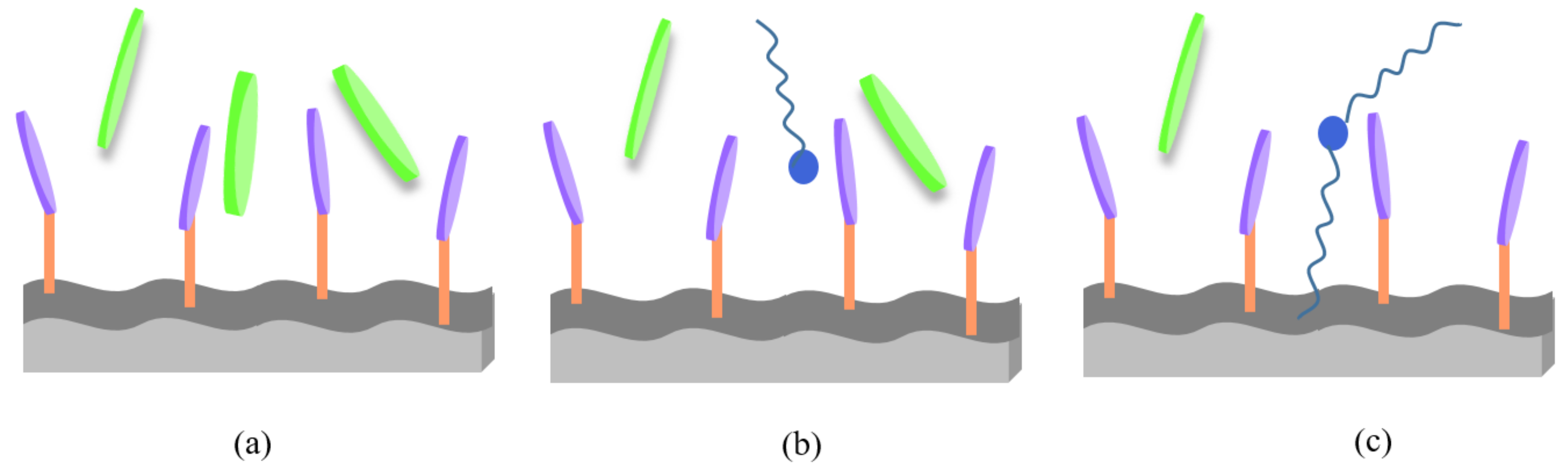
Tweezer-like adsorbents with enhanced surface area were synthesized by grafting aniline onto the amine sites of a chitosan biopolymer scaffold. The chemical structure and textural properties of the adsorbents were characterized by thermogravimetric analysis (TGA) and spectral methods, including Fourier transform infrared (FT-IR), nuclear magnetic resonance (1H- and, 13C-NMR) and scanning electron microscopy (SEM). Equilibrium solvent swelling results for the adsorbent materials provided evidence of a more apolar biopolymer surface upon grafting. Equilibrium uptake studies with fluorescein at ambient pH in aqueous media reveal a high monolayer adsorption capacity (Qm) of 61.8 mg·g1, according to the Langmuir isotherm model. The kinetic adsorption profiles are described by the pseudo-first order kinetic model. 1D NMR and 2D-NOESY NMR spectra were used to confirm the role of π-π interactions between the adsorbent and adsorbate. Surface modification of the adsorbent using monomeric and dimeric cationic surfactants with long hydrocarbon chains altered the hydrophile-lipophile balance (HLB) of the adsorbent surface, which resulted in attenuated uptake of fluorescein by the chitosan molecular tweezers. This research contributes to a first example of the uptake properties for a tweezer-like chitosan adsorbent and the key role of weak cooperative interactions in controlled adsorption of a model anionic dye.
Keywords: molecular tweezers; surface modification; adsorption; chitosan; grafting; fluorescein molecular tweezers; surface modification; adsorption; chitosan; grafting; fluorescein
Graphical Abstract