
Article

Entomological Evidence Reveals Burial Practices of Three Mummified Bodies Preserved in Northeast Italy

1
DISTAV—Dipartimento di Scienze della Terra dell’Ambiente e della Vita, Università di Genova, 16132 Genova, Italy
2
LaBAAF—Laboratorio Bagolini Archeologia, Archeometria, Fotografia, Dipartimento di Lettere e Filosofia, Università di Trento, 38122 Trento, Italy
3
CROP—Centro di Ricerca in Osteoarcheologia e Paleopatologia, Dipartimento di Biotecnologie e Scienze della Vita, Università dell’Insubria, 21100 Varese, Italy
4
CNR-IAS—National Research Council, Institute for the Study of Anthropic Impact and Sustainability in the Marine Environment, 16149 Genova, Italy
*
Author to whom correspondence should be addressed.
Heritage 2025, 8(10), 406; https://doi.org/10.3390/heritage8100406

Submission received: 29 July 2025 / Revised: 8 September 2025 / Accepted: 20 September 2025 / Published: 28 September 2025
(This article belongs to the Special Issue Advanced Analysis of Bioarchaeology, Skeletal Biology and Evolution)

Abstract

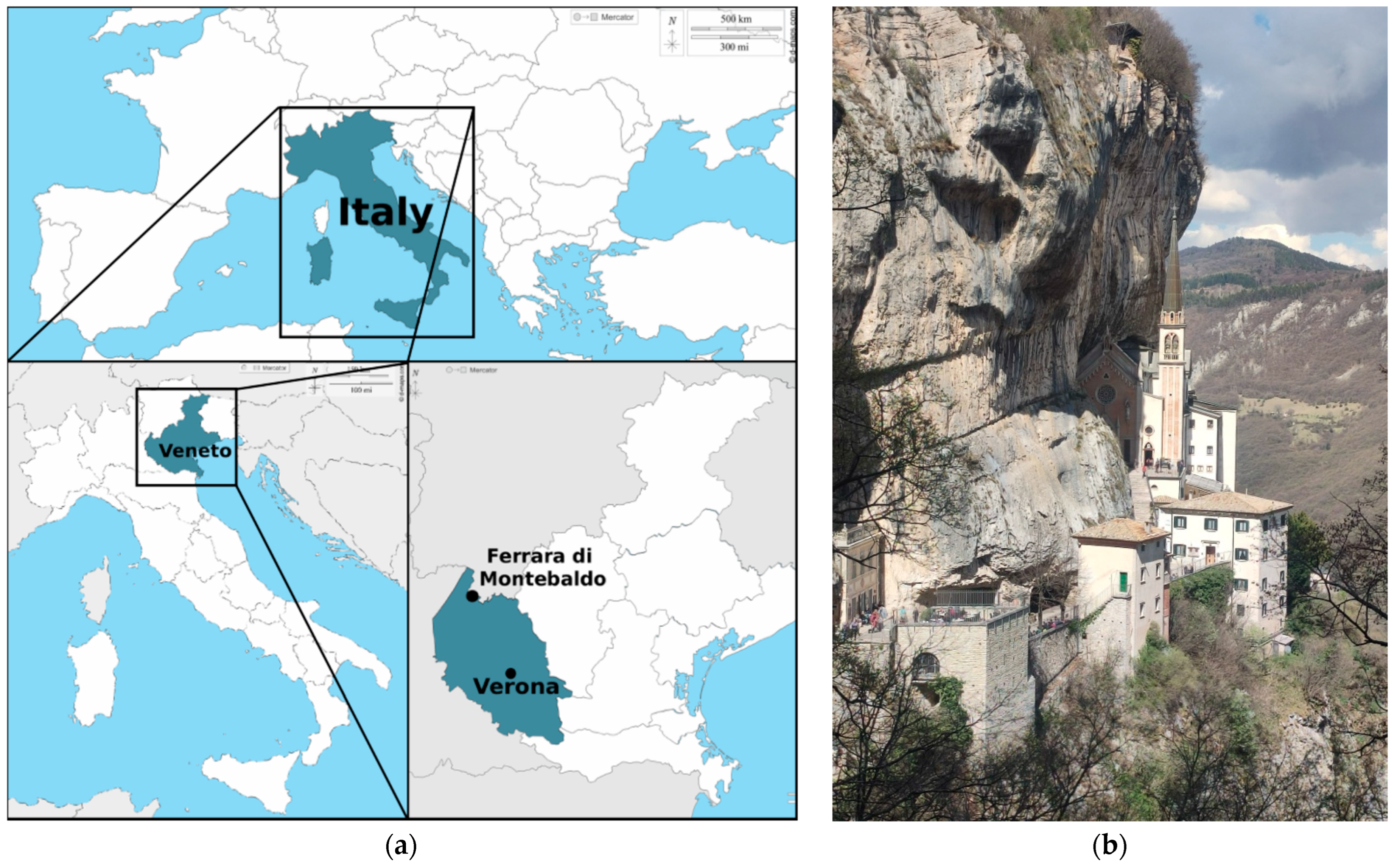
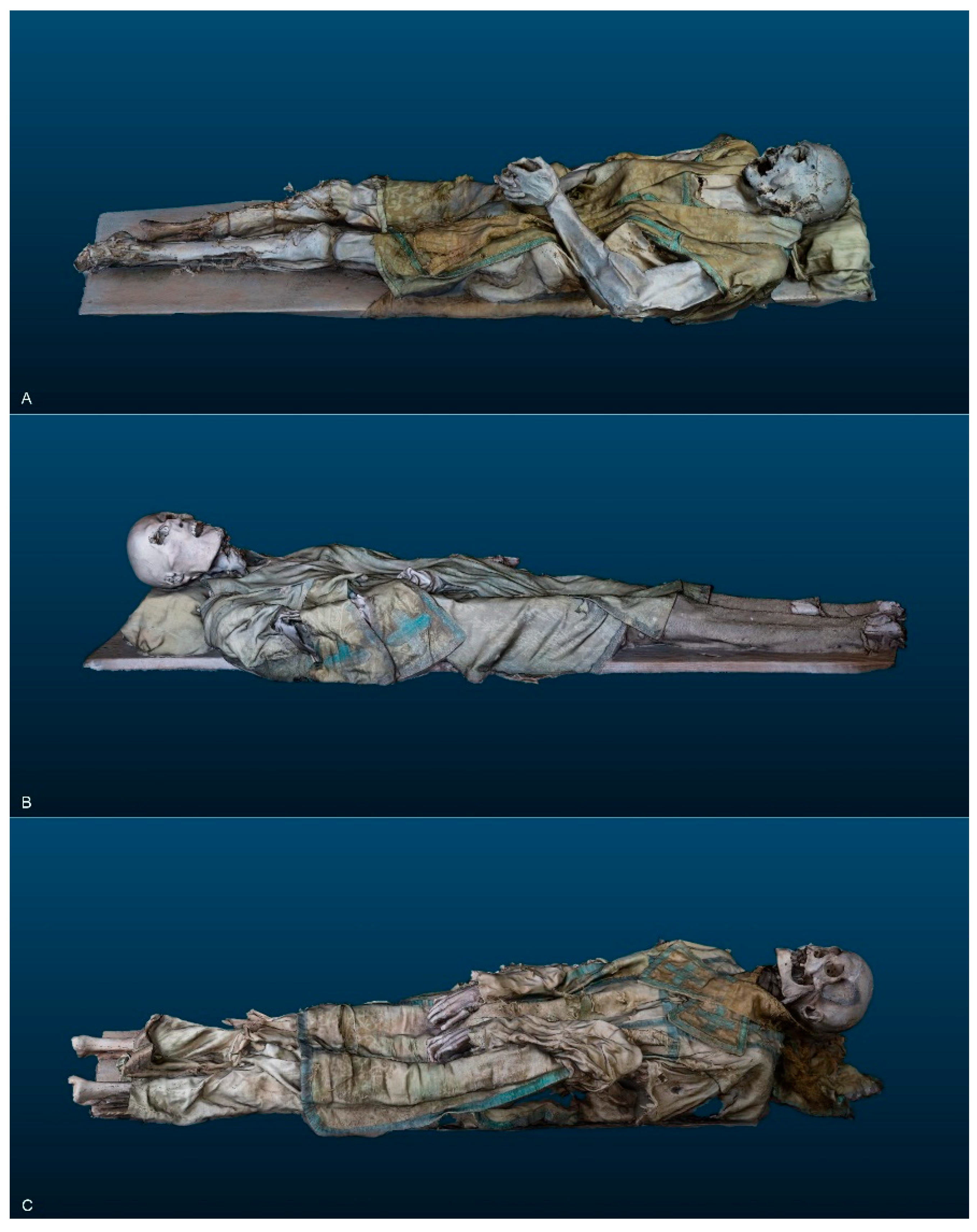
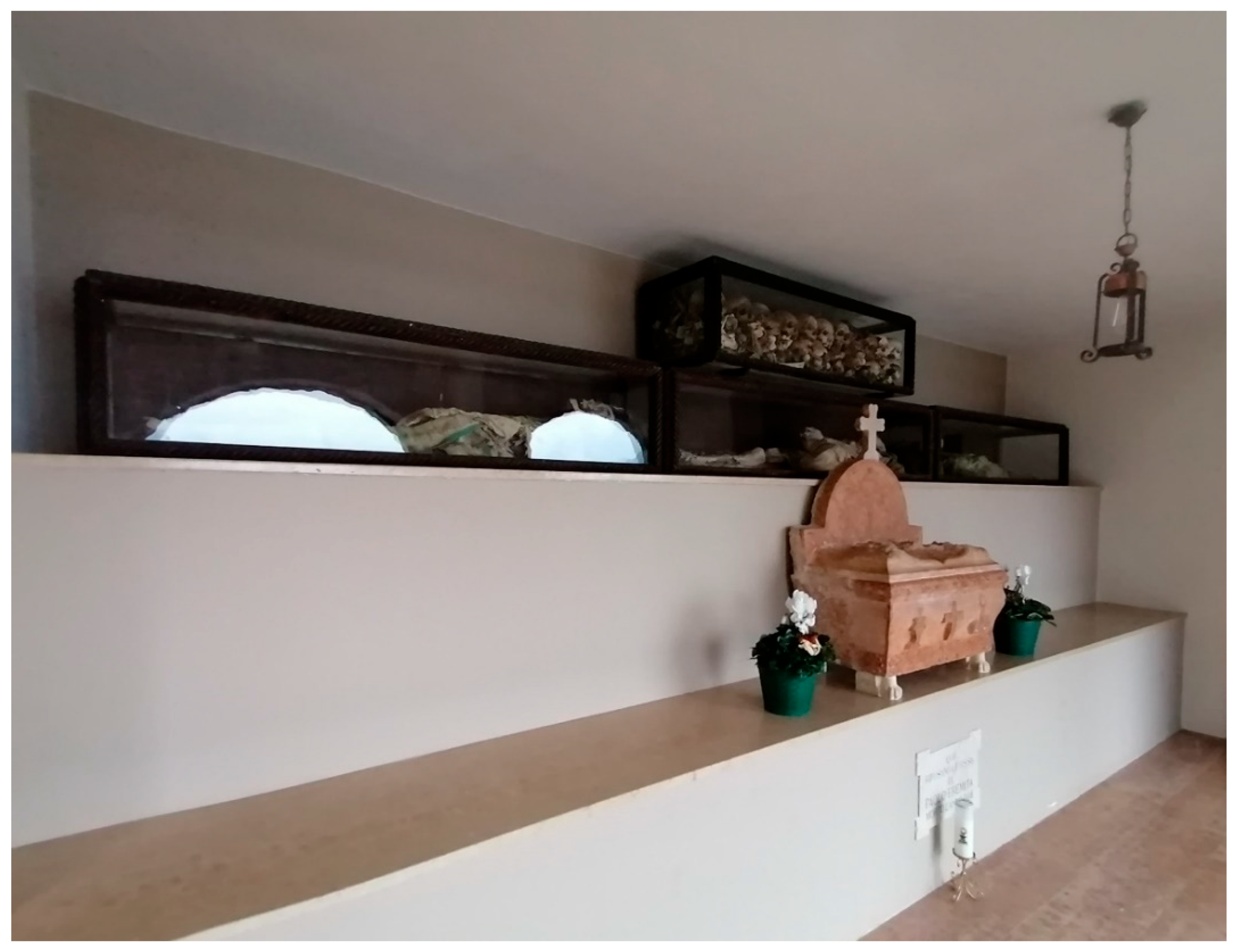
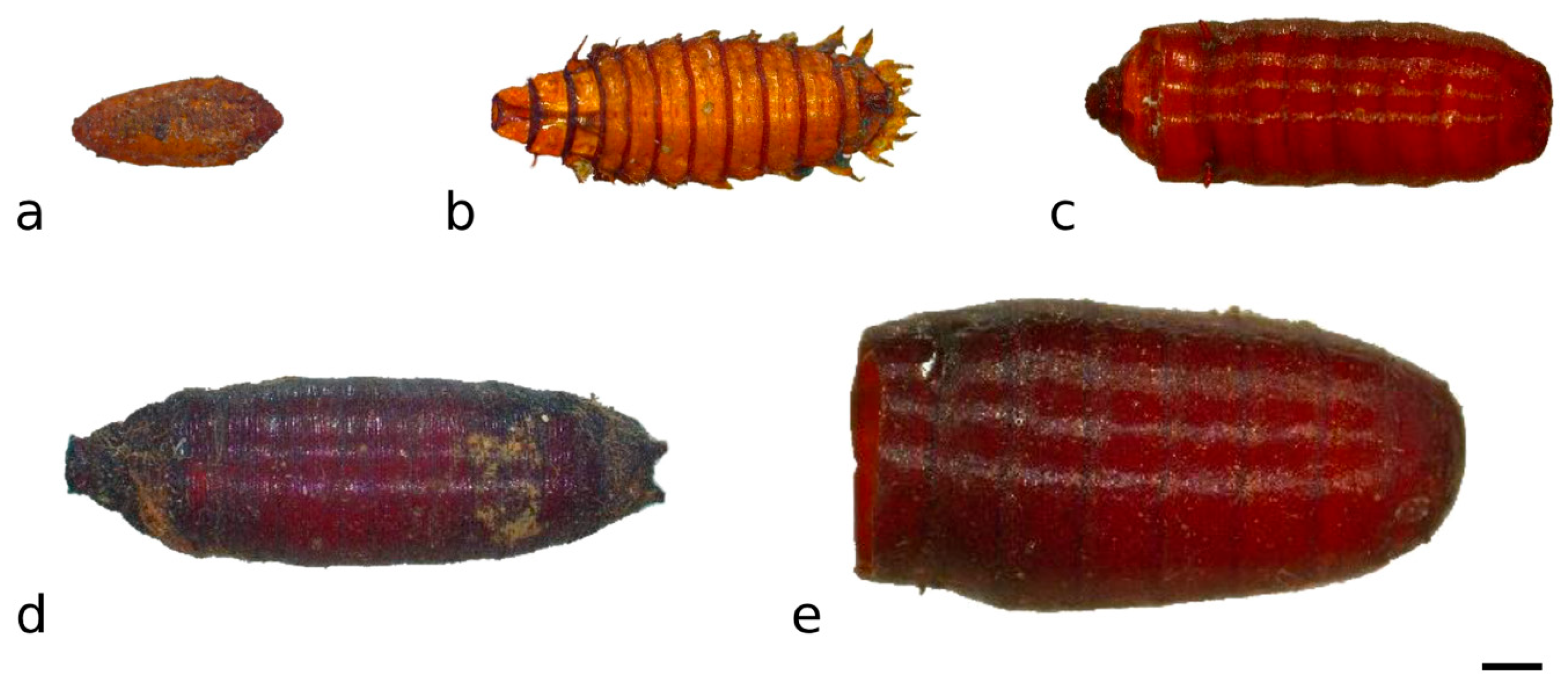
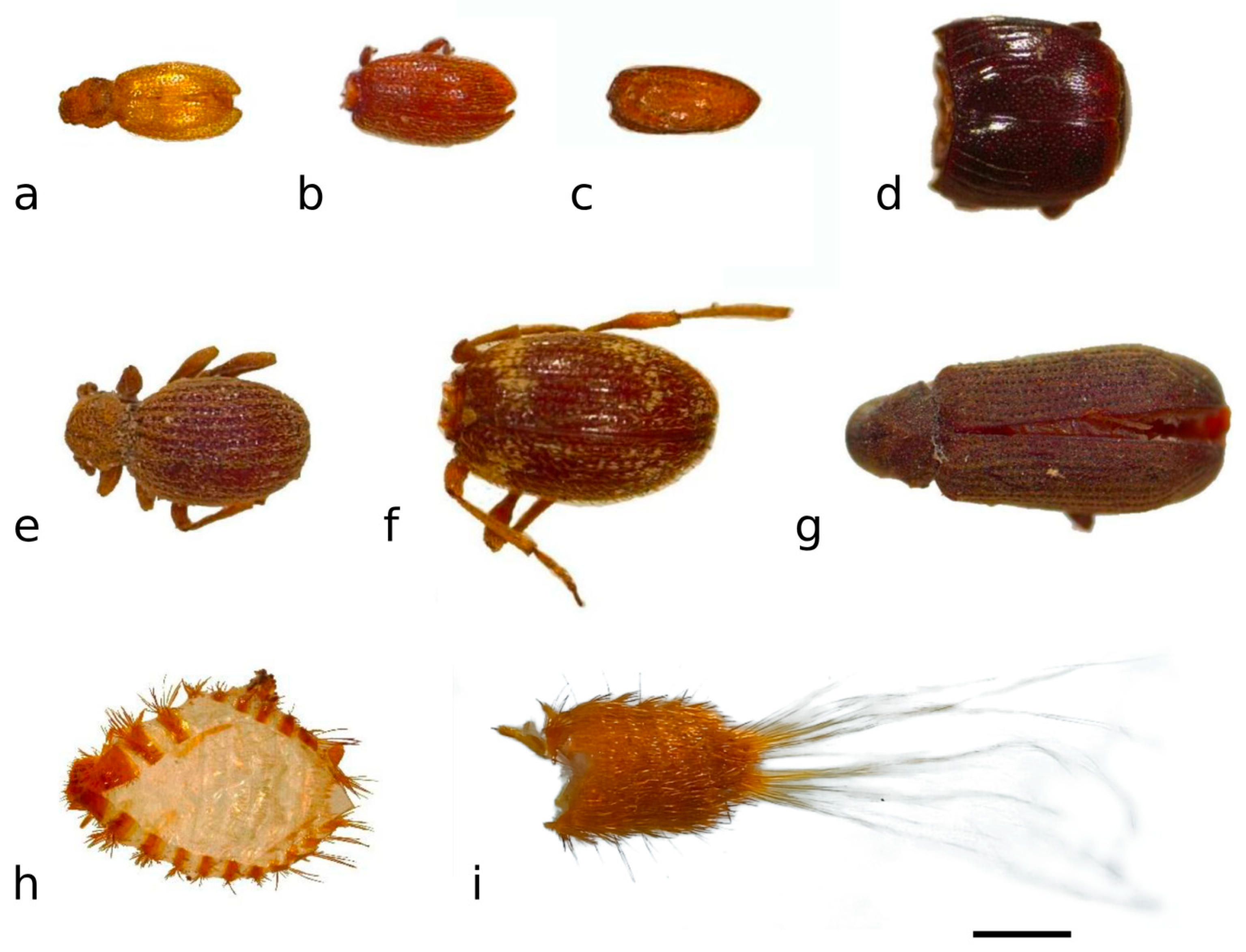
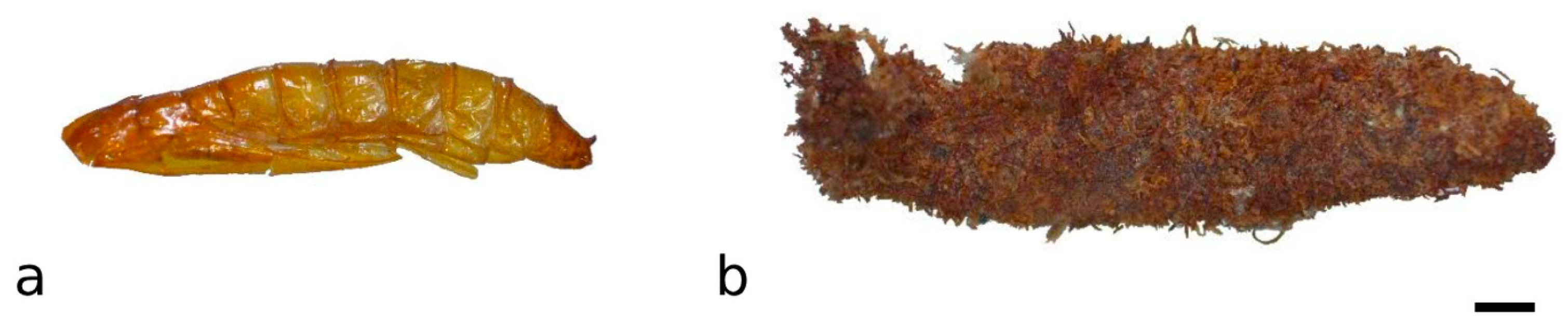
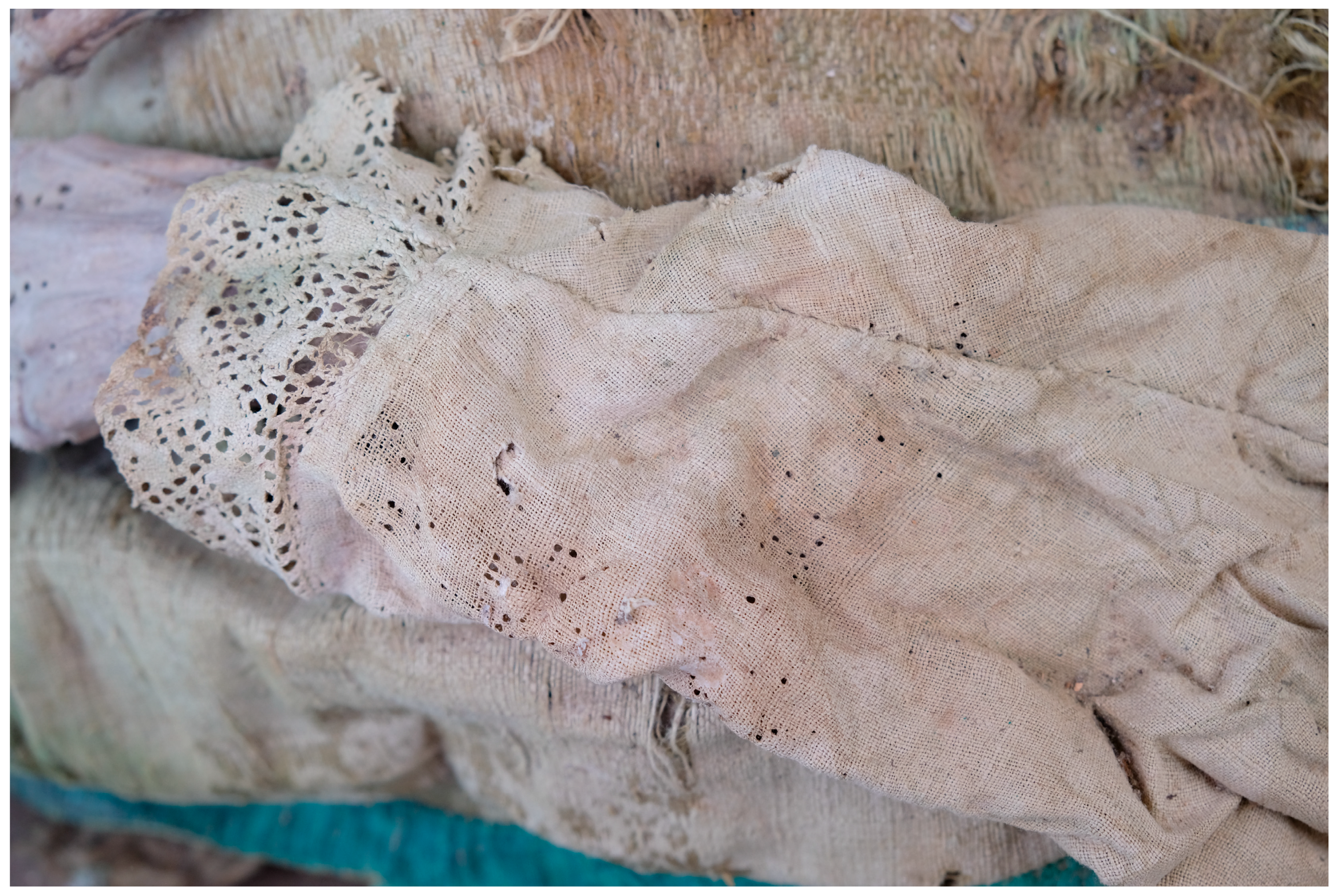
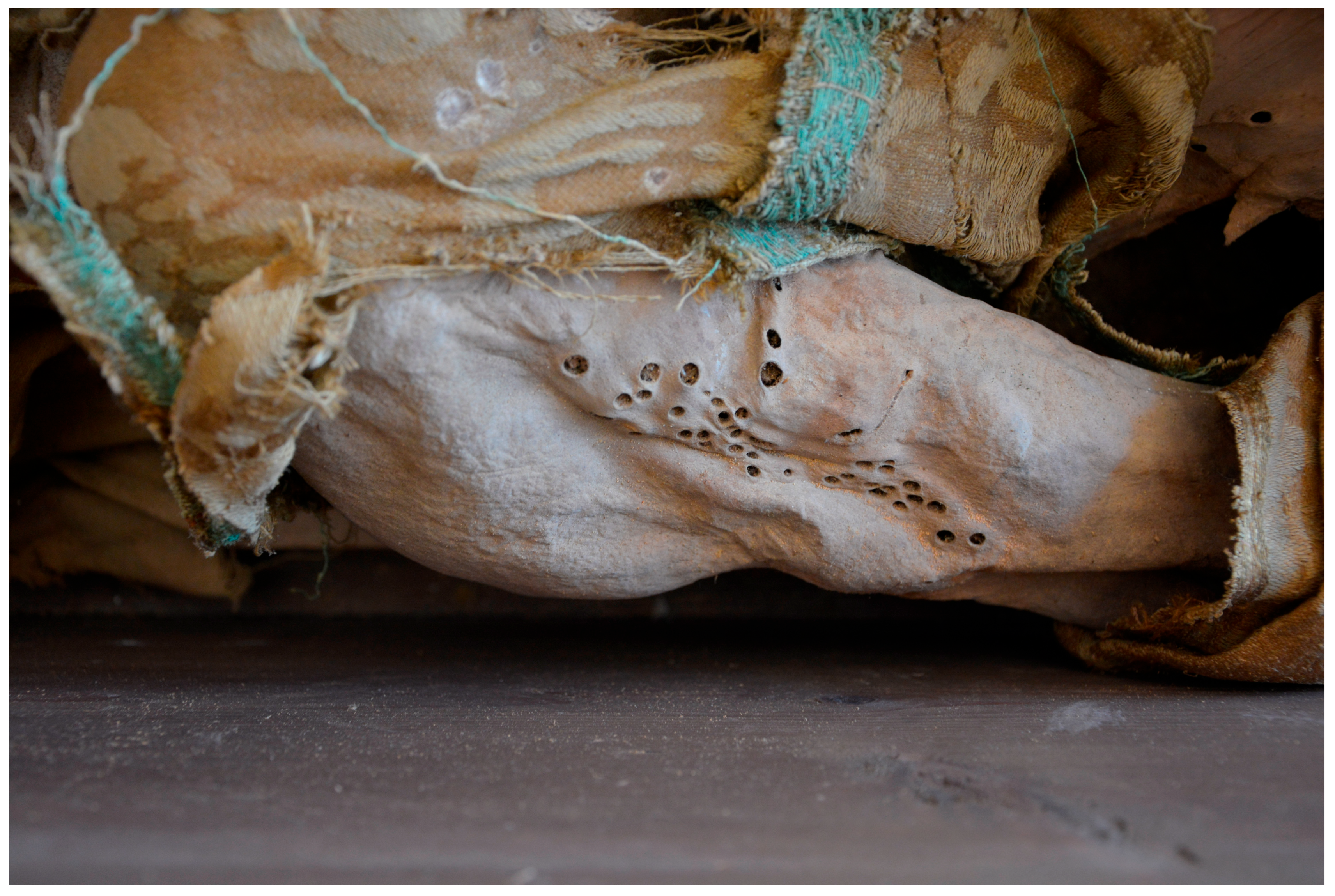
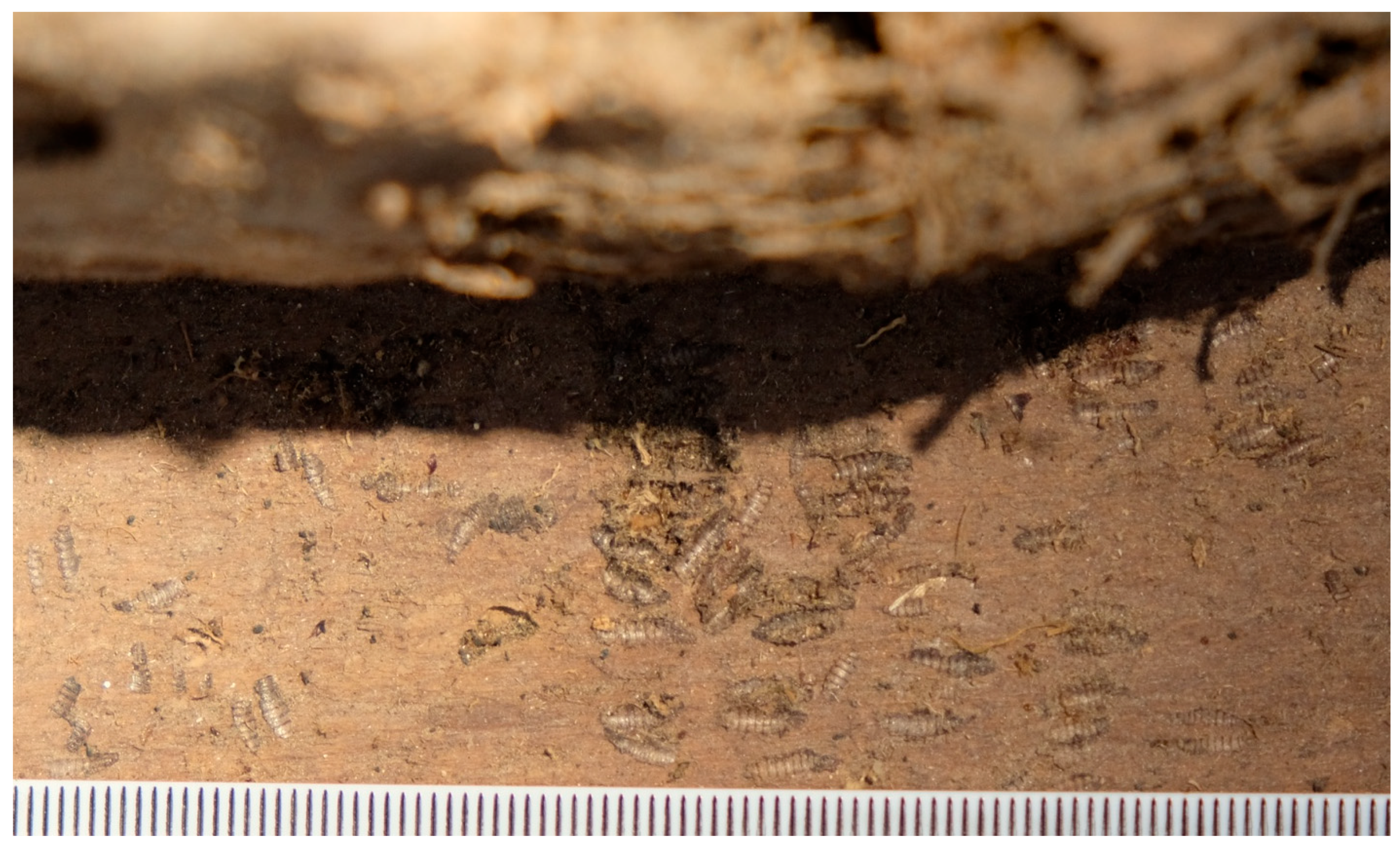
Funerary archaeoentomology is the discipline that studies insects and other arthropods in archaeological contexts, with a particular focus on the funerary domain. The presence of specific species, such as necrophagous beetles or saprophagous flies, can provide crucial evidence regarding post-mortem conditions—whether bodies were left exposed to the air or buried suddenly after death—and whether they underwent particular preservation practices, such as desiccation or embalming. This study concentrates on entomological specimens collected from three mummified bodies at the Sanctuary of Madonna della Corona in the province of Verona (northeast Italy), aiming to reconstruct aspects of funerary practices, especially the season of death and the authenticity of the garments worn by the mummified individuals. Insects were manually collected from bodies belonging to three hermits living between the 17th and 19th centuries. A complex entomofauna consisting of Diptera, Coleoptera, Lepidoptera, and minor taxa was collected and analyzed. Diptera puparia, primarily from the families Calliphoridae, Muscidae, and Fanniidae, were the most abundant entomological elements recovered. Their presence suggests potential exposure of the bodies before burial and indicates that death likely occurred during a mild period of the year (end of spring/beginning of autumn). The co-occurrence of holes caused by maggots on the hermits’ skin and their garments allows us to speculate about the authenticity of the clothing used during the funerary rituals. By combining entomological evidence with textile analysis, this research offers a more precise understanding of historical funerary practices within this devotional context. It sheds light on methods of managing human remains, burial traditions, and preservation techniques, particularly regarding the clothing of the deceased.
Keywords: fabrics; funerary archaeoentomology; funerary practices; hermits; insects fabrics; funerary archaeoentomology; funerary practices; hermits; insects