
Article

Fractional SIR-Model for Estimating Transmission Dynamics of COVID-19 in India
1
Department of Mathematics, Gujarat University, Ahmedabad 380009, India
2
Department of Development Studies, International Institute for Population Sciences, Mumbai 400088, India
*
Author to whom correspondence should be addressed.
J 2021, 4(2), 86-100; https://doi.org/10.3390/j4020008
Submission received: 13 April 2021 / Revised: 27 April 2021 / Accepted: 29 April 2021 / Published: 30 April 2021
(This article belongs to the Special Issue Global Stability Analysis Non-Linear Systems)

Abstract

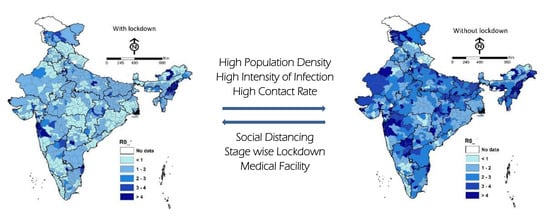
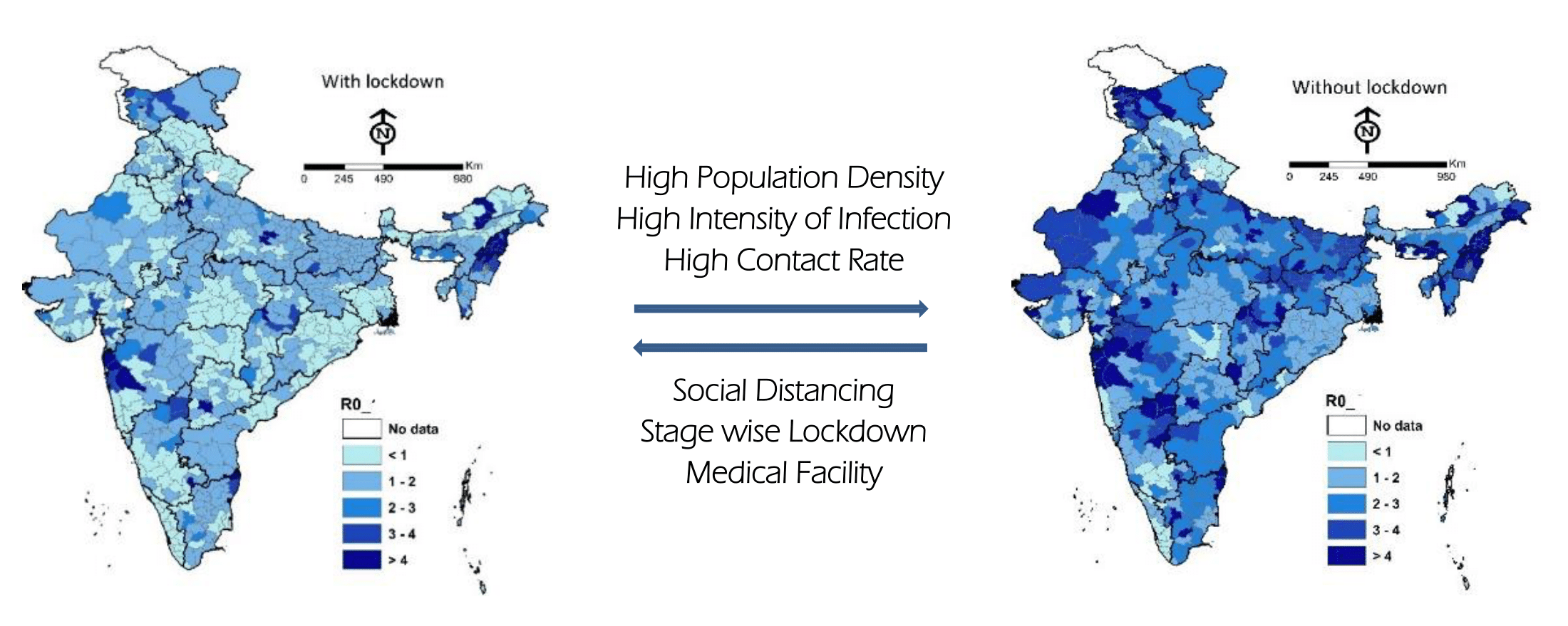
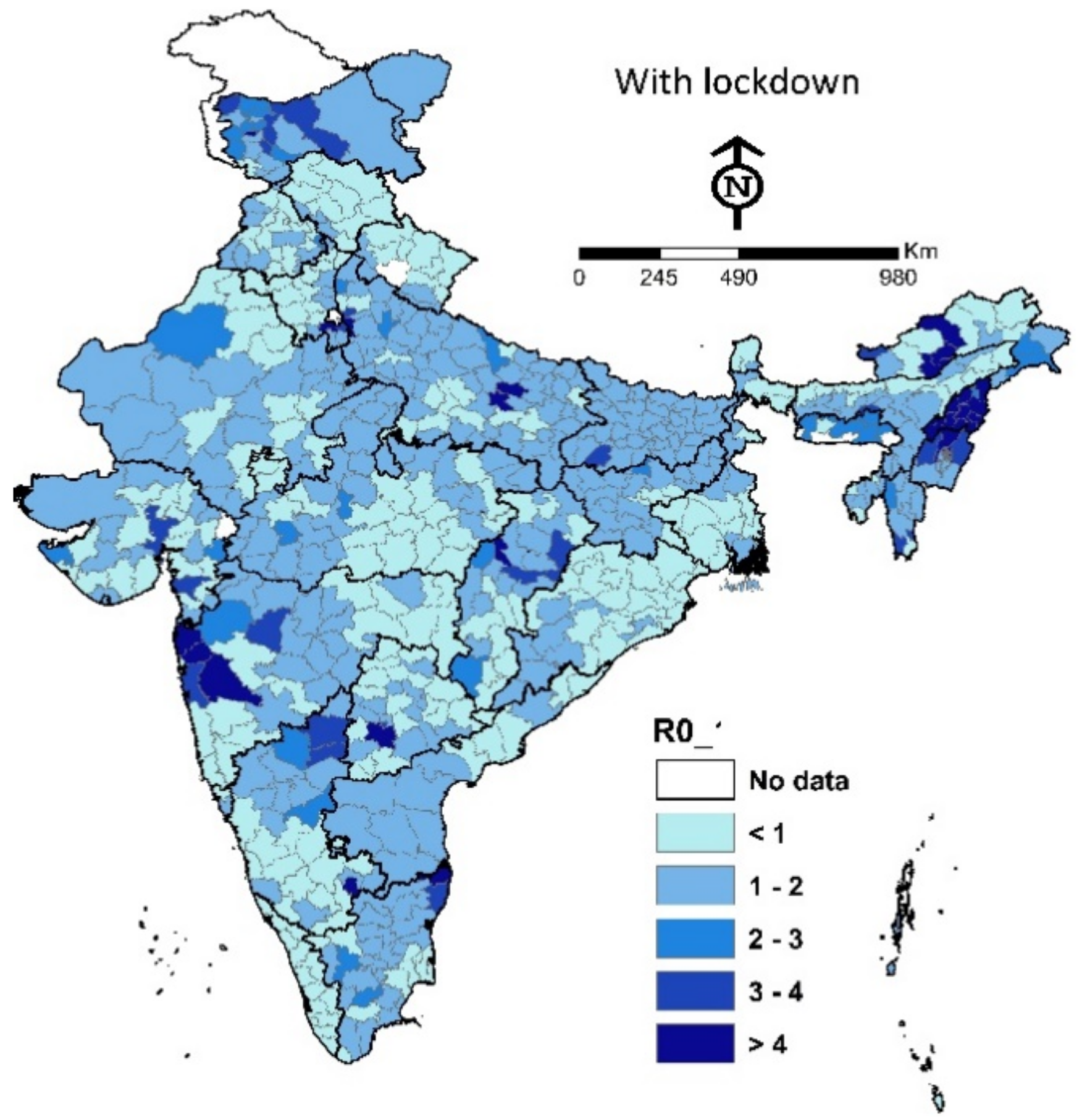
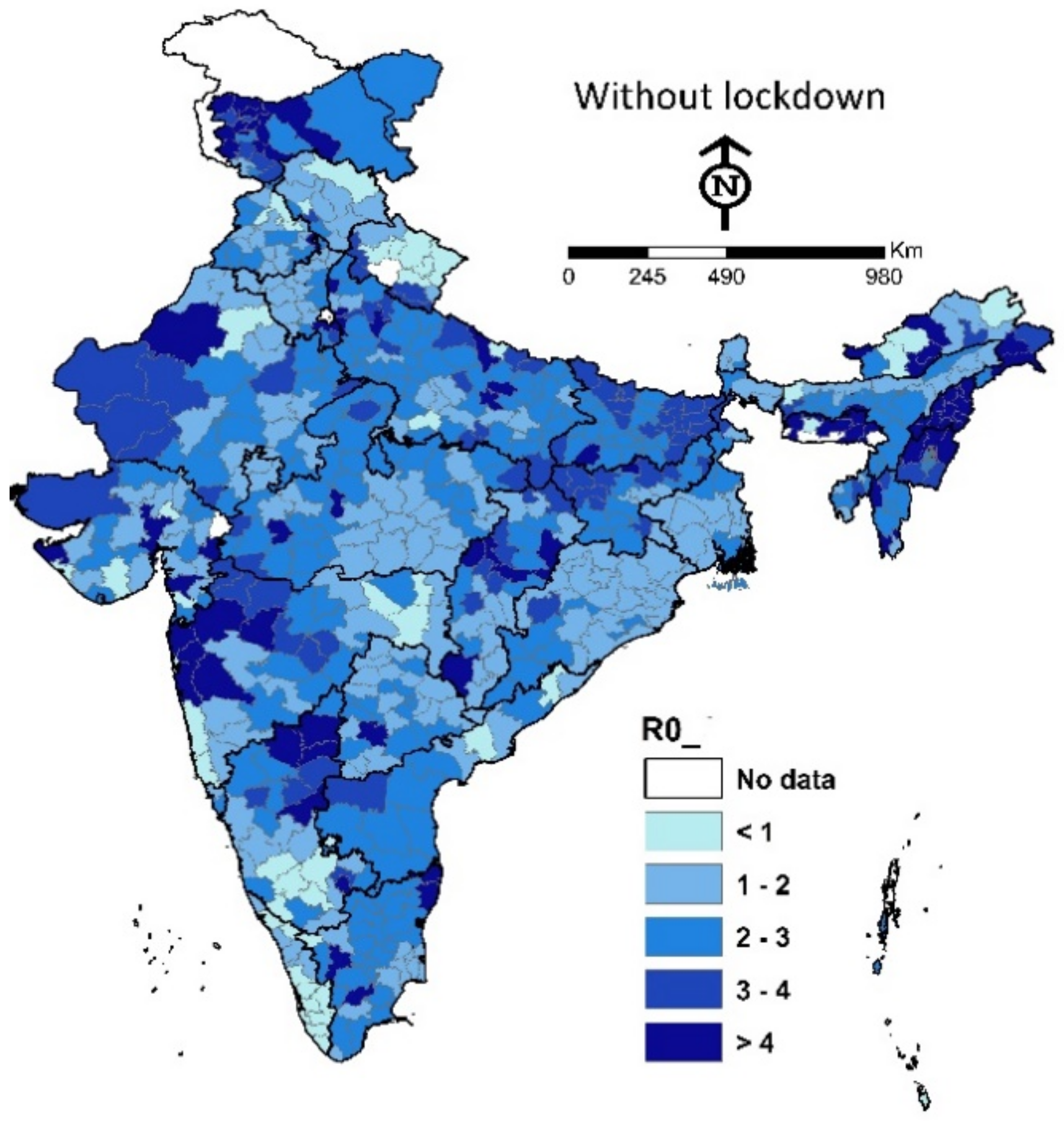
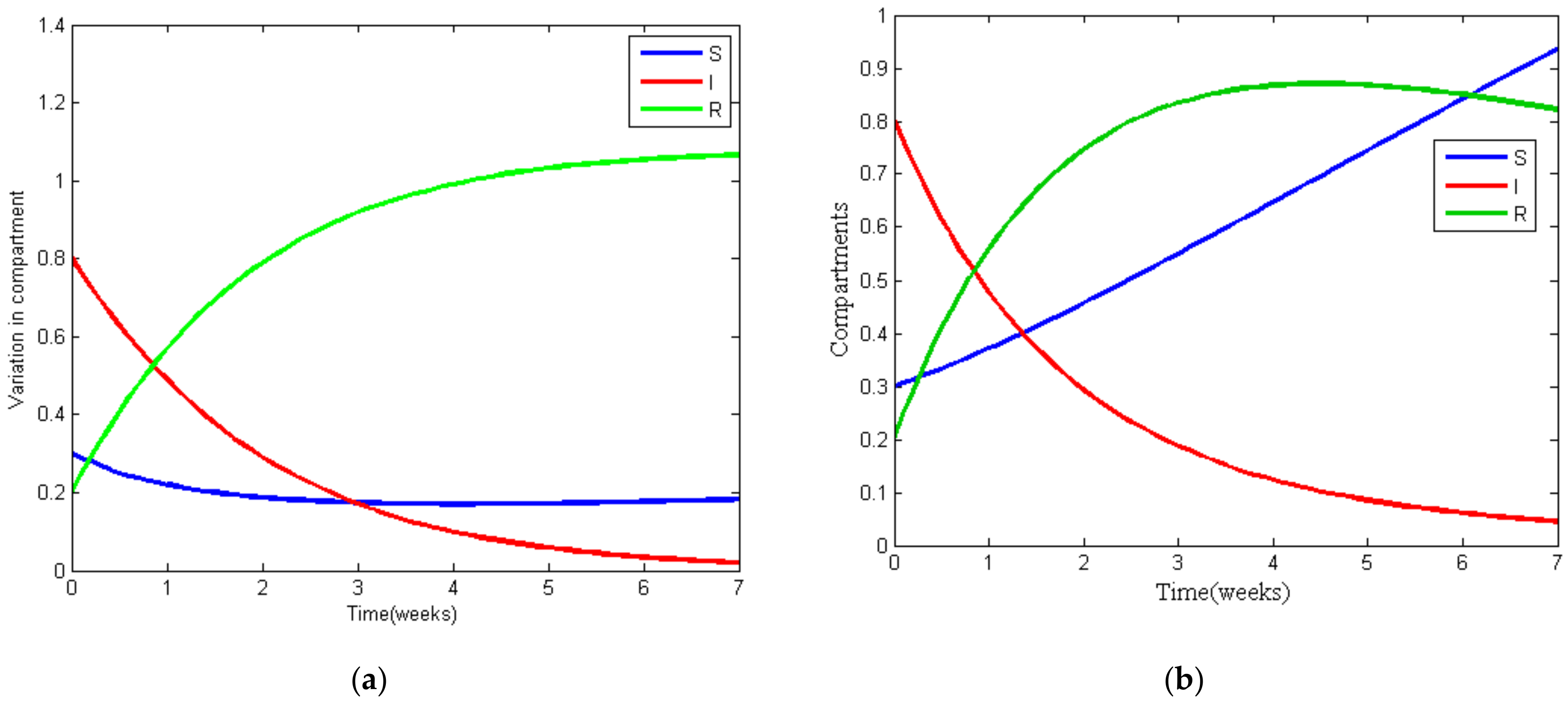
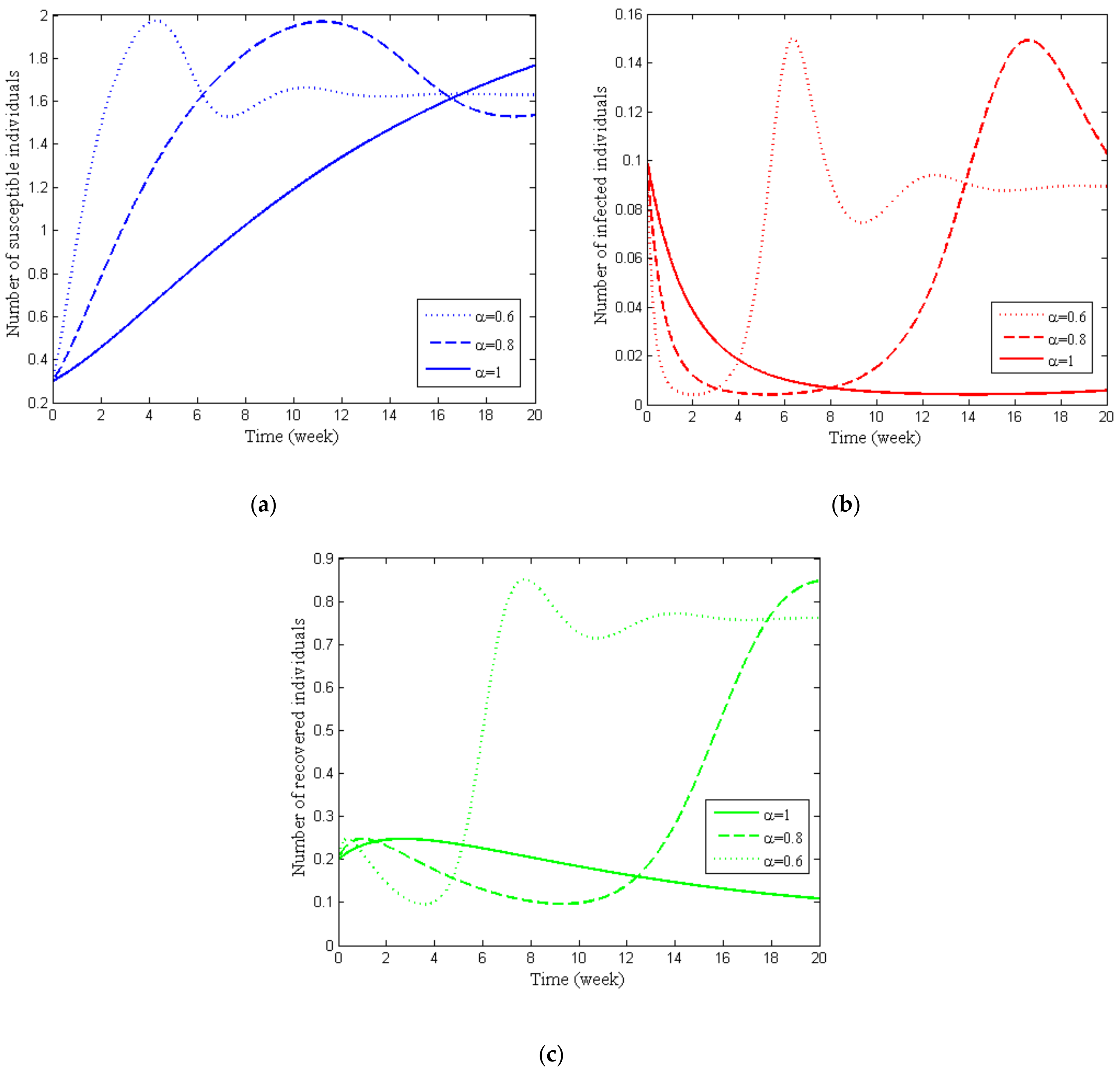
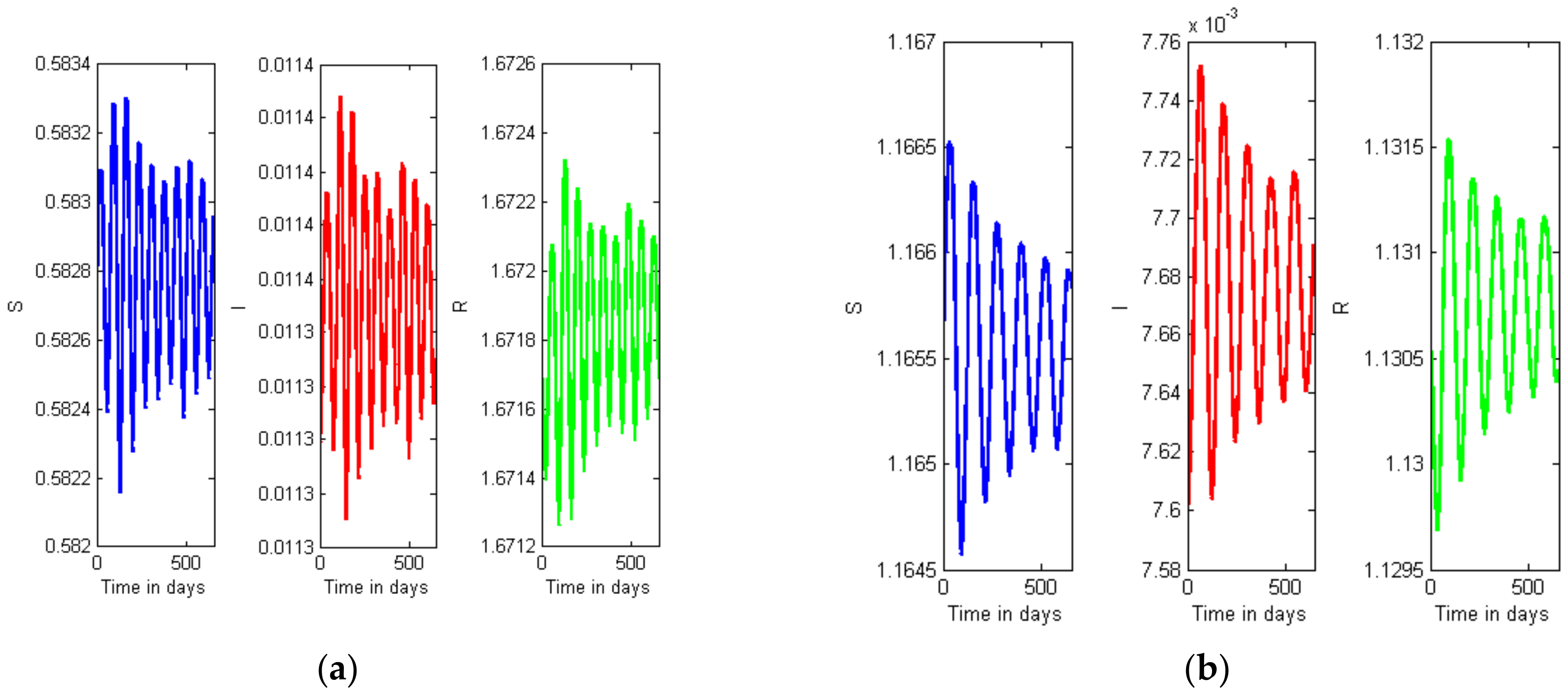
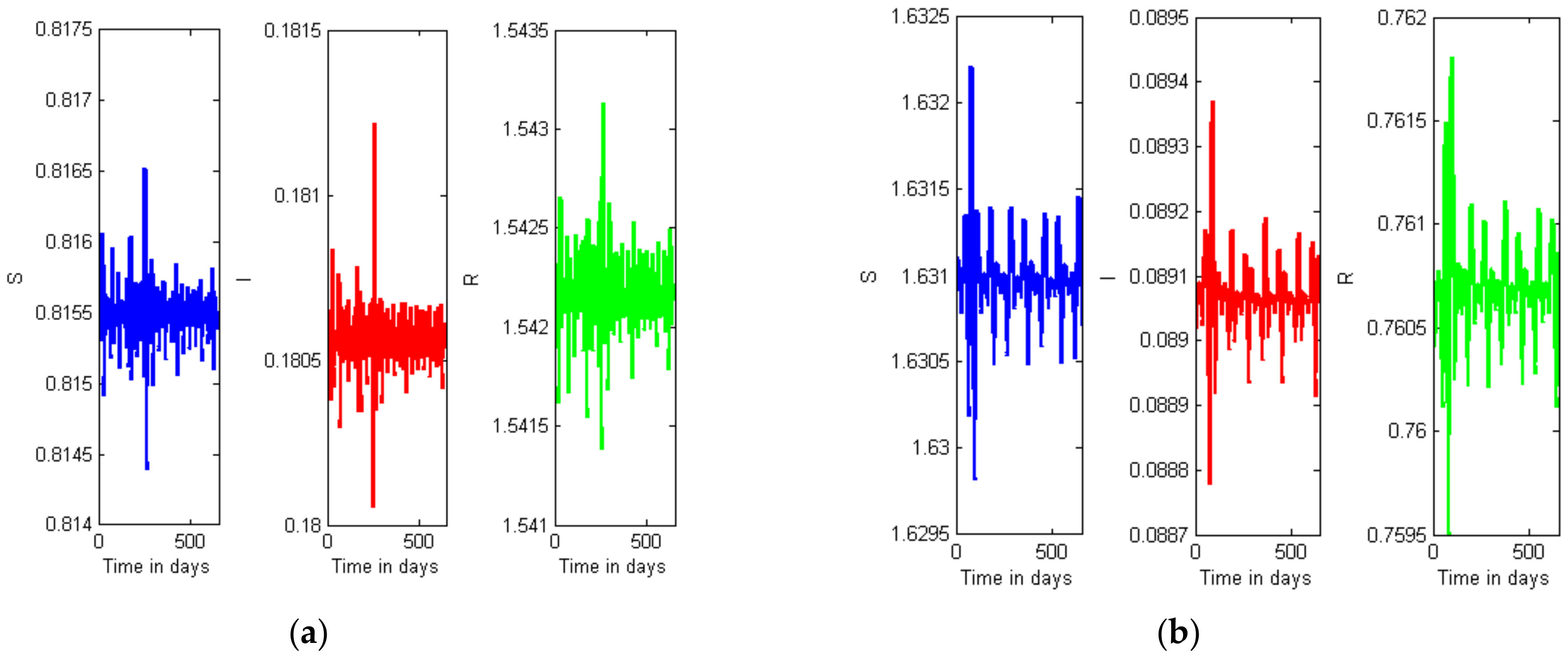
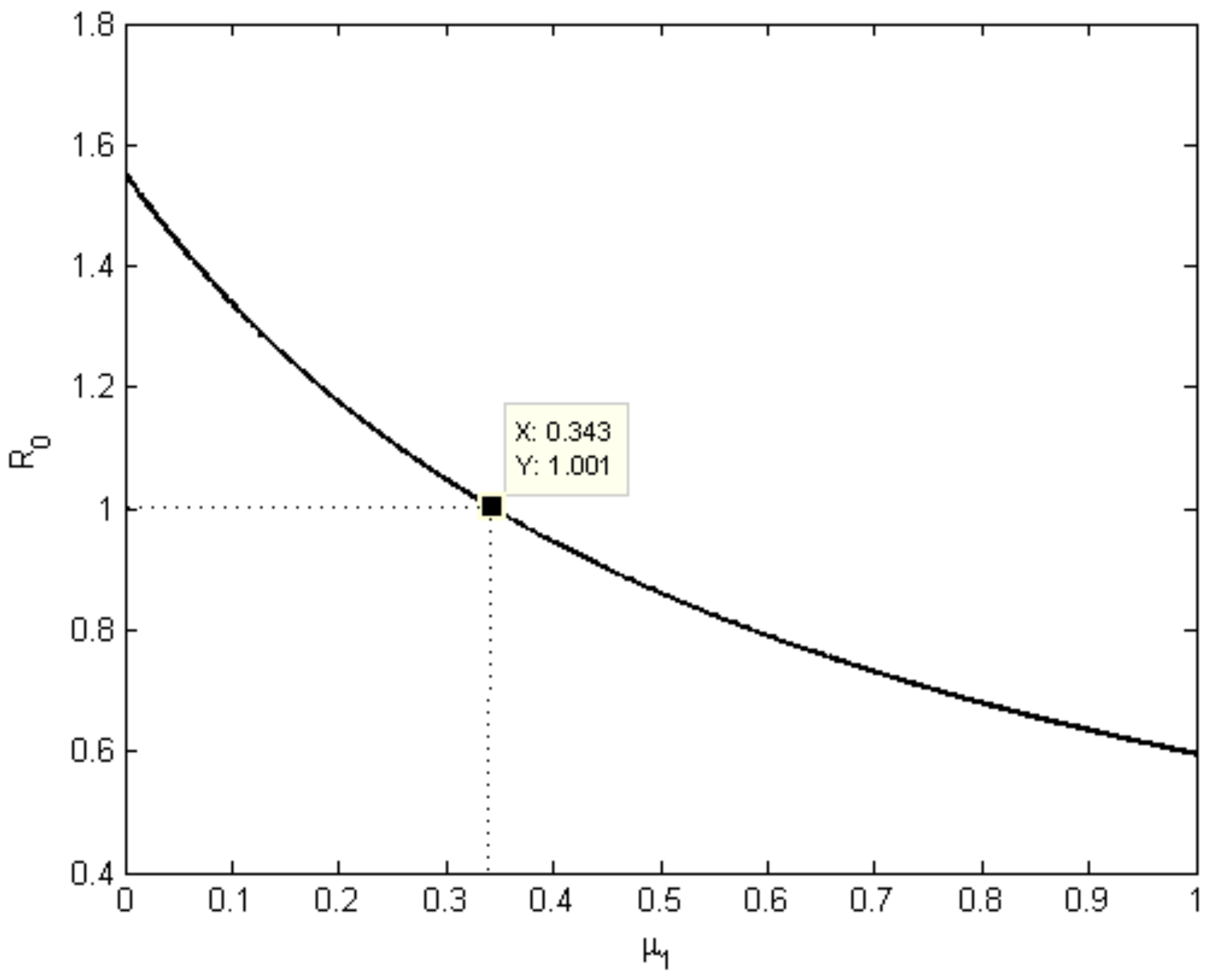
In this article, a time-dependent susceptible-infected-recovered (SIR) model is constructed to investigate the transmission rate of COVID-19 in various regions of India. The model included the fundamental parameters on which the transmission rate of the infection is dependent, like the population density, contact rate, recovery rate, and intensity of the infection in the respective region. Looking at the great diversity in different geographic locations in India, we determined to calculate the basic reproduction number for all Indian districts based on the COVID-19 data till 7 July 2020. By preparing district-wise spatial distribution maps with the help of ArcGIS 10.2, the model was employed to show the effect of complete lockdown on the transmission rate of the COVID-19 infection in Indian districts. Moreover, with the model’s transformation to the fractional ordered dynamical system, we found that the nature of the proposed SIR model is different for the different order of the systems. The sensitivity analysis of the basic reproduction number is done graphically which forecasts the change in the transmission rate of COVID-19 infection with change in different parameters. In the numerical simulation section, oscillations and variations in the model compartments are shown for two different situations, with and without lockdown.
Keywords: Indian districts; COVID-19; population density; the basic reproduction number; SIR-model; numerical simulation Indian districts; COVID-19; population density; the basic reproduction number; SIR-model; numerical simulation
Graphical Abstract