
Article

Optimal Design Methodology of Maxwell–Coulomb Friction Damper
1
Department of Mechanical Engineering, The Hong Kong Polytechnic University, Hong Kong, China
2
Department of Engineering Design and Mathematics, University of the West of England, Bristol BS16 1QY, UK
*
Author to whom correspondence should be addressed.
Vibration 2025, 8(2), 25; https://doi.org/10.3390/vibration8020025

Submission received: 10 March 2025 / Revised: 24 April 2025 / Accepted: 30 April 2025 / Published: 19 May 2025
(This article belongs to the Special Issue Vibration Damping)

Abstract

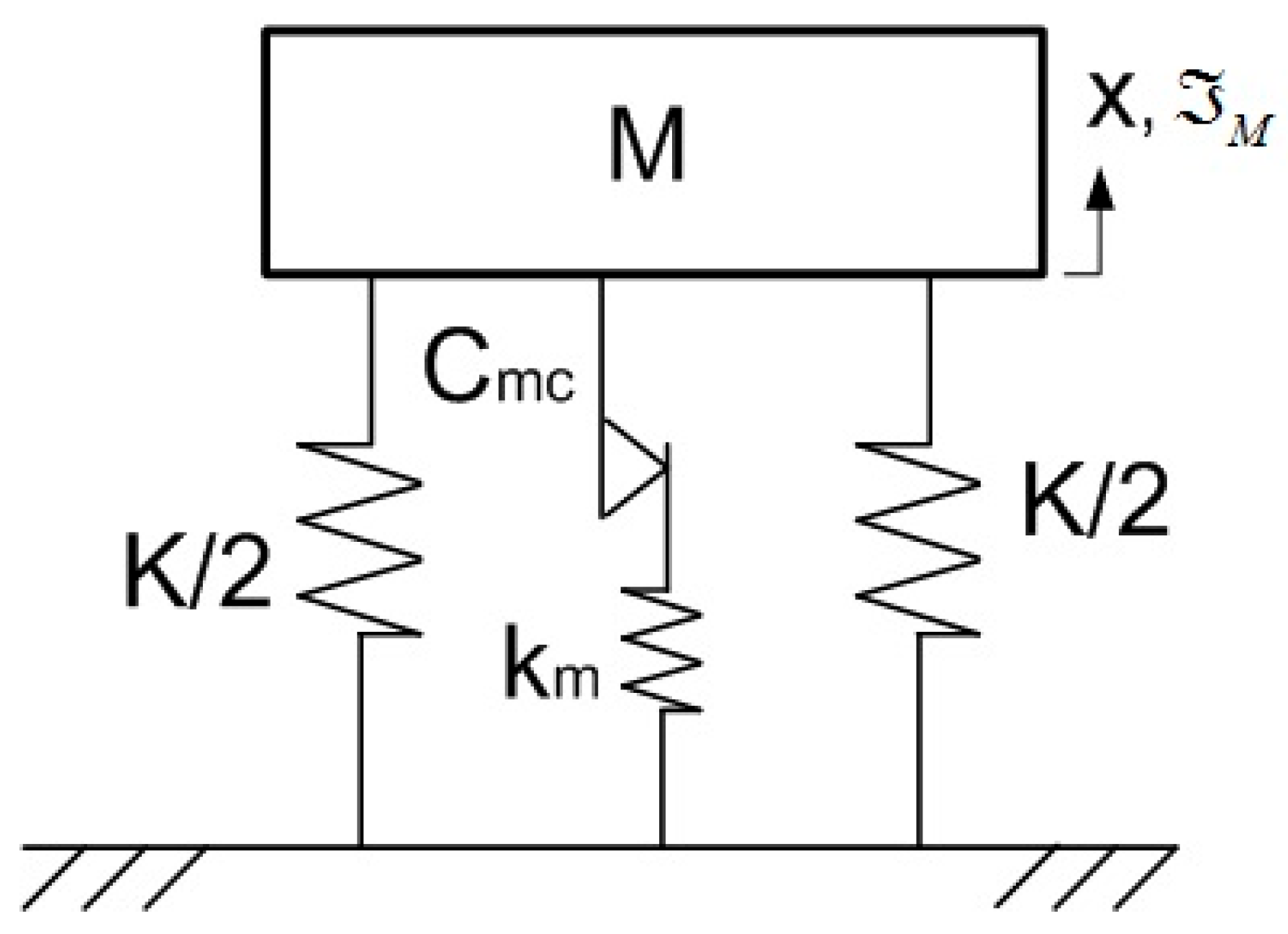
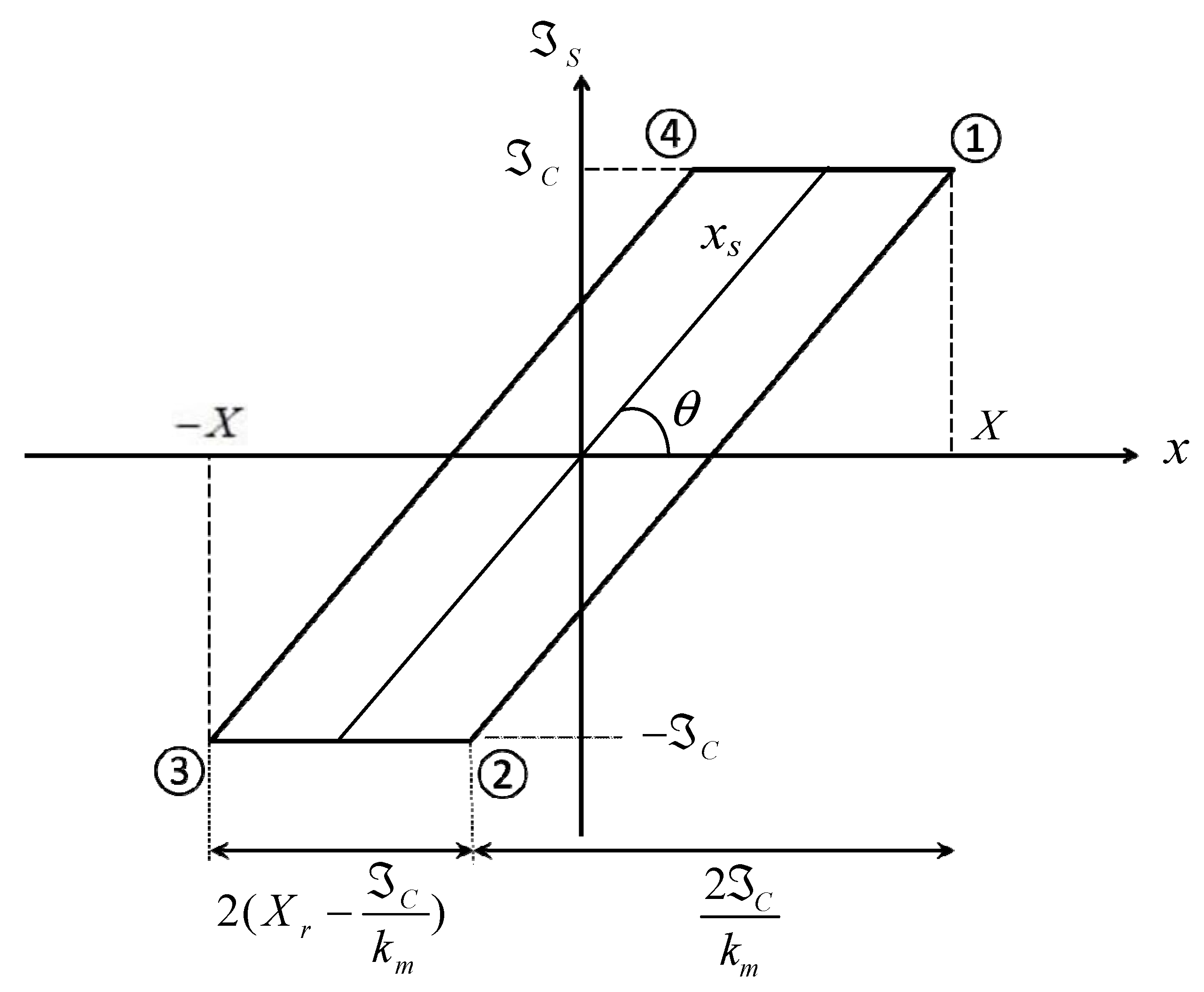
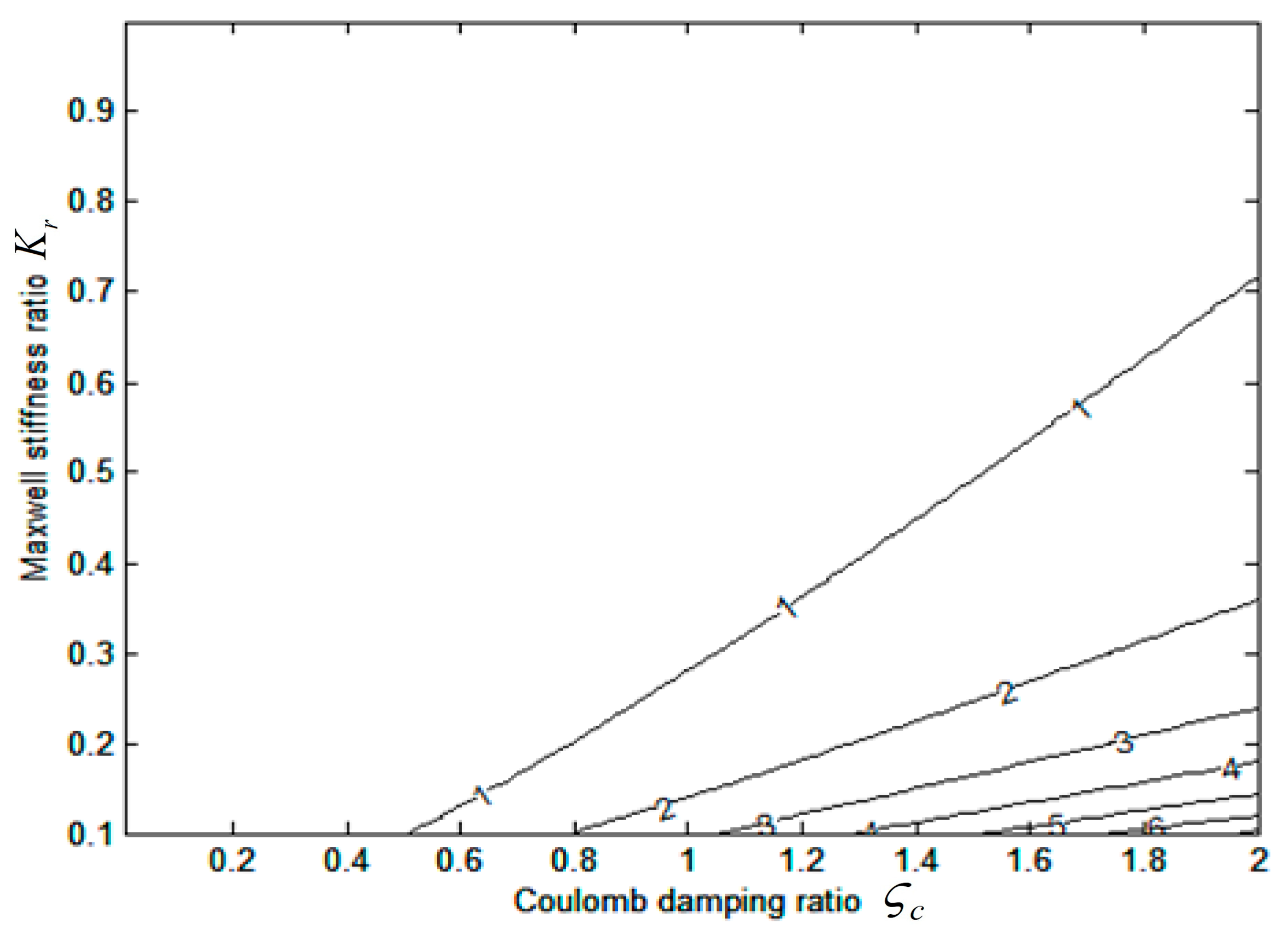
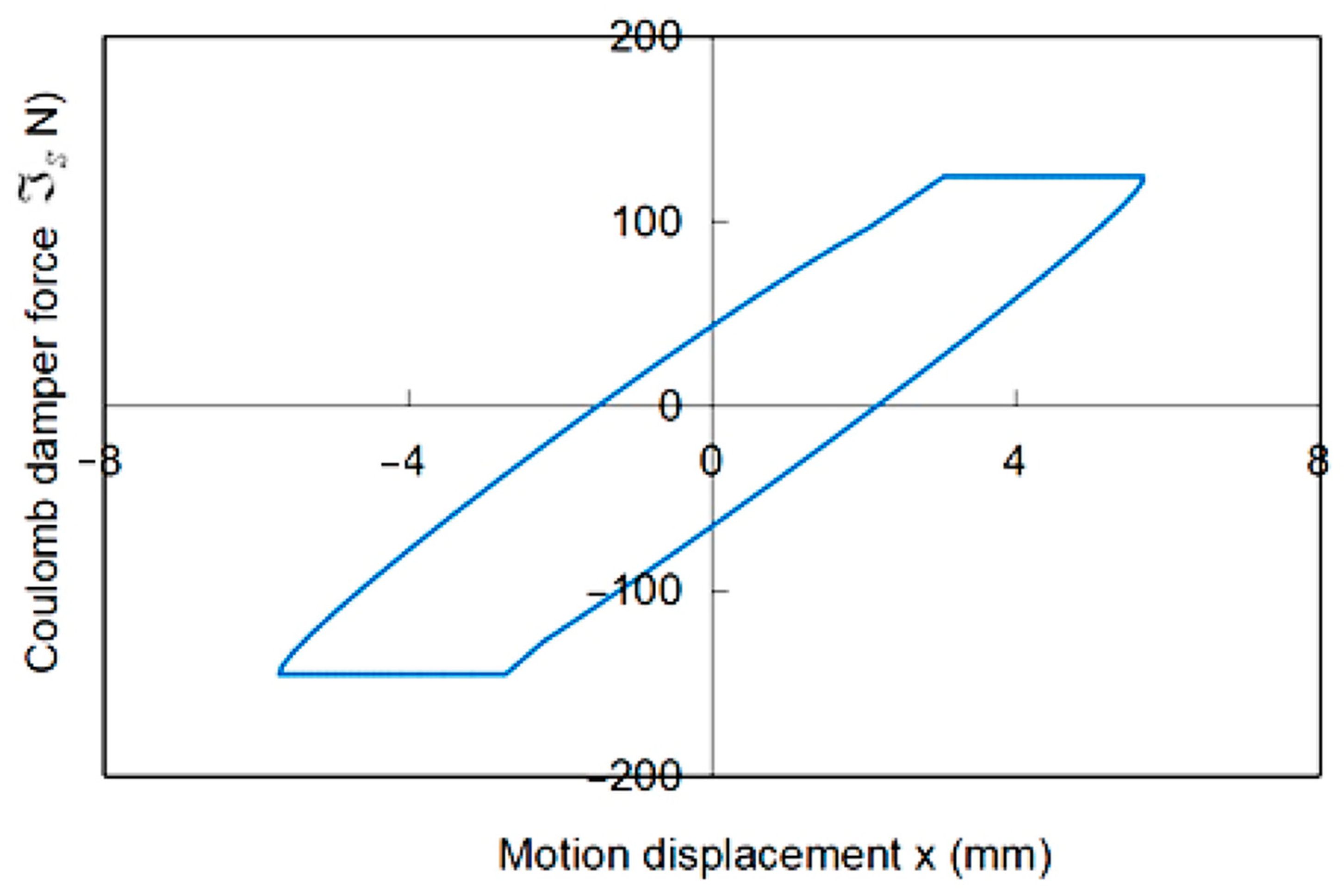
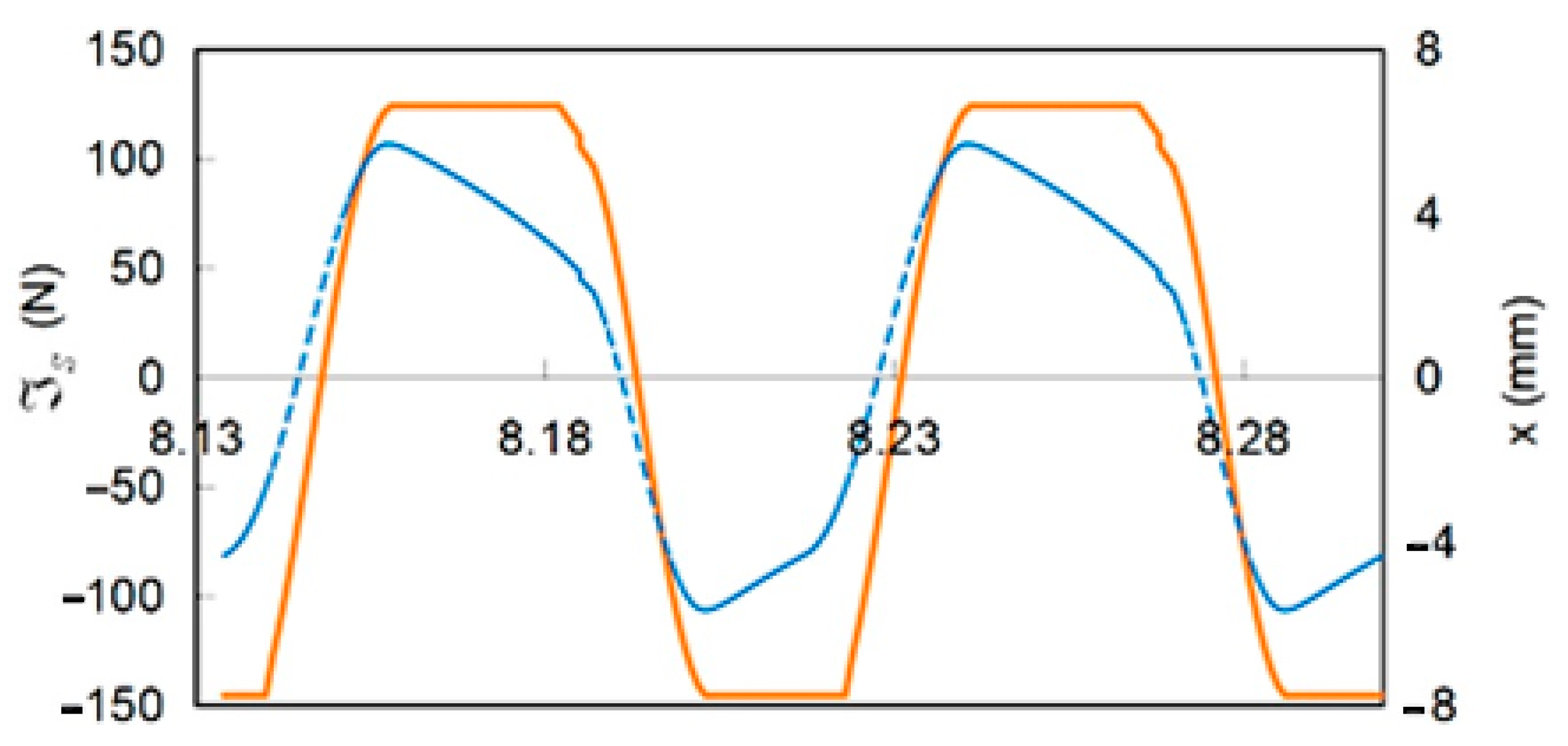
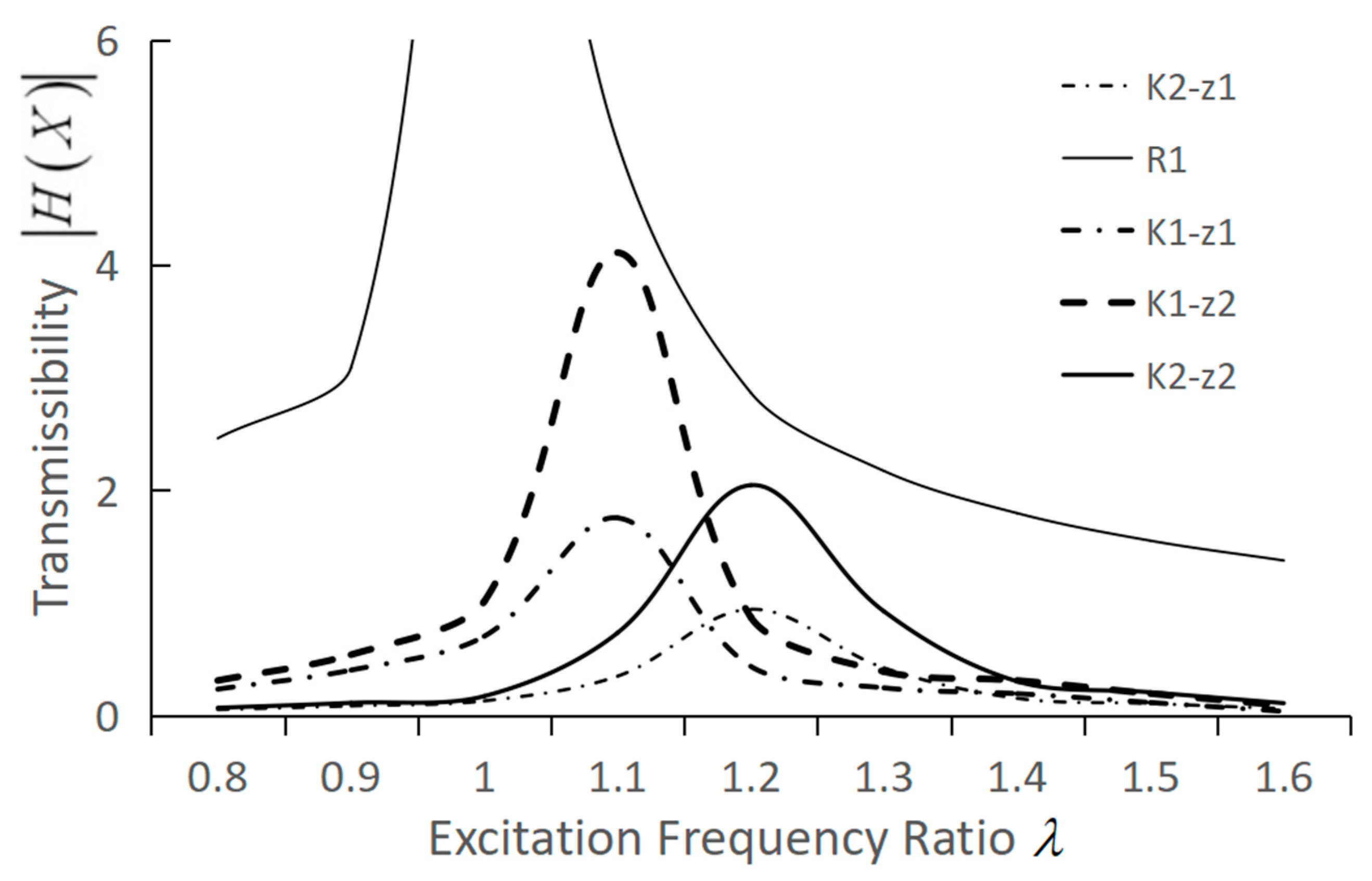
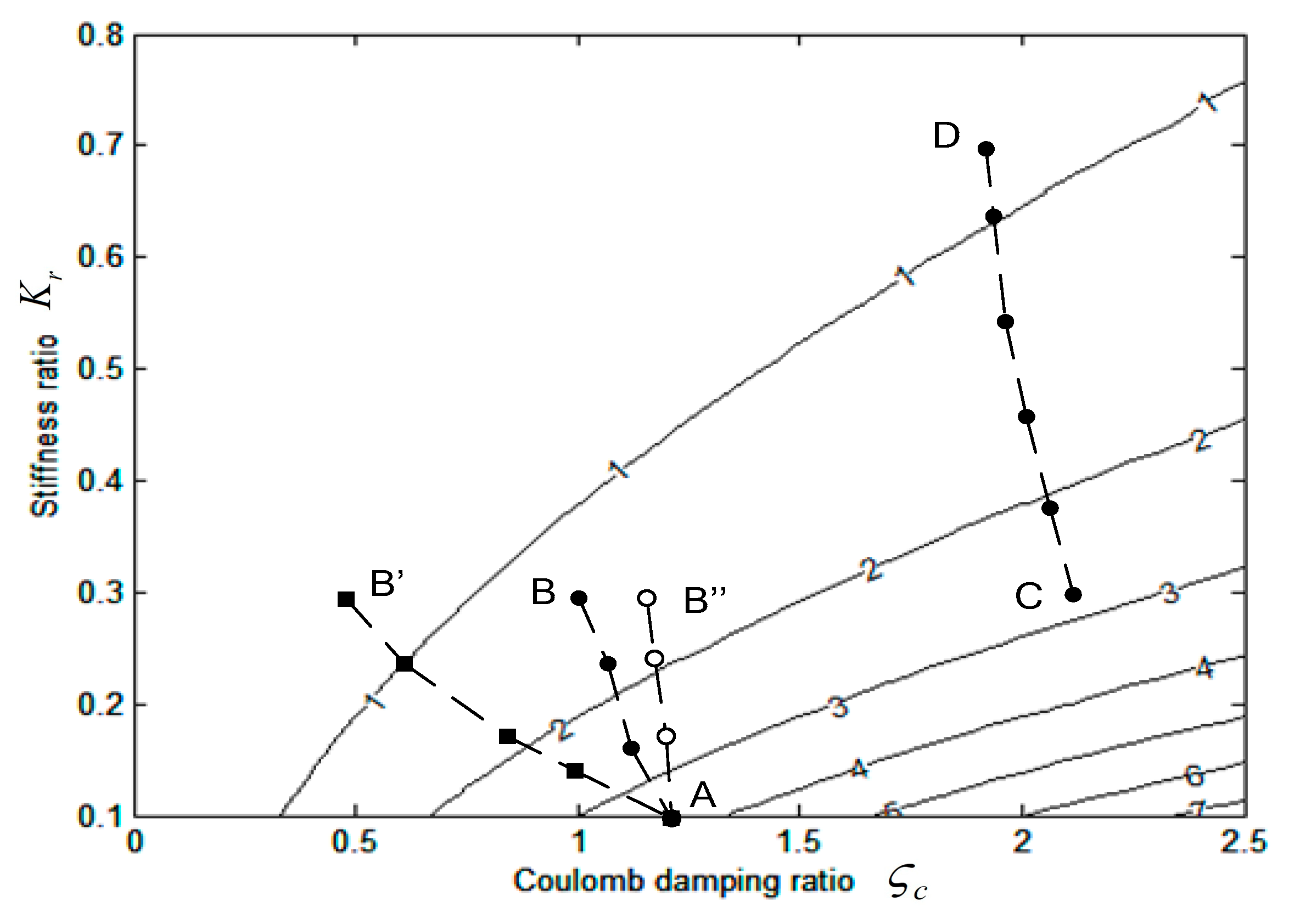
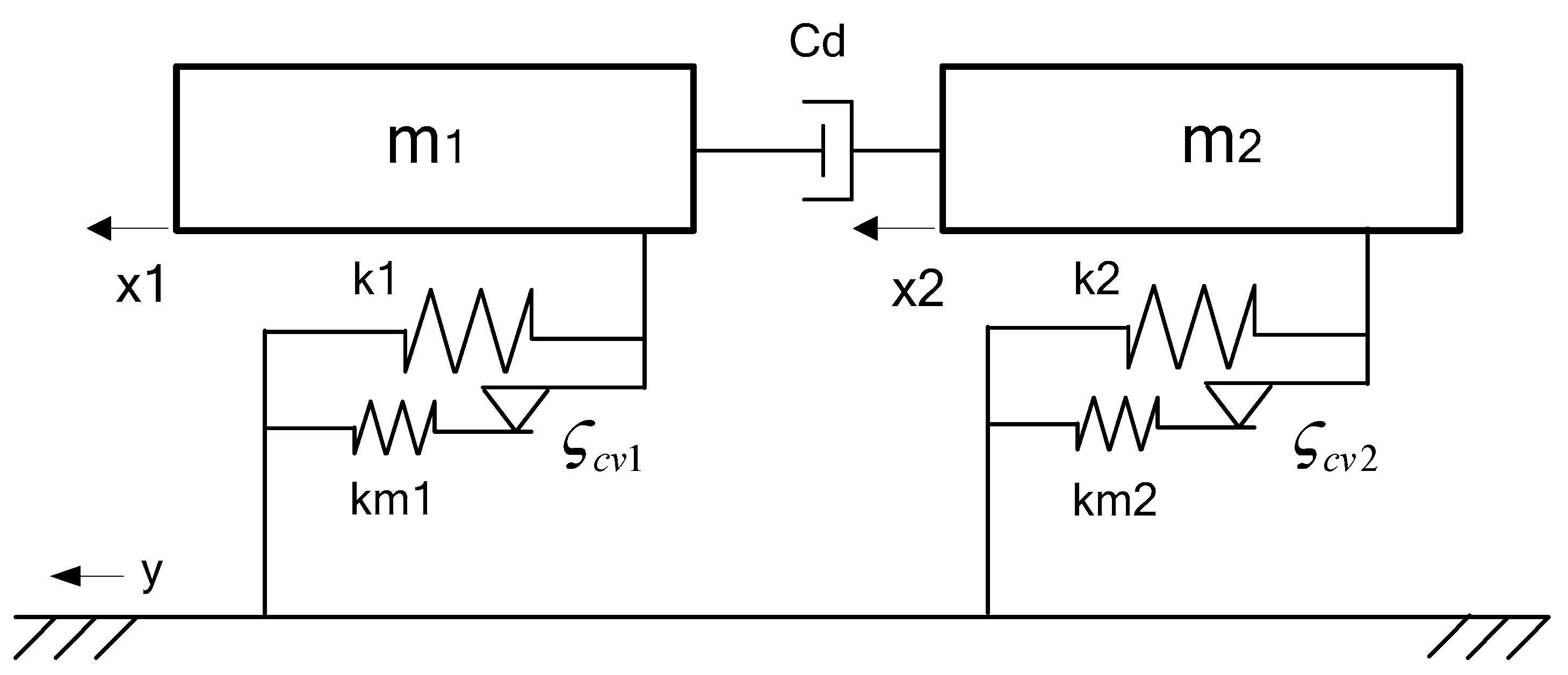
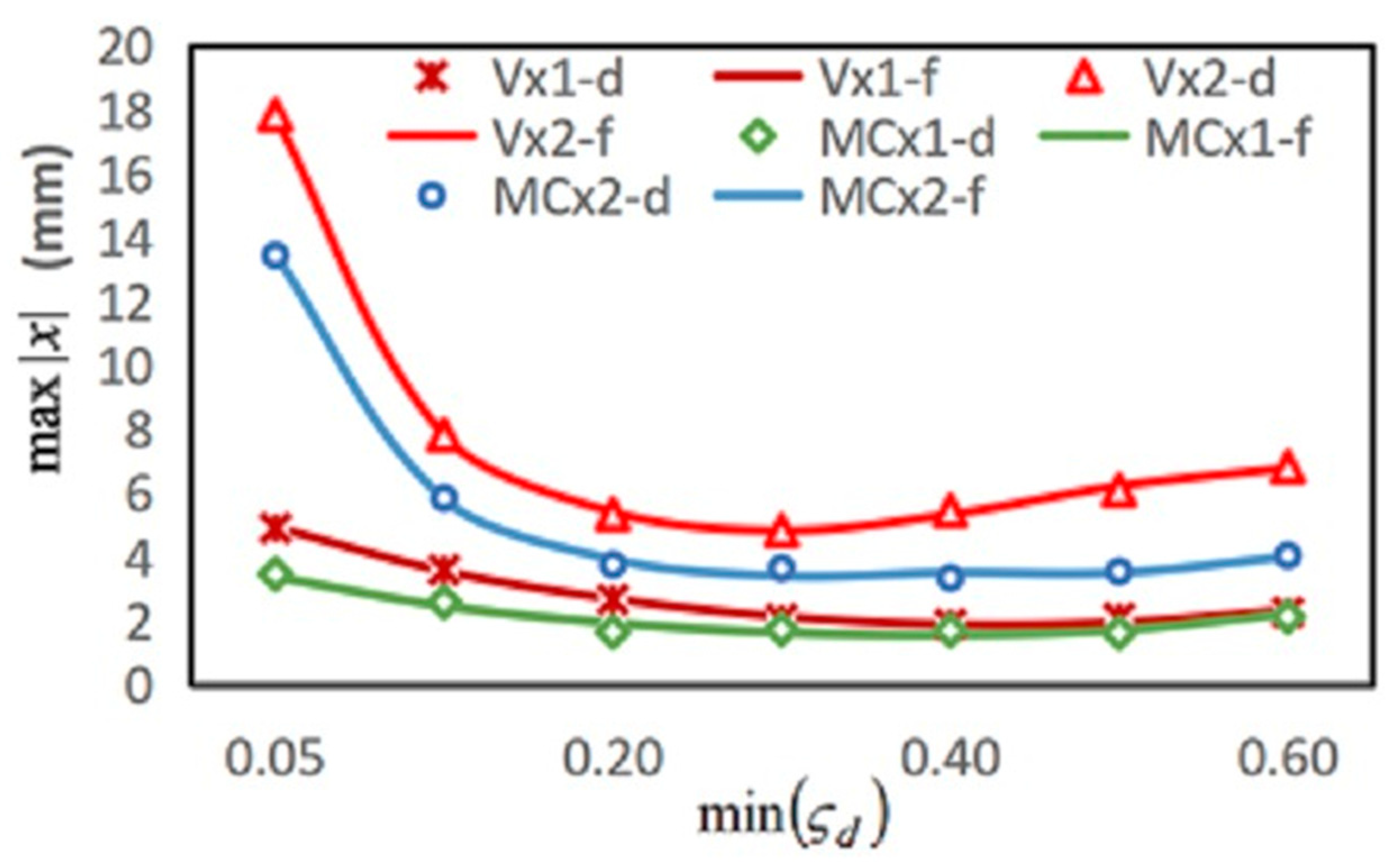
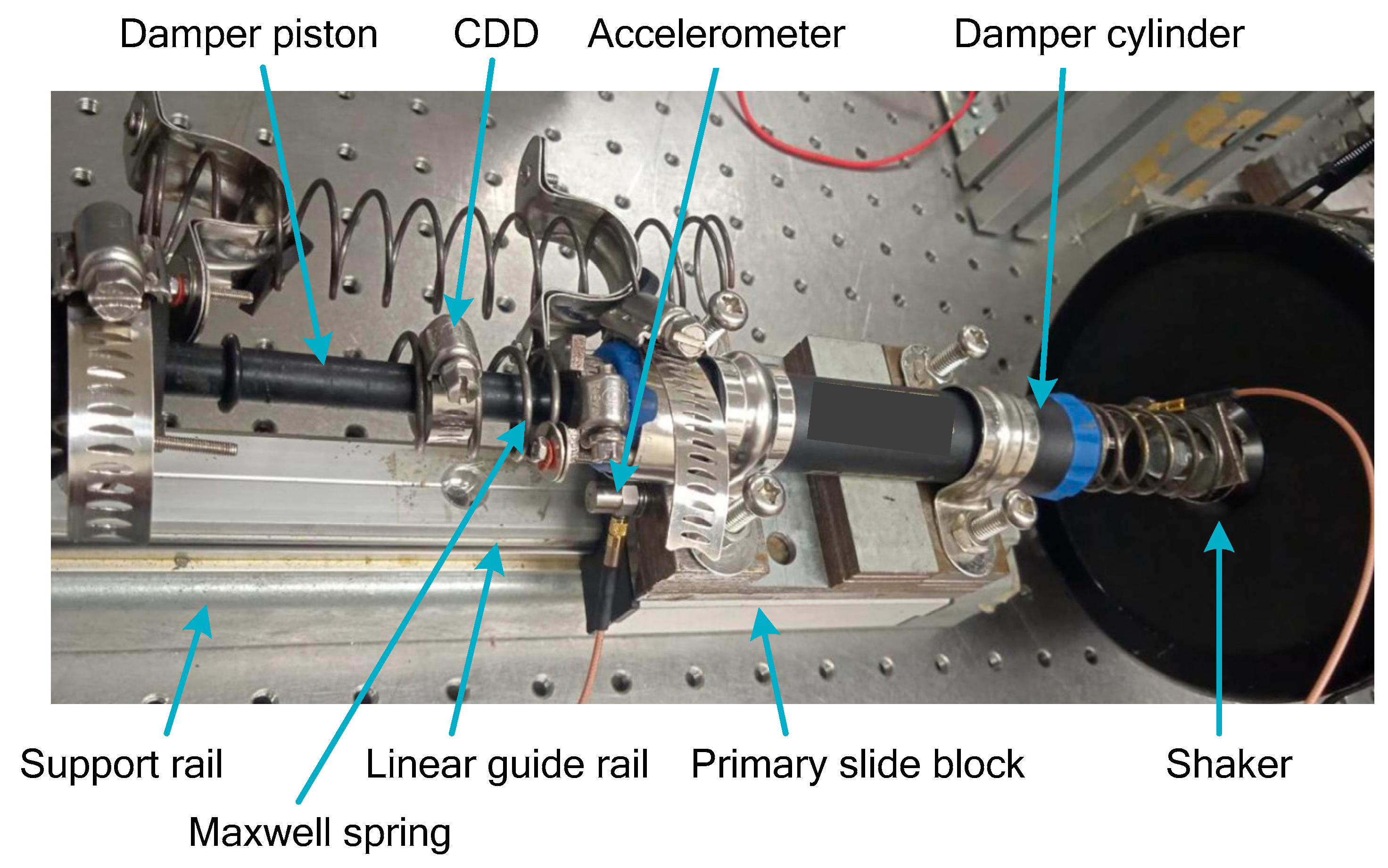
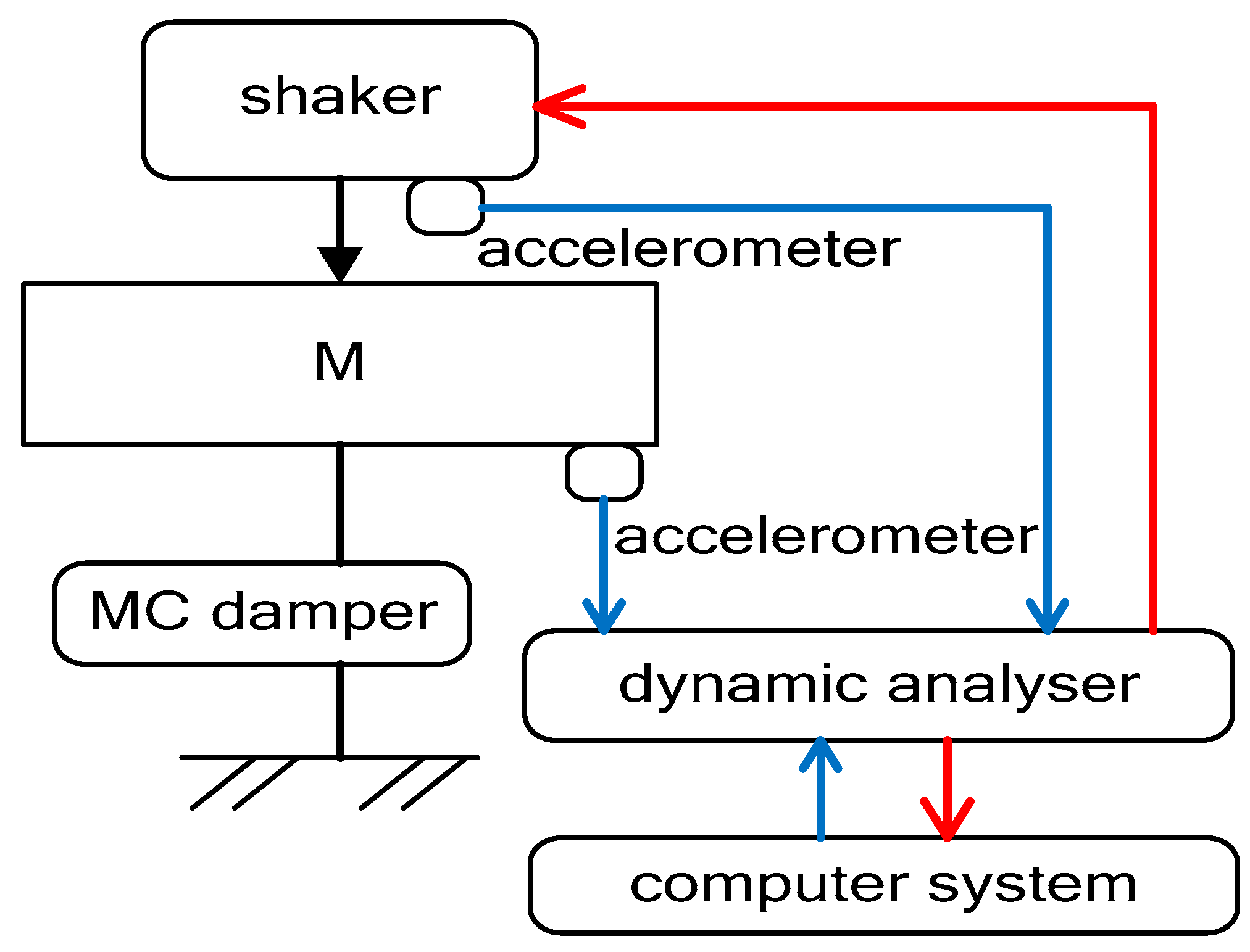
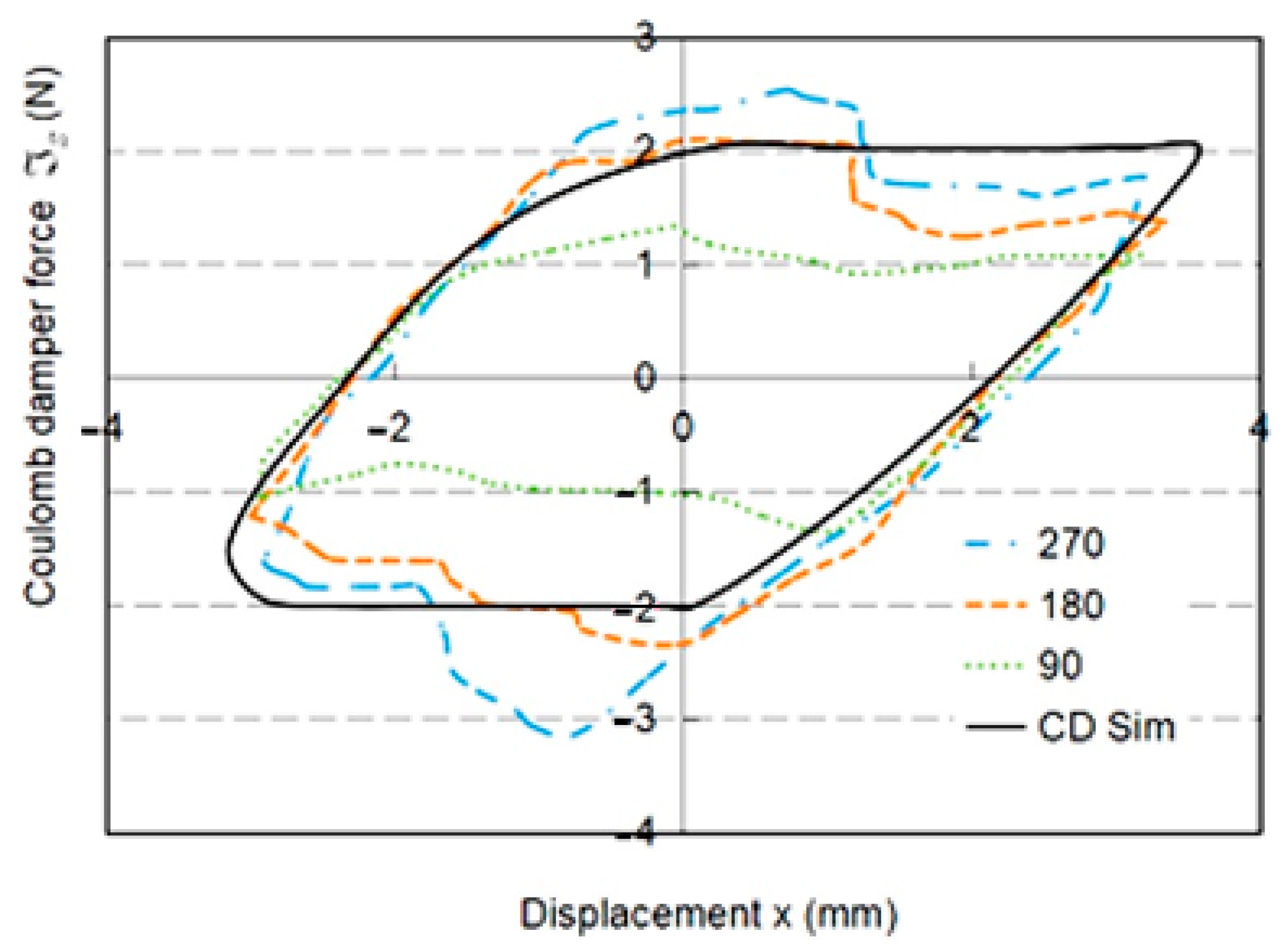
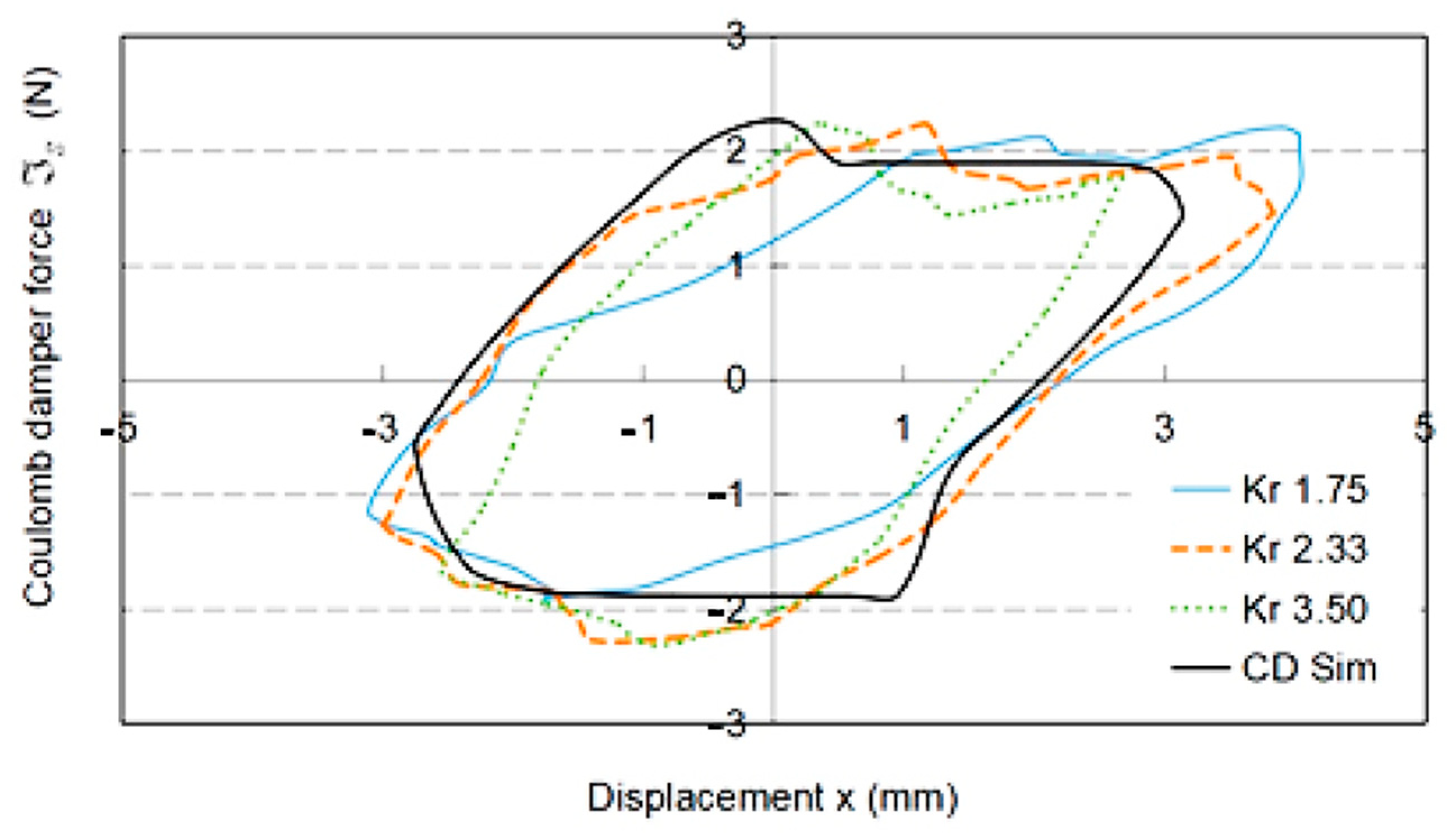
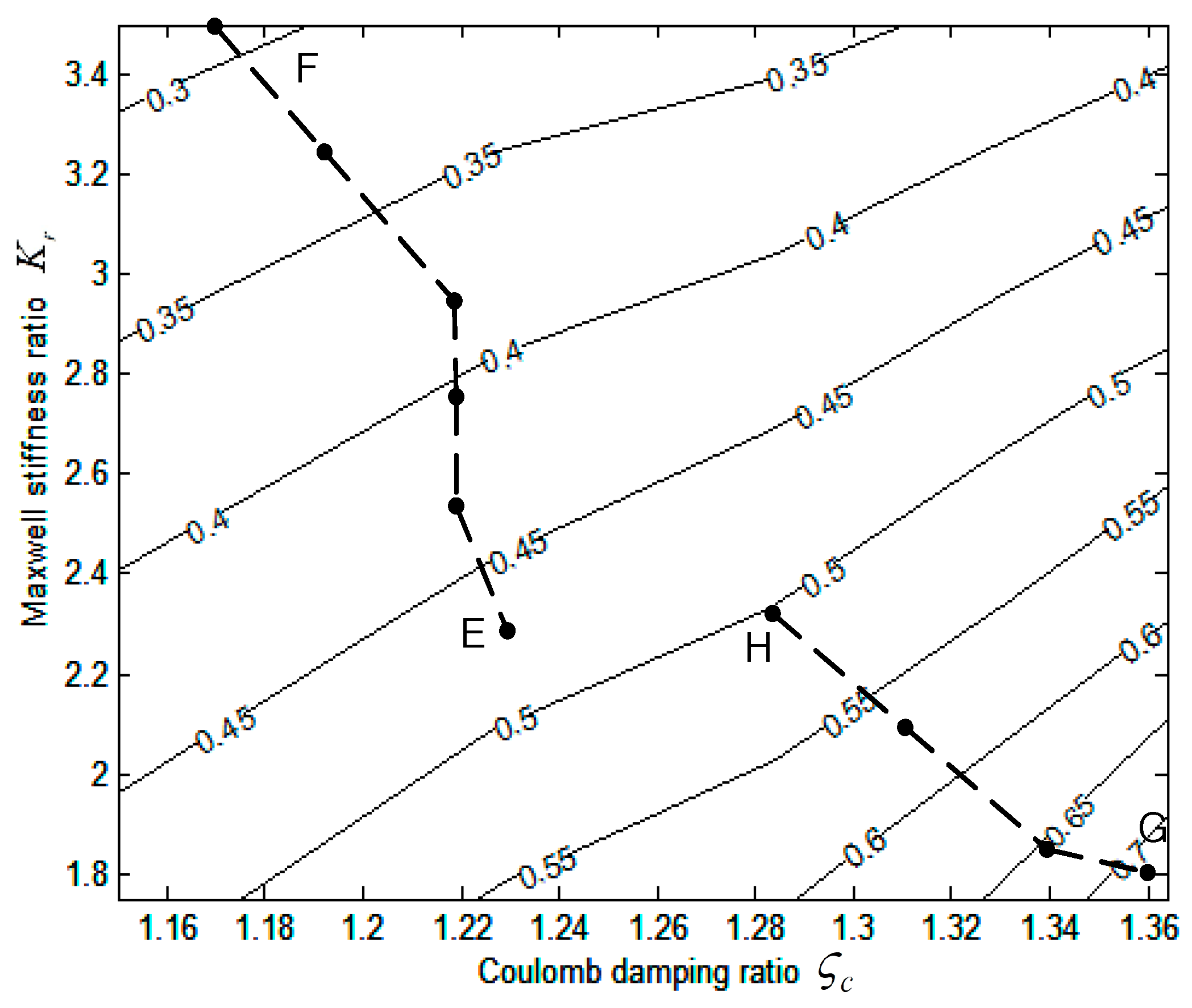
The optimal design methodology for a Maxwell–Coulomb friction damper is proposed to minimize the resonant vibration of dynamic structures. The simple Coulomb friction damper has the problem of zero or little damping effect of the vibration of the spring–mass dynamic system at resonance. This problem is solved in the case of the Maxwell–Coulomb friction damper, which is formed by combining a Coulomb friction damper with a spring element in series. However, the design and analysis of the Maxwell–Coulomb friction damper become much more complicated. The optimal design methodology for this nonlinear damper is proposed in this article. The nonlinear equations of motion of the proposed damper are modelled, and its hysteresis loop can be constructed by combining four different cases of stick–slide motion. Motion responses of the turbine blade with the proposed damper are solved by a central difference solver. Optimal paths of damping and stiffness ratios are determined by the central difference Newton search method. The optimal experimental design is ascertained using a prototype damper test. Close correlation with its numerical simulations is observed in our hysteresis loop comparison. The performance of the proposed damper is also compared to that of a viscous damper in the seismic response design of adjacent single-story buildings.
Keywords: Maxwell–Coulomb friction damper; stick–slide hysteresis; central difference ODE solver; transmissibility contour Newton search; turbine blade motion response; adjacent-building seismic design Maxwell–Coulomb friction damper; stick–slide hysteresis; central difference ODE solver; transmissibility contour Newton search; turbine blade motion response; adjacent-building seismic design