


Abstract
Wildfires at the wildland–urban interface (WUI) have increased in frequency and severity under global warming and intensified human activities. As a representative high-altitude mountainous region in southwestern China, Yunnan features complex topography, steep climatic gradients, and dispersed settlements interwoven with wildlands, making it a fire-prone area where wildfire management is particularly challenging. However, a fine-scale WUI dataset is currently lacking for this region. To address this gap, we refined WUI classification thresholds using a one-factor-at-a-time (OFAT) method and generated the first fine-resolution WUI map of Yunnan. Seasonal wildfire driving factors from 2004 to 2023 were quantified, and machine learning models were applied to produce seasonal susceptibility maps. SHapley Additive exPlanations (SHAP) were employed to interpret the dominant contributing factors. The resulting WUI covers 25,730.67 km2, accounting for 6.5% of Yunnan’s land area. Random forest models effectively captured seasonal wildfire susceptibility patterns, with AUC values exceeding 0.83 across all seasons. High susceptibility zones (>0.5) comprised 30.09% of the WUI in spring, 25.74% in winter, 22.61% in autumn, and 13.74% in summer. SHAP analysis revealed that anthropogenic factors consistently drive wildfire occurrence, while climatic conditions in the preceding season influence vegetation status and subsequently affect wildfire likelihood in the current season. By integrating static “where” mapping with dynamic “when” susceptibility analysis, this study establishes a comprehensive “When–Where” framework that supports both long-term WUI planning and short-term seasonal early warning. The integration of fine scale WUI mapping with seasonal susceptibility modeling enhances wildfire risk management in complex high-altitude regions. These findings provide a scientific basis for location-specific, time-sensitive, and full-chain wildfire management in mountainous landscapes and contribute to cross-border ecological security governance in the Indo-China Peninsula.
1. Introduction
The wildland–urban interface (WUI), where human structures intermingle with or adjoin to wildland vegetation [1,2], covers approximately 4.7% of the global land area and is home to nearly half of the world’s population, resulting in significant exposure to wildfire risks [3]. Wildfires in the WUI are notably more destructive than conventional structural fires due to extreme behaviors such as flame merging, fire whirls, and ember transport, which lead to rapid and unpredictable spread [4,5]. Recently, the frequency of wildfires has been increasing worldwide, drawing widespread attention, especially regarding large and destructive WUI fires [6]. For example, in January 2025, a major wildfire in Los Angeles burned approximately 57,636 acres, destroying at least 16,000 homes and causing evacuations of 180,000 people, with economic losses reaching $250 billion [7]. Similar devastating wildfires have been reported in Australia, Greece, and Portugal, highlighting the vulnerability of wildland–urban interface [8,9,10,11].
Accurate fine-mapping of WUIs is essential for effective wildfire prevention and risk management [12]. WUI mapping methodologies have evolved substantially since Radeloff et al. [1] established a quantitative framework based on housing density and vegetation cover. Globally, WUI mapping research has developed three main methodological paradigms, with mapping outcomes exhibiting significant spatial heterogeneity and applicability differences due to variations in core logic and data sources. The building density priority method, based on the methodology established by Radeloff et al. [1] in 2005 and exemplified by the USFS national WUI map, utilizes census data to calculate housing density and overlays it with land cover data, determining WUI through the dual thresholds of housing density exceeding 6.17 units/km2 and wildland vegetation cover exceeding 50%. Its advantages lie in data stability and suitability for macro-scale historical comparisons, but limitations include reliance on decennial census data, poor timeliness, and difficulty in transplantation to data-scarce regions. Subsequent studies, such as Carlson et al.’s [13] update of U.S. WUI using building point locations and Schug et al.’s [3] first global WUI map based on global building footprints, have continued the core logic of this framework. The fuel rank priority method proceeds from fire risk sources, emphasizing vegetation combustion characteristics, represented by California’s FRAP which overlays vegetation fire hazard severity zones with building distribution areas, not only identifying vegetation presence but also assessing its ignition risk, thus offering stronger relevance for fire management decisions. At the academic level, Bachantourian, Kalabokidis, and colleagues’ [14] research in Greece integrated the Minimum Travel Time (MTT) fire simulation algorithm, Treatment Optimization Model, and Multicriteria Decisions Analysis, extending from static mapping to optimizing fuel management within the WUI. The building-vegetation buffer overlay method takes individual buildings as the minimum analysis unit, precisely characterizing building-vegetation adjacency relationships through buffers, with outstanding advantages in fine-scale mapping and localization. France’s IRSTEA, represented by Lampin-Maillet et al. [15], used standards of 100 m building buffer radius and within 200 m of forest boundaries, effectively distinguishing between intermix and interface zones. Li, Kumar, and colleagues [16] in California utilized Microsoft building footprints and LANDFIRE vegetation data to achieve building-level WUI determination based on statistical analysis, freeing it from reliance on censuses and possessing near-real-time update potential. Barbosa, Oliveira, and colleagues [8] in Portugal employed multi-radius moving windows to assess scale effects and developed a semi-automated multi-criteria filtering framework to clean non-residential building footprints, significantly enhancing the reliability of residential building data.
Recent efforts further examine global WUI patterns and associated fire risks [17]. Concurrently, wildfire susceptibility modeling has progressed from single-parameter meteorological analyses towards integrated frameworks that incorporate climate, fuel, topography, and human factors [18]. However, existing WUI mapping frameworks remain inadequately adapted to high-altitude mountainous regions characterized by complex terrain, sharp climatic gradients, and dispersed settlement patterns. In such settings, static, coarse-resolution WUI delineations and non-seasonal susceptibility models offer limited operational utility for localized prevention and seasonal early warning. This gap is particularly pronounced in southwestern China—a region where pronounced topographic heterogeneity, strong seasonal weather shifts, and interwoven wildland-human landscapes elevate fire risk, yet fine-scale, temporally explicit WUI mapping and seasonal susceptibility assessments remain scarce.
In China, WUI research has largely adapted international standards to local contexts. Yunnan Province in southwestern China represents a high-altitude mountainous region with dense forest cover and dispersed rural settlements, posing distinct challenges for fine-scale WUI delineation. Although national studies have developed fire risk models using climatic and environmental variables [19,20], most WUI wildfire assessments remain annual in scale, with limited seasonal analysis [21]. Given that wildfire susceptibility varies markedly with seasonal changes in climate and vegetation, a dynamic, seasonally explicit risk framework is urgently needed for proactive management.
To address these gaps, this study proposed a high-resolution WUI map for Yunnan using satellite-derived building footprints and land-cover data [22,23]. We further apply machine-learning models to map seasonal wildfire susceptibility and employ SHapley Additive exPlanations (SHAP) to interpret the contributions of climatic, fuel, topographic, and anthropogenic drivers [24,25]. Taking Yunnan Province as a case study, this research optimizes the threshold screening logic of the one-factor-at-a-time (OFAT) method to construct a WUI mapping system adapted to high-altitude mountainous areas. Meanwhile, multi-source driving factors are integrated with machine learning models to conduct seasonal wildfire susceptibility simulation, which reveals the particularity of wildfire driving mechanisms in high-altitude mountainous regions and provides a viable solution for WUI management and wildfire prevention and control in complex topographic areas worldwide. By integrating static (“where”) WUI mapping with dynamic (“when”) seasonal susceptibility analysis, this work establishes a comprehensive “When-Where” framework that supports both long-term spatial planning and short-term seasonal early warning, thereby enhancing wildfire risk management in complex high-altitude landscapes.
2. Materials and Methods
2.1. Study Area
We chose Yunnan Province, a typical high-altitude mountainous region on the Yunnan–Guizhou Plateau in southwestern China, as our study area, situated between 21°09′ N and 29°15′ N, and 97°30′ E and 106°12′ E (Figure 1a). The province’s terrain is characterized by a step-like distribution, with higher elevations in the northwest and lower ones in the southeast, comprising over 90% plateau and mountain areas, with the remaining less than 10% comprising scattered basins. Due to its unique landscape, many residential community in Yunnan are adjacent to or embedded within forests, forming widespread wildland–urban interfaces. This pronounced topographic complexity is a critical determinant of wildfire susceptibility, as elevation has been identified as one of the most influential factors governing fire ignition and spread dynamics [26]. Yunnan’s highest elevation reaches 6740 m, while the lowest point is 76.4 m (Figure 1b). The region has a plateau tropical monsoon climate, with warm and humid tropical air masses in the summer, and dry and hot continental air masses in the winter, leading to simultaneous rainfall and heat.
Figure 1.
(a) The geographic location of Yunnan Province in China. (b) The elevation of Yunnan Province. (c) The distribution of MODIS (USA) active fire events in 2004–2023 (wildfire events come from the FIRMS dataset with >80% confidence). (d) Temporal distribution of average intensity and the number of events for MODIS active fire. The pie chart shows the ratio of wildfire events by season.
Beyond these biophysical controls, wildfire regimes in Yunnan are profoundly shaped by the interplay between long-term human land-use practices and the resulting forest fuel characteristics. Human activities not only directly ignite fires but also continuously reshape the landscape, altering forest structure, composition, and fuel load continuity over decades [27]. This makes the fuels of wildfire more complex, placing the province among the most wildfire-prone areas in China [28].
Wildfires in Yunnan exhibit strong seasonal patterns, with most occurring between December and May (winter and spring), while other seasons have fewer wildfires, which still pose a localized risk. A total of 22,281 wildfires were recorded over 20 years from 2004 to 2023, with the majority occurring in spring (14,020) and winter (7532), and fewer in summer (482) and autumn (247) (Figure 1c) Spring wildfires were the dominant wildfire composition in all years except for 2009, 2011, 2017, 2018 and 2022 when winter wildfires accounted for the largest number. Fire Radiative Power (FRP) quantifies the rate of emitted radiative energy from a fire. It serves as an important metric for assessing the intensity of wildfires and biomass burning. Higher FRP values indicate more intense fires. These five years outputted the least/or lesser total number of wildfires. Despite slight variations, the spring wildfires provided the greatest FRP each year by examining the intensity. The difference was that wildfires with higher FRP values occurred in the winter of 2006 and 2013 as well as during the autumn of 2018 (which was the highest FRP that year) (Figure 1d).
2.2. Wildfire Historical Dataset
This study employs the Moderate Resolution Imaging Spectroradiometer (MODIS, is a key instrument on NASA’s Earth Observing System satellites) active fire product dataset from the Fire Information for Resource Management System (FIRMS) as the historical fire point data source. Verified by Giglio et al. [29] and Hantson et al. [30], this dataset has a false alarm rate typically below 10%, making it more effective than other wildfire products in detecting smaller-scale fires. The dataset can detect active fires and smoke over an area as small as 1000 m2 and, under ideal observation conditions, can identify fires as small as one-tenth of this size [31]. Each point in the dataset represents one or more fire incidents within a 500 m radius.
In this study, only fire points suspected to be vegetation fires (type field = 0) were selected. Additionally, the dataset records quality assurance indicators and fire radiative power (FRP) for each scan pixel, with FRP serving as an indicator of fire intensity. By excluding fire points with a confidence interval below 80%, we obtained high-reliability fire point data.
2.3. Housing Footprint and Wildland Vegetation
Reliable WUI mapping requires quantitative data on both residential buildings and vegetation [8,16,32].
Building data were obtained from the global three-dimensional building dataset hosted on the Zenodo database (Version v1, https://doi.org/10.5281/zenodo.11397015). This dataset includes building footprint vectors and height information. The original dataset was compiled from building footprint vectors, multi-source remote-sensing imagery, and available building height records. A model was trained using known building heights and multi-source remote-sensing data to estimate building heights for 2023 [22].
Vegetation data were derived from the China Land Cover Dataset, the first annual Landsat-based land-cover product for China (Version 1.0.3, https://zenodo.org/records/12779975, accessed on 13 November 2024), developed by Professors Yang Jie and Huang Xin using 335,709 Landsat images on the Google Earth Engine (GEE) platform. The dataset classifies land cover into nine categories: cropland, forest, shrubland, grassland, water, snow and ice, bare land, impervious surfaces, and wetlands [23]. We extracted combustible vegetation types, such as forests, shrubs, and grasslands, to characterize the quantitative vegetation data required for identifying the WUI.
2.4. WUI Mapping Method
This study is based on the definition of the “Wildland–Urban Interface” [33], which has been widely applied in WUI mapping and assessment. The definition specifies two types of WUI: intermix and interface. An intermix WUI refers to areas where residential buildings are interwoven with wildland vegetation, with a housing density greater than one house per 161,874.4 m2 and more than 50% vegetation cover. An interface WUI refers to residential areas (with more than one house per 161,874.4 m2) where the wildland vegetation cover is less than 50%, but the area must lie within 2400 m of a densely vegetated area (with vegetation cover greater than 75% and an area of at least 5,000,000 m2).
Based on this definition, this study employed the One-Factor-at-a-Time (OFAT) method to test the thresholds for two core elements in the definition of the Wildland–Urban Interface (WUI): vegetation cover and the distance from residential areas to high-density vegetation. Based on the Glickman and Babbitt’s definition, a grid is considered valid if there is more than one house, so no specific limit was set for housing density in this study. The effectiveness of the threshold values was evaluated by examining the percentage change in WUI area and the number of wildfire ignition points within the WUI as the parameters varied. A threshold is considered stable if the percentage change in the indicator is smaller than the percentage change in the WUI components.
Given that the housing density threshold is set as more than one house per 160,000 m2 (i.e., a 400 m × 400 m grid unit), a spatial resolution of 400 m was used as the minimum unit for WUI mapping. The 30 m building footprint and land-cover maps were integrated into the 400 m grid, where housing density and vegetation cover were calculated for each grid. The Yunnan Province WUI map was then drawn using the following steps:
(1) Based on the Federal Register definition, the OFAT method was first applied, fixing the housing threshold (>1 house), and adjusting the vegetation cover threshold (with 50% as the center, adjusting up and down by 10% each time). By overlaying the 400 m housing density map with the vegetation cover percentage map, all intermix WUI areas were identified. (2) Continuous vegetation patches larger than 5 km2, with vegetation cover exceeding 75%, were selected (parks, urban green spaces, and green belts were excluded). (3) A 2.4 km buffer zone (representing the maximum distance that fire embers can travel) was generated around the vegetation areas selected in step (1). (4) For each 40–acre area with more than one house, the vegetation cover threshold was adjusted (with 50% as the center, adjusting up and down by 10% each time). (5) The overlap area between the buffer zone from step (3) and the boundary determined in step (4) was extracted as the interface WUI.
2.5. Wildfire Drivers
2.5.1. Seasonal Wildfire Drivers
Due to significant seasonal variations in climate and vegetation factors, this study considers these as seasonal drivers of wildfires [34,35,36]. The meteorological data for this study were primarily obtained from the National Earth System Science Data Sharing Infrastructure, including monthly averages for temperature, cumulative precipitation, relative humidity, potential evapotranspiration, and average wind speed. The Vapor Pressure Deficit (VPD) index, which influences vegetation moisture stress, was also considered. Additionally, soil moisture data, which may affect vegetation water content, were obtained from the National Tibetan Plateau Data Center, available at a monthly scale [37]. To investigate the impact of annual variations in seasonal drivers on cross-seasonal wildfires, each driver was subdivided by season and the corresponding values were extracted (Table 1). Similarly, to represent fuel load, the commonly used Normalized Difference Vegetation Index (NDVI), which reflects vegetation cover and growth conditions, was selected, focusing on seasonal variations in vegetation factors [38]. The maximum NDVI values for each season were extracted to construct four seasonal sub-variables. All variables were averaged over the period from 2004 to 2023 to capture long-term seasonal differences in wildfire drivers.
Table 1.
List of wildfire drivers used in this study (each seasonal variable contains four subvariables for different seasons).
2.5.2. Nonseasonal Wildfire Drivers
Although topographic factors do not vary seasonally, their significant influence on the occurrence and spread of seasonal wildfires cannot be overlooked, especially in high-altitude mountainous terrains [39]. Elevation, slope, and aspect affect the quantity and structure of vegetation fuel, as well as the likelihood of human-caused fire incidents, all of which are closely related to wildfire occurrence [40]. The Topographic Wetness Index (TWI) reflects the landscape’s ability to accumulate moisture. In this study, each grid’s elevation, slope, aspect, and TWI were derived from the digital elevation model (DEM) dataset and directly used in the modeling process.
As human activities increasingly influence wildfire occurrence, particularly in the WUI, most wildfires are human-induced, making it essential to incorporate human factors into wildfire driver assessments [41]. The human factors considered in this study are primarily socio-economic and include Gross Domestic Product (GDP), population density, proximity to croplands, and proximity to roads. Gridded GDP data were sourced from the Resources and Environmental Science Data Center, with annual averages for 2005, 2010, 2015, and 2020 based on the study period. Population density was obtained from the World Population website for the years 2004–2023. The Euclidean distance between each grid and roads was calculated based on actual road data from OpenStreetMap (OSM), which offers higher positional accuracy compared to other public datasets [42]. Additionally, given that agricultural activities are often linked to wildfire occurrence, agricultural land grids were extracted from 2020 land-cover data, and the Euclidean distance to croplands was calculated for each grid.
After considering climate, vegetation, topography, and human factors, along with their seasonal characteristics, this study incorporated 40 wildfire drivers, with all data standardized to a 90 m resolution. The data sources and explanations for each driver are provided in Table 1.
2.6. Initial Exploration of the Drivers
2.6.1. GeoDetector Identification
To explore the relationship between seasonal wildfires and their driving factors, we first employed the Geographic Detector method to determine the relative contribution of each driving factor. The Geographic Detector, proposed by Wang et al. [43], is a statistical approach that reveals spatial heterogeneity and its driving factors through four modules: factor detector, interaction detector, risk detector, and ecological detector. Unlike traditional regression analysis, this method does not require linear assumptions, thus avoiding the issue of multicollinearity among the driving factors [44].
The basic assumption of applying the Geographic Detector in wildfire studies can be stated as follows: if a driving factor contributes to the occurrence of wildfires, then the spatial distribution of wildfires should resemble the spatial distribution of that factor. In this study, the factor detector was used to quantify the explanatory power of each driving factor, with its importance measured by the q value, calculated as follows:
where h = 1, …, L is the strata of variable Y or factor X; Nh and N are the strata h and the number of units in the whole area; and σ2 are the variance of the Y value of strata h and the whole area, respectively. The value range of q is [0, 1], and a larger value of q indicates a stronger determination ability or relative importance of the independent factor X on the attribute Y. Interaction detector was also used in the study to check whether the combination of the two variables enhances or weakens their effect on wildfire. As well as risk detector was used to examine the magnitude of differences in the mean attribute values of the drivers differs across subzones [45]. We used the “GD” package in the R 4.5.1 programming environment to implement the GeoDetector function [44].
2.6.2. Premodeling Driver Screening
Due to the high correlation of similar driving factors across different seasons, multicollinearity is inevitable. Although the Geographic Detector method does not require consideration of this issue, it may affect the stability of subsequent machine learning models [46]. To address this, we calculated the Pearson correlation coefficients between factors. When the absolute value of coefficient exceeded the threshold of 0.75 (|r| > 0.75), we excluded the lower value based on the q values derived from the Geographic Detector [47].
Even after this filtering, the dataset may still contain underlying correlation structures [48]. Therefore, in addition to the correlation assessment, we applied the Variance Inflation Factor (VIF) test to ensure that the driving factors used in the modeling process did not exhibit potential multicollinearity (VIF < 10) [46,49].
2.7. Machine Learning Modeling
2.7.1. SVM Model
The factors driving wildfire occurrence (such as temperature, humidity, wind speed, slope, aspect, vegetation type/density, and proximity to roads/residences) and their relationship with fire risk are typically highly nonlinear. Support Vector Machines (SVMs), particularly with Radial Basis Function (RBF) kernels, are effective in capturing these complex nonlinear patterns, leading to more accurate risk assessment models compared to linear models [50].
SVM excels in forest wildfire risk assessment by maximizing the classification margin and utilizing kernel techniques to handle nonlinearity. Its strong ability to model nonlinear relationships, efficient processing of high-dimensional data (such as multi-source remote sensing and geographic information), good performance with limited samples, and robustness to noise and data imbalances make it an ideal tool for creating high-precision and reliable spatial wildfire risk prediction models [51]. Its performance generally outperforms traditional linear models and is highly competitive in addressing complex geographical risk issues [52]. In this study, we use the RBF kernel, a common nonlinear function that maps data to higher-dimensional feature spaces, enabling data that is not linearly separable to become linearly separable. The hyperparameter γ controls the influence range between data points, and we selected the “scale” option in scikit-learn, which automatically adjusts γ based on the number of features and data variance. This choice enhances the model’s adaptability without the need for manual tuning. The penalty parameter C, which controls classifier complexity, was set to 10 based on grid search, meaning the model strictly enforces correct classification of each training sample. We also enabled probability estimation (probability = True), allowing SVM model to estimate class probabilities through additional cross-validation.
2.7.2. XGBOOST Model
XGBoost is an efficient implementation of the Gradient Boosting Decision Trees (GBDT) algorithm, an ensemble learning method that improves prediction accuracy by training multiple weak learners, usually decision trees, and combining them into a strong model [53]. Each new tree aims to correct the errors of the previous one, typically by calculating the gradient and minimizing the loss function. XGBoost is ideal for wildfire risk assessment models due to its excellent prediction accuracy, ability to model nonlinear relationships, capture feature interactions, and robustness against missing values, noise, and various data types [54].
XGBoost has several key hyperparameters that control the model’s structure, training process, and complexity [55]. In this study, we tuned these hyperparameters using grid search to enhance prediction accuracy. The final parameters include training 400 trees, limiting the maximum depth of trees to 4, and setting the learning rate (step size) to 0.05. During training, 75% of the data was randomly selected for each tree, and L2 regularization (reg_lambda = 1.0) was applied to control the strength of regularization. L2 regularization helps reduce model complexity and prevents overfitting, particularly when working with large datasets or many features.
2.7.3. Random Forest Model
Random Forest (RF) is an ensemble method based on classification or regression trees. The model makes predictions by constructing multiple decision trees, each generated using a randomly selected bootstrap sample. The splitting process at each node uses a randomly chosen subset of the driving variables. The final result is obtained by combining the outputs of all decision trees (majority voting or averaging) [56]. This algorithm overcomes the instability issues associated with single classification trees, demonstrating higher prediction accuracy and superior performance in wildfire susceptibility modeling [57].
RF modeling requires both present and missing samples, with the latter often being difficult to obtain. To address this issue, we generated pseudo-missing samples: Within a 10 km radius of all fire points, we randomly generated a number of pseudo-missing points equal to the number of existing fire points [58]. To achieve optimal output, we tuned the parameters of the RF model, specifically ntree (the number of trees in the forest) and mtry (the number of variables randomly sampled at each split) [59]. We iteratively tested mtry values from 1 to 20 and set ntree values at 200, 400, 600, 800, and 1000 to identify the optimal parameter combination with the highest accuracy. During the modeling process, we employed 10-fold cross-validation with 10 repetitions, randomly partitioning the dataset before each repetition to enhance model robustness.
2.7.4. Stacking Model
The Stacking model enhances the accuracy, robustness, and generalization ability of forest wildfire risk assessment by combining multiple heterogeneous base learners and using a meta-learner (usually a simpler model) to intelligently merge their predictions [60]. While the training process of Stacking is more complex and computationally expensive, it offers significant performance gains in disaster risk assessment, where high prediction accuracy is essential. This makes Stacking a competitive tool for generating more reliable risk assessment results, providing scientific support for fire prevention and resource allocation [61]. In this study, we selected Support Vector Machine (SVM), XGBoost, and Random Forest as base learners to reduce the overfitting risk of individual models and improve the overall model’s generalization ability by combining different models. LightGBM was chosen as the meta-learner. Compared to other complex models, LightGBM offers higher computational efficiency and lower memory usage when handling large-scale datasets, enabling faster training and more efficient prediction when integrating outputs from multiple base learners. Additionally, LightGBM effectively combines base learners’ predictions to further improve the final model’s prediction accuracy. We optimized the model by tuning LightGBM’s hyperparameters (such as learning rate, tree depth, and number of leaf nodes) and those of the other models [62]. To evaluate generalization ability, we employed Cross-Validation during training, which helps avoid overfitting and ensures the reliability of the model’s performance.
2.7.5. Model Parameter
In the random forest model, we selected the parameter combination with the highest accuracy to construct the model: we selected combinations for spring (mtry = 2, ntree = 1000), for summer (mtry = 5, ntree = 600), for autumn (mtry = 5, ntree = 400), and for winter (mtry = 2, ntree = 600). In the SVM model, we used the Radial Basis Function Kernel with a penalty parameter of C = 10. For XGBoost, we trained the model with 400 trees, limited the maximum depth of the trees to 4, set the learning rate (step size) to 0.05, and applied L2 regularization. For the Stacking model, we chose Support Vector Machine (SVM), XGBoost, and Random Forest as base learners and LightGBM as the meta-learner. We fine-tuned the hyperparameters of LightGBM (such as learning rate, tree depth, and number of leaf nodes), as well as the hyperparameters of the other models, to optimise the overall performance.
2.7.6. Susceptibility Mapping and Performance Evaluation
In this study, wildfire sample points, including both positive and negative samples from the random forest model, were randomly split into training and testing sets. The training set comprised 75% of the total sample points, while the testing set contained the remaining 25% [63]. Model parameter tuning and construction were carried out using the training set, and the testing set was used to evaluate the performance of the four models across different seasons.
The model was built using raster maps of all variables to generate wildfire susceptibility maps. These maps illustrate the ignition suitability of a given pixel relative to all other pixels, with pixel values ranging from 0 to 1. We assessed the model’s accuracy and fit using the area under the ROC curve (AUC), a threshold-independent measure that indicates the probability of correctly predicting a randomly selected sample. An AUC value of 0.5 indicates that the model performs no better than random, while values closer to 1.0 indicate better model performance [64]. Models with an AUC above 0.75 are generally considered effective [65].
2.7.7. Driver Importance Analysis
Feature importance is a method used to score the input features of a predictive model, revealing the relative importance of each feature. We assessed the significance of the driving factors influencing the spatial patterns of wildfire probability across different seasons. First, we applied the geographic detector q-value to rank the importance of each driving factor, establishing an importance hierarchy [66]. Next, we used the SHapley Additive Explanations (SHAP) to calculate the Shapley values for each feature, quantifying their global contributions to the model and indicating their importance. The SHAP summary plot visually displays the ranking of factors affecting wildfire probability. Additionally, we analysed the marginal effects of key driving factors on the model’s predictions across different value ranges using the SHAP dependence plot. Finally, we identified the optimal range of certain variables influencing wildfire occurrence. This further highlighted the nonlinear relationships and interaction mechanisms between each factor and wildfire occurrence. The Scikit-learn library provides methods to return feature importance for tree-based models, such as RF, XGBoost, and LightGBM. SHAP, an additive feature attribution model based on cooperative game theory, measures the marginal contribution and importance of each feature [67,68]. The SHAP value for feature j is defined as follows:
where N represents the set of all features, and S represents all feature subsets obtained from F after removing the feature j. the lowercase letter s denotes the number of features in the feature subset S, and the factorial operation of s reflects the weight of different feature subsets in the Shapley value calculation. f(S) represents the output of the machine learning model of the feature subset S. f(S∪j) represents the cumulative contribution value of feature j.
3. Results
3.1. Threshold Determination and Patterns of WUI
As shown in Figure 2, when the vegetation cover threshold is below 40%, the changes in the WUI area are relatively stable, while the ignition point variations stabilize below 50%. Thus, 40% vegetation cover was selected as the threshold. Regarding the distance between residential areas and wildland vegetation, a ±50% variation around the 2.4 km baseline showed minimal impact on both the WUI area and ignition points, confirming 2.4 km as a reasonable distance. This distance represents the maximum distance fire embers can travel from the fireline, making it both conceptually and operationally viable. Therefore, the WUI threshold is defined as regions within a 2.4 km radius, where human-made structures intermingle with vegetation cover greater than 40%.
Figure 2.
Percentage change in WUI area and wildfires with vegetation cover: (a) WUI area; (b) ignition points within WUI.
The identified WUI areas in Yunnan Province are shown in Figure 3. Specifically, areas classified as “interface-WUI” (defined as those near large, dense wildland vegetation areas) generally take the form of buffer zones—either polygons or multi-segment lines. These areas highlight the narrow interface between dense human settlements and wild vegetation (as shown in Figure 3b). In contrast, “intermix-WUI” (areas where residential and wildland vegetation are intermingled) are more spatially dispersed or isolated, largely depending on the spatial layout of residences.
Figure 3.
Yunnan distribution of WUIs. (a) Geographic distribution of WUI areas across the province (green for Interface WUI, red for Intermix WUI). (b) Magnified display of WUI areas in certain cities of Yunnan Province. (c) Detailed display of the WUI area in Panlong District, Kunming City.
The total WUI area in Yunnan Province is estimated at 25,730.67 km2. Overall, the WUI in Yunnan Province accounts for approximately 6.5% of the land area overall, exceeding the global average of 4.7% [3]. Areas like Zhaotong and Dali have relatively high WUI density (Figure 4).
Figure 4.
Area distribution and kernel density analysis of WUI in Yunnan Province. (a) WUI area. (b) Interface WUI area. (c) Intermix WUI area.
As shown in Table 2, the largest WUI areas in Yunnan are concentrated in cities such as Puer, Zhaotong, and Dali. These areas exhibit a relatively dispersed settlement pattern, particularly in rural regions, where buildings and human activity zones are often scattered and embedded within natural vegetation, contributing to the formation of more intermix WUI. Puer stands out in this respect, reflecting the high degree of integration between forests and human settlements, which, along with its scattered settlement pattern and abundant vegetation, makes it one of the cities with the largest WUI areas in Yunnan. Compared to commonly used WUI maps, the high-precision map generated in this study displays similar distribution patterns, with most WUI areas located in central and northeastern Yunnan. This WUI map, which incorporates independent building footprint data and refines threshold determination using the OFAT method, provides improved spatial detail in capturing WUI distribution.
Table 2.
WUI area of each city in Yunnan Province (units: km2).
3.2. Seasonal Wildfire Driver Selection
Variable correlation tests indicate that some seasonal driving factors in different seasons are strongly correlated, while correlations with other variables, apart from climate factors, are generally weak (Figure 5). Despite the existence of strongly correlated driving factors across seasons, their data distribution characteristics differ. We used the q-values output from the geographic detector as the basis for selecting the final modeling driving factors. The factor detection results show that climate during the dry season (winter and spring) has a more significant impact on wildfires across seasons, with its q-values consistently high or relatively high across different seasonal wildfires. In contrast, summer climate factors rarely exhibit the highest q-values across seasons, but summer precipitation is an exception—it shows significant importance for wildfires in all seasons (Table 3 and Table 4). Interaction detection reveals the synergistic effects of two driving factors on wildfire occurrence, where each interaction group has a stronger impact on wildfires than individual factors, and this enhancement often appears as a nonlinear increase. We excluded driving factors with q-values below the threshold for those exceeding correlation limits. Subsequently, we performed multicollinearity tests to ensure that the variance inflation factor (VIF) of the factors in each seasonal wildfire model was below 10.
Figure 5.
Correlation analysis of seasonal wildfire drivers and other factors across the four seasons (“*” indicates significant correlation between factors. Graphs representing seasonal wildfire drivers, with green for spring, red for summer, yellow for autumn, and blue for winter).
Table 3.
Variable importance of drivers in the fire season and their rankings based on GeoDetector q-Values.
Table 4.
Variable importance of drivers in the nonfire season and their rankings based on GeoDetector q-Values.
3.3. Model Results and Performance Evaluation
After tuning the parameters, all four models demonstrated good predictive performance. Except for the spring, autumn, and winter SVM model, which had AUC value slightly below 0.8 (all above 0.75), all models had AUC values greater than 0.8 (Figure 6). While the Stacking model did not achieve the expected correlation, it showed significant improvement over the SVM model. The Random Forest model consistently had a higher AUC value than the other models, indicating superior predictive accuracy.
Figure 6.
AUC values of each model. (a) Spring. (b) Summer. (c) Autumn. (d) Winter. (The dash lines represent the diagonal line with an AUC of 0.5, serving as the baseline for performance comparison.)
3.4. Seasonal Patterns of Wildfire Susceptibility in WUI
The wildfire susceptibility maps generated by the four models display almost identical spatial patterns (Figure S1). Using the random forest model with the highest accuracy as an example (Figure 7), during the fire prevention period, areas with wildfire probabilities exceeding 0.5 in spring and winter cover 30.09% and 25.74% of the total WUI area in Yunnan Province, respectively. A significant portion of the province’s WUI areas face high wildfire threats during this period. From a spatial distribution perspective, the wildfire risk shows significant seasonal variation: in spring, areas with high wildfire probability are scattered across the province, particularly in the southern, western, and northwestern regions. These areas are characterized by large forests that maintain relatively intact natural environments, especially in the near-tropical southern region, where buildings and human activity zones are close to natural vegetation. The spring wildfire probability is notably clustered and extreme. This region consistently maintains the highest forest cover in the province and has experienced the highest frequency of wildfires historically. In contrast, the northeastern region has relatively low wildfire probability. Although the dry, hot river valley climate is conducive to wildfire formation, sparse vegetation limits the wildfire risk in spring. The winter wildfire susceptibility pattern differs slightly from that of spring, with the northwestern region showing significantly higher wildfire risk in winter than in spring. This region, with the highest elevation in Yunnan, is characterized by steep mountains and deep valleys, and the dry winter conditions increase the likelihood of combustion. During the non-fire seasons, areas with wildfire probabilities exceeding 0.5 are fewer, covering 13.74% (summer) and 22.61% (autumn) of the total WUI area. While most regions in these seasons are less threatened by wildfires, the spatial patterns show clear seasonal differences. Summer high-risk areas are concentrated in southern Yunnan, which also experiences very high wildfire risk in spring. However, in the southernmost tropical rainforest area, summer wildfire risk is lower than in spring, likely due to higher humidity in summer. Autumn’s high wildfire probability areas are located around the southeastern provincial border, characterized by low-altitude hilly terrain and high forest density, a feature shared with the adjacent coastal province of Guangxi, which also experiences high wildfire occurrence in autumn.
Figure 7.
Wildfire susceptibility map: random forest modeling results.
In summary, Yunnan’s WUI areas are extensive and widely distributed, making them critical regions for enhancing forest fire prevention. In central and southern Yunnan, where dense vegetation and frequent human activity increase the likelihood of fires and the risk of fire spread, more resources should be allocated for fire prevention and control. Due to the high level of integration between vegetation and buildings, fires can spread rapidly and be harder to control. Using Pu’er City as a case study, the wildfire risk in WUI areas demonstrates a radiating pattern, with risk levels increasing from urban zones towards more remote wilderness areas (Figure 8). Regions characterized by low population density and lower GDP are found to be strongly associated with higher wildfire risk.
Figure 8.
Pu’er city WUI area wildfire susceptibility map.
3.5. Importance of Drivers by Season Based on SHAP Interpretation
The prediction results of the random forest model were analysed using SHAP, generating a comprehensive feature summary plot to show the importance and effect of the driving factors, as depicted in Figure 9.
Figure 9.
Autumn SHAP feature importance based on the random forest model. The Mean Absolute SHAP Value—Global Importance plot ranks the driving factors by importance (from top to bottom), with each row representing a feature. Each point represents the SHAP value for an instance, with the colour gradient from purple to yellow indicating feature values from low to high. The x-axis represents the SHAP values, where positive values indicate a positive effect on the model’s output, and negative values indicate a negative effect. The SHAP Dependence Plots on the right show the relationship between the driving factor values and the SHAP values. The x-axis represents the standardised values of the driving factors, and the y-axis represents the SHAP values (i.e., the effect of the feature on the model output). The median indicates the middle value of the feature, while the threshold marks the point where the model’s behaviour changes significantly.
For autumn wildfires, the Mean Absolute SHAP Value—Global Importance plot shows that driving factors such as SM_AUT, NDVI_SUM, RH_AUT, RH_WIN, GDP, and PET_SUM significantly influence the model’s predictions. The SHAP Dependence Plots reveal that for “NDVI_SUM”, when the value is low, the SHAP value is positive, but as the value increases, the SHAP value becomes negative, indicating an inverse relationship between this feature and the model output—i.e., lower NDVI_SUM values correspond to higher wildfire probability. For “GDP”, the SHAP value decreases significantly as the GDP increases, suggesting that higher GDP areas have a lower wildfire probability, likely due to better fire prevention and suppression infrastructure. The occurrence of autumn wildfires is influenced by various factors. When autumn soil moisture (SM_AUT) is low, the moisture content of vegetation decreases, making the fuel more prone to ignition, thus increasing the risk of wildfires. The summer maximum Normalized Difference Vegetation Index (NDVI_SUM) reflects vegetation abundance, and high NDVI values indicate dense plant growth, which accumulates a large amount of combustible material, thereby increasing the likelihood of wildfires. Autumn relative humidity (RH_AUT), when low, leads to dry air and reduces the moisture content of vegetation and soil, increasing fire susceptibility. The winter relative humidity (RH_WIN) lag effect also influences the wildfire risk in autumn, as the dry conditions from low winter humidity provide a combustible fuel source for autumn fires. Moreover, regions with lower Gross Domestic Product (GDP) tend to lack sufficient fire prevention and control measures, which heightens the wildfire risk. Lastly, higher summer potential evapotranspiration (PET_SUM) leads to rapid moisture evaporation, drying out the soil and vegetation, further increasing the likelihood of autumn wildfires. These factors suggest that the occurrence of autumn wildfires is the result of the complex interaction of climate, vegetation conditions, soil moisture, and human activities.
Similarly, for summer wildfires, key driving factors include RH_SUM, Prox to Road, Slope, RH_WIN, VPD_WIN, and RH_SPR. The SHAP value for RH_SUM decreases as the value increases, indicating that higher humidity in summer reduces the predicted wildfire occurrence (Figure S3). For Prox to Road, the SHAP value is higher when the distance to the road is shorter, and the effect stabilises at higher values. Summer, being the peak tourist season in Yunnan, sees areas near roads with higher accessibility and a higher wildfire risk due to more complex fire sources. The SHAP value for Slope increases with steeper areas, especially in high-altitude mountainous regions, where drier conditions make fuels more prone to ignition. Climate factors from previous seasons, such as RH_WIN and VPD_WIN, influence combustible moisture content and other phenological states. Lower humidity or higher vapour pressure differences in winter lead to higher SHAP values and increased wildfire risk, reflecting the lagged effect of previous season climate factors on wildfire occurrence in the current season. Spring and winter, as the main fire seasons, typically provide more conducive conditions for the ignition of fuels. The influence of preceding seasonal drivers, such as PRE_AUT, TEM_SUM, and NDVI_WIN, significantly contributes to the prediction of wildfire occurrence in spring. Similarly, the influence of preceding seasonal drivers such as TEM_AUT and PET_SUM, as well as the current seasonal drivers, PRE_WIN and NDVI_WIN, made significant contributions to the prediction of winter wildfire occurrence (Figures S2 and S4).
4. Discussion
4.1. Fine-Scale Mapping of WUI
Based on the WUI map developed for the high-altitude, topographically complex mountainous regions of southwestern China in this study, the WUI in Yunnan Province accounts for approximately 6.5% of the land area overall, exceeding the global average of 4.7% [3]. This indicates that in regions with intricate mountain terrain, limited space for habitation forces human settlements and natural vegetation into close proximity. This phenomenon aligns with findings in other mountain and plateau regions prone to wildfires, such as those in the Mediterranean and North American mountain zones [8,69], underscoring the reliability of this pattern.
Our approach to WUI mapping integrates high-resolution 30 m building footprint data (3D-GloBFP) with land-cover information, harmonized within a 400 m grid. We refined WUI thresholds by evaluating WUI stability metrics and examining the spatial response of historical wildfire ignition points. The final thresholds, defined by >40% vegetation cover within 2.4 km of continuous fuels, are consistent with ember transport distances from earlier studies on WUI [1,33] and align with ignition hotspots identified via MODIS data. Compared to traditional WUI mapping, this fine-scale method more accurately captures the settlement-vegetation interactions characteristic of mountainous terrains, providing robust evidence of its scientific validity and the robustness of our approach.
The spatial patterns identified are also consistent with regional assessments of fire susceptibility and WUI risk in mountain environments. For example, the concentration of WUI in central and northeastern high-altitude zones mirrors previously mapped high-susceptibility belts in southwestern mountain regions [21], while the strong overlap between the WUI and ignition hotspots aligns with global findings that the WUI is the principal locus of human-caused fires and fire-related losses [12,17]. This consistency indirectly validates the reliability of our mapping approach.
From a management perspective, the fine-scale WUI map provides critical spatial guidance, which complements the seasonal “When” component analyzed later. Unlike flat landscapes where the WUI is often concentrated around major cities, the dominance of the Intermix WUI in complex mountainous areas suggests that fire management strategies should focus on mid-elevation belts. These areas, where continuous fuels abut dispersed rural settlements, present the highest wildfire risks due to limited access, terrain constraints on evacuation, and strong fuel continuity. This finding is consistent with other mountain WUI fire case studies [2,8,70]. The proposed WUI mapping method not only addresses the scientific challenge posed in the Introduction—how to accurately delineate the WUI in rugged mountain terrains—but also lays a solid foundation for the subsequent “When–Where” wildfire management framework. This offers crucial guidance for wildfire governance in southwestern China and other mountainous regions globally.
4.2. Association Between Drivers and Seasonal Wildfires
The variation in driving factors, particularly the significant fluctuations in the Normalized Difference Vegetation Index (NDVI), relative humidity, and potential evapotranspiration across different seasons, is likely the primary cause of seasonal differences in wildfire distribution. By distinguishing seasonal factors, we aim to explore how these elements influence wildfire occurrence over time. Apart from the dominance of summer and winter precipitation in their respective seasons, other key driving factors typically arise from preceding seasons. This suggests that dominant driving factors generally stem from previous environmental conditions, in line with previous research [36,71]. While the lag effect of these factors on wildfires has not been clearly defined, they certainly influence fire behavior over interannual, and shorter timescales [72].
Our study highlights the importance of climate conditions and precipitation patterns during the dry season. In Yunnan, the climate conditions during the dry season (particularly moisture levels) and the resulting changes in the moisture content of fuels are key factors influencing wildfire activity year-round. Since the 21st century, the severity of drought during the dry season (winter monsoon period) in Yunnan has far exceeded that in surrounding provinces [73]. Recent years have seen more frequent extreme droughts and high temperatures, leading to increasingly intense, prolonged dry seasons, which have exacerbated wildfires in Yunnan’s WUI regions [74]. The mechanisms of seasonal variables influencing wildfires are complex, this complexity arises partly from the lag effects of driving factors and partly because the influence of seasonal climate variables on wildfires cannot be simplified into a single outcome, but must be considered in conjunction with climate, phenology, and their interactions [75]. Interaction detection results further support this—while individual driving factors show lower q-values, their interaction with others significantly amplifies their impact on wildfires.
Complex high-altitude mountainous terrain in southwestern China forms WUI regions in southwestern China, where buildings are interspersed with forests and grasslands, creating heterogeneous mosaic landscapes. These human-dominated landscapes often unexpectedly trigger wildfires. Human ignition sources are therefore a necessary condition for wildfire occurrence and have a significant impact. Our study confirms that human factors are important variables influencing cross-season wildfires, especially in spring and autumn. Wildfire risk maps show that wildfire probability correlates with population density: areas around cities exhibit a radiating pattern to surrounding wilderness, with lower population density linked to higher wildfire probability. This is consistent with previous studies [76]. Unlike seasonal factors, the human variables retain relative consistency across seasons in terms of response curve changes.
Previous studies have classified the driving mechanisms of wildfire occurrence into two categories: one related to drought, occurring in areas with high vegetation cover, where ignition is not constrained by fuel load but is dependent on environmental combustibility and anthropogenic factors [77]; the other related to fuel mechanisms, where a lack of fuels in low-productivity vegetation systems limits wildfires [78]. However, in WUI regions, fuels such as stored building materials are also significant and strongly linked to human activities, making them major ignition sources that contribute to wildfires. This study suggests that in Yunnan’s WUI regions, wildfires in summer and autumn are driven by the combined effects of drought, fuel availability, and human activities. In contrast, during the winter and spring seasons, wildfire occurrence is primarily driven by drought, with ample fuels making the environment highly susceptible to high-risk wildfires. Therefore, during these two seasons, ignition sources play a key role in determining wildfire occurrence.
4.3. Implications for Management
Simulating the probability of wildfire occurrence in WUI regions under different seasonal scenarios enhances our understanding of the short-term characteristics of wildfires and aids in wildfire disaster prevention [79]. The fine-scale WUI mapping and seasonal wildfire susceptibility analysis developed in this study provide crucial guidance for wildfire management in the high-altitude, topographically complex mountainous regions of southwestern China [80]. By integrating static “where” WUI maps with dynamic “when” wildfire susceptibility analysis, we established a comprehensive wildfire risk management framework that supports both long-term disaster prevention planning and short-term seasonal early warning.
The results highlight the distribution of high-risk wildfire areas across different seasons in Yunnan’s WUI regions, with spring and winter showing more scattered patterns, while summer and autumn exhibit clustered high-risk zones [81]. Given the dynamic nature of climate change and the extreme weather patterns it brings, wildfire susceptibility patterns will likely evolve spatially and temporally. Therefore, periodic updates of simulation results and the establishment of an integrated wildfire monitoring and forecasting system are essential. In these high-risk areas, particularly in the peripheries of the Yunnan–Guizhou Plateau, it is recommended that the government prioritize fire prevention and ignition source management.
This study provides comprehensive wildfire management guidance for the high-altitude, complex mountainous regions of southwestern China, specifically addressing two distinct types of Wildland–Urban Interface (WUI): the Interface WUI and the Intermix WUI. For the Interface WUI, management strategies should focus on creating fuel breaks, strengthening building fire defenses, and enhancing monitoring using remote sensing technologies to prevent rapid fire spread, particularly in linear contact zones. For the Intermix WUI, where settlements are more scattered, priorities include improving accessibility for emergency response, fostering community engagement through fire education, and implementing seasonal vegetation management.
The study further emphasizes that wildfire control strategies should be tailored to seasonal characteristics. In spring and winter, special attention should be given to agricultural fire use and traditional burning practices, whereas in summer and autumn, monitoring should focus on key wildfire-driving factors such as moisture levels to ensure they do not exceed critical thresholds [82]. Moreover, due to the complex terrain of Yunnan, traditional wildfire monitoring methods may not be sufficient. It is recommended to leverage advanced technologies such as remote sensing and machine learning models for precise fire prediction and early warning. The integration of modern technologies such as remote sensing and machine learning models for real-time monitoring and wildfire prediction is critical for improving management accuracy and efficiency [83]. These tailored strategies, supported by recent research, ensure resource-efficient wildfire risk reduction and align with the complex terrain and climate challenges of the region, providing a scientific, data-driven framework for both long-term planning and short-term emergency response.
4.4. Uncertainty and Limitations
Using machine learning techniques, we generated a wildfire susceptibility distribution map for Yunnan’s WUI regions at a 90 m resolution and simulated the main driving factors for different seasons. However, several limitations of this study need to be addressed: First, we did not account for the complex fire behavior and fire propagation mechanisms in WUI regions, making it difficult to assess the intensity of wildfire outbreaks in specific areas. The vegetation factors considered are relatively simple, focusing solely on live fuel load, which does not capture the impact of dead combustible material on wildfire occurrence [84,85]. While variables such as vapor pressure difference and soil moisture provide some insight into fuel combustibility, there are still limitations. Moreover, the specific mechanisms through which climate factors affect phenological factors, which in turn influence fire occurrence, need further investigation.
It is also worth noting that, unlike other regions, Yunnan’s red soils are prone to mineral loss, make straw burning a common practice to improve soil fertility [86]. Smoke from straw burning and other interference factors may be misinterpreted as wildfire events. To address this, we raised the wildfire detection confidence threshold to above 80% to largely exclude common human fire points in agricultural areas. However, misclassifications may still exist in the sample, which may affect the results. Future research should refine the wildfire detection standards to ensure that satellite fire observations align closely with actual wildfires, thus providing more reliable dependent variable samples.
In this study, the one-factor-at-a-time (OFAT) method was employed to adjust the threshold values for WUI mapping, thereby enabling the localized adaptation of WUI identification results to the actual conditions of the high-altitude mountainous areas in southwestern China. At the current stage, the WUI identification results for the study area exhibit favorable applicability when validated against satellite imagery, yet the lack of comparative analysis with alternative mapping methods may compromise the persuasiveness of the research findings. Future research will conduct a cross-comparison between the results of this study and those of other international studies, and further optimize and refine the current methodology. Additionally, subsequent research will integrate the findings with the practical application of wildfire prevention zoning planning: pilot projects will be carried out within the framework of wildfire prevention planning, and the performance of the established model will be compared with real-world conditions, so as to realize the integration of research outcomes with practical wildfire management measures.
5. Conclusions
This study presents the first fine-resolution map of the Wildland–Urban Interface (WUI) for Yunnan Province, a representative high-altitude mountainous region in southwestern China. By adjusting the parameters for vegetation cover and its proximity to housing, we have identified the thresholds necessary for accurate WUI mapping in such complex topographies. Our findings reveal that Yunnan’s WUI spans approximately 25,730.67 km2, representing 6.5% of the province’s total area, which is notably higher than the global average of 4.7%. High-density WUI zones, particularly in areas like central and southern Yunnan Province, highlight the urgency of targeted wildfire risk management.
Additionally, this study introduces a novel seasonal wildfire susceptibility model by incorporating short-term variations in climatic and environmental factors. Using machine learning algorithms, we mapped the seasonal distribution of wildfire risks within the WUI and identified the dominant drivers of wildfire occurrence. Four models achieved good fitting accuracy, but the random forest model outperformed the others. The analysis of driving factors shows both commonalities and differences across seasons. The commonality is that human factors are key in all seasons, while seasonal climate variables have significantly varying roles as dominant drivers across seasons.
One of the primary contributions of this study is the integration of fine-scale WUI mapping with dynamic, seasonally explicit wildfire susceptibility analysis. This “When–Where” framework offers a comprehensive tool for both long-term spatial planning and short-term early warning, enhancing wildfire risk management strategies in high-altitude regions. Notably, some WUI areas in Yunnan, such as Pu’er, Zhaotong, and Dali, which consistently face high wildfire risks, require enhanced fire prevention measures, especially during peak wildfire seasons. The study’s novel approach not only refines our understanding of WUI dynamics but also provides a scientific foundation for localized, climate-responsive wildfire governance in mountainous landscapes.
The framework for fine-scale WUI mapping and seasonal wildfire susceptibility modeling constructed in this study not only provides scientific support for wildfire prevention and control in the high-altitude mountainous areas of southwestern China, but also offers referable insights for the localized adaptation of relevant research in other complex topographic regions worldwide (e.g., the Andes Mountains, the Himalayas, and the Mediterranean mountainous areas). Specifically, in view of the characteristics of dispersed settlements, the OFAT method can be adopted to optimize WUI mapping thresholds; for the heterogeneity of high-altitude terrain, multi-dimensional driving factors including topography, soil and climate can be integrated into the modeling process; and in response to seasonal climatic features, season-specific wildfire susceptibility models can be developed. Future research will further incorporate real-time remote sensing monitoring data, field fuel survey data and human fire ignition behavior data to realize dynamic updating and real-time early warning of the model. Meanwhile, field validation of the model will be conducted, and linkage experiments of “model prediction and on-the-ground prevention and control” will be carried out in pilot areas such as Pu’er and Zhaotong in Yunnan Province, so as to promote the transformation of this academic model into a practical tool for wildfire management. In addition, the methodology established in this study can be further extended to cross-border ecological security governance, providing technical support for WUI management and wildfire prevention and control in the Indochina Peninsula and facilitating regional cross-border ecological security cooperation.
Supplementary Materials
The following supporting information can be downloaded at https://www.mdpi.com/article/10.3390/fire9040140/s1. Figure S1. Wildfire susceptibility map: (a) SVM modeling results, (b) XGBoost modeling results, (c) Random forest modeling results, (d) Stacking modeling results; Figure S2. Spring SHAP feature importance based on the random forest model; Figure S3. Summer SHAP feature importance based on the random forest model; Figure S4. Winter SHAP feature importance based on the random forest model; Table S1. Performance indicators of each model in different seasons.
Author Contributions
Conceptualization, S.L. and J.Y.; methodology, S.L. and J.Y.; software, M.X.; formal analysis, M.W. and S.X.D. and S.H.; data curation, S.L. and M.W. and W.Y.; writing—original draft preparation, S.L.; writing—review and editing, J.Y. and X.Z. and F.Z.; supervision, J.Y. and Z.H. and B.H. and F.Z.; project administration, J.Y. All authors have read and agreed to the published version of the manuscript.
Funding
This study was supported by the Yunnan Provincial Science and Technology Plan Project (202503AP140004, 202505AO120055, 202301BD070001-245), the National Natural Foundation Committee (Grant No. 32360392), the National Forestry Science and Technology Promotion Project of China (Grant No. 2023133128), the Yunnan Provincial Department of Education (Grant No. 05000/523003), the Yunnan Xingdian Talent Industry Innovation Project (Grant No. YFGRC202419), and the Yunnan Provincial Department of Education Postgraduate Tutor Team Project (503250109).
Informed Consent Statement
Informed consent was obtained from all subjects involved in the study.
Data Availability Statement
The original contributions presented in the study are included in the article/Supplementary Material. Further inquiries can be directed to the corresponding author.
Acknowledgments
We appreciate all individuals and institutions that contributed to this research. Special thanks go to our colleagues for their valuable discussions and constructive feedback, which greatly improved the quality of this work. We acknowledge the data support from “National Earth System Science Data Center, National Science & Technology Infrastructure of China. (http://www.geodata.cn)” and “Resource and Environment Science and Data Center (http://www.resdc.cn)”. We also extend our gratitude to the anonymous reviewers for their insightful comments and suggestions, which helped enhance the clarity and rigor of this manuscript. Finally, we would like to thank the Editor-in-Chief for their time and consideration throughout the review process.
Conflicts of Interest
Author Fangrong Zhou was employed by the Electric Power Research Institute, Yunnan Power Grid Company Ltd. The remaining authors declare that the research was conducted in the absence of any commercial or financial relationships that could be construed as a potential conflict of interest.
References
- Radeloff, V.C.; Hammer, R.B.; Stewart, S.I.; Fried, J.S.; Holcomb, S.S.; McKeefry, J.F. The wildland–urban interface in the United States. Ecol. Appl. 2005, 15, 799–805. [Google Scholar] [CrossRef] [Scilit]
- Stein, S.M.; Menakis, J.; Carr, M.A.; Comas, S.J.; Stewart, S.I.; Cleveland, H.; Bramwell, L.; Radeloff, V.C. Wildfire, Wildlands, and People: Understanding and Preparing for Wildfire in the Wildland-Urban Interface—A Forests on the Edge Report; General technical report RMRS-GTR-299; US Department of Agriculture, Forest Service, Rocky Mountain Research Station: Fort Collins, CO, USA, 2013; Volume 299, 36p.
- Schug, F.; Bar-Massada, A.; Carlson, A.R.; Cox, H.; Hawbaker, T.J.; Helmers, D.; Hostert, P.; Kaim, D.; Kasraee, N.K.; Martinuzzi, S.; et al. The global wildland–urban interface. Nature 2023, 621, 94–99. [Google Scholar] [CrossRef] [Scilit] [PubMed]
- Suzuki, S.; McAllister, S.; Manzello, S.L. Announcement: Workshop on ‘Large Outdoor Fires and the Built Environment’ (LOF & BE 2020). Fire Technol. 2020, 56, 1357–1359. [Google Scholar] [CrossRef] [Scilit]
- Yu, Y.; Mao, J.; Wullschleger, S.D.; Chen, A.; Shi, X.; Wang, Y.; Hoffman, F.M.; Zhang, Y.; Pierce, E. Machine learning–based observation-constrained projections reveal elevated global socioeconomic risks from wildfire. Nat. Commun. 2022, 13, 1250. [Google Scholar] [CrossRef] [Scilit]
- Cunningham, C.X.; Williamson, G.J.; Bowman, D.M. Increasing frequency and intensity of the most extreme wildfires on Earth. Nat. Ecol. Evol. 2024, 8, 1420–1425. [Google Scholar] [CrossRef] [Scilit]
- Amiri, A.; Gumiere, S.; Bonakdari, H. Firestorm in California: The new reality for wildland-urban interface regions. Urban Clim. 2025, 62, 102528. [Google Scholar] [CrossRef] [Scilit]
- Bruno, B.; Sandra, O.; Mário, C.; Jorge, R. Mapping the wildland-urban interface at municipal level for wildfire exposure analysis in mainland Portugal. J. Environ. Manag. 2024, 368, 122098. [Google Scholar] [CrossRef] [Scilit]
- Fernandez-Anez, N.; Krasovskiy, A.; Müller, M.; Vacik, H.; Baetens, J.; Hukić, E.; Kapovic Solomun, M.; Atanassova, I.; Glushkova, M.; Bogunović, I. Current wildland fire patterns and challenges in Europe: A synthesis of national perspectives. Air Soil Water Res. 2021, 14, 117862212110281. [Google Scholar] [CrossRef] [Scilit]
- Koutsias, N.; Arianoutsou, M.; Kallimanis, A.S.; Mallinis, G.; Halley, J.M.; Dimopoulos, P. Where did the fires burn in Peloponnisos, Greece the summer of 2007? Evidence for a synergy of fuel and weather. Agric. For. Meteorol. 2012, 156, 41–53. [Google Scholar] [CrossRef] [Scilit]
- Mitsopoulos, I.; Mallinis, G.; Arianoutsou, M. Wildfire risk assessment in a typical Mediterranean wildland–urban interface of Greece. Environ. Manag. 2015, 55, 900–915. [Google Scholar] [CrossRef] [Scilit]
- Bento-Gonçalves, A.; Vieira, A. Wildfires in the wildland-urban interface: Key concepts and evaluation methodologies. Sci. Total Environ. 2020, 707, 135592. [Google Scholar] [CrossRef] [Scilit] [PubMed]
- Carlson, A.R.; Helmers, D.P.; Hawbaker, T.J.; Mockrin, M.H.; Radeloff, V.C. The wildland–urban interface in the United States based on 125 million building locations. Ecol. Appl. 2022, 32, e2597. [Google Scholar] [CrossRef] [Scilit] [PubMed]
- Bachantourian, M.; Kalabokidis, K.; Palaiologou, P.; Chaleplis, K. Optimizing Fuel Treatments Allocation to Protect the Wildland–Urban Interface from Large-Scale Wildfires in Greece. Fire 2023, 6, 75. [Google Scholar] [CrossRef] [Scilit]
- Lampin-Maillet, C.; Jappiot, M.; Long, M.; Bouillon, C.; Morge, D.; Ferrier, J.-P. Mapping wildland-urban interfaces at large scales integrating housing density and vegetation aggregation for fire prevention in the South of France. J. Environ. Manag. 2010, 91, 732–741. [Google Scholar] [CrossRef] [Scilit]
- Li, S.; Dao, V.; Kumar, M.; Nguyen, P.; Banerjee, T. Mapping the wildland-urban interface in California using remote sensing data. Sci. Rep. 2022, 12, 5789. [Google Scholar] [CrossRef] [Scilit]
- Chen, B.; Wu, S.; Jin, Y.; Song, Y.; Wu, C.; Venevsky, S.; Xu, B.; Webster, C.; Gong, P. Wildfire risk for global wildland–urban interface areas. Nat. Sustain. 2024, 7, 474–484. [Google Scholar] [CrossRef] [Scilit]
- Zacharakis, I.; Tsihrintzis, V.A. Integrated wildfire danger models and factors: A review. Sci. Total Environ. 2023, 899, 165704. [Google Scholar] [CrossRef] [Scilit]
- Guo, M.; Yao, Q.; Suo, H.; Xu, X.; Li, J.; He, H.; Yin, S.; Li, J. The importance degree of weather elements in driving wildfire occurrence in mainland China. Ecol. Indic. 2023, 148, 110152. [Google Scholar] [CrossRef] [Scilit]
- Masinda, M.M.; Li, F.; Qi, L.; Sun, L.; Hu, T. Forest fire risk estimation in a typical temperate forest in Northeastern China using the Canadian forest fire weather index: Case study in autumn 2019 and 2020. Nat. Hazards 2022, 111, 1085–1101. [Google Scholar] [CrossRef] [Scilit]
- Wang, W.; Zhao, F.; Wang, Y.; Huang, X.; Ye, J. Seasonal differences in the spatial patterns of wildfire drivers and susceptibility in the southwest mountains of China. Sci. Total Environ. 2023, 869, 161782. [Google Scholar] [CrossRef] [Scilit]
- Che, Y.; Li, X.; Liu, X.; Wang, Y.; Liao, W.; Zheng, X.; Zhang, X.; Xu, X.; Shi, Q.; Zhu, J. 3D-GloBFP: The first global three-dimensional building footprint dataset. Earth Syst. Sci. Data Discuss. 2024, 16, 5357–5374. [Google Scholar] [CrossRef] [Scilit]
- Yang, J.; Huang, X. 30 m annual land cover and its dynamics in China from 1990 to 2019. Earth Syst. Sci. Data Discuss. 2021, 2021, 3907–3925. [Google Scholar] [CrossRef] [Scilit]
- Moghim, S.; Mehrabi, M. Wildfire assessment using machine learning algorithms in different regions. Fire Ecol. 2024, 20, 104. [Google Scholar] [CrossRef] [Scilit]
- Zhang, H.; Wang, W.; Ban, Q. Seasonal forest fire risk and key drivers in Yunnan Province: A machine learning approach. npj Nat. Hazards 2025, 2, 59. [Google Scholar] [CrossRef] [Scilit]
- Durlević, U.; Ilić, V.; Valjarević, A. Wildfire susceptibility mapping using deep learning and machine learning models based on multi-sensor satellite data fusion: A case study of Serbia. Fire 2025, 8, 407. [Google Scholar] [CrossRef] [Scilit]
- Valjarević, A.; Djekić, T.; Stevanović, V.; Ivanović, R.; Jandziković, B. GIS numerical and remote sensing analyses of forest changes in the Toplica region for the period of 1953–2013. Appl. Geogr. 2018, 92, 131–139. [Google Scholar] [CrossRef] [Scilit]
- Ying, L.; Cheng, H.; Shen, Z.; Guan, P.; Luo, C.; Peng, X. Relative humidity and agricultural activities dominate wildfire ignitions in Yunnan, Southwest China: Patterns, thresholds, and implications. Agric. For. Meteorol. 2021, 307, 108540. [Google Scholar] [CrossRef] [Scilit]
- Giglio, L.; Schroeder, W.; Justice, C.O. The collection 6 MODIS active fire detection algorithm and fire products. Remote Sens. Environ. 2016, 178, 31–41. [Google Scholar] [CrossRef] [Scilit]
- Hantson, S.; Padilla, M.; Corti, D.; Chuvieco, E. Strengths and weaknesses of MODIS hotspots to characterize global fire occurrence. Remote Sens. Environ. 2013, 131, 152–159. [Google Scholar] [CrossRef] [Scilit]
- Zhuang, Y.; Li, R.; Yang, H.; Chen, D.; Chen, Z.; Gao, B.; He, B. Understanding temporal and spatial distribution of crop residue burning in China from 2003 to 2017 using MODIS data. Remote Sens. 2018, 10, 390. [Google Scholar] [CrossRef] [Scilit]
- Bar-Massada, A.; Stewart, S.I.; Hammer, R.B.; Mockrin, M.H.; Radeloff, V.C. Using structure locations as a basis for mapping the wildland urban interface. J. Environ. Manag. 2013, 128, 540–547. [Google Scholar] [CrossRef] [Scilit]
- Glickman, D.; Babbitt, B. Urban wildland interface communities within the vicinity of federal lands that are at high risk from wildfire. Fed. Regist. 2001, 66, 751–777. [Google Scholar]
- Bajocco, S.; Koutsias, N.; Ricotta, C. Linking fire ignitions hotspots and fuel phenology: The importance of being seasonal. Ecol. Indic. 2017, 82, 433–440. [Google Scholar] [CrossRef] [Scilit]
- Littell, J.S.; McKenzie, D.; Peterson, D.L.; Westerling, A.L. Climate and wildfire area burned in western US ecoprovinces, 1916–2003. Ecol. Appl. 2009, 19, 1003–1021. [Google Scholar] [CrossRef] [Scilit]
- Qiu, L.; Chen, J.; Fan, L.; Sun, L.; Zheng, C. High-resolution mapping of wildfire drivers in California based on machine learning. Sci. Total Environ. 2022, 833, 155155. [Google Scholar] [CrossRef] [Scilit]
- Rigden, A.J.; Powell, R.S.; Trevino, A.; McColl, K.A.; Huybers, P. Microwave retrievals of soil moisture improve grassland wildfire predictions. Geophys. Res. Lett. 2020, 47, e2020GL091410. [Google Scholar] [CrossRef] [Scilit]
- Huang, X.; Zhang, T.; Yi, G.; He, D.; Zhou, X.; Li, J.; Bie, X.; Miao, J. Dynamic changes of NDVI in the growing season of the Tibetan Plateau during the past 17 years and its response to climate change. Int. J. Environ. Res. Public Health 2019, 16, 3452. [Google Scholar] [CrossRef] [Scilit]
- Bjånes, A.; De La Fuente, R.; Mena, P. A deep learning ensemble model for wildfire susceptibility mapping. Ecol. Inform. 2021, 65, 101397. [Google Scholar] [CrossRef] [Scilit]
- He, W.; Shirowzhan, S.; Pettit, C.J. GIS and machine learning for analysing influencing factors of bushfires using 40-year spatio-temporal bushfire data. ISPRS Int. J. Geo Inf. 2022, 11, 336. [Google Scholar] [CrossRef] [Scilit]
- Ye, J.; Wu, M.; Deng, Z.; Xu, S.; Zhou, R.; Clarke, K.C. Modeling the spatial patterns of human wildfire ignition in Yunnan province, China. Appl. Geogr. 2017, 89, 150–162. [Google Scholar] [CrossRef] [Scilit]
- Kolanek, A.; Szymanowski, M.; Raczyk, A. Human activity affects forest fires: The impact of anthropogenic factors on the density of forest fires in Poland. Forests 2021, 12, 728. [Google Scholar] [CrossRef] [Scilit]
- Wang, J.F.; Li, X.H.; Christakos, G.; Liao, Y.L.; Zhang, T.; Gu, X.; Zheng, X.Y. Geographical detectors-based health risk assessment and its application in the neural tube defects study of the Heshun Region, China. Int. J. Geogr. Inf. Sci. 2010, 24, 107–127. [Google Scholar] [CrossRef] [Scilit]
- Song, Y.; Wang, J.; Ge, Y.; Xu, C. An optimal parameters-based geographical detector model enhances geographic characteristics of explanatory variables for spatial heterogeneity analysis: Cases with different types of spatial data. GIScience Remote Sens. 2020, 57, 593–610. [Google Scholar] [CrossRef] [Scilit]
- Kolluru, V.; John, R.; Chen, J.; Xiao, J.; Amirkhiz, R.G.; Giannico, V.; Kussainova, M. Optimal ranges of social-environmental drivers and their impacts on vegetation dynamics in Kazakhstan. Sci. Total Environ. 2022, 847, 157562. [Google Scholar] [CrossRef] [Scilit]
- Dormann, C.F.; Elith, J.; Bacher, S.; Buchmann, C.; Carl, G.; Carré, G.; Marquéz, J.R.G.; Gruber, B.; Lafourcade, B.; Leitão, P.J. Collinearity: A review of methods to deal with it and a simulation study evaluating their performance. Ecography 2013, 36, 27–46. [Google Scholar] [CrossRef] [Scilit]
- Zhang, K.; Yao, L.; Meng, J.; Tao, J. Maxent modeling for predicting the potential geographical distribution of two peony species under climate change. Sci. Total Environ. 2018, 634, 1326–1334. [Google Scholar] [CrossRef] [Scilit] [PubMed]
- Bektas, V.; Bettinger, P.; Nibbelink, N.; Siry, J.; Merry, K.; Henn, K.A.; Stober, J. Habitat suitability modeling of rare Turkeybeard (Xerophyllum asphodeloides) species in the Talladega National Forest, Alabama, USA. Forests 2022, 13, 490. [Google Scholar] [CrossRef] [Scilit]
- Hong, H.; Tsangaratos, P.; Ilia, I.; Liu, J.; Zhu, A.-X.; Xu, C. Applying genetic algorithms to set the optimal combination of forest fire related variables and model forest fire susceptibility based on data mining models. The case of Dayu County, China. Sci. Total Environ. 2018, 630, 1044–1056. [Google Scholar] [CrossRef] [Scilit]
- Jakkula, V. Tutorial on Support Vector Machine (SVM); School of EECS, Washington State University: Pullman, WA, USA, 2006; Volume 37, p. 3. [Google Scholar]
- Lee, S.-H.; Lee, M.-H.; Kang, T.-H.; Cho, H.-R.; Yun, H.-S.; Lee, S.-J. Comparative Analysis of dNBR, dNDVI, SVM Kernels, and ISODATA for Wildfire-Burned Area Mapping Using Sentinel-2 Imagery. Remote Sens. 2025, 17, 2196. [Google Scholar] [CrossRef] [Scilit]
- Deng, J.; Hong, B.; Wang, W.; Gu, G. Daily Wildfire Risk Prediction by Mining Global and local spatio-temporal dependency. Earth Sci. Inform. 2025, 18, 316. [Google Scholar] [CrossRef] [Scilit]
- Chen, T.; Guestrin, C. Xgboost: A scalable tree boosting system. In Proceedings of the 22nd ACM SIGKDD International Conference on Knowledge Discovery and Data Mining, San Francisco, CA, USA, 13–17 August 2016; pp. 785–794. [Google Scholar]
- Tran, T.T.K.; Janizadeh, S.; Bateni, S.M.; Jun, C.; Kim, D.; Trauernicht, C.; Rezaie, F.; Giambelluca, T.W.; Panahi, M. Improving the prediction of wildfire susceptibility on Hawai‘i Island, Hawai‘i, using explainable hybrid machine learning models. J. Environ. Manag. 2024, 351, 119724. [Google Scholar]
- Johnson, S.; Perumalsamy, D. Application of XGBoost algorithm and grid search hyperparameter tuning to study health effects among individuals in the industrial area. Multimed. Tools Appl. 2025, 84, 34449–34492. [Google Scholar] [CrossRef] [Scilit]
- Valavi, R.; Elith, J.; Lahoz-Monfort, J.J.; Guillera-Arroita, G. Modelling species presence-only data with random forests. Ecography 2021, 44, 1731–1742. [Google Scholar] [CrossRef] [Scilit]
- Iban, M.C.; Sekertekin, A. Machine learning based wildfire susceptibility mapping using remotely sensed fire data and GIS: A case study of Adana and Mersin provinces, Turkey. Ecol. Inform. 2022, 69, 101647. [Google Scholar] [CrossRef] [Scilit]
- Barbet-Massin, M.; Jiguet, F.; Albert, C.H.; Thuiller, W. Selecting pseudo-absences for species distribution models: How, where and how many? Methods Ecol. Evol. 2012, 3, 327–338. [Google Scholar] [CrossRef] [Scilit]
- Pahlavan-Rad, M.R.; Akbarimoghaddam, A. Spatial variability of soil texture fractions and pH in a flood plain (case study from eastern Iran). Catena 2018, 160, 275–281. [Google Scholar] [CrossRef] [Scilit]
- Pavlyshenko, B. Using stacking approaches for machine learning models. In Proceedings of the 2018 IEEE Second International Conference on Data Stream Mining & Processing (DSMP), Lviv, Ukraine, 21–25 August 2018; IEEE: New York, NY, USA, 2018; pp. 255–258. [Google Scholar]
- Li, Y.; Li, G.; Wang, K.; Wang, Z.; Chen, Y. Forest fire risk prediction based on stacking ensemble learning for yunnan Province of China. Fire 2023, 7, 13. [Google Scholar] [CrossRef] [Scilit]
- Shahzad, F.; Mehmood, K.; Anees, S.A.; Adnan, M.; Muhammad, S.; Haidar, I.; Ali, J.; Hussain, K.; Feng, Z.; Khan, W.R. Advancing forest fire prediction: A multi-layer stacking ensemble model approach. Earth Sci. Inform. 2025, 18, 270. [Google Scholar]
- Zhao, Z.; Xiao, N.; Shen, M.; Li, J. Comparison between optimized MaxEnt and random forest modeling in predicting potential distribution: A case study with Quasipaa boulengeri in China. Sci. Total Environ. 2022, 842, 156867. [Google Scholar] [CrossRef] [Scilit] [PubMed]
- Merow, C.; Smith, M.J.; Silander, J.A., Jr. A practical guide to MaxEnt for modeling species’ distributions: What it does, and why inputs and settings matter. Ecography 2013, 36, 1058–1069. [Google Scholar] [CrossRef] [Scilit]
- Phillips, S.J.; Dudík, M. Modeling of species distributions with Maxent: New extensions and a comprehensive evaluation. Ecography 2008, 31, 161–175. [Google Scholar] [CrossRef] [Scilit]
- Syphard, A.D.; Franklin, J. Differences in spatial predictions among species distribution modeling methods vary with species traits and environmental predictors. Ecography 2009, 32, 907–918. [Google Scholar] [CrossRef] [Scilit]
- Kumar, I.E.; Venkatasubramanian, S.; Scheidegger, C.; Friedler, S. Problems with Shapley-value-based explanations as feature importance measures. In Proceedings of the International Conference on Machine Learning (ICML’20) PMLR, Virtually, 12–18 July 2020; pp. 5491–5500. [Google Scholar]
- Lundberg, S.M.; Lee, S.-I. A unified approach to interpreting model predictions. Adv. Neural Inf. Process. Syst. 2017, 30. [Google Scholar]
- Johnston, L.M.; Flannigan, M.D. Mapping Canadian wildland fire interface areas. Int. J. Wildland Fire 2018, 27, 1–14. [Google Scholar] [CrossRef] [Scilit]
- Gong, D.; Sun, L.; Hu, T. Characterizing the occurrence of wildland-urban interface fires and their important factors in China. Ecol. Indic. 2024, 165, 112179. [Google Scholar] [CrossRef] [Scilit]
- Margolis, E.; Woodhouse, C.A.; Swetnam, T.W. Drought, multi-seasonal climate, and wildfire in northern New Mexico. Clim. Change 2017, 142, 433–446. [Google Scholar]
- Yuan, Z.; Wu, D.; Wang, T.; Ma, X.; Li, Y.; Shao, S.; Zhang, Y.; Zhou, A. Holocene fire history in southwestern China linked to climate change and human activities. Quat. Sci. Rev. 2022, 289, 107615. [Google Scholar] [CrossRef] [Scilit]
- Zhang, M.; He, J.; Wang, B.; Wang, S.; Li, S.; Liu, W.; Ma, X. Extreme drought changes in Southwest China from 1960 to 2009. J. Geogr. Sci. 2013, 23, 3–16. [Google Scholar] [CrossRef] [Scilit]
- Cao, Y.; Wang, M.; Liu, K. Wildfire susceptibility assessment in Southern China: A comparison of multiple methods. Int. J. Disaster Risk Sci. 2017, 8, 164–181. [Google Scholar] [CrossRef] [Scilit]
- Flannigan, M.D.; Krawchuk, M.A.; de Groot, W.J.; Wotton, B.M.; Gowman, L.M. Implications of changing climate for global wildland fire. Int. J. Wildland Fire 2009, 18, 483–507. [Google Scholar] [CrossRef] [Scilit]
- Ma, C.; Pu, R.; Downs, J.; Jin, H. Characterizing spatial patterns of Amazon rainforest wildfires and driving factors by using remote sensing and GIS geospatial technologies. Geosciences 2022, 12, 237. [Google Scholar] [CrossRef] [Scilit]
- Abatzoglou, J.T.; Williams, A.P. Impact of anthropogenic climate change on wildfire across western US forests. Proc. Natl. Acad. Sci. USA 2016, 113, 11770–11775. [Google Scholar] [CrossRef] [Scilit]
- Pausas, J.G.; Bradstock, R.A. Fire persistence traits of plants along a productivity and disturbance gradient in mediterranean shrublands of south-east Australia. Glob. Ecol. Biogeogr. 2007, 16, 330–340. [Google Scholar] [CrossRef] [Scilit]
- Liu, J.; Wang, Y.; Lu, Y.; Zhao, P.; Wang, S.; Sun, Y.; Luo, Y. Application of remote sensing and explainable artificial intelligence (XAI) for wildfire occurrence mapping in the mountainous region of southwest China. Remote Sens. 2024, 16, 3602. [Google Scholar] [CrossRef] [Scilit]
- Deng, J.; Wang, W.; Gu, G.; Chen, Z.; Liu, J.; Xie, G.; Weng, S.; Ding, L.; Li, C. Wildfire susceptibility prediction using a multisource and spatiotemporal cooperative approach. Earth Sci. Inform. 2023, 16, 3511–3529. [Google Scholar] [CrossRef] [Scilit]
- Liu, N.; Zhu, W.; Zhong, S.; Cheng, H. Spatial-temporal characteristics and influencing factors of wildfire occurrence and correlation with WUI presence in Beijing-Tianjin-Hebei region, China. Geomat. Nat. Hazards Risk 2023, 14, 2281246. [Google Scholar] [CrossRef] [Scilit]
- Yue, W.; Ren, C.; Liang, Y.; Lin, X.; Yin, A.; Liang, J. Wildfire risk assessment considering seasonal differences: A case study of Nanning, China. Forests 2023, 14, 1616. [Google Scholar] [CrossRef] [Scilit]
- Ejaz, N.; Choudhury, S. A comprehensive survey of the machine learning pipeline for wildfire risk prediction and assessment. Ecol. Inform. 2025, 90, 103325. [Google Scholar] [CrossRef] [Scilit]
- Liu, X.; He, B.; Quan, X.; Yebra, M.; Qiu, S.; Yin, C.; Liao, Z.; Zhang, H. Near real-time extracting wildfire spread rate from Himawari-8 satellite data. Remote Sens. 2018, 10, 1654. [Google Scholar] [CrossRef] [Scilit]
- Quan, X.; Xie, Q.; He, B.; Luo, K.; Liu, X. Corrigendum to: Integrating remotely sensed fuel variables into wildfire danger assessment for China. Int. J. Wildland Fire 2021, 30, 822. [Google Scholar] [CrossRef] [Scilit]
- Ren, J.; Yu, P.; Xu, X. Straw utilization in China—Status and recommendations. Sustainability 2019, 11, 1762. [Google Scholar] [CrossRef] [Scilit]
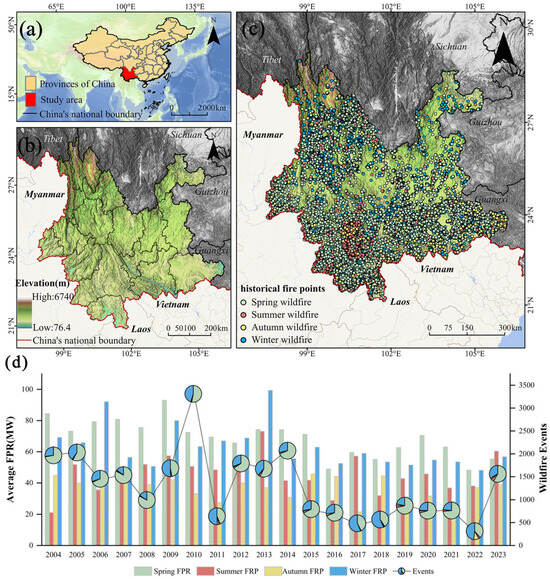
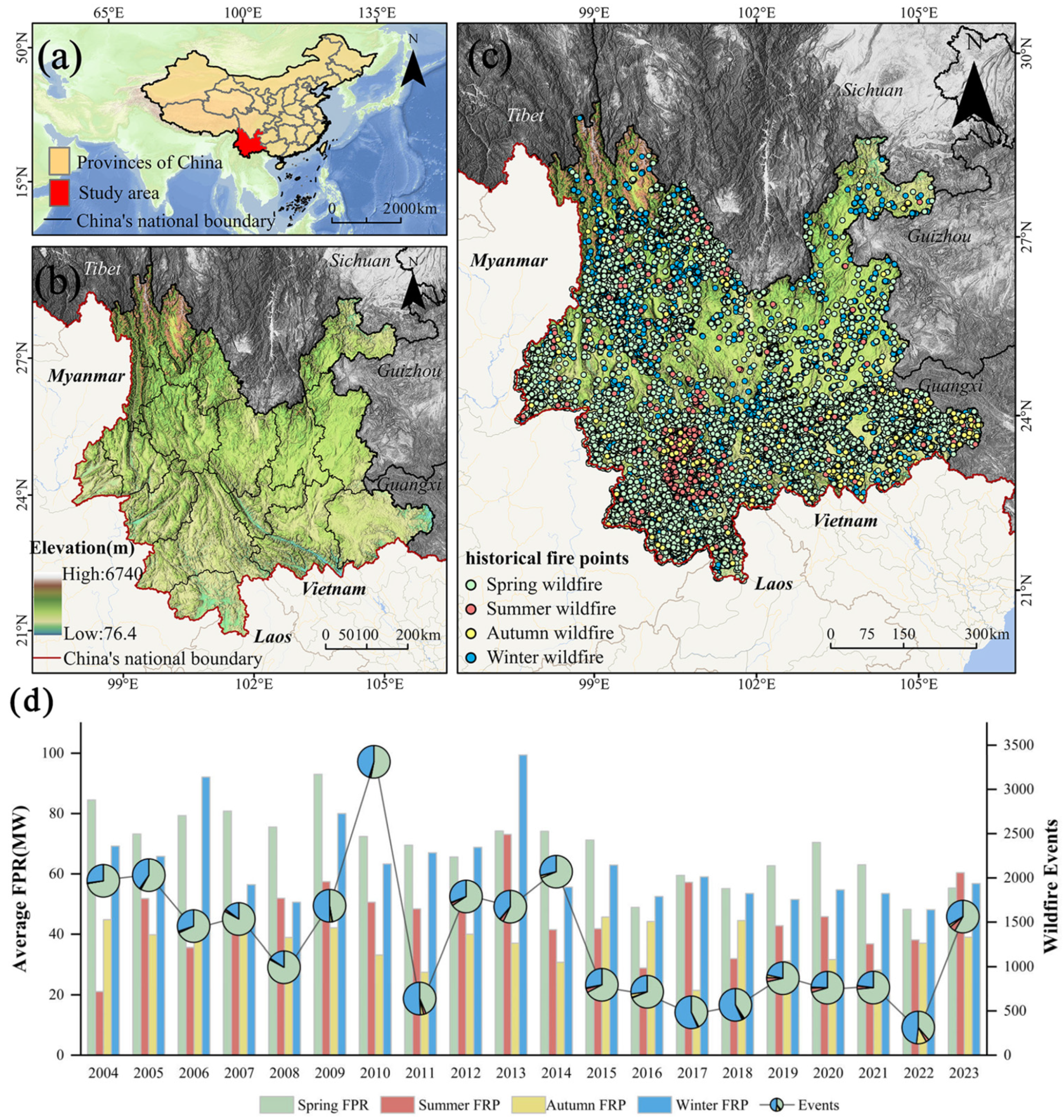
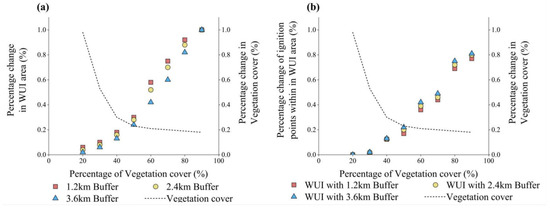
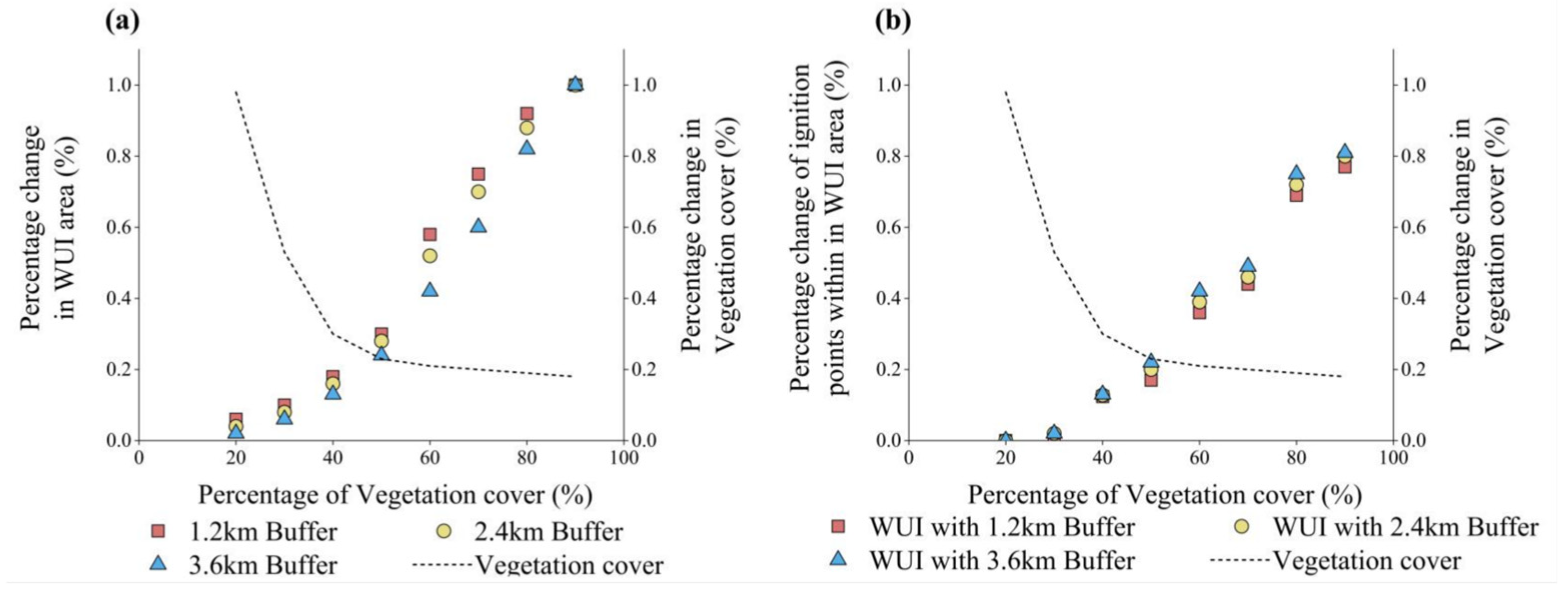
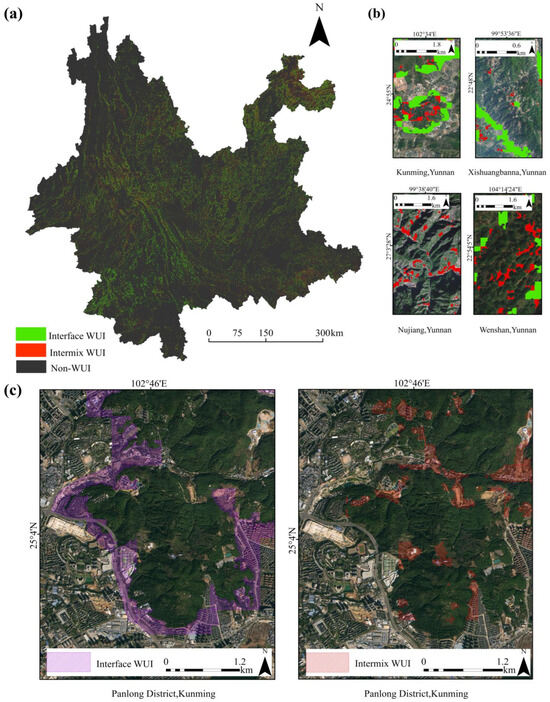
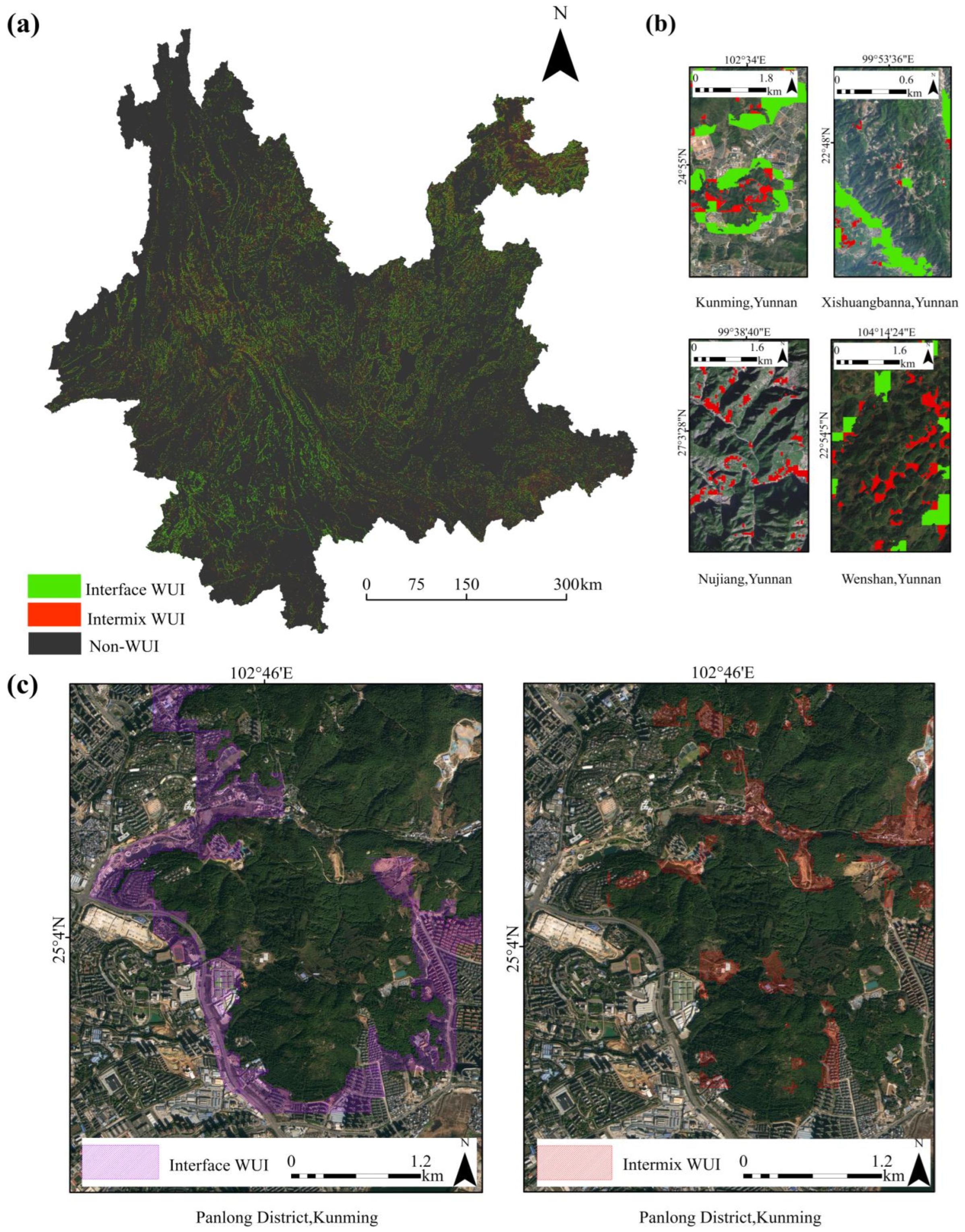
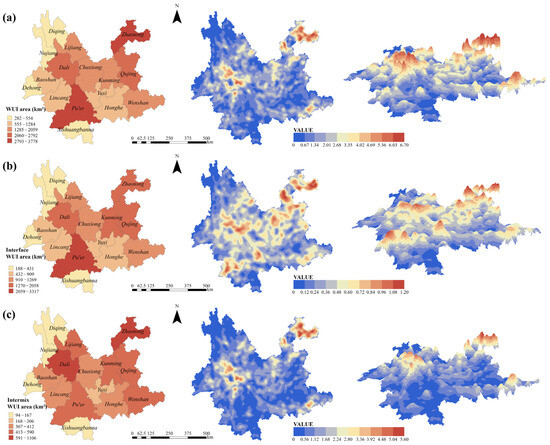
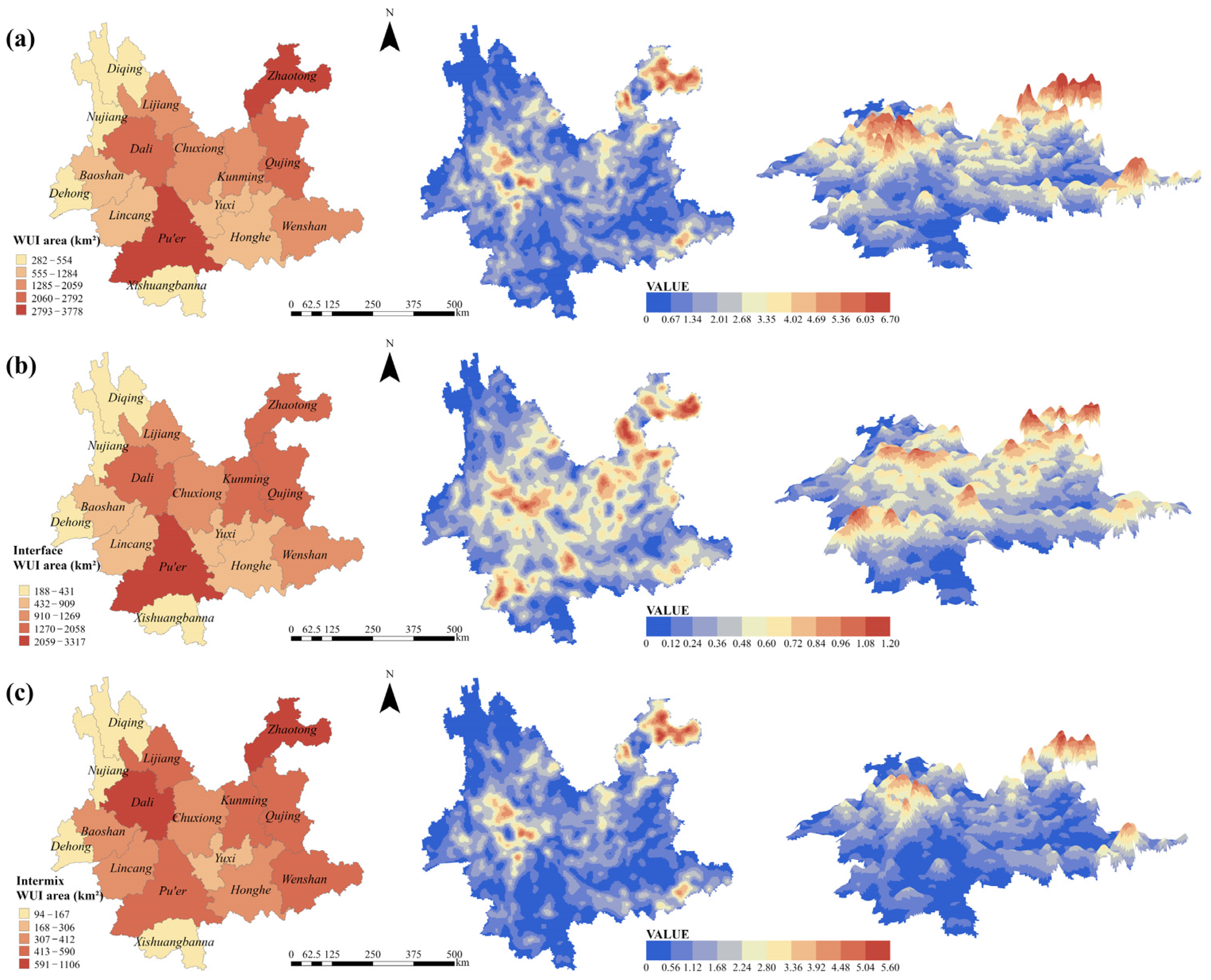
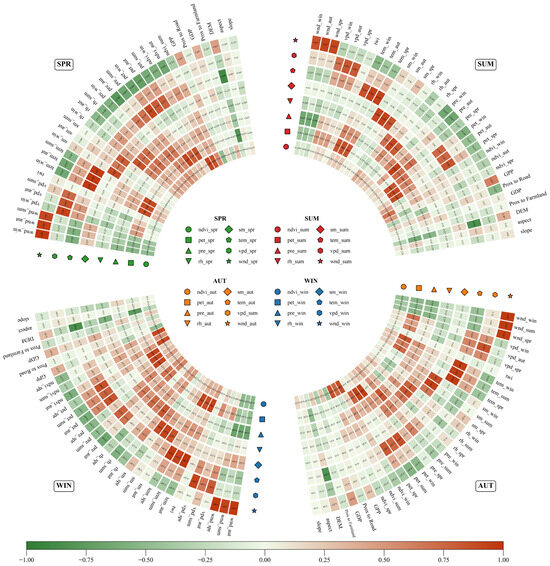
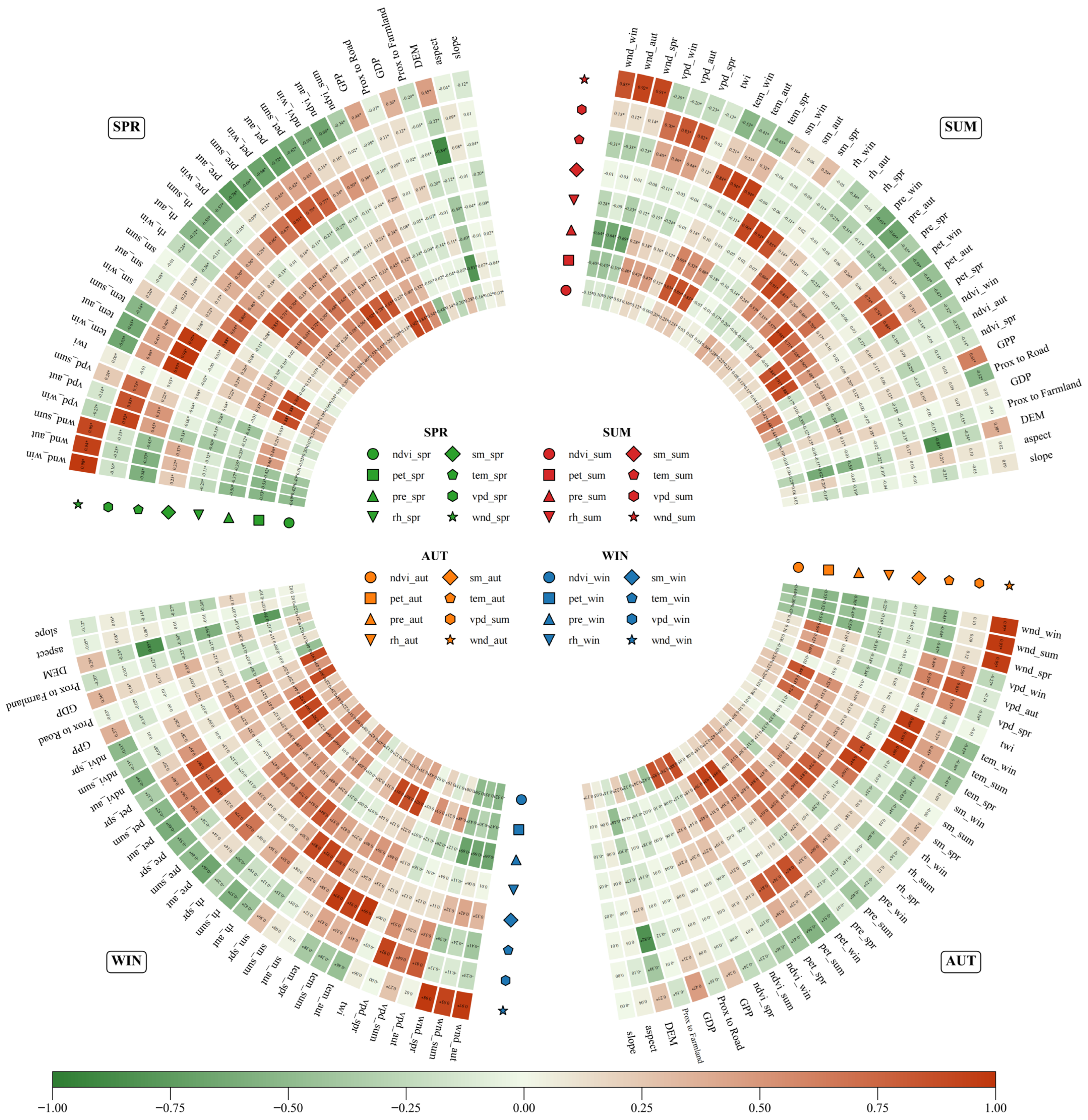
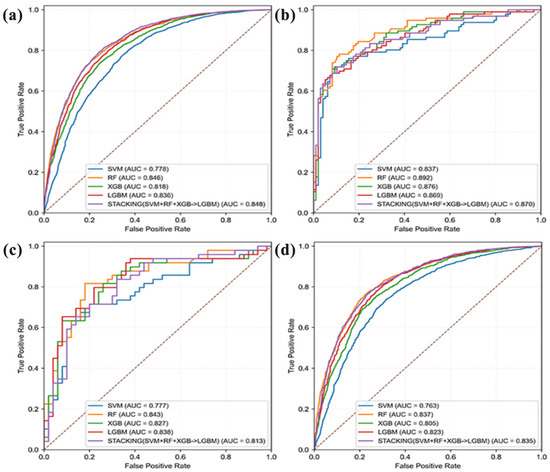
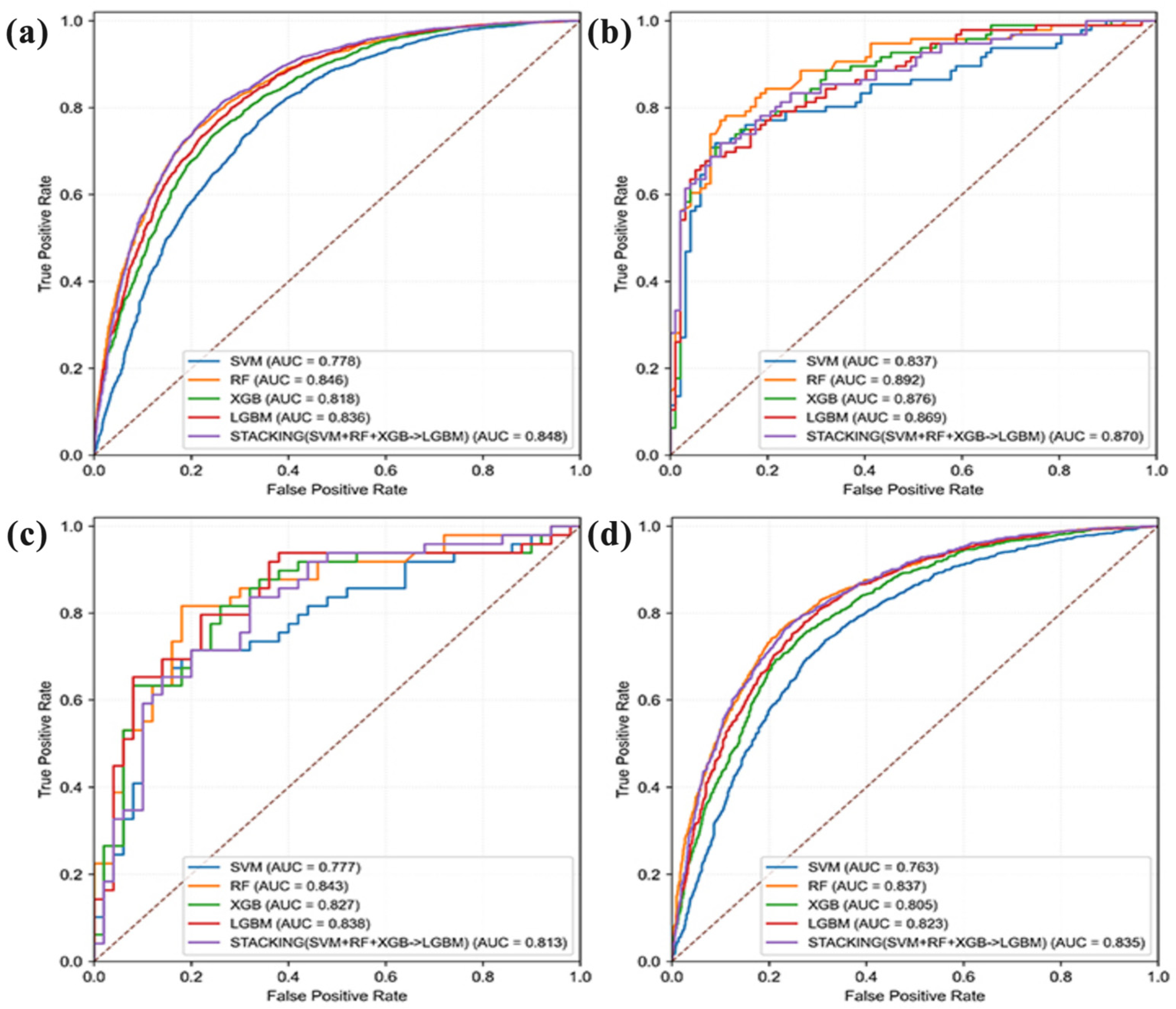
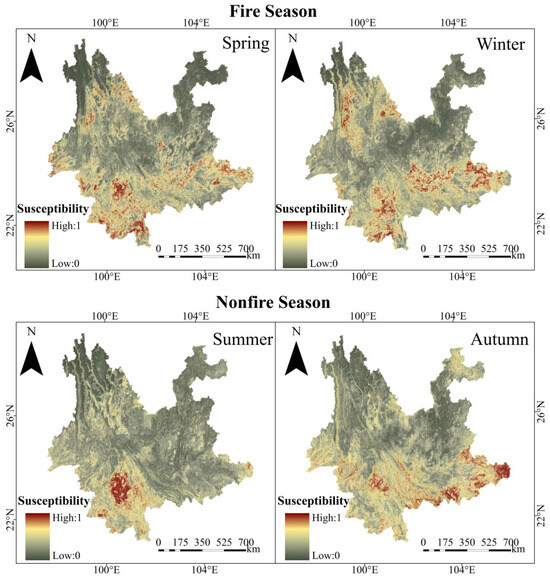
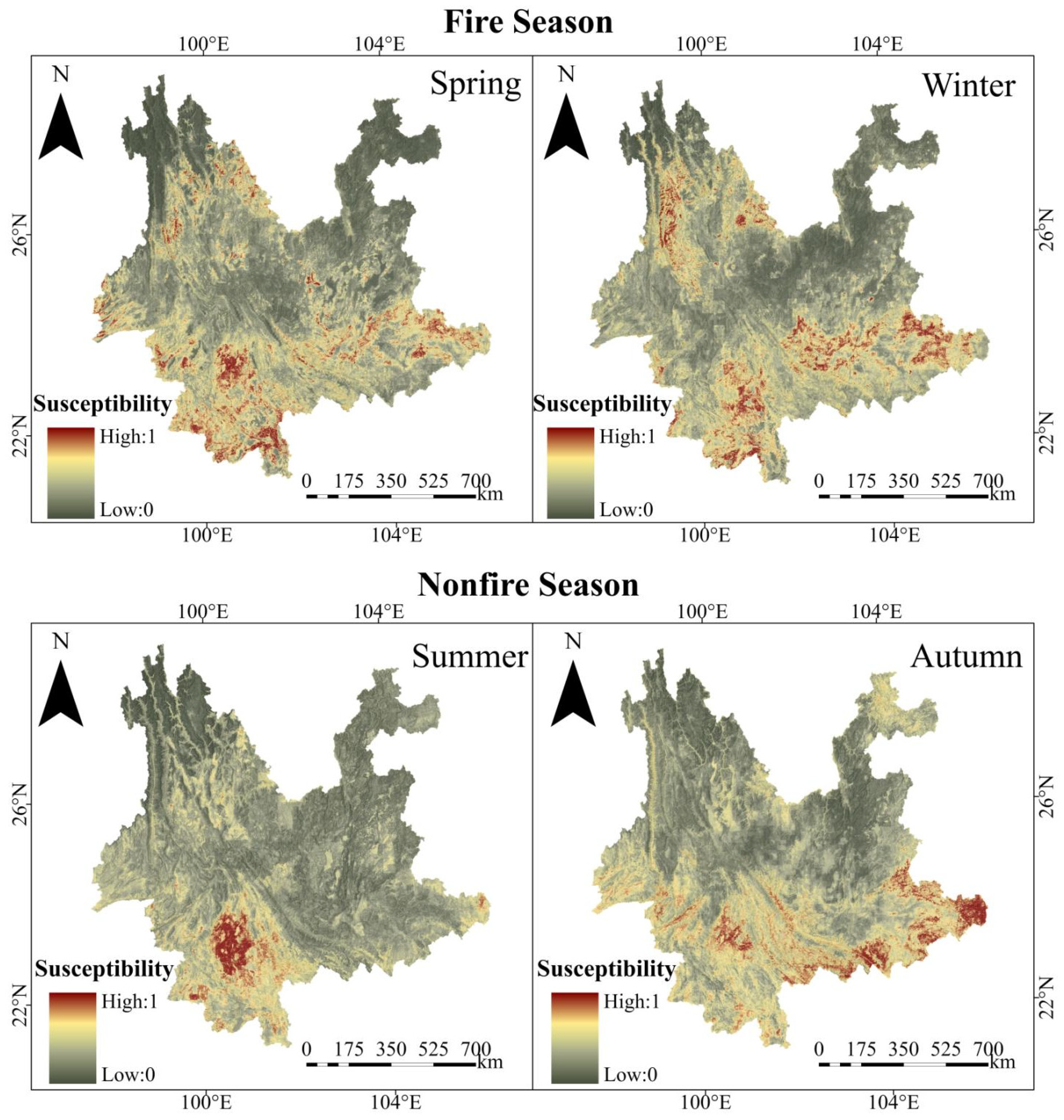
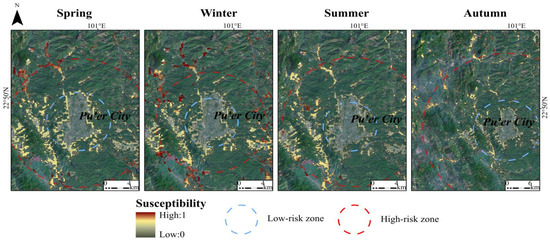
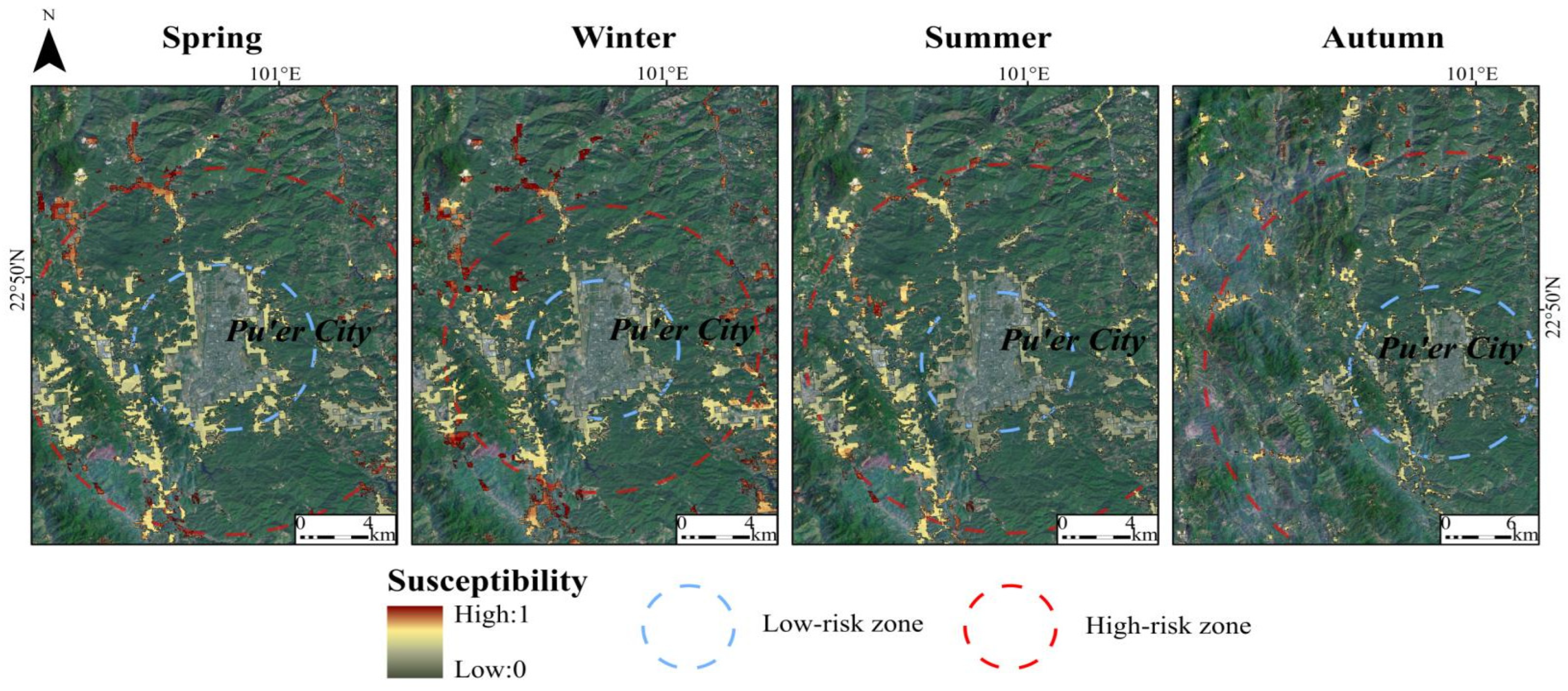
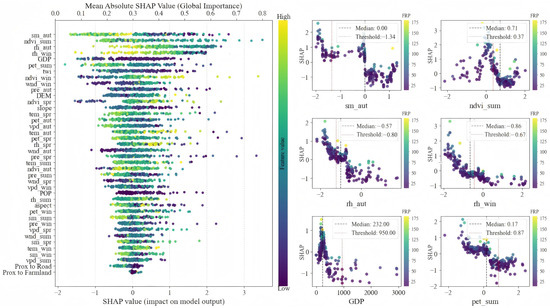
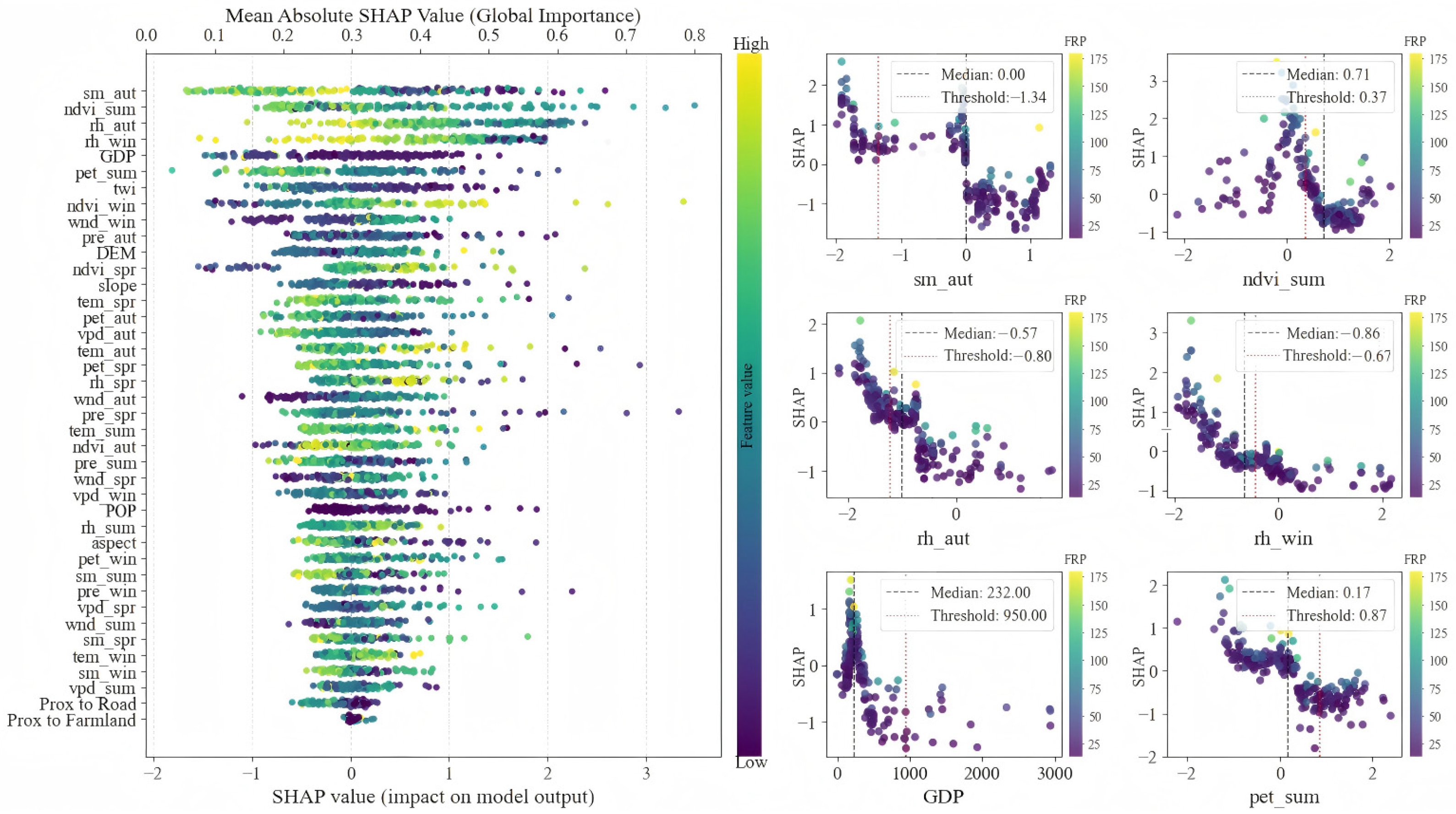

Disclaimer/Publisher’s Note: The statements, opinions and data contained in all publications are solely those of the individual author(s) and contributor(s) and not of MDPI and/or the editor(s). MDPI and/or the editor(s) disclaim responsibility for any injury to people or property resulting from any ideas, methods, instructions or products referred to in the content. |
© 2026 by the authors. Licensee MDPI, Basel, Switzerland. This article is an open access article distributed under the terms and conditions of the Creative Commons Attribution (CC BY) license.