Article

Synergistic Integration of Hydrogen Energy Economy with UK’s Sustainable Development Goals: A Holistic Approach to Enhancing Safety and Risk Mitigation


1
Centre for Marine Technology and Ocean Engineering (CENTEC), Instituto Superior Técnico, Universidade de Lisboa, 1649-004 Lisbon, Portugal
2
School of Computing, Engineering & Physical Sciences, University of the West of Scotland (UWS), London E14 2BE, UK
3
School of Engineering, Faculty of Science and Engineering, Macquarie University, Sydney, NSW 2109, Australia
4
School of Business and Law, University of Wollongong, Northfields Avenue, Wollongong, NSW 2522, Australia
5
Department of Mathematical and Industrial Engineering, Polytechnique Montréal, Montreal, QC H3T 1J4, Canada
6
Industrial Engineering Department, Quchan University of Technology, Quchan 9477177870, Iran
*
Author to whom correspondence should be addressed.
Fire 2023, 6(10), 391; https://doi.org/10.3390/fire6100391
Submission received: 21 September 2023 / Revised: 7 October 2023 / Accepted: 9 October 2023 / Published: 11 October 2023
(This article belongs to the Special Issue Hydrogen Safety: Challenges and Opportunities)

Abstract

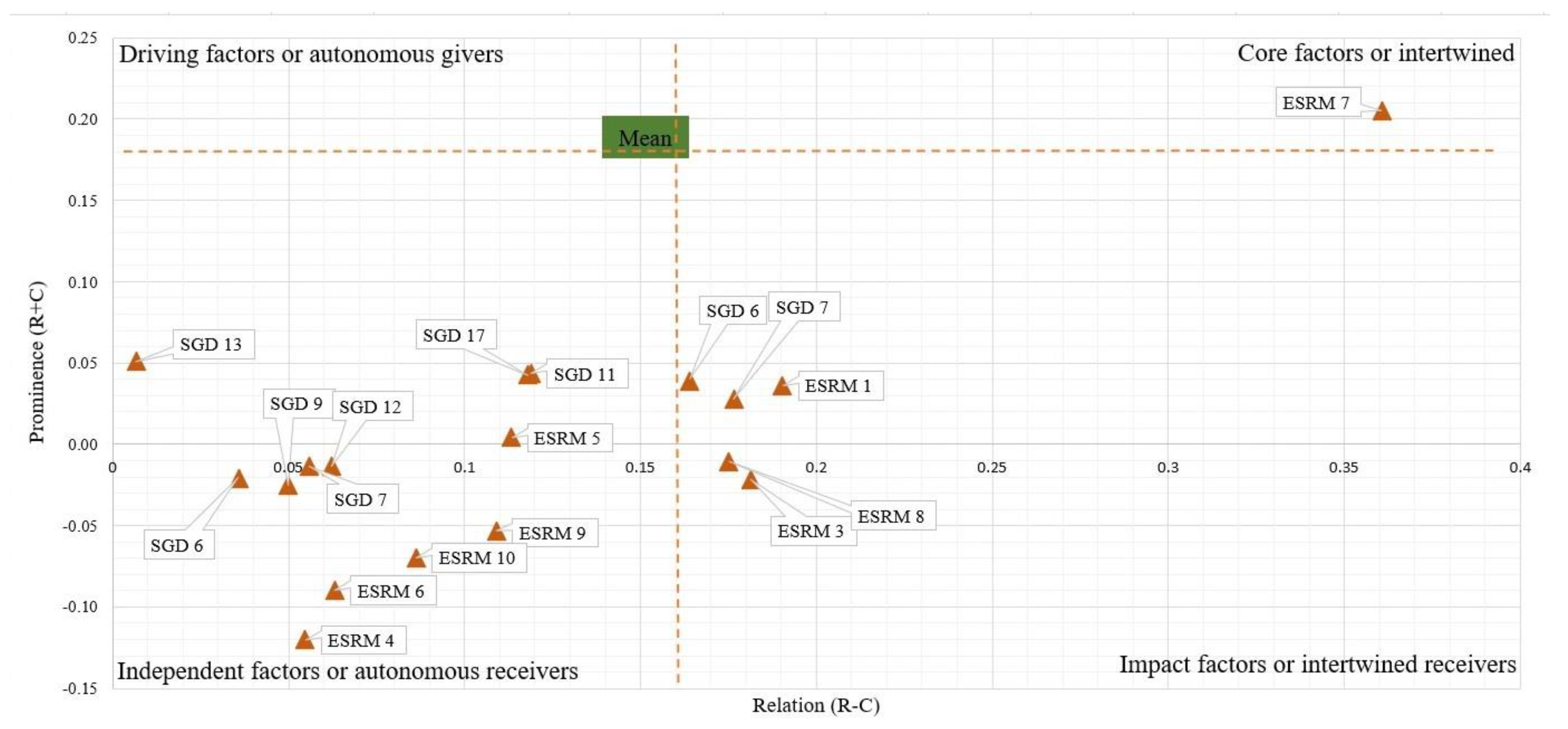
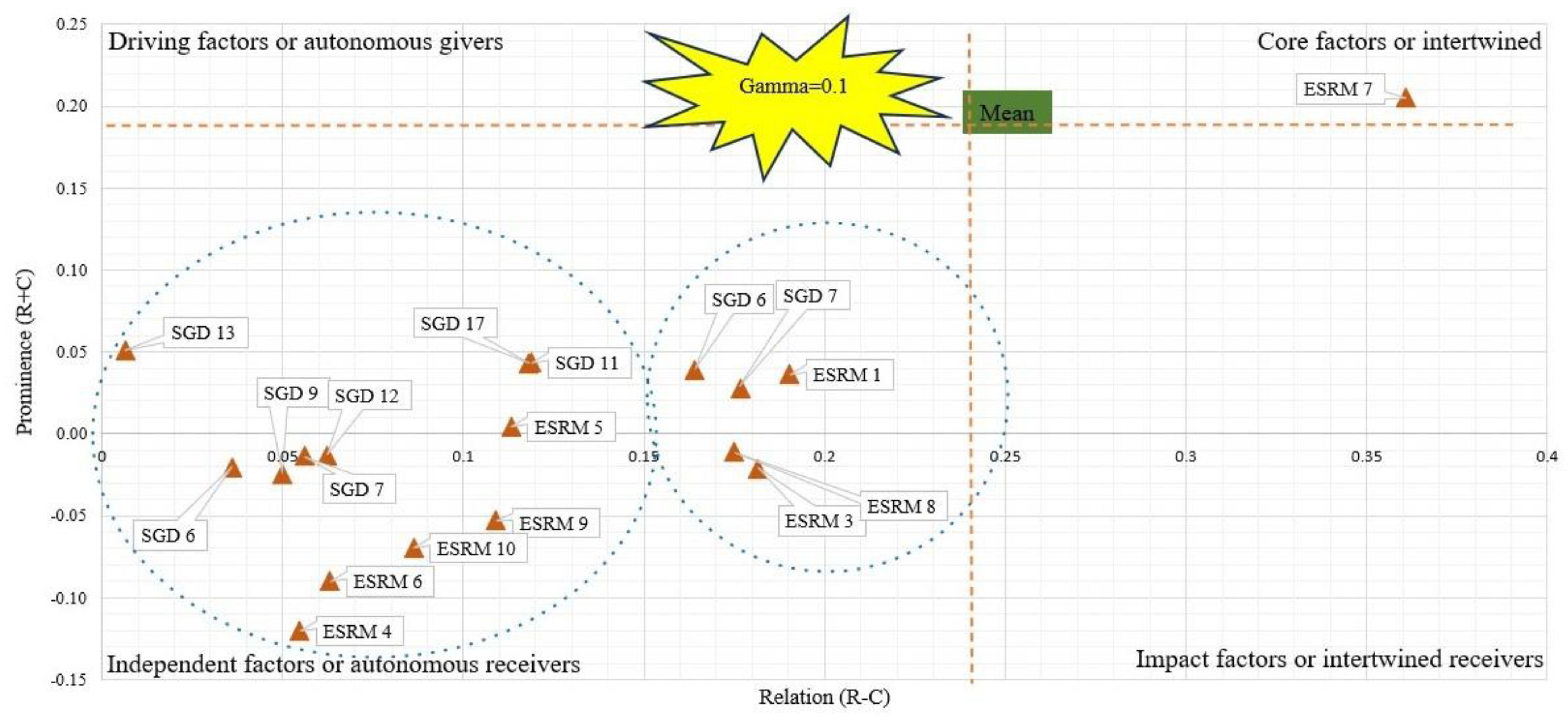
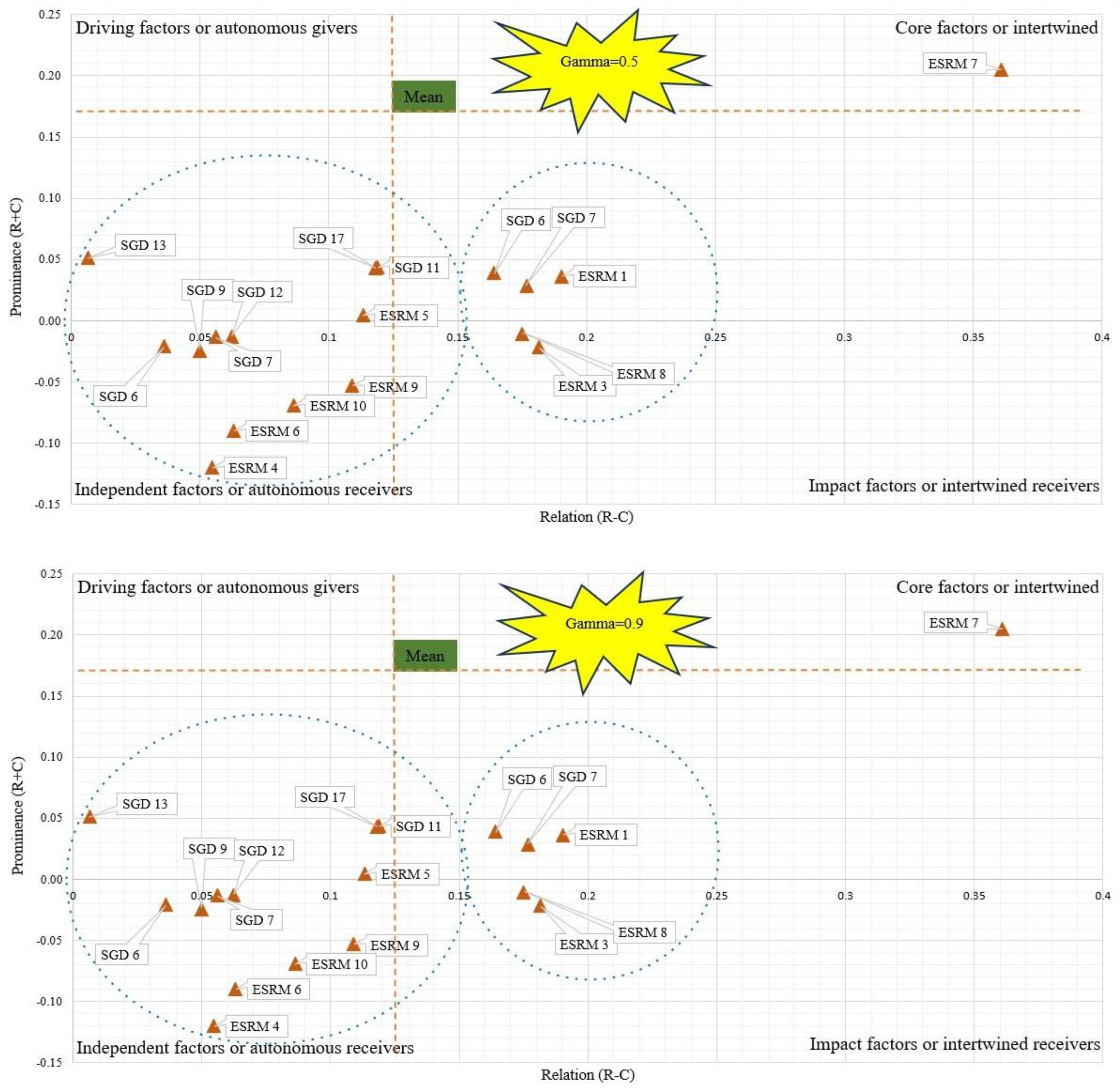
Hydrogen is gaining prominence as a sustainable energy source in the UK, aligning with the country’s commitment to advancing sustainable development across diverse sectors. However, a rigorous examination of the interplay between the hydrogen economy and the Sustainable Development Goals (SDGs) is imperative. This study addresses this imperative by comprehensively assessing the risks associated with hydrogen production, storage, transportation, and utilization. The overarching aim is to establish a robust framework that ensures the secure deployment and operation of hydrogen-based technologies within the UK’s sustainable development trajectory. Considering the unique characteristics of the UK’s energy landscape, infrastructure, and policy framework, this paper presents practical and viable recommendations to facilitate the safe and effective integration of hydrogen energy into the UK’s SDGs. To facilitate sophisticated decision making, it proposes using an advanced Decision-Making Trial and Evaluation Laboratory (DEMATEL) tool, incorporating regret theory and a 2-tuple spherical linguistic environment. This tool enables a nuanced decision-making process, yielding actionable insights. The analysis reveals that Incident Reporting and Learning, Robust Regulatory Framework, Safety Standards, and Codes are pivotal safety factors. At the same time, Clean Energy Access, Climate Action, and Industry, Innovation, and Infrastructure are identified as the most influential SDGs. This information provides valuable guidance for policymakers, industry stakeholders, and regulators. It empowers them to make well-informed strategic decisions and prioritize actions that bolster safety and sustainable development as the UK transitions towards a hydrogen-based energy system. Moreover, the findings underscore the varying degrees of prominence among different SDGs. Notably, SDG 13 (Climate Action) exhibits relatively lower overall distinction at 0.0066 and a Relation value of 0.0512, albeit with a substantial impact. In contrast, SDG 7 (Clean Energy Access) and SDG 9 (Industry, Innovation, and Infrastructure) demonstrate moderate prominence levels (0.0559 and 0.0498, respectively), each with its unique influence, emphasizing their critical roles in the UK’s pursuit of a sustainable hydrogen-based energy future.
Keywords: hydrogen economy; sustainable development; decision-making process; regret theory; regulatory framework; DEMATEL hydrogen economy; sustainable development; decision-making process; regret theory; regulatory framework; DEMATEL