1. Introduction
The rapid advancement of lightweight and high-performance devices has accelerated the adoption of multi-material structures that combine metals, ceramics, and polymers in industries such as automotive, aerospace, and electronics [
1]. However, joining dissimilar materials presents substantial challenges: low interfacial affinity and large mismatches in thermal expansion coefficients can readily lead to poor adhesion or interfacial degradation, ultimately compromising mechanical performance and long-term reliability [
2,
3]. Consequently, stabilizing adhesion between dissimilar materials has become an important technological requirement, driving demand for surface modification techniques that can selectively tailor interfacial properties without altering bulk characteristics.
Plasma treatment is widely employed for this purpose because it enables controlled modification of surface chemistry while avoiding thermal damage to the substrate [
4,
5]. Atmospheric-pressure plasma, in particular, has attracted increasing attention due to its chamberless operation, simple system configuration, and compatibility with in-line processing. The mild thermal conditions further enable the treatment of heat-sensitive polymers and electronic components [
6,
7]. In addition to enabling surface activation and cleaning, atmospheric-pressure plasmas can facilitate thin-film deposition when a precursor is introduced into the plasma region. Previous studies have demonstrated the deposition of SiO
2-based hard coatings, photocatalytic TiO
2 films, and enhanced adhesion between aluminum and acrylonitrile–butadiene rubber [
8,
9,
10]. These examples highlight the potential of atmospheric-pressure plasma-enhanced chemical vapor deposition (AP-PECVD) as a versatile low-temperature method for functional thin-film fabrication.
In low-pressure plasma CVD systems, many studies have examined how process parameters—such as plasma density, gas composition, and precursor concentration—affect film properties including deposition rate and chemical structure [
11,
12]. In contrast, atmospheric pressure plasma exhibits additional complexity due to their interaction with the ambient air. Reactive species derived from ambient oxygen and nitrogen, combined with the rapid deactivation of short-lived species, complicate the reaction mechanism [
13,
14]. As a result, establishing clear relationships between process parameters and film characteristics becomes more difficult than in low-pressure systems. A deeper understanding of AP-PECVD film growth therefore requires consideration not only of gas-phase and surface reactions but also of desorption processes occurring during and after deposition. In this context, recent work has demonstrated the characterization and optimization of an atmospheric plasma deposition system for in-line glass-fiber treatment using air and organosilane precursors, highlighting the growing importance of process control in atmospheric-pressure plasma deposition [
15]. Moreover, recent diagnostic studies have shown that precursor conversion products in helium plasmas can be monitored dynamically, underscoring the value of relating discharge characteristics to plasma-chemical reactions [
16].
The aim of this study is to elucidate how plasma conditions influence film growth and desorption behavior during AP-PECVD using an amine-based precursor. Gas-phase derivatization products were analyzed using gas chromatography–mass spectrometry (GC-MS), and mass changes during deposition and subsequent desorption were monitored using a quartz crystal microbalance (QCM). The chemical composition of the films was analyzed by X-ray photoelectron spectroscopy (XPS). The present study provides fundamental insights into the interplay among precursor activation, surface reactions, and desorption processes in AP-PECVD.
2. Materials and Methods
2.1. Materials
Hexylamine (Tokyo Chemical Industry Co., Ltd., Tokyo, Japan) was used as the precursor for plasma CVD thin-film deposition. Alumina substrates (SSA-T, Nikkato Corporation, Osaka, Japan) were employed as the deposition substrates. Because organic contaminants are typically present on alumina surfaces, the substrates were heated at 600 °C for over 3 h prior to use to remove residual organic species. The annealing pretreatment was intended to reduce gross organic contamination and standardize the initial surface condition, rather than to completely remove residual carbon from the surface.
2.2. AP-PECVD System Configuration and Deposition Procedure
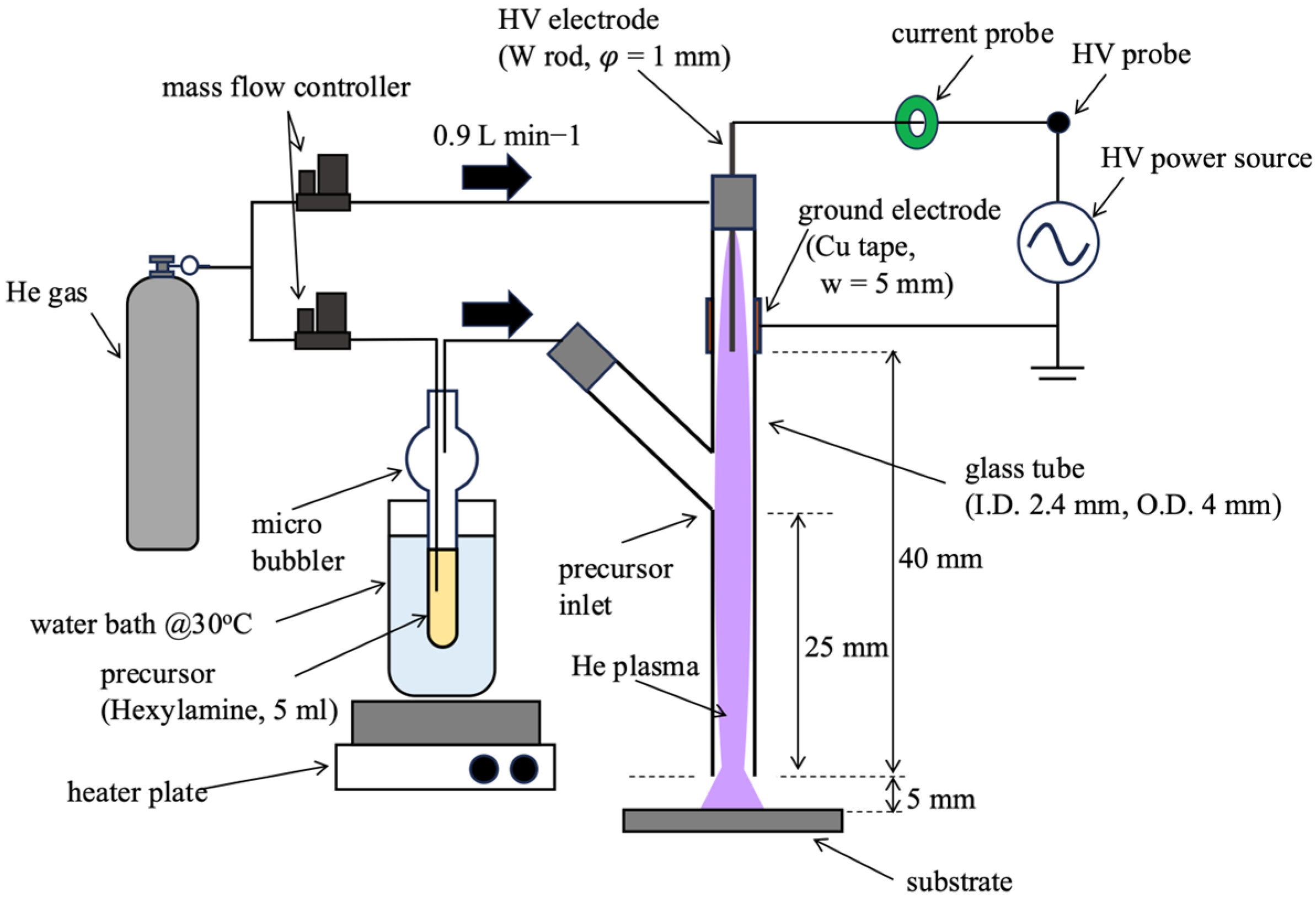
An overview of the AP-PECVD apparatus used in this study is shown in
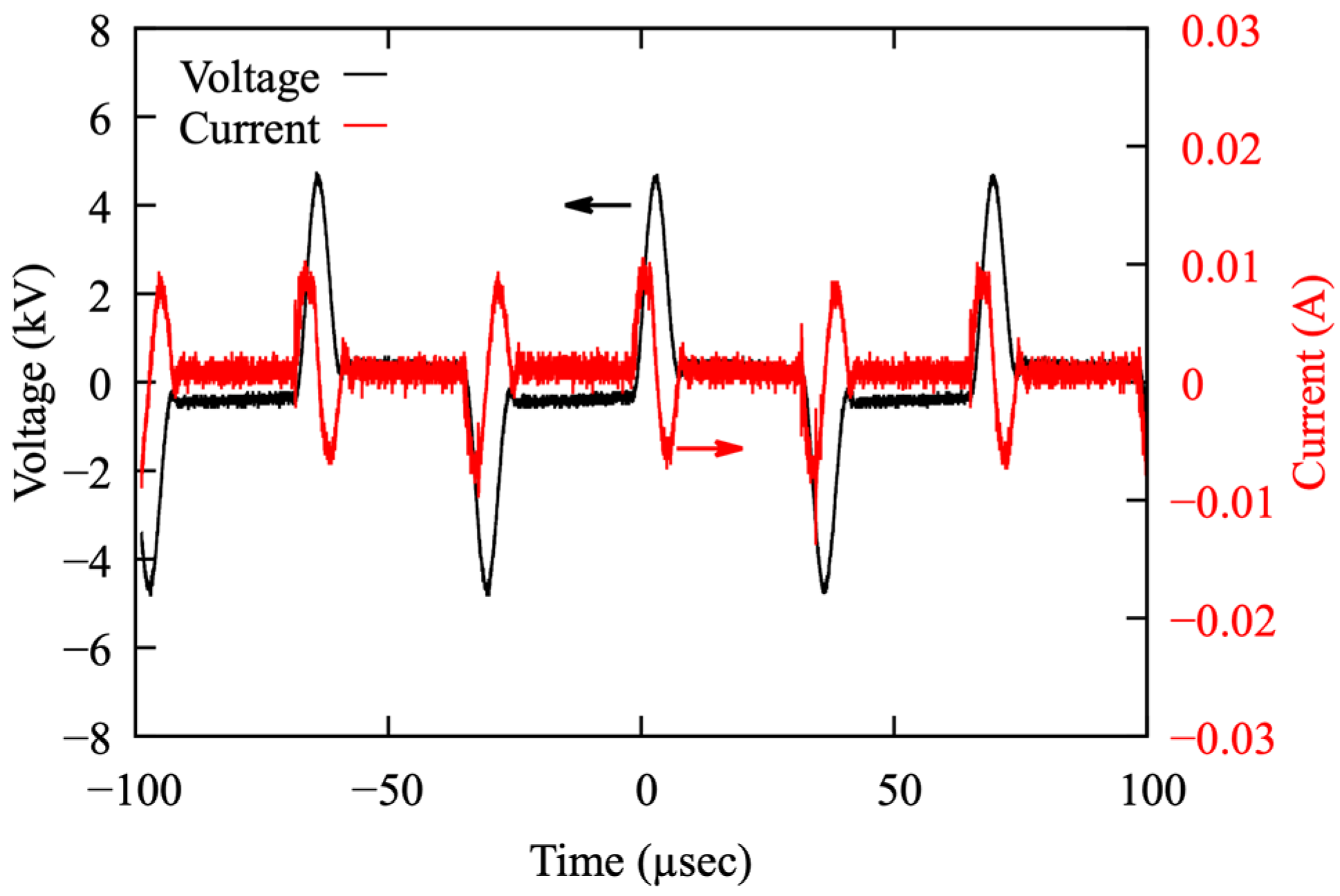
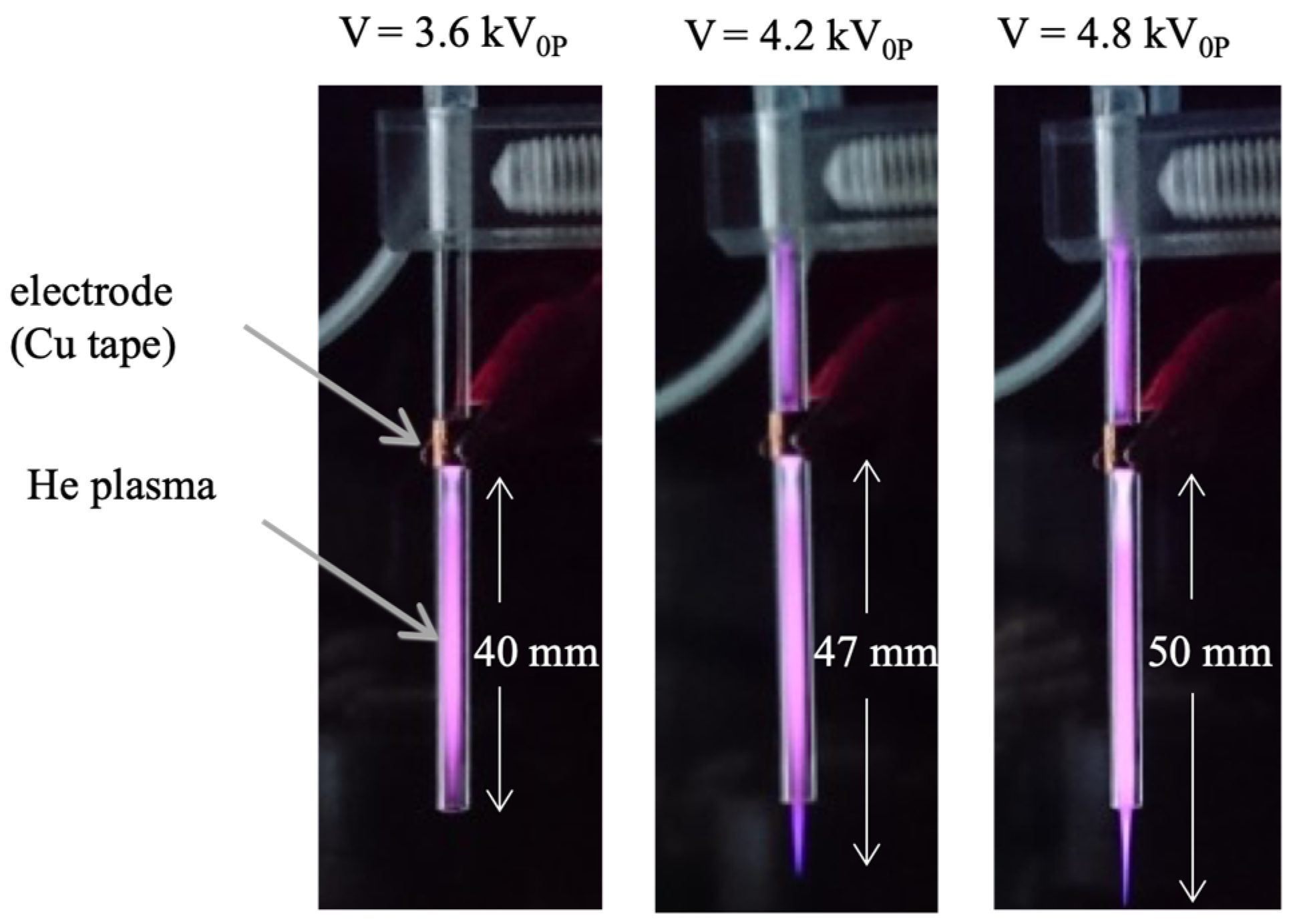
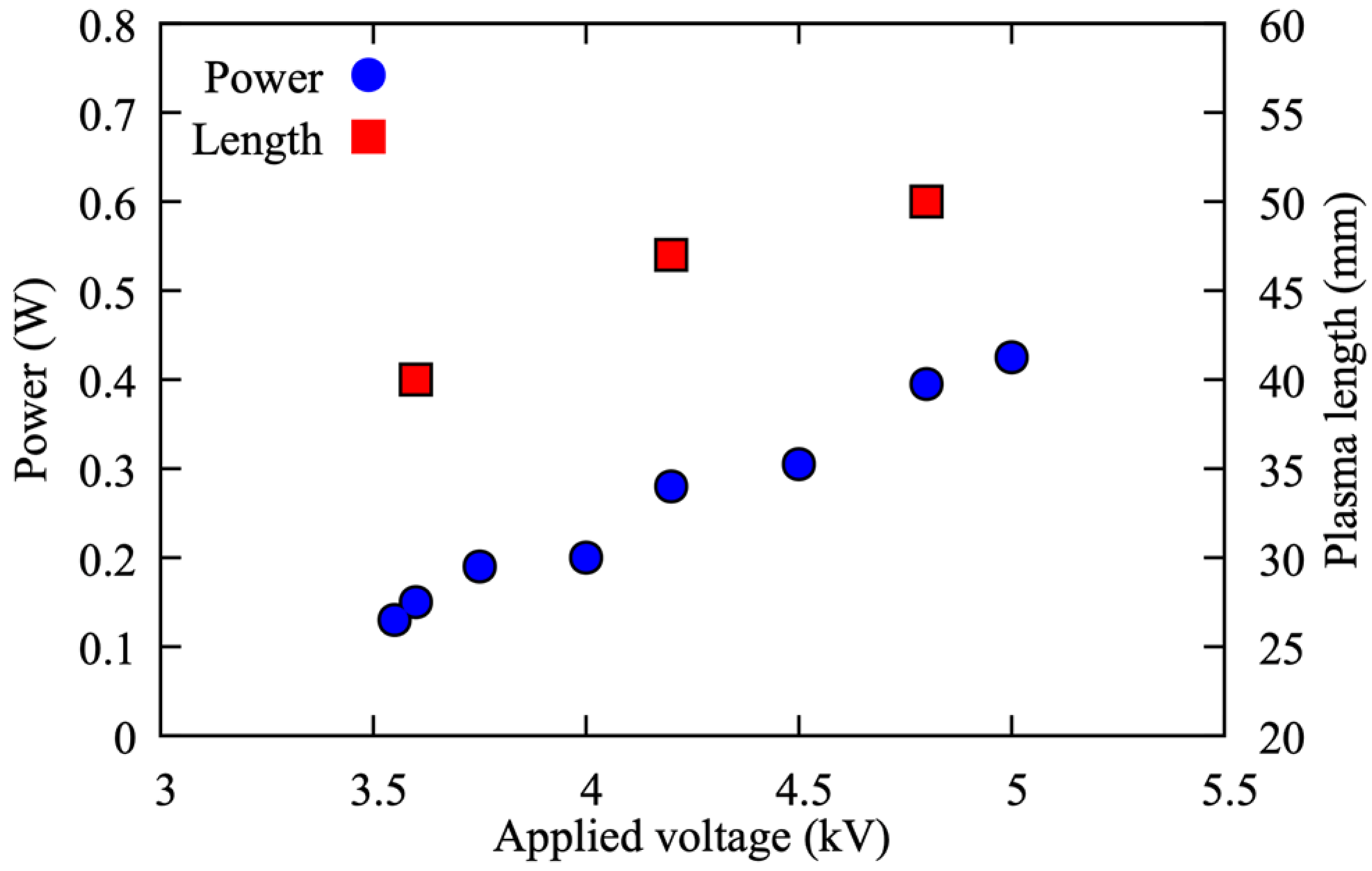
Figure 1. A quartz glass tube (inner diameter: 2.4 mm, outer diameter: 4 mm) served as the dielectric barrier. A tungsten high-voltage electrode (diameter: 2 mm) was inserted along the central axis inside the quartz tube, and the grounded electrode consisted of a 5 mm-wide copper tape wrapped around the outer circumference of the tube. The tip of the high-voltage electrode was aligned at the same vertical height as the lower edge of the grounded electrode. The distance from the lower edge of the grounded electrode to the outlet of the quartz glass tube was 40 mm. Plasma was generated by applying a high voltage between the high-voltage and grounded electrodes using a custom-built high-voltage power supply. A bipolar pulsed voltage was applied, with a fixed pulse width of 20 µs for both the positive and negative polarities. The repetition frequency was 15 kHz, corresponding to a period of 66.7 µs; thus, each cycle consisted of a 40 µs active phase. The applied voltage was varied in the range of 3.6–5.0 kV
0ₚ depending on the experimental condition, and the discharge power was adjusted by changing the applied voltage amplitude. Representative voltage and current waveforms are shown in
Figure 2. Helium was used as the plasma-generating gas and was introduced through the opening at the end of the quartz tube into which the high-voltage electrode was inserted. The helium flow rate supplied through this opening was 0.9 L min
−1.
When the discharge is ignited inside the quartz tube filled with helium, the plasma propagates along the gas flow path under the electric field generated by the discharge itself. The target substrate can then be treated by the plasma bullet jet emitted into the atmosphere from the tip of the quartz tube. The precursor used as the raw material for CVD film deposition was supplied through a branched quartz tube connected to the main tube in the downstream region of the plasma jet flow. Hexylamine, a low-molecular-weight compound containing an amino group, was employed as the precursor. In its liquid state, hexylamine was converted into a mist via a bubbling process. For this purpose, a micro-bubbler containing 5 mL of hexylamine was used, and the bubbler was placed in a water bath maintained at 30 °C to ensure temperature stability and a consistent mist concentration. Helium was supplied to the bubbler at flow rates up to 0.1 L min−1 and served as the carrier gas for delivering the precursor mist. By varying this flow rate, the supply rate of the precursor was controlled. In the present study, the precursor concentration expressed in ppm is used as an operational measure of precursor supply. Because the precursor was introduced through a bubbling/mist-generation process, the possible contribution of microdroplets to film growth cannot be completely excluded.
Voltage and current waveforms of the plasma bullet were measured using a high-voltage probe (P6015A, Tektronix, Tokyo, Japan) and a current probe (PEARSON™ Current Monitor Model 4100, Pearson Electronics Inc., Palo Alto, CA, USA) installed on the cable between the high-frequency power supply and the high-voltage electrode. These signals were recorded using an oscilloscope (DPO4104, Tektronix, Japan). The plasma power P was calculated according to Equation (1), where
T1 and
T2 denote the start and end times of the integration interval used to calculate the time-averaged discharge power, respectively:
2.3. Characteristics
Hexylamine forms thin films through fragmentation reactions induced by reactive species in the plasma. The fraction of hexylamine activated by the plasma was quantified using gas chromatography–mass spectrometry (GC-MS), and compounds generated via covalent bond cleavage and subsequent recombination were also identified by GC-MS. The sample gas, consisting of plasma gas and precursor vapor that had passed through the plasma region, was collected directly from the outlet of the quartz tube in the plasma bullet into a polyvinylidene fluoride sampling bag. A 500 mL portion of the collected gas was extracted with 10 mL of ethanol. For quantification of hexylamine, the ethanol extract was analyzed without dilution, whereas for qualitative analysis of decomposition products, the extract was diluted 20-fold. GC-MS analyses were carried out using an Agilent Technologies 7890A GC system (Agilent Technologies, Santa Clara, CA, USA) coupled with an Agilent Technologies 5975C inert MSD (Agilent Technologies, Santa Clara, CA, USA), equipped with a CP-SiL8 CB for Amines column (length: 30 m; inner diameter: 0.32 mm; film thickness: 1 µm). The GC temperature program consisted of an initial hold at 40 °C for 4 min, followed by a temperature ramp of 10 °C min−1 up to 300 °C. Each component separated by GC was ionized by electron-impact (EI) ionization, and the resulting mass spectra were compared with reference spectra for compound identification.
The deposited mass was evaluated using a quartz crystal microbalance (QCM). A QCM trial kit (Piezo Parts Co., Ltd., Tokyo, Japan) was used for these measurements. This technique enables quantification of the mass of material deposited on the QCM sensor surface with nanogram-level sensitivity. Quartz, a piezoelectric material, is cut into an extremely thin plate and used as a sensor, with metal electrodes vapor-deposited on both sides. When the quartz crystal oscillator is connected to an oscillation circuit, it vibrates at a specific resonant frequency. Adsorption of a substance onto the metal electrodes causes a decrease in the resonant frequency (F) proportional to the mass of the adsorbed material. By substituting the frequency shift before and after adsorption (Δ
F) into Equation (2), the adsorbed mass can be determined. Here,
F is the nominal frequency of the quartz,
A is the electrode area,
μ is the shear modulus of quartz, and
ρ is its density, which are 9.0 × 10
6 Hz, 0.196 cm
2, 2.95 × 10
11 g cm
−1 s
−2, and 2.65 g cm
−3, respectively.
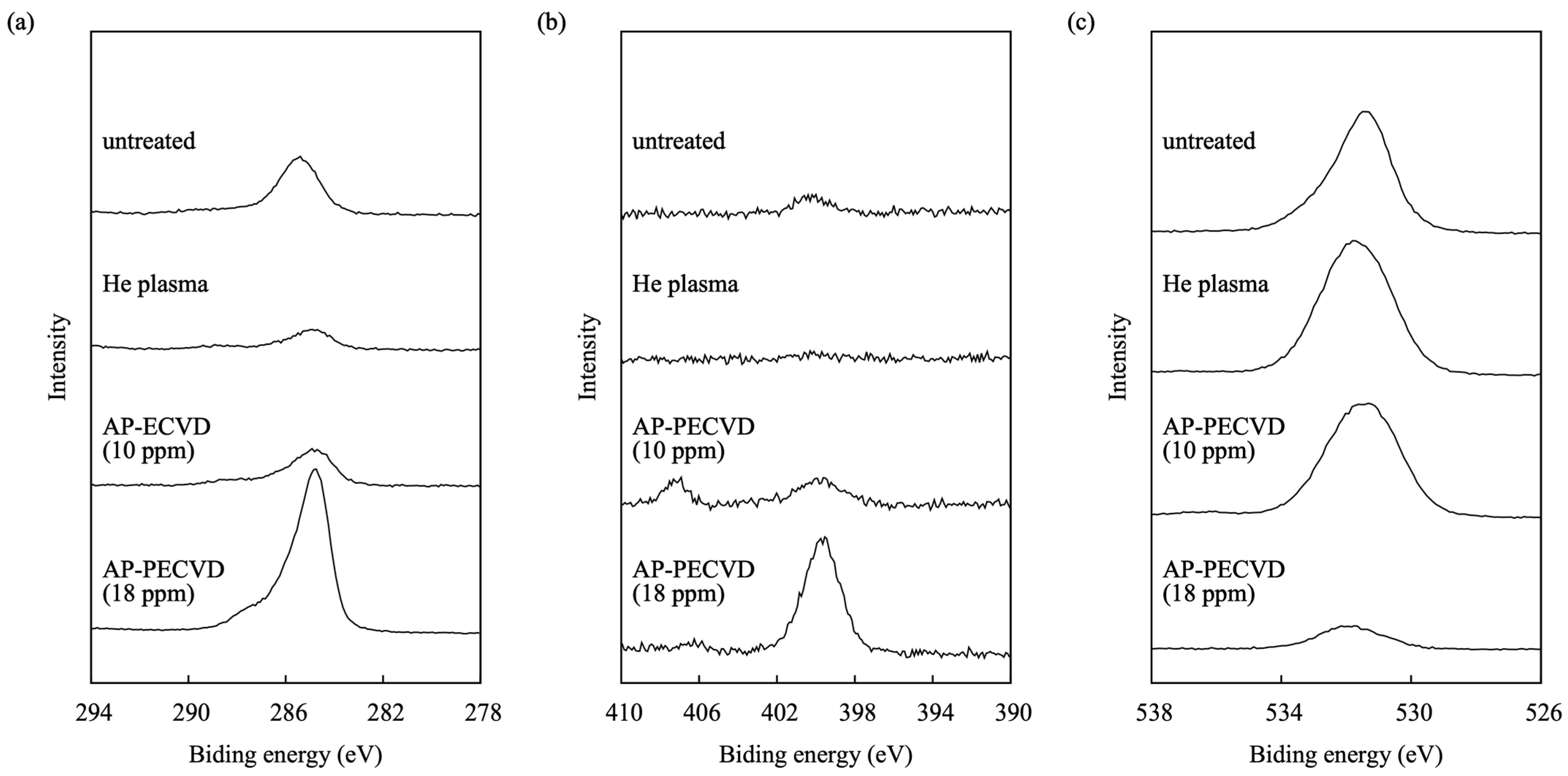
The chemical bonding states and elemental composition of the films prepared by AP-PECVD were analyzed by X-ray photoelectron spectroscopy (XPS). XPS measurements were performed using a PHI Quantera SXM (ULVAC-PHI, Chigasaki, Japan) equipped with a monochromatic Al Kα X-ray source, with an analysis area of 100 μm in diameter. The angle between the sample surface and the detector was set to 45°. The concentration of hexylamine introduced into the plasma jet flow was determined by inserting a detection tube at the outlet of the plasma bullet. Gastec detection tubes No. 180 (measurement range: 9–180 ppm) and No. 180L (measurement range: 0.9–18 ppm) were used for this analysis.
4. Discussion
This study demonstrates that, in atmospheric-pressure plasma CVD using an amine-based precursor, thin-film growth is governed by the concerted effects of gas-phase activation of the precursor, interactions with reactive species originating from ambient air, and surface reactions. By combining GC-MS, QCM, and XPS, the relationships between the nature of plasma-generated species, deposition stability, and the final film composition were clarified.
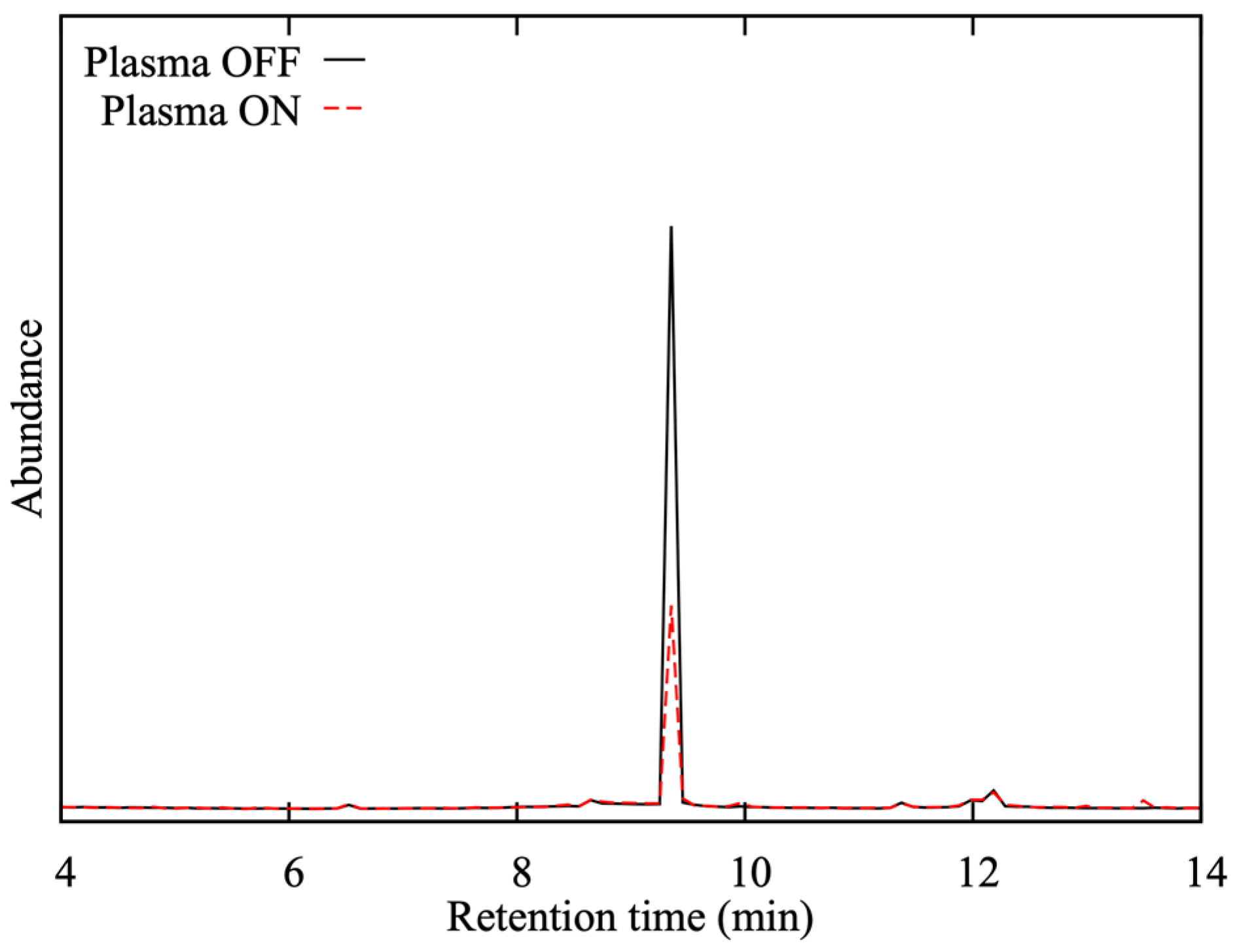
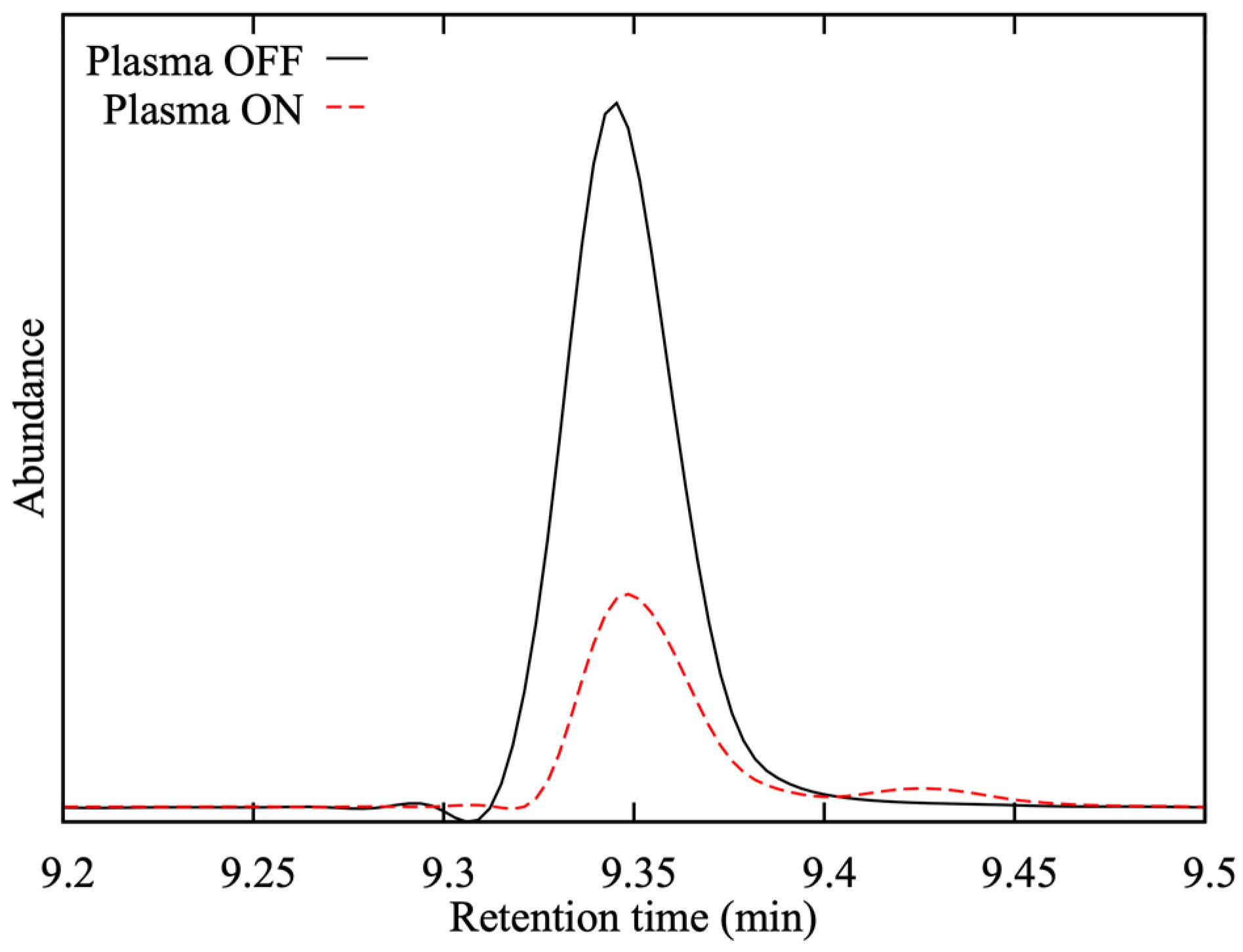
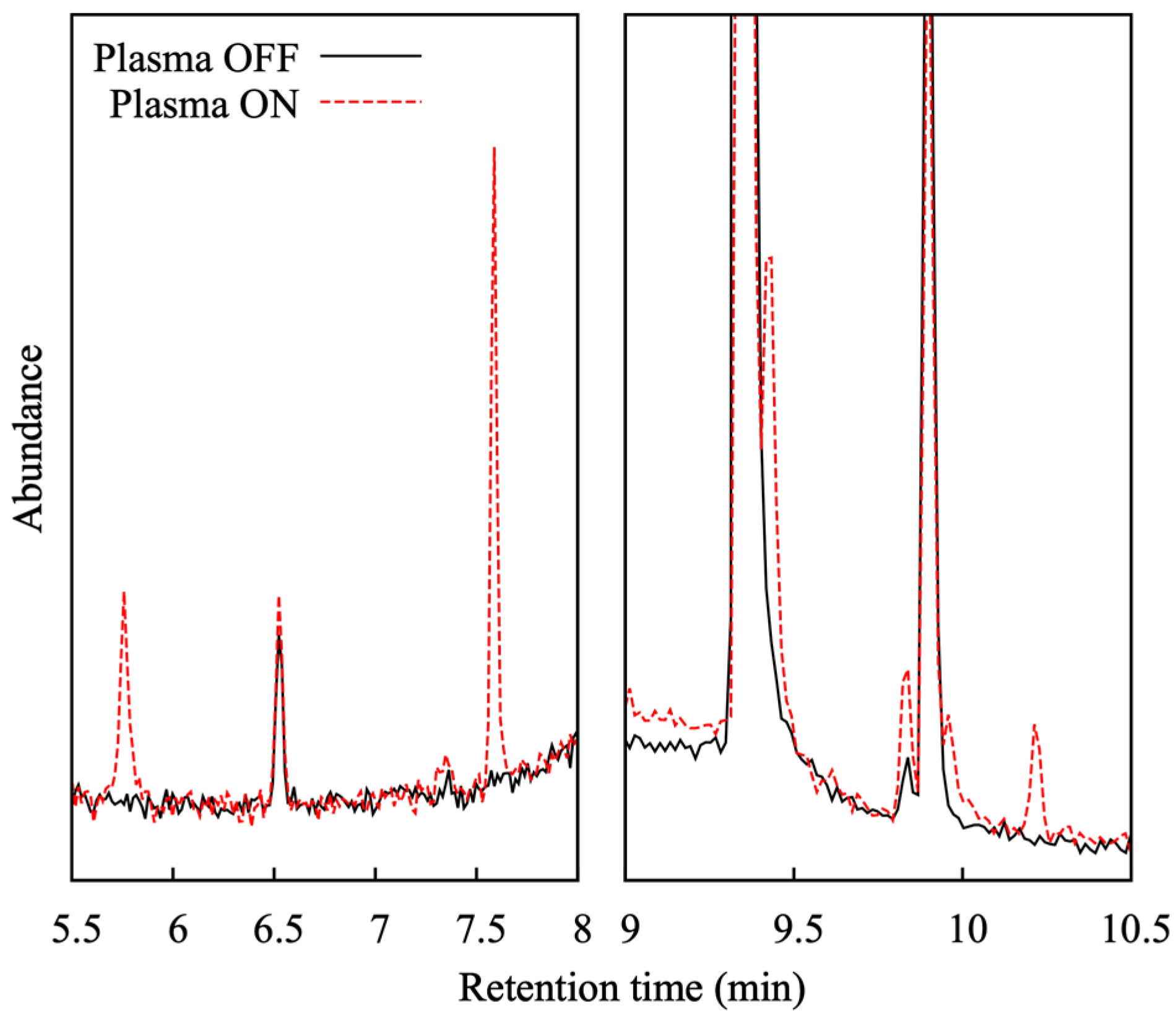
GC-MS analysis revealed that the precursor was partially activated during passage through the plasma region. Under plasma-ON conditions, the precursor concentration decreased from 85 ppm to 35 ppm, corresponding to approximately 40% of its plasma-OFF value, indicating that a substantial fraction of the molecules was decomposed or transformed, while unactivated molecules remained. In addition, multiple oxygen-containing and nitrogen-containing species were detected among the plasma-generated products. Because the precursor itself contains no oxygen, these species are considered to originate from oxygen and moisture in ambient air, as well as oxygen dissolved in the precursor, which are activated by the plasma and involved in recombination reactions. Accordingly, the gas phase in the plasma jet flow can be regarded as a mixture of partially fragmented precursor molecules and reactive species derived from the surrounding environment, which together act as building blocks for film growth.
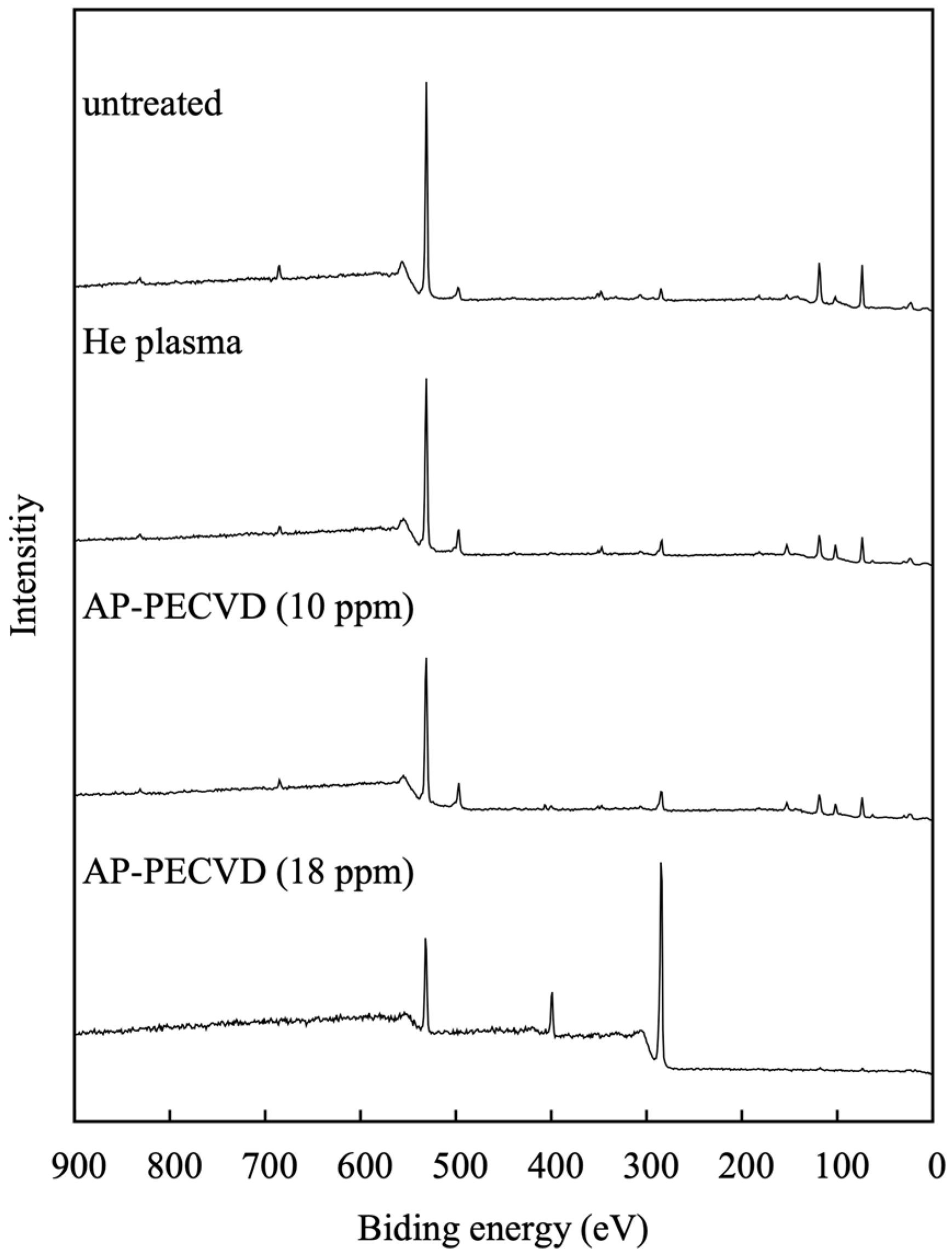
The XPS results are consistent with this interpretation. With increasing precursor concentration, the C 1s and N 1s signals increased, while the Al 2p signal originating from the alumina substrate was strongly attenuated, confirming the formation of an organic overlayer with a thickness exceeding the XPS information depth. The detection of C=O and O–C=O components in the C 1s spectra, together with the oxygen-containing products identified by GC–MS, indicates that oxygen originating from air, moisture, or dissolved oxygen is incorporated into the film through plasma-induced reactions [
22]. Although the N 1s signal was weak, the observation of a small feature attributable to nitrogen–oxygen species suggests that activated nitrogen may also contribute to the film chemistry. Overall, the films formed in this system can be described as carbon-rich organic layers containing oxygen- and nitrogen-bearing functionalities derived from both precursor-origin and ambient-origin fragments.
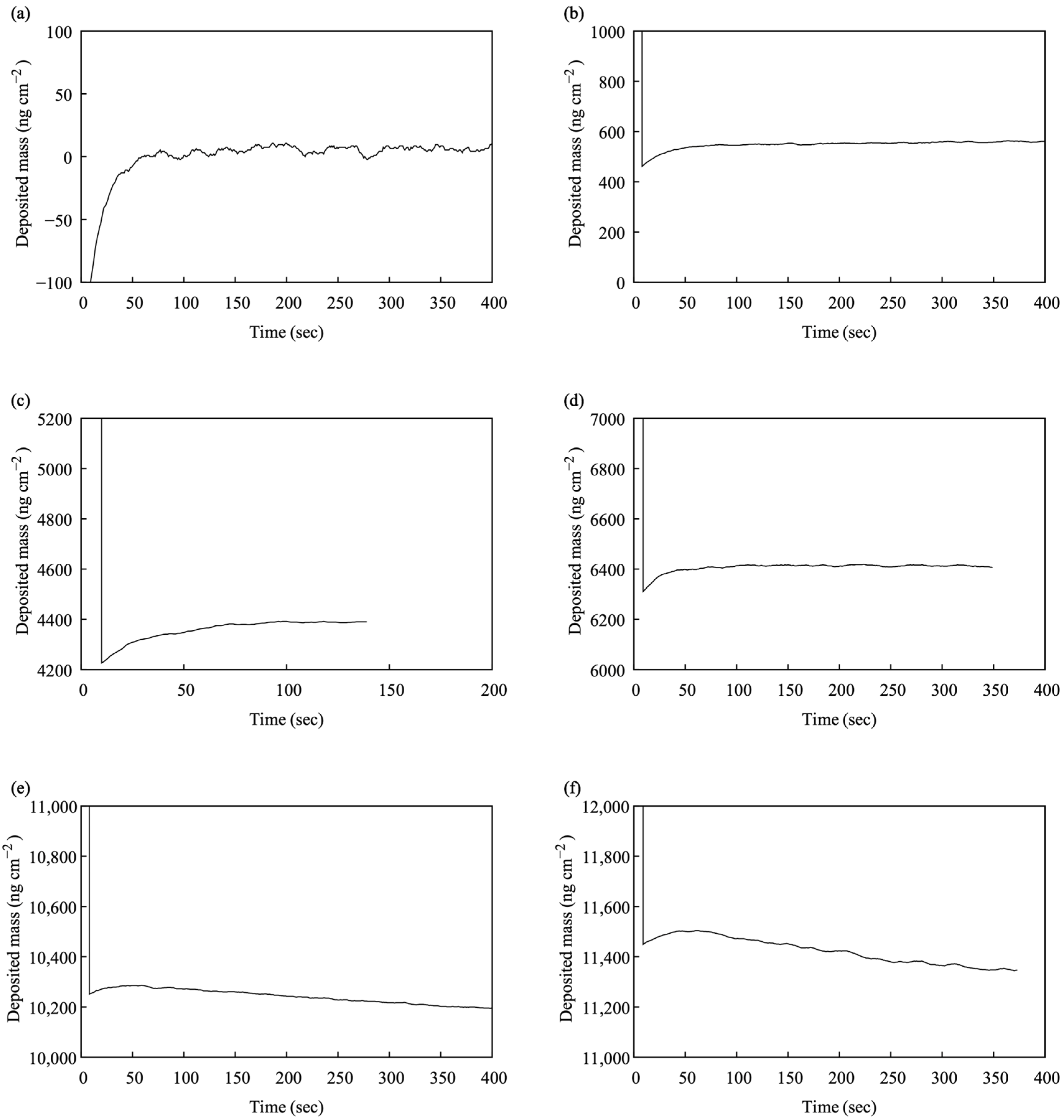
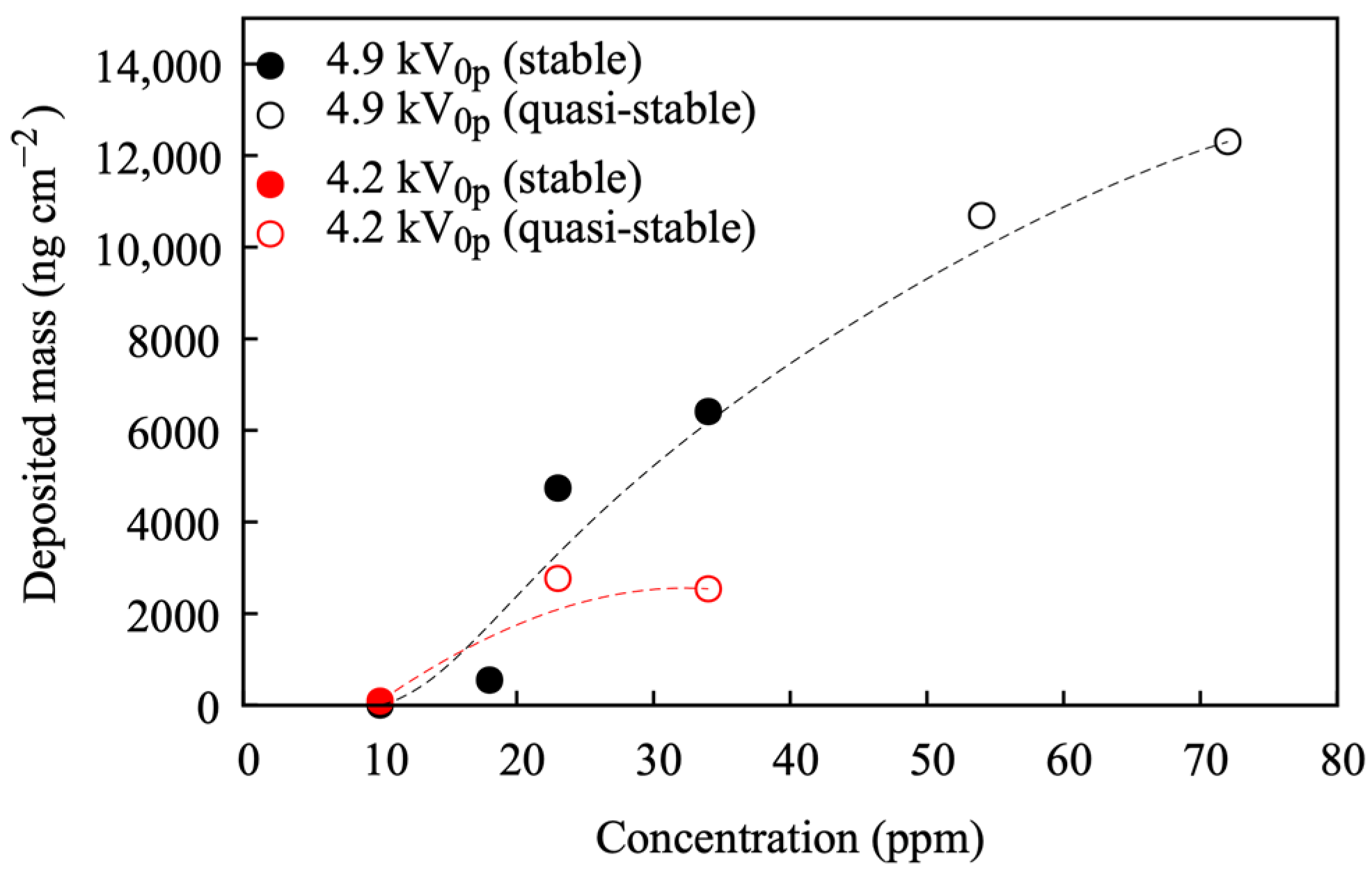
QCM measurements demonstrated that deposition stability can be directly evaluated from mass changes during and after deposition. At 4.9 kV0ₚ, the deposited mass increased monotonically with precursor concentration, and stable deposition behavior was observed up to a precursor concentration of 34 ppm, with little change in mass after plasma shutdown. In this concentration range, the mass increased smoothly during plasma irradiation and remained constant after shutdown, suggesting the formation of a stable, low-volatility layer. This behavior implies that, within this concentration window, plasma activation is sufficient to generate reactive fragments that can be retained on the surface and contribute to the formation of a stable organic layer. In contrast, at above 54 ppm, the deposited mass continued to increase, but a slight decrease in mass after deposition was observed, indicating quasi-stable behavior. This suggests that partial desorption of weakly bound species occurs. Furthermore, GC-MS results showed that, at 4.9 kV0ₚ, approximately 50 ppm of hexylamine was decomposed or transformed by the plasma, which is consistent with a picture in which gas-phase activation proceeds to a certain extent, while the contribution of unactivated components becomes non-negligible as the precursor supply increases.
At 4.2 kV
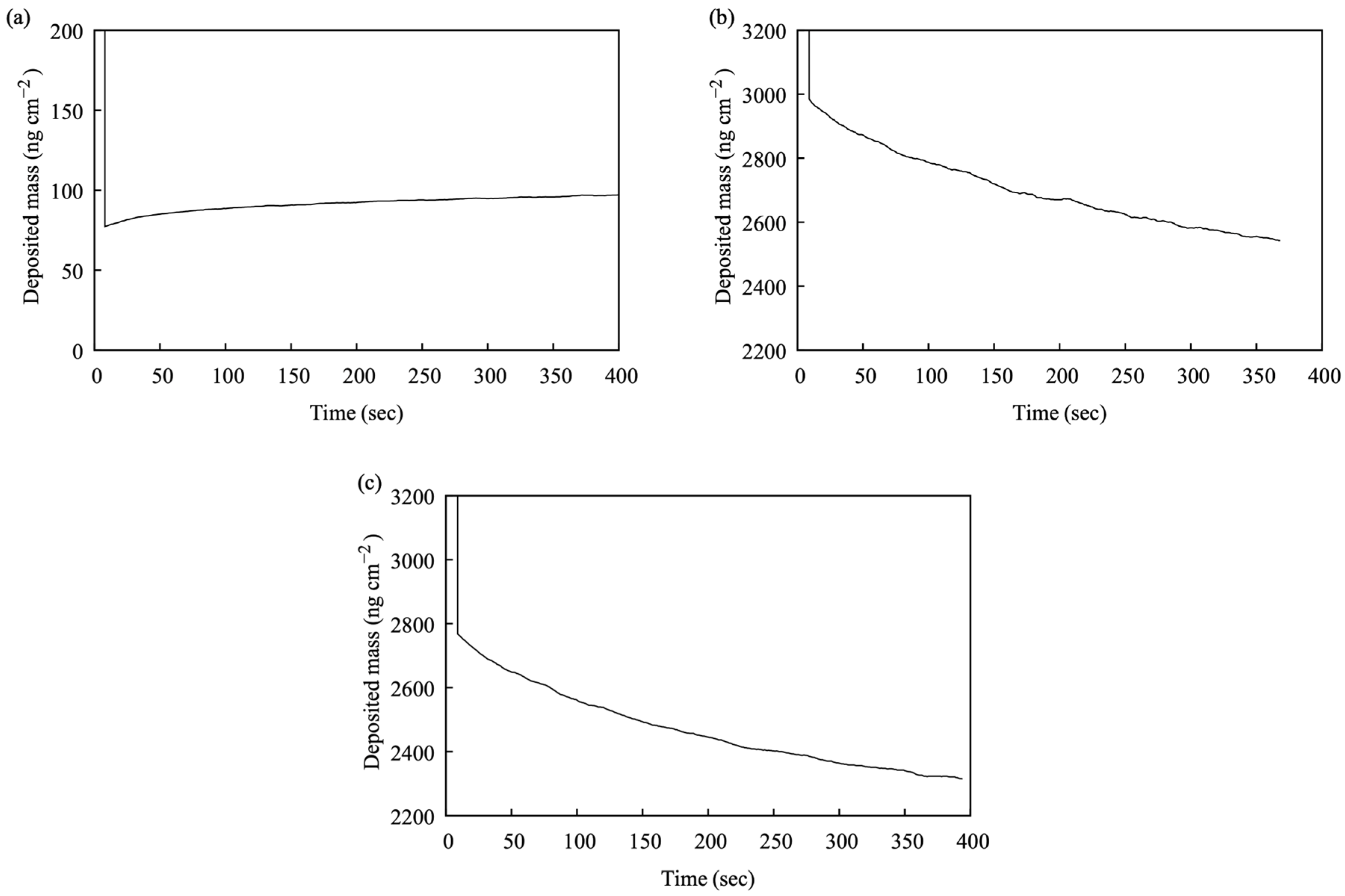
0ₚ, the deposition behavior also changed markedly depending on precursor concentration. At a low precursor concentration of 10 ppm, the deposited mass was small, but stable deposition behavior was confirmed, with only minor mass changes after deposition. In contrast, at concentrations above 23 ppm, the QCM response exhibited quasi-stable behavior: the mass initially increased during plasma irradiation but gradually decreased after plasma shutdown. According to
Figure 11, the discharge power at 4.2 kV
0ₚ is approximately 75% of that at 4.9 kV
0ₚ. Under these conditions, hexylamine at concentrations of 23 ppm and 34 ppm is considered to be activated to some extent; however, desorption was nevertheless observed. At lower discharge voltages, the formation of reactive surface sites, such as radicals required to stabilize incoming fragments through covalent bonding, may be limited. As a result, even at relatively low precursor concentrations, the fraction of species that can be stably incorporated into the film is reduced, and desorption becomes significant. These observations support the view that deposition stability is governed by the balance between precursor supply and the finite activation capacity of the plasma.
Overall, the stability of deposition behavior, as evaluated by QCM, is controlled by the balance between precursor supply and plasma activation capacity, and a reduction in applied voltage shifts the concentration range for stable deposition toward lower concentrations and narrows this range. This tendency can be interpreted using the concept of specific energy, W/FM (power input per unit precursor flow), which has been employed in low-pressure plasma polymerization [
23]. Although W/FM was not quantitatively evaluated in the present study, the systematic dependence of deposition behavior on precursor concentration and discharge voltage is consistent with the existence of a specific-energy-like “stable deposition window” [
23,
24]. Direct thickness measurements, for example by ellipsometry, would be valuable in future work to correlate the QCM-derived deposited mass with film thickness. Because the film composition varies with precursor concentration and discharge voltage, such measurements would also help to evaluate the apparent film density under different deposition conditions.
Finally, an important implication of the present QCM measurements is that QCM serves not only as a method for quantifying deposited mass but also as a sensitive probe of deposition stability in atmospheric-pressure plasma CVD. Under stable conditions, the QCM response shows a monotonic increase during plasma irradiation followed by a constant mass after plasma shutdown. In contrast, under conditions where desorption occurs, a mass decrease is observed after shutdown, reflecting the presence of weakly bound species. Thus, the time evolution of the QCM signal provides direct information on whether adsorbed species are retained on the surface as a stable organic layer or remain only transiently adsorbed, making QCM a useful tool for optimizing process conditions.
5. Conclusions
In this study, thin-film deposition from hexylamine in AP-PECVD using an atmospheric-pressure plasma bullet was investigated by combining GC-MS, QCM, and XPS. GC-MS analysis revealed that the precursor was only partially activated during plasma irradiation: at 4.9 kV0ₚ, the hexylamine concentration decreased from 85 ppm (plasma OFF) to 35 ppm (plasma ON), indicating that approximately 50 ppm (≈60%) of the precursor was decomposed or transformed. In addition, oxygen- and nitrogen-containing byproducts were detected despite the absence of oxygen in the original precursor, suggesting that ambient oxygen and moisture, and possibly dissolved oxygen in the precursor, were activated in the discharge and contributed to the formation of reactive fragments.
QCM measurements showed that deposition stability is governed by the balance between precursor supply and the finite activation capacity of the plasma. At 4.9 kV0ₚ, monotonic mass accumulation and negligible mass change after deposition were maintained up to 34 ppm, whereas at higher concentrations (>54 ppm) a slight mass decrease after deposition indicated quasi-stable behavior with partial desorption of weakly bound species. At 4.2 kV0ₚ, the onset of mass loss after deposition shifted to lower concentrations (≥23 ppm), consistent with reduced activation at lower discharge power. These results support the existence of a specific-energy-like “stable deposition window” in which precursor flux and plasma activation are balanced.
XPS confirmed the formation of carbon-rich organic overlayers incorporating oxygen- and nitrogen-containing functionalities (e.g., C=O and O–C=O components in the C 1s spectra), consistent with the gas-phase species identified by GC-MS. The strong attenuation of the Al 2p signal from the alumina substrate indicates that the deposited layer exceeds the XPS information depth and suggests the formation of a continuous overlayer at higher precursor concentrations.
Overall, thin-film formation in atmospheric-pressure plasma CVD is not determined solely by precursor supply but by the interplay among gas-phase activation, reactions with ambient-derived species, and surface incorporation/desorption processes. The time evolution of the QCM signal provides a sensitive and practical probe to differentiate stable from desorption-dominated conditions, offering guidance for selecting precursor concentration and discharge parameters to achieve stable deposition growth and reproducible film chemistry under atmospheric-pressure conditions.