Article

Functional Classification and Spatio-Temporal Heterogeneity of Rail Transit Stations: A Multi-Scale Feature Fusion Approach


1
Inner Mongolia Key Laboratory of Green Construction and Intelligent Operation and Maintenance of Civil Engineering, School of Mechanics and Aeronautics, Inner Mongolia University of Technology, Hohhot 010051, China
2
Research Institute for Road Safety of MPS, Beijing 100176, China
*
Author to whom correspondence should be addressed.
Appl. Syst. Innov. 2026, 9(8), 159; https://doi.org/10.3390/asi9080159
Submission received: 19 April 2026 / Revised: 30 June 2026 / Accepted: 21 July 2026 / Published: 27 July 2026

Abstract

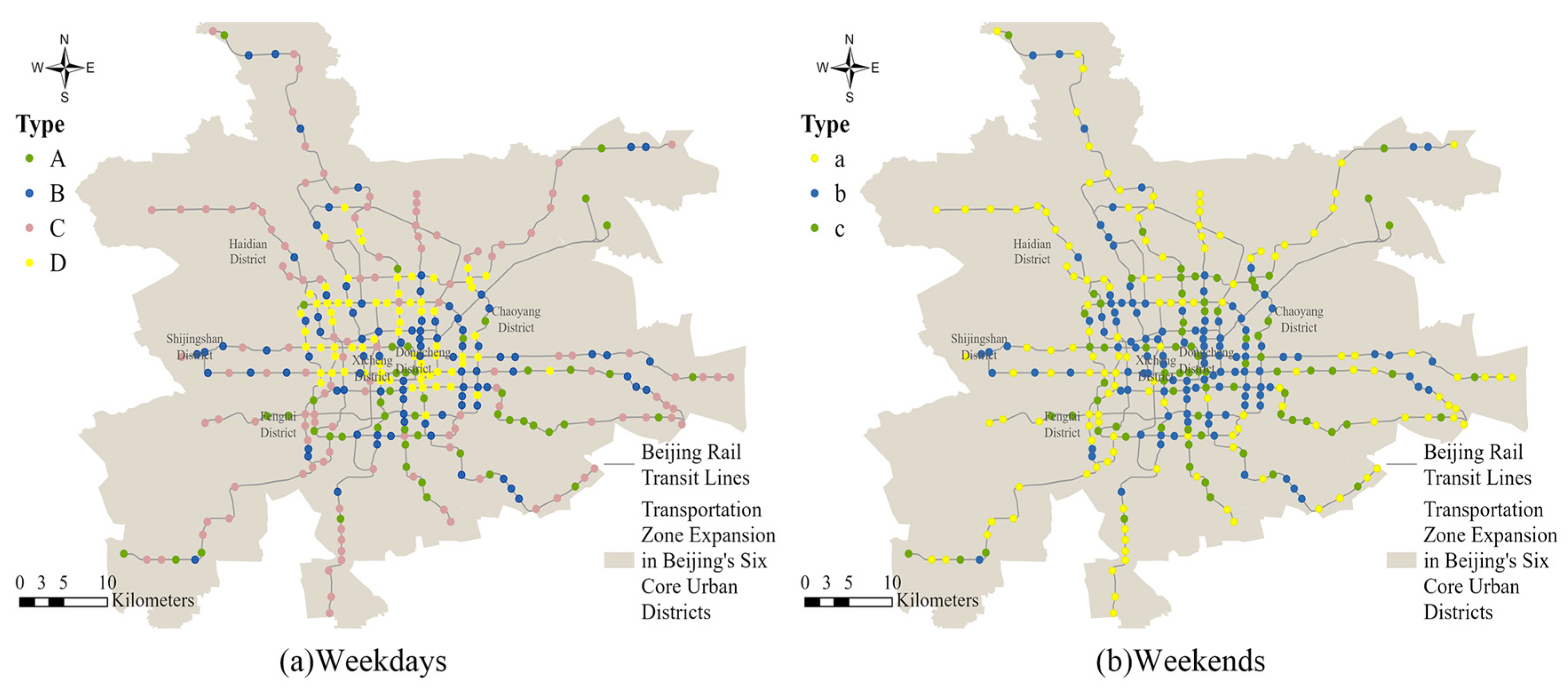
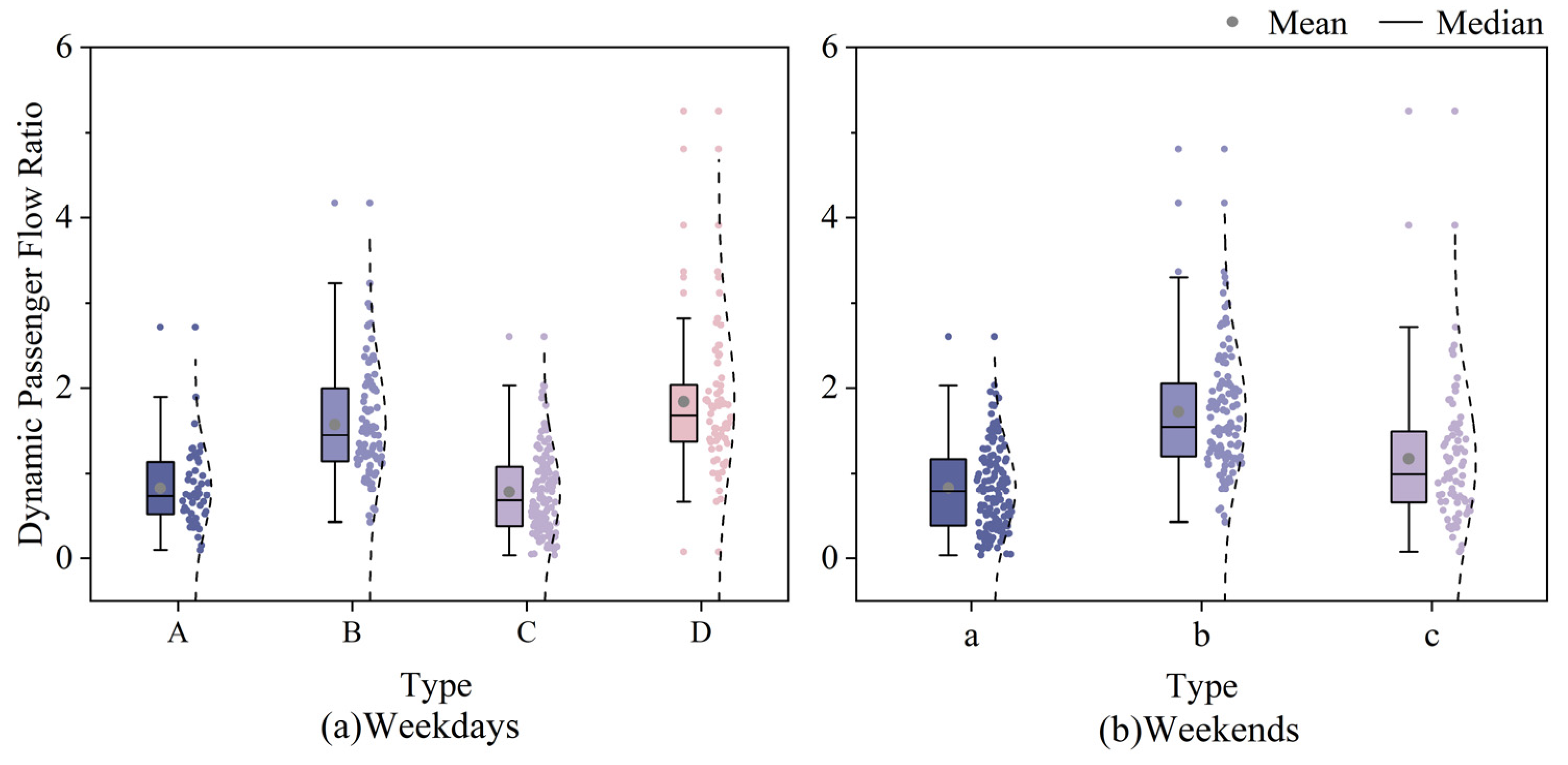
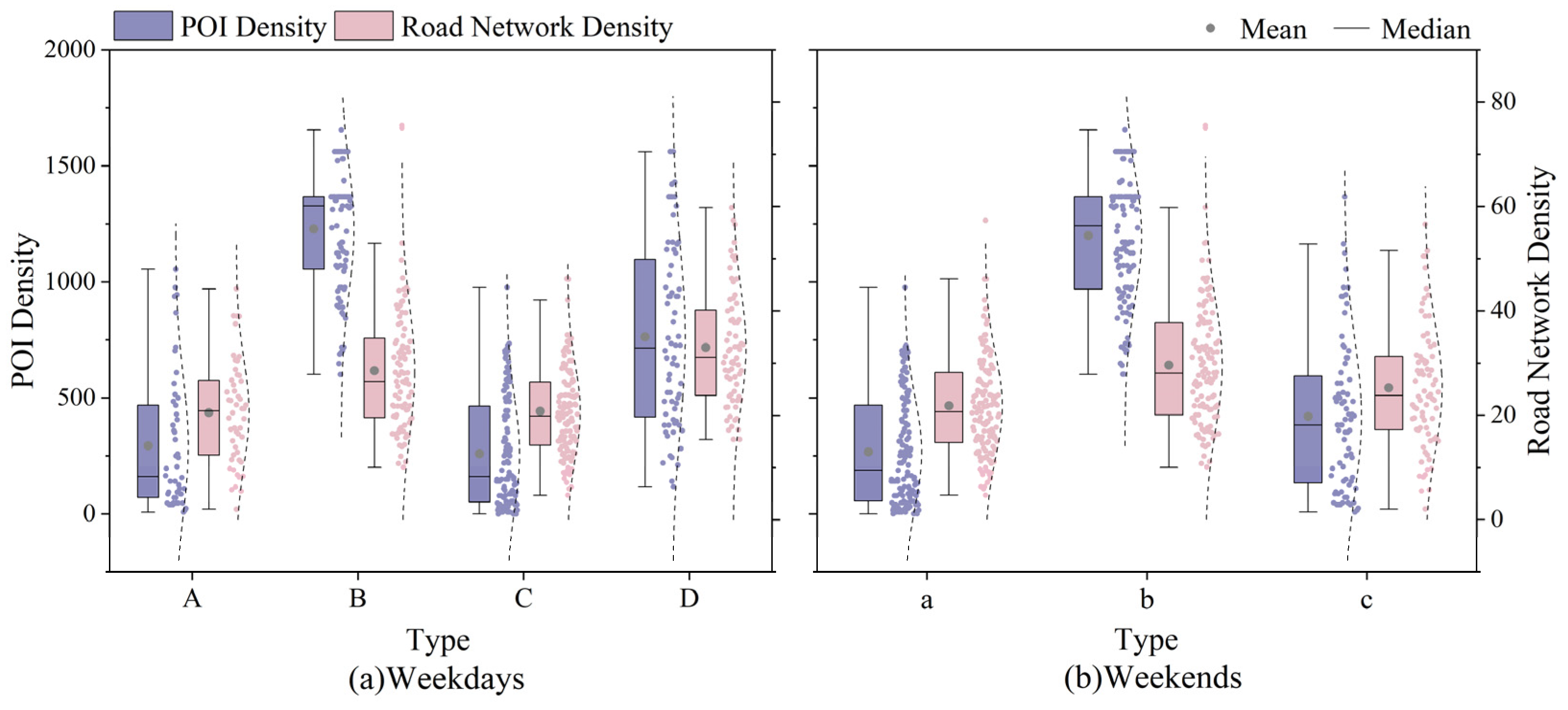
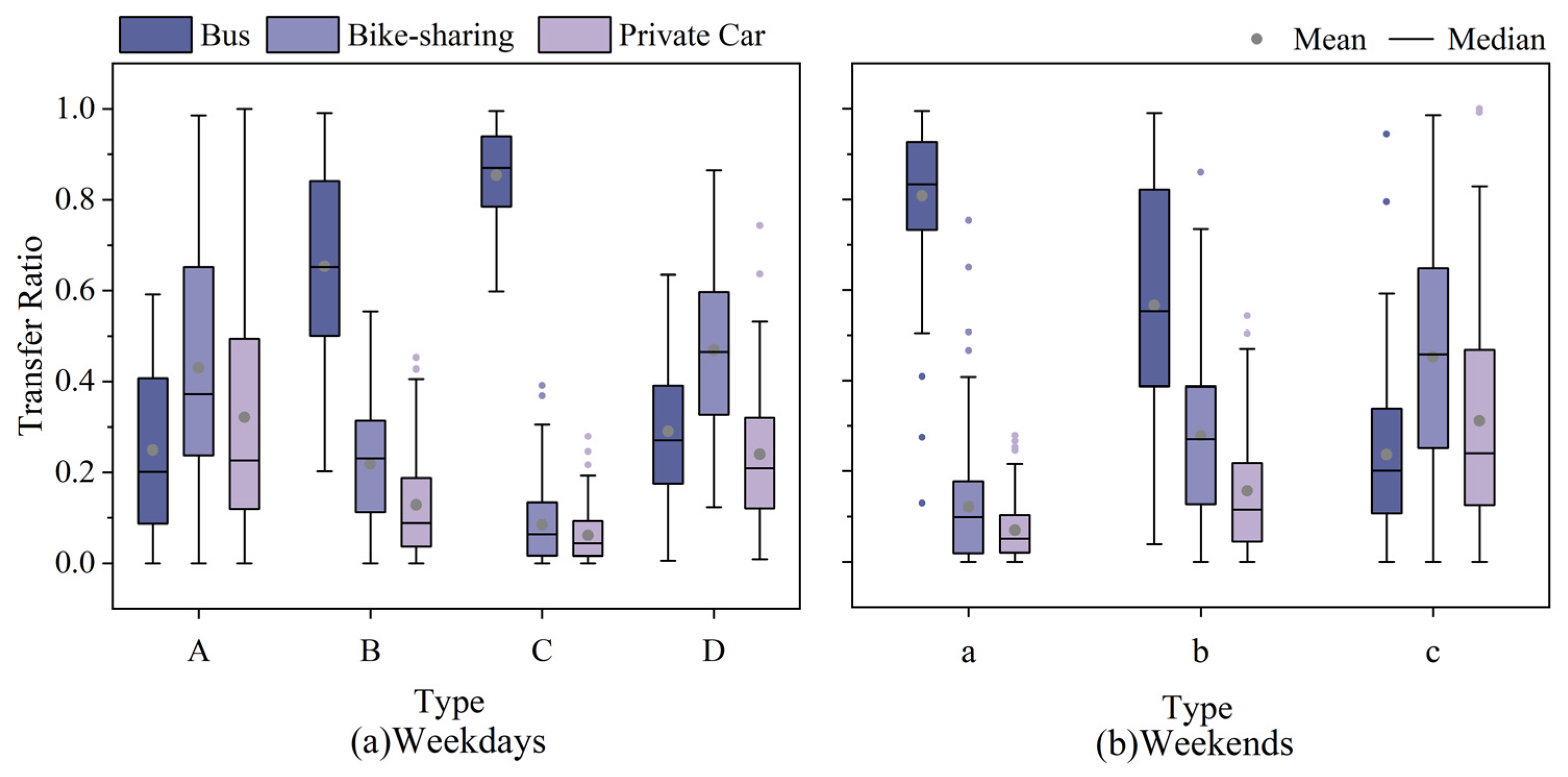
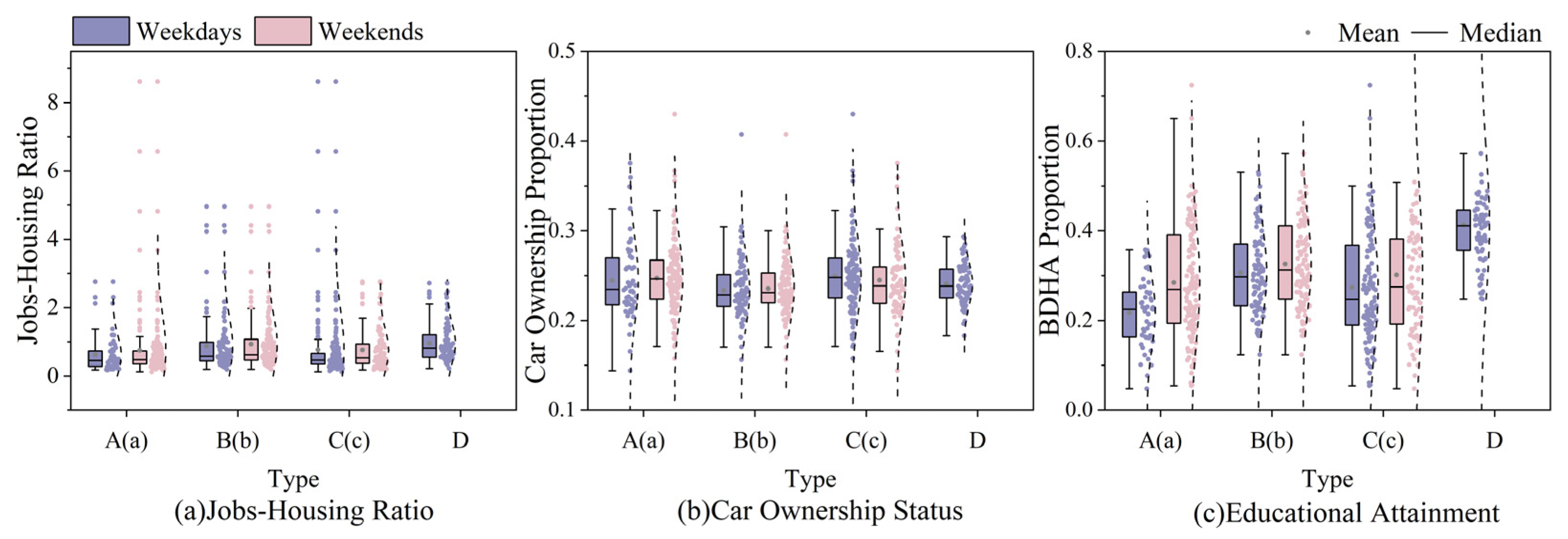
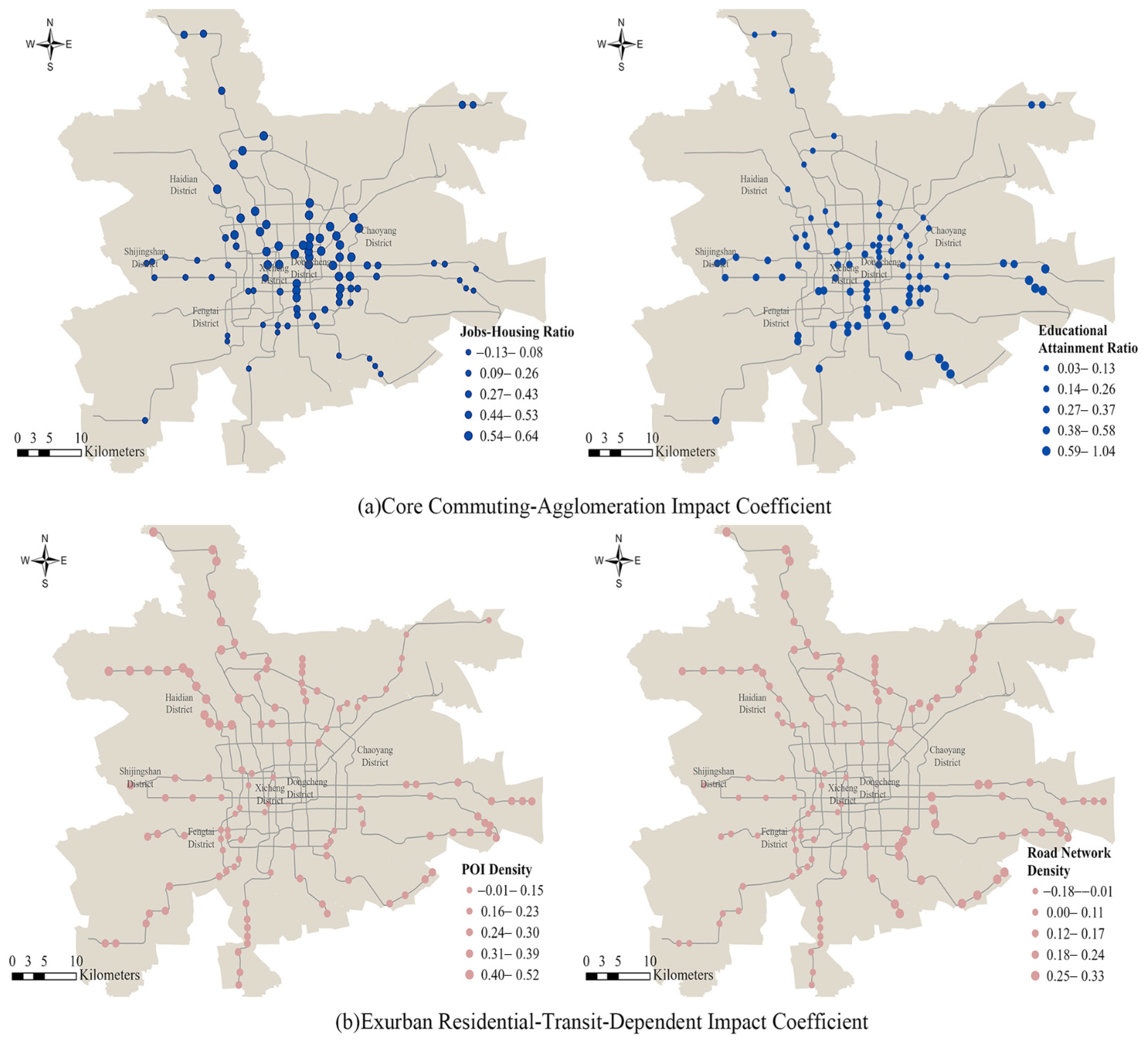
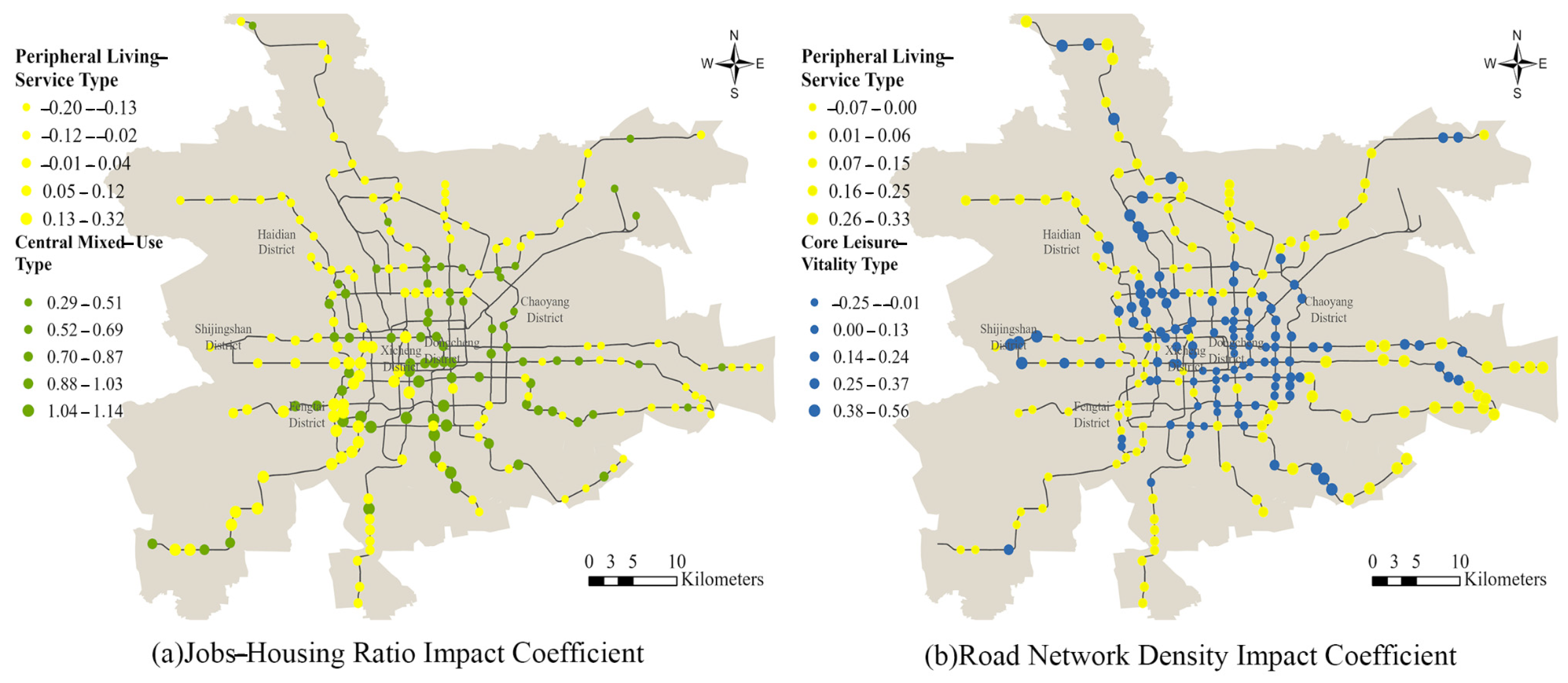
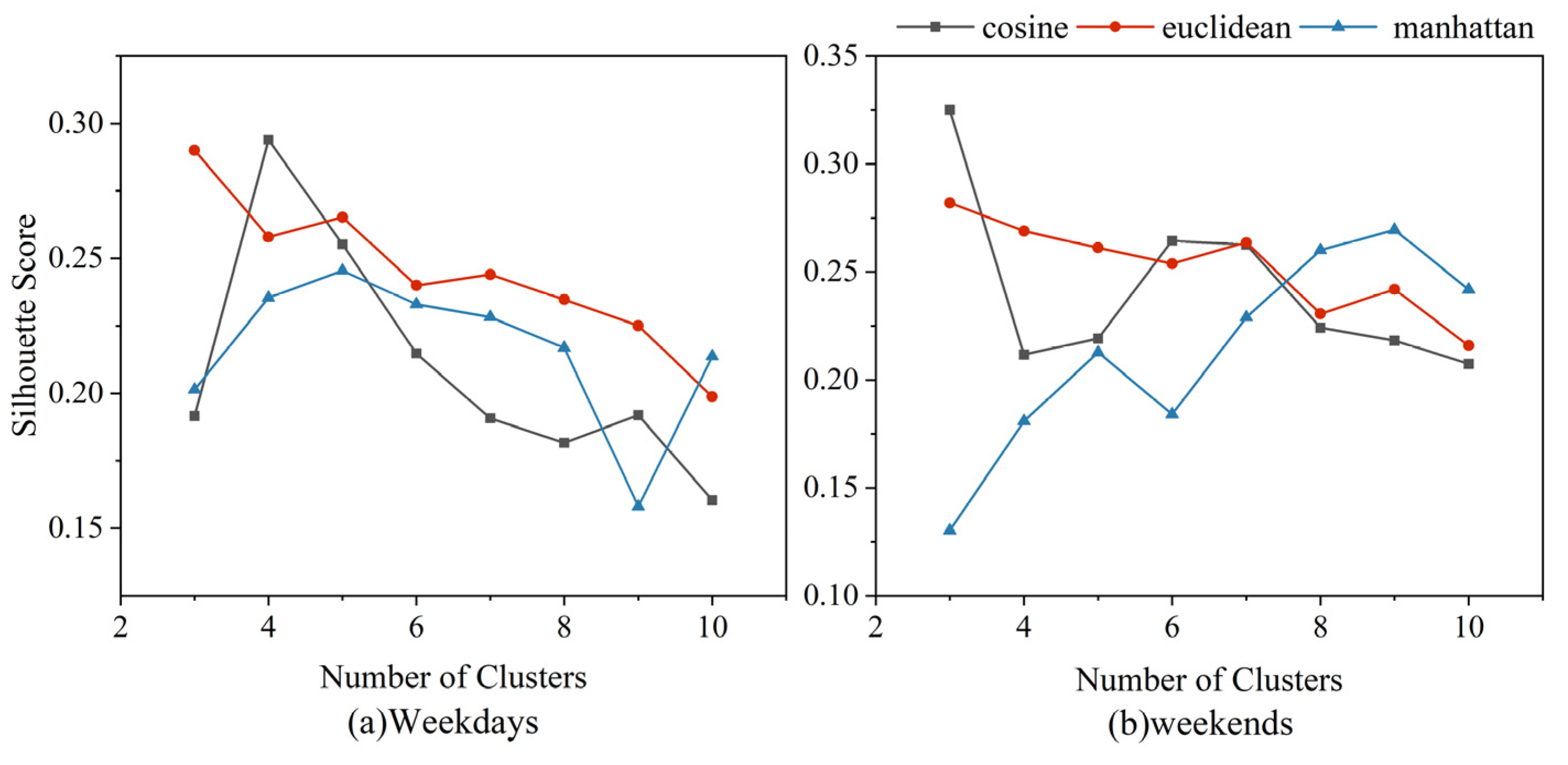
Accurately identifying the functional characteristics of urban rail transit stations and classifying them accordingly helps uncover passenger flow patterns and optimize resource allocation, thereby enhancing the coordination efficiency of multimodal urban transportation systems. Existing studies on the delineation of station influence areas often exhibit overlapping zones, leading to insufficient characterization of regional heterogeneity. Additionally, classification methods predominantly rely on static single indicators and lack integration of multi-scale features. To address these limitations, this paper proposes a non-overlapping zoning algorithm for precisely defining station influence areas. By incorporating multidimensional indicators—including dynamic passenger flows, resident attributes, connection characteristics, and spatial distribution—a fine-grained station classification model is developed using an enhanced Partitioning Around Medoids (PAM) algorithm. Building on the classification outcomes, a dual-scenario framework (weekday vs. weekend) is established, and Ordinary Least Squares (OLS), Geographically Weighted Regression (GWR), and Multiscale Geographically Weighted Regression (MGWR) models are applied to analyze the spatiotemporal patterns of passenger flows. A case study of Beijing rail transit stations demonstrates that the enhanced PAM algorithm significantly improves clustering performance. Four distinct station types are identified on weekdays: Peripheral Basic-Service Type, Core Commuting-Aggregation Type, Exurban Residential-Transit-Dependent Type, and Multifunctional-Complex Type. On weekends, stations are classified into three categories: Peripheral Living-Service Type, Core Leisure-Vitality Type, and Central Mixed-Use Type. Furthermore, the driving factors of passenger flows exhibit notable spatiotemporal heterogeneity: on weekdays, commuting demand dominates, with jobs–housing ratio, educational attainment ratio, and road network density serving as core positive factors; on weekends, leisure demand becomes prominent, showing strong synergistic effects among jobs–housing ratio, Points of Interest (POI) density, and road network connectivity. The research findings provide theoretical support for the functional classification and refined management of rail transit stations.
Keywords: urban rail transit; station classification; dynamic passenger flow characteristics; multiscale geographically weighted regression; enhanced Partitioning Around Medoids (PAM) algorithm urban rail transit; station classification; dynamic passenger flow characteristics; multiscale geographically weighted regression; enhanced Partitioning Around Medoids (PAM) algorithm