1. Introduction
Beauty is inherently subjective, shaped by society, culture, and a historical context that is rooted in an abstract human aesthetic sense [
1]. Attractiveness links this concept of beauty to sexuality and reproduction and is closely associated with facial appearance. The human face plays a central role in social interaction and attraction, influencing how individuals perceive others and experience the desire for proximity or connection. In parallel, the perception of one’s own beauty is closely tied to body image, which is often constructed in comparison with socially accepted norms and prevailing standards of attractiveness. One’s own body image can affect their mental health. In fact, the link between body image, attractiveness, and mental health has been established decades ago [
2]. Studies have shown that feeling attractive is important to sexual satisfaction in women [
3]. The situation is more severe in younger people, where studies show that adolescents who experience pronounced distortions in body image are at an increased risk of developing severe psychiatric conditions, some of which may be life-threatening [
4]. This age group often includes individuals with a diminished self-esteem and a heightened need for social validation, who often rely on external approval and place excessive emphasis on their physical appearance. Adolescents, due to their greater emotional vulnerability and ongoing identity formation, are especially susceptible to the adverse psychological influences of social media [
5]. Moreover, new social-media-related dysmorphias have been recently described [
6].
In contemporary society, aesthetic and attractiveness standards are increasingly learned and reinforced through social media. Several of the negative effects of social media on women’s moods and body image have been well-established [
7]. Visual platforms prioritize faces, and both human behavior and technological design favor content that generates attention and engagement. In these platforms, individuals often present their most attractive versions, while algorithms may have an economic incentive to selectively amplify content that maximizes interaction, helping with advertisement revenue or investors. In this context, artificial intelligence (AI) has become both a creator and a curator of facial imagery, generating large volumes of synthetic human faces and determining which of them are most frequently displayed. As AI systems are optimized for engagement and user satisfaction, they may therefore implicitly favor a specific bias for attractive appearances, when employed without human supervision or guidance. In fact, a prior analysis revealed that, while AI models can enrich diversity, they also risk perpetuating harmful stereotypes and unrealistic beauty ideals [
8].
Long before the advent of modern aesthetic medicine, reconstructive surgery aimed to restore facial normality to allow social reintegration and a functional life. One of the earliest documented reconstructive procedures, the nasal flap described in ancient Ayurvedic texts from India, exemplifies this foundational goal of returning the human face to a socially acceptable norm, which was later reinforced by Harold Gillies, often seen as one of the founders of modern plastic surgery. Today, aesthetic and reconstructive plastic surgery continues to engage with questions of the normality, attractiveness, and societal expectations of the human face. Since those beginnings and until our time, patients are still willing to undertake surgical chances only to improve their body image [
9].
In recent years, generative AI has rapidly developed the capacity to produce highly realistic and aesthetically appealing human faces. In fact, artificial-intelligence-generated content (AIGC) is now often indistinguishable from real photographs [
10,
11]. AI has been implemented to evaluate beauty in humans [
12]; however, it remains unclear whether generative AI systems truly “understand” human aesthetics or whether they merely replicate patterns that are statistically optimized to please users. This distinction is particularly relevant as AIGC increasingly contributes to the visual environment from which beauty standards are derived.
With the growing presence of AI content creators and algorithmic feed curation, the theory regarding the effects of this content on societal norms needs to be reviewed [
13]. If AI can create beauty standards, the question remains regarding whether these standards will accurately reflect the diversity and complexity of human attractiveness, or, rather, tend to generate faces that are systematically more attractive than the population average to maximize engagement. Unlike real human faces, which are shaped by genetics, life conditions, aging, health, and personal choices, AI-generated faces are unconstrained by biological or social limitations and can be endlessly optimized for visual appeal.
This is not only an assumption, but an emerging reality. AI filters are already being used on social medial to enhance attractiveness [
14]. Simultaneously, AI-based websites can help with facial attractiveness evaluation [
15]. The direction of AI’s influence on beauty remains unpredictable [
16], especially when aesthetic standards have been known to shift. These changes can be amplified among younger generations or underrepresented groups [
17]. It is conceivable that societal attitudes toward AI aesthetics may evolve, and that, in the future, appearing “AI-like” could even provoke rejection in certain contexts. Understanding these dynamics is therefore essential for anticipating the societal and clinical implications of AI-driven aesthetics. Moreover, legislation and regulation are evolving more slowly than the technology itself, making it imperative to address this topic promptly and for all stakeholders to proactively engage in discussions on the associated ethical and regulatory challenges [
18].
In this study, we explore whether a leading generative AI model (Meta Vibes, Meta Platforms, Menlo Park, CA, USA) produces conventionally attractive female faces by default, even when explicitly prompted to generate “average,” “normal,” “typical,” “unattractive,” or even “ugly” appearances, therefore investigating the presence of aesthetic bias in AI-generated facial imagery. If these biases are perpetuated, beauty may become a commodified, algorithmically optimized product circulating on digital platforms, situating aesthetic standards within globalization, digital consumption, and the information society, and showing how algorithms mediate taste, identity, and body ideals.
2. Materials and Methods
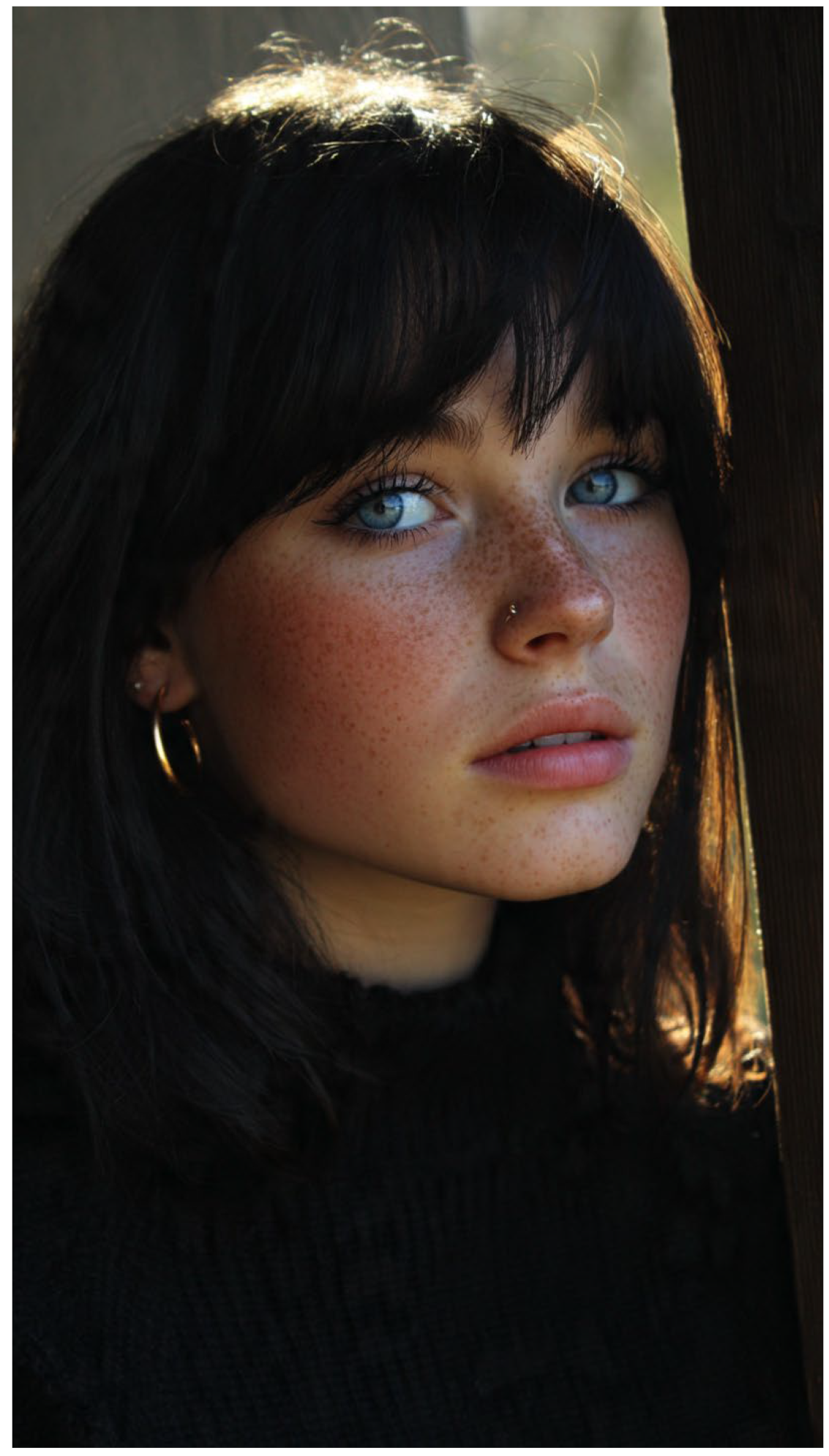
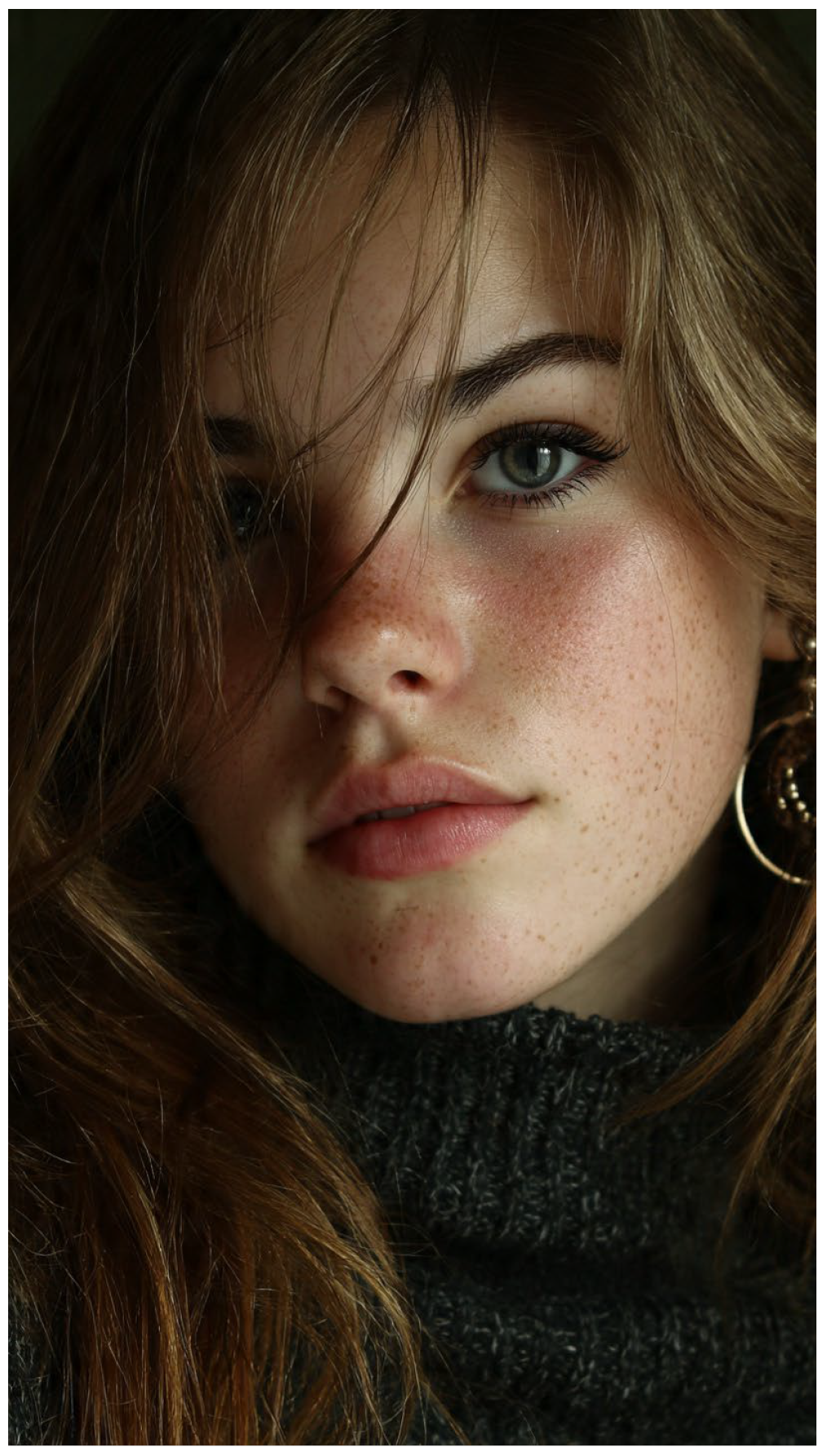
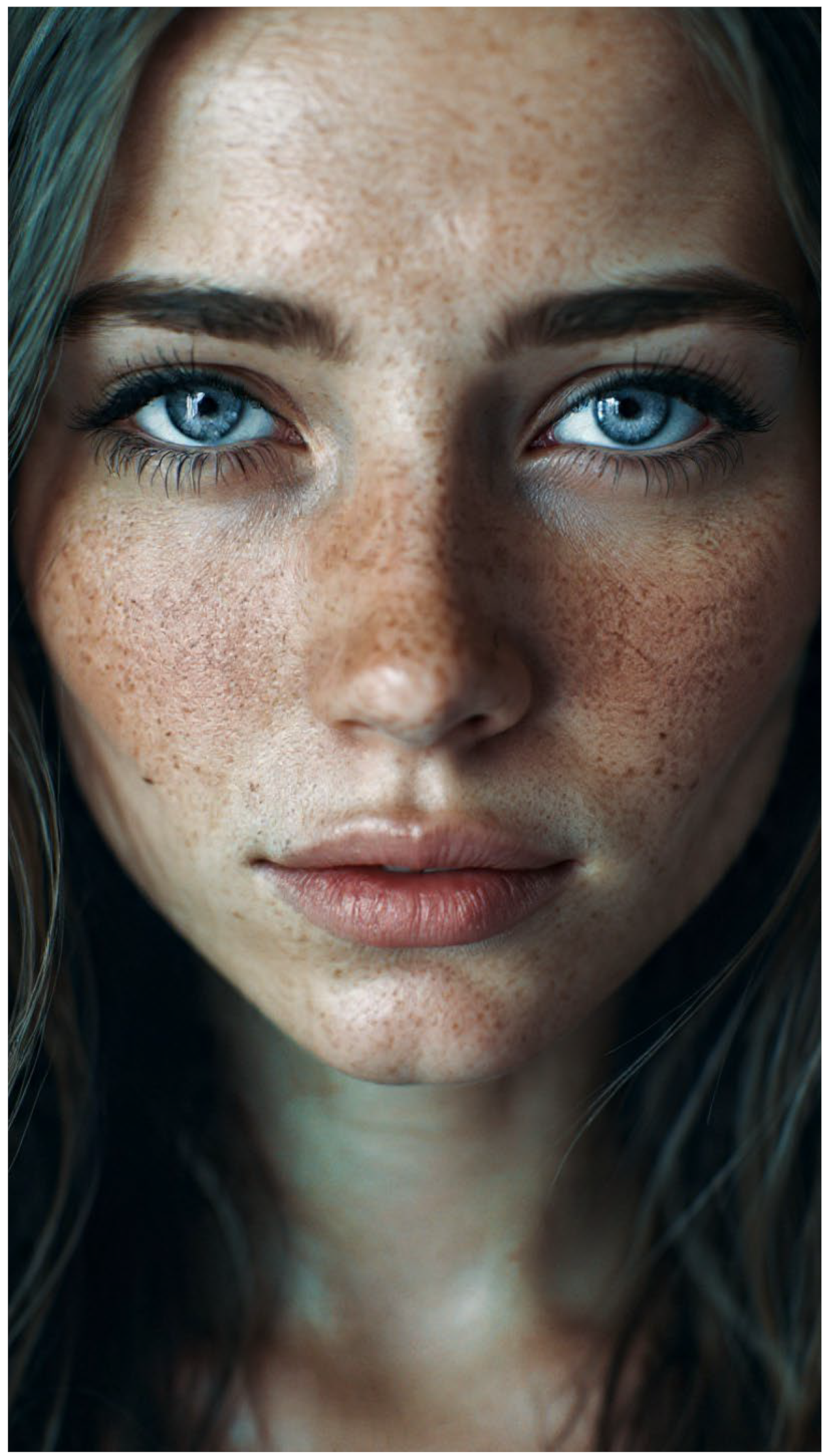
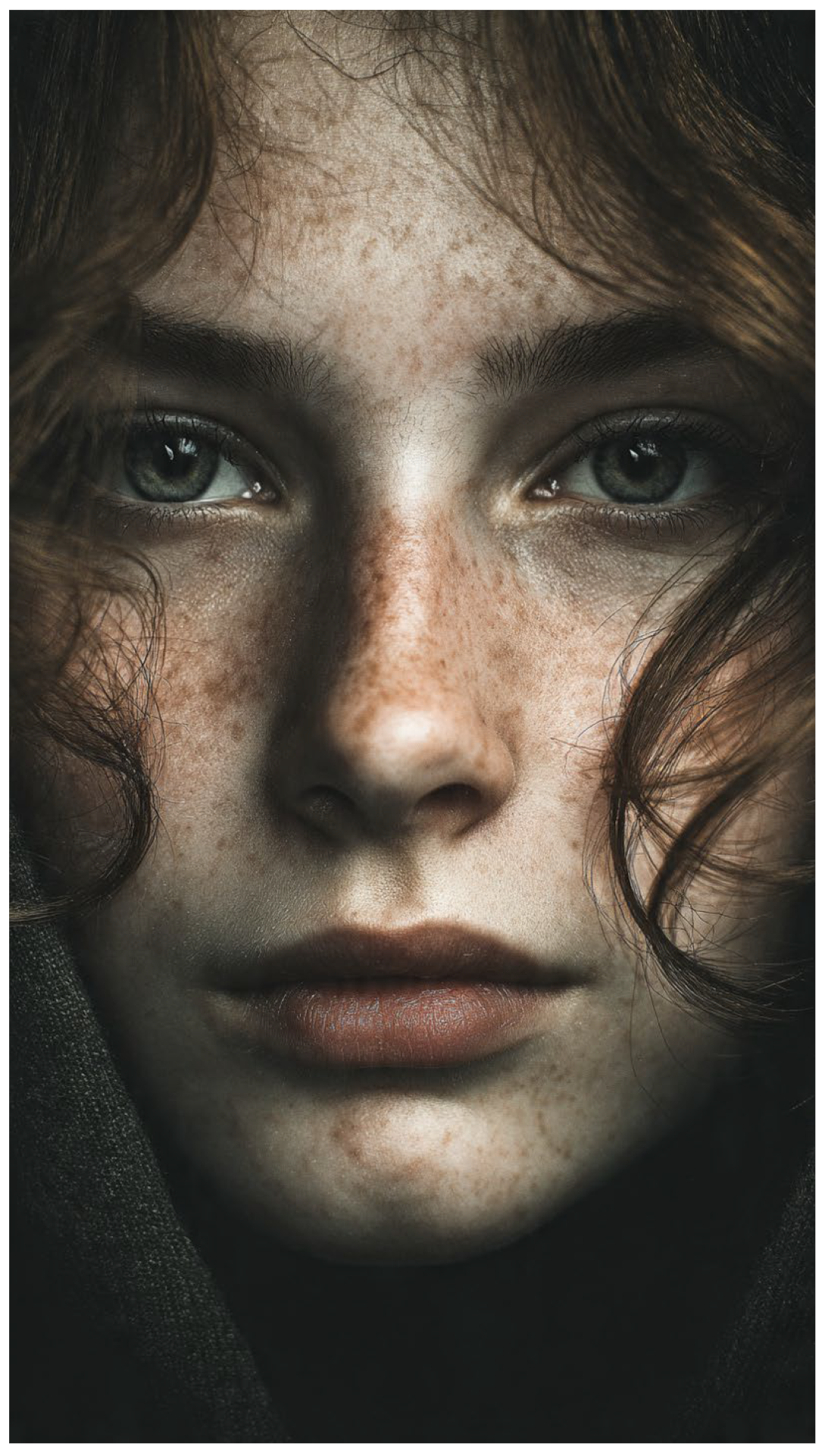
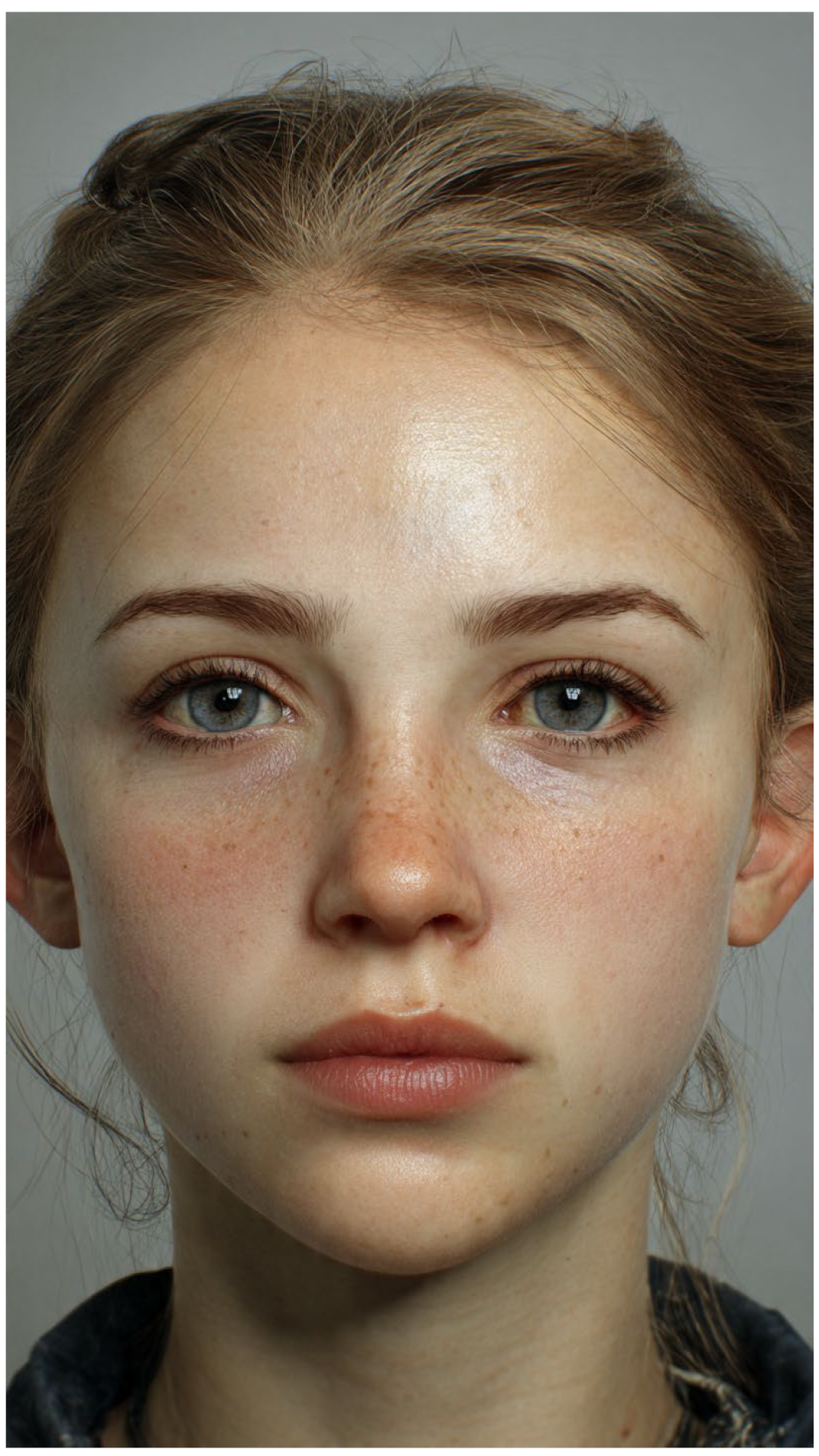
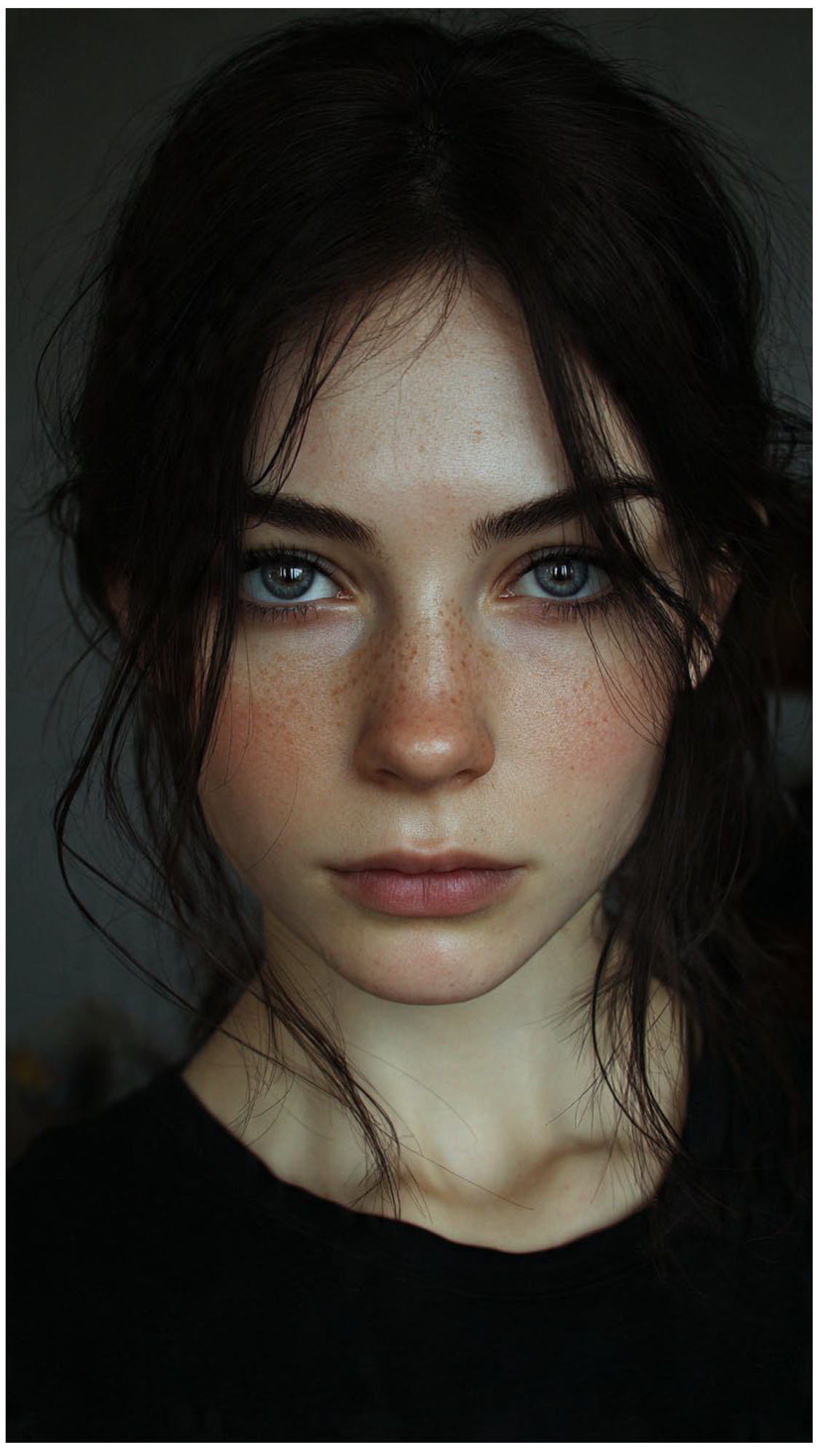
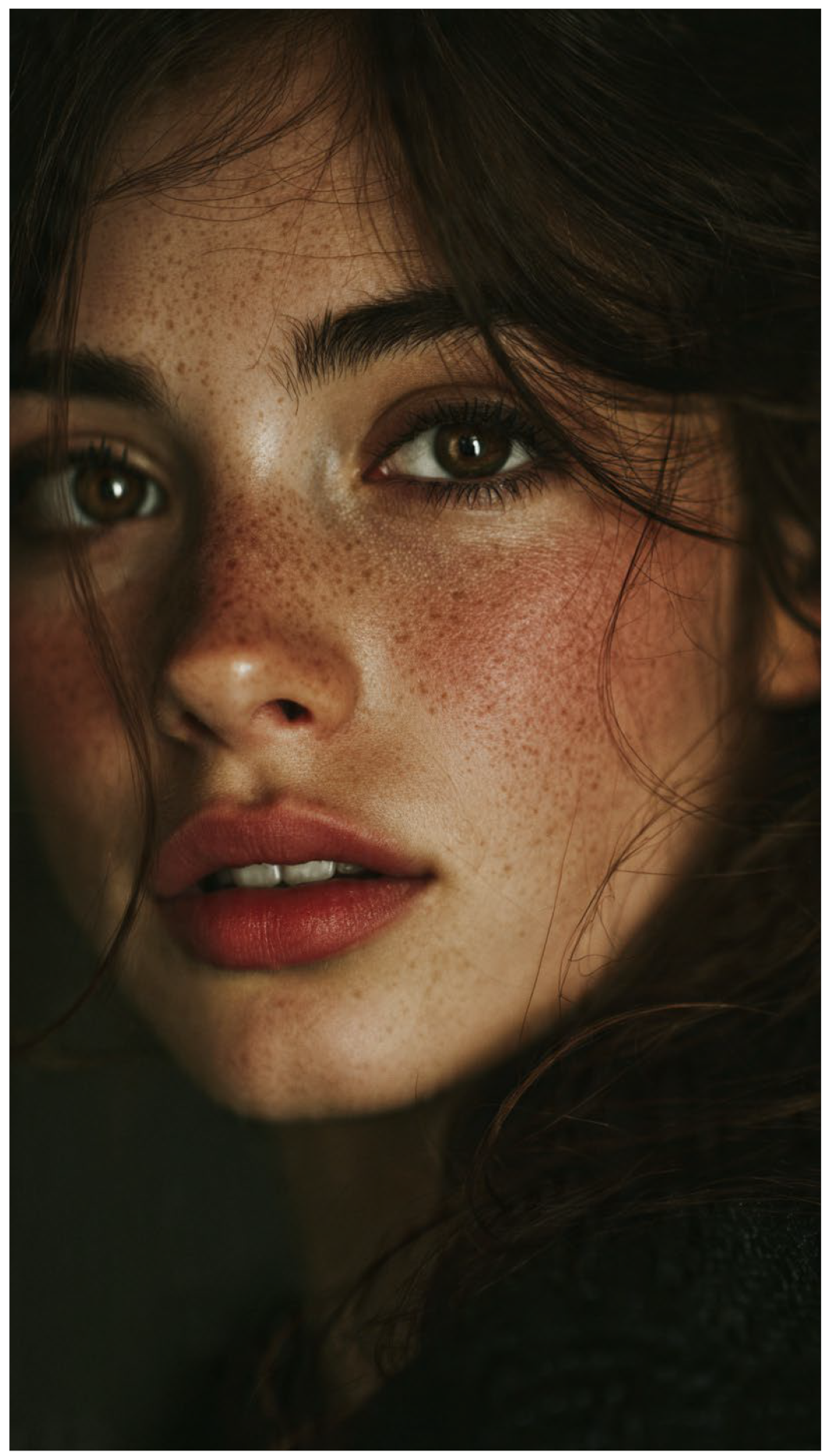
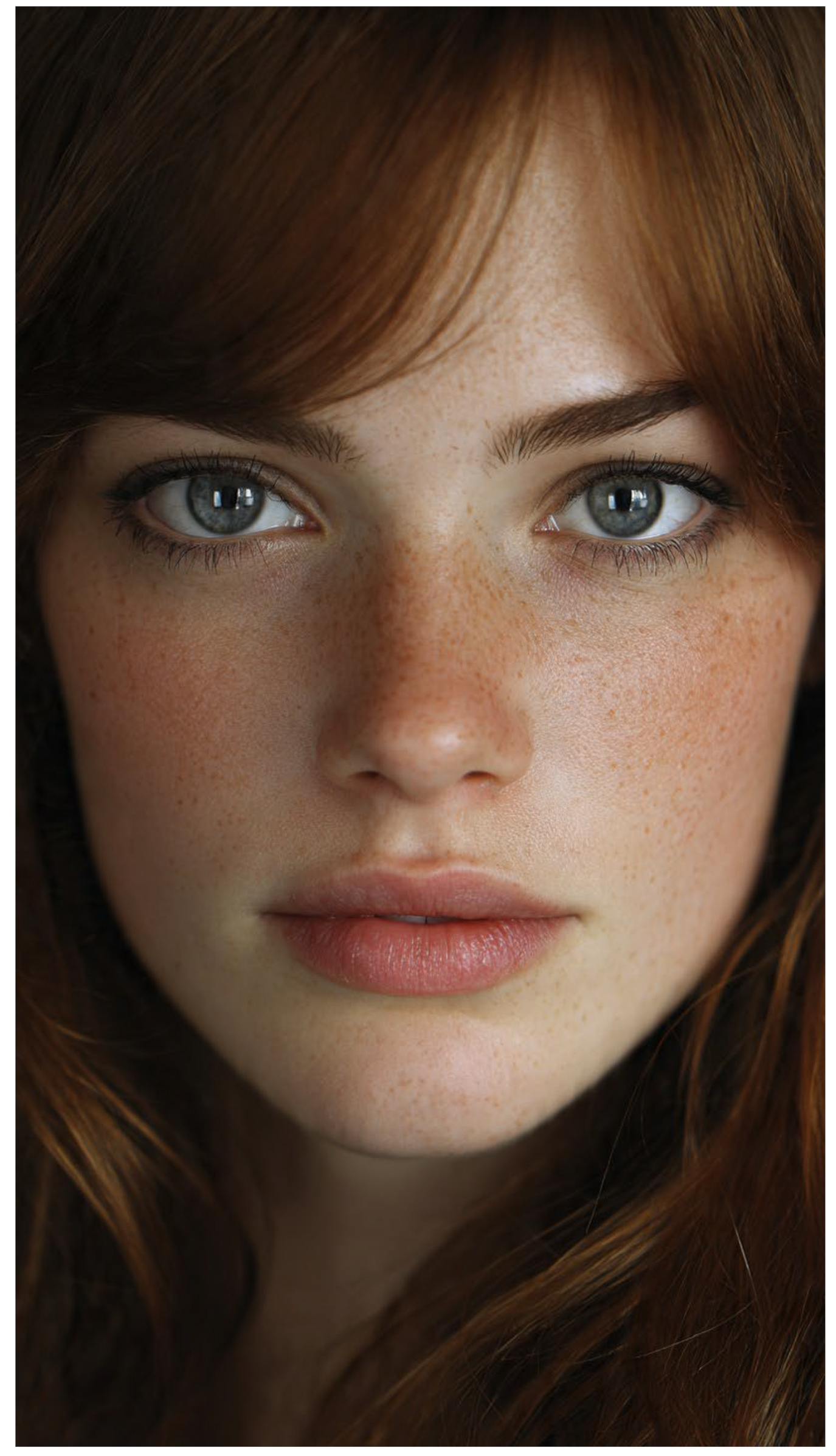
A total of 80 images of female faces were generated using Meta’s generative AI platform (Meta Platforms, Menlo Park, CA, USA), Vibes version 259.2.0, on 16–18 December 2025. To minimize prompt contamination and contextual bias, each image was generated in a separate conversation. The following prompts were used: “female face,” “young woman face,” “average young woman face,” “average-looking woman face,” “young ugly female face,” “typical young female face,” “face of woman in her 20s,” “normal young woman,” “ugly young woman,” and “normal unattractive female face”. First iterations were used. Of the total of 80 image generations that were generated, 9 images were excluded for displaying strong facial expressions, being non-photorealistic (e.g., illustrations or drawings), showing complete lateral views where the face could not be well-appreciated, or appearing to depict clearly underaged individuals. From the remaining 71 images, 50 were randomly chosen for the study.
The control group consisted of 50 facial images of female models obtained from a free-access international modeling and talent agency [
19]. The use of a professional model agency as a comparator was intentional, providing an aesthetic reference group aligned with socially accepted standards of beauty, while acknowledging the inherent limitations of this comparison. This inherent bias in selection for the human group was meant to enhance the clinical significance of results, as female fashion models selected by professionals would theoretically ensure that the humans depicted in the control group are skewed towards aesthetically pleasing faces. A statistically significant result in these conditions would help ensure a real difference in the target population.
Participants were asked to rate the overall beauty of each image on a 10-point Likert scale (1 = least attractive, 10 = most attractive), based on their own subjective perception of global facial aesthetics, beauty, and attractiveness. After finalization of the evaluations, participants were asked to estimate the percentage of images that were created by AI image generators (closest to 0%, 25%, 50%, 75%, and 100%).
3. Results
All three observers were healthcare professionals experienced in facial plastic surgery, self-identifying as two females and one male, with ages ranging from 26 to 55 years. Two observers believed that all evaluated images were AI-generated, while the third estimated that 75% of the images were generated by artificial intelligence.
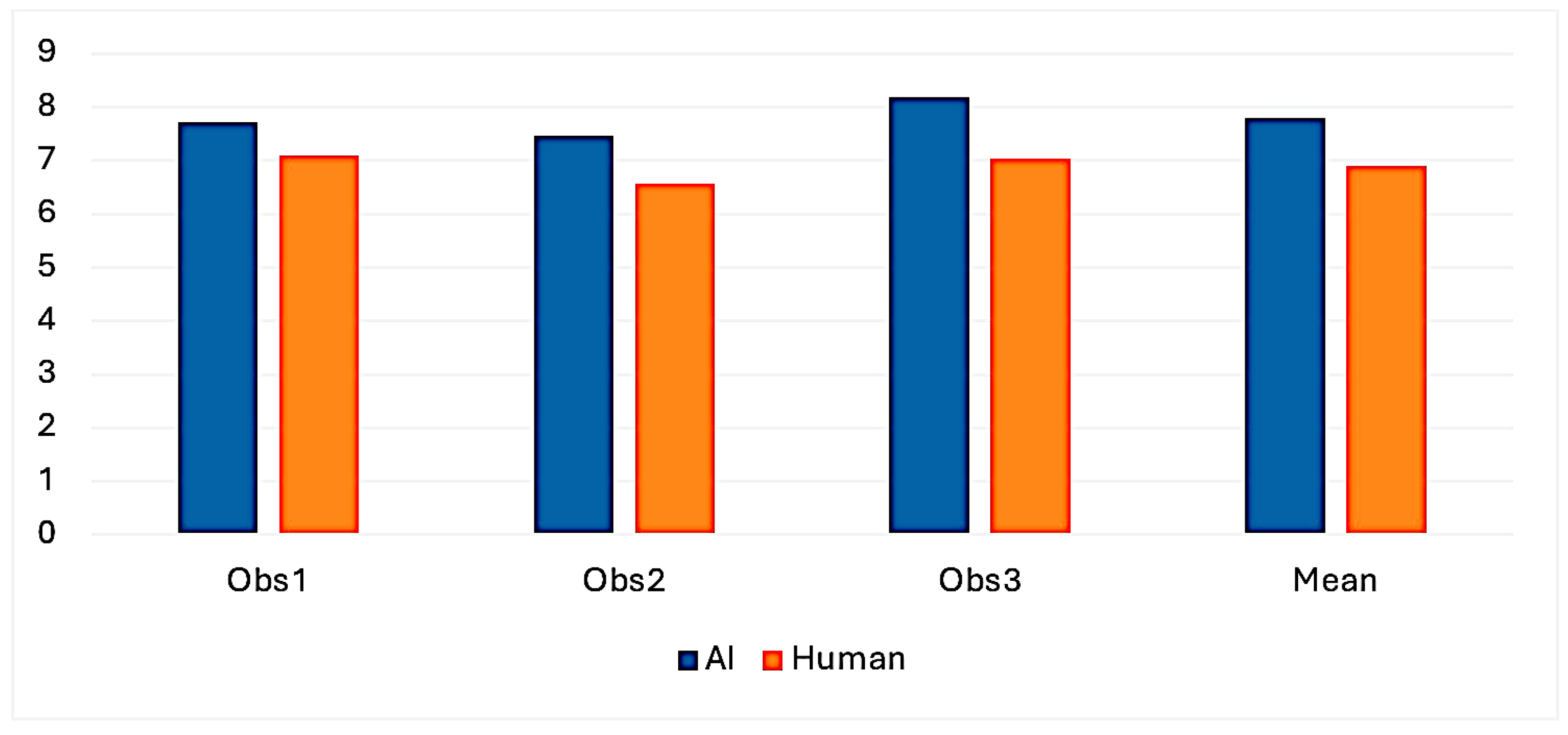
The mean results of observers 1–3 on a scale of 1–10 are represented in
Figure 10 and
Table 1.
The dataset included ratings from three independent observers evaluating 100 facial images, scored on a 10-point Likert scale (1 = least attractive, 10 = most attractive). In total, 50 images were AI-generated (MetaVibes), and 50 images were real human photographs of female models from an online model agency (Folio Management). For analysis, the mean aesthetic score per image was calculated across the three observers (AI-generated images (
n = 50): mean = 7.79; human images (
n = 50): mean = 6.88). Shapiro–Wilk tests demonstrated non-normal distributions for both groups. A non-parametric test was therefore used. AI-generated faces on average received higher aesthetic scores than real human faces. The overall Spearman correlation coefficient across all observations was as follows: Observer 1 vs. Observer 2: 0.64,
p < 0.001; Observer 1 vs. Observer 3: 0.63,
p < 0.001; and Observer 2 vs. Observer 3: 0.59,
p < 0.001. The results show statistically significant, positive, moderate to strong correlation among evaluators. A Mann–Whitney U test, two-tailed, with the P significance set at <0.05, revealed a statistically significant difference in aesthetic ratings between AI-generated and real images, U = 1673.5,
p = 0.003. Statistical calculations were carried out with the Social Science Statistics online calculator [
20]. These results support the conclusion that AI-generated faces were rated as more attractive than the human faces in the sample.
Further analysis provided a general evaluation of the raters’ performance. The three evaluators each assessed 100 items, yielding an overall mean score of 7.33. The variability of the ratings was moderate, with a sample standard deviation of 1.99, a median of 8.0, and scores ranging from a minimum of 1.0 to a maximum of 10.0. Inter-rater reliability was assessed using both ICC(2,1) and ICC(3,1), which represent the two-way random-effects absolute agreement and two-way mixed-effects consistency models, respectively. The obtained values, ICC(2,1) = 0.5086 and ICC(3,1) = 0.5190, indicate a moderate level of agreement among raters according to commonly accepted benchmarks. The close similarity between these coefficients suggests minimal discrepancy between absolute agreement and consistency, implying that, while raters tended to rank items in a comparable manner, their exact scores differ to a noticeable extent. This interpretation is further supported by the observed standard deviation, indicating that ratings typically deviate by approximately two points from the mean. Overall, the results reflect moderate consistency among raters, with some variability across evaluated items rather than strong agreement.
While statistical methods were applied for their assistance with the interpretation of the results, it is relevant to re-emphasize the completely subjective aspect of beauty, attractiveness, and aesthetic evaluations, and these results should be therefore interpreted with caution.
4. Discussion
According to the results of this study, there appears to be a tendency for the artificial-intelligence-generated content (AIGC) generated by MetaVibes to be perceived as more attractive than photographs of human participants from a female modeling agency. Although the difference was statistically significant, its practical magnitude appears modest; however, its relevance may be greater given that average AI-generated faces were compared to professional models, suggesting potentially stronger effects when contrasted with everyday human faces. Additionally, this occurred despite prompts explicitly requesting “normal,” “average-looking,” “unattractive,” and even “ugly” female faces from the AI image generator. If the observed bias towards the generation of unrealistically attractive faces is in fact real, this may be seen in different perspectives. From a socio-economic viewpoint, the findings suggest that AI developers and algorithms may be incentivized to generate conventionally attractive faces to maximize engagement and revenue, especially when intended to appear on social media, where attention and engagement can be translated into income. From a sociocultural perspective, training datasets may embed pre-existing hierarchies and biases in attractiveness, reproducing and amplifying them at scale, when AI models are trained on previously biased datasets.
Although the image set comprised an equal proportion of AI-generated images and real photographs (50% each), two observers believed that all images were AI-generated, and one observer estimated that 75% were AI-generated. This misclassification may be explained by the use of professional photography, including controlled lighting, backgrounds, and the inherently high aesthetic appeal of fashion models, which may have led observers to associate these images with AI generation, as is common to see in current AI generators. However, the precise reasons for this confusion cannot be fully determined from the present study. An additional source of potential bias may be the observers’ awareness of the lead researcher’s association with artificial-intelligence-related research.
Nonetheless, the frequent confusion between real human faces and AI-generated images represents a noteworthy finding that warrants further investigation. This phenomenon may have important implications for trust and authenticity, particularly for professional photographers and individuals who use real photographs as profile images but risk being perceived as AI-generated when they are not. Furthermore, the bias of observers towards being suspicious that the images were AI-generated might affect their evaluations of attractiveness. Believing that the evaluation is not on a real person might lead to less empathetic yet sincere opinions, a question to be answered in future studies.
The extent to which AI understands human beauty should be reviewed. In aesthetics, AI systems have been used to assist with facial attractiveness evaluations [
21,
22]. Furthermore, studies have shown that AI assessments of attractiveness correlate to that of humans [
15]. Therefore, it is logical to assume that AI has some “understanding” of what is attractive. However, the present findings suggest that generative artificial intelligence does not possess an intrinsic understanding of human attractiveness or unattractiveness as aesthetic concepts per se. Rather, it appears to default toward producing images that conform to dominant and socially reinforced beauty norms, possibly because these images are generally more preferred by AI users and perhaps are contained more in image datasets. If an intrinsic understanding were present, the prompts for “unattractive” or “ugly” would produce less aesthetically pleasing results. This bias cannot be completely determined by this study, but it supports other studies that found bias in certain AIGC when representing the female breast, in which images created by an AI model were often depicted as oversized by evaluators [
23]. In this sense, the facial attractiveness bias can represent its facial counterpart, to a certain extent. Several mechanisms may explain the observed tendency. First, generative AI models are trained on large-scale datasets largely derived from social media and online platforms, environments in which individuals typically present idealized versions of themselves and where models, actors, and highly curated images are disproportionately represented. Second, these systems are designed to maximize user satisfaction, engagement, and repeated interaction; generating conventionally attractive faces aligns with these optimization goals. These issues need review by AI developers, to enable more diverse, realistic, and balanced aesthetic results for human faces.
The traditional fashion industry has historically suffered from a lack of diversity [
24]. However, unlike traditional media, in which exposure to idealized beauty was constrained by editorial selection and limited frequency, AI-generated faces can be produced and disseminated at an unprecedented scale. This creates a visual environment in which highly attractive, synthetic faces may vastly outnumber representations of average human appearance. Younger individuals, in particular, may internalize these AI-generated aesthetics as normative standards, often without conscious awareness of their artificial or synthetic origin.
This dynamic differs fundamentally from the historical beauty standards promoted by fashion models or celebrities. Although such standards were frequently unrealistic, they were embodied by real humans subject to biological variability, aging, and physical limitations. Even in cases where celebrities or models had undergone cosmetic surgery, this was still somehow reproduceable for their human counterparts. In contrast, AI-generated faces may represent entirely synthetic ideals, unconstrained by anatomy, time, or lived experience. The absence of these constraints may further widen the gap between perceived norms and attainable human appearance.
For healthcare professionals, the applications of AI in the field raise important ethical and professional considerations [
25,
26]. AIGC has been shown to produce unrealistic results for abdominoplasty or buttock augmentation surgery [
27]. Patients may increasingly present to consultations influenced by AI-generated imagery, filters, and synthetic faces that subtly reshape their perceptions of what is “normal,” “average,” or “desirable.” If left unaddressed, these influences may amplify dissatisfaction, distort expectations, and complicate the process of informed consent. Aesthetics professionals must therefore be equipped to recognize and contextualize the impact of AI-generated aesthetics in clinical encounters.
Rodgers et al. reviewed the effects of social media on body image [
28]. They found that, while some research indicates that these relationships differ across populations, the overall evidence remains limited, and several theoretically relevant groups have received little attention. The existing findings suggested that age may play a key moderating role in susceptibility to highly visual social media content, with younger adolescents being particularly prone to negative effects. Moreover, women and other groups whose sense of attractiveness and self-esteem was closely linked to physical appearance seemed especially vulnerable. The extent to which AI models are accurate, an issue that ultimately may affect surgical results or expectations in aesthetics, is therefore relevant, and the key aspects for accuracy are bias and validation. In fact, as the use of AI models in surgery has been increasing in recent years, the relevance of these issues has become well-established [
29].
A study by Adamidou et al. stated that the desire to pursue cosmetic surgery among women was significantly shaped by beauty standards portrayed on social media [
30]. These patients seek the help of plastic surgeons, who therefore have a responsibility to educate patients about the artificial and optimized nature of AI-generated images often found on social media, to emphasize the diversity and individuality of real human appearance, and to reinforce realistic and healthy aesthetic goals. Failure to do so risks allowing algorithmically optimized ideals to supplant clinical judgment and ethical responsibility. Further issues regarding the responsible and ethical use of AI for beauty assessment are related to diversity. The bias of AIGC towards Westernized beauty standards has been previously described, and is difficult to control for, given that a large portion AIGC is currently produced in occidental countries [
31]. Professionals need to be aware of the existence of these potential biases within AIGC.
AI has the potential to enhance surgery across a wide range of areas, from applications such as risk prediction tools for breast reconstruction and support in surgical education and documentation, to more advanced innovations like robotics [
32,
33,
34,
35]. It can help with personalized preoperative recommendations or research ideas [
36,
37]. However, the specific applications of AI in surgery are crucial, as they have the power to shape the future, particularly in the field of aesthetics. In 1999, Rosenblum et al. published an article demonstrating that adolescents’ body image is largely independent of how others perceive them and, once formed, tends to remain stable throughout much of adolescence [
38]. A quarter of a century later, studies reveal that modern social media, with the heavy use of AI-curated beauty filters to augment female attractiveness, are contributing to body dissatisfaction and anxiety, even when women recognize their artificiality [
39].
Several mechanisms could be implemented to help mitigate the emergence of aesthetic bias in AIGC. First, developers should engage in interdisciplinary collaboration with clinicians, particularly in aesthetic surgery and medicine, as well as with artists, sociologists, ethicists, and other healthcare professionals, to better capture the complexity and diversity of human aesthetics. Second, generative AI systems should be trained and continuously audited using more diverse, representative, and realistic datasets, especially when producing synthetic human faces. The economic pressures for AI developers to obtain user engagement and aesthetically pleasing material should be recognized and steps could be taken to control for biases that may occur as a result. Although the authors do not suggest that the possible aesthetic bias observed in this study is intentional or the result of deliberate design choices by developers or technology promoters, the potential for such bias to shape aesthetic norms and influence future generations warrants careful scrutiny. Ongoing evaluation, transparency, and ethical oversight are essential to ensure that the deployment of generative AI in visual culture ultimately serves societal well-being rather than reinforcing unrealistic or harmful beauty standards.
This study has several limitations that should be acknowledged. As an exploratory study, the findings are primarily hypothesis-generating rather than definitive. The evaluation of beauty is inherently subjective and culturally dependent, limiting the generalizability of the results. The analysis was limited to a single, albeit influential, generative AI platform (Meta Vibes), and the findings may not be applicable to other models with different training data or optimization strategies. Additionally, the use of a Likert scale and the subsequent statistical analysis represents a simplified approach to assessing a complex and multidimensional construct such as facial attractiveness. The relatively small number of evaluators further limits the statistical power and increases the risk of sampling bias. Other limitations include the exclusive focus on female faces, or the absence of cross-cultural comparisons or the lack of disclosure of the human models’ ages. The potential prompt-related bias despite efforts to minimize contamination and the lack of a longitudinal assessment to evaluate the changes in model output or user perception over time may further affect results. Additionally, racial and ethnic characteristics were neither standardized nor controlled for in either the AI-generated or human image groups. Given prior evidence that generative AI systems may disproportionately reflect Westernized or Eurocentric beauty norms, it is possible that such embedded biases influenced both the generated outputs and the observers’ attractiveness ratings. Although aesthetic standards evolve even within a single culture, the present study may be viewed as a snapshot of contemporary generative AI behavior within a Western context, predominantly involving Caucasian female faces. Another limitation of the study is the lack of full standardization across the images, particularly regarding background, lighting, facial expression, professional editing of the images, retouching or makeup, and framing, all of which can influence attractiveness ratings. In this case, it was not possible to control for lighting conditions, as the control group consisted of photographs from a professional modeling agency, while the AI-generated images were produced by an algorithm under different and less predictable visual parameters. This discrepancy may introduce confounding effects, as professional images are often optimized through controlled lighting, styling, and composition to enhance perceived attractiveness. Consequently, the differences in attractiveness ratings between the groups may partly reflect these technical and aesthetic variations rather than inherent differences between the real and AI-generated faces, potentially affecting the validity of the study’s results. By using a model agency as a control group, the overall effect of these confounding factors would theoretically decrease, rather than exaggerate the results of this study, thus adding a layer of confidence to the interpretation of the results. Another inherent challenge of this study is that, although multiple approaches exist to assess facial beauty, it remains inherently subjective, shaped by cultural context and evolving standards over time. While emerging tools such as AI may offer new perspectives on beauty evaluation and offer an objective measurement, they may also introduce potential biases and warrant careful consideration. Furthermore, AI systems are constantly evolving; therefore, these results reflect only the current state of the reviewed system.
Overall, these findings emphasize the need for the continued critical evaluation of AI-generated representations of human appearance, as their growing influence may not only reflect but also reshape societal perceptions of beauty in ways that are complex, evolving, and not yet fully understood.