Article

Fabrication of Polystyrene/AlOOH Hybrid Material for Pb(II) Decontamination from Wastewater: Isotherm, Kinetic, and Thermodynamic Studies


Department of Environmental Sciences, Faculty of Meteorology, Environment and Arid Land Agriculture, King Abdulaziz University, Jeddah 21589, Saudi Arabia
Colloids Interfaces 2022, 6(4), 72; https://doi.org/10.3390/colloids6040072

Submission received: 21 October 2022 / Revised: 16 November 2022 / Accepted: 21 November 2022 / Published: 24 November 2022
(This article belongs to the Special Issue Colloids Science in Asia)

Abstract

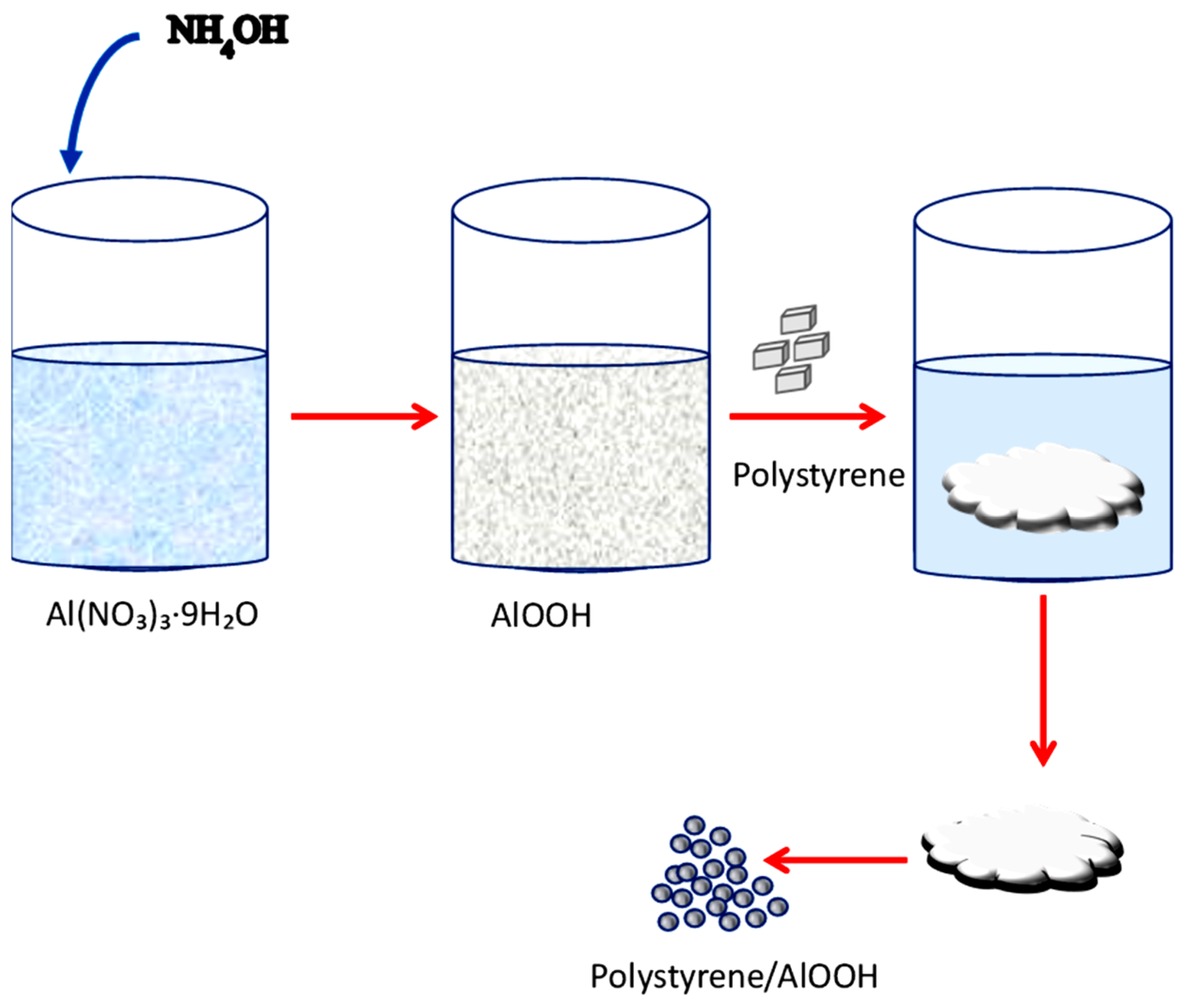
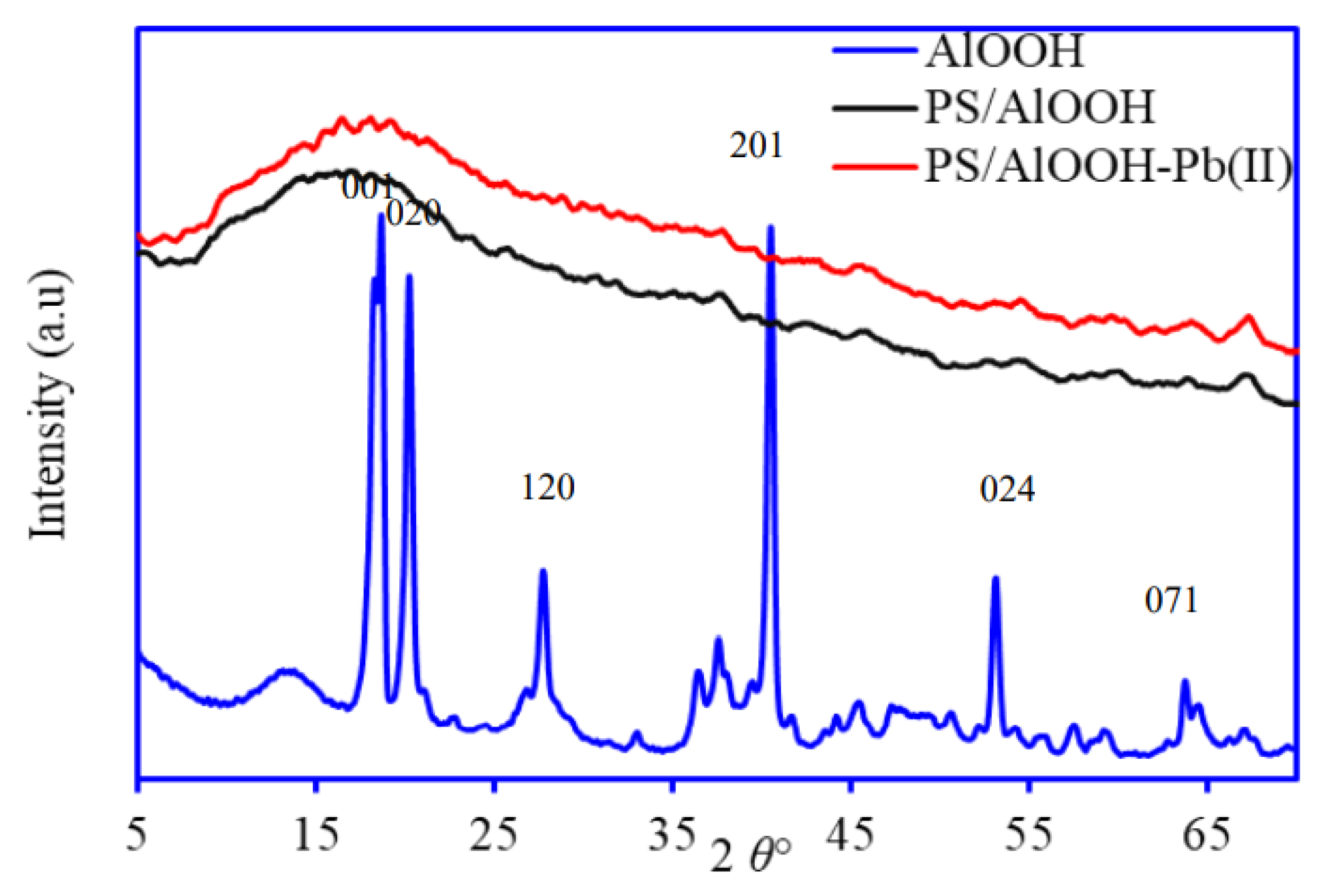
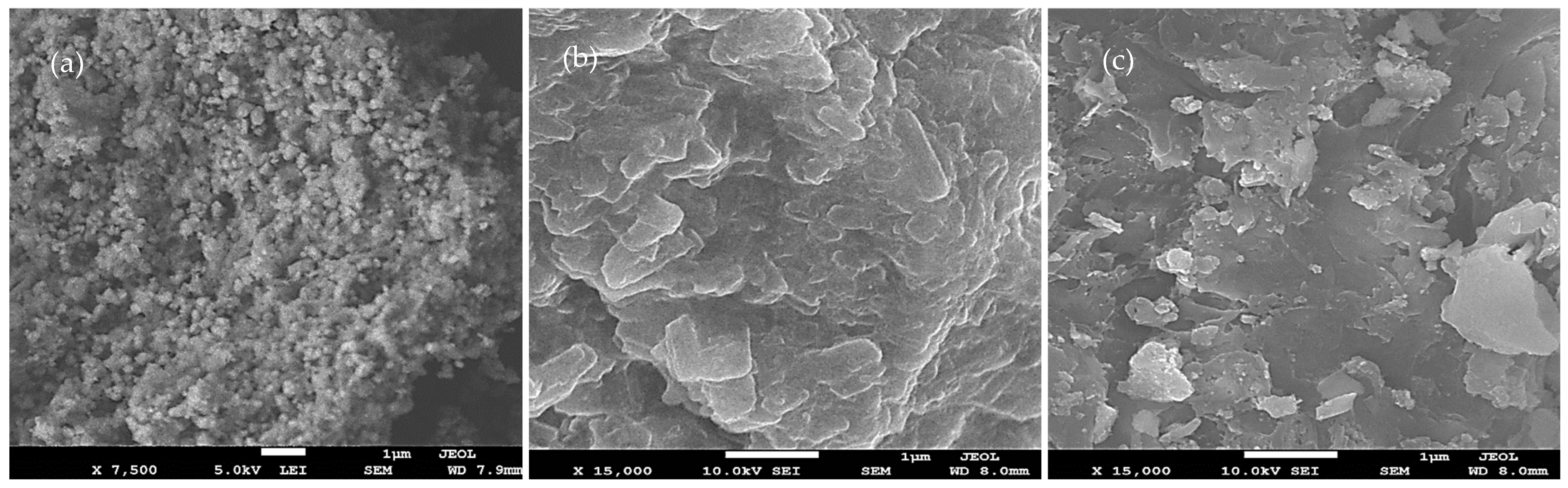
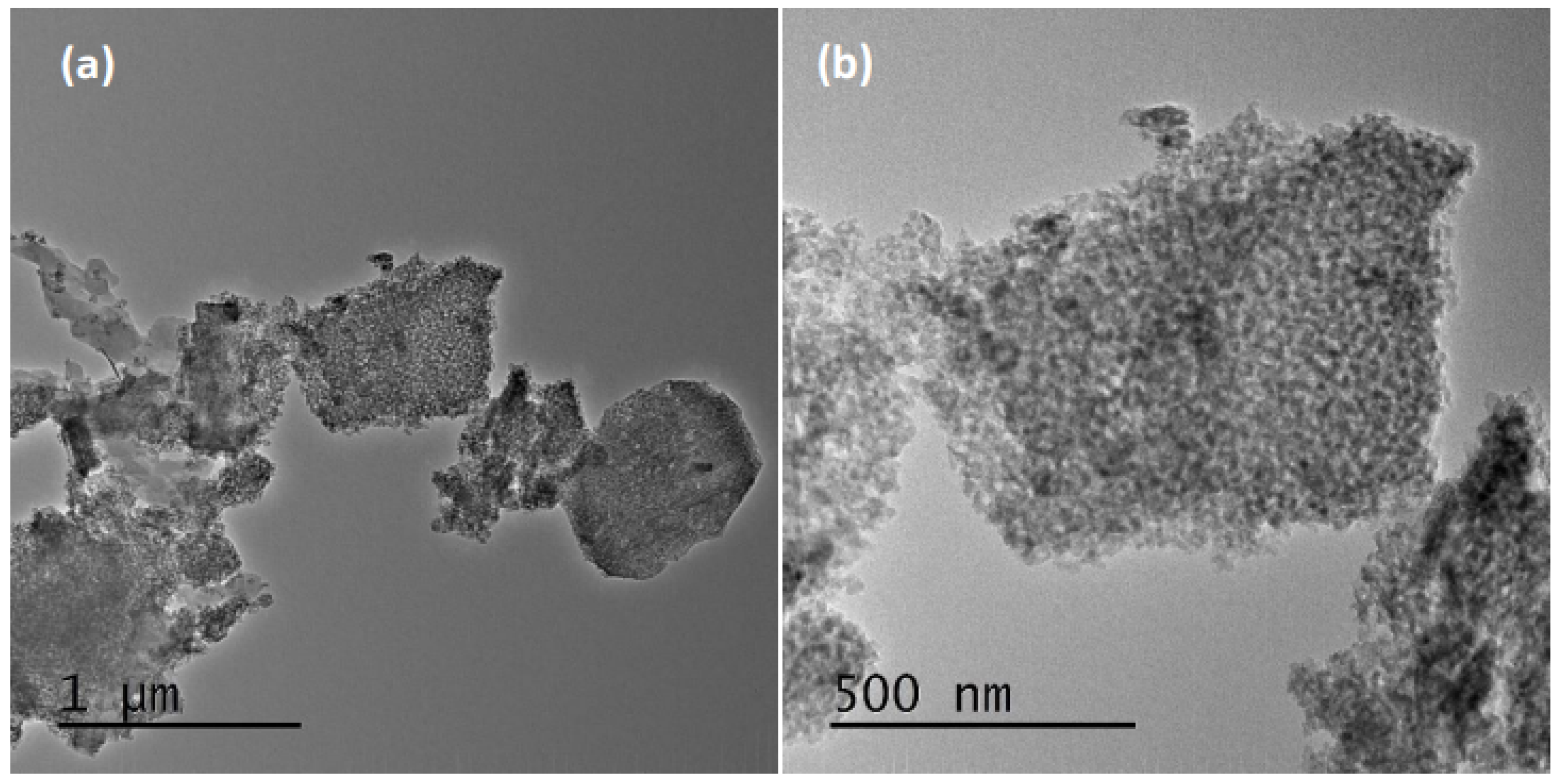
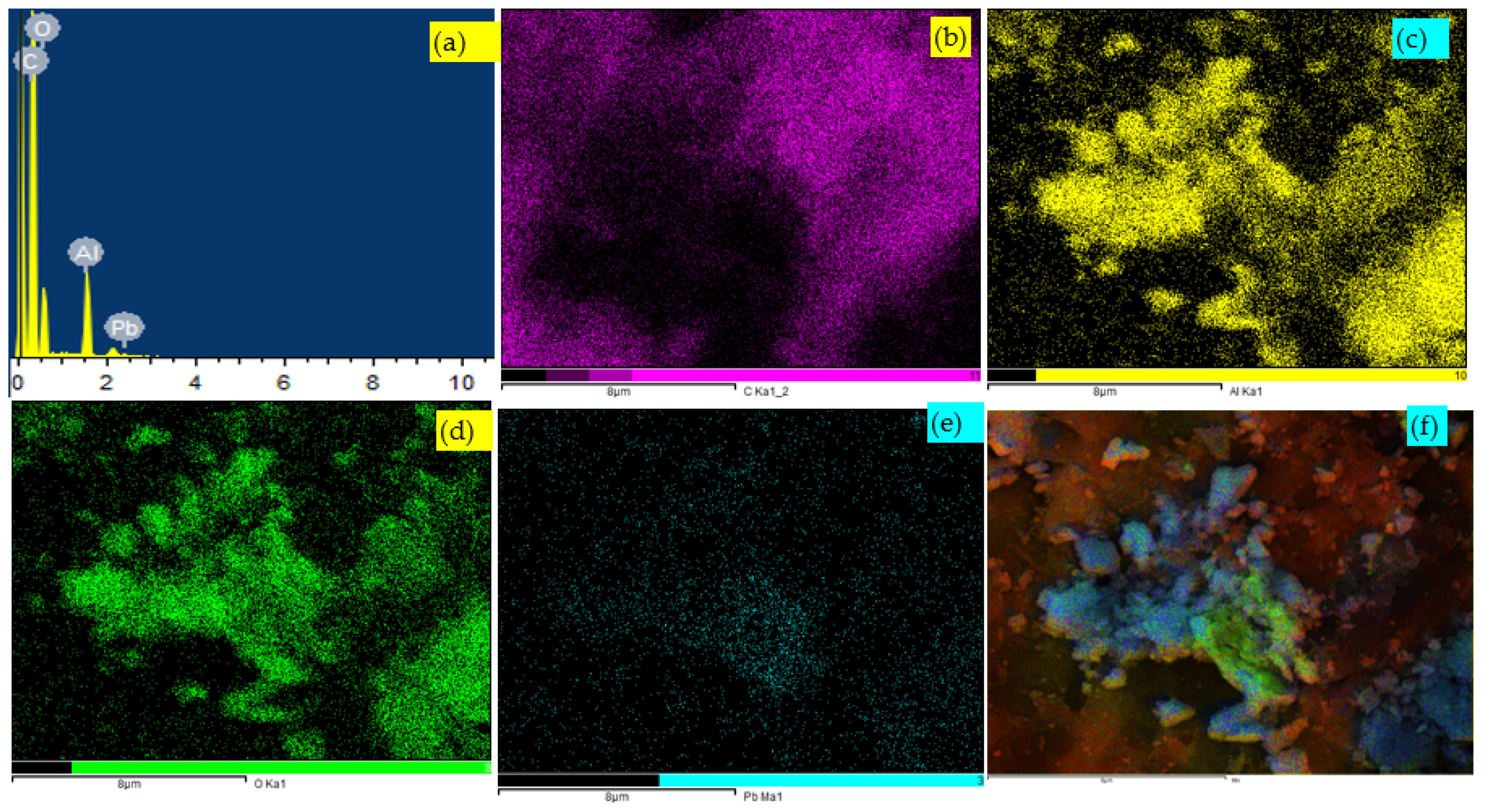
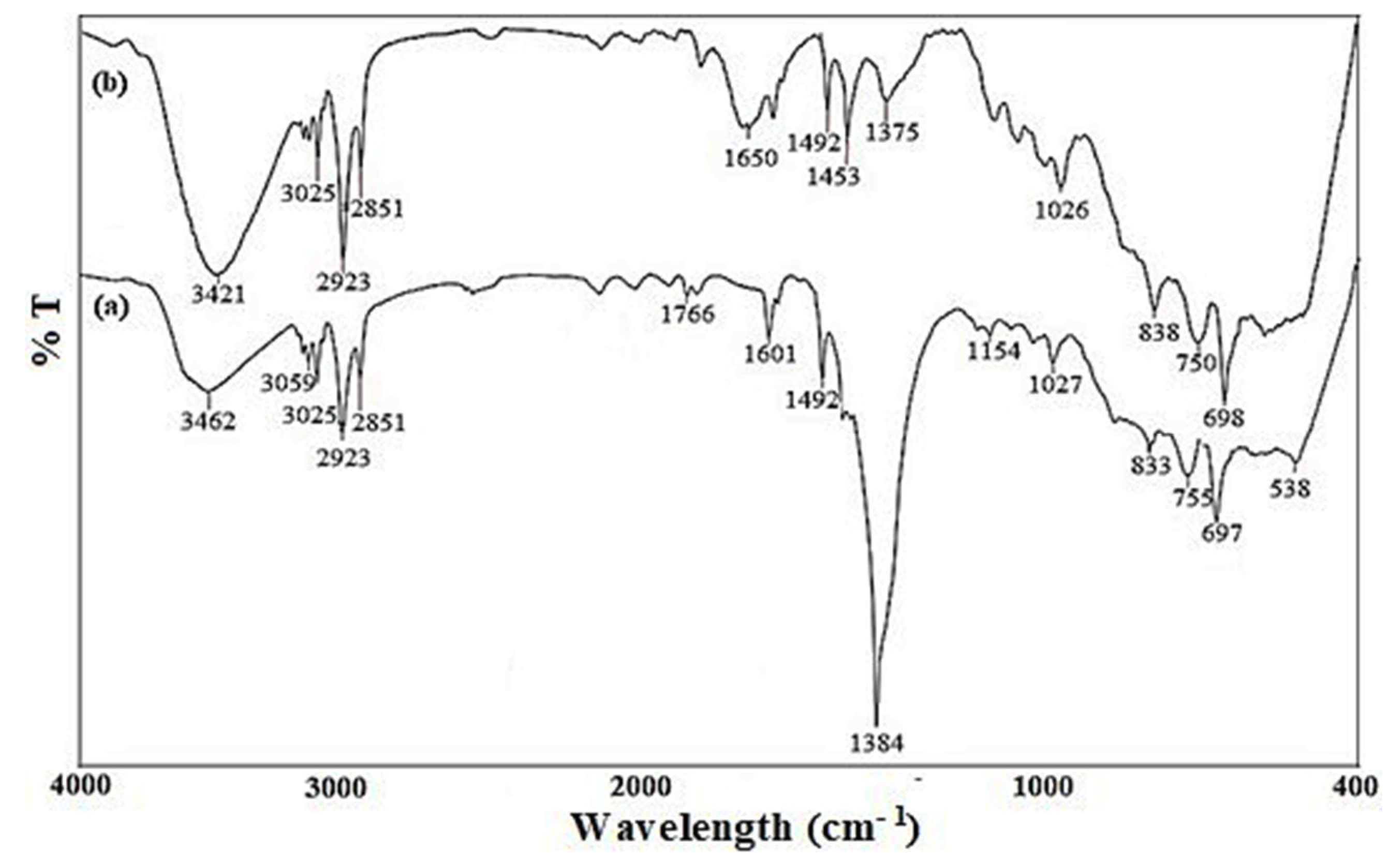
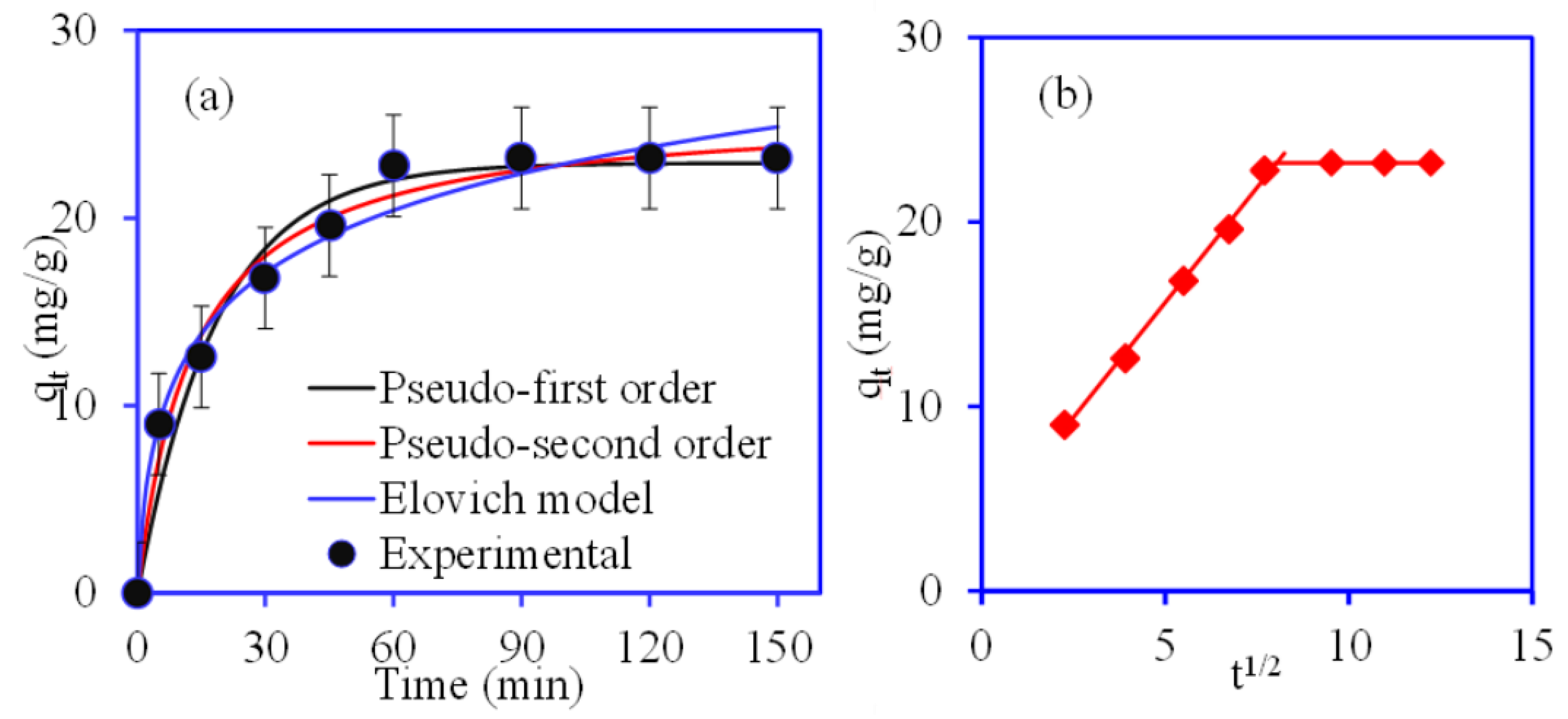
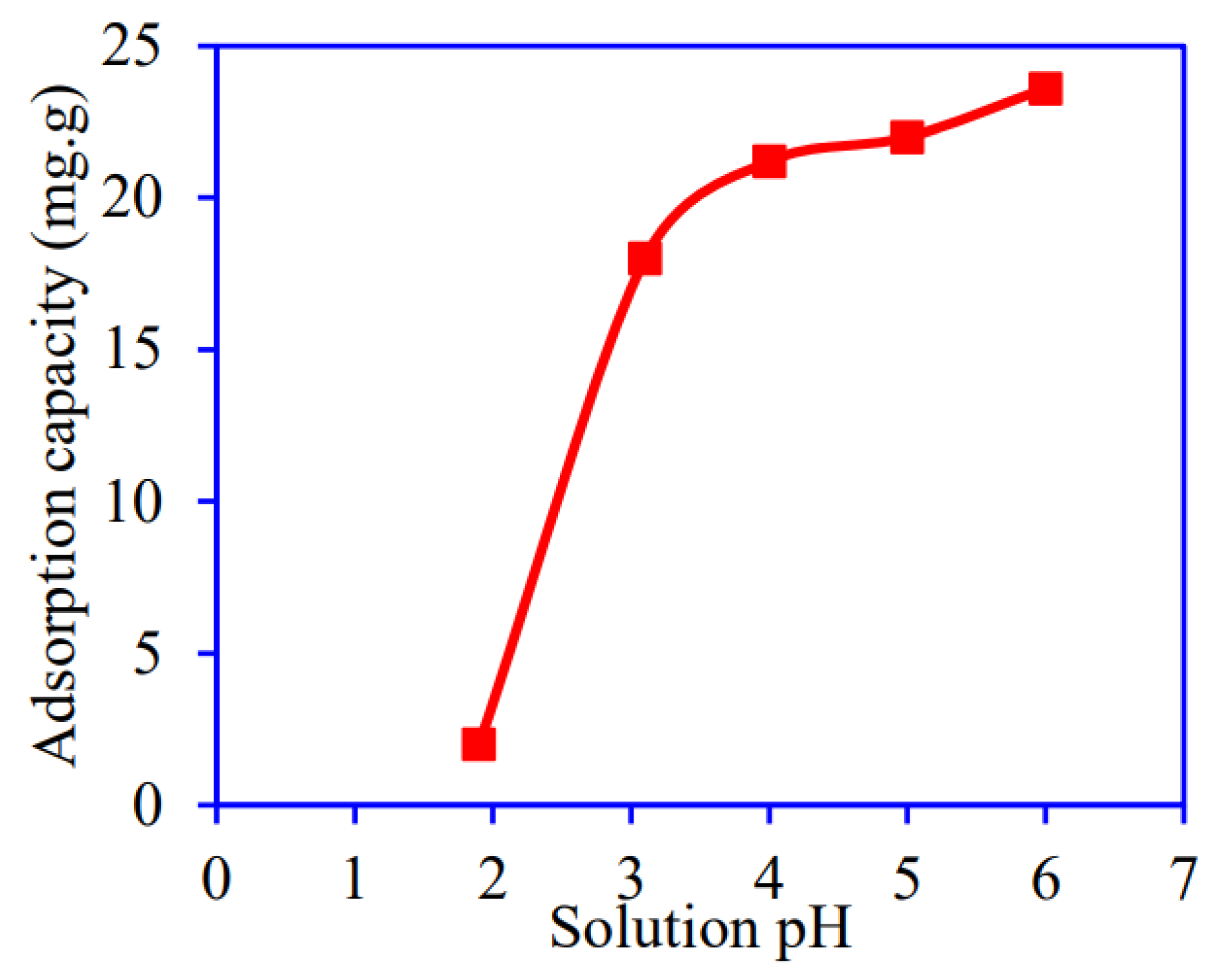
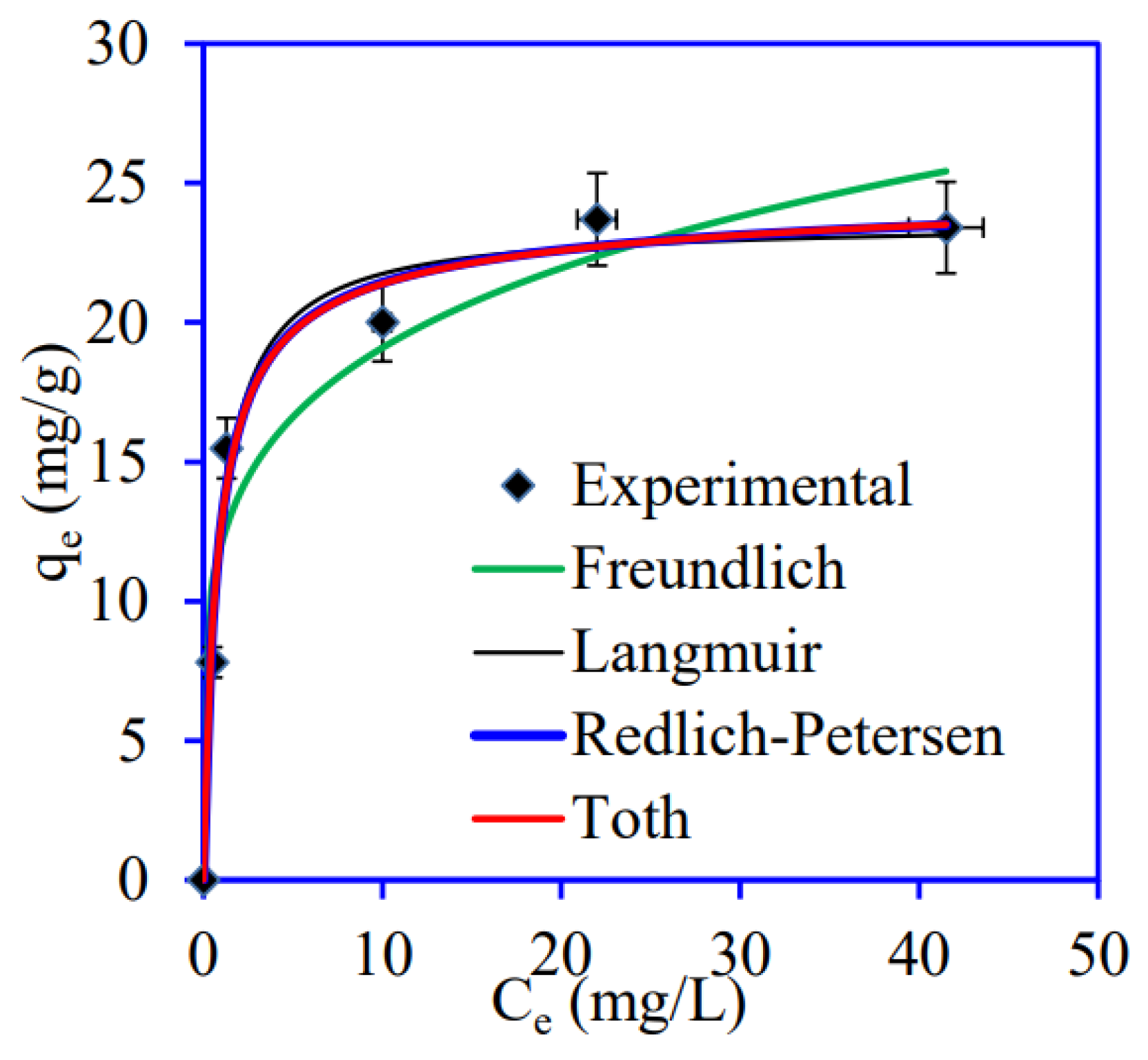
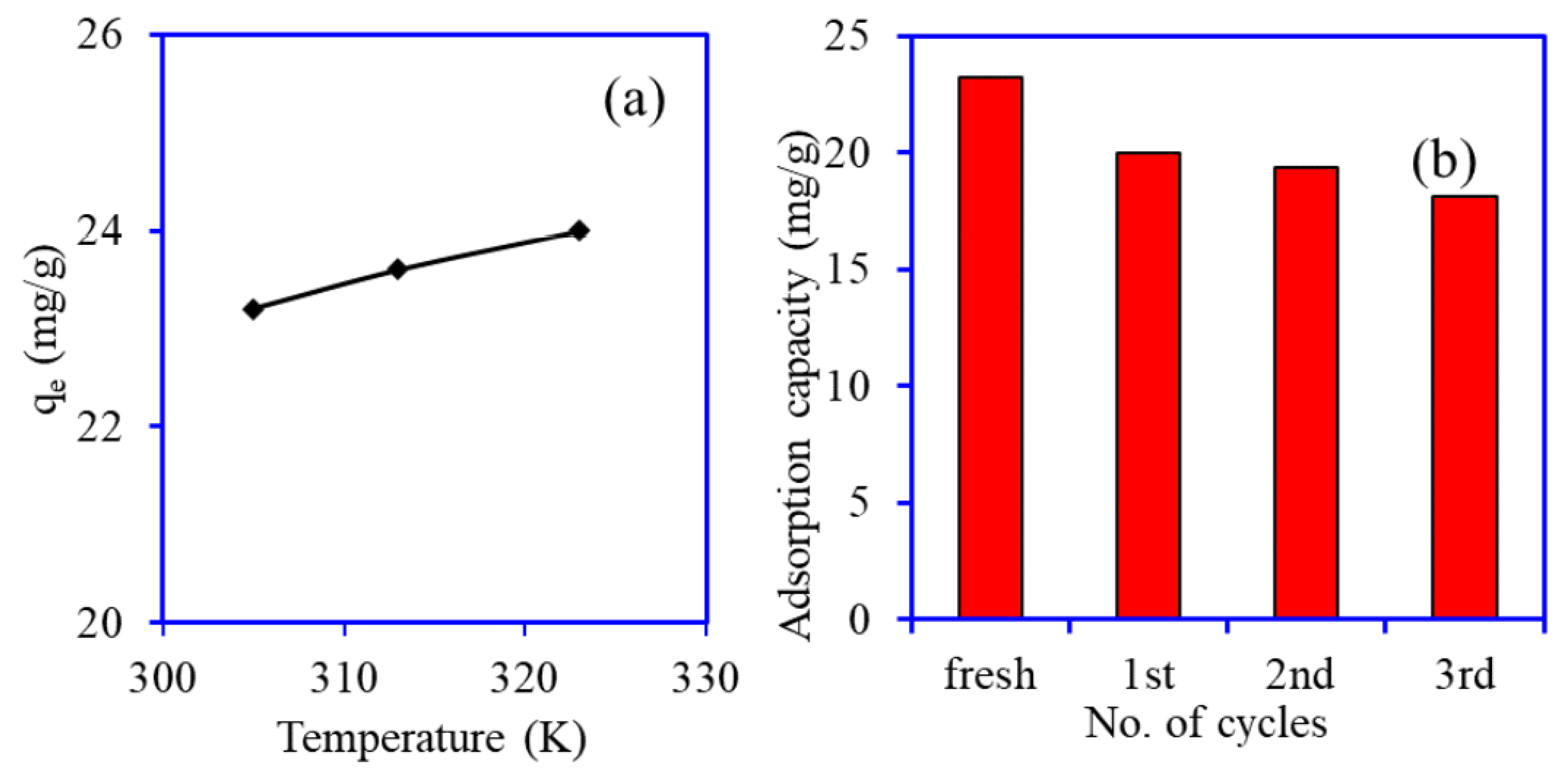
The nanomaterials’ toxicity to aquatic life is a big issue due to improper handling or incomplete separation after use. The immobilization of the nanomaterials in the polymeric matrix could be a practical approach to developing an efficient hybrid composite for wastewater purification. In this study, AlOOH nanoparticles were immobilized in the polystyrene polymeric matrix to prepare an effective adsorbent to scavenge the Pb(II) from the aqueous solution. The synthesized polystyrene/AlOOH (PS/AlOOH) hybrid was characterized using microscopic techniques coupled with elemental mapping and EDX, X-ray diffraction, and a furrier-transformed infrared spectrometer. The results revealed that the Pb(II) adsorption onto the polystyrene/AlOOH composite depends on the solution pH, the Pb(II) concentrations in the solution, the adsorption time, and the solute temperature. The maximum scavenging of Pb(II) occurs at pH 6 in 90 min. The adsorption of Pb(II) onto PS/AlOOH decreases from 97.7% to 58.5% with the increase in the Pb(II) concentration from 20 mg g−1 to 100 mg g−1. The kinetics and isotherm modeling demonstrated that Pb(II) adsorption is well suited for the pseudo-second-order kinetics and Toth isotherm models, suggesting that the chemisorption occurs at the heterogeneous surface of PS/AlOOH. The PS/AlOOH composite could be used multiple times without a significant loss in the adsorption efficiency. These results demonstrated that the polystyrene/AlOOH composite is an effective material for the purification of wastewater and can be used on a large scale.
Keywords: polystyrene/AlOOH hybrid; water purification; lead removal; adsorption polystyrene/AlOOH hybrid; water purification; lead removal; adsorption