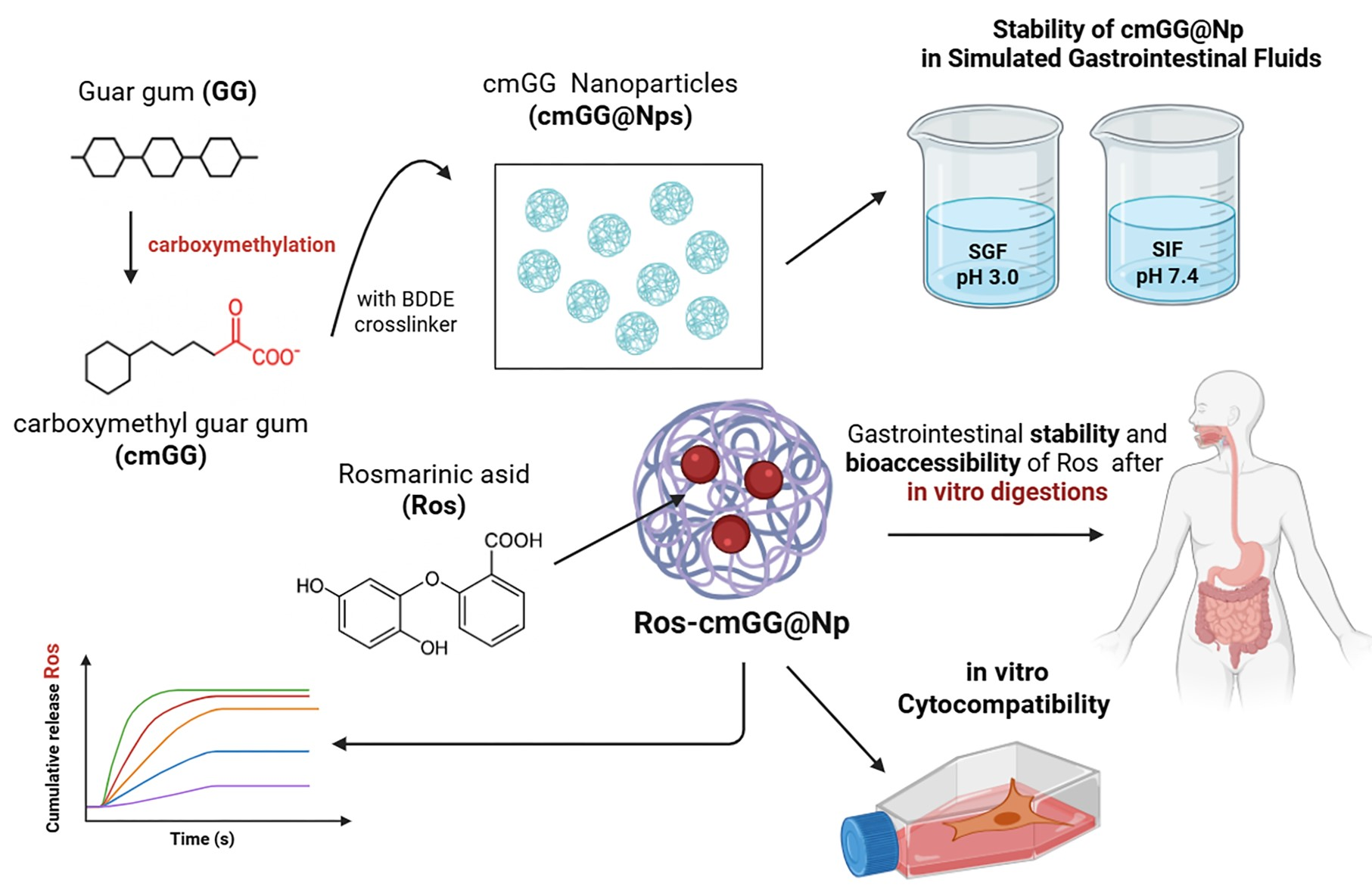

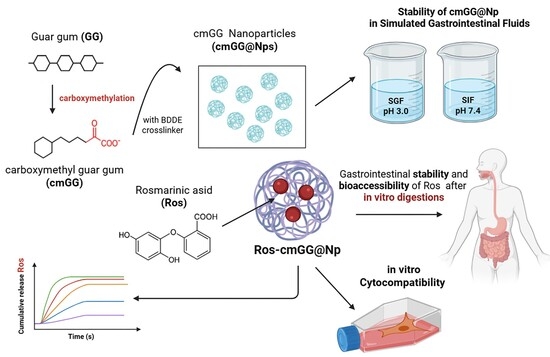
pH-Responsive Colloidal Guar Gum Nanoparticles for Rosmarinic Acid Delivery: Role of the Degree of Carboxymethylation


Abstract
1. Introduction
2. Material and Methods
2.1. Chemicals and Reagents
2.2. Carboxymethyl Guar Gum Synthesis (cmGG)
2.3. Determination of the Degree of Substitution (DS)
2.4. Characterisation of cmGG Derivatives (FT-IR)
2.5. Synthesis of cmGG Polymeric Nanoparticles (cmGG@Np)
2.6. Stability of cmGG@Np in Simulated Gastrointestinal Fluids
2.7. Degradation Studies of cmGG@Np Under Different pH Conditions
2.8. Ros-Loaded cmGG@NP Synthesis (Ros-cmGG@NP)
2.9. Physicochemical Characterization
2.10. Adsorption Experiments
2.11. Evaluation of Bioaccessibility in a Simulated Gastrointestinal Model
2.12. Gastrointestinal Stability and Bioaccessibility of Ros After Digestions
2.13. In Vitro Release Studies
2.14. Evaluation of In Vitro Release Kinetics
2.15. In Vitro Cytocompatibility (Caco-2 and HT-29)
2.16. Statistical Analysis
3. Results and Discussion
3.1. Controlled Carboxymethylation of Guar Gum: Effect of Degree of Substitution on Colloidal Behavior
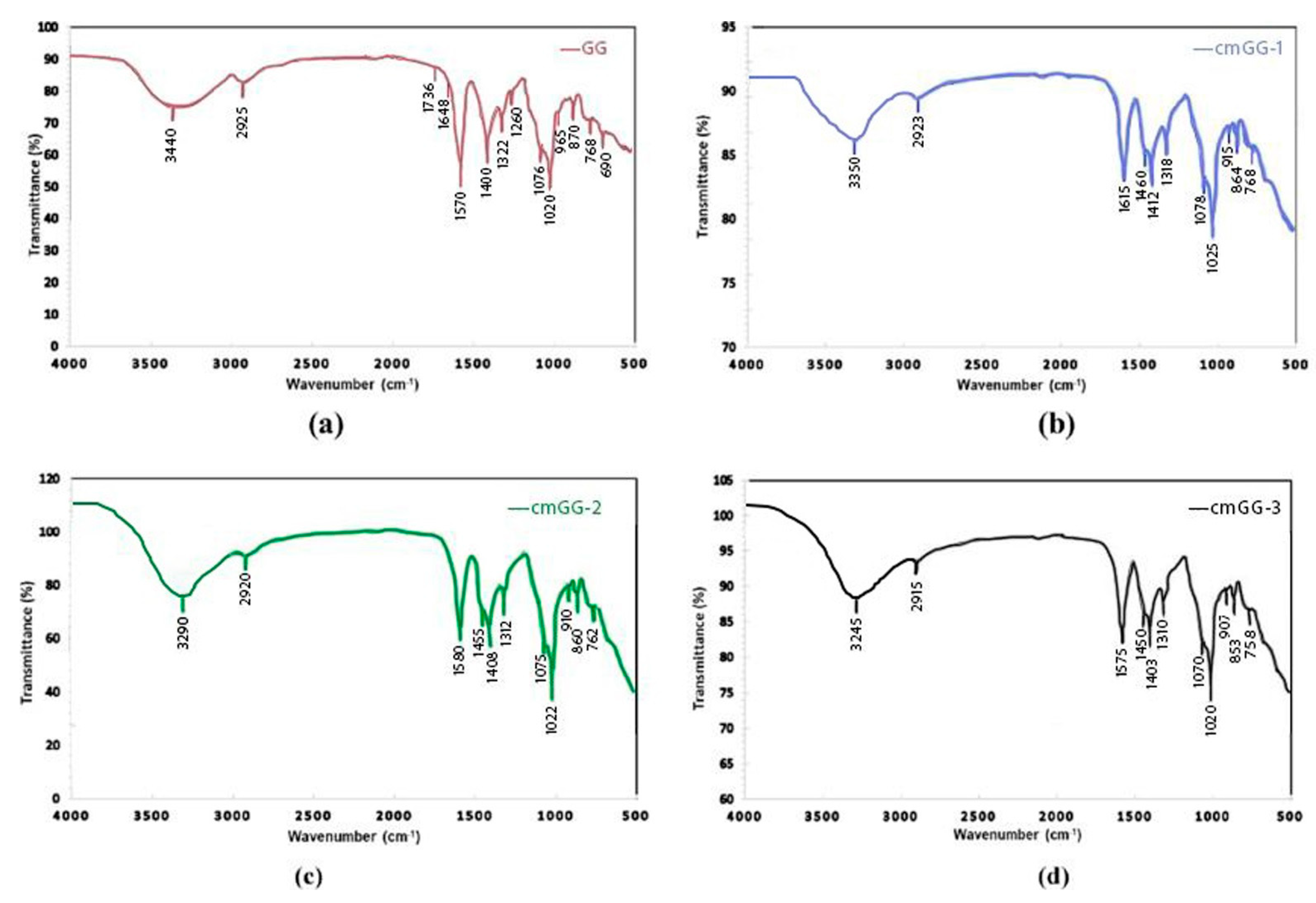
3.2. Characterization of cmGG Formulations
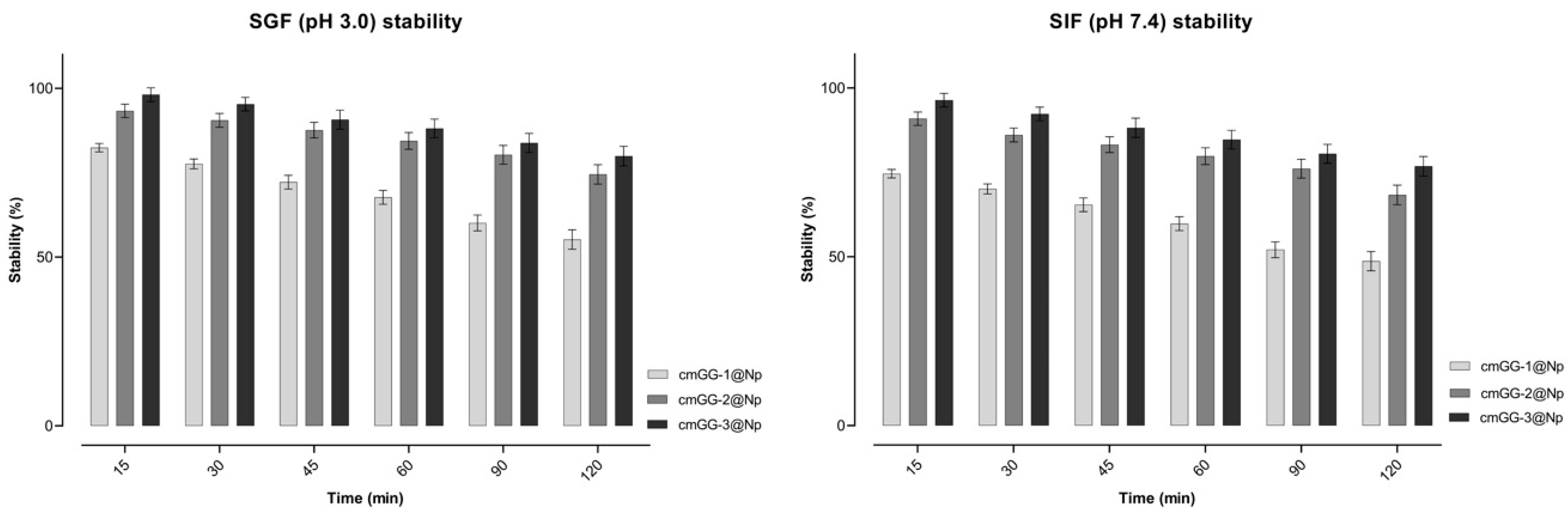
3.3. pH-Dependent Colloidal Stability of cmGG@Np in Simulated Gastrointestinal Fluids
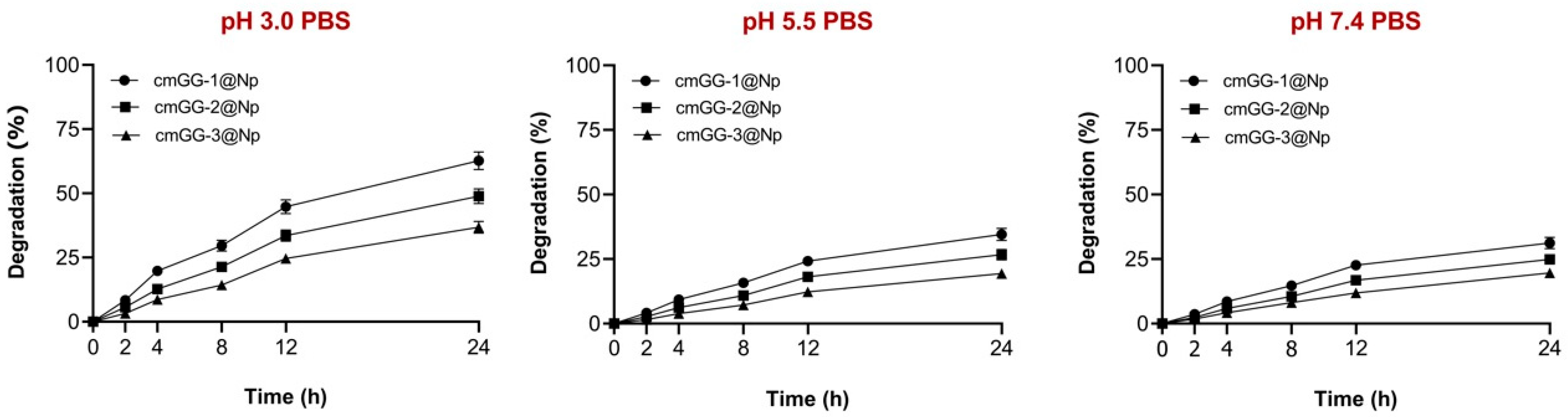
3.4. Degradation Behavior of cmGG@Np Under Different pH Conditions
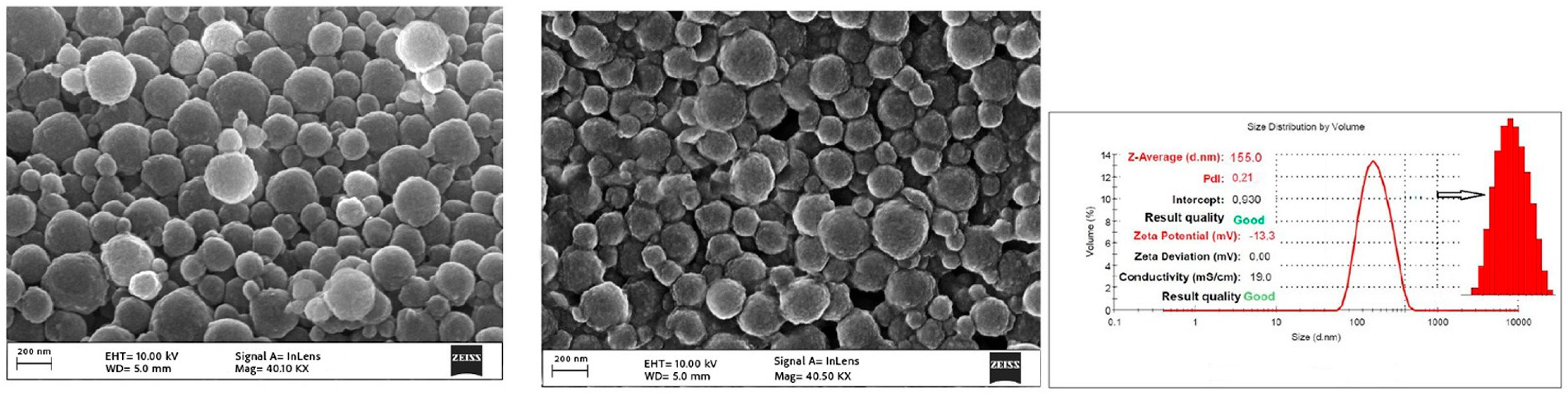
3.5. Physicochemical and Colloidal Characterization
3.6. Adsorption Analyses
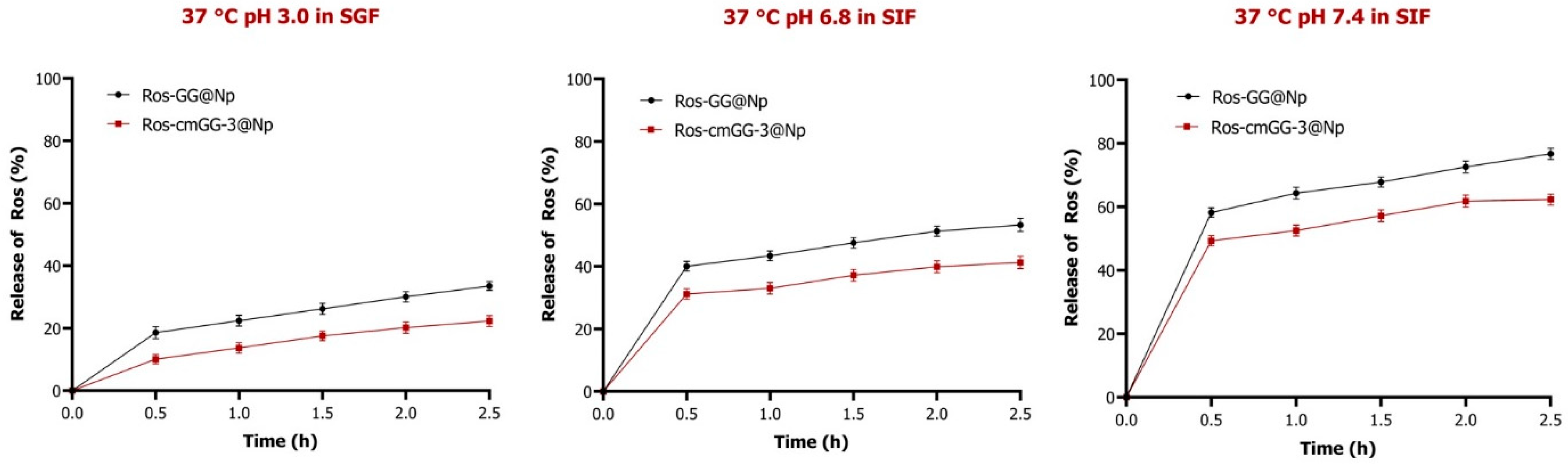
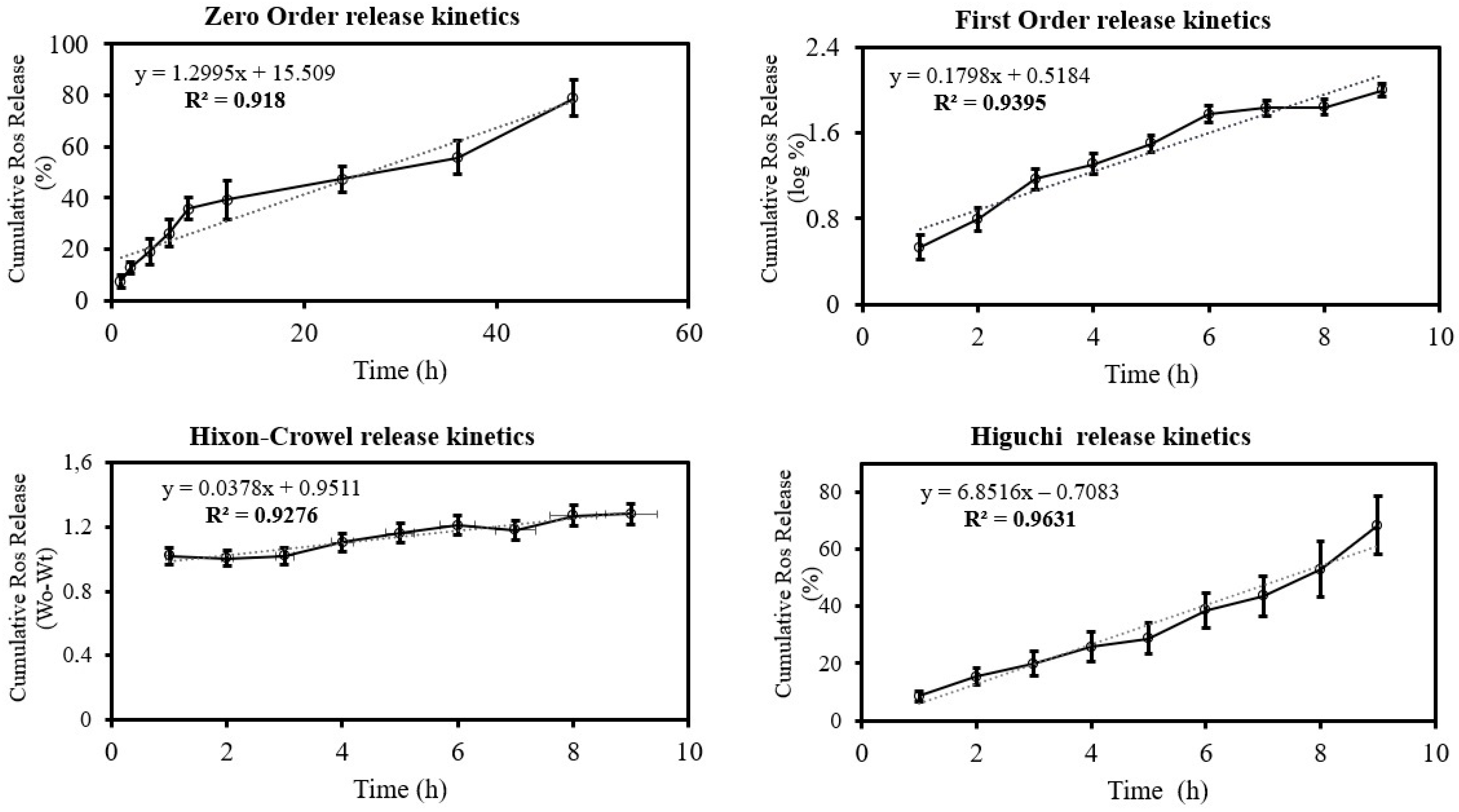
3.7. pH-Dependent Release Behavior and Diffusion-Controlled Kinetics of Ros-Loaded cmGG Nanoparticles
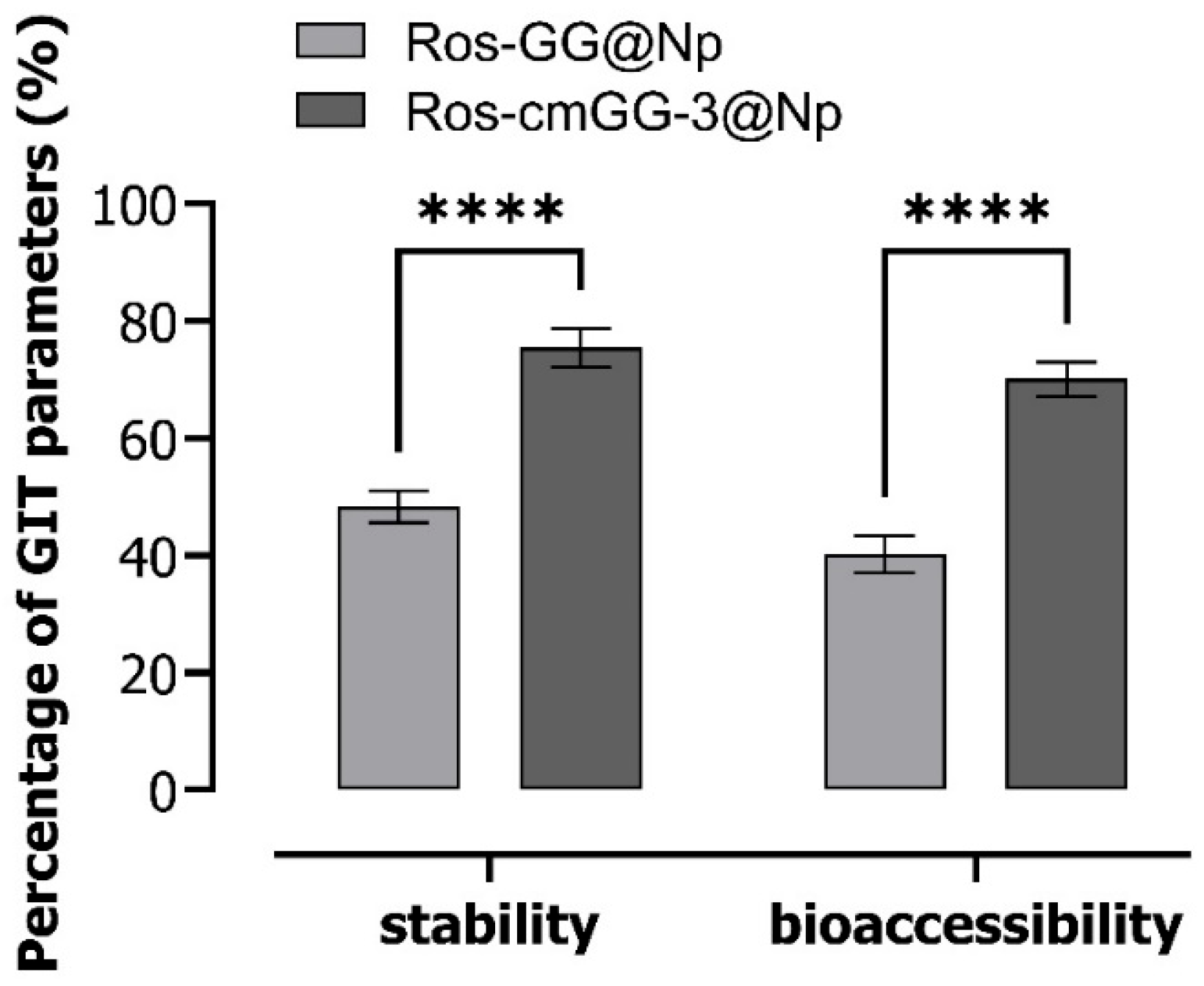
3.8. Gastrointestinal Stability and Bioaccessibility of Ros-Loaded cmGG Nanoparticles
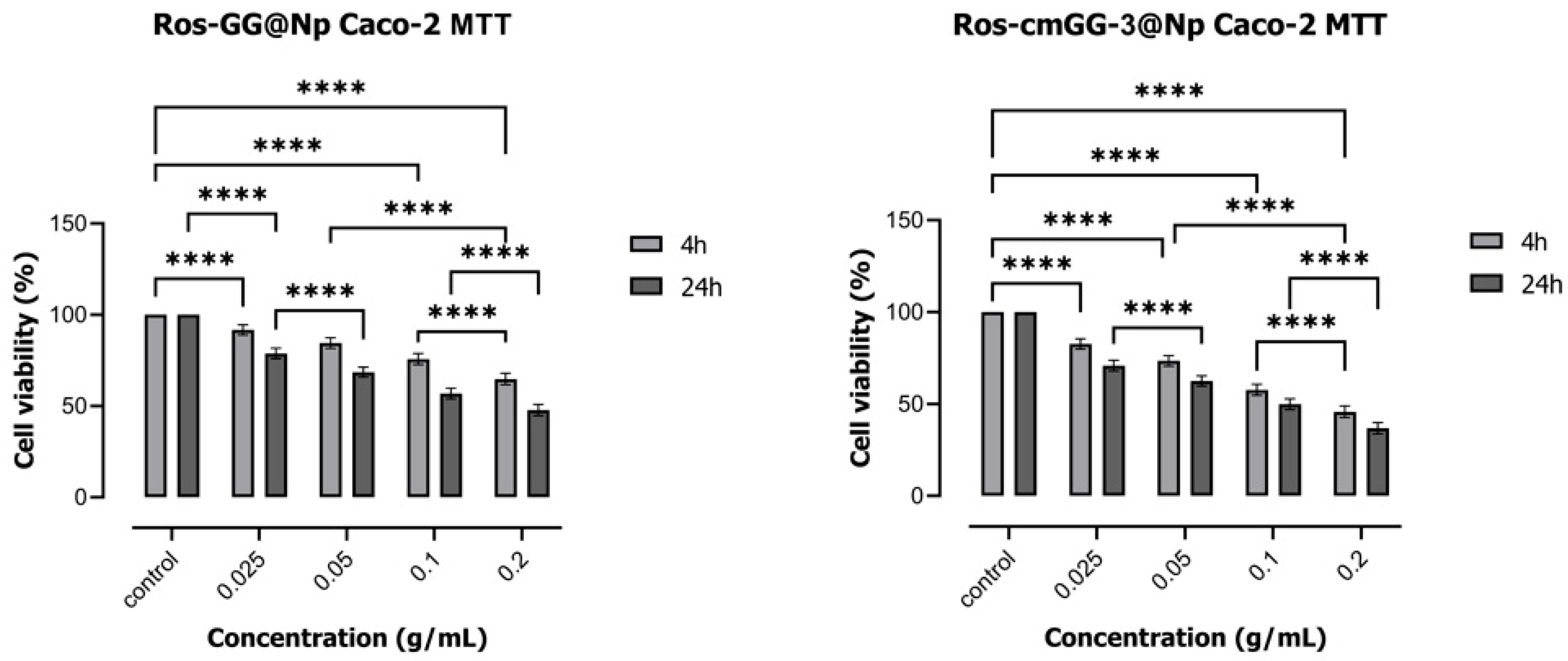
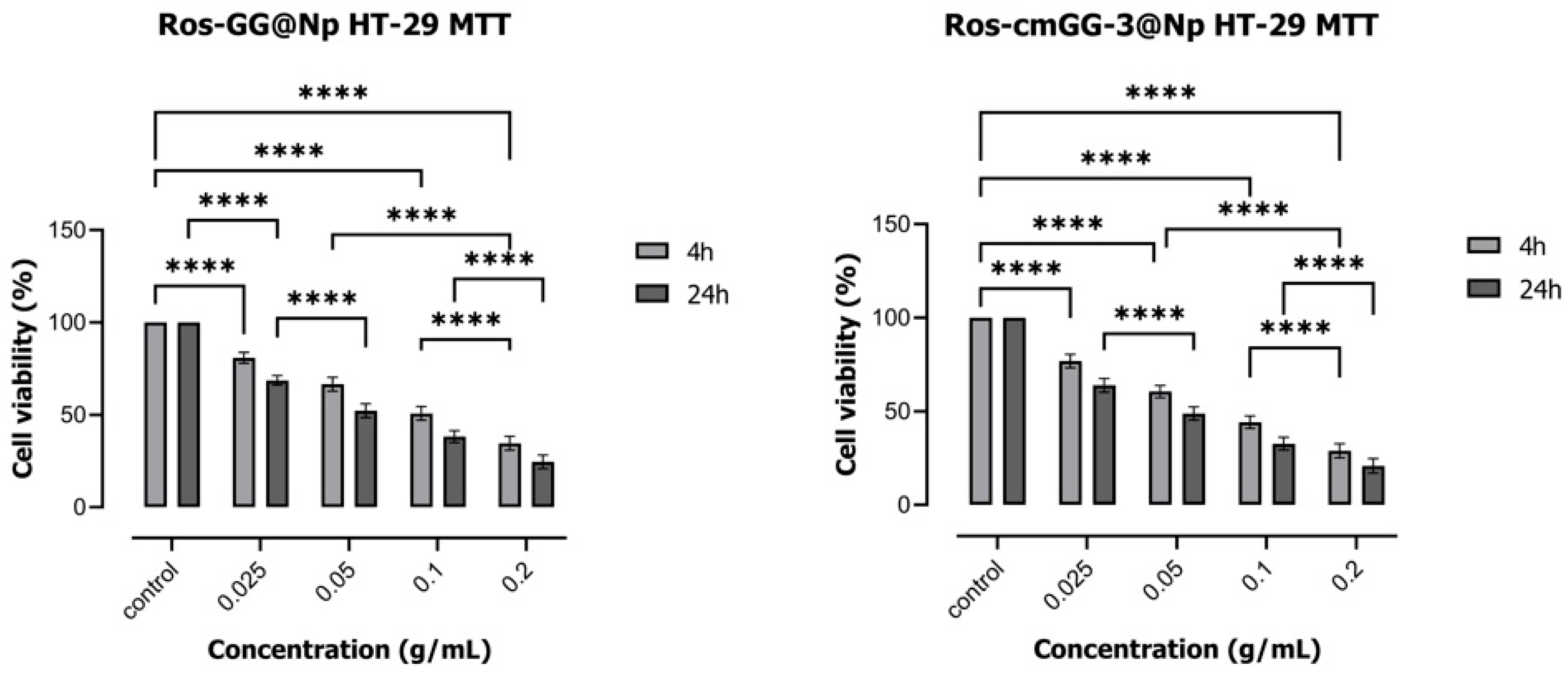
3.9. Effect of Ros-Loaded Nanoparticles on the Viability of Caco-2 and HT-29 Cells
4. Conclusions
Supplementary Materials
Author Contributions
Funding
Data Availability Statement
Acknowledgments
Conflicts of Interest
References
- Adeyanju, A.A. Absorption, bioavailability, bioaccessibility, metabolism, and excretion of bioactive food phytochemicals. In Plant Food Phytochemicals and Bioactive Compounds in Nutrition and Health, 1st ed.; CRC Press: Boca Raton, FL, USA, 2024; p. 25. [Google Scholar] [CrossRef]
- Cai, D.; Han, C.; Liu, C.; Ma, X.; Qian, J.; Zhou, J.; Li, Y.; Sun, Y.; Zhang, C.; Zhu, W. Chitosan-capped enzyme-responsive hollow mesoporous silica nanoplatforms for colon-specific drug delivery. Nanoscale Res. Lett. 2020, 15, 123. [Google Scholar] [CrossRef]
- Tie, S.; Tan, M. Current advances in multifunctional nanocarriers based on marine polysaccharides for colon delivery of food polyphenols. J. Agric. Food Chem. 2022, 70, 903–915. [Google Scholar] [CrossRef] [PubMed]
- Martínez, E.; Gamboa, J.; Finkielstein, C.V.; Cañas, A.I.; Osorio, M.A.; Vélez, Y.; Llinas, N.; Castro, C.I. Oral dosage forms for drug delivery to the colon: An existing gap between research and commercial applications. J. Mater. Sci. Mater. Med. 2025, 36, 24. [Google Scholar] [CrossRef] [PubMed]
- Awad, A.; Madla, C.M.; McCoubrey, L.E.; Ferraro, F.; Gavins, F.K.; Buanz, A.; Gaisford, S.; Orlu, M.; Siepmann, F.; Siepmann, J.; et al. Clinical translation of advanced colonic drug delivery technologies. Adv. Drug Deliv. Rev. 2022, 181, 114076. [Google Scholar] [CrossRef] [PubMed]
- Batool, R.; Mudassir, J.; Khan, M.A.; Zafar, S.; Rana, S.J.; Abbas, N.; Muhammad, S.; Arshad, M.S.; Muhammad, S. Fabrication and characterization of celecoxib-loaded chitosan/guar gum-based hydrogel beads. Pharmaceuticals 2023, 16, 554. [Google Scholar] [CrossRef]
- Dalei, G.; Das, S. Carboxymethyl guar gum: A review of synthesis, properties and versatile applications. Eur. Polym. J. 2022, 176, 111433. [Google Scholar] [CrossRef]
- Amidon, S.; Brown, J.E.; Dave, V.S. Colon-targeted oral drug delivery systems: Design trends and approaches. AAPS PharmSciTech 2015, 16, 731–741. [Google Scholar] [CrossRef]
- Manna, S.; Karmakar, S.; Sen, O.; Sinha, P.; Jana, S.; Jana, S. Recent updates on guar gum derivatives in colon-specific drug delivery. Carbohydr. Polym. 2024, 334, 122009. [Google Scholar] [CrossRef]
- George, A.; Shah, P.A.; Shrivastav, P.S. Guar gum: Versatile natural polymer for drug delivery applications. Eur. Polym. J. 2019, 112, 722–735. [Google Scholar] [CrossRef]
- Verma, V.; Meena, J.; Saini, T.; Saini, S.; Malik, R. Carboxymethyl guar gum: Bridging the gap between biopolymers and advanced functional materials. Polym.-Plast. Technol. Mater. 2025, 64, 1715–1744. [Google Scholar] [CrossRef]
- Soltani, M.D.; Meftahizadeh, H.; Barani, M.; Rahdar, A.; Hosseinikhah, S.M.; Hatami, M.; Ghorbanpour, M. Guar (Cyamopsis tetragonoloba L.) plant gum: From biological applications to advanced nanomedicine. Int. J. Biol. Macromol. 2021, 193, 1972–1985. [Google Scholar] [CrossRef] [PubMed]
- Verma, D.; Sharma, S.K. Recent advances in guar gum-based drug delivery systems and their administrative routes. Int. J. Biol. Macromol. 2021, 181, 653–671. [Google Scholar] [CrossRef]
- Sharahi, M.; Bahrami, S.H.; Karimi, A. A comprehensive review on guar gum and its modified biopolymers: Their potential applications in tissue engineering. Carbohydr. Polym. 2025, 347, 122739. [Google Scholar] [CrossRef] [PubMed]
- Baghel, M.; Sakure, K.; Giri, T.K.; Maiti, S.; Nakhate, K.T.; Ojha, S.; Sharma, C.; Agrawal, Y.; Goyal, S.; Badwaik, H. Carboxymethylated gums and derivatization: Strategies and significance in drug delivery and tissue engineering. Pharmaceuticals 2023, 16, 776. [Google Scholar] [CrossRef] [PubMed]
- Nooy, A.E.J.; Rori, V.; Masci, G.; Dentini, M.; Crescenzi, V. Synthesis and preliminary characterisation of charged derivatives and hydrogels from scleroglucan. Carbohydr. Res. 2000, 324, 116–126. [Google Scholar] [CrossRef]
- Abhishek, R.; Ahuja, M. Evaluation of carboxymethyl moringa gum as nanometric carrier. Carbohydr. Polym. 2017, 174, 896–903. [Google Scholar] [CrossRef]
- Badwaik, H.R.; Al Hoque, A.; Kumari, L.; Sakure, K.; Baghel, M.; Giri, T.K. Moringa gum and its modified form as a potential green polymer used in biomedical field. Carbohydr. Polym. 2020, 249, 116893. [Google Scholar] [CrossRef]
- Scott, D.M.; Prud’homme, R.K.; Priestley, R.D. Effects of the polymer glass transition on the stability of nanoparticle dispersions. Soft Matter 2023, 19, 1212–1218. [Google Scholar] [CrossRef]
- De Anda-Flores, Y.; Carvajal-Millan, E.; Campa-Mada, A.; Lizardi-Mendoza, J.; Rascon-Chu, A.; Tanori-Cordova, J.; Martínez-López, A.L. Polysaccharide-based nanoparticles for colon-targeted drug delivery systems. Polysaccharides 2021, 2, 626–647. [Google Scholar] [CrossRef]
- Moutaharrik, S.; Palugan, L.; Cerea, M.; Meroni, G.; Casagni, E.; Roda, G.; Martino, P.A.; Gazzaniga, A.; Maroni, A.; Foppoli, A. Colon drug delivery systems based on swellable and microbially degradable high-methoxyl pectin: Coating process and in vitro performance. Pharmaceutics 2024, 16, 508. [Google Scholar] [CrossRef]
- Renukadevi, J.; Ranjani, M.; Sneha, P.; Hussain, J.S.; Shakthi, H. Gut-targeted nutraceutical delivery: Engineering microbiome-responsive nutraceutical interfaces. Food Bioeng. 2025, 4, 248–261. [Google Scholar] [CrossRef]
- Waqar, M.A.; Mubarak, N.; Khan, A.M.; Khan, R.; Shaheen, F.; Shabbir, A. Advanced polymers and recent advancements on gastroretentive drug delivery system: A comprehensive review. J. Drug Target. 2024, 32, 655–671. [Google Scholar] [CrossRef] [PubMed]
- Noor, S.; Mohammad, T.; Rub, M.A.; Raza, A.; Azum, N.; Kumar Yadav, D.; Hassan, I.; Asiri, A.M. Biomedical features and therapeutic potential of rosmarinic acid. Arch. Pharmacal Res. 2022, 45, 205–228. [Google Scholar] [CrossRef] [PubMed]
- Guan, H.; Luo, W.; Bao, B.; Cao, Y.; Cheng, F.; Yu, S.; Fan, Q.; Zhang, L.; Wu, Q.; Shan, M. A comprehensive review of rosmarinic acid: From phytochemistry to pharmacology and its new insight. Molecules 2022, 27, 3292. [Google Scholar] [CrossRef]
- Choi, S.J.; Oh, S.S.; Kim, C.R.; Kwon, Y.K.; Suh, S.H.; Kim, J.K.; Park, G.G.; Son, S.Y.; Shin, D.H. Perilla frutescens extract ameliorates acetylcholinesterase- and trimethyltin chloride-induced neurotoxicity. J. Med. Food 2016, 19, 281–289. [Google Scholar] [CrossRef]
- Değer, U.; Çavuş, Y. Investigation of the role of rosmarinic acid treatment in regulating inflammation, cell damage, and angiogenesis in rat ovarian torsion and detorsion models. Acta Cir. Bras. 2020, 35, e202000304. [Google Scholar] [CrossRef]
- Kim, J.S.; Lee, J.H.; Hong, S.M.; Cho, K.; Kim, S.Y. Salvia miltiorrhiza prevents methylglyoxal-induced glucotoxicity via the regulation of apoptosis-related pathways and the glyoxalase system in human umbilical vein endothelial cells. Biol. Pharm. Bull. 2022, 45, 51–62. [Google Scholar] [CrossRef]
- Ośko, J.; Nasierowska, K.; Grembecka, M. Application of in vitro digestion models in the evaluation of dietary supplements. Foods 2024, 13, 2135. [Google Scholar] [CrossRef]
- Wang, Y.; Li, Z.; Bao, Y.; Cui, H.; Li, J.; Song, B.; Wang, M.; Li, H.; Cui, X.; Chen, Y.; et al. Colon-targeted delivery of polyphenols: Construction principles, targeting mechanisms and evaluation methods. Crit. Rev. Food Sci. Nutr. 2023, 65, 64–86. [Google Scholar] [CrossRef]
- Bachra, Y.; Grouli, A.; Damiri, F.; Zhu, X.X.; Talbi, M.; Berrada, M. Synthesis, Characterization, and Swelling Properties of a New Highly Absorbent Hydrogel Based on Carboxymethyl Guar Gum Reinforced with Bentonite and Silica Particles for Disposable Hygiene Products. ACS Omega 2022, 7, 39002–39018. [Google Scholar] [CrossRef]
- Yadav, H.; Maji, B.; Maiti, S. Novel succinoylated carboxymethyl guar gum nanocarriers of glimepiride for controlling type-2 diabetes. Med. Nov. Technol. Devices 2024, 22, 100309. [Google Scholar] [CrossRef]
- Deepika, C.; Shivani, U.; Kumar, M.S.; Geeta, S. Preparation and Characterization of Celecoxib entrapped guar gum nanoparticles targeted for oral drug delivery against colon cancer: An in vitro study. J. Drug Deliv. Ther. 2020, 10, 14–21. [Google Scholar] [CrossRef]
- Brodkorb, A.; Egger, L.; Alminger, M.; Alvito, P.; Assunção, R.; Ballance, S.; Bohn, T.; Bourlieu-Lacanal, C.; Boutrou, R.; Carrière, F.; et al. INFOGEST static in vitro simulation of gastrointestinal food digestion. Nat. Protoc. 2019, 14, 991–1014. [Google Scholar] [CrossRef] [PubMed]
- Zhou, H.; Tan, Y.; Lv, S.; Liu, J.; Mundo, J.L.M.; Bai, L.; Rojas, O.J.; McClements, D.J. Nanochitin-stabilized pickering emulsions: Influence of nanochitin on lipid digestibility and vitamin bioaccessibility. Food Hydrocoll. 2020, 106, 105878. [Google Scholar] [CrossRef]
- Nzilu, D.M.; Madivoli, E.S.; Makhanu, D.S.; Wanakai, S.I.; Kiprono, G.K.; Kareru, P.G. Green synthesis of copper oxide nanoparticles and its efficiency in degradation of rifampicin antibiotic. Sci. Rep. 2023, 13, 14030. [Google Scholar] [CrossRef]
- Ullah, S.; Azad, A.K.; Nawaz, A.; Shah, K.U.; Iqbal, M.; Albadrani, G.M.; Al-Joufi, F.A.; Sayed, A.A.; Abdel-Daim, M.M. 5-fluorouracil-loaded folic-acid-fabricated chitosan nanoparticles for site-targeted drug delivery cargo. Polymers 2022, 14, 2010. [Google Scholar] [CrossRef]
- Zaman, M.; Butt, M.H.; Siddique, W.; Iqbal, M.O.; Nisar, N.; Mumtaz, A.; Nazeer, H.Y.; Alshammari, A.; Riaz, M.S. Fabrication of pegylated chitosan nanoparticles containing tenofovir alafenamide: Synthesis and characterization. Molecules 2022, 27, 8401. [Google Scholar] [CrossRef]
- Nguyen, A.K.; Goering, P.L.; Reipa, V.; Narayan, R.J. Toxicity and photosensitizing assessment of gelatin methacryloyl-based hydrogels photoinitiated with lithium phenyl-2,4,6-trimethylbenzoylphosphinate in human primary renal proximal tubule epithelial cells. Biointerphases 2019, 14, 021007. [Google Scholar] [CrossRef]
- Miller, F.; Hinze, U.; Chichkov, B.; Leibold, W.; Lenarz, T.; Paasche, G. Validation of eGFP fluorescence intensity for testing in vitro cytotoxicity according to ISO 10993-5. J. Biomed. Mater. Res. Part B Appl. Biomater. 2017, 105, 287–296. [Google Scholar] [CrossRef]
- La Mesa, C.; Risuleo, G. Stabilization of Food Colloids: The Role of Electrostatic and Steric Forces. In Some New Aspects of Colloidal Systems in Foods; IntechOpen: London, UK, 2018. [Google Scholar] [CrossRef]
- Ahuja, M.; Singh, S.; Kumar, A. Evaluation of carboxymethyl gellan gum as a mucoadhesive polymer. Int. J. Biol. Macromol. 2013, 53, 114–121. [Google Scholar] [CrossRef]
- Iqbal, D.; Nazir, A.; Iqbal, M.; Yameen, M. Green synthesis and characterization of carboxymethyl guar gum: Application in textile printing technology. Green Process. Synth. 2020, 9, 212–218. [Google Scholar] [CrossRef]
- Elsaeed, S.M.; Zaki, E.G.; Omar, W.A.E.; Soliman, A.A.; Attia, A.M. Guar gum-based hydrogels as potent green polymers for enhanced oil recovery in high-salinity reservoirs. ACS Omega 2021, 6, 23421–23431. [Google Scholar] [CrossRef]
- Kumar, A.; Kumari, S.; Parmanand; Sharma, S.K. Constructing the nanomixture of guar gum and Fe3O4 for photocatalytic degradation of dyes and heavy metal. J. Mater. Sci. Mater. Electron. 2022, 33, 2643–2653. [Google Scholar] [CrossRef]
- Gong, H.; Liu, M.; Chen, J.; Han, F.; Gao, C.; Zhang, B. Synthesis and characterization of carboxymethyl guar gum and rheological properties of its solutions. Carbohydr. Polym. 2012, 88, 1015–1022. [Google Scholar] [CrossRef]
- Dodi, G.; Pala, A.; Barbu, E.; Peptanariu, D.; Hritcu, D.; Popa, M.I.; Tamba, B.I. Carboxymethyl guar gum nanoparticles for drug delivery applications: Preparation and preliminary in-vitro investigations. Mater. Sci. Eng. C 2016, 63, 628–636. [Google Scholar] [CrossRef] [PubMed]
- Jana, P.; Mitra, T.; Selvaraj, T.K.R.; Gnanamani, A.; Kundu, P.P. Preparation of guar gum scaffold film grafted with ethylenediamine and fish scale collagen, cross-linked with ceftazidime for wound healing application. Carbohydr. Polym. 2016, 153, 573–581. [Google Scholar] [CrossRef]
- Javanbakht, S.; Shaabani, A. Carboxymethyl cellulose-based oral delivery systems. Int. J. Biol. Macromol. 2019, 133, 21–29. [Google Scholar] [CrossRef]
- Ferraz, J.; Pollini, M.F.O.; Cardoso, V.M.B.; Nunes, S.; Chorilli, M.; Roque-Borda, C.A.; Meneguin, A.B. Evaluating the Impact of High-Esterified Pectin on Retrogradation and Film-Forming Properties of High-Amylose Starch. Polysaccharides 2025, 6, 78. [Google Scholar] [CrossRef]
- Zhao, H.; Li, J.; Cong, S.; Hou, H.; Zhang, G.; Bi, J. Fabrication and Anti-Swelling Properties of Gelatin/Sodium Alginate–Carboxymethyl Chitosan-Based Cationic Coordination Hydrogels. Foods 2025, 14, 3149. [Google Scholar] [CrossRef]
- Thakur, V.; Dhiman, S.; Singh, T.G.; Bhatia, R.; Awasthi, A. The Cutting Edge Quest: Epic Saga of Carboxymethyl Guar Gum in Drug Delivery and Roads Ahead. Polym. Adv. Technol. 2025, 36, e70119. [Google Scholar] [CrossRef]
- Gao, C.; Liu, T.; Dang, Y.; Yu, Z.; Wang, W.; Guo, J.; Zhang, X.; He, G.; Zheng, H.; Yin, Y.; et al. pH/redox responsive core cross-linked nanoparticles from thiolated carboxymethyl chitosan for in vitro release study of methotrexate. Carbohydr. Polym. 2014, 111, 964–970. [Google Scholar] [CrossRef] [PubMed]
- Chudasama, M.; Goyary, J. Nanostructured materials in food science: Current progress and future prospects. Next Mater. 2024, 5, 100206. [Google Scholar] [CrossRef]
- Gürsoy, N.; Yilmaz Öztürk, B.; Dağ, İ. Synthesis of intracellular and extracellular gold nanoparticles with a green machine and its antifungal activity. Turk. J. Biol. 2021, 45, 196–213. [Google Scholar] [CrossRef] [PubMed]
- Cui, H.; Si, X.; Tian, J.; Lang, Y.; Gao, N.; Tan, H.; Bian, Y.; Zang, Z.; Jiang, Q.; Bao, Y.; et al. Anthocyanins-loaded nanocomplexes comprising casein and carboxymethyl cellulose: Stability, antioxidant capacity, and bioaccessibility. Food Hydrocoll. 2022, 122, 107073. [Google Scholar] [CrossRef]
- Clogston, J.D.; Patri, A.K. Zeta potential measurement. In Characterization of Nanoparticles Intended for Drug Delivery; McNeil, S., Ed.; Humana Press: New York, NY, USA, 2011; Volume 697, pp. 63–70. [Google Scholar] [CrossRef]
- Österberg, M.; Henn, K.A.; Farooq, M.; Valle-Delgado, J.J. Biobased nanomaterials—The role of interfacial interactions for advanced materials. Chem. Rev. 2023, 123, 2200–2241. [Google Scholar] [CrossRef]
- Espíndola, C. Some nanocarriers’ properties and chemical interaction mechanisms with flavones. Molecules 2023, 28, 2864. [Google Scholar] [CrossRef]
- Lešnik, S.; Bren, U. Mechanistic insights into biological activities of polyphenolic compounds from rosemary obtained by inverse molecular docking. Foods 2022, 11, 67. [Google Scholar] [CrossRef]
- Obireddy, S.R.; Lai, W.F. ROS-generating amine-functionalized magnetic nanoparticles coupled with carboxymethyl chitosan for pH-responsive release of doxorubicin. Int. J. Nanomed. 2022, 17, 589–601. [Google Scholar] [CrossRef]
- Kocaaga, B. Injectable PVP/CMC Hydrogels with Tissue Adhesion, Hemostatic Function, and Sustained Drug Release. J. Appl. Polym. Sci. 2026, e70363. [Google Scholar] [CrossRef]
- Aiping, Z.; Jianhong, L.; Wenhui, Y. Effective loading and controlled release of camptothecin by O-carboxymethylchitosan aggregates. Carbohydr. Polym. 2006, 63, 89–96. [Google Scholar] [CrossRef]
- Hu, G.; Lan, X.; Peng, B.; Liao, J.; Xiong, Y. Water resistant, biodegradable and flexible corn starch/carboxymethyl cellulose composite film for slow-release fertilizer coating materials. Int. J. Biol. Macromol. 2024, 260, 129476. [Google Scholar] [CrossRef] [PubMed]
- Thimma, R.T.; Tammishetti, S. Barium chloride crosslinked carboxymethyl guar gum beads for gastrointestinal drug delivery. J. Appl. Polym. Sci. 2001, 82, 3084–3090. [Google Scholar] [CrossRef]
- Wang, L.; Gang, X.; Xiao, Y.; Ren, Y.; Wang, J.; Niu, B.; Li, W. Sodium Alginate/carboxymethyl chitosan-CuO hydrogel beads as a pH-sensitive carrier for the controlled release of curcumin. Eur. Polym. J. 2023, 192, 112069. [Google Scholar] [CrossRef]
- Daneshmoghanlou, E.; Miralinaghi, M.; Moniri, E.; Sadjady, S.K. Fabrication of a pH-responsive magnetic nanocarrier based on carboxymethyl cellulose-aminated graphene oxide for loading and in-vitro release of curcumin. J. Polym. Environ. 2022, 30, 3718–3736. [Google Scholar] [CrossRef]
- Singh, J.; Nayak, P. pH-responsive Polymers for Drug Delivery: Trends and Opportunities. J. Polym. Sci. 2023, 61, 2828–2850. [Google Scholar] [CrossRef]
- Najafi, M.; Pourmadadi, M.; Abdous, M.; Rahdar, A.; Pandey, S. Formulation of double nanoemulsions based on pH-sensitive carboxymethyl cellulose/Starch copper doped carbon quantum dots for quercetin controlled release. J. Mol. Liq. 2024, 400, 124543. [Google Scholar] [CrossRef]
- Rahman, M.S.; Hasan, M.S.; Nitai, A.S.; Nam, S.; Karmakar, A.K.; Ahsan, M.S.; Shiddiky, M.J.A.; Ahmed, M.B. Recent developments of carboxymethyl cellulose. Polymers 2021, 13, 1345. [Google Scholar] [CrossRef]
- Kurhade, R.R.; Shaikh, M.S.; Nagulwar, V.; Kale, M.A. Advancements in carboxymethyl cellulose (CMC) modifications and their diverse biomedical applications: A comprehensive review. Int. J. Polym. Mater. Polym. Biomater. 2024, 74, 1043–1067. [Google Scholar] [CrossRef]
- Zarrintaj, P.; Ganjali, M.R.; Salmankhani, A.; Mashhadzadeh, A.H.; Munir, M.T.; Salehnia, F.; Rezapour, M.; Habibzadeh, S.; Saeb, M.R. Carboxymethylated polysaccharides in drug delivery. In Tailor-Made Polysaccharides in Drug Delivery; Academic Press: Cambridge, MA, USA, 2023; pp. 63–81. [Google Scholar] [CrossRef]
- Askarizadeh, M.; Esfandiari, N.; Honarvar, B.; Sajadian, S.A.; Azdarpour, A. Kinetic modeling to explain the release of medicine from drug delivery systems. ChemBioEng Rev. 2023, 10, 1006–1049. [Google Scholar] [CrossRef]
- He, J.-R.; Zhu, J.-J.; Yin, S.-W.; Yang, X.-Q. Bioaccessibility and intracellular antioxidant activity of phloretin embodied by gliadin/sodium carboxymethyl cellulose nanoparticles. Food Hydrocoll. 2022, 122, 107076. [Google Scholar] [CrossRef]
- Yu, N.; Wang, J.; Jiang, C.; Nie, X.; Hu, Z.; Ye, Q.; Meng, X.; Xiong, H. Development of composite nanoparticles from gum Arabic and carboxymethylcellulose-modified Stauntonia brachyanthera seed albumin for lutein delivery. Food Chem. 2022, 372, 131269. [Google Scholar] [CrossRef] [PubMed]
- Zhang, J.; Zhang, X.; Wang, Q.; Wu, C. Changes of physicochemical properties and bioactivities of resveratrol-loaded core–shell biopolymer nanoparticles during in vitro gastrointestinal digestion. Food Chem. 2023, 424, 136444. [Google Scholar] [CrossRef] [PubMed]
- Rahmadiawan, D.; Shi, S.C. Enhanced stability, superior anti-corrosive, and tribological performance of Al2O3 water-based nanofluid lubricants with tannic acid and carboxymethyl cellulose over SDBS as surfactant. Sci. Rep. 2024, 14, 9217. [Google Scholar] [CrossRef] [PubMed]
- Huang, J.; Wang, F.; Zhang, Y.; You, C.; Li, X. Development of self-assembled (+)-Nootkatone delivery system using Gliadin-Carboxymethyl chitosan composite nanoparticles: Fabrication, characterization, and pharmaceutical application. Int. J. Biol. Macromol. 2025, 318, 145086. [Google Scholar] [CrossRef]
- Zhang, J.; Gan, C.; Xu, K.; Wang, H.; Li, H.; Yang, L.; Sun, S. Fabrication and characterization of zein/gelatin/carboxymethyl starch nanoparticles as an efficient delivery vehicle for quercetin with improved stability and bioaccessibility. Int. J. Biol. Macromol. 2025, 308, 142409. [Google Scholar] [CrossRef]
- Song, H.; He, A.; Guan, X.; Chen, Z.; Bao, Y.; Huang, K. Fabrication of chitosan-coated epigallocatechin-3-gallate (EGCG)-hordein nanoparticles and their transcellular permeability in Caco-2/HT29 cocultures. Int. J. Biol. Macromol. 2022, 196, 144–150. [Google Scholar] [CrossRef]
- Ejazi, S.A.; Louisthelmy, R.; Maisel, K. Mechanisms of nanoparticle transport across intestinal tissue: An oral delivery perspective. ACS Nano 2023, 17, 13044–13061. [Google Scholar] [CrossRef]
- Pang, H.; Yu, W.; Wu, Y.; Nie, X.; Huang, G.; Xu, Z.P.; Chen, C.; Han, F.Y. Enhanced Epithelial Cell Uptake of Glycol Chitosan-Coated PLGA Nanoparticles for Oral Drug Delivery. Adv. Ther. 2025, 8, 2400547. [Google Scholar] [CrossRef]
- Li, L.; Zhang, P.; Li, C.; Guo, Y.; Sun, K. In vitro/vivo antitumor study of modified-chitosan/carboxymethyl chitosan “boosted” charge-reversal nanoformulation. Carbohydr. Polym. 2021, 269, 118268. [Google Scholar] [CrossRef]
- Patrojanasophon, P.; Singpanna, K.; Rojanarata, T.; Opanasopit, P.; Ngawhirunpat, T.; Pengnam, S.; Pornpitchanarong, C. Folate receptor-targeted thiol-maleimide clicked chitosan/carboxymethyl cellulose nanoparticles for cisplatin delivery in oral carcinoma. Int. J. Biol. Macromol. 2025, 290, 138976. [Google Scholar] [CrossRef]




| GG (g) | MCA (g) | Formulations | DS |
|---|---|---|---|
| 10 | 3 | cmGG-1 | 0.32 |
| 10 | 6 | cmGG-2 | 0.57 |
| 10 | 9 | cmGG-3 | 0.88 |
Disclaimer/Publisher’s Note: The statements, opinions and data contained in all publications are solely those of the individual author(s) and contributor(s) and not of MDPI and/or the editor(s). MDPI and/or the editor(s) disclaim responsibility for any injury to people or property resulting from any ideas, methods, instructions or products referred to in the content. |
© 2026 by the authors. Licensee MDPI, Basel, Switzerland. This article is an open access article distributed under the terms and conditions of the Creative Commons Attribution (CC BY) license.
Share and Cite
Yildirim, A.S.; Erdal Altintaş, Ö. pH-Responsive Colloidal Guar Gum Nanoparticles for Rosmarinic Acid Delivery: Role of the Degree of Carboxymethylation. Colloids Interfaces 2026, 10, 21. https://doi.org/10.3390/colloids10010021
Yildirim AS, Erdal Altintaş Ö. pH-Responsive Colloidal Guar Gum Nanoparticles for Rosmarinic Acid Delivery: Role of the Degree of Carboxymethylation. Colloids and Interfaces. 2026; 10(1):21. https://doi.org/10.3390/colloids10010021
Chicago/Turabian StyleYildirim, Ayşe Selen, and Özlem Erdal Altintaş. 2026. "pH-Responsive Colloidal Guar Gum Nanoparticles for Rosmarinic Acid Delivery: Role of the Degree of Carboxymethylation" Colloids and Interfaces 10, no. 1: 21. https://doi.org/10.3390/colloids10010021
APA StyleYildirim, A. S., & Erdal Altintaş, Ö. (2026). pH-Responsive Colloidal Guar Gum Nanoparticles for Rosmarinic Acid Delivery: Role of the Degree of Carboxymethylation. Colloids and Interfaces, 10(1), 21. https://doi.org/10.3390/colloids10010021