Article

Effect of High Carbon Nanotube Content on Electromagnetic Shielding and Mechanical Properties of Cementitious Mortars


Faculty of Civil Engineering and Architecture, Josip Juraj Strossmayer University of Osijek, Vladimira Preloga 3, 31000 Osijek, Croatia
*
Author to whom correspondence should be addressed.
J. Compos. Sci. 2025, 9(12), 664; https://doi.org/10.3390/jcs9120664 (registering DOI)
Submission received: 24 July 2025 / Revised: 30 October 2025 / Accepted: 27 November 2025 / Published: 2 December 2025
(This article belongs to the Special Issue Novel Cement and Concrete Materials)

Abstract

The increasing exposure to non-ionizing electromagnetic (EM) radiation driven by urbanization and digitalization has encouraged the development of building materials with EM shielding properties. This study investigates the potential of enhancing the electromagnetic shielding properties of cement mortars by incorporating multi-walled carbon nanotubes (MWCNT) in various dosages (1%, 3%, 6%, 9% and 10% by binder mass). The microstructural and mechanical effects of MWCNT addition, as well as their efficiency in reducing EM transmission in the frequency range of 1.5–10 GHz (covering LTE, 5G, WiFi, and radar systems), were analyzed. S21 measurements were performed using a modified coaxial transmission line method with a vector network analyzer. Results show that increasing the MWCNT content enhances EM shielding effectiveness but simultaneously affects the mortar’s microstructure and mechanical properties. Higher MWCNT levels achieved the best EM shielding, with an improvement of up to 27.66 dB compared to ordinary mortar in the navigation radar frequency range. These findings confirm the potential of MWCNT-modified mortars for protecting buildings and sensitive infrastructure—such a hospitals, communication hubs, data centers and military facilities—from EM radiation.

1. Introduction

Electromagnetic waves are present everywhere around us, originating from both natural sources, such as solar radiation, and artificial sources associated with technological development and modern lifestyles [1]. They consist of time-varying electric and magnetic fields that, in an ideal free-space scenario, are mutually perpendicular and also perpendicular to the direction of wave propagation, forming a transverse wave [2,3]. There are different types of electromagnetic radiation that differ in frequency and wavelength, and together they form the electromagnetic spectrum [4,5]. The EM spectrum is divided into non-ionizing radiation (radio waves, microwaves, infrared radiation, visible light, and part of ultraviolet radiation—the lower part of the spectrum) and ionizing radiation (the higher part of ultraviolet radiation, X-rays, and gamma rays) [6,7,8,9]. The difference between non-ionizing and ionizing radiation lies in the fact that photons of ionizing radiation have enough energy to eject an electron from an atom or molecule, thereby causing ionization [10,11,12,13,14]. This ionization process can cause changes in biological molecules, which is the reason for concern regarding ionizing radiation sources [10,15,16]. Non-ionizing radiation does not have sufficient photon energy to eject electrons from atoms or molecules [14]. However, people are significantly more exposed to this type of radiation, almost continuously, in everyday life. The continuous increase in exposure to non-ionizing electromagnetic radiation, driven by the development and expansion of mobile devices, base stations, radars, 5G, and Wi-Fi networks, has led to increased awareness of its potentially harmful effects and the possibilities for protection against this type of radiation [4,7,8,9,17,18]. According to the World Health Organization (WHO), electromagnetic fields represent one of the most common [19,20,21,22,23,24,25] and fastest-growing environmental and health influences, after which the Council of Europe, in its Resolution 1815, called for a reduction in human electromagnetic exposure as a preventive measure against long-term radiation exposure [26]. Some studies indicate harmful effects of prolonged exposure to non-ionizing radiation on the human body [24,27,28,29,30], while short-term exposure to non-ionizing radiation is negligible in terms of harmful effects on the human body and health. Although the health community is divided on the harmfulness of long-term exposure to non-ionizing radiation, ongoing urbanization, digitalization, and increased use of electronic devices and building materials require adaptability in terms of EM protection. Therefore, the importance of developing construction materials capable of shielding against electromagnetic radiation is emphasized, in order to simultaneously ensure safety, mechanical durability, functionality, and privacy in modern and working environments [8,17,31,32]. For special buildings such as hospitals and military facilities, materials that enhance electromagnetic shielding are used, with metal being the most commonly employed material for this purpose. Due to its high cost, the use of metal for electromagnetic shielding in buildings is limited, whereas its application in military facilities is justified as a security measure against eavesdropping and hacking attacks [23,33,34,35,36]. In addition to cost, a significant challenge in using metal barriers is their weight, difficulty of installation, and potential interference with other functional components of the building. Cement-based composite materials have emerged as promising candidates for EM shielding due to their structural versatility, affordability, and adaptability for incorporating functional additives and advanced fillers. By adding conductive materials into the mortar matrix, improved electromagnetic protection is achieved through increased ability to absorb and reflect EM waves [6,7,17,37,38,39,40,41,42]. For this purpose, carbon nanotubes have proven to be a highly effective additive to mortar, as their high electrical conductivity and large specific surface area enable a significant enhancement of electromagnetic shielding [6,41,43,44,45,46]. Carbon nanotubes, allotropes of carbon, were first reported in Iijima’s 1991 study [47]. Today, thirty years later, carbon nanotubes are a well-known material characterized by high tensile strength, excellent electrical and thermal conductivity, and low weight. Research shows that even small amounts of carbon nanotubes in cement-based materials can significantly improve the EM properties of the material. However, most previous studies have been limited to relatively low concentrations of carbon nanotubes (typically around up to 3% by weight of binder) [45,46,48,49,50]. For example, Jung et al. investigated multi-walled carbon nanotube (MWCNT) additions (0–2 wt %) in ultra-high performance concrete (UHPC) and demonstrated that, once percolation is reached, electrical conductivity—and thus EM shielding effectiveness (SE)—significantly increases. Using ASTM D4935-18 and IEEE-STD-299 methods, they recorded SE values of up to 20–25 dB in the 0.1–18 GHz band [45]. Similarly, Yoon et al. examined CNT–cement composites with additional carbon fibers (CFs) and reported that hybrid reinforcement notably enhances EM shielding. Their results showed maximum SE values of approximately 18 dB in the 0.1–18 GHz band for composites containing 0.2 wt % CNT and 0.5 wt % CF [45]. Furthermore, in the study by Micheli et al. [51] researchers investigated the electromagnetic shielding performance of concrete composites reinforced with carbon nanotubes. The researchers tested samples with MWCNT contents of 0%, 1%, and 3% by weight, focusing on the frequency range of 0.8–8 GHz. The results demonstrated that the addition of MWCNTs significantly enhanced the shielding effectiveness (SE) of the concrete composites. Specifically, the 3% MWCNT composite achieved up to 22 dB enhancement at 8 GHz in addition to regular concrete. These findings underscore the potential of MWCNT-reinforced concrete as an effective material for electromagnetic interference shielding in various applications.
Building on these insights, this study aims to analyze the microstructure and mechanical properties of mortars with higher carbon nanotube contents, focusing particularly on their electromagnetic shielding performance in the 1.5–10 GHz frequency range, with a special focus on the effect of higher carbon nanotube content on their ability to shield against electromagnetic waves in the frequency range of 1.5 GHz to 10 GHz. The electromagnetic shielding analysis was conducted in relevant frequency bands encompassing modern radiation sources, including: 1.71–1.88 GHz (LTE 1800—4G), 2.11–2.17 GHz (LTE 2100—4G), 2.50–2.69 GHz (LTE 2600—4G), 3.30–3.70 GHz (NR 3500—5G), 4.90–5.10 GHz (WiFi), and 8.00–9.00 GHz (radar systems).

2. Materials and Methods

For the purpose of the investigation, Portland cement type CEM II/B-M (P-S) 32.5R was used, in accordance with the standard EN 197-1:2012 [52]. River sand and lime from a local producer were used in the mortar mixtures. The carbon nanotubes used in the experiment had the commercial name NC7000 ((Nanocyl S.A., Sambreville, Belgium)). The properties of the carbon nanotubes used are shown in Table 1.

2.1. Materials and Mix Proportions

During the preparation of the mortar samples, carbon nanotubes were used in the amounts of 1%, 3%, 6%, 9%, and 10% by mass in relation to the total mass of cement and lime. The compositions of the mortars employed in the experimental portion of the study are presented in Table 2.

2.2. Specimen Preparations

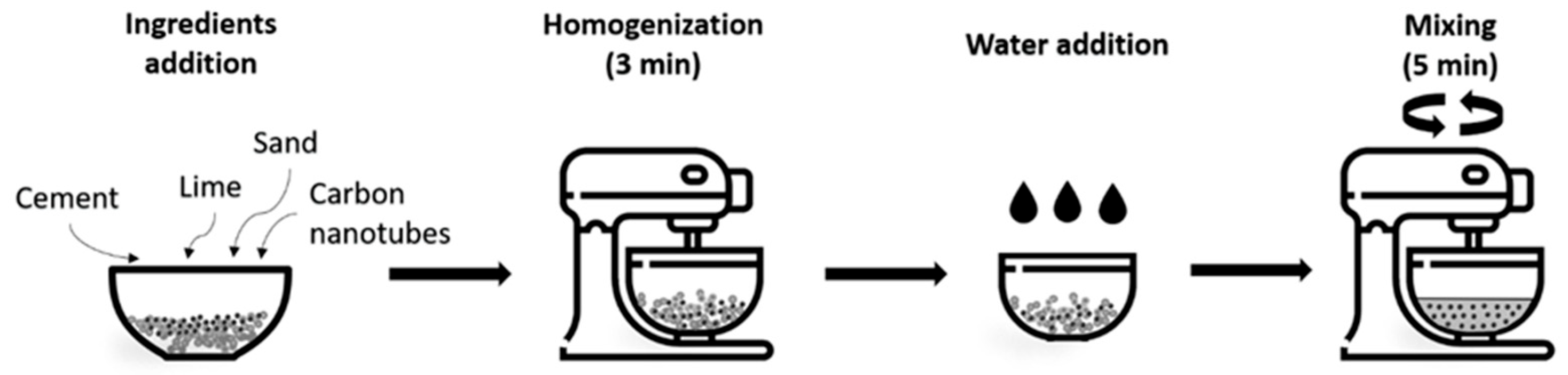
For sample preparation, the water-to-binder ratio (W/B) was varied to maintain similar workability, while MWCNT were added in varying proportions: 1%, 3%, 6%, 9%, and 10% by weight of the total cement and lime mass. Cement, lime, carbon nanotubes, and sand were first homogenized in a dry state by mixing for 3 min using a laboratory mixer. Subsequently, water was added, and the mixture was mixed for an additional 5 min to ensure the most uniform possible dispersion of the carbon nanotubes. After mixing, the mixtures were poured into molds and compacted using a vibrating table, Figure 1. No surfactants or sonication were used, in order to avoid potential effects on cement hydration and interfacial chemistry.
After 28 days, the samples were weighed, and their mechanical strengths were measured. Prior to measuring the S21 parameters, the samples were dried at 105 °C to remove moisture that could affect the results. Moisture in the material significantly influences its real permittivity, with higher moisture content leading to an increase in real permittivity. A material with higher permittivity can store more electric energy in an electric field, resulting in greater absorption of electromagnetic (EM) waves.
The addition of nanomaterials with small particle sizes provides a larger specific surface area, which enhances the interfacial interaction between the MWCNTs and the matrix [53]. This improves dispersion and increases the surface area for the absorption and scattering of EM radiation, thereby enhancing the shielding effect. For this reason, nanomaterials have been selected as conductive additives in cement-based materials [54,55,56].

2.3. Electromagnetic Shielding Measurements

Assessing the electromagnetic shielding effectiveness (EM SE) of materials over a wide frequency spectrum is crucial for understanding their capabilities and potential uses. One of the primary challenges lies in choosing an appropriate method to measure shielding performance at the material level. There are various measurement techniques available, each with its own set of advantages and drawbacks. Some of the standards for EM shielding measurements are IEEE STD 299 [3], ASTM D4935-18 [57], ASTM E1851-15 [58] and MIL-STD-188-125-1 [59]. Measurements taken in anechoic or reverberation chambers such as ASTM E1851-15 standard yield highly precise results; however, they are prohibitively expensive and often not readily accessible. Conversely, standards like IEEE STD 299 are effective for assessing the overall shielding effectiveness of enclosed environments but do not apply to the characterization of individual materials—a vital preliminary step in the creation of new electromagnetic shielding solutions [3]. They are designed for EM testing of closed enclosures, such as cabinets or rooms, rather than single flat material. While MIL-STD-188-125-1 [59] provides comprehensive guidelines for protecting fixed critical infrastructure against high-altitude electromagnetic pulses (HEMP), it is primarily intended for large-scale system-level testing and verification of shielding integrity in completed facilities. The standard focuses on validating the performance of entire protective structures, including filters, grounding systems, and shield enclosures under pulse conditions, rather than characterizing the intrinsic shielding properties of individual materials.
The coaxial transmission line method, as outlined by ASTM D4935-18 [57], presents several benefits. Its closed system guarantees stable and repeatable measurements, and the clearly defined electromagnetic field reduces interference from external reflections [60]. Nonetheless, this method requires very thin samples and is not suitable for cementitious materials [61] (25 µm, which is the required dimension according to ASTM D4935-18), which presents a considerable limitation when dealing with construction materials that are typically not manufacturable in such thin dimensions. To overcome this challenge, this study utilizes an enlarged coaxial transmission line method, specifically modified for construction materials. This adapted setup facilitates the testing of larger samples while preserving a wide measurable frequency range, rendering it a more appropriate and practical method for assessing the electromagnetic shielding performance of building materials. EM shielding is measured using complex S (scattering) parameters measured by vector network analyzer (VNA). By using S-parameters and VNA, reflection and transmission can be measured after which absorption and the reflection contributions of materials to total SE can be characterized [62].
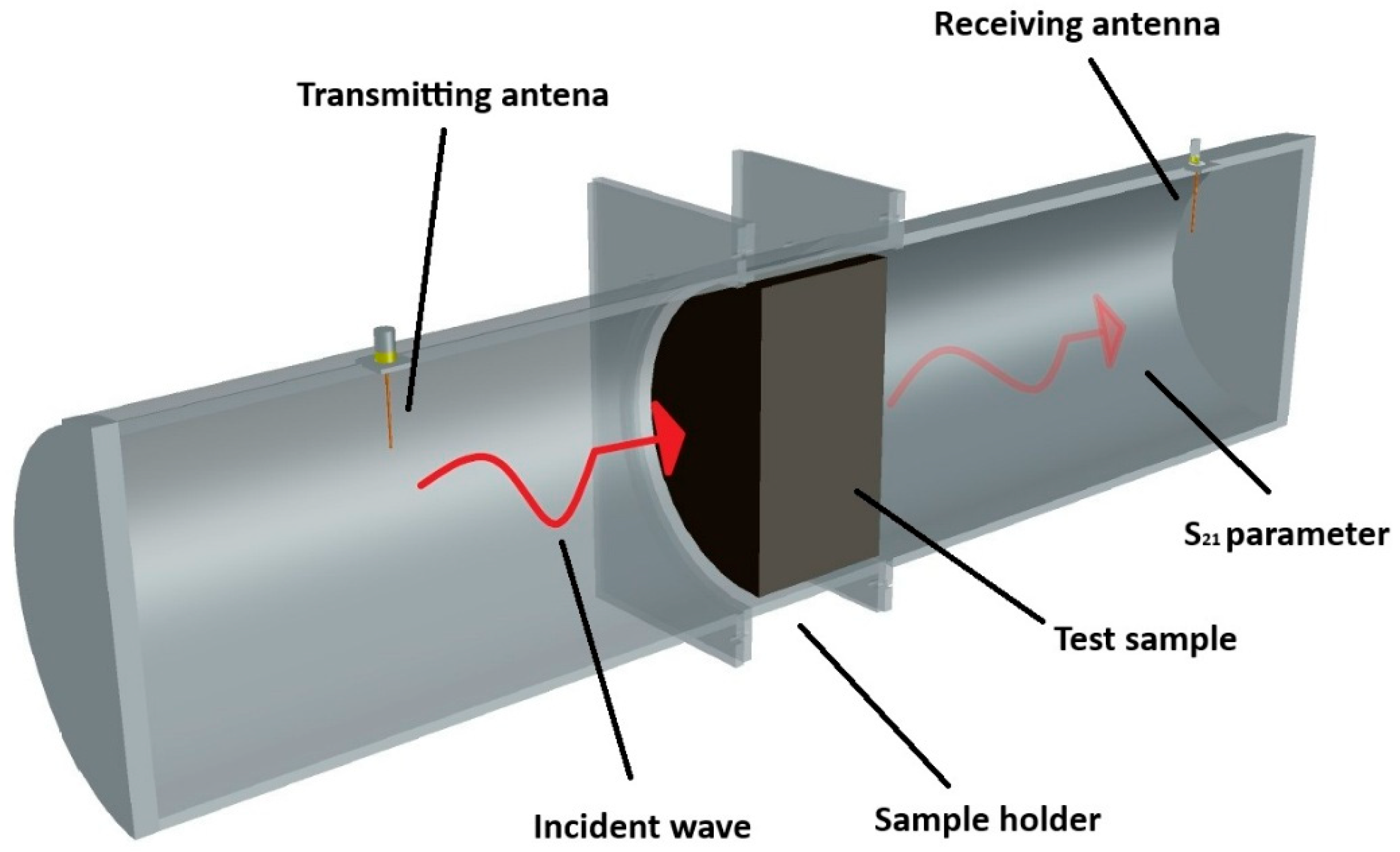
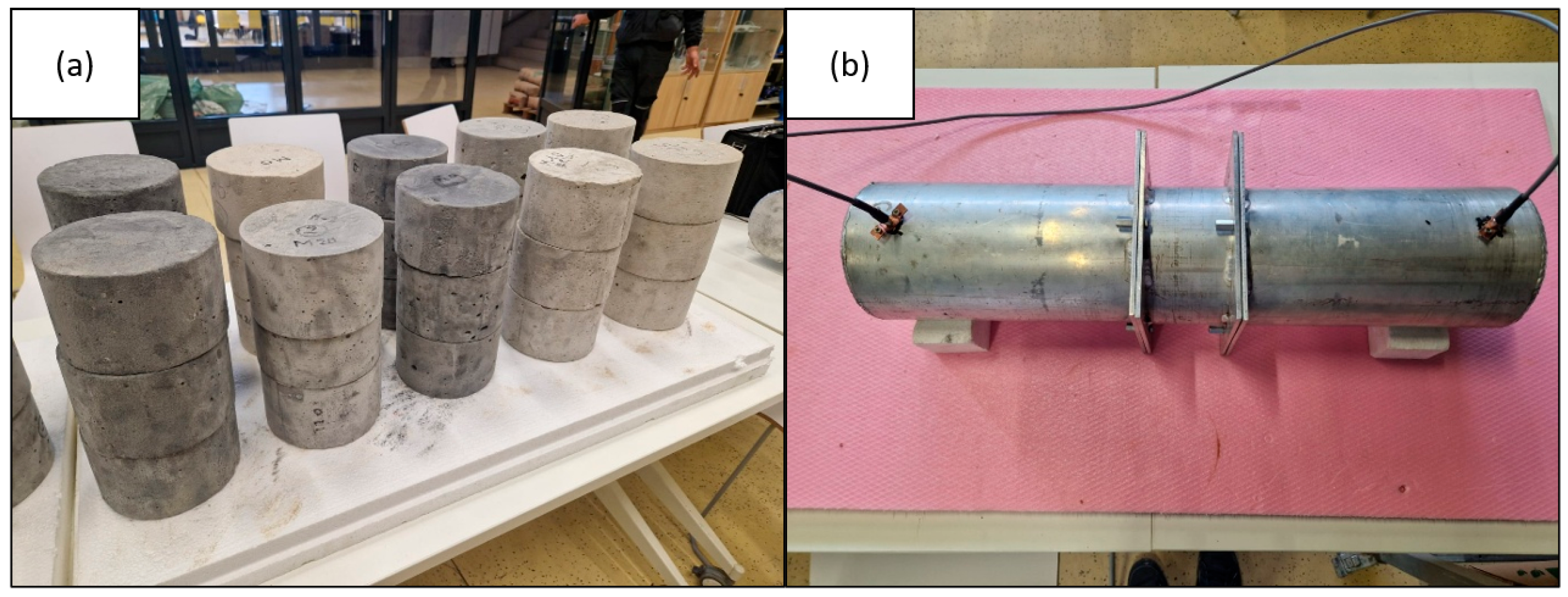
The experimental setup consists of 2 conductive (aluminum) cylinders between which the test sample is placed and Anritsu ms2038c—Handheld Vector Network Analyzer and Spectrum Analyzer for S-parameters measurements. VNA consists of a signal source, a receiver and a display. On one side of the cylinder, electromagnetic radiation is emitted from antenna no. 1 and the signal received by antenna no. 2 after the EM wave has passed through the sample is recorded, the S21 parameter (transmission). A longitudinal section of the experimental setup can be seen in Figure 2. while the actual experimental setup is shown in Figure 3b. The measurement was performed on samples with a surface area of 177 cm2 (diameter 15 cm).
The VNA also measures the S11 parameter, which represents the reflected portion of the signal emitted by antenna 1 (reflection). Three samples were made for each recipe to ensure that the results are valid (Figure 3a). In order to perform the measurement, the sample is placed in a longitudinal section of waveguide, as shown in Figure 3b. Lower S21 values mean that less electromagnetic radiation is transmitted through the structure, i.e., the EM field level behind the structure is lower. This also means a higher degree of protection of the space from external EM sources.
Protection against electromagnetic radiation is expressed in decibels (dB), which are used to quantify how much the level of electromagnetic radiation is reduced by protective materials or techniques [62].
Based on the calculated S21 coefficient (due transmission loss), the SE result is obtained using the expression:
S E t o t a l = 20 · log 10 S 21

3. Results

3.1. Microstructure Analysis

To demonstrate the surface morphology of the composite system, analysis was performed using scanning electron microscopy (SEM). SEM imaging was carried out using a JEOL JSM-IT200 scanning electron microscope (JEOL, Tokyo, Japan) operated in high-vacuum mode with an accelerating voltage of 10 kV. Fractured segments approximately 8 mm × 8 mm × 8 mm were selected from the mortar cylinders after mechanical testing. These fragments were first dried for 48 h to eliminate any residual moisture. Prior to imaging, the samples were mounted on aluminum stubs using carbon adhesive tape and coated with a thin layer of gold using an AGAR B7340 manual sputter coater (AGAR, Sheffield, UK) to ensure surface conductivity.
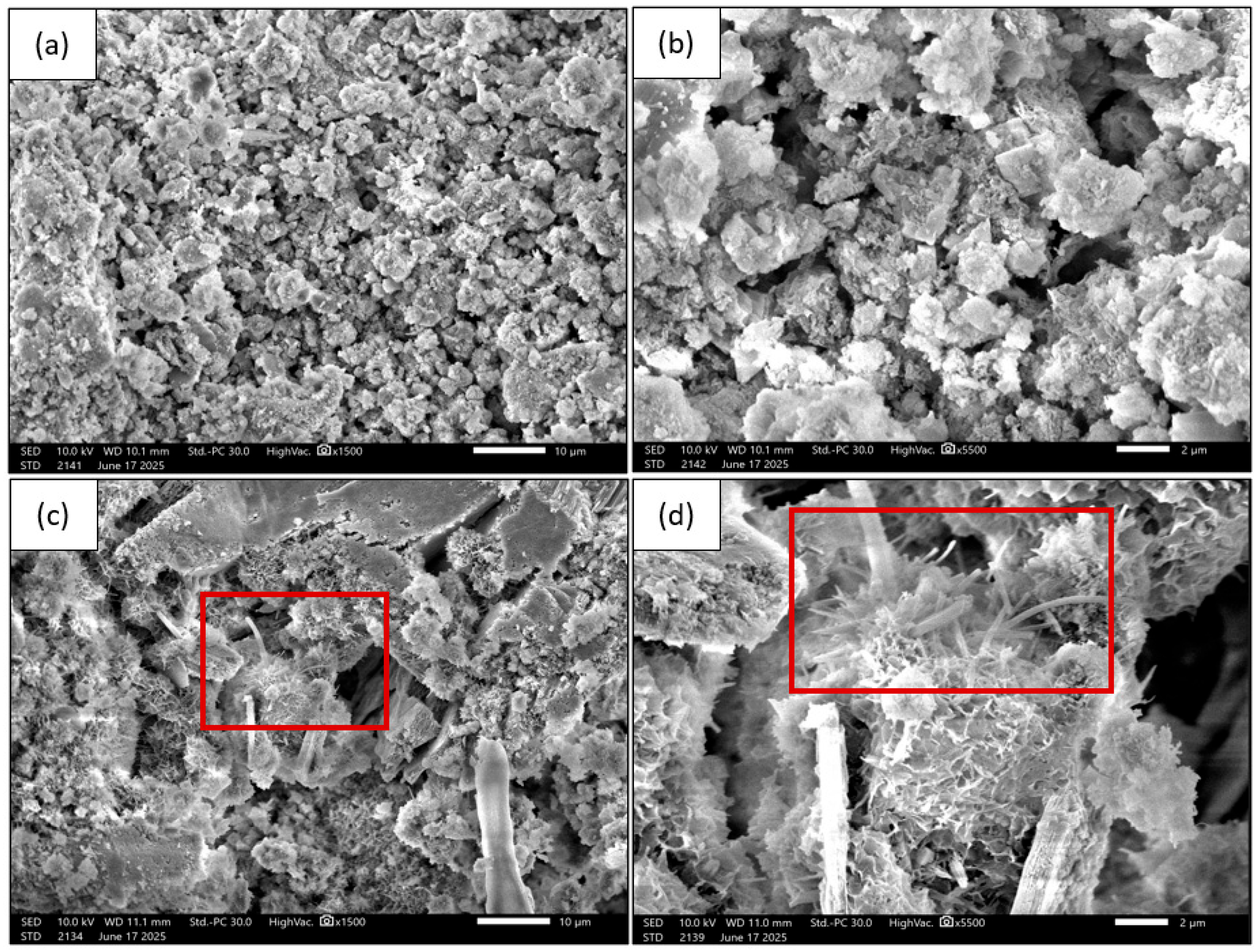
Figure 4 and Figure 5 show the results of the SEM analysis.
Figure 4a,b shows the microstructure of the cementitious matrix without the addition of carbon nanotubes. At higher magnification, Figure 4b, loosely packed particles and visible micro-voids are observed, indicating a less compact microstructure compared to MWCNT-modified composites.
The dispersion of MWCNTs within the cement matrix was examined. Figure 4c,d shows a dense network of distributed carbon nanotubes embedded within the cementitious matrix of mortar. This was in alignment with previous investigations [63,64]. Distribution of MWCNTs is crucial for improving the mechanical properties [65] and electromagnetic characteristics [63] of the material.
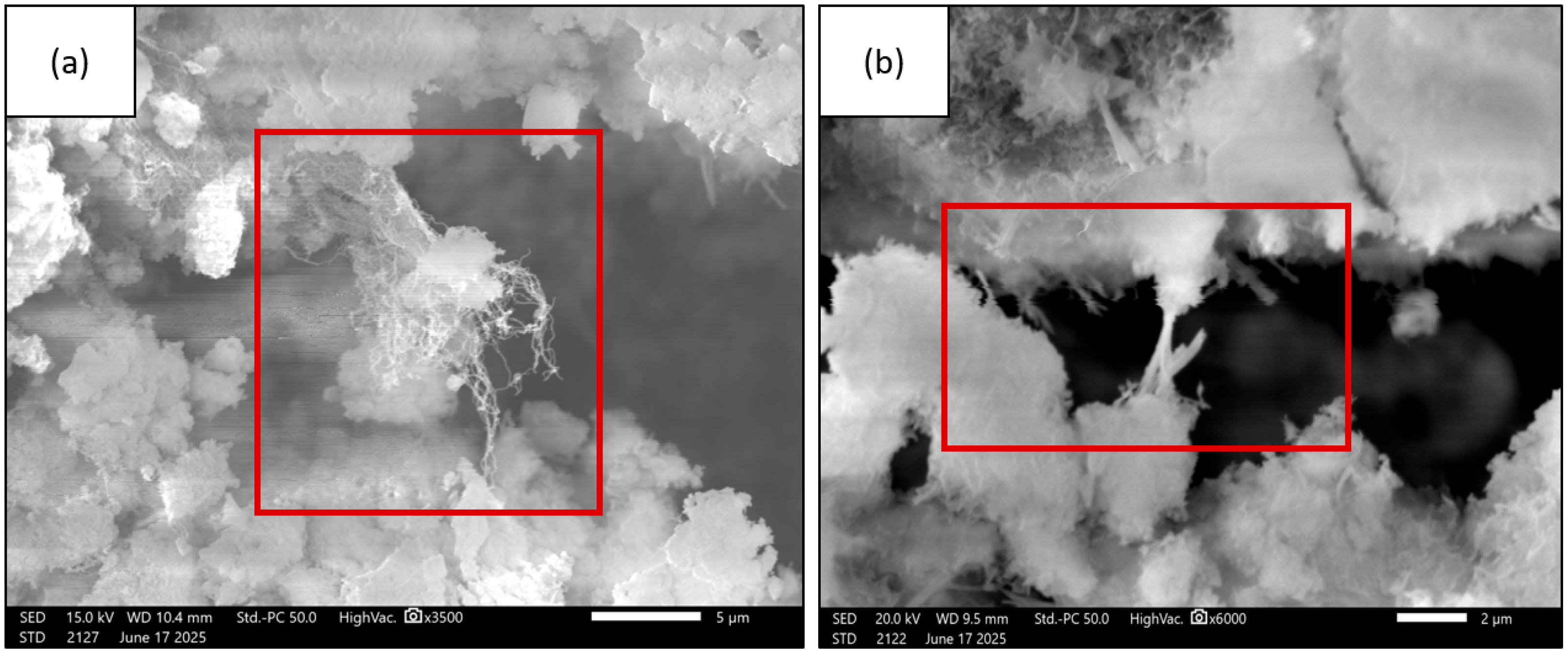
Previous studies have shown that the incorporation of carbon nanotubes can improve the interfacial transition zone (ITZ), thereby it could directly enhance the overall mechanical performance of MWCNT-cementitious composites [65]. However, the addition of excessive amounts of MWCNTs led to particle agglomeration, as confirmed by SEM imaging, resulting in uneven dispersion and compromising the strength of the cementitious matrix, Figure 4c,d. Such agglomeration can entrap voids within the matrix and promote localized pore formation, disrupting the homogeneity of the cement paste. Moreover, these poorly dispersed clusters weaken the interfacial transition zone (ITZ) by impeding the formation of a dense and continuous bond between cement hydrates and aggregates, which consequently reduces both compressive and flexural strength. Figure 5 shows effective bridging of microstructural features and improved integrity of the cementitious matrix. The red-marked zones clearly illustrate the bridging of microcracks by MWCNTs and partial pull-out effects, indicating their active role in stress transfer and energy dissipation within the mortar matrix. This bridging action serves as an efficient load-transfer mechanism from the cement matrix to the MWCNTs. By hindering the propagation of nano-sized cracks and pores, the overall damage development can be delayed. Furthermore, the pull-out process of MWCNTs from the cement matrix also contributes to energy absorption. During this process, adhesion and frictional forces between MWCNTs and the cement paste must be overcome, which further enhances energy dissipation [65].

3.2. Mechanical Properties

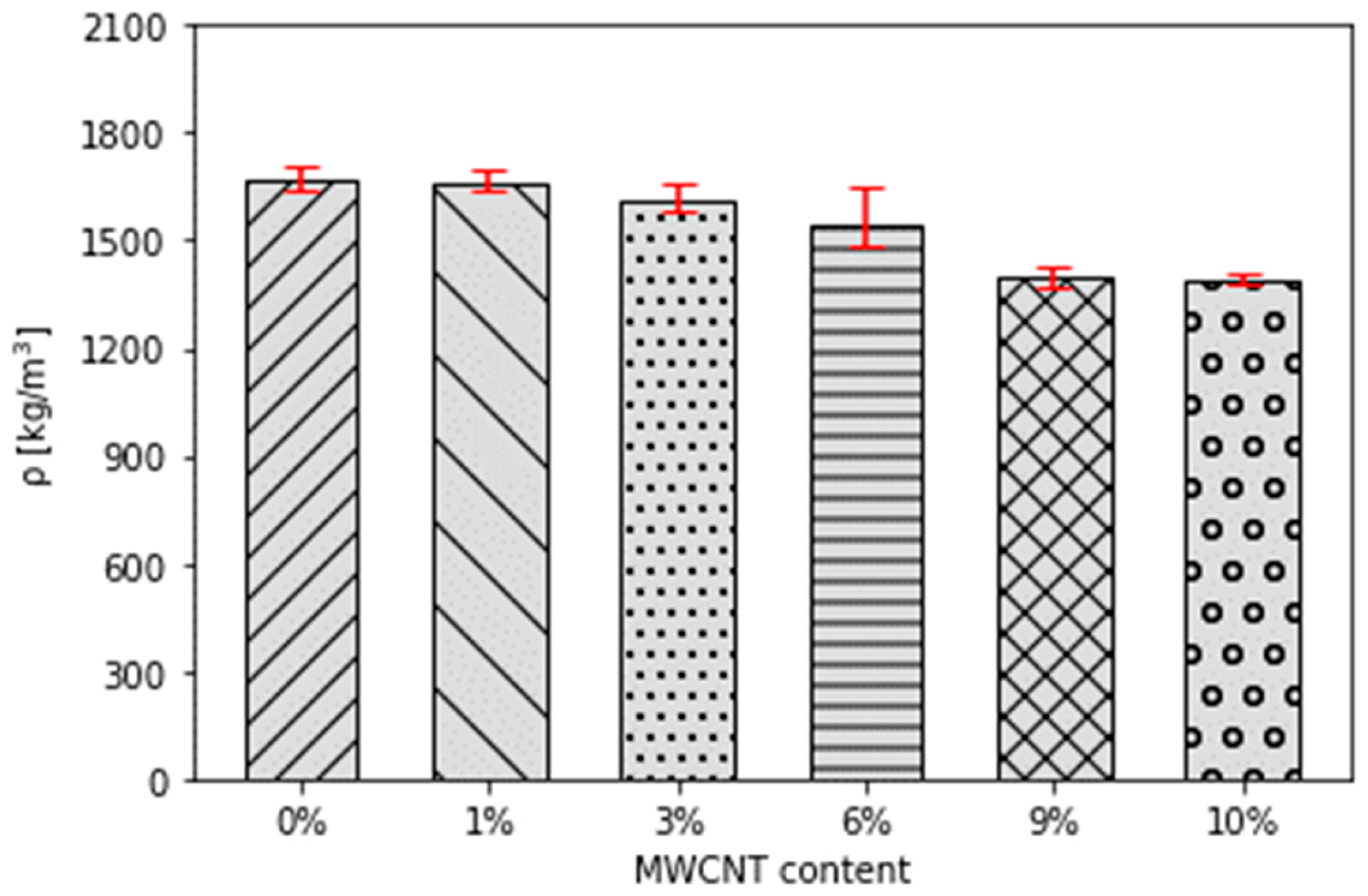
The density results were obtained based on the average values of mass and volume, as shown in Figure 6. The density decreases proportionally with the increase in MWCNT content in the mixture. The initial density for the reference sample without MWCNTs is 1668.42 kg/m3, while for the sample with 10% MWCNTs it is 1392.28 kg/m3. Comparing the results of the samples with 9% and 10% MWCNTs, we observe that their densities are approximately the same, and the EM shielding is also approximately equal, whereas the sample with 9% MWCNTs has better compressive strength by about 0.27 N/mm2. The optimal MWCNT content should be determined based on the intended application and the level of electromagnetic exposure. The continuous decrease in density is explained by the lower density of carbon nanoparticles compared to the reference mortar. Adding a larger amount of lower-density carbon nanoparticles relative to the mortar results in a decrease in the overall density of the composite.
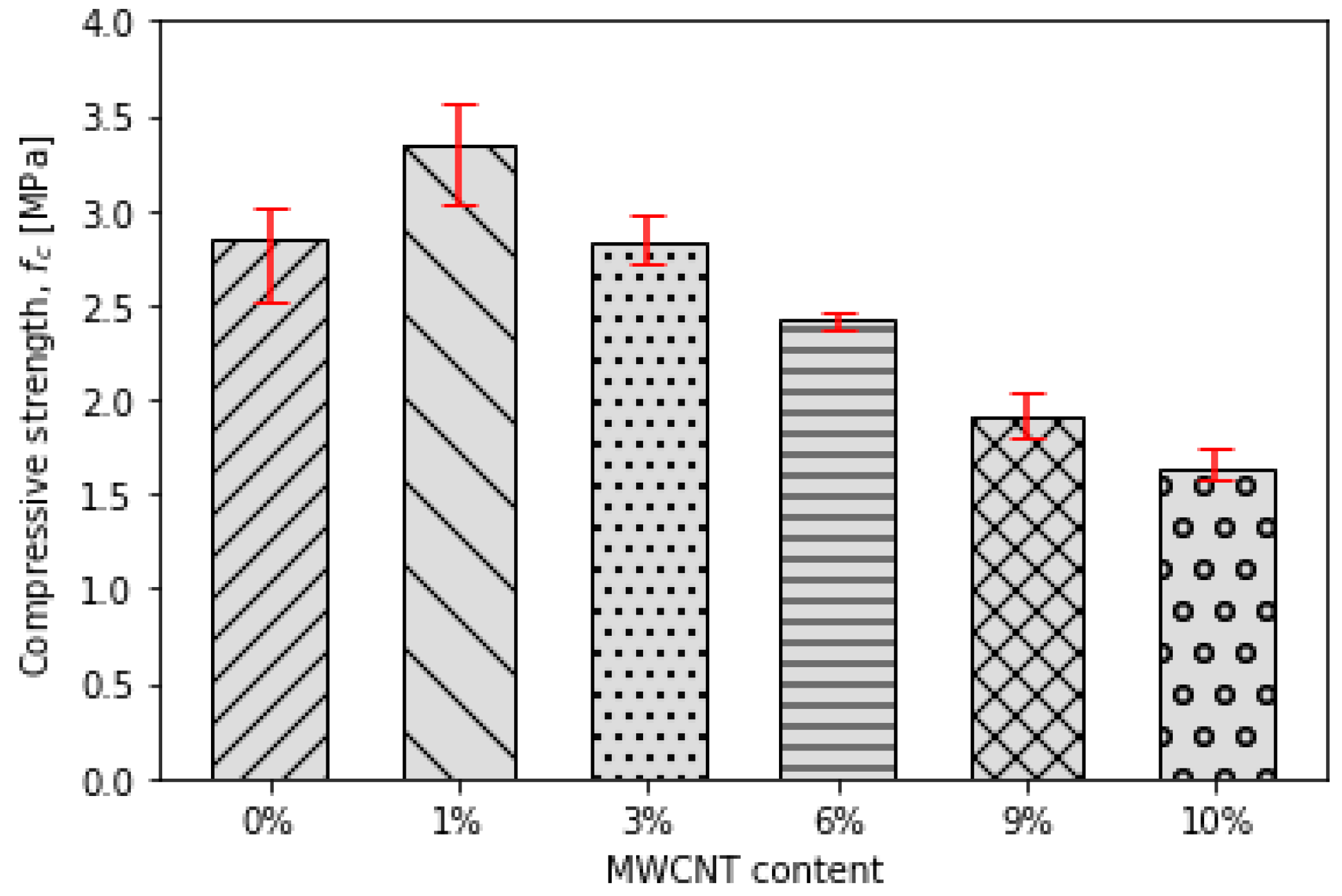
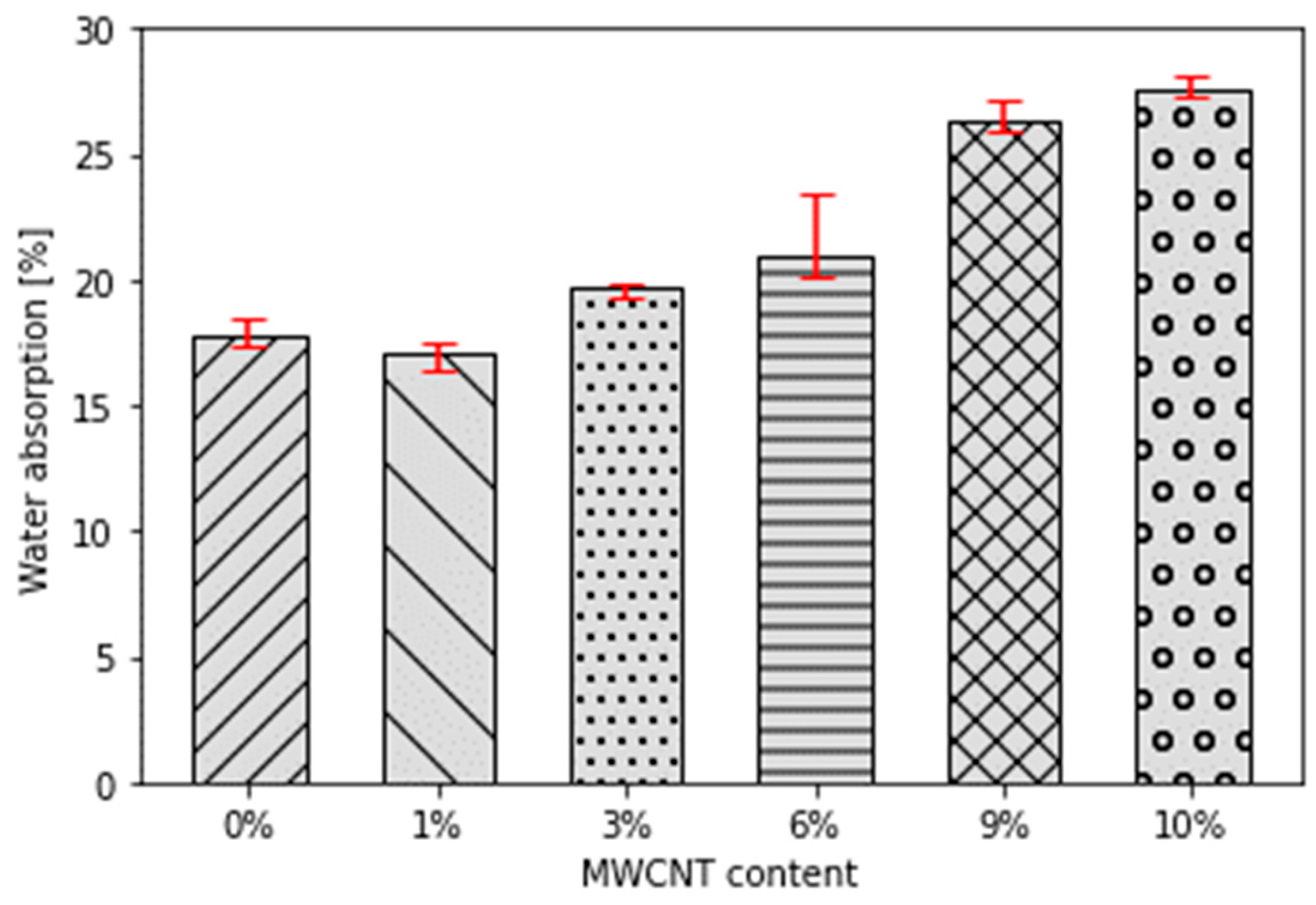
The research results of a compressive strength are presented in Figure 7, which shows that the addition of MWCNTs can improve the overall mechanical strength compared to the reference mortar. However, when the filler content exceeds a certain percentage—in this study, above 1% MWCNT addition—a decrease in compressive strength occurs. The highest compressive strength is observed in mortar with 1% MWCNT addition, while the lowest strength is found in the sample with the highest MWCNT content, comprising 10% of the filler. The increase in strength due to the rise in carbon nanotube content from 0 to 1% can be attributed to three phenomena: the crack-bridging effect, the nucleation effect, and pore filling. Since MWCNTs are in the form of graphite sheets with a length significantly greater than their diameter, MWCNTs act as bridges across microcracks, enabling load transfer under stress—this property is referred to as the bridging effect (Figure 5). Due to their specific surface area and surface activity, carbon nanoparticles bind water, ions, and hydration products, leading to the development of early strength and accelerated hydration, which researchers attribute to the nucleation effect. In addition, MWCNTs can physically fill the pores within the cement matrix, leading to a denser microstructure and improved load-bearing capacity. The analysis of water absorption (Figure 8) supports these findings: water absorption decreased slightly from 17.81% (0% MWCNT) to 17.14% (1% MWCNT). However, since the measured ranges for these two samples overlap (0%: 17.31–18.41; 1%: 16.34–17.55), this difference may fall within the measurement uncertainty. Additionally, a t-test was conducted to assess potential differences between the groups, which showed that their mean values do not differ significantly at the 0.05 significance level considering the variability within the groups (p = 0.73 for density and p = 0.26 for water absorption). Therefore, the observed reduction in water absorption between 0% and 1% cannot be conclusively attributed to the material modification and may instead be a statistical error. Future research should investigate this transition in more detail, with additional repetitions and statistical analysis, to confirm whether the reduction is a genuine effect of MWCNT addition or merely experimental variability. The water absorption of the mortar was determined in accordance with the standard EN 1097-6:2022 [66].
A comparable situation was observed for bulk density in the 0–1% range (Figure 9): the average decreased from 1668 to 1662 kg/m3, but the ranges overlap (0%: 1644–1705; 1%: 1637–1694). As with water absorption, this suggests experimental variability rather than a real effect. Therefore, results for 0% and 1% mixtures should be interpreted cautiously, and further repetitions with statistical analysis are needed to verify whether the variations are genuine or within expected error.
For MWCNT contents above 1%, a gradual increase in water absorption was observed, attributed to (i) nanotube agglomeration, which introduces pores and weak points, and (ii) the higher water-to-binder ratio required for workability.
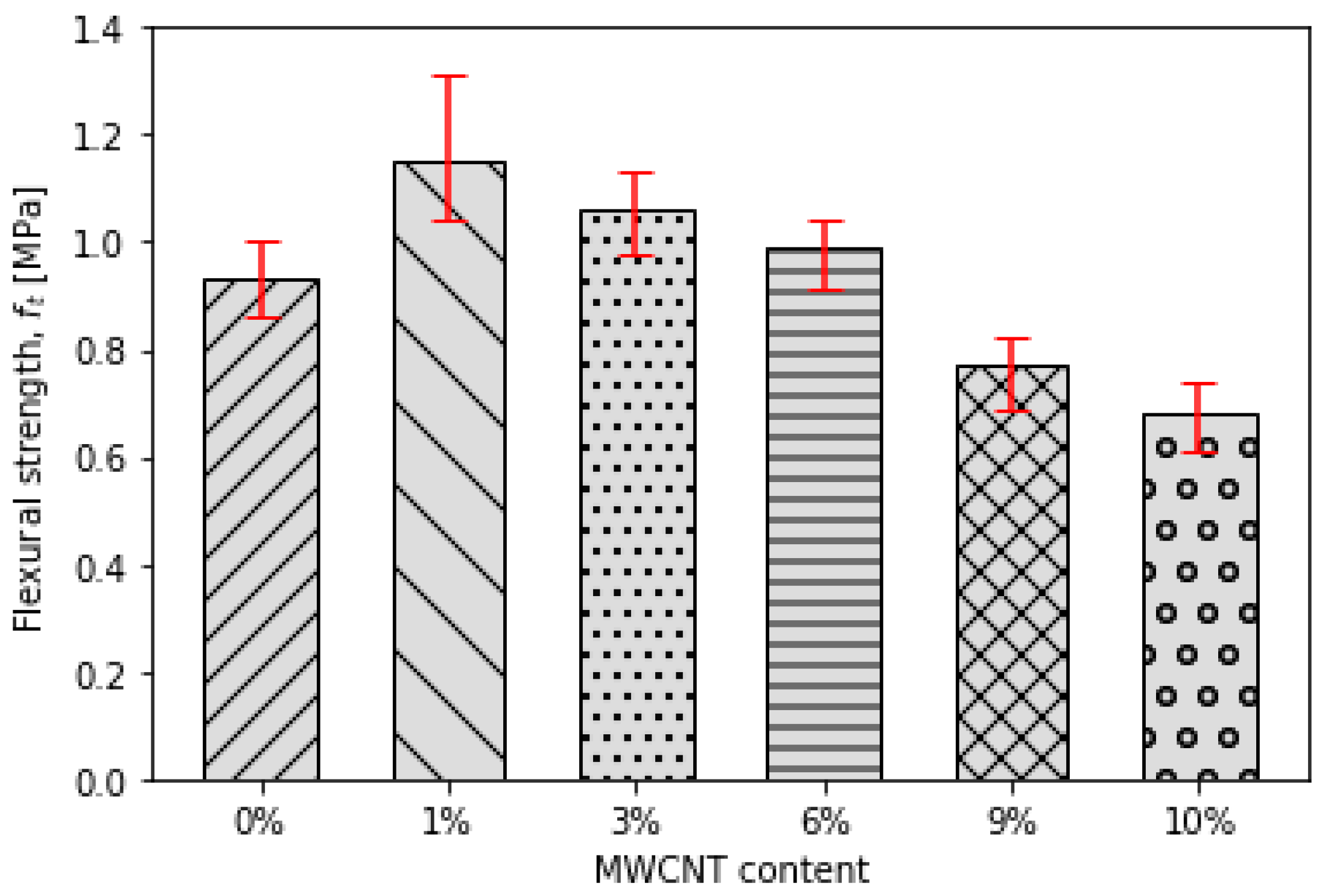
The effect of MWCNT additions to mortar on flexural strength is similar to their effect on compressive strength. In Figure 9, the results of flexural strength testing are presented, from which it is evident that the highest strength was achieved in the mortar sample with a 1% MWCNT content. Previous studies have shown that MWCNTs have a tensile strength 100 times greater than that of concrete, which positively influenced the flexural strength of the mortar up to a certain amount. With an increase in MWCNT content above 1%, there is a decrease in tensile strength, and samples with a higher MWCNT content exhibit lower flexural strength than the reference sample without additions. Previous researchers have reported that agglomeration has the negative influence on flexural strength and negatively affects the dispersion of MWCNTs [67].

3.3. Electromagnetic Measurements

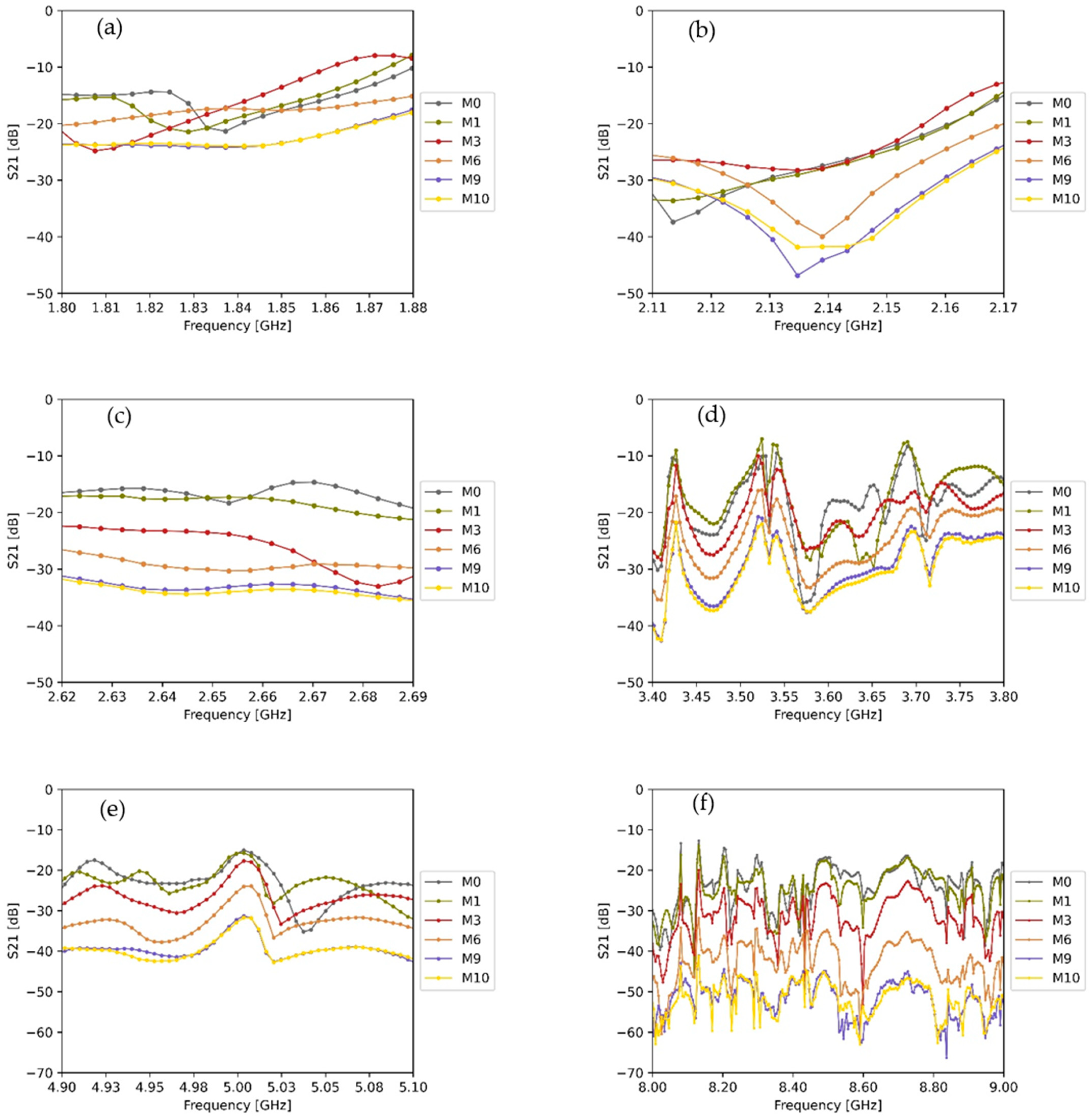
The results of the S21 parameter measurements are shown in Figure 10. Lower values of the S21 parameter indicate a higher level of EM shielding. Through experimental testing using the coaxial transmission line method, S21 values were measured for the following frequency ranges:
  • LTE 1800 (1.80–1.88 GHz);
  • LTE 2100 (2.11–2.17 GHz);
  • LTE 2600 (2.62–2.69 GHz);
  • NR 3500 (3.40–3.80 GHz);
  • Wifi (5.00 GHz);
  • Navigational radar (8.00–9.00 GHz).
Figure 10. Measured S21 parameters of MWCNT-mortar samples for (a) LTE1800, (b) LTE2100; (c) LTE2600; (d) NR3500; (e) Wi-fi; (f) Navigational radar.
Jcs 09 00664 g010
The frequency range of the measurements was 1.50 GHz–10 GHz. Despite the fact that at frequencies below 1.5 GHz there are also a large number of sources to which the population is frequently exposed, the current experimental setup (based on the transmission of EM waves through a waveguide) does not allow the measurement of frequencies lower than 1.50 GHz due to the frequency cutoff.
The results of the electromagnetic measurements showed a significant influence of the addition of carbon nanotubes on the EM shielding properties of the mortar. From Table 3, it can be observed that the average values of the S21 parameter (expressed in dB) continuously decrease with the increase in the proportion of carbon nanotubes. The most pronounced differences in the measured average S21 parameters were observed between the reference sample (M0) and the samples with 9% and 10% carbon nanoparticles (M9 and M10), where the greatest measured reduction in the S21 parameter occurred in the frequency range of the navigation radar and amounted to −27.66 dB. According to the results, in the navigation radar frequency range, composite mortars with 10% carbon nanotubes attenuate EM waves by more than 95% compared to ordinary mortar. For samples with a lower carbon nanotube content (M1 and M3), attenuation is also noticeable, but not as pronounced as with higher percentages. The differences between M9 and M10 are very small, partly due to the small difference in percentage and potentially due to the reason percolation threshold has been reached at higher percentages. Percolation threshold is defined as the critical filler concentration at which a continuous conductive network is formed within the cementitious matrix. Once the percolation threshold is reached, further addition of MWCNTs has a negligible impact on EM shielding. In the LTE frequency ranges (LTE 1800, LTE 2100, and LTE 2600), the greatest differences in the measured S21 parameters compared to the reference sample were observed in the LTE 2600 frequency range, amounting to 17.51 dB compared to the M10 mixture (−33.92 dB and −16.41 dB). In the NR 3500 frequency range, a difference of 11.71 dB was recorded between the M10 mixture and M0, while for the wireless internet frequency range, the difference was slightly higher and amounted to 16.58 dB between M0 and M10. From the results, a clear trend can be concluded: as the proportion of carbon nanotubes in the mortar increases, electromagnetic shielding also increases. The reason for the increase in EM shielding, i.e., the reduction in the S21 parameter, lies in the increase in electrical conductivity, which contributes to conductive losses, as well as in increased dielectric losses within the matrix. The high specific surface area of carbon nanotubes further enhances the shielding effectiveness by enabling greater absorption, scattering, and multiple reflection of electromagnetic waves within the composite system.

4. Conclusions

Given the increasing human exposure to non-ionizing radiation, the potential of using higher proportions of carbon nanotubes in mortar with the aim of increasing electromagnetic shielding potential was examined in this paper. Multi-walled carbon nanotubes with the commercial brand NC7000 were used in amounts of 1%, 3%, 6%, 9% and 10% relative to the weight of the binder. The results showed that a MWCNT content of 1% in the mortar matrix contributes to the improvement of the microstructure, and consequently the mechanical properties of the material. The increase in mechanical properties is based primarily on the crack bridging effect and the nucleation effect. Small differences between the 0% and 1% mixtures in density and water absorption were found to be within the experimental uncertainty, indicating that these results should be interpreted with caution and verified by further testing. Despite the fact that increasing the carbon nanotube content above 1% damages the microstructure of the mortar, increasing the content has a positive effect on the electromagnetic shielding of the material. By increasing the carbon nanotube content, the measured S21 parameter almost continuously decreases across all analyzed frequency ranges. The lowest values of the S21 measured parameter compared to the reference mortar were measured at higher frequencies, in the navigation radar range. The decrease in the S21 parameter in this area was 27.66 dB compared to the reference specimen. In conclusion, the addition of MWCNTs up to 1% of the binder mass has a positive effect on the microstructure and mechanical properties of the mortar, increasing the flexural strength and compressive strength. On the other hand, while increasing the MWCNT content above 1% does not improve mechanical properties, it leads to a substantial enhancement in electromagnetic shielding. Higher dosages provide a marked improvement in attenuation performance, making the material significantly more effective in reducing and absorbing EM radiation across a wide frequency range. Achieving optimal water-to-binder ratios at higher MWCNT concentrations remains a challenge, and further research is needed to better understand the long-term stability and durability of nanotube-enhanced mortars. Balancing these factors is important when considering practical applications. From a practical perspective, if the primary focus is on improving mechanical properties, the use of mortar with 1% MWCNT is recommended, as it enhances both flexural and compressive strength. However, if the main goal is electromagnetic shielding, higher dosages of MWCNTs (above 6%) are advised, since these concentrations provide significant improvements in EM radiation attenuation compared to the reference mortar. It is important to consider the trade-off between mechanical performance and shielding effectiveness when selecting the appropriate MWCNT content for specific construction applications. It should be noted that the use of such materials is not intended for the entire structure, but rather for sensitive areas such as rooms with high radiation intensity. Nevertheless, when discussing the use of this type of mortar in larger volumes, it should be noted that despite the high protection achieved by using higher percentages of MWCNT, the cost-effectiveness is still questionable. Therefore, material optimization should focus on achieving the desired level of electromagnetic attenuation with the minimal necessary MWCNT content.

Author Contributions

Conceptualization, I.V. and O.R.; Methodology, I.V., O.R. and I.M.; Software, R.B.; Validation, I.M.; writing—original draft preparation, I.V. and O.R.; writing—review and editing, I.M. and R.B. All authors have read and agreed to the published version of the manuscript.

Funding

This research received no external funding.

Data Availability Statement

The raw data supporting the conclusions of this article will be made available by the authors on request.

Acknowledgments

This work has been supported by Operational Program Competitiveness and Cohesion 2014–2020. Investing in science and innovation KK.01.1.1.04: “Development and application of advanced building materials for the construction of healthy buildings: protection against non-ionizing radiation”, ref. no. KK.01.1.1.04.0105.

Conflicts of Interest

The authors declare no conflict of interest.

Abbreviations

The following abbreviations are used in this manuscript:
EMElectromagnetic
EM SEElectromagnetic shielding effectiveness
MWCNTMulti-walled carbon nanotubes
W/BWater to binder ratio
SEMScanning electron microscopy
HEMPHigh-altitude electromagnetic pulses
VNAVector network analyzer
ITZInterfacial transition zone

References

  1. Bandara, P.; Carpenter, D.O. Planetary Electromagnetic Pollution: It Is Time to Assess Its Impact. Lancet Planet Health 2018, 2, e512–e514. [Google Scholar] [CrossRef]
  2. Sharma, P.; Venugopal, A.P.; Sutar, P.P.; Xiao, H.; Zhang, Q. Mechanism of Microbial Spore Inactivation through Electromagnetic Radiations: A Review. J. Future Foods 2024, 4, 324–334. [Google Scholar] [CrossRef]
  3. IEEE Standard 299-2006; IEEE Standard Method for Measuring the Effectivness of Electromagnetic Shielding Enclosures. IEEE: New York, NY, USA, 2006.
  4. Seewooruttun, C.; Mai, T.C.; Corona, A.; Delanaud, S.; de Seze, R.; Bach, V.; Desailloud, R.; Pelletier, A. Electromagnetic Fields from Mobile Phones: A Risk for Maintaining Energy Homeostasis? Ann. Endocrinol. 2025, 86, 101782. [Google Scholar] [CrossRef] [PubMed]
  5. McColl, N.; Auvinen, A.; Kesminiene, A.; Espina, C.; Erdmann, F.; de Vries, E.; Greinert, R.; Harrison, J.; Schüz, J. European Code against Cancer 4th Edition: Ionising and Non-Ionising Radiation and Cancer. Cancer Epidemiol. 2015, 39, S93–S100. [Google Scholar] [CrossRef] [PubMed]
  6. Vrdoljak, I.; Brdarić, J.; Rupčić, S.; Marković, B.; Miličević, I.; Mandrić, V.; Varevac, D.; Tatar, D.; Filipović, N.; Szenti, I.; et al. The Effect of Different Nanomaterials Additions in Clay-Based Composites on Electromagnetic Transmission. Materials 2022, 15, 5115. [Google Scholar] [CrossRef]
  7. Vrdoljak, I.; Varevac, D.; Miličević, I.; Čolak, S. Concrete-Based Composites with the Potential for Effective Protection against Electromagnetic Radiation: A Literature Review. Constr. Build. Mater. 2022, 326, 126919. [Google Scholar] [CrossRef]
  8. Akyıldız, A.; Durmaz, O. Investigating Electromagnetic Shielding Properties of Building Materials Doped with Carbon Nanomaterials. Buildings 2022, 12, 361. [Google Scholar] [CrossRef]
  9. Nyakyi, C.P.; Mpeshe, S.C.; Dida, M.A. Assessment of Public Awareness on the Effects of Exposure to Non-Ionizing Radiation Sources in Tanzania. J. Radiat. Res. Appl. Sci. 2024, 17, 100770. [Google Scholar] [CrossRef]
  10. Liu, J.; Zhao, K.; Yu, Q.; Zhou, H.; Wang, T.; Chi, Y. Uncertainty Assessment of Electromagnetic Exposure Safety for Human Body with Intracranial Artery Stent around EV-WPT Based on K-GRU Surrogate Model. Alex. Eng. J. 2025, 125, 624–635. [Google Scholar] [CrossRef]
  11. Zhang, Z.S.; Zhang, Y.Z.; Xiang, P.F.; Le, W.; Li, B.Z. Comparative Study of Volatile Components of Soybean Oil Exposed to Heating, Ionizing and Non-Ionizing Radiation. LWT 2024, 203, 116378. [Google Scholar] [CrossRef]
  12. Šlouf, M.; Gajdošová, V.; Šloufová, I.; Lukešová, M.; Michálková, D.; Müller, M.T.; Pilař, J. Degradation Processes in Polyolefins with Phenolic Stabilizers Subjected to Ionizing or Non-Ionizing Radiation. Polym. Degrad. Stab. 2024, 222, 110708. [Google Scholar] [CrossRef]
  13. Holyer, A.; Stewart, T.; Ashworth, E.T. The Protective Effects of Hyperbaric Oxygen on Ionising Radiation Injury: A Systematic Review. Acta Astronaut. 2025, 232, 296–306. [Google Scholar] [CrossRef]
  14. Akman, F.; Ogul, H.; Ozkan, I.; Kaçal, M.R.; Agar, O.; Polat, H.; Dilsiz, K. Study on Gamma Radiation Attenuation and Non-Ionizing Shielding Effectiveness of Niobium-Reinforced Novel Polymer Composite. Nucl. Eng. Technol. 2022, 54, 283–292. [Google Scholar] [CrossRef]
  15. Yele, M.; Sarula, G.; Yang, J.; Yang, L.; Zhang, H.; Chen, L.; Zhang, X.; Wang, J.; Wang, T.; Jin, C.; et al. Integrated Structural-Functional MXene-GNs/ANF Flexible Composite Film with Enhanced Thermal Conductivity and Electromagnetic Interference Shielding Performance. J. Mater. Sci. Technol. 2026, 241, 200–210. [Google Scholar] [CrossRef]
  16. Praveen, M.; Harichandra, B.P.; Krishna, R.H.; Kumar, M.; Karthikeya, G.S.; Swamy, H.R.; Koul, S.; Nagabhushana, B.M. Enhanced EM Shielding: Synergetic Effect of Zirconium Ferrite, MWCNT, and Graphene in LDPE Polymer Composite to Counteract Electromagnetic Radiation in the X-Band Range. Colloids Surf. A Physicochem. Eng. Asp. 2024, 699, 134535. [Google Scholar] [CrossRef]
  17. Li, B.; Duan, Y.; Liu, S. The Electromagnetic Characteristics of Fly Ash and Absorbing Properties of Cement-Based Composites Using Fly Ash as Cement Replacement. Constr. Build. Mater. 2012, 27, 184–188. [Google Scholar] [CrossRef]
  18. Cao, J.; Chung, D.D.L. Colloidal Graphite as an Admixture in Cement and as a Coating on Cement for Electromagnetic Interference Shielding. Cem. Concr. Res. 2003, 33, 1737–1740. [Google Scholar] [CrossRef]
  19. Cao, X.; Yan, K.; Chen, H.; Xu, Q.; Zong, Y.; Sun, X.; Li, X. Passive Radiation Heating Smart Fabric with Underwater Sensor and Electromagnetic Wave Absorption. Appl. Mater. Today 2025, 42, 102550. [Google Scholar] [CrossRef]
  20. Sharma, S.; Sharma, P.; Singh, J.; Bahel, S.; Dutta, R.; Vig, A.P.; Katnoria, J.K. Assessing Cell Viability and Genotoxicity in Trigonella foenum-graecum L. Exposed to 2100 MHz and 2300 MHz Electromagnetic Field Radiations. Plant Physiol. Biochem. 2025, 219, 109311. [Google Scholar] [CrossRef]
  21. Xie, X.; Lu, M.; Li, G.; Gao, G.; Kang, J.; Zhang, Q.; Liu, X. Anti-Impact Electromagnetic Shielding Hydrogel with Solvent-Driven Tunability. Chem. Eng. J. 2025, 505, 159114. [Google Scholar] [CrossRef]
  22. Liang, L.; Wu, T.; Mei, X.; Bai, Y.; Guo, C.; Yang, Y.; Wang, G.; Zhang, S.; Mu, J. Polyetheretherketone-Based Foam with Low Reflectivity and High Electromagnetic Interference Shielding Effectiveness Suitable for Harsh Service Environments. Chem. Eng. J. 2025, 520, 165917. [Google Scholar] [CrossRef]
  23. Mikinka, E.; Whittaker, T.; Synaszko, P.; Whittow, W.; Zhou, G.; Dragan, K. The Influence of Impact-Induced Damage on Electromagnetic Shielding Behaviour of Carbon Fibre Reinforced Polymer Composites. Compos. Part A Appl. Sci. Manuf. 2024, 187, 108464. [Google Scholar] [CrossRef]
  24. Calvente, I.; Núñez, M.I. Is the Sustainability of Exposure to Non-Ionizing Electromagnetic Radiation Possible? Med. Clin. 2024, 162, 387–393. [Google Scholar] [CrossRef] [PubMed]
  25. Upadhyaya, C.; Upadhyaya, T.; Patel, I. Attributes of Non-Ionizing Radiation of 1800 MHz Frequency on Plant Health and Antioxidant Content of Tomato (Solanum lycopersicum) Plants. J. Radiat. Res. Appl. Sci. 2022, 15, 54–68. [Google Scholar] [CrossRef]
  26. The Potential Dangers of Electromagnetic Fields and Their Effect on the Environment Parliamentary Assembly. Available online: https://pace.coe.int (accessed on 25 July 2025).
  27. Wang, H.; Tong, J.; Cao, Y. Non-Ionizing Radiation-Induced Cellular Senescence and Age-Related Diseases. Radiat. Med. Prot. 2024, 5, 68–74. [Google Scholar] [CrossRef]
  28. Motchidlover, L.; Sari-Minodier, I.; Sunyach, C.; Metzler-Guillemain, C.; Perrin, J. Impact of Non-Ionising Radiation of Male Fertility: A Systematic Review. Fr. J. Urol. 2025, 35, 102800. [Google Scholar] [CrossRef]
  29. Kostoff, R.N.; Heroux, P.; Aschner, M.; Tsatsakis, A. Adverse Health Effects of 5G Mobile Networking Technology under Real-Life Conditions. Toxicol. Lett. 2020, 323, 35–40. [Google Scholar] [CrossRef]
  30. Lv, Y.; Wei, Q.; Ye, L.; Huang, Y.; Zhang, L.; Shen, R.; Li, Z.; Lu, S. Liquid Metal Flexible Multifunctional Sensors with Ultra-High Conductivity for Use as Wearable Sensors, Joule Heaters and Electromagnetic Shielding Materials. Compos. Part B Eng. 2025, 291, 112064. [Google Scholar] [CrossRef]
  31. Rahman, I.A.; Radiman, S.; Majid, A.A.; Yasir, M.S.; Yahaya, R.; Mohamed, F.; Noor, M.Z.B.M.; Umar, S.R.; Pozi, F. Policy Development, Monitoring and Subject Reintroduction of Nonionising Radiation in Universiti Kebangsaan Malaysia. Procedia Soc. Behav. Sci. 2012, 59, 657–662. [Google Scholar] [CrossRef]
  32. Wen, S.; Chung, D.D.L. Electromagnetic Interference Shielding Reaching 70 DB in Steel Fiber Cement. Cem. Concr. Res. 2004, 34, 329–333. [Google Scholar] [CrossRef]
  33. Pan, H.; Qing, S.; Lyu, P.; Ren, J.; Ran, Q.; Hou, J.; Wang, Z.; Xia, L.; Zhang, X.; Liu, X.; et al. Multifunctional Porous Carbon Fibers-Based Porous Stacking for Electromagnetic Interference Shielding. Carbon 2025, 233, 119907. [Google Scholar] [CrossRef]
  34. Nam, I.W.; Lee, H.K. Synergistic Effect of MWNT/Fly Ash Incorporation on the EMI Shielding/Absorbing Characteristics of Cementitious Materials. Constr. Build. Mater. 2016, 115, 651–661. [Google Scholar] [CrossRef]
  35. Deng, S.; Dai, M.; Fang, B.; Huang, Y.; Zeng, S.; Huang, Z.; Xue, J.; Li, X.; Shi, S.; Cheng, F. Assembly of PAN/Gr@MWCNTs/CoFe2O4 Multilayer Composite Films for High-Efficiency Electromagnetic Shielding and Joule Heating. Compos. Sci. Technol. 2025, 262, 111081. [Google Scholar] [CrossRef]
  36. Gokce, E.C.; Calisir, M.D.; Selcuk, S.; Gungor, M.; Acma, M.E. Electromagnetic Interference Shielding Using Biomass-Derived Carbon Materials. Mater. Chem. Phys. 2024, 317, 129165. [Google Scholar] [CrossRef]
  37. Ozturk, M.; Depci, T.; Bahceci, E.; Karaaslan, M.; Akgol, O.; Sevim, U.K. Production of New Electromagnetic Wave Shielder Mortar Using Waste Mill Scales. Constr. Build. Mater. 2020, 242, 118028. [Google Scholar] [CrossRef]
  38. Khushnood, R.A.; Ahmad, S.; Savi, P.; Tulliani, J.M.; Giorcelli, M.; Ferro, G.A. Improvement in Electromagnetic Interference Shielding Effectiveness of Cement Composites Using Carbonaceous Nano/Micro Inerts. Constr. Build. Mater. 2015, 85, 208–216. [Google Scholar] [CrossRef]
  39. Moglie, F.; Micheli, D.; Laurenzi, S.; Marchetti, M.; Mariani Primiani, V. Electromagnetic Shielding Performance of Carbon Foams. Carbon 2012, 50, 1972–1980. [Google Scholar] [CrossRef]
  40. Georgakilas, V.; Perman, J.A.; Tucek, J.; Zboril, R. Broad Family of Carbon Nanoallotropes: Classification, Chemistry, and Applications of Fullerenes, Carbon Dots, Nanotubes, Graphene, Nanodiamonds, and Combined Superstructures. Chem. Rev. 2015, 115, 4744–4822. [Google Scholar] [CrossRef]
  41. Wang, B.; Guo, Z.; Han, Y.; Zhang, T. Electromagnetic Wave Absorbing Properties of Multi-Walled Carbon Nanotube/Cement Composites. Constr. Build. Mater. 2013, 46, 98–103. [Google Scholar] [CrossRef]
  42. Saeed, M.; Haq, R.S.U.; Ahmed, S.; Siddiqui, F.; Yi, J. Recent Advances in Carbon Nanotubes, Graphene and Carbon Fibers-Based Microwave Absorbers. J. Alloys Compd. 2024, 970, 172625. [Google Scholar] [CrossRef]
  43. Zhang, L.; Li, L.; Wang, Y.; Yu, X.; Han, B. Multifunctional Cement-Based Materials Modified with Electrostatic Self-Assembled CNT/TiO2 Composite Filler. Constr. Build. Mater. 2020, 238, 117787. [Google Scholar] [CrossRef]
  44. Zhang, X.; Wang, J.; Yang, S.; Feng, H. The Growth of In-Situ CNTs on Slag to Enhance Electromagnetic Interference Shielding Effectiveness of Cement-Based Composite. Constr. Build. Mater. 2024, 411, 134643. [Google Scholar] [CrossRef]
  45. Yoon, H.N.; Jang, D.; Lee, H.K.; Nam, I.W. Influence of Carbon Fiber Additions on the Electromagnetic Wave Shielding Characteristics of CNT-Cement Composites. Constr. Build. Mater. 2021, 269, 121238. [Google Scholar] [CrossRef]
  46. Alafogianni, P.; Dassios, K.; Tsakiroglou, C.D.; Matikas, T.E.; Barkoula, N.M. Effect of CNT Addition and Dispersive Agents on the Transport Properties and Microstructure of Cement Mortars. Constr. Build. Mater. 2019, 197, 251–261. [Google Scholar] [CrossRef]
  47. Lijima, S. Helical Microtubules of Graphitic Carbon. Nature 1991, 354, 56–58. [Google Scholar] [CrossRef]
  48. Jung, M.; Lee, Y.S.; Hong, S.G.; Moon, J. Carbon Nanotubes (CNTs) in Ultra-High Performance Concrete (UHPC): Dispersion, Mechanical Properties, and Electromagnetic Interference (EMI) Shielding Effectiveness (SE). Cem. Concr. Res. 2020, 131, 106017. [Google Scholar] [CrossRef]
  49. Chaipanich, A.; Nochaiya, T.; Wongkeo, W.; Torkittikul, P. Compressive Strength and Microstructure of Carbon Nanotubes–Fly Ash Cement Composites. Mater. Sci. Eng. A 2010, 527, 1063–1067. [Google Scholar] [CrossRef]
  50. Xing, G.; Xu, Y.; Zhao, Z.; Chen, S. Piezoresistive Properties of Well-Dispersed Carbon Nanotubes (CNTs) Modified Cement Paste. J. Build. Eng. 2024, 95, 110364. [Google Scholar] [CrossRef]
  51. International Conference on Electromagnetics in Advanced Applications; Politecnico di Torino; Istituto di Elettronica e di Ingegneria dell’Informazione e delle Telecomunicazioni; Istituto Superiore Mario Boella; IEEE Antennas and Propagation Society; Torino Wireless Foundation; Institute of Electrical and Electronics Engineers; IEEE-APS Topical Conference on Antennas and Propagation in Wireless Communications. Proceedings of the 2015 International Conference on Electromagnetics in Advanced Applications (ICEAA): ICEAA ’15, 17th Edition, 7–11 September 2015, Torino, Italy; IEEE: Piscataway, NJ, USA, 2015. [Google Scholar]
  52. EN 197-1:2012; Cement–Part 1: Composition, Specifications and Conformity Criteria for Common Cements. European Committee for Standardization: Brussels, Belgium, 2012.
  53. Chung, D.D.L. Materials for Electromagnetic Interference Shielding. Mater. Chem. Phys. 2020, 255, 123587. [Google Scholar] [CrossRef]
  54. Li, Z.; Dong, S.; Wang, X.; Yu, X.; Han, B. Electromagnetic Wave-Absorbing Property and Mechanism of Cementitious Composites with Different Types of Nano Titanium Dioxide. J. Mater. Civ. Eng. 2020, 32, 04020073. [Google Scholar] [CrossRef]
  55. Li, Z.; Han, B.; Yu, X.; Dong, S.; Zhang, L.; Don, X.; Ou, J. Effect of Nano-Titanium Dioxide on Mechanical and Electrical Properties and Microstructure of Reactive Powder Concrete. Mater. Res. Express 2017, 4, 095008. [Google Scholar] [CrossRef]
  56. Sharif, M.; Ping, C.S.; Leong, K.Y. Electromagnetic Interference Shielding Performances of MWCNT in Concrete Composites. Solid State Phenom. 2017, 266, 283–286. [Google Scholar] [CrossRef]
  57. ASTM D4935-18; Standard Test Method for Measuring the Electromagnetic Shielding Effectivness of Planar Materials. ASTM International: West Conshohocken, PA, USA, 2018.
  58. ASTM E1851-15; Standard Test Method for Electromagnetic Shielding Effectivness of Durable Rigid Wall Relocatable Structures. ASTM International: West Conshohocken, PA, USA, 2015.
  59. MIL-STD-188-125-1; High-Altitude Electromagnetic Pulse (HEMP) Protection for Ground-Based C4l Facilities Performing Critical, Time-Urgent Missions—Part 1: Fixed Facilities. Department of Defense: Washington, DC, USA, 2005.
  60. Vrdoljak, I. Test Methods for Measuring EM Radiation Shielding. In Proceedings of the 14th Conference of Civil and Environmental Engineering for Phd Students and Young Scientists: Young Scientist 2022 (Ys22), Slovak Paradise, Slovakia, 27–29 June 2022; Volume 2887, p. 020005. [Google Scholar] [CrossRef]
  61. Hong, Y.K.; Lee, C.Y.; Jeong, C.K.; Lee, D.E.; Kim, K.; Joo, J. Method and Apparatus to Measure Electromagnetic Interference Shielding Efficiency and Its Shielding Characteristics in Broadband Frequency Ranges. Rev. Sci. Instrum. 2003, 74, 1098–1102. [Google Scholar] [CrossRef]
  62. Wanasinghe, D.; Aslani, F.; Ma, G. Effect of Water to Cement Ratio, Fly Ash, and Slag on the Electromagnetic Shielding Effectiveness of Mortar. Constr. Build. Mater. 2020, 256, 119409. [Google Scholar] [CrossRef]
  63. Micheli, D.; Vricella, A.; Pastore, R.; Delfini, A.; Bueno Morles, R.; Marchetti, M.; Santoni, F.; Bastianelli, L.; Moglie, F.; Mariani Primiani, V.; et al. Electromagnetic Properties of Carbon Nanotube Reinforced Concrete Composites for Frequency Selective Shielding Structures. Constr. Build. Mater. 2017, 131, 267–277. [Google Scholar] [CrossRef]
  64. Singh, A.P.; Gupta, B.K.; Mishra, M.; Govind; Chandra, A.; Mathur, R.B.; Dhawan, S.K. Multiwalled Carbon Nanotube/Cement Composites with Exceptional Electromagnetic Interference Shielding Properties. Carbon 2013, 56, 86–96. [Google Scholar] [CrossRef]
  65. Ruan, Y.; Han, B.; Yu, X.; Zhang, W.; Wang, D. Carbon Nanotubes Reinforced Reactive Powder Concrete. Compos. Part A Appl. Sci. Manuf. 2018, 112, 371–382. [Google Scholar] [CrossRef]
  66. EN 1097-6:2022; Tests for Mechanical and Physical Properties of Aggregates—Part 6: Determination of Particle Density and Water Absorption. European Committee for Standardization: Brussels, Belgium, 2022.
  67. Hawreen, A.; Bogas, J.A.; Kurda, R. Mechanical Characterization of Concrete Reinforced with Different Types of Carbon Nanotubes. Arab. J. Sci. Eng. 2019, 44, 8361–8376. [Google Scholar] [CrossRef]
Figure 1. MWCNT mortar production process time they are cited.
Jcs 09 00664 g001
Figure 2. Longitudinal section of the experimental setup.
Jcs 09 00664 g002
Figure 3. (a) Prepared mortar test samples; (b) Experimental setup for electrical resistivity measurements.
Jcs 09 00664 g003
Figure 4. SEM micrographs of mortar samples: (a) reference sample without carbon nanotubes at ×1500 magnification; (b) reference sample without carbon nanotubes at ×5500 magnification; (c) CNT-modified sample at ×1500 magnification; (d) CNT-modified sample at ×5500 magnification.
Jcs 09 00664 g004
Figure 5. SEM micrographs of the mortar sample with carbon nanotubes—bridge and pull out effect: (a) magnification ×3500; (b) magnification ×6000.
Jcs 09 00664 g005
Figure 6. Density of composite mortar samples in relation to the percentage of carbon nanotubes.
Jcs 09 00664 g006
Figure 7. Compressive strength of composite mortar samples in relation to the percentage of carbon nanotubes.
Jcs 09 00664 g007
Figure 8. Water absorption of composite mortar samples in relation to the percentage of carbon nanotubes.
Jcs 09 00664 g008
Figure 9. Flexural strength of composite mortar samples in relation to the percentage of carbon nanotubes.
Jcs 09 00664 g009
Table 1. Properties of multi-walled carbon nanotubes (MWCNTs) used in this study.
PropertyUnitValue 1
Average diameterNanometers9.5
Average lengthMicrons1.5
Carbon purity%90
Metal oxide content%10
Specific surface aream2/g250–300
1 Values taken from technical data sheet.
Table 2. MWCNT mortar composition.
MixtureM0M1M3M6M9M10
Sand [g]9658.39658.39658.39658.39658.39658.3
Lime [g]765.3740.57691.12616.92543.16518
Cement [g]1707.41707.41707.41707.41707.41707.4
NC7000 [g]024.7374.18148.36222.54247.3
Water [g]280328033007300732113211
W/B [%]1.131.141.251.291.431.44
Table 3. Shows mean values of S21 parameter for each measured frequency span.
Measured FrequencyMean Values of S21 Parameter
SourceFrequency Span [GHz]M0M1M3M6M9M10
LTE 18001.80–1.88−15.79−16.02−15.98−17.64−22.57−22.53
LTE 21002.11–2.17−26.68−26.42−23.71−29.73−35.28−34.83
LTE 26002.62–2.69−16.41−18.26−26.22−29.27−33.24−33.92
NR 35003.40–3.80−18.64−17.65−20.28−25.11−29.64−30.35
Wifi5.00−22.99−23.05−26.67−32.77−39.29−39.57
Navigational radar8.00–9.00−24.12−24.82−31.70−42.79−51.73−51.78
Disclaimer/Publisher’s Note: The statements, opinions and data contained in all publications are solely those of the individual author(s) and contributor(s) and not of MDPI and/or the editor(s). MDPI and/or the editor(s) disclaim responsibility for any injury to people or property resulting from any ideas, methods, instructions or products referred to in the content.