1. Introduction
The relentless expansion of low-power electronic devices, particularly in challenging and remote environments such as structural health monitoring (SHM) in civil infrastructure, remote wireless sensor networks (WSNs), and implantable biomedical devices, has underscored a critical demand for sustainable and maintenance-free power sources [
1]. Traditional electrochemical batteries, despite their ubiquity, face inherent limitations including finite operational lifespans, environmental disposal concerns, and the impracticality of frequent replacement or recharging in inaccessible locations [
2]. In response, vibration energy harvesting (VEH) has emerged as a compelling and eco-friendly alternative, offering the transformative potential to convert ubiquitous ambient mechanical vibrations—often considered nuisance energy or even detrimental to structural integrity—into usable electrical power [
3,
4]. This innovative approach not only mitigates the reliance on conventional batteries but also contributes significantly to the development of self-powered, sustainable systems [
5,
6].
Despite the substantial progress achieved in VEH technologies over the past two decades, predominantly leveraging piezoelectric, electromagnetic, and electrostatic transduction principles, several formidable challenges continue to impede their widespread practical deployment [
7,
8]. Key among these challenges are the attainment of high energy conversion efficiency across a broad operational bandwidth, effective harvesting at prevalent low-frequency vibrations (e.g., those found in civil structures, human motion, and rotating machinery), and, crucially, the integration of energy harvesting with simultaneous vibration suppression capabilities [
9,
10]. While vibrations provide the mechanical input for energy generation, they are also a pervasive cause of material fatigue, structural resonance, and operational discomfort across critical engineering sectors, including aerospace, automotive, and civil infrastructure [
11,
12]. Therefore, developing multifunctional structures that can continuously power electronic devices and mitigate harmful vibrations, such as advanced triboelectric technology [
13], is also a major challenge and frontier in the fields of smart materials and mechanical engineering [
14,
15].
Addressing the inherent narrowband limitation of conventional resonant energy harvesters has been a central focus of VEH research. Pioneering efforts by Erturk and Inman [
16] extensively demonstrated the behavior of piezoelectric cantilever energy harvesters, laying foundational models but also highlighting their narrow operational bandwidth. To overcome this, researchers have explored various innovative strategies. Multi-modal designs, for instance, involve employing multiple resonators tuned to different frequencies to broaden the harvesting spectrum; Tang et al. [
17] successfully implemented this concept using an array of piezoelectric bimorphs with varied resonant frequencies. Beyond linear systems, nonlinear oscillation principles have gained considerable traction. Daqaq [
18] provided fundamental insights into the efficacy of nonlinearities, demonstrating how features like mechanical stoppers or magnetic forces could induce complex dynamic behaviors, thereby extending the effective bandwidth. Building upon this, Li et al. [
19] specifically investigated nonlinear bistable energy harvesters, showcasing their ability to achieve broader operating ranges and enhanced robustness against frequency detuning compared to their linear counterparts. Similarly, Zhou et al. [
20] further demonstrated how nonlinear flexible structures could harvest energy from arbitrary, broadband vibrations, underscoring the advantages of harnessing complex dynamics. While these approaches have shown promise, they often introduce increased design complexity or necessitate specific excitation conditions to fully exploit the nonlinear benefits.
Sandwich structures, celebrated for their exceptional strength-to-weight ratios, high stiffness, and superior damping characteristics, have garnered significant attention across a wide spectrum of engineering applications [
21,
22,
23]. Composed of thin, stiff face sheets separated by a lightweight core, they offer an ideal platform for integrating functional materials like piezoelectric layers for sensing, actuation, or energy harvesting. The foundational work by Gibson and Ashby [
24] meticulously characterized the mechanical behavior of cellular solids, providing the theoretical underpinnings for optimizing sandwich panel designs. Building upon this, Cao et al. [
25] conducted detailed electromechanical coupling analyses for piezoelectric smart sandwich beams, elucidating the interplay between mechanical deformation and electrical output. More recently, Narita and Maenaka [
26] provided a comprehensive review of piezoelectric materials specifically for energy harvesting applications, highlighting their integration within various structural forms, including sandwich configurations. The design of the core architecture plays a pivotal role in dictating the overall mechanical properties and deformation mechanisms of the sandwich beam. While uniform cores (e.g., honeycomb, foam) have been extensively studied, more intricate lattice-truss cores, such as pyramidal or Kagome topologies, offer significantly enhanced tunability of stiffness, strength, and energy absorption capabilities [
27,
28]. Crucially, these complex cores can profoundly influence the strain distribution within the face sheets, thereby directly impacting the efficiency of embedded piezoelectric transducers. For example, Lu et al. [
29] specifically explored the use of multi-core piezoelectric sandwich beams to achieve enhanced broadband energy harvesting, while Sun et al. [
30] investigated the design of novel pyramidal lattice sandwich structures to boost vibration energy harvesting performance.
Despite the independent advancements in nonlinear VEH, metamaterials, and advanced sandwich structures, a significant research gap persists in synergistically combining their inherent advantages to achieve a truly multifunctional system capable of broadband, low-frequency vibration energy harvesting with simultaneous vibration suppression [
31]. Previous studies have largely focused on optimizing either energy harvesting performance or solely on vibration attenuation, with limited success in achieving optimal co-performance in a unified system. For instance, while Wei et al. [
12] provided comprehensive reviews on separate advancements in active/passive vibration control and piezoelectric energy harvesting, respectively, they underscored the fragmented nature of research, with a notable absence of designs that optimally integrate both functions. Moreover, although Moheimani and Fleming [
32] made significant contributions to active vibration control using piezoelectric transducers, their primary focus was on damping, with energy harvesting capabilities being secondary or underexplored. Furthermore, many high-performance metamaterial designs for energy harvesting, as reviewed by Wang et al. [
33] and Safaei et al. [
34], often involve complex fabrication processes or rely on multi-material compositions, which pose practical challenges for manufacturing and scalability. This highlights a critical and unmet need for simpler, more robust designs utilizing single-phase materials that leverage sophisticated geometric tailoring to achieve multifaceted performance. The integration of periodic elastic constraints with an optimized core design, such as pyramidal trusses, offers a novel pathway to unlock enhanced electromechanical coupling and finely tuned dynamic responses that could bridge this existing research gap.
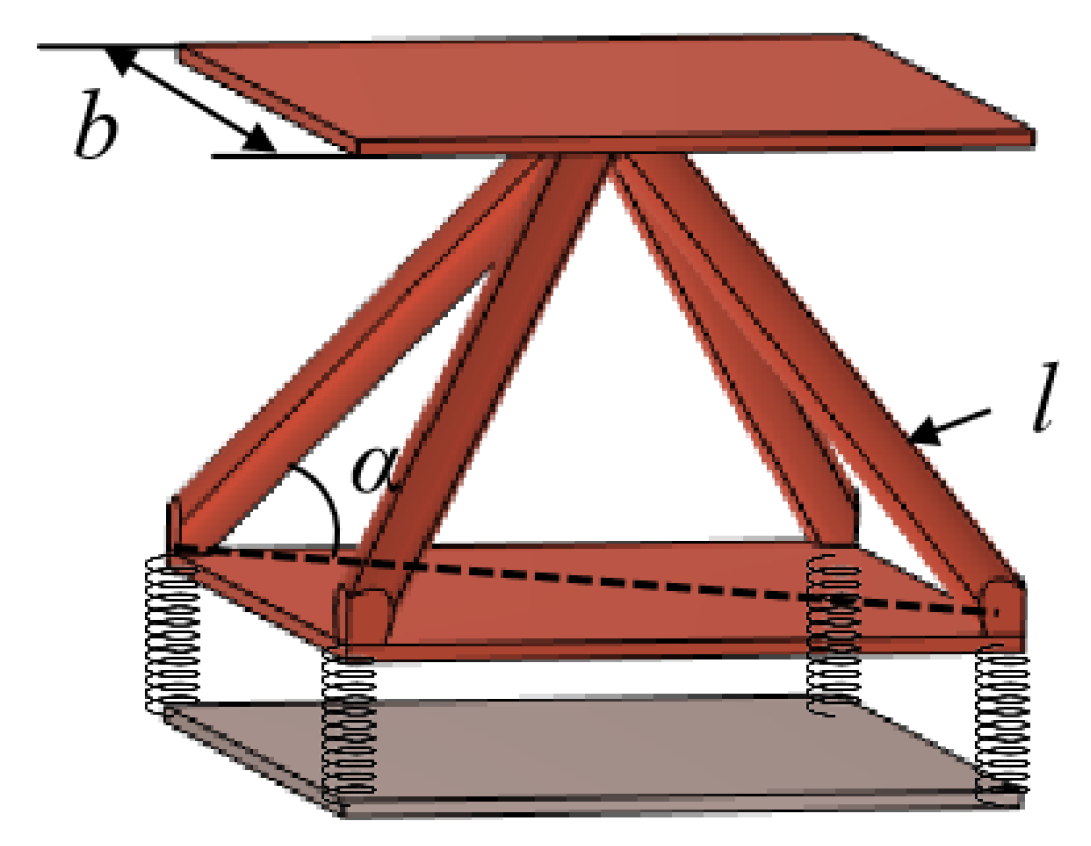
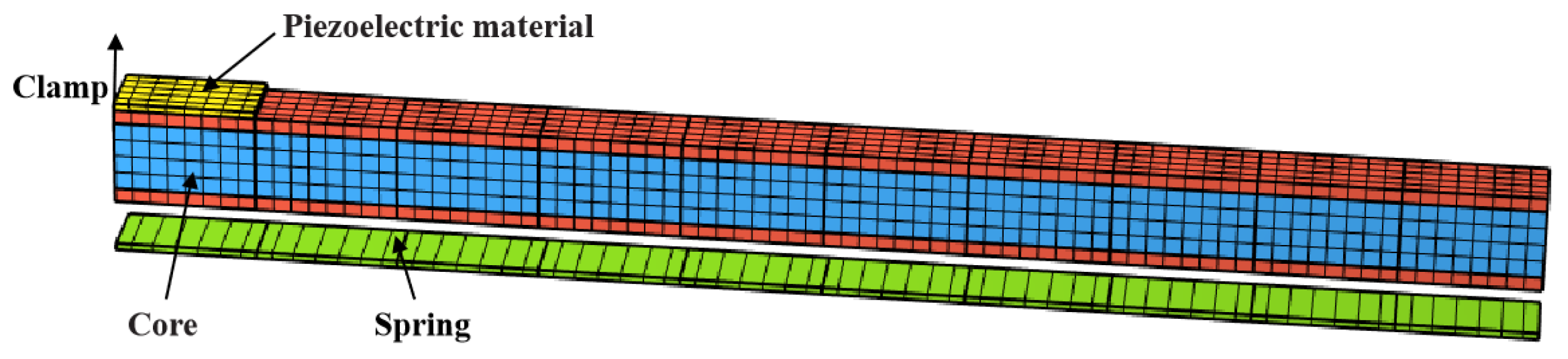
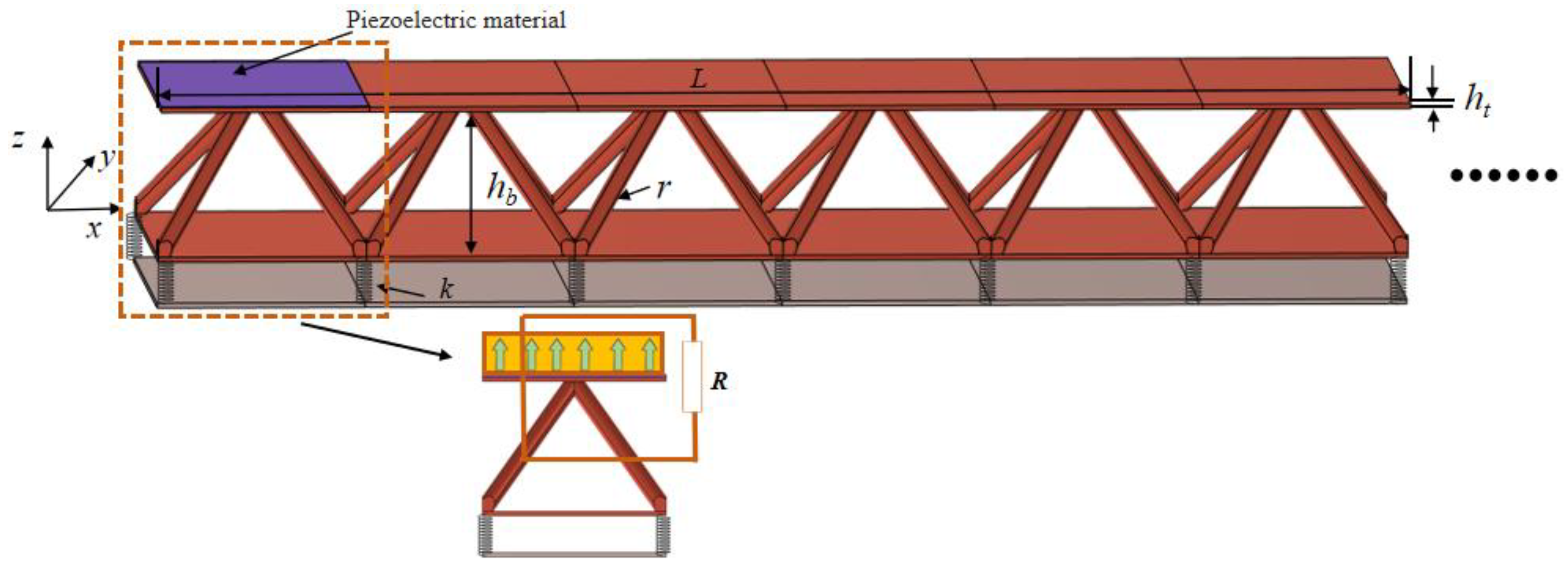
This study introduces a pyramidal piezoelectric sandwich beam with periodic elastic constraints (it refers to a series of identical linear translation spring bars anchored to the ground and connected to the beam at evenly spaced locations, coinciding with the unit cell period of the pyramidal core). The electromechanical coupled dynamics equations are derived via the Lagrange equations and validated using finite element simulations. This paper is organized as follows:
Section 2 outlines the theoretical formulation, including energy derivation and governing equations.
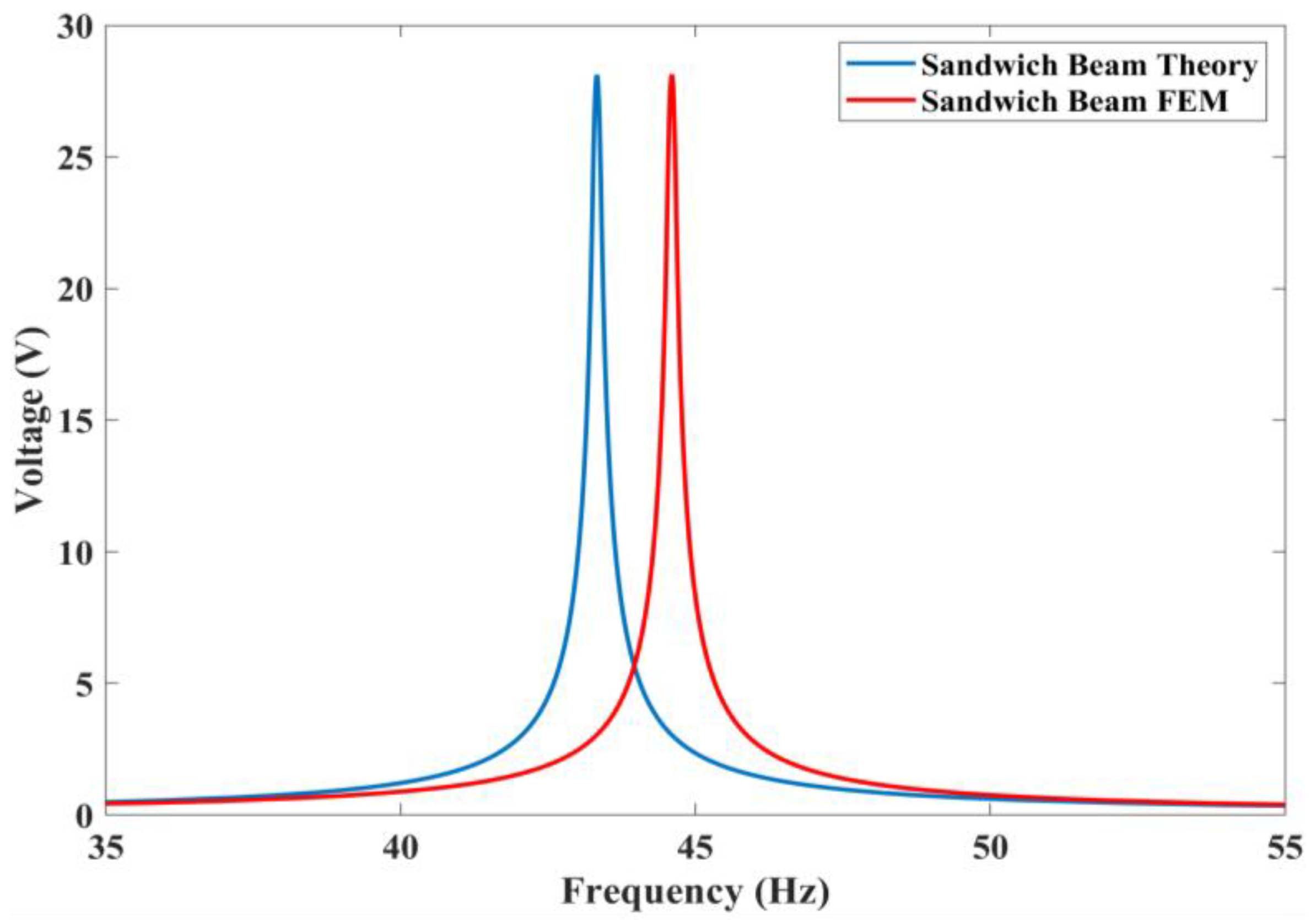
Section 3 presents numerical validation and performance comparisons.
Section 4 presents parameter analysis. Finally,
Section 5 summarizes key insights and future directions.
4. Elastically Supported PPSB Structural Parameter Analysis
To optimize the structural design of the elastically supported PPSB and improve its piezoelectric energy harvesting efficiency, this paper systematically studies the influence of key parameters on the structural voltage output using an analytical model. To ensure the clarity and generality of the results, each parameter was changed independently while keeping other parameters constant. Furthermore, in the subsequent analysis of the influence of structural parameters on voltage, this paper uses an optimal resistance R = 450 kΩ.
Core thickness
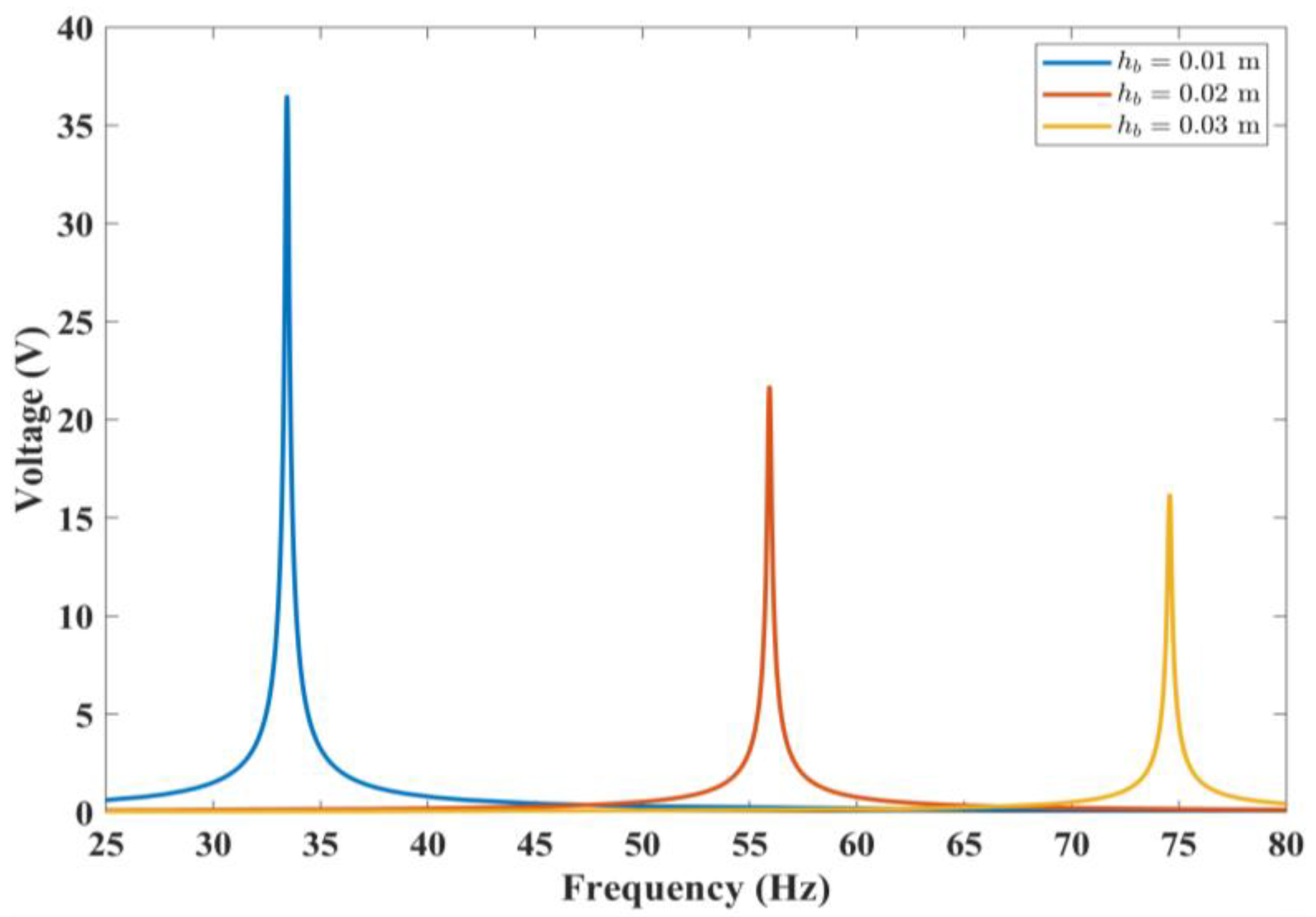
hb emerges as a pivotal parameter influencing structural stiffness and deformation dynamics, as illustrated in
Figure 7. Increasing
hb shifts the resonant frequency upward, attributable to heightened overall stiffness via the equivalent shear modulus
Gc in the homogenized core model, which scales with
hb and restricts flexural modes essential for piezoelectric strain generation. Concurrently, voltage output diminishes due to reduced transverse deformation under fixed excitation, as the stiffer core limits strain in the piezoelectric layer. Practically, this suggests optimal
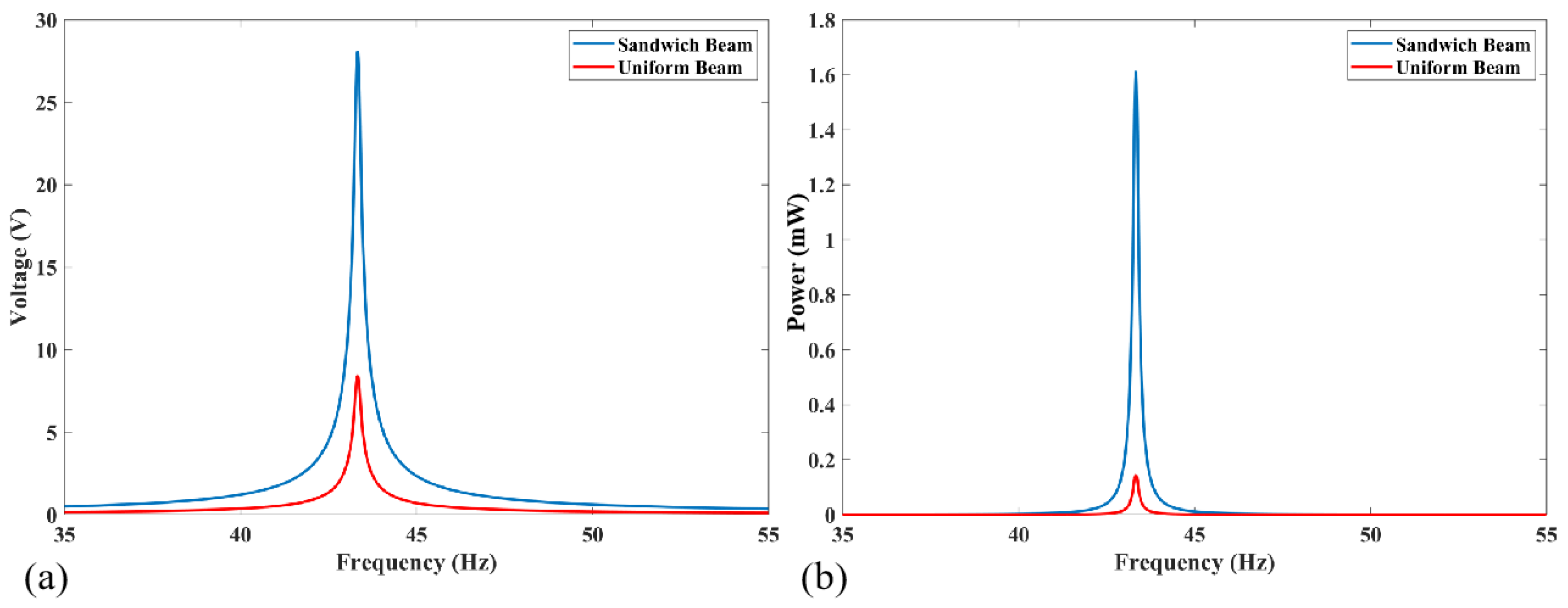
hb values around intermediate thicknesses (e.g., balancing stiffness and flexibility) to achieve multimodal resonances, potentially extending operational bandwidth by 20–30% compared to uniform beams, as inferred from our comparisons in
Figure 6.
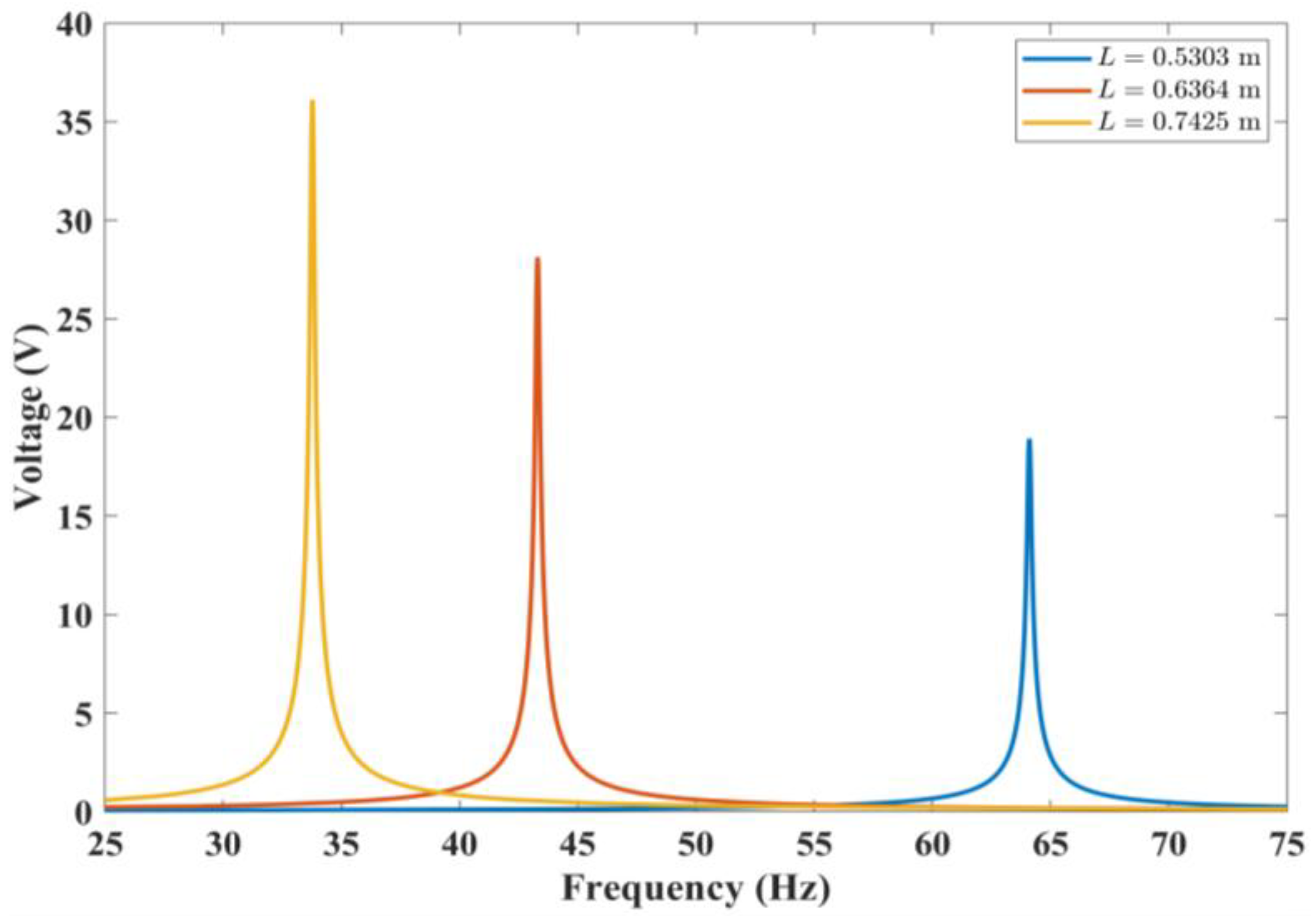
Beam length
L exerts a pronounced effect on modal characteristics, with longer beams exhibiting decreased resonant frequencies but increased peak voltages, as shown in
Figure 8. Mechanistically, extended
L amplifies the mass matrix while diluting bending stiffness per unit length, fostering lower-frequency modes more susceptible to Rayleigh damping. The enhanced voltage peaks arise from greater overall deformation and strain accumulation across the extended structure, allowing for amplified piezoelectric conversion despite the frequency shift.
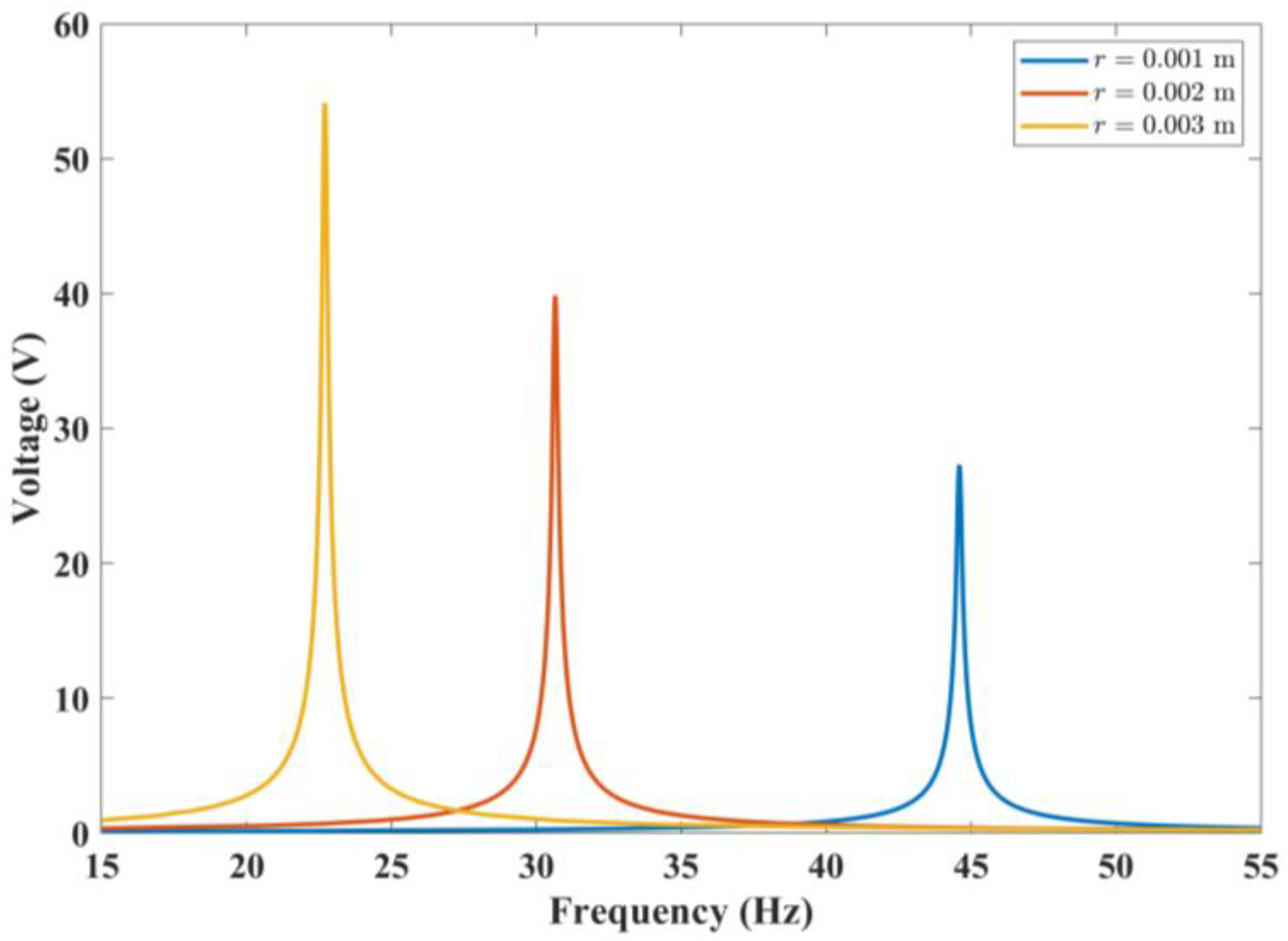
The truss radius
r introduces a nuanced inertial-stiffness balance, where increasing
r lowers resonant frequencies while boosting voltage outputs
Figure 9. This counterintuitive frequency reduction stems from mass augmentation dominating over stiffness gains in the relative density formulation, inducing stronger inertial amplification and modal coupling, consistent with Guo et al. [
23] observations in hourglass lattice cores for low-frequency wave attenuation. The elevated voltage arises from amplified strains via enhanced shear deformation (
γc in Equation (3)), supporting our hypothesis that pyramidal truss geometry tunes energy capture without complex manufacturing. Compared to honeycomb cores optimized by Chen et al. [
41] for 30% power density gains, our design achieves similar enhancements through simpler single-phase materials, implying
r as a tunable parameter for hybrid vibration-harvesting systems, potentially yielding 1.5–2 times higher outputs in inertial-dominant regimes.
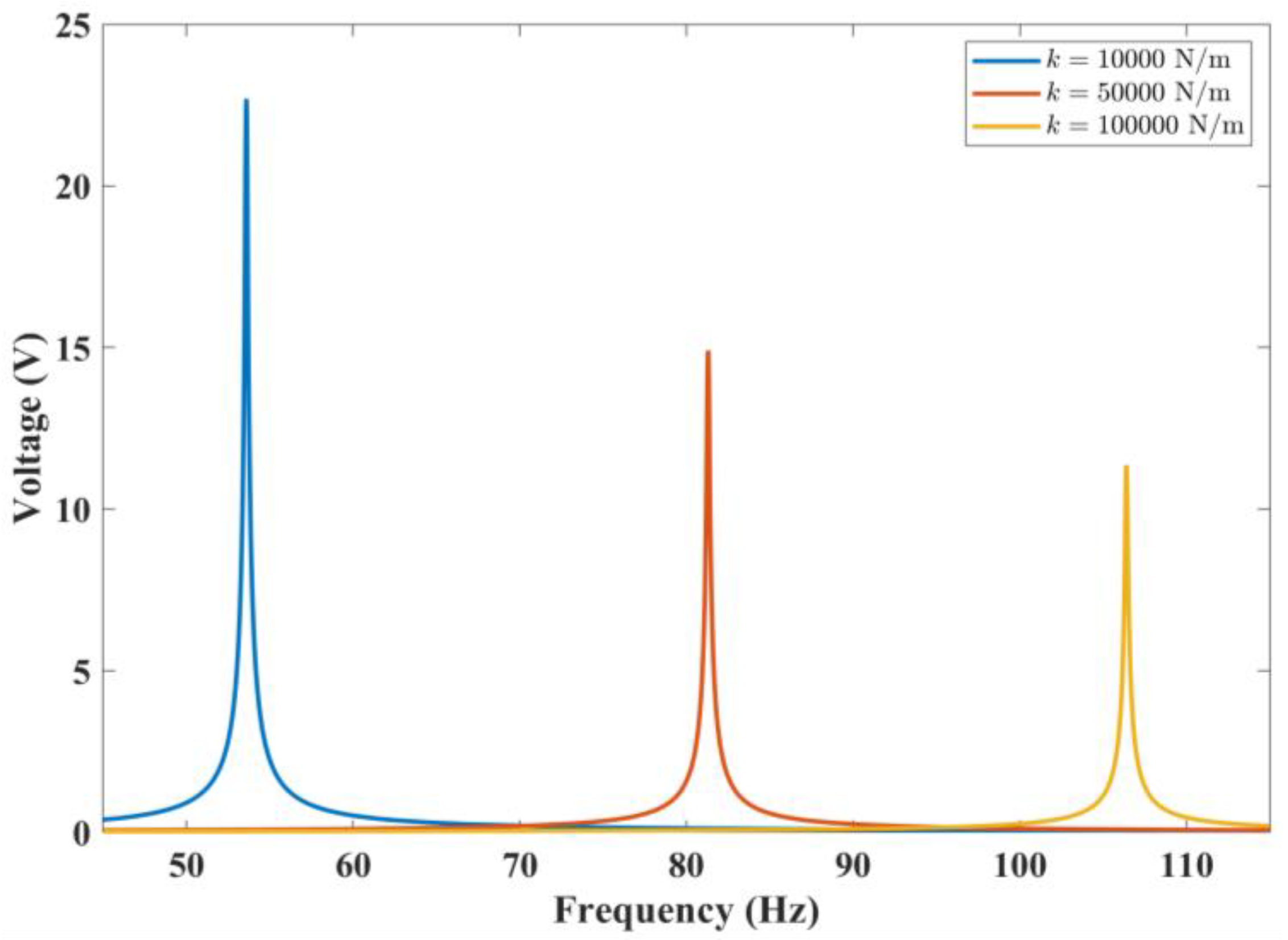
As illustrated in
Figure 10, increasing the spring stiffness
k shifts the frequency corresponding to the maximum voltage output upward, while simultaneously reducing the peak voltage. This behavior is typical in elastic systems, where stiffness modulates both the natural frequency and vibration amplitude. Specifically, the system exhibits a higher peak voltage of 22.69 V at a lower frequency of 53.31 Hz, compared to a lower peak voltage of 11.36 V at a higher frequency of 11.36 Hz. Consequently, in designing vibration energy harvesters or sensors, the spring stiffness
k can be tuned to optimize system performance for targeted operating frequencies.
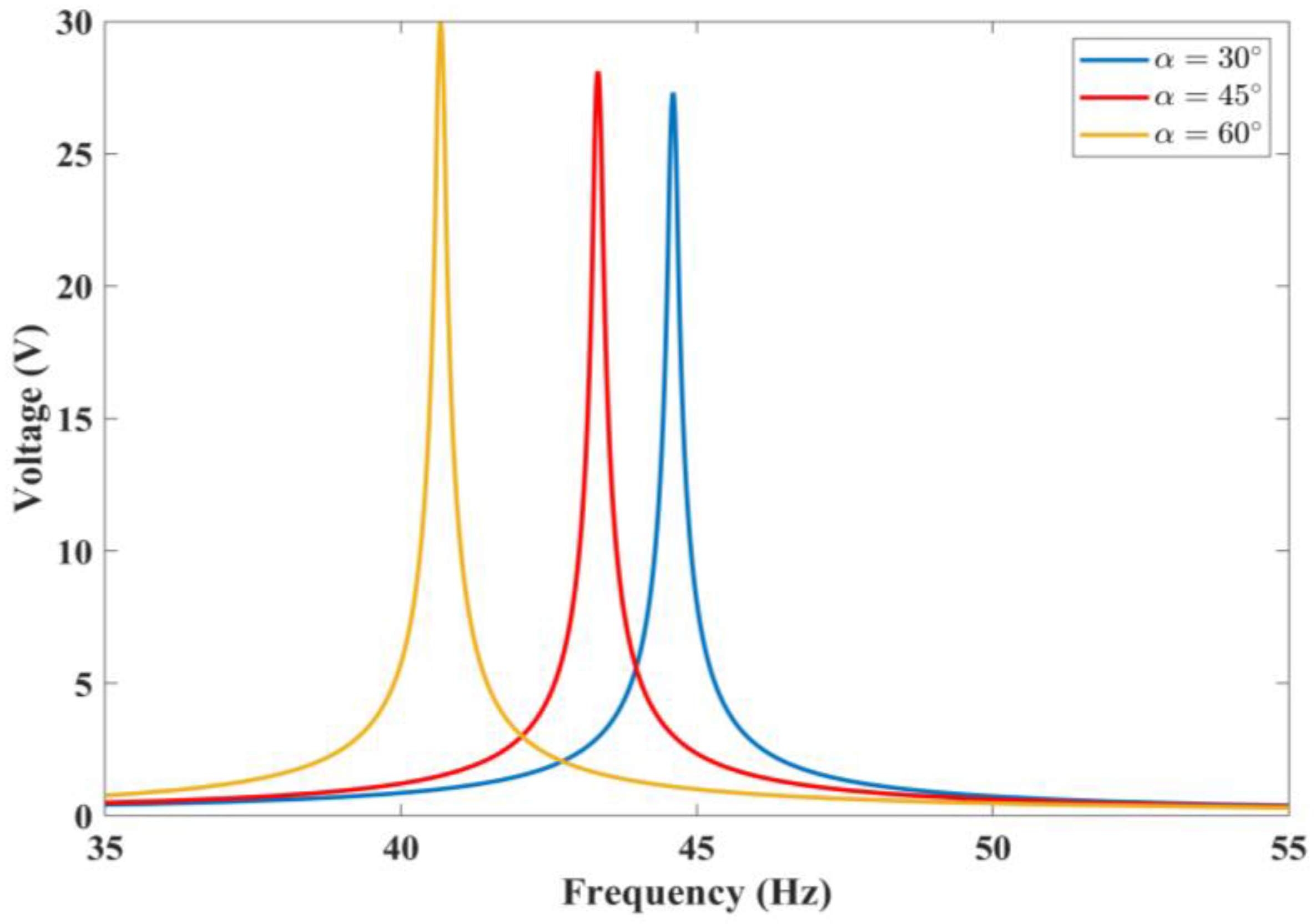
Inclination angle
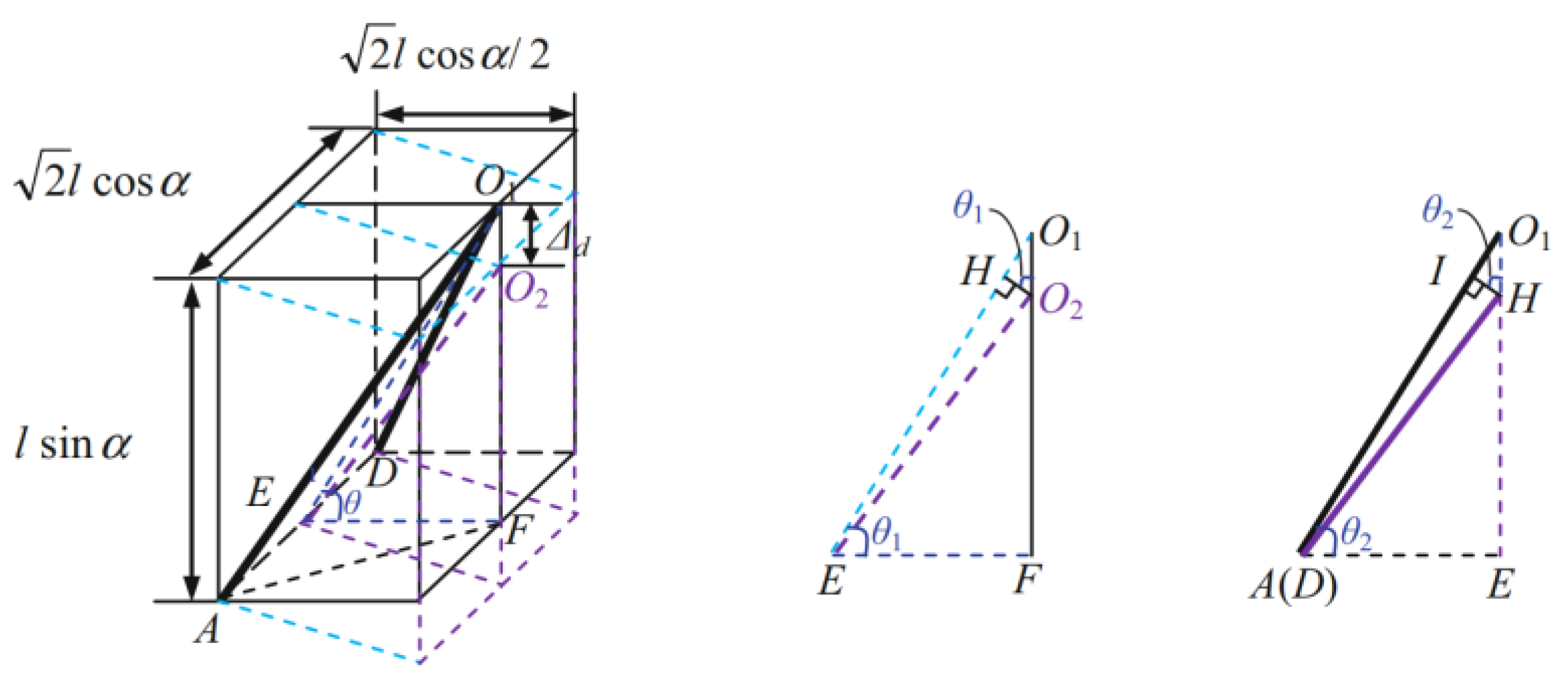
α, a critical geometric parameter defining the truss orientation in the pyramidal core, exerts a significant influence on the electromechanical response of the elastically supported PPSB, as evidenced in
Figure 11. The figure illustrates the voltage output spectra for varying
α values (ranging from 30° to 60°), revealing a consistent trend: larger
α leads to progressively higher peak voltages, with the maximum output increasing by approximately 25% from the lowest to the highest angle tested. Concurrently, the resonant frequency exhibits a subtle downward shift (from 44.62 Hz at
α = 30° to 40.68 Hz at
α = 60°), attributable to enhanced structural stiffness. This behavior aligns with the homogenized core model’s prediction, where the equivalent shear modulus
Gc, promoting greater shear resistance and flexural coupling at steeper angles. Mechanistically, steeper α optimizes the truss geometry for strain amplification within the piezoelectric layer, as the increased effective shear stiffness facilitates more efficient transfer of vibrational energy to axial strains, thereby boosting electromechanical conversion via the piezoelectric effect. However, the observed trends assume linear small-amplitude dynamics and homogenized isotropy, which may underestimate nonlinear effects at higher excitations or manufacturing imperfections in truss fabrication. Future investigations should incorporate experimental validation using 3D-printed prototypes to quantify real-world deviations, alongside sensitivity analyses for
α variations under stochastic loads [
36].
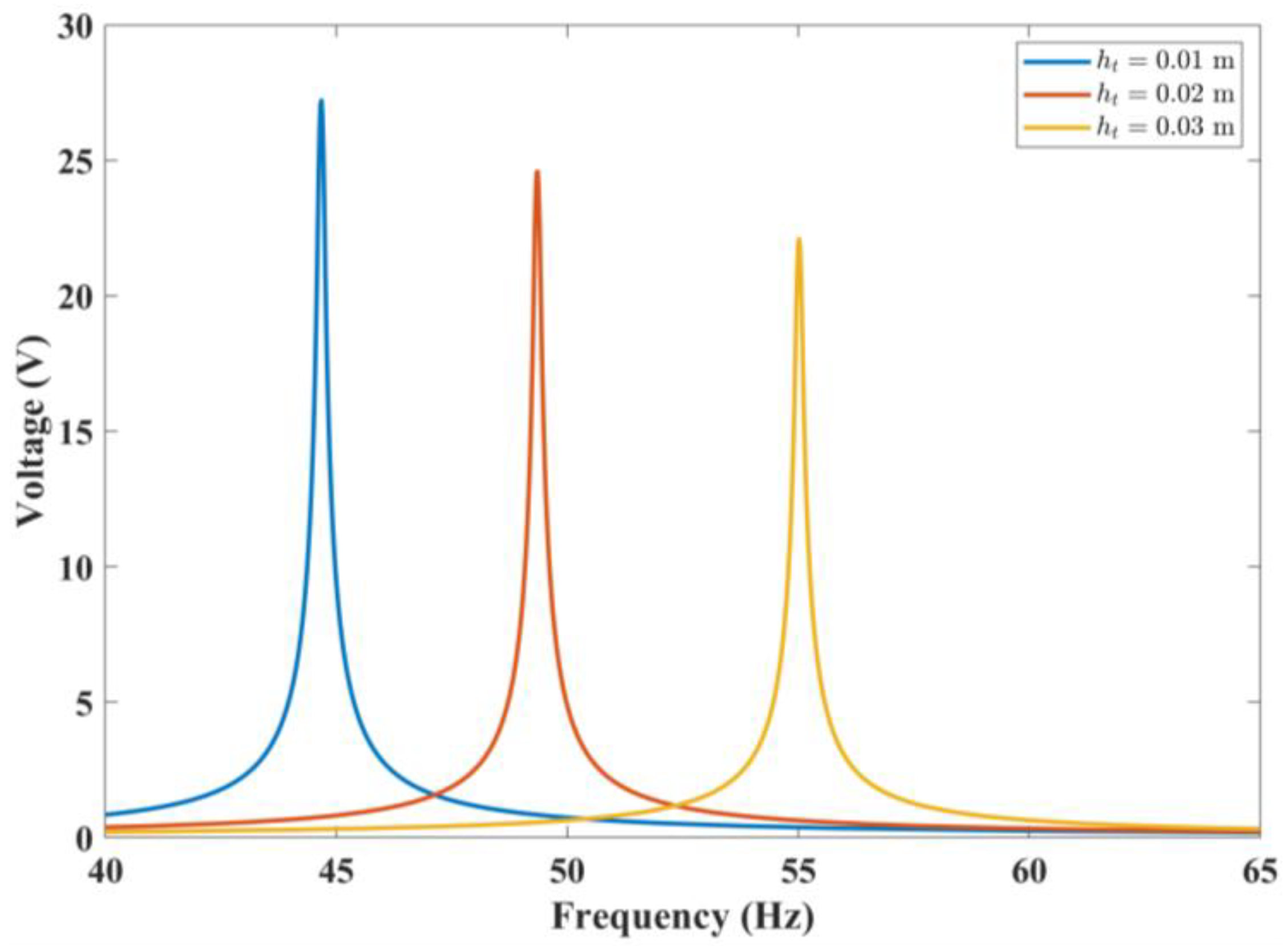
As shown in
Figure 12 the top beam thickness
ht significantly affects the vibration energy harvesting performance of the elastically supported PPSB. Increasing
ht increases structural stiffness, shifting the resonant frequency upward. This enhanced bending stiffness limits lateral deformation, thereby reducing the strain in the piezoelectric layer and lowering the voltage output. This trend is consistent with the effect of core thickness, reflecting a trade-off between stiffness and strain. Compared to uniform beams, the elastically supported PPSB maintains a 20–30% bandwidth gain by optimizing strain distribution through periodic design
Figure 5. A moderate
ht is recommended for design, balancing stiffness and flexibility, making it suitable for scenarios such as aerospace structural health monitoring.
Effect of Piezoelectric Stress Constant
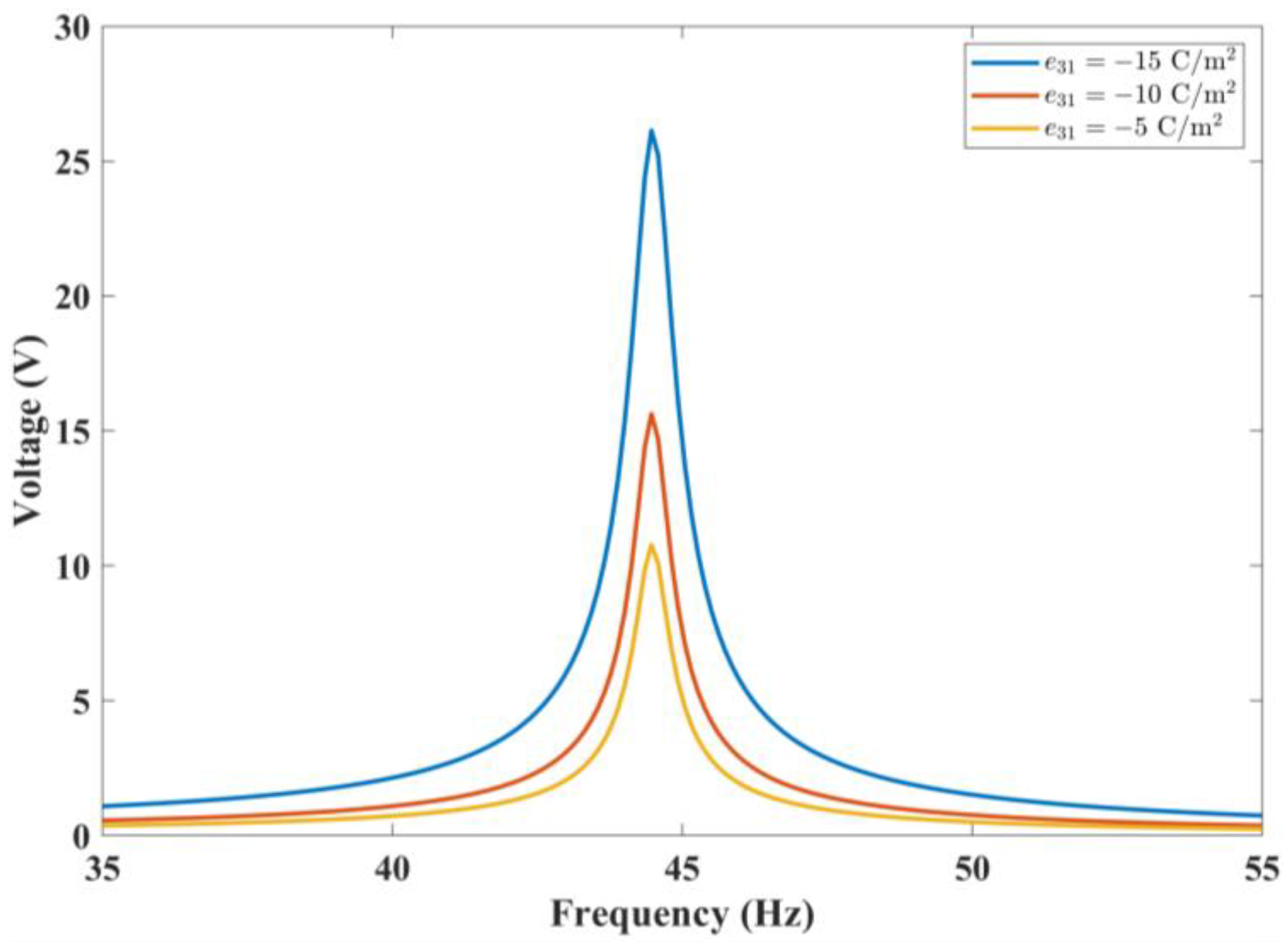
e31 Figure 13 systematically illustrates the influence of the piezoelectric stress constant,
e31, on the voltage output of the elastically supported PPSB. It is observed that varying
e31 from −5 C/m
2 to −15 C/m
2 has negligible impact on both the resonant frequency. Specifically, the resonant frequency remains consistently around 44.5 Hz across the investigated range, indicating that
e31 does not appreciably alter the mechanical dynamic characteristics, such as the mass matrix or stiffness matrix, which primarily govern the natural modes of the structure. In the context of our homogenized model, the influence of
e31 on voltage output may stem from the dominance of structural parameters (core shear modulus and elastic support stiffness in determining the overall strain distribution under the applied excitation. For the low-amplitude, linear vibration regime considered here, the electromechanical coupling terms appear to saturate or be constrained by the fixed mechanical input and internal capacitance, resulting in a response to changes in
e31. This finding contrasts with more pronounced effects reported in simpler cantilevered piezoelectric harvesters, such as those modeled by Erturk and Inman [
11], where
e31 directly scales the voltage output due to less complex strain fields. The virtual invariance underscores a potential limitation in leveraging
e31 or performance tuning in this design, suggesting that enhancements in energy harvesting efficiency may be better achieved through geometric optimizations (e.g., truss radius or inclination angle rather than solely relying on piezoelectric material properties. Nevertheless, selecting materials with moderate
e31 values remains essential for maintaining baseline transduction efficiency, and future investigations could explore higher
e31 ranges or nonlinear regimes to uncover latent sensitivities, potentially validated through experimental prototypes to refine the theoretical framework.
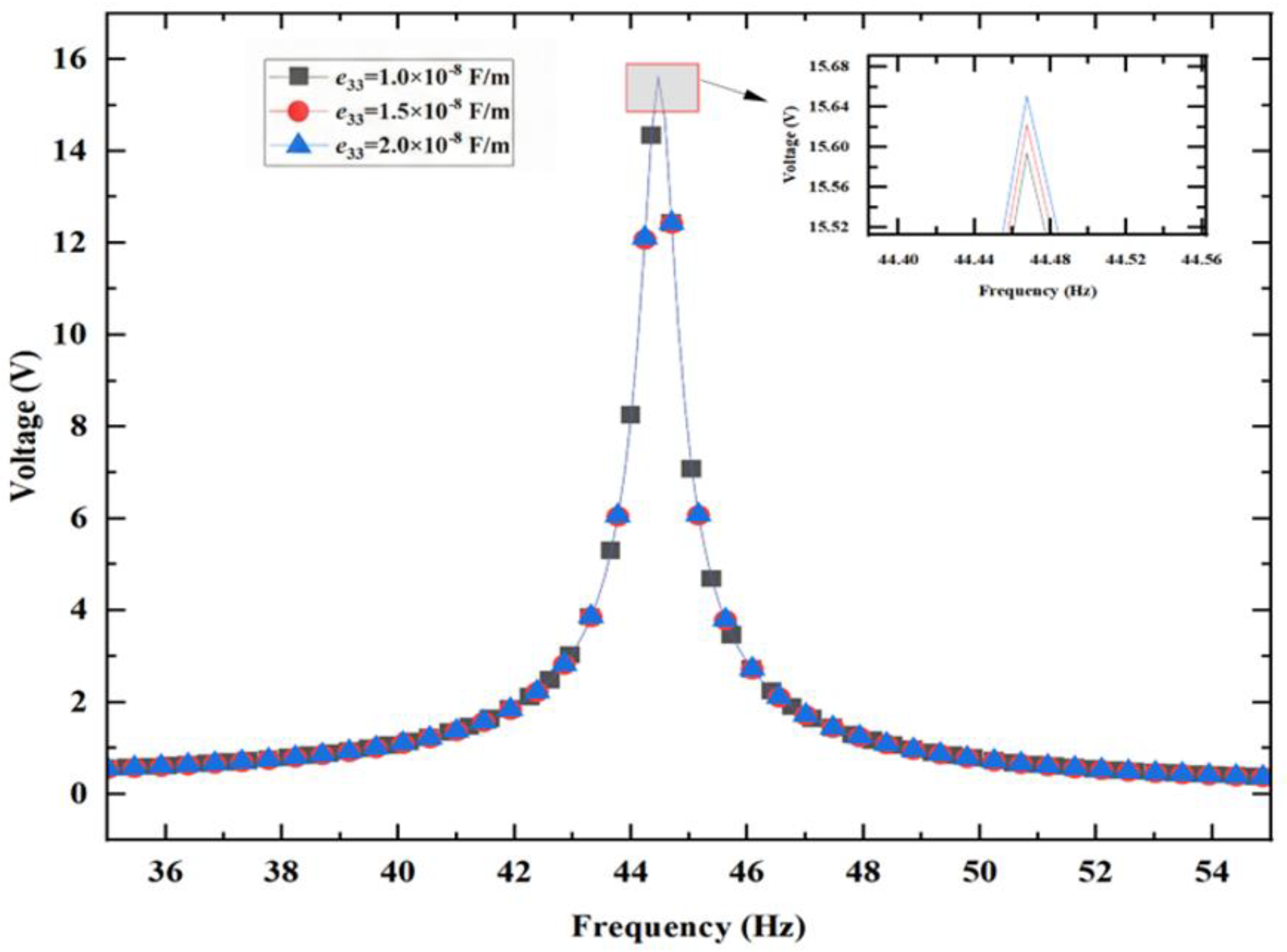
Figure 14 illustrates the effect of the piezoelectric dielectric constant
e33 on the voltage output of the elastically supported PPSB. Notably, changes in
e33 do not significantly alter the resonant frequency, which remains consistently around 44.5 Hz. This indicates that
e33 primarily affects the electrical characteristics of the electromechanical coupling, rather than the mechanical dynamics of the beam. While the direct impact of
e33 on the peak voltage amplitude is relatively small and insignificant compared to
e31, this is because, under the low-frequency, weakly coupled conditions considered in this paper, the capacitive reactance is much greater than the load resistance
R, resulting in a near-open-circuit state. Although changes in
e33 alter
Cp, they do not significantly change the current or voltage distribution in the circuit. Therefore, the voltage variation is not significant as seen in
Figure 14. Thus, selecting a piezoelectric material with the optimal
e33 value is crucial for achieving efficient power transfer to external loads.
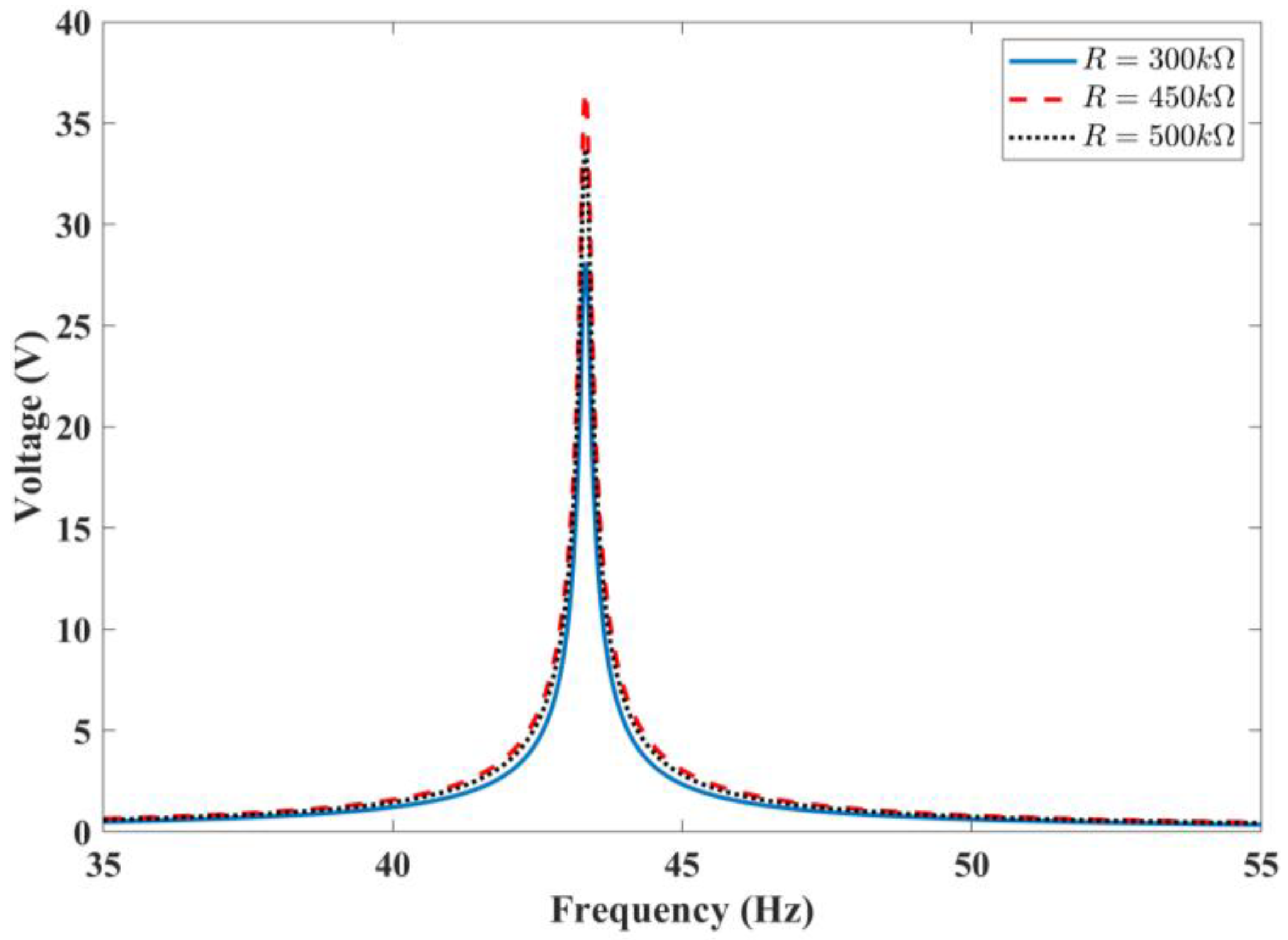
Load resistance
R is a key electrical parameter for optimizing power output. As shown in
Figure 15, as
R increases, the voltage output approaches the open-circuit voltage, but the power output reaches its peak at the optimal
R value that matches the system’s internal resistance.
R primarily affects electromechanical coupling efficiency and has a minor impact on the resonant frequency. Optimizing
R maximizes power transfer through impedance matching. The periodic elastic supports of the elastically supported PPSB enhance strain distribution, making impedance matching more efficient and resulting in a power output 11.68 times higher than that of a uniform beam
Figure 6b.
Overall, these parametric insights reveal the high efficiency of elastically supported PPSBs in energy harvesting, achieving a power gain of up to 11.68 times that of a uniform beam through metamaterial-inspired periodicity. Limitations include the assumptions of low-amplitude linearity and homogeneous isotropy, which may underestimate nonlinear effects under high excitation scenarios; future work should combine experimental prototyping with adaptive control for practical validation. Ultimately, this framework paves the way for multifunctional structures that can sustainably power sensors and attenuate vibrations, with broad implications for energy-autonomous systems in harsh environments.
The primary contribution of this paper is an electromechanical analytical model of a PPSB with periodic elastic constraints, rigorously cross-validated using finite element methods. The goal is to reveal parameter-response mechanisms and provide a rapid design tool prior to hardware iteration. Testbed Requirements: Validating the “periodic elastic constraints” requires a specialized rig capable of implementing discrete, uniformly spaced, purely lateral linear springs of calibrated stiffness k while suppressing parasitic rotation/friction and base kinematic mismatch. Off-the-shelf fixtures do not meet these constraints; a custom instrumentation setup is under development. Prototype Fidelity: To test homogeneous pyramidal cores, the truss geometry must be manufactured within tight tolerances; otherwise, deviations in the equivalent shear modulus and neutral axis position will occur, confounding comparisons between model and test. Achieving these tolerances and stable PZT bonding is nontrivial and time-consuming, so experimental validation was not performed in this paper. On this basis, the dynamic modeling of multi-span sandwich beams has been studied and reported many times, so the theoretical modeling should be scientific and credible [
40].
5. Conclusions
In this study, we have developed and analyzed a novel pyramidal piezoelectric sandwich beam (PPSB) under periodic elastic constraints, demonstrating its superior potential for vibration energy harvesting. Through a rigorous theoretical framework based on Lagrange equations and homogenized core modeling, coupled with finite element validation, we established that the PPSB outperforms conventional uniform beams by achieving 3.42 times higher open-circuit voltage and 11.68 times greater power output. This enhancement stems from the periodic design’s ability to optimize strain fields and induce multimodal resonances, effectively converting low-frequency vibrations into electrical energy without complex multi-material fabrication.
Parametric investigations further elucidate design principles: structural parameters like core thickness and top beam thickness introduce stiffness-dominated trade-offs, elevating resonant frequencies at the expense of strain amplification and thus voltage output, underscoring the need for balanced flexibility in hybrid harvesting-suppression systems. In contrast, extending beam length or truss radius promotes inertial effects, reducing frequencies and enhancing peaks, the tilt angle and spring stiffness can be used to fine-tune the shear modulus, thereby achieving targeted energy harvesting effects. Electrical factors, including piezoelectric constants and load resistance, reveal minimal mechanical influence but critical roles in impedance matching, with optimal R maximizing power transfer.
These findings highlight the PPSB’s versatility as a multifunctional metamaterial, leveraging single-phase geometry for scalable, eco-friendly VEH in challenging environments such as structural health monitoring and wireless sensor networks. Limitations, including assumptions of linear small-amplitude dynamics and homogenized isotropy, suggest avenues for future research: incorporating nonlinear effects, experimental prototypes under real-world excitations, and adaptive controls to further broaden bandwidth and efficiency. Ultimately, this work advances the integration of energy harvesting with vibration control, fostering sustainable innovations in smart materials and autonomous engineering systems.