

Mechanical, Degradation, and Impact Resistance of a Sustainable Coir Geotextile Composite Barrier for Landslide Mitigation

 , , and
Abstract
1. Introduction
2. Materials and Barrier Development
2.1. Coir Fiber and Rope as Composite Constituents
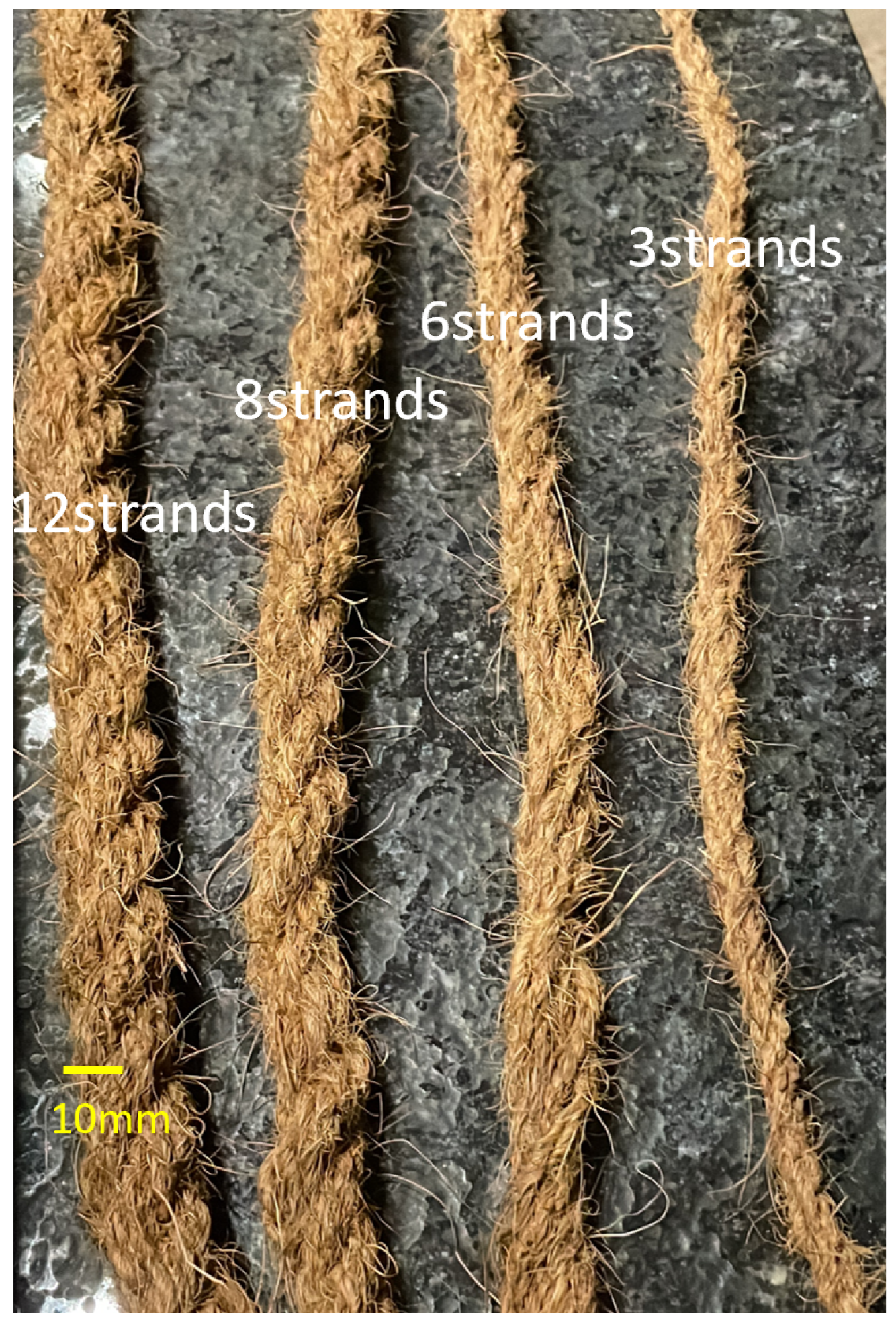
2.2. Selection of Rope Configuration and Strand Geometry
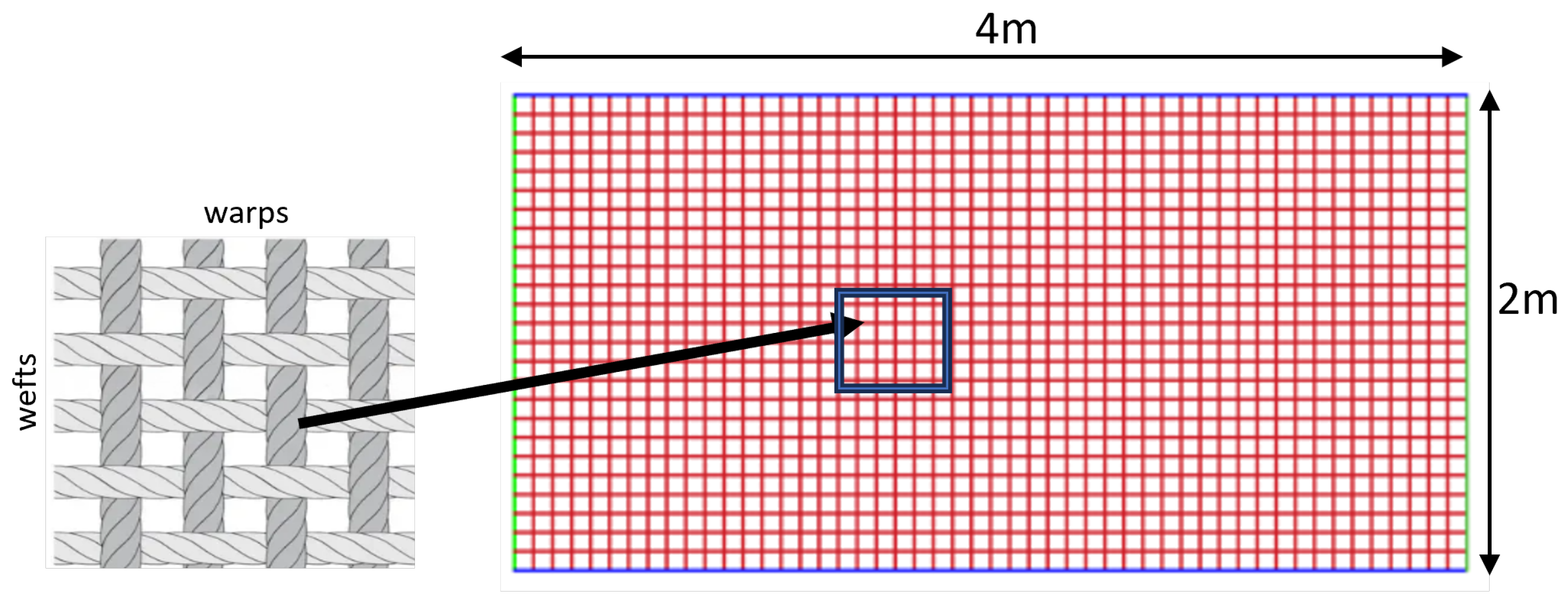
2.3. Weaving Architecture and Composite Action of the Geotextile Barrier
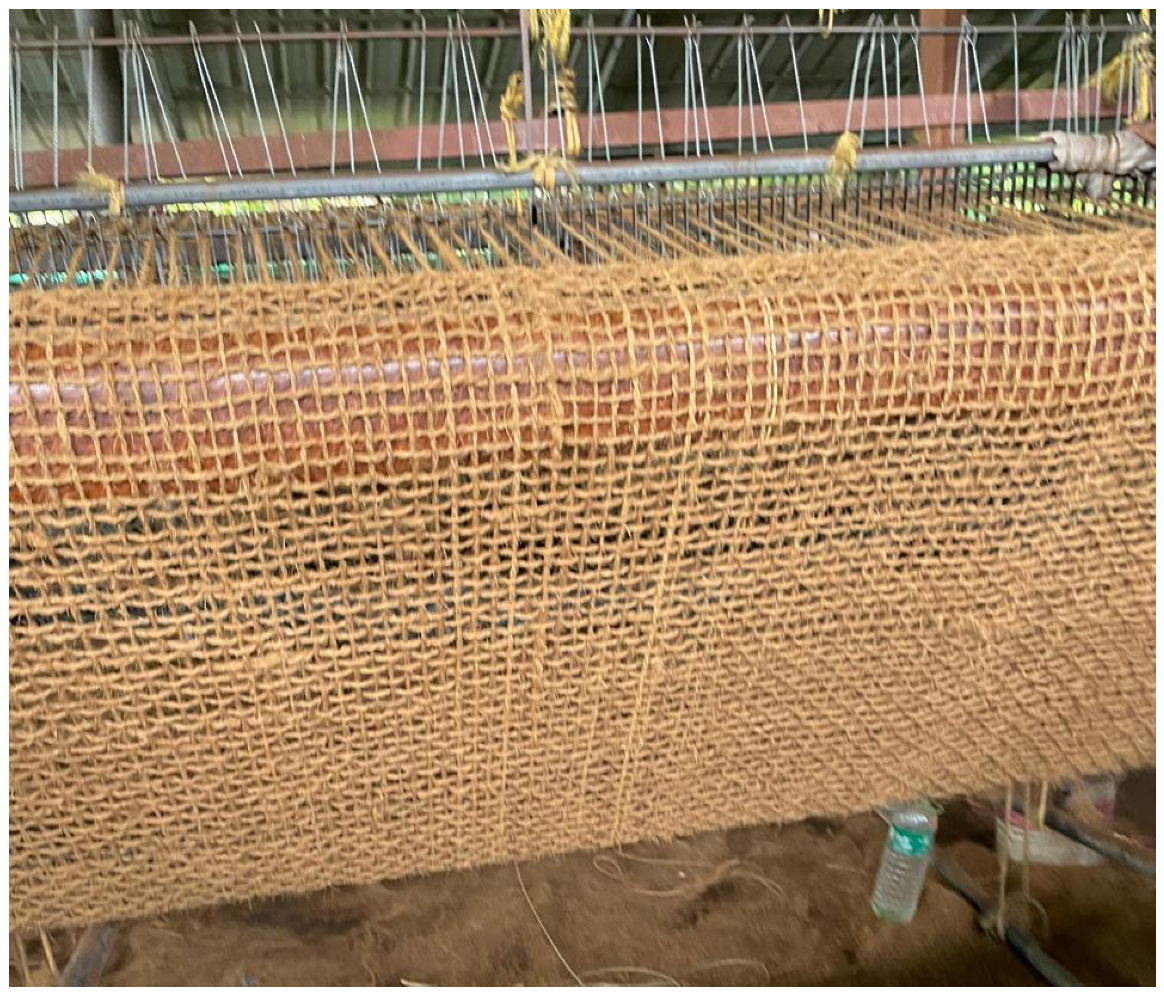
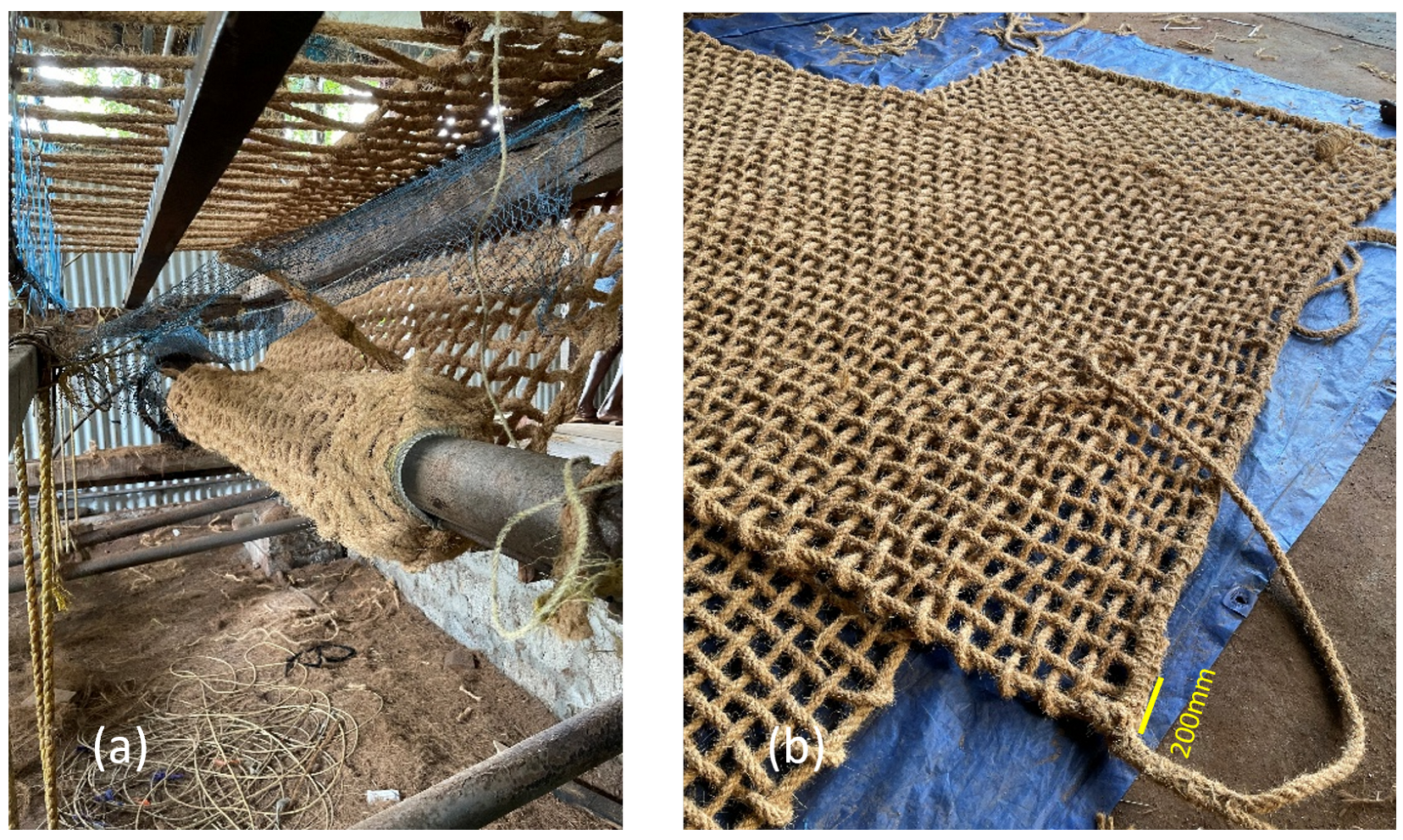
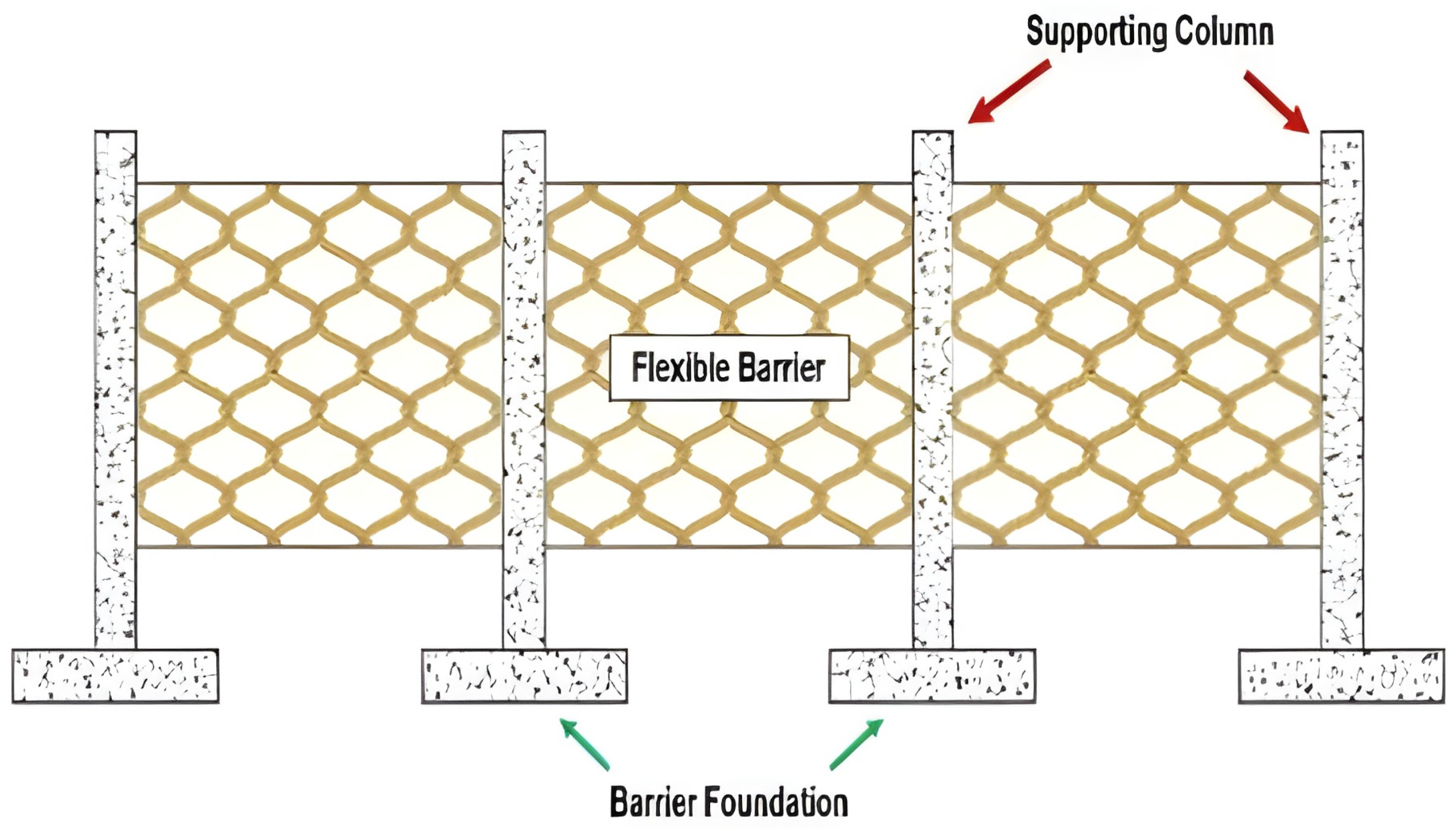
2.4. Geometry and Fabrication of the Coir Geotextile Composite Barrier
3. Experimental Program
3.1. Physical Characterization of the Coir Geotextile Composite
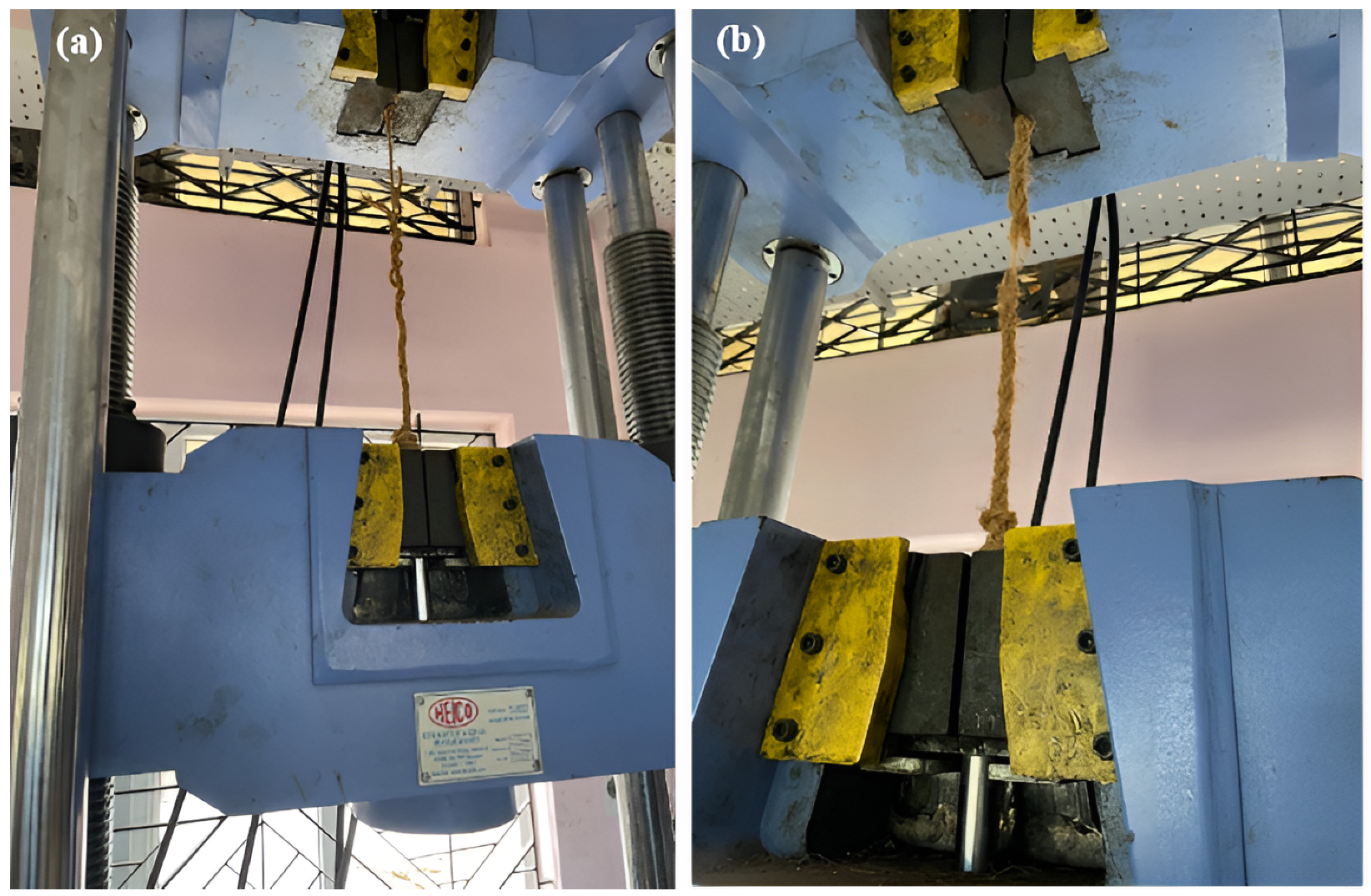
3.2. Mechanical Characterization of Coir Ropes
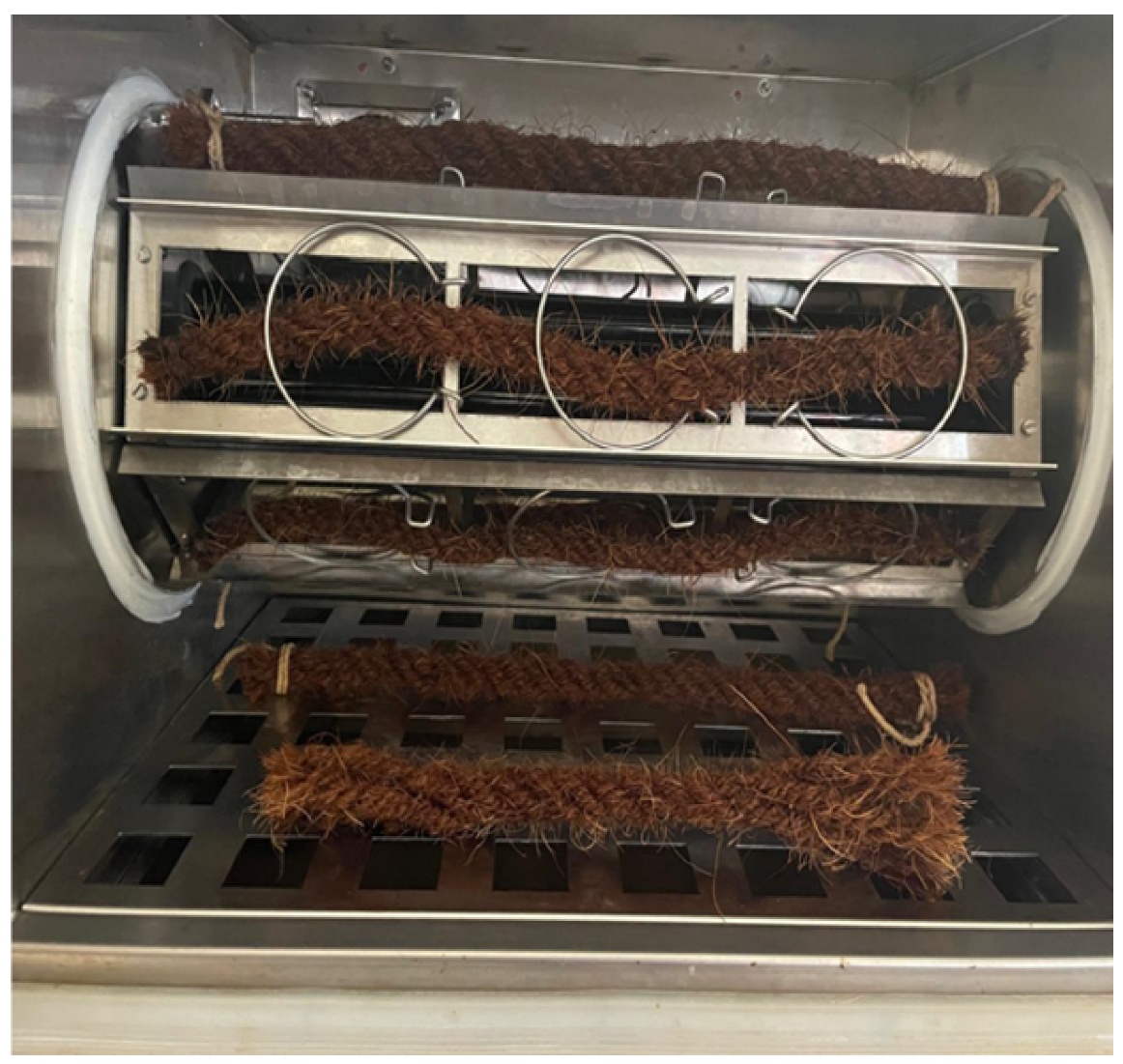
3.3. Accelerated Degradation Testing
3.4. Large-Scale Loading and Impact Resistance Tests
3.4.1. Incremental Static Load Test
3.4.2. Vertical Drop Test for Impact Resistance
3.4.3. Load Retention Test Under Sustained Loading
4. Results
4.1. Physical Properties of the Coir Geotextile Composite Barrier
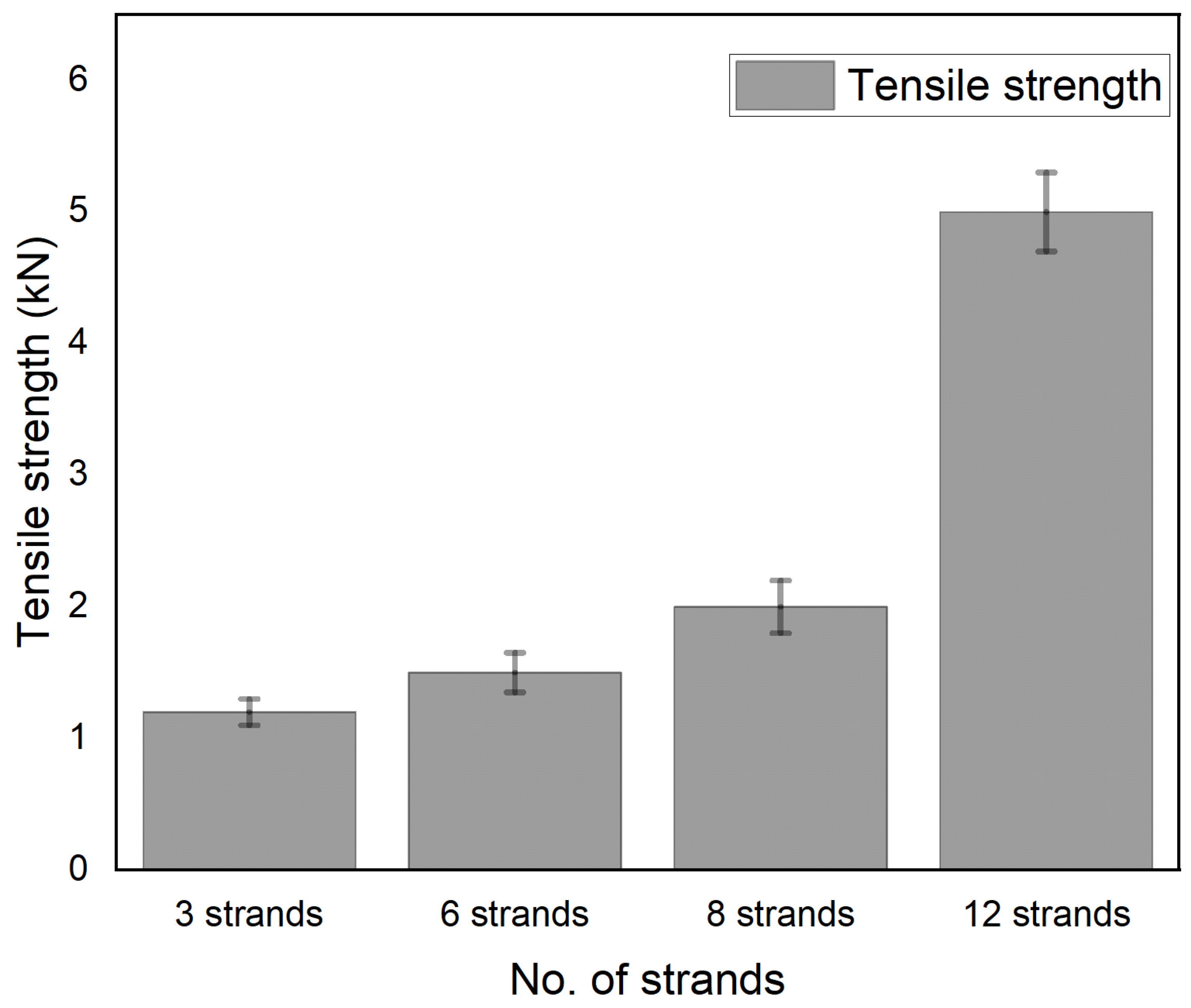
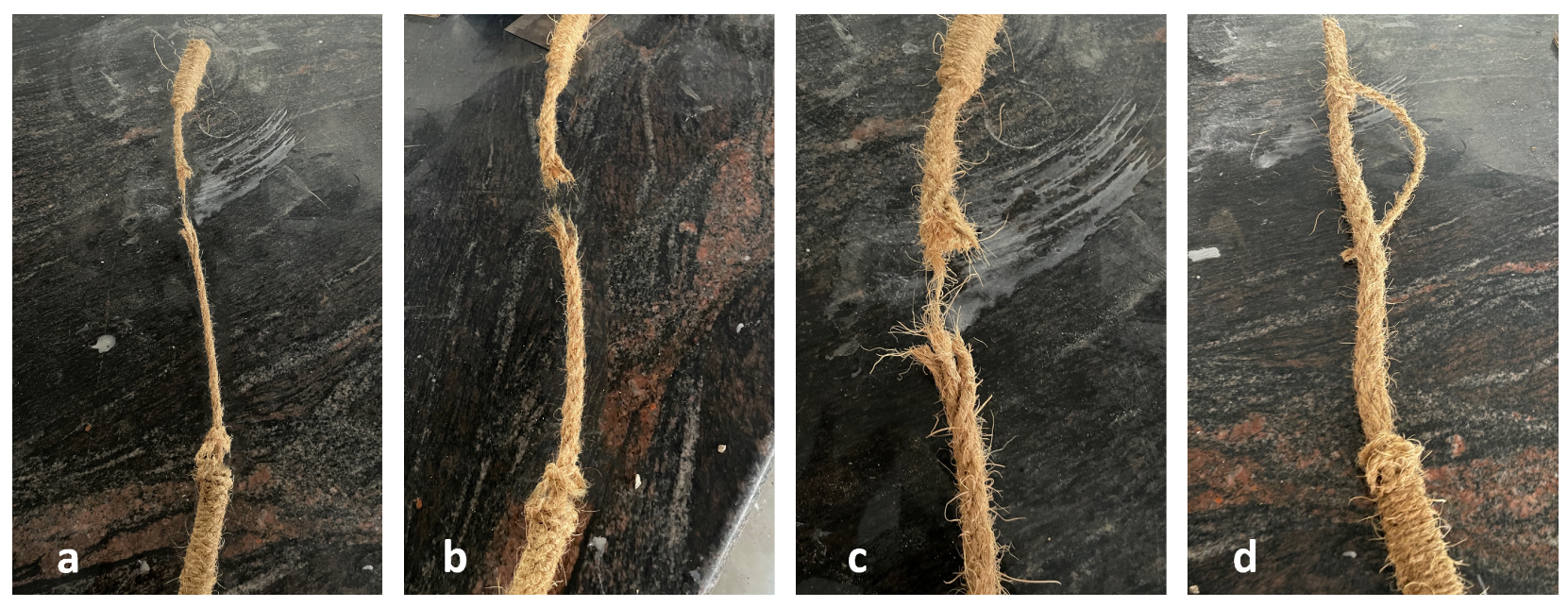
4.2. Tensile Behavior of Coir Ropes with Different Strand Configurations
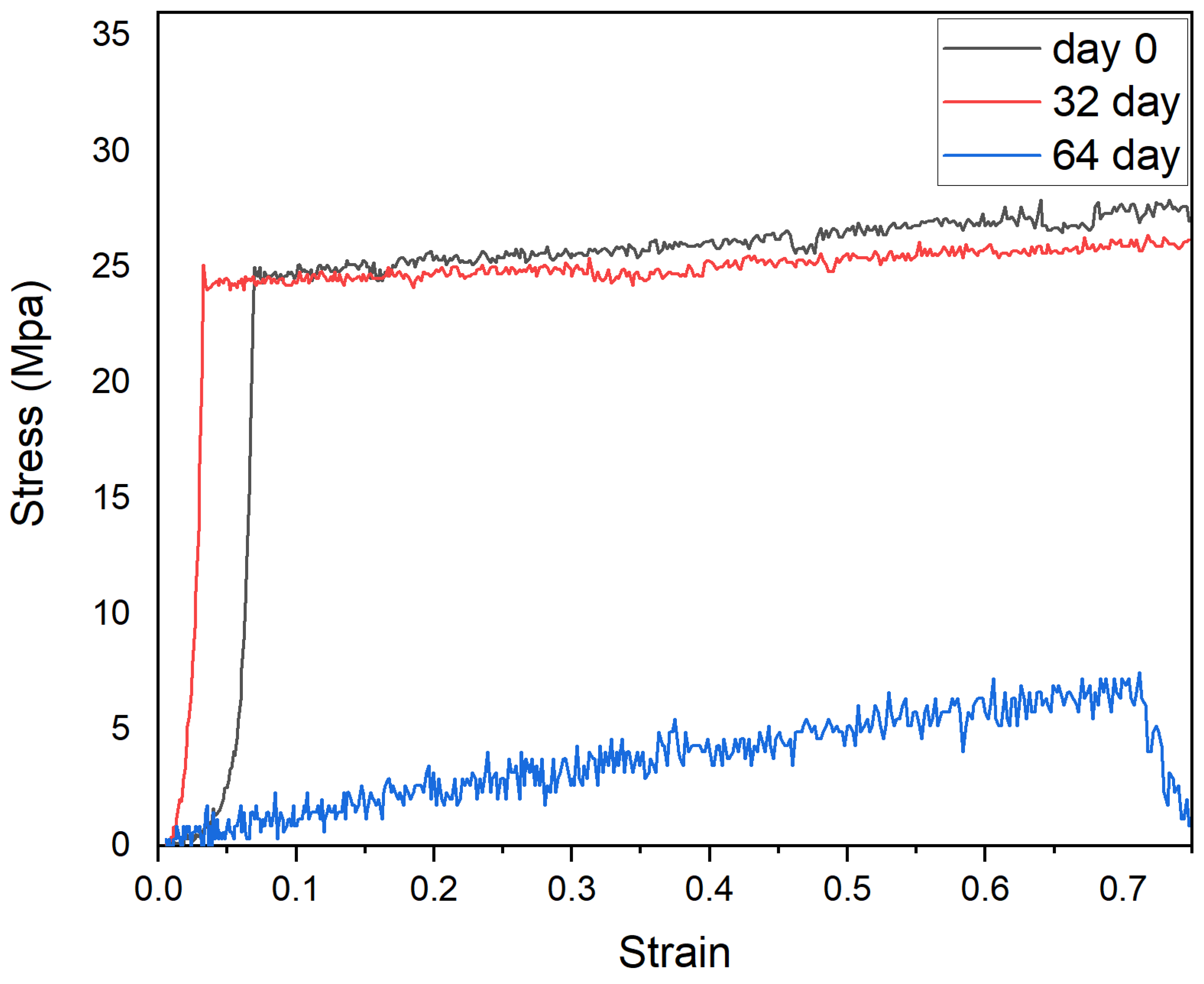
4.3. Effect of Accelerated Degradation on Mechanical Properties
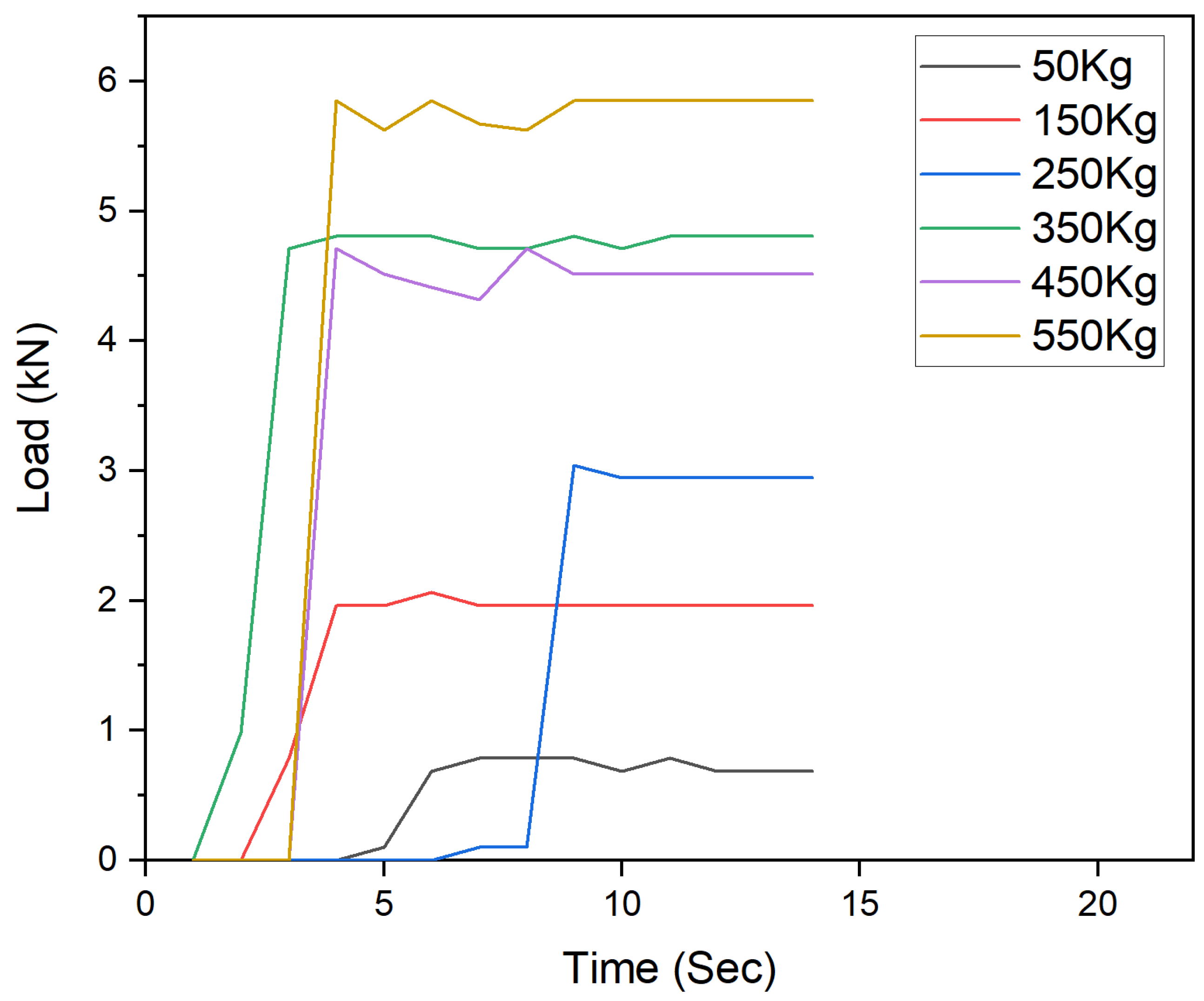
4.4. Static Load-Carrying Capacity Under Incremental Loading
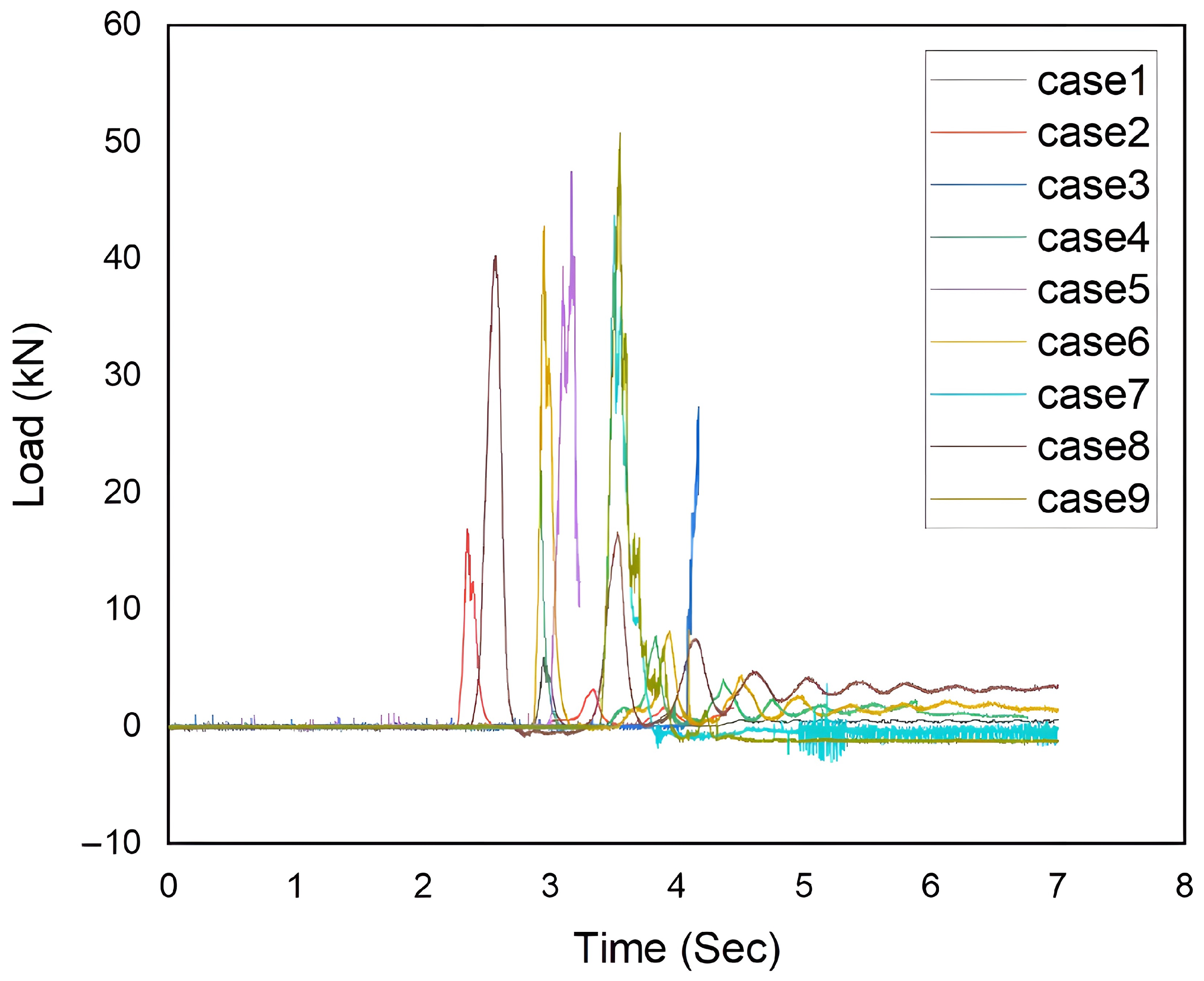
4.5. Impact Resistance Under Vertical Drop Loading
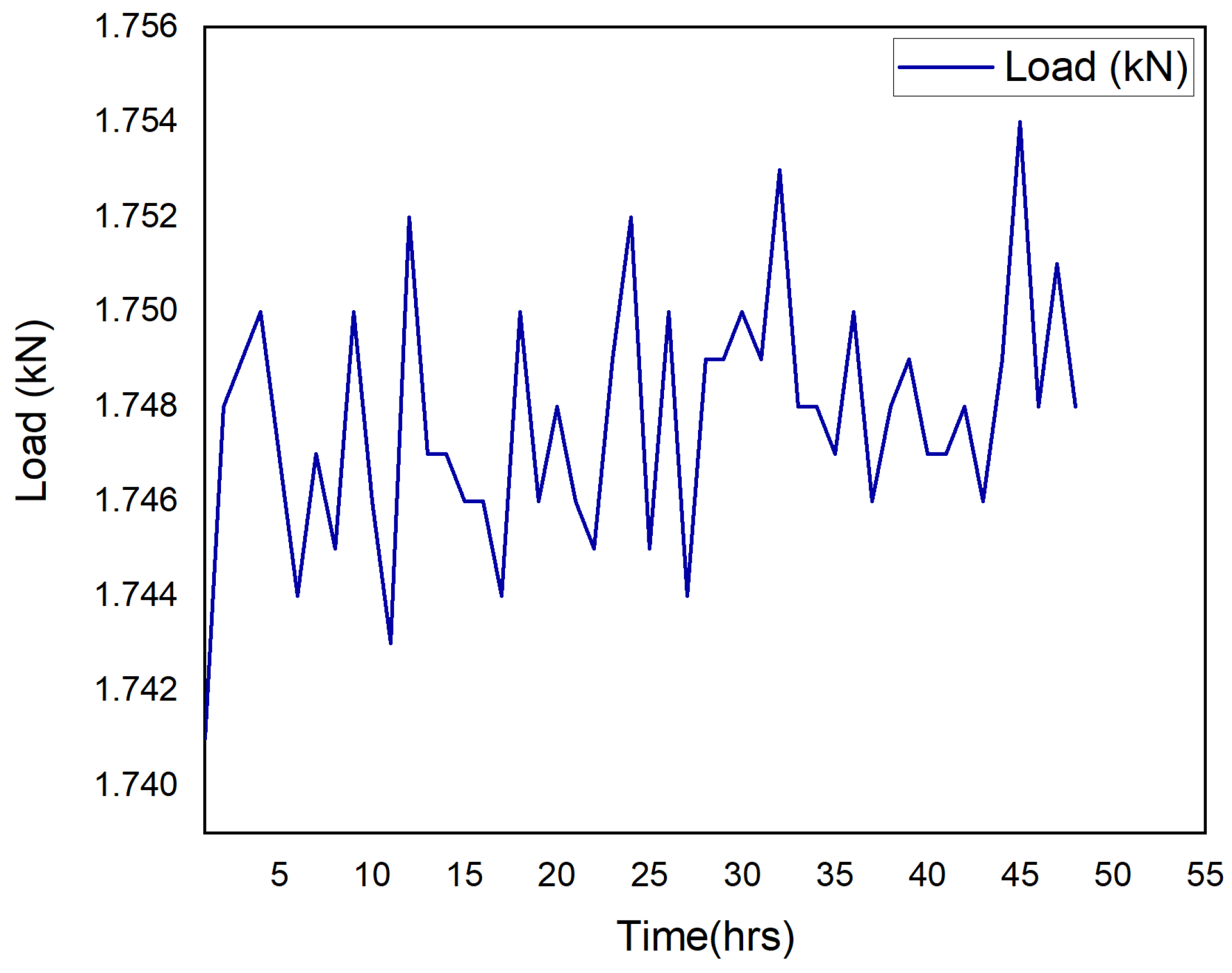
4.6. Load Retention Behavior Under Sustained Loading
5. Discussion
5.1. Composite Load Transfer and Energy Dissipation Mechanisms
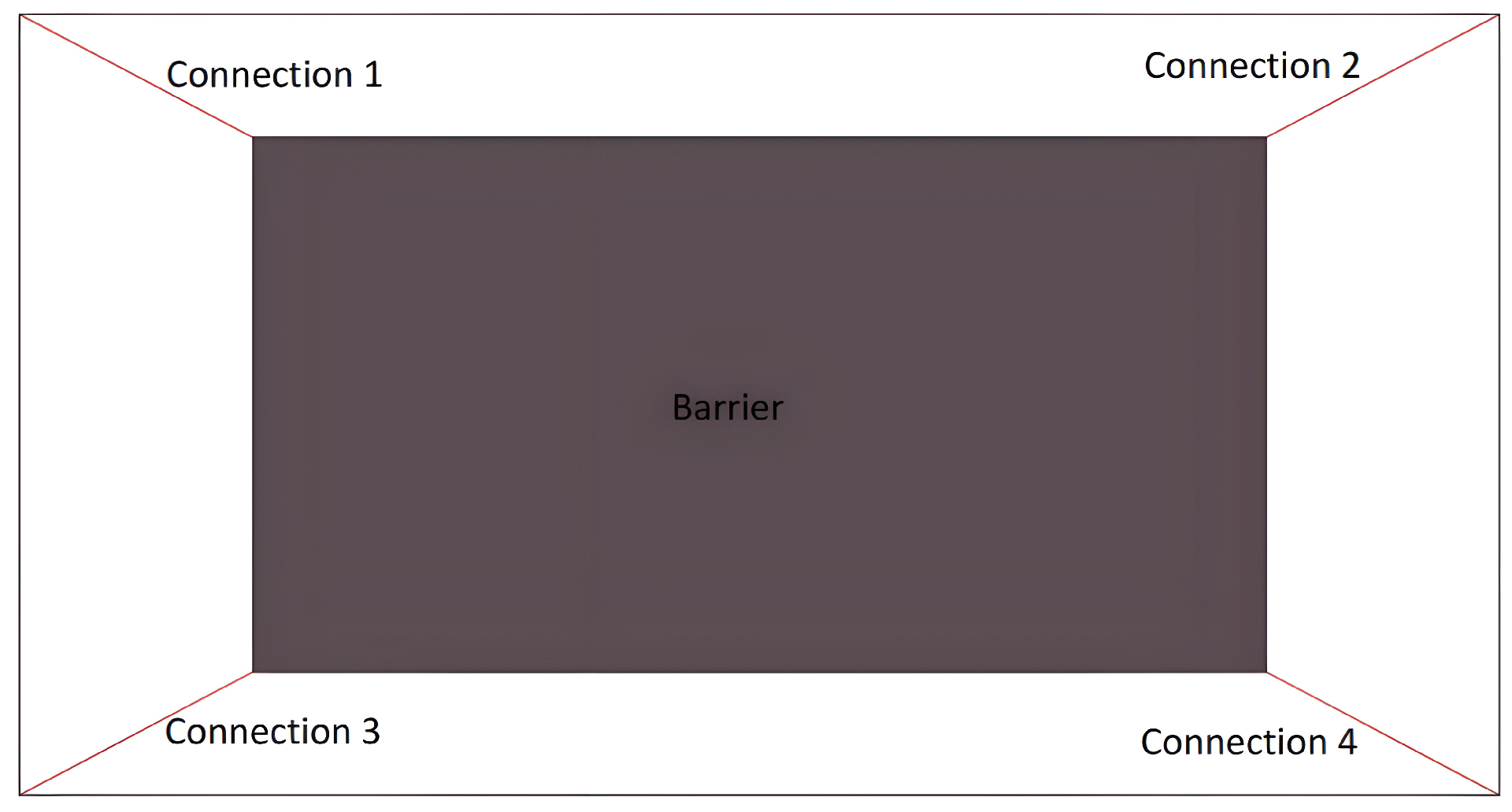
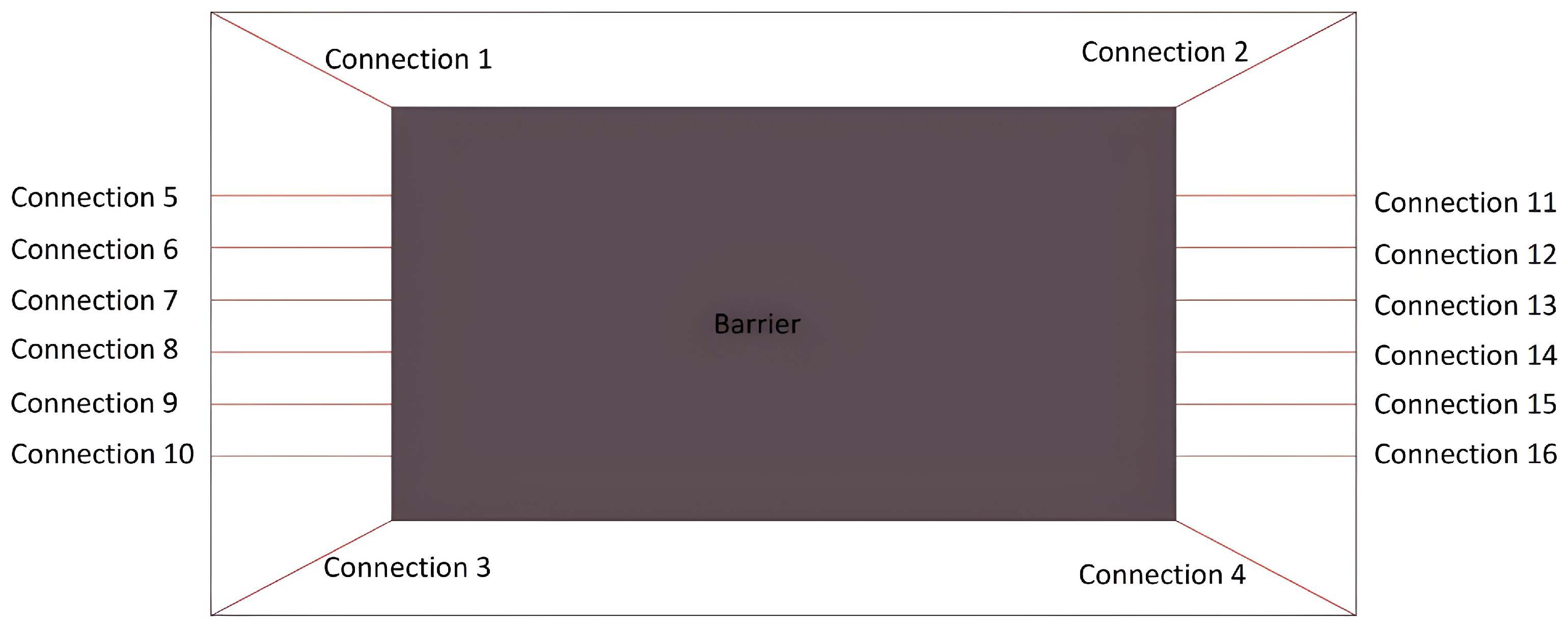
5.2. Influence of Connection Density on Structural Performance
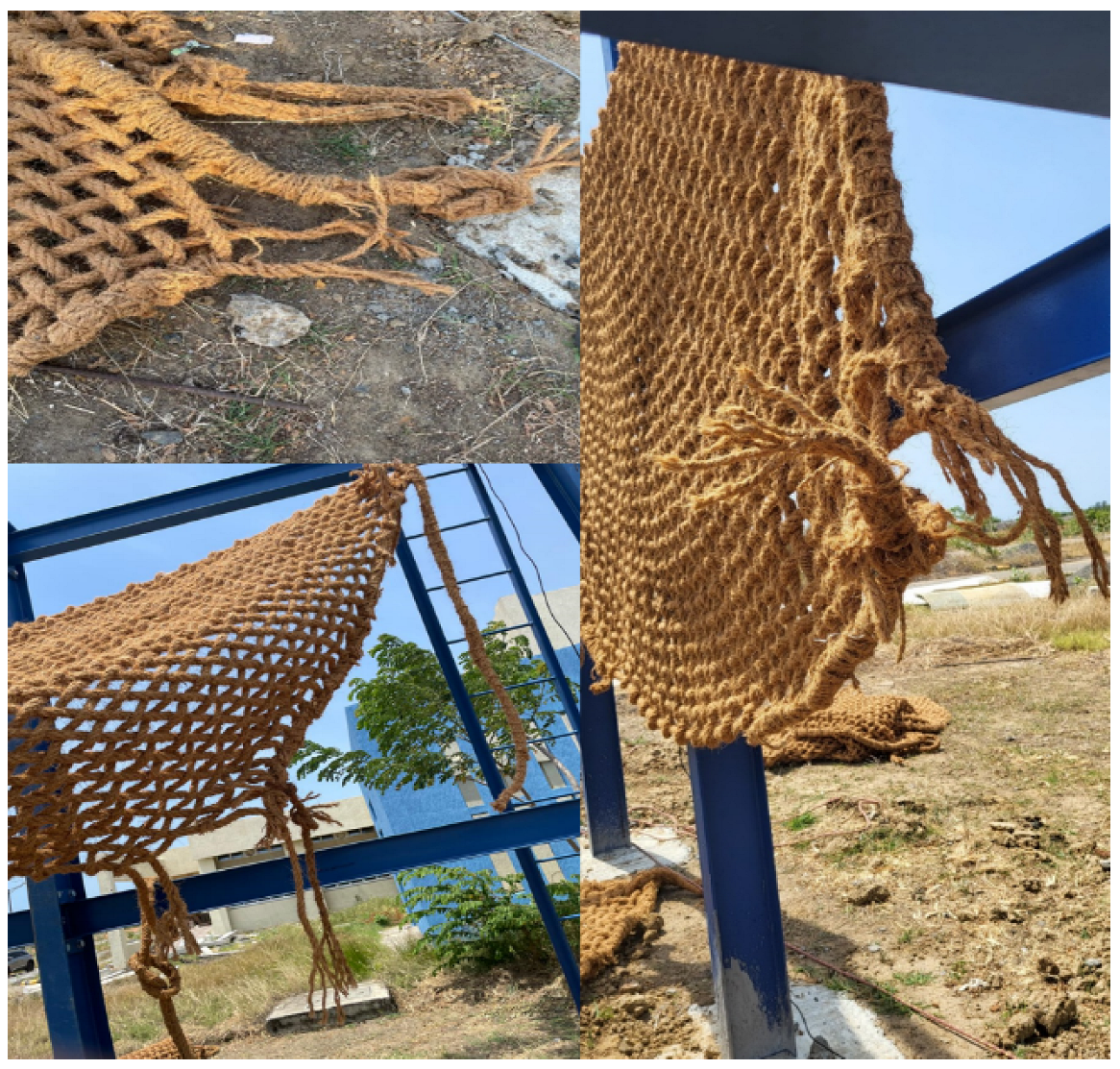
5.3. Static Load Capacity and Post-Impact Stability
5.4. Durability and Implications of Degradation Behavior
5.5. Comparison with Conventional Steel Mesh Barriers
5.6. Engineering Significance and Practical Implications
6. Conclusions
- A woven coir geotextile composite barrier fabricated using multi-strand coir ropes exhibited a high mass per unit area (3750 g/m2) and maintained structural integrity at full scale, demonstrating its suitability for load-bearing barrier applications.
- Tensile characterization of coir ropes indicated that increasing the strand count significantly enhanced mechanical performance. The multi-strand configurations achieved tensile capacities exceeding 2 kN and exhibited large elongation values without abrupt ruptures, indicating deformation-tolerant behavior that is advantageous for flexible, energy-dissipating barrier systems.
- Accelerated degradation tests revealed a limited reduction in tensile strength of approximately 5% after short-term exposure, whereas prolonged exposure resulted in strength losses exceeding 70%. The accelerated aging results are therefore interpreted as defining the durability-controlled performance limits of the barrier system, providing a rational basis for determining safe operational windows.
- Incremental static load tests confirmed that the developed barrier could sustain loads of up to 550 kg without rupture or loss of structural continuity. In addition, sustained loading of approximately 1700 kg was maintained over a period of 48 h with a negligible loss in load-carrying capacity, indicating satisfactory post-impact serviceability.
- Vertical drop impact tests demonstrated that the coir geotextile composite barrier was capable of resisting peak impact loads ranging from approximately 6 to 51 kN, depending on the drop mass, drop height, and connection configuration. Increasing the connection density significantly improved load redistribution, reduced localized damage, and enabled the barrier to retain impacting masses even after partial connection failure.
Author Contributions
Funding
Institutional Review Board Statement
Informed Consent Statement
Data Availability Statement
Acknowledgments
Conflicts of Interest
References
- Highland, L.M.; Bobrowsky, P. The Landslide Handbook—A Guide to Understanding Landslides; U.S. Geological Survey Professional Paper 1325; USGS Publications Warehouse: Reston, VA, USA, 2008.
- Sidle, R.C.; Ochiai, H. Landslides: Processes, Prediction, and Land Use; Water Resources Monograph 18; American Geophysical Union: Washington, DC, USA, 2006; Available online: https://agupubs.onlinelibrary.wiley.com/doi/book/10.1029/WM018 (accessed on 2 November 2025).
- Hungr, O.; Leroueil, S.; Picarelli, L. The Varnes classification of landslide types: An update. Landslides 2014, 11, 167–194. [Google Scholar] [CrossRef]
- Iverson, R.M. The physics of debris flows. Rev. Geophys. 1997, 35, 245–296. [Google Scholar] [CrossRef]
- Zheng, H.; Shi, Z.; Shen, D.; Peng, M.; Hanley, K.J.; Ma, C.; Zhang, L. Recent advances in stability and failure mechanisms of landslide dams. Front. Earth Sci. 2021, 9, 659935. [Google Scholar] [CrossRef]
- Takahashi, T. Debris Flow: Mechanics, Prediction and Countermeasures; Taylor & Francis: London, UK, 2007. [Google Scholar] [CrossRef]
- Ng, C.W.W.; Song, D.; Choi, C.E.; Liu, L.H.D.; Kwan, J.S.H.; Koo, R.C.H.; Pun, W.K. Impact mechanisms of granular and viscous flows on rigid and flexible barriers. Can. Geotech. J. 2017, 54, 188–206. [Google Scholar] [CrossRef]
- Canelli, L.; Ferrero, A.M.; Migliazza, M.; Segalini, A. Debris flow risk mitigation by the means of rigid and flexible barriers—Experimental tests and impact analysis. Nat. Hazards Earth Syst. Sci. 2012, 12, 1693–1699. [Google Scholar] [CrossRef]
- Volkwein, A.; Baumann, R.; Rickli, C.; Wendeler, C. Standardization for flexible debris retention barriers. In Engineering Geology for Society and Territory; Springer: Cham, Switzerland, 2015; Volume 2, pp. 193–196. [Google Scholar]
- Kwan, J.S.H.; Wong, L.A. A new generation of rigid debris-resisting barriers system in Hong Kong. In Proceedings of the 2019 IPL Symposium; UNESCO: Paris, France, 2019; pp. 7–14. [Google Scholar]
- Das, B.M.; Sivakugan, N. Principles of Foundation Engineering, 9th ed.; Cengage Learning: Boston, MA, USA, 2018. [Google Scholar]
- Volkwein, A.; Gerber, W.; Klette, J.; Spescha, G. Review of approval of flexible rockfall protection systems according to ETAG 027. Geosciences 2019, 9, 49. [Google Scholar] [CrossRef]
- Tan, D.-Y.; Yin, J.-H.; Feng, W.-Q.; Qin, J.-Q.; Zhu, Z.-H. New simple method for measuring impact force on a flexible barrier from rockfall and debris flow based on large-scale flume tests. Eng. Geol. 2020, 279, 105881. [Google Scholar] [CrossRef]
- Cheung, A.K.C.; Yiu, J.; Lam, H.W.K.; Sze, E.H.Y. Advanced numerical analysis of landslide debris mobility and barrier interaction. HKIE Trans. 2018, 25, 76–89. [Google Scholar] [CrossRef]
- Hammond, G.P.; Jones, C.I. Embodied energy and carbon in construction materials. Proc. Inst. Civ. Eng. Energy 2008, 161, 87–98. [Google Scholar] [CrossRef]
- Faruk, O.; Bledzki, A.K.; Fink, H.-P.; Sain, M. Biocomposites reinforced with natural fibers: 2000–2010. Prog. Polym. Sci. 2012, 37, 1552–1596. [Google Scholar] [CrossRef]
- Pickering, K.L.; Efendy, M.G.A.; Le, T.M. A review of recent developments in natural fibre composites and their mechanical performance. Compos. Part A 2016, 83, 98–112. [Google Scholar] [CrossRef]
- Yan, L.; Chouw, N.; Jayaraman, K. Flax fibre and its composites—A review. Compos. Part B 2014, 56, 296–317. [Google Scholar] [CrossRef]
- Lekha, K.R. Field instrumentation and monitoring of soil erosion in coir geotextile stabilized slopes—A case study. Geotext. Geomembr. 2004, 22, 399–413. [Google Scholar] [CrossRef]
- Ramaswamy, H.S.; Ahuja, B.M.; Krishnamoorthy, S. Behaviour of concrete reinforced with jute, coir and bamboo fibres. Int. J. Cem. Compos. Lightweight Concr. 1983, 5, 3–13. [Google Scholar] [CrossRef]
- Ali, M.; Liu, A.; Sou, H.; Chouw, N. Mechanical and dynamic properties of coconut fibre reinforced concrete. Constr. Build. Mater. 2012, 30, 814–825. [Google Scholar] [CrossRef]
- Satyanarayana, K.G.; Pillai, C.K.S.; Sukumaran, K.; Pillai, S.G.K.; Rohatgi, P.K.; Vijayan, K. Structure–property studies of fibres from various parts of the coconut tree. J. Mater. Sci. 1982, 17, 2453–2462. [Google Scholar] [CrossRef]
- Ali, M.; Chouw, N. Experimental investigations on coconut-fibre rope tensile strength and pullout from coconut fibre reinforced concrete. Constr. Build. Mater. 2013, 41, 681–690. [Google Scholar] [CrossRef]
- Sumi, S.; Unnikrishnan, N.; Mathew, L. Experimental investigations on biological resistance of surface-modified coir geotextiles. Int. J. Geosynth. Ground Eng. 2016, 2, 31. [Google Scholar] [CrossRef]
- Sumi, S.; Unnikrishnan, N.; Mathew, L. Durability studies of surface-modified coir geotextiles. Geotext. Geomembr. 2018, 46, 699–706. [Google Scholar] [CrossRef]
- European Organisation for Technical Assessment (EOTA). ETAG 027: Guideline for the European Technical Approval of Falling Rock Protection Kits; EOTA: Brussels, Belgium, 2008. [Google Scholar]
- ASTM G154-12a; Standard Practice for Operating Fluorescent Ultraviolet (UV) Lamp Apparatus for Exposure of Nonmetallic Materials. ASTM International: West Conshohocken, PA, USA, 2000.
- Prambauer, M.; Wendeler, C.; Weitzenböck, J.; Burgstaller, C. Biodegradable geotextiles—An overview of existing and potential materials. Geotext. Geomembr. 2019, 47, 48–59. [Google Scholar] [CrossRef]
- Ni, S.; Zhou, Y.; Cai, C.; Wang, J.; Zou, Z. Rainfall simulations on granite-derived red soils: How jute geotextile mulching regulates erosion dynamics and sediment sorting. Soil Tillage Res. 2026, 258, 107023. [Google Scholar] [CrossRef]
- Kumar, N.; Kandasami, R.K.; Singh, S. Effective utilization of natural fibres (coir and jute) for sustainable low-volume rural road construction—A critical review. Constr. Build. Mater. 2022, 347, 128606. [Google Scholar] [CrossRef]
- Manju, V.V.; Hegde, V.N.; Divakara, S.; Somashekar, R.; Ranjini, S.S.; Namratha. Investigation of the structural, dielectric and elasto-mechanical properties of tamarind, coir, and mesta fibres. Food Chem. 2025, 474, 143043. [Google Scholar] [CrossRef]
- Balasubramanian, M.; Saravanan, R.; Sathish, T. Exploring natural plant fiber choices and treatment methods for contemporary composites: A comprehensive review. Results Eng. 2024, 24, 103270. [Google Scholar] [CrossRef]
- Saha, M.; Singh, H.; Singh, M.K.; Rangappa, S.M.; Siengchin, S. Advancements in natural fiber composites: Fabrication, surface modification and applications. Sustain. Chem. Clim. Action 2025, 6, 100081. [Google Scholar] [CrossRef]
- Ajayi, N.E.; Rusnakova, S.; Ajayi, A.E.; Ogunleye, R.O.; Agu, S.O.; Amenaghawon, A.N. A comprehensive review of natural fiber reinforced polymer composites as emerging materials for sustainable applications. Appl. Mater. Today 2025, 43, 102666. [Google Scholar] [CrossRef]
- Ahmed, R.; Manik, K.H.; Nath, A.; Shohag, J.R.; Mim, J.J.; Hossain, N. Recent advances in sustainable natural fiber composites. Mater. Today Sustain. 2025, 32, 101220. [Google Scholar] [CrossRef]
- Juntikka, M.; Engberg, D.; Aitomäki, Y.; Hammar, T. Life cycle assessment of lightweight natural fibre/PP-composite side skirts for electric trucks. Cleaner Environ. Syst. 2025, 100393. [Google Scholar] [CrossRef]
- Ojo, O.O.; Olaleke, M.O.; Alaneme, K.K.; Dahunsi, A.O. Ballistic and impact resistance performance of natural fiber-reinforced composites. Next Mater. 2025, 8, 100565. [Google Scholar] [CrossRef]
- Dinu, R.; Lafont, U.; Damiano, O.; Mija, A. Fully flax-derived composites based on epoxidized linseed oil matrix and flax fibers. Ind. Crops Prod. 2025, 238, 122330. [Google Scholar] [CrossRef]
- Li, Y.; Thorn, T.D.S.; Wang, Y.; Soul, A.; Liu, Y.; Papageorgiou, D.; Peijs, T.; Zhang, H. Multifunctional natural fibre composites with integrated process monitoring and damage sensing. Compos. Sci. Technol. 2025, 270, 111294. [Google Scholar] [CrossRef]
- Wang, Y.; Yao, X.; Thorn, T.D.S.; Huo, S.; Porwal, H.; Newton, M.; Liu, Y.; Papageorgiou, D.; Bilotti, E.; Zhang, H. Energy efficient out-of-oven manufacturing of natural fibre composites. Compos. Sci. Technol. 2023, 239, 110062. [Google Scholar] [CrossRef]
- Mulenga, T.K.; Rangappa, S.M.; Lai, C.W.; Anam, K.; Moure, M.M.; Siengchin, S. Synergistic performance in natural fiber hybrid composites. J. Mater. Res. Technol. 2026, 40, 662–678. [Google Scholar] [CrossRef]
- IS 15868 (Part 1); Textiles—Geotextiles—Methods of Test—Determination of Mass per Unit Area. Bureau of Indian Standards (BIS): New Delhi, India, 2008.
- IS 14294; Textiles—Geotextiles—Determination of Aperture Size. Bureau of Indian Standards (BIS): New Delhi, India, 1995.
- IS 12503 (Parts 1–6); Textiles—Geotextiles—Methods of Sampling and Preparation of Test Specimens. Bureau of Indian Standards (BIS): New Delhi, India, 1988.
- IS 13162 (Part 5); Textiles—Ropes—Determination of Breaking Strength and Elongation. Bureau of Indian Standards (BIS): New Delhi, India, 1992.
- IS 1969; Methods for Testing of Ropes Made from Natural Fibres. Bureau of Indian Standards (BIS): New Delhi, India, 1985.
- EN 927-6; Paints and Varnishes—Coating Materials and Coating Systems for Exterior Wood—Part 6: Exposure of Wood Coatings to Artificial Weathering Using Fluorescent UV Lamps and Water. European Committee for Standardization (CEN): Brussels, Belgium, 2018.








| Physical Property | 12-Strand Geotextile Barrier |
|---|---|
| Mass per unit area | 3750 gsm |
| Thickness | 3.6 cm |
| Aperture size | 3.4 cm |
| Length × width | 4 m × 2 m |
| Type | Test Duration | Max. Stress (MPa) | % Difference | Remarks |
|---|---|---|---|---|
| 12 Strands | 0 days | 27.9 | Nil | No failure observed |
| 12 Strands | 32 days | 26.4 | 5.38% | No failure observed |
| 12 Strands | 64 days | 7.51 | 73.06% | Failure observed |
| Test Case | Height (m) | No. of Connections | Drop Weight (kg) | Max. Load (kN) | Remarks |
|---|---|---|---|---|---|
| Case 1 | 10 | 4 | 50 | 6.10 | No failure |
| Case 2 | 10 | 4 | 150 | 16.97 | No failure |
| Case 3 | 10 | 4 | 250 | 27.40 | 2 connections failed |
| Case 4 | 10 | 6 | 250 | 23.12 | No failure |
| Case 5 | 6 | 6 | 550 | 47.56 | 4 connections failed |
| Case 6 | 6 | 8 | 550 | 42.85 | 2 connections failed |
| Case 7 | 6 | 12 | 550 | 43.77 | 1 connection failed |
| Case 8 | 6 | 16 | 550 | 40.38 | No failure |
| Case 9 | 10 | 16 | 550 | 50.83 | No failure |
Disclaimer/Publisher’s Note: The statements, opinions and data contained in all publications are solely those of the individual author(s) and contributor(s) and not of MDPI and/or the editor(s). MDPI and/or the editor(s) disclaim responsibility for any injury to people or property resulting from any ideas, methods, instructions or products referred to in the content. |
© 2026 by the authors. Licensee MDPI, Basel, Switzerland. This article is an open access article distributed under the terms and conditions of the Creative Commons Attribution (CC BY) license.
Share and Cite
Nelson, H.; Vadivel, S.; Sivasubramanian, M.V.R.; Veerappan, S.K. Mechanical, Degradation, and Impact Resistance of a Sustainable Coir Geotextile Composite Barrier for Landslide Mitigation. J. Compos. Sci. 2026, 10, 89. https://doi.org/10.3390/jcs10020089
Nelson H, Vadivel S, Sivasubramanian MVR, Veerappan SK. Mechanical, Degradation, and Impact Resistance of a Sustainable Coir Geotextile Composite Barrier for Landslide Mitigation. Journal of Composites Science. 2026; 10(2):89. https://doi.org/10.3390/jcs10020089
Chicago/Turabian StyleNelson, Harshith, Senthilkumar Vadivel, Madappa V. R. Sivasubramanian, and Sathish Kumar Veerappan. 2026. "Mechanical, Degradation, and Impact Resistance of a Sustainable Coir Geotextile Composite Barrier for Landslide Mitigation" Journal of Composites Science 10, no. 2: 89. https://doi.org/10.3390/jcs10020089
APA StyleNelson, H., Vadivel, S., Sivasubramanian, M. V. R., & Veerappan, S. K. (2026). Mechanical, Degradation, and Impact Resistance of a Sustainable Coir Geotextile Composite Barrier for Landslide Mitigation. Journal of Composites Science, 10(2), 89. https://doi.org/10.3390/jcs10020089