Article

Flexural Performance of Pre-Cracked UHPC with Varying Fiber Contents and Fiber Types Exposed to Freeze–Thaw Cycles


1
School of Civil Engineering and Environmental Science, University of Oklahoma, 202 W. Boyd St. Room 334, Norman, OK 73019, USA
2
Charles E. Via, Jr. Department of Civil and Environmental Engineering, Virginia Tech, 750 Drillfield Drive, Blacksburg, VA 24061, USA
*
Author to whom correspondence should be addressed.
J. Compos. Sci. 2026, 10(1), 5; https://doi.org/10.3390/jcs10010005 (registering DOI)
Submission received: 14 November 2025 / Revised: 16 December 2025 / Accepted: 19 December 2025 / Published: 1 January 2026

Abstract

Ultra-high-performance concrete (UHPC) is an advanced cementitious composite material with high durability and the strength properties exceeding those of conventional concrete. This paper presents the results of experimental testing assessing the freeze–thaw durability of UHPC specimens with varying fiber types (13 mm straight microfibers and 30 mm hooked-end fibers) and fiber percentages, as well as pre-existing cracks. The performance of all specimens was evaluated by measuring resonant frequency at intervals during testing and residual flexural strength after the completion of 350 freeze–thaw cycles. All specimens showed no degradation of resonant frequency over time. However, the pre-cracked specimens showed an increase in resonant frequency over the course of testing. The uncracked straight fibers specimens exposed to freeze–thaw cycles had the highest flexural strength, but the flexural resistance of the pre-cracked straight fibers specimens increased compared to the control specimens after 350 freeze–thaw cycles. The pre-cracked hooked fiber specimens showed higher first cracking strength and similar ultimate strength to the uncracked specimens after freeze–thaw exposure.

1. Introduction

Ultra-high-performance concrete (UHPC) is an advanced cementitious composite material with high durability and the strength properties exceeding those of conventional concrete. UHPC was developed in the late 20th century and is a product of advancements in superplasticizers, fiber reinforcement, supplementary cementitious materials, and the optimized gradation of dry materials [1]. The Federal Highway Administration (FHWA) describes UHPC portland cement composites with a discontinuous pore structure and steel fiber reinforcement, with a compressive strength over 17.5 ksi (120 MPa) and post-cracking tensile strength over 0.75 ksi (5.2 MPa) [2]. The American Concrete Institute (ACI) defines UHPC as concrete having a 22 ksi (150 MPa) minimum compressive strength, with specified durability, tensile ductility and toughness [3]. Another definition of UHPC is having a compressive strength greater than 17.4 ksi (120 MPa) and a minimum direct tensile strength of 0.72 ksi (5 MPa) [4]. UHPC has been used in a wide range of structural applications, including bridge deck connection joints, precast concrete elements, and high-rise buildings. Its superior combination of strength and durability makes it attractive for structural element optimization [5,6].
Connections cast using UHPC can extend the life of a structure and allow for less maintenance over time. Joints replaced or connections made using this material will have better durability, better resistance to impacts and abrasion, and will allow for a smaller quantity of material to be used while still obtaining adequate load transfer between connected components [5]. One example is in the use of UHPC link slabs connecting bridge deck slabs while allowing for simple beam behavior. If the link slab provides partial or complete constraint to the girder rotation, stress will build up in the upper region, and cracks will form in the link slab due to negative bending [7]. The potential of propagating cracks on the top surface exposed to deicing salts could lead to reinforcement corrosion and freeze–thaw might have a great effect on the material behavior. A study conducted by Reed [8] investigated the use of non-proprietary UHPC in slab links subjected to cyclic loading and evaluated link slab specimens under accelerated corrosion testing. UHPC showed greater resistance to freeze–thaw and corrosion than ODOT Class AA concrete in a link slab bridge joint [8].
Several research studies investigated the effect of freeze–thaw exposure on UHPC. Graybeal [9] and Ma [10] evaluated the effect of freeze–thaw on UHPC durability, and reported mass gain and an increase in dynamic modulus with increase in freeze–thaw cycles [9,10]. A comprehensive study by Li et al. [11] examined the durability characteristics of UHPC, including water and chloride ion, chemical attack resistance, and freeze–thaw resistance. UHPC increased in mass and relative dynamic modulus up to 1000 freeze–thaw cycles [11]. This can be attributed to the self-healing property that occurs when UHPC is submerged in water during freeze–thaw tests and micro-cracks allow for water ingress, which can hydrate some of the large amount of unhydrated cement particles [6,9,10,11,12]. One study conducted on concrete with cement, fly ash, silica fume, sand, gravel, and no fibers, reported that maximum applied load, stress, and crack opening decrease with increasing freeze–thaw cycles [10]. Other investigations have also shown that UHPC shows no degradation after freeze–thaw cycle counts of 300 or 600 and has a durability factor of 100 or higher with almost negligible mass loss [13,14].
Hasnat and Ghafoori [15] studied the freeze–thaw resistance of a non-proprietary UHPC with varying fiber contents and two kinds of fibers. The inclusion of steel fibers had a positive effect on increasing the freeze–thaw resistance of UHPC. The 3% steel fiber specimens had at least 30% improvement in freeze–thaw resistance compared to the plain UHPC specimens. The results also showed that the straight fibers exhibited a better resistance of freeze–thaw cycles compared to the hooked steel fibers [15].
Another study carried out by Yang et al. [16] on conventional concrete with cement, fine aggregate and coarse aggregate showed that a pre-existing damage zone increases when specimens are exposed to freezing and thawing leading to complete failure of the specimens at a rate depending on the intensity of the preexisting damage. Other investigations reported an increase in freeze–thaw durability with inclusion of fibers in regular concrete [17,18]. One investigation suggested that under 300 freeze–thaw cycles a ductile fiber-reinforced cementitious composite loses ductility; however, the modulus of rupture remains relatively unchanged [19].
Several research studies have evaluated the flexural strength of UHPC after specimens were subjected to freeze–thaw cycles. Lee et al. [20] conducted mechanical property testing on concrete specimens reinforced with UHPC having varying fiber content and UHPC reinforced layer. After 1000 freeze–thaw cycles, flexural strength decreased in all specimens; however, specimens with a 2 cm thick UHPC reinforcement showed superior freeze–thaw resistance and bending strength compared to specimens with a 1 cm thick reinforcement [20]. One study demonstrated an insignificant drop in flexural capacity of high-performance cement board specimens after 300 freeze-thaw cycles [21]. Another study revealed that for 144 freeze–thaw cycles, an induced pre-strain had little impact on the tensile performance of high-performance fiber reinforced concrete (HPFRCC) specimens with a mix of polyvinyl alcohol (PVA) and polyethylene (PE) fibers [22]. Jang et al. [23] studied the effect of 300 cycles of rapid freezing and thawing on sustainable strain hardening cement composite (2SHCC) with polyethylene terephthalate (PET), and PVA fibers. This study reported that cylinders exposed to freeze–thaw showed average compressive strength of 75% of the virgin specimens. This study also reported decreases in modulus of rupture, interfacial bond, direct tensile strain capacity, and splitting tensile strength of specimens exposed to 300 freeze–thaw cycles compared to virgin specimens [23]. Yadak et al. [6] studied the flexural strength of pre-cracked and uncracked non-proprietary UHPC prisms subjected to freeze–thaw with different fiber percentages. All specimens showed no degradation due to freeze–thaw, and the pre-cracked specimens showed an increase in resonant frequency which indicated self-healing of the existing cracks. Recent studies (e.g., [24,25]) have focused on evaluating alternative fiber types or combinations of UHPC and fiber-reinforced polymers as corrosion resistant alternatives to steel fibers that provide similar fatigue performance and differing cracking behavior.
This paper contributes to the existing literature on freeze–thaw resistance of UHPC by examining the durability of a non-proprietary UHPC with a high slag cement content developed at the University of Oklahoma subjected to freeze–thaw cycles. It also presents the impact of freeze–thaw cycles on flexural strength of uncracked and pre-cracked 75 mm by 75 mm by 300 mm UHPC specimens with varying fiber contents and fiber types. The study of pre-cracked specimen was included to evaluate the effect of cracks induced during service for applications exposed to harsh environment, such as bridge deck joints, since pre-existing cracks at the time of exposure could lead to greater deterioration of the material compared to pristine UHPC.

2. Materials and Methods

A fine-grained non-proprietary UHPC mix, identified as J3, used in this study was developed at the University of Oklahoma [6]. This UHPC mix was selected since previous research indicated excellent durability properties relative to freeze–thaw and chloride ingress and adequate workability even at high steel fiber volume fractions [26] and for comparison to existing data. The physical properties and source of the materials are presented in Table 1. Table 2 presents the mixture proportions for the J3 UHPC mix. The total binder had portions of Type I cement, slag cement and silica fume. Non-reactive masonry sand was used to provide skeleton of the mix and had the highest particle size, with a mean particle size of 0.22 micrometer. The water–binder ratio (w/b) was fixed at 0.2 and a polycarboxylate based superplasticizer or high-range water reducer (HRWR) (MasterGlenium 7920, Master Builders Solutions, Beachwood, OH, USA) was used to disperse water molecules efficiently. The HRWR dosage was adjusted as necessary to ensure adequate workability for every batch. Two different types of fibers, 13 mm in long straight microfiber (ST) (Hiper Fiber, Taylor, MI, USA) and 30 mm long hooked-end (HE) fiber (Bekaert, Anzegem, Belgium), were used in the study to compare the influence of fiber type on the different mechanical properties. Figure 1 presents the shape and appearance of the two different fiber types and Table 3 presents the properties of the different fibers collected from the manufacturers. Fiber volume fractions of 1%, 2% and 4% were used for the HE fiber and a fiber volume fraction of 2% was used for the ST fiber for comparison. The specific fiber contents chosen for this study were based on typical ranges identified for UHPC in the literature [27,28,29] and previous study by the research team that identified detrimental effects of high fiber content on adequate dispersion [26].

3. Test Setup and Procedures

3.1. UHPC Freeze–Thaw Testing

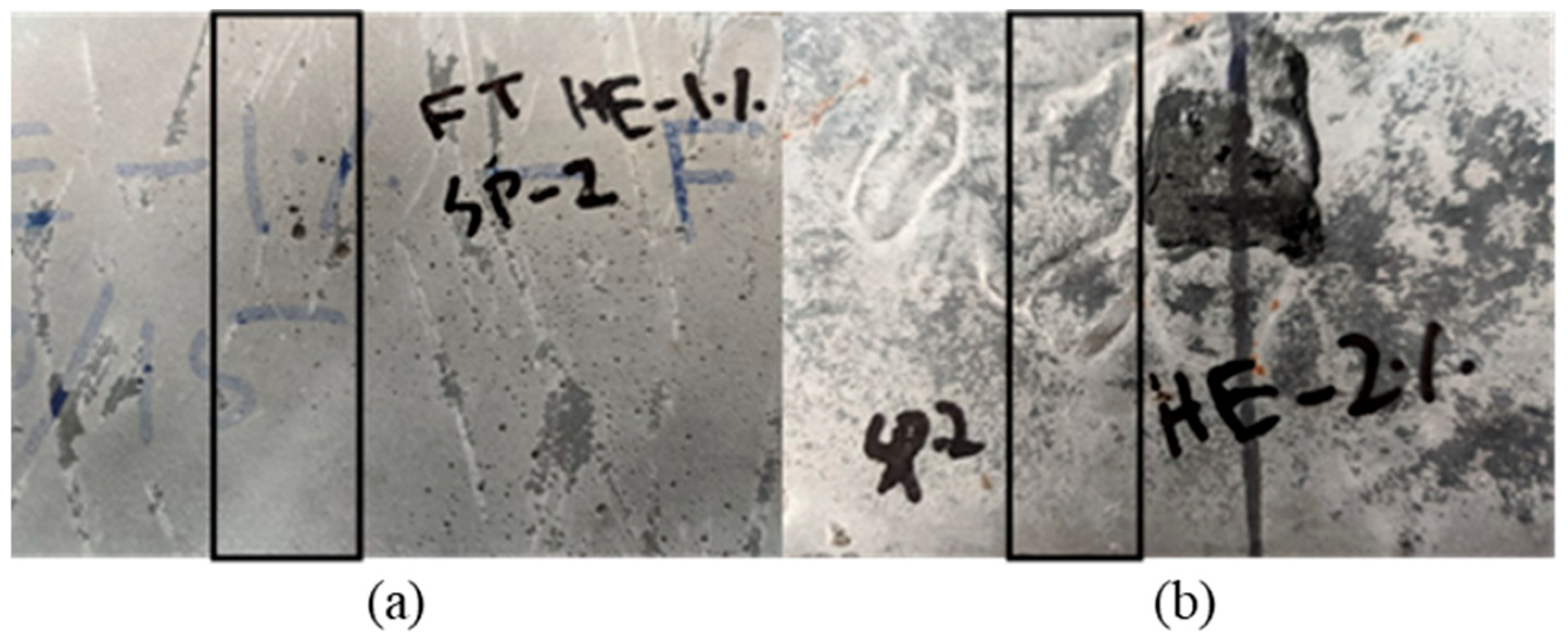
The freeze–thaw testing for this research was performed on two uncracked and two cracked 75 mm by 75 mm by 300 mm prisms for each fiber type and content combination in accordance with ASTM C666 [30] Procedure A as specified as the appropriate method for UHPC by ASTM C1856 [31]. The prisms were cured in a water bath until maturity (minimum 60 days), then dried to remove excess water by wiping the surfaces with cloth or air-drying for 30 min to 1 h and weighed. The pre-cracked specimens were prepared using the same methods as the flexural test described in Section 3.2. However, the loading was continued only until the first significant change in load vs. deflection behavior was observed, indicative of first cracks. The use of only change in flexural behavior as the only measure of consistent damage is a limitation of this study. Figure 2 shows the induced cracks in example specimens for the HE-1% and HE-2% mixes. The cracks generated in the HE-1% specimens were more visible than the cracks generated in HE-2% specimens.
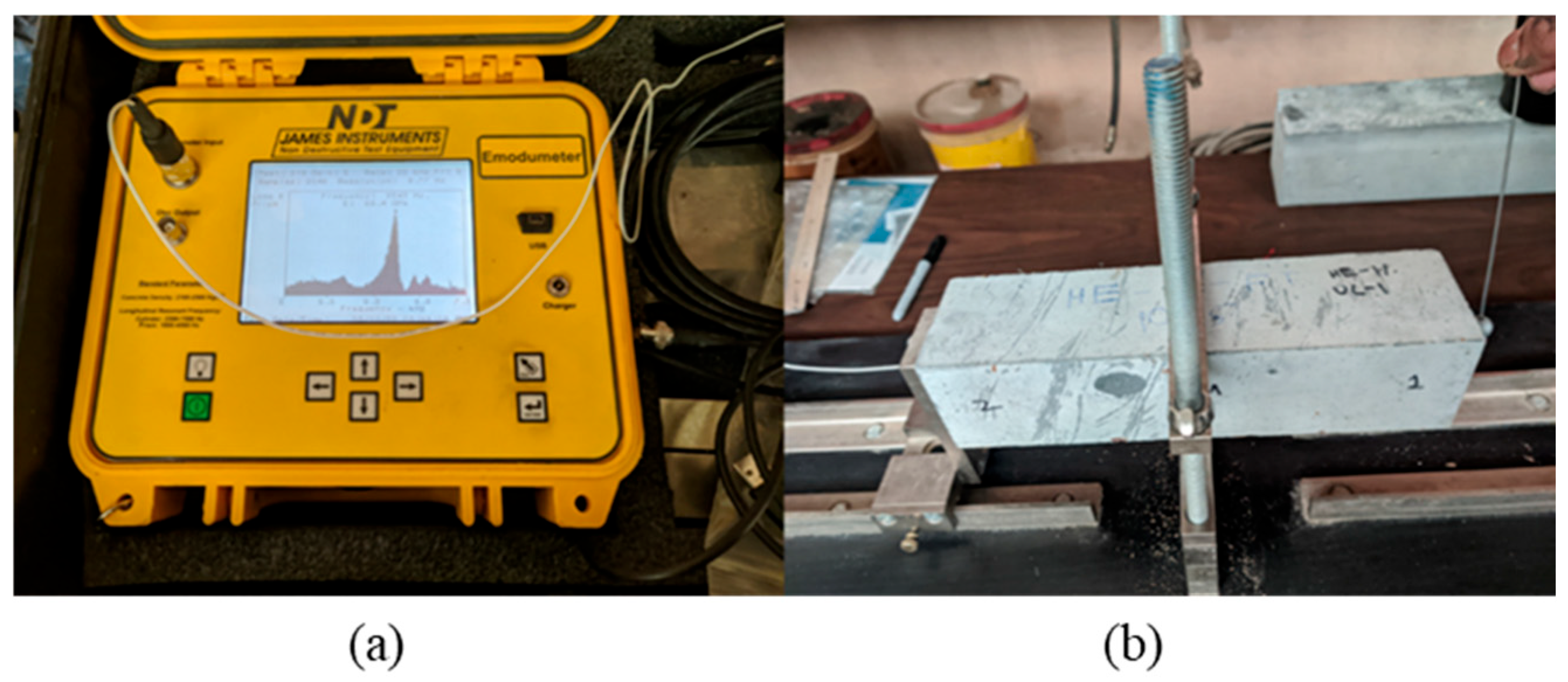
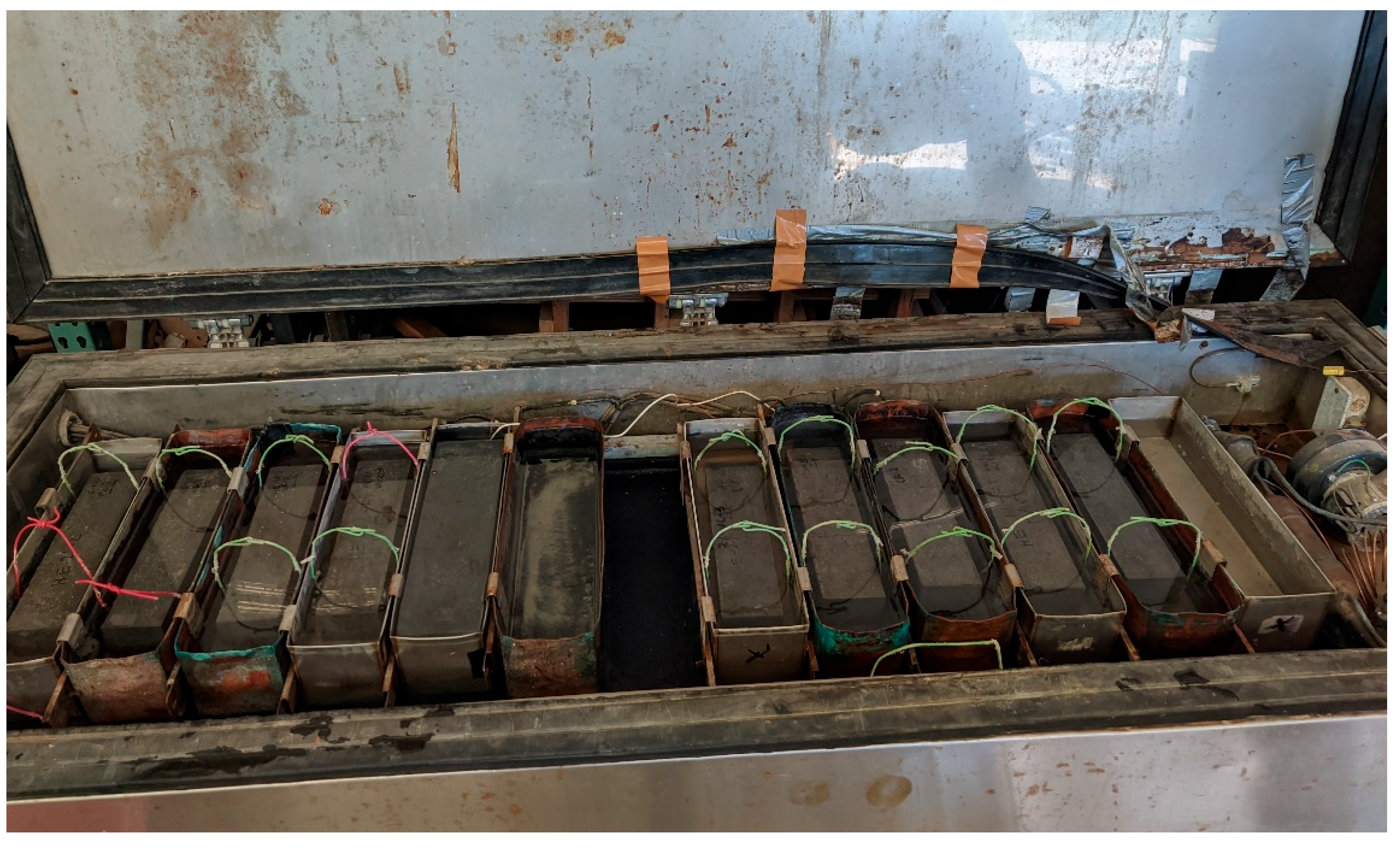
Baseline longitudinal resonant frequency of the prisms was then measured using a James Instruments E-Meter (James Instruments Inc., Chicago, IL, USA) (Figure 3). Measurements were taken for the cracked specimens immediately after loading and for uncracked specimens immediately after drying. Initial specimen dimensions were measured before the specimens were placed in the freeze-thaw chamber (Figure 4). Care was taken to ensure that the specimens were covered with at least 1/8 in. of water on all sides. Frequency and dimensional measurements were repeated every 36 or fewer cycles as specified in ASTM C666 [30]. At each measurement increment, the specimens were kept overnight in the freeze–thaw machine submerged in water to bring the specimens to room temperature before measurements were taken. After measurements were taken the specimens were returned to the freeze–thaw machine and were moved one cell to the right after each measurement increment to ensure all specimens experienced the same average conditions. The total number of cycles for the test was adjusted from the specified 300 in ASTM C666 [30] to 350 due to the higher durability of UHPC. This number of cycles was chosen because although only 300 cycles are required by the ASTM procedure, it was shown by Gu et al. [32] that a significant change in data can occur around 300 cycles for this testing approach, so while unlikely, data were collected past 300 cycles to ensure no drastic changes occurred that meant the specimens needed to be studied for an extended period of time past the required 300 cycles.

3.2. Flexural Strength Testing

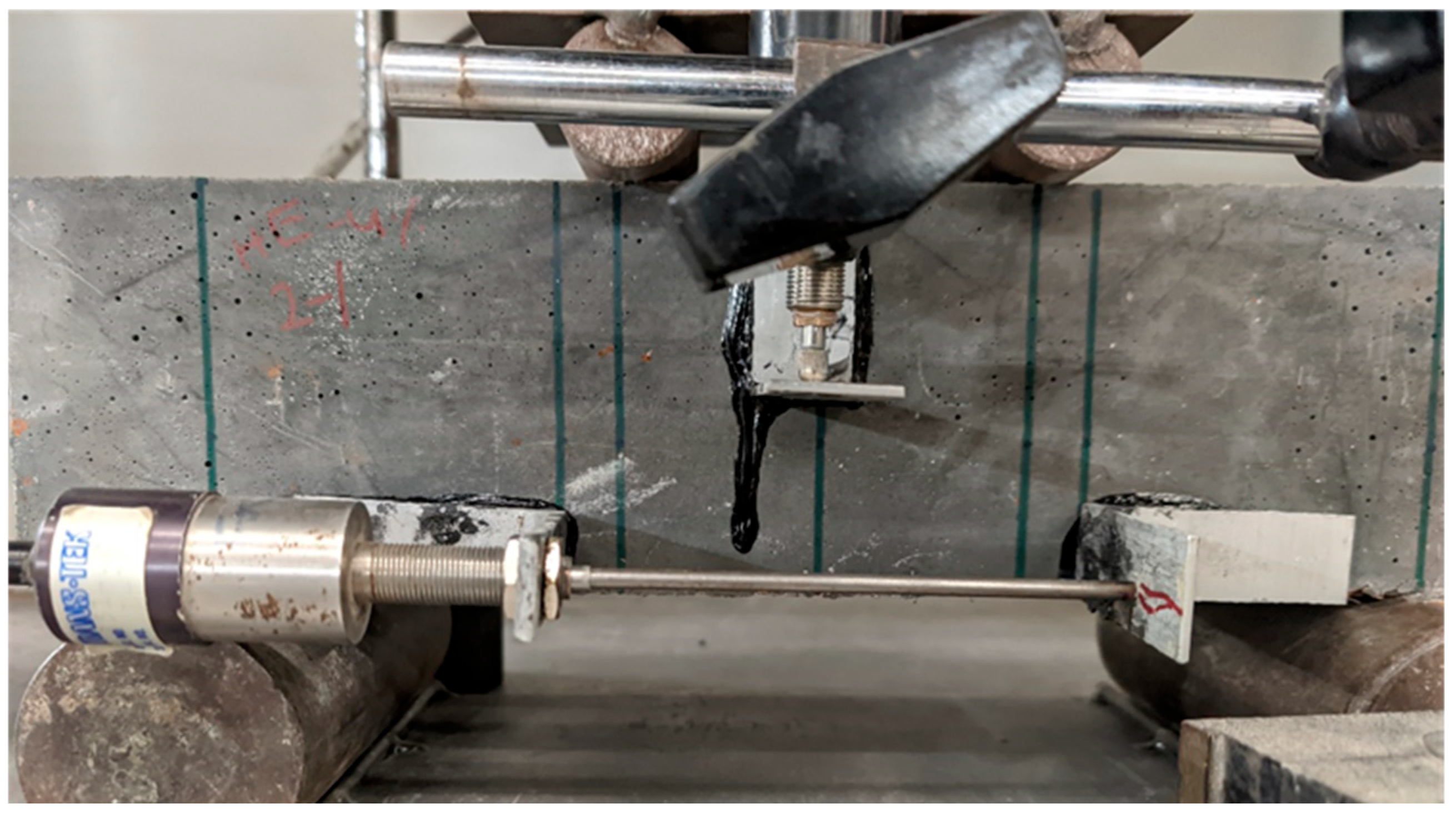
A set of three 75 mm by 75 mm by 75 mm prisms were used to measure the flexural capacity of wet-cured control specimens of the different UHPC combinations at 56 days of age under four-point bending setup based on a modified version of ASTM C78 [33]. Two roller supports with a 225 mm span were used in this test setup and the results were discarded if the final crack was outside the middle third of the specimen. A loading rate of 0.12 MPa/s was adopted for this study rather than the displacement rate specified in ASTM C1609 [34] for fiber-reinforced concrete since the testing equipment could only operate as load controlled. The rate was increased beyond the 0.02 MPa/s specified in ASTM C78 [33] as the slower loading rate led to a length of test that exceeded the data collection capacity of the machine used for initial testing. Two linear variable differential transformers (LVDTs) were attached at the middle of the specimens to measure vertical deflection. Along with these two LVDTs, one additional LVDT was attached to the bottom of the specimen to help identify the first crack. The same testing setup was used for testing the UHPC specimens after freeze–thaw exposure. Figure 5 depicts the flexural strength test setup used for all the samples throughout this study.

4. Results

4.1. Overview

This section summarizes the results of rapid freezing and thawing on pre-cracked and uncracked concrete specimens with 1%, 2% and 4% HE fiber, and 2% ST volume fractions. Damage was evaluated by measuring resonant frequency after specific numbers of cycles, flexural responses after the completion of 350 rapid freeze–thaw cycles and by comparing masses of the specimens before and after exposure. While displaying results, the pre-cracked specimens are referred to as CR-1 and CR-2 and the uncracked specimens as UC-1 and UC-2 for each fiber type and content.
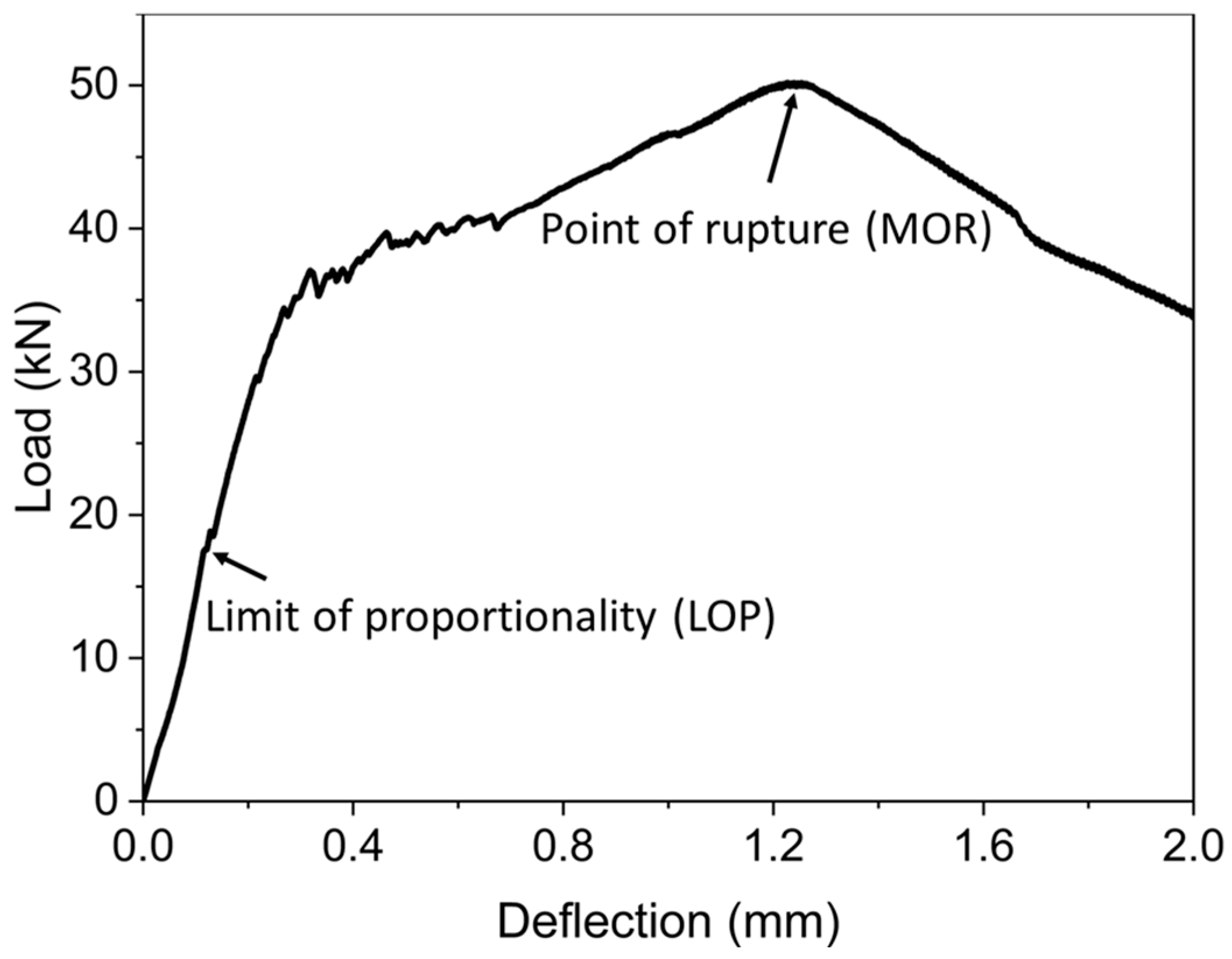
All the specimens showed three distinctive stages in load deflection behavior during flexural testing: a linear–elastic behavior in the uncracked state, fiber activation state, where fibers bridged cracks and carried load, and fiber pull-out state, which started after reaching the maximum post first crack loads. Fiber bridging and multiple crack creation occurred in the fiber activation stage and at the fiber pull-out stage widening of cracks and matrix softening occurred. The performances of the specimens were evaluated by observing first-cracking flexural strength, which is also referred to as the limit of proportionality, (fLOP) and post-cracking maximum flexural strength or point of rupture (fMOR). Figure 6 depicts the typical load deflection behavior for specimen ST-2% UC-1\during post freeze–thaw flexural test.
The results were compared to the average strength of companion specimens tested after 56 days of wet curing. The details about crack generation and sample behavior during the flexural test are reported in previous work [35]. Table 4 presents the average stress calculated at the first crack (fLOP) and maximum flexural strength (fMOR) of the specimens tested after 56 days.

4.1.1. Crack Generation in the Pre-Cracked Specimens

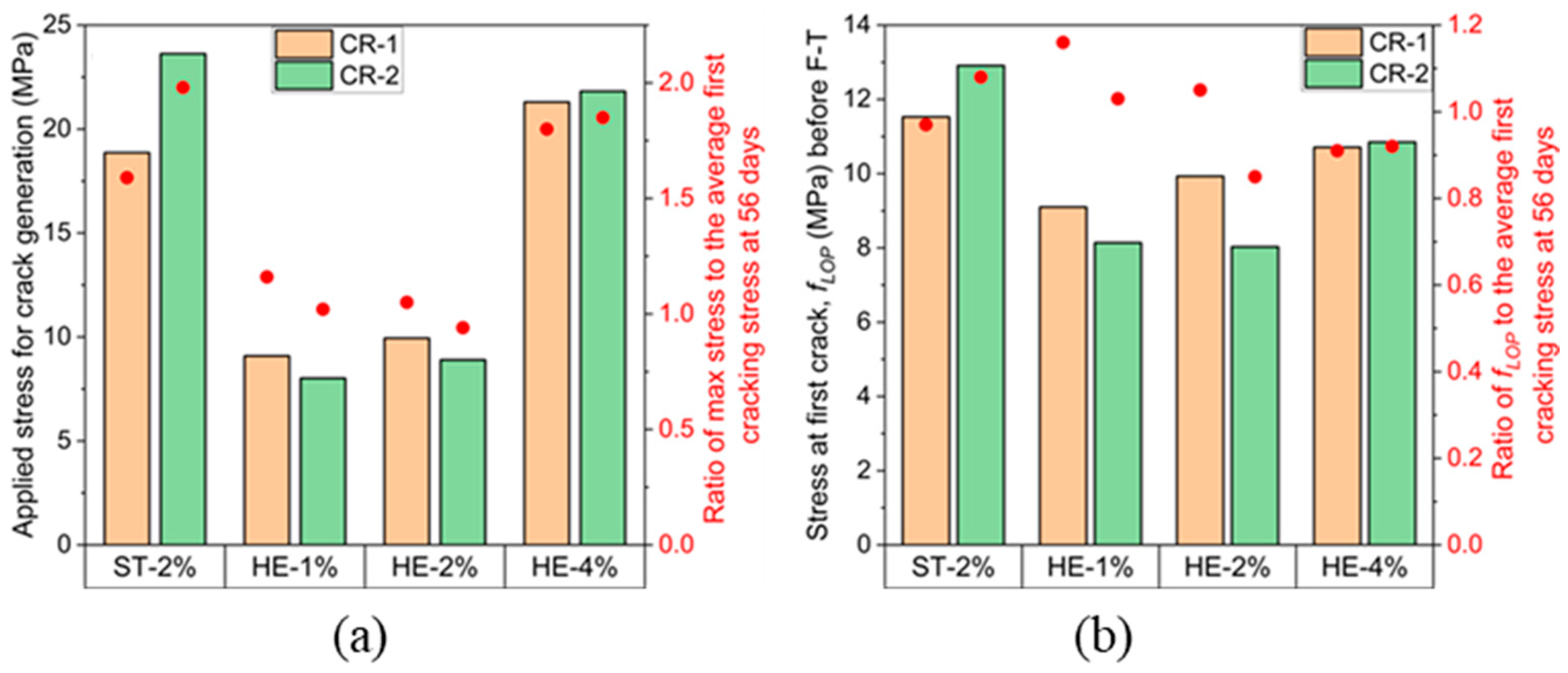
Figure 7 presents a summary of the stresses applied to the specimens during flexural loading to generate cracks before starting the freeze–thaw testing. Loads were applied to samples until enough stress was generated to create a load drop in the instrument monitor and to generate cracks visible to the eye. It can be observed that the applied stresses are similar to the fLOP measured for the baseline specimens tested at 56 days of age. This indicates that the matrix for all mixes had similar stress carrying capacity in flexure. However, due to the addition of different quantities and types of fibers, the crack bridging and maximum capacity of concrete differs. It can be observed that the HE-1% and HE-2% specimens showed load drops and visible cracks at stress analogous to the average first cracking strength or limit of proportionality (fLOP) for the specimens tested at 56 days. However, for the ST-2% and HE-4% mix, cracks were not visible even after crossing the limit of proportionality point. The applied stress had to be increased to twice fLOP from the control specimens to generate visible cracks. This indicates higher crack bridging capacity for the ST-2% and HE-4% specimens.

4.1.2. Effect of Freeze–Thaw Cycles

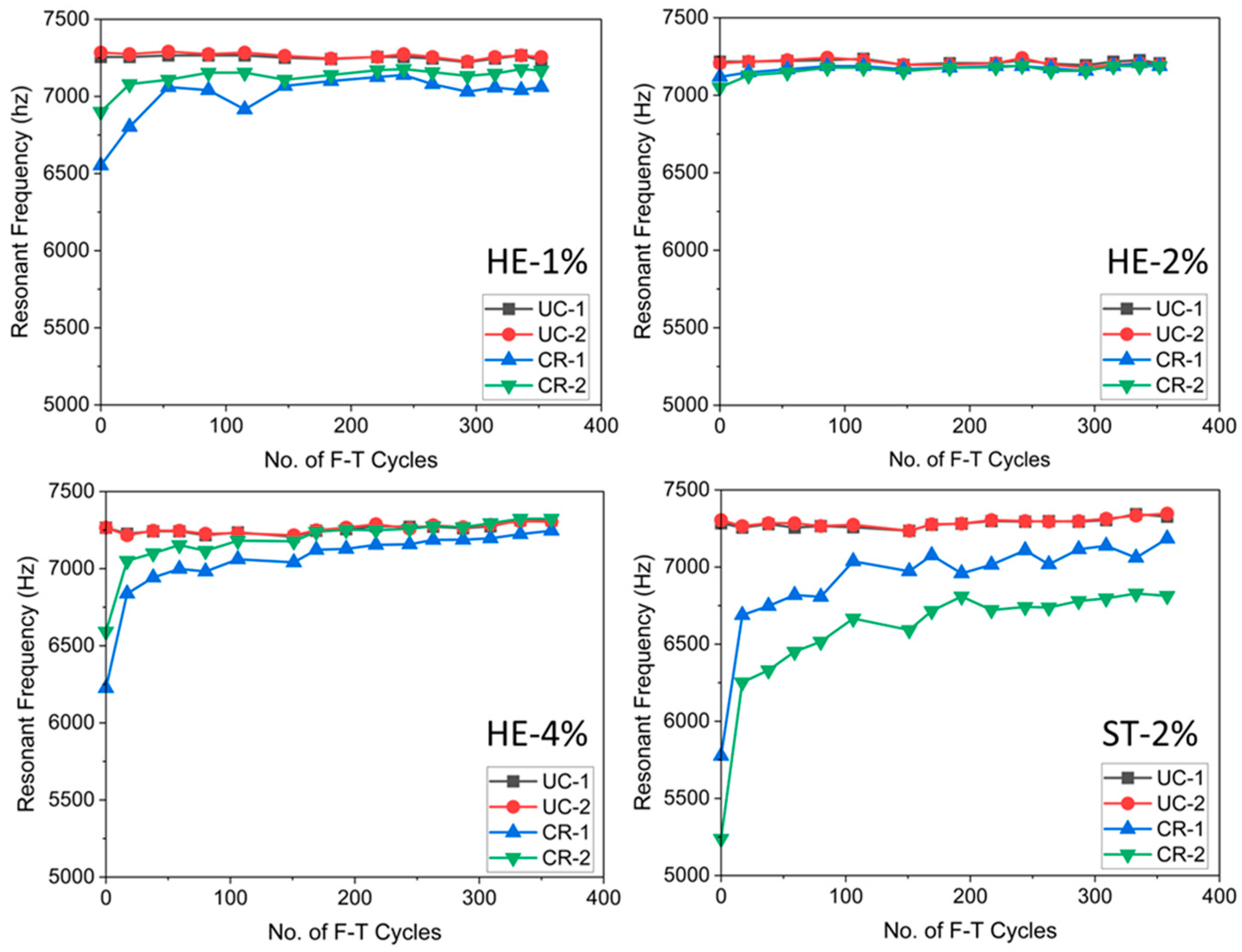
Resonant frequency and weight of the specimens were measured periodically throughout cycling to track impacts of rapid freezing and thawing on the specimens. Figure 8 presents the resonant frequencies for both pre-cracked and uncracked specimens throughout the testing period. Uncracked specimens having different fiber volume fractions and types showed almost identical resonant frequencies throughout the test and showed no decrease in the values. This observation indicated that fiber volume fraction had no impact on the resonant frequency of the UHPC concrete, and the freeze–thaw cycles did not generate any internal damage.
Due to the presence of cracks, pre-cracked specimens had lower resonant frequency values than the uncracked specimens throughout testing. This starting drop of resonant frequency depended on the level of stress applied during the initial crack generation. As higher stresses were applied to the HE-4% and ST-2% samples, the initial resonant frequency of the samples were lower compared to the cracked HE-1% and HE-2% specimens indicating more internal damage. Though the specimens showed lower initial frequency, all showed an increase in resonant frequencies over the course of testing.
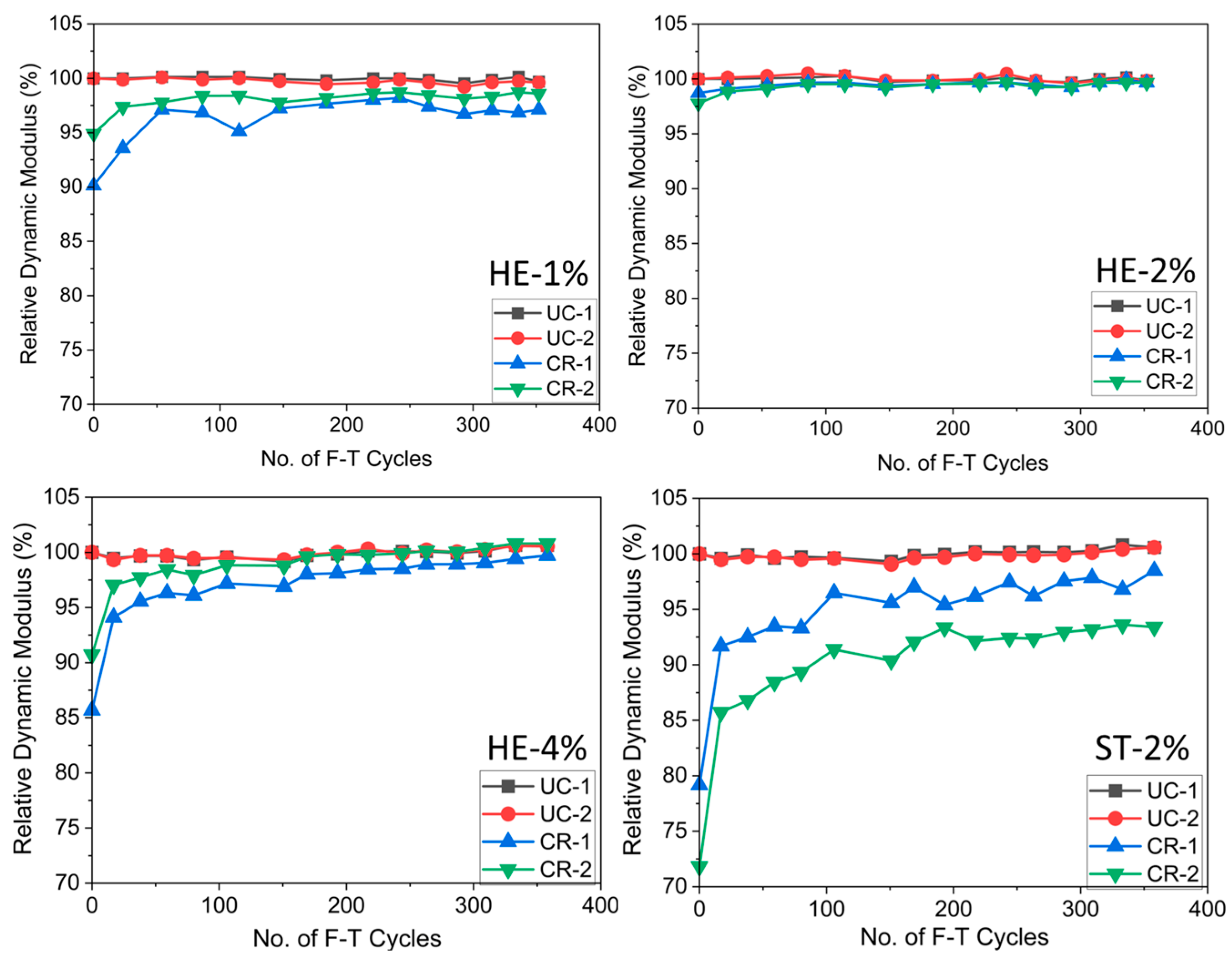
Figure 9 presents the relative dynamic modulus (normalized against the value for the specimens in pre-cracked condition), indicating the changes in concrete strength of the samples over the duration of the freeze–thaw testing. The dynamic modulus of the pre-cracked specimens increased to a certain degree during freeze–thaw cycles, which indicates healing of the cracks as water could reach unhydrated cement through the cracks and continue hydration. After the completion of the test, all the pre-cracked and uncracked specimens showed almost identical resonant frequencies except for the ST-2% mix. The HE-1% pre-cracked specimens showed around 7% and 4.5% increases and the HE-2% pre-cracked specimens showed 1% and 2% increases in dynamic modulus. The HE-4% pre-cracked specimens showed approximately 14% and 10% increase and the ST-2% specimens 19% and 22% increase in the dynamic modulus. No uncracked specimen showed a measurable change in the dynamic modulus throughout the entirety of the freeze-thaw test. While the number of data points collected was not sufficient for a rigorous statistical analysis, the difference between the pre-cracked and uncracked specimens, and the change in dynamic modulus over time for the HE-1%, HE-4%, and ST-2% specimens exceeded the anticipated precision of 1.7–3.9% for the transverse resonant frequency measurements described in ASTM C215 [36]. While the test used in this research was the alternative longitudinal resonant frequency, it was taken to be reasonable to consider that the observed differences were not from measurement error. This was not as clear for the HE-2% specimens, which showed only a small change in relative dynamic modulus.
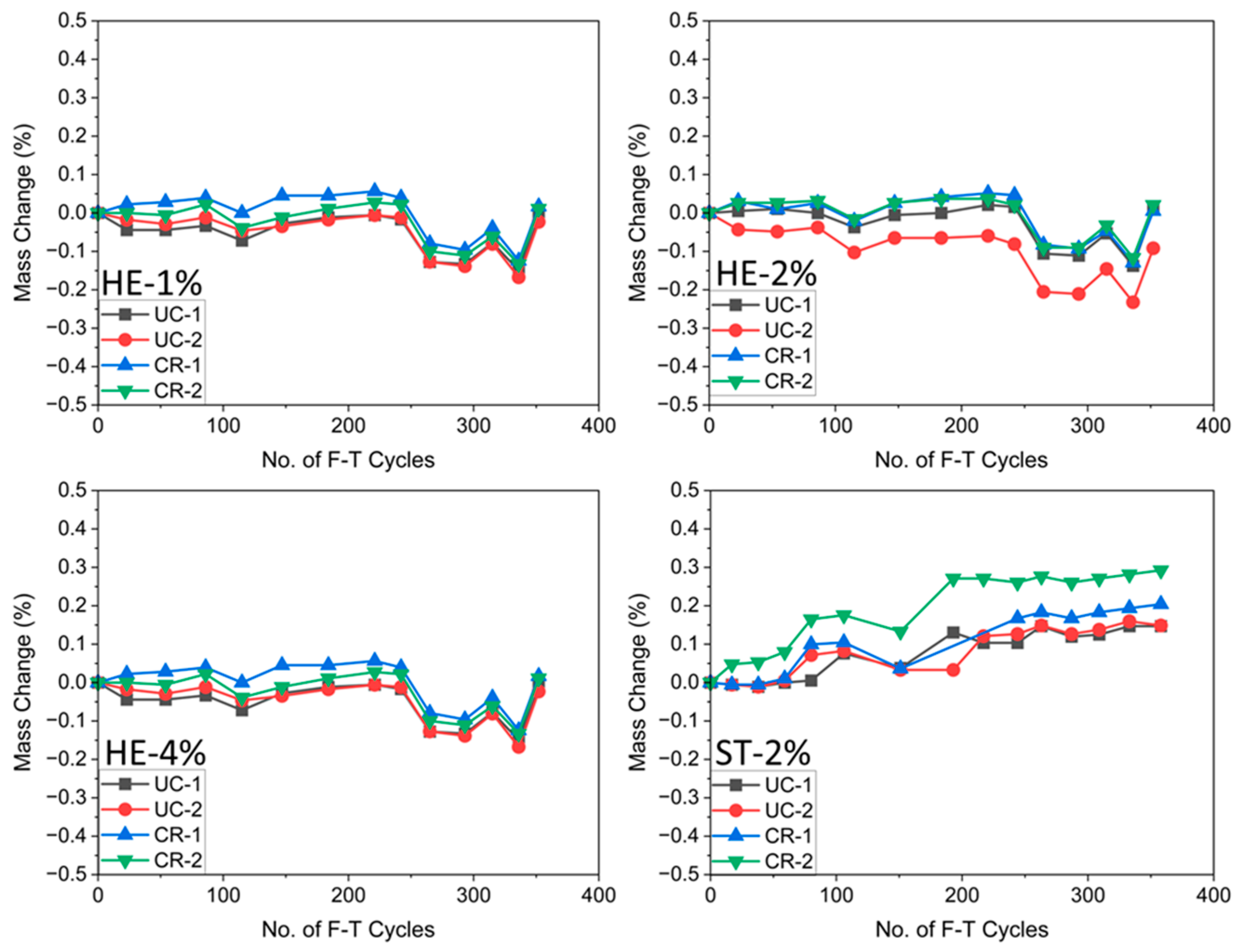
Figure 10 shows the change in mass with increasing freeze–thaw cycles normalized against the values measured before starting the test. The loss of concrete mass during freeze-thaw indicates scaling damage in the specimens. Though the dynamic modulus did not show any degradation in the specimens, there was minor scaling damage in HE specimens, especially during the later portion of the test. However, an increase in the mass was observed during the final measurement. This increase could be due to continuous scaling exposing some unhydrated cement particles, which then hydrated and thus gained some mass from the associated water. Since no microstructural analysis was conducted to confirm this effect, other explanations such as simple water absorption or measurement uncertainty are possibilities. Unlike the HE specimens, both pre-cracked ST-2% specimens showed a small yet steady increase in mass. This might be due to the existing cracks allowing for water to reach a further distance inside, thus promoting higher degrees of hydration during the freeze–thaw exposure.

4.2. Flexural Strength

After the completion of rapid freeze–thaw testing, all the specimens were loaded to measure residual flexural capacity and the results were compared to the average first cracking and ultimate strengths observed for baseline companion specimens tested at 56 days. All specimens exposed to freeze–thaw showed similar random crack patterns to the base specimens. Developed cracks were wider in the HE-1% specimens, which could be due to the smaller number of fibers bridging the cracks compared to the other specimens. The ST-2% specimens showed failure due to fibers pulling out, whereas the HE fiber specimens showed failure due to concrete crushing.
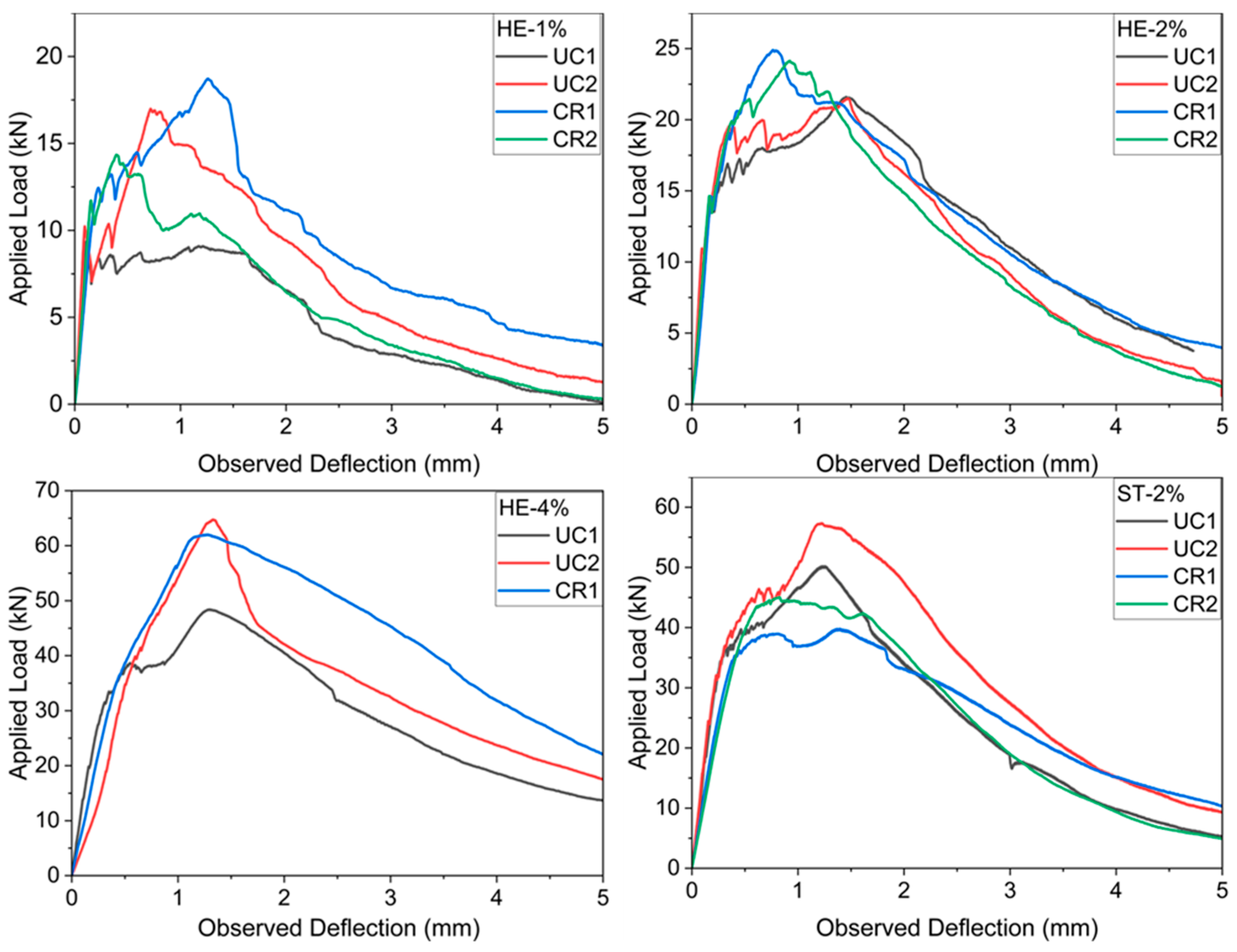
Figure 11 presents the applied load-vertical deflection behavior for specimens tested after completion of the freeze–thaw test. Like the base specimens tested at 56 days [35], specimens exposed to freeze–thaw showed linear-elastic, fiber-activation, and fiber-pullout phases. Linear-elastic behavior prior to pre-cracking was similar to that of the uncracked specimens, which indicated healing of the prior cracks during exposure to freezing and thawing. All specimens, expect for HE-1% UC-1, showed deflection-hardening behavior during the fiber-activation stage. The load-deflection graphs were used to identify first-cracking strength (fLOP) and ultimate strength (fMOR) for comparison with the base specimens. The LVDTs detached from specimen HE-4% CR-2 during testing and it was not possible to plot and report the full load-deflection curve. However, enough data were collected such that fLOP could be calculated for specimen HE-4% CR-2 from the initial portion of the curve and fMOR could be determined using the maximum applied load observed from the machine. It should be noted that potential differences in loading rate for this specimen could have affected results presented in Table 5.
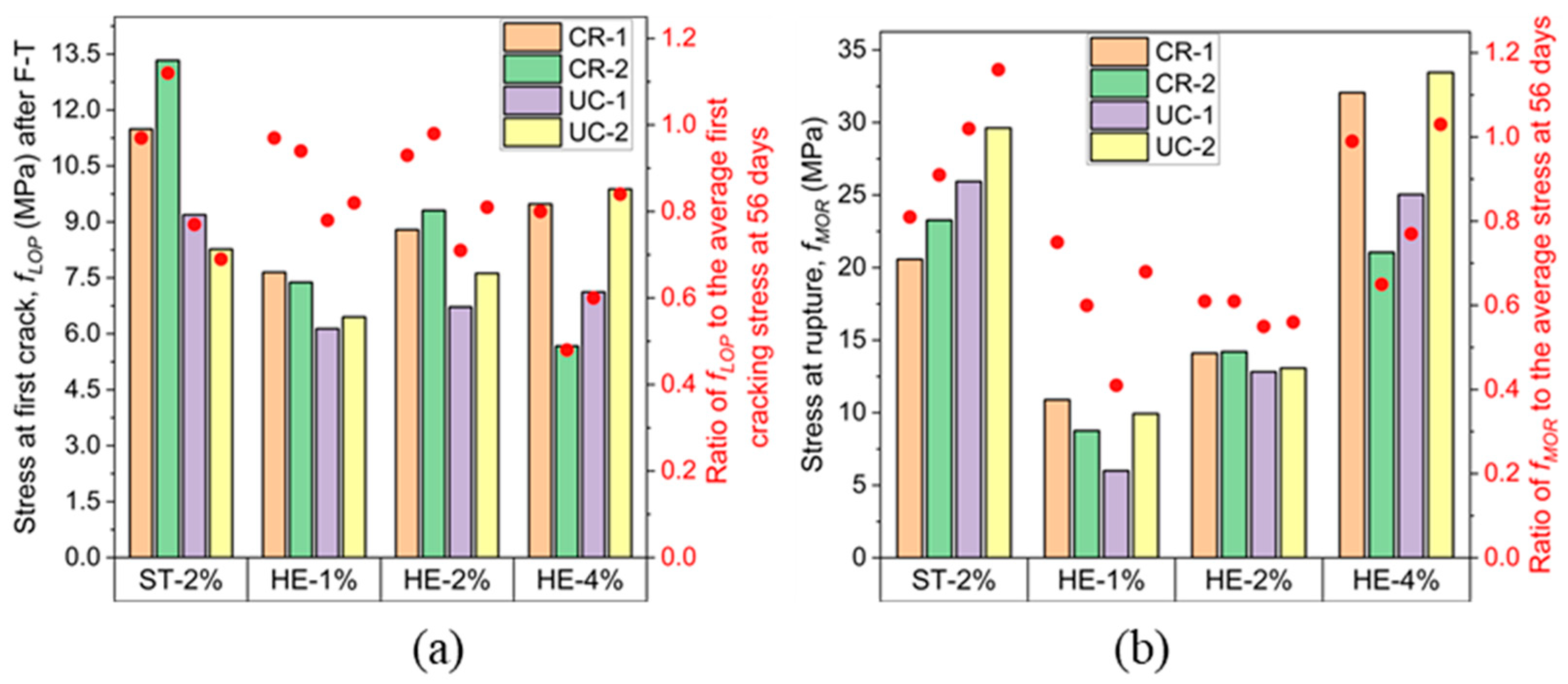
Figure 12 and Table 5 summarize the flexural performance of both pre-cracked and uncracked specimens after freeze–thaw testing. Comparing the fLOP of the uncracked and pre-cracked specimens (Figure 12a) and the ratio of average first-crack stress to that of the base specimens tested at 56 days, it can be observed that exposure to freeze-thaw cycles generally led to a smaller first crack strength. The HE-4% specimens exhibited a higher first cracking stress for the uncracked specimens, while all the other fiber combinations showed higher first cracking stresses for the pre-cracked specimens. This could be due to some contribution from self-healing of the pre-existing crack interacting with the fibers that was not present for the uncracked specimens. Both pre-cracked and uncracked specimens showed minimal damage based on the resonant frequency test, but the first-crack strength showed evidence of damage generated by freezing and thawing in the uncracked samples. This could be due to micro-cracking compromising the mortar’s capacity to sustain tensile stress as reported by others [37], but additional microscopic analysis would be needed to confirm this assertion. The pre-cracked specimens, except HE-4% CR-1, showed similar first cracking strength to the companion specimens tested at 56 days. These comparisons show that even though the resonant frequency indicated that the material performance improved after exposure to freeze–thaw cycles, the presence of flexural cracks or micro-cracks from freeze–thaw resulted in changes to the actual flexural capacity that were not captured by the resonant frequency.
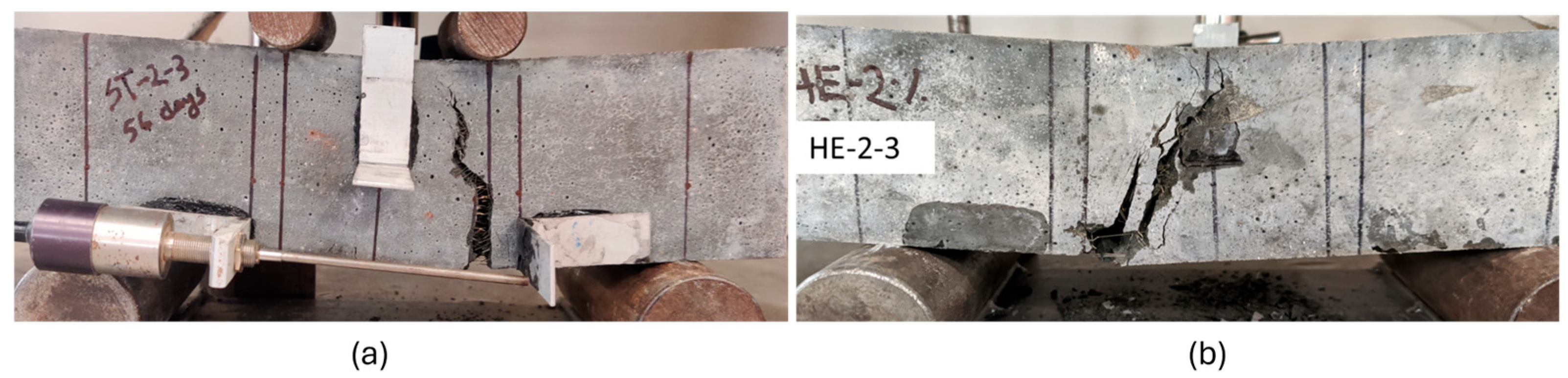
Figure 12b summarizes the fMOR of the freeze–thaw specimens. The HE-1% and HE-2% specimens exposed to freezing and thawing showed significantly smaller post-cracking ultimate strengths compared to the base specimens. Post-cracking ultimate strength behavior primarily depends on the efficiency of fibers to bridge cracks and redistribute stress. However, hooked-end fiber specimens failed due to breaking of the surrounding concrete matrix rather than the fiber pull-out observed for the ST fiber specimens due to superior bond between the fiber and surrounding concrete. The difference in failures is illustrated in Figure 13. Since it was observed from the first-cracking behavior that freeze–thaw exposure can deteriorate the concrete matrix near the surface; it is reasonable that the concrete surrounding the fibers has reduced resistance to the damage done by hooked-end fibers during the fiber bridging stage. The observed better performance of pre-cracked specimens at fLOP diminished at post-cracking ultimate strength. Because of that, the ST fiber specimens (both pre-cracked and uncracked) showed comparable results to average ultimate strength of the baseline specimens tested at 56 days. The ST-2% uncracked specimens showed overall higher ultimate strength after freeze–thaw exposure. The HE-4% specimens show mixed results and no clear distinction between pre-cracked and uncracked specimens. This may be due more to the high fiber content and resulting fiber distribution rather than freeze–thaw damage. The difficulty of consolidating the material with this high fiber content could lead to inconsistency in the fiber arrangement, but this is a speculative assessment based on observation of the flow test results only. The HE-4% CR-1 showed higher ultimate strength compared to the average strength, indicating self-healing during freeze–thaw.

5. Conclusions

From the experiments carried out during this research, the following conclusions can be drawn:
  • Pre-cracked UHPC shows self-healing and crack sealing properties during freeze–thaw exposure in a saturated condition based on resonant frequency. It should be noted that additional microstructural analysis is needed to confirm the extent of the additional reaction over time.
  • Resonant frequency showed no deterioration of the UHPC specimens due to the freeze–thaw cycles. Moreover, no significant scaling was observed from mass tracking of the samples. The pre-cracked specimens showed gains in resonant frequency and mass during freeze–thaw testing, whereas these properties were unchanged for the uncracked specimens.
  • The uncracked UHPC lost first cracking strength likely due to the generation of microcracks as this is not influenced by fiber inclusions. Pre-cracked UHPC samples did not show a reduction in first-cracking strength as the fiber interaction was already active for these specimens.
  • Generation of microcracks due to freeze–thaw compromises the mortars’ capacity to resist crushing and anchor hooked end fibers. The final failure mode of specimens with HE fibers is damage to the matrix due to the shape of the fibers. Because of that, the HE-1% and HE-2% specimens showed a significant drop in ultimate flexural capacity after freeze–thaw exposure. However, HE-4% specimens having more than sufficient fibers bridging the cracks did not suffer this reduction, but had fiber distribution issues leading to inconsistent results. The ST-2% specimens’ final failure mode was fiber pullout, and no significant drop in ultimate flexural capacity was observed after freeze–thaw exposure.

Author Contributions

All authors made significant contribution to the final manuscript. Conceptualization, D.B. and R.F.; methodology, D.B. and R.F.; validation, D.B., O.Y. and R.F.; formal analysis, D.B.; investigation, D.B. and O.Y.; resources, R.F.; data curation, D.B.; writing—original draft preparation, D.B. and O.Y. writing—review and editing, R.F.; visualization, D.B. and O.Y.; supervision, R.F.; project administration, R.F.; funding acquisition, R.F. All authors have read and agreed to the published version of the manuscript.

Funding

This research was funded by The Oklahoma Department of Transportation, grant number SPR 2313.

Data Availability Statement

The raw data supporting the conclusions of this article will be made available by the authors on request.

Acknowledgments

The authors acknowledge material donations by Bekaert, Dolese Bros. and LafargeHolcim provided to support this work. They also acknowledge assistance of Fears Structural Engineering Laboratory manager John Bullock and other students that participated in preparing test specimens.

Conflicts of Interest

The authors declare no conflicts of interest.

Abbreviations

The following abbreviations are used in this manuscript:
HEHooked-end fiber
HPFRCCHigh-performance fiber reinforced concrete
HRWRHigh-range water reducer
LOPLimit of proportionality
LVDTLinear variable differential transformer
MORModulus of rupture
PEPolyethylene
PETPolyethylene terephthalate
PVAPolyvinyl alcohol
SHCCStrain hardening cement composite
STstraight microfiber
UHPCUltra-high-performance concrete

References

  1. Graybeal, B. Design and Construction of Field-Cast UHPC Connections; FHWA-HRT-14-084; Federal Highway Administration: McLean, VA, USA, 2014.
  2. Graybeal, B.A.; Helou, R. Structural Design with Ultra-High Performance Concrete; FHWA-HRT-23-077; Federal Highway Administration: McLean, VA, USA, 2023.
  3. ACI Committee 239. ACI 239R-18 Ultra-High-Performance Concrete: An Emerging Technology Report; American Concrete Institution: Farmington Hills, MI, USA, 2018. [Google Scholar]
  4. Graybeal, B.; Brühwiler, E.; Kim, B.-S.; Toutlemonde, F.; Voo, Y.L.; Zaghi, A. International Perspective on UHPC in Bridge Engineering. J. Bridg. Eng. 2020, 25, 04020094. [Google Scholar] [CrossRef]
  5. Graybeal, B. Tech Note|Ultra-High Performance Concrete; FHWA-HRT-11-038; Federal Highway Administration: McLean, VA, USA, 2011.
  6. Yadak, O.; Banik, D.; Floyd, R.W. Flexural Resistance of Ultra-High Performance Concrete Subjected to Freeze-Thaw Cycles. In Proceedings of the Third International Interactive Symposium on Ultra-High Performance Concrete, Wilmington, DE, USA, 4–7 June 2023. [Google Scholar]
  7. Karim, R.; Shafei, B. Performance of fiber-reinforced concrete link slabs with embedded steel and GFRP rebars. Eng. Struct. 2021, 229, 111590. [Google Scholar] [CrossRef]
  8. Reed, C. Evaluation of Functionality and Service Life of Ultra-High Performance Concrete Link Slab Connections for Bridges. Master’s Thesis, University of Oklahoma, Norman, OK, USA, 2022. [Google Scholar]
  9. Graybeal, B.A. Material Property Characterization of Ultra-High Performance Concrete; FHWA, no. FHWA-HRT-06-103; Federal Highway Administration (FHWA): McLean, VA, USA, 2006; p. 186.
  10. Ma, Z.; Zhao, T.; Yang, J. Fracture Behavior of Concrete Exposed to the Freeze Thaw Environment. J. Mater. Civ. Eng. 2017, 29, 04017071. [Google Scholar] [CrossRef]
  11. Li, J.; Wu, Z.; Shi, C.; Yuan, Q.; Zhang, Z. Durability of ultra-high performance concrete—A review. Constr. Build. Mater. 2020, 255, 119296. [Google Scholar] [CrossRef]
  12. An, M.; Wang, Y.; Yu, Z. Damage mechanisms of ultra-high-performance concrete under freeze–thaw cycling in salt solution considering the effect of rehydration. Constr. Build. Mater. 2019, 198, 546–552. [Google Scholar] [CrossRef]
  13. Alkaysi, M.; El-Tawil, S.; Liu, Z.; Hansen, W. Effects of silica powder and cement type on durability of ultra high performance concrete (UHPC). Cem. Concr. Compos. 2016, 66, 47–56. [Google Scholar] [CrossRef]
  14. Bonneau, O.; Lachemi, M.; Dallaire, É.; Dugat, J.; Aïtcin, P.C. Mechanical properties and durability of two industrial reactive powder concretes. ACI Mater. J. 1997, 94, 286–290. [Google Scholar] [CrossRef] [PubMed]
  15. Hasnat, A.; Ghafoori, N. Freeze–Thaw Resistance of Nonproprietary Ultrahigh-Performance Concrete. J. Cold Reg. Eng. 2021, 35, 04021008. [Google Scholar] [CrossRef]
  16. Yang, Z.; Weiss, W.J.; Olek, J. Using Acoustic Emission for the Detection of Damage Caused by Tensile Loading and Its Impact on The Freeze-Thaw Resistance of Concrete. In Proceedings of the Third International Conference on Construction Materials (CONMAT 05), Vancouver, BC, Canada, 22–24 August 2005; pp. 1–8. [Google Scholar]
  17. Magureanu, C.; Sosa, I.; Negrutiu, C.; Heghes, B. Mechanical Properties and Durability of Ultra-High-Performance Concrete. Mater. J. 2012, 109, 177–184. [Google Scholar]
  18. Shaheen, E.; Shrive, N.G.; Allena, S.; Newtson, C.M. Optimization of mechanical properties and durability of reactive powder concrete. ACI Mater. J. 2007, 104, 547. [Google Scholar]
  19. Yun, H.-D.; Rokugo, K. Freeze-thaw influence on the flexural properties of ductile fiber-reinforced cementitious composites (DFRCCs) for durable infrastructures. Cold Reg. Sci. Technol. 2012, 78, 82–88. [Google Scholar] [CrossRef]
  20. Lee, M.-G.; Wang, W.-C.; Wang, Y.-C.; Kan, Y.-C.; Lin, S.-L.; Cheng, L.-C. High temperature and freeze-thaw study of strengthened concrete with ultra-high-performance concrete. Case Stud. Constr. Mater. 2024, 20, e03339. [Google Scholar] [CrossRef]
  21. Ogawa, A.; Hitomi, Y.; Hoshiro, H. PVA-fiber reinforced high performance cement board. In Proceedings of the International Workshop on HPFRCC in Structural Applications, Honolulu, HI, USA, 23–26 May 2005; pp. 243–251. [Google Scholar]
  22. Rokugo, K.; Moriyama, M.; Lim, S.C.; Asano, Y. Tensile performance of pre cracked SHCC after freeze-thaw cycles. In 7th International RILEM Symposium on FRC: Design and Application; RILEM Publications: Paris, France, 2008; pp. 1071–1078. [Google Scholar]
  23. Jang, S.-J.; Rokugo, K.; Park, W.-S.; Yun, H.-D. Influence of rapid freeze-thaw cycling on the mechanical properties of sustainable strain-hardening cement composite (2SHCC). Materials 2014, 7, 1422–1440. [Google Scholar] [CrossRef] [PubMed]
  24. Zeng, J.-J.; Zeng, W.-B.; Ye, Y.-Y.; Liao, J.; Zhuge, Y.; Fan, T.-H. Flexural Behavior of FRP Grid Reinforced Ultra-High Performance Concrete Composite Plates with Different Types of Fibers. Eng. Struct. 2022, 272, 115020. [Google Scholar] [CrossRef]
  25. Fan, T.-H.; Zeng, J.-J.; Hu, X.; Chen, J.-D.; Wu, P.-P.; Liu, H.-T.; Zhuge, Y. Flexural Fatigue Behavior of FRP-Reinforced UHPC Tubular Beams. Eng. Struct. 2025, 330, 119848. [Google Scholar] [CrossRef]
  26. Floyd, R.W.; Volz, J.S.; Zaman, M.; Dyachkova, Y.; Roswurm, S.; Choate, J.; Looney, T.; Campos, R.; Walker, C. Development of Non-Proprietary UHPC Mix; Report No. ABC-UTC-2016-C2-OU01; Accelerated Bridge Construction University Transportation Center, Florida International University: Miami, FL, USA, 2024; 150p. [Google Scholar]
  27. Wu, Z.; Shi, C.; He, W.; Wu, L. Effects Of Steel Fiber Content And Shape on Mechanical Properties of Ultra-High Performance Concrete. Constr. Build. Mater. 2016, 103, 8–14. [Google Scholar] [CrossRef]
  28. Le Hoang, A.; Fehling, E. Influence of Steel Fiber Content And Aspect Ratio on The Uniaxial Tensile And Compressive Behavior of Ultra High Performance Concrete. Constr. Build. Mater. 2017, 153, 790–806. [Google Scholar] [CrossRef]
  29. Haber, Z.B.; De la Varga, I.; Graybeal, B.A.; Nakashoji, B.; El-Helou, R. Properties and Behavior of UHPC-Class Materials; Report No. FHWA-HRT-18-036; Federal Highway Administration: McLean, VA, USA, 2018.
  30. ASTM Standard C666; Standard Test Method for Resistance of Concrete to Rapid Freezing and Thawing. ASTM International: West Conshohocken, PA, USA, 2015.
  31. ASTM Standard C1856; Standard Practice for Fabricating and Testing Specimens of Ultra-High Performance Concrete. ASTM International: West Conshohocken, PA, USA, 2017.
  32. Gu, C.; Sun, W.; Guo, L.; Wang, Q. Effect of Curing Conditions on the Durability of Ultra-High Performance Concrete under Flexural Load. J. Wuhan Univ. Technol. Sci. Ed. 2016, 31, 278–285. [Google Scholar] [CrossRef]
  33. ASTM Standard C78; Standard Test Method for Flexural Strength of Concrete (Using Simple Beam with Third-Point Loading). ASTM International: West Conshohocken, PA, USA, 2022.
  34. ASTM Standard C1609; Standard Test Method for Flexural Performance of Fiber-Reinforced Concrete (Using Beam with Third-Point Loading). ASTM International: West Conshohocken, PA, USA, 2019.
  35. Banik, D. Assessment of Ultra-High-Performance-Concrete (UHPC) Properties Using Different Fibers. Master’s Thesis, The University of Oklahoma, Norman, OK, USA, 2022. Available online: https://hdl.handle.net/11244/335979 (accessed on 18 December 2025).
  36. ASTM Standard C215; Standard Test Method for Fundamental Transverse, Longitudinal, and Torsional Resonant Frequencies of Concrete Specimens. ASTM International: West Conshohocken, PA, USA, 2019.
  37. Banik, D.; He, R.; Lu, N.; Feng, Y. Mitigation mechanisms of alkali silica reaction through the incorporation of colloidal nanoSiO2 in accelerated mortar bar testing. Constr. Build. Mater. 2024, 422, 135834. [Google Scholar] [CrossRef]
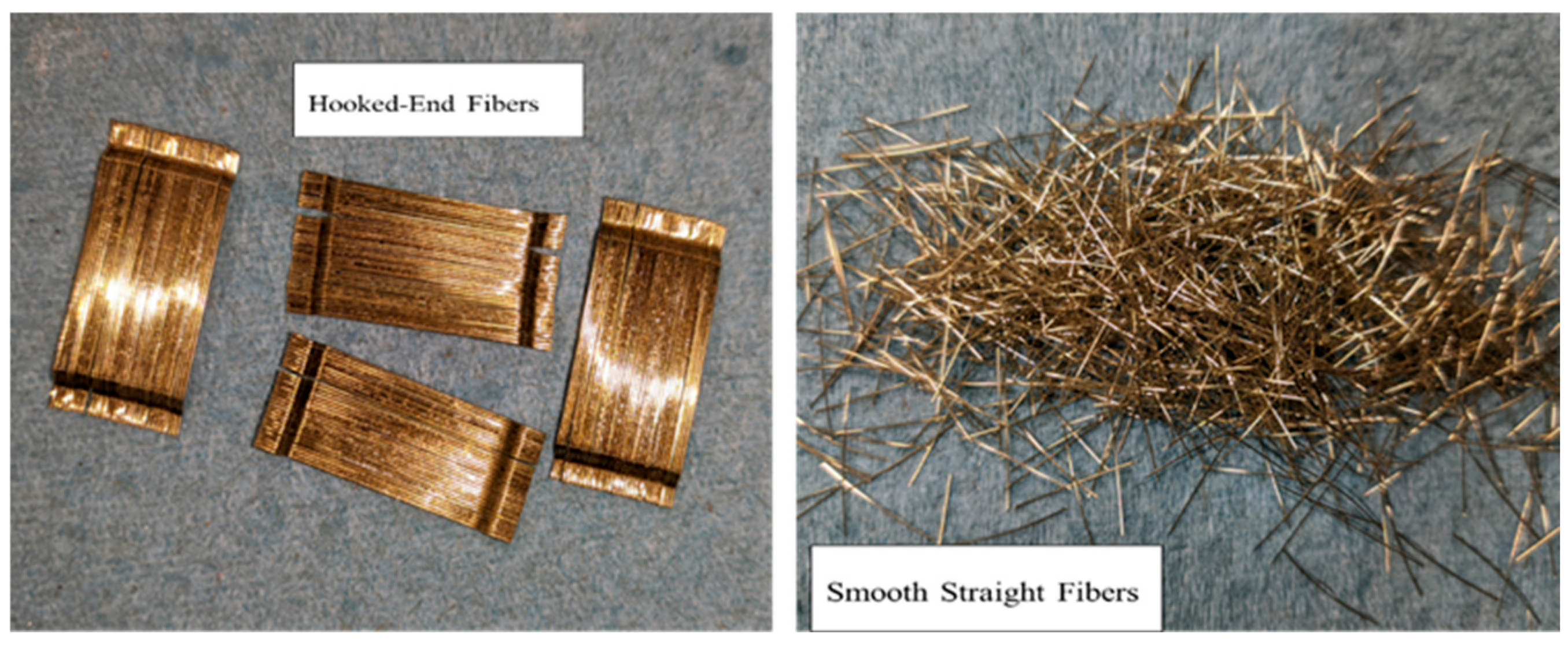
Figure 1. Two different types of fibers used in this study.
Jcs 10 00005 g001
Figure 2. Hairline crack generated in freeze-thaw specimens after loading until first load drop for (a) an HE-1% specimen and (b) an HE-2% specimen.
Jcs 10 00005 g002
Figure 3. (a) E-Meter device and (b) test setup to measure the resonant frequency of the freeze–thaw specimens.
Jcs 10 00005 g003
Figure 4. Specimens placed in the freeze–thaw chamber.
Jcs 10 00005 g004
Figure 5. Flexural strength setup used in this study.
Jcs 10 00005 g005
Figure 6. Typical load deflection behavior of the specimens during post-freeze–thaw flexural test.
Jcs 10 00005 g006
Figure 7. Stress in the samples during crack generation before exposure to freezing and thawing: (a) the maximum applied stress to generate a visible crack, (b) the stress at which the load deflection curve showed deviation from the linear portion (the red circles aligned with the right axis of both graphs show the comparison with the average first cracking strength at 56 days).
Jcs 10 00005 g007
Figure 8. Resonant frequency throughout the freeze–thaw test (each data point represents the average of at least three values).
Jcs 10 00005 g008
Figure 9. Relative dynamic modulus (normalized against the value at 0 cycle before pre-cracking) of the specimens throughout the freeze–thaw test (each data point represents the average of at least three values).
Jcs 10 00005 g009
Figure 10. Relative mass change (normalized against the initial value) of the specimens throughout the freeze–thaw test (each data point represents the average of at least three values).
Jcs 10 00005 g010
Figure 11. Load deflection response of specimens subjected to a rapid freeze–thaw test.
Jcs 10 00005 g011
Figure 12. Stress in the specimens during post freeze–thaw flexure test: (a) at first cracking (LOP) and (b) at ultimate strength (the red circles aligned with the right axis show the comparison with the average strengths at 56 days for the normally cured specimens).
Jcs 10 00005 g012
Figure 13. Failure of (a) a representative ST-2% specimen and (b) an HE-2% specimen showing the difference in damage around the primary crack caused by the HE fibers.
Jcs 10 00005 g013
Table 1. Key properties of the ingredients used for the non-proprietary UHPC mix (J3).
Type I CementSilica FumeSlag CementMasonry Sand
SourceDolese 1Norchem 2LafargeHolcim 3Metro Materials 4
Reaction TypeHydraulicPozzolanicPozzolanicNone
Shape of ParticleAngularSphericalAmorphousAngular
Specific Gravity3.152.222.972.63
D50 (micrometer)9.9418.758.25222.12
1 Oklahoma City, OK, USA, 2 Beverly, OH, USA, 3 Chicago, IL, USA, 4 Norman, OK, USA.
Table 2. Mixture proportions by weight of J3 UHPC without the fibers.
ConstituentMix Proportion
Type I Cement0.3
Silica Fume0.05
Slag Cement0.15
Masonry Sand (1:1 agg/cm)0.5
w/b0.2
Table 3. Properties of the two fibers collected from the manufacturers.
Fiber TypeLength (mm)Diameter (mm)Aspect RatioTensile Strength (MPa)Specific Gravity
ST130.263.628007.8
HE300.388030707.8
Table 4. Average flexural strength of the samples after 56 days of wet curing.
Fiber ContentfLOP (MPa)fMOR (MPa)
ST-2%11.9025.48
HE-1%7.8614.52
HE-2%9.4523.12
HE-4%11.8032.43
Table 5. Summary of the flexure testing after freeze–thaw exposure.
Fiber ContentSpecimenStress at First Cracking,
fLOP (MPa)
Ratio of fLOP to fLOP at 56 DaysUltimate Strength,
fMOR (MPa)
Deflection at Ultimate Strength,
δMOR (mm)
Ratio of fMOR to fMOR at 56 Days
ST-2%CR-111.490.8120.571.3970.81
CR-213.330.9123.270.8310.91
UC-19.191.0225.931.2371.02
UC-28.271.1629.621.2271.16
HE-1%CR-17.650.7510.891.2450.75
CR-27.380.608.760.3810.60
UC-16.1340.416.001.1680.41
UC-26.450.689.930.7110.68
HE-2%CR-18.790.6114.100.7620.61
CR-29.310.6114.200.9140.61
UC-16.720.5512.821.4480.55
UC-27.620.5613.071.4730.56
HE-4%CR-19.480.9932.051.2950.99
CR-25.670.6521.051.7780.65
UC-17.120.7725.041.3210.77
UC-29.881.0333.451.3461.03
Disclaimer/Publisher’s Note: The statements, opinions and data contained in all publications are solely those of the individual author(s) and contributor(s) and not of MDPI and/or the editor(s). MDPI and/or the editor(s) disclaim responsibility for any injury to people or property resulting from any ideas, methods, instructions or products referred to in the content.