Article

Fabrication and Characterisation of Fully Bio-Based Flax Fibre-Reinforced Polyester Composites

1
Institute for Sustainable Polymers and Composites, Aalen University, 73430 Aalen, Germany
2
Fraunhofer Institute for Casting, Composite and Processing Technology IGCV, 86159 Augsburg, Germany
3
Faculty of Engineering, Design and Production Engineering Department, Ain Shams University, Cairo 11517, Egypt
*
Author to whom correspondence should be addressed.
J. Compos. Sci. 2025, 9(5), 241; https://doi.org/10.3390/jcs9050241
Submission received: 23 April 2025 / Revised: 9 May 2025 / Accepted: 12 May 2025 / Published: 14 May 2025
(This article belongs to the Section Fiber Composites)

Abstract

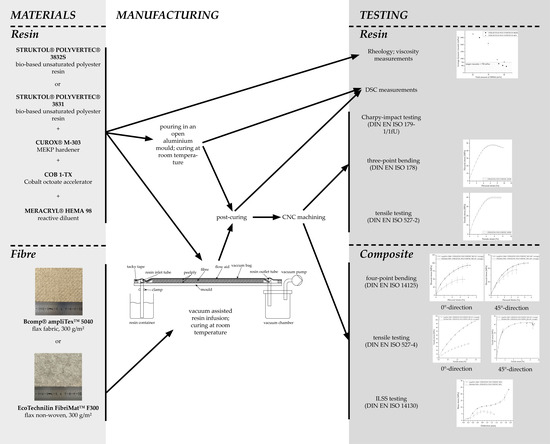
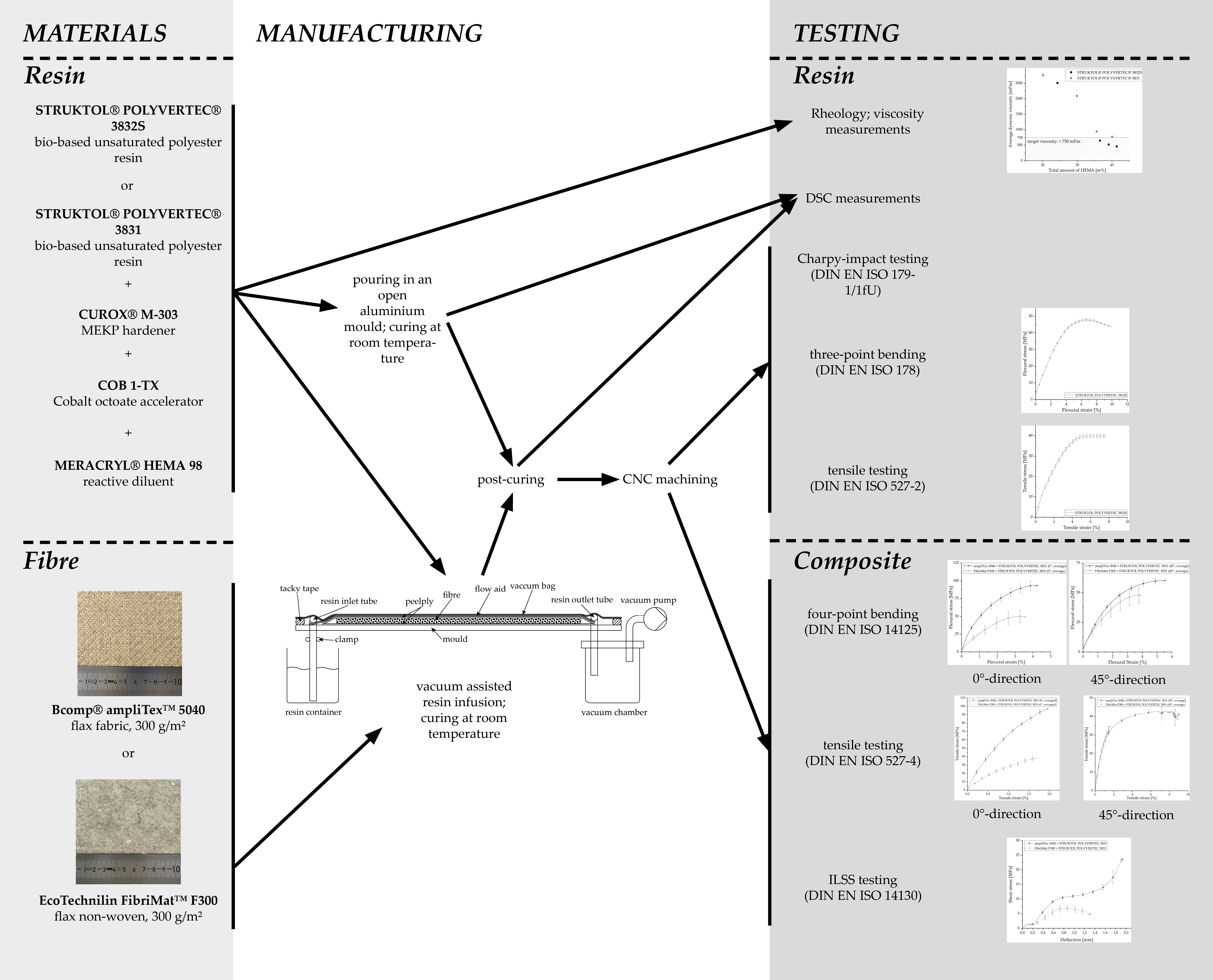
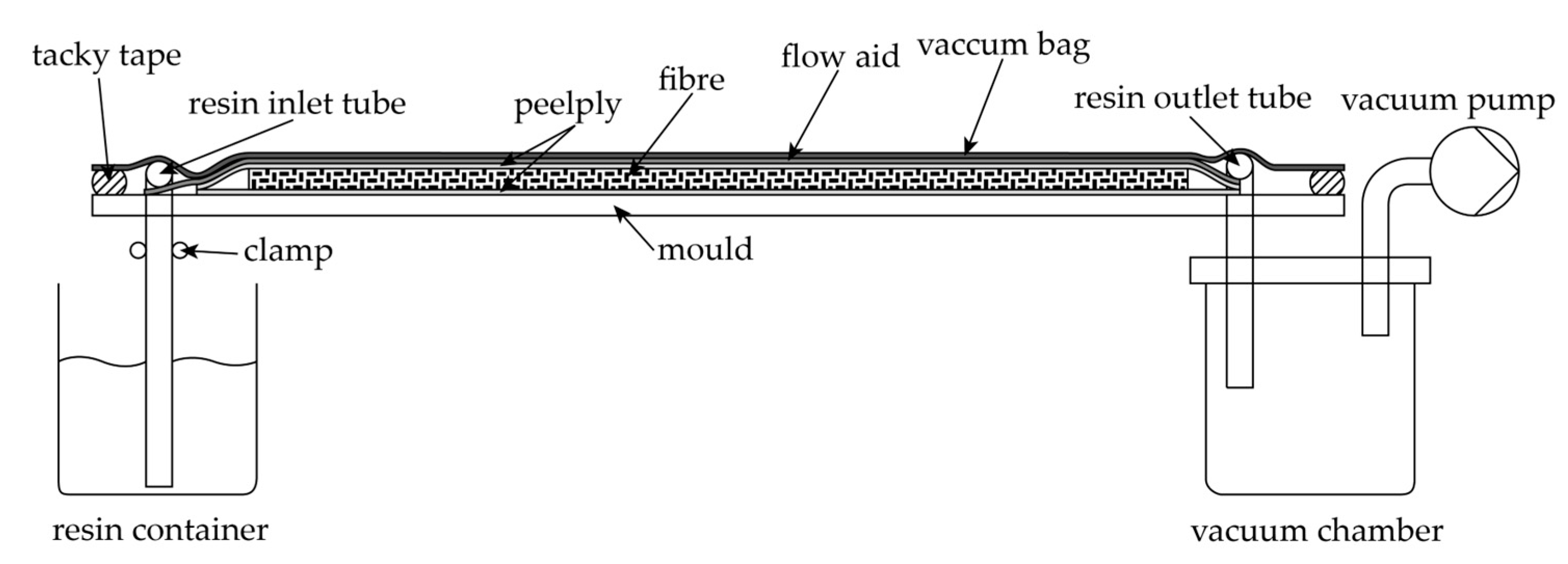
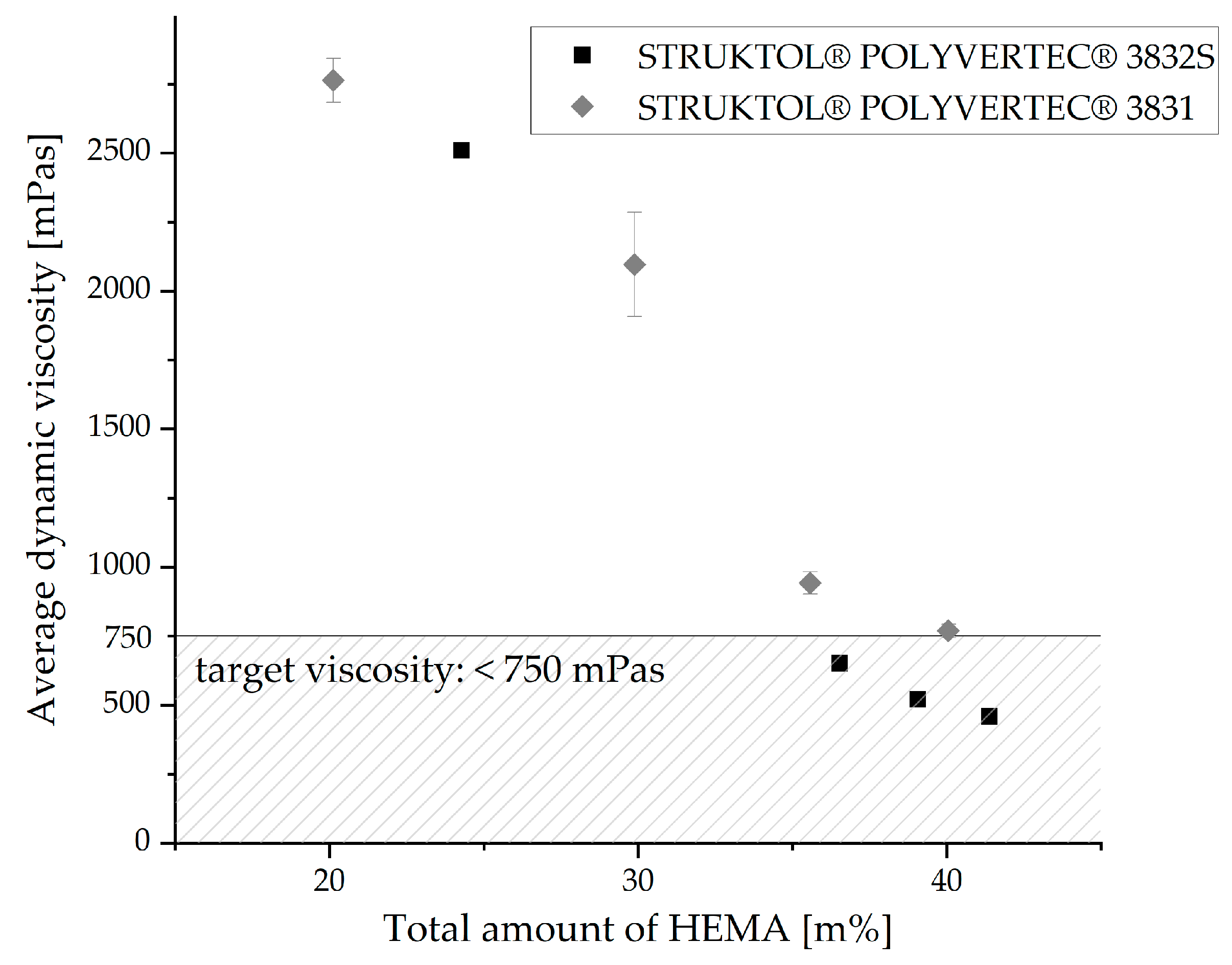
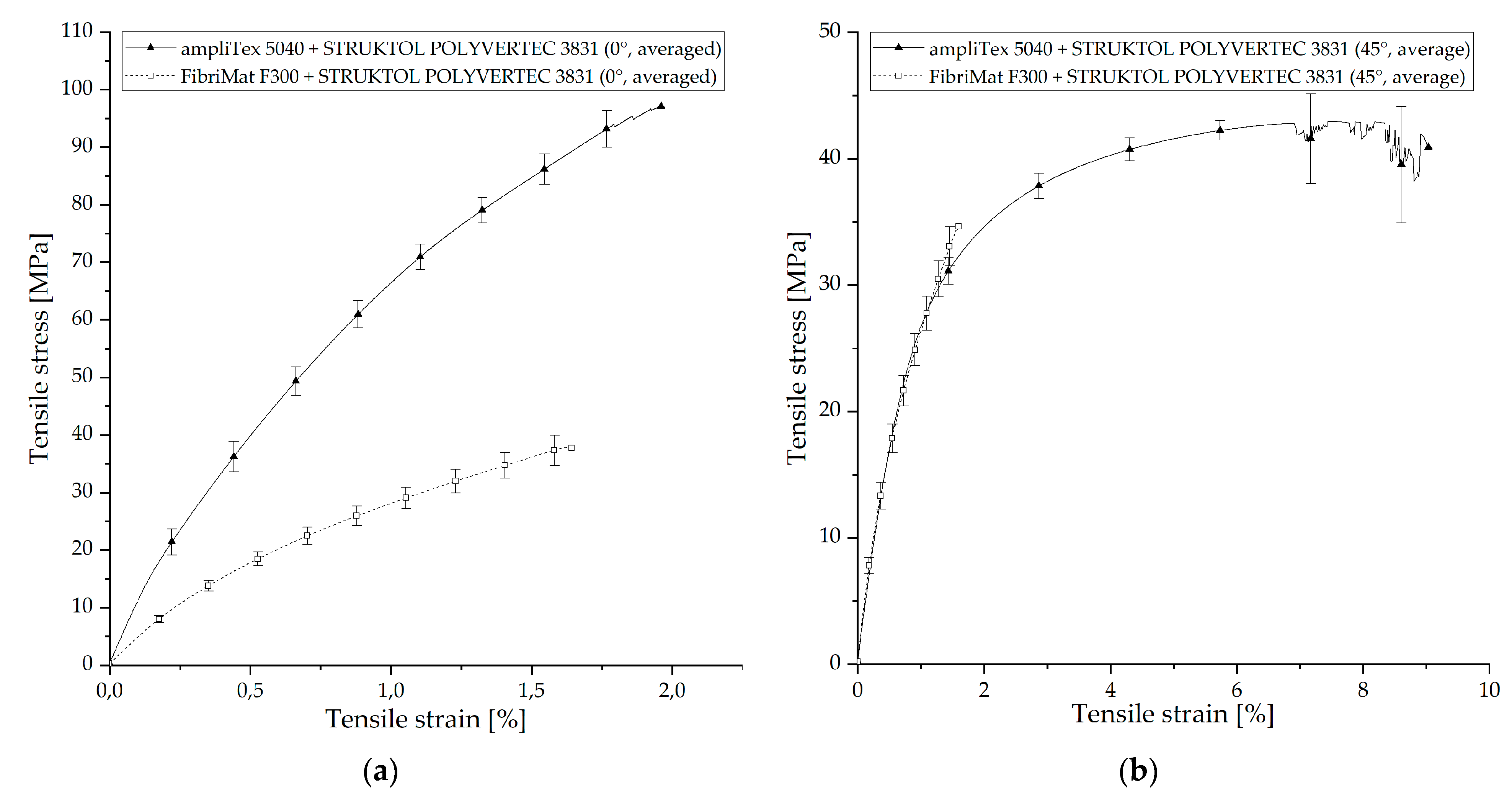
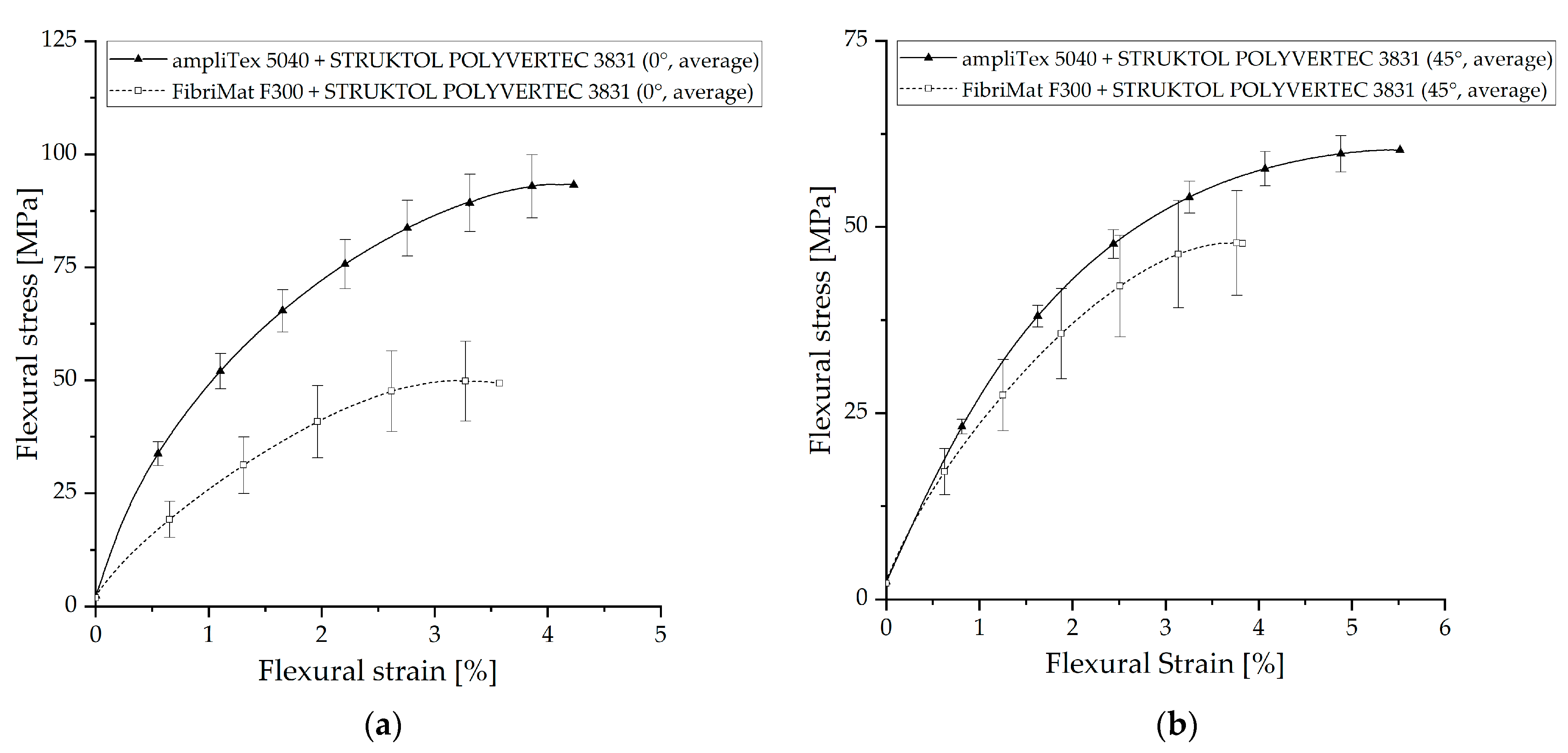
The development of lightweight construction is of crucial importance for the development of sustainable technologies and for the reduction in carbon dioxide emissions, especially in the automotive industry. This study aims to address the challenges associated with manufacturing plant fibre-based polymer composites. The investigation focused on two novel formulations of bio-based unsaturated polyester resins, assessing their viability as a matrix in plant fibre-reinforced composites within the context of automotive applications. The study addresses the challenges related to the preparation and processing of the system, leading to the necessity of diluting the resin with (hydroxymethyl)methacrylate (HEMA) to achieve an applicable viscosity. Two different flax fibre textiles, in the form of a short fibre mat and a woven fabric, were used as reinforcement. The composite panels were manufactured using the vacuum-assisted resin infusion (VARI) process. The most efficacious material combination, comprising Bcomp® ampliTex™ 5040 and STRUKTOL® POLYVERTEC® 3831, with viscosity modified by 39% HEMA, exhibited a consistent fibre volume fraction of 40% and a glass transition temperature of 70 °C. In addition, the mechanical behaviour in the 0°-direction demonstrated tensile strength and modulus values of approximately 99 MPa and 9 GPa, respectively, accompanied by an elongation at break of 2%. The flexural modulus was found to be 7 GPa, and the flexural strength 94 MPa.
Keywords: flax fibre; unsaturated polyester; composite; vacuum-assisted resin infusion; characterisation flax fibre; unsaturated polyester; composite; vacuum-assisted resin infusion; characterisation
Graphical Abstract