
Sonochemical Biosilica Derived from Rice Husk Ash for Cementitious Composites in 3D Concrete Printing
 ,
,  , , and
Abstract
1. Introduction
2. Materials and Methods
2.1. Materials
2.2. Phase Composition, Microstructural Characterization and Other Methods
2.3. Determination of the Additives’ Pozzolanic Activity by Calcium Hydroxide Uptake
2.4. Rice Husk Ash Preparation and Sonochemical Treatment
2.5. Laboratory 3DCP. Printing Parameters and Experimental Methods
3. Results and Discussion
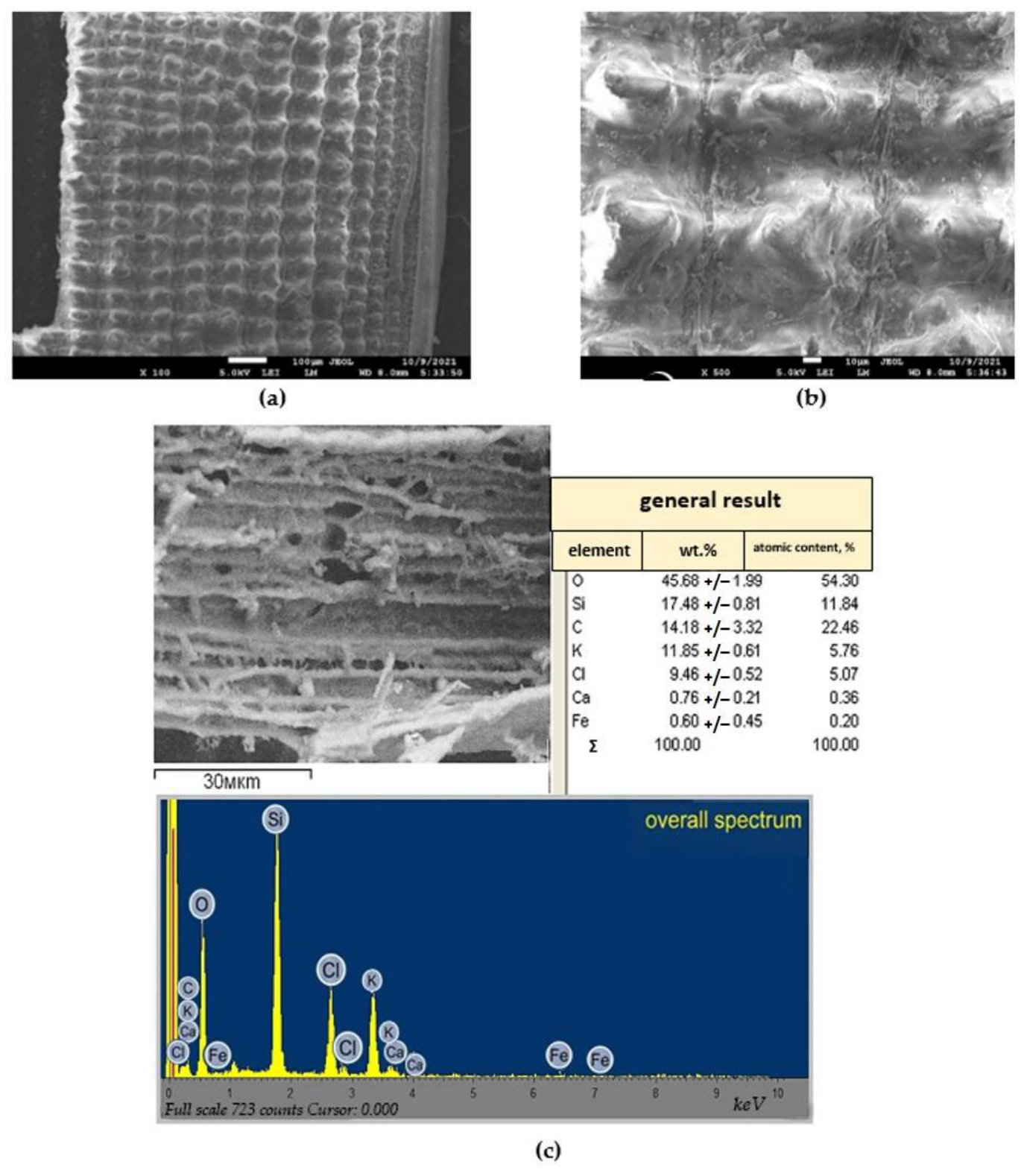
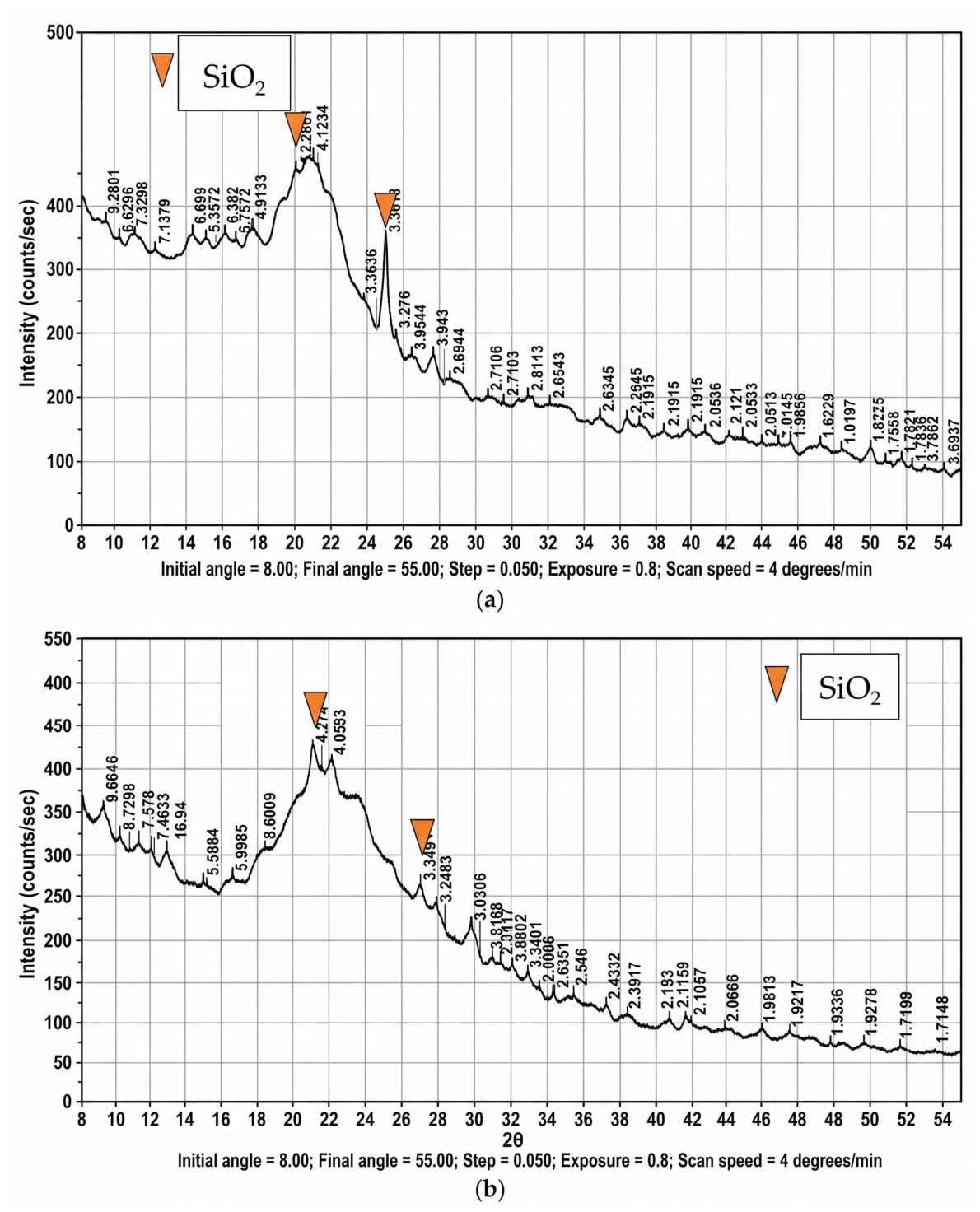
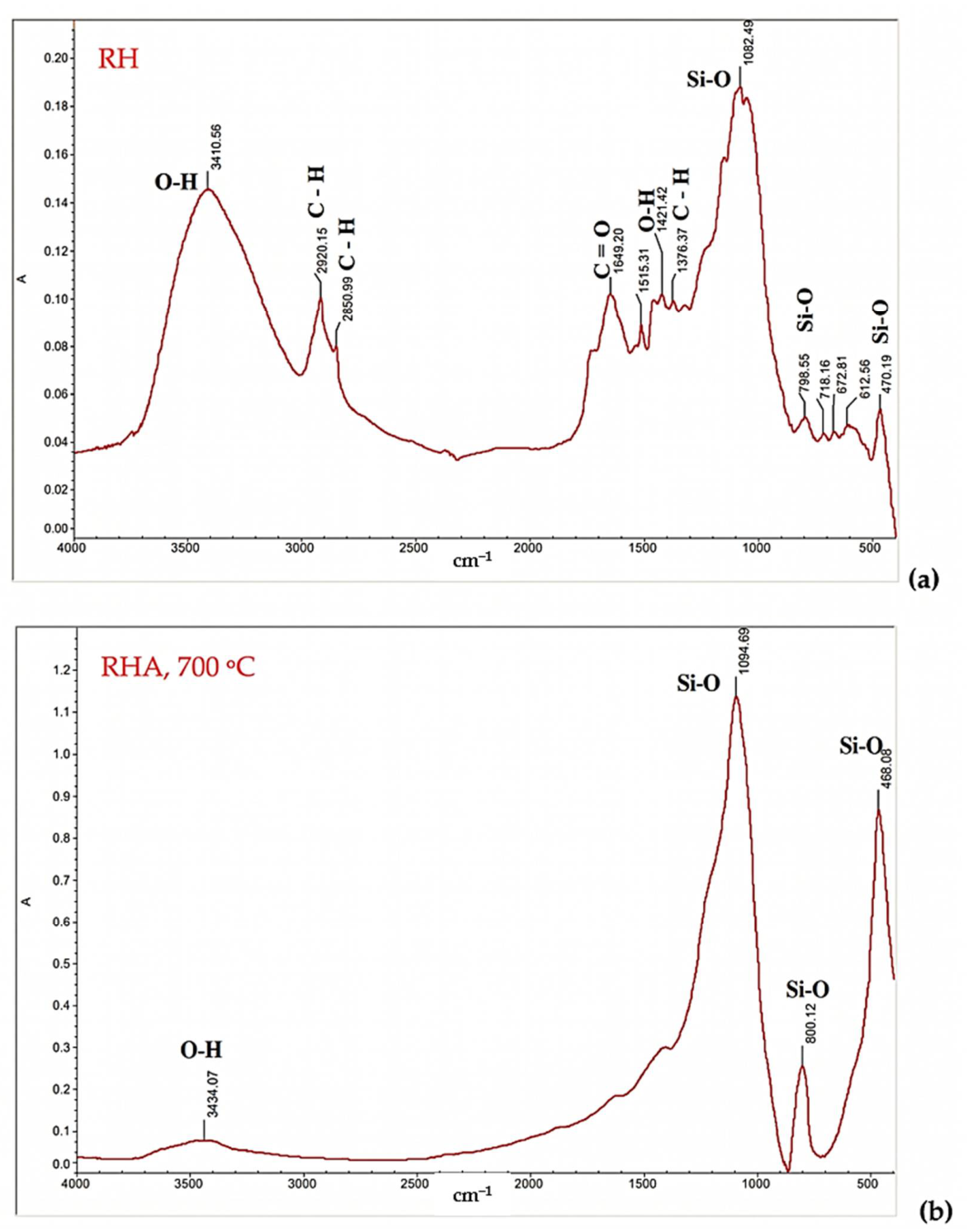
3.1. Phase Composition of Rice Husk and the Products of Its Calcination
3.2. Structure of Rice Husk Ash as a Function of the Treatment Conditions
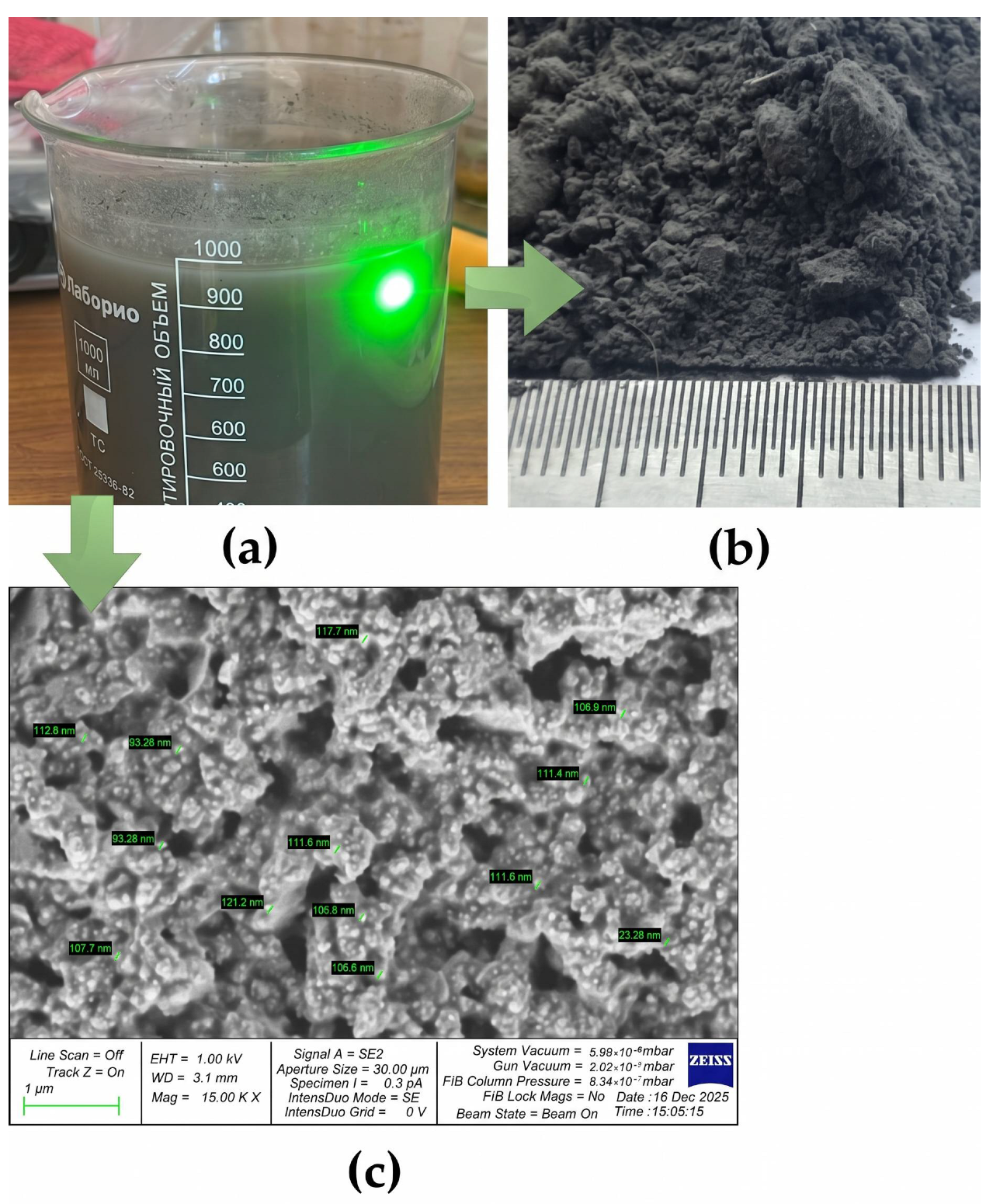
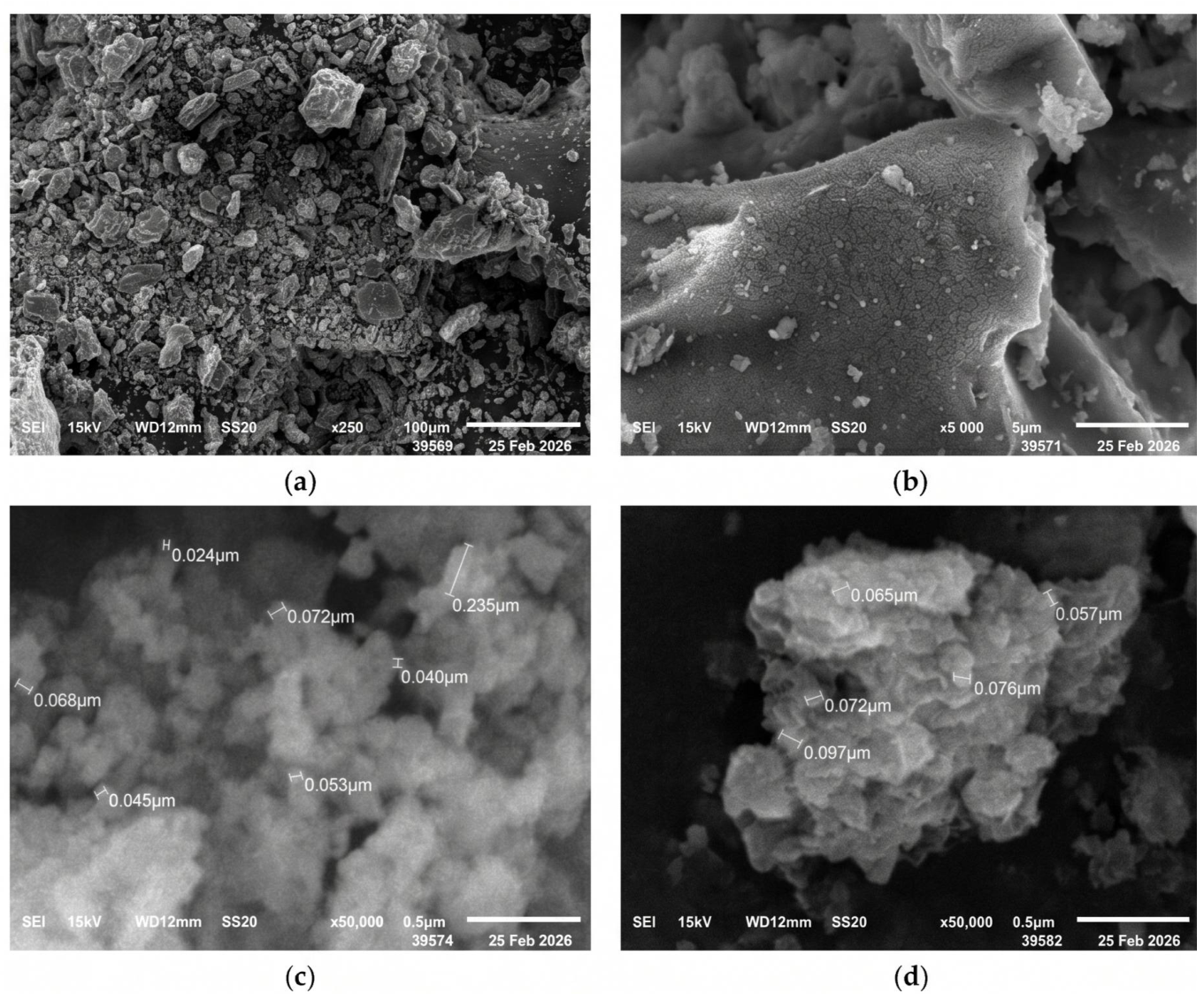
- A fine precipitate (micro-biosilica) with an average particle size between 1 and 10 µm (MBS) and a specific surface area (SSA) of 20,568 cm2/g (Figure 5a,b).
- A relatively stable colloidal suspension consisting of nano-biosilica (NBS), as observed in SEM images of the suspension filtrate (dry solids content of approximately 2.9–3 wt.% (Figure 5c)).
3.3. Pozzolanic Activity of Rice Husk Ash Depends on Its Particle-Size Fraction and Treatment Method
3.4. Properties of Cement Containing Nano-Biosilica Additives
3.5. Properties of Cement–Sand Mortar Based on a Binder Modified with Nano-Biosilica
4. Conclusions
- This study demonstrates an integrated approach that combines sonochemical processing of rice husk ash with multiscale characterization and laboratory-scale 3D concrete printing tests, and provides direct evidence that nano-biosilica improves both hydration kinetics and the structure of hardened material for 3DCP.
- Thermal activation of rice husk by calcination at 700 °C, followed by sonochemical treatment, makes it possible to obtain both a fine micro-biosilica precipitate (1–10 µm) and a colloidal suspension containing nano-biosilica (<200 nm), as confirmed by sedimentation analysis with a torsion balance and SEM analysis.
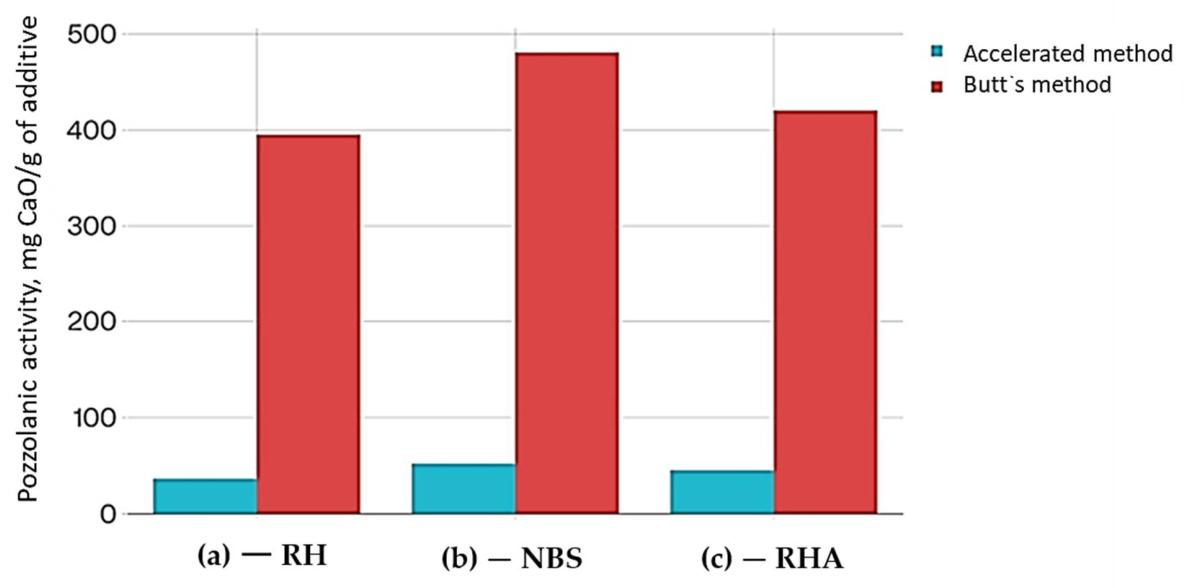
- The pozzolanic activity of RHA after calcination increases by approximately 25% compared with RH (36.5 mg/g of additive by the accelerated method and 395.2 mg/g of additive by Butt’s method for RH, whereas 45.2 mg/g of additive and 420.2 mg/g of additive, respectively, for RHA). At the same time, NBS and MBS activities after sonochemical treatment were similar but higher by approximately 15% compared with RHA (52.1 mg/(g of additive) and 480.6 mg/(g of additive) using similar methods).
- The incorporation of nano-biosilica in cement at dosages of 0.44–1.72 wt.% provides a monotonic increase in the strength of the hardened cement paste at both early and later curing ages. At a dosage of 1.72%, the 28-day strength nearly doubles relative to the control mix, reaching 78.0 MPa versus 37.8 MPa.
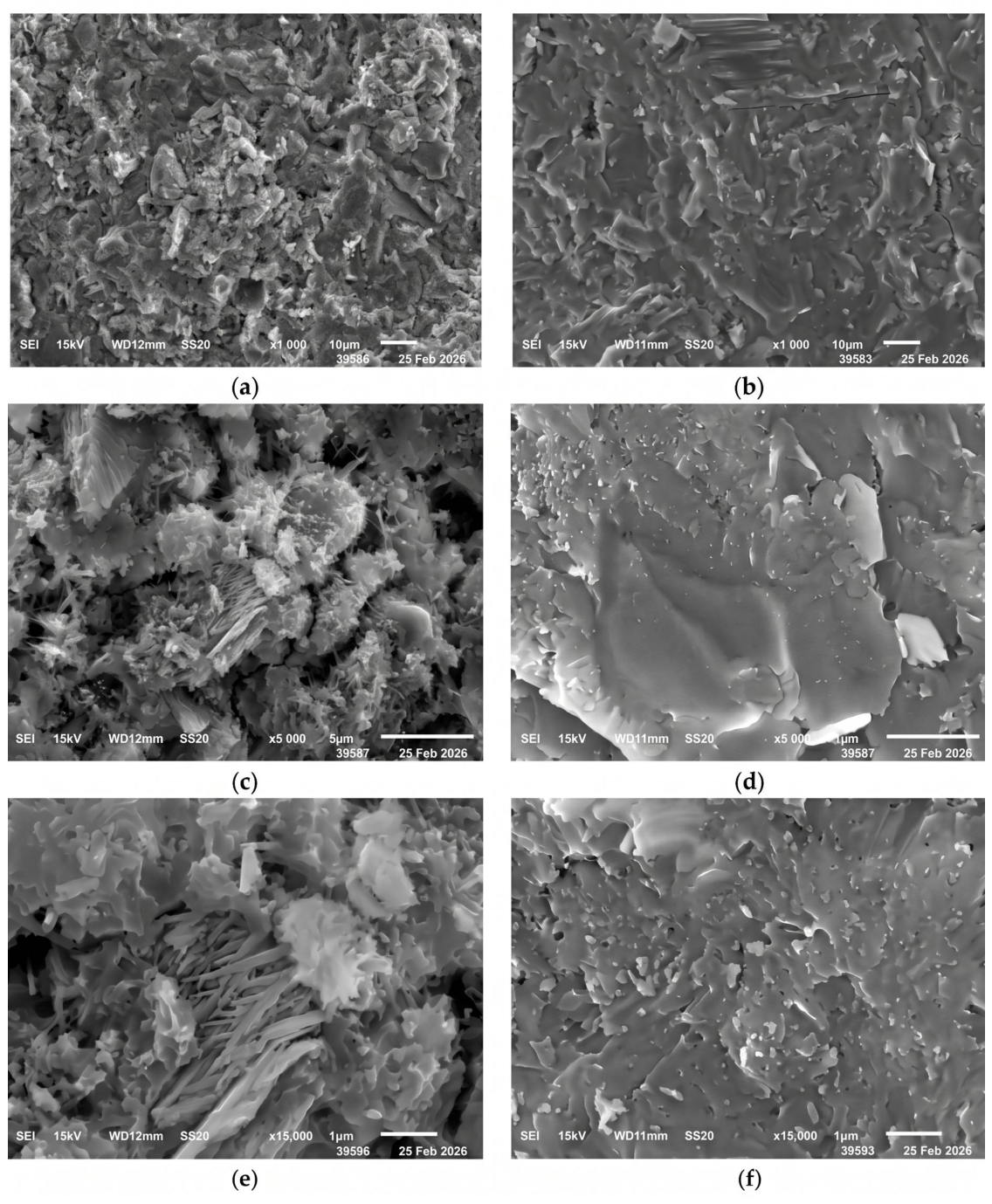
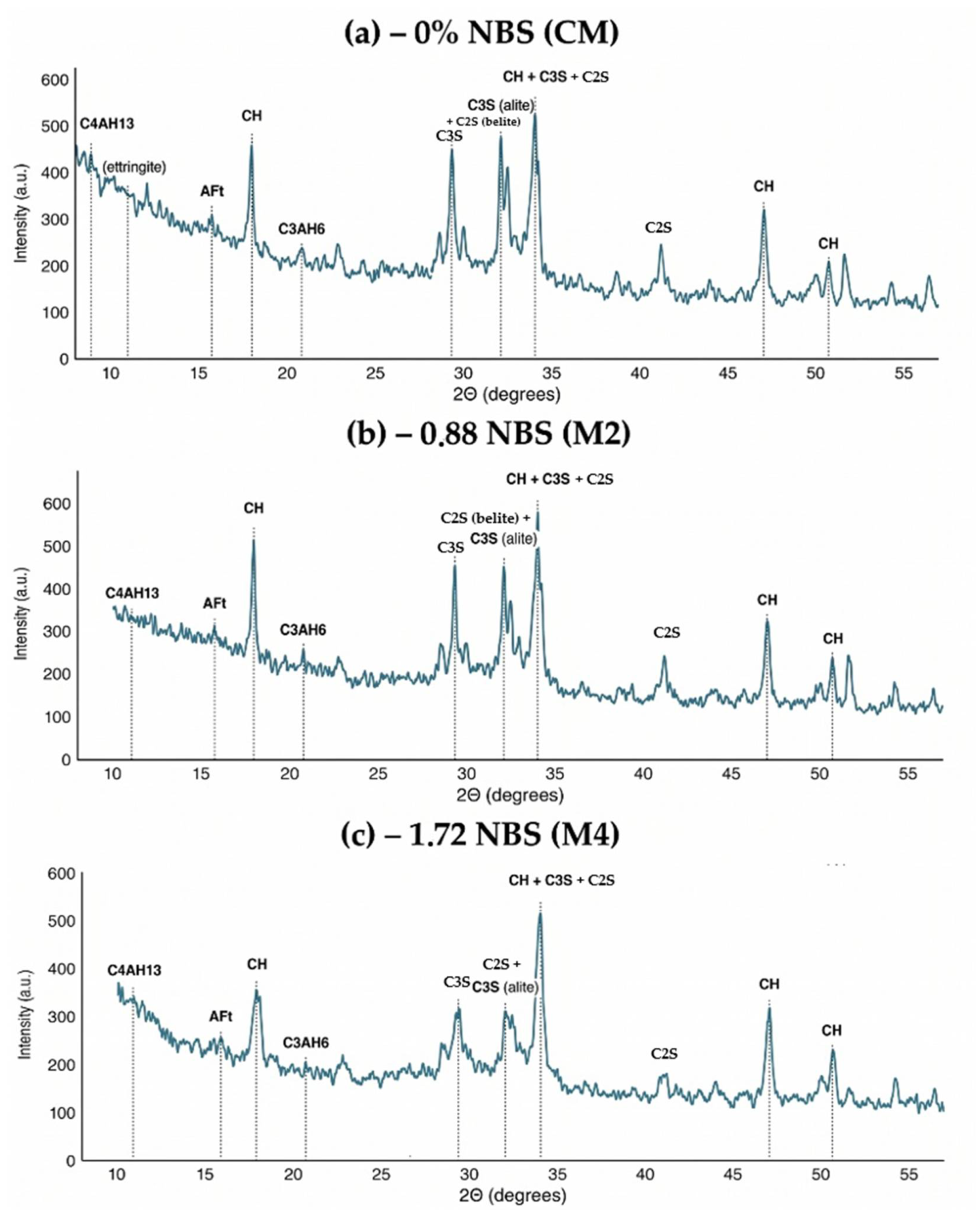
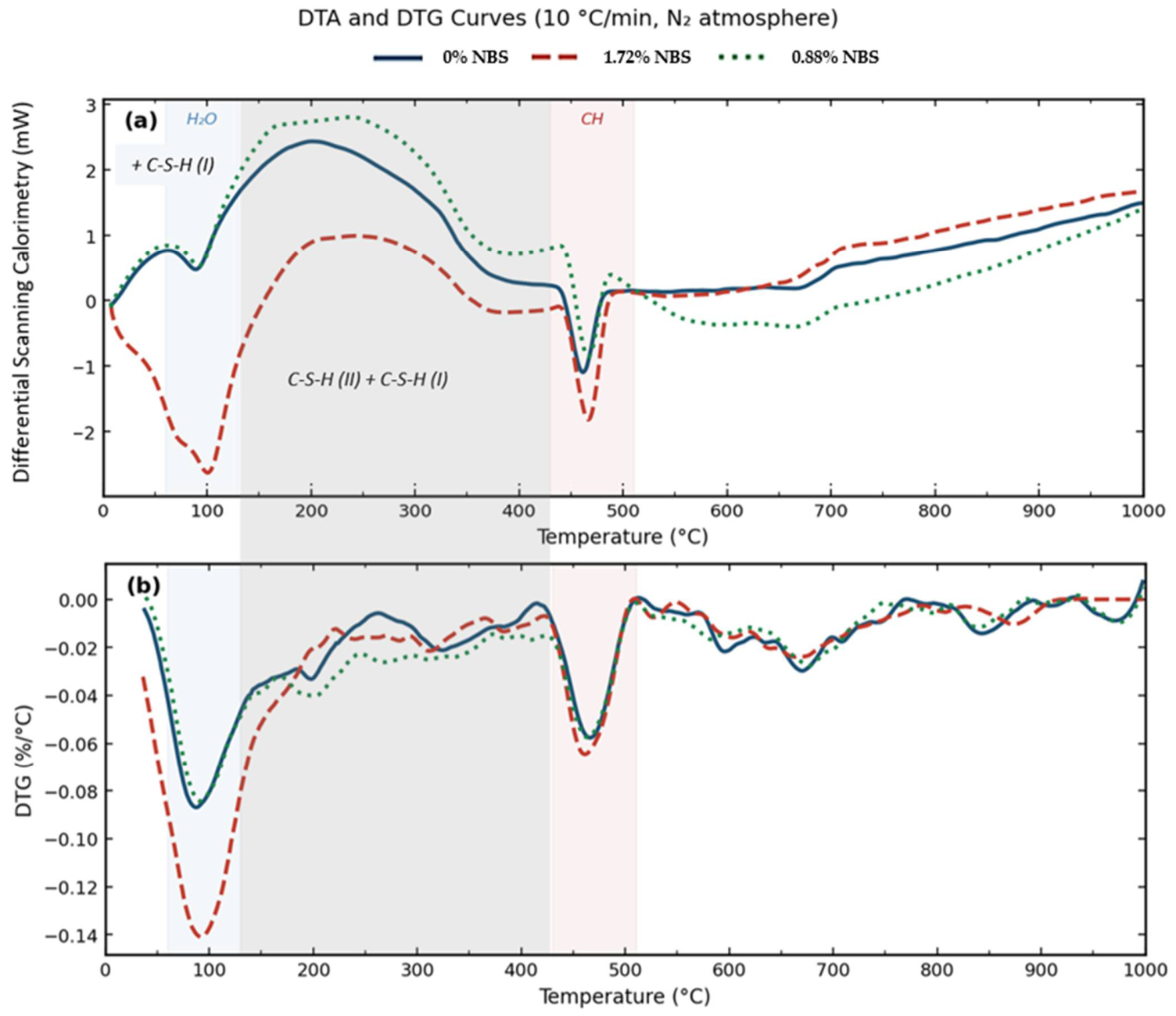
- Combined XRD and DTG/DTA analyses showed that NBS both accelerates the hydration of clinker phases through a nucleation effect and participates in the pozzolanic reaction, resulting in an increased amount of low-basicity C–S–H(I). SEM additionally confirmed substantial densification of the cement-stone structure, while only a moderate change in portlandite content was observed after modification with NBS.
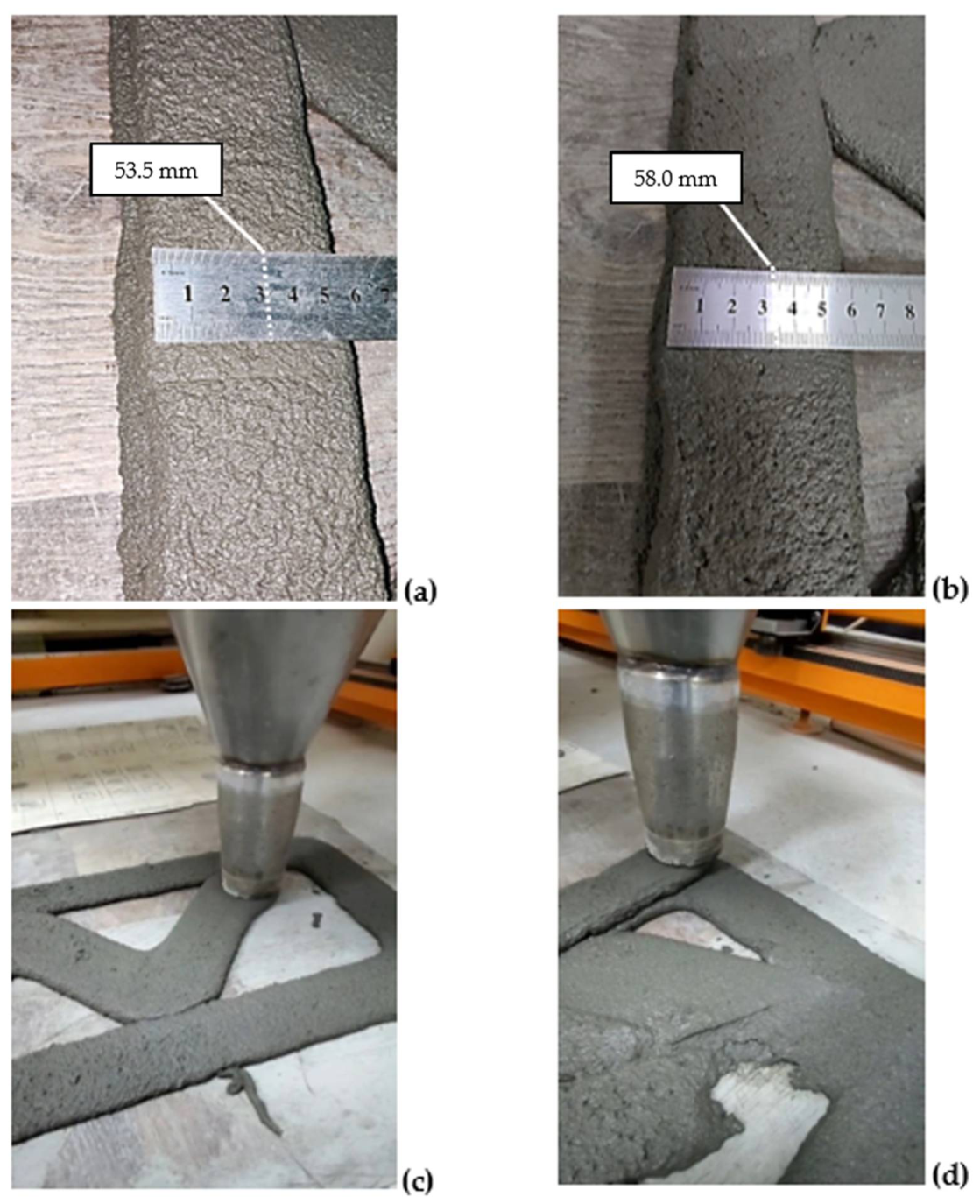
- Trial 3D printing of cement–sand mortar containing 1.72% nano-biosilica demonstrated reduced layer slumping, clearer geometry, and better shape retention of the printed elements. Interlayer bond strength was also improved by 17.0% (from 1.8 to 2.1 MPa).
Author Contributions
Funding
Data Availability Statement
Conflicts of Interest
Abbreviations
| 3DCP | 3D Concrete Printing |
| AFm | Monosulfate Aluminate Phase |
| AFt | Ettringite Phase |
| NBS | Nano-biosilica (biogenic nanosilica derived from rice husk ash) |
| MBS | Micro-biosilica (derived from rice husk ash) |
| C–S–H | Calcium Silicate Hydrate |
| C3S | Tricalcium Silicate (alite) |
| C2S | Dicalcium Silicate (belite) |
| C3A | Tricalcium Aluminate |
| CH | Calcium Hydroxide (Portlandite) |
| CO2 | Carbon Dioxide |
| SiO2 | Silicon dioxide or silica |
| DTA | Differential Thermal Analysis |
| DTG | Differential Thermogravimetry |
| EDS | Energy-Dispersive X-ray Spectroscopy |
| IR | Infrared Spectroscopy |
| GOST | Russian State Standard |
| RHA | Rice Husk Ash |
| RH | Rice Husk |
| SCM | Supplementary Cementitious Material |
| SEM | Scanning Electron Microscopy/Microscope |
| SSA | Specific Surface Area |
| STA | Simultaneous Thermal Analysis |
| W/C | Water-to-Cement Ratio |
| XRD | X-Ray Diffraction |
References
- Buswell, R.A.; De Silva, W.R.L.; Jones, S.Z.; Dirrenberger, J. 3D printing using concrete extrusion: A roadmap for research. Cem. Concr. Res. 2018, 112, 37–49. [Google Scholar] [CrossRef]
- El-Sayegh, S.; Romdhane, L.; Manjikian, S. A critical review of 3D printing in construction: Benefits, challenges, and risks. Arch. Civ. Mech. Eng. 2020, 20, 34. [Google Scholar] [CrossRef]
- Pan, T.; Jiang, Y.; He, H.; Wang, Y.; Yin, K. Effect of structural build-up on interlayer bond strength of 3D printed cement mortars. Materials 2021, 14, 236. [Google Scholar] [CrossRef] [PubMed]
- Nodehi, M.; Ozbakkaloglu, T.; Gholampour, A. Effect of supplementary cementitious materials on properties of 3D printed conventional and alkali-activated concrete: A review. Autom. Constr. 2022, 139, 104215. [Google Scholar] [CrossRef]
- Ding, T.; Xiao, J.; Zou, S.; Wang, Y. Microstructure and mechanical properties of interlayer regions in extrusion-based 3D printed concrete: A critical review. Cem. Concr. Compos. 2023, 140, 105154. [Google Scholar] [CrossRef]
- Assaad, J.J.; Hamzeh, F.; Hamad, B. Experimental assessment of durability in 3D printed concrete. Civ. Environ. Eng. 2025, 21, 101–112. [Google Scholar] [CrossRef]
- Tarhan, Y.; Tarhan, I.H.; Sahin, R. Comprehensive review of binder matrices in 3D printing construction: Rheological perspectives. Buildings 2025, 15, 75. [Google Scholar] [CrossRef]
- Samani, M.G.; Shahmirzadi, M.R.; Sanjayan, J. Shrinkage behavior of cementitious 3D printing materials: Effect of temperature and relative humidity. Cem. Concr. Compos. 2021, 124, 104238. [Google Scholar] [CrossRef]
- Babafemi, A.J.; Kolawole, J.T.; van Zijl, G.P.A.G.; Paul, S.C.; Ibrahim, K.A. 3D-Printed Limestone Calcined Clay Cement Concrete Incorporating Recycled Plastic Waste (RESIN8). Results Eng. 2024, 22, 102112. [Google Scholar] [CrossRef]
- Coppola, L.; Coffetti, D.; Crotti, E. Alternative clinker technologies for reducing carbon emissions in cement industry. Materials 2022, 15, 115. [Google Scholar] [CrossRef]
- Yin, X.; Rahman, M.M.; Sun, Y.; Zhao, Y.; Wang, J. Sustainable Soil-Cement Composites with Rice Husk Ash and Silica Fume: A Review of Performance and Environmental Benefits. Materials 2025, 18, 2880. [Google Scholar] [CrossRef] [PubMed]
- Zhang, C.; Poldneva, A.; Paul, S.C.; Sierra, F.; Corvaglia, A.; Fioravant, M.; Nematollahi, B.; Xiao, J.; Sun, W.; Huang, Z.; et al. 3D printing concrete structures: State of the art, challenges, and opportunities. Constr. Build. Mater. 2023, 406, 133417. [Google Scholar] [CrossRef]
- Mengistu, A.T.; Ramasamy, S.N.; Chellapandian, M. Experimental investigation on effect of partial replacement of cement with bamboo leaf ash on concrete property. Adv. Civ. Eng. 2021, 2021, 6468444. [Google Scholar] [CrossRef]
- Cecchini, L.; Allegrini, E.; Tomassetti, L.; Sabbatini, S.; Carloni, C.; Ranieri, V.; Ruggieri, G.; Liberatore, L.; Carbonari, G.; Vagni, S. Study of an ecological cement-based composite with a sustainable raw material, sunflower stalk ash. Materials 2021, 14, 7177. [Google Scholar] [CrossRef]
- Wen, X.; Li, H.; Wang, Y.; Xia, L.; Su, Y. Utilization of straw ash as a partial substitute for ordinary Portland cement in concrete. BioResources 2024, 19, 9038–9059. [Google Scholar] [CrossRef]
- Amin, M.; Attia, M.M.; Agwa, I.S.; Tayeh, B.A.; Hefni, M. Effects of sugarcane bagasse ash and nano eggshell powder on high-strength concrete properties. Case Stud. Constr. Mater. 2022, 17, e01528. [Google Scholar] [CrossRef]
- Zaid, O.; El Ouni, M.H. Advancements in 3D printing of cementitious materials: A review of mineral additives, properties, and systematic developments. Constr. Build. Mater. 2024, 427, 136254. [Google Scholar] [CrossRef]
- Binod, P.; Satyanagalakshmi, K.; Sindhu, R.; Udayan, A.P.; Sajith, S.; Binod, P.; Pandey, A. Sustainable application of rice-waste for fuels and valuable chemicals. Front. Chem. 2023, 11, 1225073. [Google Scholar] [CrossRef]
- Muthukrishnan, S.; Ramakrishnan, S.; Sanjayan, J. Fresh properties of cementitious materials containing rice husk ash for construction 3D printing. J. Mater. Civ. Eng. 2020, 32, 04020195. [Google Scholar] [CrossRef]
- Johar, N.; Ahmad, I.; Dufresne, A. Extraction, isolation and characterisation of cellulose and nanocrystals from rice husk. Ind. Crops Prod. 2012, 37, 93–99. [Google Scholar] [CrossRef]
- Hu, L.; He, Z.; Zhang, S.; Zhang, Y.; Li, J.; Chen, X. Sustainable use of rice husk ash in cement-based materials: Environmental evaluation and performance improvement. J. Clean. Prod. 2020, 269, 122236. [Google Scholar] [CrossRef]
- Federal State Statistics Service (Rosstat). Agricultural Statistics of Russia 2024; Rosstat: Moscow, Russia, 2024. Available online: https://rosstat.gov.ru/ (accessed on 26 May 2026).
- Kumar, S.; Arora, S.; Singh, N. Strength and Durability Performance of Rice Straw Ash-Based Concrete: An Approach for the Valorization of Agriculture Waste. Int. J. Environ. Sci. Technol. 2023, 20, 12345–12360. [Google Scholar] [CrossRef]
- Partha, D.; Shanmugam, D.; Senthilkumar, N.; Kabashi, N.; Kovačević, M. Technical, economic, and environmental feasibility of rice husk ash as supplementary cementitious material. J. Clean. Prod. 2024, 448, 141571. [Google Scholar] [CrossRef]
- Tsvetkov, M.V.; Podlesnyi, D.N.; Zaichenko, A.Y.; Salganskaya, M.V.; Tsvetkova, Y.Y.; Freiman, V.M.; Salgansky, E.A. Fusibility of plant waste ash under high-temperature processing conditions. Zh. Prikl. Khim. Russ. J. Appl. Chem. 2021, 94, 371–379. [Google Scholar] [CrossRef]
- Amin, M.N.; Ahmad, W.; Khan, K.; Sayed, M.M. Mapping research knowledge on rice husk ash application in concrete: A scientometric review. Materials 2022, 15, 3431. [Google Scholar] [CrossRef]
- Amran, M.; Fediuk, R.; Murali, G.; Vatin, N.; Karelina, M.; Ozbakkaloglu, T.; Krishna, R.S.; Kumar, S.A.; Lee, Y.H.; Lee, Y.Y. Rice husk ash-based concrete composites: A critical review of their properties and applications. Crystals 2021, 11, 168. [Google Scholar] [CrossRef]
- Nayak, J.R.; Gołaszewska, M.; Bochen, J. Physical and mechanical performance of mortar with rice husk ash and sugarcane bagasse ash as partial cement replacement. Materials 2025, 18, 4758. [Google Scholar] [CrossRef]
- Hu, L.; He, Z.; Zhang, S. The role and mechanism of rice husk ash particle size on properties of cement-based materials. Materials 2024, 17, 5676. [Google Scholar] [CrossRef]
- GOST 31108-2020; General Construction Cements. Specifications. Rosstandart: Moscow, Russia, 2020. (In Russian)
- EN 197-1:2011; Cement—Part 1: Composition, Specifications and Conformity Criteria for Common Cements. CEN: Brussels, Belgium, 2011.
- GOST R 56593-2015; Mineral Additives for Concretes and Mortars. Test Methods; Rosstandart: Moscow, Russia, 2015. (In Russian)
- Butt, Y.M.; Timashev, V.V. Practical Course on the Chemical Technology of Binding Materials; Vysshaya Shkola: Moscow, Russia, 1973. (In Russian) [Google Scholar]
- Peng, B.; Li, X.; Luo, J.; Yu, X. Fate of chlorine in rice straw under different pyrolysis temperatures. Energy Fuels 2019, 33, 9272–9279. [Google Scholar] [CrossRef]
- Igwebike-Ossi, C.D. Elemental analysis of rice husk using proton-induced X-ray emission (PIXE) spectrometry. Int. J. Appl. Chem. 2017, 13, 801–808. [Google Scholar]
- Duarte, G.V.; Rodrigues, A.E.; Carvalheiro, F. Dissolution of kraft lignin in alkaline solutions: Effects of pH and cation nature. Ind. Crops Prod. 2020, 145, 111931. [Google Scholar] [CrossRef]
- Ishida, S.; Kudo, S.; Asano, S.; Hayashi, J.-I. Multi-step pre-treatment of rice husk for fractionation of components including silica. Front. Chem. 2025, 13, 1538797. [Google Scholar] [CrossRef] [PubMed]
- Potapova, E.N.; Smolskaya, E.A.; Volosatova, A.A.; Rudomazin, V.V. Creating low-carbon cement—A step towards a green transformation of the cement industry. Tekhn. Tekhnol. Silik. 2025, 32, 16–28. [Google Scholar] [CrossRef]
- Yang, H.-E.; Kim, N.-W.; Lee, H.-G.; Kim, M.-J.; Sang, W.-G.; Yang, C.; Mo, C. Prediction of protein content in paddy rice (Oryza sativa L.) combining near-infrared spectroscopy and deep-learning algorithm. Front. Plant Sci. 2024, 15, 1398762. [Google Scholar] [CrossRef]
- Kostryukov, S.G.; Matyakubov, H.B.; Masterova, Y.Y.; Kozlov, A.S.; Pryanichnikova, M.K.; Pynenkov, A.A.; Khluchina, N.A. Determination of Lignin, Cellulose, and Hemicellulose in Plant Materials by FTIR Spectroscopy. J. Anal. Chem. 2023, 78, 496–506. [Google Scholar] [CrossRef]
- Lionetto, F.; Del Sole, R.; Cannoletta, D.; Vasapollo, G.; Maffezzoli, A. Monitoring Wood Degradation during Weathering by Cellulose Crystallinity. Materials 2012, 5, 1910–1922. [Google Scholar] [CrossRef]
- Rothstein, D.; Thomas, J.J.; Christensen, B.J.; Jennings, H.M. Solubility behavior of Ca-, S-, Al-, and Si-bearing solid phases in Portland cement pore solutions as a function of hydration time. Cem. Concr. Res. 2002, 32, 1663–1671. [Google Scholar] [CrossRef]
- Stark, J.; Wicht, B. Cement and Lime as the Building Material; Birkhäuser: Basel, Switzerland, 1999; 376p. [Google Scholar]
- Liu, Z.; Li, M.; Moo, J.G.S.; Kobayashi, H.; Wong, T.N.; Tan, M.J. Effect of nanostructured silica additives on the extrusion-based 3D concrete printing application. J. Compos. Sci. 2023, 7, 191. [Google Scholar] [CrossRef]
- Slavcheva, O.V.; Artamonova, M.A.; Shvedova, E.A.; Britvina, E.A. Influence of modifying additives on structure formation and hardening of cement systems for 3D printing. Inorg. Mater. 2021, 57, 98–105. (In Russian) [Google Scholar] [CrossRef]





| Composition | CaO | SiO2 | Al2O3 | Fe2O3 | MgO | SO3 | Na2O | K2O | LOI |
|---|---|---|---|---|---|---|---|---|---|
| RH | 0.61 | 15.64 | 0.24 | 0.12 | 0.45 | 0.18 | 0.48 | 0.28 | 82.0 |
| RHA | 3.36 | 86.48 | 1.33 | 0.64 | 1.93 | 0.45 | 2.09 | 1.57 | 1.68 |
| Composition | NBS, wt.% | W/C | Compressive Strength 1 Day, MPa * | Compressive Strength 28 Day, MPa * | Real Density, g/cm3 |
|---|---|---|---|---|---|
| Control mix (CM) | 0 | 0.4 | 12.9 ± 0.6 | 37.8 ± 1.5 | 2.2244 ± 0.0001 |
| Mix 1 (M1) | 0.44 | 13.6 ± 0.7 | 45.1 ± 1.9 | 2.3230 ± 0.0001 | |
| Mix 2 (M2) | 0.88 | 16.5 ± 0.6 | 53.8 ± 2.5 | 2.3860 ± 0.0001 | |
| Mix 3 (M3) | 1.3 | 18.5 ± 1.5 | 64.8 ± 2.6 | 2.4464 ± 0.0001 | |
| Mix 4 (M4) | 1.72 | 23.6 ± 2.1 | 78.0 ± 2.8 | 2.4928 ± 0.0001 |
| Composition | Nominal Layer Width After Extrusion, mm | Layer Width After 60 s, mm (Two Layers) | Interlayer Bond Strength After 28 Days of Curing, MPa |
|---|---|---|---|
| Control mortar | 55.5 | 58.0 | 1.8 ± 0.04 |
| NBS mortar | 53.0 | 53.5 | 2.1 ± 0.04 |
Disclaimer/Publisher’s Note: The statements, opinions and data contained in all publications are solely those of the individual author(s) and contributor(s) and not of MDPI and/or the editor(s). MDPI and/or the editor(s) disclaim responsibility for any injury to people or property resulting from any ideas, methods, instructions or products referred to in the content. |
© 2026 by the authors. Licensee MDPI, Basel, Switzerland. This article is an open access article distributed under the terms and conditions of the Creative Commons Attribution (CC BY) license.
Share and Cite
Korchunov, I.V.; Udodov, S.A.; Belov, P.A.; Smolskaya, E.A.; Potapova, E.N.; Susla, A.A.; Shubabko, O.E.; Serkina, K.S.; Shkalenko, A.V. Sonochemical Biosilica Derived from Rice Husk Ash for Cementitious Composites in 3D Concrete Printing. J. Compos. Sci. 2026, 10, 302. https://doi.org/10.3390/jcs10060302
Korchunov IV, Udodov SA, Belov PA, Smolskaya EA, Potapova EN, Susla AA, Shubabko OE, Serkina KS, Shkalenko AV. Sonochemical Biosilica Derived from Rice Husk Ash for Cementitious Composites in 3D Concrete Printing. Journal of Composites Science. 2026; 10(6):302. https://doi.org/10.3390/jcs10060302
Chicago/Turabian StyleKorchunov, Ivan Vasilevich, Sergey Alekseevich Udodov, Philip Aleksandrovich Belov, Ekaterina Alekseevna Smolskaya, Ekaterina Nikolaevna Potapova, Aleksandr Alekseevich Susla, Olga Eduardovna Shubabko, Ksenia Sergeevna Serkina, and Anna Viktorovna Shkalenko. 2026. "Sonochemical Biosilica Derived from Rice Husk Ash for Cementitious Composites in 3D Concrete Printing" Journal of Composites Science 10, no. 6: 302. https://doi.org/10.3390/jcs10060302
APA StyleKorchunov, I. V., Udodov, S. A., Belov, P. A., Smolskaya, E. A., Potapova, E. N., Susla, A. A., Shubabko, O. E., Serkina, K. S., & Shkalenko, A. V. (2026). Sonochemical Biosilica Derived from Rice Husk Ash for Cementitious Composites in 3D Concrete Printing. Journal of Composites Science, 10(6), 302. https://doi.org/10.3390/jcs10060302