1. Introduction
The construction industry is one of the largest consumers of natural resources globally and a major emitter of greenhouse gases. Production of cement alone accounts for nearly 8% of the world’s CO
2 emissions, primarily due to the energy consumed in the calcination of limestone and the huge quantity of cement consumed annually [
1,
2,
3]. With urbanization around the globe continuing to accelerate, the need for cementitious materials is likely to grow further, placing additional pressure on raw materials, energy resources, and waste streams. This environmental footprint has prompted intensive research into sustainable binder alternatives, recycling strategies for materials, and new construction technologies that can together minimize the sector’s contribution to climate change [
4,
5,
6,
7].
One such technological advancement that has garnered a lot of attention in recent years is 3D printing of cementitious composites, also known as additive manufacturing in construction. Compared with traditional casting techniques, which involve the use of formwork and create significant waste, 3D printing allows automated layer-by-layer deposition of mortar-like materials [
1,
8,
9]. This process has several advantages: it reduces material usage by optimizing geometries, shortens construction time through automation, lowers labor requirements, and offers design freedom beyond the potential of traditional techniques. Case studies demonstrated that additive manufacturing could reduce waste by up to 60% and cut project delivery times significantly, with both financial and environmental benefits [
1,
8,
10]. Nevertheless, printable binder performance remains a limit to widespread adoption. For 3D printing to be mainstreamed into structural construction, binders must not only be extrudable and buildable but also strong, durable, and environmentally sustainable [
8,
9].
To this end, GCP composites have exhibited excellent promise. GCP systems combine the rapid setting and low calcination energy of gypsum with the long-term strength development of Portland cement and the durability benefits of pozzolanic materials such as fly ash, metakaolin, or slag [
11,
12,
13,
14,
15,
16]. This ternary binder concept exploits synergies between the constituents: gypsum accelerates setting, cement provides hydraulic hardening, and pozzolans engage in secondary hydration reactions that densify the microstructure [
12,
13,
17,
18]. Importantly, gypsum requires a lower calcination temperature (~150–200 °C) compared to cement (~1450 °C), and hence, partial substitution of cement with gypsum can achieve significant reductions in energy use and CO
2 emissions [
2,
4,
6]. Life cycle analyses have shown that GCP composites can embody up to 40% less carbon than Portland cement mortars and thus represent an attractive route to sustainable construction materials [
2,
3,
11,
19,
20].
Several benefits of GCP composites have been identified in the literature. Early studies demonstrated that gypsum-dominant cement–pozzolan blends exhibit improved dimensional stability, reduced shrinkage, and maintain compressive strength at practically usable levels [
12,
13]. More recent research highlights that GCP binders possess enhanced sulfate resistance and satisfactory rheological behavior for extrusion-based processing [
9,
14,
21]. Despite these positive attributes, their application in 3D printing remains underexplored. The majority of additive manufacturing research continues to focus on cement-only systems, with the optimization of parameters such as yield stress, thixotropy, and setting time being conducted for Portland cement mortars [
1,
8,
9]. Comparatively few studies have tailored GCP systems to rheology, layer retention, and durability, and there is consequently a vast literature gap [
11,
14,
21]. However, existing GCP studies have mainly addressed binder formulation, hydration, and general mechanical performance, while the combined influence of crumb rubber addition and extrusion-based 3D printing on durability remains insufficiently clarified.
Another area of imminent concern in construction sustainability is end-of-life tire (ELT) management. More than one billion tires are retired worldwide annually, producing colossal amounts of difficult-to-dispose waste [
19,
22]. Landfilling of tires is hazardous due to fire risks, leaching, and vector-borne disease, while incineration emits toxic pollutants [
22]. Recycling tires into crumb rubber is an environmentally friendly solution by producing an elastomeric aggregate that can be used as a construction material [
22,
23,
24,
25]. Crumb rubber (CR) has been extensively studied in Portland cement concrete as a partial replacement of fine aggregates. Results consistently show that while compressive strength is reduced due to the lower stiffness of rubber, other properties are improved: flexural strength, ductility, and impact resistance are enhanced; freeze–thaw durability improves; and thermal and acoustic insulation performance are increased [
23,
24,
25,
26,
27,
28]. These benefits are attributable to the rubber’s elasticity, and hydrophobicity decreases the bound with crumb rubber, which dissipate stresses and reduce water ingress [
23,
24,
29]. Nevertheless, most rubberized composite studies are based on Portland-cement matrices and conventionally cast specimens, rather than gypsum–cement–pozzolan matrices designed for additive manufacturing.
Existing studies have largely investigated CR in conventional Portland cement systems, gypsum–cement–pozzolan (GCP) binders independently or extrusion-based 3D printing separately. In contrast, the present study examines the combined interaction of these three domains within a single hybrid material framework. Unlike traditional rubberized concrete research, crumb rubber is incorporated into a ternary GCP matrix rather than a cement-only system, introducing different hydration, rheological, and durability mechanisms. Unlike prior GCP studies that primarily focused on binder chemistry or sustainability, this work evaluates GCP under additive manufacturing constraints, including rheology and freeze–thaw durability. Therefore, the novelty of this study lies in establishing how crumb rubber functions within a printable GCP system as a multifunctional phase influencing strength, durability, and processability simultaneously.
Combining CR with gypsum–cement–pozzolan binders for 3D printing represents an underexplored material system that links low-carbon binder design, ELT waste valorization, and additive manufacturing durability. However, interactions between rubber and GCP binders are known [
11,
14,
30,
31]. The key questions are whether the compressive strength loss observed in cement–rubber concretes also occurs in GCP–rubber composites, how rubber affects hydration and microstructure development in GCP systems, and whether the expected durability benefits—particularly freeze–thaw resistance—are preserved or even improved [
23,
24,
25,
26,
27]. Additionally, research has not yet explored the performance of such composites when created through 3D printing, where rheology, interlayer bonding, and dimensional stability pose additional challenges [
8,
9,
11].
This is a critical knowledge gap because freeze–thaw durability is one of the principal durability problems in temperate and cold climates. Freezing of pore water increases its volume by approximately 9%, generating stresses that can crack cementitious materials. Freeze–thaw cycling accelerates damage, reducing service life [
13,
28,
32]. CR, being hydrophobic and elastic in character, has been shown to mitigate such damage by introducing stress-relief zones and minimizing water ingress [
23,
24,
25,
26,
28]. Confirmation and quantification of this effect in GCP–rubber composites under controlled testing, however, is required if such materials are to be seriously considered for construction. Further, in 3D-printed structures, anisotropy of the layered deposition tends to increase freeze–thaw susceptibility along interlayer planes. Hence, there is a need for novel testing methods such as UPV monitoring for non-destructive microstructural assessment during long exposure periods [
28,
32,
33,
34]. A known limitation of rubber incorporation in conventional cast cementitious systems is the tendency of low-density CR to segregate or migrate upward during placement due to density differences relative to mineral constituents, potentially resulting in non-uniform distribution and localized performance variability.
Accordingly, the innovation of this study lies not in the isolated use of crumb rubber, GCP binders, or 3D printing individually but in their systematic integration into a hybrid material system for additive manufacturing. This work specifically combines ELT-derived crumb rubber with a ternary gypsum–cement–pozzolan matrix to optimize the balance between rheology, dimensional stability, mechanical performance, and long-term durability. Through this integrated framework, the study addresses an underexplored intersection between sustainable binder chemistry, recycled waste utilization, and durability-oriented 3D printing applications. This also indicates a potential future pathway for using crumb-rubber-modified GCP mixtures in functionally graded 3D-printed elements, where rubber-rich zones could be selectively introduced in compositions requiring higher ductility, impact resistance, or durability [
35,
36].
The fundamental insight of this study is that crumb rubber in a printable GCP matrix should not be interpreted only as a lightweight recycled filler. Instead, it acts as a mechanically compliant and hydrophobic phase that changes the balance between strength, deformation tolerance, moisture transport, and freeze–thaw resistance. This behavior is particularly relevant in 3D-printed systems, where matrix cohesion, particle suspension, and interlayer stability must be achieved simultaneously.
The aim of this research was to systematically evaluate whether a crumb-rubber-modified GCP binder can function as a mechanically stable, dimensionally reliable, printable, and freeze–thaw-resistant composite for 3D-printed structural applications. Prism specimens were tested for flexural and compressive strength, as well as deformation with micrometers for curing-age monitoring of dimensional stability [
37,
38]. Water absorption tests were conducted prior to freeze–thaw cycling to evaluate pore saturation [
39,
40]. Two complementary approaches were employed to evaluate durability: standardized freeze–thaw testing of cube specimens (with XF1 exposure class performance) and long-term UPV monitoring of 3D-printed samples subjected to thermal cycling. The two-method approach allows both macroscopic property testing and microstructural non-destructive evaluation, jointly providing a comprehensive perspective on performance [
13,
28,
32].
By placing GCP–rubber composites at the intersection of additive manufacturing, sustainability, and durability research, this study contributes to expanding the construction material palette towards a low-carbon future. Specifically, it illustrates that recycling end-of-life tires into 3D-printed GCP binders can reduce environmental footprint, enhance freeze–thaw performance, and maintain structural integrity [
2,
19,
22]. By doing so, the project not only tackles two pressing environmental challenges—tire waste and cement-related emissions—but also advances the broader adoption of circular economy practices in construction [
2,
5,
6].
Recent advances in 3D printing of cementitious materials have moved beyond simple extrusion feasibility toward controlled material placement, structural optimization, and multifunctional performance. In particular, functionally graded 3D-printed concrete has recently been proposed as a strategy for locally tailoring mechanical performance by placing materials with different stiffness, ductility, or tensile capacity within the same printed element. Sun et al. demonstrated this concept in 3D-printed functionally graded concrete plates, where layer-wise material variation improved bending performance and enabled more efficient structural design [
41].
Specifically, this study contributes by (1) integrating ELT-derived crumb rubber into a printable ternary GCP binder; (2) optimizing CR/binder ratios to identify a practical balance between strength, rheology, and durability; and (3) validating long-term performance through combined freeze–thaw testing and ultrasonic pulse velocity monitoring.
3. Results and Discussion
3.1. Mechanical Strength
Together, these sets of data offer a combined view of the impact of the introduction of rubber on mechanical performance of samples in cast and additively processed GCP materials in
Table 7. Statistical reliability of the data was provided through triplicate testing with no differences larger than ±5% for all results given.
The results suggest that the role of crumb rubber in the GCP matrix is multifunctional. The reduction in compressive strength is mainly associated with the lower stiffness of CR and the formation of a less homogeneous ITZ. However, the same elastomeric phase appears to improve deformation tolerance, crack-arrest behavior, and freeze–thaw resistance by redistributing local stresses and reducing capillary water transport. Therefore, the main scientific insight is the identification of a performance trade-off in which crumb rubber reduces compressive capacity but improves durability-related behavior when incorporated into a pozzolan-densified printable GCP matrix.
Beyond simple density reduction, crumb rubber in the GCP matrix may act as a deformable elastomeric phase that modifies composite behavior through multiple interacting mechanisms. First, the lower stiffness and elastic recovery of CR may locally redistribute stress concentrations, reducing brittle crack propagation under flexural or freeze–thaw loading. Second, the hydrophobic surface of rubber may partially interrupt capillary pore continuity, thereby reducing water ingress pathways. Third, rubber inclusions may function as localized crack-arrest or energy-dissipation zones, particularly when embedded within a pozzolan-densified matrix. At the same time, the reduced stiffness and potentially weaker interfacial transition zone (ITZ) between rubber and binder likely contribute to compressive strength loss. In this context, metakaolin-driven secondary hydration may partially compensate by densifying the surrounding GCP matrix and improving bulk structural cohesion.
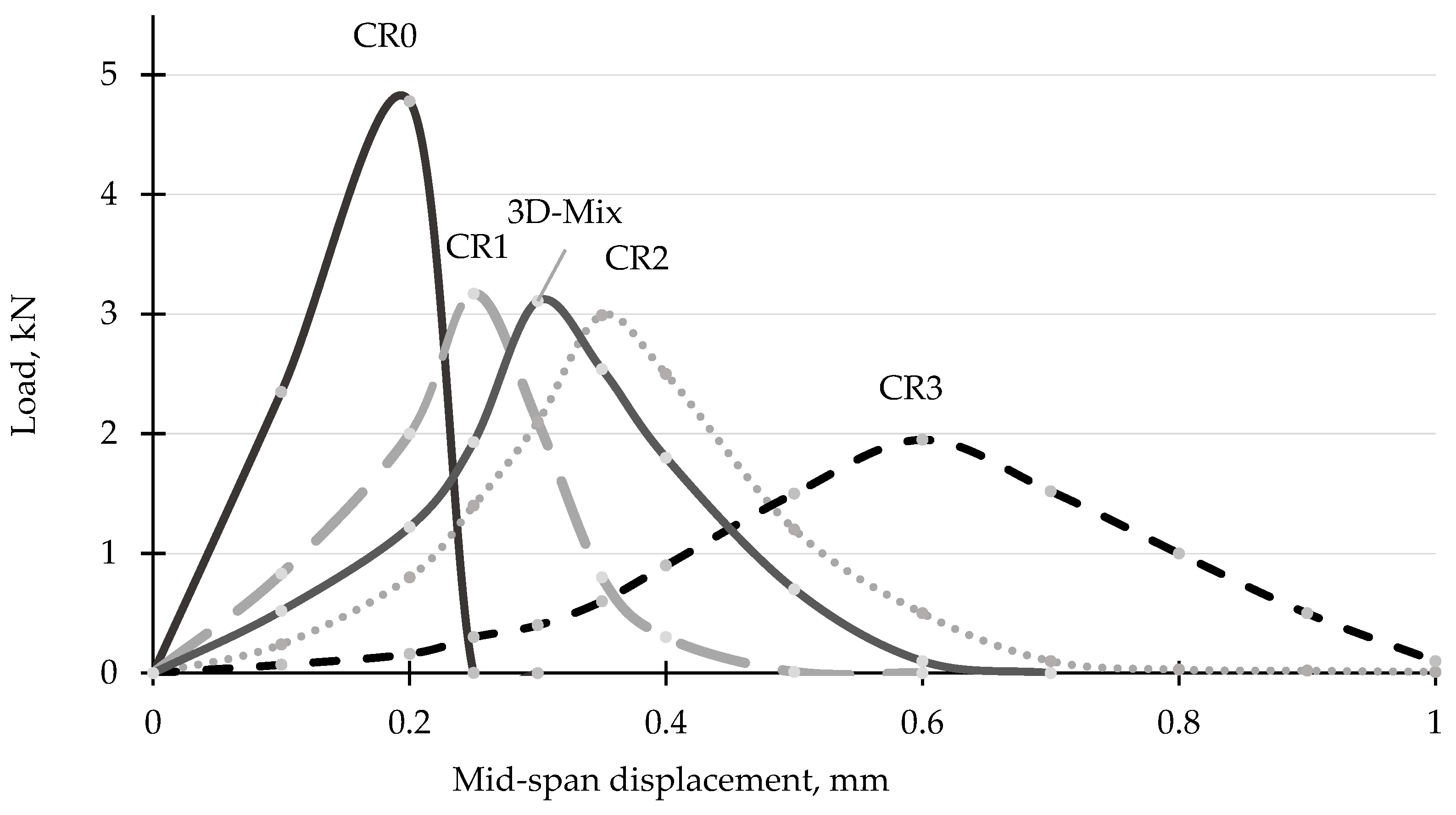
The experimental campaign targeted the assessment of the physical, mechanical, and durability performance of the novel prepared GCP composites modified by CR derived from ELTs. The flexural strength results of the four specimens of each mix are presented in
Figure 5.
Although CR3 (50% CR/binder) demonstrated limited structural practicality because of pronounced compressive strength loss, its inclusion provided important parametric insight into the upper threshold of elastomeric modification and helped define the optimization window for more practically viable formulations.
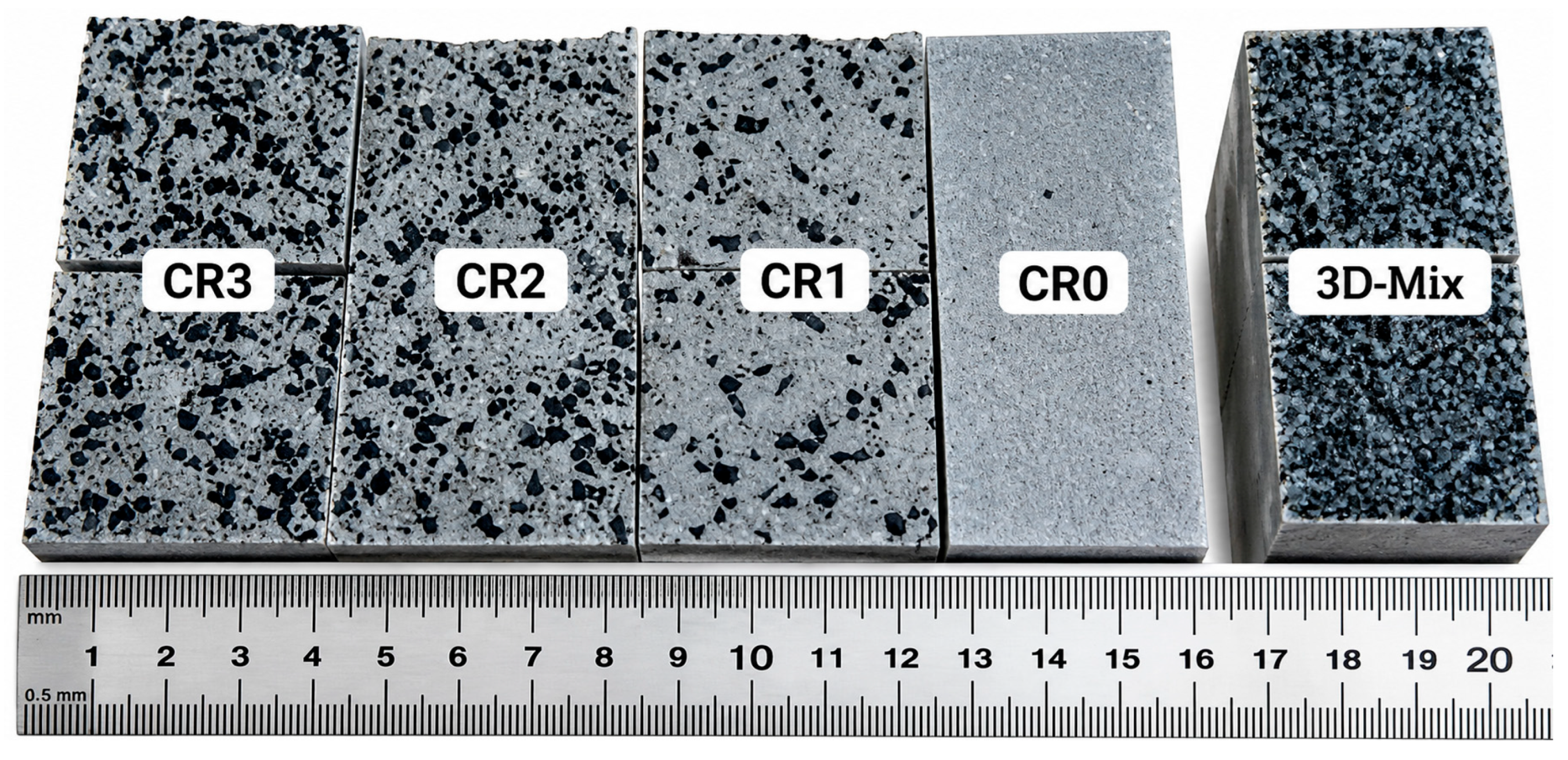
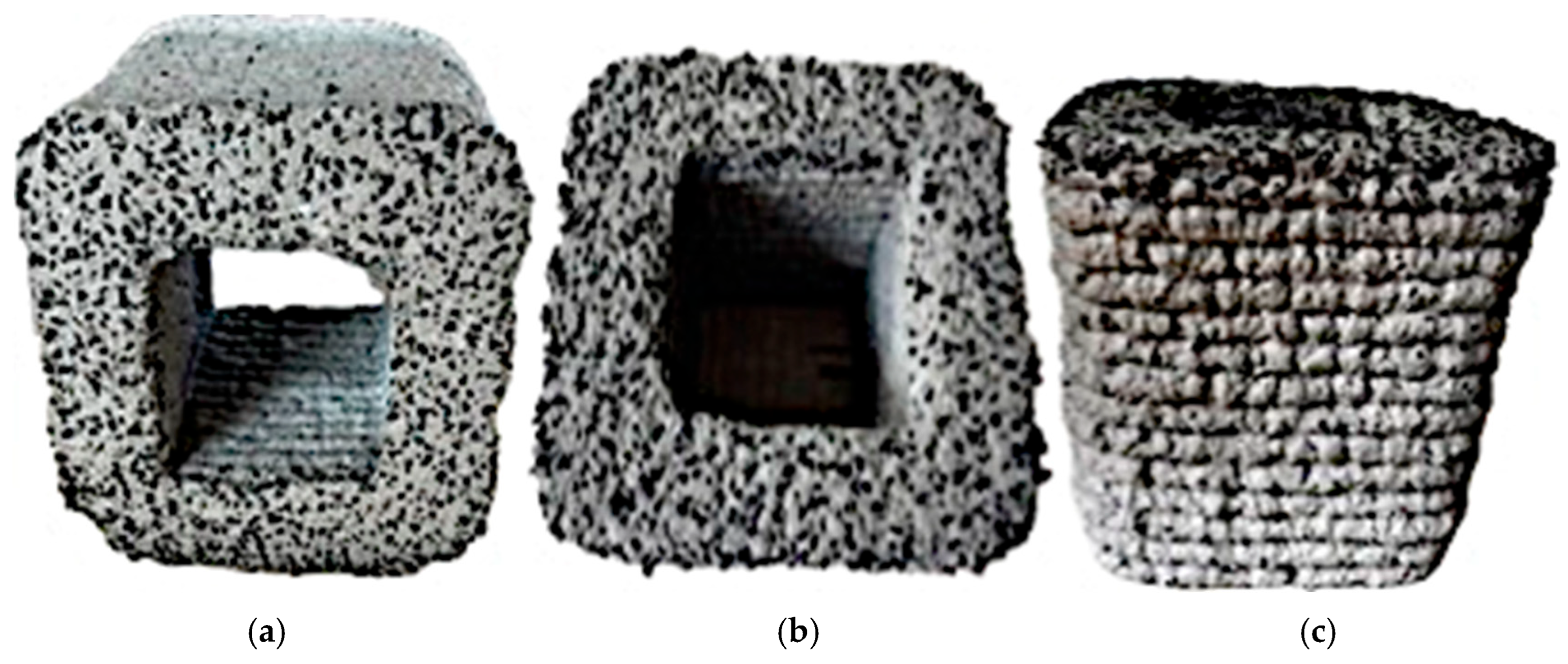
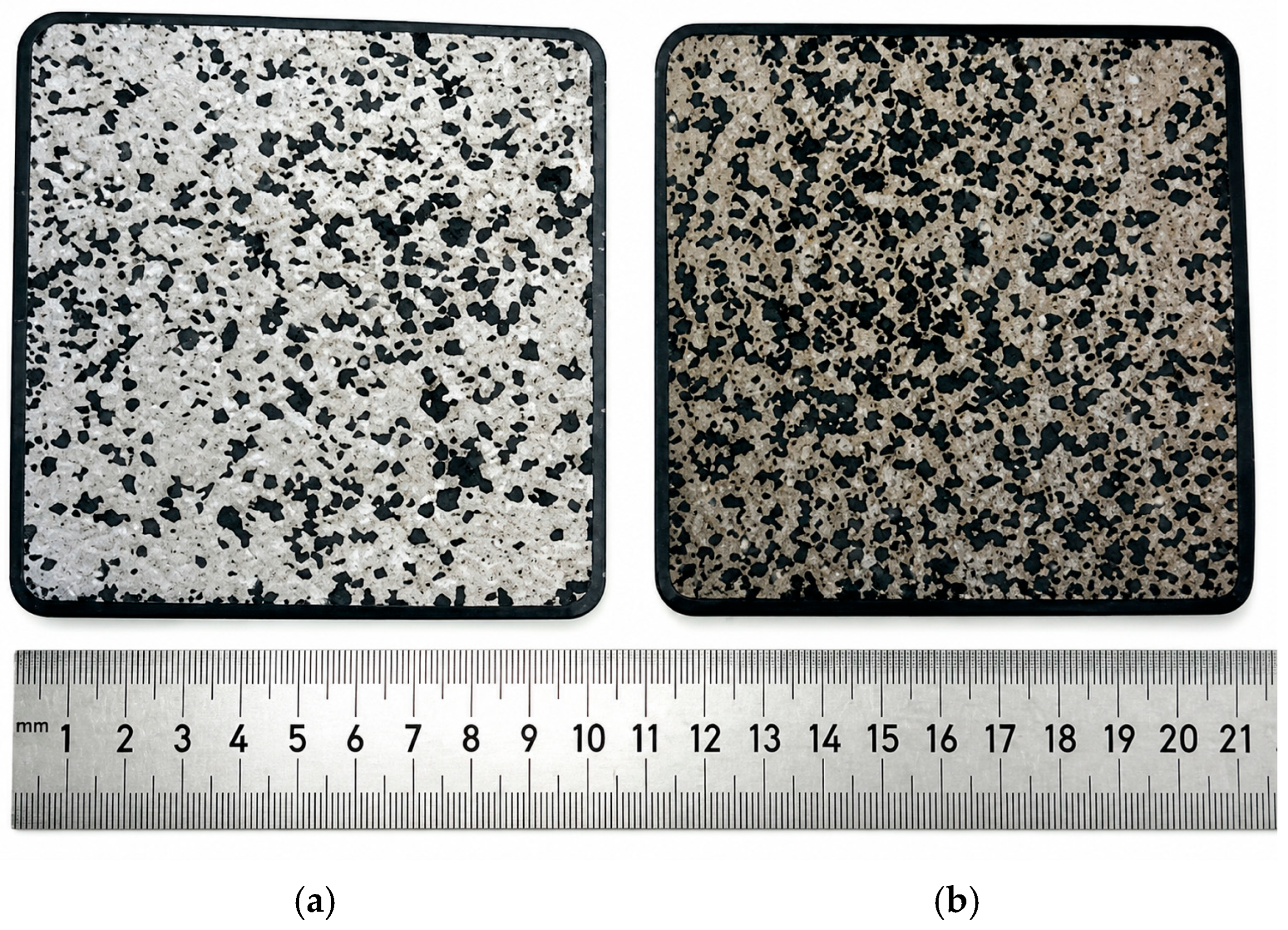
The outcomes of the evolution of properties in the early cast mixtures (from CR0 to 3D-Mix) showed typical workability and shape elasticity after extrusion with a quite smooth surface finish and uniform layer development (
Figure 6) at the cracking place after flexural tests. These aspects are meant to demonstrate that rubber addition did not compromise rheology of the GCP system, which is a key finding since such polymeric additions destabilize the extrusion rheology [
21,
32]. The mixture then demonstrated a balance of cohesion and flowability appropriate for use as an environmentally friendly construction material in automated manufacturing.
The mechanical performance results in the expected equilibrium between strength and ductility of rubberized cementitious materials as typically witnessed [
22,
25]. The reference GCP mix of CR0 featured highest compressive strength, whereas rubber-modified ones (CR1–3D-Mix) showed stepwise reduction. Nevertheless, optimized 3D-Mix preserved compressive strength at over 50% of the reference, a level often desired for light structural composites [
24]. Under flexural loading, the decrease was less. While flexural strength decreased moderately, test specimens exhibited a distinctly different fracture mode, from brittle failure of the control mix to ductile bending accompanied by visible energy dissipation. Crack extension was reduced as the rubber inclusions served as bridges between microcracks and stressed more evenly the GCP matrix. This confirms the elastic damping property of rubber and aligns with similar observations in cement–rubber composites [
19,
27,
30]. As an important note, retention of flexural capacity while enhancing toughness is a valuable mechanical advantage of the GCP–rubber system over conventional cementitious mix.
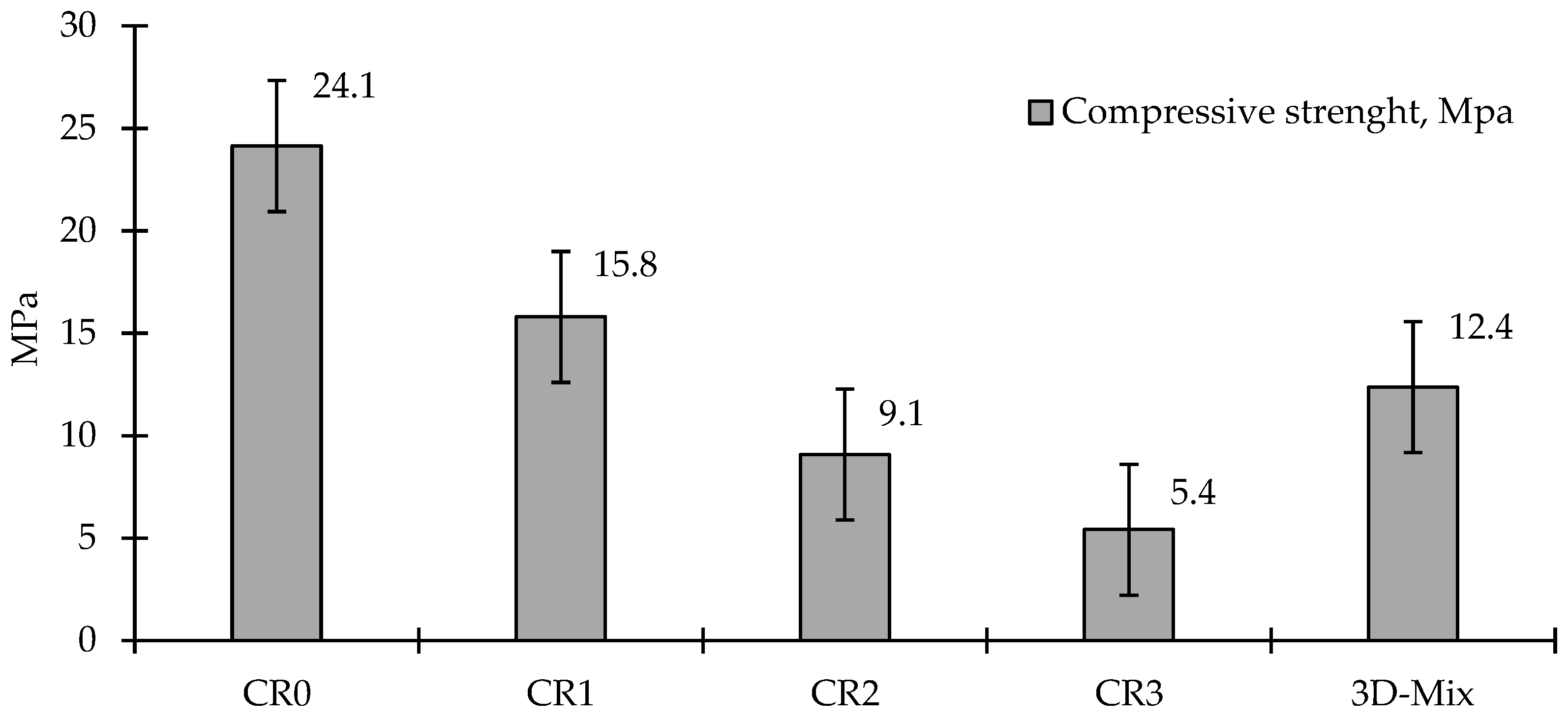
Compressive test results of these initial mixes are presented in
Figure 7, revealing clear trends. Increasing the proportion of crumb rubber led to enhanced freeze–thaw resistance and improved flexural performance, while simultaneously causing a moderate reduction in compressive strength—a behavior that aligns closely with previously reported findings in rubber-modified cementitious composites [
44,
45,
49].
Based on these experiment results, the final mix design was established with the crumb rubber content at 25% of the total binder weight. This proportion is exhibited in
Table 4 of the optimum balance between mechanical strength as well as adequate workability and rheology for 3D extrusion.
This ratio gave a workable and cohesive-like blend with enhanced flexibility and strength without lowering print stability and interlayer adhesion throughout the extrusion process. Crumb rubber was produced by shredding ELTs using mechanical means sourced from a reliable recycling facility. Particle size range was 0.8 to 2.5 mm, consistent with earlier studies of increased elastic energy dissipation and hydrophobicity in com-parable size ranges [
11,
12,
13,
14,
47,
59,
60,
61,
62,
64,
68]. Rubber utilization as a functional additive in GCP systems presents potential dual benefits: mechanical damping through elastomeric inclusions and pore blocking to limit water absorption. In order to regulate rheological behavior, a polycarboxylate-based superplasticizer was applied to every mixture [
47]. The admixture lowered the yield stress of the mix and enhanced extrudability for the 3D printing process [
46]. In addition, a citric-acid-based retarder powder was added in order to adjust setting time and prevent premature stiffening during mixing and extrusion [
7,
42]. Both additives were dosed cautiously in order to produce uniform layer retention and structural integrity for all mix designs.
3.2. Density and Water Absorption
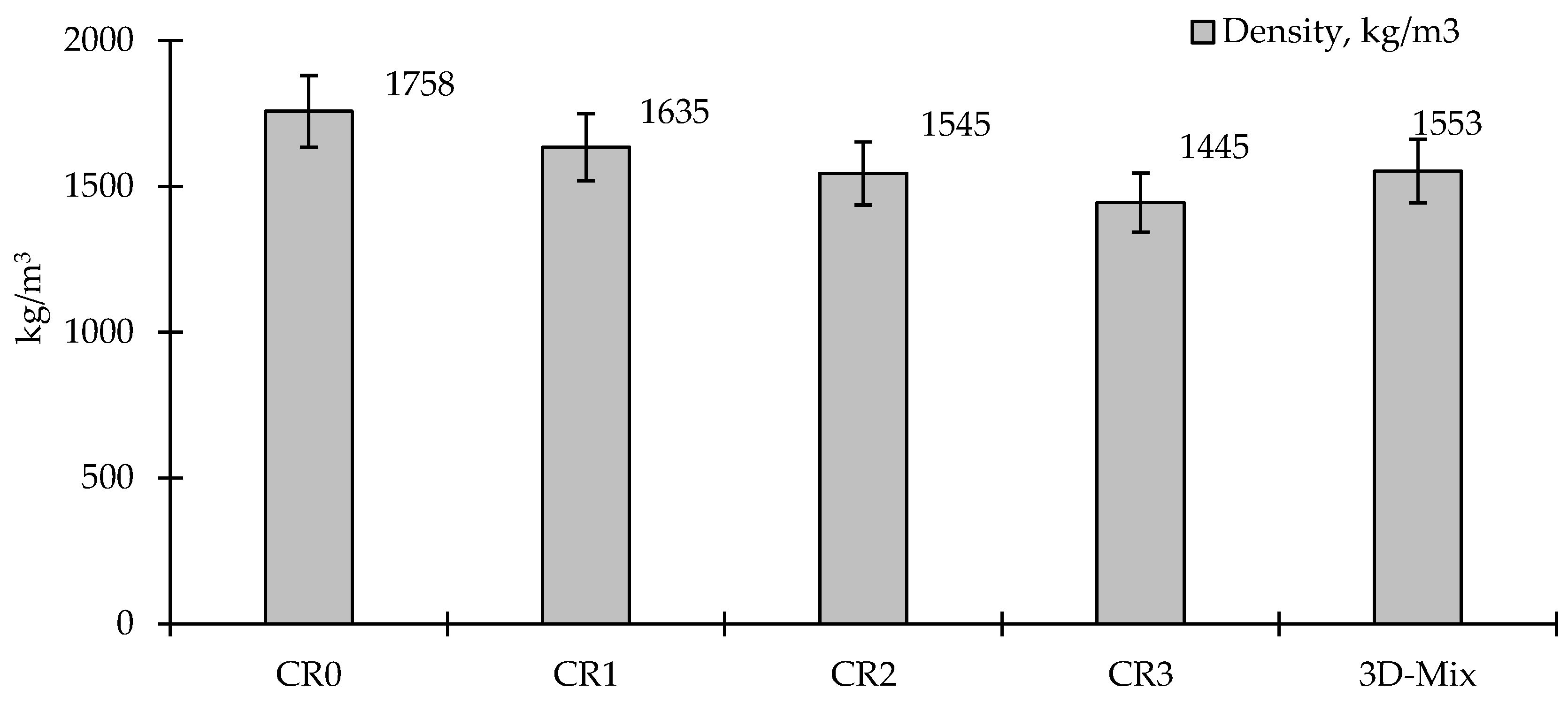
There was a clear trend in the physical properties of the composites. Incorporation of crumb rubber successively reduced bulk density,
Figure 8, consistent with the low density of rubber granules versus mineral binder. Although modest, this reduction provided a lightweight composite enhancing handling efficiency and structural dead load reduction.
Before tests were conducted on the rubber-modified blends, the control GCP mixture (CR0) was tested in order to determine a baseline performance. The control registered an average 28-day compressive strength of 24.1 MPa. All other tests were thereafter compared mechanically against this benchmark.
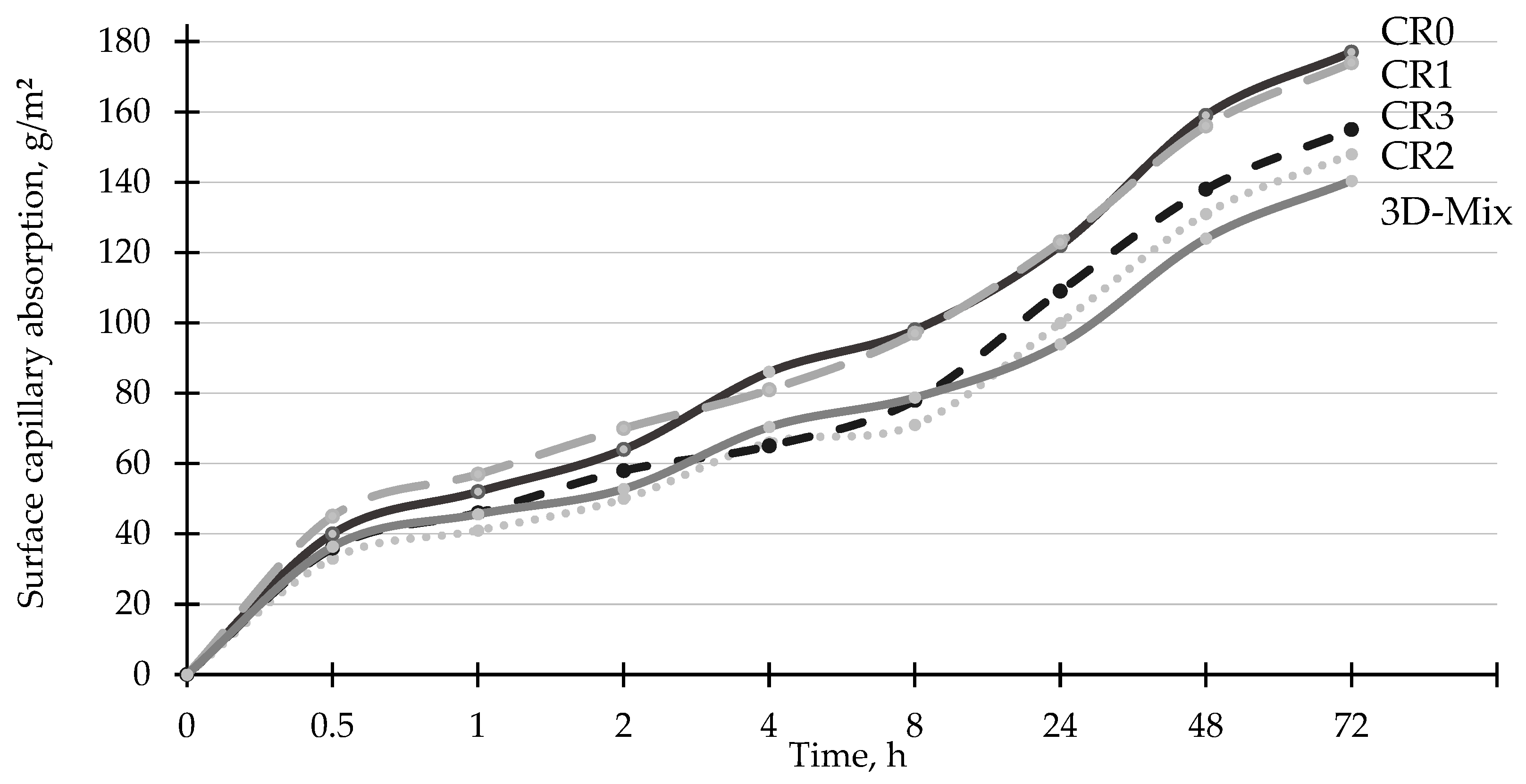
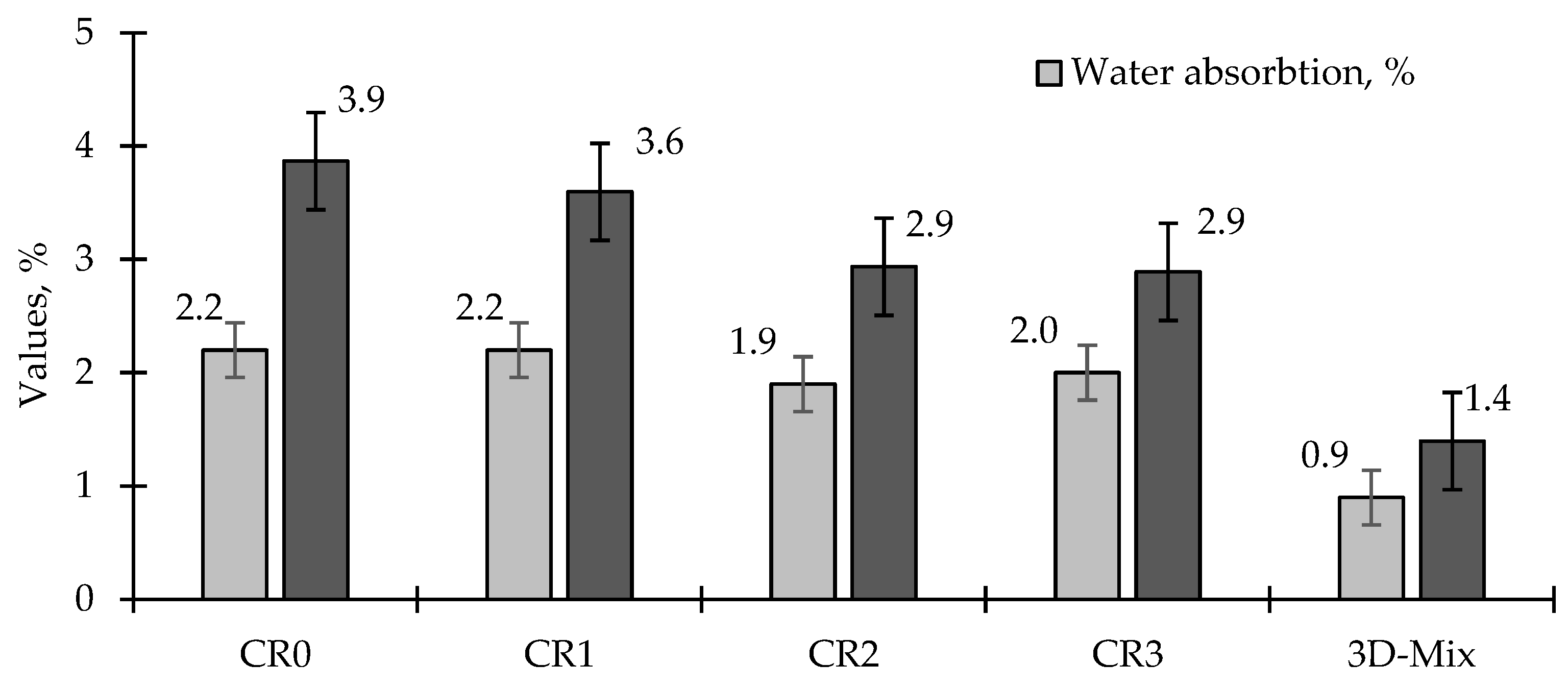
Water surface capillary absorption testing data, shown in
Table 8, also confirmed the beneficial influence of crumb rubber on composite properties related to durability. As seen in
Figure 9, rubberized samples consistently had less water absorption than the control.
This is attributed to the hydrophobicity of rubber that resists capillary transportation of water through the pore network. Utilization of rubber most likely disrupted capillary continuity, therefore reducing permeability. The same has been seen in polymer-modified cement composites [
20,
48,
69].
Lower water absorption is desirable under long-term service conditions since it directly relates to improved freeze–thaw and chemical resistance. The combination of lower absorption and good dimensional stability suggests that the GCP–rubber material will be more resistant to moisture-induced degradation than in usual gypsum- or cement-based mortars.
Crumb-rubber-modified mixes were expected to show less water absorption due to the hydrophobic and elastic nature of CR, which delivers internal pore-blocking effect and inhibit capillary suction. The mechanism has been reaffirmed in several previous studies of rubberized cement mortars and concretes [
23,
27,
29,
66,
67,
70]. The crumb rubber surface characteristics, as well as its moderate hydrophobic attraction to water, inhibit pore continuity, leading to fewer ingress routes for water.
In the current research, the incorporation of crumb rubber resulted in significantly lower apparent porosity and absorption when compared with control GCP mixture (CR0). Reduction was greatest in the case of the 3D-Mix (25% CR/binder ratio), which had the lowest observed absorption of the entire series of mixes in
Table 9. This phenomenon suggests that rubber addition not only reduces the overall pore volume accessible but also modifies internal pore structure by introducing discontinuous, closed micro-voids that trap air and restrict fluid flow.
This refinement of the microstructure provides a direct route to enhanced freeze–thaw resistance, as interior water is less able to expand in closed pores during freezing and thus reduces internal stress build-up and cracking.
Overall analysis of water absorption, open porosity in
Figure 10, and saturation indices provided a broad platform for the estimation of long-term performance under cyclic environmental loading. Specifically, the congruence of low porosity with good UPV values in
Section 2.2.3. confirmed the microstructural integrity of the GCP–rubber matrix after long-term freeze–thaw aging [
65].
In total, the lowered absorption capacity and increased pore structure of the rubberized GCP composites are a fundamental enhancement in durability and life. The hydrophobicity, elasticity, and matrix densification synergy effectively resists moisture-triggered degradation mechanisms, situating the developed GCP–crumb rubber mix as a robust, environmentally friendly material for 3D-printed structural and non-structural members under aggressive environmental conditions.
In extrusion-based 3D printing, pore structure must also be considered beyond bulk porosity alone, since layer-by-layer deposition may introduce anisotropic pore distribution, filament-interface voids, and preferential transport pathways distinct from cast systems. Previous studies on 3D-printed cementitious materials have shown that interlayer interfaces often contain higher localized porosity than monolithic cast specimens, even when overall mixture composition is similar. Therefore, the reduced water absorption observed in the present study likely reflects both material-level hydrophobicity and rheology-controlled filament stability, while localized interfacial porosity may still remain a critical durability parameter.
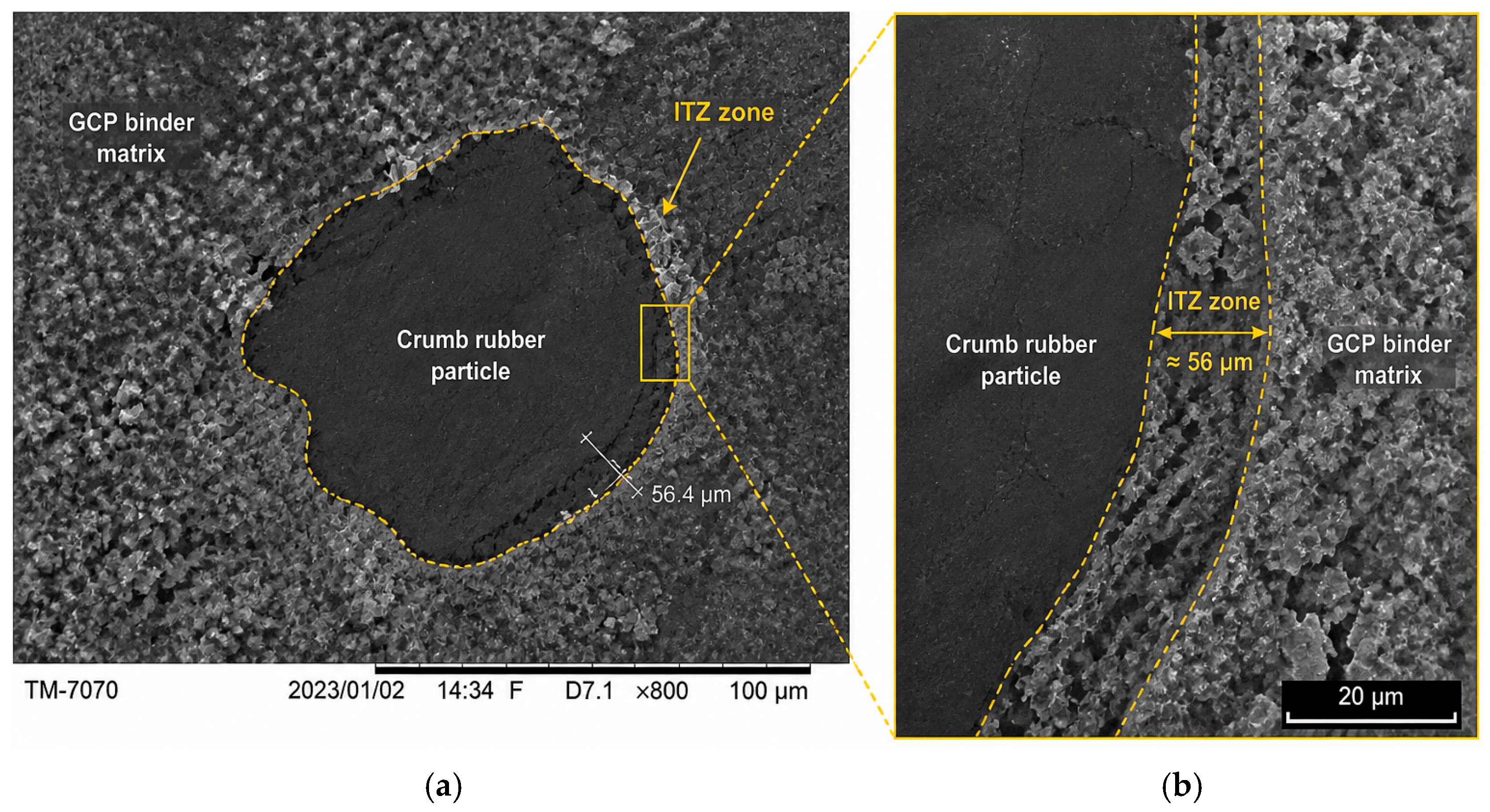
Although the rubber–binder interface appears less homogeneous than the surrounding mineral matrix, large interfacial voids or severe debonding were not prominently observed at the examined scale. This suggests that crumb rubber likely functions as a mechanically distinct inclusion within a relatively continuous binder structure, where localized ITZ heterogeneity may explain the simultaneous reduction in compressive strength and enhancement in flexibility, crack-arrest potential, and freeze–thaw resistance.
EM observations,
Figure 11, provide qualitative evidence of crumb rubber encapsulation within the gypsum–cement–pozzolan matrix and indicate the presence of an identifiable interfacial transition zone (ITZ) on the order of tens of micrometers (~56 µm).
The observed microstructure supports the hypothesis that metakaolin-assisted matrix densification may partially stabilize the rubber–binder interface, while the elastomeric inclusion modifies local stress transfer rather than acting solely as a defect phase.
Because only qualitative SEM observations were conducted, further studies using higher-resolution SEM mapping, EDS, or X-ray CT would be required to quantify pore connectivity, chemical bonding, and ITZ evolution more rigorously.
3.3. Dimensional Stability and Frost Resistance
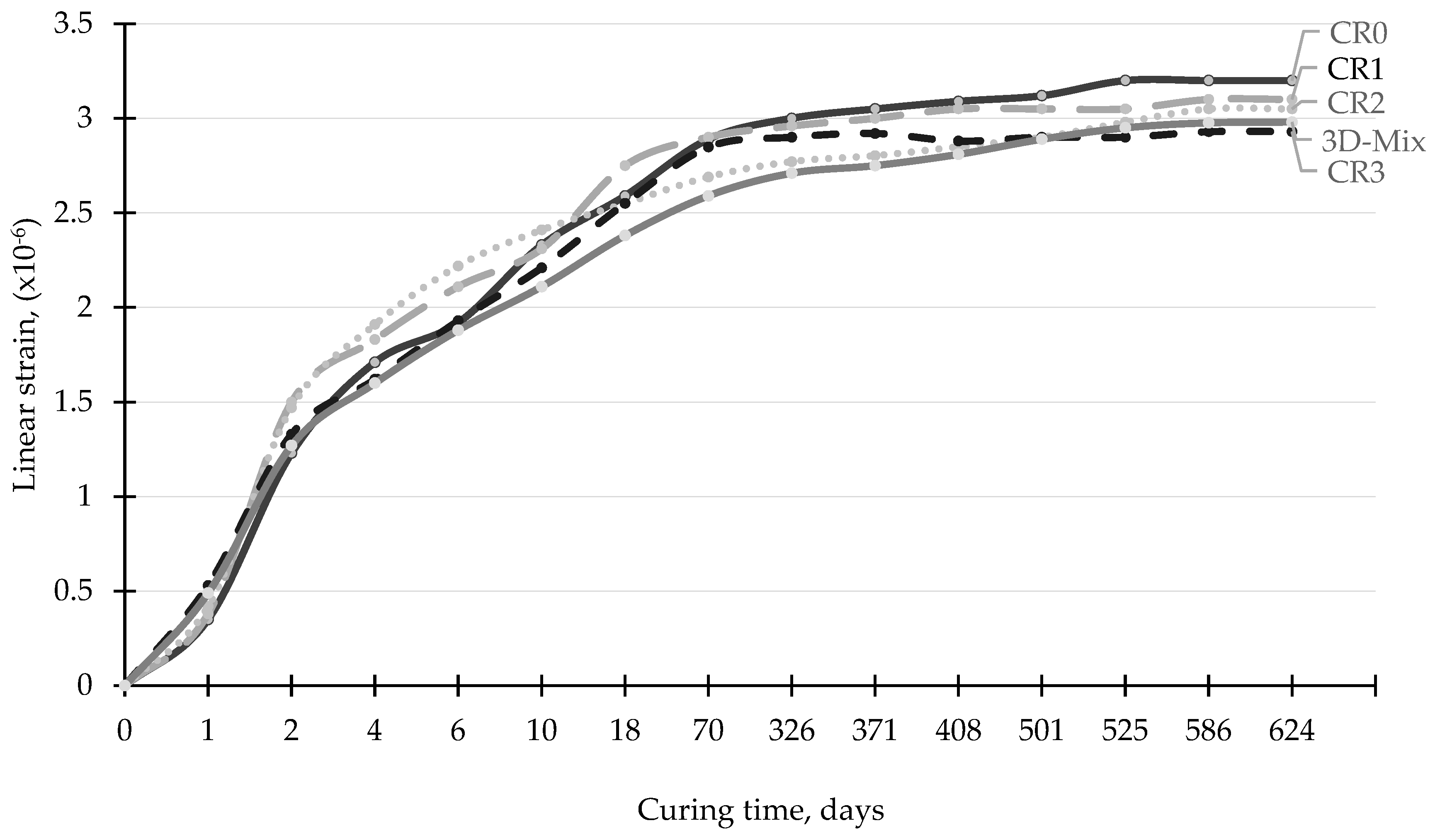
This stability was maintained even in mixtures with high rubber content. The result is noteworthy because cementitious systems typically exhibit drying shrinkage, whereas gypsum-based systems may show slight expansion during hydration. In the present GCP system, the combined presence of gypsum and rubber appears to contribute to a balanced deformation response. However, the mechanism cannot be stated unequivocally, as gypsum also reacts with cement aluminates to form ettringite, a phase associated with volumetric expansion. Therefore, the observed dimensional stability is likely the result of complex interactions between binder hydration reactions and the elastic behavior of the rubber inclusions. Comparable behavior has not been consistently observed in previous studies on rubber-modified binders [
13,
38,
43], highlighting a potentially unique microstructural interaction that enhances the dimensional integrity of printed parts.
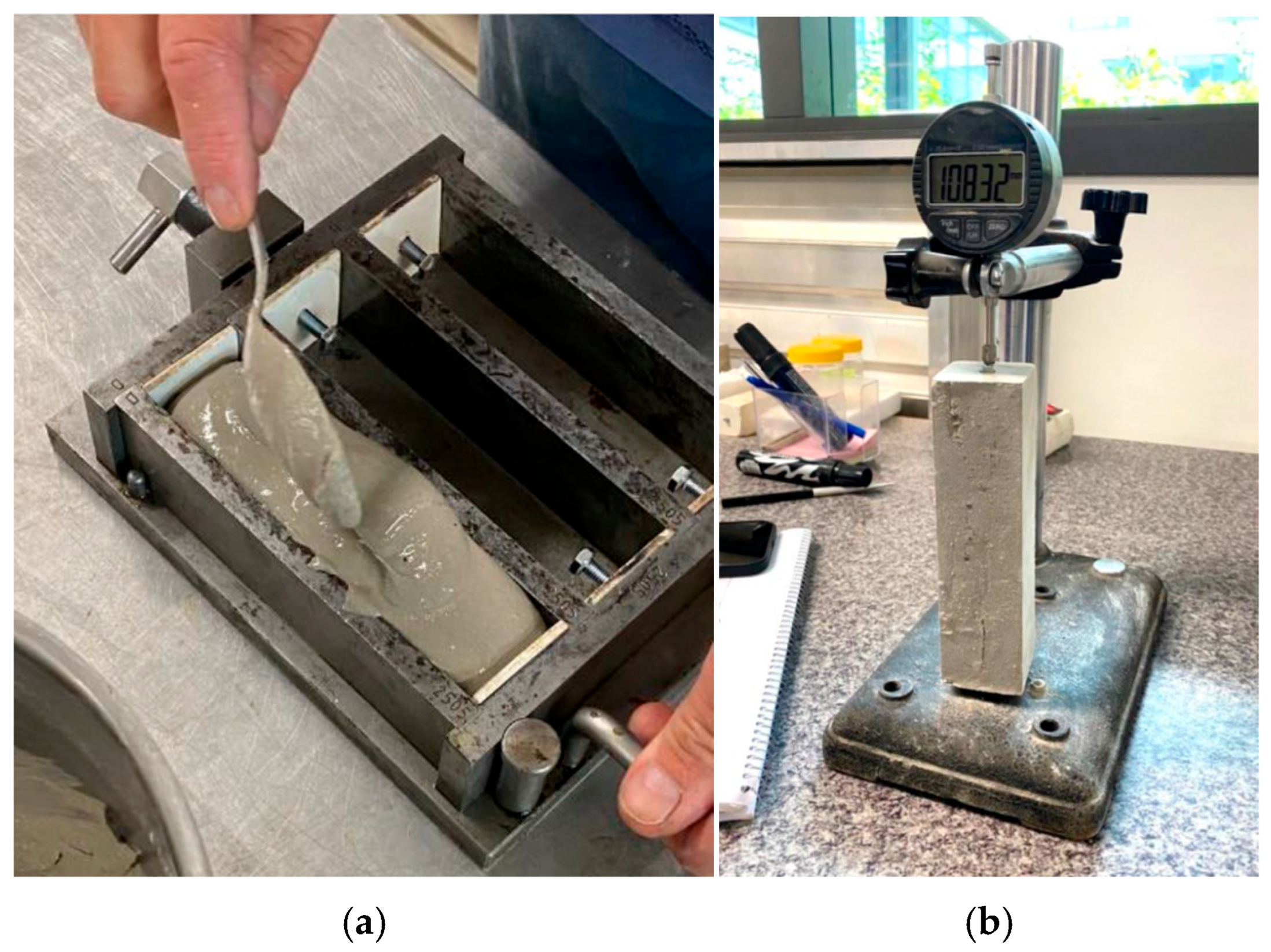
Dimensional stability testing revealed another distinctive and favorable trend. Precision micrometers deformation monitoring revealed zero longitudinal strain for all mixes during immersion curing, and the net displacement was below measurement sensitivity limits shown in
Figure 12.
The combined results of both tests show that addition of 25% crumb rubber in 3D-Mix significantly enhanced freeze–thaw resistance, with stable performance even after repeated cycles of thermal cycling. The composite showed superior high residual strength, minimal mass loss, and extremely low ultrasonic attenuation, substantiating the synergistic effect of rubber elasticity, pozzolanic densification, and hydrophobicity.
In practice, these results indicate that the 3D-Mix-printed GCP–rubber composite synthesized here possesses sufficient strength for architectural and structural applications under different temperature and humidity conditions. The use of UPV monitoring also validates its applicability for in situ quality control and long-term condition monitoring, opening up opportunities for the application of sustainable, waste-based materials in new building technologies.
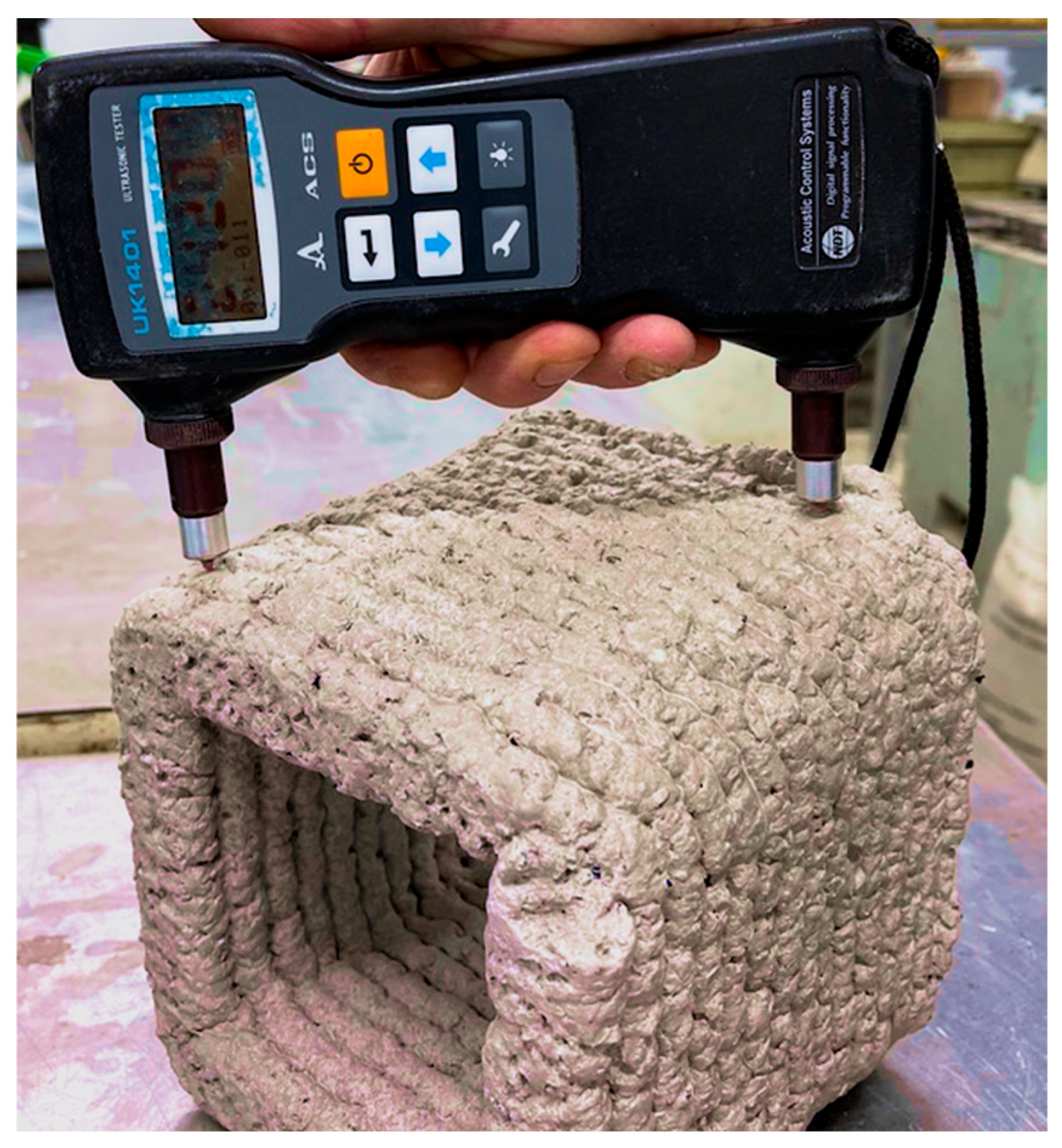
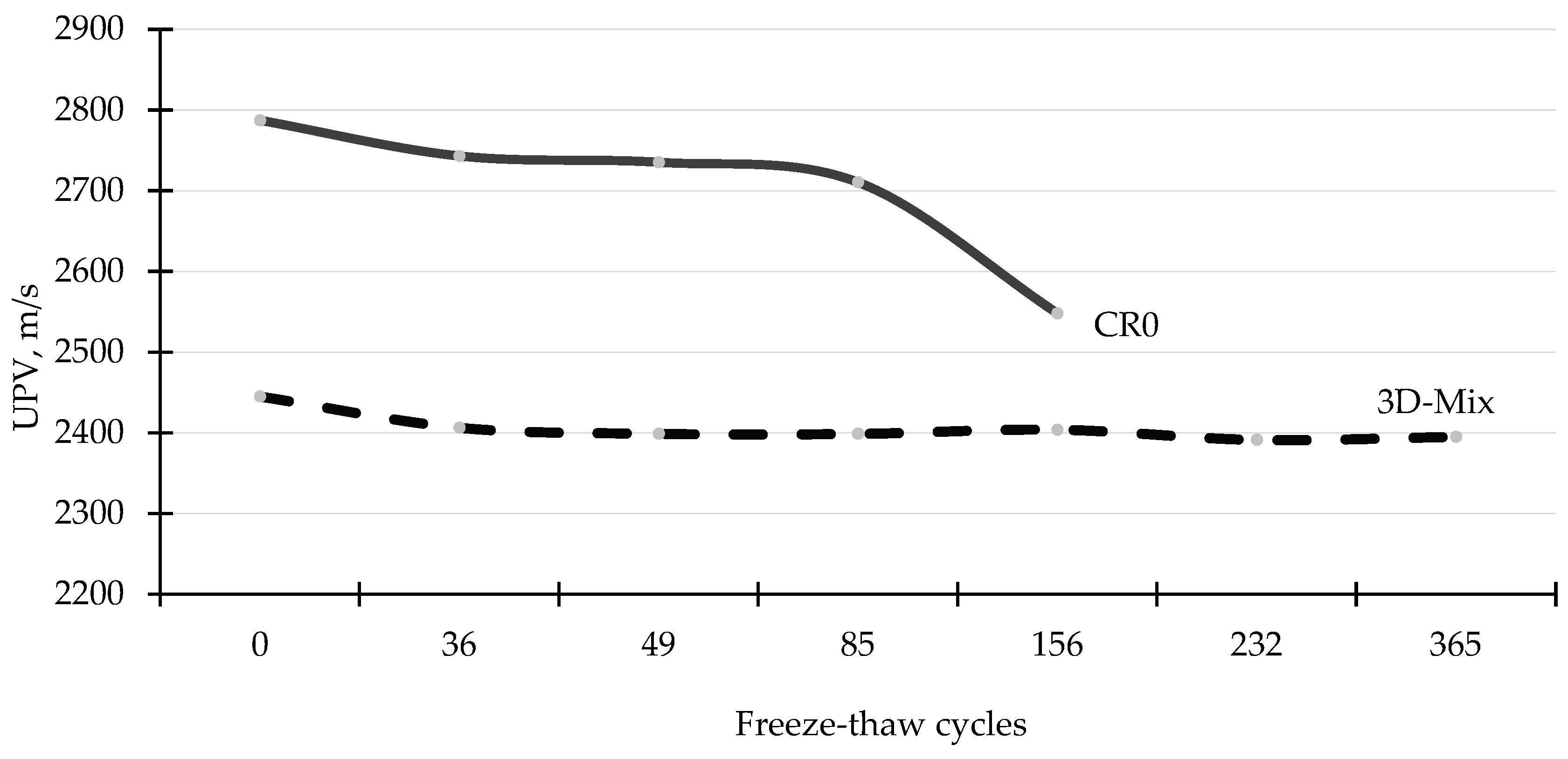
The pre-exposure UPV values of the samples averaged ~2600 m/s, indicating good density and good interfacial bonding of the layers during printing. Upon 36-day cyclic exposure, the UPV values dropped a small amount by around 50 m/s as a result of development of microcrack growth in interfacial transition zones. After 36 days, however, UPV values were very stable until day 365, indicating very minimal progressive degradation in
Table 10. The stability of ultrasonic velocity with long exposure time confirmed that the internal structure was coherent with no material continuity or bond quality loss between printed layers.
The freeze–thaw performance was the most convincing outcome of the research. Under controlled XF1 cycling conditions (EN 12390 [
52]), all the rubber-containing specimens showed better resistance to surface scaling and internal degradation;
Figure 13 shows a UPV value comparing CR0 and 3D-Mix. The
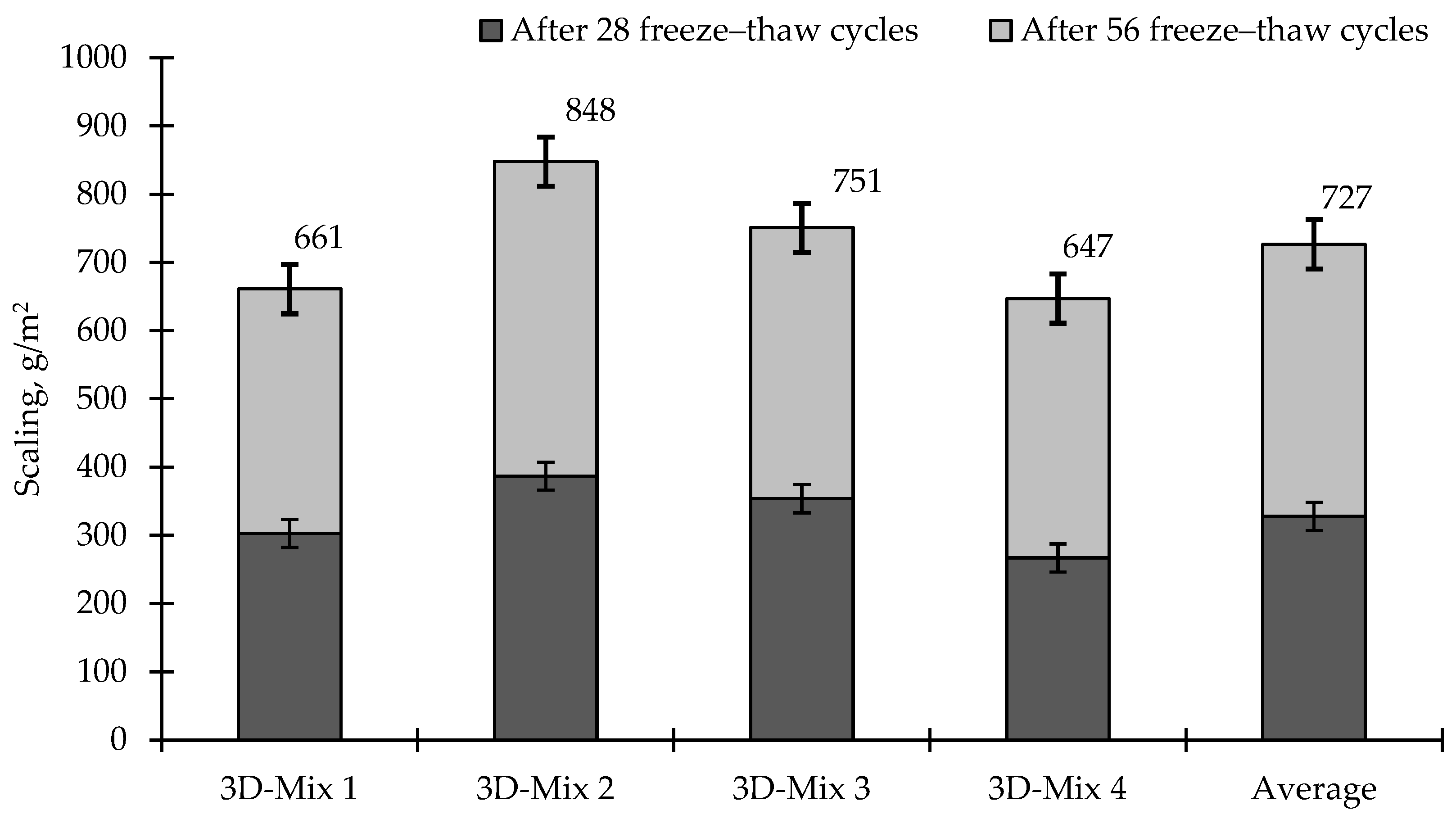
Figure 14 chart shows results of scaling surface mass loss, and even after prolonged exposure, 3D-Mix samples showed no visible damage, no significant mass loss, and superior maintenance of mechanical integrity.
In contrast, the GCP reference mixture showed premature microcracking and surface roughening after cyclic loading. These results confirm that CR is internal stress-relief inclusions that mitigate the expansive pressures that result from ice crystallization in the pore structure. This result is consistent with previous work on rubberized concrete [
18,
47,
50], but confirmation in a GCP binder in 3D-printed form is novel and demonstrates the durability advantage of piezoelectric material under cyclic thermal loading.
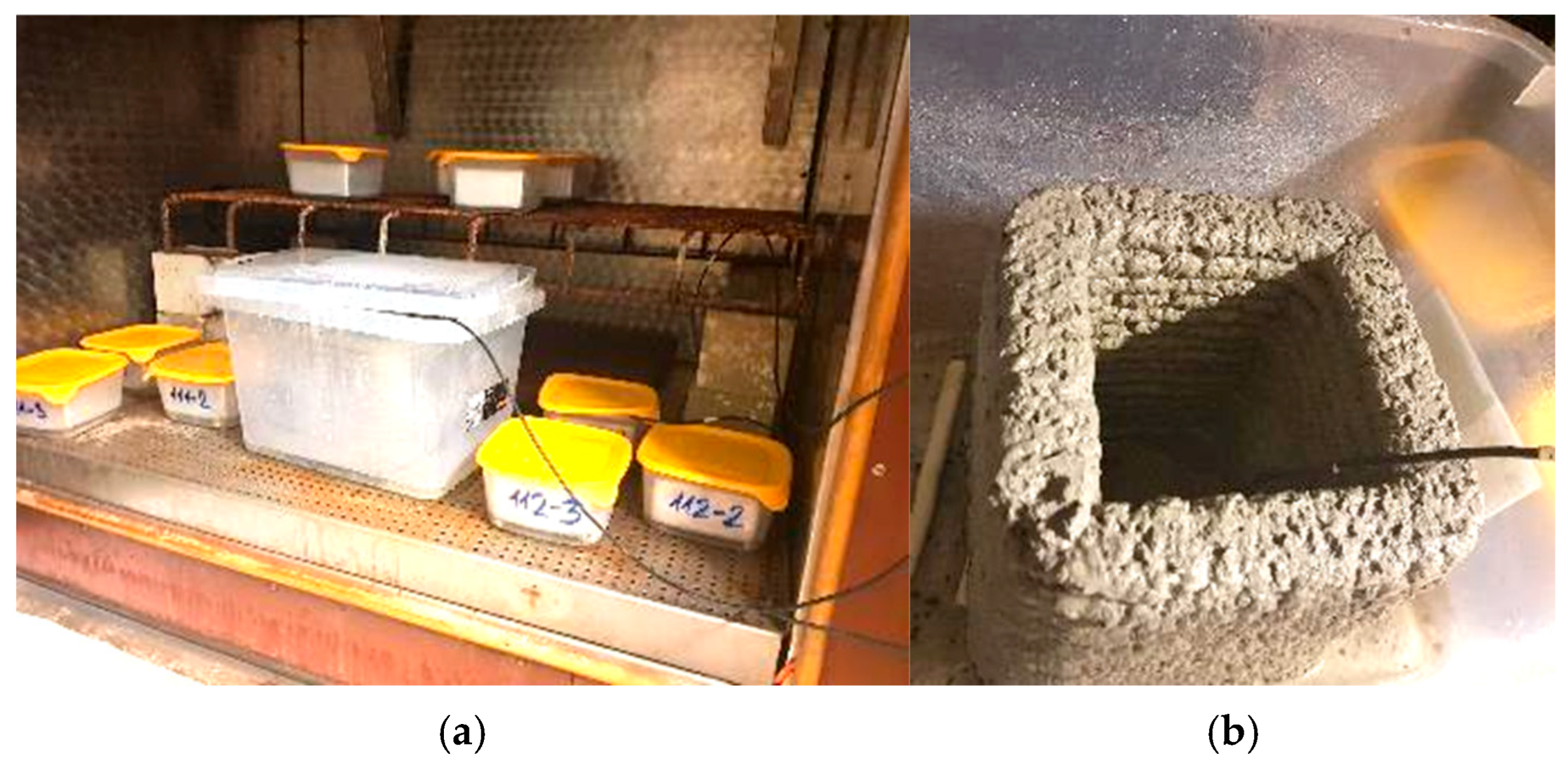
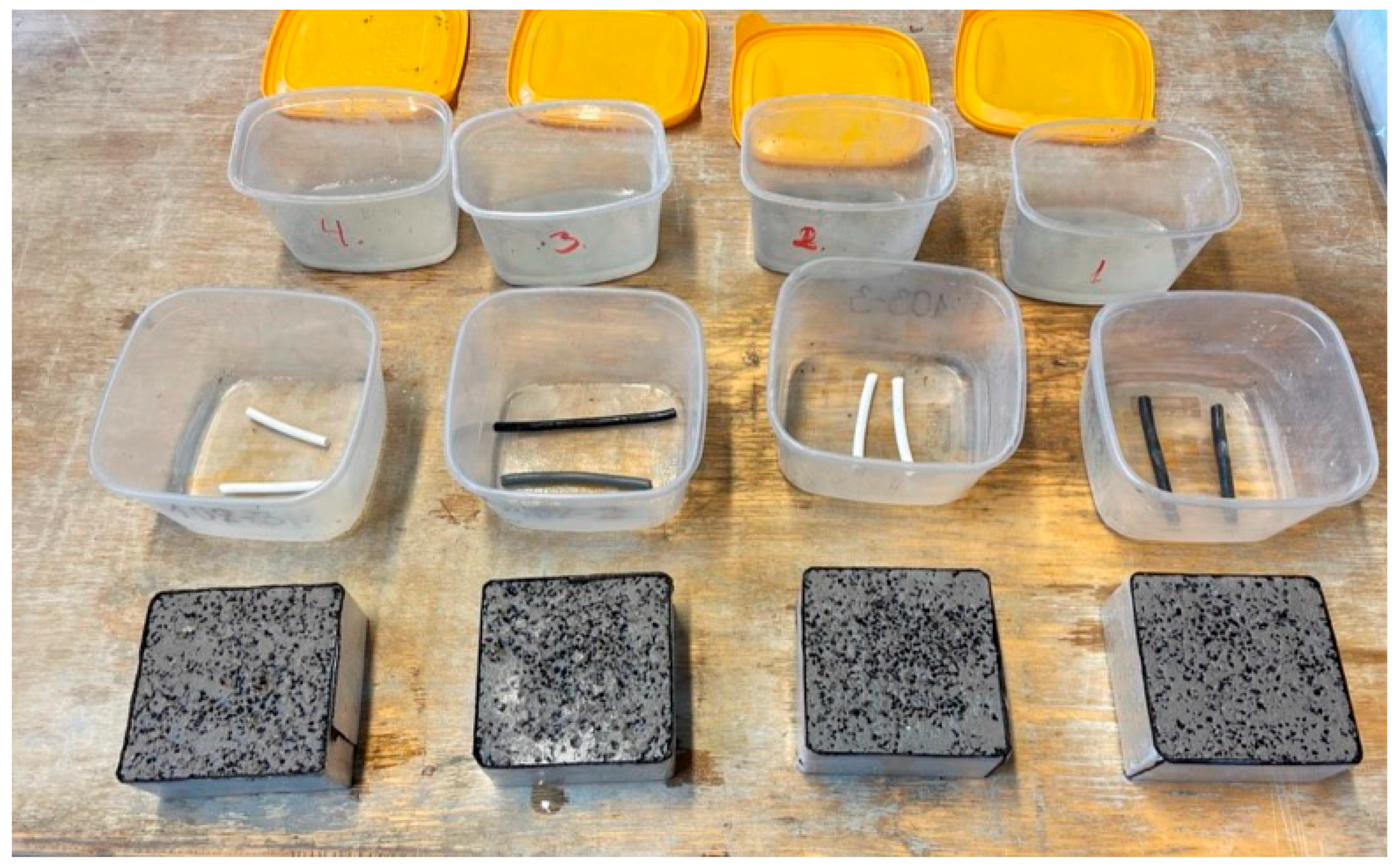
Four 3D-Mix specimens were subjected to freeze–thaw durability tests through cyclic freezing and thawing under controlled moisture exposure. As shown in
Figure 15, the specimens were partially immersed in water with a depth of 5 mm using spacers to simulate surface scaling. Hydroisolation tapes were applied to the lateral surfaces to limit moisture ingress from these surfaces, so that the degradation mechanisms are dominated by surface scaling due to cyclic environmental exposure.
A close-up comparison of surface degradation for 3D-Mix Sample No. 2 during progressive freeze–thaw cycles is shown in
Figure 16. In
Figure 16a, it can be seen that the sample has undergone 28 cycles, showing minimal signs of surface scaling. In
Figure 16b, it can be seen that the sample has undergone 56 cycles, showing increased signs of mortar degradation according to EN 12390 [
52]. The comparison of the sample visually indicates the gradual nature of scaling and resistance to structural degradation.
The UPV monitoring results also completed the freeze–thaw testing of the 3D-printed rectangular specimens made of 3D-Mix material. After the freeze–thaw chamber testing, it was noted that the durability of the printed specimens was unexpectedly high. There was no severe damage in the form of cracks or disintegration of the structure. Contrary to the cast specimens, the printed specimens showed minimal damage. The UPV monitoring results also confirmed the durability of the printed specimens. The condition of the specimens is shown in
Figure 17.
This self-stabilization phenomenon, where initial small declines plateau into a consistent long-term trend, is an unusual durability characteristic in additive-processed composites [
9,
31,
51]. The strong correlation between UPV stability and freeze–thaw performance further supports the conclusion that the GCP–rubber system achieves a robust microstructure able to redistribute internal stresses without consequence.
Overall, the mechanical, dimensional, and durability tests make up a uniform performance profile for the GCP–rubber composite. The material shows expected trade-offs—lower density and compressive strength balanced by enhanced flexibility, energy absorption, and freeze–thaw resistance. The trend is consistent with earlier studies on sustainable binders but with a superior balance point due to the synergistic behavior of gypsum and pozzolan in the matrix [
8,
38,
68]. The ability of the composite to stay structurally intact under cycling of the environment, coupled with low-energy binder manufacturing and its lightness, highlights its technological importance. Further, proof of successful 3D rheology using the 3D-Mix mixture is a first step towards green additive manufacturing materials.
Environmentally, this finding is very significant for construction’s circular economy. Utilization of end-of-life tire crumb rubber prevents the waste from landfills and reduces reliance on natural aggregates, and inclusion of gypsum and pozzolan reduces clinker consumption and embodied CO
2 emissions [
1,
3,
57]. The composite so formed unites material recycling and emission reduction in a single technological platform. The low mass and high durability of the 3D-Mix indicate additional energy conservation during transport and service life, further contributing to its sustainability profile.
The research design conformed to durability-targeted studies of recycled crumb rubber modified mortars [
19,
25,
26,
29,
57], whereby the results could be compared with patterns reported in conventional literature.
3.4. Evaluation of Rheology Characteristics of the Mixtures
Although modest, this reduction provided a lightweight composite enhancing handling efficiency and structural dead load reduction. The 3D-Mix showed typical workability and shape elasticity after extrusion with smooth surface finish and uniform layer development. These aspects are meant to demonstrate that rubber addition did not compromise rheology of the GCP system, which is a key finding since such polymeric additions destabilize the extrusion rheology [
21,
33]. The mixture then demonstrated cohesiveness and flowability balance appropriate for use as an environmentally friendly construction material for automated manufacturing.
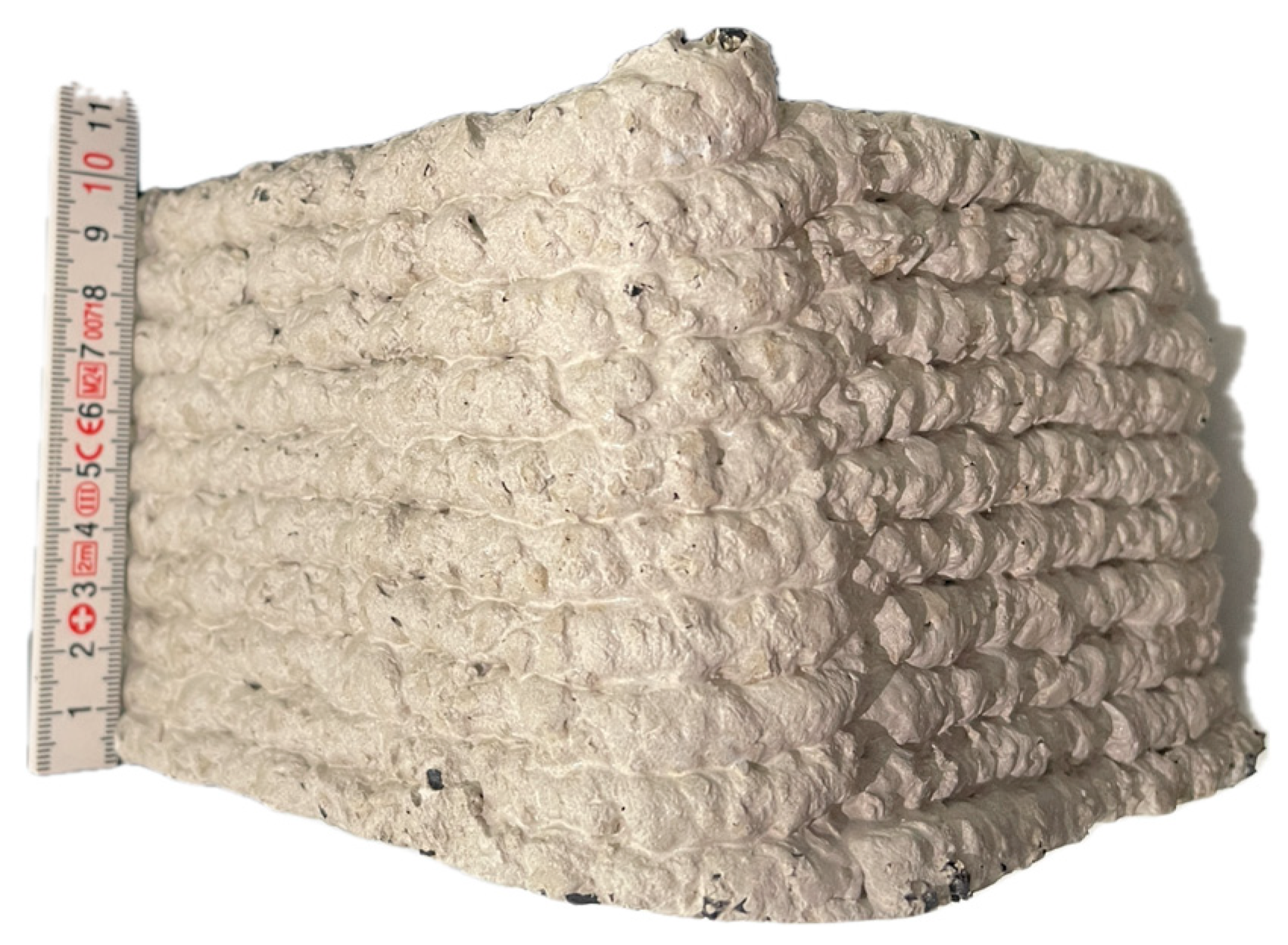
In contrast to conventional cast rubberized systems, where crumb rubber may segregate because of density differences, no visible signs of rubber flotation, localized accumulation, or phase separation were observed during extrusion or in printed layer geometry,
Figure 18. The stiff rheological design, rapid structural build-up of the gypsum-containing matrix, and controlled layer-by-layer deposition likely restricted particle migration.
Uniform filament morphology, stable layer dimensions, and visually consistent fracture surfaces collectively indicate effective particle suspension under the selected processing conditions.
Although direct tensile or shear interlayer bond testing was not conducted, coherent layer geometry and stable long-term UPV trends suggest relatively effective filament integration under the selected rheological conditions.
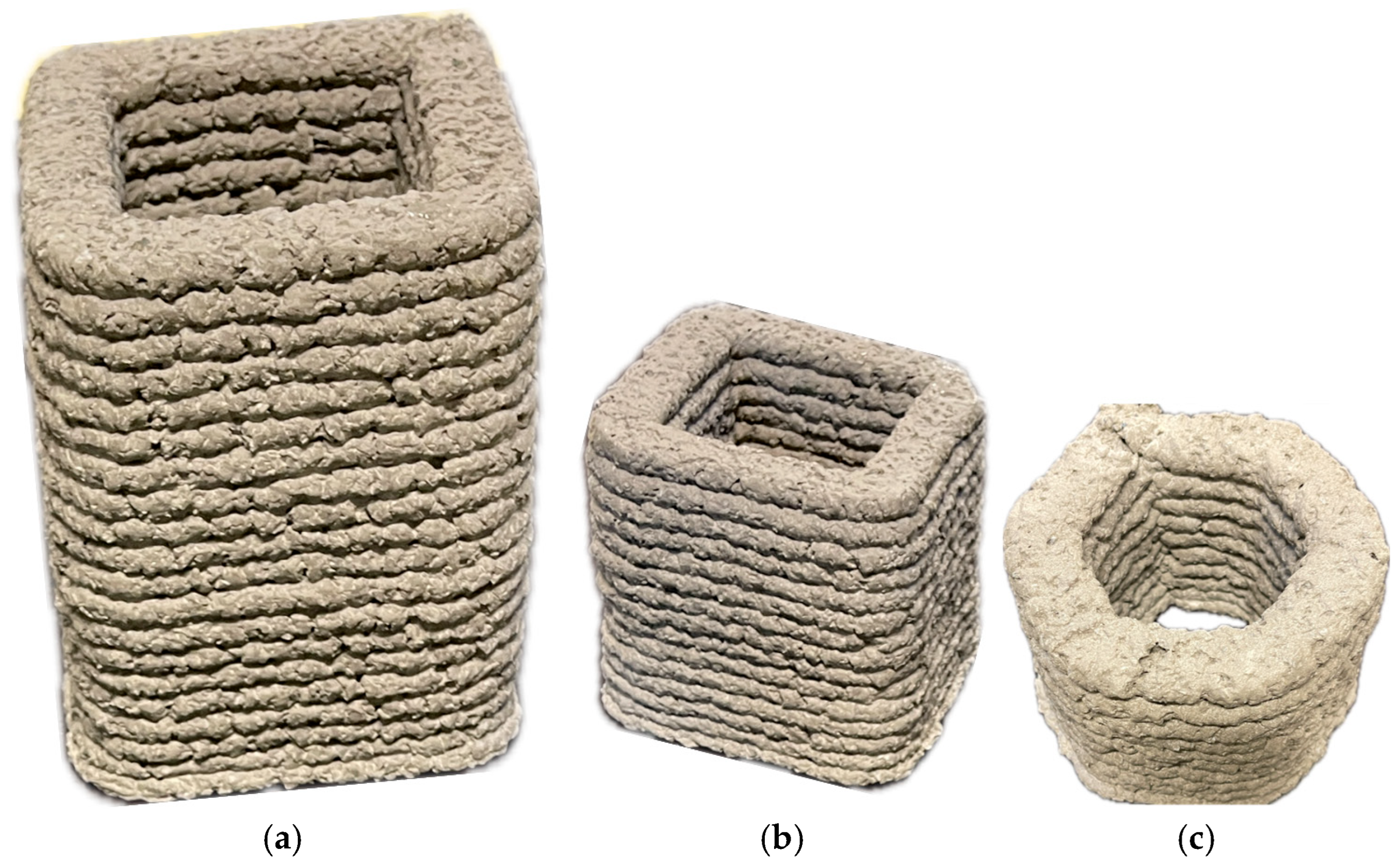
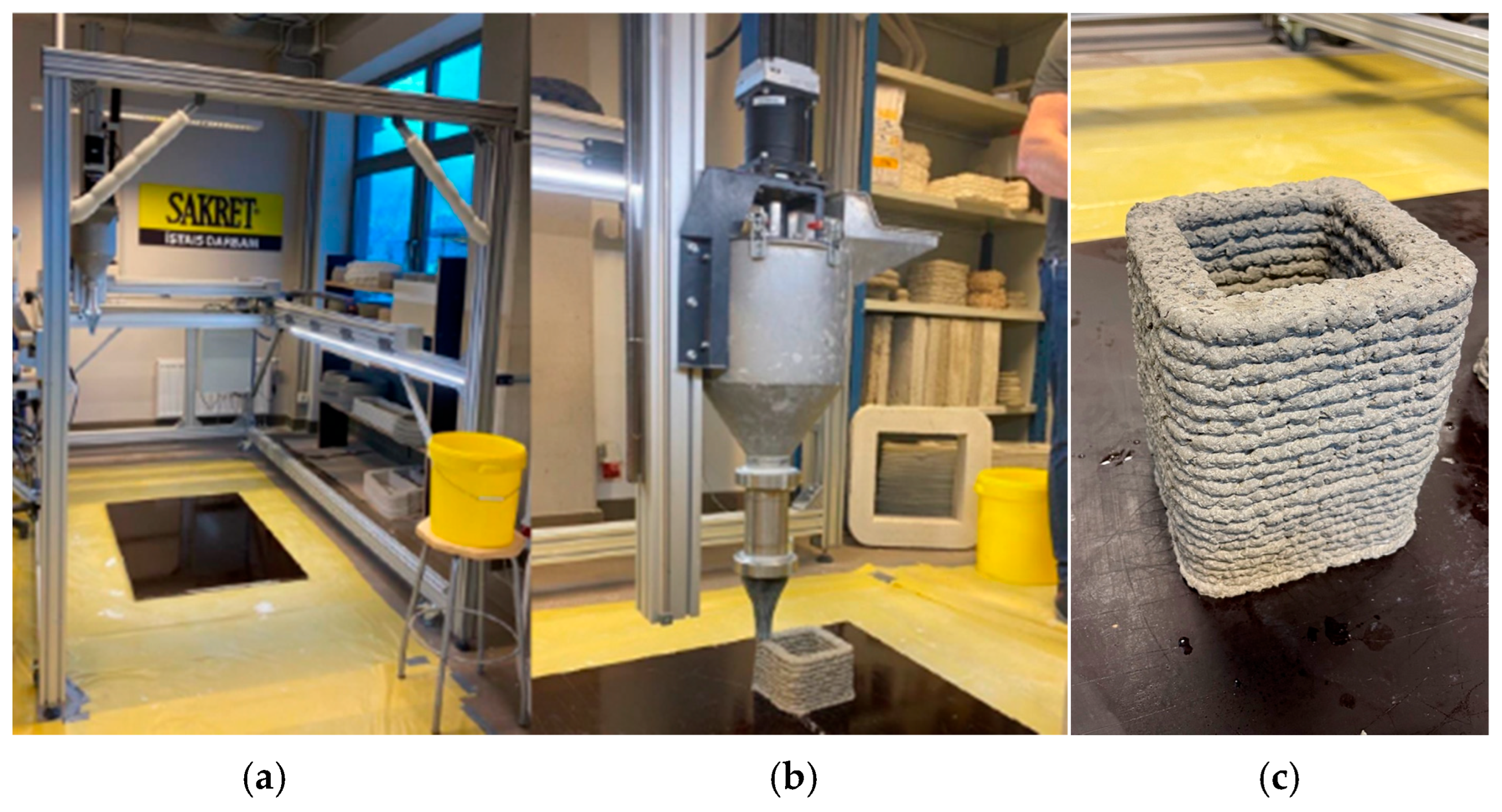
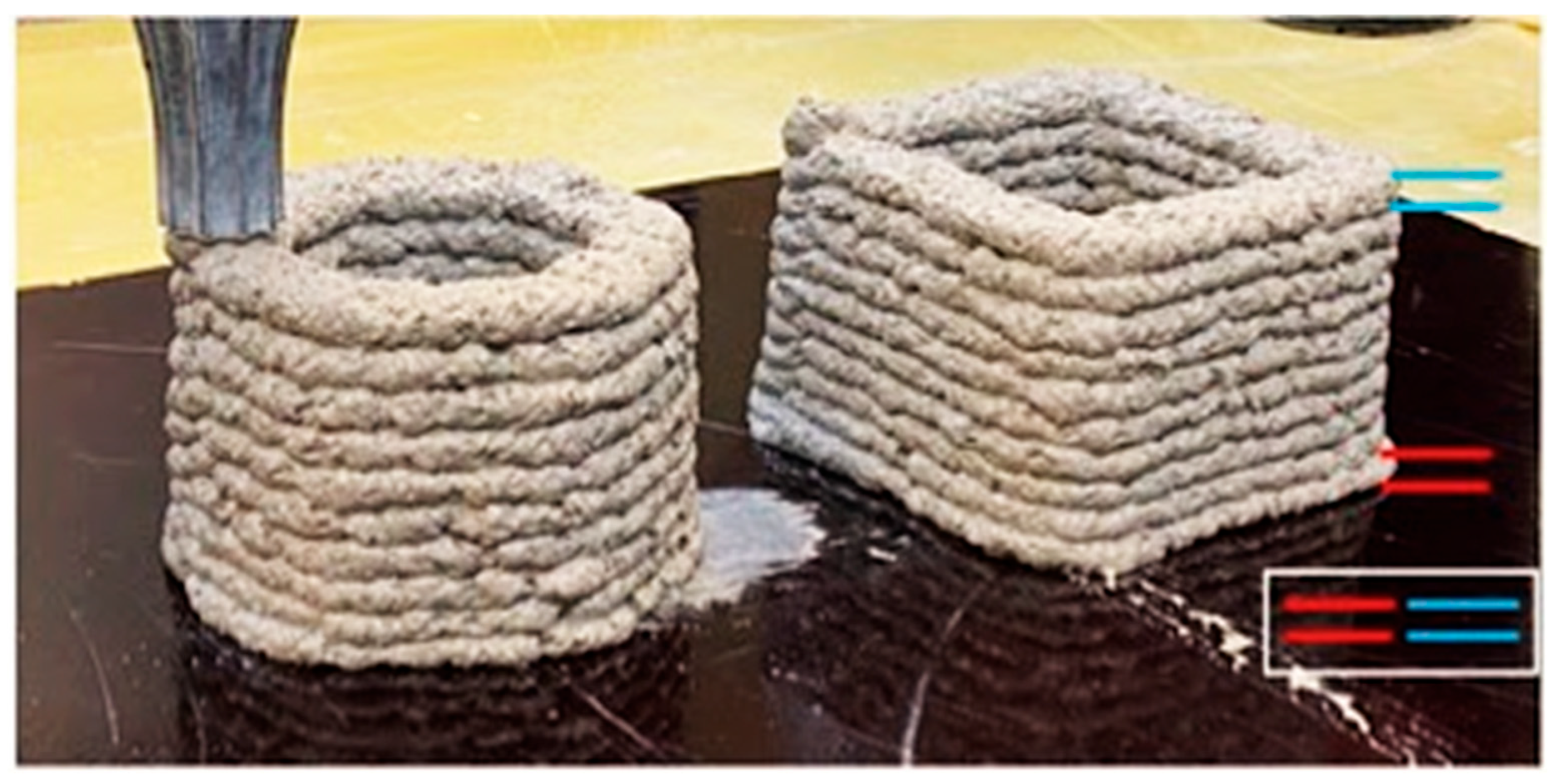
Layer retention tests were performed to see if the 3D-Mix material can keep its shape while layer by layer printing.
Figure 19 shows the specimens that we produced during the evaluation of how the 3D-Mix material can be used to build things. We successfully printed shapes with 10, 15, and 20 layers and also a hexagonal shape with 10 layers. These structures looked good with layers and stable shapes and did not have any visible problems.
Therefore, 3D printing was a design constraint, optimization framework, and performance criterion.
This means that the 3D-Mix material provided strength to support the building process, which involves adding layers on top of each other.
Interlayer bonding is a critical performance parameter in 3D-printed cementitious systems because insufficient filament fusion can create weak planes, anisotropic strength loss, and increased pore connectivity. Recent studies on interlayer bonding and microstructural characterization of 3D-printed concrete indicate that filament geometry, deposition interval, and rheological consistency strongly influence bond integrity and pore architecture. In the present work, the stable filament morphology, limited geometric deformation, and consistent UPV trends suggest relatively effective layer integration, although direct bond-strength testing or microstructural imaging was beyond the current scope. Although advanced quantitative segregation analysis such as X-ray CT or digital particle mapping was outside the scope of this study, the consistent visual morphology and repeatable mechanical performance suggest that significant segregation was effectively minimized.
The 3D-Mix material worked well for making layer structures. The printed parts had lines and stuck together well, as shown in
Figure 20. Then, we printed shapes with 10 layers to test if the material can hold complex shapes. The hexagons kept their shape with layers and smooth surfaces, which means the material can recover its shape well after being printed out. When we printed taller shapes, the difference between the planned and actual height was not noticed. This shows that the 3D-Mix material is strong enough to support layers without falling or bending too much. These results confirm that our 3D-Mix material is good for 3D printing, keeping its shape and layer structure well during printing.
Based on the strength retention requirements, the allowable lower limit of the modified compositions was established as not less than 50% of the reference strength (i.e., ≥12 MPa), which would provide adequate mechanical performance for non-structural or infill 3D printing. Upon comparison of the results throughout the test series, the crumb rubber content of about 25% per binder mass (gypsum + cement + pozzolan) showed the best balance in performance. This work maintained compressive strength beyond the desired limit while achieving substantial improvement in flexibility, reduced crack formation, and freeze–thaw resistance. The correspondence of mechanical strength with CR/binder ratio achieved supported 17–50% rubber loading as an effective optimization range for 3D-printable GCP composites, as per previous findings on hybrid binder systems [
13,
15,
19,
25,
28,
57,
64,
66,
70].
For UPV and freeze–thaw data, percentage retention of initial UPV, a non-destructive indicator of internal structural integrity, was determined as the relative change in ultrasonic velocity with exposure time. It was contrasted with mechanical property degradation in order to establish whether or not the ultrasonic data may serve as a suitable proxy for the cumulative microstructural damage.
In summary, the findings indicate that a 25% CR/binder ratio offers the best balance of mechanical performance, rheology, and durability. The GCP–rubber system maintained structural cohesion, displayed near-zero deformation, reduced water absorption, and withstood extreme freeze–thaw cycling with negligible damage. The ultrasonic and mechanical agreement verifies the stability of the composite and declares that combining ELT-based rubber into GCP binders is an innovative and sustainable development for future generations of 3D-printed construction materials.
4. Conclusions and Future Outlook
This study demonstrated that GCP composites modified with crumb rubber from end-of-life tires can serve as a durable and sustainable material for additive manufacturing. The experimental program progressed from mixture optimization (CR0–CR3) to the development of a printable composition 3D-Mix. The optimal formulation containing ≈25% crumb rubber by binder mass (3D-Mix) achieved compressive strength values of approximately 12.37 MPa, representing a reduction of about 49% compared with the control mixture (24.14 MPa). Similarly, the flexural strength decreased from 4.78 MPa to 3.11 MPa (≈35% reduction). The main fundamental insight is that crumb rubber acts as a multifunctional phase in the printable GCP matrix, simultaneously weakening compressive load transfer while improving deformation tolerance, moisture resistance, and freeze–thaw durability.
Despite this decrease in strength, the incorporation of CR improved the deformation tolerance and ductility of the composite by promoting a more gradual strain development and crack-bridging behavior. In addition, the density decreased from 1758 kg/m3 to approximately 1553 kg/m3 (≈12% reduction), producing a lightweight composite suitable for non-structural 3D-printed elements while reducing structural dead loads.
Given the material, operational, and reproducibility demands of the technical process, the present study prioritized strategically spaced compositional intervals sufficient for trend identification, while future work may refine narrower parametric increments around the identified optimum.
Therefore, the broader parametric matrix should be viewed as a performance-mapping framework used to identify practical optimization boundaries rather than as an indication that all tested rubber contents are equally suitable for end-use construction.
Although the addition of rubber slightly reduced compressive strength compared with the reference mixture, flexural behavior showed improved toughness and crack-bridging capacity. Dimensional stability measurements revealed very low longitudinal deformation throughout the curing period up to 624 days, remaining within approximately ±0.05–0.10 mm/m (≈±50–100 µε), indicating stable volumetric behavior of the composite matrix. This integrated behavior differs from most conventional Portland cement rubber composites because the ternary GCP matrix introduces gypsum-assisted setting, pozzolanic densification, and additive-manufacturing-specific rheological constraints.
The research findings indicate that while compressive strength was moderately lowered by the introduction of crumb rubber, flexural strength was increased due to the energy-absorbing qualities of the rubber. Water absorption was lower, reflecting the hydrophobic nature of CR, and deformation testing revealed very little dimensional change. Above all, freeze–thaw resistance was dramatically improved: specimens retained more than 95% of their original strength upon cycling, and UPV measurements registered only a slight decrease (~50 m/s after 36 days), leveling off afterwards up to 200 days. These findings confirm that crumb rubber plays a beneficial role in the durability of GCP composites, offsetting the loss in compressive strength. Durability testing confirmed improved resistance to environmental actions. Capillary water absorption was reduced due to the hydrophobic nature of CR, resulting in lower apparent porosity values of approximately 18–22% compared with the reference mixture. Freeze–thaw experiments showed excellent resistance, with minimal surface scaling after 56 cycles and very low mass loss (<0.5–1.0 kg/m2). Ultrasonic pulse velocity monitoring indicated a stable internal structure, with velocities remaining around 2200–2600 m/s and showing only minor reductions during long-term cyclic exposure.
These findings are consistent with recent studies demonstrating that pore distribution and interlayer interface quality are dominant factors governing anisotropy and long-term performance in 3D-printed cementitious systems.
Rheology and layer retention tests confirmed that the developed 3D-Mix formulation was suitable for additive manufacturing. The mixture demonstrated stable extrusion behavior and adequate structural build-up, allowing successful printing of 10, 15, and 20-layer elements with geometric deviations of only ≈6–7% from the theoretical build height. Layer thickness measurements showed consistent filament geometry between the bottom and top layers of printed elements, confirming uniform material deposition.
From a sustainability perspective, the developed composite combines reduced Portland cement consumption with the recycling of end-of-life tires. This approach lowers CO2 emissions associated with binder production while simultaneously diverting rubber waste from landfills. The results therefore demonstrate that GCP–crumb rubber composites can provide a balanced combination of mechanical performance, durability, and rheology, making them a promising candidate for environmentally responsible 3D-printed construction materials.
Future work should focus on incorporating recycled gypsum from construction and demolition waste, optimizing rheological control for automated printing systems, and performing full life-cycle assessment (LCA) to quantify the environmental benefits of the proposed composite, and future investigations should prioritize quantitative microstructural characterization of pore architecture, interlayer bond strength, and rubber–binder ITZ evolution to more rigorously model structure–property relationships in 3D-printed GCP–rubber systems.
While the present study provides indirect structural insight through mechanical response, porosity trends, fracture morphology, and UPV monitoring, advanced quantitative characterization methods such as SEM, X-ray CT, mercury intrusion porosimetry (MIP), and direct interlayer bond testing would further strengthen understanding of pore network evolution, ITZ behavior, and anisotropic structural performance.