

Characteristics of Asphalt–Concrete Mixtures Produced by Hot Asphalt Recycling Using Thermal Energy from the Combustion of Waste Automobile Tires

 , , ,
, , ,  and
and
Abstract
1. Introduction
- -
- Stone materials obtained from mining waste;
- -
- Fine mineral aggregates from industrial waste;
- -
- Modifiers for organic binders based on oil refinery waste;
- -
- Modifiers for asphalt–concrete mixtures based on recycled car tires;
- -
- Hot recycling asphalt.
- -
- Cold recycling using granulated old asphalt concrete as a base material for subgrade layers;
- -
- Hot recycling with reclaimed asphalt pavement (RAP) as a raw material for producing new asphalt mixtures.
- -
- To study the dependence of the dynamic viscosity of bitumen binder samples on temperature and to establish the nature of the dependencies in the field of technological temperatures characteristic of asphalt mixture preparation and asphalt concrete compaction;
- -
- To establish the effect of the rejuvenating additive on the rheological characteristics of the residual bitumen binder;
- -
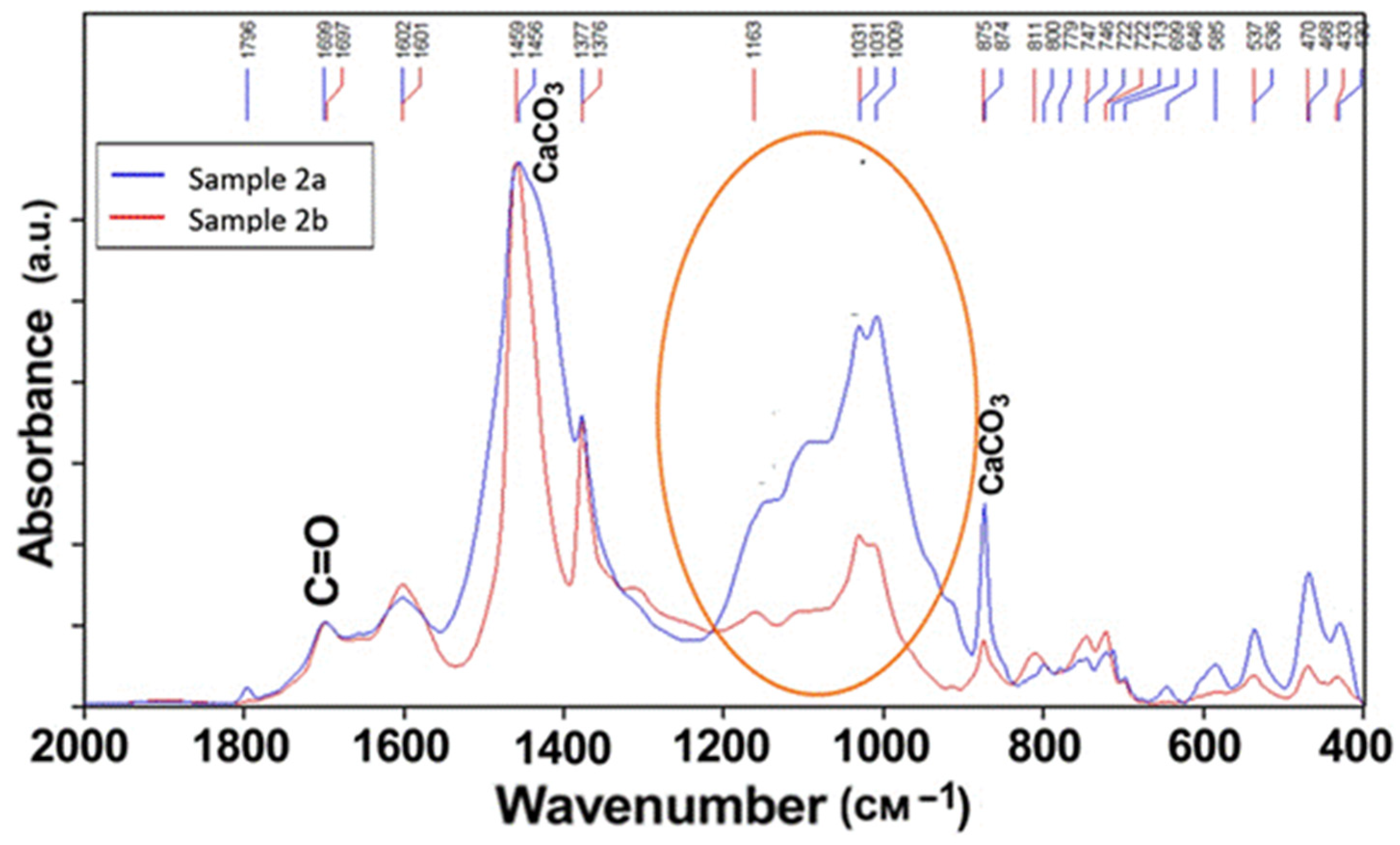
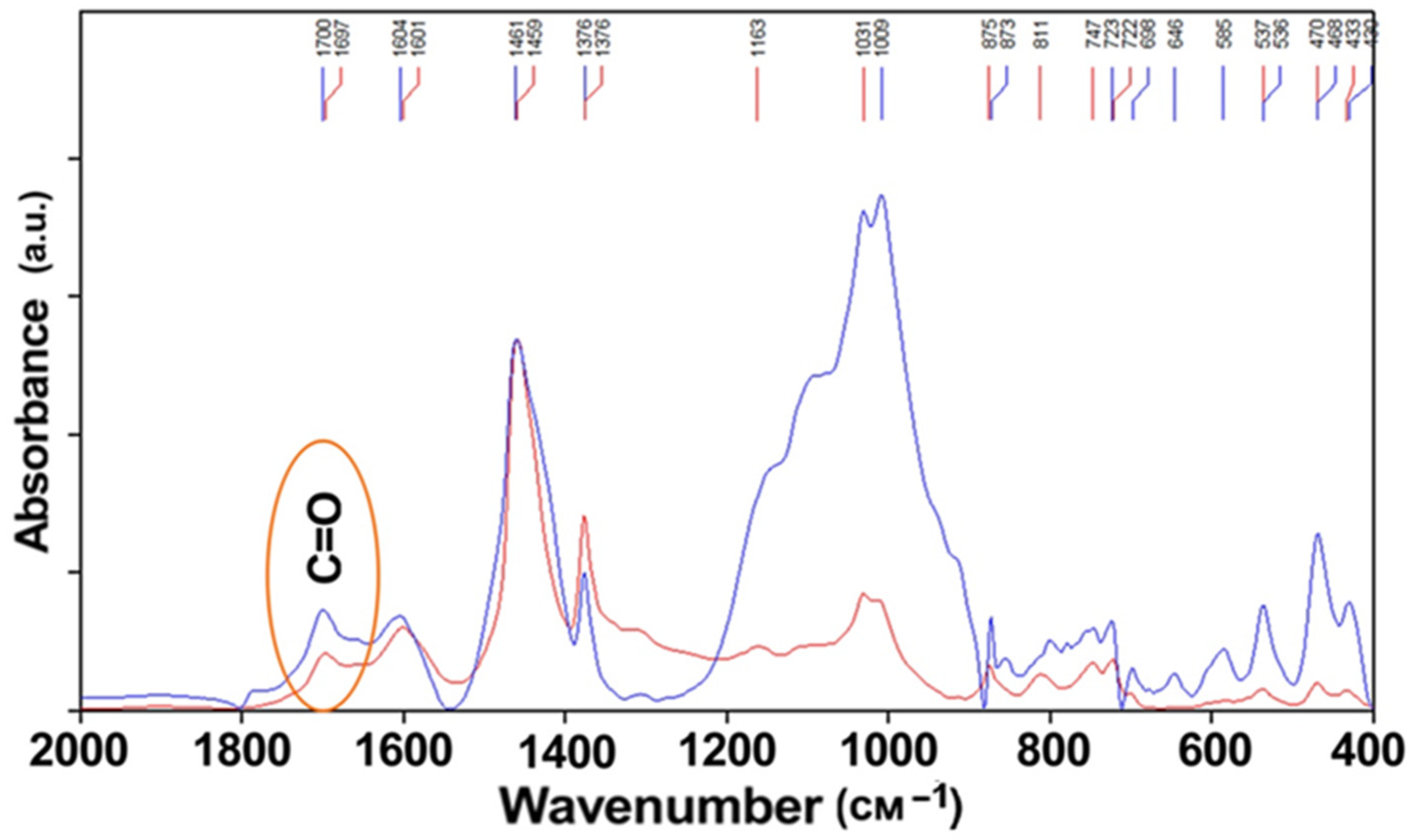
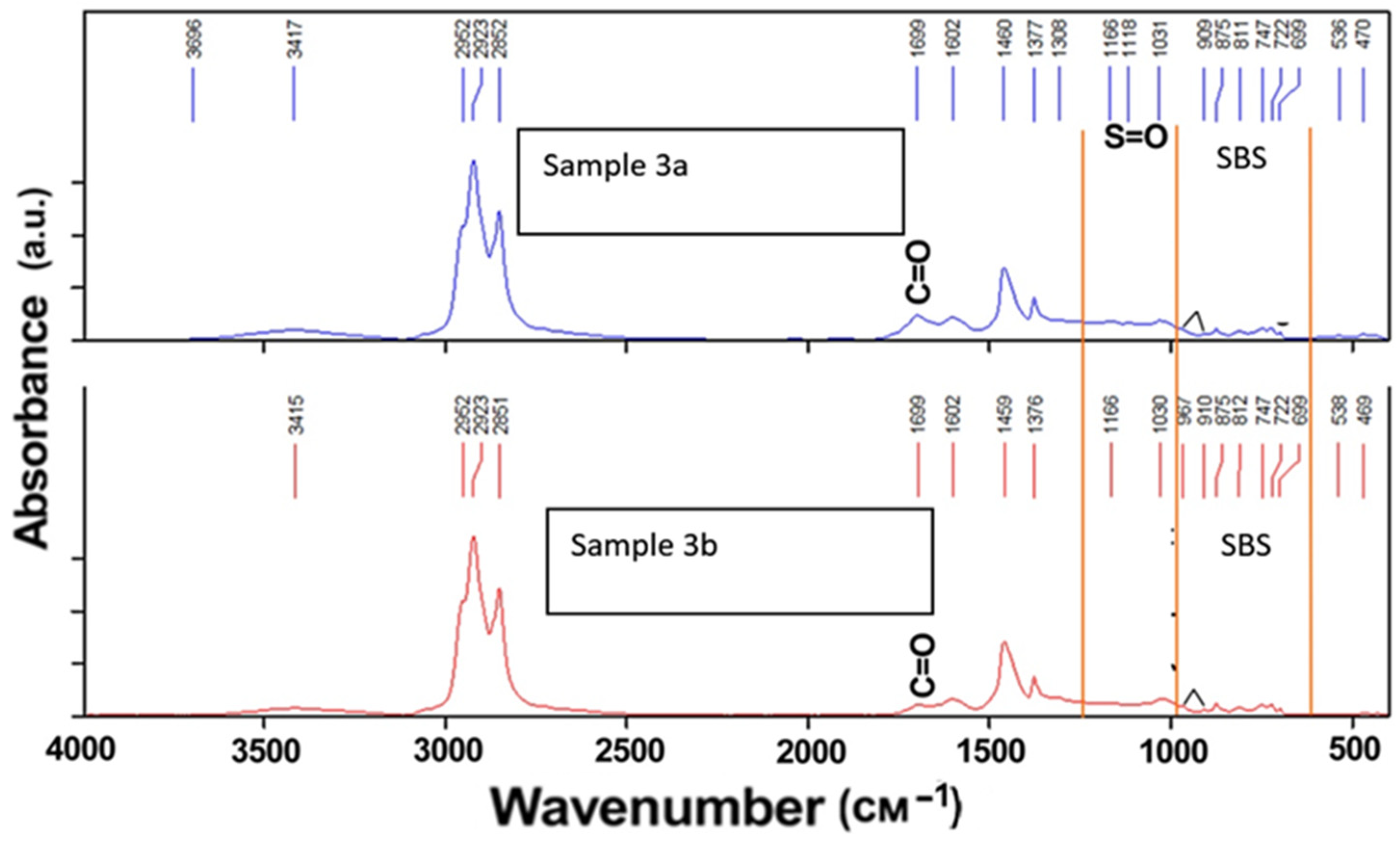
- To establish the relationship between the change in qualitative composition and rheological characteristics based on the analysis of the IR spectra of the residual binder.
2. Materials and Methods
2.1. Materials
2.2. Methods
2.2.1. Bitumen Extraction
2.2.2. Physico-Chemical Property Testing
2.2.3. Rheological Property Testing
2.2.4. Fourier Transform Infrared Spectroscopy (FTIR)
3. Results
3.1. Physico-Chemical Properties
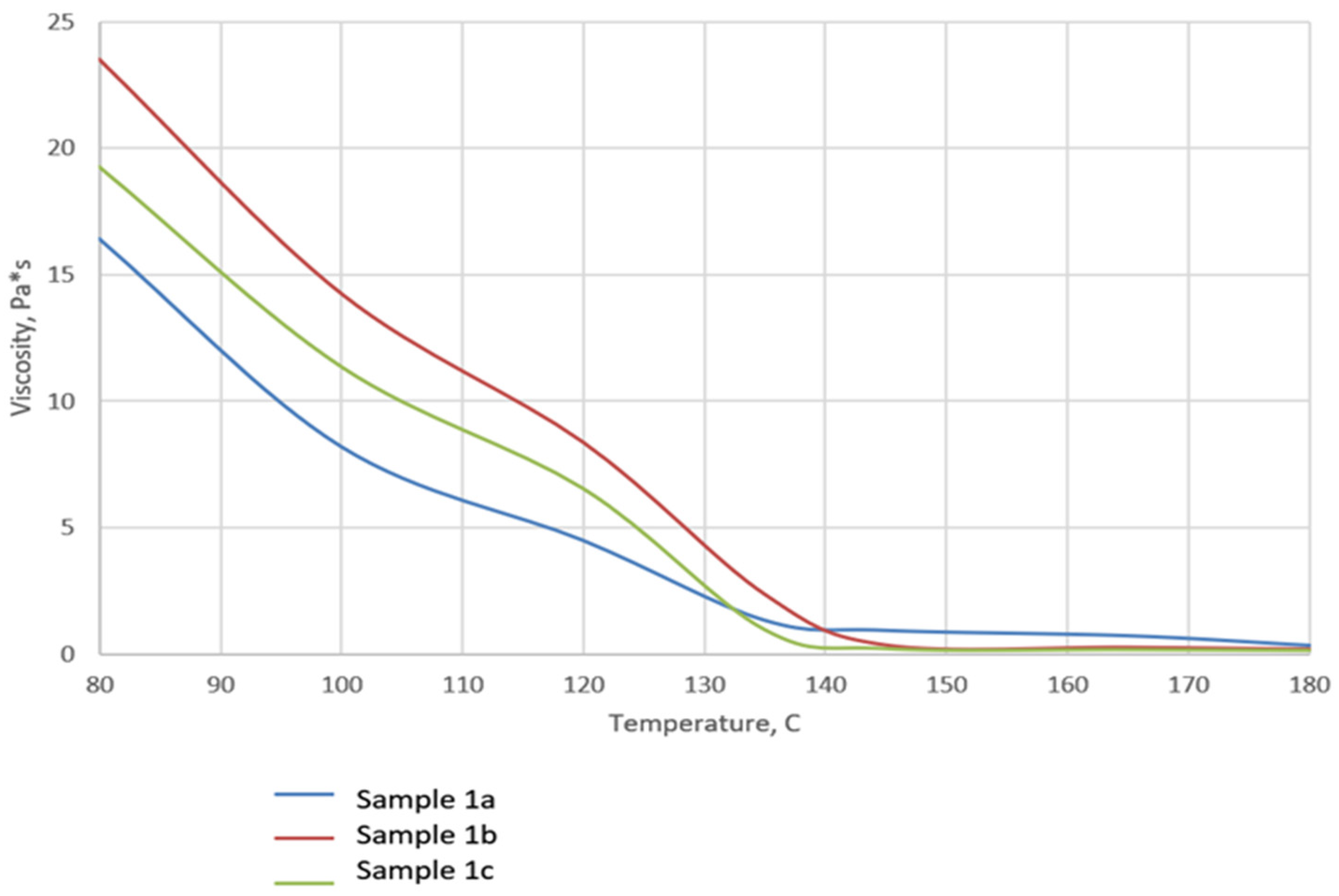
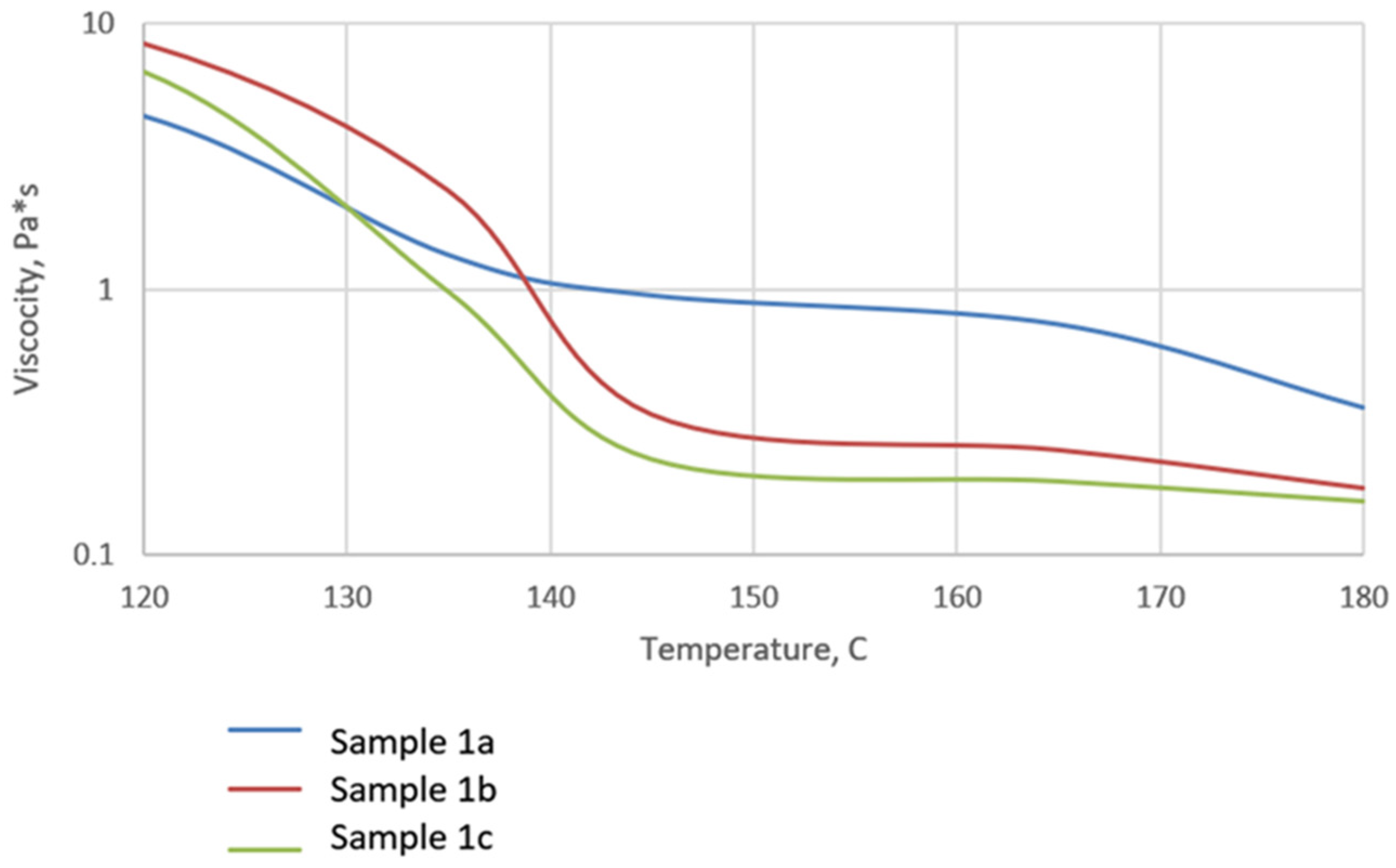
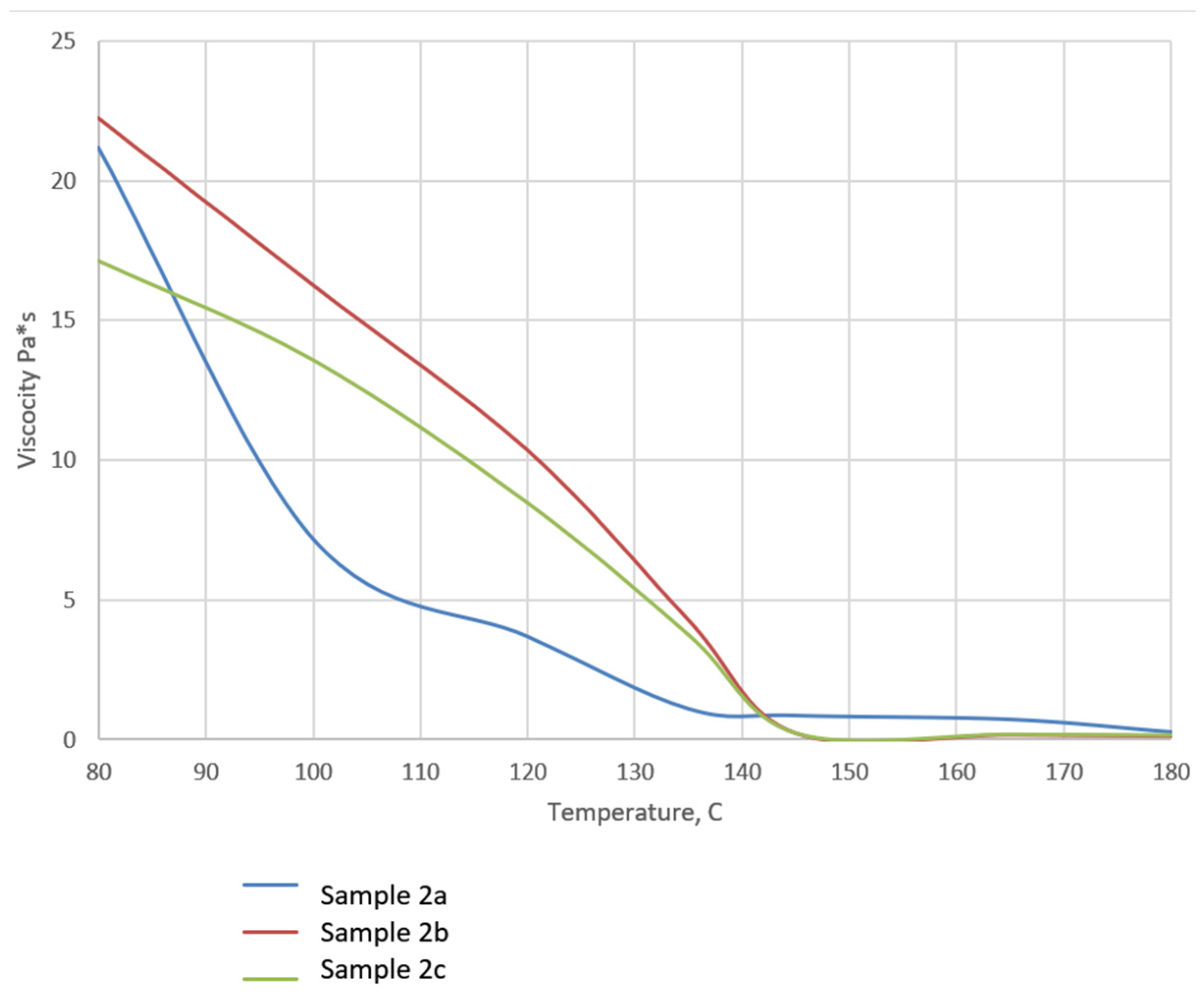
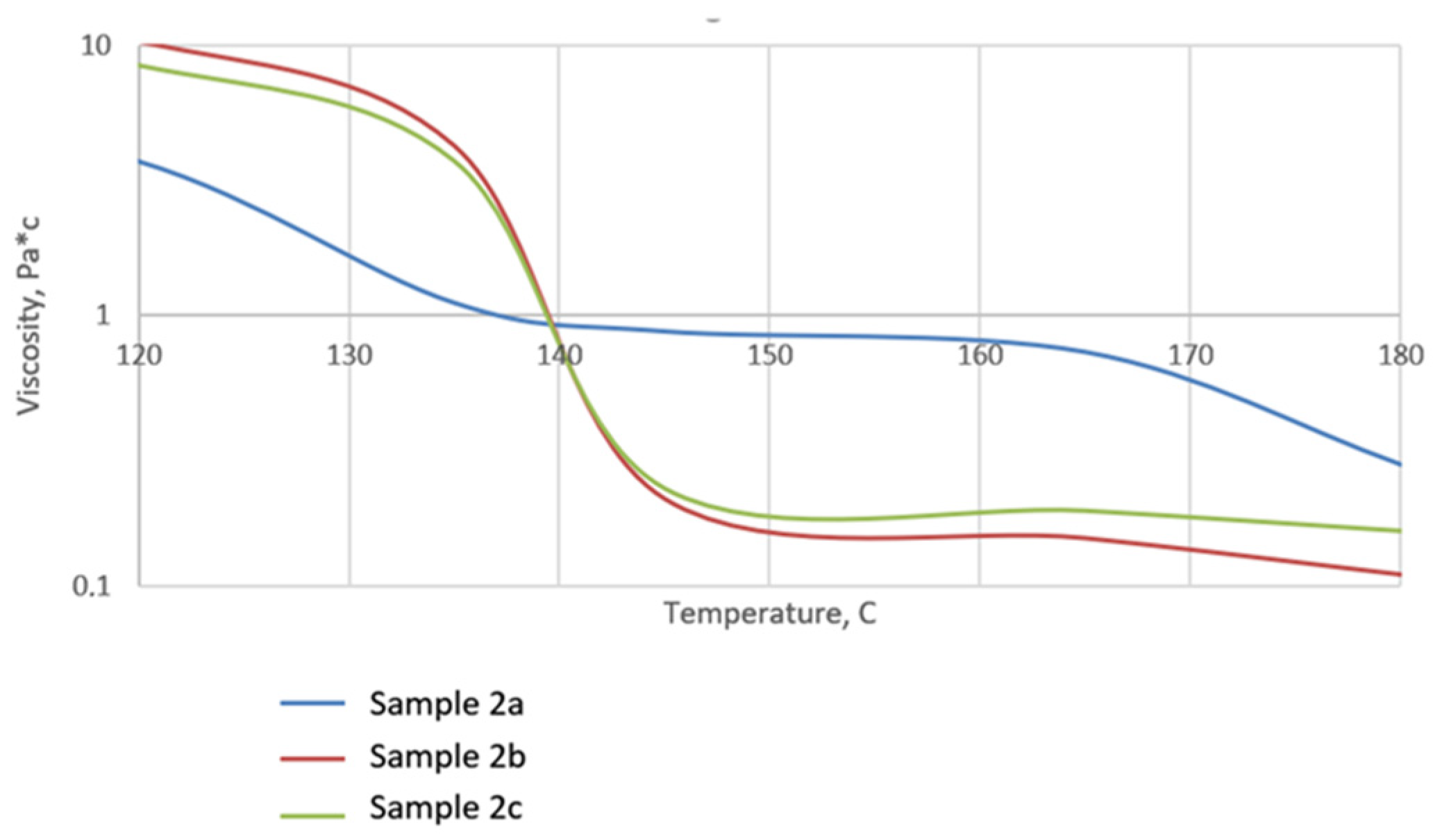
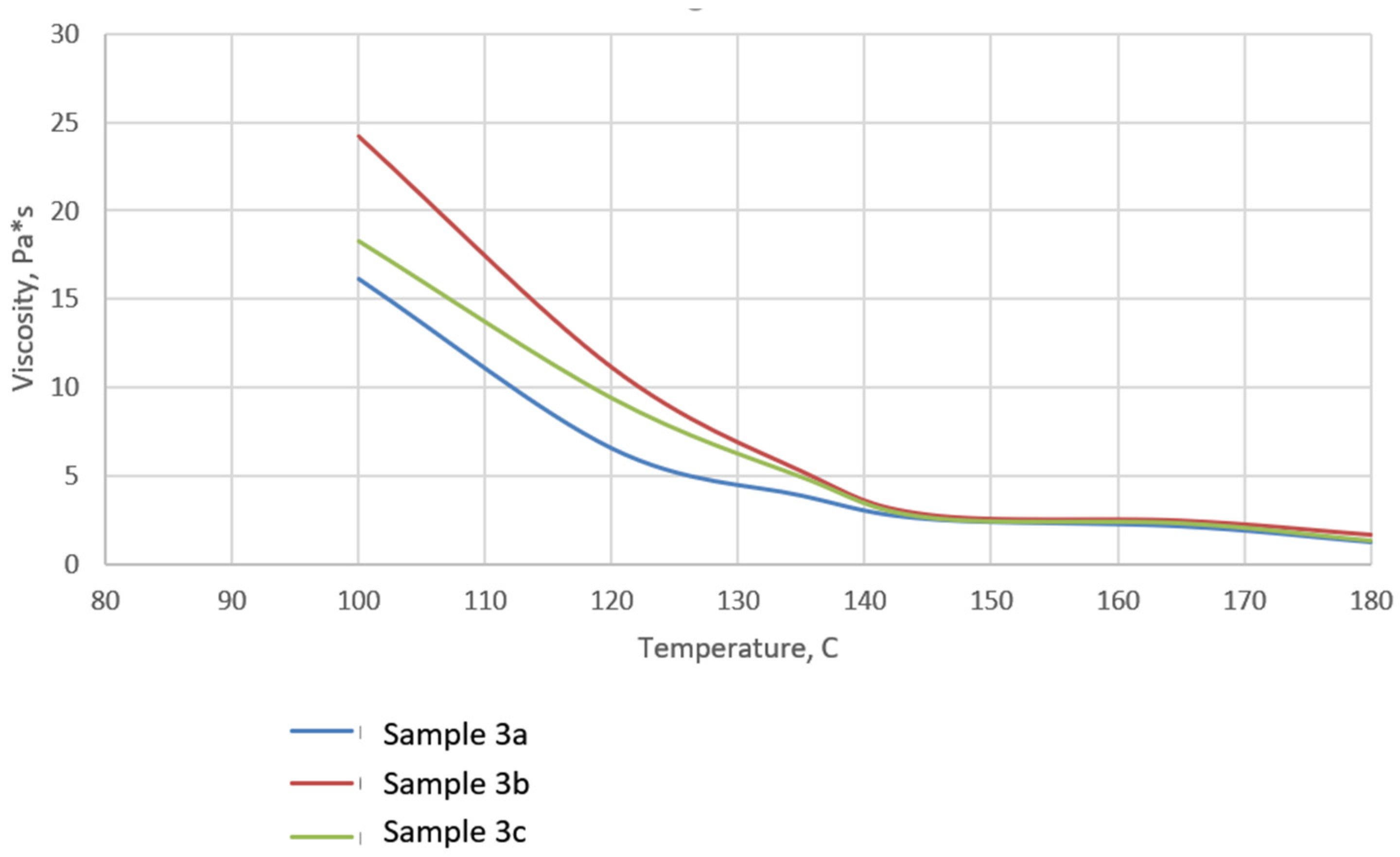
3.2. Rheological Properties
- -
- The temperature of the granulate in the drying drum;
- -
- The temperature range in which asphalt–concrete mixtures are compacted;
- -
- Standard temperature values of 135 °C and 165 °C to determine the optimal temperature ranges for mixing and compaction.
- —dynamic viscosity of the binder at the reference temperature before the drying drum;
- —dynamic viscosity of the binder at the reference temperature after the drying drum.
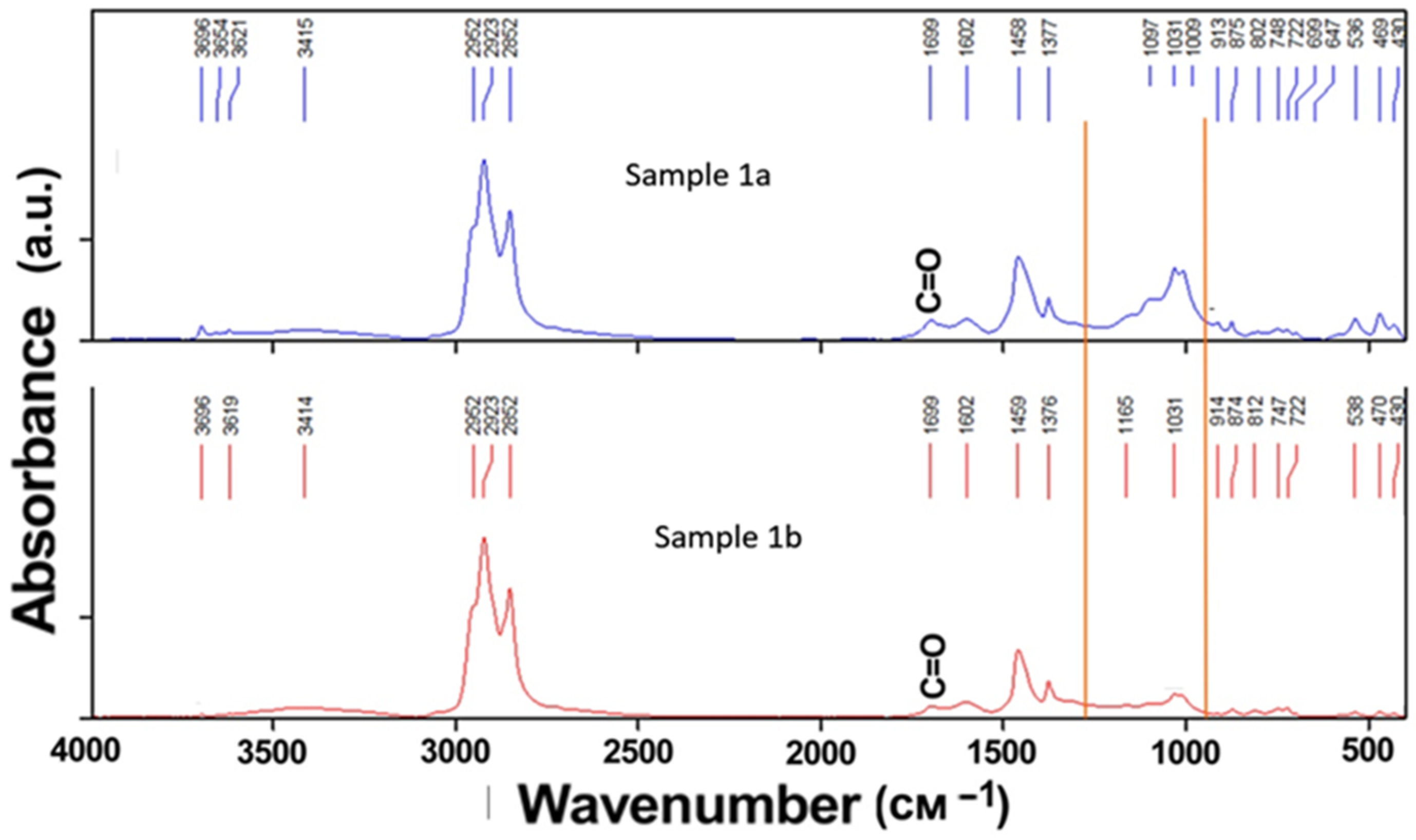
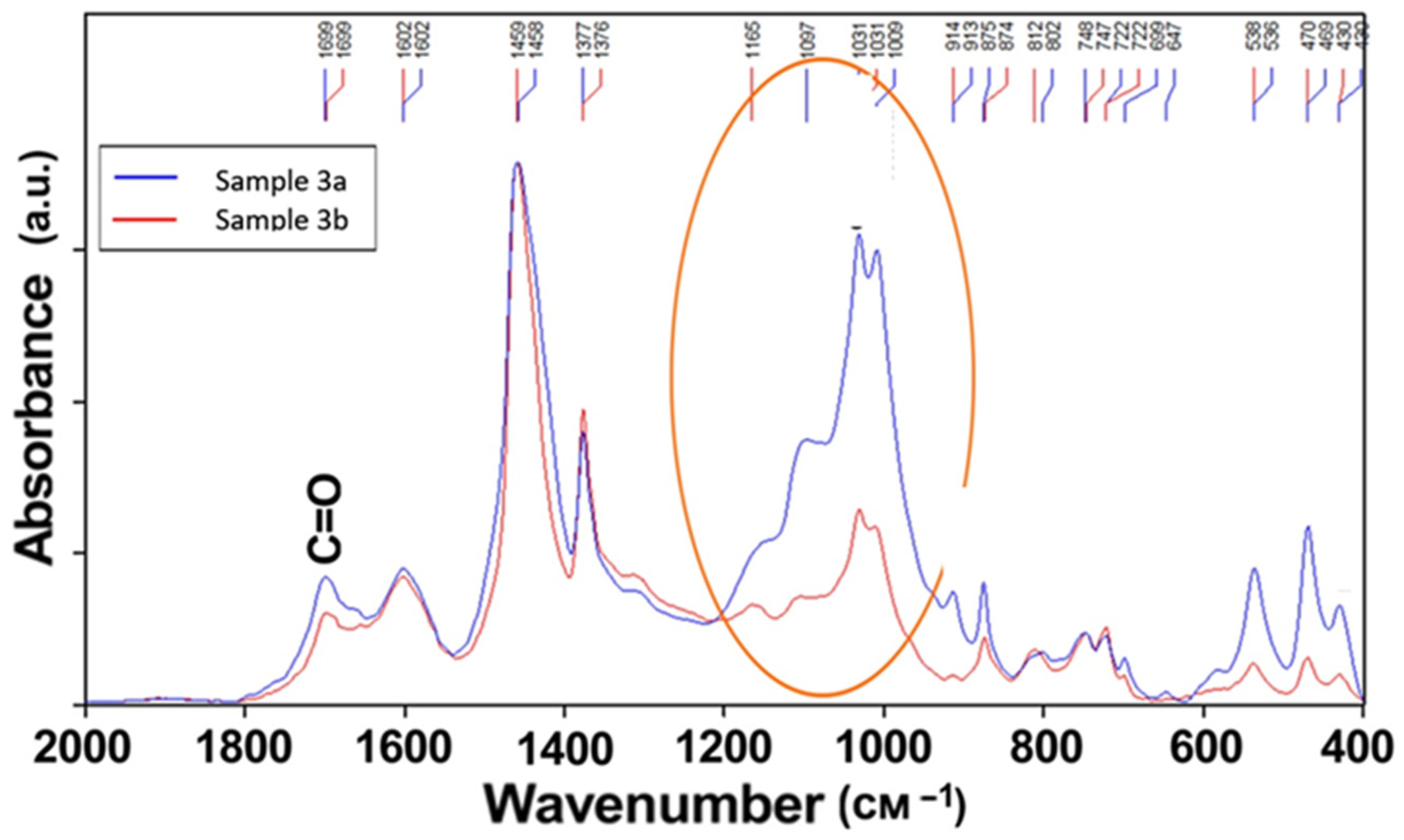
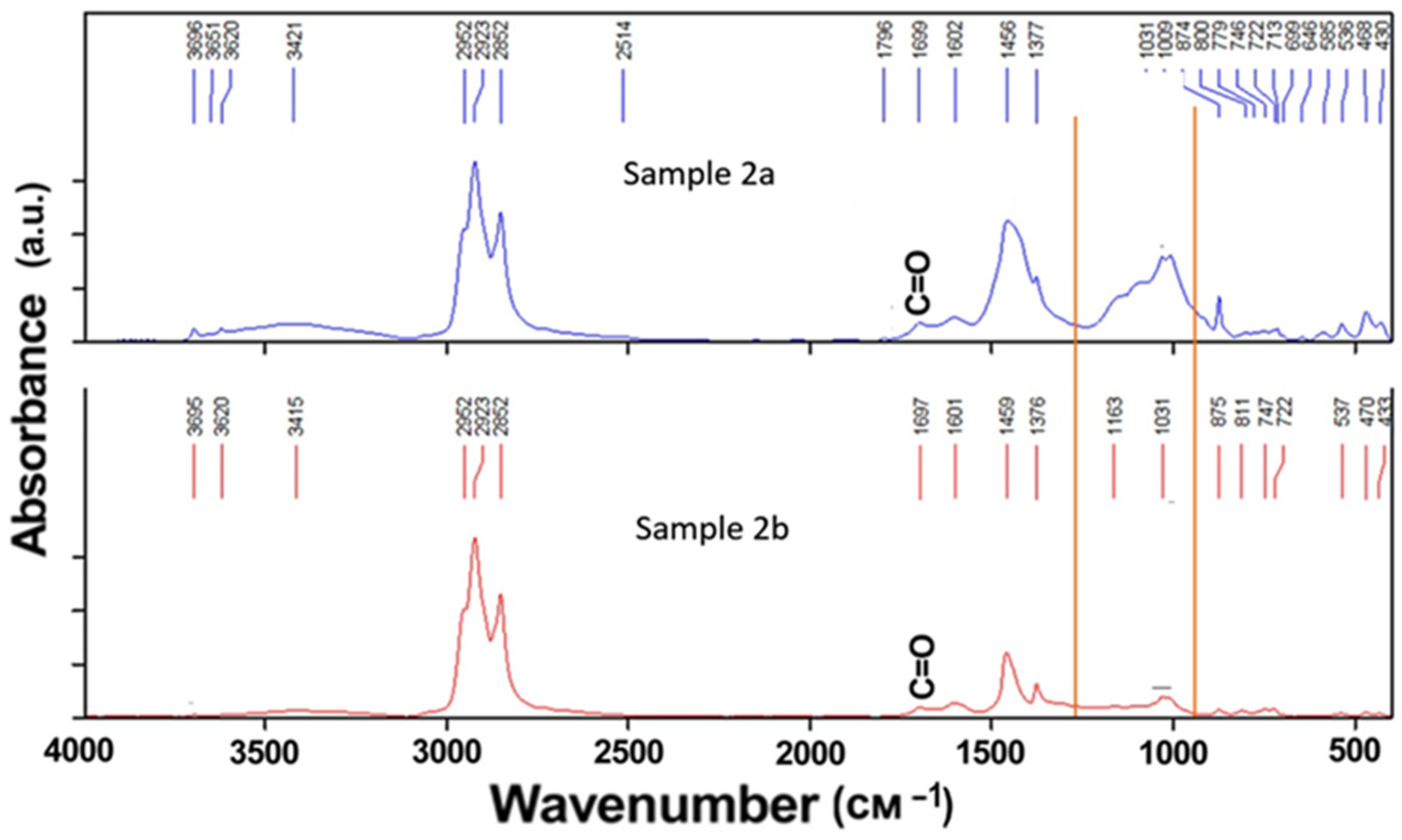
3.3. FTIR Analysis of Bitumen Sample Composition
4. Discussion
- -
- Polymer–bitumen binder has a lower reactivity due to the presence of polymer units; as a result of this, it absorbs sulfur-containing compounds less intensively;
- -
- The high temperature in the drying drum leads to the volatilization of sulfur compounds through the smoke extraction system; as a result of this, the concentration of sulfur-containing gases in the presence of asphalt–concrete granulate decreases.
5. Conclusions
- -
- A study of the dependence of changes in the absorption of sulfur compounds on the temperature of RAP processing;
- -
- Identification of differences in the mechanism of the absorption of sulfur compounds by residual bitumen and polymer–bitumen binders;
- -
- Selection of the formulation and technological factors that ensure the production of asphalt mixtures with optimal technological properties;
- -
- Selection and justification of methods for inhibiting the aging of bitumen binders;
- -
- A study of the physico-mechanical and operational properties of asphalt concrete obtained by processing RAP using the investigated method.
Author Contributions
Funding
Data Availability Statement
Conflicts of Interest
References
- Prasad, A.N.; Saboo, N.; Pani, A. Material and mix design aspects of hot recycled asphalt mixes: A review. Environ. Sci. Pollut. Res. 2023, 30, 108411–108447. [Google Scholar] [CrossRef] [PubMed]
- Xing, C.; Li, M.; Liu, L.; Lu, R.; Liu, N.; Wu, W.; Yuan, D.A. comprehensive review on the blending condition between virgin and RAP asphalt binders in hot recycled asphalt mixtures: Mechanisms, evaluation methods, and influencing factors. J. Clean. Prod. 2023, 398, 136515. [Google Scholar] [CrossRef]
- Xu, G.; Kong, P.; Yu, Y.; Yang, J.; Zhu, M.; Chen, X. Rheological properties of rubber modified asphalt as function of waste tire rubber reclaiming degree. J. Clean. Prod. 2022, 332, 130113. [Google Scholar] [CrossRef]
- Hashim, S.; Al-Mosawe, H.; Mohammed, H. The influence of using recycled asphalt pavement and crumbed rubber on asphalt pavement: A review. Al-Nahrain J. Eng. Sci. 2023, 26, 74–82. [Google Scholar] [CrossRef]
- Goosen, E.S.; Jenkins, K.J. Understanding bitumen aging through interrelationships and aging ratios. Transp. Res. Rec. 2025, 2679, 787–812. [Google Scholar] [CrossRef]
- Alam, G.; Ibrahim, H.; Faheem, A. Long-term aging of crumb rubber–modified bitumen: Contrasting the effectiveness of standard and field-based extended aging procedures through chemical and rheological characterization. J. Mater. Civ. Eng. 2025, 37, 04025210. [Google Scholar] [CrossRef]
- Obukhova, S.Y.u.; Gladkikh, V.A.; Kuzmina, T.K. Effects of multi-walled carbon nanotubes on polymer degradation in modified binder and their impact on the performance of stone mastic asphalt concrete. Constr. Mater. Prod. 2025, 8, 3. [Google Scholar] [CrossRef]
- Shi, K.; Ma, F.; Fu, Z.; Song, R.; Yuan, D.; Ogbon, A.W. Enhancing aged SBS-modified bitumen performance with unaged bitumen additives. Constr. Build. Mater. 2024, 412, 134768. [Google Scholar] [CrossRef]
- Akimov, A.E.; Yadykina, V.V.; Lebedev, M.S.; Denisov, V.P.; Inozemtcev, S.S.; Inozemtcev, A.S.; Korshunov, A.V.; Pilipenko, A.S. Development of an energy-efficient method of obtaining polymer-modified bitumen with high operational characteristics via polymer–bitumen concentrate application. J. Compos. Sci. 2024, 8, 337. [Google Scholar] [CrossRef]
- Vysotskaya, M.A.; Kindeev, O.N.; Kurlykina, A.V.; Kabalin, M.D. An organic clay additive as a tool for regulating bitumen rheological properties. Bull. BSTU Named V.G. Shukhov 2023, 8, 19–34. [Google Scholar] [CrossRef]
- Russian Standard GOST R 58401.19–2019; Public Roads. Mixtures of Asphalt-Concrete Road and Asphalt Concrete. Determination of Bitumen Binder Content by Extraction Method. Introduction. 6 June 2019//Electronic Fund of Legal and Regulatory-Technical Documents: [Website]. Federal Agency for Technical Regulation and Metrology: Moscow, Russia. Available online: https://internet-law.ru/gosts/gost/71123/6 (accessed on 22 January 2026).
- ASTM D2172; Standard Test Methods for Quantitative Extraction of Asphalt Binder from Asphalt Mixtures. ASTM International: West Conshohocken, PA, USA, 2010.
- Russian Standard GOST 33136-2014; Public Roads. Petroleum Road Bitumen Is Viscous. A Method for Determining the Depth of Needle Penetration. Introduction. 5 December 2014//Electronic Fund of Legal and Regulatory-Technical Documents: [Website]. Federal Agency for Technical Regulation and Metrology: Moscow, Russia. Available online: https://internet-law.ru/gosts/gost/61433/ (accessed on 22 January 2026).
- EN 1426:2015; Bitumen and Bituminous Binders—Determination of Needle Penetration. European Committee for Standardization (CEN): Brussels, Belgium, 2015.
- Russian Standard GOST 33142-2014; Public Roads. Petroleum Road Bitumen Is Viscous. A Method for Determining the Softening Temperature. The “Ring and Ball” Method Is Introduced. 5 December 2014//Electronic Fund of Legal and Regulatory-Technical Documents: [Website]. Federal Agency for Technical Regulation and Metrology: Moscow, Russia. Available online: https://internet-law.ru/gosts/gost/60054/ (accessed on 22 January 2026).
- EN 1427:2015; Bitumen and Bituminous Binders—Determination of the Softening Point—Ring and Ball Method. European Committee for Standardization (CEN): Brussels, Belgium, 2015.
- Russian Standard GOST 33143-2014; Public Roads. Petroleum Road Bitumen Is Viscous. Fraas Method for Determining the Brittleness Temperature. Introduction. 5 December 2014//Electronic Fund of Legal and Regulatory-Technical Documents: [Website]. Federal Agency for Technical Regulation and Metrology: Moscow, Russia. Available online: https://internet-law.ru/gosts/gost/61375/ (accessed on 22 January 2026).
- EN 12593:2015; Bitumen and Bituminous Binders—Determination of the Fraass Breaking Point. European Committee for Standardization (CEN): Brussels, Belgium, 2015.
- National Standard GOST 33138; Automobile Roads of General Use. Viscous Road Petroleum Bitumens. Methods of Determination of Tensile Properties. Introduction. 1 October 2015//Electronic Fund of Legal and Regulatory-Technical Documents: [Website]. Federal Agency for Technical Regulation and Metrology: Moscow, Russia. Available online: https://internet-law.ru/gosts/gost/60090/ (accessed on 22 January 2026).
- EN 13398:2017; Bitumen and Bituminous Binders—Determination of the Elastic Recovery of Modified Bitumen. European Committee for Standardization (CEN): Brussels, Belgium, 2017.
- Weigel, S.; Stephan, D. The prediction of bitumen properties based on FTIR and multivariate analysis methods. Fuel 2017, 208, 655–661. [Google Scholar] [CrossRef]
- Ma, L.; Varveri, A.; Jing, R.; Erkens, S. Chemical characterisation of bitumen type and ageing state based on FTIR spectroscopy and discriminant analysis integrated with variable selection methods. Road Mater. Pavement Des. 2023, 24, 506–520. [Google Scholar] [CrossRef]
- Mirwald, J.; Werkovits, S.; Camargo, I.; Maschauer, D.; Hofko, B.; Grothe, H. Investigating bitumen long-term-ageing in the laboratory by spectroscopic analysis of the SARA fractions. Constr. Build. Mater. 2020, 258, 119577. [Google Scholar] [CrossRef]
- Primerano, K.; Mirwald, J.; Lohninger, J.; Hofko, B. Characterization of long-term aged bitumen with FTIR spectroscopy and multivariate analysis methods. Constr. Build. Mater. 2023, 409, 133956. [Google Scholar] [CrossRef]
- Asif, S.A.; Ahmad, N.; Asif, S.U.; Zaidi, S.B.A.; Amin, S. Effect of aging on physical, chemical, and thermal properties of bitumen. J. Transp. Eng. Part B Pavements 2023, 149, 04023006. [Google Scholar] [CrossRef]
- Farahani, S.; Sobati, M.A. A novel method for the management of sulfone-rich waste produced in the oxidative desulfurization (ODS) process. Chin. J. Chem. Eng. 2020, 28, 2447–2456. [Google Scholar] [CrossRef]
- Wetekam, J.; Mollenhauer, K. FTIR spectroscopy analysis assessment of reclaimed asphalt at asphalt mixing plants to optimize the recycling. Transp. Eng. 2024, 16, 100242. [Google Scholar] [CrossRef]
- Xu, S.; Huang, J.; Tighe, S.; Zhang, C.; Ma, H.; Jia, X.; Zhou, X. Aging evaluation of base and SBS modified bitumens under the coupling effect of multiple aging factors. Constr. Build. Mater. 2022, 348, 128670. [Google Scholar] [CrossRef]
- Kabir, S.F.; Mousavi, M.; Hung, A.M.; Fini, E.H. High-sulfur bitumen amplifies the effect of polyphosphoric acid. Fuel 2022, 314, 123128. [Google Scholar] [CrossRef]
- Ke, S.h.; Ma, F.; Fu, Z.; Lou, B.; Barbieri, D.M.; Li, J.; Song, R.; Yuan, D. Comprehensive evaluation of sulfur content and curing duration effects on the rheological performance of sulfur-extended bitumen. Fuel 2025, 393, 134979. [Google Scholar] [CrossRef]



| RAP Samples | Particle Content, % | ||||||||
|---|---|---|---|---|---|---|---|---|---|
| 11.2 | 8 | 4 | 2 | 1 | 0.5 | 0.25 | 0.125 | 0.075 | |
| 1 | 11.3 | 33.57 | 22.53 | 9.66 | 11.26 | 6.88 | 3.80 | 0.75 | 0.23 |
| 2 | 10.36 | 34.38 | 22.26 | 11.58 | 10.55 | 5.85 | 3.88 | 0.92 | 0.20 |
| 3 | 14.90 | 23.51 | 21.74 | 14.82 | 12.69 | 6.79 | 4.42 | 0.89 | 0.24 |
| RAP Samples | Binder Content, % |
|---|---|
| 1 | 5.15 |
| 2 | 4.92 |
| 3 | 5.65 |
| Bitumen Samples | Softening Point, °C | Brittle Point, °C |
|---|---|---|
| 1b sample | 57.0 | −8 |
| 1c sample | 46.2 | −14 |
| 1a sample | 54.5 | −10 |
| 2b sample | 62.1 | −8 |
| 2c sample | 53.1 | −12 |
| 2a sample | 57.4 | −10 |
| 3b sample | 72.6 | −10 |
| 3c sample | 68.0 | −12 |
| 3a sample | 65.2 | −16 |
| Binder Sample | Reference Temperature, °C | Rheological Stability Index |
|---|---|---|
| Sample 1a | 145 165 | 0.72 0.92 |
| Sample 1b | 145 165 | 0.78 0.98 |
| Binder Sample | Reference Temperature, °C | Rheological Stability Index |
|---|---|---|
| Sample 2a | 145 165 | 0.76 0.92 |
| Sample 2b | 145 165 | 0.78 1.15 |
Disclaimer/Publisher’s Note: The statements, opinions and data contained in all publications are solely those of the individual author(s) and contributor(s) and not of MDPI and/or the editor(s). MDPI and/or the editor(s) disclaim responsibility for any injury to people or property resulting from any ideas, methods, instructions or products referred to in the content. |
© 2026 by the authors. Licensee MDPI, Basel, Switzerland. This article is an open access article distributed under the terms and conditions of the Creative Commons Attribution (CC BY) license.
Share and Cite
Akimov, A.; Lebedev, M.; Yadykina, V.; Kozhukhova, N.; Kozhukhova, M. Characteristics of Asphalt–Concrete Mixtures Produced by Hot Asphalt Recycling Using Thermal Energy from the Combustion of Waste Automobile Tires. J. Compos. Sci. 2026, 10, 160. https://doi.org/10.3390/jcs10030160
Akimov A, Lebedev M, Yadykina V, Kozhukhova N, Kozhukhova M. Characteristics of Asphalt–Concrete Mixtures Produced by Hot Asphalt Recycling Using Thermal Energy from the Combustion of Waste Automobile Tires. Journal of Composites Science. 2026; 10(3):160. https://doi.org/10.3390/jcs10030160
Chicago/Turabian StyleAkimov, Andrey, Mikhail Lebedev, Valentina Yadykina, Natalia Kozhukhova, and Marina Kozhukhova. 2026. "Characteristics of Asphalt–Concrete Mixtures Produced by Hot Asphalt Recycling Using Thermal Energy from the Combustion of Waste Automobile Tires" Journal of Composites Science 10, no. 3: 160. https://doi.org/10.3390/jcs10030160
APA StyleAkimov, A., Lebedev, M., Yadykina, V., Kozhukhova, N., & Kozhukhova, M. (2026). Characteristics of Asphalt–Concrete Mixtures Produced by Hot Asphalt Recycling Using Thermal Energy from the Combustion of Waste Automobile Tires. Journal of Composites Science, 10(3), 160. https://doi.org/10.3390/jcs10030160