Article

Optimizing Lap Splice Lengths for GFRP and BFRP Bars in High-Strength Concrete Beams: An Experimental Study


1
Department of the Highway Engineering, Erbil Technical Engineering College, Erbil Polytechnic University, Erbil 44002, Iraq
2
Construction and Materials Technology Engineering Department, Erbil Technology College, Erbil Polytechnic University, Erbil 44002, Iraq
*
Author to whom correspondence should be addressed.
J. Compos. Sci. 2026, 10(2), 82; https://doi.org/10.3390/jcs10020082
Submission received: 22 December 2025 / Revised: 25 January 2026 / Accepted: 30 January 2026 / Published: 4 February 2026
(This article belongs to the Special Issue Advanced Composite Carbon Fibers)

Abstract

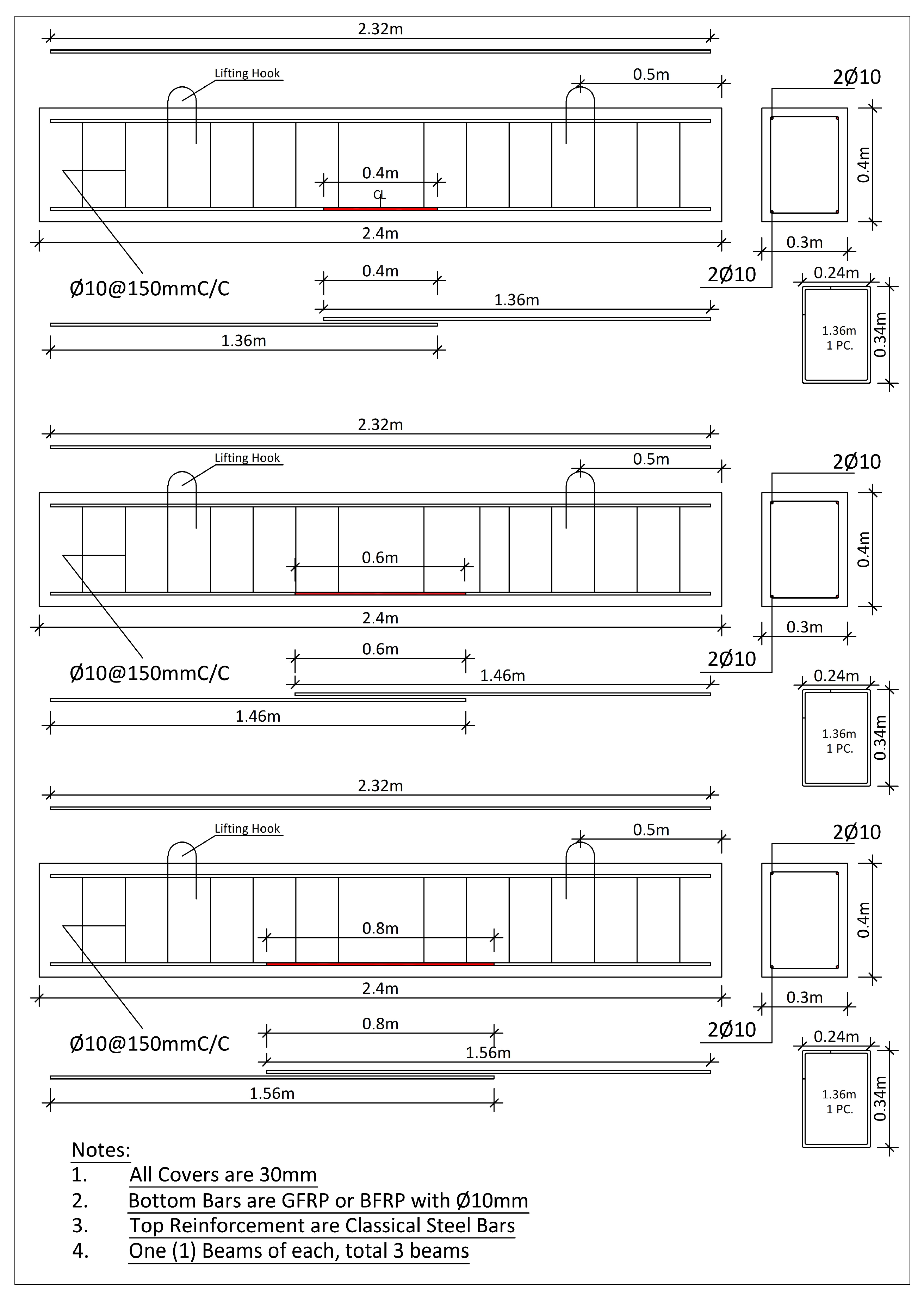
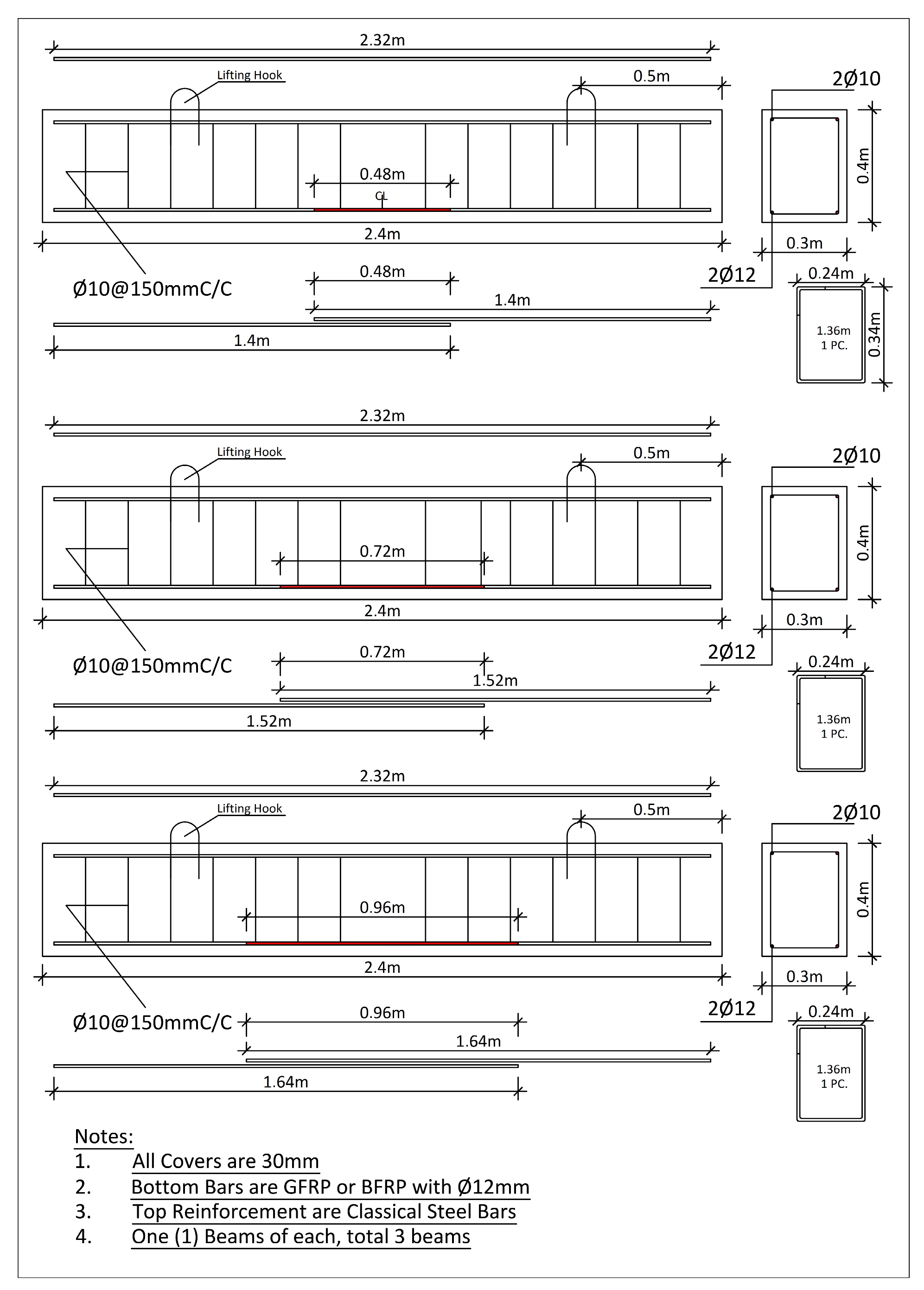
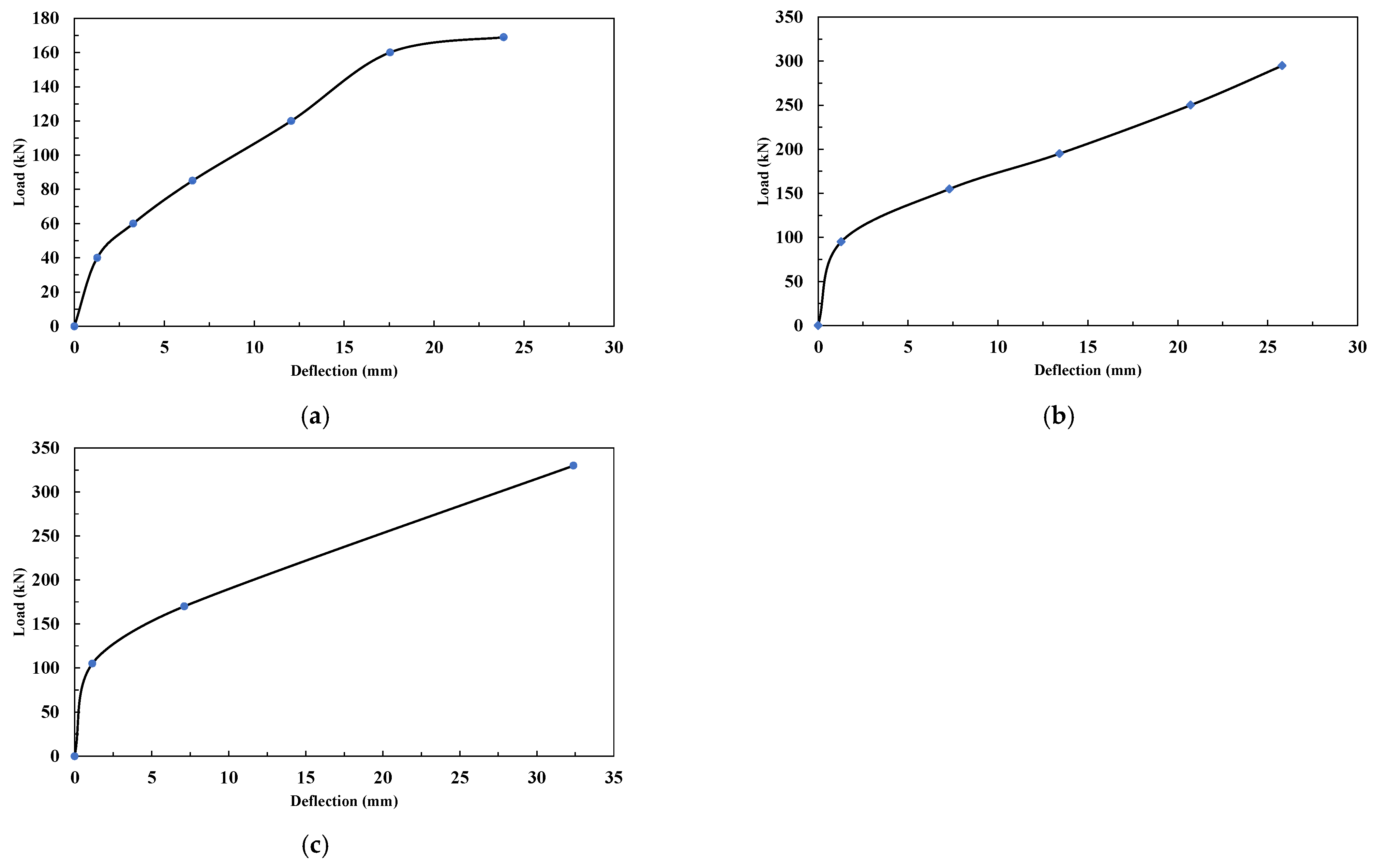
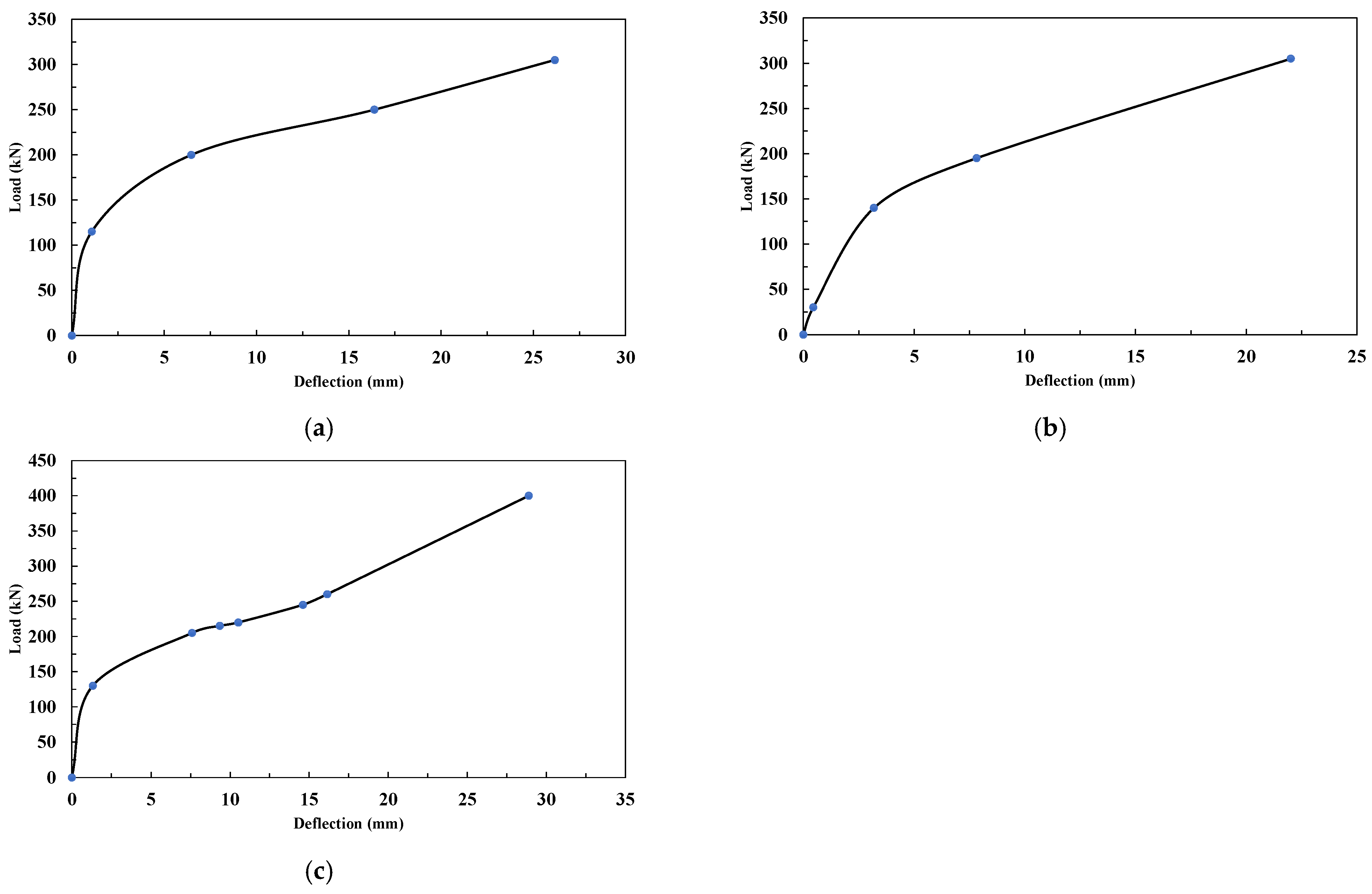
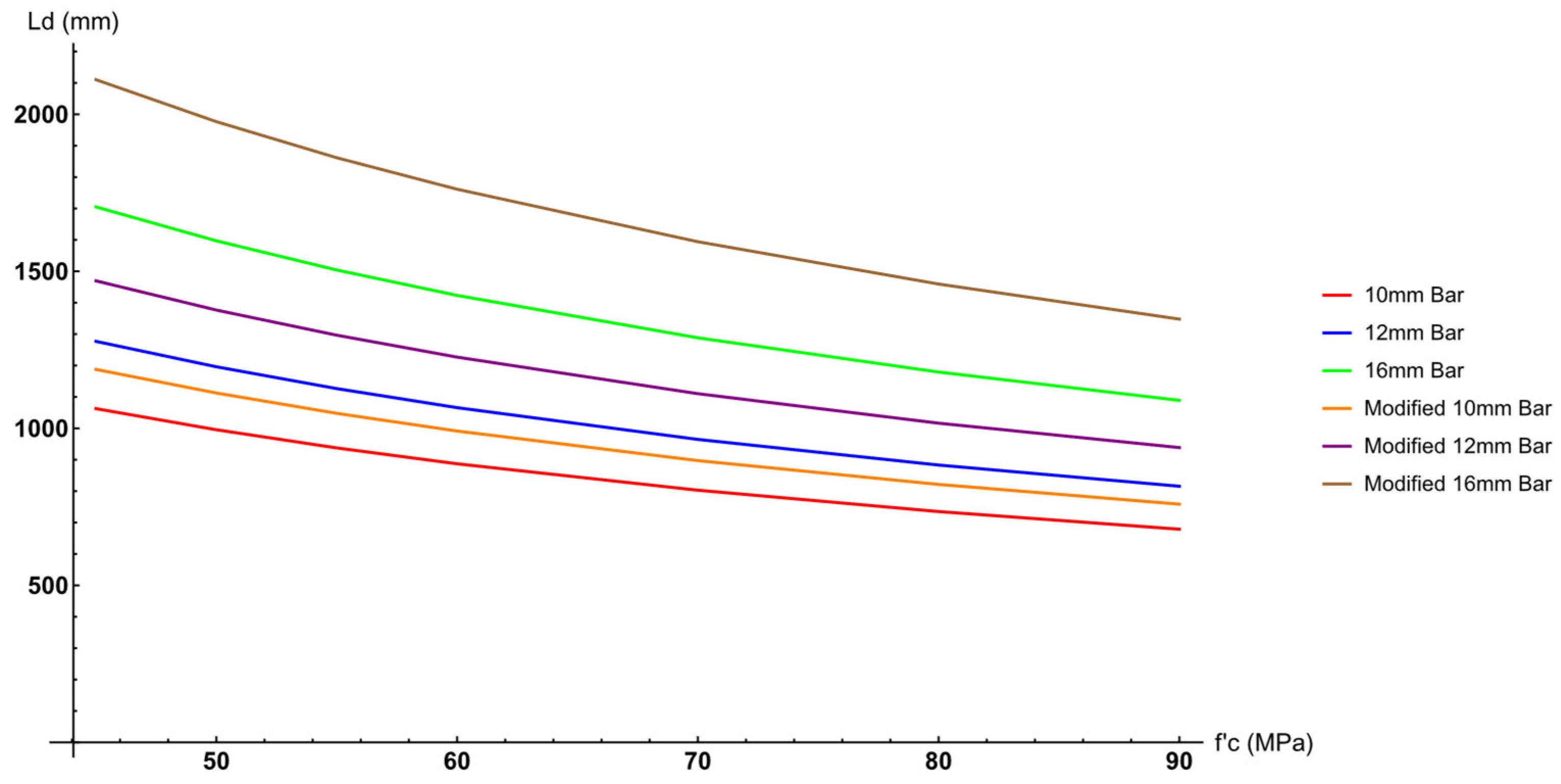
In this paper, the bond performance of tensile lap-spliced Glass and Basalt Fiber-Reinforced Polymer bars is investigated in high-strength concrete. Eighteen large-scale GFRP-reinforced concrete beams were fabricated and subjected to four-point loading. Key parameters explored included bar diameter and splice length for both GFRP and BFRP reinforcement. The results indicate that the flexural capacity of GFRP-reinforced beams was comparable to that of BFRP-reinforced beams, though BFRP bars exhibited marginally superior bond and strength with concrete. The bond strength of spliced FRP bars was directly proportional to the splice length. This study also determined that characteristics of development lengths necessitate splice lengths that exceed the bar diameter 40 times to mitigate bond stress. Critical splice lengths, derived from experimental findings, were compared with existing models and code-based equations, specifically, Guide for the Design and Construction of Structural Concrete Reinforced with Fiber-Reinforced Polymer Bars (ACI 440.1R-15) and Canadian standard that provides comprehensive guidelines for incorporating Fiber-Reinforced Polymer reinforcement in concrete structures (CSA S806-12). Both codes were conservative in splice length prediction for GFRP and BFRP bars, with ACI 440.1R-15 showing greater accuracy for BFRP bars with a larger diameter. A modification factor, based on hyperbolic functions, is proposed to enhance the accuracy of ACI 440.1R-15 in predicting splice lengths for various FRP bar diameters.
Keywords: GFRP; BFRP; lap splice; bond stress GFRP; BFRP; lap splice; bond stress