1. Introduction
Among the various synthetic biomaterials used as bone grafts, beta-tricalcium phosphate (β-TCP) is the most widely used. β-TCP has osteoconductive and osteoinductive properties. Because β-TCP can be reabsorbed through cell-mediated action, complete regeneration of bone defects is possible. Despite the extensive use of β-TCP, there are still gaps in knowledge that need to be addressed, particularly regarding its physicochemical properties.
Mixtures of nano-hydroxyapatite with collagen fibers are utilized in the design of materials for bone regeneration procedures [
1]. The biocompatible mixture of collagen fiber and nano-hydroxyapatite has been shown to promote ideal conditions for the efficient formation of bone [
2].
The physicochemical characteristics inherent in nano-hydroxyapatite (n-HA) have been demonstrated to be efficacious in the process of bone remodeling. The n-HA has been shown to induce a higher percentage of new matrix formation and blood vessel proliferation than hydroxyapatite (HA) [
3]. Type 1 collagen, obtained from bovine or other natural sources, such as porcine pericardium, has been extensively used as a hemostatic or protective barrier in guided bone regeneration (GBR) cases.
However, the field is undergoing rapid expansion in relation to its association with biomaterials that serve as the foundations for bone remodeling surgery, including collagen type I and nano-hydroxyapatite, which are increasingly being developed. The combination of these two factors has been shown to promote material stability during and after surgical procedures [
4].
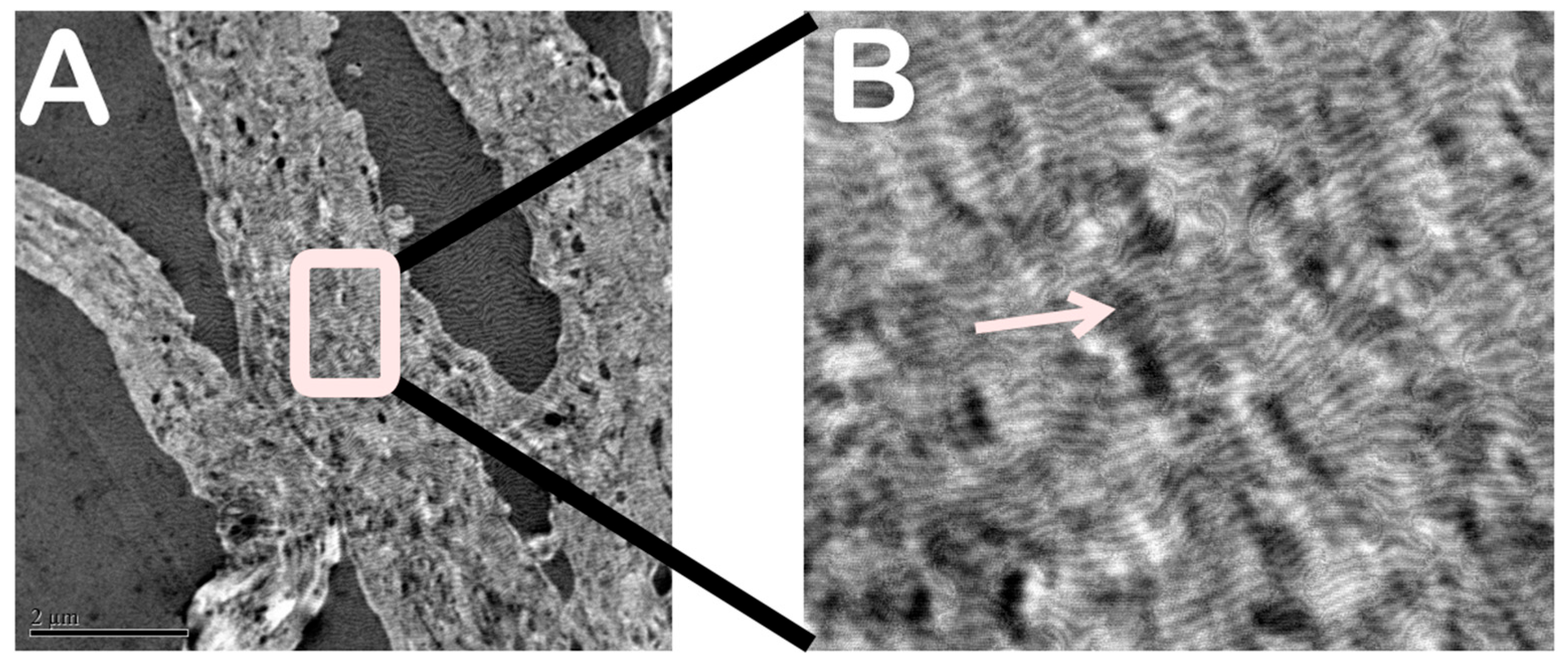
Transmission electron microscopy (TEM) is an excellent tool for identifying collagen bundles in materials used for guided bone regeneration. Collagen fibrils exhibit a high degree of organization, and the greater this level of organization, the more pronounced the organic nature of the sample becomes, making it more comparable to the extracellular matrix and, consequently, more biocompatible [
5].
The use of characterization methods such as scanning and transmission electron microscopy is essential for the development of new biomaterials, particularly those intended for guided bone regeneration. These methodologies facilitate the acquisition of high-resolution images, thereby enabling the identification of biomaterials within the samples [
6].
The chemical composition of a given sample can be determined using a microprobe coupled with a scanning electron microscope (SEM). This analytical procedure enables the semiquantitative determination of the percentages of each element present in the sample. This method is particularly effective for identifying potential contamination from manufacturing procedures that may degrade the material’s performance [
7].
X-Ray diffraction is an analytical technique that can determine the crystalline phases and chemical elements present in a given material. The Rietveld technique is used to quantify each phase, and the material’s chemical composition is subsequently calculated [
8].
In the domain of biomaterials science, the proliferation of technical analyses facilitates the enhancement of biomaterials development. The consequence of this is the accelerated emergence of new potential products. To enhance the final product across multiple domains, it is imperative to integrate a range of materials into a cohesive whole. This approach has the potential to yield advantageous applications, including the stimulation of bone formation [
9].
Differential scanning calorimetry is well established for analyzing the decomposition and phase transformations of biomaterials. Using DSC, it is possible to quantify temperatures, energy variations, and mass changes. The most commonly determined parameters are the temperatures Tm and Tm1/2, and the ΔH. Tm represents the phase transition temperature. Tm1/2 is the width at half the height in the middle of the peak where the phase transition occurs. The value of ΔH is the enthalpy of the transition, quantified by the area under the peak. Using DSC analyses, the physicochemical properties of collagen are determined, including the preservation of its triple-helix structure and the detection of denaturation.
The physical properties of biomaterials—such as porosity, surface topography, mechanical strength, and degradation rate—are essential determinants of bone graft function because they directly influence how the graft integrates with native bone. Adequate porosity and interconnected pore structure allow for vascularization, nutrient diffusion, and osteogenic cell migration, all of which are required for new bone formation. Surface roughness and micro-/nano-scale features modulate cellular adhesion and differentiation, promoting osteoconductivity. Matching the mechanical properties of the graft to the surrounding bone is also critical: a graft that is too stiff can cause stress shielding, while one that is too weak may collapse under physiological loads. Finally, the degradation rate must be balanced so that the material resorbs at a pace compatible with new bone deposition. Taken together, these physical characteristics govern biological responses and ultimately determine the success of the bone graft in restoring skeletal structure and function [
10].
Block-type scaffolds provide structural stability and maintain the defect space, preventing soft-tissue collapse while guiding the three-dimensional architecture of new bone. Porosity and pore interconnectivity are essential for vascular ingrowth, nutrient transport, and migration of osteogenic cells; without sufficient pore volume and pathways, bone regeneration is severely limited. At the same time, mechanical strength must approximate that of the host bone—too strong and the scaffold may cause stress shielding; too weak and it may fail under load before new bone forms. Together, these features balance mechanical integrity with biological performance, enabling successful graft incorporation and long-term regeneration [
11].
Irrespective of the n-HA/β-TCP-collagen compounds tested by other manufactures, similar compounds of new manufactures should be characterized and tested.
In this perspective, the objective of the present study was to develop and characterize the surface morphology and roughness of a composite made with a mixture of nanohydroxyapatite/β-tricalcium phosphate and type 1 collagen, for use as a biomaterial. In addition, the study identifies the crystalline phases, quantifies the composite’s chemical composition, and analyzes energy variation during heating.
2. Materials and Methods
Two biomaterials were developed. The first is used as a bone graft to promote bone regeneration. The synthetic biomaterial, in granule form, is placed in the cavity where bone formation is desired. During healing, the graft must not exhibit micromovements to avoid the formation of fibrous tissue. To achieve graft stability, a collagen type I membrane was developed.
The bone graft biomaterial was synthesized via an inorganic reaction between two salts: calcium nitrate and dibasic ammonium phosphate. To obtain a graft with properties suitable for inducing bone regeneration, rigorous control of the mixture synthesis procedure is important. The component mixtures were prepared with controls to determine the reaction stoichiometry, with a calcium-to-phosphorus ratio of 10:6.
Raw Material A: Nano HAp (Calcium Nitrate 98% + Potassium phosphate dibasic 98% (10:6) dry reaction in a muffle furnace at 600 °C for 4 h.)
Raw Material B: Collagen Type I (Bovine tendons after full cleaning using 10 flushes (1:100 w/v) of NaOH 1M and 10 flushes of Acetone (1:100 w/v), extraction and purification process using Acetic Acid 1M (1:100 w/v during one week under low stirring). Collagen gel is centrifuged and ready to be used.
Collagen Block:
Made by a manual and gentle mix of 1:1 of raw material A and material B.
This slurry goes to a mold with specific cavities (cylindrical shape with 0.50 cm3) or to be shaped and molded as need it.
The mold goes to a freezer at −10 °C in order to froze the sample completely.
The frozen mold is submitted to a lyophilization process for 24 h at 1 mmbar pressure and −40 °C.
Product is demolded, packed and sterilized by Gamma radiation at 10 kGys.
The voltage or current, scan speed, and sample preparation by nano-hydroxyapatite was in (da Silva Brum, et al. 2019) [
7].
The alloplastic biomaterial mixture was synthesized at Regener Biomaterials Co’s facilities (Curitiba, Brazil) and named Blue Bone®. The first biomaterial consisted of nanometric particles of hydroxyapatite and β-tricalcium phosphate (β-TCP) (80% n-HA + 20% ß-TCP), with crystals around 100 nm.
The second biomaterial was a collagen type 1 membrane prepared at Regener® Biomaterials facilities using bovine tendon. The production of collagen membrane followed three simple steps: cleaning the raw material using two chemical baths (sodium hydroxide and acetone) to remove fat; extracting type 1 collagen from the cleaned bovine tendons using acetic acid; and purifying the extracted material by lyophilization.
The collagen type 1 membrane had an expected reabsorption time of up to 30 days.
The chemical composition of the composite was determined by semiquantitative chemical analysis using a microprobe coupled to SEM and TEM.
2.1. The X-Ray Diffraction (XRD)
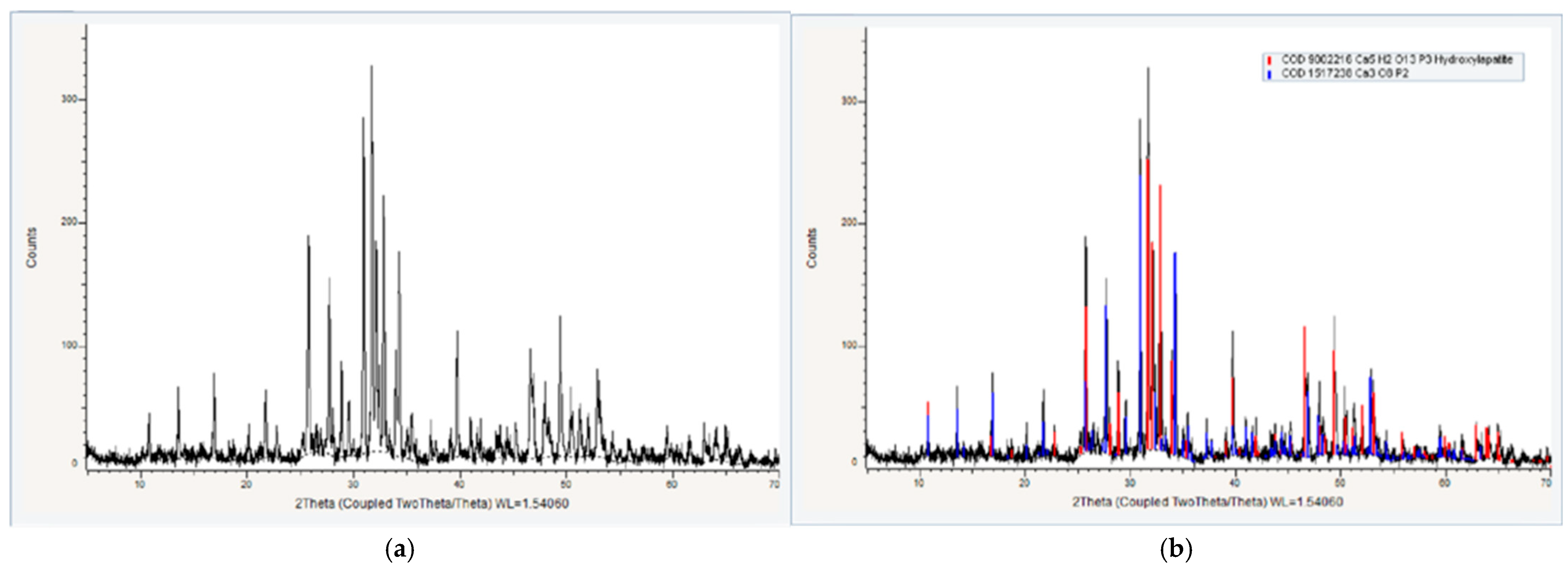
The biomaterial was characterized by X-Ray diffraction (XRD), porosimetry, and pycnometer tests. The X-Ray diffraction (XRD) was performed using a Panalytical (Almelo, The Netherlands) Empyrean diffractometer, with Cu-Kα radiation, 2θ range of 20–80°, a step width of 0.02°, and an exposure time of 5 s.
X-Ray diffraction analysis can identify the phases present in the material. The X-Ray diffraction spectrum shows peaks at different positions. Based on the position of each peak, it is possible to correlate it with the existence of a specific phase. In this work, the diffractograms from the tests were compared with data from standard ICDD (International Centre for Diffraction Data) diffraction files and COD-Jan2012 (Crystallography Open Database) PDF2-2004 databases. The X-Ray diffractograms were recorded on a Siemens diffractometer (Bruker AXS; Durham, UK), model D-5000 (θ-θ), equipped with a curved graphite monochromator, a secondary beam, and a Cu tube. Quantitative phase analysis was performed using the Rietveld refinement method.
Rietveld analysis of XRD data was used to identify and quantify the phase percentages. The Rietveld Method involves adjusting the theoretical diffraction peaks calculated from crystallographic information to the experimentally measured diffraction pattern. The criterion for this adjustment is to minimize the sum of the squares of the differences.
X-Ray diffraction testing was used to determine the phases present in the material. By comparing the positions of the diffractogram peaks with standard data, it was possible to identify the crystalline material. This technique allows the identification of any crystalline materials.
Hugo Rietveld used neutron and X-Ray diffraction of powder samples of different materials. The results obtained were patterns of diffraction peaks with different intensities, measured by peak height. Based on the intensity and positions of the diffracted peaks, it was possible to obtain various material properties. The height, width, and position of the diffraction peaks can be used to determine aspects of the material’s structure, like the phase percentages, particle dimensions, and grain sizes.
2.2. Wettability
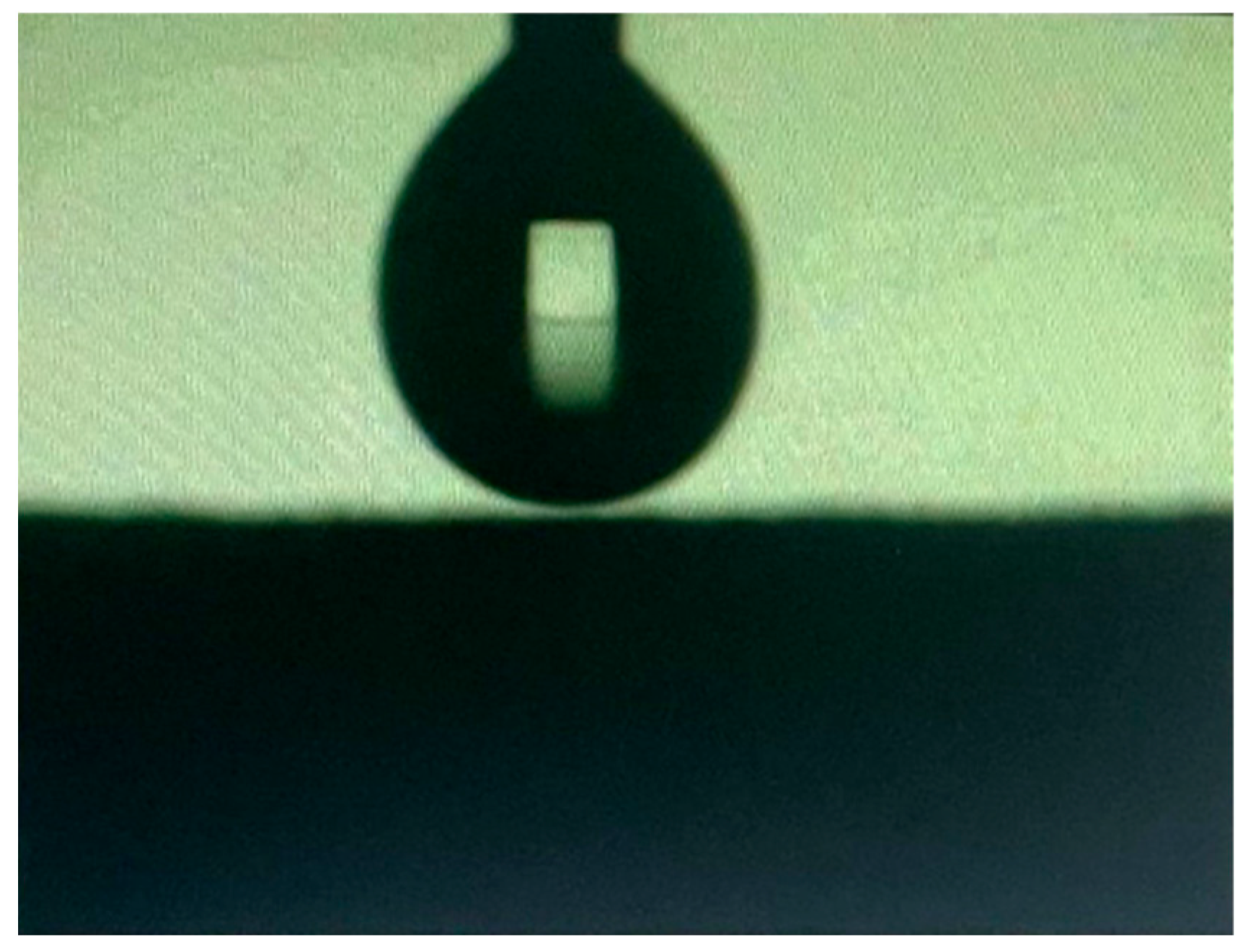
Surface wettability was determined by measuring contact angles using a goniometer (First Ten Angstroms FTA-100, First Ten Angstroms Co., Portsmouth, VA, USA). The contact angles were determined by averaging the values obtained from five different areas on the three sample surfaces using a 0.9% NaCl solution.
Wettability was determined by using contact angle measurements. This methodology is the most used. For the measurement, a drop of 0.9% sodium chloride was placed on the membrane surface, and an image of the drop was captured. The static contact angle was defined by fitting the Young-Laplace equation around the drop.
2.3. Measurement of Thermodynamic Properties Using DSC
As in X-Ray diffraction testing, DSC can detect energy changes during phase transformations. The resulting graph shows the energy variation during the heating or cooling of the sample. When a phase transformation occurs, the energy variation becomes more pronounced at specific temperatures. By analyzing the positions of the energy variations, it is possible to correlate them with the type of transformation the material undergoes. The intensity of the energy variations during the transformation depends on the material’s chemical composition and its components.
The thermal stability of the mixture of nano-hydroxyapatite, β-Tricalcium phosphate, and type I collagen was determined by differential scanning calorimetry (DSC). The thermal behavior of the samples was analyzed by differential scanning calorimetry using a Shimadzu DSC60 DSC calorimeter (Shimadzu, Kyoto, Japan). Two samples are used for DSC testing. The first sample is used to determine the thermal properties. The second sample must have known thermal properties to be used as a reference. All energy variations in the mixture of nano-hydroxyapatite, β-Tricalcium phosphate, and type I collagen, during heating, were calculated based on the properties of the reference sample.
The mixture samples, each with 8.0 ± 0.5 mg, were placed in aluminum pans. The pans were closed and weighed. Scans were performed between 25 °C and 150 °C at a rate of 5 °C/min. The tests were conducted without atmospheric control. The reference sample was an empty aluminum pan. The mixture and reference samples were kept at the same temperatures, and the difference in energy required to raise their temperatures was determined. The reference sample has a defined thermal capacity throughout the scanned temperature range. The test determined the variation in energy with the temperature of the phase transformations and transitions.
The thermal measurements yielded the temperature and energy for membrane denaturation. The phenomenon of denaturation is distinct from degradation. Denaturation is the rupture of interchain hydrogen bonds that leads to the formation of an amorphous material. The temperature at the beginning of denaturation (Tonset), the temperature at the end of denaturation (Tendset), the peak temperature of denaturation at maximum heat absorption (Tp), the change in enthalpy (ΔH), and the width at half-peak height (ΔT1/2) were determined using the DSC curve. The peak denaturation temperature is the temperature at which the collagen structure unfolds. The thermal denaturation of the collagen membrane was characterized by its enthalpy (ΔHd) and denaturation temperature (Td). The change in enthalpy (ΔH) corresponds to the energy absorbed by the tissue during the helix-coil transformation of the collagen.
2.4. Scanning Electron Microscopy and Transmission Electron Microscopy
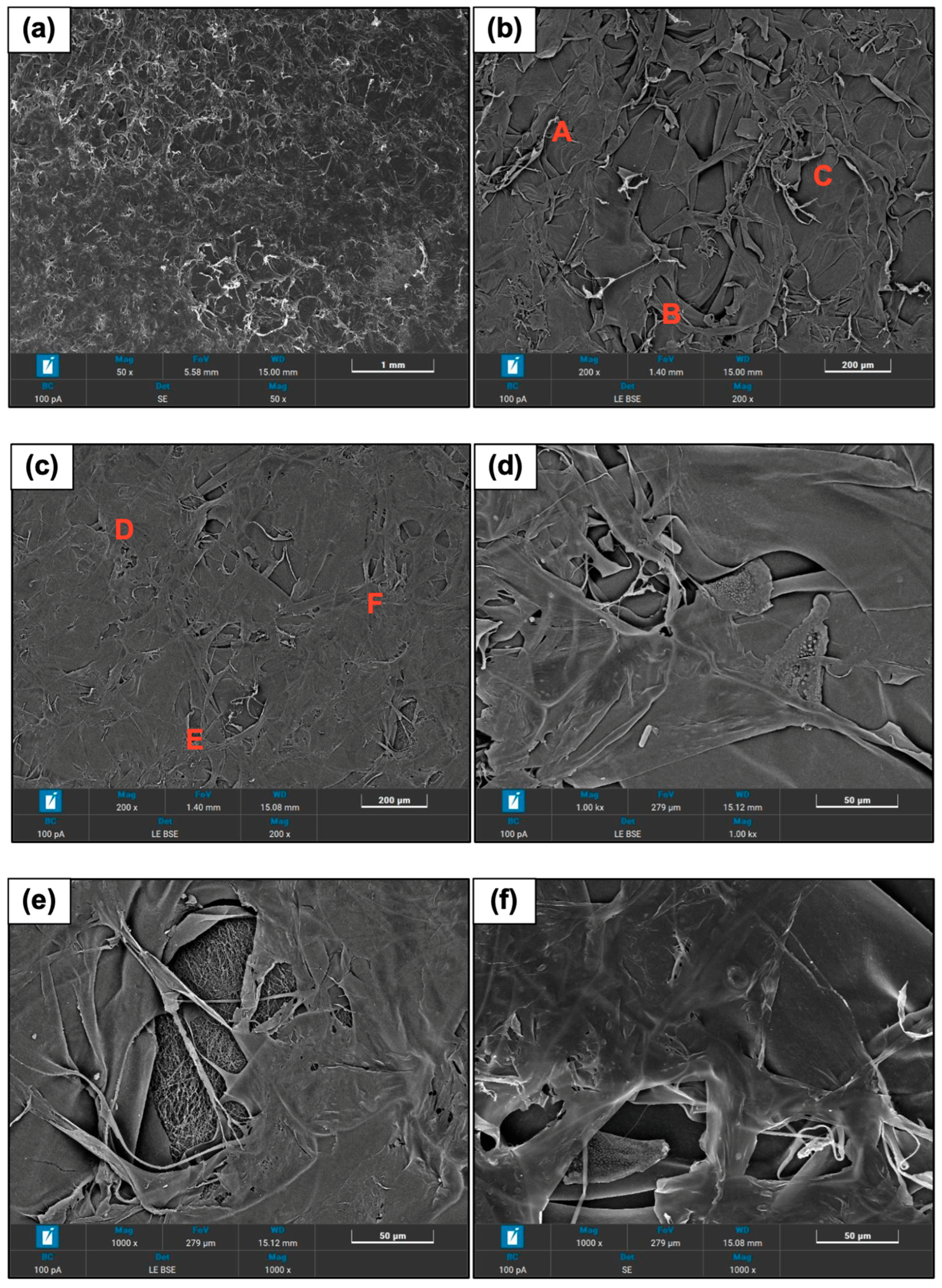
SEM and TEM analyses were used to characterize the surface morphology, identify the constituents, and correlate them with roughness to predict the biomaterial’s performance.
Gold-coated collagen type 1 surfaces were analyzed using a Field Emission GUN Quanta 250 FEG (FEI Company, Hillsboro, OR, USA). A 5000× magnification was used to analyze the homogeneity, a 15,000 magnification to observe cell clusters, and a 20,000× magnification to identify specific cell types. For the SEM analysis, the fixation procedure started with osmium tetroxide and potassium ferrocyanide (1.0 wt%, 0.8 wt%, respectively) with a cacodylate buffer (0.1 M, pH 7.4) incubation for one h in the dark, followed by three sodium cacodylate buffer rinses in distilled water (0.2 M, pH 7.4) for one h. After this step, the sample was immersed in a sequential ethanol grade (25–100 vol%) rinse for specimen dehydration and slicing. The slices were immersed in hexamethylsilazane for 10 min, then placed in an evaporation chamber for drying. Specimen mounting on aluminum stubs was achieved using colloidal silver adhesive (Electron Microscopy Sciences, Peabody, MA, USA). The specimens were coated with gold film by sputtering (Cool Sputter Coater—SCD 005, Bal-Tec, Berlin, Germany). The results of the SEM analysis were complemented with roughness measurements. Thin collagenous type 1 sections were analyzed using a JEOL JEM-1011 transmission electron microscope (JEOL, Ltd., Akishima, Tokyo, Japan), operating at 60 kV. Digital micrographs were captured using an ORIUS CCD digital camera (Gatan, Inc., Pleasanton, CA, USA) at magnifications of 8000×, 10,000×, and 25,000×. The morphology of the samples was characterized using scanning electron microscopy (FEI Quanta FEG 250; Hillsboro, OR, USA).
The samples were prepared for TEM analysis: fixation in 2.5 wt% glutaraldehyde diluted in 0.1 M cacodylate buffer solution (overnight); wash in three baths in cacodylate buffer solution (0.1 M) for 15 min each; dehydration in 30 vol% acetone bath (15 min), 50 vol% acetone, 70 vol% acetone (15 min), 90 vol% acetone (15 min), 100 vol% acetone (15 min), and 100 vol% acetone (15 min); infiltration in acetone + epon mixture (2:1) for two h, acetone + epon (1:1) for two h, and acetone + epon mixture (1:2) for two h; infiltration in pure Epon (overnight); inclusion in Epon; and polymerization between 48 and 72 h at 60 °C. Plate cuts with a thickness of 1 micrometer are stained with toluidine blue and then cut with an ultramicrotome to obtain 70 nm thick slides, which are collected on 300-mesh copper grids. The slides were contrasted with uranyl acetate (for 20–30 min), and TEM observation was performed.
2.5. Roughness Measurement
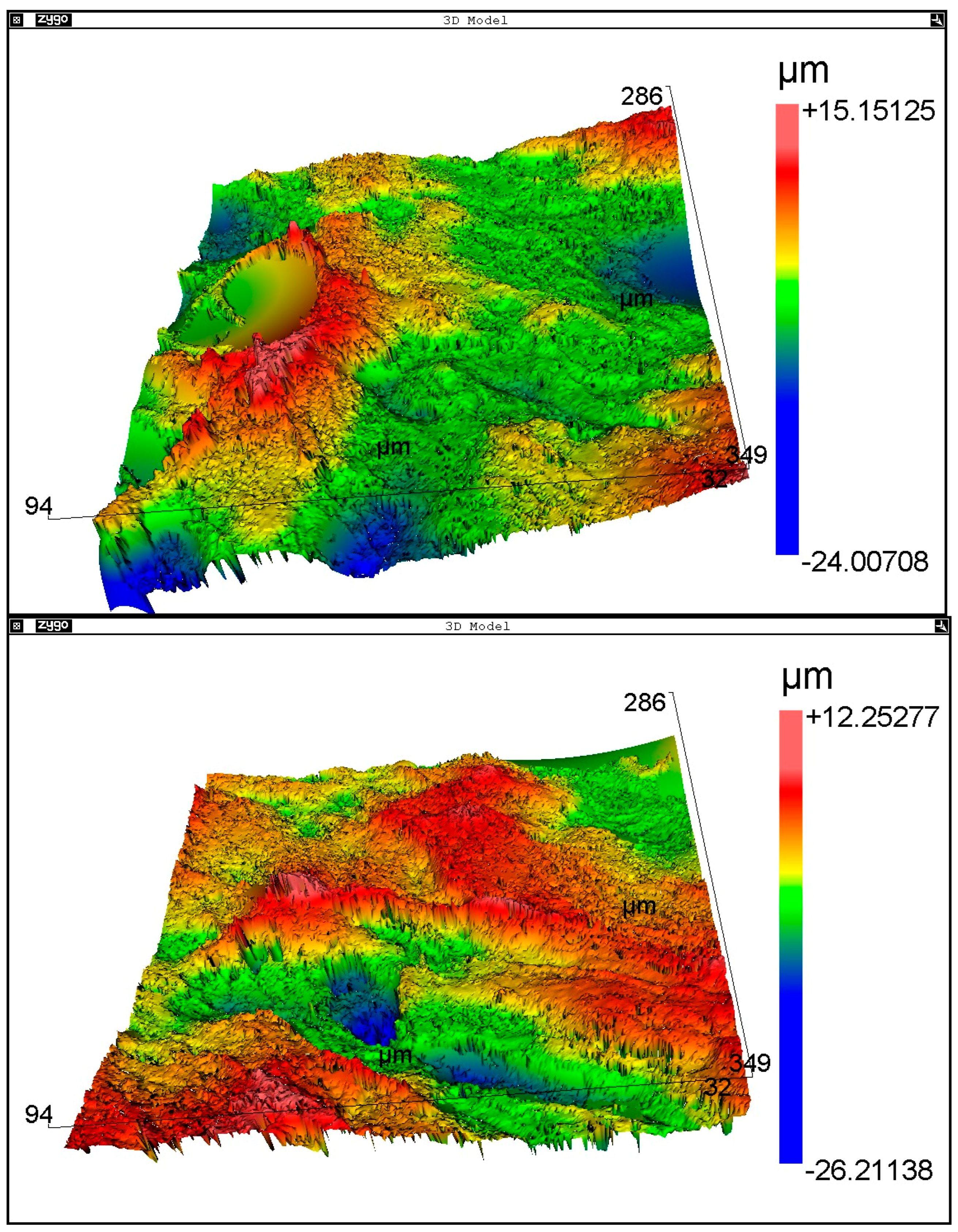
Membrane collagenous type 1 surface’s roughness was measured using a Zygo NewView 7100 optical roughness meter (Zygo Corporation, Middlefield, CT, USA). The surface roughness parameters Ra, Rsk, Rms, Rku, PV, Rpk, Rk, and R3z were measured.
2.6. BM-MSC (Mesenchymal Stem Cells) Isolation and 3D Cell Culture
BM-MSC isolation and 3D cell culture bone marrow-derived MSCs (BM-MSCs) were obtained from 3-month-old male Wistar rats (three months old) euthanized in a CO2 chamber. After collecting tibias and femurs, bone medullary cavities were exposed and harvested by centrifugation at 350× g for 10 min.
The culture medium was changed every 3 days until the MSC monolayer reached 80% confluence. Adherent cells were harvested from culture flasks with trypsin-EDTA 0.25% (Sigma-Aldrich, St. Louis, MO, USA) and cultured for further expansion up to the third passage.
The Ethics Committee in Animal Experimentation of the State University of Rio de Janeiro has approved all procedures (registered under CEUA/001/2019), (8 animals).
4. Discussion
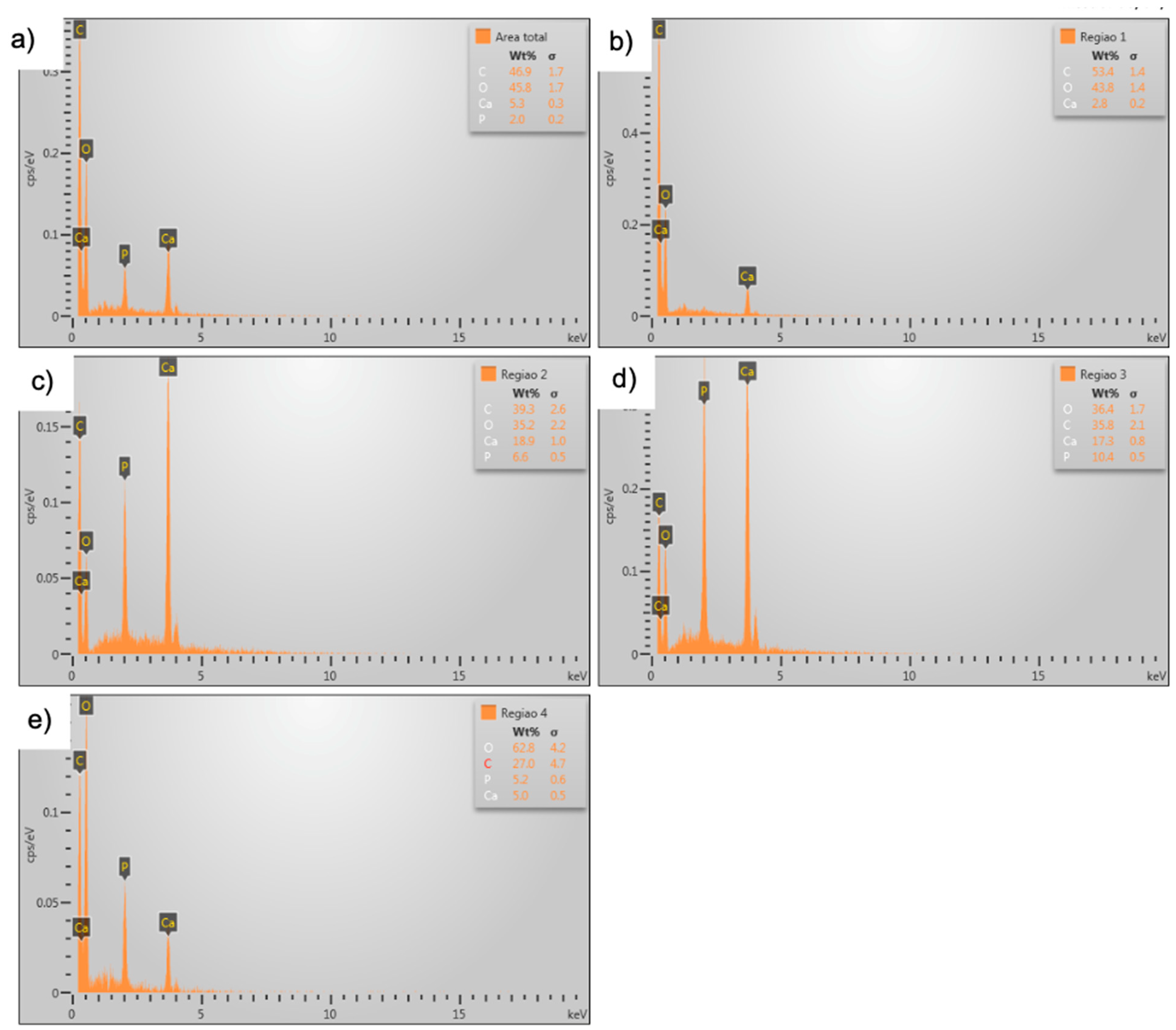
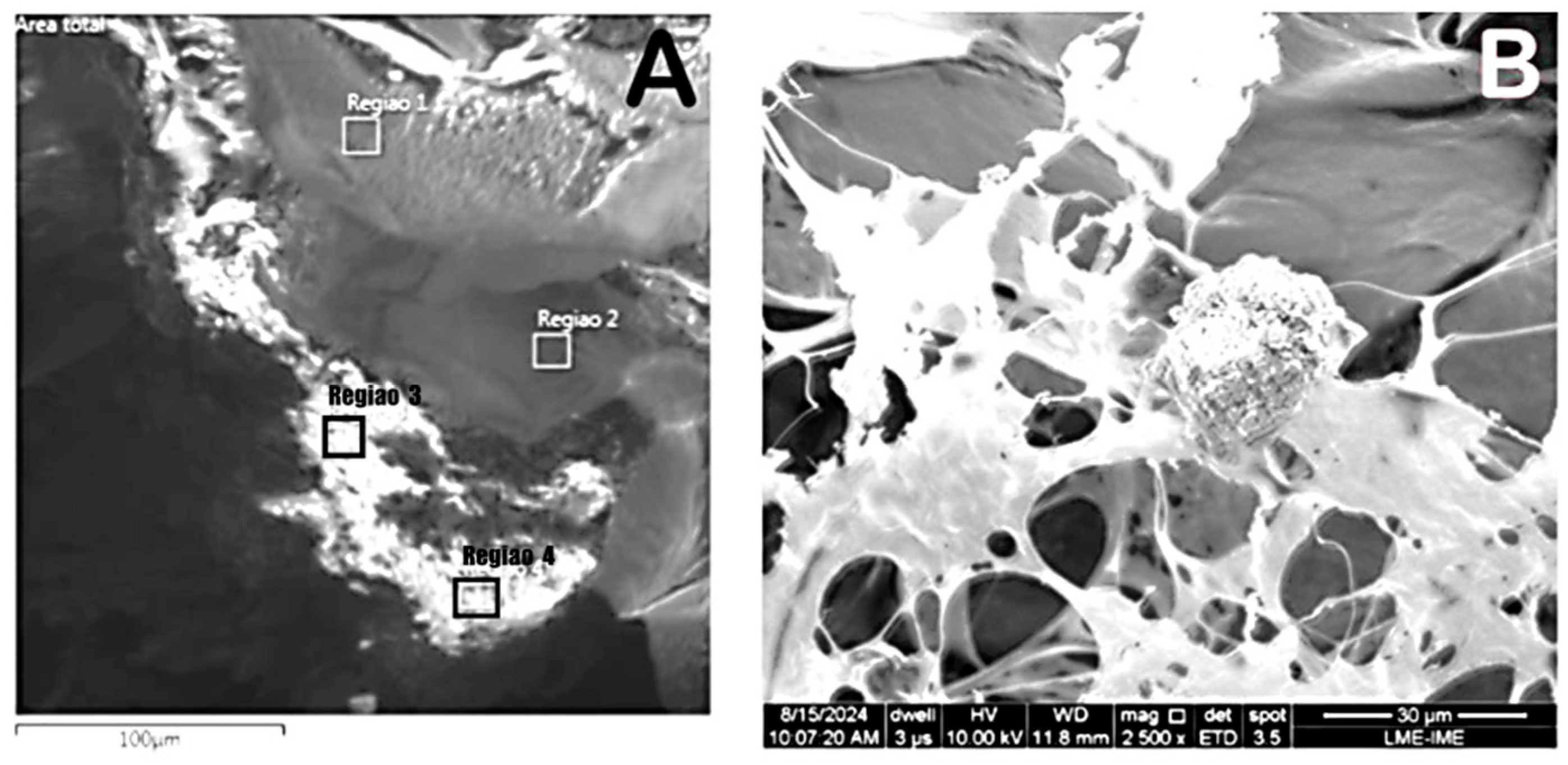
Microanalysis of the n-HA/β-TCP composite sample and the type 1 collagen membrane showed that the composite contains Ca and P with Ca/P ratios close to that of hydroxyapatite. The C/P ratio in pure hydroxyapatite is approximately 1.67. The composite had Ca/P ratios ranging from 0.96 to 2.86, with an average of 1.62. This discrepancy in the Ca/P ratio between the samples and hydroxyapatite is due to the EDS analysis methodology, which has a 3% error, the small area sampled for chemical analysis, and the fact that the graft is a mixture of n-HA/β-TCP.
The morphological and chemical biomaterial analysis indicates that a composite comprising nano-hydroxyapatite/β-tricalcium phosphate (n-HA/β-TCP) and type 1 collagen is suitable for further in vivo testing.
The development of novel graft biomaterials represents a promising avenue for enhancing the efficacy of regenerative treatments for patients. Adding other components to hydroxyapatite has been shown to have a positive effect. As demonstrated in the relevant literature, the addition of chitosan to nano-hydroxyapatite enhances osteogenesis and reduces bacterial adhesion [
12].
Surface topography plays a decisive role in the biological performance of bone-graft biomaterials because micro- and nano-scale features directly regulate how cells attach, proliferate, and differentiate on the graft surface. Roughened or patterned surfaces increase the available surface area and alter local mechanical cues, improving osteoblast adhesion through enhanced focal-adhesion formation and integrin binding. Studies consistently show that micro-rough surfaces promote greater alkaline phosphatase activity and mineral deposition compared with smooth surfaces, indicating improved osteogenic differentiation. Likewise, nano-structured topographies, such as nanotubes or nanopits, have been shown to upregulate osteogenic genes (e.g., RUNX2, OCN) relative to micro-scale features alone. For example, in comparative in vitro work reported in the literature, osteoblasts cultured on micro-rough titanium typically show higher cell density and mineralized nodule formation at 7 and 14 days when compared with polished controls [
13]. Similar trends appear in replicate experiments across different biomaterials, suggesting that the relationship between increased surface complexity and enhanced osteoconductivity is robust and reproducible.
The collagen molecule has been shown to contribute to several key aspects of bone regeneration, including cell migration, attachment, division, and differentiation. Collagen has been demonstrated to play a pivotal role in both osteoinduction and osteoconduction, which are essential processes in bone healing. Furthermore, collagen is the primary structural protein that facilitates mineralization in the human body, particularly during intrafibrillar mineralization. Type I collagen, in particular, has straight fibers similar to the extracellular matrix, which supports these regenerative processes [
10,
11,
12].
As demonstrated in previous studies, the combination of hydroxyapatite and collagen exhibits characteristics that render it a suitable candidate for use as a bone substitute [
11]. These characteristics encompassed the material’s microstructure, absorption kinetics, and mechanical properties [
11]. The findings of the present study are consistent with those reported in the extant literature [
13,
14,
15,
16].
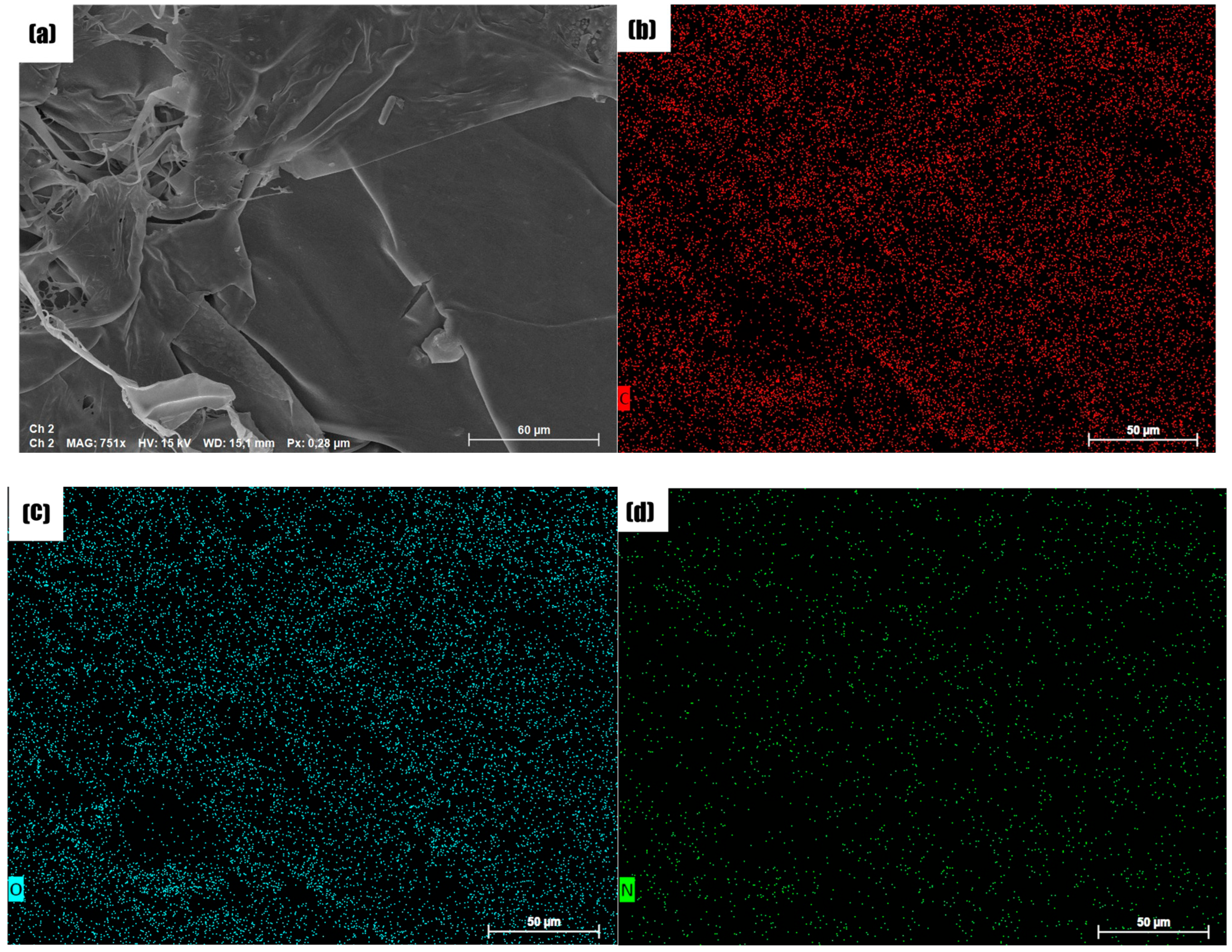
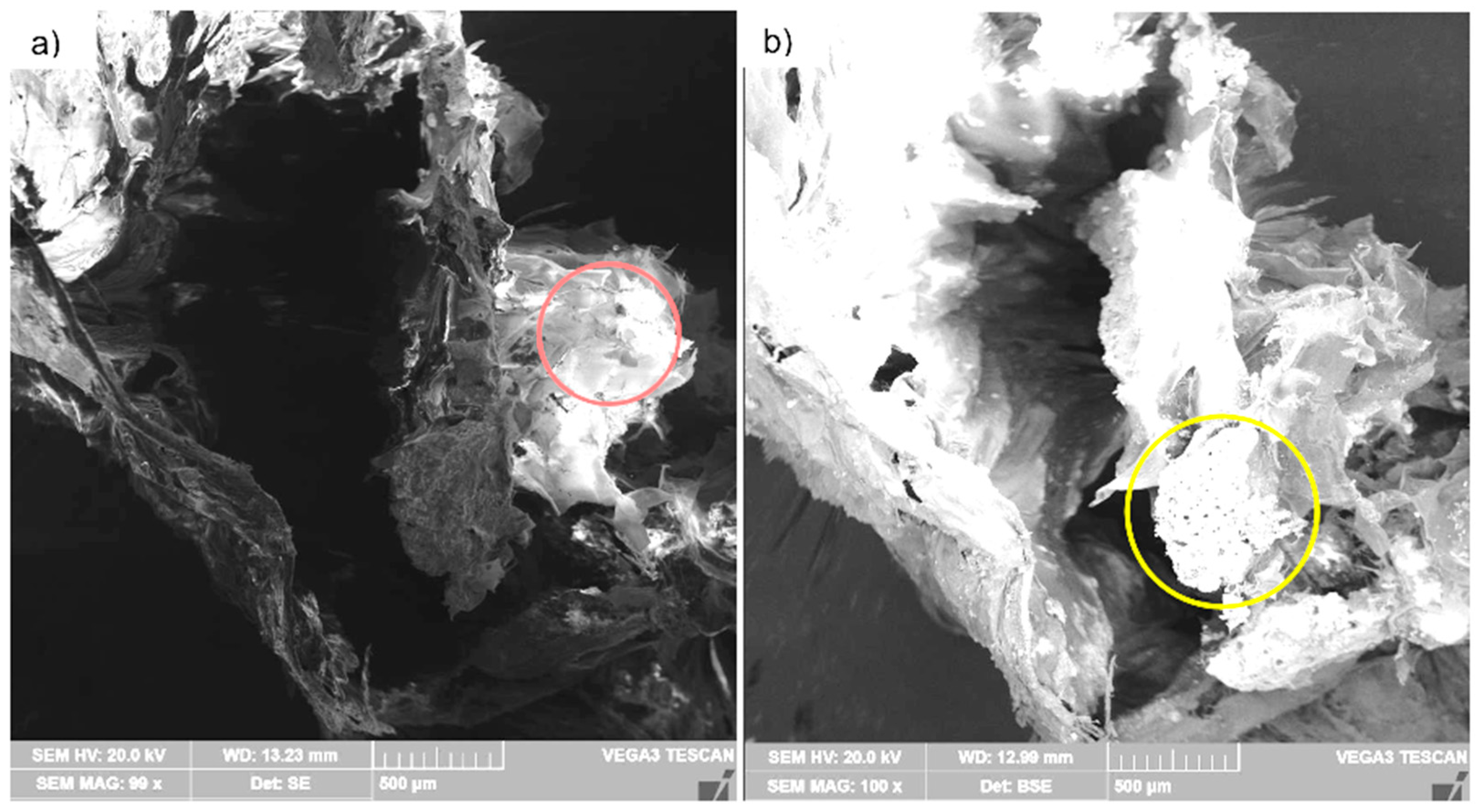
Figure 7,
Figure 8,
Figure 9 and
Figure 10 illustrate the interaction between calcium phosphate and collagen.
Literature results using rabbits demonstrated that the calcium concentration in the graft material used in surgery can form different types of hydroxyapatites [
17]. In the present study, experimental tests were conducted to determine the percentages of calcium and other chemical elements in the samples. The results obtained from these tests indicated that the percentages were comparable to those of hydroxyapatite. As illustrated in
Figure 9b, the presence of n-HA granules is evident.
The identification of material phases is predominantly determined by XRD testing [
18]. A survey of the extant literature revealed that the percentage of nano-hydroxyapatite was similar to that of dentin. Nano-hydroxyapatite has been demonstrated to induce a greater number of collagen cross-links, increase the rate of organic matrix formation, and promote better mineralization [
19].
The present study examined the association between nano-hydroxyapatite and collagen through a series of tests, and the results were compared with those of similar materials available on the market, confirming that the combination of these two biomaterials significantly facilitated cell growth and improved the expression of extracellular matrix components when compared with collagen alone or hydroxyapatite alone [
20]. The findings demonstrated that the structure and performance in guided bone regeneration can be enhanced by incorporating precise percentages of collagen and hydroxyapatite [
21].
When nano-hydroxyapatite is mixed with collagen type I, the cell viability, cell integration, and differentiation processes are improved [
22]. Furthermore, evidence has emerged demonstrating the synergistic effect of n-HA and collagen scaffolds on osteoconduction, involving bone morphogenetic proteins 7 (BMP7) and 2 (BMP2) [
23].
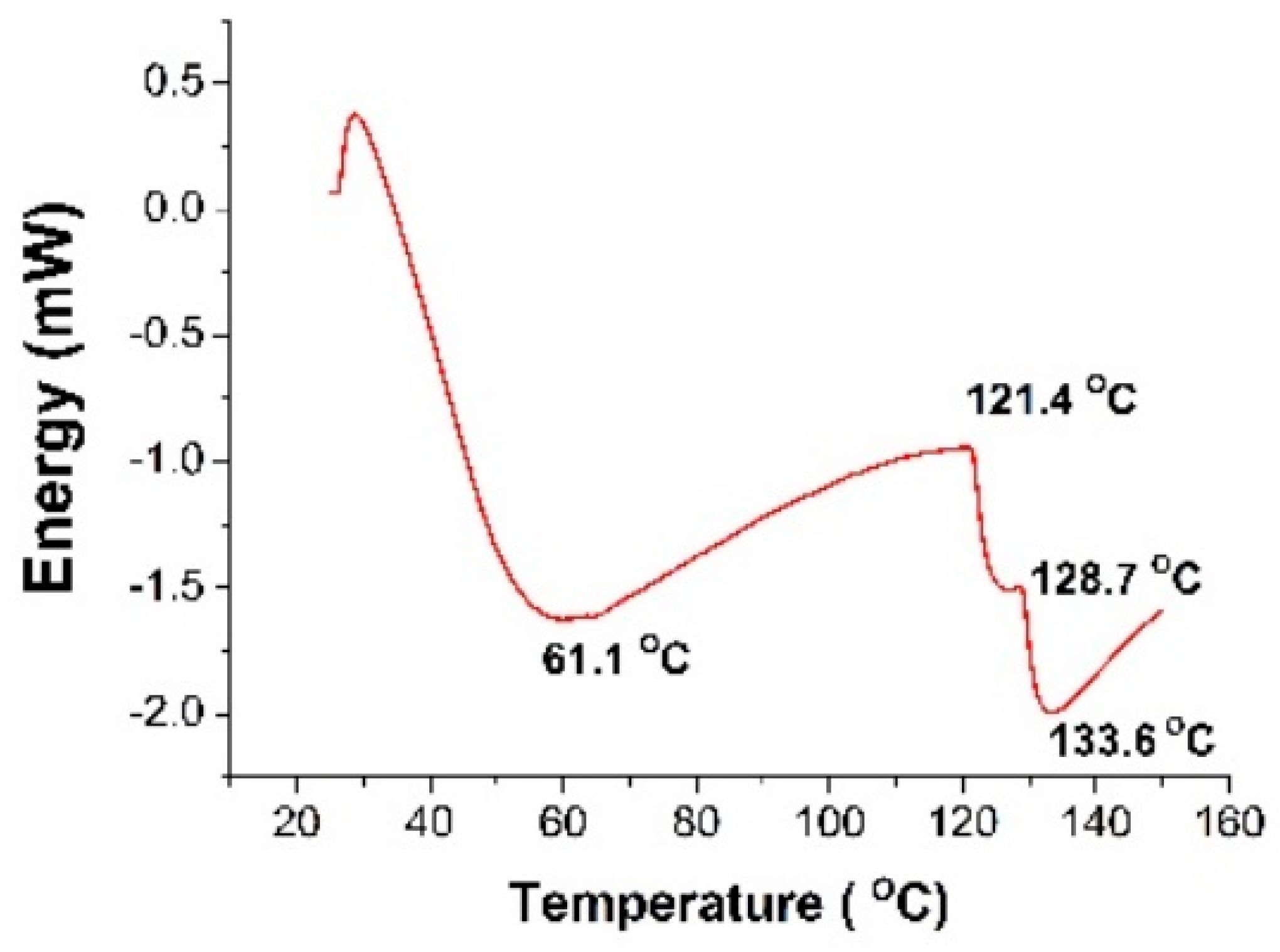
The DSC results showed that the sample analyzed exhibited endothermic transitions between 25 and 150 °C (
Figure 6). The energy variation observed at 61.1 °C corresponds to the glass transition of the amorphous phase of collagen (
Figure 6). The second variation, observed near 133 °C, is related to internal water loss. As demonstrated in the extant literature, an energy variation occurs at 230 °C, associated with the denaturation of collagen molecules. This third energy variation was not identified in the present study; the DSC test was interrupted at 150 °C. It is important to distinguish between denaturation and degradation. During denaturation, the hydrogen bonds between polymer chains are broken.
As illustrated in
Figure 6, it is possible to identify the temperature at which denaturation began (Tonset), the temperature at the end of denaturation (Tendset), and the peak denaturation temperature at maximum heat absorption (Tp). The peak denaturation temperature is defined as the temperature at which the collagen structure unfolds. The denaturation of type I collagen was initiated at 47.6 °C (Tonset), with the transformation peak (Tp) occurring at 61.1 °C, and the final denaturation temperature (Tendset) was 87.9 °C.
The denaturation temperature measured in this study differed from those reported in other studies [
23]. The observed variations in the temperatures (Tonset, Tp, and Tendset) are attributed to the presence of collagens of varying origins and compositions. Natural and synthetic collagens exhibit a range of types and amino acid compositions, as well as factors such as sample preparation for analysis, genetic lineage, animal age, fibrillation, mineralization, and others. The denaturation temperature of lyophilized type I collagen differs from that of hydrated collagen. The configuration of the crosslinks significantly influenced the denaturation temperature.
As demonstrated in the existing literature, collagen thermograms exhibit disparities in parameters attributable to factors such as collagen type and provenance [
24]. As indicated by the extant literature, the initial energy variation occurs within the temperature range of 30 to 150 °C, with the endothermic peak (Td’) occurring between 80 °C and 104 °C. The disparities in the attributed properties are associated with the dehydration process and the preparation of fibrillar collagen. As demonstrated by some researchers [
24], the DSC thermogram of the collagen sample exhibited peak temperatures of approximately 61.5 and 221.8 °C. The results of the literature survey suggest a correlation between the peak energy near 61.5 °C and alterations in the triple-helix structures of collagen molecules, which transition to randomly coiled structures [
25].
During the process of structure change, intra- and intermolecular hydrogen bonds are broken by the release of water that is weakly bound. The stability of the triple helix structures of collagen molecules and the binding of water in the structure of the molecules is contingent on intra- and intermolecular hydrogen bonds.
The extant literature also suggests that the energy variation near 221.8 °C is due to the degradation of the polypeptide chains and the evaporation of residual and/or strongly bound water. In addition, the orientation of collagen fibrils strongly affects both the mechanical and biological function of bone. Mechanically, aligned collagen fibrils create anisotropic tissue: when fibrils are oriented in the direction of principal strain, bone exhibits greater stiffness and strength in that direction, as well as enhanced fracture toughness. Biologically, the preferred orientation of collagen can guide cell behavior via
contact guidance, which can influence cell adhesion, proliferation, and differentiation in a way that mirrors native bone architecture [
26].
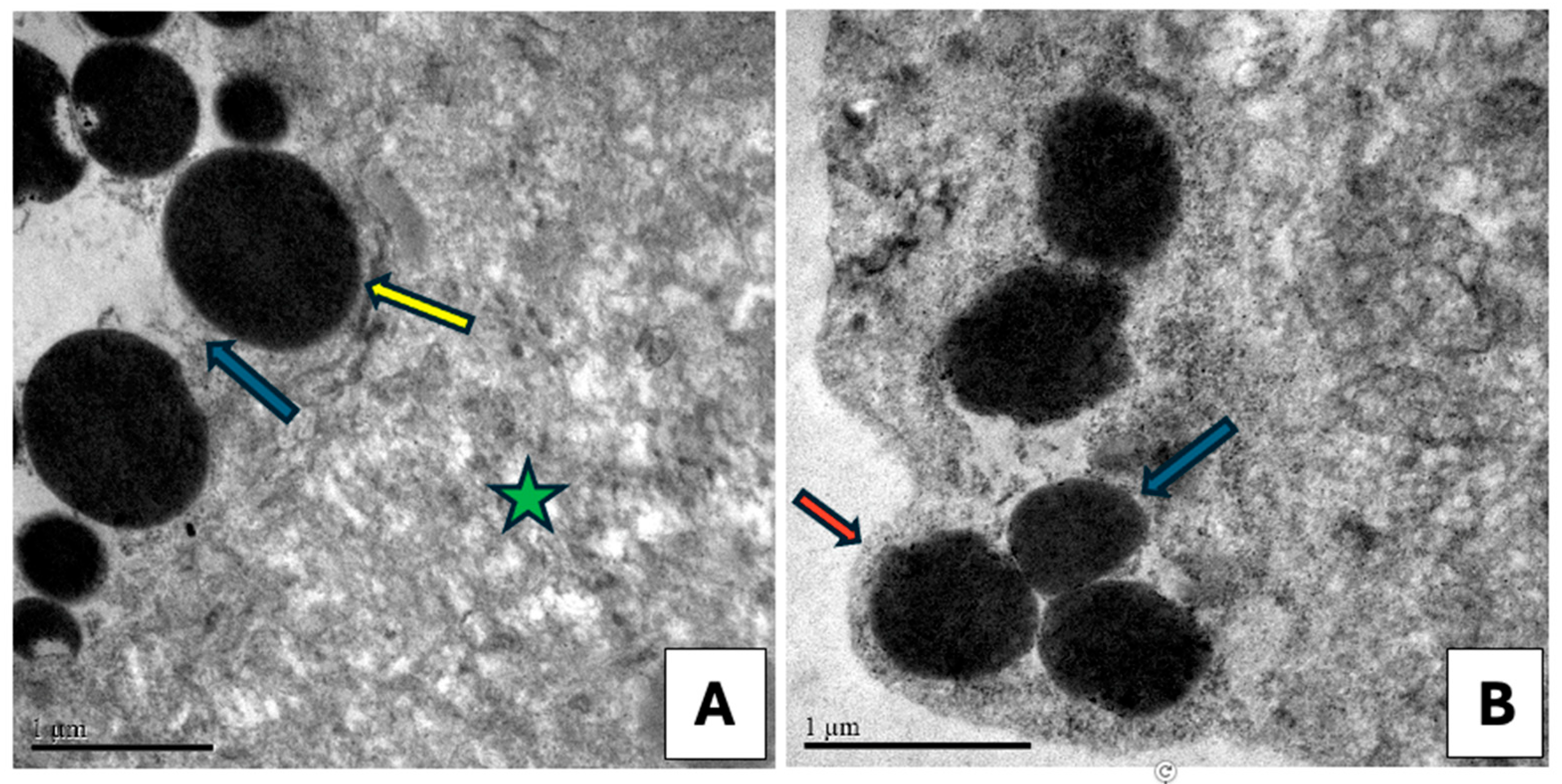
Tissue engineering is closely associated with bone regenerative engineering, and several authors have emphasized that achieving optimal outcomes requires a synergistic interaction between cells and biomaterials. This interaction enhances overall regenerative performance, as clearly demonstrated in the present study [
26,
27,
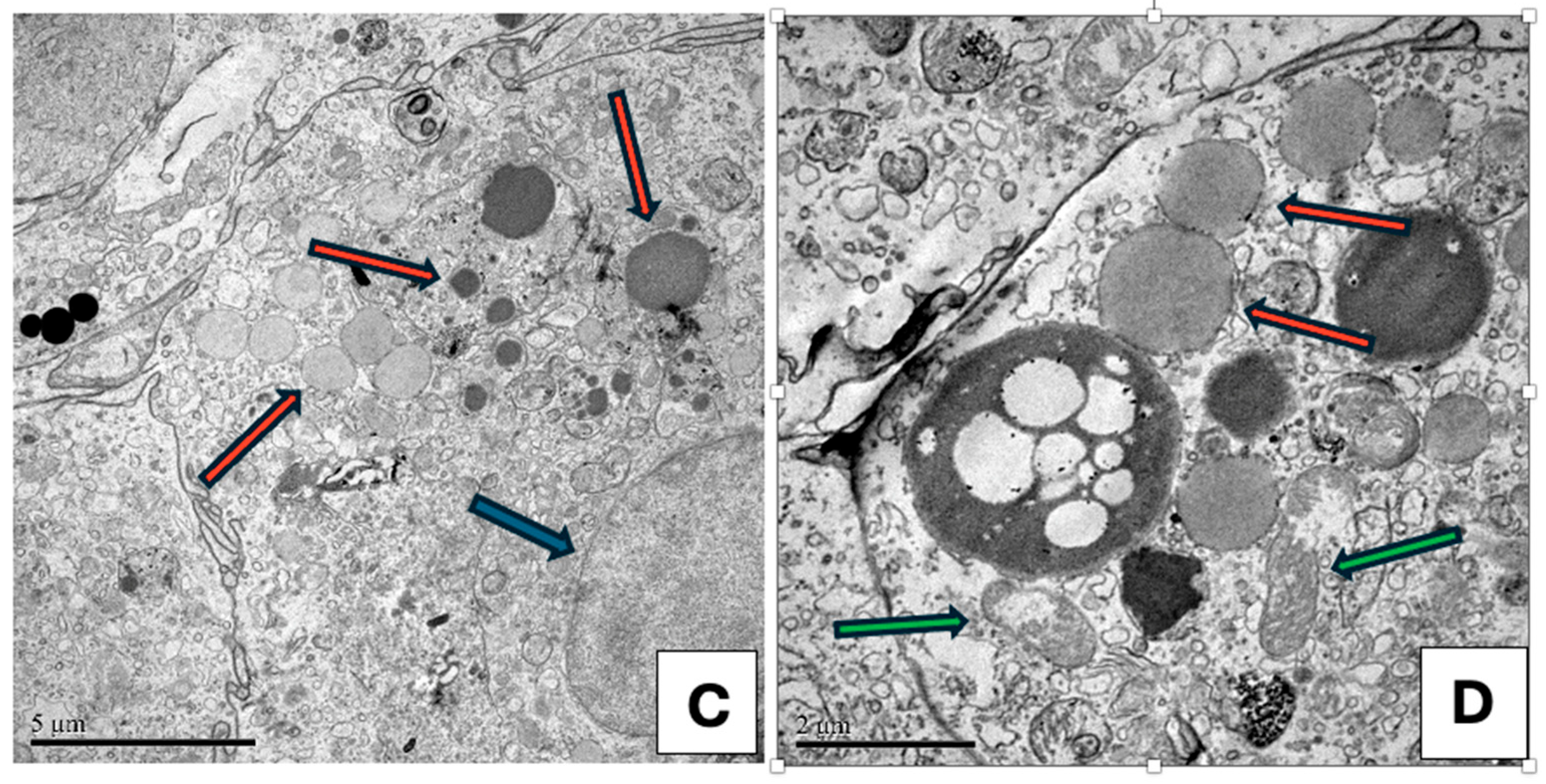
28]. The presence of an extracellular matrix surrounding the biomaterial, as well as multivesicular bodies involved in calcium storage, provides strong evidence of effective cellular integration (
Figure 11 and
Figure 12).
There is great difficulty in correlating the variation in the biomaterial’s surface roughness with its performance. Available studies analyze the influence of roughness on cell adhesion, osseointegration, and even biomaterial failure. Most often, these studies perform qualitative analysis of the morphology of SEM images and correlate it with the biomaterial’s performance. Some studies measure the Ra roughness parameter but do not justify the choice of this parameter.
Some research data indicated that the resorption of β-tricalcium phosphate elevates local Ca
2+ (and PO
43−) concentrations, Ca
2+ acts as a local signaling ion (via CaSR and downstream effectors) and indirectly modifies the adsorbed protein layer and cell behavior, promoting MSC/osteoblast proliferation and osteogenic differentiation. Therefore, Ca
2+ can modulate integrin activation and cytoskeletal tension, while a collagen-rich protein layer stabilizes integrin binding and prolongs adhesive signaling, so materials that present collagenous ligands and release physiologic amounts of Ca
2+ tend to show synergistic improvements in early adhesion, spreading, and later markers such as ALP and RUNX2 [
29,
30].
The digital roughness meter measures roughness parameters through interference patterns. The device emits a beam of light towards the surface of the material being analyzed. This beam is then reflected by the surface and captured by a detector that records the phase differences between the reflected light beams. The more irregularities there are on the surface, the more phase variations will be observed in the reflected light beams.
In this study, in addition to the surface’s roughness parameter Ra, the values of Rms, Rku, Rp, Rv, Rz, Sm, R3z, and Sm were measured [
31].
Various irregularities on the biomaterial’s surface affect the adhesion of proteins and cells. Depending on the degree of roughness, undifferentiated cells are stimulated to differentiate into other cell types or to release specific factors. For example, on the smooth surfaces of titanium dental implants, fibroblasts adhere, whereas on rough surfaces, osteoblasts adhere [
32].
The Rp (maximum profile peak height) is the distance between the highest point of the profile and the mean line within the evaluation length. Rp can influence the size of cell extensions. These extensions traverse irregularities and enhance adhesion to the biomaterial surface. They allow osteocytes to connect through gap junctions, facilitating communication and the exchange of nutrients and waste products, which is essential for maintaining bone tissue [
33].
Another critical parameter is Sm (mean spacing of profile irregularities). Sm is the mean value of the spacing between profile irregularities within the evaluation length. When the Sm parameter is minimal, resulting in a surface with low irregularities, cell adhesion becomes more difficult. Cells need to adhere and spread on the surface to induce tissue formation [
34].
The results of the present study were based on previous research. It is important to note that the percentages of nano-hydroxyapatite and collagen influence the biomaterial’s performance in bone repair.





 ,
,