1. Introduction
Modern manufacturing places increased demands on the performance properties of metallic components operating under high mechanical and corrosive loads. One of the most effective and economical methods for improving the durability of a surface layer is the application of protective thermal-spray coatings [
1,
2,
3,
4,
5]. Thermal-spray technologies make it possible to produce coatings with specified hardness, wear resistance, corrosion resistance and heat resistance, which render them highly sought after in mechanical engineering, power engineering and metallurgy.
The flame thermal-spray method remains among the most widely used techniques due to its simplicity, mobility and the ability to treat large-scale parts [
6,
7,
8]. Powder materials of various compositions enable formation of strengthening, damping or protective layers. Recent studies show that considerable attention is paid to the development of multilayer and composite coatings that possess enhanced mechanical strength and resistance to abrasive wear. In [
9] it was noted that multilayer thermal-spray coatings can reduce residual stress levels owing to a graded transition between layers. Study [
10] demonstrated that compositions based on WC, TiC and other carbide phases exhibit high structural stability under dynamic loads and temperature gradients. According to [
11], the use of high-velocity thermal spray techniques (HVOF/HVAF) allows one to obtain coatings with porosity below 2%, which significantly increases surface wear resistance.
To increase the service life of components operating under abrasive–impact wear conditions, pearlitic-class steels are often used; these steels have a hardness of approximately 350–500 HB after heat treatment [
12,
13,
14]. However, the high hardness of such steels does not always ensure sufficient resistance to corrosion and intensive abrasive action. The introduction of thermal-spray strengthening coatings makes it possible to eliminate these drawbacks [
15,
16,
17,
18]. In study [
19], it was shown that deposited TiC-containing coatings increase wear resistance by 2–3 times compared to analogous coatings without carbide inclusions. Work [
20] demonstrates improved resistance to microcrack formation when ceramic particles are used, and study [
21] notes enhanced adhesion of the coating to the substrate when damping underlayers such as Cu–Al are applied.
Recent studies also confirm that composite coatings containing hard carbide particles are capable of providing minimal wear-rate values on the order of 10
−6–10
−5 mm
3/(N·m) [
22]. In investigation [
22,
23,
24,
25], it was shown that two-layer coatings with a metallic underlayer and a ceramic top layer exhibit a more uniform stress distribution, improved resistance to cracking, and increased durability.
Recent studies indicate a growing interest in the use of ultrahigh-temperature ceramics, including titanium carbide, for the formation of wear- and heat-resistant coatings [
26]. Work [
26] shows that the microstructure of ceramic layers is determined by the thermal-spray regimes and influences their mechanical properties.
Many components of mining and metallurgical equipment operate under combined loading conditions: abrasive wear is combined with impact loads. Such conditions require high hardness and wear resistance while simultaneously maintaining sufficient toughness. This can be achieved either through double heat treatment—quenching followed by tempering—or by applying functional coatings [
26]. However, the deposition of hard ceramic coatings onto relatively soft steel substrates may lead to cracking due to differences in thermal expansion coefficients. To prevent such defects, two-layer coatings are used, in which the lower layer performs a damping function.
30KhGS steel is a widely used structural material applied in components operating under complex stress conditions. It is used in the manufacturing of piston mechanisms, gear shafts, levers, axles, flanges, and other critical parts. To improve its performance properties, the steel is quenched at a temperature of 880 °C and then tempered. The tempering temperature depends on the operating conditions, but high-temperature tempering at 540 °C is most often used. After such heat treatment, 30KhGS steel exhibits relatively high hardness and impact toughness.
One of the main disadvantages of 30KhGS steel is its low hardenability, which is only 24–30 mm, and this limits its use in the manufacture of large-sized components. A second significant disadvantage is its low corrosion resistance. Strengthening the surface by applying protective coatings is an effective method for compensating for these drawbacks. The application of a coating that increases the hardness and corrosion resistance of 30KhGS steel is considered a promising direction, especially given the widespread use of this steel grade at machine-building enterprises of the Republic of Kazakhstan.
The aim of this work is to investigate the possibility of using a two-layer coating to improve the hardness and wear resistance of 30KhGS steel. The proposed coating consists of two layers: a damping Cu–Al alloy (lower layer) and a titanium carbide TiC layer (upper layer).
2. Materials and Methods
30KhGS steel was used as the substrate, with the substrate dimensions being 100 mm by 40 mm.
Table 1 presents the chemical composition and mechanical properties of 30KhGS steel after quenching at 880 °C and tempering at 540 °C.
The coating deposition method was flame spraying. For spraying, the Tena–PPM equipment (“Tena” JSC, Minsk, Belarus) was used; the spraying parameters are listed in
Table 2.
The spraying process was carried out in two stages. Before applying the first layer, the substrate surface was thoroughly polished and degreased; the surface roughness was Ra 2.45.
A mixture of copper and aluminum powders in a mass ratio of 4:1 was used as the powder for the first (lower) layer. This mixture was selected as the damping layer, since the Cu–Al alloy has a relatively low hardness of about 175 HV, a sufficiently high elastic limit, and exhibits good anticorrosion properties [
22].
The same method and the same spraying parameters were used to apply titanium carbide powder to the first (lower) layer. Titanium carbide was used as the surface layer because it possesses high hardness and chemical inertness.
During thermal spraying, in addition to the spraying parameters themselves, the characteristics of the powders used for spraying play an important role. The particle-size distribution of the powders was determined using a CX-6 photo sedimentometer (Russia).
Hardness measurements were carried out using a Wilson-1150 hardness tester (Buehler, Lake Bluff, IL, USA).
The microstructure of the surface after spraying was examined after each stage using a using a JEOL JCM-7000 scanning electron microscope (JEOL Ltd., Tokyo, Japan); electron microscope; the elemental composition was analyzed using an SDTM 30 energy-dispersive attachment with a Si detector (EDAX, Mahwah, NJ, USA).
Hardness was measured using a Wilson-1150 hardness tester.
Tribological testing of the samples was performed using a tribometer (CSM Instruments, Peseux, Switzerland) using a reciprocating sliding measurement method in a ‘pin-on-plate’ configuration under the following conditions:
- –
track length: 4 mm;
- –
applied load: 1 N;
- –
speed: 5 cm/s;
- –
counterbody: a ball 3 mm in diameter, WC–Co;
- –
total number of cycles: 20,000.
Specific wear resistance ε was evaluated based on the wear groove parameters on the sample using the formula:
where W is the volume of wear debris, mm
3; A is the friction work, N·m.
The wear-groove parameters were determined using a WYKO NT1100 optical profilometer (Veeco Instruments, Plainview, NY, USA).
The results of the tribological tests were processed automatically using Instrum X Tribometer software (CSM Instruments, Peseux, Switzerland).
All measurements were repeated at least eight times, with the average value used for analysis; the scatter was evaluated through the confidence interval, which ensured reproducibility and statistical reliability of the obtained data.
3. Research Results
3.1. Analysis of the Particle-Size Distribution of Powders and Formation of the Coating Structure
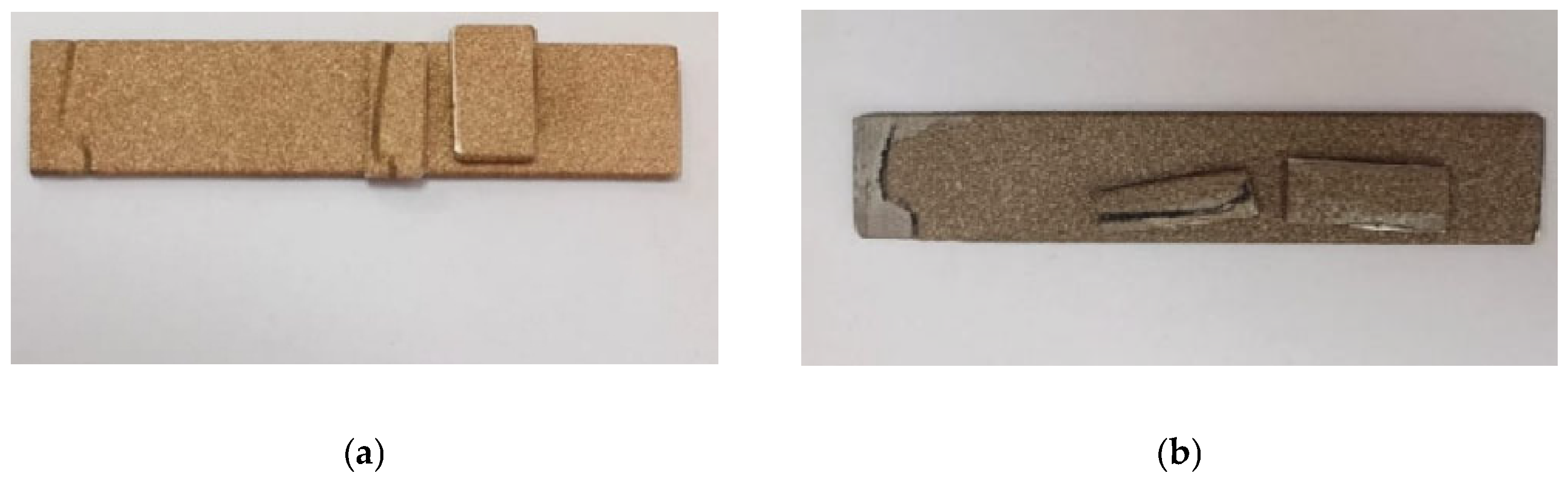
Figure 1 shows the general appearance of the obtained samples.
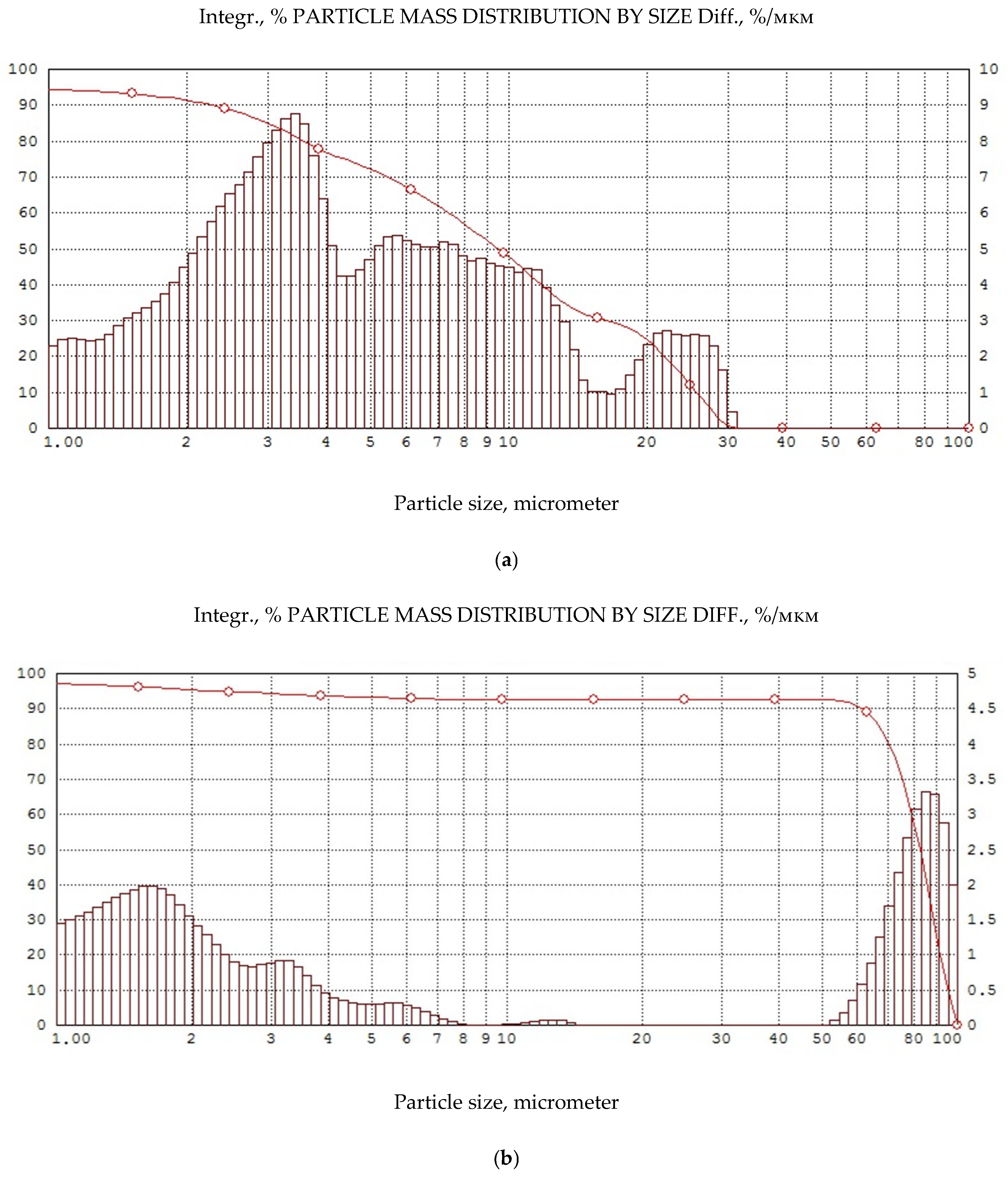
Figure 2 presents the results of the particle-size distribution analysis of the powders used for spraying.
As can be seen from
Figure 2a, the particle-size distribution of the Cu–Al powder is fairly uniform. Particles larger than 30 μm are practically absent, and the largest portion corresponds to particles sized 2–10 μm.
The particle-size distribution of titanium carbide powder exhibits the opposite character. A significant portion of particles lies in the range of 2–4 μm, while another portion is represented by the 60–100 μm range. Particles sized 8–50 μm are not present in the composition.
Based on the conducted particle-size analysis, it can be assumed that the structure of the lower (Cu–Al) sprayed layer will be more homogeneous and dense than that of the upper TiC layer.
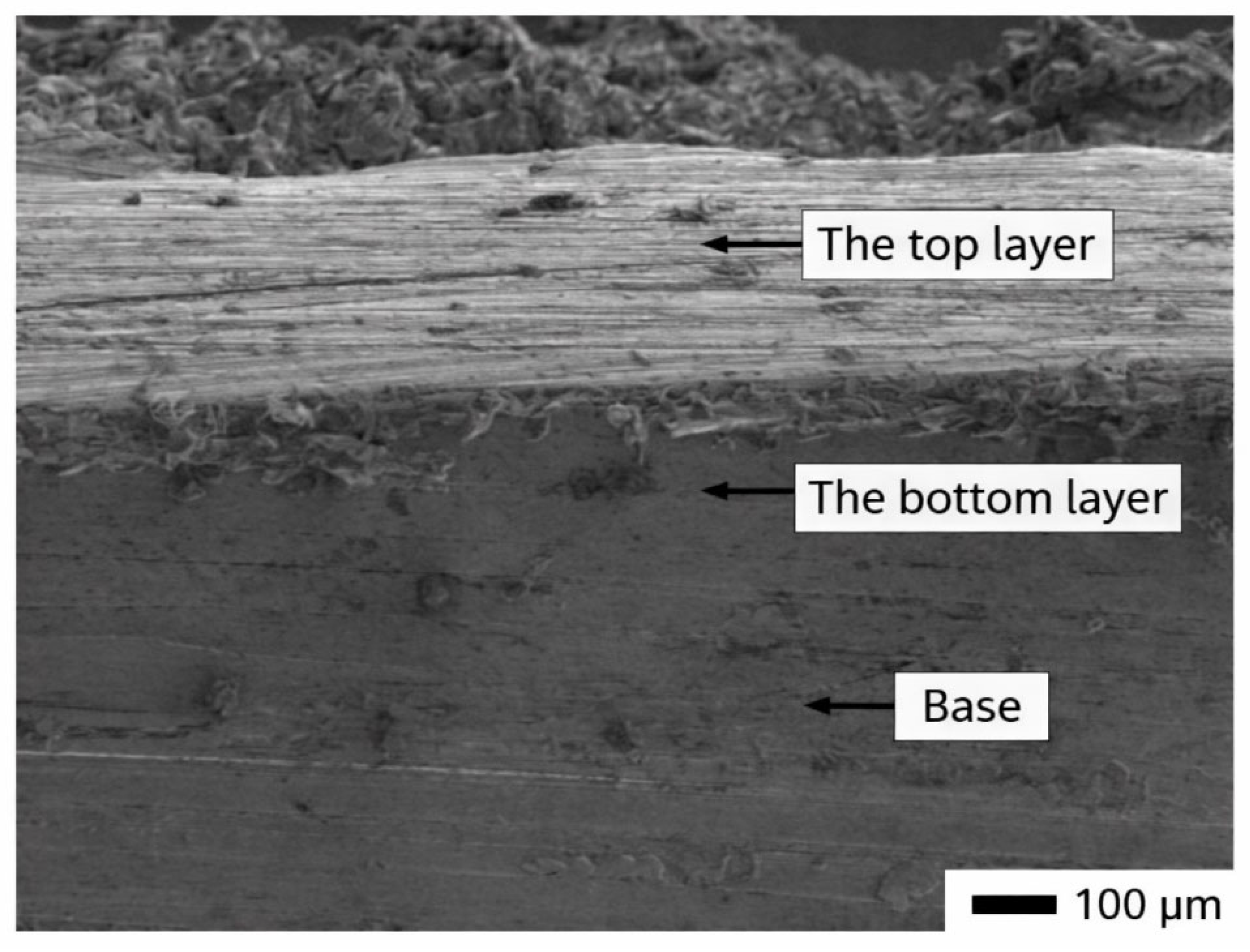
Further, the overall structure of the sample after spraying was examined, with thecross-section plane being (001) (
Figure 3).
From
Figure 3 it is evident that the lower layer, as expected, has a more homogeneous character, which is attributed to the relatively low melting temperature, smaller particle size, and the uniformity of their distribution.
The upper layer appears visually more porous and less uniform, which is explained by the significant variation in the particle-size distribution of the TiC powder and its much higher melting temperature (3200 °C). This leads to partial melting of the particles but not to the formation of a melt with subsequent crystallization, as in the case of the lower layer.
It is important to emphasize the difference in the mechanisms of layer formation during the spraying process.
The first layer is formed as a result of melting of the particles, formation of a melt, and its subsequent crystallization, which increases its density and uniformity.
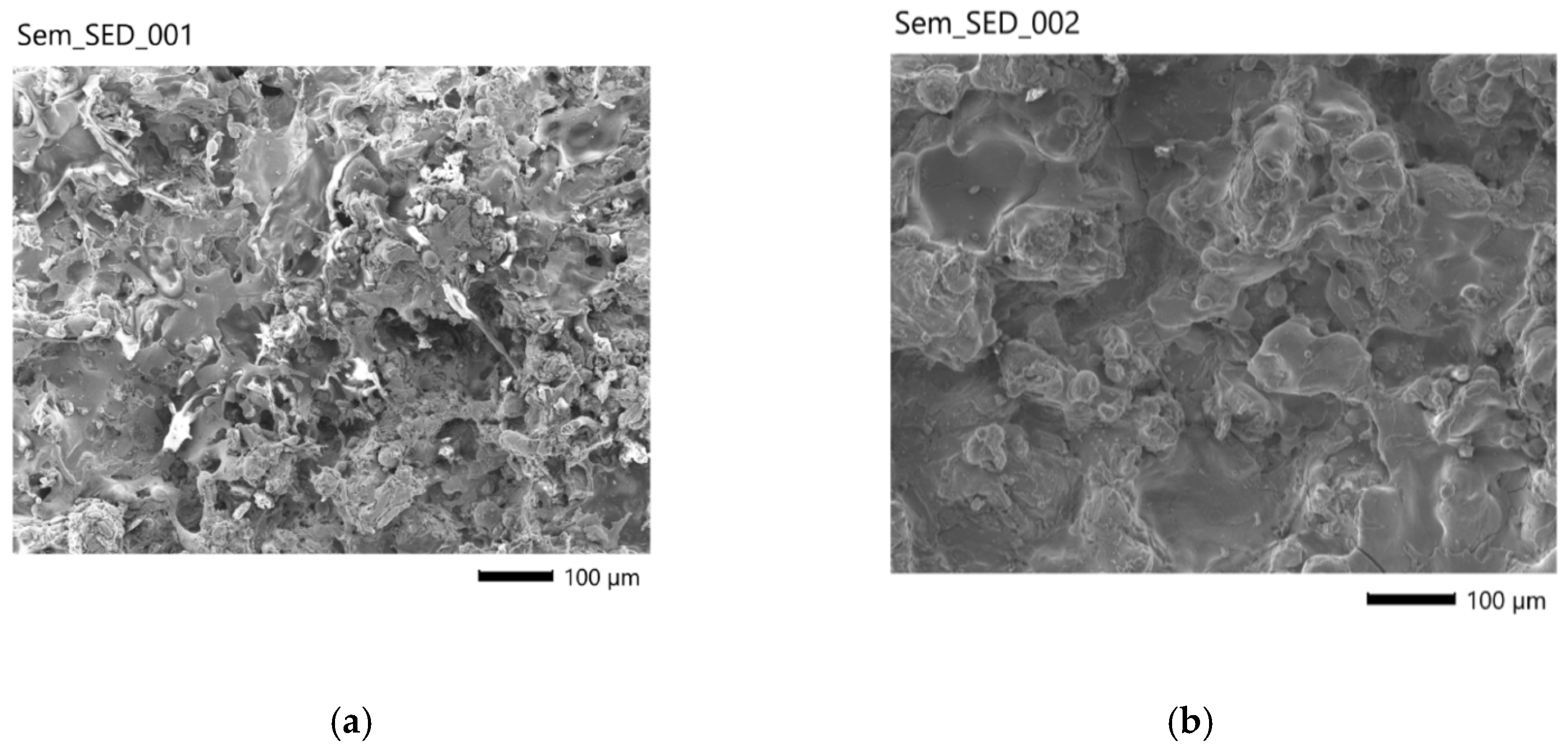
The second layer is formed as a result of partial melting of the titanium carbide particles and the formation of “bridges” between the particles. The formation and consolidation of the upper layer can be described as sintering with the formation of a liquid phase. Clearly, such a layer will not exhibit high uniformity. The microstructures of the layers shown in
Figure 4 confirm this assumption.
As can be seen from
Figure 4, the lower layer (Cu–Al spraying) exhibits a more homogeneous character compared to the layer after TiC spraying. As was already noted earlier, this difference is most likely associated with the particle-size distribution and melting temperature.
3.2. Elemental Composition of the Sprayed Layers
It should be noted that the observed differences in the surface structure are also due to the different nature of the materials: the first layer is a metallic Cu–Al alloy with higher plasticity and thermal conductivity, whereas the second layer is ceramic TiC, characterized by high brittleness and lower thermal conductivity.
After each spraying stage, an elemental analysis of the sprayed layer was carried out.
Table 3 presents the elemental distribution map for each layer.
As can be seen from
Table 3, the lower layer contains, as expected, Al, Cu, and O. Apparently, oxygen enters from the atmosphere and becomes part of the phases that form the lower layer. It should be noted that the presence of copper and aluminum is also observed in the near-surface layer of the substrate, which indicates a high diffusion coefficient of these elements.
The upper layer contains Ti, N, C, and traces of Al. The presence of nitrogen in the surface layer, as well as the previously observed presence of O, can be explained by their penetration from the atmosphere during the thermal spraying process. The ingress of oxygen and nitrogen from the atmosphere will contribute to the formation of new phases such as oxides and nitrides, which can be detected by EDS.
Table 4 presents summarized data on the elemental composition of the surface layer at each stage.
As can be seen from
Table 3, after the first spraying, the Al content decreases to a ratio of 5:1, while the amount of oxygen and carbon increases. The first fact is easily explained by the burn-off of Al during high-temperature spraying; the increase in carbon is due to the adsorption of carbon atoms from the hot gas onto the substrate surface followed by diffusion; oxygen enters from the atmosphere during spraying, is also absorbed at the surface during spraying, and diffuses into the depth of the surface layer. The high content of carbon and oxygen should promote the formation of new insertion-type phases, which may act as strengthening agents.
In the surface layer after the second spraying, a considerable amount of oxygen and carbon is also present, along with titanium, traces of aluminum, and nitrogen. Titanium may be present both in the form of titanium carbides and in the form of nitrides, which may act as additional strengthening phases. Increased hardness and wear resistance of the surface should therefore be expected.
3.3. Residual Stresses, Hardness, and Wear Resistance of the Coating
It should be noted that the formation of the coating microstructure is determined by the complex of thermomechanical processes occurring during thermal spraying. Powder particles, reaching a semi-molten or molten state, are accelerated in the gas stream and, upon impact with the surface, form a compacted splash.
The particle-size distribution of the powders has a direct effect on the density and uniformity of the structure. Smaller particles heat up faster and melt better, whereas larger particles may lead to local porosity and heterogeneity.
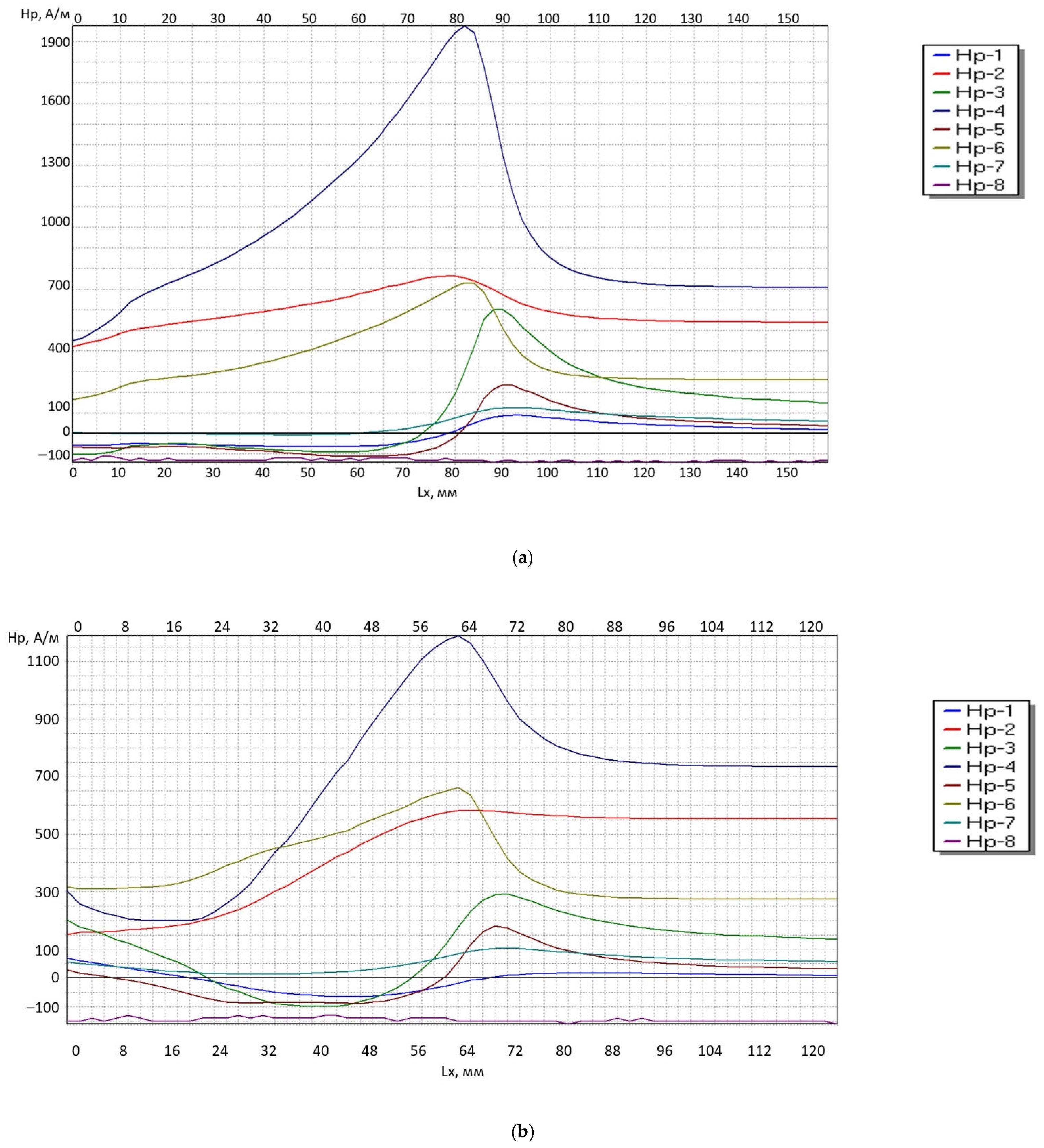
To determine the residual stresses formed as a result of spraying, magnetograms were recorded. Residual stresses are formed due to differences in thermal expansion coefficients between layers and due to temperature gradients during cooling. The metallic layer cools faster, while the ceramic TiC cools more slowly, which causes local stress states.
A stress concentration meter, IKN-3M-12, was used to evaluate the mechanical stress in the samples (
Figure 5).
The samples were examined along a length of 100 mm. At the boundaries of the sample, a stress spike is observed, which indicates deformation of the sample during its preparation, i.e., the source of the stress spike is the substrate itself, not the sprayed coating.
It can also be noted that the coatings themselves do not exhibit high stresses, and the overall stress level is less than 1000 A/m, which indicates uniformity of the coating from the standpoint of internal stresses.
The upper layer has a lower stress level (up to 400–450 A/m), whereas the lower layer exhibits stresses of about 600 A/m. This fact can be explained by the mechanism of coating formation: the lower layer forms as a result of melting and subsequent crystallization, while the second forms through liquid-phase sintering.
After each spraying stage, hardness and wear resistance were evaluated on the sample. As a reference sample, 30KhGS steel after quenching and tempering was used.
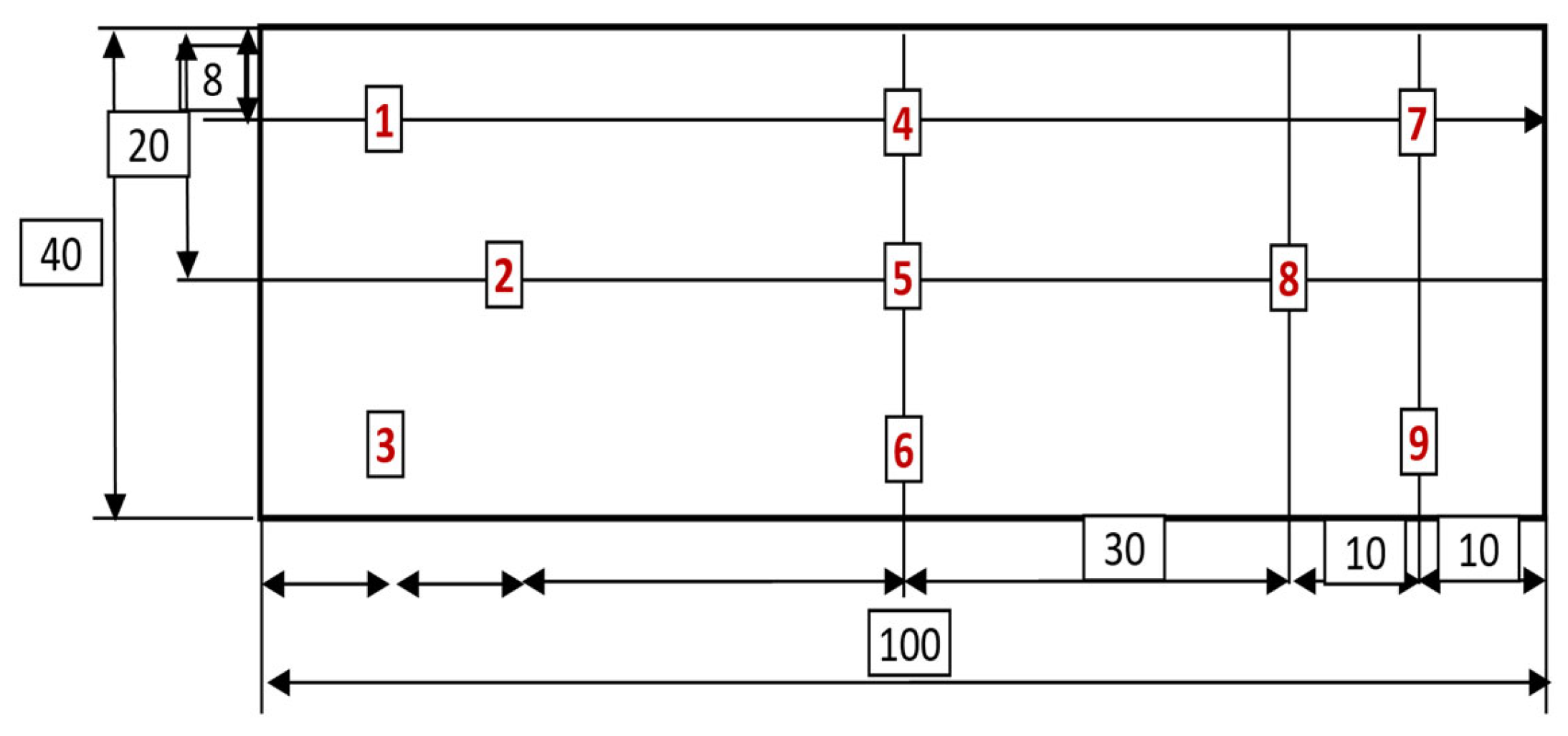
Figure 6 presents the hardness measurement points.
In
Table 5, the measurement results are presented.
The scatter of values across all points did not exceed the confidence interval calculated based on eight repeated measurements, which confirms the high reproducibility of the obtained data.
From the presented results, it can be seen that overall, for all types of applied coatings, there is only a small variation in hardness, which indicates the uniform nature of the coating deposition. The hardness of the lower layer (Cu–Al deposition) is significantly lower than the hardness of 30KhGS steel after heat treatment; however, the hardness of the upper layer (TiC deposition) is higher than that of 30KhGS steel by an average factor of 1.4, which should have a positive effect on the wear resistance of the surface.
Table 6 presents the results of wear resistance measurements for the sample after double deposition and for 30KhGS steel after heat treatment. The comparison shows that the wear resistance after coating deposition increases by 16%, indicating the potential of using this method to improve the operational properties of products made of 30KhGS steel. The gas-flame deposition method is characterized by simple technology, which makes it suitable for use as a method for restoring and repairing surfaces.
4. Conclusions
- 1.
The application of a two-layer coating using Cu–Al powder (lower layer) and TiC powder (upper layer) by the gas-thermal spraying method provides an increase in hardness by 30% and wear resistance by 16% compared with the corresponding properties of heat-treated 30KhGS steel.
- 2.
The level of residual stresses on the surface of the upper coating layer is lower than that of the lower layer.
This fact is explained by the difference in the mechanisms of layer formation.
The lower layer (Cu–Al) forms as a result of melting and subsequent crystallization, while the upper layer (TiC) forms as a result of liquid-phase sintering.
The presented method and the proposed compositions of spray powders make it possible for residual stresses within the coating to shift from small tensile to larger compressive stresses. This is confirmed by the conducted research and is evidenced by the relatively low average values and the uniform distribution of stresses along the sample. This leads to a reduction in the overall magnitude of mechanical stresses and, consequently, an increase in service life.
The obtained results demonstrate the effectiveness of using a two-layer coating to improve the hardness and wear resistance of 30KhGS steel, which expands the possibilities for surface restoration and repair of components.
These studies were carried out within the framework of grant AP 26199877 from the Science Committee of the Ministry of Education and Science of the Republic of Kazakhstan: “Development of a technology for applying composite protective coatings to components of metallurgical and mechanical engineering equipment”.
Author Contributions
Conceptualization, V.K. and S.K.; Methodology, A.S., V.K. and S.K.; Software, V.K. and S.K.; Validation, A.S., V.K. and S.K.; Formal analysis, V.K. and S.K.; Investigation, A.S., V.K. and S.K.; Resources, V.K.; Data curation, V.K.; Writing—original draft, A.S. and V.K.; Writing—review & editing, A.S., V.K. and S.K.; Supervision, V.K.; Project administration, V.K.; Funding acquisition, V.K. All authors have read and agreed to the published version of the manuscript.
Funding
This research was funded by the Science Committee of the Ministry of Education and Science of the Republic of Kazakhstan, grant No. AP26199877, entitled “Development of a technology for applying composite protective coatings to components of metallurgical and mechanical engineering equipment”. The APC was funded by the Science Committee of the Ministry of Education and Science of the Republic of Kazakhstan, grant No. AP26199877.
Data Availability Statement
Data are available from the corresponding author upon reasonable request.
Conflicts of Interest
The authors declare no conflict of interest.
References
- Kartikeya; Prasad, S.; Bhatnagar, N. Finite Element Simulation of Armor Steel Used for Blast Protection. Procedia Struct. Integr. 2019, 14, 514–520. [Google Scholar] [CrossRef]
- Almohandes, A.; Abdel-Kader, M.; Eleiche, A. Experimental investigation of the ballistic resistance of steel-fiberglass reinforced polyester laminated plates. Compos. Part B Eng. 1996, 27, 447–458. [Google Scholar] [CrossRef]
- Jacob, N.; Nurick, G.; Langdon, G. The effect of stand-off distance on the failure of fully clamped circular mild steel plates subjected to blast loads. Eng. Struct. 2007, 29, 2723–2736. [Google Scholar] [CrossRef]
- Langdon, G.; Lee, W.; Louca, L. The influence of material type on the response of plates to air-blast loading. Int. J. Impact Eng. 2015, 78, 150–160. [Google Scholar] [CrossRef]
- Koul, M.G.; Sheetz, A.; Ault, P.; Repp, J.; Whitfield, A. Effect of Zn-Rich Coatings on the Corrosion and Cracking Resistance of High-Strength Armor Steel. Corrosion 2014, 70, 337–350. [Google Scholar] [CrossRef]
- Guo, R.H.; Liu, F.S.; Wang, L.M. Research of Anti-Corrosion of Armour Steel in Surface Chromate Conversion Coating. Adv. Mater. Res. 2013, 734–737, 2332–2337. [Google Scholar] [CrossRef]
- Mehreganian, N.; Louca, L.; Langdon, G.; Curry, R.; Abdul-Karim, N. The response of mild steel and armour steel plates to lo-calised air-blast loading: Comparison of numerical modelling techniques. Int. J. Impact Eng. 2018, 115, 81–93. [Google Scholar] [CrossRef]
- Yilmaz, A. Development of an Armor Steel for Ballistic Protection. Mater. Test. 2010, 52, 811–818. [Google Scholar] [CrossRef]
- Fras, T.; Christian, C.; Roth, D. Fracture of high-strength armor steel under impact loading. Int. J. Impact Eng. 2018, 111, 147–164. [Google Scholar] [CrossRef]
- Palta, E.; Gutowski, M.; Fang, H. A numerical study of steel and hybrid armor plates under ballistic impacts. Int. J. Solids Struct. 2018, 136–137, 279–294. [Google Scholar] [CrossRef]
- Atapek, S.H. Development of a New Armor Steel and Its Ballistic Performance. Def. Sci. J. 2013, 63, 271–277. [Google Scholar] [CrossRef]
- Konca, E. A Comparison of the Ballistic Performances of Various Microstructures in MIL-A-12560 Armor Steel. Metals 2020, 10, 446. [Google Scholar] [CrossRef]
- Issagulov, A.Z.; Kulikov, V.Y.; Chsherbakova, Y.P.; Kovaleva, T.V.; Kvon, S.V. The corrosion resistant coating with halloysite nanoparticles. Metalurgija 2016, 55, 426–428. [Google Scholar]
- Zhetessova, G.; Zharkevich, O.; Pleshakova, Y.; Yurchenko, V.; Platonova, Y.; Buzauova, T. Building mathematical model for gas-thermal process of coating evaporation. Metalurgija 2016, 55, 63–66. [Google Scholar]
- Issagulov, A.Z.; Kvon, S.V.; Kulikov, V.Y.; Aitbayev, N.B. Studying microstructure of heat resistant steel deoxidized by barium ferrosilicon. Metalurgija 2016, 55, 388–390. [Google Scholar]
- de Sant’ana, O.S.; Pondé, W.R.; Souza, S.; Santos, E.R. High hardness steel used as ballistic armor: Mechanical properties. Matéria 2019, 24, 448. [Google Scholar]
- Aubakirov, D.; Issagulov, A.; Kvon, S.; Kulikov, V.; Chsherbakova, Y.; Arinova, S. Modifying Effect of a New Boron-Barium Ferroalloy on the Wear Resistance of Low-Chromium Cast Iron. Metals 2022, 12, 1153. [Google Scholar] [CrossRef]
- Issagulov, A.Z.; Kvon, S.S.; Kulikov, V.Y.; Sakbossynova, A.A. Cr-Ni system alloys composition impact on durability value. Metalurgija 2014, 53, 621–623. [Google Scholar]
- Gildersleeve, E.J.; McDonald, A.; Vaben, R. Thermally Sprayed Functional Coatings and Multilayers: A Selection of Historical Applications and Potential Pathways for Future Innovation. J. Therm. Spray Technol. 2023, 32, 778–817. [Google Scholar] [CrossRef]
- Gaur, U.P.; Kamari, E. Applications of thermal spray coatings: A review. J. Therm. Spray Eng. 2024, 4, 106–114. [Google Scholar] [CrossRef]
- Faisal, N.H.; Ahmed, R.; Sellami, S.; Prathuru, A.; Njuguna, J.; Venturi, F.; Hussain, T.; Nezhad, H.Y.; Katiyar, N.K.; Goel, S.; et al. Thermal spray coatings for electromagnetic wave absorption. Adv. Eng. Mater. 2022, 24, 2200171. [Google Scholar] [CrossRef]
- Singh, S.; Kumar, A.; Sharma, R.; Patel, T.; Gupta, S.; Verma, P.; Joshi, M.; Singh, R. Applications and developments of thermal spray coatings for heavy industry components: A review. Coatings 2023, 13, 1067. [Google Scholar] [CrossRef]
- Lynam, A.; Romero, A.R.; Xu, F.; Wellman, R.W.; Hussain, T. Thermal spraying of ultra-high temperature ceramics: Review and perspectives. J. Therm. Spray Technol. 2022, 31, 745–779. [Google Scholar] [CrossRef]
- Faisal, N.H. Measuring residual strain and stress in thermal spray coatings. Exp. Mech. 2022, 62, 369–392. [Google Scholar] [CrossRef]
- Patel, R.; Sundaram, R.; Dwivedi, D.K.; Kumar, P.; Srivastava, R.; Singh, G. TiC-based composite coatings deposited by HVOF: Microstructure and wear behavior. Surf. Eng. 2023, 39, 1485–1495. [Google Scholar]
- Kim, S.; Lee, J.; Park, K.; Cho, Y.; Han, D.; Jeong, S. Heat treatment effects on mechanical properties of medium-carbon alloy steels. Mater. Sci. Forum 2023, 1084, 145–150. [Google Scholar]
| Disclaimer/Publisher’s Note: The statements, opinions and data contained in all publications are solely those of the individual author(s) and contributor(s) and not of MDPI and/or the editor(s). MDPI and/or the editor(s) disclaim responsibility for any injury to people or property resulting from any ideas, methods, instructions or products referred to in the content. |