Proceeding Paper

From Lab to Upscale—Boosting Formulation Performance through In Vitro Technologies †

by
Margarida Miranda
1,2,
Cláudia Veloso
1,2,
Catarina Cardoso
3 and
Carla Vitorino
1,2,4,*
1
Faculty of Pharmacy, University of Coimbra, Azinhaga de Santa Comba, 3000-548 Coimbra, Portugal
2
Coimbra Chemistry Center, Department of Chemistry, Rua Larga, Portugal University of Coimbra, 3004-535 Coimbra, Portugal
3
Laboratórios Basi, Parque Industrial Manuel Lourenço Ferreira, lote 15, 3450-232 Mortágua, Portugal
4
Centre for Neurosciences and Cell Biology (CNC), Faculty of Medicine, University of Coimbra, Rua Larga, 3004-504 Coimbra, Portugal
*
Author to whom correspondence should be addressed.
Presented at the 1st International Electronic Conference on Pharmaceutics, 1–15 December 2020; Available online: https://iecp2020.sciforum.net/.
Proceedings 2021, 78(1), 35; https://doi.org/10.3390/IECP2020-08674

Published: 1 December 2020
(This article belongs to the Proceedings of The 1st International Electronic Conference on Pharmaceutics)

Abstract

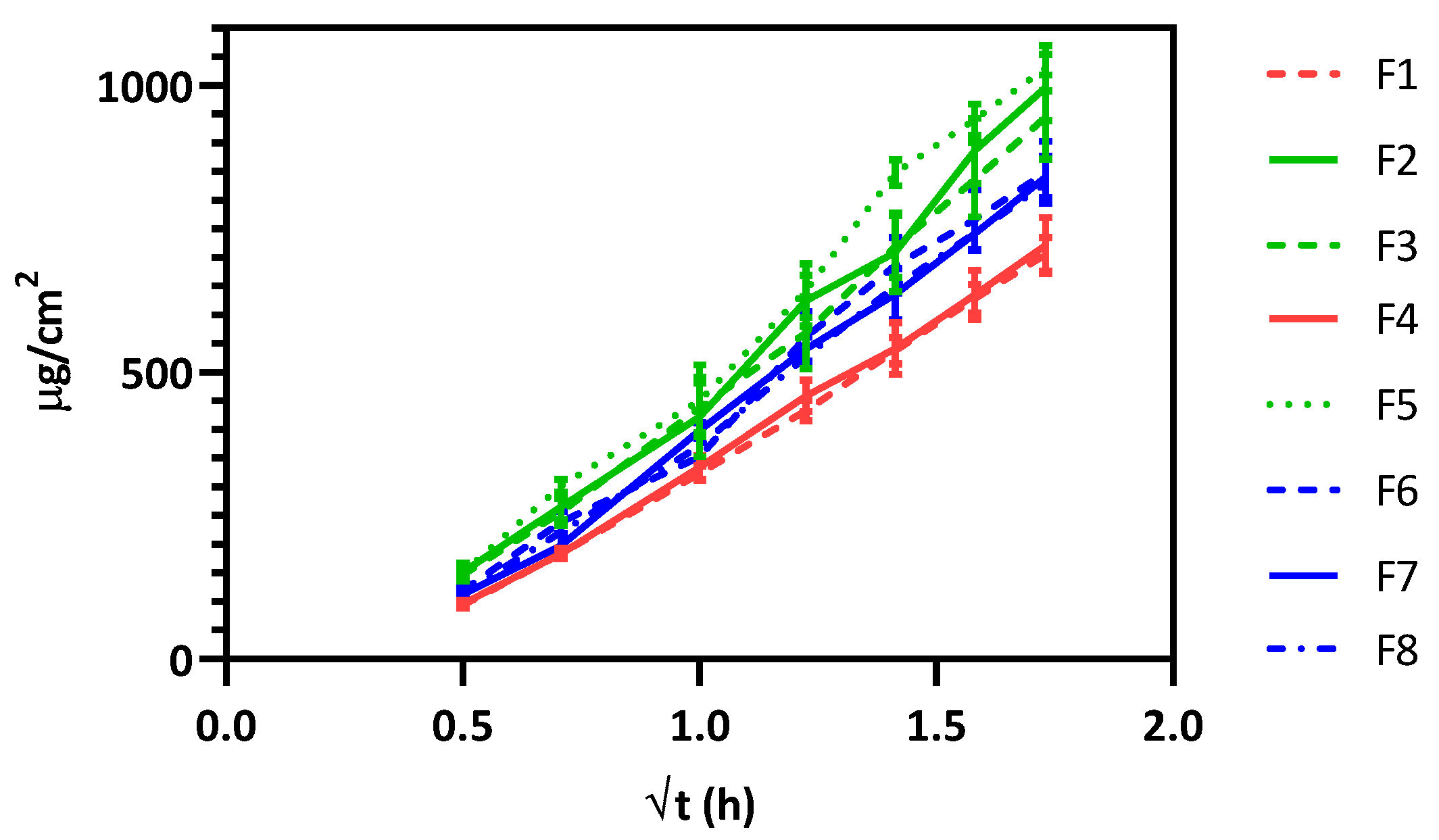
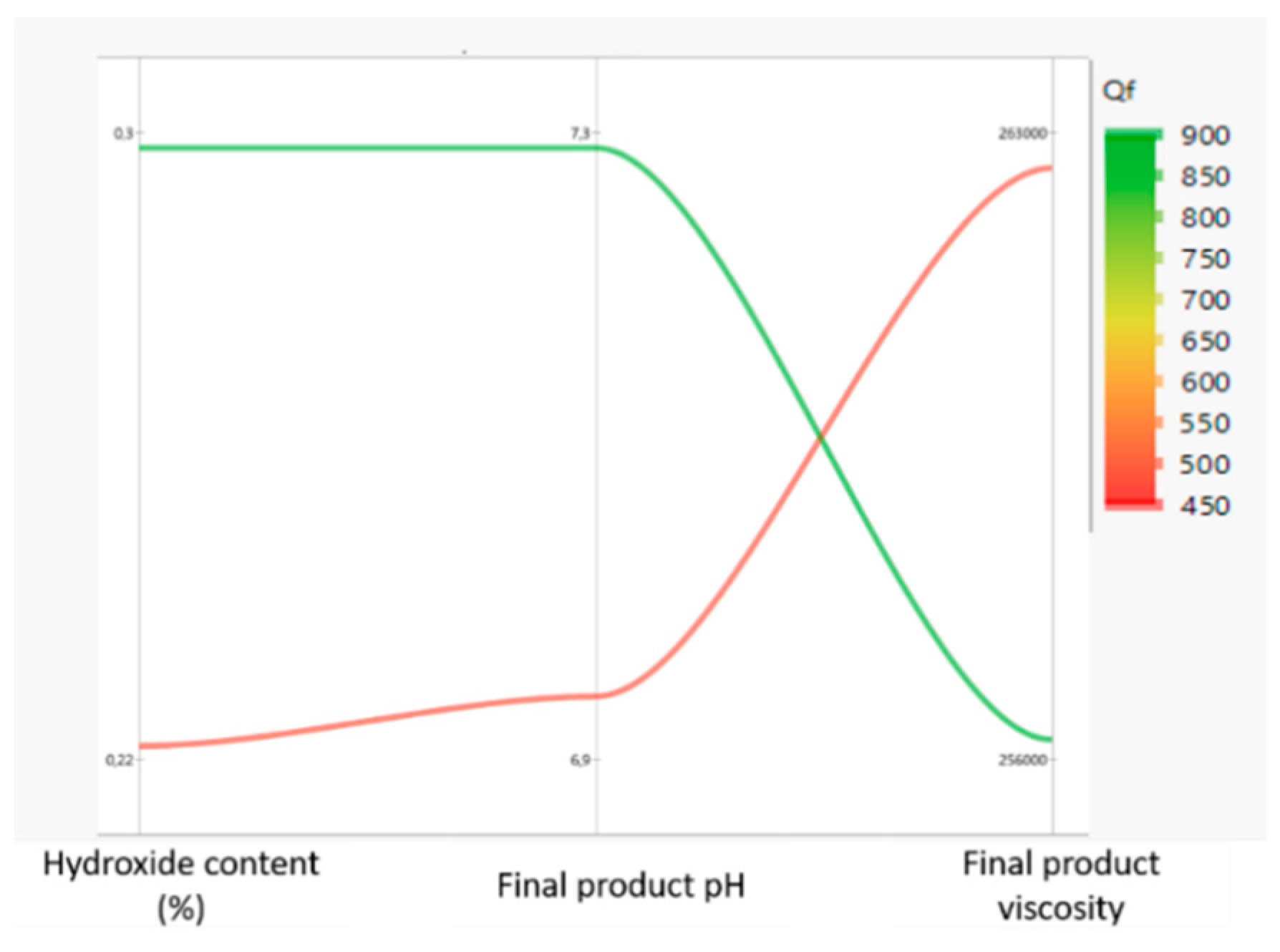
Pre-stability studies carried out throughout the development of a diclofenac emulgel formulation have shown a clear decrease in the drug release rate. In order to address the root-cause associated with this phenomena, product historical data were retrieved and analyzed following a retrospective Quality by Design (rQbD) approach. The quality target product profile (QTPP) was established, and risk assessment tools were used to identify the most relevant parameters affecting formulation performance. These consisted in (i) mixing time, (ii) sodium hydroxide content and (iii) carbopol grade. Following a 23 full factorial design, the pH, viscosity, in vitro release rate and cumulative amount of drug released at the end of the release experiment were selected as responses to statistically model the available data. It was observed that higher sodium hydroxide concentrations induce a decrease in viscosity, consequently resulting in a superior pharmaceutical performance. Moreover, as a secondary effect, a lower carbopol viscosity yields lower release outputs. The estimated models were used to define a feasible working region, which was further confirmed at an industrial scale. This work highlights the use of rQbD principles to achieve a greater product understanding. By doing so, specific strategies can be applied to product manufacture in order to consistently meet QTPP requirements.
Keywords: IVRT; topical drug delivery; DoE; scale-up IVRT; topical drug delivery; DoE; scale-up