1. Introduction
Flows in multi-stage compressors are subject to high levels of unsteadiness caused by the interaction between stationary and rotating blades. The unsteadiness arises due to the propagation and accumulation of wakes and due to the turbulence generation in the upstream passages. These mechanisms lead to the development of broad turbulence spectra that feature both deterministic and stochastic unsteadiness. To understand the impact of high unsteadiness on compressor performance, experiments and high-fidelity simulations are often performed to inform and calibrate design tools.
Low-order methods such as steady/unsteady Reynolds-averaged Navier–Stokes (RANS/URANS) simulations are still the workhorse for the design and validation of current engine designs [
1]. However, the accuracy of RANS and URANS depends on their ability to correctly model the deterministic and stochastic unsteady stresses as discussed in the review paper of Adamczyk [
2]. As engines are moving towards more compact designs that require higher loading and shorter inter-row distances, the importance of accurately modeling and predicting the unsteady stresses becomes essential, especially considering the impact that unsteadiness can play in the correct determination of turbomachinery performance (see [
3,
4,
5]).
To address low-order method inaccuracies, high-fidelity data from simulations, e.g., Large Eddy Simulation/Direct Numerical Simulations (LES/DNS) and experiments, e.g., Particle Image Velocimetry (PIV) is needed, as they are able to capture the unsteady flow behavior faithfully. However, the size and complexity of such high-fidelity datasets make it extremely challenging to use them to inform industrial design. As a result, in the literature, high-fidelity data has been typically reduced using statistical and spectral analyses. As a consequence, several time-averaged quantities (e.g., total pressure loss and pressure distribution) along with a spectral signature of the flow can be derived and used as a reference to inform and calibrate engineering models such as those based on RANS [
6]. This approach has been instrumental in the development of currently used turbulence models and resulted in many physical insights that led to new modeling strategies based on, for example, intermittency or laminar kinetic energy (LKE) for transition modeling [
7,
8]. More recently, with significant advances in statistical analysis, machine learning approaches have been gaining in popularity, especially with regards to improved Reynolds stress modeling via supervised learning (random forests) [
9], Bayesian inference [
10], symbolic regression [
11] and others. Nonetheless, these modeling efforts can be significantly improved by addressing some of the limitations they carry. This is because these models and calibrations suffer from the shortcomings inherent in classic turbulence modeling based on one- and two-point closures or one- and two-equation models. These limitations hinge on the underlying hypothesis of spectral equilibrium in which unresolved scales in the flow are characterized by a single length-scale [
12].
To overcome this problem a different approach to data reduction is needed. Such approach is based on flow decomposition, a classic example of which is the triple decomposition in which the flow is split into a base flow, a fluctuating wave and a stochastic flowfield [
13]. This approach, however, requires the knowledge of a wave period and instantaneous phase angle and is inappropriate for cases with many wave-like dynamics (different length-scales). To overcome this problem in this work, we make use of data-driven flow decomposition based on Proper Orthogonal Decomposition (POD) to isolate dynamics at different scales. POD and its various variants, e.g., extended POD [
14], spectral POD [
15], and phase-locked POD [
16], have been gaining popularity for analyzing turbomachinery flows due to the availability of high-fidelity LES and DNS datasets and the ability of those methods to extract energetically dominant coherent structures facilitating both physical interpretation and reduced-order modeling. Recent work demonstrated how these methods can be used to identify and quantify losses in low-pressure turbine cascade [
17] or isolate separation and wake-driven dynamics [
18]. In this work we take advantage of the POD properties and apply it for the purpose of isolating dynamics and quantifying inter-scale energy exchanges between them. Finally, we compute other terms which go into the kinetic energy balance in order to better understand the multi-scale flow dynamics.
The present work, which is based on a version previously presented at the 16th European Turbomachinery Conference [
19], is the first step towards characterizing different scales within a multi-stage compressor flowfield in order to allow us to determine which dynamics are important for accurate flow modeling and which scales govern the energy exchange between the base flow (useful mechanical energy) and stochastic (turbulence) flowfield, where energy is lost. With this in mind, in this work we:
Describe the parallel flow-decomposition procedure adopted here;
Introduce scale-by-scale kinetic energy budgets;
Quantify inter-scale energy budgets and show how they vary scale by scale.
In the following sections we introduce the computational setup, the flow decomposition framework and demonstrate how energy transfers can be estimated and reduced.
2. Computational Setup
For this study we use the unsteady data of [
20] for Controlled Diffusion Airfoil (
) profile with a nominal axial gap of
, where
corresponds to the axial chord of the blade. This data is representative of a multi-stage environment and was generated using the high-order compressible Navier–Stokes solver
[
21]. The solver uses the fourth-order DRP finite difference central scheme by Tam and Webb [
22] and eighth-order standard filter for spatial discretization. The four-stage fractional step Runge–Kutta scheme is used for temporal discretization. Characteristic boundary conditions are used at the inlet and exit to minimize the effect of reflecting pressure waves. The compressor blade is simulated at its on-design condition, i.e.,
incidence. The Reynolds number based on the axial chord was
= 250,000 and the Mach number was equal to
. The details of the test-case are summarized in
Table 1. The computational domain had a spanwise extent of
of the axial chord. Periodic boundary conditions were applied in the spanwise and pitchwise directions. The mesh count was approximately equal to
points. The mesh, along with its multi-block structure, is shown in
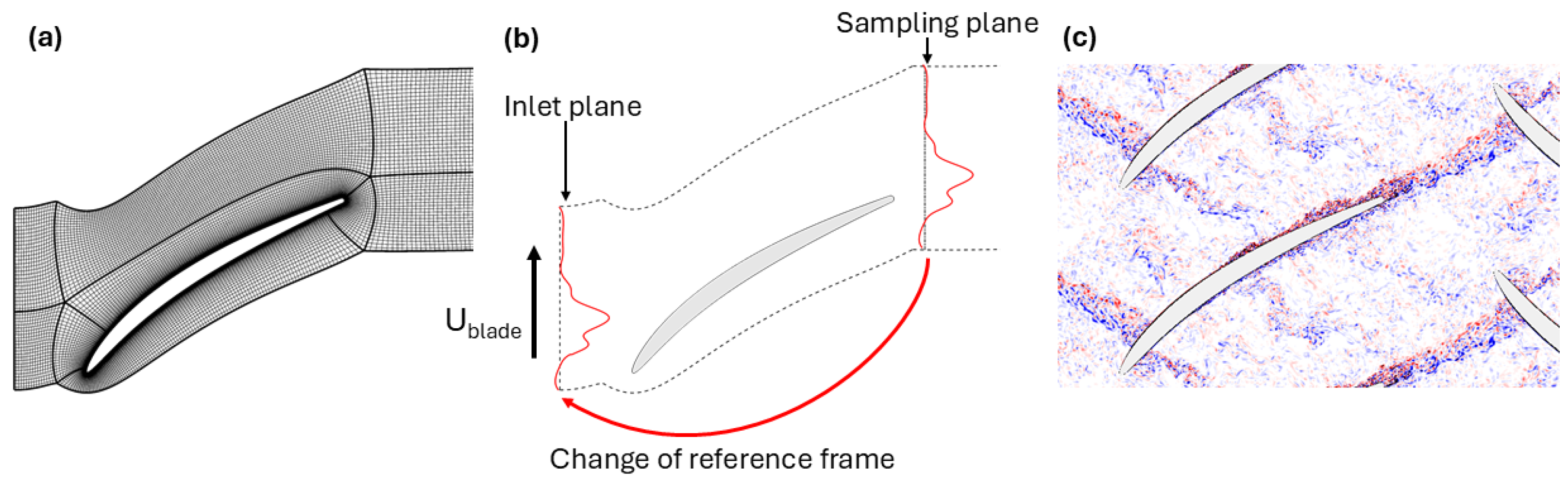
Figure 1a.
The multi-stage environment was achieved using an idealized repeating-passage compressor model shown in
Figure 1b. In this model, the vortical disturbances are collected at the sampling plane, decomposed using a Fourier transform and reconstructed at the inlet. They are superimposed onto the mean inflow conditions through the characteristic boundary conditions. The characteristic boundary formulation followed one of Odier et al. [
23] and used stagnation pressure and temperature at the inlet and static pressure at the outlet.
Figure 1c shows the instantaneous spanwise vorticity contours obtained from the simulation. This figure was made using a single passage flow simulation that was translated and reflected to reconstruct a full multi-stage picture, thus highlighting the validity of the adopted methodology. Given the limitations of the repeating-passage model, the stage reaction was set to
resulting in symmetric velocity triangles. The resolution of the simulation corresponded to a wall resolved implicit LES with maximum viscous wall units equal to
,
, and
and over
of dissipation directly resolved as determined by the use of entropy budgets following the procedure of Przytarski and Wheeler [
24]. The mesh resolution was further assessed by comparing the cubic root of cell volume with the local averaged Kolmogorov lengthscale, i.e.,
. This analysis showed that over
of cells were smaller than
, recommended in [
24], with less than
cells exceeding
. Further details regarding the mesh details, running conditions and the idealized repeating-passage compressor model can be found in [
20].
3. Large-Scale Flow Decomposition
Standard approaches based on phase averaging provide only a partial statistical representation of the flow complexity and confound dynamics that are not strictly periodic or happen at sub-harmonic frequencies. In addition, the appropriate estimation of phase-averaged quantities in such an unsteady flowfield requires many samples (usually 20 wake periods) and results in large computational cost.
An alternative to that is the Proper Orthogonal Decomposition (POD). POD was proposed first by [
25] for the analysis of turbulent flows. Given
N observations of the velocity field
, POD provides spatial modes
, resembling flow structures, and temporal coefficients
retaining the mode dynamics. The POD modes and coefficients constitute one orthogonal basis for the velocity field
. Accordingly, the
ith velocity component can be expressed as a linear combination of the modes:
The POD coefficients are computed as the eigenvectors of the temporal cross-correlation matrix
C of flow observations; see [
26]. For our analysis, we use an in-house Python 3.9 implementation of a distributed POD procedure [
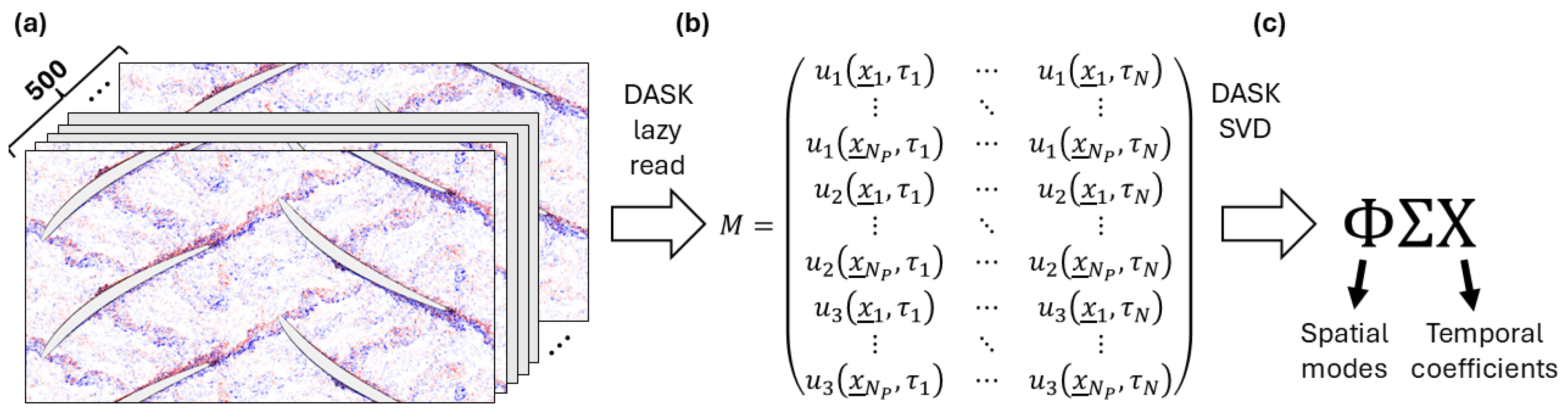
27]. This procedure, shown schematically in
Figure 2, relies on the DASK library to parallelize the computations. Firstly, 500 snapshots are collected at the constant time interval spanning 5 wake periods; see
Figure 2a. Then, the snapshots are read in parallel, and the velocity components,
, are extracted and stored in memory, with
corresponding to the axial, pitchwise and spanwise velocity components, respectively, and
to the number of grid points as shown in
Figure 2b. Finally, the POD temporal coefficients
are obtained from the solution of the eigenvalue problem:
where
,
X is the matrix containing the eigenvectors of
Q, and
is a diagonal matrix with the sorted eigenvalues. Then, the POD mode matrix is computed as
Compared to the serial POD procedure, the distributed POD procedure does not construct one tall and skinny matrix
M that contains the entire dataset. Instead, the procedure divides the dataset into
blocks that are processed in parallel. Each block
k contains all the
snapshots, but only a subset of points within the domain:
with each point consisting of all three velocity components, thus forming a matrix
. Finally, this matrix becomes an input for the Singular Value Decomposition (SVD) algorithm that returns eigenvalues and eigenvectors. The full matrix
M is also saved to a disk using Parquet—a distributed data format, which is essential for the computation of the transfer rates described later. The difficulty in performing such large-scale flow decomposition is the size of the dataset which for this case consisted of 500 3D snapshots, each consisting of 170M coordinates with three velocity components. This corresponds to a matrix with approximately 250B values. This computation took approximately 3 h using 4 CPU nodes on a cluster available to us (∼500 CPU-h). The details of the procedure as well as its performance are reported in [
27].
In
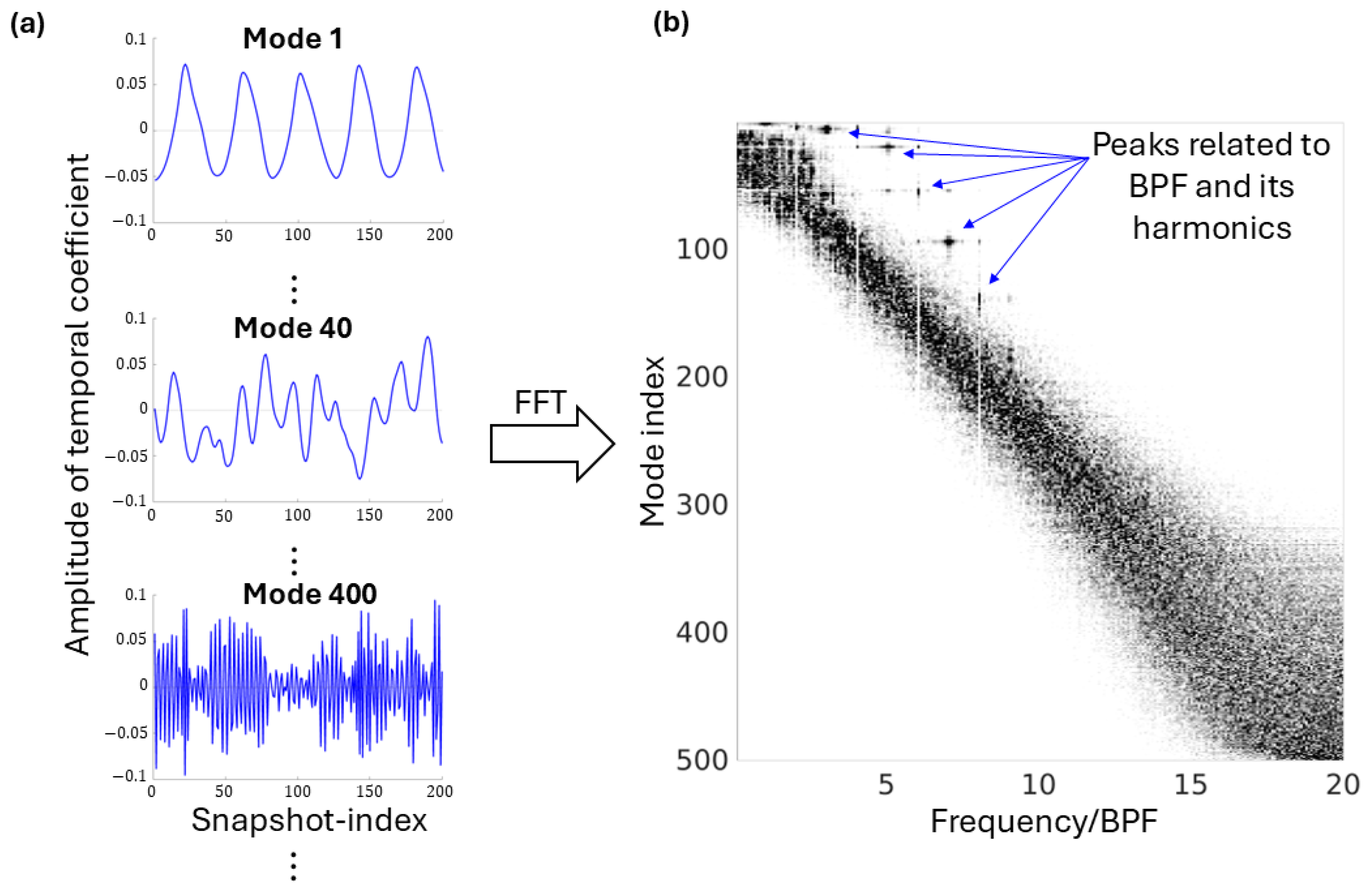
Figure 3a, we show a few examples of POD temporal coefficients obtained from the current dataset. These POD temporal coefficient signals carry the spectral information about the decomposed modes, which can be uncovered by computing the Fourier transform of each signal. All these signals can be then combined to create a spectrogram,
Figure 3b, which allows us to visualize a distribution and a range of frequencies that each mode captures. As can be seen from the figure, POD is generally able to separate modes related to blade passing frequency and its harmonics relatively well. The figure also shows that POD spectrograms exhibit a relatively limited spread of frequencies for each mode that increases linearly with the mode number, seemingly following a trend similar to the inertial sub-range. This continues until the spectrogram broadens around the mode 350, and the mode coherence/compactness is lost (bottom right corner). In addition, in
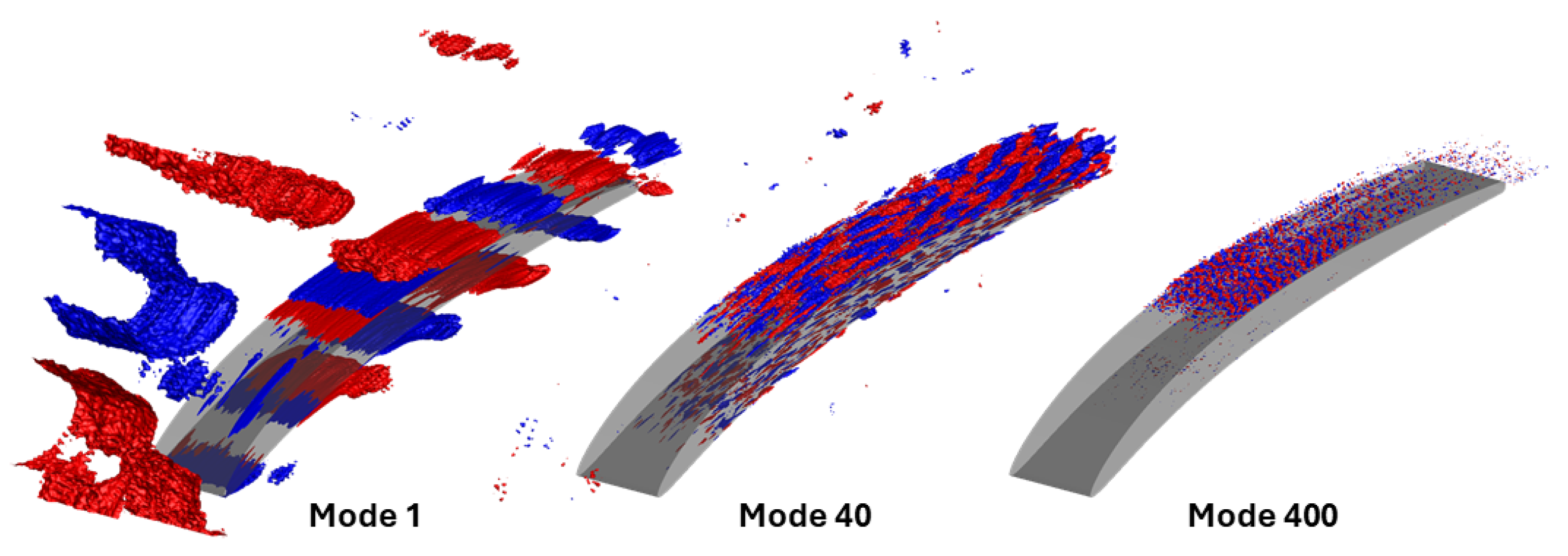
Figure 4 we show example POD modes corresponding to the temporal coefficient signals reported in
Figure 3. These temporal coefficients and modes were chosen such that they represent different flow features: periodic wakes, large-scale fluctuations and fine-scale fluctuations. Having decomposed the flow into different scales (modes), in the next section we will establish a kinetic energy budget that the mean flow and each of the scales have to satisfy.
4. Kinetic Energy Transport Equation and Transfer of Energy
Typical approaches like Reynolds or Hussain–Reynolds decomposition [
13] allow us to estimate the flow of energy or a coupling between the mean and turbulent flowfields via turbulence production or transfer rate terms that show up as part of the kinetic energy budget. If more scales are present, as would be the case when using a POD procedure, the velocity field can be represented as
where
is a time-mean velocity vector and
is a velocity vector of a scale associated with a particular POD mode. In order to establish a kinetic energy budget, we follow the derivation of [
28]. However, given that POD decomposes the flowfield into a set of discrete modes, there is not a stochastic component as such, and compared to the original work the equations here differ to reflect the absence of the stochastic scale. Consequently, the kinetic energy in our case is defined as
and the kinetic energy budget for all the scales within the flow is as follows:
where the terms correspond to:
The structure of a transport equation for the mean and scale kinetic energies is mostly the same with an exception of transfer rate terms. These terms govern the exchange of energy between various turbulent flow scales and so do not participate in the transport of the mean kinetic energy. The terms are defined as
Of particular interest to us are the terms which directly control the exchange of energy between the various scales and act as energy source and energy sinks for each scale l, namely the following:
Their role in the energy exchange is as follows: TKE production is responsible for the energy between the mean field and the lth scale; TKE dissipation quantifies the energy lost to heat by the lth scale (always positive); negative and positive TKE transfer rates quantify the extraction and the addition of energy between the lth scale and the remaining scales, respectively.
The first two terms, i.e., TKE production and TKE dissipation, are commonly reported in the literature in a POD context as means of assessing a particular’s mode contribution to loss generation [
17]. The last two terms correspond to the inter-scale energy transfers, and their estimation is computationally expensive due to the triple index product. The procedure used to estimate them is described in the next section.
5. Quantifying Energy Transfer Within the Turbulence Cascade
To evaluate the inter-scale energy transfer rates within the turbulence cascade, we will follow the convention of [
28] and aggregate them into a triadic production term:
. To our knowledge, a complete computation of inter-scale energy transfer rates has not been evaluated at this scale for a flow with industrial relevance in the literature before.
To evaluate the triadic production between every triad of scales, we use
While triadic production is a statistical quantity that depends only on spatial location, it cannot be easily evaluated from statistical quantities. Instead, for a given flow history, the scales need to be identified and isolated, and every triad of scales needs to be reconstructed and integrated in time such that the triadic production term can be evaluated at each flow instance. This value is then averaged in time to obtain the final statistical triadic production. To achieve that, we take advantage of the previously described POD procedure. According to Equation (
1), each term in Equation (
8) can be expanded as a product of modes
and respective temporal coefficients:
This value is then integrated over the entire volume domain to find the inter-scale energy transfer, , from scale (i.e., POD mode) l to n via the m one.
This formula suggests that the energy flow may occur between any triad of modes meaning that for every point within the 170M mesh, there are potential interactions, totaling over individual energy transfers. To handle a computation of this magnitude, we make use of our in-house Python framework with DASK library. The data is first read into memory from the Parquet data format and, as before, is partitioned into blocks. Each block represents a partial dataset matrix that consists of three velocity components for a small subsection of a domain and all the snapshots for that subsection. A matrix product between the partial dataset matrix and the eigenvector matrix X is performed to obtain the partial POD modes .
Once the POD modes are computed, a for loop iterating over each mode l is executed. For each mode l, the procedure computes spatial derivatives of that mode. Subsequently, DASK performs a distributed matrix product operation between all the partial POD modes , all the partial POD modes , and the spatial derivatives of a fixed mode . This computation is weighted by the domain volume to result in a volume integral value and repeated for every mode l to obtain the final 3D tensor. Finally this matrix is multiplied by a triple product of temporal coefficient matrix to obtain the full energy transfer rate tensor. This computation took approximately 40 h using 12 CPU nodes on G100 cluster of Italian super-computing consortium CINECA (∼25,000 CPU-h).
The results of this computation are presented in
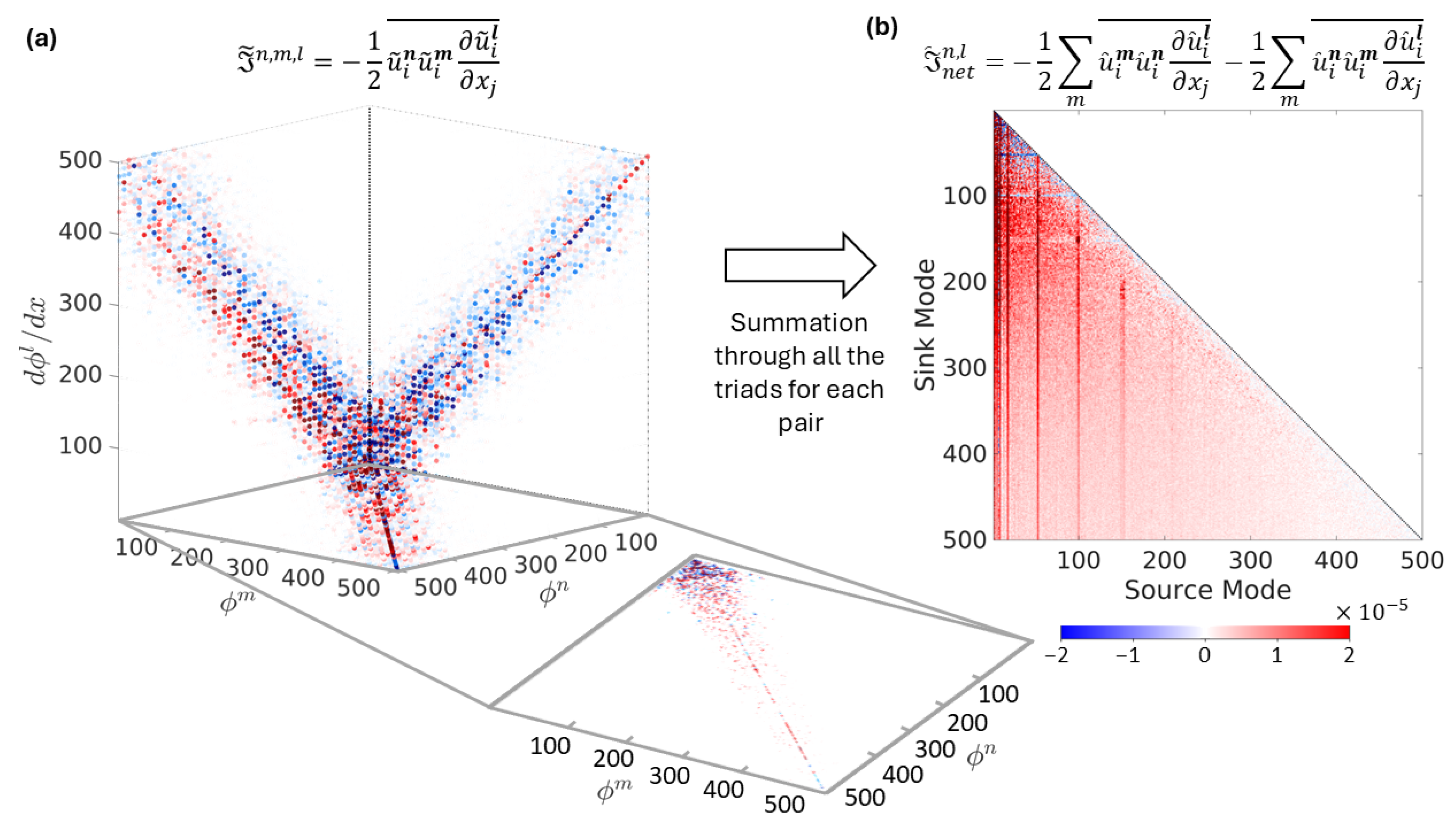
Figure 5a. The figure shows a 3D cube with a mode index corresponding to scale
n,
m, and
l on its axes. Each dot corresponds to a non-zero value of a volume integrated energy transfer rate between a particular triad of modes with the color representing the direction of the energy flow: blue corresponding an energy sink, and red corresponding to an energy source. It is clear from the figure that the energy tends to flow along the diagonals. This corresponds to the transfer rate for which the same scale acts as an intermediate when the energy is exchanged between the two scales. This is further demonstrated by taking a 2D cut for a fixed scale
l across the energy transfer rate cube (bottom of the figure). Despite the sparsity of the transfer rate tensor, it is still hard to understand or interpret how the energy flows within the turbulence cascade.
To overcome this, we evaluate the net transfer of energy between any two scales (POD modes). The overall energy transfer between the scale
n and
l is given by a summation over the
m index:
In addition we want to avoid two-way transfer rates in which energy is exchanged from scale
l to
n and from scale
n to
l, so we sum them up by choosing a preferential transfer rate direction, i.e., from a low-order scale (POD mode) to a high one. The outcome of this summation can be seen in
Figure 5b, where the red color indicates a net flow of energy down the turbulence cascade and towards the higher frequencies (higher-order POD modes). Energy back-scatter from
l to
n scale is then represented by the negative values of
.
The figure is predominantly red and features dark vertical lines across it. The intensity of the color also fades towards the higher-order modes. It signifies that the energy tends to flow down the turbulence cascade and is dominated by the lower-order modes that typically energize higher-order modes in their spectral vicinity, allowing for the energy to cascade down. However, the figure also shows the crucial role of the modes related to BPF and its harmonics which, instead, energizes the entire turbulence spectrum, transferring energy all the way down to the smallest scales. This holds true even for the higher-order harmonics and can still be visible around the mode 150. There is also a non-negligible amount of back-scatter present within the cascade but mostly confided within the first 50 modes.
6. Multi-Scale Kinetic Energy Budget
In order to evaluate how the energy flows within the energy cascade, we want to evaluate key terms participating in the kinetic energy transport equation for each scale. From Equation (
6) it is clear that these terms correspond to TKE production
, TKE dissipation
and the TKE net transfer rate
(i.e.,
). While the remaining terms, specifically TKE advection and TKE turbulent transport (here represented together as
) are not always negligible as was demonstrated in [
4], we believe that these terms do not affect the overall energy flow within the energy cascade significantly; instead, they redistribute the flow of energy spatially. In addition, these terms are likely to be only significant for the low-frequency scales (low-rank POD modes). Consequently, we will exclude them from the remainder of the multi-scale kinetic energy budget analysis.
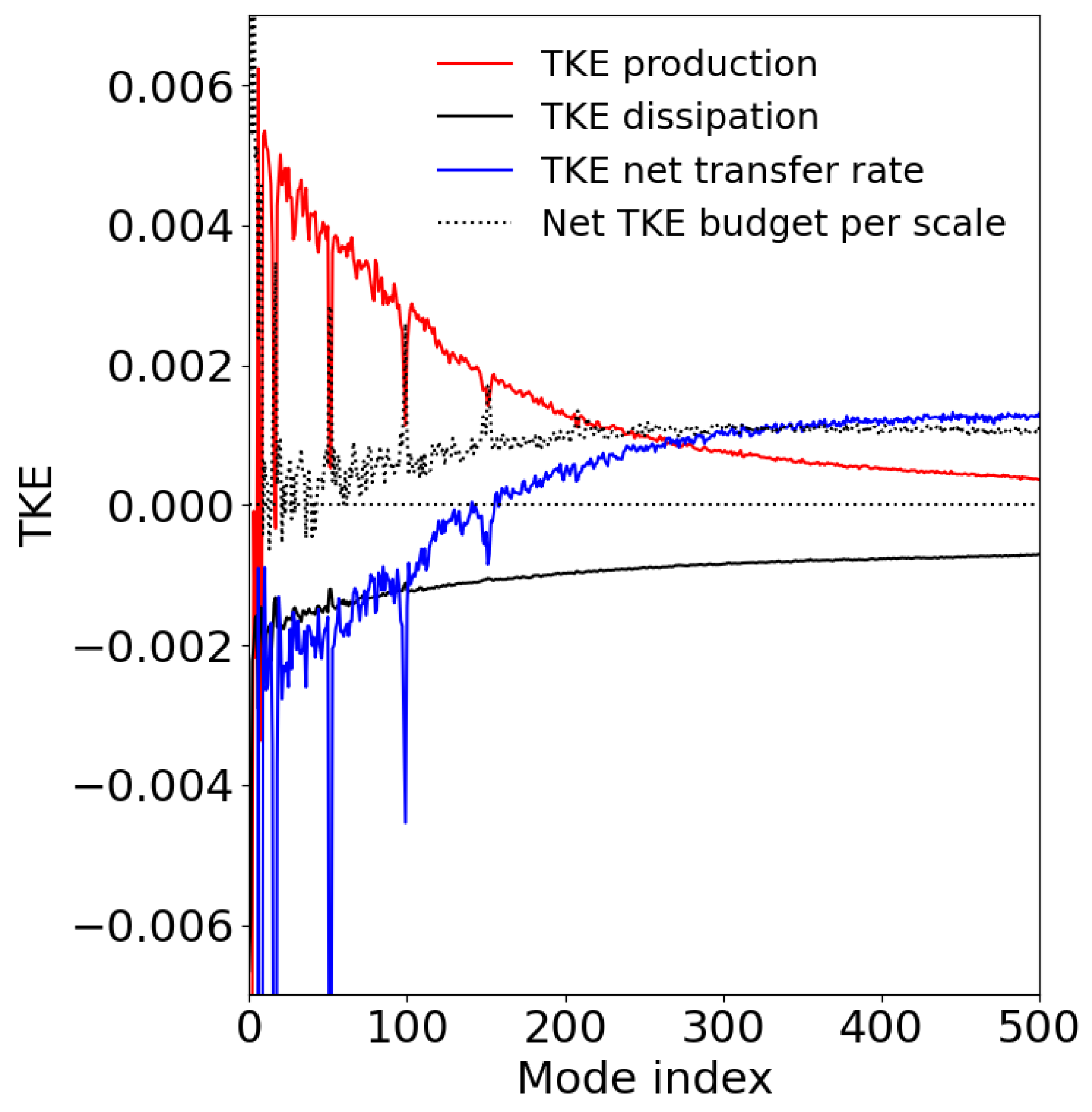
Figure 6 shows the three main terms: TKE production, dissipation, and net transfer rate evaluated for this dataset. To validate the result, we compare the POD scale sum of the terms reported in
Figure 6 to the values obtained from a standard Reynolds decomposition, which the authors previously reported for this case in [
3]. The comparison between Reynolds decomposition and POD values is shown in
Table 2. It is clear from the table that both methods result in similar estimates for all three terms and are within
from each other. As expected, the net transfer rate sums up to 0 when all the scales are summed up since the transfer rate terms cancel each other out when bundled into a single turbulent scale. This is clear when inspecting the standard Reynolds decomposed turbulent kinetic energy budget (there cannot be any inter-scale energy transfers if only one scale is present).
In addition to the three main terms,
Figure 6 shows their budget, i.e., the sum of TKE production, TKE dissipation, and TKE net transfer rate. For the purpose of this paper, the terms such as TKE advection and TKE turbulent transport terms are ignored. These terms are expected to be non-negligible for low-rank modes and are likely to further decrease the net TKE budget per scale. Both terms are responsible for the redistribution of TKE. Advection quantifies the amount of TKE transported by the mean flow, while turbulent transport quantifies the amount of TKE transported by the turbulent fluctuations, which in this case are predominantly governed by the periodic wakes. The net positive budget for the higher-order scales that can be observed in
Figure 6 most likely corresponds to an amount of under-resolution of TKE dissipation that requires much higher grid densities, typically unavailable for the industrially relevant flows. Future work will include the missing terms to support these preliminary interpretations.
Figure 6 offers interesting insight into the role that different modes play. The low-order modes can be seen to exhibit very high levels of turbulence production. These levels are, however, matched by the equally high, but of the opposite sign, levels of transfer rate. This means that while these modes extract a lot of energy from the mean flow, only approximately half of that energy is lost to dissipation, while the rest is transferred out of the scale and, judging by
Figure 5, down the turbulence cascade. This is further corroborated by the trends found in the high-order modes for which production drops significantly, but that drop is compensated for by the increase in the net transfer rate. As a result we can now characterize all scales and assess their role in loss generation. Combined with the spectrogram information, we are now also able to quantify loss generation as a function of a frequency range.
7. Conclusions
The purpose of this work was to establish a multi-scale framework for analyzing turbulent flows with a focus on industrially relevant turbomachinery flows. We presented a framework to decompose a complex flowfield into individual dynamics, presented a mathematical framework for computing multi-scale kinetic energy budgets, and evaluated energy transfer rates present within the flowfield. Unlike previous efforts to quantify energy transfer rates (triadic interactions), which were predominantly done on idealized configurations, most notably by Rempfer and Fazel [
29], our study demonstrates the first detailed, large-scale quantification of energy transfers in a realistic, industrially relevant flow configuration. Using our completely data-driven methodology, we showed how the energy cascade is strongly driven by the dynamics related to BPF and its harmonics. Finally we presented scale-by-scale TKE budgets as determined by the balance between the TKE production, dissipation and the net transfer rate. This allowed us to assign different roles to the flow scales in governing the energy flow.
The main difficulty in translating these results into modeling insights is their complexity. In principle, all modes can be treated separately, and the entire data-derived turbulence cascade and the scale-by-scale TKE budget could be turned into a turbulence model as is, but keeping track of 500 coupled turbulence equations is too computationally expensive. Future work will focus on extending this analysis and combining it with our previous work [
30] on mode classification for the purpose of further reducing the problem in order to target specific dynamics like bypass transition and separation bubbles, as well as employing data-driven methods to find the relevant scale families in an unsupervised data-driven manner. The broader scope adopted in this study distinguishes our approach from recent multi-scale modeling efforts such as those of He et al. [
31], who introduced an additional length scale in the form of deterministic vortex shedding into a RANS framework in order to improve cutback cooling-hole flow modeling. In contrast, the methodology presented here enables the systematic evaluation of an arbitrary number of dynamically relevant scales. Combined with a complete kinetic energy budget and a clear framework for identifying scales of importance, this approach establishes a pathway towards reducing the scale space and ultimately informing data-driven turbulence closures.