Article

Groundwater Nitrate Contamination and Age-Specific Health Risks in Semi-Urban Northeastern Areas of Saudi Arabia


1
Department of Physics, College of Science, University of Hafr Al Batin, Al Jamiah, Hafr Al Batin 39524, Saudi Arabia
2
Department of Science and Technology, University Colleges at Nairiyah, University of Hafr Al Batin, Nairiyah 31981, Saudi Arabia
3
Department of Physics, Slippery Rock University, 1 Morrow Way, Slippery Rock, PA 16057, USA
4
School of Civil and Environmental Engineering and Construction Management, University of Texas at San Antonio, San Antonio, TX 78249, USA
*
Author to whom correspondence should be addressed.
Urban Sci. 2025, 9(12), 538; https://doi.org/10.3390/urbansci9120538
Submission received: 12 September 2025 / Revised: 20 November 2025 / Accepted: 10 December 2025 / Published: 13 December 2025

Abstract

Nitrate in groundwater (GW) poses a public-health concern in semi-urban northeastern Saudi Arabia, where households rely on untreated wells. We measured nitrate in 45 wells spanning treated/untreated commercial stations, private domestic wells, and agricultural wells, and linked contamination severity to age-specific risks using the Nitrate Pollution Index (NPI), Chronic Daily Intake (CDI), and Hazard Quotient (HQ). Nitrate ranged from 12 to 380 mg·L−1 (35% > 50 mg·L−1 World Health Organization (WHO) guideline), with untreated private and agricultural wells most affected. Based on NPI, 65% of wells were “clean”, while 18% showed significant to very significant pollution. Infants and children had the highest exposure: CDI frequently exceeded the oral reference dose (1.6 mg·kg−1·d−1), and HQ > 1 occurred in 56% (infants) and 51% (children) of samples from untreated sources. Treated stations consistently achieved lower nitrate and HQ < 1. Sensitivity analysis identified nitrate concentration as the dominant risk driver, followed by ingestion rate, with body weight mitigating the dose. The findings suggest that monitoring based solely on compliance may underestimate risks in sensitive age groups, thereby advocating for immediate actions such as fertilizer management, septic system upgrades, extension of treatment to vulnerable households, and community monitoring. The integrated NPI–CDI–HQ framework provides a replicable methodology for associating groundwater contamination with demographic-specific health risks in arid, water-stressed regions.

Graphical Abstract

1. Introduction

Nitrate (NO3) contamination of groundwater (GW) is a pervasive environmental and public health challenge worldwide, particularly in urban and semi-urban regions where GW is the primary source of domestic supply and where land use pressures from agriculture and settlement have grown rapidly in recent decades [1,2,3,4]. Nitrate dissolves easily in water and moves freely underground. While some nitrate comes from natural sources like soil and rainfall, human activities are the main contributors to affected aquifers. These include overuse of nitrogen-based fertilizers, improper handling of livestock manure, and leaks from septic tanks and sewer systems [5]. In areas with limited water flow and treatment, these sources can lead to long-lasting nitrate contamination that spreads and reaches household and small water supplier wells.
From a health perspective, the primary non-cancer endpoint associated with nitrate ingestion is methemoglobinemia, which arises when nitrite oxidizes hemoglobin and reduces oxygen transport [6,7]. Consequently, international and national standards are established to safeguard infants and other vulnerable subgroups. The WHO guideline for drinking water is 50 mg·L−1, and the U.S. drinking-water standards set maximum contaminant levels (MCLs) of 10 mg·L−1 as nitrate-N and 1 mg·L−1 as nitrite-N. At the risk-assessment level, Integrated Risk Information System (EPA IRIS) specifies an oral reference dose (RfD) for nitrate of 1.6 mg·kg−1·day−1, and for nitrite of 0.1 mg·kg−1·day−1. While no quantitative cancer slope factors exist for these anions, the International Agency for Research on Cancer (IARC) working group judged “ingested nitrate or nitrite under conditions that result in endogenous nitrosation” to be probably carcinogenic to humans (Group 2A), underscoring the importance of controlling exposure in populations with co-exposures that favor nitrosation (e.g., low vitamin C intake, high nitrosatable amine load) [8,9].
In the northeastern region of Saudi Arabia, there is a notable reliance on GW by semi-urban populations, raising significant concerns [10,11]. The hydroclimatic context, characterized by hyper-aridity, episodic recharge, and high evapotranspiration, limits dilution and promotes the accumulation of soluble contaminants. Simultaneously, the expansion of peri-urban agriculture, on-site sanitation, and informal water vending has increased nitrate loading and heightened the potential for human exposure [12]. Regional hydrogeological syntheses and local water-quality studies in and around the Hafr Al Batin document variable but often elevated nitrate concentrations, particularly in untreated private and agricultural wells, and note improvements where treatment or deeper sources are used [13].
International studies have established a correlation between excess nitrogen from agricultural activities and inadequate wastewater management, resulting in increased nitrate concentrations in groundwater. Numerous case studies have highlighted instances where these concentrations exceed recommended guideline values in regions such as Asia, Africa, and the Middle East [14,15,16,17]. Importantly, epidemiologic and risk-assessment studies indicate that infants and children bear the greatest margin of exposure shortfall because of their higher water intake per unit body weight and age-specific physiology that favors nitrite formation [18,19]. In these environments, factors such as the type and construction of wells, their depth, closeness to areas where fertilizers are applied or septic systems are drained, and the practices for maintenance and treatment consistently influence the variability of exposure at the community level.
Few studies in Saudi Arabia have quantified age-specific nitrate health risks using integrated indices, thus limiting targeted interventions. Previous research in Saudi Arabia has primarily focused on water quality indices (WQI/IWQI), hydrochemical characterization, and comparative assessments of water sources for irrigation, consistently reporting that a substantial proportion of untreated wells are unsuitable for drinking, whereas treated sources generally meet regulatory standards. For example, Al-Omran et al. found that nearly half of untreated wells in Hafr Al Batin contained nitrate concentrations exceeding safe limits, underscoring the vulnerability of private households [10]. Across Saudi Arabia and comparable arid settings, studies report variable but often elevated nitrate in GW, particularly in shallow, untreated private and agricultural wells, with improvements where deeper sources or treatment are used. In Hafr Al Batin, for example, a substantial fraction of untreated wells exceeded drinking-water limits, underscoring household vulnerability, whereas treated sources generally complied. Regionally, agriculture-related nitrogen surpluses and on-site sanitation failures are the dominant nitrate drivers, with infants and children disproportionately exposed due to higher water intake per body mass. However, few assessments integrate concentration-based indices with age-stratified exposure metrics to quantify health relevance. This study addresses that gap by pairing NPI with CDI/HQ to link contamination severity to demographic-specific risk and to identify priority interventions.
This study aimed to quantify nitrate contamination and assess demographic-specific health risks using NPI, CDI, and HQ metrics. We further performed a sensitivity analysis to ascertain the primary determinants of risk, specifically concentration, ingestion rate, and body weight. Additionally a screening evaluation of optional pathways (dermal/inhalation) was conducted, noting that nitrate/nitrite are nonvolatile ions with negligible inhalation risk from household water use and minimal dermal uptake relative to ingestion. The integrated framework provides a replicable template for linking pollution severity to demographic-specific risk, thereby supporting the development of targeted mitigation strategies. Specific interventions informed by this framework—such as fertilizer management, well zoning, and treatment upgrades—are discussed in detail in the later sections of the manuscript, where the study’s findings substantiate their relevance.

2. Materials and Methods

2.1. Geological and Hydrogeological Description of the Study Areas

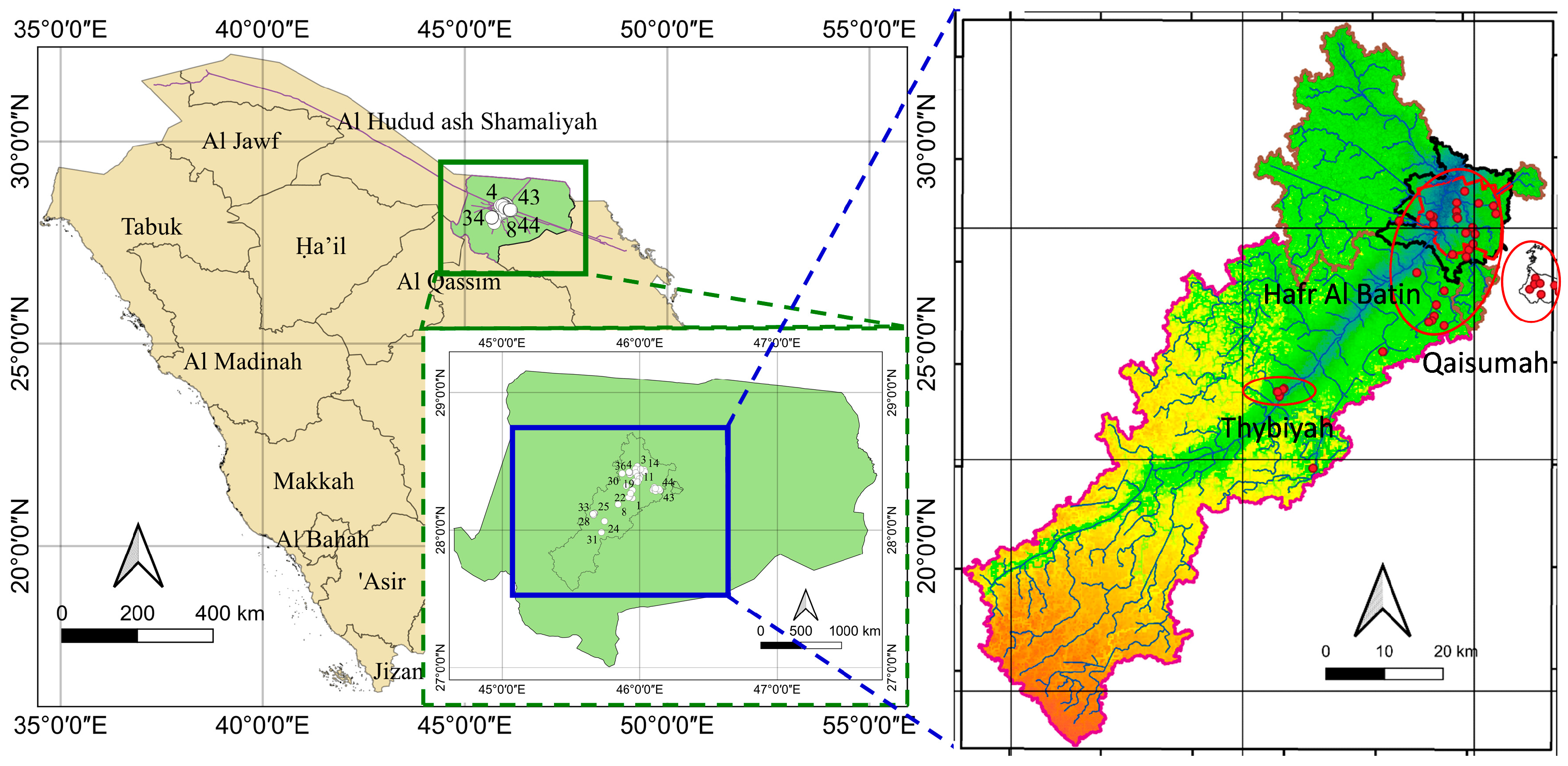
The study was conducted in Hafr Al Batin and adjacent localities (Thybiyah, Qaisumah) in northeastern Saudi Arabia (hyper-arid climate, <100 mm·yr−1). The principal aquifers are (i) shallow Quaternary alluvium (unconfined, vulnerable to surface inputs) and (ii) the deeper Saq Formation (locally confined). Semi-urban land use includes irrigated agriculture and on-site sanitation, which can create potential nitrate sources. In total, forty-five wells, including both treated and untreated varieties from commercial, private domestic, and agricultural sources, were sampled in these areas. Figure 1 shows the locations of the wells.
Hafr Al Batin has seen rapid population growth and agricultural expansion, leading to increased dependence on GW for domestic, irrigation, and commercial use. Intensive irrigation and poor wastewater management have heightened the risk of nitrate contamination, especially in private wells without proper treatment. With over 390,000 residents—many in areas without centralized water infrastructure—vulnerable groups like children face elevated health risks. These factors make the region a critical case for studying the link between hydrogeological vulnerability, human activity, and public health in arid environments.

2.2. Sampling and Analytical Procedures

Groundwater sampling was conducted at 45 wells, including commercial water stations (13 treated, 3 untreated), 26 private domestic wells, and 3 agricultural wells. A detailed list of sampled wells, including depth classification (shallow or deep), well type, purpose, number of wells (n) and their functional classification, is provided in Table S1 (Supplementary Materials). The selection of the GW samples was based on a stratified sampling approach, considering the diversity of well types (commercial, domestic, agricultural) and their geographical distribution across the study area. Shallow wells (<800 m) typically tapped unconfined Quaternary aquifers, while deeper wells (≥800 m) accessed confined zones of the Saq aquifer. Sampling was conducted during the dry season (April–June), when dilution from rainfall is minimal and nitrate concentrations are expected to peak. Future studies should incorporate seasonal variability to capture temporal dynamics. Prior to sample collection, the wells were purged for 5–10 min to remove stagnant water. Samples were collected in pre-cleaned high-density polyethylene (HDPE) bottles, rinsed with sample water, sealed, labeled, and stored in ice-cooled containers (4 °C) for transport to the laboratory. Nitrate concentrations were determined using the Nitratest™ colorimetric method, which involves the reduction of nitrate to nitrite with a zinc-based reagent, the formation of a red azo dye via diazotization, and colorimetric measurement using a YSI 9500 photometer calibrated with Palintest™ tubes. The photometric method was calibrated daily using certified nitrate standards over 0.10–500 mg·L−1 (as NO3) with r2 ≥ 0.999. The limit of detection (LOD) and limit of quantification (LOQ) were 0.05 mg·L−1 and 0.10 mg·L−1, respectively. Precision assessed via triplicate analyses on 10% of samples yielded RSD ≤ 5%. Accuracy was verified with matrix spikes (95–105% recovery) and certified reference checks every 10 samples. Procedural blanks and field blanks (HDPE bottles opened at the site and filled with DI water) confirmed no contamination above LOD. Instrument drift was monitored with mid-level check standards (±5% acceptance); batches exceeding criteria were re-run. Sample custody, preservation at 4 °C, and holding times followed standard practice. Units are reported as mg·L−1 as NO3.

2.3. Health Risk Assessment Framework

We used three indicators: (i) Nitrate Pollution Index (NPI) to benchmark contamination relative to local background variability; (ii) Chronic Daily Intake (CDI) to estimate age-specific oral dose; and (iii) Hazard Quotient (HQ) for non-carcinogenic risk (methemoglobinemia).
Equations used in this study [20,21].
N P I = ( C B ) S
C D I = C × I R B W
H Q = C D I R f D
where RfD = 1.6 mg·kg−1·d−1.
Expanded derivations, parameter justification, and categorization thresholds are provided in Supplementary Materials Text S1–S3 [22,23,24,25,26,27].

2.4. Data Analysis

Descriptive statistics were computed to summarize nitrate concentrations across well types. The NPI was calculated and categorized to assess the severity of contamination. CDI and HQ were estimated for each age group using USEPA guidelines. A one-way ANOVA with Tukey’s post hoc test was used to evaluate differences in nitrate levels among well categories. We compared nitrate among well types using one-way ANOVA with Tukey’s HSD for pairwise contrasts (α = 0.05, two-sided). Assumptions were checked via Shapiro–Wilk (normality of residuals) and Levene’s test (homogeneity of variances). When assumptions were not met, we used Kruskal–Wallis with Dunn’s test (Bonferroni-adjusted). Correlation-based sensitivity analysis (Pearson’s r) was complemented by standardized regression coefficients to assess robustness. All analyses were conducted in Microsoft Excel and verified in R (v4.x) for assumption checks. Sensitivity analysis, based on Pearson correlation coefficients, identified the relative influence of nitrate concentration, ingestion rate, and body weight on HQ values. All analyses were performed using Microsoft Excel and standard statistical procedures.

3. Results and Discussion

3.1. Nitrate Concentration in Groundwater Samples

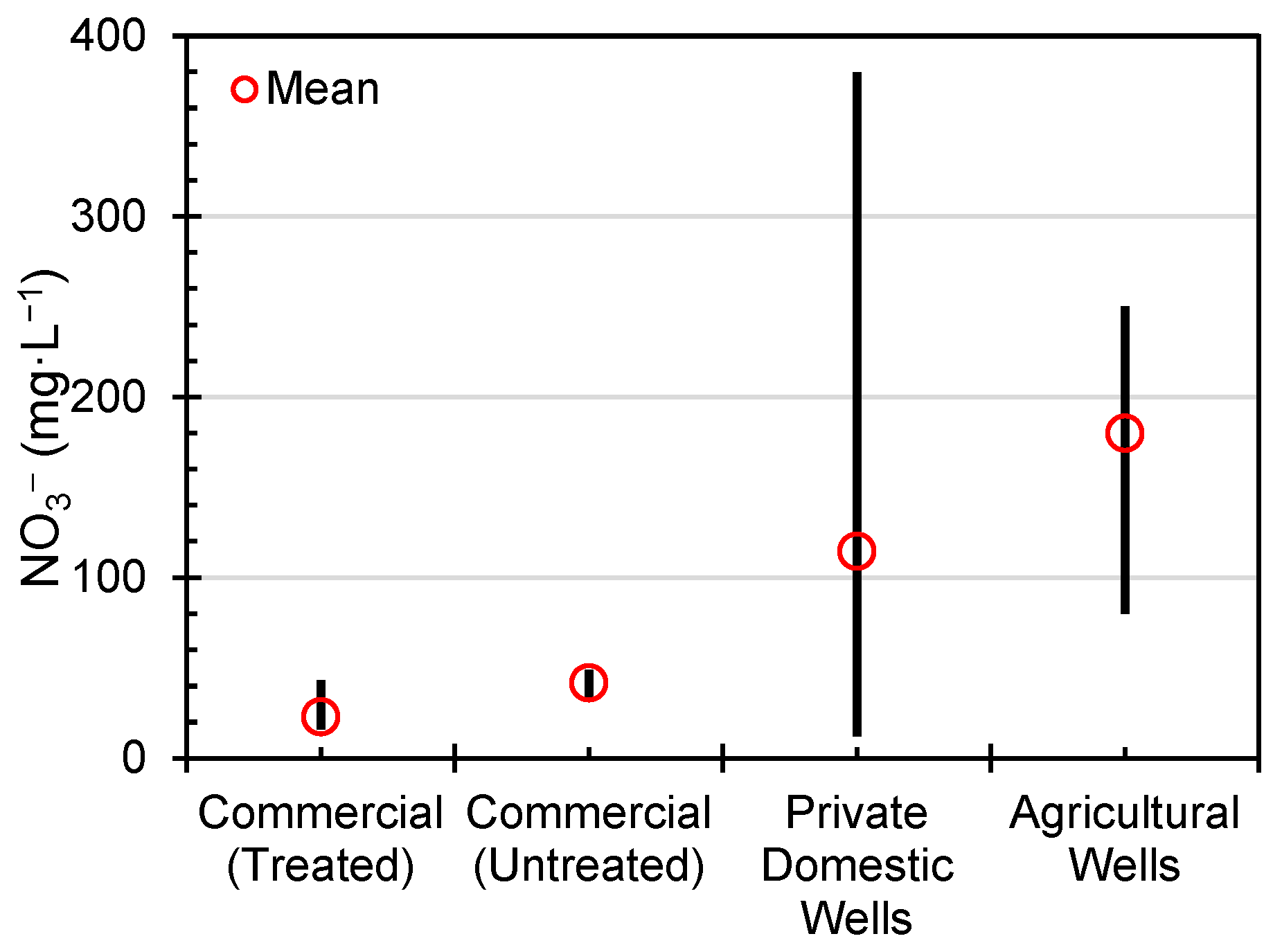
To assess the spatial and functional variability of nitrate concentrations in groundwater samples across northeastern Saudi Arabia, water from various locations was analyzed to estimate nitrate concentrations. The GW samples revealed significant spatial and functional variability in the nitrate concentrations across the surveyed areas. The distribution of nitrate concentrations across different well categories is shown in Figure 2. Commercial water stations supplying drinking water showed moderate nitrate levels in untreated samples (33–49 mg·L−1, mean: 41.7 mg·L−1), which significantly decreased after treatment (16–43 mg·L−1, mean: 23 mg·L−1), remaining within WHO safety limits. This effective reduction is likely due to the use of deeper aquifers, advanced filtration systems, and regular maintenance. In contrast, untreated private domestic and agricultural wells exhibited much higher nitrate concentrations. Private wells had a wide range (12–380 mg·L−1, average: 114.6 mg·L−1), while agricultural and gardening wells were the most contaminated (80–250 mg·L−1), far exceeding safe thresholds. Treated commercial wells consistently maintained nitrate levels below the WHO limit, whereas untreated private wells showed extreme variability and localized contamination hotspots.
The private domestic wells, all shallow (<800 m), exhibited nitrate concentrations ranging from 80 to 380 mg·L−1, with the highest contamination observed in wells located adjacent to agricultural fields (IDs 02, 21, and 22). In contrast, deep wells (≥800 m) generally showed nitrate levels below 50 mg·L−1, reflecting the protective effect of confined aquifers. Agricultural wells, all shallow, consistently recorded elevated nitrate concentrations (59–250 mg·L−1), reinforcing the vulnerability of unconfined aquifers to surface contamination. These elevated levels are attributable to diffuse and point-source pollution, including nitrogen-based fertilizers, animal manure, and infiltration from poorly maintained septic tanks. In contrast, deep wells generally access older, less contaminated water because of the natural filtration and longer residence times in the subsurface.
To assess whether the differences in nitrate concentrations between treated and untreated wells were statistically significant, a one-way ANOVA was conducted among different well categories (treated commercial, untreated commercial, private domestic, and agricultural). The analysis revealed a highly significant effect of the treatment status on nitrate levels (F = 18.6, p < 0.001). Post hoc Tukey tests indicated that treated commercial wells had significantly lower nitrate concentrations than all untreated categories (p < 0.01), while differences between untreated private and agricultural wells were not statistically significant (p > 0.05). These results confirm that the treatment substantially reduces nitrate contamination, reinforcing the importance of water treatment infrastructure.
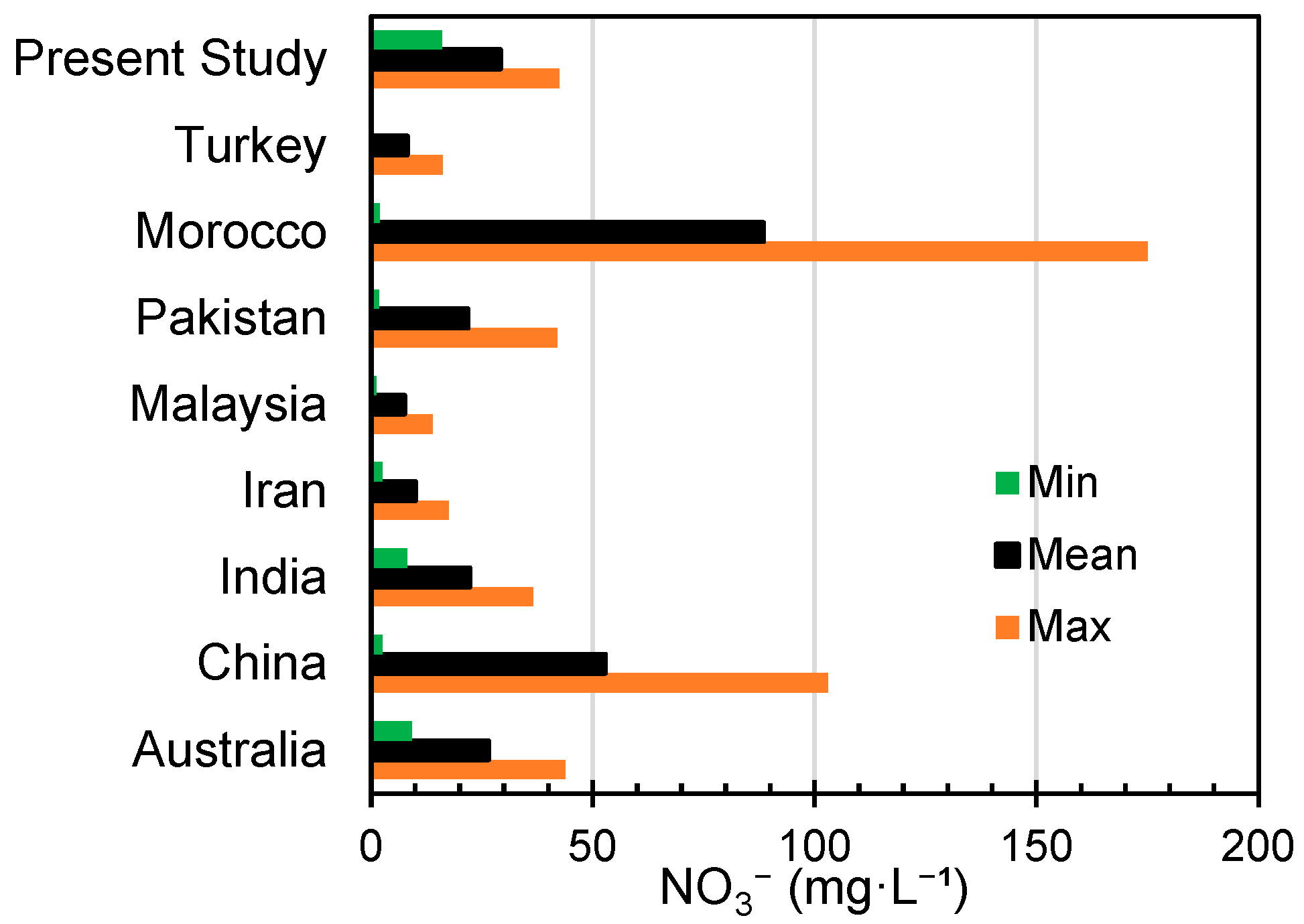
Figure 3 compares the average nitrate concentrations in GW from this study with those reported internationally. Our mean nitrate levels are comparable to those observed in India and Pakistan but exceed those in Malaysia and Turkey by approximately 120–180 mg·L−1 (≈2.0–2.7 times). These disparities likely stem from differences in fertilizer application intensity, aquifer protection measures, and enforcement of groundwater quality standards. Within Saudi Arabia, previous studies have documented nitrate concentrations surpassing WHO limits in regions such as Al-Ahsa and Al Qassim, confirming the widespread nature of this issue in arid zones [28,29]. Recent research further reinforces our findings: Malik et al. [30] highlighted the depth-related vulnerability of aquifers in Pakistan, while Karabulut [31] applied probabilistic risk models in Türkiye, emphasizing agricultural intensification as a key driver for higher nitrate. Regionally, Yassin et al. [32] and Alharbi & El-Sorogy [7,33] identified nitrate hotspots in shallow wells in Saudi aquifers. These findings align with our results, underscoring the urgent need for treatment and monitoring.

3.2. Nitrate Pollution Index (NPI)

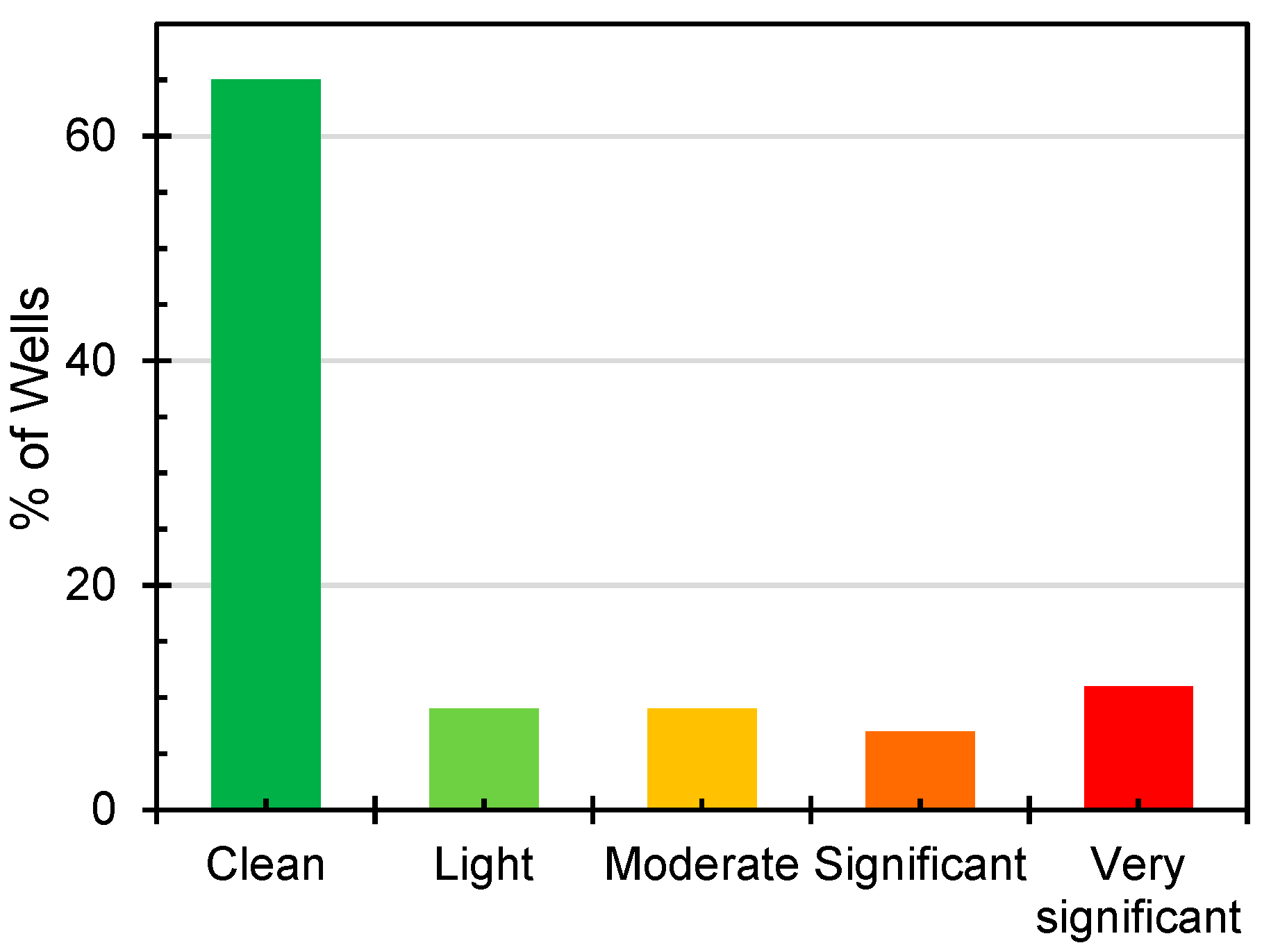
Figure 4 shows the categorical distribution of the wells according to the Nitrate Pollution Index. The NPI values ranged from −0.76 to 6.6, with a mean of 0.53. Approximately 65% of wells (29 out of 45) were classified as “clean” (NPI < 0), indicating negligible contamination. In contrast, 18% (8 wells) fell within the “significant” and “very significant” pollution categories, representing critical hotspots of nitrate contamination. The remaining 18% were distributed between light and moderate pollution levels (4 wells each, ~9%). Our NPI results, which classified 18% of wells as significant to very significant pollution, are consistent with recent studies in semi-arid regions. For example, Al-Aizari et al. [22] reported NPI values up to 10.5 in Morocco, with ~80% of samples requiring treatment. Similarly, Sanjupriya et al. [35] documented NPI-based pollution categories in southern India, where shallow aquifers showed the highest contamination. Studies in global reviews [36] further confirm that agricultural intensification and inadequate wastewater management are key drivers of nitrate hotspots. This stratification demonstrates that while the majority of GW sources remain uncontaminated, a substantial minority pose severe public health risks.
The analysis revealed that wells with high NPI values are concentrated near agricultural lands and areas with poorly maintained septic systems, underscoring the influence of land use and inadequate infrastructure on GW quality. These findings emphasize the need for targeted remediation strategies and spatial prioritization in vulnerable sub-regions. The classification framework provides a practical basis for regulatory compliance and sustainable GW management by identifying wells most at risk due to their proximity to farmland and the lack of treatment infrastructure.

3.3. Chronic Daily Intake (CDI) Across Age Groups

Chronic Daily Intake (CDI) was calculated for five demographic groups: infants, children, teenagers, adult males, and adult females. CDI values ranged from 0.4 to 24.3 mg·kg−1·day−1, with the highest intake rate consistently observed in the infants (Table 1). This elevated intake is due to both lower body weight and higher water intake per unit of body mass. Children with high CDI scores followed, indicating their heightened vulnerability.
The analysis of Chronic Daily Intake (CDI) values reveals stark contrasts in nitrate exposure across GW sources and demographic groups. Treated GW from commercial stations consistently yielded CDI values within the USEPA oral reference dose (RfD) of 1.6 mg·kg−1·day−1 for all age groups, confirming the effectiveness of current treatment technologies and reliance on deeper aquifers. In contrast, untreated domestic and agricultural wells exhibited CDI levels far exceeding safe thresholds, with infants showing the highest vulnerability due to lower body weight and higher water consumption relative to body mass. CDI values for infants reached up to 24.3 mg·kg−1·day−1 in some private wells, while children also recorded elevated exposures, indicating an age-dependent gradient of risk. Our CDI findings align with recent studies that report similar age-dependent vulnerability patterns. Raheja et al. [37] observed non-carcinogenic risk rates exceeding safe limits for children in ~80% of samples. These findings underscore severe public health implications, including methemoglobinemia in infants and potential long-term carcinogenic effects in adults. The pronounced variability among untreated sources—particularly private wells—reflects the influence of local land use, shallow well depth, and inadequate maintenance. The pronounced variability among untreated sources is strongly linked to shallow well depth and proximity to farmlands. Wells classified as shallow exhibited significantly higher nitrate concentrations than deeper wells, underscoring the role of the hydrogeological setting in contamination risk.
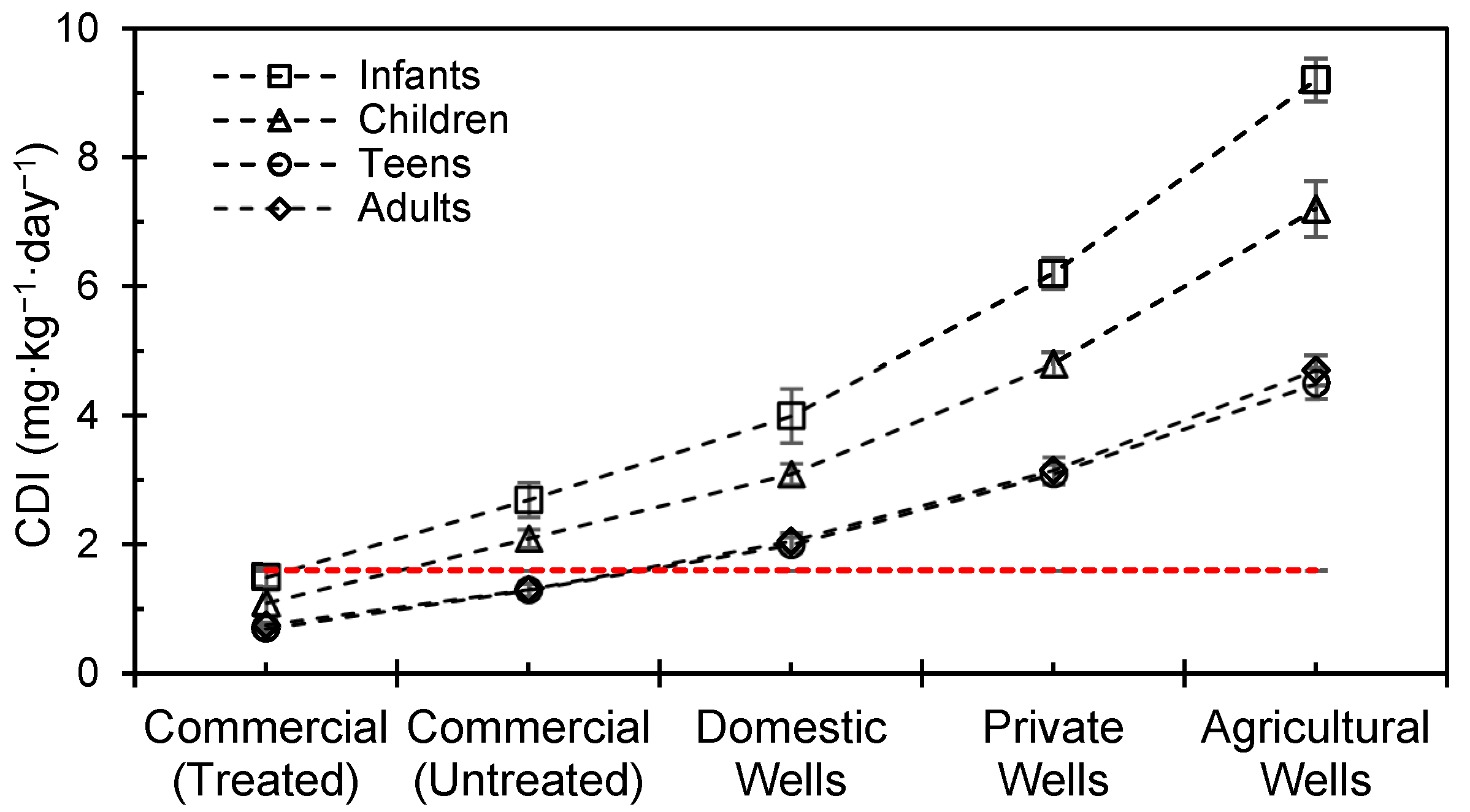
The CDI values for the different demographic groups and well types are shown in Figure 5. Infants consistently recorded the highest intake values, often surpassing the USEPA reference dose of 1.6 mg·kg−1·day−1, particularly in the untreated domestic and agricultural wells. The children followed a similar trend, albeit with slightly lower values. In contrast, adults exhibited a relatively lower CDI across all sources, reflecting their higher body weight and lower water intake relative to body mass. The treated commercial wells provided water with CDI values within acceptable limits for all groups, reinforcing the importance of treatment infrastructure. This figure clearly demonstrates that the interaction between the water source and demographic characteristics determines exposure severity.

3.4. Hazard Quotient (HQ) Analysis by Demographic Group

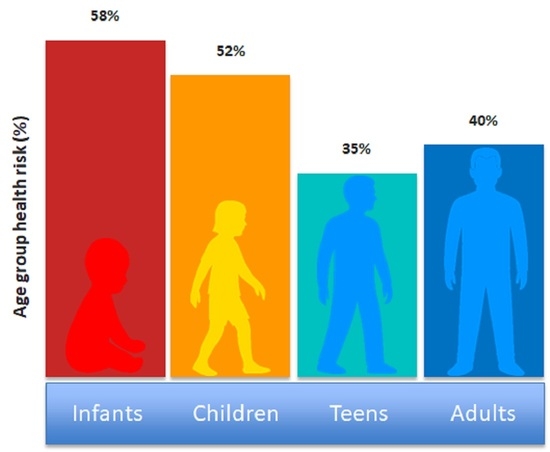
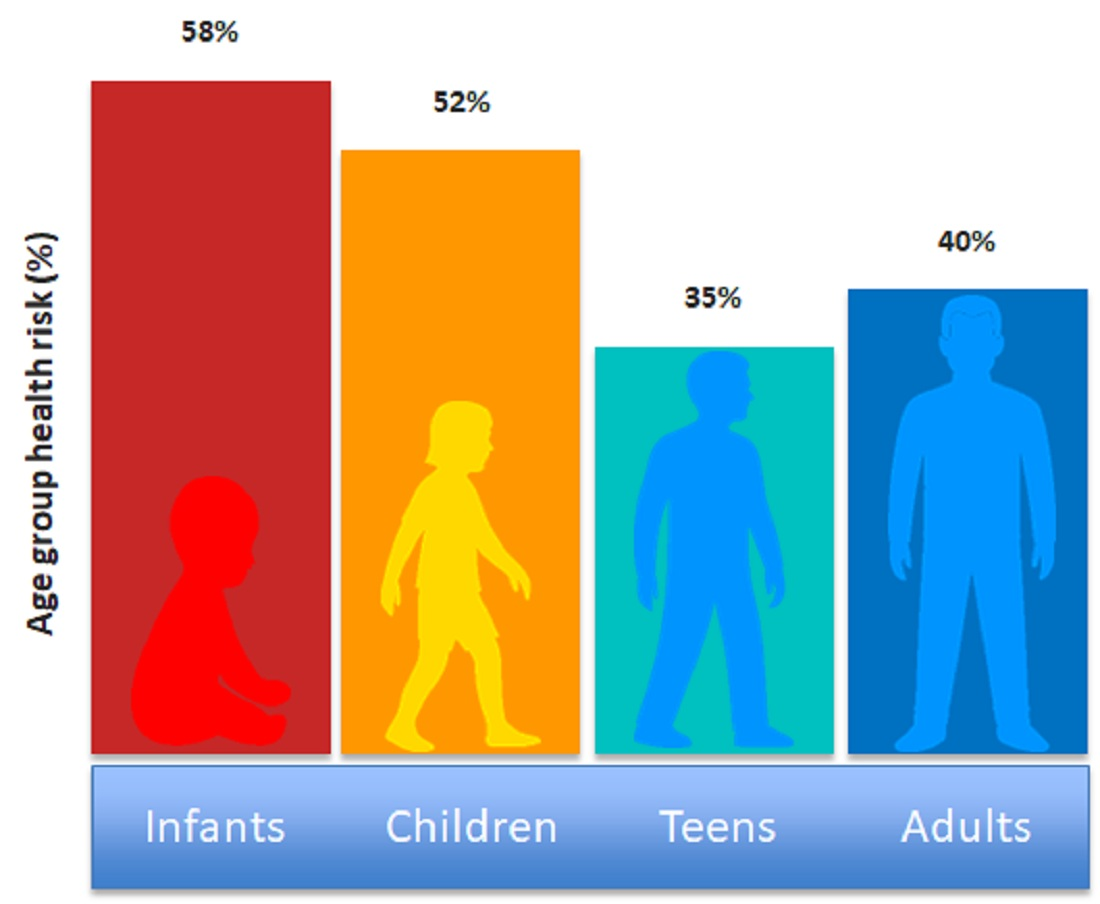
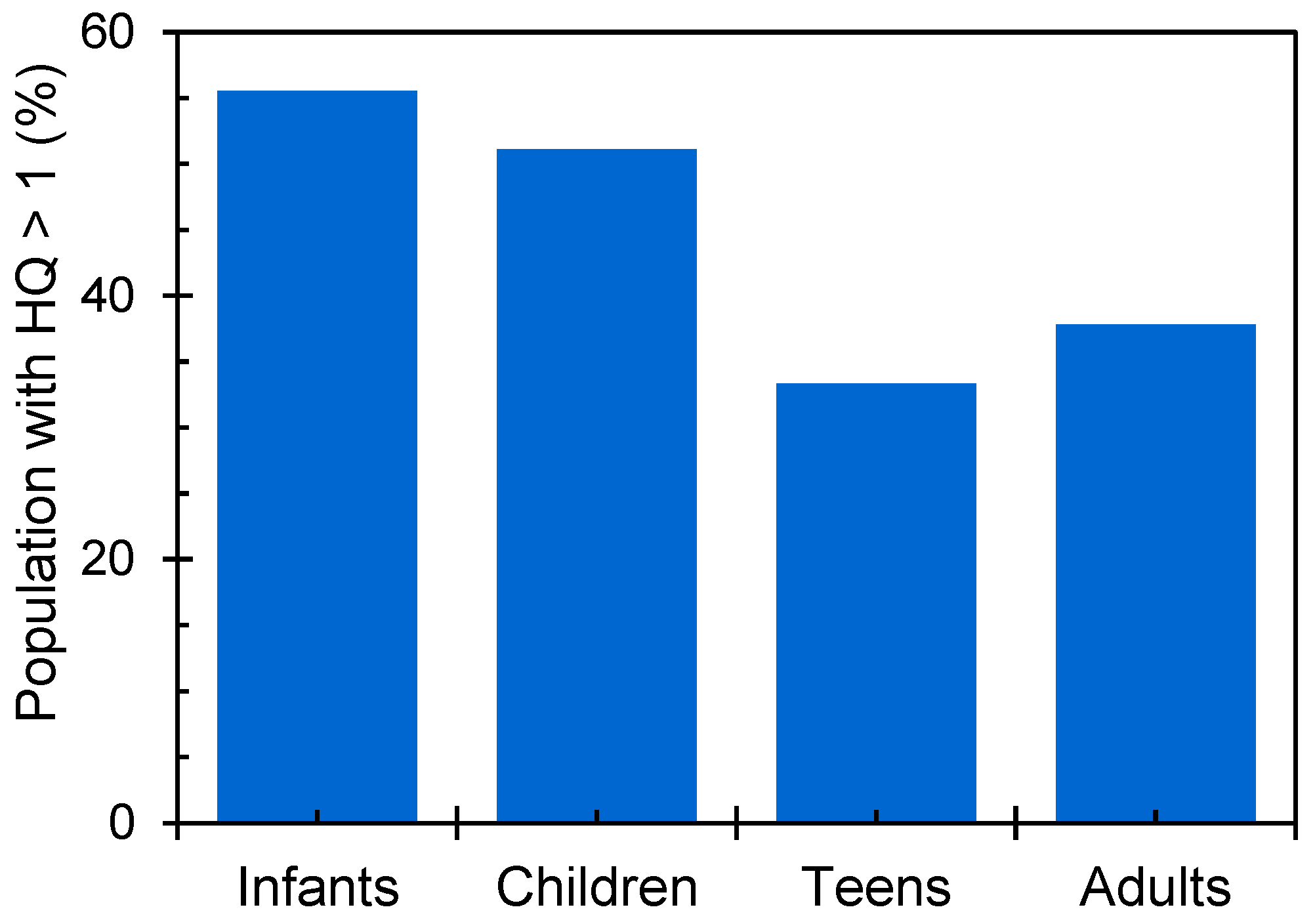
Hazard Quotient (HQ) analysis provides critical insights into non-carcinogenic health risks associated with nitrate exposure. An HQ value greater than 1 indicates potential adverse effects, and this threshold was exceeded in 56% of GW samples for infants, 51% for children, 33% for teens, and 38% for adults as shown in Figure 6. The findings show that infants and children face the highest risk, with more than half of their samples surpassing the safety limit, compared to one-third for teenagers and less than 40% for adults. This disproportionate vulnerability among younger age groups reflects their lower physiological resilience and higher water intake per unit of body mass. HQ values were lowest for treated commercial water, confirming the effectiveness of current treatment protocols, whereas untreated private and agricultural wells posed substantial health risks. Our HQ analysis revealed that infants and children are the most vulnerable groups, with HQ values exceeding 1. These findings are consistent with recent regional studies by Alharbi & El-Sorogy [33], who reported hazard indices exceeding 1 for the majority of samples, underscoring the urgent need for treatment and monitoring. The alignment between our results and these recent investigations validates the integrated NPI–CDI–HQ approach as a robust framework for prioritizing interventions in semi-arid regions where shallow wells and agricultural practices exacerbate contamination risks.

3.5. Influence of Parameters on Risk Estimates

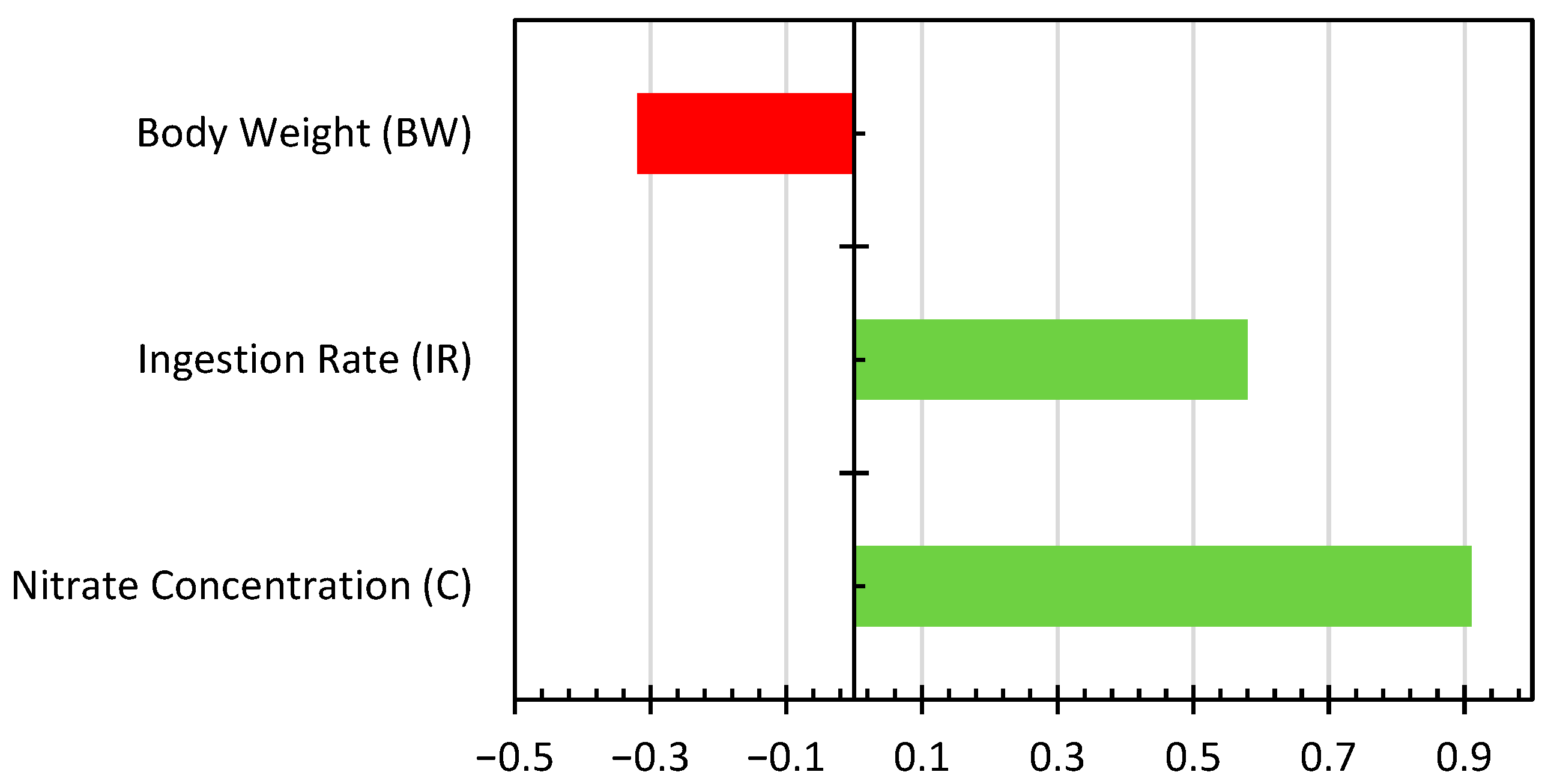
To evaluate the relative influence of the input parameters on the risk estimates, a sensitivity analysis was conducted using Pearson correlation coefficients between each input variable and the simulated hazard quotient (HQ). The analysis was performed in Microsoft Excel using the CORREL (array1, array2). The three primary variables considered were nitrate concentration (C), daily water ingestion rate (IR), and body weight (BW). A diagram was generated to illustrate the relative influence of input parameters on the Hazard Quotient (HQ) estimates. Sensitivity analysis revealed that nitrate concentration (C) had the highest positive correlation with HQ (r = 0.91), followed by ingestion rate (IR) with a moderate positive correlation (r = 0.58), while body weight (BW) exhibited a negative correlation (r = −0.32). The diagram visually ranks these parameters based on their absolute correlation values (Figure 7), confirming that the concentration variability is the dominant driver of risk. This visualization aids in prioritizing data collection and refining the uncertainty analysis. The resulting coefficients indicated that C exhibited the strongest positive correlation with HQ, confirming that the variability in water concentration was the dominant driver of risk. IR showed a moderate positive correlation, reflecting its direct proportionality to dose, while BW displayed a negative correlation, as higher body weight reduced the dose per unit intake, which clearly demonstrates that improving the accuracy of concentration measurements and refining ingestion rate estimates would most effectively reduce uncertainty in risk characterization. In contrast, additional precision in the body weight assumptions would have a minor impact.
The sensitivity analysis, highlighting nitrate concentration as the dominant risk driver, underscores the critical need for targeted nitrate reduction strategies. This finding emphasizes the importance of addressing agricultural runoff and wastewater management, the primary contributors to high nitrate levels, to mitigate health risks effectively. Future research should incorporate probabilistic methods (e.g., Monte Carlo simulation) to quantify uncertainty in exposure and risk estimates, enabling more robust decision-making under variability.

3.6. Population Vulnerability

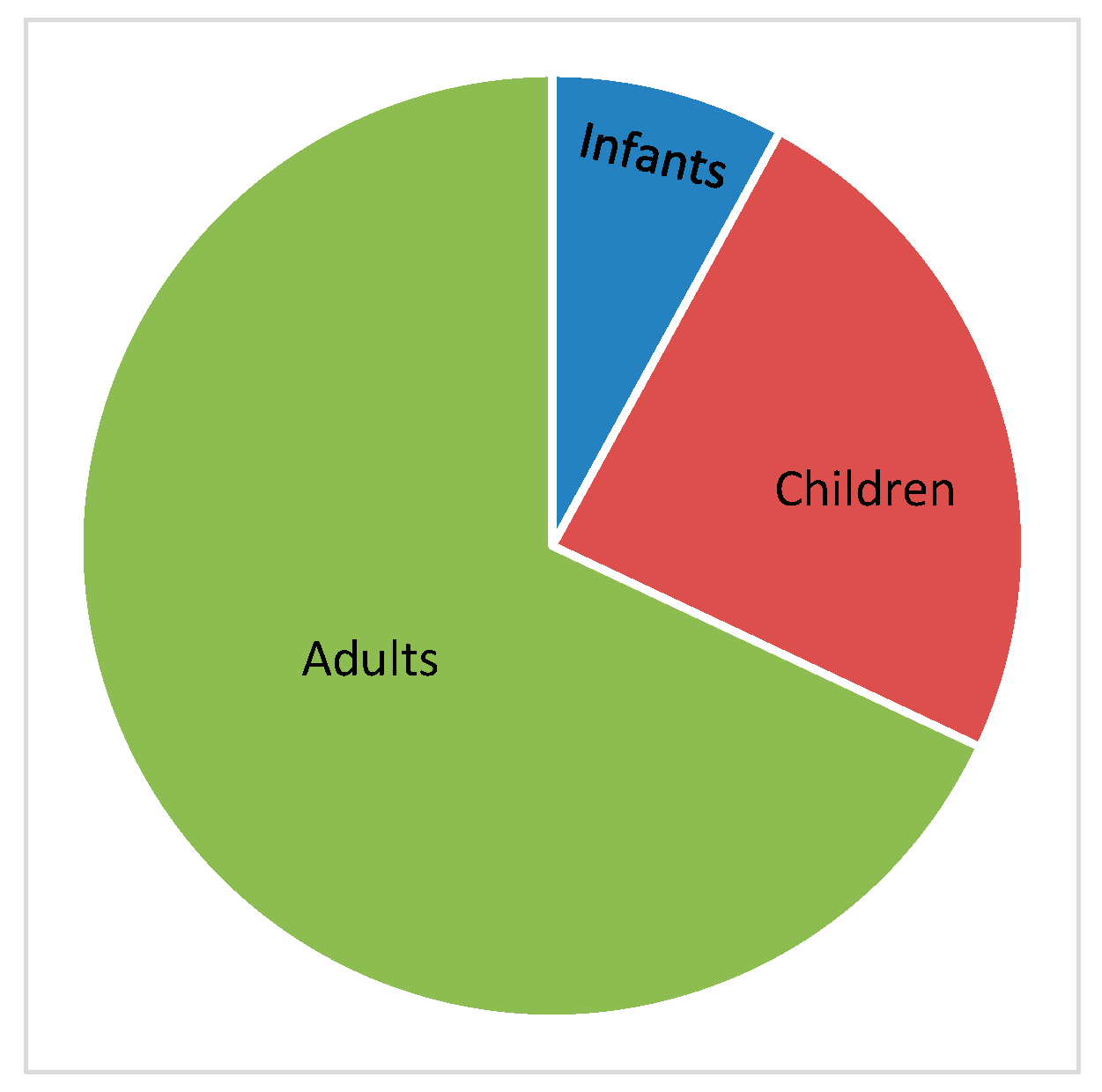
The demographic distribution of the Hafr Al Batin population is summarized in Figure 8. Hafr Al Batin hosts ~390,000 residents; thus, the ≈24% children < 10 y correspond to ~93,600 individuals and ≈8% infants to ~31,200. Adults represented the majority (68%) of residents. Linking these counts with CDI/HQ results highlights the scale of potential impact. This demographic breakdown contextualizes exposure assessment by demonstrating that nearly one-third of the population falls within the high-risk categories identified in CDI and HQ analyses. Linking population structure with contamination data highlights that nitrate risks are not only chemical, but also socio-demographic, disproportionately affecting younger age groups, who represent a significant segment of the community.

3.7. Inhalation and Dermal Pathways for Exposure

Non-ingestion pathways were also considered to confirm that oral ingestion was the dominant route of exposure. Nitrate and nitrite are highly soluble inorganic ions that are non-volatile in water; volatilization during domestic water use (e.g., showers or baths) is therefore negligible, and inhalation was not quantified. For dermal contact, a screening-level calculation was performed using the EPA RAGS Part E framework with intentionally conservative assumptions including a relatively high permeability coefficient. Even under these conditions, the resulting dermal dose was >700-fold lower than the oral reference dose, corresponding to a dermal hazard quotient of approximately 0.001. This confirms that dermal exposure contributes negligibly to overall risk. These findings are consistent with public health guidance from the WHO, ATSDR, and EPA, which emphasizes ingestion as the primary pathway of concern for nitrate in drinking water.

3.8. Implications and Future Directions

The combined results of nitrate concentration, NPI, CDI, and HQ analyses present a compelling case for urgent mitigation in northeastern Saudi Arabia. Recommended measures align with the Ministry of Environment, Water and Agriculture (MEWA)’s fertilizer-use guidelines and groundwater protection strategies, including controlled nitrogen application, septic system inspection programs, and expansion of municipal treatment facilities in peri-urban zones. We recommend: (1) implementing regulated fertilizer application schedules; (2) expanding centralized water treatment infrastructure in peri-urban areas; (3) enforcing well construction standards; and (4) initiating community-based nitrate monitoring programs to identify and mitigate local hotspots.
The scientific validity of the present methodology is reinforced by the integration of concentration-based (direct nitrate levels), index-based (NPI), and risk-based (CDI and HQ) approaches. This framework, grounded in the USEPA guidelines, provides both environmental severity and population-specific risk assessments. Stratification by age group captures the physiological differences in vulnerability, ensuring a more realistic evaluation of health outcomes. The application of standardized spectrophotometric techniques, coupled with the validation of results through comparative studies from India, Iran, and China further demonstrates the reproducibility and external validity of the methodology. While this study provides significant insights into nitrate contamination and health risks in northeastern Saudi Arabia, future research could expand on these findings by exploring the impact of seasonal variations on nitrate levels and assessing the effectiveness of different water treatment technologies in reducing health risks. In addition, co-contaminants (e.g., fluoride, salinity) commonly reported in Eastern Province aquifers can interact with nitrate exposure (through shared sources or treatment trade-offs), reinforcing the need for seasonal sampling and multi-analyte monitoring.

4. Conclusions

This study provides a comprehensive evaluation of groundwater nitrate contamination and its age-specific health risks in semi-urban regions of northeastern Saudi Arabia. The findings reveal that although treated commercial water sources generally comply with WHO guidelines, untreated domestic and agricultural wells frequently exhibit nitrate concentrations far exceeding safe limits, with certain samples reaching up to 380 mg·L−1. The application of an integrated framework—combining the NPI, CDI, and HQ—enabled a robust assessment of both environmental severity and demographic vulnerability. Results indicate that infants and children are disproportionately affected, with HQ values exceeding 1 in more than half of the samples, indicating elevated risks of methemoglobinemia, particularly in infants and children.
The sensitivity analysis confirmed that nitrate concentration is the dominant driver of risk, followed by ingestion rate, while body weight reduces the dose per unit mass, thereby lowering the calculated hazard quotient for adults compared to children and infants. These insights underscore the inadequacy of relying solely on concentration-based compliance checks and highlight the necessity of exposure-based risk assessments for effective public health protection.
To mitigate these risks, immediate interventions, such as expanding water treatment infrastructure, enforcing stricter nitrate monitoring, and implementing community education programs, are essential to mitigate chronic nitrate exposure, especially in rural households reliant on untreated groundwater. We recommend age-targeted monitoring, seasonal (pre- and post-rainfall) sampling, and evaluation of feasible treatment options (e.g., point-of-use/point-of-entry systems for households reliant on untreated wells). The integrated NPI–CDI–HQ approach provides a practical template for authorities to prioritize wells and populations, and it can be readily adapted to other water-stressed regions.

Supplementary Materials

The following supporting information can be downloaded at: https://www.mdpi.com/article/10.3390/urbansci9120538/s1. A detailed number of samples, types, purposes and their functional categories in this study areas shown in Table S1. Details of the Nitrate Pollution Index (NPI), Chronic daily intake (CDI) and Hazard Quotient (HQ) are described in Supplementary Method Text S1–S3. The NPI value and the corresponding pollution category are shown in Table S2. The parameters used to assess health risks are shown in Table S3.

Author Contributions

Conceptualization, A.M.; methodology, A.M.; formal analysis, A.M.; investigation, A.M.; data curation, A.M.; writing—original draft preparation, A.M.; writing—review and editing, H.O.S., A.S.A., M.A. and S.B.; visualization, A.S.A.; supervision, A.M.; project administration, M.A. and A.S.A.; funding acquisition, M.A. and A.S.A. All authors have read and agreed to the published version of the manuscript.

Funding

This research was funded by the Institutional Funding Project (IFP-0062-1446-S) of the Ministry of Education, of Saudi Arabia.

Institutional Review Board Statement

Not applicable.

Informed Consent Statement

Not applicable.

Data Availability Statement

The data presented in this study are available in this article.

Acknowledgments

The authors extend their appreciation to the Deputyship for Research & Innovation, Ministry of Education in Saudi Arabia for funding this research work through the project number IFP-0062-1446-S.

Conflicts of Interest

The authors declare no conflicts of interest. The funders had no role in the study design, data collection, analysis, interpretation, manuscript writing, or decision to publish results.

References

  1. Agbasi, J.C.; Chukwu, C.N.; Nweke, N.D.; Uwajingba, H.C.; Khan, M.Y.A.; Egbueri, J.C. Water pollution indexing and health risk assessment due to PTE ingestion and dermal absorption for nine human populations in Southeast Nigeria. Groundw. Sustain. Dev. 2023, 21, 100921. [Google Scholar] [CrossRef]
  2. Vystavna, Y.; Yakovlev, V.; Grynenko, V.; Vergeles, Y.; Rossi, P.M.; Diadin, D.; Hejzlar, J.; Knöller, K.; Huneau, F. Determination of dominant sources of nitrate contamination in transboundary (Russian Federation/Ukraine) catchment with heterogeneous land use. Environ. Monit. Assess. 2017, 189, 509. [Google Scholar] [CrossRef] [PubMed]
  3. Infascelli, R.; Pelorosso, R.; Boccia, L. Spatial assessment of animal manure spreading and groundwater nitrate pollution. Geospat. Health 2009, 4, 27. [Google Scholar] [CrossRef]
  4. World Health Organization. Guidelines for Drinking-Water Quality: Fourth Edition Incorporating the First and Second Addenda, 4th ed., 1st add. and 2nd add ed.; World Health Organization: Geneva, Switzerland, 2022. [Google Scholar]
  5. Brender, J.D.; Weyer, P.J.; Romitti, P.A.; Mohanty, B.P.; Shinde, M.U.; Vuong, A.M.; Sharkey, J.R.; Dwivedi, D.; Horel, S.A.; Kantamneni, J. Prenatal nitrate intake from drinking water and selected birth defects in offspring of participants in the national birth defects prevention study. Environ. Health Perspect. 2013, 121, 1083–1089. [Google Scholar] [CrossRef]
  6. Egbueri, J.C.; Agbasi, J.C.; Ikwuka, C.F.; Chiaghanam, O.I.; Khan, M.I.; Khan, M.Y.A.; Khan, N.; Uwajingba, H.C. Nitrate health risk and geochemical characteristics of water in a semi-urban: Implications from graphical plots and statistical computing. Int. J. Environ. Anal. Chem. 2024, 104, 8491–8511. [Google Scholar] [CrossRef]
  7. Egbueri, J.C.; Ikwuka, C.F.; Agbasi, J.C.; Nweke, N.D.; Refadah, S.S.; Nwazelibe, V.E.; Uwajingba, H.C.; Abba, S.I.; Khan, M.Y.A. Contamination levels of water sources and the associated nitrate health risks to six age groups. Toxin Rev. 2025, 44, 48–61. [Google Scholar] [CrossRef]
  8. Alam, I.; Rehman, J.U.; Nazir, S.; Nazeer, A.; Akram, M.; Batool, Z.; Ullah, H.; Hameed, A.; Hussain, A.; Hussain, A. Health risk assessment in different age-group due to nitrate, fluoride, nitrite and geo-chemical parameters in drinking water in Ahmadpur East, Punjab, Pakistan. Hum. Ecol. Risk Assess. Int. J. 2021, 27, 1747–1763. [Google Scholar] [CrossRef]
  9. Jamaludin, N.; Sham, S.M.; Ismail, S.N.S. Health risk assessment of nitrate exposure in well water of residents in intensive agriculture area. Am. J. Appl. Sci. 2013, 10, 442. [Google Scholar] [CrossRef]
  10. Aly, A.A.; Al-Omran, A.M.; Alharby, M.M. The water quality index and hydrochemical characterization of groundwater resources in Hafar Albatin, Saudi Arabia. Arab. J. Geosci. 2015, 8, 4177–4190. [Google Scholar] [CrossRef]
  11. Mamun, A.; Alazmi, A.S. Investigation of Radon in Groundwater and the Corresponding Human-Health Risk Assessment in Northeastern Saudi Arabia. Sustainability 2022, 14, 14515. [Google Scholar] [CrossRef]
  12. Kumar, R.; Attinger, S.; Musolff, A.; Rao, P.S.C.; Fleckenstein, J.H.; Heße, F.; Jawitz, J.W.; Sarrazin, F.; Rakovec, O.; Thober, S.; et al. Strong hydroclimatic controls on vulnerability to subsurface nitrate contamination across Europe. Nat. Commun. 2020, 11, 6302. [Google Scholar] [CrossRef]
  13. Al-Shaibani, A.M. Hydrogeology and hydrochemistry of a shallow alluvial aquifer, western Saudi Arabia. Hydrogeol. J. 2007, 16, 155–165. [Google Scholar] [CrossRef]
  14. Kupa, E.; Ogunbiyi, E.; Solomon, N.; Adanma, U. Groundwater quality and agricultural contamination: A multidisciplinary assessment of risk and mitigation strategies. World J. Adv. Res. Rev. 2024, 22, 1772–1784. [Google Scholar] [CrossRef]
  15. Kana, A.A. Heavy metal assessment of groundwater quality in part of Karu, Central Nigeria. Water Pract. Technol. 2022, 17, 1802–1817. [Google Scholar] [CrossRef]
  16. Salman, S.A.; Shahid, S.; Mohsenipour, M.; Asgari, H. Impact of landuse on groundwater quality of Bangladesh. Sustain. Water Resour. Manag. 2018, 4, 1031–1036. [Google Scholar] [CrossRef]
  17. Sidiropoulos, P.; Loukas, A.; Tziatzios, G.; Mylopoulos, N.; Vasiliades, L. Groundwater Nitrate Contamination Integrated Modeling for Climate and Water Resources Scenarios: The Case of Lake Karla Over-Exploited Aquifer. Water 2019, 11, 1201. [Google Scholar] [CrossRef]
  18. Brender, J.D. Human Health Effects of Exposure to Nitrate, Nitrite, and Nitrogen Dioxide; Springer: Berlin/Heidelberg, Germany, 2020; pp. 283–294. [Google Scholar]
  19. Bazeli, J.; Ghalehaskar, S.; Morovati, M.; Soleimani, H.; Masoumi, S.; Rahmani Sani, A.; Saghi, M.H.; Rastegar, A. Health risk assessment techniques to evaluate non-carcinogenic human health risk due to fluoride, nitrite and nitrate using Monte Carlo simulation and sensitivity analysis in Groundwater of Khaf County, Iran. Int. J. Environ. Anal. Chem. 2020, 102, 1793–1813. [Google Scholar] [CrossRef]
  20. Vincent, P. Saudi Arabia: An Environmental Overview, 1st ed.; CRC Press: London, UK, 2008. [Google Scholar]
  21. Alsharhan, A.S.; Rizk, Z.A.; Nairn, A.E.M.; Bakhit, D.W.; Alhajari, S.A. Hydrogeology of an Arid Region: The Arabian Gulf and Adjoining Areas. In Hydrogeology of an Arid Region: The Arabian Gulf and Adjoining Areas; Elsevier Science B.V.: Amsterdam, The Netherlands, 2001; p. vi. [Google Scholar]
  22. Al-Aizari, H.S.; Ghfar, A.A.; Al-Aizari, A.R.; Al-Aizari, A.-J.M.; Moshab, M.S.; Sillanpää, M. Assessing Groundwater Quality and Diagnosing Nitrate Pollution in the Sidi Allal Region: A GIS-Based Approach Utilizing the Groundwater Pollution Index. Hydrology 2023, 10, 227. [Google Scholar] [CrossRef]
  23. Means. Risk-Assessment Guidance for Superfund. Volume 1. Human Health Evaluation Manual. Part A; Interim report (Final); U.S. Environmental Protection Agency: Washington, DC, USA, 1989. [Google Scholar]
  24. USEPA. National Primary Drinking Water Regulations; Radionuclides; Final Rule. Fed. Reg. 2000, 65, 76708. [Google Scholar]
  25. USEPA. National primary drinking water regulations; Radionuclides, proposed rule. Fed. Reg. 1991, 56, 33050–33127. [Google Scholar]
  26. Yang, M.; Fei, Y.; Ju, Y.; Ma, Z.; Li, H. Health risk assessment of groundwater pollution-A case study of typical city in North China plain. J. Earth Sci. 2012, 23, 335–348. [Google Scholar] [CrossRef]
  27. Moya, J.; Phillips, L.; Osborn, K.; Simpson, H.; Dederick, E. Highlights of the Exposure Factors Handbook; NTIS/13120196; U.S. Environmental Protection Agency: Washington, DC, USA, 2011. [Google Scholar]
  28. El-Taher, A.; Al-Turki, A. Radon activity measurements in irrigation water from Qassim Province by RAD7. J. Environ. Biol. 2016, 37, 1299–1302. [Google Scholar]
  29. Badr, E.-S.; Tawfik, R.; Alomran, M. An Assessment of Irrigation Water Quality with Respect to the Reuse of Treated Wastewater in Al-Ahsa Oasis, Saudi Arabia. Water 2023, 15, 2488. [Google Scholar] [CrossRef]
  30. Malik, A.; Yasar, A.; Tabinda, A.B.; Iftikhar, M.H.; Mukhtar, S. Health risk assessment of nitrates and fluorides ingestion and geochemical evaluation of groundwater characteristics in semi-arid regions. Int. J. Environ. Sci. Technol. 2024, 21, 8459–8486. [Google Scholar] [CrossRef]
  31. Yazıcı Karabulut, B. A Probabilistic Approach to the Nitrate Risk Assessment of Groundwater in Intensively Farmed Region of Southeast Türkiye. Appl. Sci. 2025, 15, 6575. [Google Scholar] [CrossRef]
  32. Yassin, M.A.; Abba, S.I.; Shah, S.M.; Usman, A.G.; Egbueri, J.C.; Agbasi, J.C.; Khogali, A.; Baalousha, H.M.; Aljundi, I.H.; Sammen, S.S.; et al. Toward Decontamination in Coastal Regions: Groundwater Quality, Fluoride, Nitrate, and Human Health Risk Assessments within Multi-Aquifer Al-Hassa, Saudi Arabia. Water 2024, 16, 1401. [Google Scholar] [CrossRef]
  33. Alharbi, T.; El-Sorogy, A.S. Health Risk Assessment of Nitrate and Fluoride in the Groundwater of Central Saudi Arabia. Water 2023, 15, 2220. [Google Scholar] [CrossRef]
  34. Radfard, M.; Gholizadeh, A.; Azhdarpoor, A.; Badeenezhad, A.; Mohammadi, A.; Yousefi, M. Health risk assessment to fluoride and nitrate in drinking water of rural residents living in the Bardaskan city, arid region, southeastern Iran. Desalination Water Treat. 2019, 145, 249–256. [Google Scholar] [CrossRef]
  35. Sanjupriya, S.; Poonkothai, M.; Karunanidhi, D.; Rao, N.S.; Subramani, T.; Marghade, D. Evaluating nitrate contamination in groundwater and its health threats from a semi-arid province of southern India using GIS techniques with a special focus on entropy water quality index. Environ. Geochem. Health 2025, 47, 346. [Google Scholar] [CrossRef]
  36. Chander, S.; Yadav, S.; Gupta, A. Nitrate Contamination in Groundwater of Arid and Semi-Arid Regions, Ecotoxicological Impacts, and Management Strategies. In Groundwater Quality and Geochemistry in Arid and Semi-Arid Regions; Ali, S., Negm, A., Eds.; Springer: Cham, Switzerland, 2024; pp. 339–369. [Google Scholar]
  37. Raheja, H.; Goel, A.; Pal, M. Assessment of groundwater quality and human health risk from nitrate contamination using a multivariate statistical analysis. J. Water Health 2024, 22, 350–366. [Google Scholar] [CrossRef]
  38. General Authority for Statistics. Annual Report 2023. 2023. Available online: https://www.stats.gov.sa/en/annual-report (accessed on 20 November 2025).
Figure 1. Study area and sampling locations in Hafr Al Batin, Thybiyah, and Qaisumah (Eastern Province, Saudi Arabia).
Urbansci 09 00538 g001
Figure 2. Nitrate concentrations in groundwater by well type, showing variability across treated commercial, untreated commercial, domestic, and agricultural wells. Red circles indicate the mean nitrate concentration for each category.
Urbansci 09 00538 g002
Figure 3. Comparison of average nitrate concentrations in groundwater from the present study area with reported values from other countries highlights regional variability and positions northeastern Saudi Arabia within the global context of nitrate contamination [8,9,34].
Urbansci 09 00538 g003
Figure 4. Distribution of wells by NPI categories (n = 45). Categories follow Table S2 in the Supplementary Materials; bars represent the proportion of wells in each class.
Urbansci 09 00538 g004
Figure 5. Grouped comparison of CDI across different age groups (infants, children, teens, adults) and well types, showing the exposure levels.
Urbansci 09 00538 g005
Figure 6. Distribution of Hazard Quotient (HQ) values across age groups (infants, children, teens, adults), showing the proportion of populations exceeding the safety threshold (HQ > 1).
Urbansci 09 00538 g006
Figure 7. Plot of the sensitivity of Hazard Quotient (HQ) to the three parameters.
Urbansci 09 00538 g007
Figure 8. Population distribution as a function of age group (%) for Hafr Al Batin. Total population assumed ~390,000 based on municipal statistics; percentage bins were used to estimate counts. Source: Saudi General Authority for Statistics [38].
Urbansci 09 00538 g008
Table 1. Chronic daily intake (CDI) (mg·kg−1·d−1) for infants, children, teenagers, adults (male), and adults (female).
Well TypePurposeTreatmentnInfantsChildrenTeensAdult MaleAdult
Female
Commercial StationsDrinking/DomesticBefore Treatment13Max: 3.1Max: 2.5Max: 1.5Max: 1.6Max: 1.6
Min: 2.1Min: 1.7Min: 1.0Min: 1.1Min: 1.1
Mean: 2.7Mean: 2.1Mean: 1.3Mean: 1.3Mean: 1.4
SD: 0.3SD: 0.3SD: 0.2SD: 0.2SD: 0.2
After TreatmentMax: 2.7Max: 2.1Max: 1.3Max: 1.4Max: 1.4
Min: 1.0Min: 0.8Min: 0.5Min: 0.5Min: 0.5
Mean: 1.5Mean: 1.1Mean: 0.7Mean: 0.7Mean: 0.8
SD: 0.5SD: 0.4SD: 0.2SD: 0.2SD: 0.2
Domestic WellsHousehold UseUntreated3Max: 7.7Max: 6.0Max: 3.8Max: 3.8Max: 4.0
Min: 2.0Min: 1.6Min: 1.0Min: 1.0Min: 1.1
Mean: 4.0Mean: 3.1Mean: 2.0Mean: 2.0Mean: 2.1
SD: 3.2SD: 2.5SD: 1.6SD: 1.6SD: 1.7
Private WellsDomestic/HouseholdUntreated26Max: 24.3Max: 19.0Max: 12.0Max: 12.2Max: 12.7
Min: 0.8Min: 0.6Min: 0.4Min: 0.4Min: 0.4
Mean: 6.2Mean: 4.8Mean: 3.1Mean: 3.1Mean: 3.2
SD: 6.4SD: 5.0SD: 3.2SD: 3.2SD: 3.3
Agricultural/GardenIrrigation/HouseholdUntreated3Max: 16.0Max: 12.5Max: 7.9Max: 8.0Max: 8.3
Min: 3.8Min: 3.0Min: 1.9Min: 1.9Min: 2.0
Mean: 9.2Mean: 7.2Mean: 4.5Mean: 4.6Mean: 4.8
SD: 6.2SD: 4.9SD: 3.1SD: 3.1SD: 3.3
Disclaimer/Publisher’s Note: The statements, opinions and data contained in all publications are solely those of the individual author(s) and contributor(s) and not of MDPI and/or the editor(s). MDPI and/or the editor(s) disclaim responsibility for any injury to people or property resulting from any ideas, methods, instructions or products referred to in the content.