1. Introduction
Rising urbanization represents a powerful force of economic growth, social change, and technological [
1]. The same trend is followed in India owing to the rapid pace of urbanization, which resulted in a radical restructuring of the cities, accompanied by huge investments in services and infrastructure. Initiatives such as Smart Cities Mission (SCM) launched in 2015, are aimed at modernizing urban areas using digital technologies and data-driven management to facilitate quality of life enhancement, increase the efficiency of service delivery, and improve the overall livability of cities Smart Cities Development Report [
2]. However, these changes have not been evenly distributed, and there have been concerns over whether smart city projects can help to tackle issues of social inclusion and economic inequality [
3].
A long-term process of urbanization does not just relate to technological advancement and economic growth, but it relates to non-excluding policies which may counteract income discrepancies, access to services and housing, educational facilities, and the internet [
3]. Smart infrastructure has entailed resultant growth of urban inequalities in most of the Indian cities, where the marginalized groups have been seen to be unable to enjoy the fruits of smart growth. Such a disjunction of modernization and inclusion is a serious challenge to the sustainability of urban transformation. Though the aims of smart city initiatives are to build more efficient cities and a high quality of life, those advantages are rather unevenly distributed. It is a leading factor that marginalized groups, especially those living in informal settlements or poor communities, are not able to access the services digitally, appropriate housing, and infrastructure. Consequently, there is a need beyond technological innovation for the sustainability of urbanization because it involves inclusive planning systems that focus more on equity, social participation, and the environment [
4]. Ensuring that smart city initiatives are linked to more general social justice and economic inclusiveness goals is a factor of paramount importance to policymakers and urban designers [
5].
Despite the research work that has been conducted before analyzing the issues of sustainable urbanization, smart city governance, and economic inequality, the current theoretical frameworks are not integrated and poorly conceptualized. A number of studies are largely technology-focused, as they consider smart city performance based on the digital infrastructure and innovation measures, but little focus is on distributive justice and social inclusion [
3]. Other studies examine urban inequality through a socioeconomic perspective, especially housing, infrastructure, and informal settlements, but do not incorporate governance, access to digital, and environmental sustainability in the same analytical framework [
4]. In addition, current smart city evaluations tend to use sector-based or individual-based evaluation strategies, which limit the process of modeling interdependencies and systemic feedback of the governance, infrastructure equity, and digital inclusion [
2]. This means that dynamic and causal relational links between quality of governance, fair infrastructure delivery, digital inclusivity, environmental sustainability, and economic inequality are still poorly theorized in the Indian smart city setting. The current research will fill this void by developing an overall Multi-Criteria Decision-Making (MCDM) model that comprises AHP, TOPSIS, and DEMATEL based on the previous methodological implementations in sustainability and policy analysis. This contribution to the urban sustainability theory is based on the fusion of prioritization and cause-effect modeling into a particular analytical framework to develop a multidimensional operationalization of inclusive urbanization as well as a systems-based evaluation of smart city programs in India. There are a number of research gaps that exist within the Indian scenario. To start with, integrated evaluation frameworks are absent that have a direct connection between smart cities development and economic inequality outcomes. Second, there are a few methods of MCDM applied to evaluate the newly introduced urban inclusiveness and sustainability. Thirdly, there are hardly any studies that focus on examining the inter-connections between governance, infrastructure equity, digital access, and social inclusion, and the interrelations between the same in the various facets of urban inequality. Also, cause-and-effect modeling techniques that would uncover the dynamics of these important factors are needed. This paper investigates the connection between sustainable urbanization and economic inequality in India in the context of smart city projects. It aims at finding out how (or whether) smart initiatives enhance more inclusive urban development, especially in regard to access, equity, and social justice. Thus, the objectives of the study are the following:
Identify and structure the key criteria influencing sustainable urbanization and economic inequality in the context of Indian smart cities.
Determine the relative importance of these criteria using the Analytic Hierarchy Process (AHP).
Rank the performance of selected smart cities using the Technique for Order Preference by Similarity to Ideal Solution (TOPSIS).
Analyze the interrelationships and causal links between the criteria identified through the Decision-Making Evaluation and Testing Laboratory (DEMATEL) method.
This research uses the MCDM approach to systematically examine these complex relationships. The weights of the main evaluation criteria are obtained with the help of the AHP, the TOPSIS is exploited to rank the performance of the chosen smart cities, and DEMATEL is employed to determine the cause-and-effect relationship between the factors that determine inclusive urban development. The combination of these approaches makes the study a holistic representation of exploring the level of inclusiveness of smart urban strategies in India. The results are expected to provide useful information to readers and inform how urban policy planners and stakeholders working on smart city initiatives can provide practical influence in a city. In showing the strengths and gaps of the existing urban strategies, the research adds to the discourse of the ways in which the smart city efforts may be adjusted to meet the aims of the sustainable and equitable urbanizing efforts in the developing world.
2. Literature Review
2.1. Sustainable Urbanization
Urban growth that fulfills the requirements of the present and does not affect the capacities of future generations to meet their needs, and focuses on the balanced combination of environmental protection, economic development, and social equity, is referred to as sustainable urbanization [
6]. It has taken this idea into account, whereby rapid urbanization is putting more strain on land, resources, and infrastructure, especially in the developing world in India. These challenges consist of environmental wear, saturated government services, and expanding socioeconomic differences, which, if unmanaged, endanger the total strength and accessibility of cities [
7].
Innovative studies have emphasized the need for a multi-criteria and multi-dimensional approach in interpreting and carrying out sustainable urbanization. Air and water quality, waste management, preservation of green spaces, and sustainable energy use can be regarded as the key environmental indicators that will help decrease the ecological footprint of the urban space [
8]. Meanwhile, social sustainability is manifested in the provision of equal access to affordable housing, healthcare, education, and infrastructure facilities. Social scientists point out that in the Indian urban setting, there is a pressing need to resolve inequality pertaining to access to provisions of these services in order to ensure that increasing rates of urbanization do not worsen problems of poverty or social inclusion [
9]. In order to get effective embracement of sustainable urbanization, policies should involve environmental stewardship, social inclusion, and economic opportunities. It is important to establish participatory governance and transparent decision-making processes to ensure that various city dwellers, especially the marginalized people, get to be heard regarding planning and development [
8]. Moreover, a comprehensive urban development could not have taken place without a concerted effort to enhance equity in infrastructure development, such as accessibility to clean water, energy, and transport to those people living in poverty. The specialized literature emphasizes the fact that sustainable urbanization is a multidimensional and intricate process that needs global endeavors because such endeavors would concurrently deal with environmental limitations and social fairness in creating resilient and just cities. In addition, the improvement of any form of infrastructural disparity through the provision of accessible, universalized clean water, cheaper energy, and efficient and accessible public transport is important in the development of inclusive urban growth. It has been noted that urbanization in India is a multi-dimensional and complex phenomenon that demands multi-dimensional strategies that balance between social justice and environmental sustainability. Such plans are required to establish strong and fair cities that will be in a position to foster the wealth and well-being of every citizen in the long term. Therefore, this research study was focused on providing solutions to the issues concerning sustainable urbanization in the Indian context.
2.2. Economic Inequality in Indian Cities
The less subtle form of economic inequality in Indian cities is the unequal access to basic services, such as housing, healthcare, and employment, experienced by residents of informal settlements and migrant populations. Millions of urban poor live in informal settlements, commonly called slums, where they suffer from land insecurity, overcrowding, and inadequate infrastructure [
10]. Examples include Dharavi in Mumbai and several informal settlements in Delhi, where residents routinely live in unsanitary conditions and without access to electricity, which not only impacts their health and well-being but also hinders their participation in official state activities [
11]. This often happens through evictions and redevelopments that fail to properly rehabilitate these populations and instead lead to poverty and social marginalization [
12]. Even within urban populations, healthcare is distributed unequally, with high hurdles faced by informal and migrant populations. Research shows the increasing availability of private and public healthcare access to the upper and middle-income population experiencing living in cities, whereas the existence of overcrowded services, unreachable prices, and insurance is widespread among marginalized groups [
11,
12]. The COVID-19 pandemic highlighted these disparities in fresh ways, as migrant workers faced loss of livelihoods and inadequate healthcare during lockdowns, reflecting the weaknesses in urban health systems [
13]. Some cities, such as Bangalore and Chennai, have tried pilot programs of community health service delivery in the slums and have had some success in providing locally based healthcare, yet these have been small-scale thus far [
13].
Employment inequality also continues to pose a critical challenge. Migrants and informal settlements predominantly occupy precarious positions in the informal economy, such as street vending, construction, and domestic work, characterized by low wages, job insecurity, and a lack of social protection [
14]. The informal sector, while vital to urban livelihoods, often excludes workers from government benefits such as health insurance and pensions, perpetuating vulnerability [
15]. Formalization efforts, including skill development programs and labor law reforms, have been introduced in some states, yet their reach is uneven, and enforcement is weak [
4]. Policies such as the Pradhan Mantri Awas Yojana (PMAY) aim to improve affordable housing, while the National Urban Health Mission (NUHM) attempts to bolster healthcare for the urban poor, but gaps in implementation and coordination hamper effectiveness [
7]. Economic inequality in the Indian cities will therefore necessitate multi-sector interventions that center on housing deficit, healthcare availability, and labor incorporation that are planned together. Marginalized groups can benefit by being empowered and increasing policy responsiveness through a type of participatory governance system in which the informal settlers would take part in decision-making [
9]. Urban infrastructure equity and enlargement of social protections to include informal workers are needed, along with better data collection of migrant groups, as the fundamental actions towards more inclusive urban development. By so doing, collective actions can help Indian cities mitigate economic divisions and create a better, more sustainable, and equal urban future.
2.3. Smart City Projects in India
The Government of India Smart Cities Mission [
2] was a proposal to make 100 cities more citizen-friendly and sustainable urban environments through the help of Information and Communication Technology (ICT). Among its goals is enhancing the level of livability, delivering efficient urban services, and economic development [
15]. Although the mission advocates sustainability, innovation, and governance reforms, the scholarly community expressed concerns related to the lack of representation of social groups, urban justice, and the possibility of elite-driven development [
16]. In this systematic review, the authors assess the development of smart city projects in India. It has been revealed that in recent projects of smart cities, the modernization of the infrastructure due to smart lighting systems, surveillance technologies, and even digital governance has been prioritized in the implementation process, with a tendency to overlook lower-income and marginalized citizens [
17]. The initiatives have been inclined to focus on the central business areas or the existing city centers, thus aiding gentrification, spatial marginalization, and an increase in land rates in such locations [
18].
In addition to uncovered research gaps, a discourse of bigger theoretical differences and theoretical constraints makes up the current literature on smart cities and urban inequality. Another important branch of the literature has its roots in a techno-managerial and modernization paradigm, which supposes that digital infrastructure, data-driven governance, and efficiency optimization, per se, produce social benefits [
3]. This view is common to a normative devotion to progress, competitive spirit, as well as city branding, which implicitly values economic performance at the expense of distributive justice and social equity [
16]. Conversely, critical urban scholarship points out that technology-oriented urbanism can support sociospatial inequalities, especially in the situation whereby citizen participation processes are weak or tokenistic [
17,
18]. Theoretically, most available frameworks address governance, infrastructure, digital access, and environmental sustainability as distinct areas of policy as opposed to being structurally dependent aspects of inequality. As an illustration, research into housing affordability and access to infrastructure lays emphasis on gaps in service delivery and does not incorporate variables of quality governance or digital inclusion systematically [
19,
20]. In a similar way, studies about digital inclusion tend to focus on the extension of connectivity and theorize less about the overall structural and institutional obstacles that determine the disproportionate access [
17,
21]. Consequently, systemic feedback effects like the impact of governance transparency on infrastructure allocation or the impact of digital exclusion on economic vulnerability are yet to be adequately modeled, as a result of which inequality is often regarded in terms of sector-based metrics. Such theoretical tensions indicate the need to have an analytical rubric that is integrated and systems-based, that is in a position to capture prioritization, causal relationships among governance, infrastructure equity, digital inclusion, environmental sustainability, and economic inequality in the Indian smart city context. Research on other cities, such as Pune, Bhubaneswar, and Ahmedabad, indicates better transport and digitalization, but they also point to weak citizen involvement in the process and unfair allocation of the project benefits [
9]. While there are promises that ICT solutions will bring efficiency, their top-down implementation does not consider the context-specific sociocultural challenges, such as the digital divide and data privacy [
11]. Despite a growing body of literature on the topic, there are important gaps in the research. First of all, systematic evaluation frameworks are missing for identifying whether smart city interventions foster less socioeconomic inequalities. Most evaluations concentrate on technology or infrastructure and seldom examine long-term social outcomes for the informal settlements or migrant workers. Second, citizen participation is an underdeveloped element of the literature, specifically the issues of how marginalized groups are involved (or excluded) from smart city governance mechanisms. Third, the few studies that have followed pre- and post-intervention outcomes in different cities have determined whether sustainable urban management has actually led to more inclusive or sustainable development over time. Finally, there is the integration of environmental justice and economic inequality in the frameworks for assessing smart cities, which is poor, even though India is a signatory to the Sustainable Development Goals (SDGs).
In order to address these gaps, future research needs to go beyond technical and management assessments and toward people-centered and equity-focused frameworks. This includes an assessment of the distribution of benefits, participatory planning processes, and sociospatial impacts on different income and caste groups. Bringing interdisciplinary approaches from urban studies, public policy, and social geography may help to ensure that smart cities are making a contribution not just to technological modernization, but to a truly inclusive urban transformation in India.
2.4. Indicator Selection
The Systematic Literature Review (SLR) is initiated with a clear statement of the research questions and scope, which is based on the identification of key indicators to be applied to the concept of sustainable urbanization and economic inequality in the context of the Indian smart city projects. The references considered in the review are peer-reviewed journal articles, conference papers, governmental reports, and policy documents that were published after 2010 (the time since the introduction of the Smart Cities Mission in India). The whole search plan is created on the basis of academic databases, including Scopus, Web of Science, Google Scholar, and India-specific databases, like Shodhganga. The search uses keywords and Boolean operators, which are carefully selected to include the relevant literature. The search has used keywords like sustainable urbanization in India, urban economic inequality in India, smart city indicators in India, urban governance and development in India, and other similar phrases.
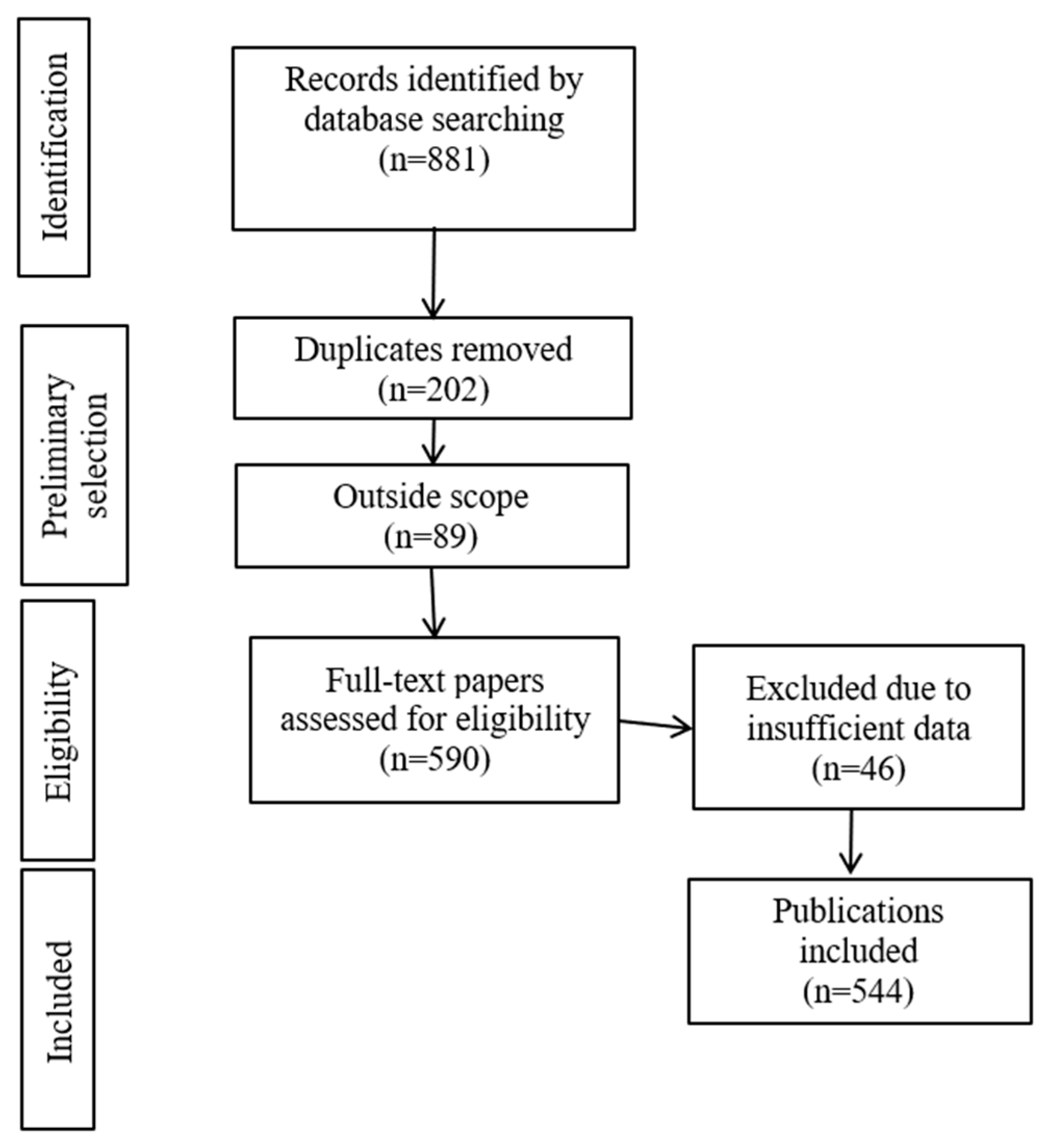
The preliminary selection stage has the inclusion criteria that give preference to the studies with a particular interest in urban areas in India, which discuss matters on sustainable urbanization, economic disparities, or smart city plans, and those that propose or utilize quantifiable measures or frameworks. On the other hand, articles not related to the urban or smart city setting, articles published in another language that are not translated, and articles that do not contain any empirical evidence are filtered out. The process involves two steps: reviewing the title and abstract to exclude the irrelevant articles and reviewing the full text of the selected articles to establish their relevance and quality. The literature is organized and managed effectively with the help of reference management tools like Zotero or Mendeley. It is then followed by a systematic data extraction to gather important information in each study as to the authorship, year, urban area under study, indicators under study (classified as governance, infrastructure equity, digital inclusion, and environmental sustainability), methods used, and findings on inequality and sustainability. The indicators that are extracted are summarized and clustered into thematic clusters to be in line with the conceptual framework of the study. Special care is taken to discover the replicative indicators in the studies, and those that are uniquely adjusted to the Indian urban environment. To ensure the validity and relevance of the identified indicators, the list is cross-checked against recent government publications, SCM progress reports, and policy papers. Expert consultations may also be conducted to refine and adapt the indicators to the specific context of Indian smart cities, with a focus on feasibility and data availability. Finally, the entire review process is documented transparently using a PRISMA analysis in
Figure 1. The findings of the SLR are presented in
Table 1.
3. Methodology
MCDM techniques have been incorporated a lot in urban policy studies to assess highly determined and multi-dimensional problem areas that entail contradicting goals and correlated constraints [
32]. When it comes to urban sustainability, economic inequality, infrastructure equity, and smart city governance, MCDM tools are effective decision-making tools that enable a structured analysis of both quantitative and qualitative data within an entire assessment system [
33]. The AHP, TOPSIS, and DEMATEL are some of the commonly used MCDM methods to solve intricate urban policy issues that require multiple and sometimes competing criteria. Sustainable urban and smart city studies have utilized AHP to compute organized weights of governance, social, and environmental indicators, as exemplified in urban resilience and sustainable transportation research [
34,
35]. TOPSIS has also been frequently used to rank alternatives depending on their proximity to optimal solutions, such as in sustainable infrastructure and smart city performance [
36,
37]. Causal relationships among sustainability and governance factors have been unveiled using DEMATEL, which has increased the insight into the interdependencies in urban systems [
38,
39]. Other studies have integrated methods of MCDM, e.g., AHP with TOPSIS to assign weights and rank alternatives [
40] or DEMATEL with AHP to obtain causal weights to apply to resilience assessment [
41]. However, limited studies have incorporated all of the three methods, AHP to prioritize, DEMATEL to determine the causal structure, and TOPSIS to determine relative performance within a single analytical paradigm to concurrently evaluate priority, interdependence, and ranking of sustainability and inequality. This AHP-DEMATEL-TOPSIS composite method thus refines and extends the previous literature (see
Table 2) by providing a more comprehensive methodological design that can address both structural and performance relationships, which is important to be inclusive in urban policy analysis. MCDM techniques offer systematic applications to measure urban policy problems that contain many, usually competing, indicators. The MCDM methodologies, namely, AHP, TOPSIS, and DEMATEL, can be especially valuable in the process of smart city development, sustainable urbanization, and the mitigation of inequality by means of factor prioritization, alternative ranking, and interdependency understanding.
The first step would involve clearly defining the decision problem and an objective. In urban development, the aim can be to give prominence to the most important parameters that lead to sustainable and inclusive urbanization in Indian smart cities.
Once the goal is defined, the next step is to organize the decision elements into a hierarchical model: top level: the overall goal (e.g., prioritize sustainable urban development indicators), middle level: main criteria or dimensions, and lower level: sub-criteria or indicators under each main criterion. This structure provides clarity and enables experts to evaluate elements in a systematic and logical way.
The data collection protocol was designed to systematically obtain expert judgments required for the integrated AHP-DEMATEL-TOPSIS approach. Urban sustainable development criteria and sub-criteria were first identified through a systematic literature review (see
Table 1) and relevant policy documents, and then refined through preliminary consultations with domain professionals to ensure contextual relevance to the Indian urban context. Based on the finalized criteria, a structured questionnaire was developed comprising three sequential sections aligned with the analytical stages: (1) pairwise comparison matrices using Saaty’s 1–9 scale for AHP to determine relative importance weights; (2) a 0–4 influence scale matrix for DEMATEL to capture causal interrelationships among criteria; and (3) a performance evaluation matrix for TOPSIS to enable ranking based on closeness to the ideal solution. The expert group was identified using purposive sampling, targeting professionals with demonstrated experience in urban planning, governance, smart city systems, infrastructure, transportation, and sustainability. Potential experts were located through institutional affiliations, government directories, professional networks, and academic publications, and were screened based on relevance of expertise and years of professional experience. Snowball sampling was subsequently used to expand the pool while maintaining eligibility criteria. The questionnaire was pilot tested to ensure clarity and logical consistency before being distributed electronically. Clear instructions and examples were provided to minimize ambiguity. Completed responses were screened for completeness, and AHP consistency ratios (CR ≤ 0.10) were calculated to ensure reliability. This structured and sequential protocol ensured coherent derivation of priority weights, causal relationships, and performance rankings within a rigorous and integrated MCDM approach.
Experts from urban planning, policy, academia, or local government (from set E) are asked to make pairwise comparisons between criteria. For example, they may be asked about the importance of access to affordable housing and citizen participation, which is more important for sustainable urban development, and to what degree. These judgments are usually made on a verbal scale (e.g., equally important, moderately more important, strongly more important) and converted into a standardized comparison matrix.
The pairwise comparisons from all experts are combined to calculate a priority weight for each criterion. These weights reflect how much influence each factor (from set C) has in achieving the goal. For instance, experts may collectively assign higher importance to infrastructure equity over digital access in the Indian urban context, resulting in a higher weight for the former. The aggregation of judgments ensures a collective, balanced assessment across diverse expert opinions.
After ascertaining that there is consistency, the weights that have been finalized are applied to each criterion and sub-criterion. The weights may then be applied in other MCDM models, such as TOPSIS, where they aid in assessing and ranking cities or policy options depending on the performance data. The weights offer an evidence-based platform in the decision-making process and an expert view on the importance of issues in the quest to accomplish sustainable urbanization objectives.
DEMATEL is the analysis technique designed to determine and study the cause-and-effect relationships of a set of interdependent criteria. It enables those making decisions to see and realize the impact of the criteria affecting and affected by others, and known to the decision-makers as causes of others and effects of others. It helps in explaining complicated interdependencies, and it helps in the process of prioritization of factors due to their general level of importance or effects within a system.
4. Results
This was analyzing the urban sustainable development criteria with the combination of three approaches of MCDM, which included AHP, TOPSIS, and DEMATEL. These were the methods used to establish relative significance, performance ranking, and cause-effect relationship among the identified criteria and sub-criteria.
Expert judgments (see
Table 3) were combined using pairwise comparisons to arrive at weights of the four key criteria based on the AHP method. The findings indicated (see
Table 4) that governance and policy (C1) was the most significant criterion, and it was assigned the highest weight of 0.32. The importance of recognition of effective mechanisms of governance, including transparency, participation of stakeholders, and accountability in the pursuit of sustainable urban initiatives, is therefore highlighted. The second was infrastructure equity (C2) with a weight of 0.27, which makes it imperatively clear that there is a need to access the basic amenities such as safe drinking water, affordable housing, and energy. C3 digital and economic inclusion, tagged with a weight of 0.25, is the next ranked on the urban sustainability relevance of digital access and economic participation. Environmental sustainability (C4) was by far the least vital relative weight with 0.16. Each criterion covered sub-criteria, as well. For instance, within governance and policy, stakeholder participation was prioritized (0.35), followed by transparency in planning (0.40), and accountability mechanisms (0.25). Similarly, access to clean drinking water (0.38) and broadband/mobile internet access (0.38) were the most important sub-criteria in their respective domains.
The TOPSIS method was applied to identify each criterion and sub-criterion ranks based on their closeness to the ideal solution, as shown in
Table 5 and
Table 6. The findings confirmed that governance and policy (C1) also ranked highest in terms of performance, with a closeness coefficient (CC) of 0.82, followed by infrastructure equity (C2) at 0.78, digital inclusion (C3) at 0.75, and environmental sustainability (C4) at 0.68. At the sub-criteria level, stakeholder participation (SC2) and access to safe drinking water (SC4) received the highest performance scores, indicating that they are currently the most effective and impactful elements in the framework. Conversely, sub-criteria related to environmental sustainability, such as pollution control and green space maintenance, had lower performance scores, suggesting areas requiring further attention and improvement.
DEMATEL analysis provided insights into the interdependencies among sub-criteria by separating cause and effect factors as presented in
Table 7. Sub-criteria with positive (D − R) values, namely stakeholder participation (SC2), transparency in project planning (SC1), and broadband internet access (SC7), were identified as driving factors, indicating that they exert influence on other elements within the system. Conversely, sub-criteria including access to safe drinking water (SC4), pollution control measures (SC11), and sustainable resource management (SC12) showed negative (D − R) values, suggesting that they function primarily as effect factors and are more dependent on broader structural and governance-related conditions. While these results indicate that governance and digital inclusion dimensions occupy structurally influential positions within the modeled system, this does not imply automatic or universally positive outcomes. The effectiveness of strengthening these drivers depends on context-sensitive implementation, as governance reforms or digital expansion may also produce unintended consequences, such as administrative centralization or digital exclusion, if equity safeguards are not ensured. Therefore, the findings should be interpreted as highlighting relative structural influence within the analytical framework rather than as deterministic policy prescriptions, offering a systematic basis for informed and balanced urban policy design.
5. Discussion
The review makes governance/policy the key variable affecting sustainable development in urban settings, confirming the result of prior research that posits the priority in sustainable urban development governance as the basis of an egalitarian urban growth [
20]. The top sub-criteria are transparency, stakeholder participation, and accountability, consistent with the principles of governance promoted by the smart cities mission in India that promotes inclusive practices in urban decision-making [
4]. This is essential since blistering urbanization in India tends to aggravate the financial differences and social inequality [
24]. Our findings supplement previous studies that indicated that incoherent governance models are likely to exclude the economically vulnerable in smart city initiatives, thus increasing inequalities [
8]. Infrastructure equity in collaboration with governance joined the list of priorities, in accord with the literature on unequal access to basic urban services, representing one of the key factors of poverty-inducing and exclusionary urbanization in India [
31]. In focusing on the equitable allocation of key infrastructure such as clean water and affordable housing, our findings highlight the necessity to invest in specific infrastructural improvements to fill the gaps, since the ideas presented by Singh [
6] represent a call to consider limited aspects of infrastructure planning that are inclusive of cities in India.
In the Indian context, the empirical results of the discussion are explicitly connected to the larger issues of social justice, digital inequalities, and infrastructural inequalities that typify high-speed urbanization. The governing eminence and digital inclusion of the DEMATEL analysis is perceived as not a technical consequence only, but as the reflector of greater distributive mechanisms in Indian smart cities. As an example, lack of access to high-quality broadband, digital literacy, and low-cost equipment is one of the factors that continues to deny the residents of informal settlements and low-income neighborhoods full access to e-governance services, digital financial services, and online job websites. In this way, digital inclusion becomes both a developmental opportunity and even a possible site of exclusion in case equity-oriented safeguards are not built in during implementation.
Similarly, the performance difference in equality in the infrastructure and environmental sustainability is a long-term trend of unequal service delivery in the Indian cities, where access to clean water, sanitation, green spaces, and pollution control systems are usually spatially hierarchical. These differences highlight the fact that sustainable urbanization cannot be viewed through the prism of efficiency or modernization criteria; it needs to be considered through the prism of social justice and equal distribution of resources. Placing the quantitative outcomes in these sociopolitical realities, the discussion would support the idea that the governance reform, the digital growth, and the development of infrastructures should be adjusted to the principles of the justice-oriented planning to take action and target the structural inequalities in the smart city project in India. The importance of digital inclusion as an indispensable engine is consistent with other existing studies finding the digital gap is a perpetuator of urban economic disparity [
5]. The availability of broadband internet and mobile connectivity is not only related to the involvement of people in the digital economy but also allows access to critical services, education, and work opportunities by marginalized groups, according to the perspectives of Agarwal et al. [
11] regarding the revolutionary potential of digital inclusion through smart cities. Even though environmental sustainability was lower in relative importance, the low level of pollution control achievement or maintenance of green areas verifies that previous concerns regarding the lack of environmental quality enhancement in Indian urban planning apply particularly in low-income settlements [
10]. The combined application of AHP, TOPSIS, and DEMATEL gives a more detailed insight into the interplay of governance, infrastructure, and digital access as the primary sources of leverage in supporting models suggested by Agrawal et al. [
11], which aim to address the urban inequality problem in a multi-dimensional way. These lessons reinforce the idea that changes in governance, infrastructure equality, and digital inclusion must be holistically integrated into smart city programs, along with environmental factors, to help foster the building of sustainable cities that reduce inequalities in the Indian economy.
6. Policy Implications
This study provides policy recommendations that are directly grounded in the empirical findings of the integrated AHP–TOPSIS–DEMATEL analysis. Given that governance-related dimensions, particularly stakeholder participation (SC2) and transparency in project planning (SC1), emerged as key causal drivers, urban planning in India must institutionalize inclusive decision-making mechanisms. This includes formalized ward-level consultations, participatory budgeting processes, strengthened grievance redress systems, and mandatory public disclosure of smart city project data to ensure that marginalized communities meaningfully influence development priorities rather than being passive recipients of top-down interventions.
The identification of broadband access (SC7) as a structural driver further suggests that equitable ICT expansion should be treated as a foundational intervention. However, in the Indian context, digital inclusion must extend beyond infrastructure deployment to include affordability measures, public access points in low-income neighborhoods, digital literacy programs, and language-sensitive platforms to prevent new forms of digital exclusion. At the same time, effect factors such as safe drinking water, sanitation, pollution control, and affordable housing, identified as dependent variables in the DEMATEL analysis, require coordinated governance and infrastructure reforms. Targeted subsidies, slum upgrading initiatives, and strengthened affordable housing schemes can help address entrenched spatial and economic inequalities. Finally, integrating MCDM techniques such as AHP, TOPSIS, and DEMATEL into urban planning and monitoring frameworks can operationalize these priorities in a structured and transparent manner. By identifying causal leverage points and modeling interdependencies, these tools enable data-driven and adaptive resource allocation, ensuring that sustainability interventions in Indian smart cities are systematically aligned with equity, accountability, and social justice objectives.
From a theoretical standpoint, this research adds to the knowledge on sustainable urban development and emphasizes governance and infrastructure equity as central factors in tackling urban inequality. The combination of AHP, TOPSIS, and DEMATEL offers a strong methodological scheme capable of including both the prioritization and the complex causal relationships between the criteria, leading to more holistic modeling of urban sustainability. These findings indicate the importance of interdisciplinary approaches that consider dimensions of governance, technology, and socioeconomic aspects in smart city planning. The findings can be applied by both policymakers and academics to design more sustainable and socially inclusive urban areas, which can facilitate both sustainability and social equity.
7. Conclusions
This study was intended to evaluate the priorities and interdependence of criteria that have an impact on sustainable urban development, with the specific reason to discuss the issue of economic inequality as a solution to problems using smart city initiatives in India. This study provided a complete interpretation of governance, infrastructure equity, digital inclusion, and environmental sustainability based on an integrated MCDM methodology, which incorporated AHP, TOPSIS, and DEMATEL. The paper is both theoretically and practically relevant as the research has indicated governance and policies as the most important variables to sustainable urbanization and economic equity, supported by infrastructure equity and digital inclusion as vital complementary variables. The combined MCDM techniques provided valuable insights into the importance of each criterion and sub-criterion in relation to others and the cause-and-effect relationships between them, and thus, provided a useful guide to policymakers and city planners when creating more inclusive and effective smart city programs. This research contributes to theoretical concepts in that the development of smart cities is a conceptualized and distributive system of governance and not just a technology-forced project of modernization. The study connects the causal links between governance quality, digital access, infrastructure distribution, and inequality outcomes that cut across the hitherto disjointed strands of literature on smart cities, urban governance, and economic inequality. This systems-based look aids urban sustainability theory by emphasizing the distributive impacts of smart city action in the Indian context, in the condition of institutional capacity and policy design. Nevertheless, the research has its drawbacks, including the fact that it is based on expert judgment, which may bring about subjectivity, and the fact that it considers only specific criteria, which may omit other context-related factors that may affect sustainable urban development. The geographical inference of Indian smart cities can also restrict the applicability of the results to other regional settings. The theoretical framework can be expanded in future studies, including other sociocultural and economic factors, and testing the approach in other urban conditions in order to prove and improve the model. The longitudinal research of the effects of introduced policies in the long-term would also contribute to our knowledge of the dynamic changes in urban sustainability and the elimination of inequalities.
Author Contributions
C.P.: conceptualization, methodology, investigation, writing—original draft preparation. S.K.: methodology, data collection, writing—original draft preparation. P.K.K.: data collection, writing—original draft preparation. V.N.: formal analysis, project administration, validation, writing—original draft preparation. V.V.A.K.: methodology, writing—review and editing. J.-R.C.: formal analysis, validation, resources. A.B.: data collection, writing—original draft preparation, writing—review and editing. All authors have read and agreed to the published version of the manuscript.
Funding
The authors received no financial support for the research, authorship, and/or publication of this article.
Institutional Review Board Statement
This study is waived for ethical review as this study involves voluntary participation of adult experts through a structured questionnaire, and no sensitive personal data or identifiable information were collected by Vignan’s Foundation for Science, Technology & Research Deemed to be University.
Informed Consent Statement
Informed consent for participation was obtained from all subjects involved in the study.
Data Availability Statement
Data is available by reasonable request.
Acknowledgments
The authors are grateful to all the respondents who took part in this study.
Conflicts of Interest
The authors have no conflicts of interest to declare. There is also no financial interest to report. The authors certify that the submission is original work and is not under review at any other publication.
References
- Fan, P.; Ouyang, Z.; Nguyen, D.D.; Nguyen, T.T.H.; Park, H.; Chen, J. Urbanization, economic development, environmental and social changes in transitional economies: Vietnam after Doimoi. Landsc. Urban Plan. 2019, 187, 145–155. [Google Scholar] [CrossRef]
- Ministry of Housing and Urban Affairs (MoHUA), Government of India; National Informatics Centre (NIC). Smart Cities Mission Data Portal. Available online: https://smartcities.data.gov.in/?utm_source=chatgpt.com (accessed on 10 March 2026).
- Kolotouchkina, O.; Ripoll González, L.; Belabas, W. Smart cities, digital inequalities, and the challenge of inclusion. Smart Cities 2024, 7, 3355–3370. [Google Scholar] [CrossRef]
- Sanga, N.; Gonzalez Benson, O.; Josyula, L. Top-down processes derail bottom-up objectives: A study in community engagement and ‘Slum-Free City Planning’. Community Dev. J. 2022, 57, 615–634. [Google Scholar] [CrossRef]
- Singhal, S.; Thapar, S.; Kumar, M.; Jain, S. Impacts of sustainable consumption and production initiatives in energy and waste management sectors: Examples from India. Environ. Dev. Sustain. 2022, 24, 14184–14209. [Google Scholar] [CrossRef]
- Singh, K.K. Urban green space availability in Bathinda City, India. Environ. Monit. Assess. 2018, 190, 671. [Google Scholar] [CrossRef] [PubMed]
- Ali, M.A.; Kamraju, M. The Role of Community Participation in Sustainable Integrated Water Resources Management: Challenges, Opportunities, and Current Perspectives. In Integrated Management of Water Resources in India: A Computational Approach: Optimizing for Sustainability and Planning; Springer: Cham, Switzerland, 2024; pp. 325–344. [Google Scholar]
- Kamble, T.; Bahadure, S.; Punglia, S. Availability and accessibility of urban green spaces in a high-density city: The Case of Raipur, India. Prof. Geogr. 2022, 74, 290–303. [Google Scholar] [CrossRef]
- Salite, D.; Kirshner, J.; Cotton, M.; Howe, L.; Cuamba, B.; Feijó, J.; Macome, A.Z. Electricity access in Mozambique: A critical policy analysis of investment, service reliability and social sustainability. Energy Res. Soc. Sci. 2021, 78, 102123. [Google Scholar] [CrossRef]
- Aboulnaga, M.M.; Badran, M.F.; Barakat, M.M. Global informal settlements and urban slums in cities and the coverage. In Resilience of Informal Areas in Megacities–Magnitude 2021, Challenges, and Policies: Strategic Environmental Assessment and Upgrading Guidelines to Attain Sustainable Development Goals; Springer International Publishing: Cham, Switzerland, 2021; pp. 1–51. [Google Scholar]
- Agarwal, S.; Singh, T.P.; Bajaj, D.; Pant, V. Affordable housing in urban India: A review of critical success factors (CSFs) addressing housing adequacy with affordability for the urban poor. Hous. Care Support 2022, 25, 61–79. [Google Scholar] [CrossRef]
- Soejachmoen, M.P. Financial inclusion in Indonesia: Moving towards a digital payment system. In Financial Inclusion in Asia: Issues and Policy Concerns; Palgrave Macmillan: London, UK, 2016; pp. 131–186. [Google Scholar]
- Hitch, L.; Masoud, D.; Hobbs, L.A.; Moujabber, M.; Cravero, K. The vulnerability to COVID-19 of migrants in large urban areas: Structural exacerbators and community-level mitigators. Eur. J. Public Health 2023, 33, 704–716. [Google Scholar] [CrossRef]
- Ko Ko, T.; Dickson-Gomez, J.; Yasmeen, G.; Han, W.W.; Quinn, K.; Beyer, K.; Glasman, L. Informal workplaces and their comparative effects on the health of street vendors and home-based garment workers in Yangon, Myanmar: A qualitative study. BMC Public Health 2020, 20, 524. [Google Scholar] [CrossRef]
- Nzeadibe, T.C.; Mbah, P.O. Beyond urban vulnerability: Interrogating the social sustainability of a livelihood in the informal economy of Nigerian cities. Rev. Afr. Political Econ. 2015, 42, 279–298. [Google Scholar] [CrossRef]
- Keshavadasu, S.R. Regulatory and policy risks: Analyzing the uncertainties related to changes in government policies, regulations, and incentives affecting solar power project development and operations in Kenya. Energy Policy 2023, 182, 113760. [Google Scholar] [CrossRef]
- Bansal, N.; Choudhary, H. Fostering digital equity: Evaluating impact of digital literacy training on internet outcomes in rural marginalized communities in India. Int. J. Lifelong Educ. 2024, 43, 473–493. [Google Scholar] [CrossRef]
- Das, A.; Saini, V.; Parikh, K.; Parikh, J.; Ghosh, P.; Tot, M. Pathways to net zero emissions for the Indian power sector. Energy Strategy Rev. 2023, 45, 101042. [Google Scholar] [CrossRef]
- Weikmans, R.; Gupta, A. Assessing state compliance with multilateral climate transparency requirements: ‘Transparency Adherence Indices’ and their research and policy implications. Clim. Policy 2021, 21, 635–651. [Google Scholar] [CrossRef]
- Hossain, N.; Joshi, A.; Pande, S. The politics of complaint: A review of the literature on grievance redress mechanisms in the global South. Policy Stud. 2024, 45, 139–158. [Google Scholar] [CrossRef]
- Ghosh, P.; Hossain, M.; Sarkar, S. Inequality among social groups in accessing improved drinking water and sanitation in India: A district-level spatial analysis. Prof. Geogr. 2023, 75, 361–382. [Google Scholar] [CrossRef]
- Stock, R. Illuminant intersections: Injustice and inequality through electricity and water infrastructures at the Gujarat Solar Park in India. Energy Res. Soc. Sci. 2021, 82, 102309. [Google Scholar] [CrossRef]
- Agrawal, V.; Seth, N.; Dixit, J.K. A combined AHP-TOPSIS-DEMATEL approach for evaluating success factors of e-service quality: An experience from Indian banking industry. Electron. Commer. Res. 2022, 22, 715–747. [Google Scholar] [CrossRef]
- Rao, P.K.; Biswas, A. Housing affordability and housing demand assessment for urban poor in India using the hedonic model. Int. J. Hous. Mark. Anal. 2025, 18, 546–566. [Google Scholar] [CrossRef]
- Kamani, D.; Ardehali, M.M. Long-term forecast of electrical energy consumption with considerations for solar and wind energy sources. Energy 2023, 268, 126617. [Google Scholar] [CrossRef]
- Sindakis, S.; Showkat, G. The digital revolution in India: Bridging the gap in rural technology adoption. J. Innov. Entrep. 2024, 13, 29. [Google Scholar] [CrossRef]
- Parthiban, R.; Jaikumar, S.; Basak, J.; Bandyopadhyay, S. Digital access through smartphones and well-being of BoP women: Insights from a field study in India. Inf. Technol. People 2022, 35, 1–26. [Google Scholar] [CrossRef]
- Nedungadi, P.P.; Menon, R.; Gutjahr, G.; Erickson, L.; Raman, R. Towards an inclusive digital literacy framework for digital India. Educ. Train. 2018, 60, 516–528. [Google Scholar] [CrossRef]
- Guttikunda, S.K.; Goel, R.; Pant, P. Nature of air pollution, emission sources, and management in the Indian cities. Atmos. Environ. 2014, 95, 501–510. [Google Scholar] [CrossRef]
- Kumar, R.; Gupta, P. Air pollution control policies and regulations. In Plant Responses to Air Pollution; Springer: Singapore, 2016; pp. 133–149. [Google Scholar]
- Unnikrishnan, S.; Singh, A. Energy recovery in solid waste management through CDM in India and other countries. Resour. Conserv. Recycl. 2010, 54, 630–640. [Google Scholar] [CrossRef]
- Nalluri, V.; Mayopu, R.G.; Chen, L.S. Modeling the key attributes for improving customer repurchase rates through mobile advertisements using a Fuzzy mixed approach. J. Model. Manag. 2024, 19, 145–168. [Google Scholar] [CrossRef]
- Chen, W.K.; Nalluri, V.; Hung, H.C.; Chang, M.C.; Lin, C.T. Apply DEMATEL to analyzing key barriers to implementing the circular economy: An application for the textile sector. Appl. Sci. 2021, 11, 3335. [Google Scholar] [CrossRef]
- Singh, S.; Kumar, V. Modelling the determinants for sustainable smart city through interpretive structure modelling and analytic hierarchy process. Comput. Urban Sci. 2024, 4, 16. [Google Scholar] [CrossRef]
- El-Kholei, A.O.; Yassein, G.; Rizkallah, I.S. Navigating urban sustainability: Balancing livability, smartness, services and environment through AHP analysis. Open House Int. 2025, 50, 250–268. [Google Scholar] [CrossRef]
- Zhang, Y.; Zhang, Y.; Zhang, H.; Zhang, Y. Evaluation on new first-tier smart cities in China based on entropy method and TOPSIS. Ecol. Indic. 2022, 145, 109616. [Google Scholar] [CrossRef]
- Zhao, H.; Cheng, X.; Gao, J.; Yu, G. A study on risk sharing of smart city PPP projects based on EW-G1 and TOPSIS-UT: A case study in China. Kybernetes 2025, 54, 1470–1494. [Google Scholar] [CrossRef]
- Freitas, A.C.; Oliveira, C.R.S.D.; Gomes, P.F.D.O.; Chiroli, D.M.D.G.; Gerônimo, B.M.; Zola, F.C.; Aragão, F.V. Risk management in smart cities: Influence analysis using DEMATEL. Environ. Hazards 2025, 24, 1–27. [Google Scholar] [CrossRef]
- Makki, A.A.; Alqahtani, A.Y. Analysis of the barriers to smart city development using DEMATEL. Urban Sci. 2024, 8, 10. [Google Scholar] [CrossRef]
- Demircan, B.G.; Yetilmezsoy, K. A hybrid fuzzy AHP-TOPSIS approach for implementation of smart sustainable waste management strategies. Sustainability 2023, 15, 6526. [Google Scholar] [CrossRef]
- Jamali, A.; Robati, M.; Nikoomaram, H.; Farsad, F.; Aghamohammadi, H. Urban resilience assessment using hybrid MCDM model based on DEMATEL-ANP method (DANP). J. Indian Soc. Remote Sens. 2023, 51, 893–915. [Google Scholar] [CrossRef]
| Disclaimer/Publisher’s Note: The statements, opinions and data contained in all publications are solely those of the individual author(s) and contributor(s) and not of MDPI and/or the editor(s). MDPI and/or the editor(s) disclaim responsibility for any injury to people or property resulting from any ideas, methods, instructions or products referred to in the content. |



 ,
,