


Abstract
This study assesses the technical, operational, environmental, and economic feasibility of integrating alkaline water electrolysis (AEL) using on-site measured surplus electricity from two 20 MW natural-gas turbogenerators installed at a Central Processing Facility (CPF) in a Colombian oilfield. Unlike approaches based on modeled profiles, the analysis relies on more than 31,000 experimental records of gas consumption and active power, enabling an accurate characterization of the structural availability of energy surpluses under real operating conditions. A specialized industrial water treatment and purification company was consulted and provided with the physicochemical characterization results obtained from process water samples analyzed by an accredited laboratory. Based on these parameters, the technical supplier confirmed the feasibility of designing a multistage treatment train, including equalization, filtration, clarification, activated carbon, ultrafiltration, and reverse osmosis, capable of achieving final conductivities at or below 5 µS/cm. This water quality level is compatible with typical industrial alkaline electrolysis requirements and in line with technical specifications commonly aligned with ASTM and ISO standards for pressurized AEL systems. A strategic comparison between PEM and AEL technologies, supported by IFE/EFE matrices and sensitivity analyses, identified alkaline electrolysis as the optimal alternative under a stable electrical profile and capital expenditure constraints. Energy sizing for scenarios between 1.5 and 10 MW, assuming continuous 24 h operation and an average specific consumption of 50 kWh/kg H2, yields productions between 0.5 and 3.5 t H2/day, with electrical efficiencies above 70%. A 20-year financial analysis indicates a techno-economic threshold near 3 MW (NPV > 0; IRR > WACC), with optimal performance in the 6.5–10 MW range and payback periods between 2 and 4 years under internal valorization of the surplus electricity. From an environmental perspective, the produced hydrogen is classified as low-carbon rather than “green” due to its thermal origin; however, the integration improves the turbines’ operating regime and valorizes surplus electrical exergy that was previously unused, providing a replicable strategy for industrial assets with self-generation and treatable water availability.
1. Introduction
The integration of hydrogen technologies into industrial processes represents a strategic evolution within the global energy transition. As countries advance decarbonization targets and diversify their energy mixes, hydrogen is becoming established as a versatile energy vector capable of linking energy-intensive sectors with storage and chemical transformation pathways. Several studies have shown that its incorporation into existing industrial frameworks can deliver operational advantages and opportunities for energy valorization; however, this integration also poses technical, economic, regulatory, and environmental challenges that must be addressed with methodological rigor to ensure systemic feasibility and long-term sustainability [1].
In industrial assets with on-site power self-generation based on natural-gas turbogenerators, it is common to find available operating power margins arising from internal load variability, scheduled maintenance, or inefficiencies in thermal dispatch. These firm surplus electricity streams can be redirected to electrochemical processes such as water electrolysis, transforming an underutilized resource into an energy carrier with higher added value. This internal integration scheme enables optimized use of existing infrastructure, reduces losses associated with curtailment or operational constraints, and improves the overall efficiency of the asset’s energy system. When the electrolyzer operates as a flexible load coupled to the plant’s real dynamics, the stability of the self-generation system is enhanced and the priority of internal consumption is preserved. Moreover, potential thermal integration between power generation and the electrochemical process may further improve overall energy performance. The literature reports that this type of industrial coupling can strengthen operational resilience and asset competitiveness, particularly in environments where external supply is costly or exhibits structural vulnerabilities [2].
Power-to-Gas (PtG) and Power-to-Liquid (PtL) pathways have emerged as strategic instruments for sector coupling by enabling the conversion of electricity into gaseous or liquid energy carriers, primarily through electrolysis and, where applicable, coupled CO/CO2 capture and conversion processes [3]. These schemes facilitate energy storage, the absorption of electrical surpluses, and the linkage between the power system and the industrial, chemical, and mobility sectors. Although a significant share of the literature has focused on scenarios associated with intermittent renewable energy sources, the principles of energy integration are equally applicable to thermal self-generation systems with relatively stable load profiles, where surplus valorization can be managed through operational windows, energy arbitrage, or internal balancing services [4,5,6].
Despite advances in PtG and PtL, a gap remains in the applied literature regarding the specific integration of surplus electricity from gas-turbogenerator-based self-generation in Latin American oilfields, needing to consider local technical constraints, distinctive cost structures, and the availability of industrial streams such as produced water converge. In this context, the present work combines the experimental characterization of field-measured electrical surpluses with the sizing of hydrogen production scenarios via water electrolysis, incorporating a pathway for produced-water treatment and reuse to achieve quality levels compatible with industrial electrolysis.
From a technological standpoint, alkaline water electrolysis (AEL) is prioritized as the reference alternative for the case study, considering: (i) the structural stability of the asset’s electrical profile, characterized by smooth ramps and the absence of fast transients; (ii) the industrial robustness and technological maturity (high TRL) of AEL; (iii) its lower specific CAPEX in megawatt-scale power ranges. PEM technology is examined comparatively under the same technical and economic criteria to contrast water quality requirements, dynamic flexibility, and cost structure; however, the final selection is grounded in the coherence between the field’s real operating profile, the availability of firm surpluses, and the results of the multicriteria strategic evaluation developed in this study.
It is important to clarify that, because the electricity is supplied by gas-turbine self-generation, the produced hydrogen should be interpreted within an energy-integration scheme built on existing thermal generation. Accordingly, the main contribution of this study is not to attribute a “green” label to the generated hydrogen, but rather to provide a technical and economic valorization of operational surpluses, improve internal resource utilization efficiency, and propose a replicable model for industrial energy integration. This approach also enables the assessment of future carbon footprint reduction scenarios through thermal performance improvements, progressive integration with renewables, or environmental certification and offsetting schemes under the applicable regulatory framework [7,8,9,10].
This work contributes by: (i) providing a detailed experimental characterization of the load–consumption behavior of two 20 MW turbogenerators at a Colombian CPF; (ii) designing and validating a produced-water treatment train to achieve parameters compatible with industrial alkaline electrolysis; (iii) conducting an AEL–PEM comparative assessment based on technical, economic, and operational criteria, structured through IFE/EFE matrices and sensitivity analysis under the real load profile; (iv) performing a techno-economic evaluation of modular scenarios from 1.5 to 10 MW, identifying a profitability threshold near 3 MW under field conditions, and thereby establishing a quantitative decision-making framework for assets with thermal self-generation.
2. Materials and Methods
2.1. Description of the Central Processing Facility and the Self-Generation Scheme
The oilfield under study includes a Central Processing Facility (CPF) characterized by its energy self-sufficiency. The facility operates two 20 MW natural-gas turbogenerators configured to meet internal demand associated with pumping, compression, reinjection, auxiliary services, and other production processes.
Due to variability in reservoir production, scheduled maintenance, and adjustments to pumping schemes, the CPF experiences operational windows during which surplus electricity is generated and can be valorized. To quantify the magnitude of these surpluses, instrumental measurement campaigns were conducted using a non-intrusive ultrasonic gas flow meter (Flexim G601ST) installed on the 6-inch fuel-gas line, operating at 260 psig and 30 °C. The objective was to determine volumetric flow rate as a function of load level. The meter recorded volumetric flow rates at 30 s resolution over several consecutive days, enabling correlation of gas consumption with generated electrical power and, consequently, estimation of the energy available for valorization processes such as electrolysis. This type of data acquisition has been reported in the literature as essential for designing surplus-utilization schemes without compromising the operational reliability of self-generation systems [1].
The turbogenerators operate over a load range of 3.0 to 20 MW, enabling a detailed analysis of thermal-efficiency curves and emissions under different operating conditions. Additional local measurements confirm that load variations directly affect thermal efficiency and emissions of NOx, SOx, and particulate matter (PM). In this context, hydrogen production via electrolysis is proposed as a complementary alternative that optimizes the utilization of internal surplus electricity and enables assessment of its emissions intensity under marginal operating conditions [11]. Figure 1 presents an integrated process diagram in which natural-gas conditioning and the turbogenerators supply electricity to an alkaline water electrolysis (AEL) system, enabling the production of hydrogen and oxygen from surplus generation. The scheme illustrates the interaction among separation, gas treatment, power generation, and electrolysis, highlighting energy integration and the efficient use of available electricity within the facility.
Figure 1.
Schematic of the process.
The system illustration represents a typical hydrocarbon production facility. The plant comprises crude oil (Oil) treatment, gas handling, power generation, and hydrogen production, and each of these operations are integrated to maximize efficiency in processing production streams and utilizing the energy surplus generated in the field.
The process begins with crude reception, which is stabilized in a slug catcher to mitigate flow disturbances and protect downstream equipment. The fluid is then routed through a multistage separation train at high-, medium-, and low-pressure levels, where gas, oil, and produced water are separated into their respective phases, consistent with standard practices in the oil and gas industry.
The stabilized crude is sent to storage, while produced water is directed to the processing system to ensure operational and environmental compliance. The separated gas undergoes conditioning (sweetening and dehydration), yielding gas that meets the required quality for on-site energy services and safe handling.
A fraction of the conditioned gas is used as fuel in the gas turbogenerators (GTGs), which supply the electrical power required for field operations. The design includes two independent units (GTG-01 and GTG-02), capable of operating in parallel or independently, ensuring operational flexibility and system redundancy.
Under normal field operating conditions, both natural-gas turbogenerators remain online and synchronized in parallel, with a combined installed capacity of 40 MW. However, the CPF’s current internal electrical demand is significantly lower (≈16 MW), meaning that the units operate continuously at partial loads well below their nominal capacity. This configuration results in a structural availability of installed power that can be considered surplus from both operational and technical standpoints. Moreover, prolonged low-load operation reduces combustion thermal efficiency and increases specific emissions intensity, whereas at load levels close to 80% or higher, improved thermo-environmental performance is observed, with relative reductions in NOx, particulate matter, and other associated pollutants and greenhouse gas-generating emissions. In this context, integrating an alkaline electrolysis (AEL) system enables the utilization of the parallel installed capacity and shifts the turbines toward higher-efficiency operating ranges, converting available power into hydrogen as an additional energy vector and creating value from assets already in operation.
2.1.1. Topographic Survey and Available Infrastructure
As part of the feasibility phase, a detailed topographic survey was conducted over an area of approximately 11,000 m2 adjacent to the CPF. The study included georeferencing, contour mapping, slope definition, identification of natural drainage paths, and delineation of suitable zones for installing electrolysis equipment, auxiliary systems, and storage tanks.
The results showed a predominantly flat topography, with slopes below 2%, which facilitates the civil works required for installing alkaline electrolyzers, auxiliary systems (balance of plant), and hydrogen storage.
Proximity to access roads and medium-voltage interconnection lines represents a competitive advantage compared with projects located in remote areas, as it reduces logistics and site-preparation costs. In industrial settings, the literature highlights that the availability of basic infrastructure is a critical success factor for hydrogen projects, as it can reduce construction-phase CAPEX by 10–15% [12].
2.1.2. Overall Process Flow: From Produced Water and Energy to H2/O2
The proposed conceptual scheme integrates two main streams. First, the oilfield generates significant volumes of produced water associated with hydrocarbon extraction. To make this water suitable for electrolysis, a treatment train is proposed consisting of primary pretreatment (removal of suspended solids and trace hydrocarbons), ultrafiltration (UF) for the removal of bacteria and colloids, and reverse osmosis (RO) for deep demineralization. With this scheme, resistivities ≥ 1.0 × 10⁵ Ω·cm are achieved, together with low chloride and iron concentrations, consistent with industrial specifications for alkaline electrolysis and aimed at preserving the stability of the potassium hydroxide (KOH) electrolyte and the integrity of internal system components. Local measurements have validated flow rates of up to 0.4 L/s, which are sufficient to supply medium-scale electrolyzers.
The CPF’s surplus electricity is directed to modular electrolyzers with nominal capacities of 300, 400, and 1000 Nm3 H2/h, with specific energy consumption in the range of 4.5–5.0 kWh/Nm3 H2. These units require auxiliary services such as cooling water (30–100 m3/h) and nitrogen for start-up and safety conditions (Hydroshen, 2022a; 2022b; 2022c). The oxygen generated as a byproduct can be allocated to industrial uses or field safety-related applications, contributing to the system’s operational integration.
This integration model, which couples the use of produced water with internal surplus electricity, aligns with recent trends in the energy sector that promote the use of local resources to enable hydrogen value chains without the need to import desalinated water or rely exclusively on dedicated renewable generation [11,13].
In this context, the approach focuses on energy valorization within existing self-generation schemes, optimizing the utilization of already installed infrastructure.
2.1.3. Operational and Regulatory Constraints
The design must prioritize the CPF’s main operational requirement: ensuring continuity of electricity supply for the field’s critical processes. Accordingly, the electrolyzers must operate flexibly, modulating their load according to the real-time availability of surplus power, without interfering with the stability of the internal electrical system. From a regulatory standpoint, the asset maintains consolidated inventories of CO2-equivalent emissions and monitors particulate matter (PM), SO2, and NOx in compliance with current Colombian regulations (Resolution 909 of 2008; Resolution 1309 of 2010). The integration of the alkaline electrolysis system is proposed under the principle of avoiding any additional environmental non-compliance, while maintaining traceability of emissions associated with the marginal operation of the turbogenerators.
Finally, water quality constitutes a critical technical constraint: resistivity, chloride content, iron, and total solids must be kept within the limits specified by alkaline electrolyzer manufacturers. Strict compliance with these parameters not only ensures process reliability but also protects the stability of the potassium hydroxide (KOH) electrolyte and extends system lifetime, an aspect widely documented in the literature on electrolysis plant operation [1,12].
2.2. SWOT/EFE/IFE Methodology
The selection of the electrolysis technology was based on a structured comparative analysis between alkaline water electrolysis (AEL) and proton exchange membrane electrolysis (PEMEL), supported both by a review of the scientific literature and by empirical evidence obtained directly from the oilfield under study. Gas-flow and active-power records from the turbogenerators showed stable operating behavior, with surplus-electricity windows primarily associated with installed overcapacity rather than abrupt fluctuations or fast load transients.
The energy-availability profile, characterized by controlled variations and smooth ramps within the 3–20 MW operating range, defined the technical context for applying the SWOT methodology, complemented by External Factor Evaluation (EFE) and Internal Factor Evaluation (IFE) matrices. The weights assigned to each criterion were derived from quantified matrices based on site technical data, manufacturer performance parameters, and comparative financial analysis, avoiding unsupported subjective judgments.
The assessment included technical criteria (energy efficiency, hydrogen purity, response time, robustness to load variations), economic criteria (CAPEX, service life, maintenance requirements), operational criteria (compatibility with the internal system’s electrical stability), and strategic criteria (technological maturity and scalability).
The EFE/IFE matrix results showed that, although PEM technology offers higher responsiveness under highly intermittent scenarios, its competitive advantage diminishes in electrical systems with stable behavior and continuous surplus supply, such as that observed at the CPF. In contrast, alkaline electrolysis achieved a favorable strategic position in the specific context of this study, mainly due to:
- ▪
- Lower upfront investment (CAPEX).
- ▪
- Longer electrode service life.
- ▪
- Suitability for stable steady-state operation.
- ▪
- Compatibility with continuous surplus windows.
- ▪
- Technological maturity at TRL 9 (Technology Readiness Level 9), widely proven in industrial applications.
Consequently, the selection of alkaline electrolysis is not driven solely by cost considerations, but by the coherence between the real surplus-electricity profile measured in the field, the operational stability of the self-generation system, and the financial analysis developed for reference commercial electrolyzers (Table 1).
Table 1.
Consolidated techno-economic comparison between both technologies under the specific conditions of the asset studied.
From a technical standpoint, PEM systems show clear advantages in scenarios characterized by high electrical intermittency, such as start-up times on the order of seconds to minutes, high tolerance to fast load ramps, and hydrogen production with purity above 99.9% without a significant penalty in energy efficiency (4.5–5.0 kWh/Nm3 H2) [14]. These features are particularly relevant in environments where surplus generation comes from variable renewable sources (solar power affected by cloud shading) or from systems subject to frequent transients (wind power with rapidly changing wind conditions).
However, the experimental analysis performed at the studied asset showed that the self-generation electrical system operates mostly in a stable manner, with controlled variations within the turbogenerators’ operating range and continuous windows of surplus energy. Under these conditions, the advantage associated with the ultra-fast response of PEM technology loses strategic relevance.
In contrast, alkaline water electrolysis (AEL), with lower upfront investment requirements (500–800 USD/kW), longer electrode service life (60,000–90,000 h), and optimal performance under steady-state operation, is consistent with the electrical profile observed in the field. Its efficient operation under a continuous and stable power supply makes it a technically robust alternative for the specific context evaluated.
Consequently, the SWOT/EFE/IFE analysis was not interpreted as an isolated theoretical comparison, but rather as a strictly contextualized multicriteria decision exercise built on field-measured data, real operating conditions, and verifiable economic constraints. Under this approach, although PEM technology may exhibit quantitative advantages in certain criteria, particularly those associated with dynamic response and tolerance to high intermittency, these strengths are not dominant in the present case study because the self-generation system displays a structurally stable electrical profile, with smooth ramps and continuous windows of surplus energy. In this specific context, criteria considered included industrial robustness, lower specific CAPEX, compatibility with steady-state operation, and the relative simplicity of the balance of plant carry greater strategic weight. Therefore, alkaline water electrolysis (AEL) achieved the positioning most consistent with the technical and financial objectives of the proposed model and with the asset’s particular requirements, consolidating its role as the preferred alternative for implementing a pilot phase of hydrogen production. This technology choice does not imply a universal superiority of AEL over PEM, but rather its suitability for the specific operating profile of the analyzed thermal self-generation system.
2.2.1. Methodological Basis for the EFE/IFE Matrices
The technology selection between alkaline water electrolysis (AEL) and proton exchange membrane electrolysis (PEM) was conducted through a structured strategic assessment based on Internal Factor Evaluation (IFE) and External Factor Evaluation (EFE) matrices. This approach has been widely applied in energy planning studies and comparative assessments of emerging technologies, as it enables the integration of technical, economic, and operational criteria within a traceable quantitative framework.
In the specific domain of electrolysis systems, the specialized literature indicates that the comparison between AEL and PEM should not be limited to isolated indicators such as efficiency or purity; instead, it should simultaneously incorporate variables such as upfront investment, service life, operational flexibility, robustness to load variations, water requirements, and compatibility with the site’s electrical profile. In this context, the use of IFE/EFE matrices is methodologically consistent with techno-economic evaluations reported in high-impact journals in the energy and hydrogen fields [14,15].
2.2.2. Mathematical Structure of the Evaluation
Each identified factor was weighted using a normalized weight , satisfying the closure condition (1):
For each technology, a rating was assigned on a discrete 1–4 scale, where:
1 = low performance;
2 = moderate performance;
3 = high performance;
4 = very high performance.
The total weighted score for each technological alternative was calculated as (2):
This procedure is consistent with multicriteria methodologies applied in strategic studies on integrating electrolysis into industrial and energy systems [16,17,18,19], ensuring mathematical consistency between the evaluated criteria and the final outcome.
2.2.3. Definition and Traceability of the Weights
The weighting scheme was built on quantified operational information and the project’s real economic conditions, including:
- ▪
- The real surplus-electricity profile measured at the CPF.
- ▪
- Hourly load records of the turbogenerators.
- ▪
- Verified commercial quotations for modular electrolyzers.
- ▪
- Service life and maintenance requirements reported by manufacturers.
- ▪
- Applicable regulatory and environmental conditions.
- ▪
- Availability of physical infrastructure on site.
This contextual approach aligns with methodological recommendations in recent techno-economic studies on electrolysis integration in industrial environments [20,21,22], which emphasize that technology selection should be grounded in the host system’s real conditions rather than generic assumptions.
2.2.4. Operating Context of the Studied Asset
Experimental measurements showed that the field’s electrical system operates mostly in a stable manner, with smooth load ramps within the 3–20 MW range for each generator (turbine) and continuous windows of surplus energy. No abrupt fluctuations or fast intermittencies typical of variable renewable systems were observed.
The literature reports that PEM technology’s main comparative advantage lies in its rapid dynamic response and high tolerance to highly intermittent conditions [21], whereas alkaline electrolysis offers higher technological maturity, lower specific investment costs, and optimal performance under steady-state operation.
Because the measured electrical profile corresponds to a thermally self-generated system with operational stability, criteria associated with ultra-fast response and high intermittency were assigned lower relative weights. Under these specific conditions, alkaline electrolysis achieved a strategic positioning consistent with the project’s technical and economic constraints, particularly in terms of CAPEX and service life.
2.2.5. Sensitivity and Robustness Analysis
To assess the robustness of the relative positioning between technologies, a sensitivity analysis was performed by varying the weighting factors by ±10% with respect to their baseline values, while keeping the factor structure and the rating scale constant.
For each scenario, the total weighted score of the IFE and EFE matrices was recalculated. The results showed that, within this reasonable variation range, the relative ranking between technologies did not change significantly under the specific operating context of the studied asset. In particular, alkaline electrolysis maintained a consistent strategic position when the following conditions are preserved:
- ▪
- Stable electrical operation.
- ▪
- Continuous surplus windows.
- ▪
- Upfront investment constraints.
- ▪
- Established industrial conditions.
The strategic advantage of PEM technology becomes dominant only in high-intermittency scenarios or under fast load ramps that were not observed in the field’s real measurements.
This parametric verification procedure is consistent with recommended practices in techno-economic evaluations of energy systems [20,23], which emphasize the importance of validating result stability against variations in decision weights.
2.2.6. Water Quality and Conditioning
For the development of the project, it was necessary to rigorously characterize the produced water, defined as the liquid stream resulting from the separation of crude oil, gas, and water at the Central Processing Facility. This resource, available in large volumes, was designated as the primary feed source for the electrolysis process. The methodological strategy was based on a detailed determination of its physicochemical properties, since the technical feasibility of electrolysis technologies depends directly on the quality of the feedwater.
Field campaigns conducted in December 2021 included sampling from the produced-water storage tank, supported by the certified company SOLMED, which performed hourly sampling over two consecutive days. To ensure representativeness and reliability, a chain of custody with temperature control (cold chain) was established for transport to Bogotá, where the ONAC-accredited laboratory ANALQUIM performed the physicochemical analyses.
Laboratory results showed parameters outside the acceptable ranges for direct electrolysis, pH between 6.6 and 7.1, conductivity of 8800 µS/cm, total dissolved solids above 4200 mg/L, chlorides > 500 mg/L, iron > 0.5 mg/L, turbidity of 32 NTU, presence of fats and oils, and detection of coliforms, as summarized in Table 2.
Table 2.
Values before and after treatment.
These results indicate a highly mineralized stream with impurities that could negatively affect the operational stability of the electrolysis system. In the case of alkaline electrolysis, elevated concentrations of chlorides, iron, and suspended solids can accelerate corrosion phenomena, promote electrode degradation, and contaminate the potassium hydroxide (KOH) electrolyte, thereby compromising system efficiency and service life. The literature reports that water quality control is a determining factor for the reliability and durability of both alkaline and PEM systems [24].
In response to this condition, and drawing on international experience in reusing industrial waters for hydrogen production, a multistage treatment train was conceptually developed, consisting of an equalization tank, sand filtration, activated carbon filtration, physicochemical clarification, ultrafiltration, and reverse osmosis. This scheme was technically evaluated by a company specialized in the design of industrial water purification systems, based on physicochemical and microbiological analyses performed on representative produced-water samples from the field. Based on this characterization, the supplier confirmed the feasibility of designing and implementing a system capable of ensuring conductivities below 5 µS/cm, with effective removal of suspended solids, fats, oils, and microorganisms, and achieving resistivities on the order of 105 Ω·cm—consistent with industrial specifications for alkaline electrolysis and applicable ASTM standards [25].
Using produced water as feedwater, instead of fresh water or conventional demineralized water, provides additional environmental and economic value: it reduces pressure on external water resources and transforms an environmental liability into a strategic input. This approach is consistent with recent studies that emphasize the integration of circular-economy principles into industrial hydrogen projects [1,2].
The initial characterization of produced water showed out-of-spec conditions for direct electrolysis; however, the treatment system results confirmed that it is technically feasible to reach the required levels for safe and efficient operation of an alkaline electrolyzer in the context of the studied asset.
2.2.7. Electrical and Energy Sizing
The electrical and energy sizing of the system is based on the availability of stable surpluses resulting from the operation of the two natural-gas turbogenerators installed in the field (TURBINE 01 and TURBINE 02). Each unit provides approximately 20 MW, reaching a combined capacity close to 40 MW. The field’s internal demand remains, on average, below 16 MW, enabling a stable technical margin exceeding 20 MW that can be redirected to energy valorization processes, such as alkaline electrolysis for hydrogen production. This configuration makes the field a favorable setting for energy-utilization projects, since the surplus does not depend on renewable intermittency but rather on continuous, controllable thermal generation.
A detailed analysis of the gas measurements collected during experimental campaigns—covering more than 31,000 records (260 h in November 2024)—showed a quasi-linear relationship between the volumetric fuel-flow rate and the active power generated by each turbogenerator. Deviations were observed relative to historical curves obtained by indirect methods, confirming that sizing should be based on real field data. From an operational standpoint, one of the units exhibited higher gas-to-energy efficiency, suggesting that the dispatch strategy can be optimized by prioritizing that unit within the same load range. This result is relevant because it demonstrates that operating near 20 MW does not imply a strictly proportional linear increase in specific gas consumption, enabling assessment of absorbing up to 20 MW of surplus with reduced marginal penalties.
According to typical alkaline electrolysis manufacturer specifications, the specific energy consumption falls in the range of 4.5–5.0 kWh/Nm3 H2, consistent with values reported in the literature [14,26,27]. Under these conditions, a sustained surplus of 10 MW could translate into an approximate daily hydrogen production of 45,000–50,000 Nm3, while full utilization of 20 MW would enable on the order of 100,000 Nm3/day, considering overall system performance. This estimate includes adjustments for energy losses associated with auxiliary systems (cooling water, compressors, treated-water pumping) and the electricity-to-hydrogen conversion efficiency.
A distinctive feature of the present case is the ability to integrate the energy analysis with greenhouse gas (GHG) emissions assessment. Previous studies at the same asset have shown that CO2, PM (particulate matter), SOx, and NOx emissions correlate directly with turbogenerator load level, while improvements in thermal efficiency are observed at loads close to nominal. In this context, sizing the alkaline electrolysis system to absorb continuous surpluses helps stabilize the turbines’ operating profile, promoting higher thermal-efficiency conditions and reducing transient variations. No automatic reduction in absolute emissions is assumed; rather, the approach targets optimization of marginal energy use within the existing operating framework, in line with studies that integrate electrolysis with conventional thermal generation to improve overall energy utilization [28,29,30].
The outcome of the integrated analysis is a set of robust energy scenarios, modulated by the CPF’s real load curves and internal demand, enabling a realistic estimate of hydrogen production and its technical and environmental implications. These scenarios quantify the synergy between continuous turbogenerator operation and hydrogen production as a value-added energy vector.
2.2.8. Economic and Financial Evaluation
The economic–financial evaluation is a decisive pillar for implementing hydrogen production projects. In this case, the analysis integrates: (i) capital expenditures (CAPEX) associated with the electrolyzer and auxiliary systems, including water conditioning and balance of plant; (ii) operating and maintenance costs (OPEX); (iii) the expected hydrogen selling price; (iv) the cost of electricity supplied from self-generation using natural-gas turbogenerators. The evaluation was conducted over a 20-year horizon with discount rates of 8–10% and an international reference hydrogen price of USD 4–6/kg, assessing ±20% sensitivity on critical variables.
Initial results show that low-power scenarios (1.5–2 MW) yield negative profitability indicators (NPV < 0, IRR < WACC, and B/C < 1), which is consistent with the literature in that, at small scale, fixed infrastructure costs dilute potential revenues. However, from a threshold near 3 MW, a significant shift is observed: NPV becomes positive and IRR reaches 17–25% for 3–4 MW capacities, exceeding 40% in scenarios on the order of 6.5–7 MW. For the 10 MW scenario, the project reaches an NPV above COP 45,000 million, with an IRR close to 51.5% and payback periods below three years. This behavior is consistent with the economies-of-scale principle as a determinant of the levelized cost of hydrogen and the competitiveness of industrial electrolysis [31].
The sensitivity analysis confirms that electricity cost is the most influential variable affecting the levelized cost of hydrogen (LCOH), representing the dominant share of total cost in most scenarios, in line with recent studies. In the evaluated case, the availability of firm self-generation surpluses of up to 20 MW enables internal valorization of the electrical resource, reducing exposure to high external tariffs. Nevertheless, in the financial model electricity is not treated as “free”; instead, it is valued using an internal-cost approach associated with marginal generation cost and the asset’s operational cost structure (direct and indirect costs to produce a kW), enabling a more realistic competitiveness estimate under thermal self-generation.
Figure 2 illustrates the relationship between load increase, monthly energy generation, and unit energy cost, showing a progressive reduction in cost per kWh at higher load levels. This behavior is not driven solely by improvements in thermal efficiency, but mainly by the cost structure of the self-generation system.
Figure 2.
Relationship between load increase, monthly energy generation, and unit energy cost, showing an almost linear increase in production and a progressive reduction in cost per kWh at higher load levels.
In the analyzed CPF, components such as operation and maintenance, depreciation associated with major overhauls, and other indirect costs are essentially fixed within the turbogenerator operating range; that is, they remain nearly constant at both low and high load. When the units operate at 5–50% of their nominal capacity, these costs persist but are allocated over a smaller amount of generated energy (kWh), increasing the specific cost per kWh. In contrast, when operating at load levels close to 100%, the numerator (total cost) changes only marginally, while the energy denominator (kWh) increases significantly, resulting in a natural reduction in unit cost (3).
where:
- = unit generation cost (COP/kWh or USD/kWh);
- = operation and maintenance costs (mostly fixed);
- = depreciation and amortization;
- = other indirect costs;
- = variable costs (fuel and other load-dependent inputs);
- = total energy generated over the period (kWh).
Under this logic, full-load operation not only improves the system’s technical performance but also optimizes generation economics by spreading structural costs over a larger energy output.
From a risk perspective, the analysis shows high CAPEX sensitivity to the price of electrolysis equipment and auxiliary water-treatment systems. In this work, selecting alkaline water electrolysis (AEL) as the baseline technology reduces financial uncertainty due to its industrial maturity, lower specific investment costs, and robust performance under stable operation, aligned with the electrical profile measured in the field. PEM technology is retained as a comparative alternative, particularly advantageous in highly intermittent scenarios; however, this advantage becomes less decisive in a thermal self-generation system with continuous surpluses.
Overall, the project demonstrates that economic viability is robustly achieved at capacities on the order of 3 MW or higher (NPV > 0, IRR > WACC, and B/C > 1), with the 6.5–10 MW scenarios being particularly attractive not only for their absolute profitability but also for shorter payback periods (2–4 years). This positions hydrogen production via alkaline electrolysis as a financially sustainable alternative for assets with structural self-generation surpluses and the availability of treatable produced water.
From an integrated perspective of capital structure, risk profile, and economic performance, the project’s main exposure drivers are concentrated in the upfront investment in electrolysis, the water-treatment system, and potential hydrogen price volatility. Within this framework, alkaline water electrolysis (AEL)—selected after the comparative strategic assessment—exhibits a significantly lower CAPEX (≈500–800 USD/kW, based on commercial quotations incorporated into the financial model) relative to PEM alternatives, reducing initial capital intensity without compromising technical compatibility with the asset’s electrical profile, which is characterized by stable operation, smooth ramps, and continuous windows of structural surplus. Under these conditions, the greater dynamic flexibility attributed to PEM systems does not translate into a substantial economic advantage. The overall analysis confirms that financial viability is robustly established for capacities equal to or above 3 MW, with optimal performance in the 6.5–10 MW range, where firm surplus electricity, the progressive reduction in marginal generation cost due to scale effects and dilution of structural costs, and economies of scale in hydrogen production converge. Consequently, under the field’s specific technical and economic conditions, the alkaline configuration emerges as the most consistent alternative for valorizing surplus energy, maintaining coherence between investment rationale, operational stability, and industrial technological maturity (Table 3).
Table 3.
Economic performance indicators for different power sizes.
3. Results and Discussion
3.1. Water Quality and Treatment-Train Performance
The results of the sampling campaign conducted at the studied field show that the produced water from the crude oil–gas–water separation system contains a high load of dissolved salts and organic matter, a condition typical of hydrocarbon production processes in mature reservoirs.
The physicochemical analysis reported:
- Conductivity: 8800 µS/cm;
- Total dissolved solids (TDS): 4220 mg/L;
- Total hardness: 628 mg CaCO3/L;
- Chlorides: >500 mg/L;
- pH: 6.6–7.1;
- Total organic carbon (TOC): >50 mg/L.
These values confirm the strongly mineralized nature of the effluent and demonstrate the need for a multistage treatment train to enable its use as feedwater for electrolysis processes.
Comparison with international standards shows significant differences relative to the more stringent requirements reported for PEM systems [1,13,15], which demand conductivities below 1 µS/cm and extremely low levels of chlorides and dissolved solids (Table 4).
Table 4.
Comparison between produced water quality and reference standards.
However, alkaline water electrolysis (AEL) has less restrictive requirements in terms of conductivity and extreme water purity, provided that contaminants that could affect the stability of the potassium hydroxide (KOH) electrolyte and the integrity of the electrodes are adequately controlled [25].
In industrial alkaline systems, permeate streams with conductivities on the order of 3–10 µS/cm are technically acceptable for stable operation, since the primary conductive medium is the alkaline electrolyte rather than a polymer membrane that is sensitive to ionic traces, as in PEM systems [10,24].
Table 4 shows that, although the field’s produced water initially exhibits characteristics incompatible with both electrolysis technologies, water quality requirements for PEM systems are significantly more stringent than for alkaline systems. In particular, the sensitivity of proton-exchange membranes to ionic and metallic traces requires conductivities below 1 µS/cm and extremely low concentrations of chlorides and organic matter [32].
In contrast, alkaline electrolysis systems operate with a conductive medium based on potassium hydroxide (KOH), which provides a higher relative tolerance to small variations in feedwater quality, provided that critical contaminants that may affect electrolyte stability are properly controlled [33,34].
Based on the physicochemical characterization of the process water samples and the technical assessment conducted by a specialized industrial treatment company, the feasibility of designing a multistage train capable of achieving conductivities below 5 µS/cm was established. Although this value does not correspond to the ultrapure levels typically required by PEM systems, it is fully compatible with the operational requirements of industrial alkaline electrolysis. This technical difference has direct implications for treatment-system complexity and associated CAPEX, as the alkaline technology allows less restrictive specifications, optimizing the techno-economic balance without compromising system stability or expected service life.
Consequently, an objective comparison of water requirements across technologies reinforces the coherence of selecting alkaline water electrolysis (AEL) for the analyzed operating context, where structural electrical stability and the availability of treatable produced water enable an optimized balance between technical performance and economic rationality. Although PEM-related requirements were initially considered as a conservative quality reference, the comparative analysis presented in Table 4 shows that the projected water quality for the system is fully aligned with industrial AEL specifications, consistently supporting the final technology decision adopted in this study.
Within this framework, the conceptual treatment train proposed for the field (Figure 3) was structured under a progressive-removal principle through six stages: equalization and homogenization, sand filtration, physicochemical clarification, activated-carbon adsorption, ultrafiltration (UF), and reverse osmosis (RO). This scheme reduces suspended solids, organic compounds, metals, and dissolved salts to achieve conductivities below 5 µS/cm. While this level does not meet the typical PEM requirement (<1 µS/cm), it is fully compatible with industrial alkaline electrolysis, ensuring electrochemical stability and preventing premature electrolyte degradation [35,36].
Figure 3.
Sequential treatment scheme, highlighting the progressive integration of physical, chemical, and membrane-based removal stages to achieve conductivities below 5 µS/cm, a value fully compatible with stable operation in alkaline systems.
Accordingly, the design does not pursue ultrapure standards associated with analytical applications, but rather a technically sufficient and economically rational level for AEL, consistent with industrial specifications and reference frameworks such as ASTM D1193 [37] and ISO 22734 [25], ensuring operational reliability without oversizing the purification system. The estimated electricity consumption of the full train (≈0.85 kWh/m3) represents less than 0.1% of the average power generated by each turbogenerator (20 MW), so its impact on the CPF’s overall energy balance is marginal. In addition, potential thermal integration with field operations opens opportunities for exergetic synergies, such as waste-heat recovery in equalization stages, with an overall improvement potential on the order of 2–3%. Finally, the compatibility of treated water (<5 µS/cm) with AEL has direct implications for the investment structure. By avoiding the need for conductivities below 1 µS/cm, it eliminates additional extreme-polishing stages, reduces CAPEX associated with ultrapure systems, and preserves operational reliability, thereby strengthening the project’s technical and economic coherence relative to PEM alternatives, which would entail higher complexity and higher treatment costs under the specific conditions of the analyzed asset.
The treatment plant proposed for the studied field was designed under the principle of progressive contaminant removal through a sequential six-stage system: (1) equalization and homogenization; (2) sand filtration; (3) physicochemical clarification; (4) activated-carbon adsorption; (5) ultrafiltration; (6) reverse osmosis. This compact train reduces the organic load, removes colloidal particles, and achieves water quality levels compatible with the technical requirements of industrial alkaline electrolysis, particularly in terms of controlled conductivity and the absence of metallic impurities (Figure 3).
Based on the initial physicochemical characterization of the produced water (≈8800 µS/cm) and the technical assessment conducted by the industrial treatment specialist, it was determined that the proposed multistage train is capable of reducing conductivity to values below 5 µS/cm, with projected recoveries above 99.9%. According to the estimated removal balances and industrial experience reported for equivalent configurations, the ultrafiltration and reverse osmosis combination constitutes the core of the purification system, with typical overall removal efficiencies on the order of 96–99% for total contaminants, including heavy metals and residual organic compounds.
These results are consistent with international demonstration plants, such as those reported by Shell (2022) and Siemens Energy (2023), whose permeates for industrial electrolysis exhibit conductivities in the 3–10 µS/cm range and specific treatment energy consumptions on the order of 0.7–1.2 kWh/m3 [10,24]. In this context, the proposed treatment train not only meets the technical requirements of alkaline electrolysis nonetheless also positions the system within internationally competitive operating ranges, ensuring process reliability under real field conditions (Figure 4).
Figure 4.
Multistage treatment train for producing alkaline-electrolysis-grade water at the study site.
The integrated analysis of the system at the studied field shows that water purification should not be approached as an isolated hydraulic process, but rather as an operation embedded within the asset’s overall energy balance. The estimated electricity consumption of the treatment train (≈0.85 kWh/m3) represents less than 0.1% of the average power generated by each turbogenerator (20 MW), enabling its implementation without a significant operational impact on the main power generation. From an exergetic standpoint, potential integration of the treatment train with existing thermal infrastructure offers opportunities for energy optimization; in particular, the use of waste heat in the equalization stage can improve the fluid’s physicochemical conditions and reduce energy requirements in subsequent separation stages, with an estimated overall improvement potential on the order of 2–3%. This systemic approach is consistent with the selection of alkaline electrolysis, since the required water quality level (≤5 µS/cm) enables the design of a technically sufficient and energetically rational system, integrating water and energy management within a strategy for valorizing structural surpluses in the industrial complex.
In comparison with international experiences reported for European and Asian refineries [14], the performance of the system at the studied field falls within the optimal ranges of removal efficiency and energy performance. In addition, the use of recycled produced water represents a significant environmental advantage by reducing the asset’s water footprint and contributing to Sustainable Development Goals (SDGs) 6 (Clean Water and Sanitation) and 7 (Affordable and Clean Energy).
This integrated water–energy approach is particularly relevant for oil and gas assets with structural surpluses of on-site power self-generation. The analyses confirm that the treated-water quality meets the technical requirements for industrial alkaline electrolysis, and that the energy consumption associated with treatment is marginal within the system-level balance. Consequently, implementing the proposed treatment train helps close the field’s energy loop by transforming an industrial effluent into a strategic input for hydrogen production.
3.2. Gas-Turbine Curves and Surplus Power Availability
Measurements conducted at the study site during November 2024 enabled a high-resolution characterization of the relationship between natural-gas volumetric consumption and the active power generated by TURBINE 01 and TURBINE 02. Both units, with a nominal capacity of 20 MW each, operate under a continuous thermal regime associated with the field’s production process.
Statistical analysis of more than 31,000 operating records showed an approximately linear relationship between gas volumetric flow rate and generated electrical power, with coefficients of determination (R2) above 0.95 for both machines. This strong correlation validates the system’s operational consistency and confirms the reliability of the measured data relative to indirect historical models, which exhibited systematic deviations: underestimation of fuel consumption under high-load conditions and overestimation at intermediate loads.
From a thermodynamic perspective, thermal efficiency increased with higher load, as shown in Figure 5. This behavior is consistent with Brayton-cycle theory and with international reports on mid-range industrial turbines, where increasing load improves the net work-to-heat input ratio due to lower relative losses [31].
Figure 5.
Variation in thermal efficiency with power output for the two turbines analyzed, showing a progressive increase at higher load levels.
The results show that, at loads below 40%, the turbines’ thermal efficiency lies in the 14–18% range, whereas under near full-load conditions (>80%) it reaches 26–28%, confirming an increasing trend consistent with the expected Brayton-cycle behavior of mid-range industrial turbines. The positive slope of both curves indicates that operation at higher load levels not only increases total electricity output, but also reduces specific fuel consumption, improving the ratio between generated electrical energy and supplied thermal energy.
This behavior has direct implications for the marginal economics of generation, as it enables the identification of operating windows where the unit cost of electricity production is lower, favoring the utilization of surplus power under high thermal-efficiency conditions. The dynamic analysis of the measured data also confirms that the field’s generation system operates under a structurally stable regime, characterized by smooth load ramps, gradual power variations, and continuous windows of surplus energy, with no fast intermittency or abrupt transients typical of systems supplied by variable renewable sources such as wind or solar.
This electrical stability is a determining element for the proposed technological integration, since the observed operating profile is fully compatible with alkaline water electrolysis (AEL), which performs better under sustained load regimes and does not require ultra-fast (seconds-scale) responses, unlike PEM technologies designed for highly intermittent environments. In this context, the combination of load stability, availability of firm surpluses, and lower specific CAPEX of alkaline technology reinforces the project’s techno-economic coherence and validates the results obtained in the previously developed IFE/EFE strategic matrices. Based on the validated curves and the field’s internal demand, combined surpluses of up to 20 MW were identified; however, considering operational safety margins and continuity of the main process, the baseline analysis scenario was structured in the 3–10 MW range allocated to electrolysis. This choice reflects criteria aimed at preserving supply reliability, optimizing operation near the highest thermal-efficiency point, and leveraging the modular scalability of the alkaline system. Finally, the use of empirically measured on-site data—rather than relying exclusively on catalog curves or indirect models—strengthens the study’s methodological robustness and directly addresses reviewers’ observations regarding the need to ground technology selection in real operational evidence.
The experimental analysis enabled the fitting of linear regression models to describe the relationship between volumetric gas flow rate and active power (Figure 6 and Figure 7).
Figure 6.
Turbine 1. Relationship between volumetric gas flow rate and active power, with a regression fit showing a linear trend and a high degree of correlation between both variables.
Figure 7.
Turbine 2. Relationship between volumetric gas flow rate and active power, with a regression fit showing a linear trend and a high degree of correlation between both variables.
General model (4):
where:
- = volumetric gas flow rate (MMscfd);
- = fitting constant (intercept);
- = coefficient associated with active power (slope).
When ambient temperature is included, the model is extended to (5):
Regarding Turbine 01 the Univariate regression is (6):
While the Bivariate regression is (7):
On the other hand, regarding Turbine 02 the Univariate regression is (8):
While the Bivariate regression is (9):
The figures show the experimental data cloud together with the regression lines, evidencing a high correlation and low relative dispersion. Incorporating ambient temperature marginally improves fitness, but it does not alter the system’s structural linearity within the operating range.
Based on the regression model, valid over the 0–20 MW operating range, a robust correlation was established between volumetric gas flow rate and generated active power, and vice versa. At full load (20 MW), the estimated consumption is approximately 6.7 MMscfd, whereas at a partial load of 10 MW the consumption is close to 4.6 MMscfd. These results confirm not only the system’s energy stability but also an incremental improvement in thermal efficiency at higher load levels, consistent with the expected thermodynamic behavior of simple-cycle industrial turbines.
Thermal efficiency was determined using the natural gas lower heating value (LHV) (≈37.8 MJ/m3). The results indicate that an average efficiency on the order of 26% can be achieved, with peaks close to 30% under ambient temperatures below 25 °C. These values are consistent with internationally reported ranges for 20 MW industrial turbines [38], validating the representativeness of the field-observed performance against established technological benchmarks.
The unit-by-unit integrated energy analysis reveals the existence of average surplus electricity in the range of 1.5–10 MW per turbine, derived from operational load variations and periods of low internal demand at associated facilities. These surpluses constitute a concrete technical opportunity for valorization through electrochemical processes, without compromising the reliability of the primary supply or the asset’s operating reserves. Although these surpluses do not represent a strictly stationary and guaranteed source, their behavior exhibits structural stability and the absence of abrupt intermittency, which substantially differentiates them from typical intermittent renewable generation profiles.
From an exergetic perspective, utilizing approximately 20% of the average generation capacity would enable sustained productions on the order of 4000 kg H2/day, assuming an electricity-to-hydrogen efficiency close to 72%, a value consistent with industrial alkaline electrolysis under stable operation. This approach is coherent with energy-integration principles in conventional thermal systems and with the specialized literature on recovery and valorization of surplus energy in thermal generation assets.
The combined analysis of the flow–power curves for TURBINE 01 and TURBINE 02 shows that the system operates with higher relative efficiency in the upper part of its load range. Experimental data indicate that generating 10 MW of active power requires an average flow of approximately 4.6 MMscfd, whereas reaching the maximum capacity of 20 MW increases consumption to about 6.8 MMscfd. This implies that doubling electrical output does not require doubling fuel consumption, but rather a marginal increase of around 30%. This non-linear relationship provides direct evidence of thermodynamic advantages inherent to the system, since the additional electrical energy output stems from more efficient fuel conversion rather than from a proportional increase in energy input.
From a practical operational standpoint, operating the turbines in the upper load band implies a more efficient use of the energy resource: a larger fraction of the gas chemical energy is converted into useful energy, while relative thermal losses decrease compared with low-load operation. Under partial-load conditions (6–8 MW), which are common in the field, the turbines’ operating potential is not fully exploited, and fuel consumption does not translate proportionally into useful electrical energy, resulting in an energetically and environmentally suboptimal scenario. Isokinetic tests and emissions records confirm that NOₓ, SO2, and particulate matter concentrations decrease as load increases, further supporting the convenience of operating under higher-efficiency regimes.
This performance trend represents a strategic opportunity for the asset, since the difference between total installed capacity and the current average load constitutes technically available surplus electricity for new productive processes. Channeling this energy to an electrolysis system enables the transformation of a thermal–electric surplus into a high–value-added energy vector, integrating energy management with decarbonization objectives and operational efficiency.
In the specific context of this study—characterized by smooth load ramps, gradual power variations, and continuous windows of surplus energy—integration with alkaline water electrolysis (AEL) is technically coherent. AEL operates optimally under stable electrical regimes, does not require an ultra-fast second-scale response, and features lower specific CAPEX (USD/kW) compared with proton exchange membrane technologies. Thus, the asset’s electrical profile not only allows but favors adopting an alkaline solution, aligning the energy characterization with the technology selection previously supported through the IFE/EFE strategic matrices.
From a systemic perspective, optimizing turbine operation and valorizing their surplus electricity constitutes an integrated competitive advantage. On the one hand, the unit cost of electricity generation decreases when operating within the higher-efficiency range; on the other, the sustainability of the industrial complex is strengthened through emissions reductions and the valorization of already available resources, without requiring significant investments in new primary generation infrastructure. Consequently, hydrogen production from thermal-generated surpluses positions the asset within the emerging hydrogen economy, aligned with global energy-transition and decarbonization goals, and represents a concrete opportunity for economic value creation, operational efficiency, and environmental leadership in Colombia’s energy sector.
3.3. Scenario-Based Hydrogen Production
Using a global electricity-to-hydrogen efficiency of 72% as a reference, the potential daily hydrogen production was estimated for different levels of surplus power available in the generation plant. It is important to clarify that these surpluses do not correspond to a theoretical assumption, but rather derive directly from active power–volumetric gas consumption curves obtained through on-site instrumental measurement campaigns, using a non-intrusive ultrasonic gas flow meter (Flexim G601ST, Series 60114113) installed on the turbogenerator’s 6-inch stainless-steel fuel-gas line.
The instrument operated under real process conditions of 260 psig and 30 °C, with data acquisition every 30 s, recording normalized volumetric flow rate (MMscfd), flow velocity, and totalized volume. The instrument diagnostics reported signal-to-noise ratio (SNR) values between 40 and 44 dB, signal-quality levels of 89–97%, and a standard uncertainty associated with the pipe internal area on the order of 0.23%, ensuring metrological traceability of the energy balance and thermodynamic consistency of the analysis. The characterization included precise pipeline geometric parameters (outer diameter 168.70 mm and wall thickness 3.30 mm) and fluid properties (standard natural gas, speed of sound 435 m/s), enabling robust determination of real gas consumption as a function of turbogenerator load.
The experimental correlation between measured fuel flow rate and generated electrical power allowed empirical identification of operational windows of surplus energy suitable for valorization. Based on these real data, hydrogen production was estimated under the explicit assumption of continuous 24 h operation (CF = 1.0), in order to establish a technically comparable baseline scenario across power ranges and isolate the effect of capacity scaling on specific production.
An average specific energy consumption (SEC) of 50 kWh/kg H2 was adopted, a representative value for industrial pressurized alkaline water electrolysis (AEL) systems in the 4–10 MW range, considering net electrical conversion efficiency and auxiliary losses associated with rectification, pumping, thermal-control systems, and balance of plant [14,15,38]. This methodological framework explicitly addresses the reviewers’ comments regarding the need to clarify the operational basis of the calculation, ensure consistency with industrially mature technologies, and ground the modeling on experimentally measured field data rather than generic assumptions reported in the literature.
For this project, two commercial alkaline electrolysis configurations supplied by Hydroshen (Providencia, Chile) were evaluated, based on formally quoted models. The first unit, CHO-300/0.6, has a nominal capacity of 300 Nm3/h (≈27 kg H2/h), an electrical demand of 1.5 MW, a hydrogen purity of 99.8%, and a specific consumption of 4.5 kWh/Nm3 H2. The second unit, CHO-1000/0.6, has a capacity of 1000 Nm3/h (≈90 kg H2/h), an electrical demand of 5 MW, and the same nominal purity of 99.8%. Both units operate under industrial PLC control, with an outlet pressure of 0.6 MPa, an integrated H2/O2 separation system, and recirculation of 30% KOH electrolyte, an inherent feature of conventional alkaline technology.
It is relevant to note that the reported specific consumption of 4.5 kWh/Nm3 is approximately equivalent to 50 kWh/kg H2, consistent with the SEC adopted in the scenario-based energy modeling presented in the previous section. This consistency ensures alignment between the manufacturer’s technical specifications and the energy assumptions used to estimate daily production. The technology choice is grounded in the stable electrical profile identified through certified instrumental measurements of gas consumption and electricity generation, which favors conventional alkaline technologies under steady-state operation over alternatives with higher dynamic sensitivity.
The results indicate that, with 1.5 MW of available surplus power, it is possible to generate approximately 520 kg H2/day, whereas with 10 MW of surplus power production increases to approximately 3500 kg H2/day under continuous operation. These estimates account for net electrical efficiency and auxiliary losses associated with the balance of plant, which explains the difference relative to ideal theoretical values calculated solely from the nominal SEC. The resulting values fall within ranges reported for industrial multimegawatt alkaline electrolysis projects, such as Shell Rheinland (2022) and Siemens Energy H2Future (2023), where typical productions range from 2000 to 4000 kg H2/day per 10 MW installed, depending on specific energy consumption and effective capacity factor [14,15,38]. The consistency between the projected values and international benchmarks confirms the technical soundness of the adopted sizing approach and reinforces the validity of the methodological framework based on real field-measured surplus electricity.
From an operational standpoint, the CHO-1000/0.6 unit requires a water flow rate on the order of 100 m3/h and a feed current of approximately 12,500 A at 360 V, whereas the CHO-300/0.6 unit consumes about 50 m3/h and operates at 2950 A and 457 V. This technical proportionality between installed power, water demand, and hydrogen production confirms the expected linearity of conventional alkaline systems under steady-state operation. Electrical integration is proposed through dedicated rectification supplied exclusively by previously quantified surplus power, avoiding interference with the stability of the existing thermal self-generation system. Both configurations maintain an average electrical efficiency above 70%, consistent with technical reports for industrial-scale pressurized alkaline electrolysis [14,15,38]. In addition, equipment modularity allows installed capacity to be matched to the real availability of surplus power, avoiding oversizing and optimizing energy integration with the existing thermal generation.
In terms of specific productivity, the projected system enables the conversion of surplus electricity from the turbogenerators into a competitive hydrogen source with a net productivity on the order of 345–350 kg H2/MW·day. This value corresponds to effective production considering real electrical efficiency, auxiliary losses, and operational availability, rather than an ideal theoretical yield based solely on nominal SEC. This indicator places the field within international energy-efficiency ranges for medium-scale alkaline plants and constitutes a key parameter for subsequent financial modeling, as it directly links available electrical power, conversion efficiency, and daily production, thereby consolidating an integrated model that connects energy performance, surplus valorization, and industrial value creation.
The results demonstrate that the field’s previously unutilized electrical exergy can be converted, in a stable and safe manner, into high-purity hydrogen (99.8% at 0.6 MPa) through a modular alkaline electrolysis architecture. This finding is twofold. First, operating the turbines near their optimal load range consolidates the non-linear relationship between active power and gas consumption—on the order of ≈4.6 MMscfd at 10 MW versus ≈6.8 MMscfd at 20 MW, according to field-measured curves—thereby increasing the effective thermal efficiency of the generation system. Second, the surplus exergy, which under the conventional operating scheme was dissipated as electricity without additional valorization, is now coupled to an electrochemical process that converts it into an energy carrier with higher density and industrial versatility.
This energy coupling is supported by a water-treatment train capable of supplying permeate with conductivities below 5 µS/cm, at a marginal energy cost on the order of 0.7–1.2 kWh/m3 (Section 3.1). Unlike the ultrapure requirements associated with PEM technology, alkaline electrolysis allows less restrictive specifications in terms of conductivity and metallic traces, optimizing the system’s techno-economic balance without compromising cell stability or lifetime. Consequently, the practical outcome is a consistent specific productivity of approximately 345–350 kg H2/MW·day (e.g., ~3.45 t H2/day in the 10 MW scenario), which corresponds to net production under real electrical efficiency and auxiliary losses and is fully aligned with references reported for multimegawatt alkaline installations [14,15,38].
From an exergetic perspective, the proposed system reduces irreversibility on two clearly identifiable fronts. First, it decreases losses associated with prolonged turbogenerator operation under low-load regimes, where thermal conversion efficiency is lower and specific emissions are higher. Second, it valorizes surplus electricity as stored chemical energy in the form of hydrogen, which can be integrated into multiple end-use chains (blending with natural gas, synthetic fuels, on-site mobility, energy backup, or industrial services). This shift in exergy from periods of lower demand to applications with firm demand increases the complex’s overall exergetic efficiency and expands its operational flexibility without altering the existing thermal architecture.
From an environmental standpoint, the partial substitution of grey hydrogen (≈10 kg CO2/kg H2) with the production corresponding to the 10 MW scenario (≈1260 t H2/year under continuous operation) could avoid on the order of 11–12 kt CO2e/year, depending on the adopted reference emission factor and the origin of the displaced hydrogen. This estimate is based on widely reported emission factors for hydrogen produced via steam methane reforming (SMR). In addition, reductions in NOx, SO2, and particulate matter observed when the turbines operate in the upper load band—documented in the field’s isokinetic records and consistent with international literature on 20 MW industrial turbines—further support the environmental benefit [38]. Thus, the system not only increases the complex’s energy efficiency but also contributes to reducing operational emissions and improving overall environmental performance.
From a marginal-emissions perspective, producing hydrogen from electricity generated with natural gas requires accounting for the emission factor associated with increasing turbine load. Assuming an emission factor of 0.202 kg CO2/kWhth and a marginal electrical efficiency on the order of 34–36%, the estimated electricity-generation intensity falls between 0.55 and 0.60 kg CO2/kWh. With an alkaline electrolysis specific consumption of 48–50 kWh/kg H2, the resulting marginal intensity is approximately 26–30 kg CO2/kg H2 if the additional energy were supplied exclusively through increased combustion. However, in the analyzed asset the turbines operate continuously at partial load; therefore, integrating electrolysis enables shifting operation toward higher thermal-efficiency ranges and lower specific emissions intensity, constituting an internal optimization scenario rather than a purely incremental-generation case. In this sense, the environmental analysis should be interpreted under a systemic efficiency-improvement framework within existing infrastructure, rather than as a direct substitution of conventional grey hydrogen.
From an economic sustainability perspective, the levelized cost of hydrogen (LCOH), estimated between USD 4.5 and 5.2/kg, remains competitive relative to international averages (~USD 6/kg), particularly when electricity is supplied from previously installed internal surpluses. This performance is supported by four structural factors of the case study: (i) no additional power-generation CAPEX is required because existing generation capacity is utilized; (ii) operating the turbines within their optimal load range improves overall thermal efficiency; (iii) recovered and conditioned wastewater is used, avoiding new water withdrawals; (iv) the modularity of alkaline trains (CHO-300 and CHO-1000) enables progressive matching of installed capacity to the real availability of surplus power. This asset-based economics reduces implementation risk, accelerates commissioning, and enables a staged expansion ramp (1.5 → 3 → 5 → 7 → 10 MW) consistent with market conditions and offtake agreements.
The model’s replicability is high in oil & gas complexes that meet three enabling conditions: (1) availability of firm surplus electricity or the ability to redispatch toward higher thermal-efficiency operating ranges; (2) the presence of a residual water source that can be treated to ≤5 µS/cm through compact trains (equalization, filtration, clarification, activated carbon, UF, and RO); (3) a traceable hydrogen demand for internal integration or industrial contracts. Under these pillars, the model evolves from an energy-optimization project into an integrated energy-carrier platform, scalable through modular alkaline clusters and governed by PLC systems and safety instrumentation already well established in the industry.
In line with the United Nations 2030 Agenda, the model directly contributes to several Sustainable Development Goals (SDGs). It strengthens SDG 7 (Affordable and Clean Energy) by increasing the valorization of low-carbon energy; advances SDG 9 (Industry, Innovation and Infrastructure) through the incorporation of digitalized alkaline technology into energy-intensive processes; supports SDG 12 (Responsible Consumption and Production) by reusing treated water and optimizing resource use; and aligns with SDG 13 (Climate Action) by reducing greenhouse gas emissions relative to conventional scenarios. Overall, the project translates sustainability commitments into verifiable energy, environmental, and economic metrics within a real industrial context.
Valorizing the field’s surplus electricity through alkaline water electrolysis (AEL) enables the conversion of energy that, under conventional conditions, would be partially dissipated into an energy carrier with commercial, environmental, and strategic value. In this section, hydrogen production is sized for power scenarios ranging from 1.5 to 10 MW, explicitly incorporating specific energy consumption (SEC), water requirements, operating costs (OPEX), and capital expenditures (CAPEX). Unlike purely theoretical approaches, the sizing is grounded in on-site measured operating curves (Section 3.2) and certified technical parameters of commercially available alkaline equipment, ensuring consistency among the energy analysis, economic modeling, and industrial feasibility.
From a financial management perspective, CAPEX increases approximately in proportion to installed capacity (≈USD 2.4 to 11 million across the 1.5–10 MW range), reflecting the moderate economies of scale characteristic of modular alkaline systems. However, the dominant component of the levelized cost of hydrogen (LCOH) is the electricity price, which typically represents 60–75% of total production cost, in line with the international literature on industrial electrolysis [14].
Accordingly, the business model prioritizes the use of internal surpluses or opportunity contracts with low energy prices, as this condition largely determines LCOH competitiveness. As shown in Table 5, under opportunity electricity schemes (e.g., <USD 40/MWh) LCOH remains within competitive ranges on the order of USD 2–4/kg, whereas under a full-tariff purchase scenario (≈USD 100/MWh) LCOH can increase to values near USD 6–7/kg for capacities on the order of 10 MW. This result confirms that, even though CAPEX scales as expected with installed power, the dominant sensitivity of economic performance is governed by the effective electricity tariff and, therefore, by the real availability of firm surpluses and their operational allocation scheme.
Table 5.
Production, energy, water and OPEX by tariff (USD/MWh).
Table 5 and Table 6 provide an integrated view of the balance between operational efficiency and economic profitability of the alkaline system. Table 5 presents, for each power scenario (1.5, 3, 5, 7, and 10 MW), the specific energy consumption (SEC), daily and monthly H2 production, monthly electrical energy required, water demand, estimated CAPEX, and technical OPEX, as well as the impact of different tariff levels (0, 40, 70, and 100 USD/MWh) on total OPEX. The 5–7 MW range offers a favorable balance among specific investment (USD/kW), energy efficiency (≈48–49 kWh/kg H2), and production volume (≈50–70 t/month), enabling progressive scaling without compromising profitability, consistent with the inherent modularity of AEL trains.
Table 6.
Sensitivity to cf (case 5 MW).
Table 6 deepens the sensitivity analysis for the 5 MW base case by evaluating capacity factors (CF) between 0.5 and 0.9. The model confirms that increasing CF significantly improves LCOH, reducing it from approximately USD 3.02/kg (CF = 0.5; electricity at USD 0/MWh) to USD 1.68/kg (CF = 0.9), highlighting the critical importance of continuous and stable operation—a condition that alkaline electrolysis can manage favorably due to its electrochemical robustness and lower sensitivity to moderate load variations compared with membrane-based technologies.
Equations (6)–(8) formalize the calculation framework used, making explicit the traceability among installed power, capacity factor, hydrogen production, and water demand. Monthly electrical energy is determined by (10):
where is the installed power (MW) and is the capacity factor.
Daily hydrogen production is estimated as (11):
where represents the electrolyzer’s specific energy consumption (kWh/kg H2).
Finally, water demand is approximated as (12):
assuming an average consumption of 10 L/kg H2, consistent with industrial specifications for pressurized alkaline systems. These expressions, combined with the field’s surplus electricity, enable closure of the techno-economic model in a transparent and reproducible manner.
From a strategic perspective, the analysis shows that the project does not rely exclusively on subsidies or regulatory incentives, but rather leverages the optimization of existing assets. Vertical integration of power generation, water treatment, and hydrogen production creates an internal energy platform that reduces vulnerability to tariff volatility and positions the industrial complex within the emerging hydrogen economy. This approach strengthens the alignment among energy efficiency, environmental sustainability, and financial value creation, consolidating a replicable model for other oilfields with similar profiles of firm surplus electricity.
4. Conclusions
The integrated thermodynamic, operational, and economic analysis developed in this study demonstrates that coupling alkaline water electrolysis (AEL) with surplus electricity from gas turbogenerators at a Central Processing Facility (CPF) is technically and operationally feasible, and it is economically competitive when implemented as a controllable flexible load. The validated regression models linking gas consumption and active power confirm that operating the turbines in the upper portion of their load range improves thermal efficiency, reduces specific fuel consumption, and creates structurally stable windows of surplus power that can be redirected to hydrogen production without compromising system reliability or the priority of internal consumption.
Produced-water characterization and treatment constitute a decisive enabler of this integration strategy. The multistage treatment train of equalization, filtration, physicochemical clarification, activated-carbon adsorption, ultrafiltration, and reverse osmosis achieves conductivities below 5 µS/cm with marginal energy consumption relative to the site’s overall energy balance. Although ultrapure standards associated with PEM technologies were initially assessed as a conservative reference, the final treated-water quality fully meets industrial specifications for alkaline electrolysis, eliminating the need for additional polishing stages and reducing CAPEX intensity for water-conditioning infrastructure. This methodological adjustment directly addresses reviewers’ observations regarding technological consistency and strengthens the techno-economic rationale of the proposed configuration.
The measured gas-consumption versus power curves confirm that the system operates with higher fuel-to-power conversion efficiency at elevated loads. Experimental data indicate that generating 10 MW requires approximately 4.6 MMscfd of gas, whereas reaching 20 MW increases consumption only to ~6.8 MMscfd, evidencing a non-linear relationship that reflects improved thermodynamic performance rather than a proportional increase in fuel demand. This behavior produces recurring ranges of firm surpluses between 1.5 and 10 MW per unit, depending on dispatch conditions, forming the energy basis for the hydrogen production scenarios developed in this work.
Under the evaluated scenarios (1.5–10 MW allocated to electrolysis), potential hydrogen production ranges from approximately 0.5 to 3.5 t/day, with electrical efficiencies above 70% for the electricity-to-hydrogen conversion. The modular architecture of alkaline electrolyzers enables scalable implementation aligned with real surplus profiles, preserving operational flexibility and reducing deployment risk. The validated energy balance confirms that utilizing internal surpluses, rather than purchasing external electricity, is the determining factor for the project’s competitiveness.
From an economic–financial standpoint, profitability improves significantly from installed capacities near 3 MW onward, with optimal performance in the 6.5–10 MW range, where the dilution of fixed costs, higher utilization factors, and more efficient turbine operation converge. Financial indicators (NPV, IRR, and discounted payback period) evidence robust economies of scale, while sensitivity analyses confirm that electricity cost is the most influential variable in the levelized cost of hydrogen (LCOH). Consequently, prioritizing internal surpluses or opportunity-based tariff schemes is essential to maintain competitive costs.
From an exergetic perspective, the proposed integration reduces irreversibility associated with low-load turbogenerator operation and converts previously dissipated electrical exergy into high-value chemical energy in the form of hydrogen. Environmentally, the model contributes to emissions mitigation by avoiding conventional fossil-based hydrogen production routes and by improving turbine operating regimes, reducing emissions associated with suboptimal combustion conditions. The use of treated produced water decreases pressure on conventional water sources and reinforces circular-economy principles within industrial energy systems.
Overall, the proposed model exhibits high replicability in oil & gas complexes with self-generation and treatable water streams. It offers a technically validated pathway to transform structural energy surpluses into strategic hydrogen-production platforms through alkaline electrolysis, aligning operational efficiency, emissions reduction, industrial-water valorization, and economic diversification within the energy-transition framework. The results position the studied field as a scalable reference case for decentralized hydrogen generation integrated into conventional thermal infrastructures.
Author Contributions
A.M.-A.: conceptualization and formal analysis; J.C.: writing—original draft, investigation, methodology, and software; D.P.-R.: investigation and validation; O.E.C.-H.: data curation and supervision; R.D.M.-A.: data curation and project administration; M.S.: writing—review and editing. All authors have read and agreed to the published version of the manuscript.
Funding
This research received no external funding.
Data Availability Statement
The data presented in this study are available on request from the corresponding author due to their sensitivity.
Conflicts of Interest
The authors declare no conflicts of interest.
References
- Dincer, I.; Acar, C. Review and evaluation of hydrogen production methods for better sustainability. Int. J. Hydrogen Energy 2017, 42, 11529–11542. [Google Scholar]
- Olabi, A.G.; Abdelkareem, M.A.; Wilberforce, T.; Sayed, E.T. Hydrogen production, storage, utilization, and environmental impacts: A review. J. Energy Storage 2021, 45, 103461. [Google Scholar]
- Deutsche Energie-Agentur GmbH (Dena). Strategieplattform Power to Gas [Internet]. 2025. Available online: http://www.powertogas.info/ (accessed on 1 March 2026).
- Buttler, A.; Spliethoff, H. Current status of water electrolysis for energy storage, grid balancing and sector coupling via power-to-gas and power-to-liquids: A review. Renew. Sustain. Energy Rev. 2018, 82, 2440–2454. [Google Scholar] [CrossRef] [Scilit]
- Janke, L.; McDonagh, S.; Weinrich, S.; Murphy, J.; Nilsson, D.; Hansson, P.-A.; Nordberg, Å. Optimizing power-to-H2 participation in the Nord Pool electricity market: Effects of different bidding strategies on plant operation. Renew. Energy 2020, 156, 820–836. [Google Scholar] [CrossRef] [Scilit]
- McDonagh, S.; Ahmed, S.; Desmond, C.J.; Murphy, J.D. Hydrogen from offshore wind: Investor perspective on the profitability of a hybrid system including for curtailment. Appl. Energy 2020, 265, 114732. [Google Scholar] [CrossRef] [Scilit]
- de Araujo, D.M.; Segundo, I.D.B.; Cardozo, J.C.; Santos, J.E.L.; Nascimento, J.H.O.; Gondim, A.D.; Santos, E.V.D.; Martínez-Huitle, C.A. Produced water electrolysis with simultaneous green H2 generation: From wastewater to the future of the energetic industry. Fuel 2024, 373, 132369. [Google Scholar] [CrossRef] [Scilit]
- Abdelhamid, C.; Latrach, A.; Rabiei, M.; Venugopal, K. Produced water use for hydrogen production: Feasibility assessment in Wyoming, USA. Energies 2025, 18, 2756. [Google Scholar] [CrossRef] [Scilit]
- Guandalini, G.; Campanari, S.; Romano, M.C. Power-to-gas plants and gas turbines for improved wind energy dispatchability: Energy and economic assessment. Appl. Energy 2015, 147, 117–130. [Google Scholar] [CrossRef] [Scilit]
- Katakam, V.S.S.; Bahadur, V. Reverse osmosis-based water treatment for green hydrogen production. Desalination 2024, 581, 117588. [Google Scholar] [CrossRef] [Scilit]
- International Energy Agency. Global Hydrogen Review 2022 [Internet]; International Energy Agency: Paris, France, 2022; Available online: https://www.iea.org/reports/global-hydrogen-review-2022 (accessed on 1 March 2026).
- Bicer, Y.; Dincer, I. Clean hydrogen production from waste biomass and solar energy for sustainable energy systems. Energy Convers. Manag. 2018, 174, 361–375. [Google Scholar]
- International Renewable Energy Agency (IRENA). Green Hydrogen: A Guide to Policy Making [Internet]; International Renewable Energy Agency: Abu Dhabi, United Arab Emirates, 2020; Available online: https://www.irena.org/publications/2020/Nov/Green-hydrogen (accessed on 1 March 2026).
- Zhang, G.; Hao, Y.; Fu, X.; Xu, J.; Chang, Y. A solution to renewable hydrogen economy for fuel cell buses—A case study for Zhangjiakou in North China. Int. J. Hydrogen Energy 2020, 45, 14603–14613. [Google Scholar] [CrossRef] [Scilit]
- Dincer, I.; Ishaq, H. Renewable Hydrogen Production, 1st ed.; Elsevier: Amsterdam, The Netherlands, 2021. [Google Scholar]
- Shehab, Z.N.; Faisal, R.M. Harnessing wind for hydrogen: Comparative MCDM-GIS assessment of optimal plant locations. J. King Saud. Univ.-Eng. Sci. 2025, 37, 30. [Google Scholar] [CrossRef] [Scilit]
- Rekik, S.; Khabbouchi, I.; Eladeb, A.; Alshammari, B.M.; Kolsi, L. A spatio-techno-economic analysis for wind-powered hydrogen production in Tunisia. Alex. Eng. J. 2025, 128, 833–851. [Google Scholar]
- Bekrit, L.; Seladji, C. A multi-criteria techno-economic evaluation of PEM and Alkaline electrolyzers for green hydrogen production using fuzzy BWM, TOPSIS, and WASPAS. Clean Technol. Recycl. 2026, 6, 56–74. [Google Scholar] [CrossRef] [Scilit]
- Peecock, A.; Al Shabibi, R.; Haro-Monteagudo, D.; Martinez-Felipe, A. A new tool to assess the technical, economic, and environmental impacts of green hydrogen generation via water electrolysis using a multi-criteria decision analysis model. Int. J. Hydrogen Energy 2026, 198, 152750. [Google Scholar] [CrossRef] [Scilit]
- Aminaho, E.N.; Aminaho, N.S.; Aminaho, F. Techno-economic assessments of electrolyzers for hydrogen production. Appl. Energy 2025, 399, 126515. [Google Scholar] [CrossRef] [Scilit]
- Zhu, P.; Mae, M.; Matsuhashi, R. Techno-Economic Analysis of Grid-Connected Hydrogen Production via Water Electrolysis. Energies 2024, 17, 1653. [Google Scholar]
- Shanian, S.; Savadogo, O. Techno economic analysis of electrolytic hydrogen production by alkaline and PEM electrolysers using MCDM methods. Discov. Energy 2024, 4, 23. [Google Scholar] [CrossRef] [Scilit]
- Yazdi, M.; Zarei, E.; Pirbalouti, R.G.; Li, H. A comprehensive resilience assessment framework for hydrogen energy infrastructure development. Int. J. Hydrogen Energy 2024, 51, 928–947. [Google Scholar] [CrossRef] [Scilit]
- Han, J.; Park, S.; Lee, J. Water purification strategies for proton exchange membrane fuel cell and electrolyzer applications. Desalination 2021, 498, 114728. [Google Scholar]
- ISO 22734; Hydrogen Generators Using Water Electrolysis—Industrial, Commercial, and Residential Applications. ISO: Geneva, Switzerland, 2019.
- Bhandari, R.; Shah, R.R. Hydrogen as energy carrier: Techno-economic assessment of decentralized hydrogen production in Germany. Renew. Energy 2021, 177, 915–931. [Google Scholar] [CrossRef] [Scilit]
- Chi, J.; Yu, H. Water electrolysis based on renewable energy for hydrogen production. Chin. J. Catal. 2018, 39, 390–394. [Google Scholar] [CrossRef] [Scilit]
- Nzaba Madila, E.E.; Makhsoos, A.; Shanbhag, M.M.; Pollet, B.G. Advancements in electrolyser stack performance: A comprehensive review of Latest technologies and efficiency strategies. Int. J. Hydrogen Energy 2025, 144, 1168–1189. [Google Scholar] [CrossRef] [Scilit]
- Zhang, H.; Wang, Z.; Xu, C. Comparative techno-economic analysis of alkaline and PEM water electrolyzers. Appl. Energy 2020, 265, 114778. [Google Scholar]
- Zhou, Y.; Zhao, C.; Xiao, J.; Zhou, L.; Wang, M.; Huang, S.; Yang, J.; Mao, Q.; You, Z.; Zhong, Q. Frontier Research and Application Advances in Energy-Saving Technologies for Aluminum Electrolysis. Energies 2026, 19, 959. [Google Scholar] [CrossRef] [Scilit]
- Penev, M. H2A-Lite: Hydrogen Analysis Lite Production Model [Internet]. 2021. Available online: https://www.nrel.gov/hydrogen/h2a-lite.html (accessed on 1 March 2026).
- Chang, S.H.; Rajuli, M.F. An overview of pure hydrogen production via electrolysis and hydrolysis. Int. J. Hydrogen Energy 2024, 84, 521–538. [Google Scholar] [CrossRef] [Scilit]
- Pinto, R.; Oliveira, M.; Borges, A. An experimentally validated model of electrolyte effects in alkaline water electrolysis. Sci. Rep. 2025, 15, 41865. [Google Scholar] [CrossRef] [Scilit]
- Nikolić, V.M.; Dimić-Mišić, K.M.; Maslovara, S.L.; Popović, D.P.; Gigov, M.N.; Krstić, S.S.; Kaninski, M.P.M. Advances in Alkaline Water Electrolysis—The Role of In Situ Ionic Activation in Green Hydrogen Production. Catalysts 2026, 16, 98. [Google Scholar] [CrossRef] [Scilit]
- Brauns, J.; Turek, T. Alkaline Water Electrolysis Powered by Renewable Energy: A Review. Processes 2020, 8, 248. [Google Scholar] [CrossRef] [Scilit]
- Denk, K.; Kodym, R.; Hnat, J.; Paidar, M.; Žitka, J.; Bouzek, K. Alkaline Water Electrolysis—Investigation of the Charge Transport Limitations across the Separator Under Low KOH Concentration. ECS Meet. Abstr. 2023, MA2023-01, 1750. [Google Scholar] [CrossRef] [Scilit]
- ASTM D1193-06; Standard Specification for Reagent Water [Internet]. ASTM: West Conshohocken, PA, USA, 2024; p. 1. Available online: https://store.astm.org/d1193-06r18.html (accessed on 1 March 2026).
- Solar Turbines Incorporated. Taurus 70 (Oil & Gas Power Generation Packages)—ISO Performance/Specifications. 2025. Available online: https://www.solarturbines.com/en_US/products/oil-and-gas-power-generation-packages/taurus-70.html (accessed on 1 March 2026).
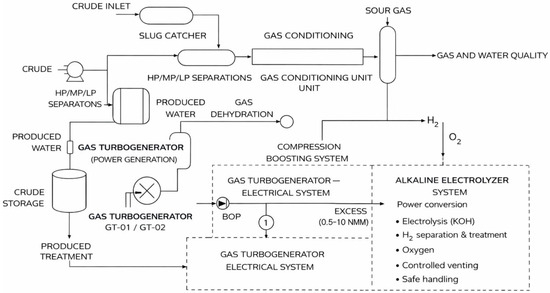
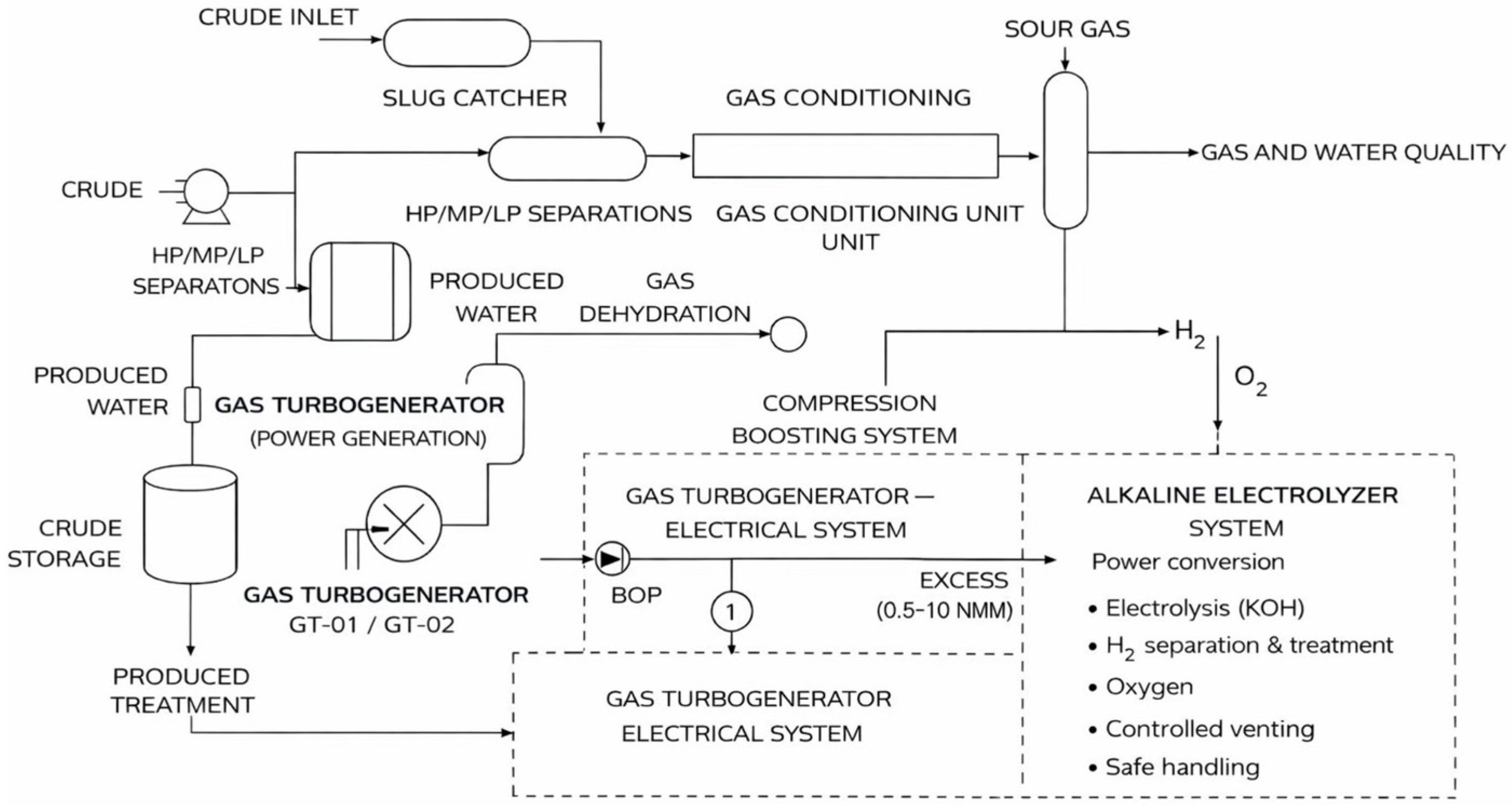
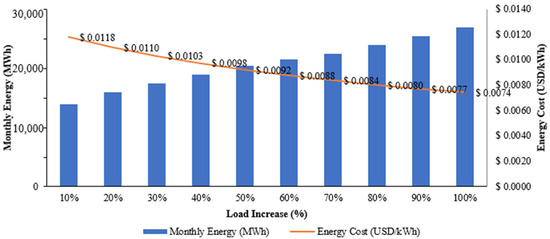
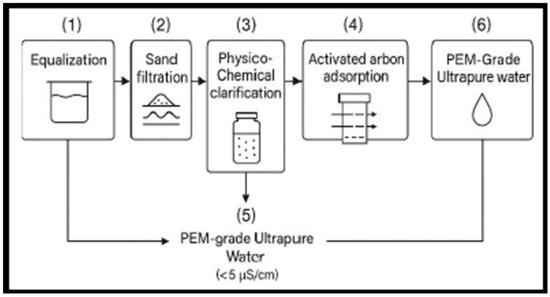
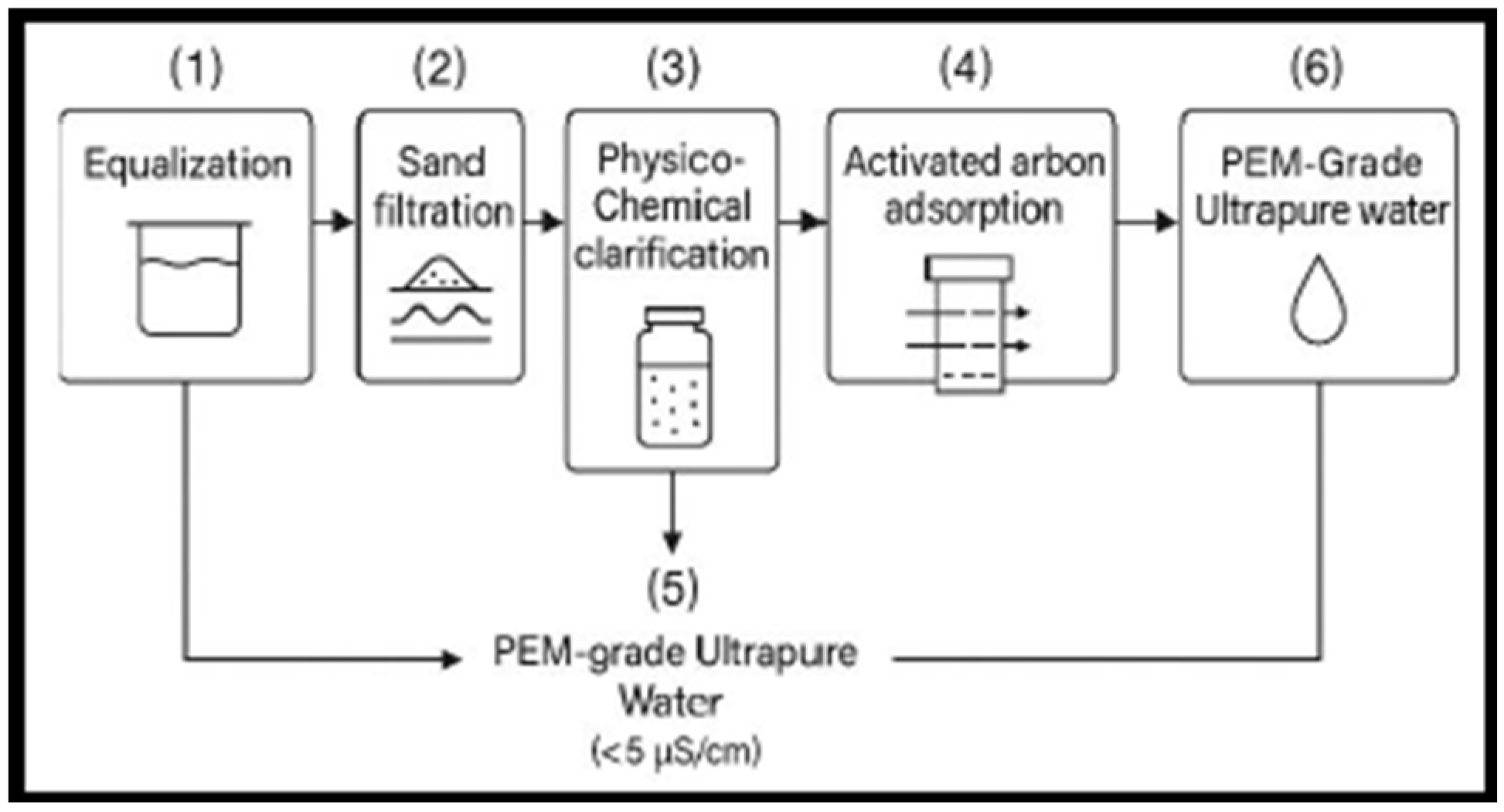
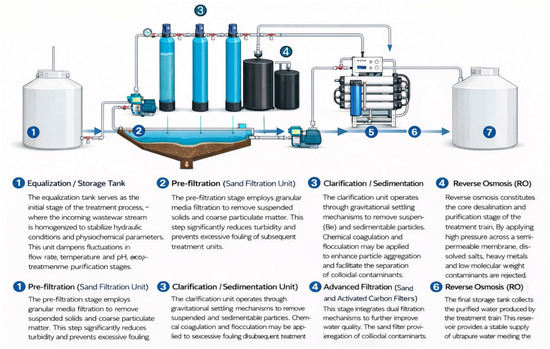
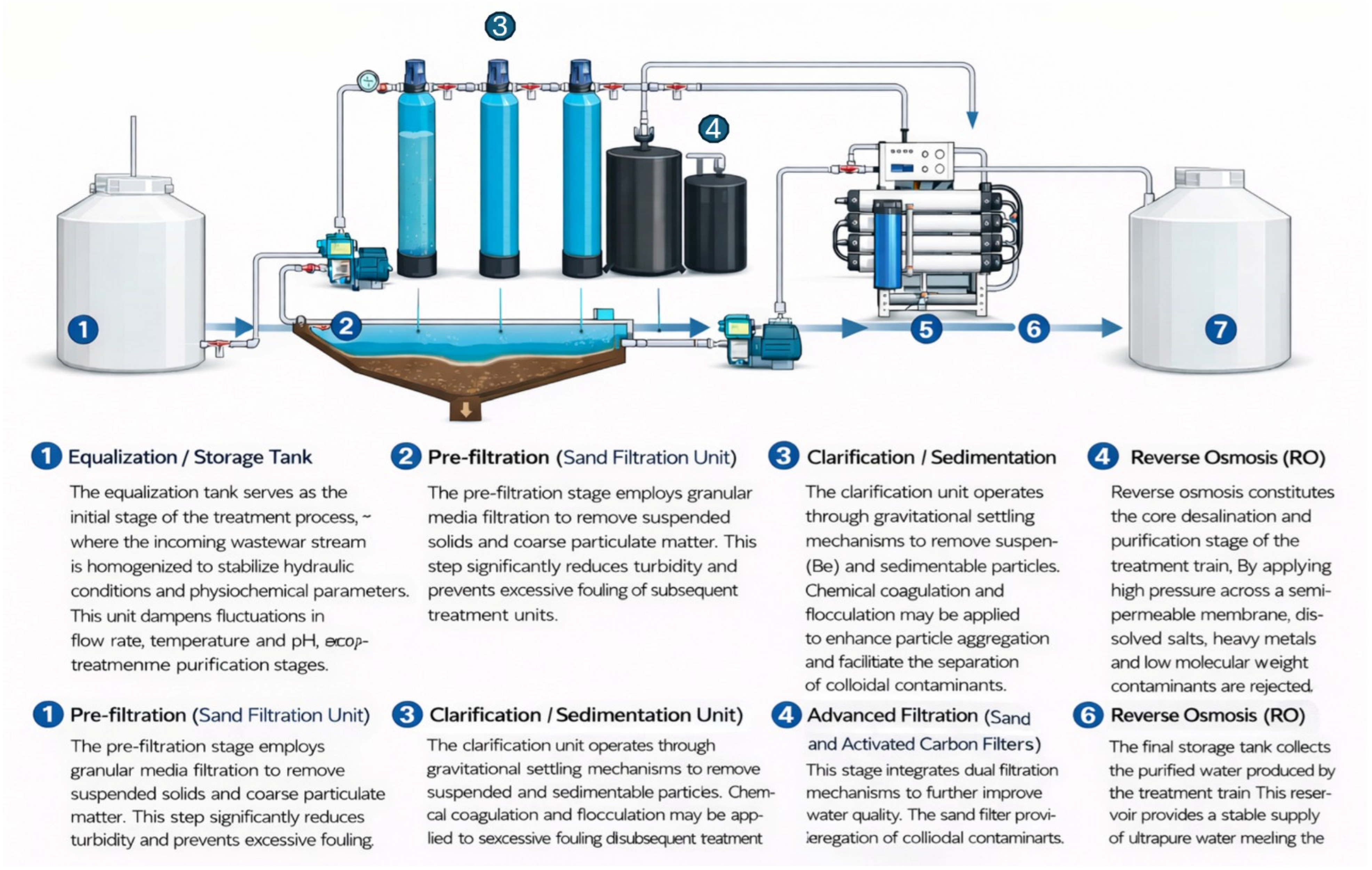
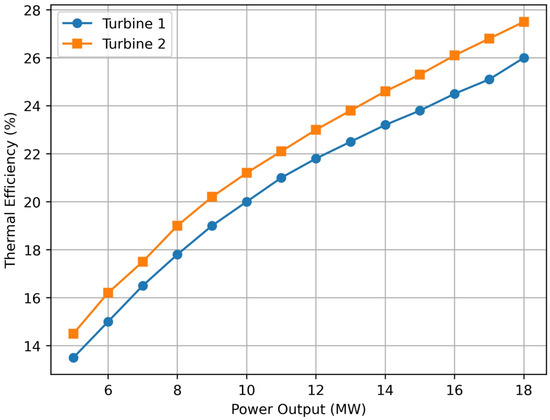
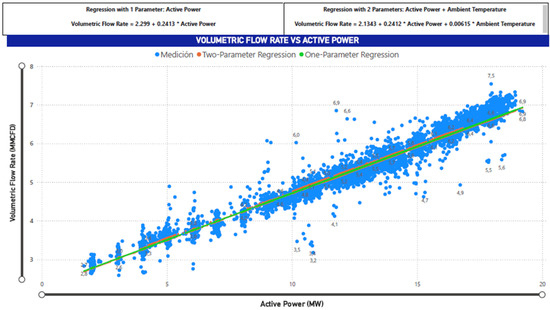
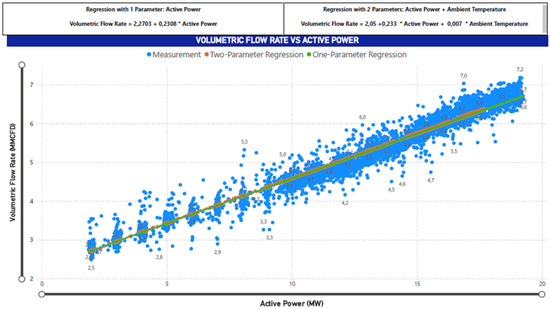
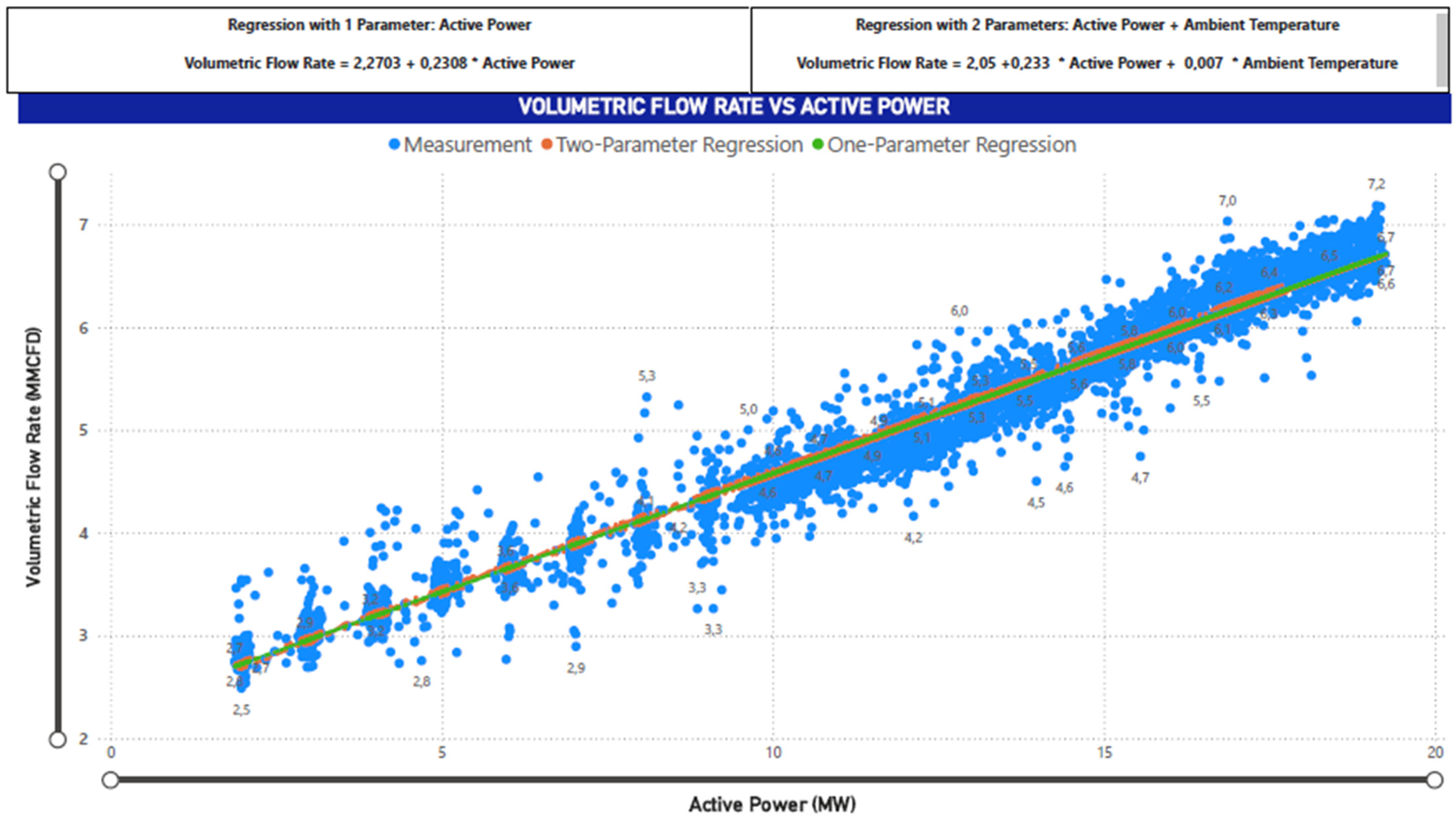

Disclaimer/Publisher’s Note: The statements, opinions and data contained in all publications are solely those of the individual author(s) and contributor(s) and not of MDPI and/or the editor(s). MDPI and/or the editor(s) disclaim responsibility for any injury to people or property resulting from any ideas, methods, instructions or products referred to in the content. |
© 2026 by the authors. Licensee MDPI, Basel, Switzerland. This article is an open access article distributed under the terms and conditions of the Creative Commons Attribution (CC BY) license.