Article

The Response of Cell Cultures to Nutrient- and Serum-Induced Changes in the Medium

by
Marijana Leventić
1,
Katarina Mišković Špoljarić
1,
Karla Vojvodić
2,
Nikolina Kovačević
2,
Marko Obradović
2 and
Teuta Opačak-Bernardi
1,*
1
Department of Medicinal Chemistry, Biochemistry, and Clinical Chemistry, Faculty of Medicine, Josip Juraj Strossmayer University of Osijek, 31000 Osijek, Croatia
2
Faculty of Medicine, Josip Juraj Strossmayer University of Osijek, 31000 Osijek, Croatia
*
Author to whom correspondence should be addressed.
Sci 2025, 7(3), 105; https://doi.org/10.3390/sci7030105
Submission received: 7 June 2025 / Revised: 4 July 2025 / Accepted: 25 July 2025 / Published: 2 August 2025
(This article belongs to the Section Biology Research and Life Sciences)

Abstract

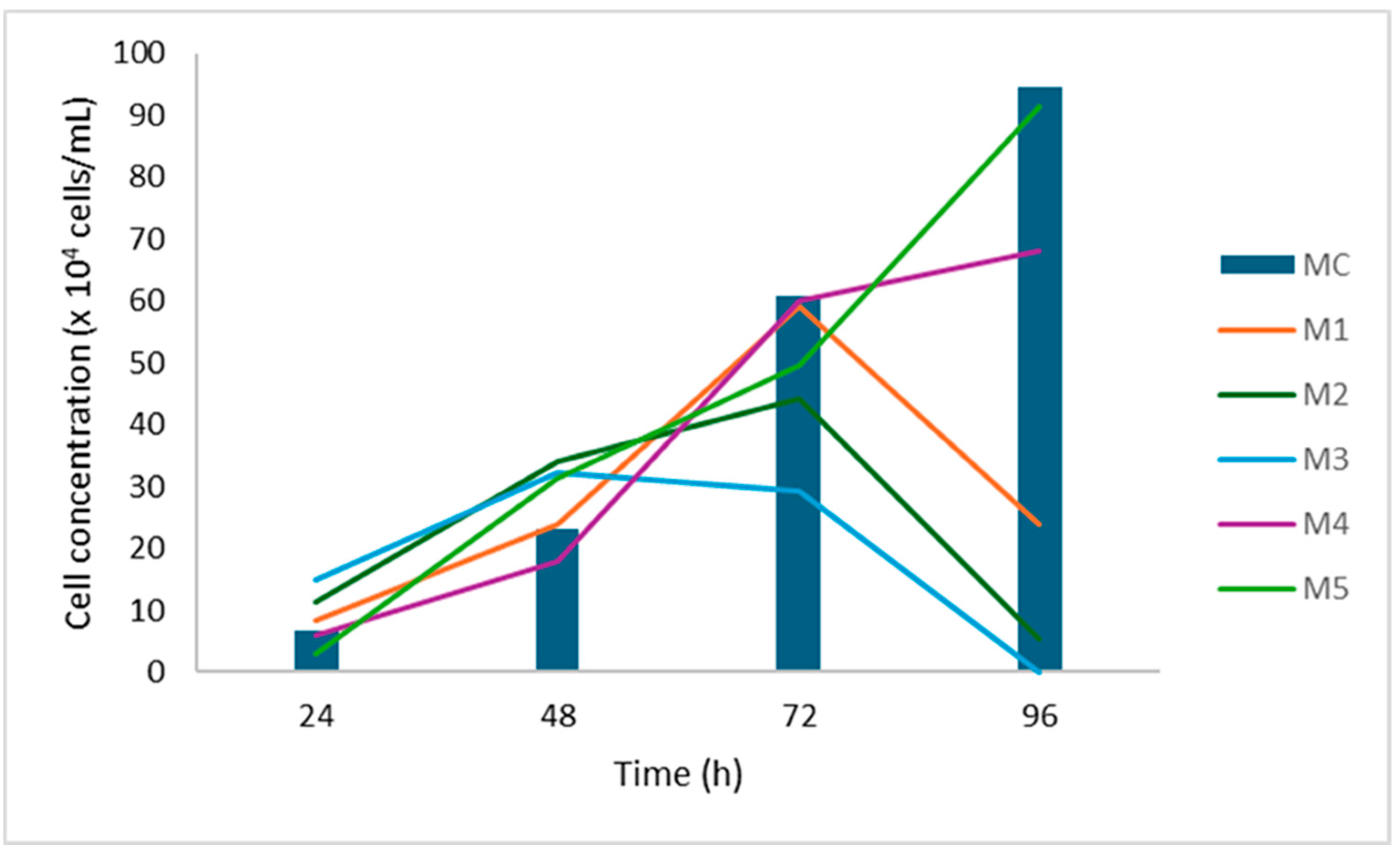
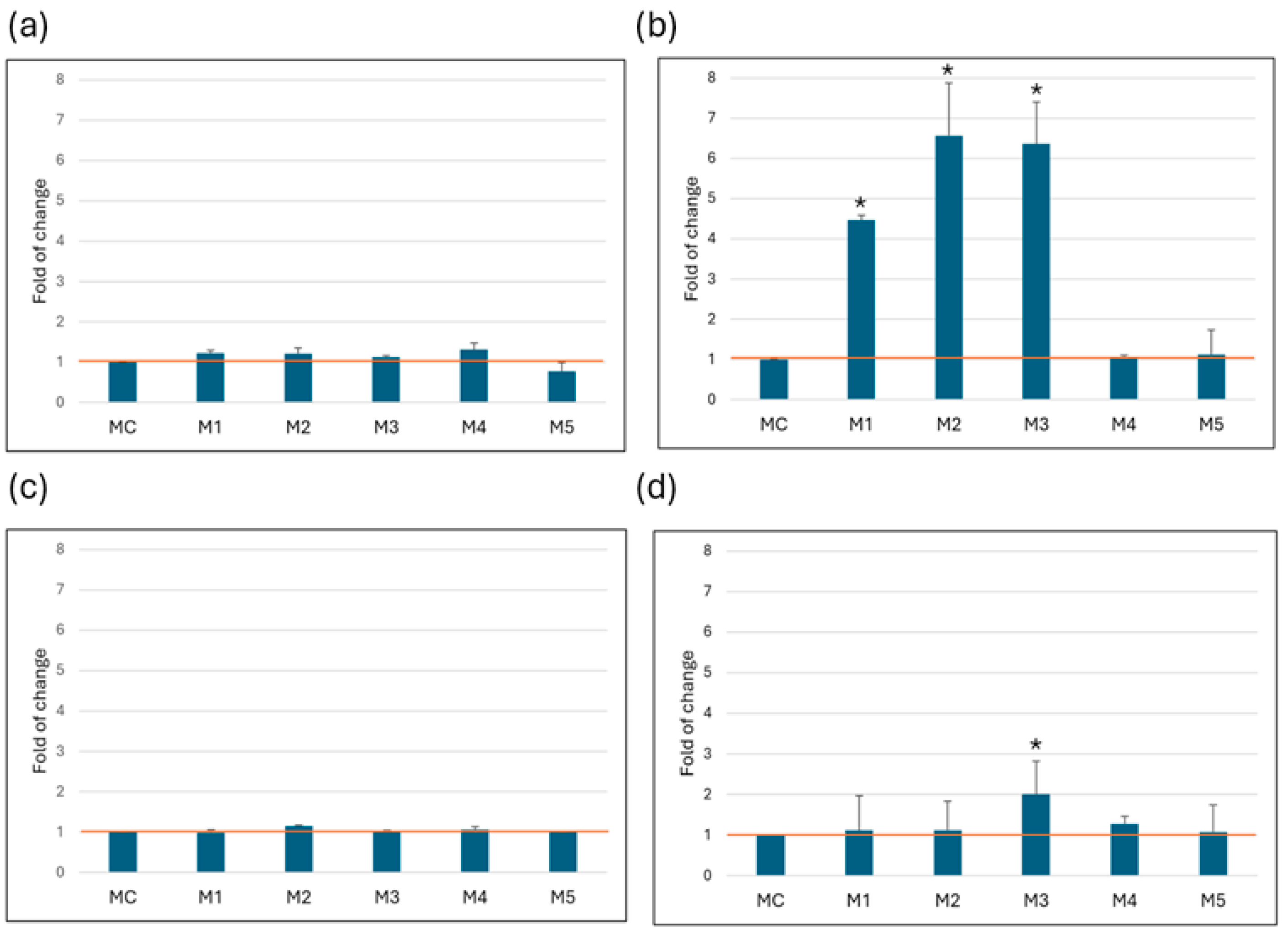
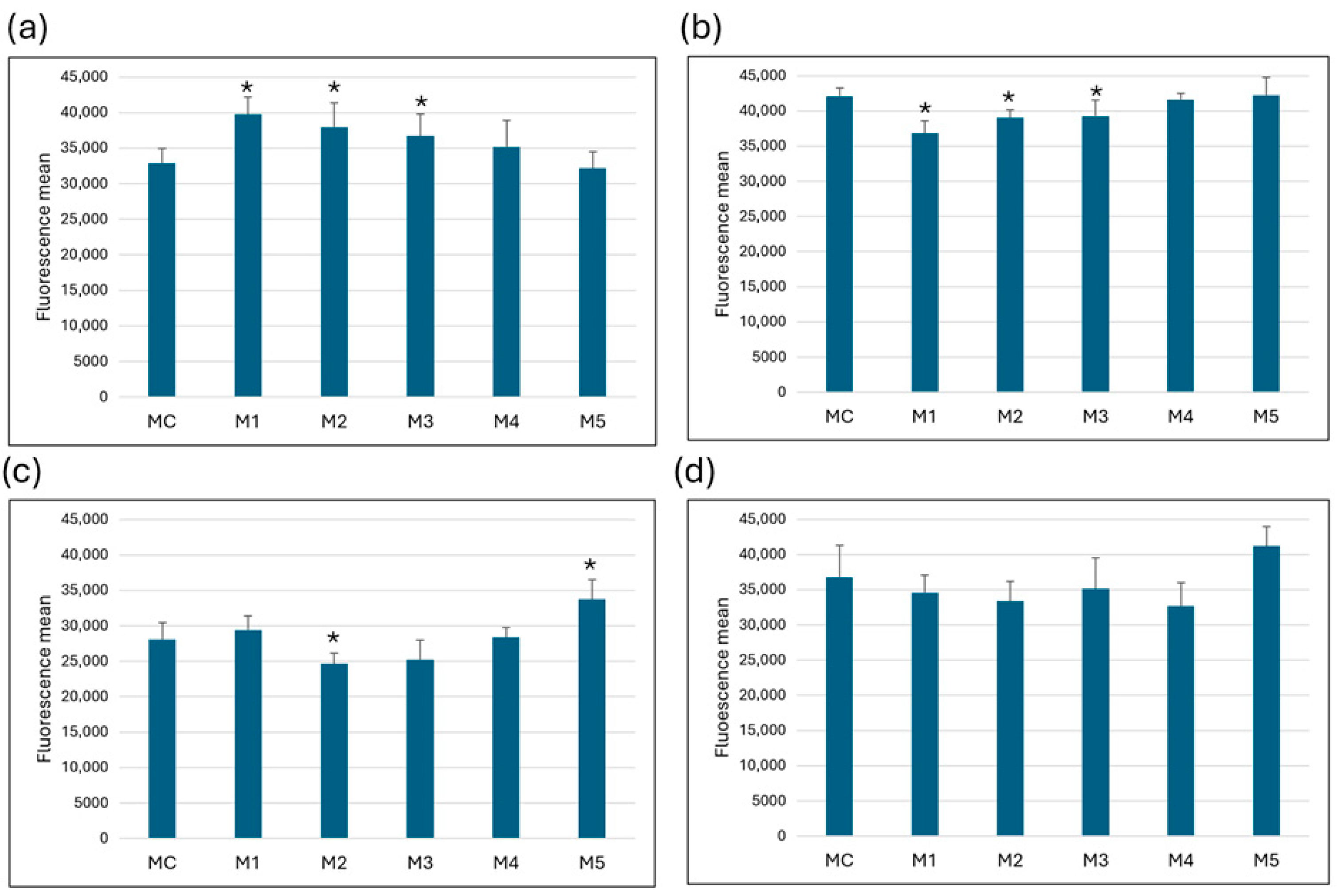
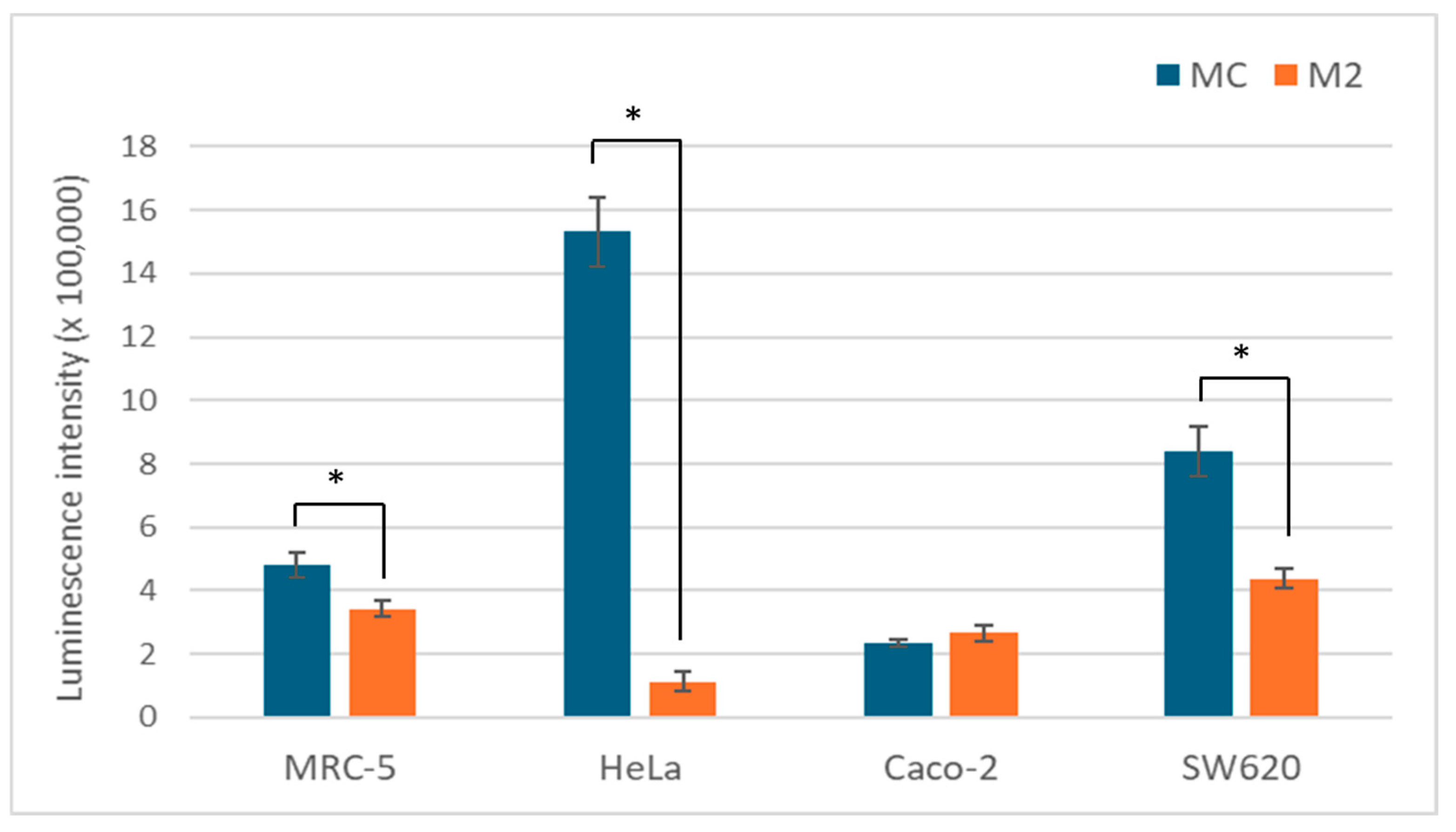
Cell culture models are of central importance for the investigation of cellular metabolism, proliferation and stress responses. In this study, the effects of different concentrations of glucose (1 g/L vs. 4.5 g/L) and fetal bovine serum (FBS; 5%, 10%, 15%) on viability, mitochondrial function and autophagy are investigated in four human cell lines: MRC-5, HeLa, Caco-2 and SW-620. Cells were cultured in defined media for 72 h, and viability was assessed by LDH release, mitochondrial membrane potential using Rhodamine 123, ATP content by luminescence and autophagy activity by dual fluorescence staining. The results showed that HeLa and SW-620 cancer cells exhibited increased proliferation and mitochondrial activity under high glucose conditions, while low glucose media resulted in decreased ATP content and increased membrane permeability in HeLa cells. MRC-5 fibroblasts and Caco-2 cells showed greater resilience to nutrient stress, with minimal changes in LDH release and consistent proliferation. Autophagy was activated under all conditions, with a significant increase only in selected cell-medium combinations. These results highlight the importance of medium composition in influencing cellular bioenergetics and stress responses, which has implications for cancer research, metabolic disease modelling and the development of serum-free culture systems for regenerative medicine.
Keywords: cell culture media; autophagy; mitochondrial membrane potential; glucose; serum cell culture media; autophagy; mitochondrial membrane potential; glucose; serum