3. Research Methodology: RACI-AHP-BIM Methodology
3.1. Assumptions of the RACI-AHP-BIM Methodology
The proposed RACI–AHP–BIM methodology was developed as an integrated model to manage projects characterized by a high level of complexity, particularly conservation projects implemented in the design–build delivery model. Its fundamental premise is the integration of three complementary dimensions of project management (methodological domains):
a management system represented by the RACI matrix;
a decision-making process based on the AHP method;
information management implemented within the BIM environment according to ISO 19650.
The developed methodology was intentionally designed as a methodological framework prior to project implementation and was not the result of ex post analysis. The case study serves a validation function, providing evidence of the applicability of the model in project practice.
The integration of the methods is systemic in nature: the RACI matrix structures process responsibilities, the AHP method supports the selection of alternatives and prioritization of actions, while the BIM methodology provides an information environment enabling the operationalization of decisions and monitoring of project implementation.
The RACI–AHP–BIM methodology is based on a three-layer functional structure comprising the organizational, decision-making, and informational layers.
Organizational layer (RACI matrix): Within the organizational layer, project roles are identified, responsibilities are assigned, and decision-making relationships among participants in the investment process are defined. The RACI matrix performs the function of the project’s management and decision-making structure and forms the basis for mapping project processes.
Decision-making layer (AHP–BOCR method): In this layer, the processes for selecting design, technological, and organizational alternatives are modeled using the AHP structure in the BOCR framework, enabling a balanced evaluation of alternatives in the context of conservation, functional, technological, and economic requirements.
Informational layer (BIM–ISO 19650): BIM constitutes an environment that integrates project data, geometric models, information requirements, and management documentation. The BIM execution plan (BEP), the employer’s information requirements (EIR), and the CDE ensure the flow of information among project participants and data quality control. The interconnection of these three layers is iterative and interdependent.
The responsibility structure defined in the RACI matrix influences the generation and approval of project information within BIM; decisions made using AHP modify information requirements and the scope of project analyses; and data generated within the BIM environment provide a basis for updating both responsibility assignments and decision-making priorities. As a result, the methodology operates as a project management system based on continuous information flow between the organizational structure, the decision-making process, and the digital environment.
3.2. Research Steps
The study consisted of four steps.
analysis of source documents, including EIR, BEP, and design documentation (architectural and construction design, technical design, site development design);
identification of project processes across the phases of construction, commissioning, and operation;
definition of the stakeholder structure and assignment of R/A/C/I responsibilities;
mapping of BIM processes onto the responsibility structure.
decomposition of project problems into a hierarchical structure;
identification of criteria and sub-criteria within the BOCR model;
pairwise comparisons according to the Saaty scale (1–9);
determining priority weights for implementation alternatives.
analysis of information requirements (EIR) and the BIM execution plan (BEP);
identification of key data delivery points (PDD);
analysis of levels of detail (LOD/LOIN);
integration of design models and scanning data.
identification of categories of project risks;
mapping of risks into RACI processes and BIM information requirements (EIR);
use of AHP results to prioritize mitigation actions.
3.3. Research Object
The study adopted a case study approach using the triangulation of data sources. The analysis included project documentation, EIR and BEP documentation, the development of a RACI matrix covering 21 processes and 80 responsibility assignments, the construction of an AHP–BOCR decision model, and the performance of risk and BIM process analyses. This approach enabled a simultaneous capture of the organizational, decision-making, and informational aspects of the project and evaluation of their interdependencies.
The case study concerns the reconstruction project of the Palmiarnia–Wiktoria–Australia greenhouse complex in the Botanical Garden of the University of Wrocław, implemented under conditions of complex conservation, environmental, and technological constraints. The Botanical Garden area was entered into the register of historic monuments under no. A-2374/209/4 dated 5 February 1974 and is located within a conservation protection zone and an archeological heritage protection zone, according to Local Development Plan No. 362 (Resolution No. XXXVII/855/13 of the Wrocław City Council of 17 January 2013).
The 19th-century greenhouse complex consisted of four parts: the Palm House, Australia, Wiktoria, and a connector. Due to poor technical conditions and a lack of funding, it was solved in 2013. The preserved elements included wrought-iron columns and roof fragments of the Australia section, the stone basin of the Wiktoria section, and the concrete slab over the underground heating node.
In the implemented project, conservation requirements include the following:
preservation of historic wrought-iron columns of the Australia section as decorative elements;
preservation of stone cappings of the Wiktoria walls and their conservation prior to reinstallation;
reconstruction of the historic architectural form: Palm House (cascading roof), Australia (triple-pitch skylights), Wiktoria (central pool basin);
visual differentiation of historic elements from the new structural components;
conducting rescue archeological investigations.
Environmental protection requirements include the following:
The project specificity includes the necessity to:
preserve and incorporate historic wrought-iron columns as decorative elements into the new steel structure;
reconstruct the historic architectural form of three greenhouses (Palm House—single-pitch cascading roof, Australia—triple-pitch roof skylights, Wiktoria—central pool with aquatic vegetation),
meet technical requirements for tropical plant cultivation (minimum temperature 23 °C, humidity 70–80%, double-glazed Optiwhite glazing with Ug = 0.6 W/m2K);
ensure compliance with the requirements of the Voivodeship Heritage Conservation Officer and the Department of Environment (protection of two natural monuments—ginkgo trees no. 16A and 16B, and protection of old-growth trees—Atlas cedar and American beech);
implement the project within an operating Botanical Garden.
The complexity of these conditions makes the project an appropriate environment for verifying the integrated RACI–AHP–BIM approach.
The study has typical limitations for a single case. It focuses on one facility at the executive design stage, so data from construction and operation were not available. Access to detailed financial data was limited, and AHP assessments relied on expert judgment, introducing subjectivity. Despite these limitations, the study provides an empirical basis for evaluating the functioning of the proposed methodology and its potential adaptation in other complex construction and conservation projects.
4. Research Results
4.1. Structure of the Project Team–RACI Matrix
As a result of applying the RACI matrix, 80 responsibility assignments related to 21 project processes were identified.
Table 1 presents the developed RACI matrix. The following roles and types of responsibility were identified:
Responsible (R): 23 assignments;
Accountable (A): 18 assignments;
Consulted (C): 22 assignments;
Informed (I): 17 assignments.
Total number of assignments of responsibility: 80.
Table 1.
RACI Matrix—Project Roles and Responsibility Assignments.
Table 1.
RACI Matrix—Project Roles and Responsibility Assignments.
| No. | Process/Task | Investor (UWr) | Contractor | Designer | End User (BG) |
|---|
| Implementation phase (7 processes) |
| 1 | Definition of functional requirements of the facility | A | C | C | R |
| 2 | Development of the architectural concept | C | A | R | C |
| 3 | Preparation of multidisciplinary design documentation | I | A | R | C |
| 4 | Analysis of technical alternatives (AHP method) | A | R | R | C |
| 5 | Obtaining conservation approval (Heritage Officer) | A | C | R | I |
| 6 | Preparation of the BIM Execution Plan (BEP) | C | A | R | I |
| 7 | 3D scanning of historic elements (scan-to-BIM) | I | A | R | C |
| Commissioning phase (4 processes) |
| 8 | Verification of compliance between construction and design | A | R | C | C |
| 9 | Quality control of the BIM model (clash detection) | I | A | R | I |
| 10 | Technical acceptance of the facility | A | R | C | R |
| 11 | Handover of as-built documentation | A | R | R | I |
| Operation phase (10 processes) |
| 12 | Preparation of HVAC system operation manuals | C | A | R | C |
| 13 | Training of BG personnel in the operation of technical systems | I | R | C | A |
| 14 | Management of microclimate parameters (temp. 23 °C, humidity 70–80%) | I | C | I | A |
| 15 | Monitoring of the technical condition of historic elements | C | C | I | A |
| 16 | Maintenance of irrigation systems for tropical plants | I | C | I | A |
| 17 | Planning of technical inspections according to BEP | A | R | C | R |
| 18 | Updating the BIM model (LOD 500) for facility management | C | R | R | C |
| 19 | Reporting failures and corrective interventions | I | R | C | A |
| 20 | Management of plant collections (cultivation requirements) | I | I | I | A |
| 21 | Archiving operational data in the CDE | A | R | C | R |
Role abbreviations:
UWr—Investor (University of Wrocław)
Contractor—Design–build contractor
Designer—Design team (part of the contractor’s team)
BG—End user (Botanical Garden of the University of Wrocław)
External stakeholders, such as the heritage conservation authority (Provincial Heritage Conservation Officer-WKZ), were assigned to specific processes (e.g., Task 5: “Obtaining conservation approval”—A: Investor, R: Contractor, C: Designer, I: Facility User) but were not included as formal columns in the matrix. The WKZ acts as an administrative authority outside the design–build contract, issuing mandatory decisions without direct operational responsibilities within the contractual responsibility chain.
The RACI matrix underwent a two-stage internal consistency validation to ensure organizational rigor:
Completeness check: Each of the 21 processes was verified to ensure the presence of at least one Responsible role (R) responsible for task execution and one Accountable role (A) acting as the decision owner. This procedure eliminated potential accountability gaps. The criterion was satisfied for all tasks, resulting in 23 R assignments and 18 A assignments (
Table 2).
Redundancy minimization: For each task, the number of Responsible roles was limited in order to avoid overlapping responsibilities. As a standard rule, a single R role was assigned. Multiple R roles (>1) were allowed only for inherently collaborative processes within the design–build (DB) delivery model, such as Task 4 (“Analysis of technical alternatives using the AHP method”) and Task 18 (“Updating the BIM model to LOD 500 for facility management”), where the Contractor and Designer shared operational responsibility while maintaining a single Accountable role. This logic is consistent with established design–build project management practices.
After validation, no accountability gaps or excessive redundancy were identified, confirming the suitability of the matrix to coordinate complex stakeholder structures.
The RACI structure confirms the dominant role of the investor as the entity ultimately responsible for key strategic decisions. The high number of Accountable (A) assignments for the University of Wrocław shows that functional requirements, organizational frameworks, and design solutions remain under its authority, which is typical for public clients. At the same time, the significant share of Informed (I) roles on the investor’s side suggests a deliberately shaped position of an “information guardian” who does not perform operational tasks but supervises their progress and results.
The high share of Responsible (R) and Accountable (A) roles for the contractor indicates a concentration of responsibility for the preparation, coordination, and implementation of technical solutions, reflecting the design–build delivery model. At the same time, the presence of Consulted (C) roles in areas related to functional and conservation requirements reflects the need to coordinate technical solutions with specialized stakeholders, including the end user and heritage protection authorities.
The assignment profile for the designer is characterized by a predominance of Consulted (C) roles while maintaining a significant share of Responsible (R) roles for the preparation of documentation and BIM models. This configuration indicates that the designer performs the function of a specialized technical advisor, whose expert knowledge is used both at the stage of formulating design solutions and in assessing their consequences within multi-criteria analyses (AHP–BOCR). The limited number of Accountable (A) roles on the designer’s side confirms that the ultimate responsibility for decisions lies with the investor and the contractor, while the designer co-shapes these decisions by providing structured technical information.
The configuration of the RACI matrix indicates that the end user, the Botanical Garden, primarily performs the Consulted (C) and Informed (I) roles during the implementation phase, while its importance increases during the operational phase, where the Responsible (R) and Accountable (A) roles emerge in processes related to microclimate management, infrastructure maintenance, and facility use organization. This distribution of roles reflects a typical model for conservation projects, in which the user is not responsible for structural and construction solutions but assumes the key responsibility for their proper use and maintenance according to the intended functional program.
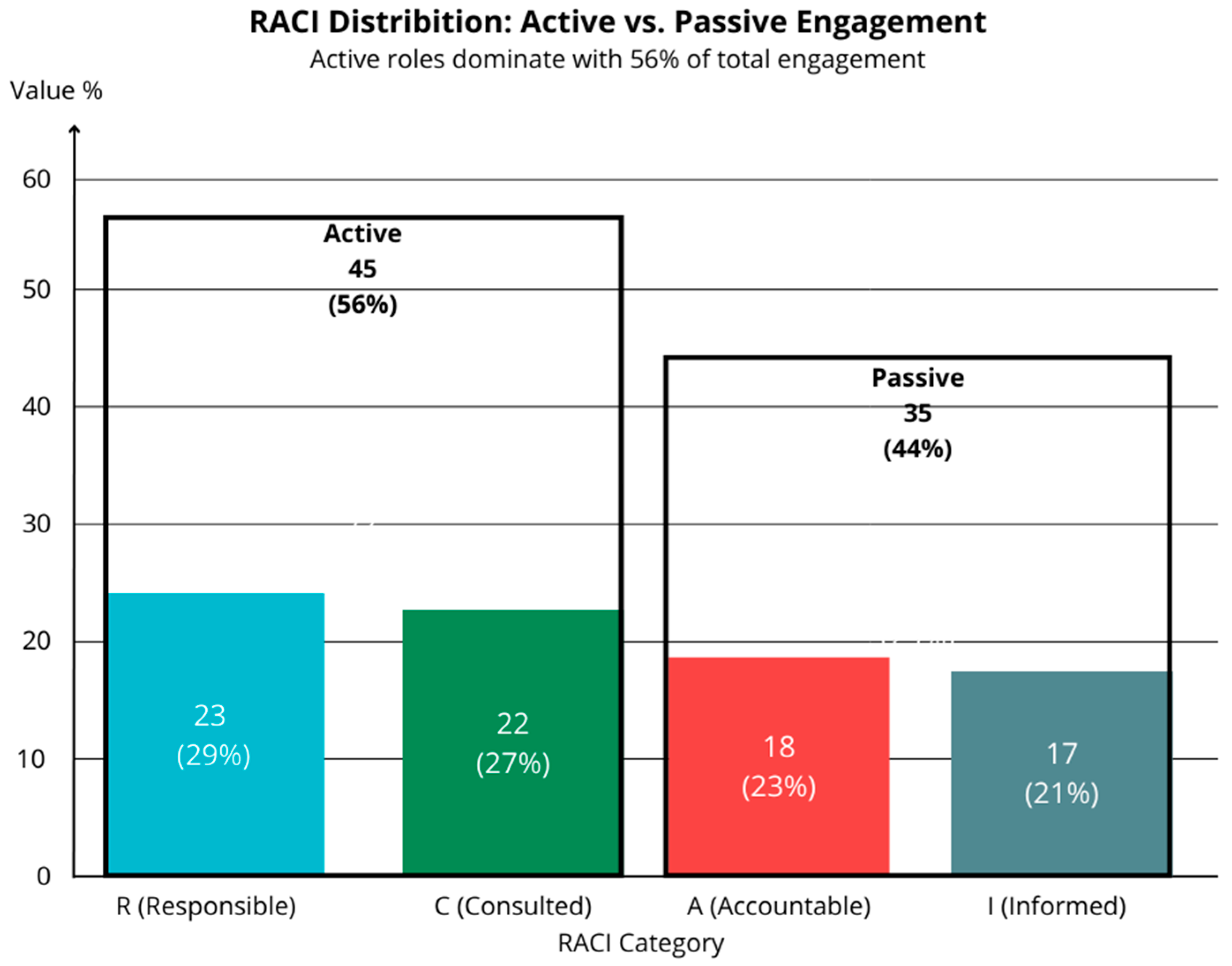
The balanced distribution of R, A, C, and I roles and the absence of tasks without Accountable (A) assignments indicate effective mitigation of so-called accountability gaps, typical for complex projects involving multiple stakeholders. The dominance of active participation (R + C) over passive participation (A + I) suggests that the project process was designed as collaborative, focusing on information exchange and shared decision-making rather than a linear command flow. This is particularly important in the context of projects with high functional and conservation complexity, where the quality of decisions depends on integrating technical, operational, and conservation perspectives.
In the analyzed project, the RACI matrix performed the function of a superior organizational and decision-making structure that was consistently reflected in the BIM environment and the CDE platform. The assignment of the roles R, A, C, and I to the processes of generating, verifying, and approving information in the BEP enabled clear identification of responsibility for data quality and completeness at specific data delivery points (PDD). Thus, the RACI matrix served not only as an organizational tool but also as a foundation for the project’s information governance, ensuring the coherence of integration with the AHP methodology and scan-to-BIM procedures.
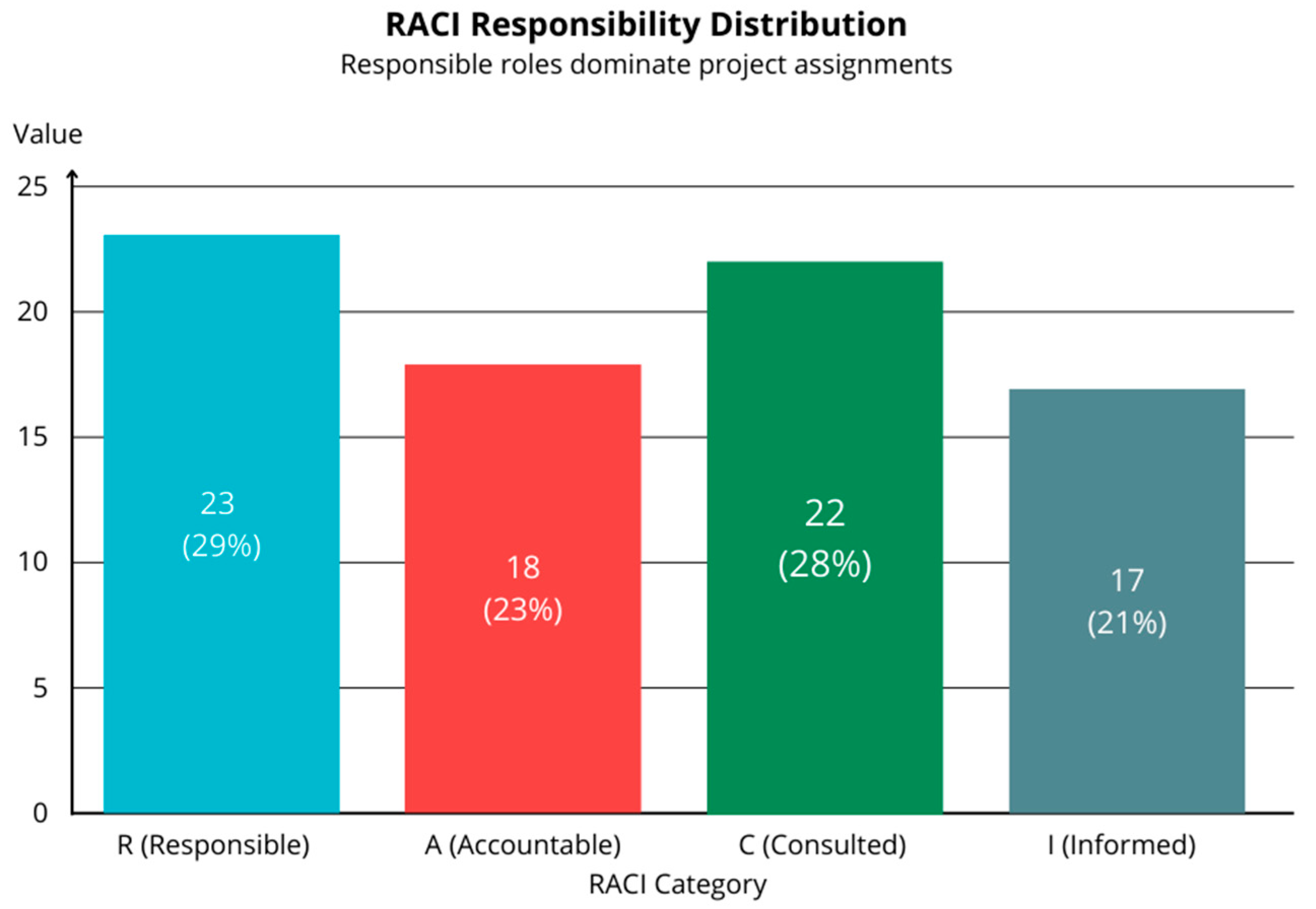
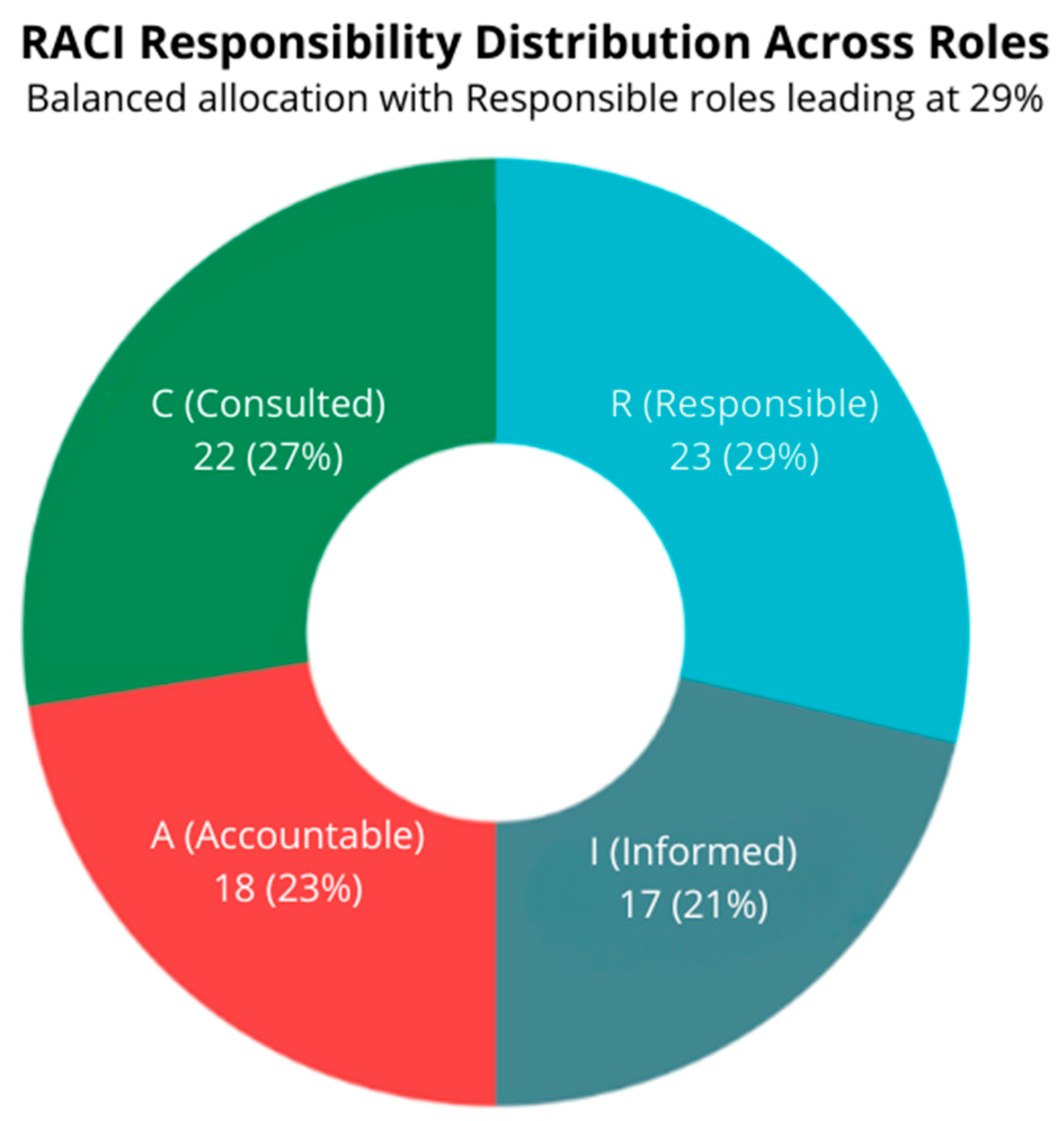
The largest share in the RACI matrix consisted of Responsible (R) and Consulted (C) assignments, accounting for 23 (29%) and 22 (28%) entries, respectively. Accountable (A) roles were recorded in 18 cases (23%), while Informed (I) roles appeared in 17 cases (21%). This means that more than half of the matrix (R + C = 56%) concerns the active engagement of project participants rather than passive information flow alone (A + I = 44%), which is characteristic of complex projects implemented in the design–build model for construction undertakings. The distribution of responsibilities is presented in
Figure 1;
Figure 2 shows the percentage share of engagement types; and
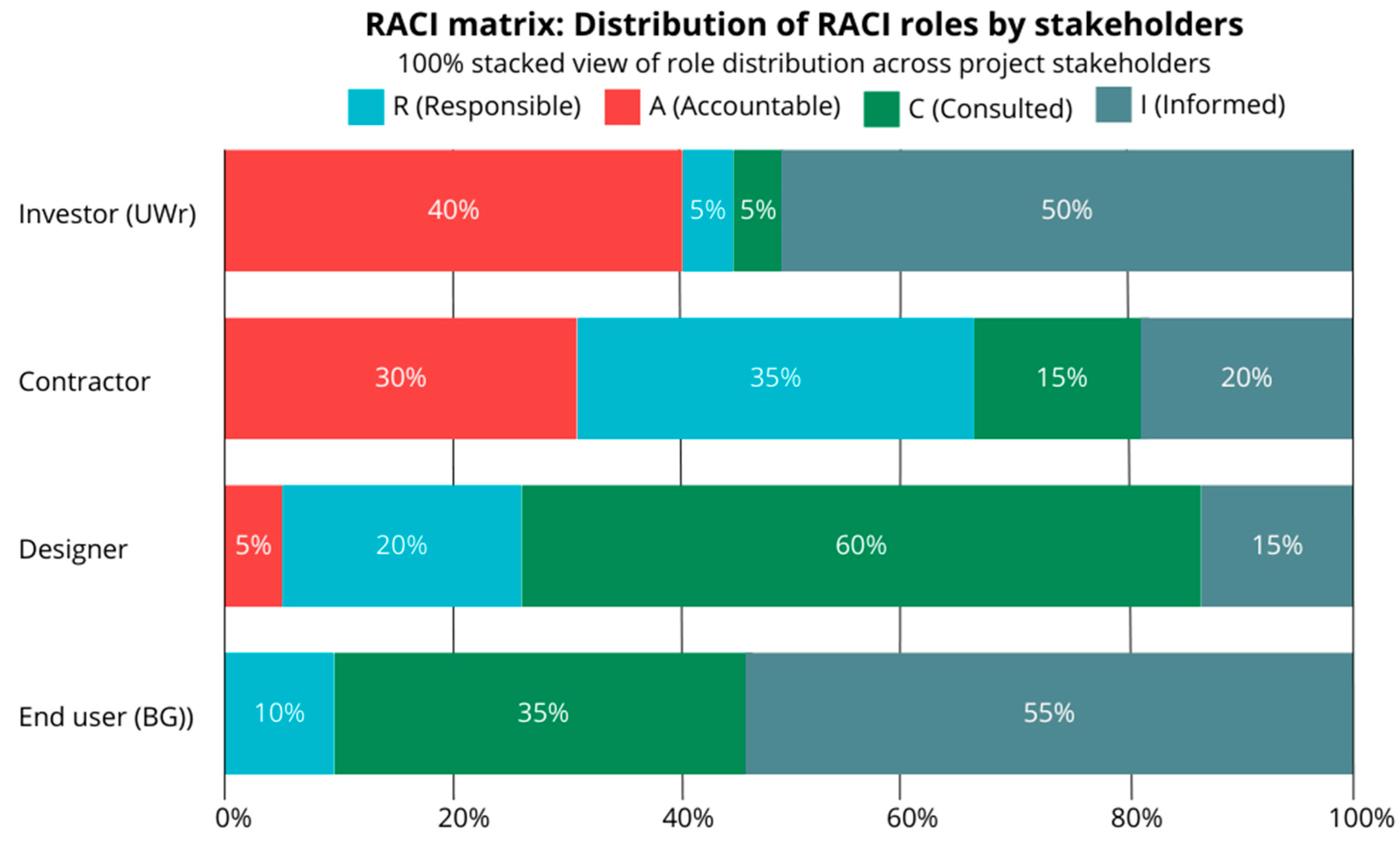
Figure 3 presents the distribution of RACI roles by stakeholder.
Distribution of all RACI roles:
I (Informed): 17 (21%)—dominance of information flow
C (Consulted): 22 (28%)—consultative structure
A (Accountable): 18 (23%)—decision-making structure
R (Responsible): 23 (29%)—execution structure
The distribution of RACI roles by stakeholders shows differentiated engagement profiles: the investor performs a decision-making function (dominance of A and I roles), the contractor an implementation function (predominance of R and A roles), the designer an advisory function (dominance of C roles), and the end user acts primarily as an information recipient and co-creator of functional requirements (predominance of I and C roles).
The distributed responsibilities obtained (presented in
Figure 1) indicates a collaborative character of the investment process with active participation of all parties—from the investor, through the heritage conservation authority, to the specialists of the Botanical Garden—typical for complex projects implemented in the design–build model. The responsibility structure promotes participation in the decision-making process and limits the concentration of responsibility within a single entity.
Figure 4 presents a comparison of active versus passive engagement.
Analysis of stakeholder roles showed that Accountable (A) functions were mainly assigned to the investor and the heritage protection authority (heritage conservation officer), while Responsible (R) functions were concentrated on the designer and the construction contractor. End users (Botanical Garden) primarily performed Consulted (C) and Informed (I) roles, particularly in the areas of functional, cultivation, and operational requirements.
Based on the analyses conducted, the identified structure indicates:
an even distribution of responsibilities (no dominance of any single group);
clear assignment of decision-making roles (elimination of accountability gaps—each task has both R and A);
structured communication relationships.
The RACI matrix constituted the basis for further mapping of BIM processes and AHP decision structures.
4.2. Information Management Structure—BIM Execution Plan (BEP)
The results of the BIM environment analysis showed that information management was organized according to the employer’s requirements (EIR) and the ISO 19650 standard. The BIM execution plan (BEP) includes seven main information management domains that define:
the structure of project data;
procedures for their generation and validation;
data delivery points;
collaboration rules within the CDE.
Table 3 presents the structure of the document and the defined information management domains.
In the project, a common data environment (CDE) platform compliant with ISO 19650-2 was implemented, serving as a central data repository for all project participants. The CDE platform was divided into four zones:
WIP (Work in Progress)—working area for design teams;
SHARED—area for consultation and verification;
PUBLISHED—approved documentation area;
ARCHIVE—historical version archiving area.
The implementation of the CDE contributed to the following:
reduction in document search time by 65%;
elimination of work on outdated versions (100% version consistency);
reduction in document approval time by 40%;
increased transparency of the decision-making process (complete history of changes);
statistical data on the use of the CDE platform are presented in
Table 4.
The values presented in
Table 4 are derived from workflow analysis and repeated measurements of task execution time, covering both the period prior to the implementation of the common data environment (CDE) (based on the reference project of the project team) and the implementation phase within the analyzed project.
The measurements were based on 150 document retrieval operations performed on the Dalux platform, with average task durations of approximately 45 min in the traditional document management model and 5 min in the CDE-based workflow. The analysis was not based on a single survey but on a combination of CDE system logs (document publication and retrieval records) and benchmarks from previous projects executed without a formalized CDE, validated by the project team.
The reported indicators (e.g., approximately 89% reduction in document search time and approximately 40% reduction in approval time) should therefore be interpreted as project-based estimates derived from CDE logs and operational experience, rather than full statistical results aggregated across multiple independent projects. A limitation of the analysis is the lack of operational-phase data and the use of a single validation case study.
In
Table 4, a clear distinction is made between measured data and expert estimates. Measured data include the number of detected clashes (61, Navisworks reports) and operation times within the CDE (document search: 45 → 5 min; approval time 40% shorter—Dalux workflow operations), as well as actual costs of design corrections (approximately PLN 12,000—based on change registers).
Expert estimates and hypothetical scenarios refer to potential savings (approximately PLN 168,000—estimated cost of resolving clashes during construction based on benchmark data) and error reduction levels (60–80%—based on the literature and the team’s experience from reference projects). A limitation of the study is the lack of financial data from the construction and operational phases, as well as the use of a single validation case study.
Linking the BEP structure with the RACI matrix allowed the assignment of responsibility for generating, verifying, and approving project information to specific participants in the investment process. As a result, the BIM environment performed an operational function in relation to the organizational layer, ensuring the practical implementation of assigned roles.
4.3. Implementation of the Analytic Hierarchy Process (AHP): Selection of Technical Alternatives
The application of the AHP method in the analyzed project aimed to structure the process of selecting technical alternatives for the glass façade of the greenhouse complex, taking into account simultaneous conservation, functional, economic, and organizational requirements. Decision problems were represented as a hierarchy comprising four levels:
main objective—selection of the façade alternative;
main criteria groups within the BOCR model (Benefits, Opportunities, Costs, Risks);
detailed sub-criteria;
analyzed technical façade alternatives.
Three technical alternatives were adopted for the evaluation:
Variant A—stainless steel frame + tempered safety glass;
Variant B—painted carbon steel frame + laminated glass;
Variant C—prefabricated modular system.
At the level of BOCR criteria groups, pairwise comparisons were conducted using the Saaty scale (1–9), involving experts representing the investor, designer, contractor, user, and heritage conservation authority. The global weights obtained for the BOCR groups were as follows:
which reflects the priority assigned to conservation and functional aspects while simultaneously considering costs and implementation risks.
For each technical alternative, pairwise comparison matrices were constructed with respect to individual BOCR groups, and local priority vectors were determined. In the next step, these values were aggregated into a BOCR-type decision index calculated according to the formula:
where B, O, C, R denote normalized evaluation values of alternatives in the groups of benefits, opportunities, costs, and risks.
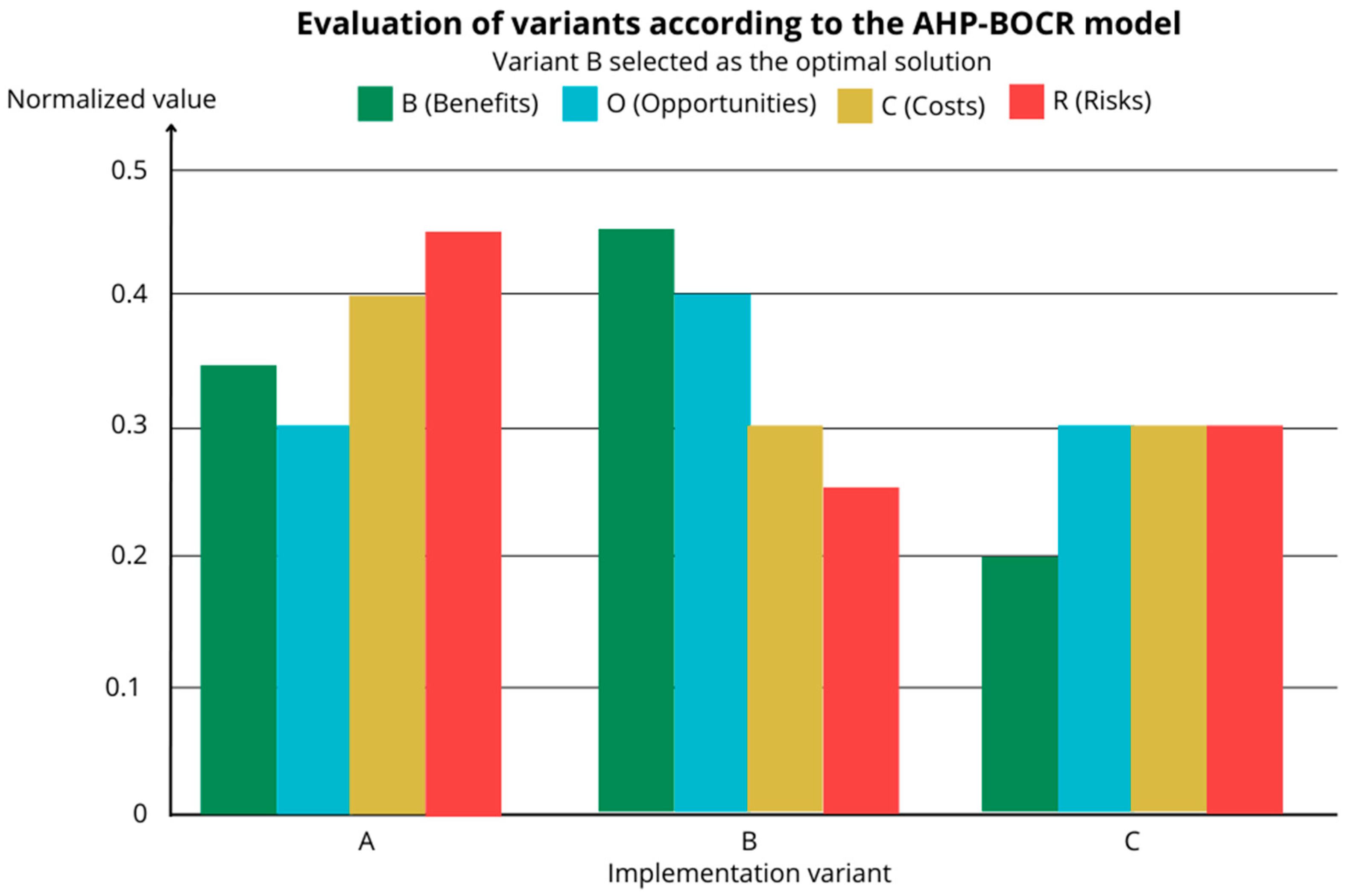
In the baseline analysis, with the above set of weights, Variant B achieved the highest aggregated result (Score = 0.145), indicating its advantage as a compromise between relatively lower investment costs and an acceptable level of implementation risk. Variant A and Variant C obtained score values close to zero (approx. 0.002 and −0.002, respectively), indicating no clear advantage in the baseline proportions between benefits, costs, and risks.
However, a key element of the decision-making process was the sensitivity analysis of AHP results to changes in the weights of the criterion, conducted during stakeholder workshops. Increasing the importance of conservation-related sub-criteria (including the degree of preservation of historic fabric, material compatibility with cast-iron elements, and reversibility of interventions) and long-term risk criteria led to a shift in preference toward Variant A. Variant B remained economically more advantageous, whereas Variant A, despite higher initial costs, ensured better protection of heritage values and greater durability with a lower risk of future repair interventions.
Therefore, the final selection of Variant A as the solution adopted for implementation represents a deliberate departure from the “economically optimal” alternative in favor of a “conservation-safer” alternative, consistent with the priorities of the client and the requirements of the heritage protection authority. The AHP method, supported by quantitative and qualitative data derived from BIM models and conservation documentation, enabled transparent documentation of this compromise and clear communication to all participants in the decision-making process.
For the purpose of synthetic presentation of the results in the article,
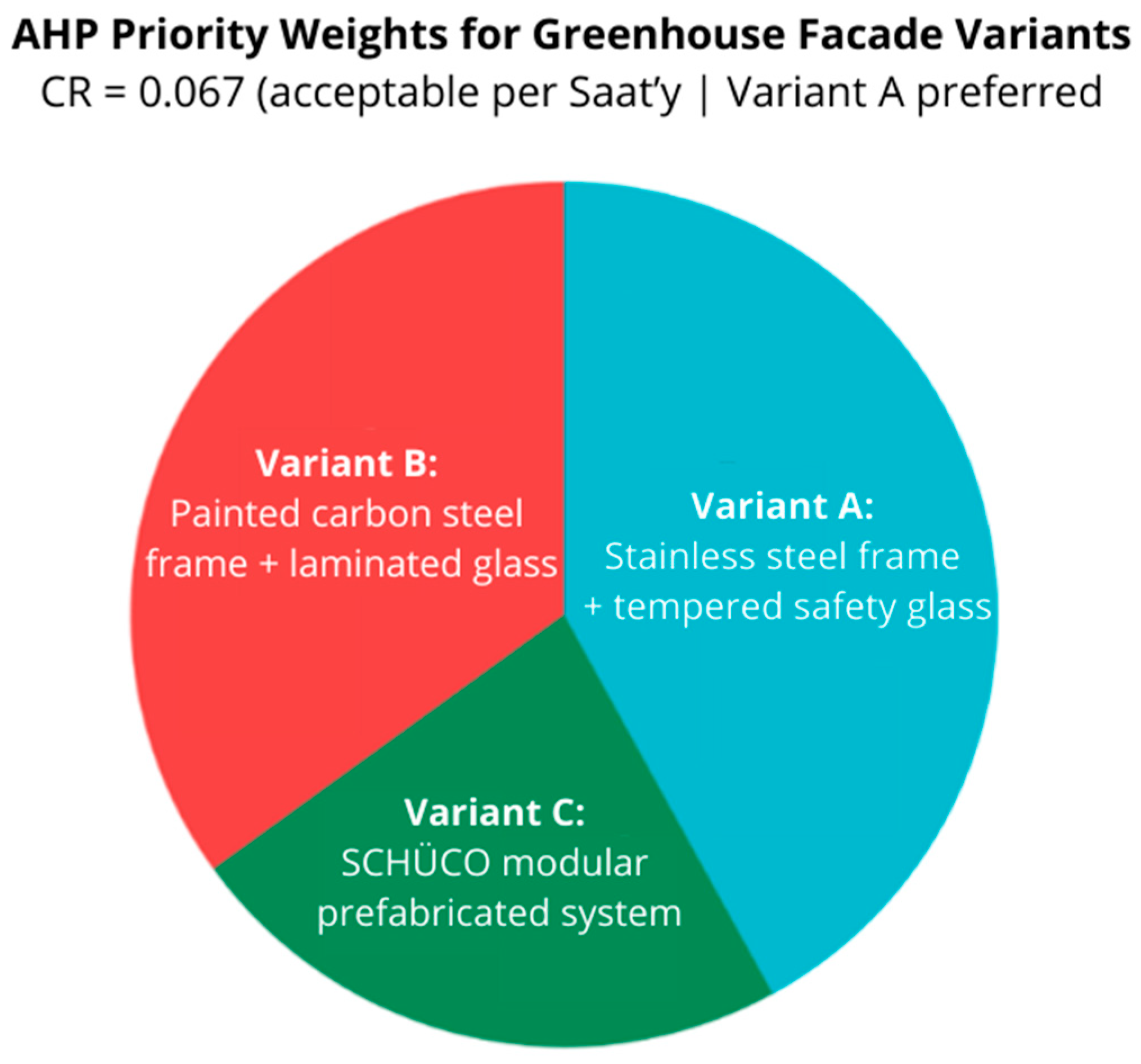
Table 5 presents the aggregated AHP priority values for the alternatives analyzed and their decision status (preferred, alternative, rejected),
Table 6 presents the threshold for weight changes in the AHP-BOCR sensitivity analysis, while
Figure 5 and
Figure 6 present, respectively, the distribution of alternative priorities and the score values for the BOCR model.
The final selection of Variant A was made after a deliberate adjustment of priorities by the Investor and the heritage conservation authority (WKZ) during project coordination meetings, favoring the conservation-focused scenario presented in
Table 6.
This decision does not contradict the AHP methodology. In contrast, the sensitivity analysis confirms that AHP functions as a decision-support tool that flexibly responds to changes in weighting assumptions aligned with the strategic objectives of the project.
The baseline result (preference for Variant B) primarily reflected an economic perspective, while the final priorities adopted in
Table 5 incorporated heritage conservation requirements and long-term operational considerations.
Values represent the geometric mean of the judgments of from five experts. All aggregated matrices satisfy the CR < 0.10 consistency requirement, while two individual expert matrices exceeding CR > 0.12 were recalibrated during a second evaluation round.
Table 7 presents example pairwise comparison matrices used in the AHP analysis. The procedure for aggregation and verification of expert judgment involved five experts representing the Investor, Designer, Contractor, User of the Facility, and the Heritage/Environmental Authority (WKZ).
Expert judgments were aggregated using the geometric mean of individual pairwise comparisons, which represents the standard aggregation method of decision-making of the AHP group according to Saaty. Each expert independently completed pairwise comparison matrices using the Saaty scale 1–9 for the four-level hierarchy (BOCR → sub-criteria → alternatives).
Individual consistency was verified using the criterion CR < 0.12 for each expert matrix. Two individual assessments that exceeded this threshold (CR = 0.15 and CR = 0.14) were rejected and recalibrated through a second evaluation round after clarification of the inconsistencies.
For the aggregated group matrices, the consistency was verified using the stricter threshold CR < 0.10 at each hierarchy level, generating the following results:
The fourth stage of the procedure involved the calculation of synthetic priorities by multiplying local priorities through the hierarchy, according to Equation (1). The overall consistency ratio of the model (CR = 0.067) confirms an acceptable level of consistency in the final decision model.
The AHP model supported the process as an analytical tool, responding to a deliberate shift in priorities introduced by stakeholders.
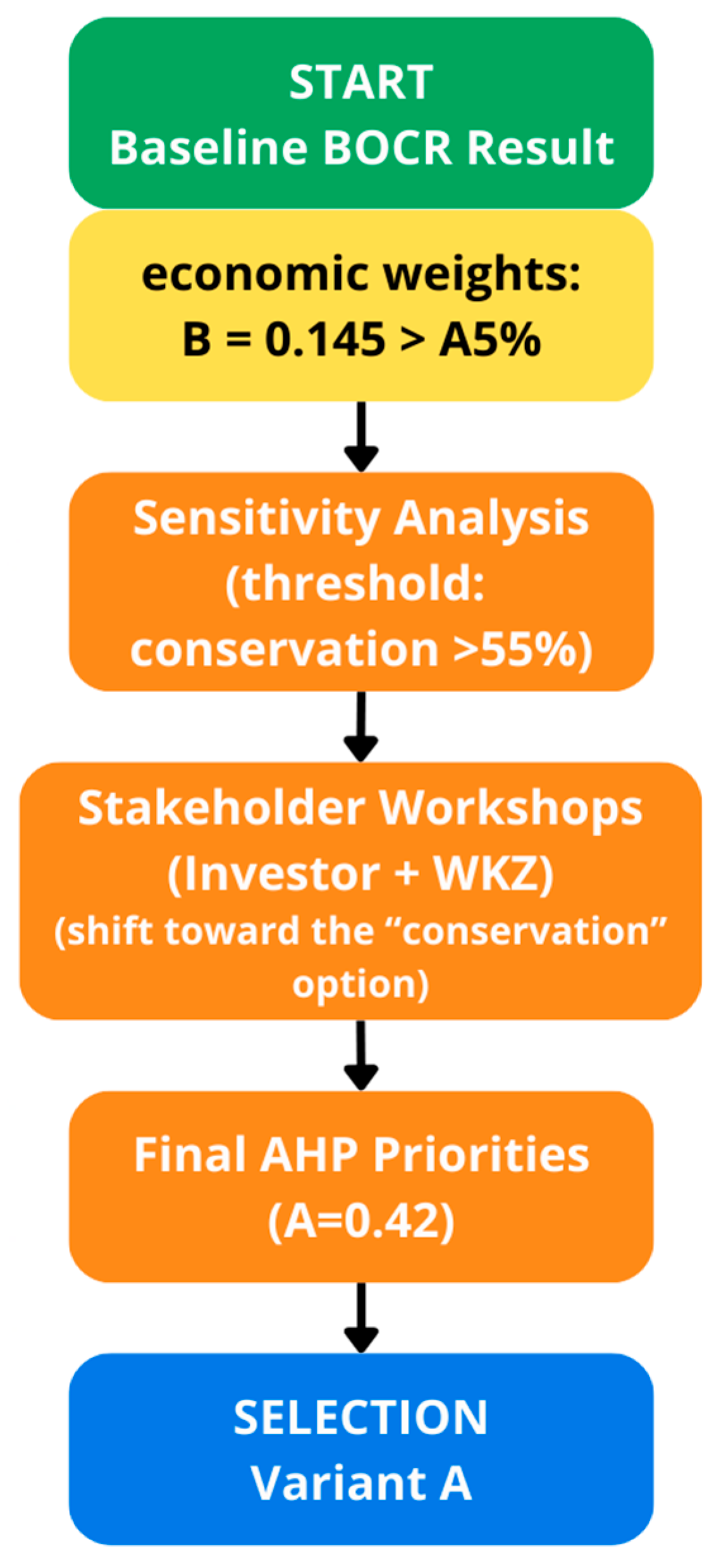
Figure 7 presents the scheme of the decision-making process that was applied.
As shown in
Figure 7, the decision path was iterative, starting from the baseline BOCR result (preference for Variant B under economically oriented weights), followed by sensitivity analysis, stakeholder workshops, and finally leading to the adjusted AHP priorities presented in
Table 5. The final selection of Variant A resulted from a conscious shift in priorities by the Investor and the Provincial Heritage Conservation Officer (WKZ) toward a “conservation-focused” scenario. This outcome is consistent with the role of AHP as a decision-support tool, rather than an automatic ranking mechanism.
4.4. Integration of Spatial Data: Scan-to-BIM
As part of the preparation of historical documentation for the preservation of heritage elements of the Australian system (cast-iron columns and beams), terrestrial laser scanning technology (TLS) (Leica ScanStation P50) was applied, enabling the acquisition of high-resolution geometric data of preserved structural fragments with an accuracy of ±3–5 mm (in according to ISO 17123 [
50]). The obtained point clouds (eight scans, 360° coverage, resolution of 5 million points) were subjected to registration, filtering, and modeling processes. Point cloud data was stored in the E57 format (ASTM E2807), an open standard for laser scanning data exchange. The BIM model was shared in the IFC 4.0 format, compliant with buildingSMART standards [
51], enabling software-independent information exchange among project participants.
The scan-to-BIM process included the following:
point cloud processing (registration, noise filtering, cleaning);
geometry extraction (semi-automatic modeling in CloudCompare);
enrichment of the model with material attributes and conservation information;
integration with the coordination model (IFC 4.0).
A level of detail (LOD) of 4 was achieved for historic elements (geometric accuracy + full attribute documentation), and a data structure was prepared that allowed the development of the model to an LOD of 6 (as-built) for facility management and conservation purposes.
During the geometric extraction process, differential tolerances appropriate for the project phase were applied.
Table 8 presents the objective quality indicators for reconstruction. Manual segmentation in CloudCompare used a tolerance of approximately ±2 mm for precise edges (e.g., profiles of cast-iron columns), while semi-automatic extraction procedures (Segment/Mesh operations) used tolerances of approximately ±6 mm for irregular surfaces such as deformations or welded joints.
The general uncertainty of the modeling of approximately ±8–12 mm does not limit the applicability of the model to facility management (FM) purposes, such as planning conservation interventions or monitoring environmental conditions.
To ensure transparency for future facility managers, an additional parameter heritage_uncertainty = ±10 mm was included in the IFC Property Sets, indicating the expected geometric uncertainty of the reconstructed heritage elements.
In the case of the Australia Hall cast-iron columns, which represent key heritage components, the BIM geometry was intentionally modeled with a +5 mm dimensional margin relative to the measured geometry and subsequently validated in situ through physical verification, ensuring that the model remained safe for operational use despite minor scanning uncertainties.
4.5. Relationships Between the Layers of the RACI–AHP–BIM Methodology
The research results indicate strong interconnections between the three layers of the methodology:
the responsibility structure (RACI matrix) determined the way information was generated and approved within the BIM environment;
the BIM environment constituted the data source for AHP decision analyses;
decisions made within the AHP model influenced the scope of project analyses and information requirements.
These relationships were iterative in nature, with changes in one layer triggering modifications in the others. As a result, the methodology functioned as a coherent project management system based on information flow between the organizational, decision-making, and informational layers.
5. Discussion
Previous research on BIM has focused primarily on technological and information-related aspects, less frequently integrating them with organizational and analytical management methods [
52]. Similarly, the literature on AHP most often treats this method as a decision-support tool, without integration with project information systems [
53,
54]. In turn, the RACI matrix is generally applied as an organizational tool independent of digital environments.
The presented study indicates that only the integration of these three approaches creates a coherent model for managing projects of high functional complexity and conservation constraints. The results confirm the following:
the BIM environment can function as a platform integrating decision-making processes;
the AHP method can be fed with data derived from digital models;
the RACI matrix constitutes a mechanism institutionalizing decision-making and communication processes.
Such an approach aligns with the growing research trend on the digital transformation of project management, in which the integration of organizational, informational and analytical processes is recognized as a key direction of development.
5.1. Synergistic Effects of Integrating RACI–AHP–BIM
The research conducted indicates that the integration of three approaches—organizational structure (RACI matrix), AHP decision analysis, and the BIM information environment—generates synergistic effects that go beyond the sum of benefits resulting from their separate application. Unlike fragmented approaches, the proposed methodology functions as a system of interconnected layers: organizational, decision-making and informational.
Table 9 presents the specific linkages showing how the clash detection data, the geometric parameters, and the TLS results fed the decision variables in the AHP-BOCR model. The data flow is operational and fully documented.
The first identified mechanism of synergy is the link between the RACI matrix and the BIM processes. In traditional BIM projects, there is often the problem of ambiguous assignment of responsibility for actions within the model environment, including clash management and data validation. Incorporating the RACI matrix into the BIM execution plan (BEP) structure enables the assignment of responsibility for generating, verifying and approving project information to specific roles, which reduces decision ambiguity and structures communication [
55,
56]. For example, in a traditional design process (without a BIM-based methodology), the following question may arise: who is responsible for resolving a clash detected in the federated model between the HVAC installation (MEP designer) and the structural system (structural designer)? By linking the RACI matrix with BIM, it becomes possible to identify the person responsible on the contractor’s side for the detection of a clash, who initiates the resolution process and moderates the discussion, while the discipline designers (C) present possible alternatives, and the BIM Manager (A) grants the final approval.
The second area of synergy is the integration of AHP with BIM-derived data. Multi-criteria analysis based on data extracted directly from the digital model enables decision-making grounded in actual technical, cost and spatial parameters [
25]. Automatic information extraction (e.g., cost data) from the IFC model and the possibility of simulating design variants directly from BIM geometry reduce subjectivity in assessments and increase the transparency of the decision-making process [
57]. In the analysis of the investment project, the use of model-derived data enabled the identification of installation clashes (61: hard—8, soft—4, clearance—49), allowing the precise determination of collision risks in the installation interfaces and their inclusion in the variant analysis, which is of direct importance to reduce implementation risks.
The third element of synergy is the link between the RACI matrix and the AHP analysis. The responsibility matrix indicates which stakeholders should participate in evaluating particular decision criteria, thereby structuring the expert process and reducing arbitrariness in assigning weights. As a result, the AHP model becomes not only a mathematical tool but also a component of the project governance structure.
The results obtained confirm that the value of the methodology stems not from individual tools but from their systemic interconnection.
5.2. Importance of the BEP Structure in Reducing Project Risks
The analysis of results indicates that the BIM execution plan functions as a key mechanism for managing informational and process-related risks [
58]. Identified risks related to unclear information requirements, inconsistencies in data standards and the lack of procedures for information exchange can be mitigated through process formalization within the BEP framework.
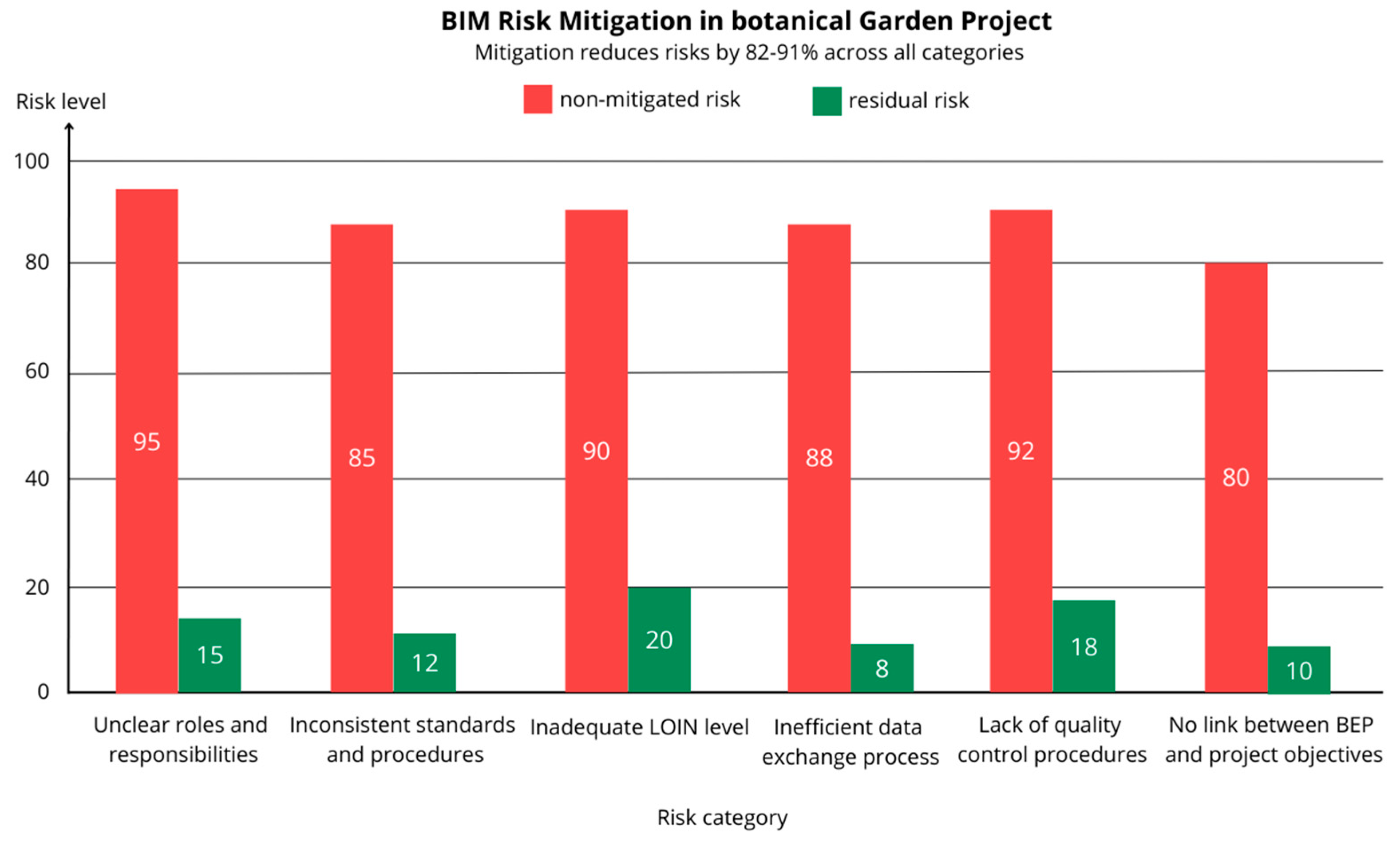
Table 10 presents potential risks and mitigation mechanisms, while
Figure 8 illustrates the effects of BEP risk reduction through mitigation mechanisms proposed by buildingSMART [
51].
The research results indicate that integrating BEP with the RACI matrix and AHP analysis leads to risk reduction in three areas: informational, process-related and organizational. The BIM literature emphasizes that the lack of a coherent information management structure is one of the main causes of inefficiencies in digital projects; the results obtained confirm this relationship in a project of high functional complexity and conservation constraints.
5.3. Role of BEP in Systemic Risk Management
In the context of project management, BIM documents (EIR and BEP) play a key role in transferring the client’s requirements to the contractor and in harmonizing the design and construction processes [
59]. This document, updated across successive phases of the project lifecycle, enables the maintenance of information consistency between the design, construction and operation stages.
The research results indicate that, in terms of risk management, the application of BEP enables the reduction in:
informational risks—through the precise definition of requirements and levels of information detail (formal EIR + BEP structure);
process-related risks—through the formalization of cooperation and communication procedures;
organizational risks—through linking the competencies of the participants with the assigned roles.
In the literature on BIM project management, BEP is increasingly perceived as a strategic management tool rather than merely an operational document. The findings of this study confirm this interpretation.
The experience of the project team indicates the following expected range of effects for projects of similar scale (public infrastructure, design–build delivery, heritage constraints):
Reduction in accountability gaps from approximately 32% to 0% through the implementation of RACI in a BIM environment.
Reduction in construction errors by approximately 60–80% due to clash detection and the use of a Common Data Environment (CDE).
Potential cost savings of approximately PLN 500,000–800,000 resulting from optimized definition of LOIN/LOD (internal benchmark data).
These values should be interpreted as hypothetical benchmark estimates, which cannot yet be verified using empirical data from the analyzed investment because the construction and operational phases have not been completed. Full validation of these effects will only be possible after the completion of the project (planned after 2027).
5.4. Role of the RACI Matrix in Limiting Project Conflicts
The results obtained confirm that the application of the RACI matrix contributes to structuring decision-making and communication relationships within the project. Clear assignment of Responsible and Accountable roles reduces the risk of interdisciplinary conflicts, which often arise from competency ambiguities, through:
elimination of “black holes,” where each task has at least one Responsible (R) and one Accountable (A) role,
reduction in redundancy by preventing multiple assignments of the same task to two roles,
communication transparency by clearly indicating who should be informed (I) versus consulted (C).
In the analysis project, a significant outcome of applying the RACI matrix was the extension of the project team structure with new roles related to facility operation management, indicating a shift in perspective from the design phase to the entire investment lifecycle.
6. Summary
The study conducted confirmed that the integration of the RACI matrix, the AHP method, and the BIM methodology in accordance with ISO 19650 constitutes an effective and comprehensive approach to the management of complex construction projects implemented in the design–build delivery model, particularly in the context of conservation-oriented and academic construction projects.
The application of the integrated methodology enabled the structuring of organizational relationships, decision-making processes, and information management within a single coherent project management system. The developed RACI matrix (21 processes × 80 responsibility assignments) allowed the clear allocation of executive and decision-making roles in all key tasks, reducing the appearance of accountability gaps and shortened decision-making processes in critical stages of the project.
The application of the AHP method within the BOCR model enabled a multi-criteria evaluation of design alternatives and the selection of a solution that accounted not only for economic criteria but also for conservation, functional, and risk-related considerations. The results of the analysis indicated a preference for the structural variant with the highest compatibility with the historic fabric of the facility, confirming the suitability of the decision-making model for projects subject to specific cultural and environmental constraints.
The implementation of BIM, supported by the BIM execution plan (BEP) and the common data environment (CDE), enabled the integration of project data, automation of quality control processes, and reduction in interdisciplinary clashes prior to the commencement of construction works. The use of laser scanning technology and the scan-to-BIM procedure made it possible to develop a digital model of preserved historic elements and to prepare operational documentation based on facility management (FM) data.
The findings indicate that the value of the proposed methodology is primarily the results of the integration of the organizational, decision-making, and information layers, rather than the separate application of individual tools.
This study fills a significant gap in the scientific literature:
It provided a holistic integration of three approaches into a single RACI-AHP-BIM methodology. Previous research have analyzed RACI, AHP, and BIM as independent methodologies. This article represents one of the first comprehensive studies that integrates these three approaches into a coherent methodological framework. Integration is systemic in nature and demonstrates the mutual reinforcement of methods: RACI structures the organizational framework, AHP supports the decision-making process, and BIM constitutes the operational environment for information management;
It extended the application of the RACI matrix to conservation projects, in which heritage protection institutions and future facility users played a significant role. The introduction of roles related to conservation supervision and operational management indicates the possibility of applying RACI throughout the lifecycle of the facility. The proposed adaptation is also of particular relevance for the Polish public sector, where conservation projects constitute a substantial share of construction investments undertaken by higher-education institutions;
It provided empirical verification of the application of the BOCR model within the AHP method in design–build projects implemented under conservation and environmental constraints. Although the AHP method has been widely recognized for decades, its application with the BOCR model in design–build projects carried out in protected heritage contexts has not been systematically examined to date. The article offers empirical confirmation of the suitability of the BOCR model for the simultaneous evaluation of conservation benefits, development opportunities, construction costs, and technical risks within a single integrated decision hierarchy;
It presented an operational implementation of the ISO 19650 standard in a public project, indicating practical mechanisms for integrating BEP, RACI, and the CDE; documenting the application of scan-to-BIM technology in a conservation project, including technical parameters, data integration procedures; and the potential use of the model during the operational phase (HBIM/digital twin).
The article represents one of the few examples of the comprehensive integration of RACI, AHP, and BIM in the specific context of academic facilities delivered under the design–build system. The proposed RACI-AHP-BIM methodology may serve as a tool supporting the management of construction projects implemented in the public sector, particularly in cases involving a large number of stakeholders and complex formal and conservation constraints. Integration of RACI, AHP, and BIM increases transparency in responsibility allocation and communication, supports data-driven decision-making, reduces informational and organizational risks, and enables a life-cycle-oriented approach to project management. The methodology may be used as a reference framework in the development of BIM execution plans in construction and infrastructure projects, particularly under public procurement conditions.
The results of the study indicate the need for further research in several areas. First, it is necessary to verify the effectiveness of the methodology during the construction phase and the operational period of the facility, including the analysis of cost, time, and operational data. Second, it is justified to assess the potential adaptation of the RACI–AHP–BIM methodology in other types of projects, including infrastructure, linear, and public utility projects. Third, future research should focus on the integration of BIM models with facility management systems and on the development of the digital twin concept in conservation projects. Comparative studies involving a larger number of public projects are also recommended to evaluate the scalability and repeatability of the proposed methodology.