1. Introduction
The management of municipal sewage sludge represents a major challenge for wastewater treatment infrastructure due to the large volumes generated and the high costs associated with treatment, handling, and final disposal. In many wastewater treatment plants, sludge-related processes account for more than half of the total operating expenditures [
1]. Sewage sludge is a complex and heterogeneous matrix containing organic and inorganic solids, pathogenic microorganisms, heavy metals, and residual pharmaceuticals. When inadequately stabilized or improperly managed, sludge poses significant risks to public health and the environment. Conventional management practices, such as landfilling, incineration, and land application, are increasingly constrained by rising costs, land requirements, regulatory restrictions, and concerns over secondary pollution [
2,
3]. These limitations have intensified interest in sustainable low-energy treatment technologies that can be integrated into existing or decentralized wastewater infrastructure.
Among the emerging biological approaches, vermifiltration has gained increasing attention as a nature-based treatment technology for wastewater and sludge stabilization. Vermifiltration systems employ earthworms and their associated microbial communities to enhance organic matter degradation, reduce solids content, and improve sludge characteristics under aerobic conditions [
4]. Owing to their low energy demand, operational simplicity, and minimal infrastructure requirements, vermifiltration systems are particularly attractive for decentralized and resource-limited settings, but they also show potential for integration into municipal-scale wastewater treatment facilities [
5]. In this context, vermifiltration offers a promising infrastructure solution that aligns with sustainability and circular economy principles. Recent reviews have emphasized that the main barriers to broader implementation are not proof-of-concept removal rates but rather the availability of operational datasets that link design choices (media selection, loading strategy, and clogging control) to stable performance under field conditions [
6].
While vermifiltration has been widely investigated for raw wastewater treatment, comparatively fewer studies have focused on its application to sewage sludge stabilization. Sludge differs fundamentally from wastewater in terms of solids concentration, rheological properties, and organic load, necessitating targeted evaluation of system performance under realistic sludge treatment conditions [
7]. Earthworms play a central role in vermifiltration by fragmenting organic matter, enhancing oxygen transfer through burrowing activity, and stimulating microbial processes that are responsible for biochemical and chemical oxygen demand reduction [
8,
9,
10]. Previous studies have demonstrated that vermifiltration outperforms conventional biofiltration in removing suspended solids and organic matter, with reported improvements in BOD, COD, and volatile solids removal [
11,
12,
13,
14]. In addition, vermifiltration has been shown to reduce pathogen levels and immobilize heavy metals, thereby improving the environmental safety of treated sludge [
15,
16,
17,
18]. Related earthworm-driven sludge bioprocesses such as vermicomposting and vermistabilization have also been shown to enhance sludge stabilization and improve end-product quality [
19,
20,
21,
22,
23,
24].
System design and operational parameters strongly influence vermifiltration performance. At the pilot scale, municipalities require operational guidance that links hydraulic throughput (and the associated mass organic loading applied to the bed) to performance outcomes and to the hydraulic robustness of candidate media. Many prior studies varied a single operating variable or relied on a single packing material, leaving a gap in translating vermifiltration to infrastructure design decisions where loading conditions and media stability jointly determine footprint requirements, operational reliability, and downstream sludge-handling benefits. The present study addressed this gap by evaluating performance trends across multiple hydraulic loading conditions while comparing contrasting media types under the same pilot geometry. Filter media properties such as particle size, porosity, and mechanical stability govern hydraulic behavior, earthworm activity, and long-term system reliability. Previous studies have reported optimal particle size ranges that balance treatment efficiency and earthworm viability while highlighting risks of clogging or biomass loss at inappropriate sizes [
25]. Bed depth, configuration, and layering also affect sludge stabilization efficiency and dewaterability, with optimal depths generally reported between 30 and 70 cm [
26,
27,
28,
29]. However, much of this knowledge is derived from laboratory-scale experiments or vermicomposting systems, limiting its direct applicability to infrastructure-scale vermifiltration systems.
Although hybrid approaches combining vermifiltration with bioelectrochemical or phytoremediation processes have demonstrated enhanced sludge stabilization and resource recovery [
30,
31,
32,
33], pilot-scale investigations of standalone vermifiltration systems for sewage sludge remain scarce. In particular, there is a lack of systematic studies evaluating system performance under varying hydraulic loading rates (HLRs) while simultaneously comparing filter media with contrasting physical and hydraulic properties. Furthermore, sludge dewaterability, a critical parameter for downstream sludge-handling infrastructure, has received limited attention in vermifiltration research.
In contrast to the predominantly wastewater-focused vermifiltration literature and many sludge studies conducted at the benchtop scale, the present work provided a pilot-scale assessment of vermifiltration applied directly to municipal sewage sludge, with an emphasis on operationally relevant performance indicators for sludge handling. The study simultaneously reported (i) reductions in organic matter and solids (COD, TS, and VS), (ii) settleability improvement (SVI) as a handling/clarification proxy, and (iii) dewaterability response (SRF and TTF) under a representative operating condition while comparing three filter media (LECA, HDPE plastic media, and pumice) to capture media-dependent hydraulic stability tradeoffs. This framing aligned the study outputs with recent reviews emphasizing the need for operational data and design/operation guidance for field deployment of vermifiltration systems.
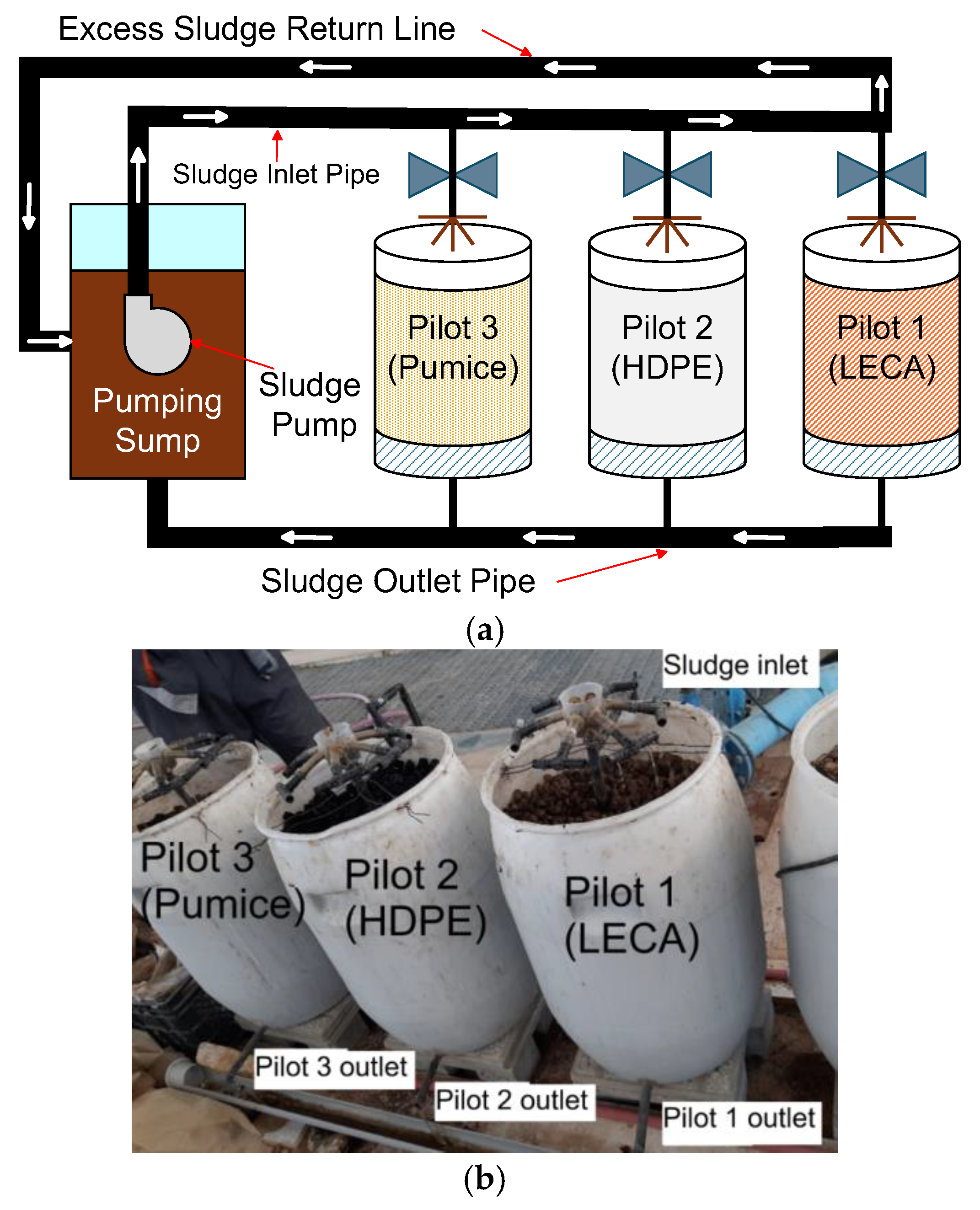
To address these gaps, the present study evaluates the performance of a pilot-scale vermifiltration system for municipal sewage sludge stabilization under practical operating conditions. Three filter media, including lightweight expanded clay aggregate (LECA), high-density polyethylene (HDPE) plastic media, and pumice aggregate, were investigated under three hydraulic loading rates. System performance was assessed using key stabilization indicators, including chemical oxygen demand (COD), total solids (TS), volatile solids (VS), sludge volume index (SVI), and sludge dewaterability parameters, namely specific resistance to filtration (SRF) and time to filtration (TTF). In addition, regression analysis was applied to describe the association between treatment performance and organic loading rate (OLR) under the coupled loading conditions created by varying HLR. The findings of this study aim to support the design and optimization of vermifiltration as a sustainable sludge treatment option within municipal wastewater treatment infrastructure.
Intended Infrastructure Role of Vermifiltration in Municipal Sludge Management
In a typical municipal sludge treatment train, waste-activated sludge and/or primary sludge are commonly thickened and then routed to stabilization (e.g., anaerobic digestion or aerobic stabilization), followed by dewatering and final reuse/disposal. In this context, the vermifiltration unit evaluated here is intended to function primarily as a low-energy aerobic stabilization and conditioning process that can be integrated into existing infrastructure to improve downstream handling.
Two implementation pathways are envisioned. (A) Conditioning prior to dewatering: vermifiltration can be placed after thickening and before mechanical dewatering to reduce organic content and improve sludge settleability and filterability, thereby reducing downstream dewatering difficulty and handling burden. (B) Side-stream treatment of waste-activated sludge: vermifiltration can be deployed as a modular side-stream unit treating a portion of waste-activated sludge to improve stability and handling properties before it rejoins the main sludge line for dewatering and disposal.
Accordingly, this study emphasizes performance indicators that directly map to sludge-handling infrastructure needs: SVI as an index of settleability/compactability relevant to thickening and solids separation, and SRF/TTF as dewaterability indicators relevant to mechanical dewatering performance. The results are therefore discussed not only as process outcomes but also in terms of practical implications for placement and operation within municipal sludge management systems.
3. Results and Discussion
A summary of the statistical characteristics of the influent sludge data for TS, VS, VS/TS ratio, COD, and SVI during each experimental period is presented in
Table 3. For each parameter, the minimum, maximum, mean, and standard deviation values are reported.
3.1. Performance Evaluation of Pilot Systems in TS and VS Reduction
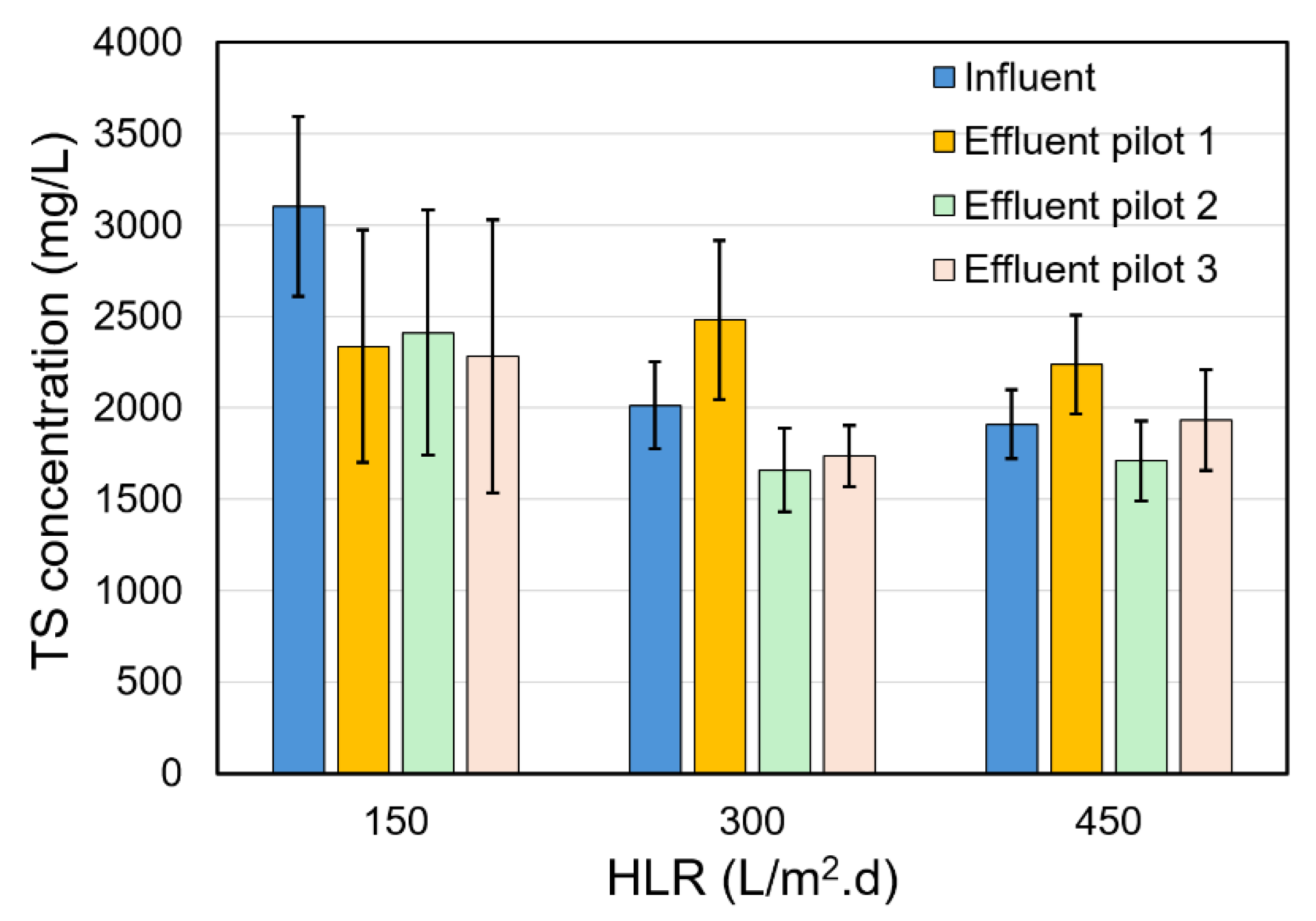
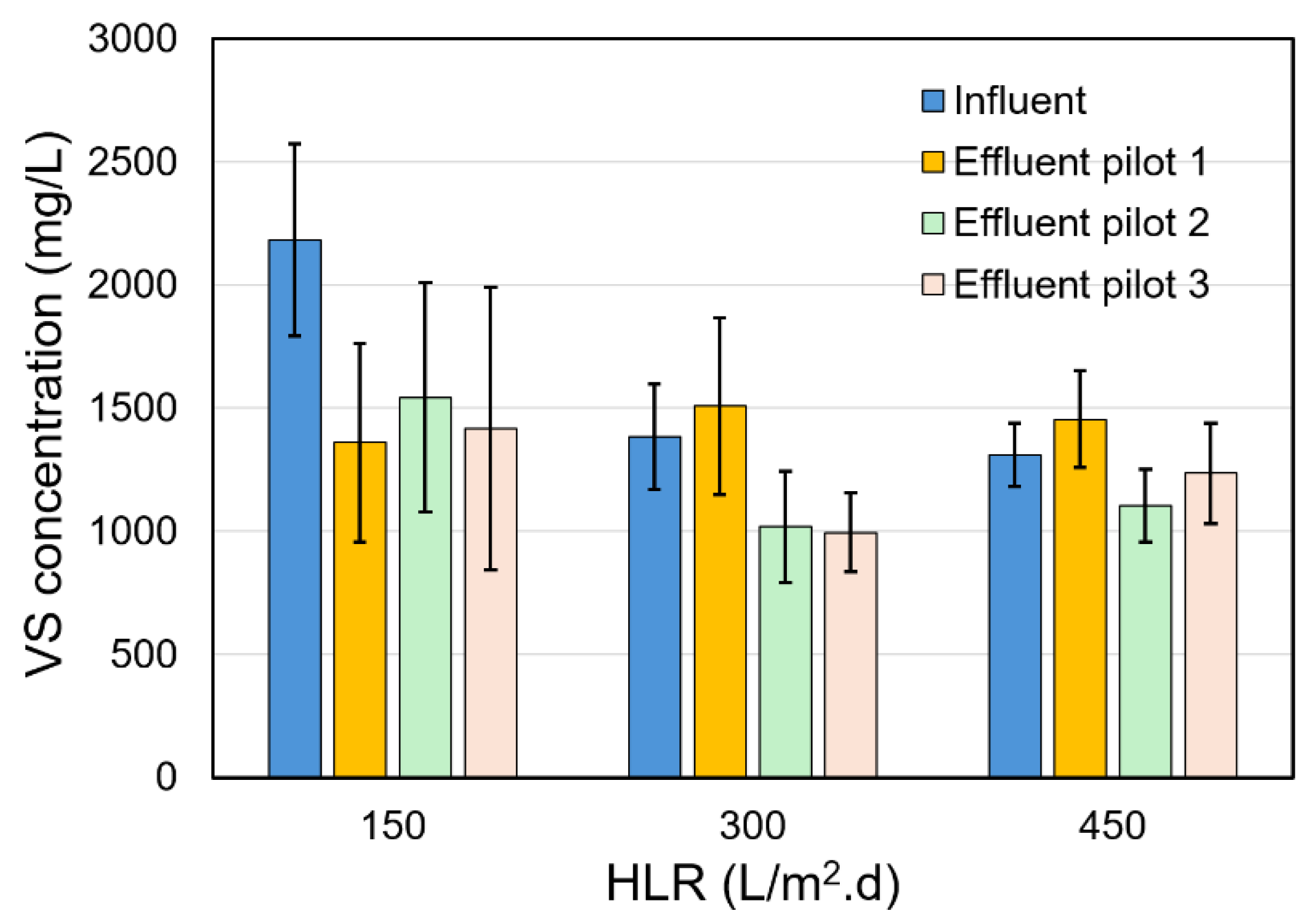
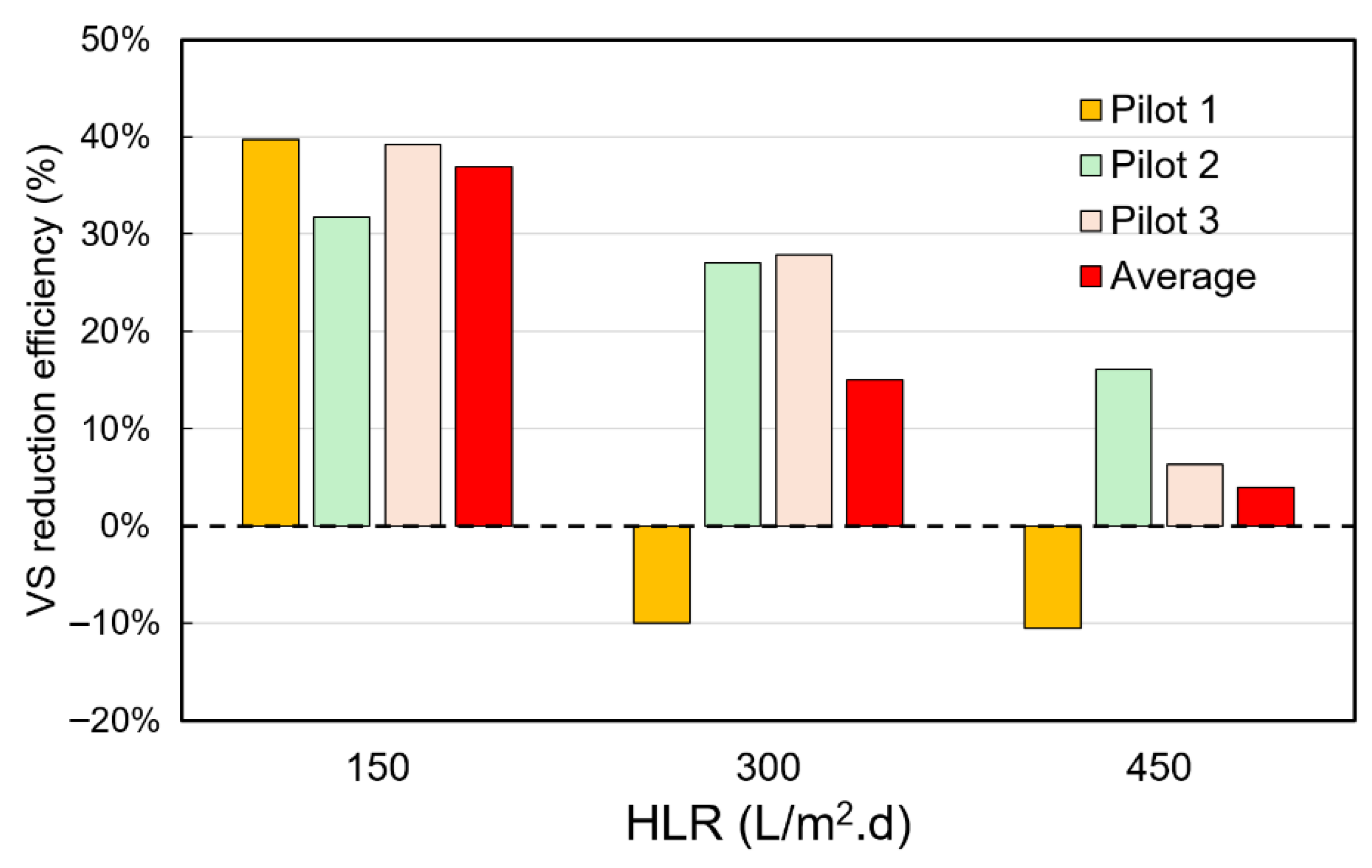
Figure 4,
Figure 5,
Figure 6,
Figure 7,
Figure 8 and
Figure 9 present the average influent and effluent values of the pilots and the removal efficiencies of TS, VS, and VS/TS at three different HLRs. The average values are based on three measurements, and the error bars shown in the figures represent the standard deviation, indicating data variability and uncertainty. As shown in
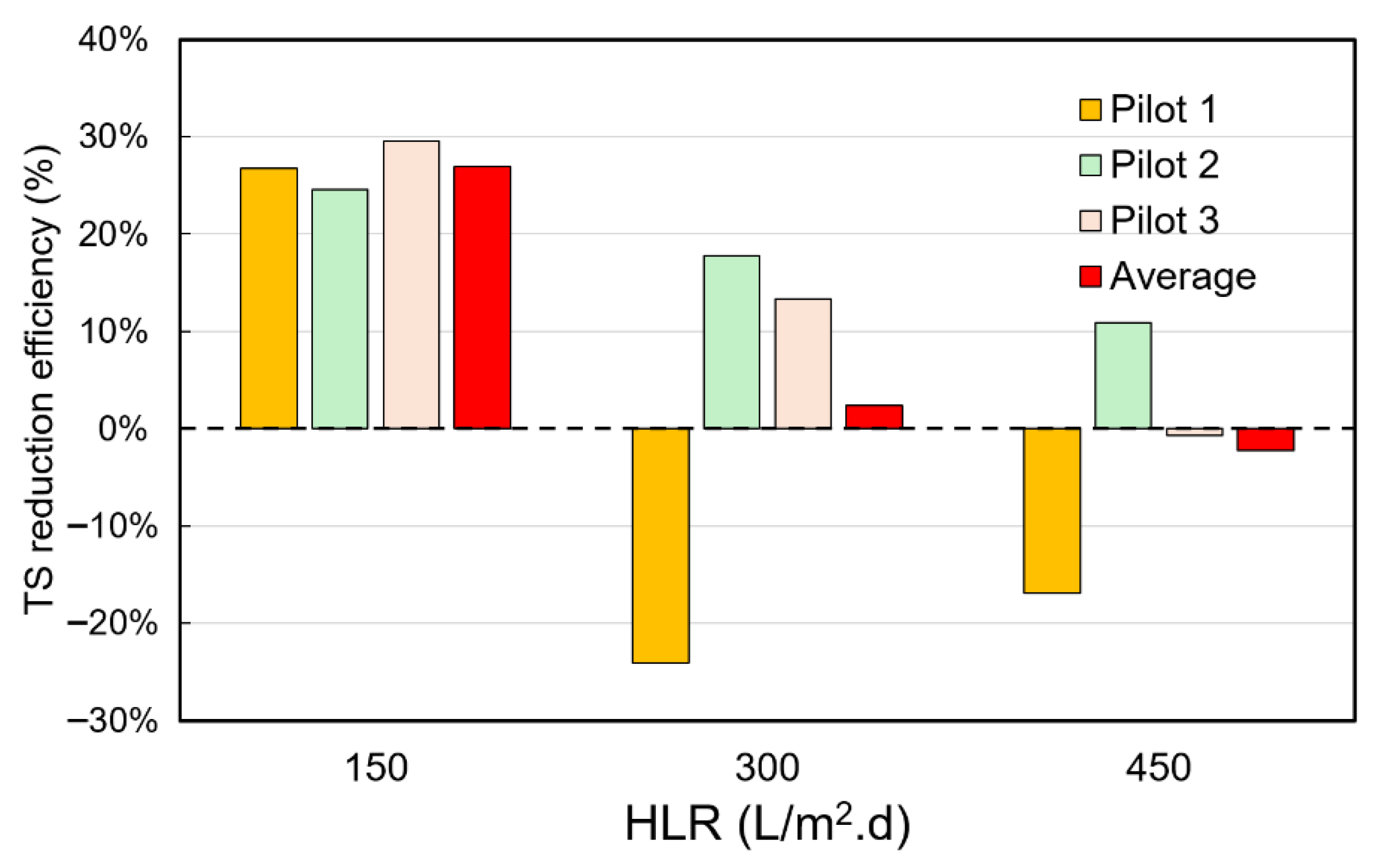
Figure 4, at HLR = 150 L/m
2·d, the effluent TS in Pilots 1, 2, and 3 decreased significantly by approximately 25–30% (
Figure 5) compared to the influent. This indicates that, at this loading, the hydraulic retention time was sufficient to allow effective contact between the sludge and the bed, the activity of
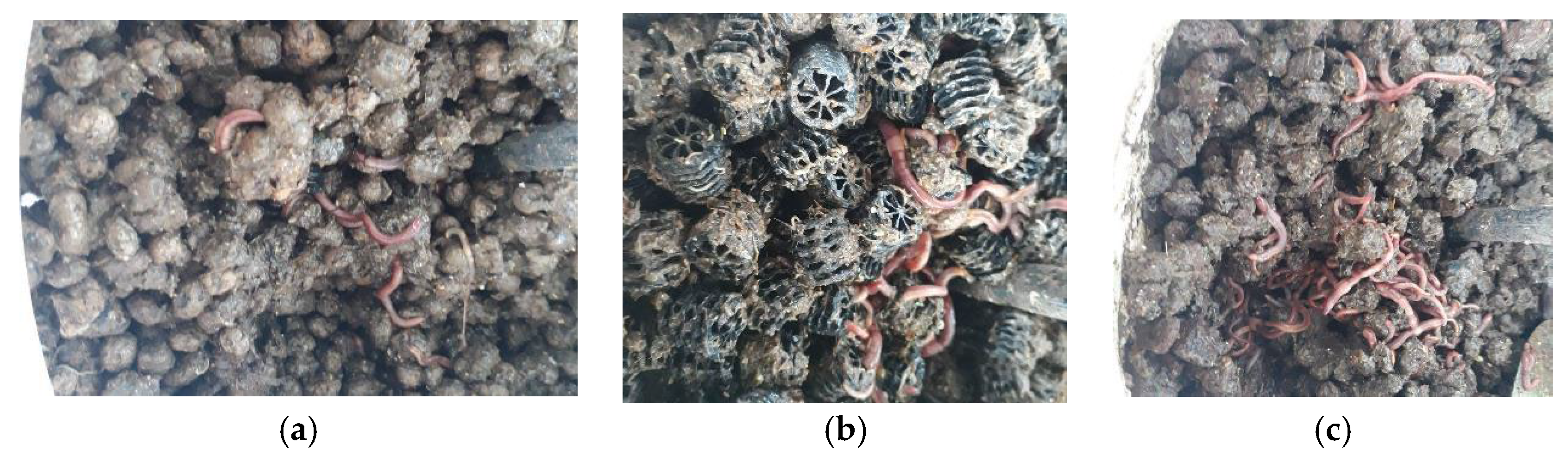
Eisenia andrei worms, and microbial decomposition of organic matter. Stable hydraulic conditions maintained the biofilm on the bed, prevented physical stress on the worms, and avoided washout. Therefore, the TS reduction at this loading was primarily due to biological degradation rather than merely physical separation.
At HLR = 300 L/m
2·d, the pilot performance became bed-dependent. In Pilot 1 (LECA bed), the effluent TS increased due to biofilm sloughing and flushing of accumulated particles. LECA’s high porosity, lower biofilm adhesion, and lower mechanical resistance to hydraulic stress made it prone to instability. In contrast, Pilots 2 and 3 maintained a more stable biofilm and demonstrated better hydraulic resistance under increased flow. The mineral pumice bed, in particular, provided favorable conditions for worm and microorganism colonization due to its surface roughness, suitable density, and effective porosity. At HLR = 450 L/m
2·d, the effluent TS increased in all three pilots, which can be attributed to the severe reduction in hydraulic retention time and increased flow shear forces, causing partial washout of fine sludge particles and biofilm detachment. Moreover, worm efficiency decreased due to physical stress, impairing their movement and feeding.
Figure 5 shows that, at this loading, Pilot 2 achieved the highest TS reduction of about 10%, while the others showed negligible reductions.
Overall, the results indicate that the performance of the vermifilters in TS reduction is strongly dependent on both hydraulic loading and bed type. At low HLRs, TS reduction is mainly due to effective biological degradation, whereas, at high HLRs, reduced retention time and increased hydraulic stress lead to biofilm instability and particle washout. The best overall performance was observed at HLR = 150 L/m2·d.
The changes in average VS concentrations (
Figure 6) show a trend similar to TS across different HLRs. At HLR = 150 L/m
2·d, the highest reduction was observed. The influent VS concentration was 2184 mg/L, which decreased to 1361, 1543, and 1418 mg/L in the effluents of Pilots 1, 2, and 3, respectively, corresponding to a 32–40% reduction compared to the influent (
Figure 7). This significant reduction indicates effective degradation of volatile organic matter in the vermifilter system and active biological activity of the earthworms at low hydraulic loading.
At HLR = 300 L/m
2·d, similar to the TS results, Pilot 1 showed slightly higher effluent VS than influent, indicating lower performance, while Pilots 2 and 3 achieved the highest reductions of 25–28% (
Figure 7). At HLR = 450 L/m
2·d, similar to TS, no significant change was observed between influent and effluent VS. Pilot 2 maintained a VS reduction of 16% (
Figure 7), whereas Pilot 1 showed an 11% increase in effluent VS, similar to TS. This can be attributed to reduced contact time, biofilm sloughing, and flushing of the bed.
According to EPA’s 40 CFR Part 503 standards for biosolids, a minimum of 38% volatile solids reduction is one of the accepted criteria for vector attraction reduction, which is considered to be indicative of adequate sludge stabilization [
35]. Therefore, at HLR = 150 L/m
2·d, the vermifiltration process achieved a VS reduction in the range of 32–40%, approaching the EPA criteria for stabilization.
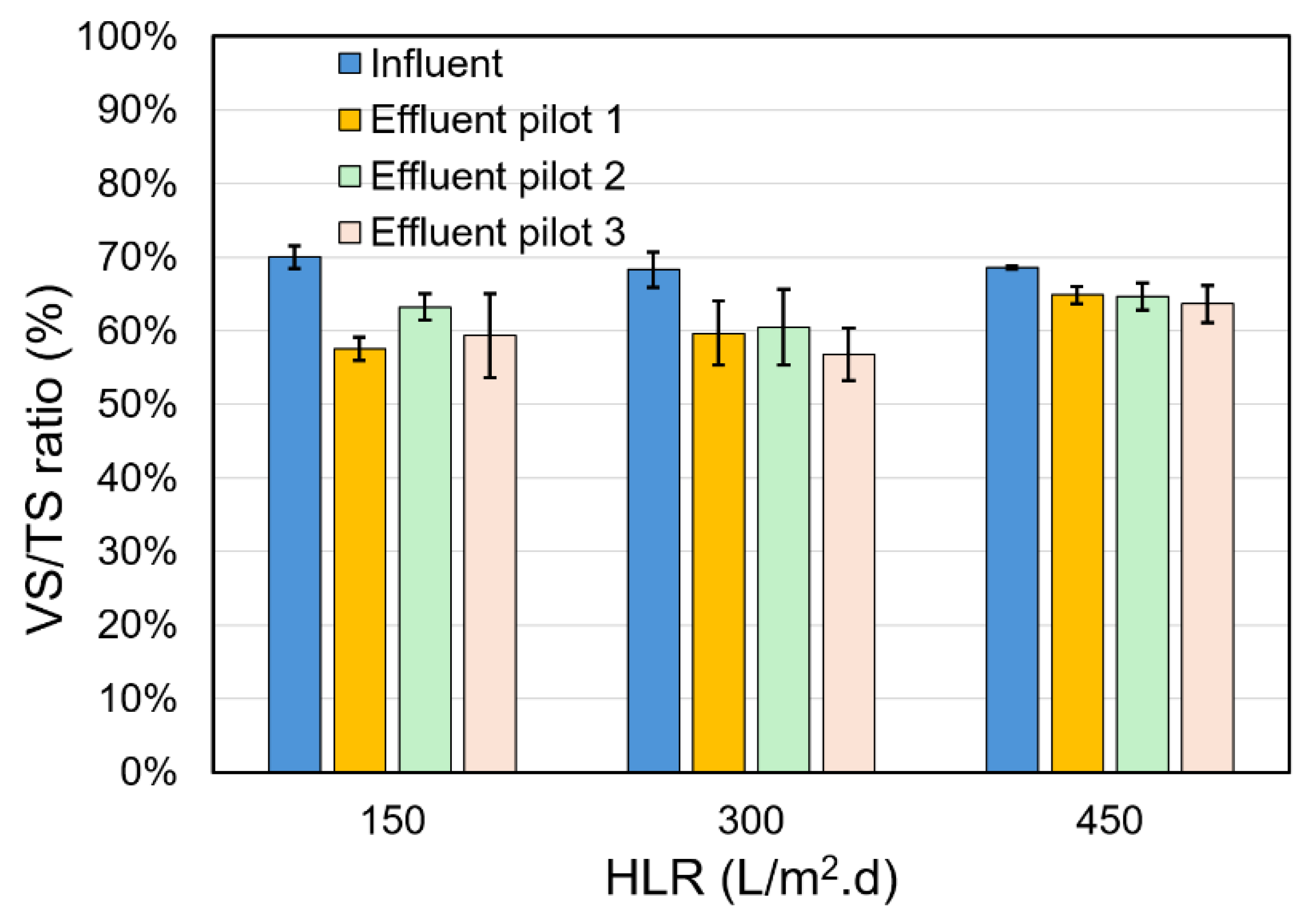
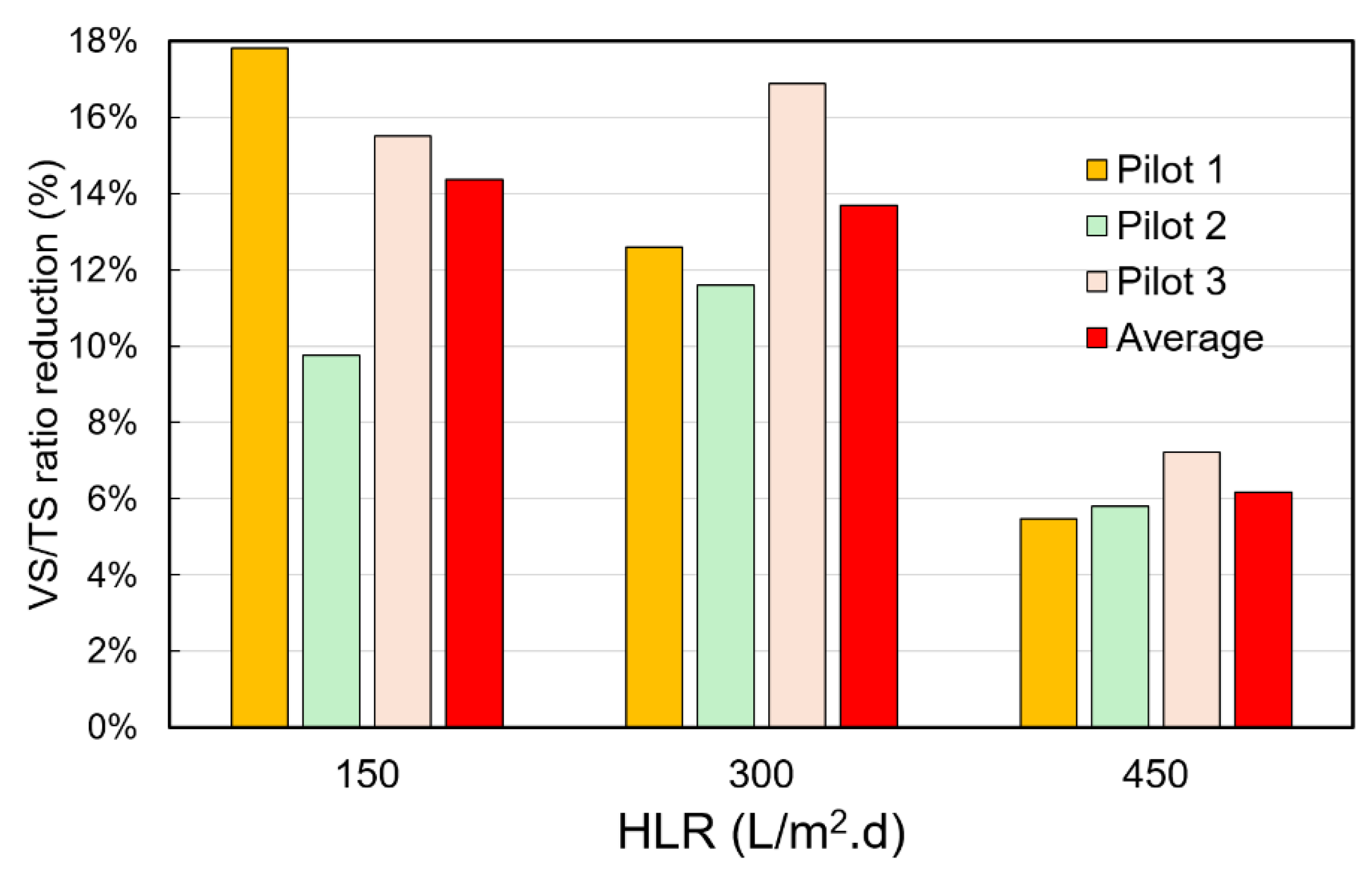
The VS/TS ratio is considered to be an indicator of organic matter content and the degree of sludge stabilization. As shown in
Figure 8, at HLR = 150 L/m
2·d, the effluent VS/TS ratio decreased from 70% in the influent to 58–63% in the different pilots, corresponding to a 10–18% reduction (average 14%) (
Figure 9). It is noteworthy that, despite the significant reduction in volatile solids (30–40%), the decrease in the VS/TS ratio was more limited, reflecting the simultaneous reduction in both organic and inorganic solids in the vermifiltration process.
At HLR = 300 L/m
2·d, the effluent VS/TS ratio ranged from 57 to 60%, representing a 12–17% reduction (
Figure 9). This indicates that the stabilization process continued, albeit with lower intensity compared to the lower HLR. At HLR = 450 L/m
2·d, no significant difference was observed between the influent and effluent VS/TS ratios, with only about a 6% reduction. This minor change demonstrates that increasing hydraulic loading reduces contact time and the efficiency of organic matter degradation, thereby limiting the sludge stabilization process.
Overall, the review of TS, VS, and VS/TS ratio clearly shows that increasing HLR leads to a decline in removal efficiency. This indicates that vermifiltration is a biologically and hydraulically sensitive process, and, beyond a certain threshold, the system shifts from effective biological degradation to a washout-dominated behavior, which explains the observed reduction in system performance and efficiency.
3.2. Performance Evaluation of Pilot Systems in COD Reduction
The measurement of COD is a widely accepted parameter for evaluating organic matter removal in sludge treatment processes, including biological systems such as activated sludge and vermifiltration. In sludge, most organic matter exists in solid form, so total COD measurements include both soluble and suspended fractions. When combined with VS and TS analyses, COD provides a more comprehensive evaluation of organic matter reduction and sludge stabilization [
34].
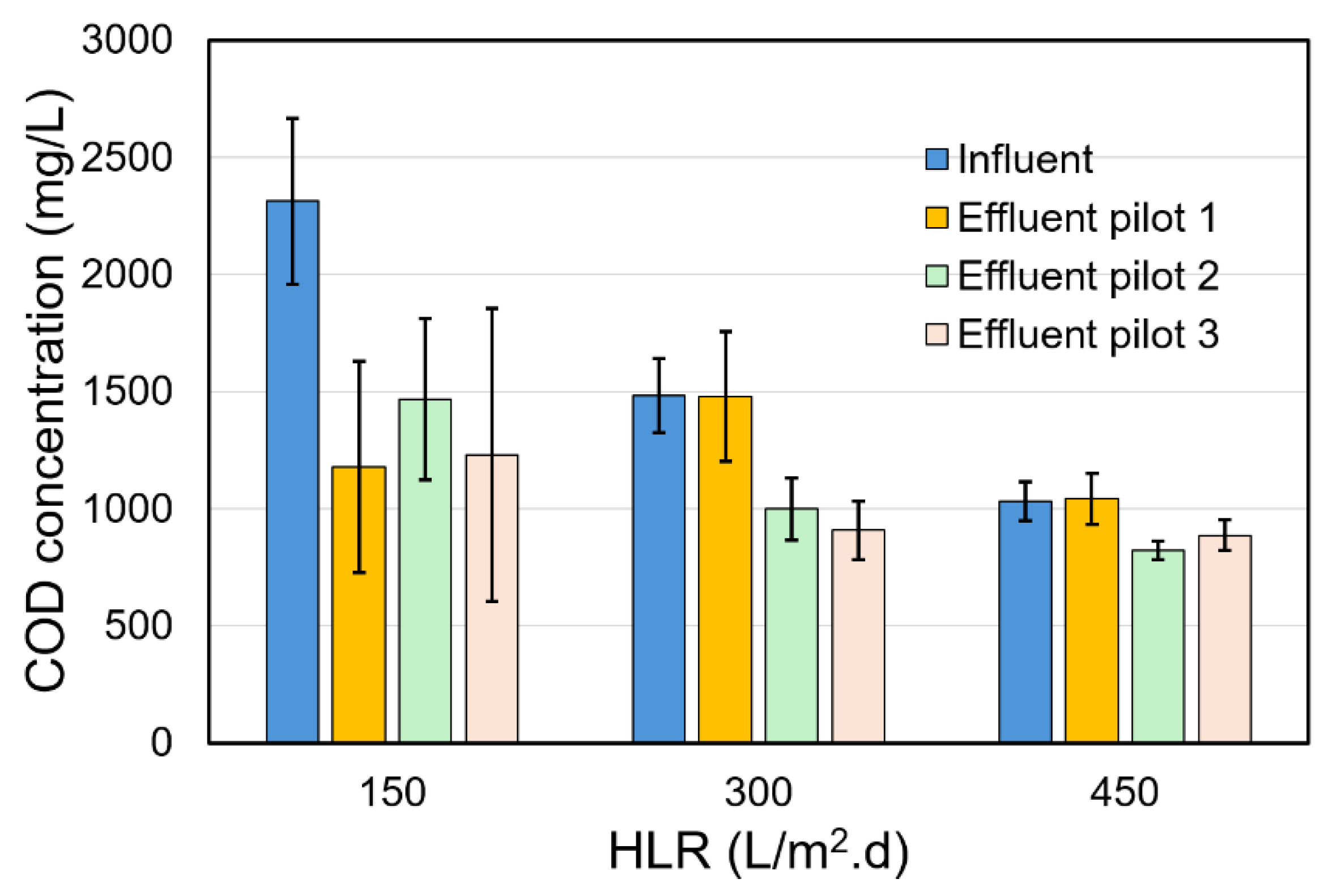
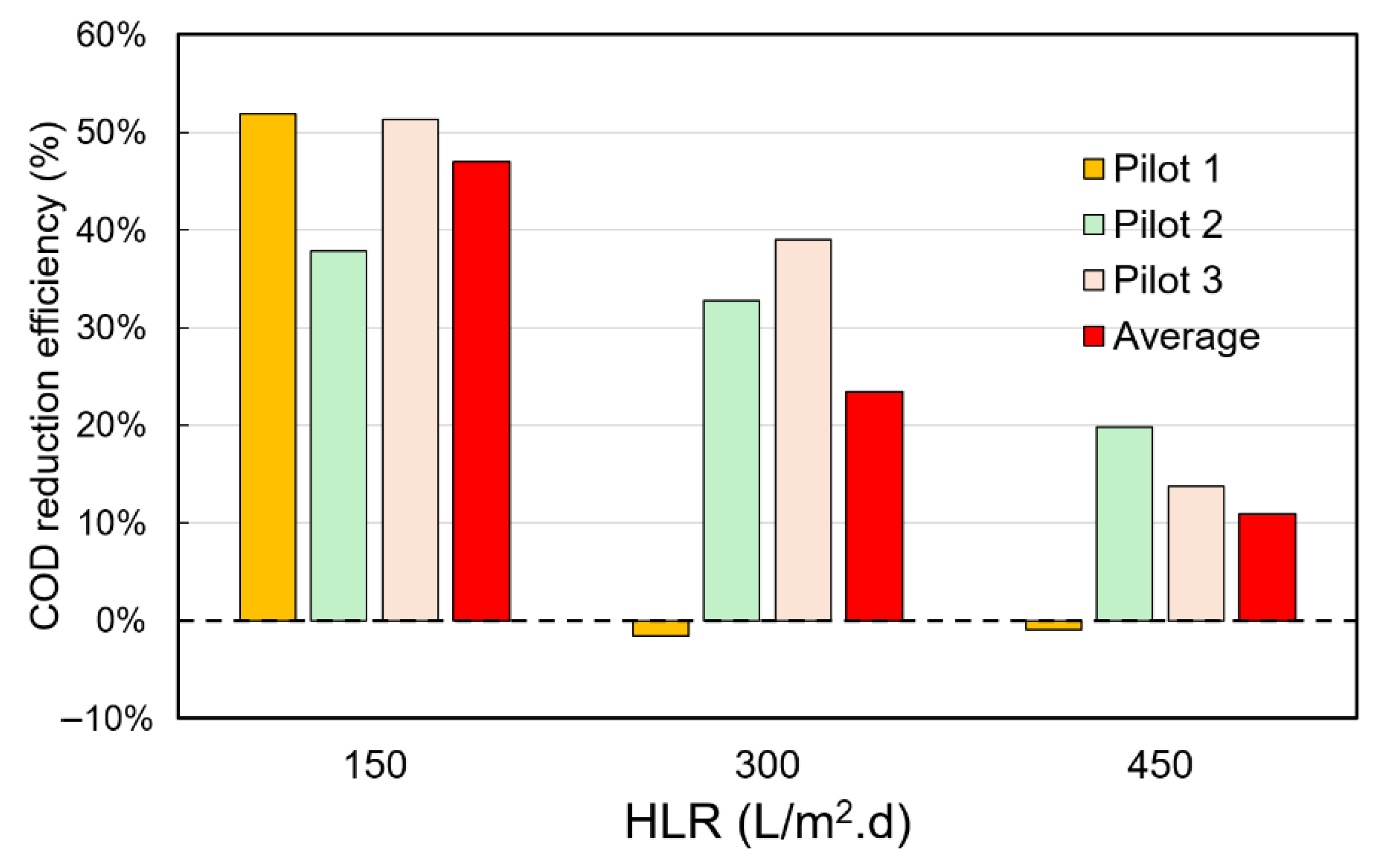
Figure 10 and
Figure 11 show the average influent and effluent COD values of the pilot systems and their corresponding reduction percentages at HLRs of 150 to 450 L/m
2·d. At an HLR of 150 L/m
2·d, the influent COD decreased from approximately 2300 mg/L to 1200–1500 mg/L (
Figure 10), corresponding to a 37–49% reduction (
Figure 11) across the different pilots. The highest reduction was observed in Pilot 1 (49%), indicating favorable hydraulic conditions, sufficient retention time, and the effective activity of earthworms and microorganisms in decomposing soluble organic matter and part of the suspended organics in the sludge.
At an HLR of 300 L/m2·d, Pilot 1 showed almost no COD reduction, whereas Pilots 2 and 3 achieved 33% and 39% removal, respectively. This difference is likely due to the more stable plastic and pumice media, which were able to remove part of the COD.
At the highest HLR of 450 L/m2·d, COD removal was very limited or even negative, similar to the solids removal trends discussed earlier. As noted, this outcome reflects the washing out of sludge particles and biofilm, reduced contact time, decreased efficiency of biological degradation, and the system shifting toward a washout-dominated regime.
These results are consistent with the trends observed for TS and VS removal, confirming that system efficiency decreases with increasing HLR, with the best performance achieved at HLR = 150 L/m2·d. Additionally, Pilots 2 and 3, with more stable media, showed greater resistance to higher flow rates and hydraulic stress, maintaining better performance.
3.3. Performance Evaluation of Pilot Systems in SVI Reduction
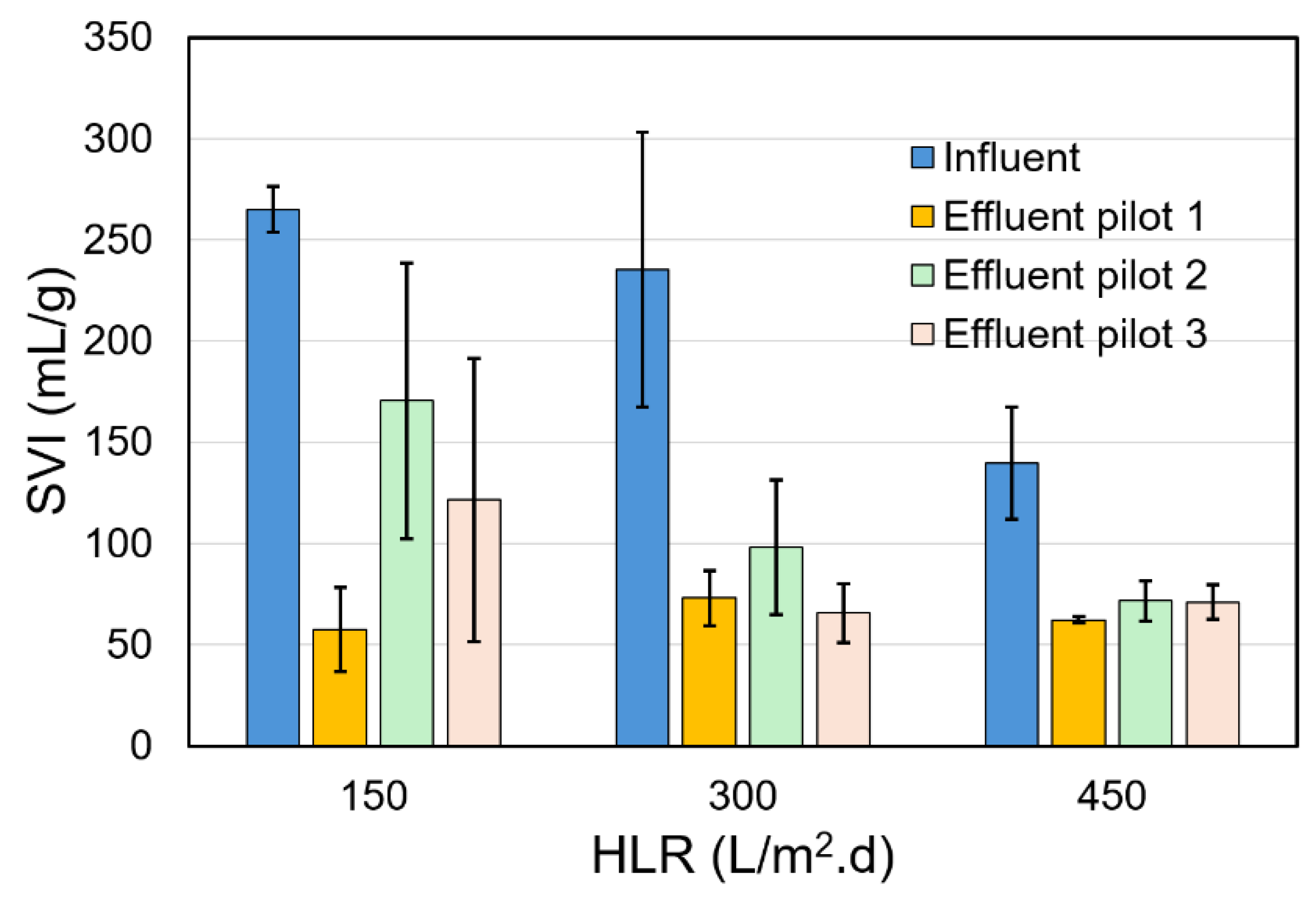
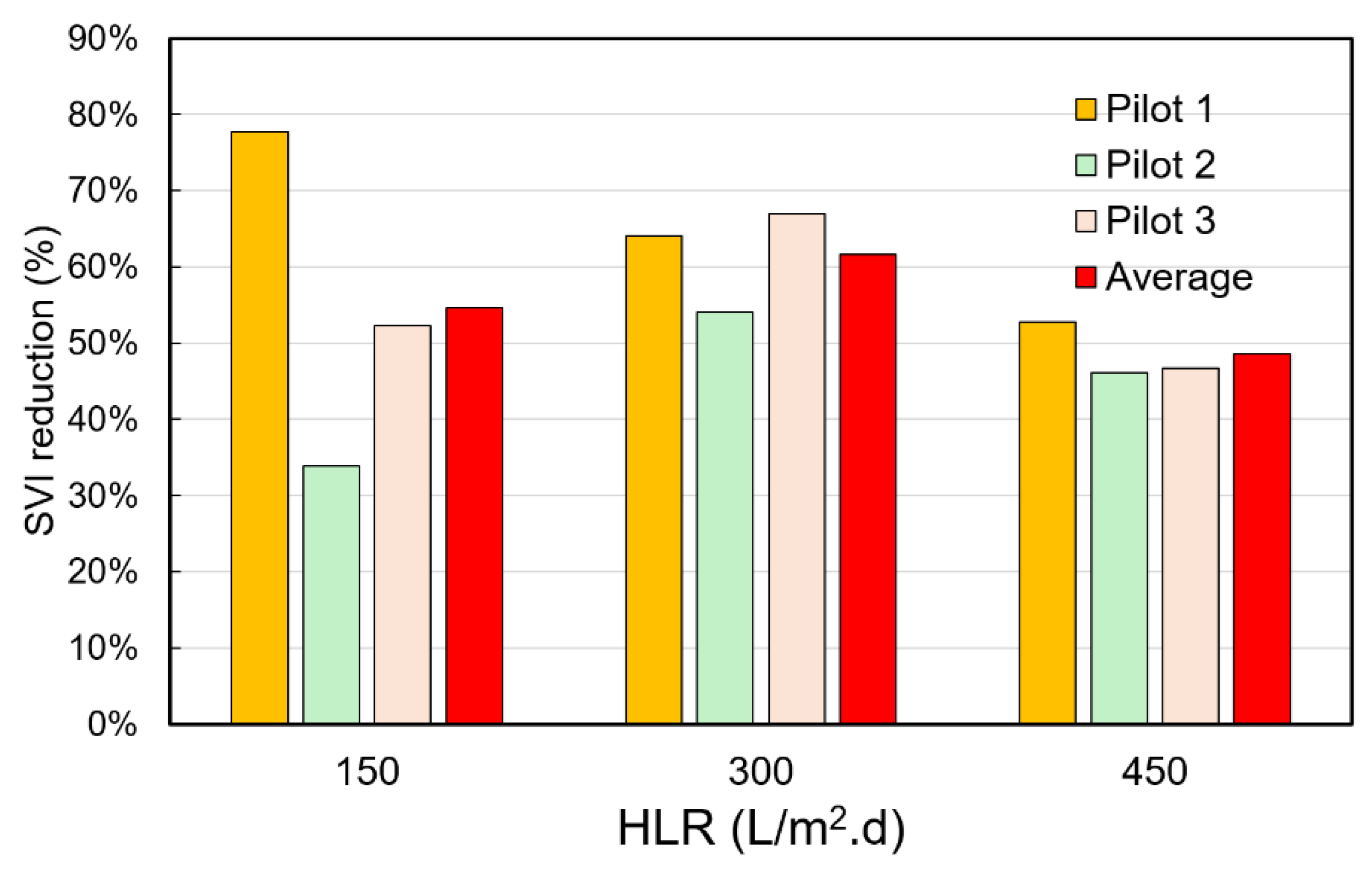
Figure 12 and
Figure 13 present the average influent and effluent SVI values of the pilot systems and their corresponding reduction percentages at the three HLRs under discussion. The influent SVI values ranged from 140 to 265 mL/g, while the effluent values varied from 58 mL/g in Pilot 1 to 171 mL/g in Pilot 2, both at HLR = 150 L/m
2·d. These correspond to reductions of 78% and 36%, respectively. The average SVI reduction percentages across the three HLRs of 150, 300, and 450 L/m
2·d were 56%, 66%, and 51%, respectively.
The variations indicate that, although fluctuations in SVI reduction occur with increasing HLR, overall, unlike solids and organic matter removal, there is no substantial difference in system performance across the different loading rates. At all the HLRs, the vermifilters achieved significant SVI reduction, reflecting improved sludge settleability after treatment. This suggests that the vermifiltration process is less sensitive to HLR changes within the tested range regarding sludge settling properties. The biological activity of earthworms and microorganisms appears to have a more dominant role than hydraulic loading in reducing SVI.
It should be noted that the type of filter media also influenced SVI reduction to some extent, with Pilot 1 generally showing higher reductions than the others. The average SVI reduction was 68% for Pilot 1, 48% for Pilot 2, and 58% for Pilot 3. The statistical significance of these differences will be examined in later sections using ANOVA.
3.4. SRF and TTF Test Results
Due to laboratory and time constraints, SRF and TTF tests were conducted at the medium HLR = 300 L/m2·d. This HLR was selected as an intermediate operational condition, representing stable system performance while allowing a meaningful comparison between pilots with different filter media.
As shown in
Table 4, the influent sludge exhibited an SRF value of 35.20 × 10
12 m/kg and a TTF of 131 s, indicating high resistance to filtration and poor dewaterability. After passing through the vermifilter pilots, notable reductions were observed in both indices. Pilot 1 showed the best improvement in dewatering characteristics, with SRF decreasing to 26.57 × 10
12 m/kg, a 25% reduction compared to the influent sludge. TTF also decreased by 26%. These results, consistent with the SVI improvements observed in Pilot 1, highlight the positive effects of vermifiltration on the breakdown of sludge gel structure, reduction in extracellular polymeric substances (EPSs), and enhanced water release from the sludge matrix.
Recent sludge-focused work has further examined how earthworms can shift stabilization pathways and associated microbial activity during sludge bioprocessing, supporting (at the literature level) the plausibility of the mechanism-based interpretations discussed here [
19].
In Pilot 2, SRF decreased by only 7%, while TTF was reduced by approximately 20%. This indicates that, although structural improvement of the sludge was limited in terms of filtration resistance, free water release was partially facilitated. Pilot 3 showed intermediate performance, with SRF and TTF reductions of 17% and 21%, respectively.
SRF and TTF were quantified only at HLR = 300 L/m2·d; therefore, the dewaterability results reported here are specific to this operating condition. Nevertheless, the broader trends in TS/VS removal and SVI suggest how dewaterability may vary with hydraulic loading. At HLR = 150 L/m2·d, where TS/VS reductions were highest and settleability improvement was greatest, comparable or improved dewaterability would be expected relative to HLR = 300 L/m2·d because reduced dispersed solids and improved solids structure typically favor filtration. In contrast, at HLR = 450 L/m2·d, where reduced contact time and washout effects were observed (including occasional negative removals), dewaterability improvements would likely weaken or become more variable. These expectations are qualitative and should be confirmed by SRF/TTF testing across the full range of HLRs in future work.
Overall, the SRF and TTF results at HLR = 300 L/m2·d, together with the SVI trends presented earlier, suggest that vermifiltration can improve sludge-handling characteristics, with the magnitude of improvement depending on operating conditions and media type. The differences in performance among the pilots highlight the significant role of filter media type in modifying sludge structure and filtration behavior. The simultaneous reduction in SRF and TTF indicates improved dewatering potential and reduced operational challenges in subsequent sludge management stages.
3.5. Comparison with Prior Vermifiltration Sludge Studies
The magnitude of organic matter reduction observed here (maximum COD reduction of 49% at HLR = 150 L/m
2·d) was consistent with sludge vermifiltration studies reporting approximately ~50% TCOD reduction under stabilized operation. For example, Zhao et al. reported TCOD reduction ranges of ~48.5–53.5% for a vermifilter treating domestic wastewater sludge under continuous operation with effluent recycle [
14]. In the same study, enhanced volatile suspended solids reduction relative to a non-worm biofilter was reported, supporting that vermifiltration can measurably improve sludge stabilization outcomes [
3]. Relative to these benchmarks, our COD and solids reductions fell within the expected performance envelope for direct sludge vermifiltration, while the observed decline at higher HLRs highlighted the importance of maintaining hydraulic conditions that avoid washout and preserve effective contact/retention within the bed.
3.6. Evaluation of Organic Loading Rate (OLR)
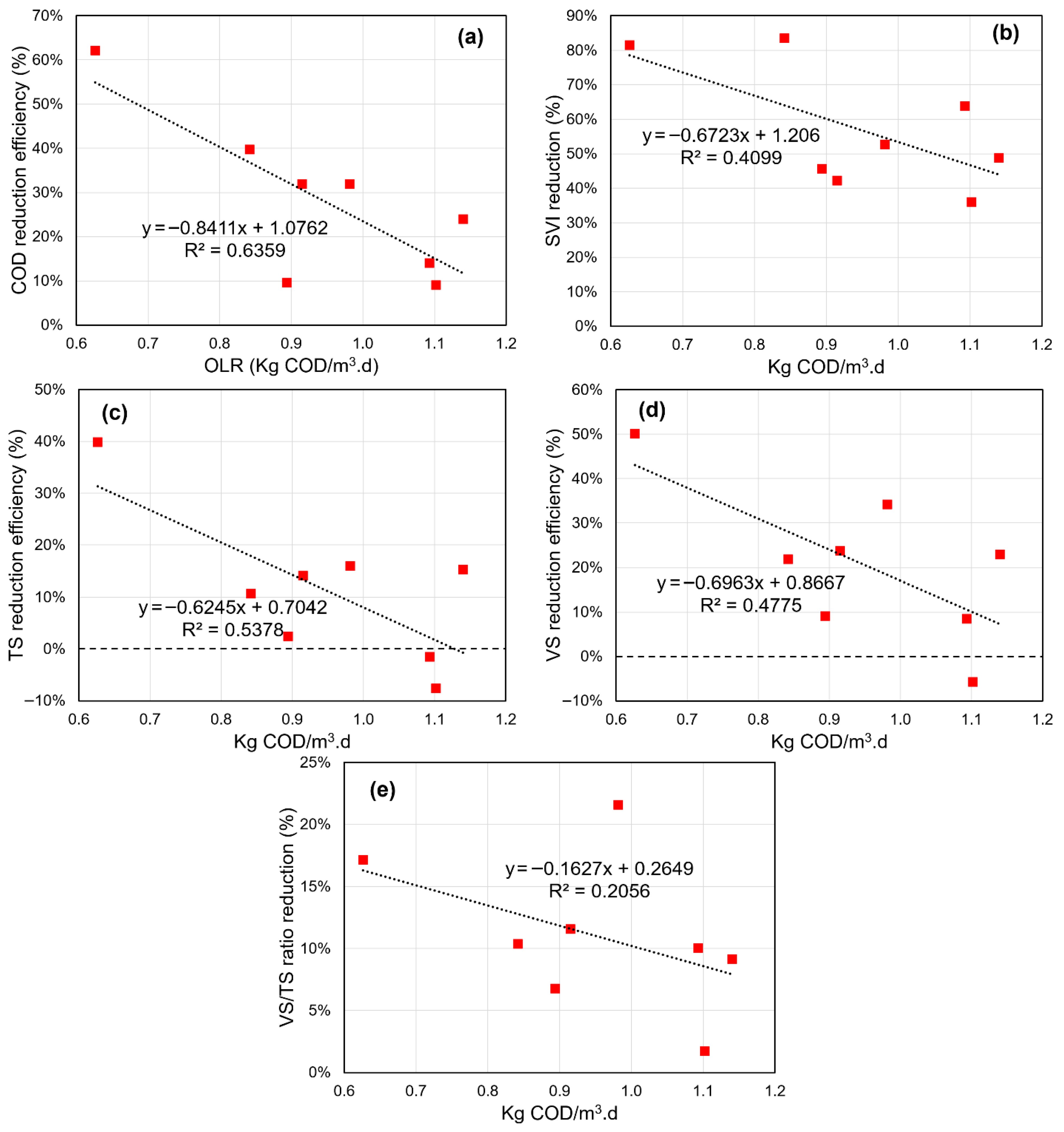
It should be noted that, in this study, OLR was not manipulated independently. Because HLR was changed by varying influent flow, the applied organic mass flux to the vermifilters also changed; therefore, HLR and OLR co-varied. As a result, the regression analysis presented in this section is intended to provide descriptive insight into observed associations within the tested operating envelope, and it should not be interpreted as demonstrating independent causal control of performance by OLR alone. To investigate the relationship between OLR and system performance efficiency, a regression analysis was conducted between OLR and the reduction efficiency of the measured parameters. In this analysis, OLR values were calculated according to Equation (2) using the measured COD of the influent sludge for each experiment. Regression analysis was then performed on the average percentage reductions of five parameters (COD, SVI, TS, VS, and VS/TS) for the three pilot systems as a function of OLR.
Figure 14 presents the data plots, linear regression equations, and corresponding coefficients of determination (R
2). In calculating the averages, negative percentage values indicate cases where the effluent values were higher than the influent values. The negative slopes of the regression lines indicate an inverse relationship between the OLR and the performance efficiency of the pilots.
Among the performance parameters examined, COD reduction showed the strongest inverse association with influent organic loading rate (R2 = 0.63), with higher OLR values generally corresponding to lower COD reduction within the coupled loading conditions evaluated. TS and VS reductions showed moderate inverse associations with OLR (R2 = 0.54 and 0.48, respectively), while SVI reduction (R2 = 0.40) and VS/TS reduction (R2 = 0.20) showed weaker relationships. These regressions are interpreted as descriptive trends under the present experimental design, where OLR co-varied with hydraulic throughput.
Regression analyses between percentage reductions and the specific organic loading rate (OLRs, Equation (3)) yielded uniformly weaker fits (all R2 < 0.42). This pattern suggested that, for the tested configuration, scaling the load by nominal media surface area did not improve explanatory power relative to bulk OLR. Accordingly, surface area alone did not appear to determine performance; other media attributes (e.g., porosity, pore structure, and hydraulic stability under loading) likely contributed jointly to the observed outcomes.
3.7. Investigation of the Effect of Filter Media Type
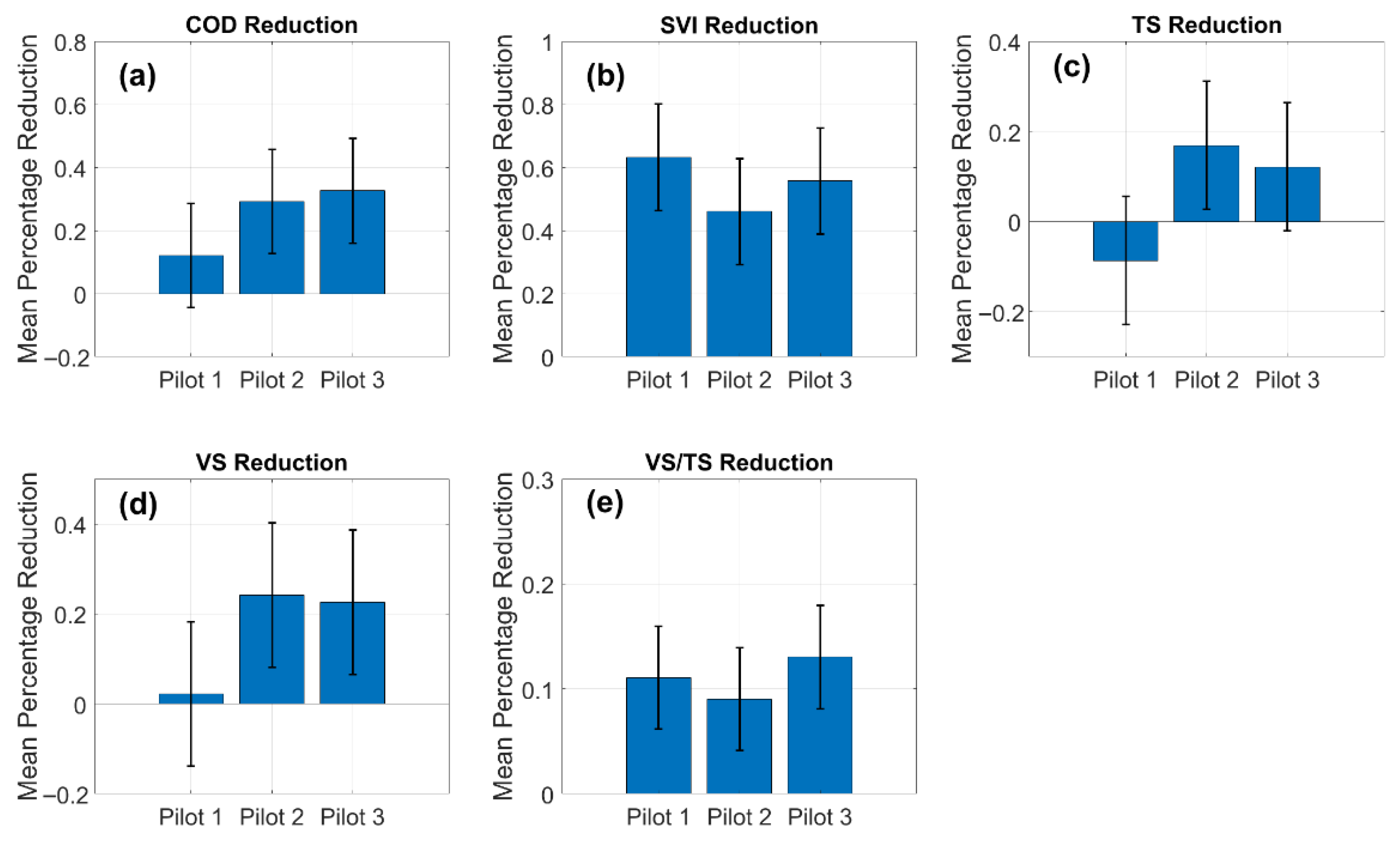
In this section, the effect of filter media type on vermifilter performance is examined and compared. Comparisons were based on the percentage reduction in five parameters (COD, SVI, TS, VS, and VS/TS). These comparisons were assessed for statistical significance. To this end, the normality of the data was first confirmed using the Anderson–Darling test, and a one-way analysis of variance (ANOVA) was applied to compare the means using MINITAB software. The null hypothesis in this statistical test assumes that all means are equal. Considering a 95% confidence level, if the p-value is less than 0.05, the null hypothesis is rejected, indicating a significant difference among the means.
Table 5 presents the results of this test, including degrees of freedom, F-statistics, and
p-values. In
Figure 15, the mean values and 95% confidence intervals are shown as error bars. The results indicate that media type significantly affected TS reduction (
p = 0.015), whereas VS reduction showed only a borderline trend that did not reach significance at α = 0.05 (
p = 0.055). For COD, SVI, and VS/TS reduction, no statistically significant differences among media were observed (
p > 0.05) (
Table 5). Accordingly, the media types showed broadly similar performance for COD and SVI reduction under the tested conditions.
To interpret the media-dependent behavior, it is important to consider physical properties governing hydraulic stability under higher HLRs. Beyond specific surface area, the media response to hydraulic stress depended strongly on (i) mechanical strength and abrasion resistance, which govern fines generation and bed degradation under high shear; (ii) particle shape and packing, which control inter-particle void stability and preferential flow formation; and (iii) compressibility and resistance to compaction/clogging, which influence how pore space and permeability change during intermittent high flows. In this study, LECA exhibited greater susceptibility to physical degradation and flushing at higher HLRs, increasing effluent TS and destabilizing performance, whereas pumice and HDPE plastic media maintained more stable pore structure and hydraulic pathways, improving resistance to washout under elevated loading. The significant difference in the reduction efficiency of TS was mainly attributed to the physical instability of the LECA media under high HLR and the occurrence of flushing. This finding implies that, under the operational conditions of this study, the choice of filter media had no considerable effect on the removal efficiency of COD, VS, or the improvement of SVI, and other factors such as HLR, OLR, and the biological activity of earthworms played a more important role in the overall system performance.
Overall, despite the lack of statistically significant differences between media types, based on the general assessment of the results, it can be concluded that LECA is not suitable for HLRs higher than 150 L/m2·d due to increased TS in the effluent. However, at an HLR of 150 L/m2·d, which is considered to be optimal, all the pilot systems achieved similar results, capable of stabilizing the sludge, reducing organic matter by more than 38% in accordance with the EPA’s standards, and improving sludge dewaterability.
4. Conclusions
This study systematically evaluated the performance of pilot-scale vermifiltration systems for the treatment of municipal sewage sludge under varying hydraulic and organic loading conditions. The results indicate that vermifiltration is an effective and biologically sustainable technology capable of reducing organic matter content, improving sludge settleability, and enhancing dewaterability when operated under appropriate conditions. HLR was identified as the most critical operational parameter influencing system performance. The highest treatment efficiencies were achieved at an HLR of 150 L/m2·d., where substantial reductions in COD, TS, VS, and SVI were observed. From an infrastructure perspective, the identified optimal operation at HLR = 150 L/m2·d suggests that full-scale implementation would require either (i) a sufficient vermifilter bed area (or multiple modular units in parallel) to maintain low hydraulic stress or (ii) operation as a side-stream process treating a portion of the sludge flow to achieve conditioning benefits without requiring treatment of the entire sludge throughput. The intermittent loading approach used here also translates to practical operation via scheduled pumping cycles, which can be aligned with existing sludge pumping and dewatering schedules. Therefore, vermifiltration is best positioned as a conditioning/stabilization step prior to dewatering (or as a side-stream conditioning module), with media selection guided by hydraulic robustness at higher loadings (e.g., pumice or plastic media) when footprint constraints necessitate higher hydraulic throughput. Increasing the HLR beyond this level led to a pronounced decline in treatment efficiency due to reduced retention time, biofilm detachment, and washout-dominated behavior, highlighting the hydraulic sensitivity of vermifiltration systems treating sludge. The regression analysis further showed that COD and VS reduction had the strongest associations with OLR within the coupled HLR–OLR design, and these relationships should therefore be interpreted as descriptive rather than independently causal. Dewaterability assessments using SRF and TTF under moderate HLR conditions showed significant improvement in sludge filtration characteristics, indicating the potential to reduce downstream sludge-handling and disposal challenges. Although the statistical analysis revealed no significant differences among the filter media in terms of COD and SVI percent reduction, clear practical differences were observed in hydraulic stability. The mineral pumice and plastic media showed superior resistance to high hydraulic stress, whereas the LECA medium was prone to flushing at elevated loadings. These findings underscore the importance of media selection based on hydraulic robustness rather than surface area alone. Overall, vermifiltration represents a promising low-energy alternative for municipal sludge stabilization at the pilot scale. However, its successful implementation strongly depends on optimized hydraulic loading and appropriate filter media selection. Future work should use an experimental design that independently varies hydraulic throughput and influent COD concentration (e.g., factorial design) to separate hydraulic effects from organic loading effects. Future research should focus on long-term system stability, earthworm population dynamics under sustained high loadings, and the integration of vermifiltration with complementary sludge treatment processes to enhance overall treatment efficiency.