Article

Performance Evaluation of Fiber-Reinforced Rubberized Paving-Blocks Containing Ceramic and Glass Wastes

1
Structural Engineering Department, Mansoura University, Mansoura 35516, Egypt
2
Civil Engineering Department, Horus University—Egypt, New-Damietta 44921, Egypt
*
Author to whom correspondence should be addressed.
Infrastructures 2025, 10(11), 298; https://doi.org/10.3390/infrastructures10110298
Submission received: 9 September 2025 / Revised: 5 November 2025 / Accepted: 6 November 2025 / Published: 7 November 2025

Abstract

The increasing demand for sustainable construction materials has underscored the limitations of conventional interlocking paving blocks (IPBs), particularly regarding durability, mechanical performance, and environmental impact. To overcome these shortcomings, this study proposes an integrated strategy of incorporating various waste materials in the production of IPBs namely: Untreated and surface-treated crumb rubber (CR) as a partial sand replacement at levels of 10%, and 20%; ceramic powder (CP) and glass powder (GP) as cement partial replacement at levels of 10%, 20%, and 30%, recycled ceramic as a full replacement of dolomite; and discrete fibers (basalt, polypropylene, and glass). A series of experimental tests was conducted to assess the slump, compressive and flexural strengths, water absorption, abrasion resistance, and microstructure of the proposed IPBs. The results of this study revealed that while untreated CR reduced workability and strength, it enhanced flexural resistance. Surface treatments of CR using CP and GP improved bonding and reduced porosity, with 20% CP yielding the best performances of 17.3% and 20% increases in compressive and flexural strength, respectively. Among fibers, 0.6% basalt fiber offered optimal strength and abrasion resistance (0.20 mm), while 0.6% polypropylene fiber achieved the lowest water absorption (3.70%) and a minimum abrasion depth of 0.28 mm at TR20CP mix. Microstructure analyses confirmed denser microstructure and stronger interfacial bonding in treated and fiber-reinforced mixes. This work offers a scalable, waste-based enhancement strategy for producing more durable and sustainable production of IPBs.

1. Introduction

Paving block or paver block is one of the commonly used concrete products today. It is widely used in pedestrian walk ways, roads, industrial areas, airport aprons, ports and taxi ways [1]. It is mainly used for creating a pavement or hard standing while at the same time serving for decoration purposes [2]. The major advantage of block paving is that individual paving blocks can be replaced easily for maintenance purposes. Thus, remedial work can be done under the surface of pavement without affecting the surface structure after replacement of paving blocks. In addition, paving block has good drainage capacity and good freeze–thaw performance [3]. It has grown in favor as a long-lasting, aesthetically pleasing, and simple-to-install substitute for conventional concrete pavements. There are a number of important reasons behind the increase in paving block utilization. First of all, they provide unmatched architectural flexibility, enabling the integration of complex patterns into private projects or urban landscapes [4]. They are a popular option for public infrastructure, business, and residential buildings due to their visual appeal. Second, paving blocks are excellent for a variety of applications due to their reputation for durability, which allows them to survive harsh weather conditions and large loads. Their popularity has grown because to their longevity and low maintenance requirements, which has accelerated their acceptance in the building sector [5].
The accumulation of tire waste has become a major environmental and social concern, with global scrap tire production reaching around one billion annually and expected to increase due to rising vehicle demand [6]. Higher impact resistance and toughness, a higher damping ratio, less weight, improved ductility, and better thermal and acoustic insulation qualities are just a few of the benefits that CR concrete offers over traditional concrete [7]. However, CR concrete’s lower compressive strength has mostly limited its employment to non-structural applications that are vulnerable to vibrations or impact stresses, such traffic barriers, pipe heads, and railway sleepers. Initial investigations into enhancing CR concrete have shown considerable potential [7]. Various treatment methods including chemical, physical, and thermal treatments were conducted on CR [8,9]. The most effective technique involved pretreating rubber with waste quarry dust [9]. The adhered dust particles reduced the rubber’s hydrophobicity, thereby more effectively mitigating the characteristic strength loss of CR concrete compared to alternative methods. Mohammed [10] and Reda Taha et al. [11] indicated that concrete contains CR retains less density, high toughness and ductility, high sound absorption and heat insulation but reduces the compressive strength and modulus of rupture.
The continuous infrastructural development resulted in rapid depletion of the building material resources and escalated production of the solid waste [12]. Among the elements of the concrete, a crucial one is the cement that imparts strength as a binding agent and is the most expensive one [13]. Waste ceramic powder (CP) is industrial by-product generated during the polishing of tiles. Unfortunately, this waste amount to about 1.9 kg per polishing of 1 m2 area tiles [14]. Partly replacing the cement by CP not only contributes to sustainable development but also enhances the properties of cement mortar and concrete by reduction in porosity and cracks [15]. Studies indicate that CP exhibits a significant pozzolanic effect due to its high silica and alumina content, which is comparable to conventional natural pozzolans. Consequently, it serves as a viable partial replacement for cement [16]. Mazenan et al. [17] presented a review of cement replacement with CP to improve the characteristics of concrete.
Researchers are interested in waste glass powder (GP), which is growing as a result of industrialization and urbanization, as a concrete additive material because of its effects on mechanical and economic performance. Due to its oxidizing effect, waste glass raises the risk of soil and water pollution because there is no regular storage space for it. As a result, using recycled glass in the manufacturing of concrete will significantly lessen environmental issues. In line with ASTM C618-19 [18], waste glass can be pulverized into powder to create pozzolanic material or cement additive since it has an amorphous structure and contains a lot of calcium [19]. As a result, GP can be utilized to make concrete by substituting cement in specific amounts [20]. According to recent studies, the mechanical characteristics of concrete are improved when 15–25% of the cement is replaced with GP. Aliabdo et al. [19] used 25% substitution of cement to investigate the mechanical effect of GP in concrete. According to the results obtained, it was observed that the void ratio and density of the samples decreased, while the tensile and compressive strengths increased.
Ahmed and Ali [21] developed and evaluated interlocking hollow blocks made entirely from recycled plastics for mortar-free housing construction. Their study focused on the mechanical and damping performance of different block shapes, particularly those with shear keys compared to plain configurations. Experimental tests revealed that blocks with shear keys exhibited higher compressive and shear strength, with in-plane shear strengths ranging from 2.09 to 2.44 MPa, and improved energy absorption up to 29.9%. Although the absolute compressive strength was moderate compared to conventional concrete blocks, the system demonstrated promising mechanical behavior for lightweight and sustainable walling applications. The authors emphasized that using 100% recycled plastic significantly reduces environmental pollution and promotes circular construction materials. However, they noted that further research is required to evaluate long-term durability, UV stability, and fire resistance of plastic-based interlocking systems.
Kibiina et al. [22] investigated the performance of paving blocks produced by using recycled plastic waste as a partial or complete binding material in place of conventional cement. The study aimed to evaluate the feasibility of plastic waste as an eco-friendly alternative binder for paving applications. Different mix proportions were prepared and tested for compressive strength, density, and water absorption. The results showed that blocks containing moderate amounts of plastic exhibited satisfactory compressive strength and lower density, making them suitable for light-duty pavements and pedestrian walkways. However, excessive plastic content led to reduced mechanical strength and higher water absorption. The authors concluded that plastic waste can be effectively utilized as a binder to produce cost-efficient and sustainable paving blocks, though further investigation on long-term durability and weather resistance is still required.
In addition to supplementary cementitious materials, fibers are increasingly used to enhance concrete performance. The production of chopped basalt fiber (BF) is more sustainable than that of glass fibers, as it is less energy-intensive and chemical-free [20]. BF improves concrete ductility under compression and increases tensile strength [23]. Polypropylene (PP) fiber is also effective in improving durability and wear resistance. For instance, Vaitkus et al. [24] showed that the use of 49.5 kg/m3 steel fiber or 10 kg/m3 PP could reduce pavement thickness by up to 39%, while Wang et al. [25] reported a 22–35% reduction in abrasion when PP was used. Although excessive fiber content can reduce performance, moderate amounts significantly enhance mechanical and durability properties [26,27].

Scope and Significance of the Study

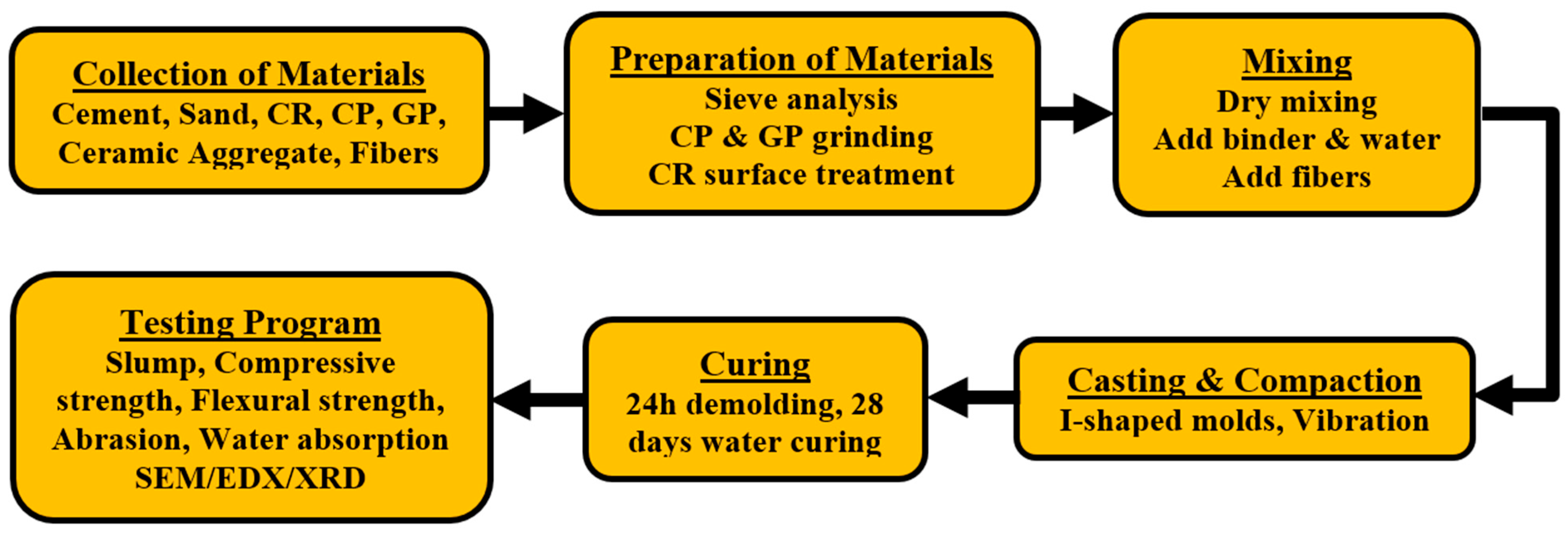
Most previous studies on sustainable concrete have focused on incorporating single waste materials into conventional mixes. However, research on interlocking paving blocks (IPBs) produced with alternative materials such as CP, GP, and CR is still very limited. Similarly, the use of fibers has often been restricted to one type and dosage, offering only partial insights into their potential. To address these gaps, this study develops sustainable IPBs by combining CP and GP as partial cement replacements with CR as a partial sand replacement, and by incorporating basalt, glass, and polypropylene fibers at varying dosages. The aim is to enhance mechanical performance and durability while promoting waste utilization, resource conservation, and emission reduction in the construction sector. Figure 1 shows a flowchart of the experimental program for sustainable IPBs.

2. Materials and Procedures

2.1. Materials

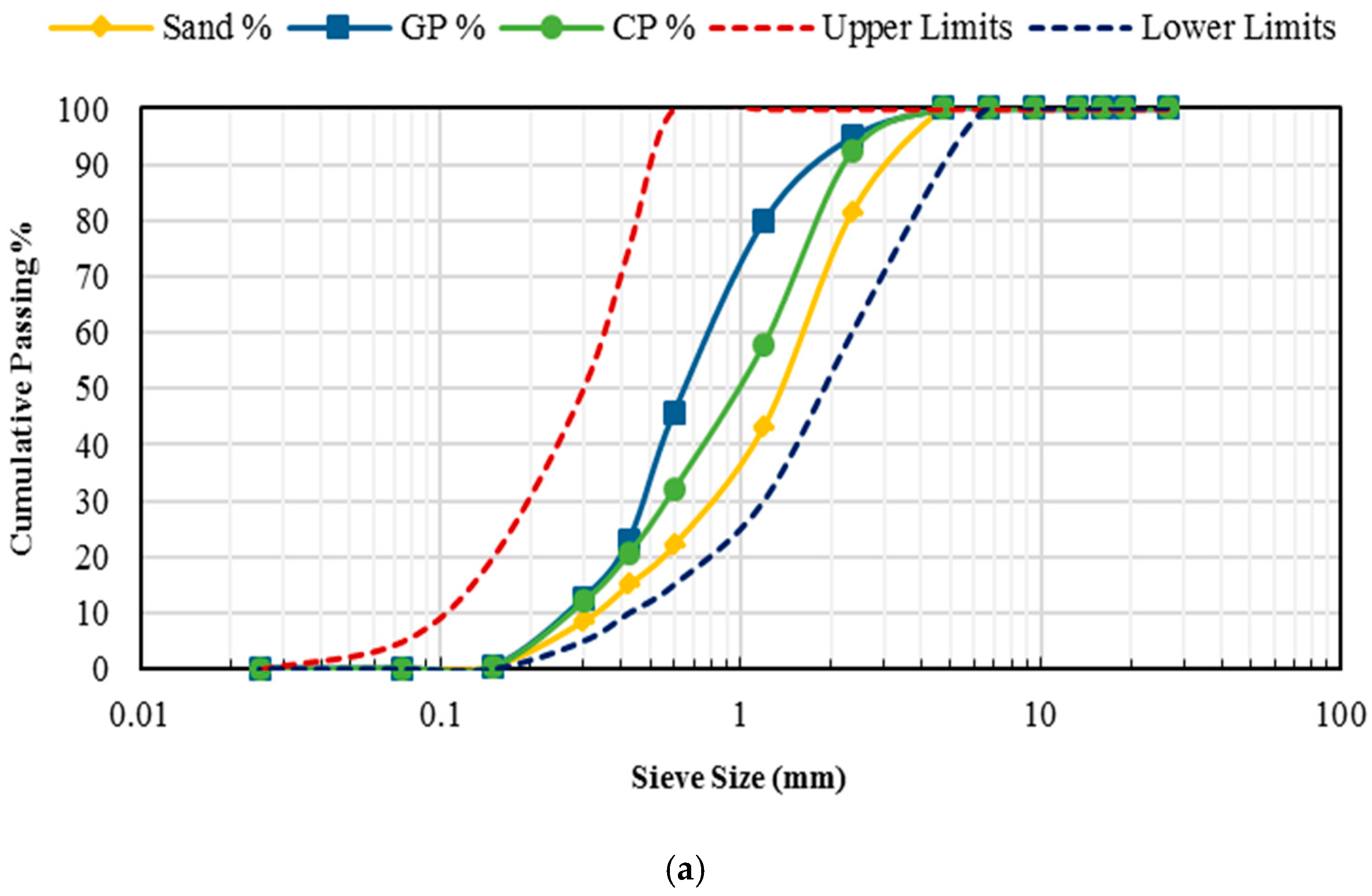
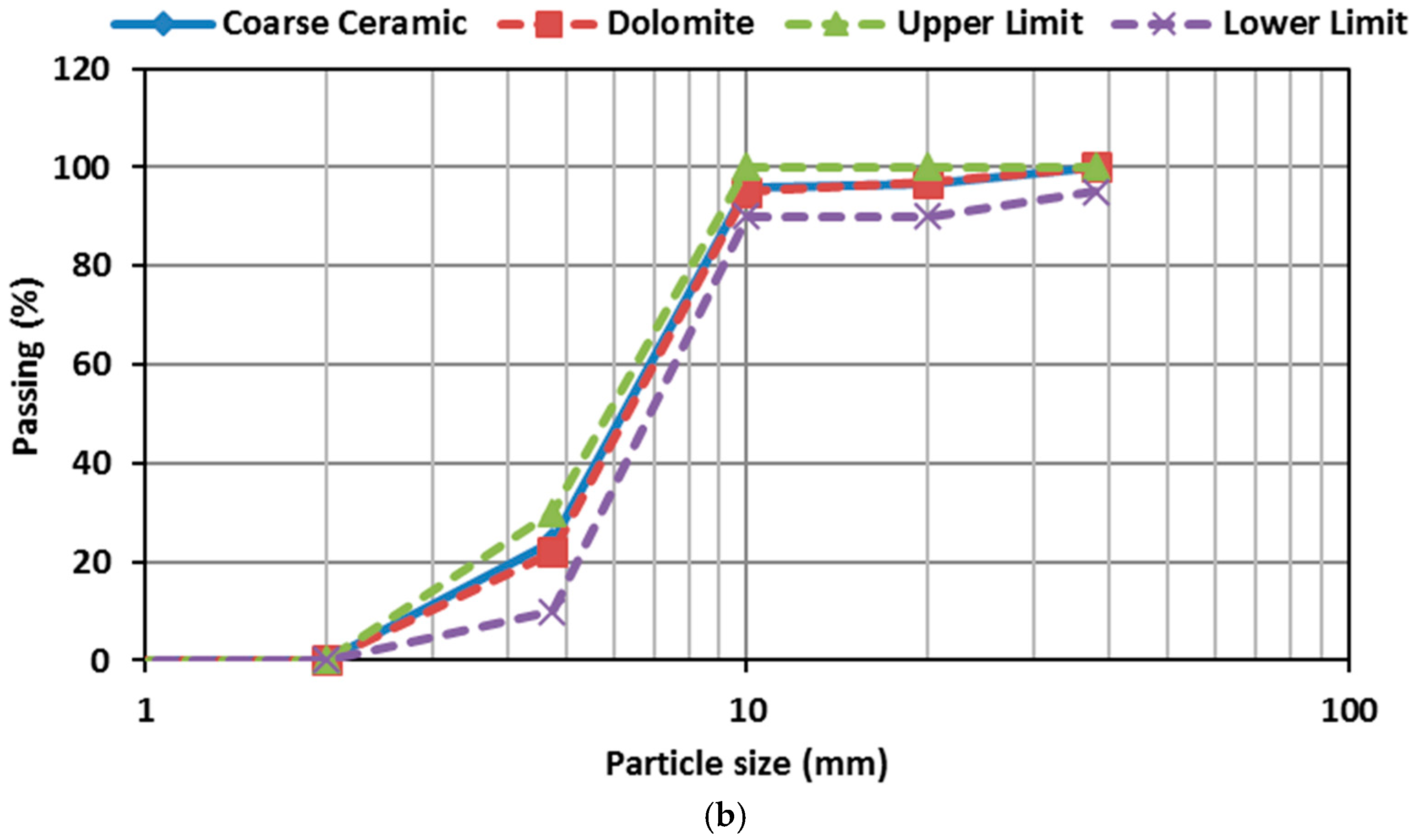
In the present investigation, Portland cement type (CEM I 42.5N) was used as the primary binder in all mixes, in accordance with BS EN 197-1:2011 [28]. The cement was obtained from local supplier in Egypt. The cement had a specific gravity of 3.15. Natural river sand served as the fine aggregate, with a specific gravity of 2.64 and a maximum particle size of 4.75 mm. The sand was sourced from local sand quarry. Two types of coarse aggregates were considered in this study, namely, dolomite and recycled ceramic aggregate. Dolomite was used only in the control mix (CC), whereas in all other experimental mixes, dolomite was fully replaced with recycled ceramic aggregate. Both types of coarse aggregates were obtained from local quarry/recycling plant and had a nominal size of 16 mm, a specific gravity of 2.68, and complied with the grading requirements of ASTM C33 [29], as shown in Figure 2.
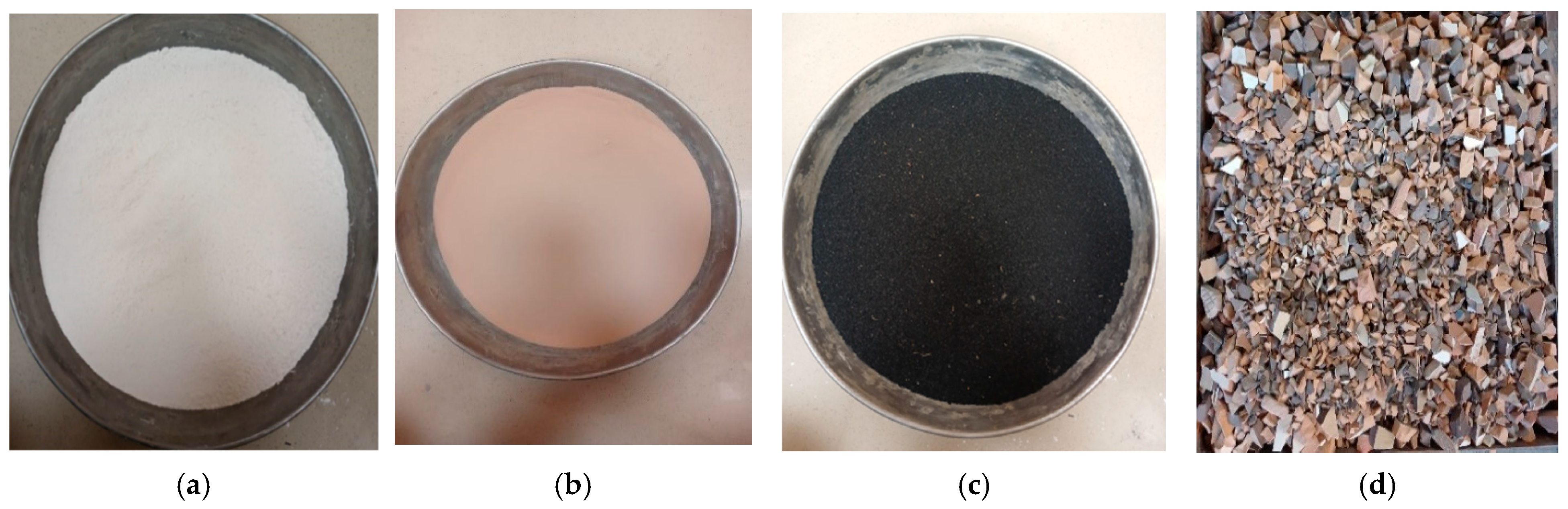
Partial replacement of cement was achieved using two waste materials: CP and GP, with specific gravities of 2.5 and 2.6, respectively. The CP and GP were collected from local recycling facilities. The CP was finely ground to obtain particle sizes passing 75 µm in order to be suitable as a partial replacement for cement. The chemical composition of all cementitious materials used are summarized in Table 1. Additionally, river sand was partially replaced by CR with a bulk density of 0.53 t/m3, a specific gravity of 0.97, and particle sizes ranging between 2 mm and 5 mm. The CR was sourced from a local tire recycling plant. The sieve analysis of sand and all its substitutes are shown in Figure 1. Figure 3 shows the recycled waste materials utilized as aggregates in producing IPBs in this study. To enhance the mechanical and physical properties of the IPBs, three different types of fibers were incorporated into the mix: GF, PP, and BF, as illustrated in Figure 4. BF were imported from Iraq, while GF and PP fibers were obtained locally from suppliers in Egypt. Each fiber type was selected based on its unique physical and mechanical characteristics, as well as its proven effectiveness in improving the overall performance of concrete-based materials. The fibers utilized in this study had specific gravities of 2.70 g/cm3 for BF, 0.91 g/cm3 for PP, and 2.50 g/cm3 GF. The dimensions and mechanical properties of these fibers are summarized in Table 2.

2.2. Mix Proportions

A total of 16 IPBs mixtures were prepared in this study, as detailed in Table 3. The control mix (denoted as CC) was composed solely of cement, natural sand, Dolomite, and water. It was designed to achieve a target slump of 80 mm and a compressive strength of 40 MPa at 28 days. To develop CR mixtures, sand was partially replaced by 10% and 20% CR by volume. For enhanced performance, physically treated rubber was used in combinations with CP and GP in two mixes, namely TR20CP and TR20GP, where 20% of sand was replaced by CR. Furthermore, PC was partially replaced by two types of waste-based pozzolanic materials and CP and GP at replacement levels of 10%, 20%, and 30% by volume in mixes CP10, CP20, CP30, GP10, GP20, and GP30. In the control mix, BF was incorporated at three dosage levels—0.3%, 0.6%, and 1.0% by volume of concrete—to assess its influence on the mixture performance and determine the optimum dosage. Considering both performance enhancement and cost efficiency, the test results indicated that 0.6% was the optimum BF content. Accordingly, this dosage level was adopted for incorporating GF and PP fibers in the corresponding mixes. All mixtures were produced with a constant water-to-binder ratio (w/b) of 0.5.

2.3. Physical Treatment of Crumb Rubber

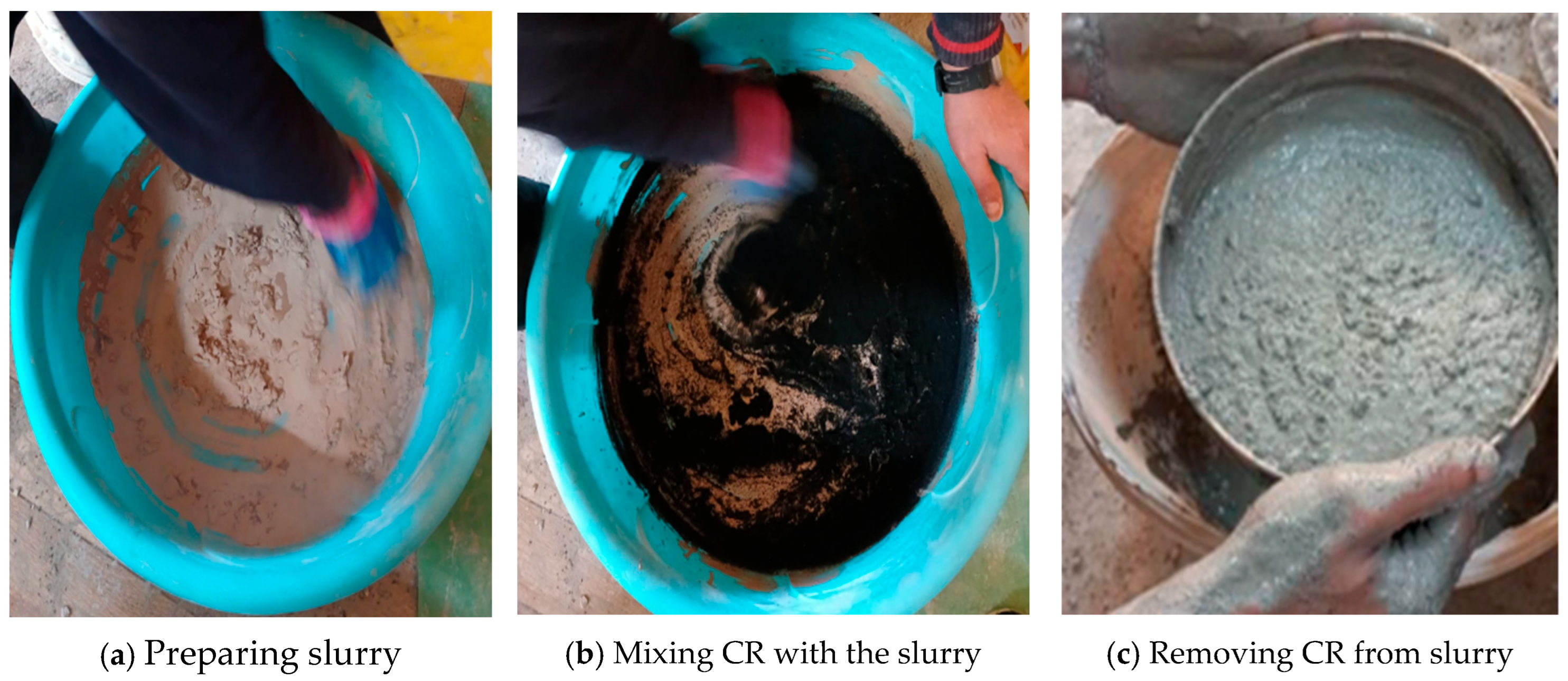
Previous studies have reported poor interfacial bonding between rubber particles and cementitious matrices [30]. To address this limitation, the current study employed the same waste-based pozzolanic materials (CP and GP) used as partial cement replacements, to physically treat the CR particles. A slurry was prepared from each waste material by mixing it with water at a constant water-to-powder ratio of 0.6 by weight, as illustrated in Figure 5. The water content in each slurry was adjusted to achieve a consistent volume and viscosity, allowing uniform coating of the rubber surface. The crumb rubber was then added to the slurry and thoroughly mixed in a plastic container for 5 to 10 min, ensuring complete coverage of all particle surfaces. Following mixing, the rubber particles were sieved to facilitate handling and air-cured on plastic sheets for 48 h at ambient temperature. The resulting treated particles were then stored in sealed, airtight containers until being used in the IPB mixes.

2.4. Preparing and Casting of Specimens

All IPBs’ mixtures were prepared using a 70 L horizontal pan mixer. Initially, the CR, fine aggregates, and coarse aggregates were dry-mixed for one minute to ensure uniform distribution. Cement was then added, followed by an additional minute of dry mixing. Subsequently, the required amount of mixing water was introduced, and the mixture was left to rest for two minutes to facilitate hydration. The appropriate dosage of fibers was then added gradually to the wet mix, and blending continued for extra three minutes to ensure uniform fiber dispersion throughout the matrix.
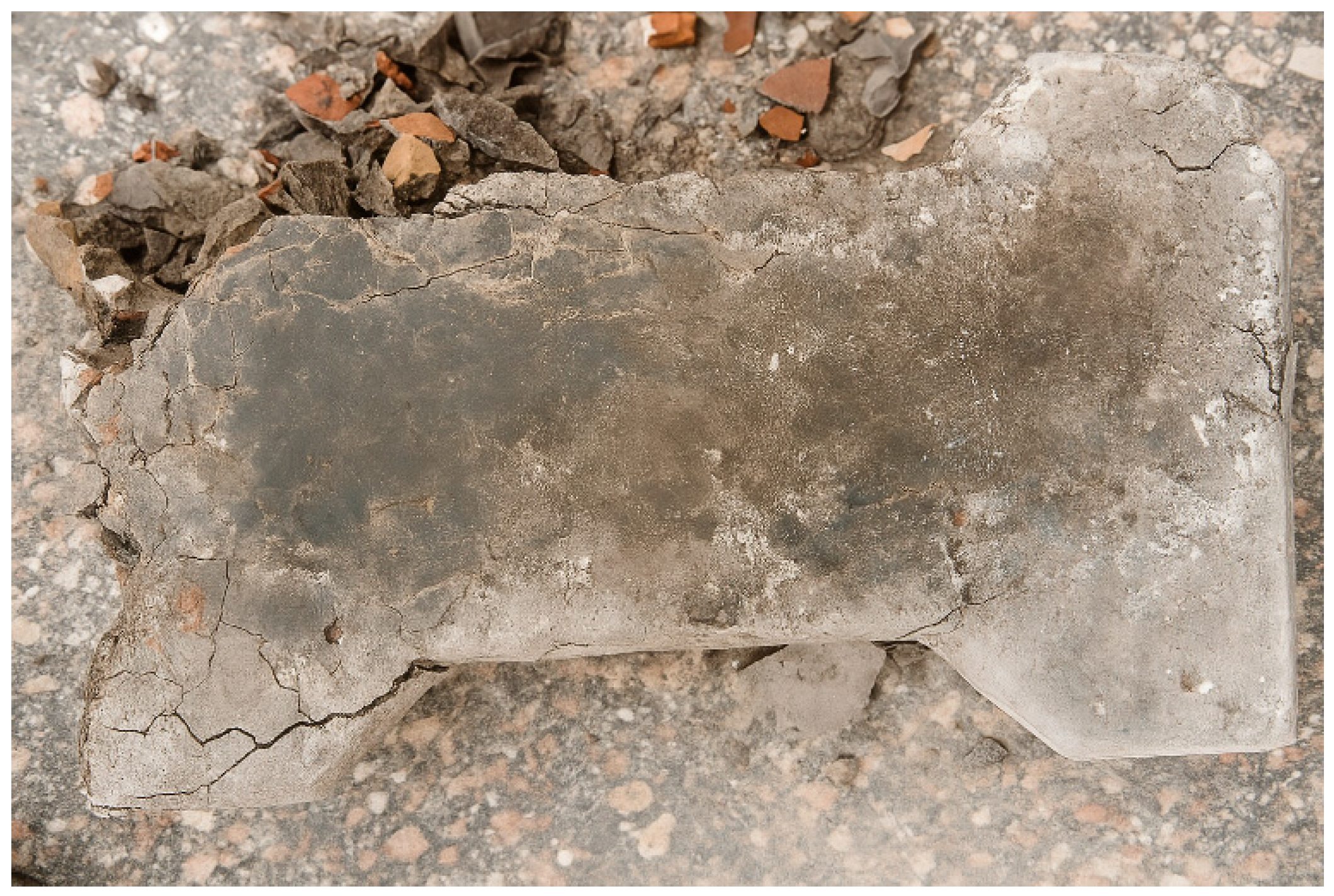
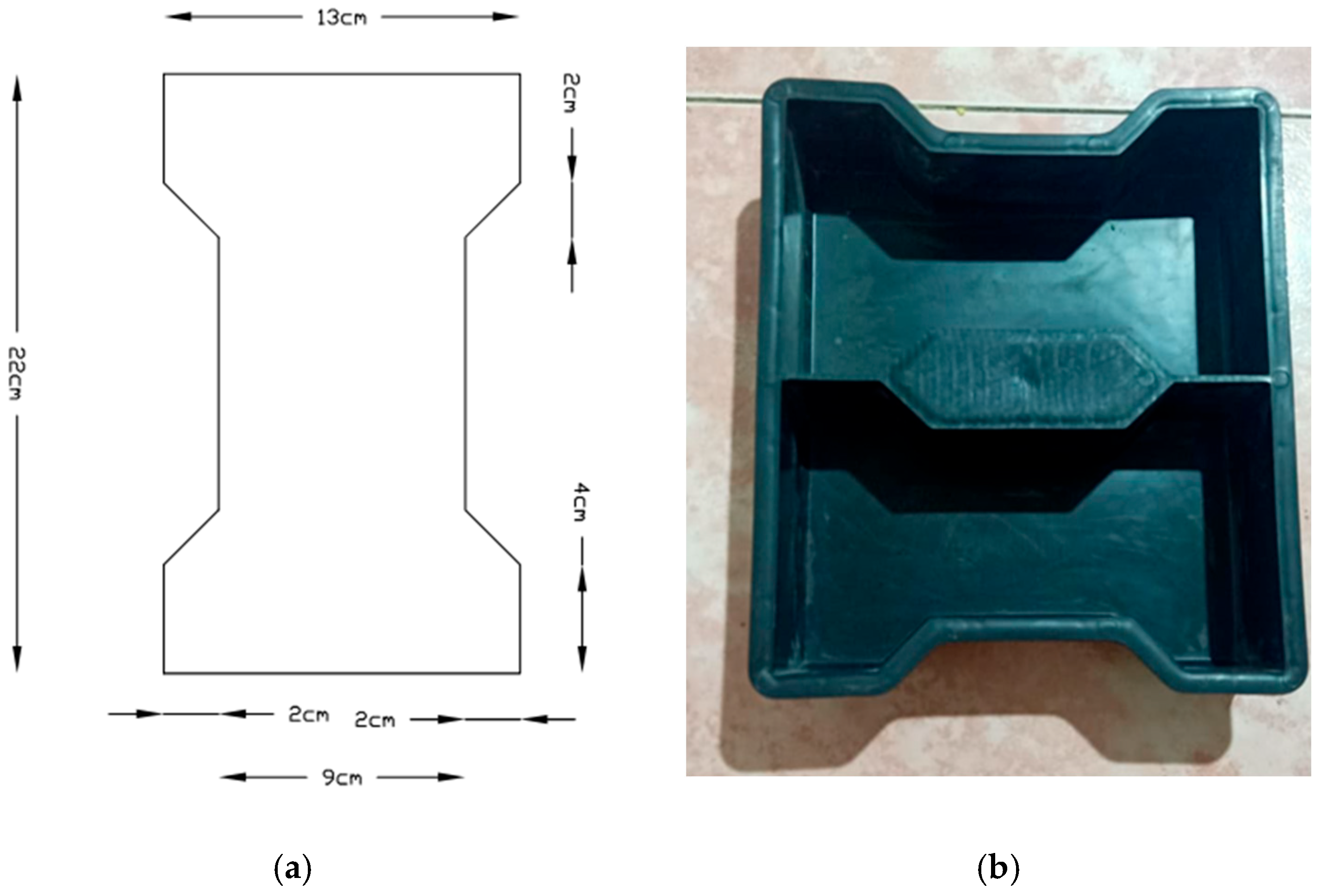
The IPBs were produced in an I-shaped configuration. Each block had overall dimensions of approximately 230 mm × 140 mm × 60 mm with a central necked section to enhance load transfer and prevent lateral displacement during service as shown in Figure 6.
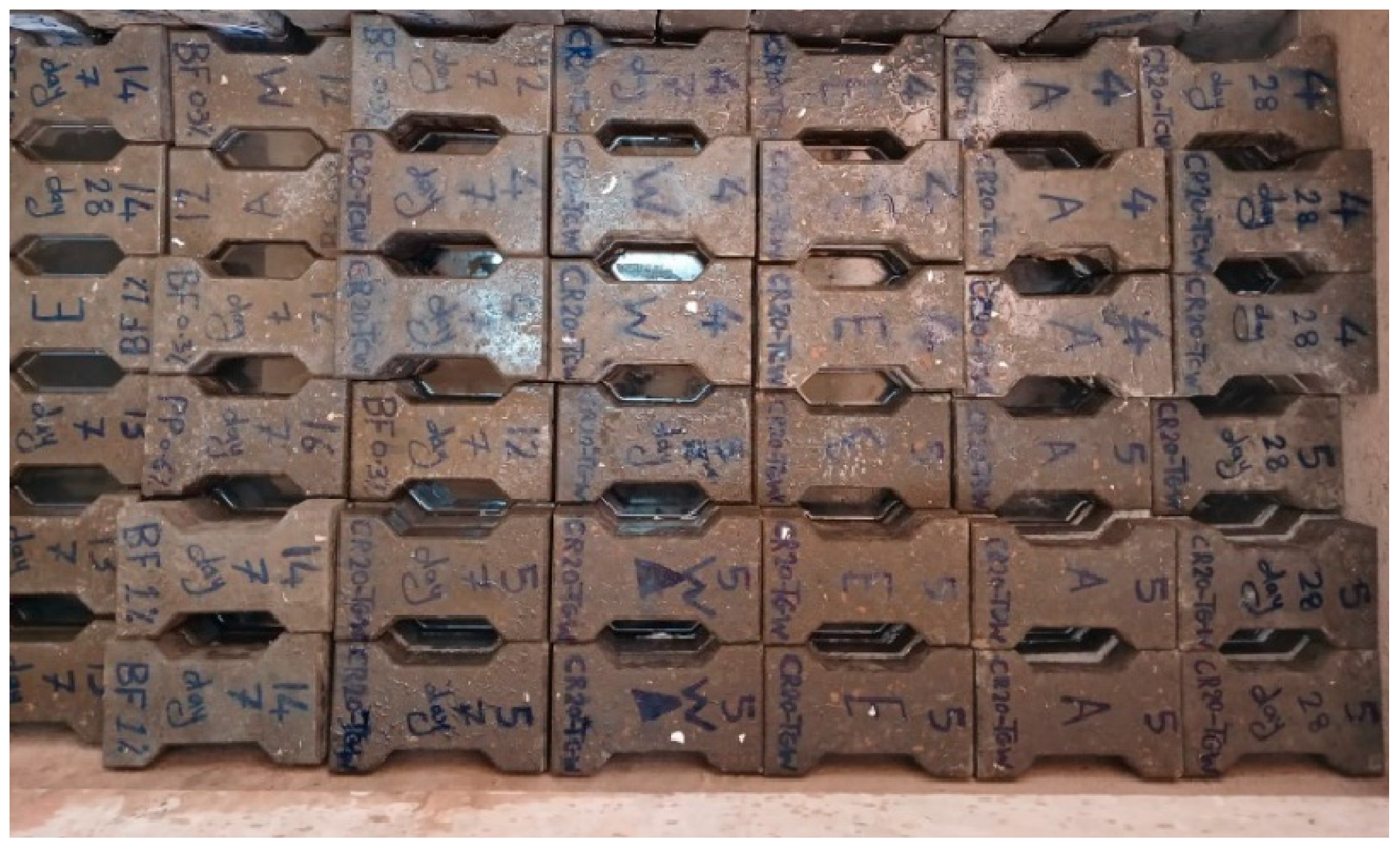
The inner surfaces of the IPB moulds were coated with releasing agent prior to casting. The mix was placed into the molds and compacted using mechanical vibration to eliminate entrapped air and ensure proper consolidation. After 24 h, the IPBs were demolded and transferred to a water bath for curing at a controlled room temperature of 24 ± 2 °C, see Figure 7.

2.5. Interlocking Paving Blocks Testing

To evaluate the performance characteristics of both fresh and hardened concrete, a comprehensive experimental testing program was conducted on the IPBs. For the fresh concrete, the slump test was performed to assess workability. In terms of mechanical properties, both the compressive strength and flexural strength tests were carried out, as these are critical for determining the structural performance of concrete under various loading conditions. To investigate the durability characteristics, the abrasion resistance test was employed. Additionally, the water absorption test was conducted to evaluate the physical properties of the concrete.

2.5.1. Slump Test

The slump test was carried out in compliance with ASTM C143 [31] to ascertain the concrete mix’s consistency. This test offers a rapid and efficient way to evaluate how fresh concrete will behave when placed.

2.5.2. Compressive Strength

Compressive strength test was conducted on the IPBs’ specimens according to ASTM C39 [32] criteria. Three IPBs were tested per mix per measure using an electronic servo testing equipment with a 1000 kN capacity at a loading rate of 0.4 MPa/s.

2.5.3. Flexural Strength

The flexural strength test was conducted to evaluate the resistance of the IPBs to bending and tensile stresses. This test is essential for assessing the structural performance of concrete elements subjected to flexural loading conditions. Flexural strength was measured at 28 days using three prismatic specimens per mix with dimensions of 100 mm × 100 mm × 500 mm, in accordance with ASTM C1018 [33]. The test was carried out using an electronic servo testing equipment with a 1000 kN capacity. The clear span of the prism during testing was maintained at 450 mm. This standard specimen provides a controlled geometry suitable for accurately evaluating flexural performance under bending stresses. The use of beam specimens for flexural testing is well-established in the literature and allows for uniform stress distribution, which may not be achievable with irregularly shaped paving blocks.

2.5.4. Abrasion Resistance

In accordance with BS EN 1338:2003 [34], the abrasion resistance of the IPBs was assessed using the wide-wheel abrasion test. The test was performed on three specimens per mix after 28 days of curing. The interlocking block was cut into three cubes, each with dimensions of 6 cm × 6 cm and a thickness of 6 cm. The abraded surface of each disc was clearly marked before being placed in the testing apparatus. Subsequently, the block surface was subjected to abrasion using three liters of silica sand, applied at a controlled and standard rate. Upon completion of the test, a digital Vernier caliper was used to measure the maximum groove depth on the abraded area. The average abrasion depth was then calculated based on these measurements to quantify the surface wear resistance of the paving blocks.

2.5.5. Water Absorption

The water absorption of the IPBs was evaluated in accordance with the procedures outlined in BS EN 1338 [3]. The test was conducted 28 days after casting on three blocks per mix. Initially, the blocks were fully submerged in water maintained at 20 °C for 24 h. until complete saturation was achieved. Following saturation, each block was lightly dried with a cloth, and the saturated mass (M1) was recorded. The specimens were then oven-dried at 100 °C in a ventilated drying oven until a constant mass was obtained. The dry mass (M2) was subsequently measured. The water absorption percentage was calculated using Equation (1)
Water   absorption   percentage = M 1   M 2 M 2   × 100
where M2 refers to the saturated mass of the interlocking block, and M1 refers to the dry mass of the block.

2.5.6. Microstructure Analyses

To investigate the microscale characteristics of the concrete matrix, both the control mix and a selected mix exhibiting higher compressive strength were examined using scanning electron microscopy (SEM) and energy-dispersive X-ray (EDX) spectroscopy. These techniques were employed to analyze the morphological and mineralogical features of the hardened interlocking paving blocks. The microstructural tests were conducted on crushed samples collected from compressive strength specimens cured for 28 days, in order to gain deeper insights into the effects of incorporating waste materials and fibers into the concrete mix. SEM analysis was carried out using a Quanta FEG 250 scanning electron microscope, operated at an accelerating voltage of 20 kV. This allowed for high-resolution imaging of the hydration products, microcracks, and interfacial transition zones (ITZs), contributing to a better understanding of the composite’s internal structure. The elemental composition was determined using EDX analysis, where the electron beam was precisely focused on selected regions of the specimen surface and the corresponding spectra were recorded. The EDX analysis was conducted utilizing an Oxford X-Max 20 device.

3. Results and Discussion

In this section, the influence of incorporating CR—both in untreated and physically treated forms—together with different dosages of pozzolanic waste materials (WMs), on the behavior of IPBs is examined. The assessment covers key performance indicators, including workability (slump), compressive strength, water absorption, flexural strength, and microstructural features. A summary of the experimental findings for all the concrete mixtures investigated in this study is provided in Table 4.

3.1. Consistency

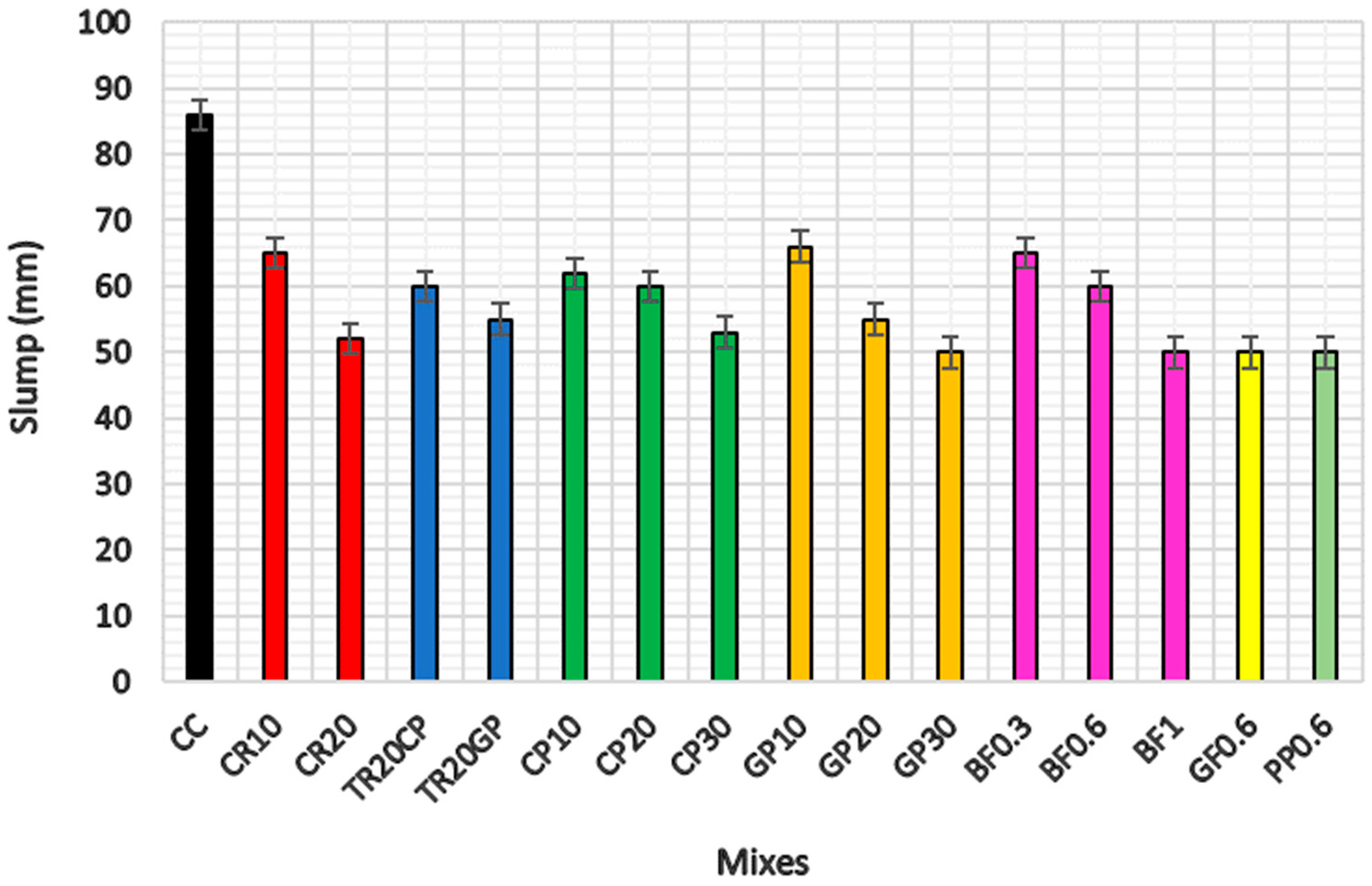
The workability of all IPB mixes, as indicated by slump measurements in Figure 8, was influenced by rubber content and treatment. Increasing the replacement of fine aggregate with non-treated rubber progressively reduced slump, with declines of 24.4% and 39.5% at 10% and 20% replacement, respectively, relative to the control (CC). This loss in consistency is primarily due to the rubber particles’ higher water absorption, irregular shape, and rough surface texture compared to sand. However, physical treatment of the rubber at the 20% replacement level (mixes TR20CP and TR20GP) mitigated this effect, improving slump by 15.4% and 9.0%, respectively, over their non-treated counterparts. As shown in Figure 8, An increase in CP content in IPBs corresponded to a decrease in slump values. At 20% CP, the slump decreased by only 30.2% compared to the control mix (CC). This phenomenon likely stems from the high specific surface area of CP, which exceeds that of cement by a factor of more than 1.5 [35,36,37].
The workability of the IPB mixes was inversely proportional to the content of both supplementary materials. CP contributed to consistency loss due to its minimal hydraulic activity, a consequence of its low CaO content, and its particle morphology, characterized by sharp, irregular edges that raised water demand. At a 30% cement replacement level, this led to a 38.4% slump reduction versus the control. Similarly, the incorporation of GP diminished workability, with slump values declining by 26.7%, 36.0%, and 41.8% at replacement levels of 10%, 20%, and 30%, respectively. This reduction is linked to GP’s high fineness, which increases the total binder surface area and, under a constant water-to-cement ratio, effectively lowers the free water content available for fluidity [37,38]. Finally, the incorporation of fibers, regardless of type, was consistently associated with reduced slump. Basalt fibers decreased workability by forming a restraining network within the fresh matrix, restricting flow, increasing internal friction, and absorbing part of the mixing water. In a similar manner, glass fibers lowered slump due to their tendency to entangle and obstruct paste flow [39], while polypropylene fibers further reduced workability by enhancing internal friction and increasing water demand through fiber–matrix interactions [40].

3.2. Compressive Strength

The compressive strength of IPB mixes was evaluated at 7 and 28 days, as summarized in Table 4. The results indicate that increasing the rubber content led to a noticeable reduction in compressive strength. As illustrated in Figure 9, both the control mix and rubberized mixes followed this trend. At 28 days, the replacement of sand with non-treated CR at levels of 10% and 20% resulted in compressive strength losses of 11.6% and 37.6%, respectively, compared with the control mix and these results agree with previous studies [41]. The reduction in compressive strength with increasing CR content can be explained by several factors. Rubber particles possess lower stiffness and load-bearing capacity than natural sand, and their hydrophobic and smooth surfaces hinder proper bonding with the cement matrix, resulting in weak interfacial adhesion [42]. This weak bond facilitates crack initiation and propagation along the rubber–cement interface. In addition, the poor absorption characteristics of rubber limit cement paste penetration, further weakening the interface [43]. Collectively, these properties introduce more air voids and internal stresses into the mix, ultimately leading to a reduction in compressive strength. This explanation is consistent with previous research, where similar reductions in compressive strength due to the weak bonding and hydrophobic nature of rubber particles were also reported by Ganjian et al. [41] and Eldin & Senouci [44].
In contrast, the incorporation of 20% physically treated CR enhanced the 28-day compressive strength of the IPBs. Treatment with CP and GP improved strength by 27.6% and 18.3%, respectively, compared to mixes containing untreated CR. This performance enhancement is attributed to the surface treatment, which altered the rubber’s properties from hydrophobic to hydrophilic, thereby eliminating its water-repelling character. Furthermore, the treatment process moderated rubber porosity and facilitated a coating of waste material on the particles, which improved the bond between the aggregate and the cement paste [45]. These results indicate the superior efficacy of physically treated CR at a 20% replacement level.
Figure 9 demonstrates that a 20% cement replacement with either CP or GP significantly enhanced the compressive strength of the IPB mixes. After 28 days of curing, strength gains of 17.3% and 5.1% were recorded for CP and GP, respectively, relative to the control mix. This improvement stems from the distinct physical and chemical properties of these WM. Physically, their fine particle size and irregular morphology act as a micro-filler, densifying the matrix by reducing voids. This not only provides nucleation sites for hydration products like C-S-H and CH, accelerating the reaction [46], but also creates a denser ITZ through improved bonding with the cement paste. Chemically, their pozzolanic nature allows them to react with hydration byproducts, forming additional C-S-H gel that further strengthens the microstructure.
The compressive strength of IPBs was found to increase with curing age, whereas higher levels of CP or GP replacement resulted in a decline. Specifically, the mix containing 30% CP exhibited lower strength, in line with previous findings [35] that attributed this reduction to limited C-S-H gel formation. Early-age improvements were observed due to the pozzolanic activity of CP, while the GP mix recorded the lowest strength, primarily because of poor workability and cement dilution [47]. Overall, the incorporation of WM up to 20% enhanced compressive strength compared with the control mix; however, further replacement led to a decrease, suggesting the presence of an optimal substitution level.
The impact of fibers on compressive strength varied with type and dosage. BF, at an optimum content, maintained strength while enhancing crack resistance, but excessive amounts reduced compressive strength due to poor dispersion. GF had negligible influence because of their smooth surface and alkali sensitivity, whereas PP fibers showed slight improvements by refining crack distribution, though their low modulus limited overall strength gain [47,48,49]. Figure 10 shows failure mode of interlocking paving block specimens under compressive test.

3.3. Flexural Strength

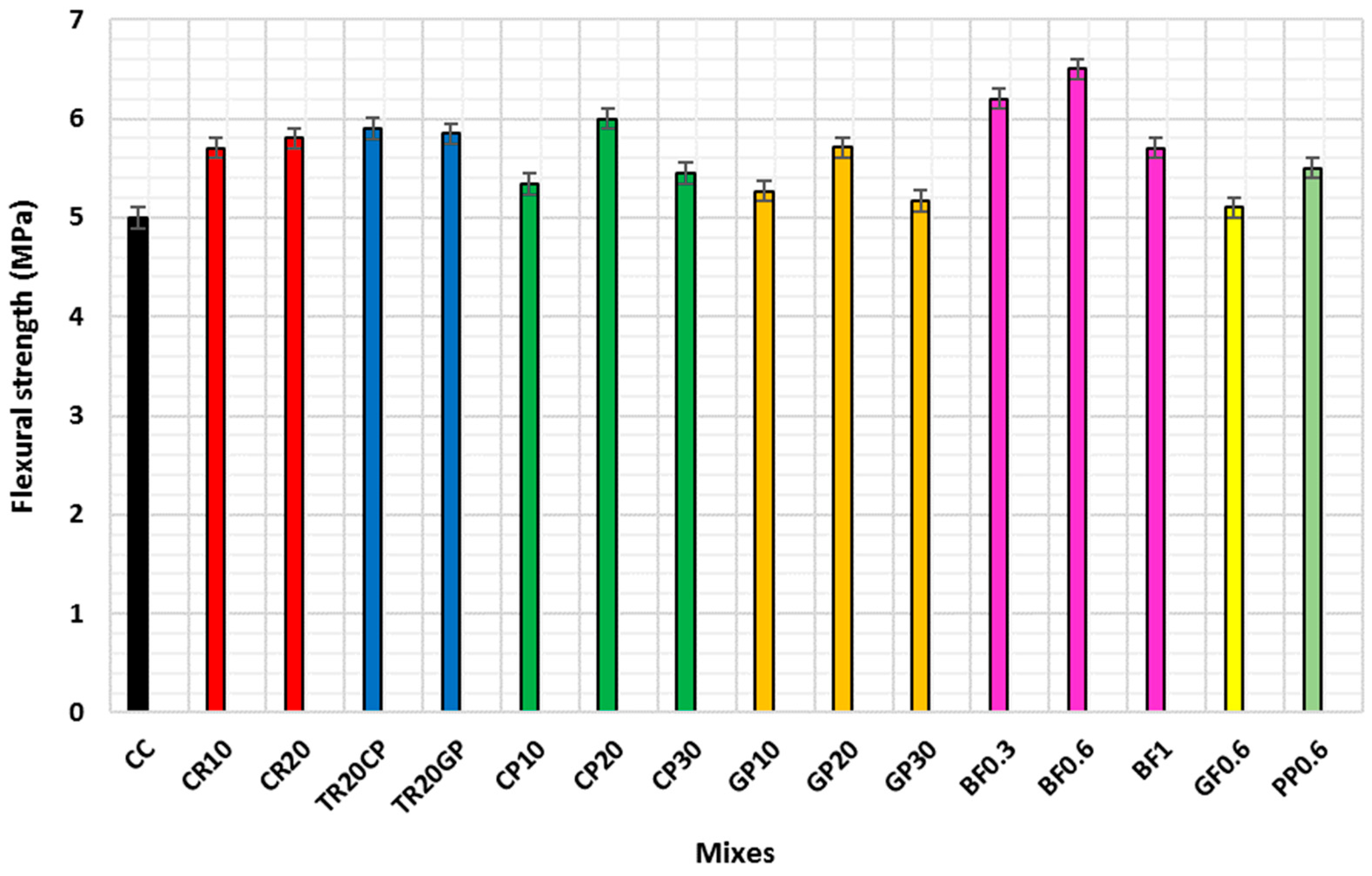
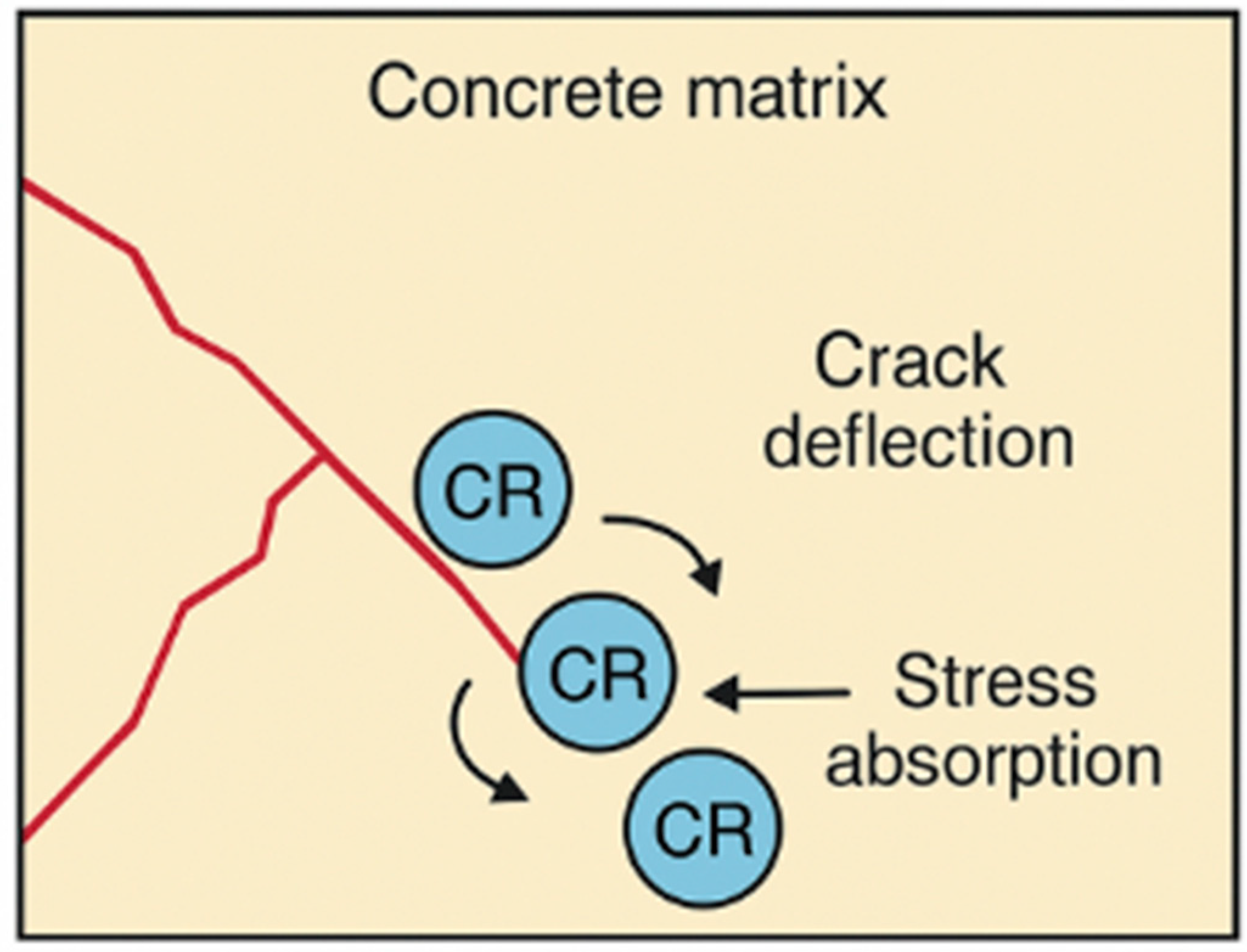
As shown in Figure 11, the 28-day flexural strength results revealed a different trend from the compressive strength data. The non-treated CR20 mix achieved the highest flexural strength of all the rubber-containing mixes. Furthermore, incorporating 10% and 20% CR as a sand replacement enhanced flexural strength by 14% and 16%, respectively, over the control. Moreover, physical treatment of CR further enhanced the flexural strength relative to the corresponding untreated CR mixes. Specifically, the TR20CP and TR20GP mixes achieved slight improvements of 1.7% and 0.9%, respectively. This minor increase can be attributed to the improved interfacial bonding between the coated CR particles and the cementitious matrix, which facilitated more efficient stress transfer [48]. Figure 12 shows a schematic illustration of the mechanism by which CR enhances flexural strength by bridging and deflecting cracks, dissipating stress energy, and reducing stress concentrations, despite weak adhesion at the interfacial transition zone (ITZ).
On the other hand, substituting cement with CP and GP significantly enhanced the flexural strength of IPBs. Compared to the control mix, flexural strength was improved by 6.8% and 5.4% at 10% replacement, by 20% and 14.2% at 20% replacement, and by 9% and 3.4% at 30% replacement, for CP and GP, respectively.
From these results, it can be concluded that the optimum replacement level for WM is 20%. This is likely due to the chemical composition of WM, which mainly consists of SiO2, CaO, and Al2O3, providing sufficient pozzolanic activity to produce high-quality C-S-H and a stronger ITZ, as well as acting as a fine filler in the concrete matrix [49]. Furthermore, incorporating fibers improved the flexural performance of ECC, though the efficiency varied by fiber type. Basalt fibers at 0.6% delivered the highest strength, owing to their high stiffness and strong interfacial bond with the matrix. Polypropylene fibers ranked second, benefiting from their crack-bridging capability, while glass fibers showed the lowest improvement, likely due to their lower durability and weaker adhesion [50].
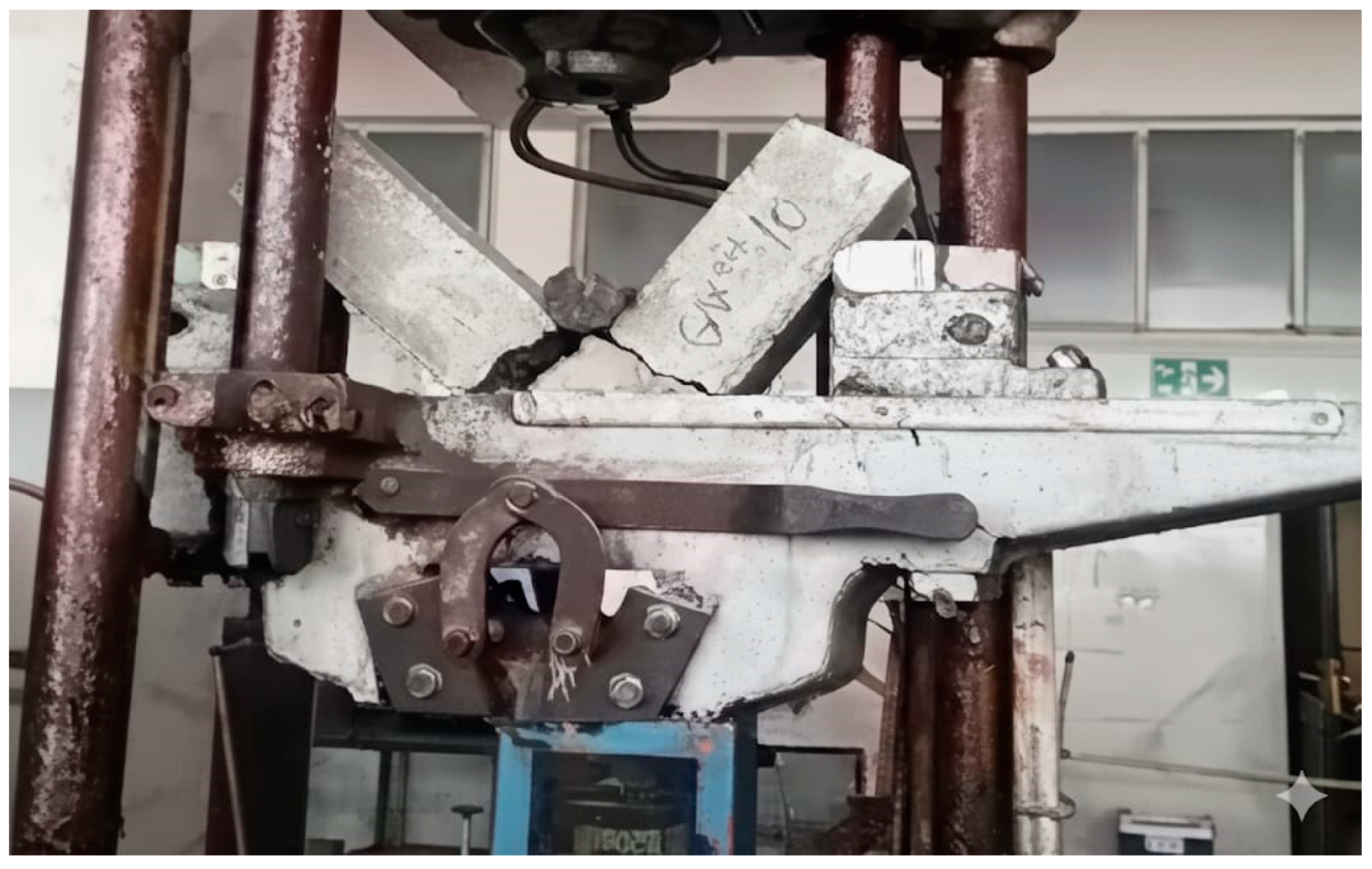
Overall, the integration of 20% WM and fibers demonstrates the potential for producing sustainable IPBs with enhanced mechanical properties, making it a promising material for use in concrete structures. Figure 13 shows failure patterns of interlocking paving block specimens subjected to a flexural test.

3.4. Water Absorption

Water absorption in concrete is closely linked to its strength and durability when exposed to various chemical and physical actions during service life. The absorption capacity primarily depends on the volume of voids present in the hardened concrete and the degree of their interconnectivity.
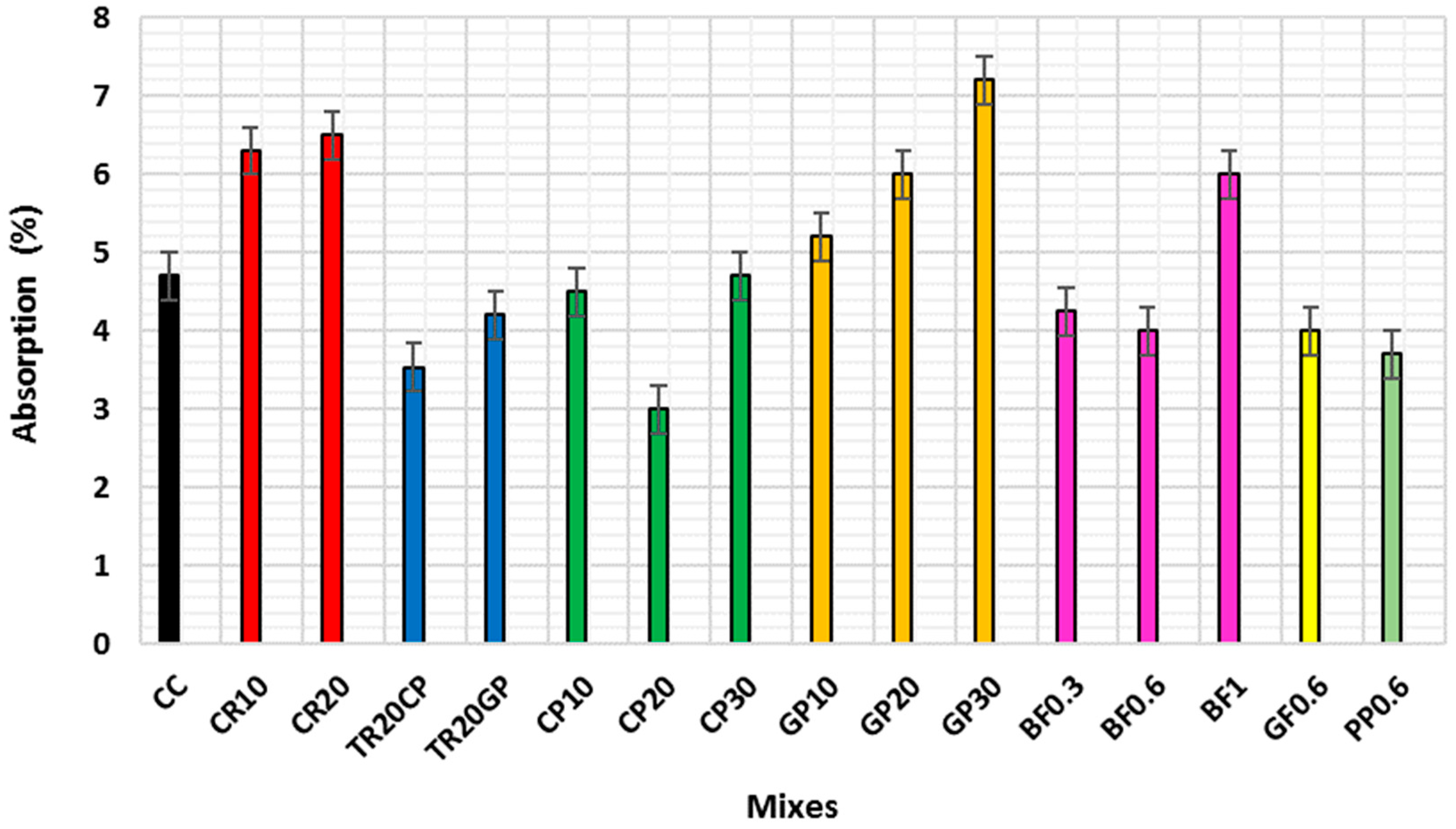
Water absorption results for IPBS specimens are presented in Figure 14. All mixes exhibited values below 10%, complying with durability requirements. However, mixes with untreated CR showed significantly higher water absorption, increasing by 34% and 38.3% at 10% and 20% replacement levels, respectively, compared to the control mix. This is attributed to the porous surface of CR, which promotes higher air content, weakens the matrix–rubber bond, and facilitates water ingress. In contrast, when treated CR was combined with CP or GP, water absorption decreased [51]. CP-treated mixes exhibited superior performance compared to GP-treated mixes, which can be attributed to the lower porosity, denser microstructure, and higher chemical stability of CP. These characteristics help reduce moisture permeability and limit undesirable reactions. This observation is consistent with the findings of Valderrama et al. [51], who also reported enhanced durability and reduced water ingress in mixes incorporating CP. Conversely, GP’s higher surface imperfections and reactivity slightly increased absorption. Regarding fiber-reinforced mixes, the type and dosage of fibers had a significant influence on water absorption. Incorporating basalt fibers reduced absorption at lower dosages; for instance, 0.3% BF showed a comparable value to the control mix, while 0.6% BF further decreased absorption to 4.0%. However, at 1% BF, water absorption increased sharply by 27.7% compared to the control, which can be attributed to fiber agglomeration and the formation of interfacial voids that facilitated water ingress.
Polypropylene fibers demonstrated the most effective performance. At 0.6% PP, water absorption was reduced to 3.7%, representing a 21.3% decrease compared with the control. This improvement is mainly explained by the hydrophobic nature of PP fibers and their uniform dispersion within the matrix, which enhance pore blocking and restrict moisture transport. Glass fibers, on the other hand, exhibited moderate behavior. At 0.6% GF, the absorption was 4.0%, slightly lower than the control, benefiting from crack-bridging effects but limited by their lower hydrophobicity.
In summary, the results clearly indicate that while basalt fibers can improve performance at optimal dosages, excessive content may cause detrimental effects due to clustering and void formation. By contrast, polypropylene fibers at 0.6% provided the most consistent and significant reduction in water absorption, making them the most promising option for enhancing the durability of interlocking paving blocks.
It is also important to note that the changes in slump reported in Table 3 are consistent with the water absorption behavior. Mixes with less slump, such as those with untreated CR or higher GP content, showed higher absorption due to increased internal friction and weaker paste distribution, which led to micro voids at the ITZ. Conversely, treated CR and CP mixes, despite showing reduced slump, benefited from improved particle packing and pozzolanic refinement of pores, resulting in lower absorption. This demonstrates that slump behavior, while not a direct measure of compaction, can be linked to microstructural characteristics that ultimately influence water absorption.

3.5. Abrasion Resistance

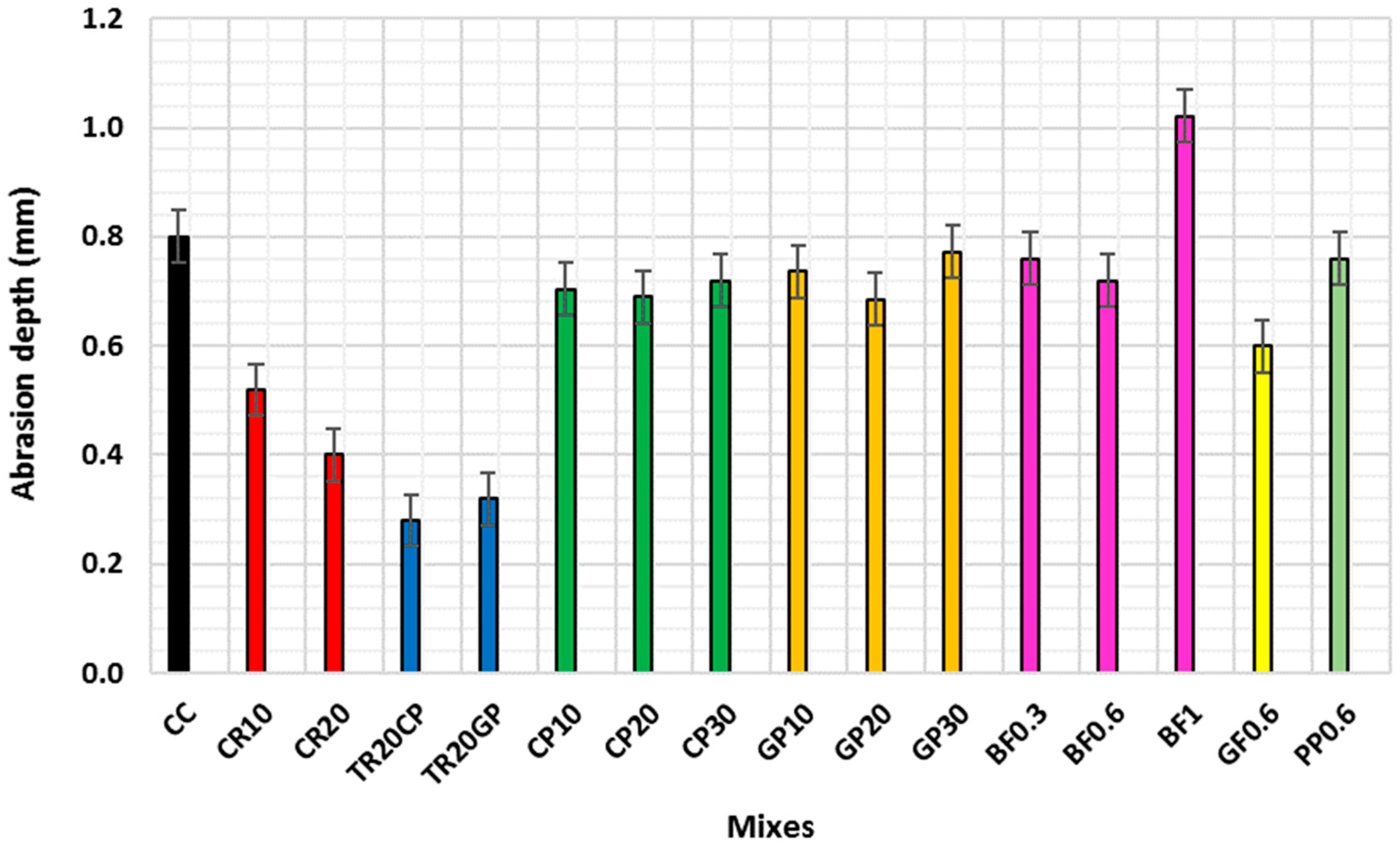
As shown in Table 5, The abrasion resistance results of the investigated IPB mixes revealed distinct improvements depending on the applied modifications. The control mix recorded a baseline abrasion loss of 5.08% with an average abrasion depth of 0.80 mm. Incorporating 10% untreated crumb rubber (CR10) reduced the mass loss to 57.67% and limited abrasion depth to 0.52 mm, highlighting the cushioning effect of rubber particles that absorb impact energy and delay surface micro-cracking. Increasing rubber to 20% (CR20) further enhanced performance, achieving a 59.25% reduction in abrasion loss and lowering abrasion depth to 0.40 mm, confirming the beneficial role of rubber ductility in bridging surface flaws and these results agree with Feng et al. [52].
Physical treatment of rubber with ceramic powder (TR20CP) and glass powder (TR20GP) provided additional gains. TR20CP showed the highest resistance, with a 59.8% reduction in mass loss and decreasing abrasion depth to 0.28 mm, attributed to the dense ceramic coating and improved ITZ. TR20GP also outperformed untreated CR20, though with slightly inferior resistance compared to TR20CP, reflecting the relatively weaker bond of glass powder [53].
Partial replacement of cement with CP or GP further supported abrasion resistance, particularly at 10% and 20% replacement. At 20% CP, abrasion loss decreased by 4.13% and abrasion depth dropped by 0.11 mm compared to the control, while GP achieved a 1.57% reduction at the same level. These improvements are linked to the pozzolanic reaction and pore refinement that strengthen the ITZ [54]. However, higher replacement at 30% slightly compromised matrix cohesion, leading to marginally higher abrasion losses.
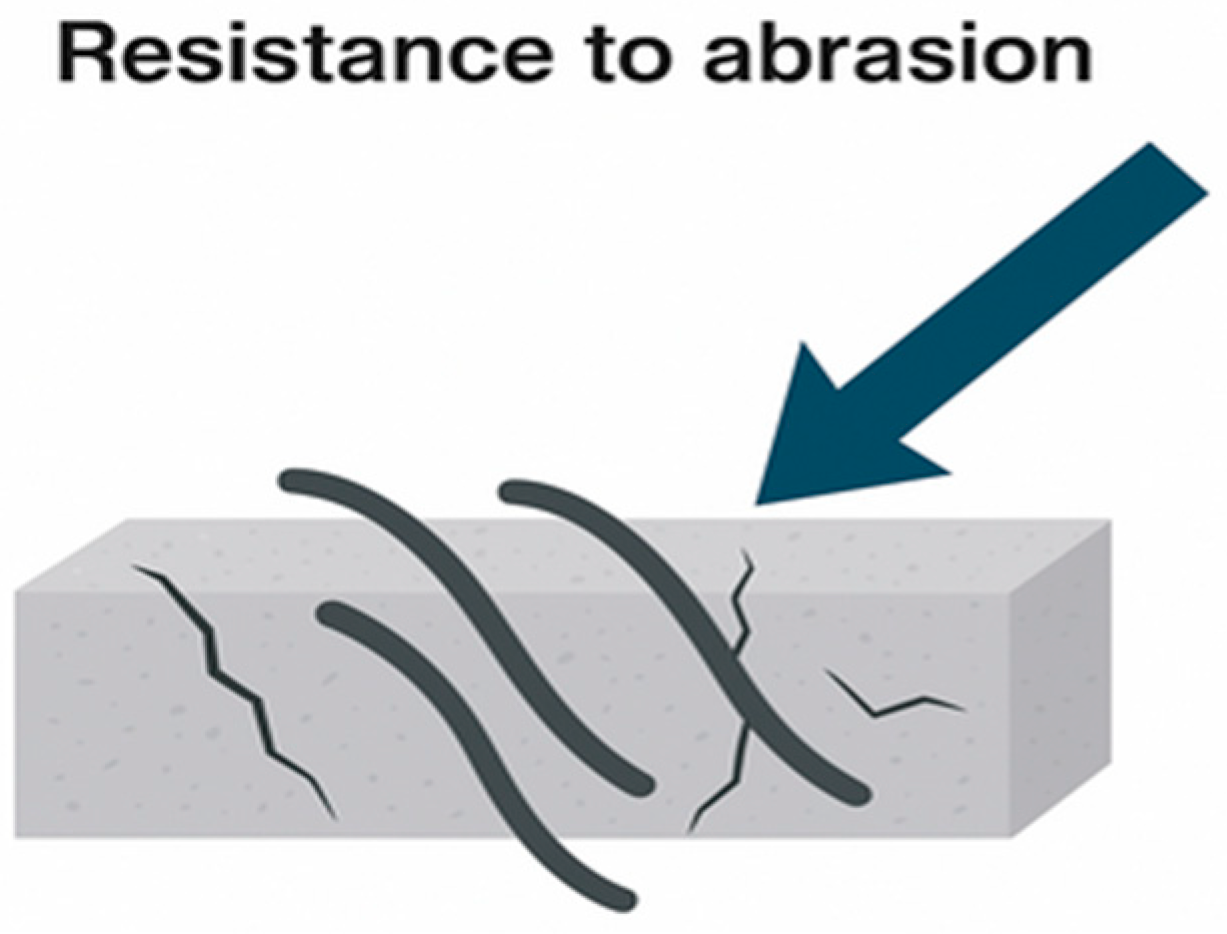
Fiber reinforcement demonstrated another effective pathway for abrasion resistance. Basalt fibers (BFs) at 0.3% and 0.6% reduced abrasion depth to 0.76 mm and 0.72 mm, respectively, owing to their stiffness and crack-arresting ability. At 1% BF, however, fiber clustering introduced voids, increasing abrasion loss by 18.89% compared to the control. Polypropylene fibers at 0.6% provided the most significant enhancement, with a 55.12% reduction in mass loss relative to the control, while glass fibers at 0.6% offered a moderate improvement of about 17.52. These enhancements can be attributed to the well-established mechanisms of fiber reinforcement. Fibers act as micro-crack arresters as shown in Figure 15, bridging developing cracks and redistributing stress across the matrix, which delays surface spalling and abrasion loss. PP fibers, in particular, improve toughness and energy absorption, thereby resisting surface wear under repeated contact. BF and GF also contribute through their stiffness and ability to transfer loads across weak zones in the ITZ, although clustering at higher dosages may introduce voids that compromise performance. Similar mechanisms have been highlighted by Wu et al. [51] and by studies on alkali-activated systems reinforced with basalt fibers [52], confirming the critical role of optimized fiber dosage in balancing crack resistance and matrix integrity.
Overall, the findings confirm that rubber incorporation—especially when combined with ceramic treatment or moderate cement replacement with ceramic powder—substantially enhances abrasion resistance. Among fibers, polypropylene at 0.6% proved most effective, followed by basalt at 0.6%. These results are consistent with previous studies underlining the importance of synergizing aggregate modification and fiber reinforcement to develop durable and sustainable interlocking paving blocks. Figure 16 shows the abrasion resistance values of all mixes.

3.6. SEM Analysis

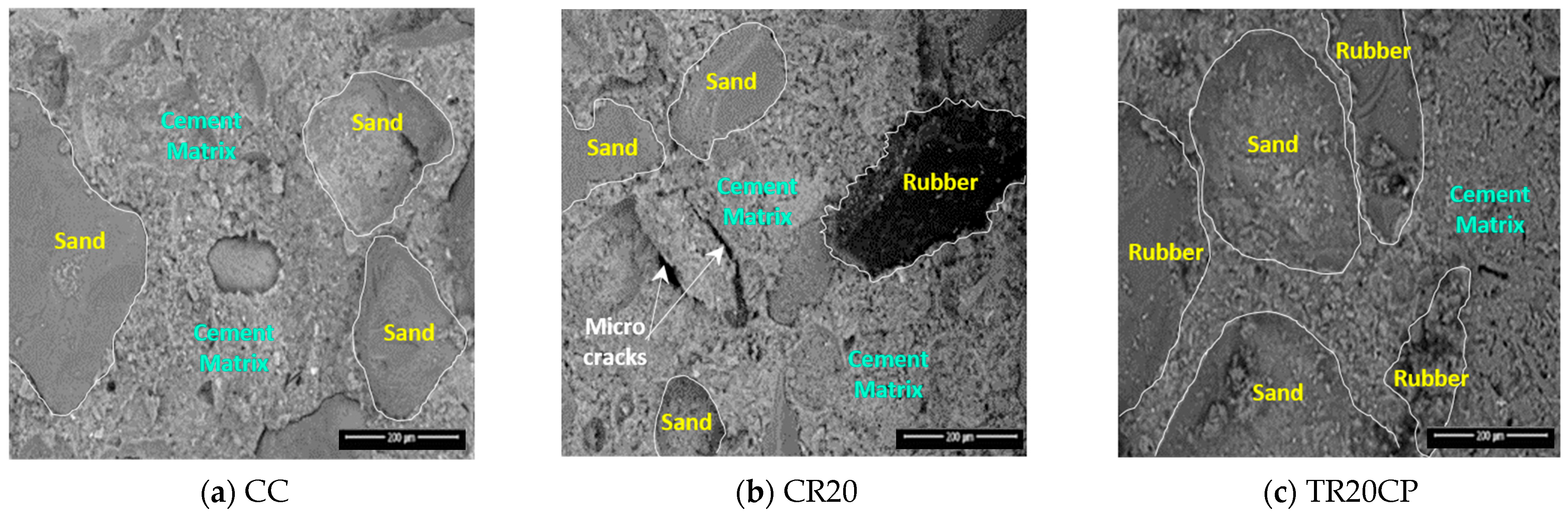
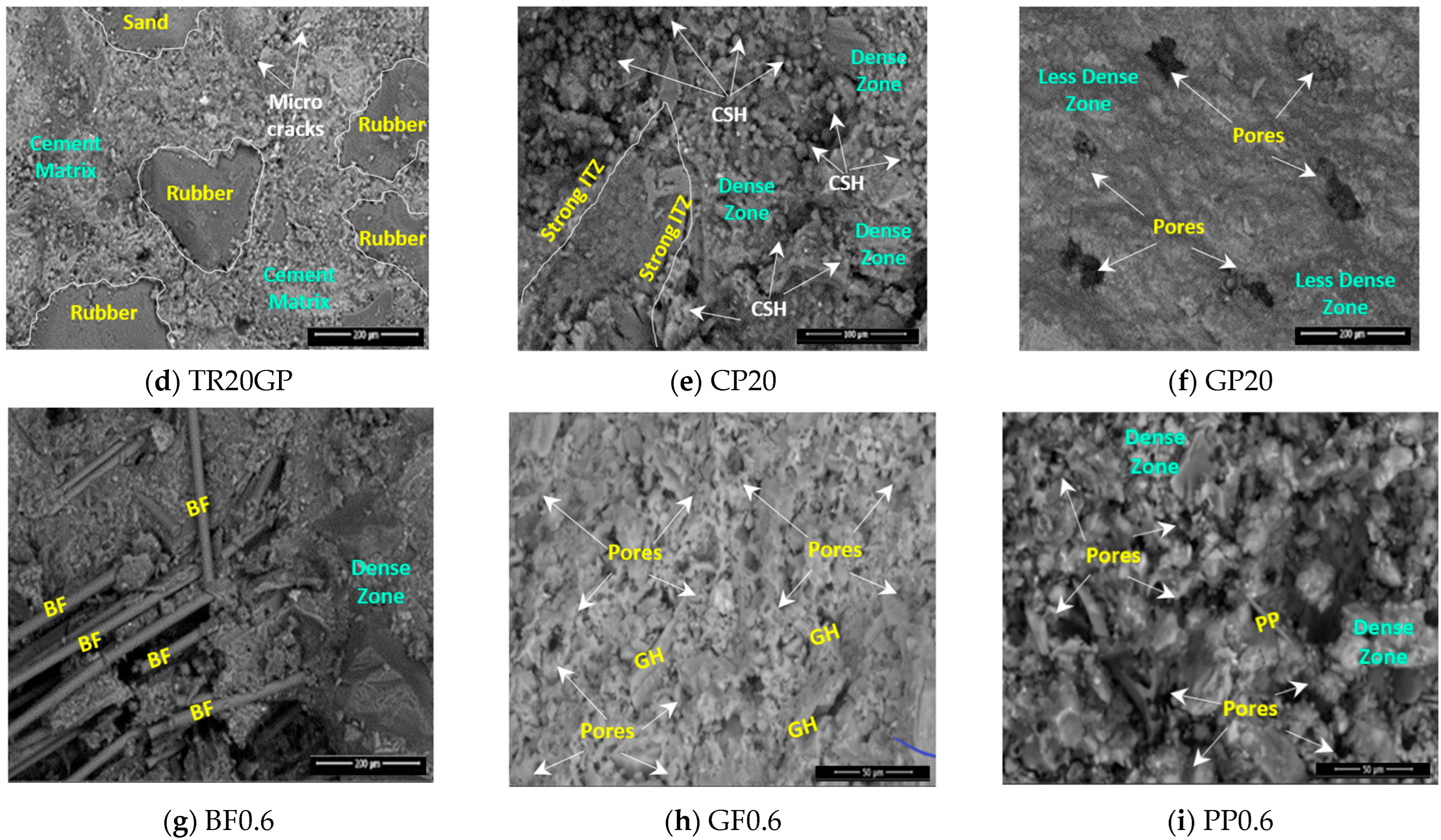
SEM analysis was performed on selected IPB mixtures to examine the effect of CR treatment, waste materials, and fibers on the microstructural properties, with a specific focus on the ITZ. The ITZ is a critical region between the aggregate/fiber and the cement paste, and its quality directly governs the composite’s mechanical strength and durability. The selected twelve IPB mixtures were CC, CR20, TR20CP, TR20GP, CP20, GP20, BF0.6, GF0.6, and PP0.6, as shown in Figure 17. Samples were taken from the fractured surface of the tested compressive strength specimens of these mixes at 28 days.
The control mix (CC, Figure 17a) exhibited a generally dense matrix; however, the ITZ with the natural dolomite aggregate showed some micro-porosity and a visible gap, which is typical of conventional concrete and can act as a pathway for crack propagation. In contrast, the mix with 20% untreated crumb rubber (CR20, Figure 17b) revealed a porous and discontinuous ITZ. Significant debonding and microcracks were observed around the rubber particles, attributed to their hydrophobic nature and weak adhesion to the cement paste. This explains the substantial reduction in compressive strength observed for this mix.
Remarkable improvements were observed in the mix with CR treated with ceramic powder (TR20CP, Figure 17c). The ITZ appeared much denser and more continuous, with no visible gaps or microcracks. The CP coating on the rubber particles successfully mitigated hydrophobicity, promoting superior bonding and allowing for better stress transfer. This microstructural refinement is a direct correlate of the enhanced compressive and flexural strength. A similar, though less pronounced, improvement was seen in the TR20GP mix (Figure 17d), where the GP coating also reduced porosity at the interface compared to untreated rubber.
The mix with 20% cement replaced by ceramic powder (CP20, Figure 17e) showed an exceptionally dense ITZ around the recycled ceramic aggregate. The fine particles of CP acted as a filler and participated in pozzolanic reactions, reducing the wall effect and leading to a seamless transition from aggregate to paste. The mix with GP20 (Figure 17f) also showed a refined ITZ, but with marginally higher micro-porosity compared to CP20, consistent with its slightly lower mechanical performance.
Regarding fibers, the incorporation of 0.6% basalt fiber (BF0.6, Figure 17g) and 0.6% polypropylene fiber (PP0.6, Figure 17i) showed excellent fiber–matrix bonding. The ITZ around these fibers was dense, with hydration products tightly adhering to the fiber surface, which is crucial for effective crack-bridging. In contrast, the glass fiber (GF0.6, Figure 17h) exhibited a slightly weaker bond, with some signs of debonding, likely due to its smoother surface and lower chemical compatibility, explaining its moderate performance enhancement.
Overall, SEM findings confirmed that the combination of CP treatment and optimized fiber reinforcement provided the most significant improvement in ITZ quality, matrix densification, and overall performance of IPBs.

3.7. EDX Analysis

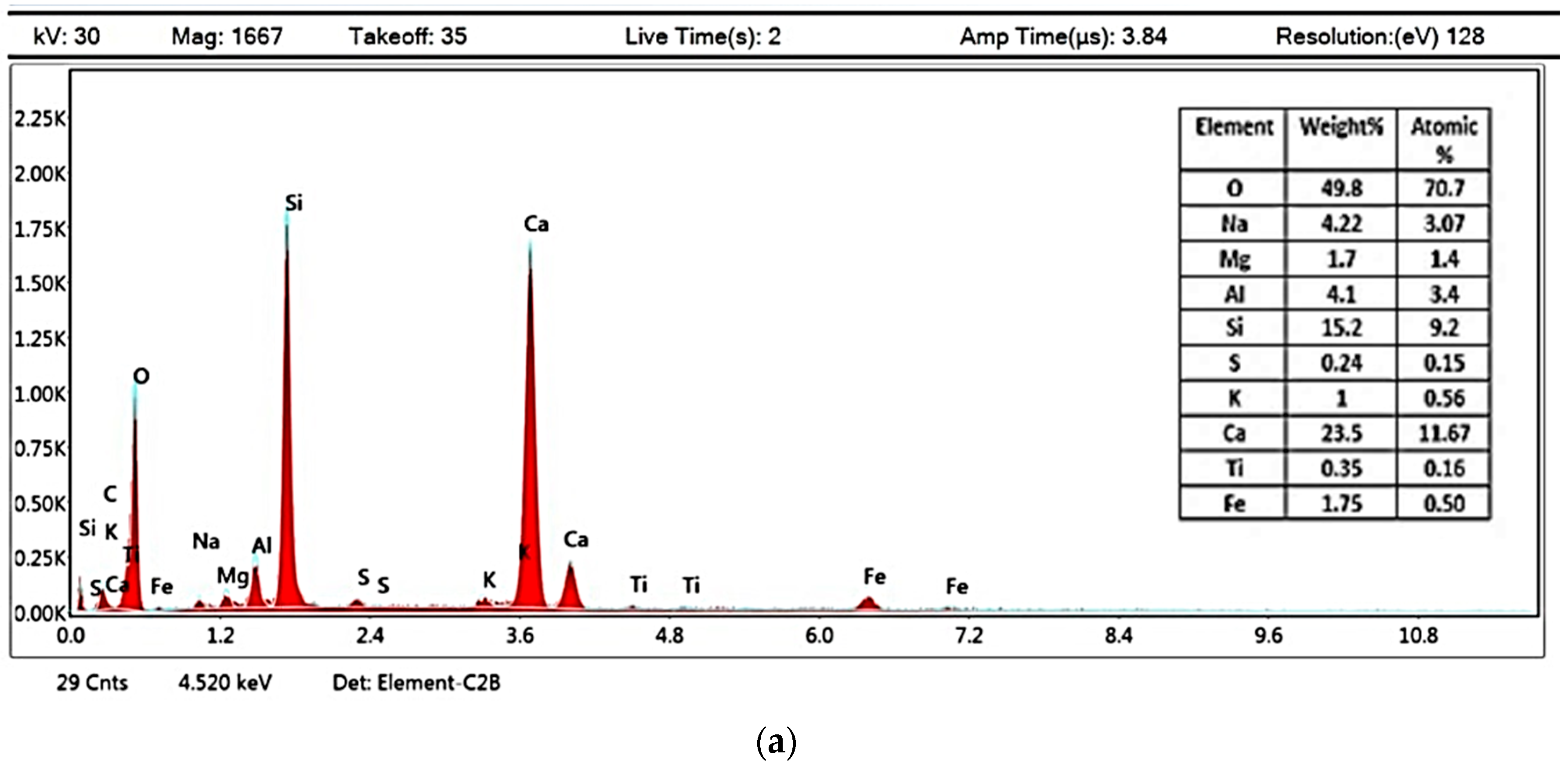
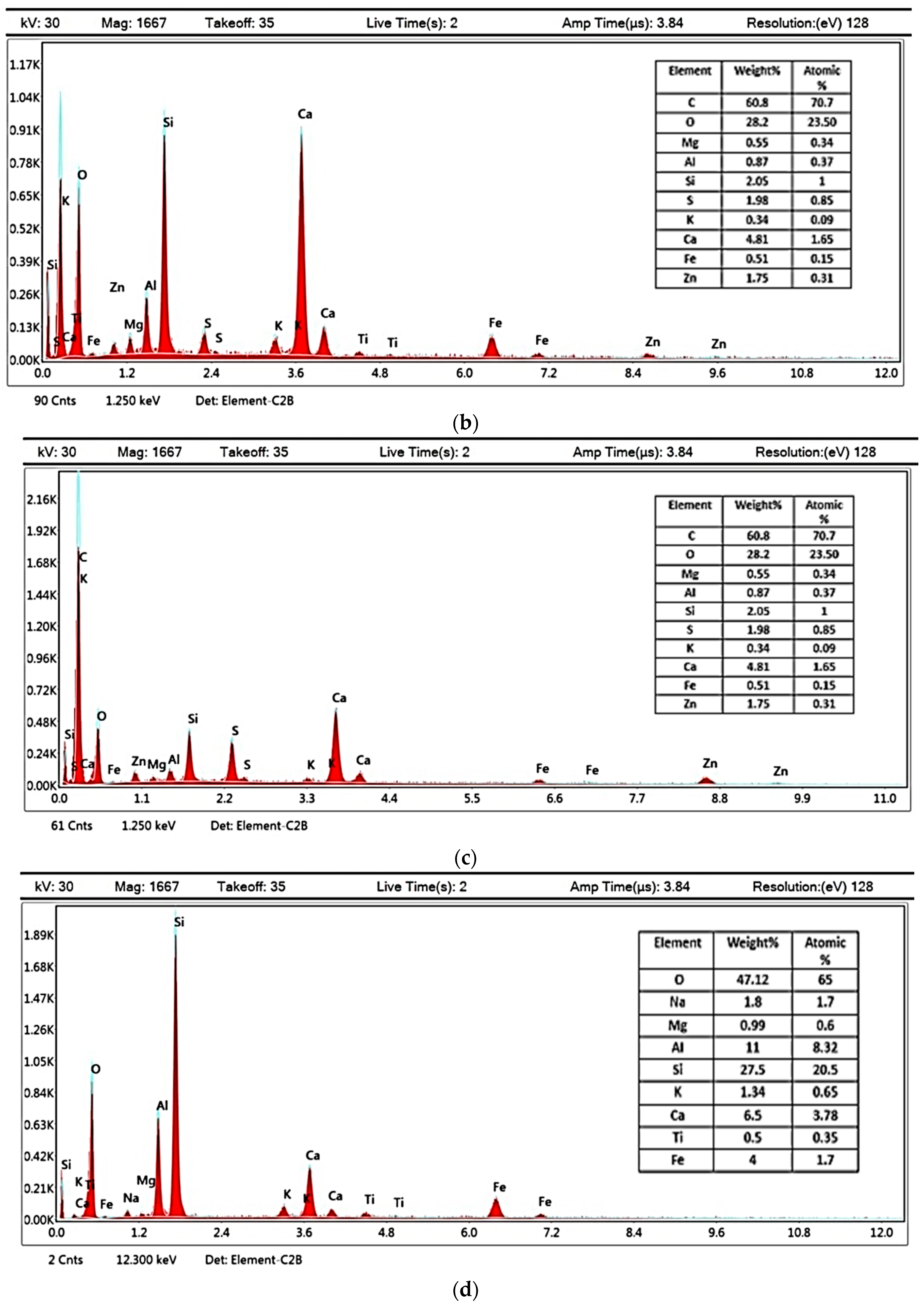
To quantitatively validate the observations from SEM analysis, EDX analysis was conducted across the ITZ of key mixes using the same samples taken for the SEM imaging. The EDX analysis presented in Figure 18 was conducted on four investigated IPB mixes—control (CC), non-treated rubber at 20% (CR20), treated rubber with ceramic powder at 20% (TR20CP), and ceramic powder replacement at 20% (CP20)—provides valuable insights into their elemental compositions and microstructural integration. The control mix (CC, Figure 18a) exhibits a typical cementitious profile dominated by calcium and oxygen, which are associated with the primary hydration products (C-S-H and CH). The presence of silicon and aluminum reflects the pozzolanic contribution of supplementary materials, yielding a dense and durable matrix that serves as the benchmark for comparison. In the CR20 mix (Figure 18b), a sharp and steep gradient in the Calcium (Ca) signal was observed at the interface, indicating a distinct chemical discontinuity and a weak, porous ITZ rich in calcium hydroxide (CH). The Silicon (Si) signal remained low in this region. Conversely, in the TR20CP mix (Figure 18c), the Ca gradient was much more gradual, and the Si signal was significantly higher and more sustained across the ITZ. This demonstrates that the ceramic powder coating facilitated a stronger chemical bond, promoting pozzolanic reactions that consumed CH and formed additional calcium-silicate-hydrate (C-S-H) gel, resulting in a denser, more homogeneous, and stronger transition zone. The CP20 mix, containing 20% cement replacement with ceramic powder, demonstrates the highest silicon and aluminum concentrations due to the silica-rich nature of the ceramic particles. The reduction in calcium indicates the lowered cement content, while the elevated oxygen levels confirm ongoing pozzolanic reactions. This microstructural refinement leads to a denser, well-integrated matrix, thereby enhancing both durability and mechanical performance.
Overall, the EDX results highlight that both rubber treatment and partial cement replacement with ceramic powder positively influence the matrix microstructure. These modifications improve ITZ quality, optimize elemental distribution, and enhance the balance between strength, ductility, and sustainability in IPB composites. The combined SEM and EDX results provide conclusive microstructural and chemical evidence for the purported stronger bond in mixes incorporating treated crumb rubber and pozzolanic waste materials. The densification of the ITZ and the consumption of CH to form more C-S-H gel directly explain the enhancements in mechanical strength, reduced water absorption, and improved abrasion resistance reported in the previous sections.

3.8. Sustainability Assessment

In addition to the mechanical and durability performance, a preliminary assessment of the environmental and economic impacts was also conducted to compare the proposed IPBs with the conventional control mix. The analysis considered CO2 emissions associated with cement and aggregate production, as well as the avoided emissions from waste utilization, together with raw material costs. Conservative emission factors from the literature were adopted: cement ≈ 0.8 t CO2/t, aggregate production ≈ 8 kg CO2/t, and avoided tire disposal ≈ 0.8 t CO2/t.

3.8.1. CO2 Emission Reduction

The estimated baseline CO2 footprint of the control mix (containing cement, natural sand, and dolomite) is ≈380–400 kg CO2/m3. Incorporating waste materials yielded several reductions. When 20% of cement was replaced with CP/GP, about 52.4 kg CO2/m3 saved. Full dolomite replacement with recycled ceramic saved about 10.4 kg CO2/m3. When 20% of sand was replaced with CR (≈47.5 kg/m3), about 38 kg CO2/m3 avoided. The combined reduction is ≈100.8 kg CO2/m3, corresponding to a 25–27% reduction relative to the control mix. These results align with previous life-cycle assessment (LCA) studies on recycled aggregates and pozzolanic materials in concrete, which reported emission savings of 20–30%.

3.8.2. Cost Saving

The estimated baseline cost of the control mix is ≈72 USD/m3, assuming cement at 120 USD/t and dolomite at 15 USD/t. By contrast, the modified mix (20% CP, recycled ceramic aggregate, and 20% CR) reduced the cost to ≈58–60 USD/m3. After accounting for processing/handling of recycled ceramic and CR, the net savings are ≈12–15 USD/m3, corresponding to 18–20% lower raw material costs compared to the control mix. Table 6. summarizes the comparative environmental and economic performance of the control and modified IPBs.
These findings confirm that the proposed sustainable IPBs deliver significant reductions in both embodied carbon and production cost, complementing their mechanical and durability advantages. Nonetheless, a comprehensive LCA and techno-economic analysis are recommended for future work to refine these estimates under region-specific conditions.

3.9. Scalability Considerations

Although the laboratory-scale results demonstrated promising performance of the proposed IPBs, scaling up to industrial production poses several technical challenges. The most critical issue is achieving uniform dispersion of crumb rubber and discrete fibers during large-batch mixing. Due to its low density, crumb rubber tends to segregate or float during vibration, while fibers may form clusters or “balling,” particularly at higher dosages, which can compromise strength and durability. In addition, the higher surface area of CP and GP can increase water demand, further complicating mixing at scale. To overcome these limitations, optimized mixing protocols, staged addition of components, pre-treatment of rubber, and the use of superplasticizers or high-shear mixers are recommended. Future work will investigate these aspects under industrial-scale conditions to ensure reproducibility and consistency in large-scale IPB production.

4. Conclusions

This study presents a comprehensive experimental evaluation of interlocking paving blocks (IPBs) incorporating various types of industrial and post-consumer waste materials. The investigation encompassed multiple performance indicators, including slump, compressive strength, flexural strength, abrasion resistance, water absorption, and microstructural behavior. The following points highlight the key conclusions of this study:
  • The workability of IPBs was significantly affected by material additions, where untreated CR reduced slump by 39.5% at 20% sand replacement, while physically treated CR improved slump values by 9–15.4% at the same level. Increased CP and GP contents caused progressive reductions in slump by 27.9–38.4% and 26.7–41.8%, respectively, across 10–30% replacement ratios.
  • Untreated CR reduced compressive strength by 11.6% and 37.6% at 10% and 20% replacement, respectively. CP and GP treatments improved strength by 27.6% and 18.3% compared to untreated CR, and 20% cement replacement with CP and GP increased strength by 17.3% and 5.1%. BF enhanced strength up to 0.6%, while GF (0.6%) had negligible effect and PP showed slight improvement. At 20% sand replacement, untreated CR increased flexural strength by 16%, while treatment with CP and GP further enhanced the improvement to 18% and 17%, respectively. replacing 20% of cement with CP or GP significantly enhanced mechanical performance, with CP showing superior gains.
  • Water absorption across all mixes remained below 10%, with the addition of 10% and 20% untreated CR increasing absorption by 34% and 38.3%, respectively. Treated CR using CP or GP reduced absorption—particularly with CP. Among fibers, PP fibers at 0.6% showed the lowest absorption (3.70%), followed by BF (4–6%) and GF (4%).
  • Abrasion resistance of IPBs was markedly improved by rubber addition, ceramic treatment, and fiber reinforcement. The best results were obtained with 20% rubber (CR20), ceramic-treated rubber (TR20CP), 20% ceramic powder replacement, and 0.6% polypropylene fibers, confirming their potential to enhance durability and sustainability of paving blocks.
  • Microstructural observations confirmed that untreated CR led to weak interfacial bonding and increased porosity, compromising matrix integrity. In contrast, CR treated with CP showed a denser structure with improved ITZ characteristics. CP outperformed GP in reducing voids and enhancing particle packing. Additionally, BF and PP fibers further improved cohesion and reduced micro-defects, contributing to the observed durability and strength enhancements.
  • In addition to the mechanical and durability enhancements, a preliminary sustainability assessment demonstrated that the proposed IPBs incorporating CP, GP, CR, and recycled ceramic aggregates achieved a reduction of approximately 25% in embodied CO2 emissions and ~20% in raw material costs compared to conventional paving blocks. These findings highlight not only the technical feasibility but also the environmental and economic advantages of the proposed approach, reinforcing its potential for sustainable large-scale application.
Overall, the findings underscore the potential of optimized waste integration to enhance the structural and durability performance of sustainable paving units. The results showed that the mix containing 20% CP and 0.6% BF achieved the best compressive and flexural strength, confirming that BF were most effective at 0.6%. In contrast, the mix incorporating treated CR with CP exhibited the highest abrasion resistance, which not only improves surface durability but also contributes to sustainability through the use of waste materials.

5. Limitations and Future Scope

This study was limited to specific replacement levels of CP, GP, and CR, and durability was only assessed in terms of water absorption and abrasion resistance under laboratory conditions. Future work should therefore investigate broader replacement ranges, long-term durability under aggressive environments, and field-scale validation. In addition, industrial-scale trials are needed to address scalability challenges such as fiber balling and rubber segregation, while a detailed LCA and cost–benefit study would provide a more comprehensive evaluation of environmental and economic impacts.

Author Contributions

Conceptualization, I.T. and O.Y.; Formal analysis, I.T.; Investigation, I.T.; Methodology, I.T. and A.M.T.; Project administration, A.M.T. and O.Y.; Resources, A.M.T.; Supervision, A.M.T. and O.Y.; Writing—original draft, I.T. and O.Y.; Writing—review & editing, A.M.T. and O.Y. All authors have read and agreed to the published version of the manuscript.

Funding

This research received no external funding.

Data Availability Statement

Data is available in the manuscript.

Conflicts of Interest

The authors declare no conflict of interest.

References

  1. Patil, A.R.; Sathe, S.B. Feasibility of sustainable construction materials for concrete paving blocks: A review on waste foundry sand and other materials. Mater. Today Proc. 2021, 43, 1552–1561. [Google Scholar] [CrossRef]
  2. Yang, S.; Cui, H.; Poon, C.S. Assessment of in-situ alkali-silica reaction (ASR) development of glass aggregate concrete prepared with dry-mix and conventional wet-mix methods by X-ray computed micro-tomography. Cem. Concr. Compos. 2018, 90, 266–276. [Google Scholar] [CrossRef]
  3. Purwanto, P.; Priastiwi, Y.A. Testing of Concrete Paving Blocks the BS EN 1338: 2003 British and European Standard Code. Teknik 2008, 29, 80–84. [Google Scholar]
  4. Mohamad, H.M.; Bolong, N.; Saad, I.; Gungat, L.; Tioon, J.; Pileh, R.; Delton, M.J. Manufacture of concrete paver block using waste materials and by-products: A review. GEOMATE J. 2022, 22, 9–19. [Google Scholar] [CrossRef]
  5. Tripathy, A.; Acharya, P.K.; Manaye, N.; Das, A.K. Waste incorporation in paver block production. Mater. Today Proc. 2023, 93, 415–421. [Google Scholar] [CrossRef]
  6. Youssf, O.; Elgawady, M. An overview of sustainable concrete made with scrap rubber. In Proceedings of the 22nd Australasian Conference on the Mechanics of Structures and Materials, ACMSM, ACMSM, Sydney, Australia, 11–14 December 2012; Volume 2013, pp. 1039–1044. [Google Scholar]
  7. Swilam, A.; Tahwia, A.M.; Youssf, O. Effect of rubber heat treatment on rubberized-concrete mechanical performance. J. Compos. Sci. 2022, 6, 290. [Google Scholar] [CrossRef]
  8. Meng, Q.; Zaman, I.; Hannam, J.R.; Kapota, S.; Luong, L.; Youssf, O.; Ma, J. Improvement of adhesive toughness measurement. Polym. Test. 2011, 30, 243–250. [Google Scholar] [CrossRef]
  9. Helal, K.A.; Tahwia, A.M.; Youssf, O. Performance of eco-friendly ECC made of pre-treated crumb rubber and waste quarry dust. J. Build. Eng. 2024, 97, 110820. [Google Scholar] [CrossRef]
  10. Mohammed, B.S. Structural behavior and m–k value of composite slab utilizing concrete containing crumb rubber. Constr. Build. Mater. 2010, 24, 1214–1221. [Google Scholar] [CrossRef]
  11. Reda Taha, M.M.; El-Dieb, A.S.; Abd El-Wahab, M.A.; Abdel-Hameed, M.E. Mechanical, fracture, and microstructural investigations of rubber concrete. J. Mater. Civ. Eng. 2008, 20, 640–649. [Google Scholar] [CrossRef]
  12. Singh, M.; Srivastava, A.; Bhunia, D. An investigation on effect of partial replacement of cement by waste marble slurry. Constr. Build. Mater. 2017, 134, 471–488. [Google Scholar] [CrossRef]
  13. Li, J.; Yu, Q.; Wei, J.; Zhang, T. Structural characteristics and hydration kinetics of modified steel slag. Cem. Concr. Res. 2011, 41, 324–329. [Google Scholar] [CrossRef]
  14. Cheng, Y.-H.; Huang, F.; Liu, R.; Hou, J.-L.; Li, G.-L. Test research on effects of waste ceramic polishing powder on the permeability resistance of concrete. Mater. Struct. 2016, 49, 729–738. [Google Scholar] [CrossRef]
  15. Hilal, N.; Saleh, R.D.; Yakoob, N.B.; Banyhussan, Q.S. Utilization of ceramic waste powder in cement mortar exposed to elevated temperature. Innov. Infrastruct. Solut. 2021, 6, 35. [Google Scholar] [CrossRef]
  16. Joshi, P.; Parekh, D. Valorization of ceramic waste powder as cementitious blend in self-compacting concrete–A review. Mater. Today Proc. 2023, 77, 1007–1015. [Google Scholar] [CrossRef]
  17. Mazenan, P.N.; Khalid, F.S.; Shahidan, S.; Shamsuddin, S.-M. Review of palm oil fuel ash and ceramic waste in the production of concrete. In Proceedings of the IOP Conference Series: Materials Science and Engineering, Busan, Republic of Korea, 25–27 August 2017; p. 012051. [Google Scholar]
  18. Suraneni, P.; Burris, L.; Shearer, C.R.; Hooton, R.D. ASTM C618 fly ash specification: Comparison with other specifications, shortcomings, and solutions. ACI Mater. J. 2021, 118, 157–167. [Google Scholar] [CrossRef]
  19. Aliabdo, A.A.; Abd Elmoaty, M.; Aboshama, A.Y. Utilization of waste glass powder in the production of cement and concrete. Constr. Build. Mater. 2016, 124, 866–877. [Google Scholar] [CrossRef]
  20. Tahwia, A.M.; Helal, K.A.; Youssf, O. Chopped basalt fiber-reinforced high-performance concrete: An experimental and analytical study. J. Compos. Sci. 2023, 7, 250. [Google Scholar] [CrossRef]
  21. Ahmed, S.; Ali, M. Development and Engineering Evaluation of Interlocking Hollow Blocks Made of Recycled Plastic for Mortar-Free Housing. Buildings 2025, 15, 2996. [Google Scholar] [CrossRef]
  22. Kibiina, R.H.; Biira, S.; Amabayo, E.B.; Akoba, R. Performance evaluation of the paving blocks moulded with plastic waste as a binding material. Discov. Environ. 2025, 3, 83. [Google Scholar] [CrossRef]
  23. Jiang, C.; Fan, K.; Wu, F.; Chen, D. Experimental study on the mechanical properties and microstructure of chopped basalt fibre reinforced concrete. Mater. Des. 2014, 58, 187–193. [Google Scholar] [CrossRef]
  24. Vaitkus, A.; Gražulytė, J.; Šernas, O.; Karbočius, M.; Mickevič, R. Concrete modular pavement structures with optimized thickness based on characteristics of high performance concrete mixtures with fibers and silica fume. Materials 2021, 14, 3423. [Google Scholar] [CrossRef] [PubMed]
  25. Wang, L.; Zhang, H.; Zhao, B.; Wang, B.; Zhao, Q.; Sun, M. Experimental investigation on physical properties of concrete containing polypropylene fiber and water-borne epoxy for pavement. Coatings 2023, 13, 452. [Google Scholar] [CrossRef]
  26. Hasani, M.; Nejad, F.M.; Sobhani, J.; Chini, M. Mechanical and durability properties of fiber reinforced concrete overlay: Experimental results and numerical simulation. Constr. Build. Mater. 2021, 268, 121083. [Google Scholar] [CrossRef]
  27. Del Savio, A.A.; Esquivel, D.L.T.; Silva, F.d.A.; Pastor, J.A. Influence of synthetic fibers on the flexural properties of concrete: Prediction of toughness as a function of volume, slenderness ratio and elastic modulus of fibers. Polymers 2023, 15, 909. [Google Scholar] [CrossRef]
  28. EN 197-1; Standard Cement-Part 1: Composition, Specification, and Conformity Criteria Common Cements. ASRO: Bucharest, Romania, 2011.
  29. ASTM C33; Standard Specification for Concrete Aggregates. American Society for Testing and Materials: Philadelphia, PA, USA, 2003.
  30. Xiong, Z.; Tang, Z.; He, S.; Fang, Z.; Chen, Z.; Liu, F.; Li, L. Analysis of mechanical properties of rubberised mortar and influence of styrene–butadiene latex on interfacial behaviour of rubber–cement matrix. Constr. Build. Mater. 2021, 300, 124027. [Google Scholar] [CrossRef]
  31. ASTM-C143; Standard Test Method for Slump of Hydraulic Cement Concrete. ASTM International: West Conshohocken, PA, USA, 1996.
  32. Jeon, I.K.; Qudoos, A.; Woo, B.H.; Yoo, D.H.; Kim, H.G. Effects of nano-silica and reactive magnesia on the microstructure and durability performance of underwater concrete. Powder Technol. 2022, 398, 116976. [Google Scholar] [CrossRef]
  33. Hussain, S.M.F.; Ayub, T.; Khan, S.U.; Rafeeqi, S.F.A. Investigation of the physical properties of expanded shale aggregate and its influence on the mechanical properties of OPC and LC3-50-based concretes. Innov. Infrastruct. Solut. 2025, 10, 359. [Google Scholar] [CrossRef]
  34. Almawla, S.A.; Mohammed, M.K.; Al-Hadithi, A.I.; Dawson, A.R. Evaluation and optimization of volume fraction and aspect ratio of Polyethylene Terephthalate (PET) fibers in self-compacting lightweight concrete. J. Struct. Integr. Maint. 2024, 9, 2314823. [Google Scholar] [CrossRef]
  35. Oleng, M.; Kanali, C.; Gariy, Z.C.A.; Ronoh, E. Physical and Mechanical Experimental Investigation of Concrete Incorporated with Ceramic and Porcelain Clay Tile Powders as Partial Cement Substitutes. Int. J. Eng. Res. 2018, 7, 126–130. [Google Scholar]
  36. Kasinikota, P.; Tripura, D.D. Effects of coir fibres and cement addition on properties of hollow interlocking compressed earth blocks. Innov. Infrastruct. Solut. 2023, 8, 273. [Google Scholar] [CrossRef]
  37. Kannan, D.M.; Aboubakr, S.H.; El-Dieb, A.S.; Reda Taha, M.M. High performance concrete incorporating ceramic waste powder as large partial replacement of Portland cement. Constr. Build. Mater. 2017, 144, 35–41. [Google Scholar] [CrossRef]
  38. Tahwia, A.M.; Essam, A.; Tayeh, B.A.; Elrahman, M.A. Enhancing sustainability of ultra-high performance concrete utilizing high-volume waste glass powder. Case Stud. Constr. Mater. 2022, 17, e01648. [Google Scholar] [CrossRef]
  39. Shafei, B.; Kazemian, M.; Dopko, M.; Najimi, M. State-of-the-art review of capabilities and limitations of polymer and glass fibers used for fiber-reinforced concrete. Materials 2021, 14, 409. [Google Scholar] [CrossRef]
  40. Jiang, C.; Huang, S.; Zhu, Y.; Lin, Y.; Chen, D. Effect of polypropylene and basalt fiber on the behavior of mortars for repair applications. Adv. Mater. Sci. Eng. 2016, 2016, 5927609. [Google Scholar] [CrossRef]
  41. Ganjian, E.; Khorami, M.; Maghsoudi, A.A. Scrap-tyre-rubber replacement for aggregate and filler in concrete. Constr. Build. Mater. 2009, 23, 1828–1836. [Google Scholar] [CrossRef]
  42. Abdelmonem, A.; El-Feky, M.; Nasr, E.-S.A.; Kohail, M. Performance of high strength concrete containing recycled rubber. Constr. Build. Mater. 2019, 227, 116660. [Google Scholar] [CrossRef]
  43. Liu, H.; Wang, X.; Jiao, Y.; Sha, T. Experimental investigation of the mechanical and durability properties of crumb rubber concrete. Materials 2016, 9, 172. [Google Scholar] [CrossRef] [PubMed]
  44. Eldin, N.N.; Senouci, A.B. Measurement and prediction of the strength of rubberized concrete. Cem. Concr. Compos. 1994, 16, 287–298. [Google Scholar] [CrossRef]
  45. Polydorou, T.; Constantinides, G.; Neocleous, K.; Kyriakides, N.; Koutsokeras, L.; Chrysostomou, C.; Hadjimitsis, D. Effects of pre-treatment using waste quarry dust on the adherence of recycled tyre rubber particles to cementitious paste in rubberised concrete. Constr. Build. Mater. 2020, 254, 119325. [Google Scholar] [CrossRef]
  46. Li, L.; Liu, W.; You, Q.; Chen, M.; Zeng, Q. Waste ceramic powder as a pozzolanic supplementary filler of cement for developing sustainable building materials. J. Clean. Prod. 2020, 259, 120853. [Google Scholar] [CrossRef]
  47. Zareei, S.A.; Ameri, F.; Shoaei, P.; Bahrami, N. Recycled ceramic waste high strength concrete containing wollastonite particles and micro-silica: A comprehensive experimental study. Constr. Build. Mater. 2019, 201, 11–32. [Google Scholar] [CrossRef]
  48. Wu, R.; Gu, Q.; Tian, S.; Gao, X.; Liu, Y.; Sun, B.; Wang, X. Flexural fatigue behavior of hooked-end steel fibres reinforced concrete using centrally loaded round panel test. Mater. Struct. 2023, 56, 137. [Google Scholar] [CrossRef]
  49. Wu, R.; Gu, Q.; Gao, X.; Luo, Y.; Zhang, H.; Tian, S.; Ruan, Z.; Huang, J. Effect of basalt fibers and silica fume on the mechanical properties, stress-strain behavior, and durability of alkali-activated slag-fly ash concrete. Constr. Build. Mater. 2024, 418, 135440. [Google Scholar] [CrossRef]
  50. Liang, N.; Ren, L.; Tian, S.; Liu, X.; Zhong, Z.; Deng, Z.; Yan, R. Study on the fracture toughness of polypropylene–basalt fiber-reinforced concrete. Int. J. Concr. Struct. Mater. 2021, 15, 35. [Google Scholar] [CrossRef]
  51. Valderrama, D.M.A.; Cuaspud, J.A.G.; Taniolo, N.; Boccaccini, A.R. Glass-ceramic materials obtained by sintering of vitreous powders from industrial waste: Production and properties. Constr. Mater. 2021, 1, 63–79. [Google Scholar] [CrossRef]
  52. Feng, L.-Y.; Chen, A.-J.; Liu, H.-D. Effect of waste tire rubber particles on concrete abrasion resistance under high-speed water flow. Int. J. Concr. Struct. Mater. 2021, 15, 37. [Google Scholar] [CrossRef]
  53. Li, Y.; Chai, J.; Wang, R.; Zhou, Y.; Tong, X. A review of the durability-related features of waste tyre rubber as a partial substitute for natural aggregate in concrete. Buildings 2022, 12, 1975. [Google Scholar] [CrossRef]
  54. Abdelnaby, A.T.; El-Sayed, A.A.E.-G.M.; Mostafa, A.E.A. Producing Environmentally Sustainable and Wear-Resistant Rigid Pavement Utilizing Glass Powder. Eng. Res. J. 2025, 184, 156–176. [Google Scholar] [CrossRef]
Figure 1. Flowchart of the experimental program for sustainable IPBs.
Infrastructures 10 00298 g001
Figure 2. Particle size distribution of: (a) Sand and CR (b) Coarse ceramic and Dolomite.
Infrastructures 10 00298 g002aInfrastructures 10 00298 g002b
Figure 3. Recycled waste materials utilized: (a) GP, (b) CP, (c) CR, and (d) Coarse ceramic.
Infrastructures 10 00298 g003
Figure 4. Types of fibers utilized: (a) PP, (b) BF, and (c) GF.
Infrastructures 10 00298 g004
Figure 5. Crumb rubber treatment procedure using CP and GP slurries.
Infrastructures 10 00298 g005
Figure 6. (a) Shape and size of IPBs with thickness 60 mm, (b) Mould of IPBS.
Infrastructures 10 00298 g006
Figure 7. Interlocking paving blocks specimens during curing.
Infrastructures 10 00298 g007
Figure 8. Measured slump values of all IPB mixes.
Infrastructures 10 00298 g008
Figure 9. Compressive strength of all IPB mixes at 28 days.
Infrastructures 10 00298 g009
Figure 10. Failure mode of IPBs under compressive strength test.
Infrastructures 10 00298 g010
Figure 11. Flexural strength of all IPB mixes at 28 days.
Infrastructures 10 00298 g011
Figure 12. Mechanism of CR in enhancing flexural strength.
Infrastructures 10 00298 g012
Figure 13. Failure patterns of IPBs subjected to a flexural test.
Infrastructures 10 00298 g013
Figure 14. Water absorption values of all mixes at 28 days.
Infrastructures 10 00298 g014
Figure 15. Mechanism of fibers in enhancing abrasion resistance.
Infrastructures 10 00298 g015
Figure 16. Abrasion resistance values of all mixes at 28 days.
Infrastructures 10 00298 g016
Figure 17. SEM images of IPBS mixes.
Infrastructures 10 00298 g017aInfrastructures 10 00298 g017b
Figure 18. EDX analysis for IPB mixes: (a) CC, (b) CR20, (c) TR20CP, and (d) CP20.
Infrastructures 10 00298 g018aInfrastructures 10 00298 g018b
Table 1. Chemical composition of the cementitious materials employed.
PropertyCEM I 42.5NCeramic Powder (CP)Glass Powder (GP)
Na2O1.3771.9000.054
MgO2.4980.9480.052
Al2O36.79120.0870.752
SiO223.80258.49198.885
P2O50.1120.3360.014
SO35.4800.6760.036
K2O0.3981.9140.018
CaO49.0451.3910.078
TiO20.8161.1960.038
Cr2O30.0560.043-
Fe2O36.8375.6270.042
MnO0.2840.029-
Zno0.0090.007-
Sro0.0660.020-
Zro20.0230.0390.017
Cl0.1050.1880.014
L.O.I2.37.1-
Table 2. Mechanical and physical characteristics of BF, PP, and GF.
Fiber TypeLength (mm)Diameter (mm)Density (gm/cm3)Tensile Strength (MPa)Elastic Modulus (GPa)
BF12.70.0152.6260085
PP12.00.0380.93503.5
GF12.00.0152.5130070
Table 3. Mix proportions (kg/m3).
Variable AppliedMix CodeBinderFine AggregateCoarse AggregateFibersWater
CementGPCPSandRubberDolomiteRecycled CeramicBFGFPP
Control mixCC32500650013000000162
Untreated CR replaces sandCR103250058423.801300000162
CR203250051947.501300000162
Treated CR replaces sandTR20CP3250051947.501300000162
TR20GP3250051947.501300000162
CP replaces cementCP10292024.7650001300000162
CP20259049.5650001300000162
CP30227074.2650001300000162
GP replaces cementGP1029226.80650001300000162
GP2025953.60650001300000162
GP3022780.30650001300000162
BF reinforcementBF0.3325006500013007.800162
BF0.63250065000130015.600162
BF1325006500013002600162
GF reinforcementGF0.632500650001300015.60162
PP reinforcementPP0.632500650001300005.46162
Table 4. Experimental results.
Mix CodeSlump (mm)Compressive Strength (MPa)Flexural Strength (MPa)Water Absorption (wt%)
7 Days28 Days
CC8637.343.05.04.7
CR106529.738.25.76.3
CR205217.826.85.86.5
TR20CP6026.834.25.93.5
TR20GP5522.031.75.94.2
CP106230.840.05.34.5
CP206035.550.46.03.0
CP305328.536.75.54.7
GP106626.332.15.35.2
GP205532.445.25.76.0
GP305021.130.45.27.2
BF0.36531.645.06.24.3
BF0.66041.049.06.54.0
BF15033.839.05.76.0
GF0.65038.043.25.14.0
PP0.65039.747.05.53.7
Table 5. Abrasion resistance results.
MixInitial Mass (g)Final Mass (g)Mass Loss (g)Mass Loss %Abrasion Depth (mm)
CC25023712.75.080.80
CR102652595.72.150.52
CR202292244.72.070.40
TR20CP2062014.22.040.28
TR20GP2272234.62.020.32
CP1022121011.04.990.70
CP2023021711.24.870.69
CP3022521213.05.790.72
GP102212109.44.250.74
GP2024022812.05.000.69
GP3024022613.05.410.77
BF0.32282207.93.490.76
BF0.62272207.63.340.72
BF124523014.86.041.02
GF0.623922910.04.190.60
PP0.62322275.32.280.76
Table 6. Comparative environmental and economic performance of the control and modified IPBs.
Mix TypeCO2 Emissions (kg/m3)Reduction (%)Material Cost (USD/m3)Cost Saving (%)
Control (CC)380–40072
Modified (20% CP + CR + ceramic agg.)280–30025–27%58–6018–20%
Disclaimer/Publisher’s Note: The statements, opinions and data contained in all publications are solely those of the individual author(s) and contributor(s) and not of MDPI and/or the editor(s). MDPI and/or the editor(s) disclaim responsibility for any injury to people or property resulting from any ideas, methods, instructions or products referred to in the content.