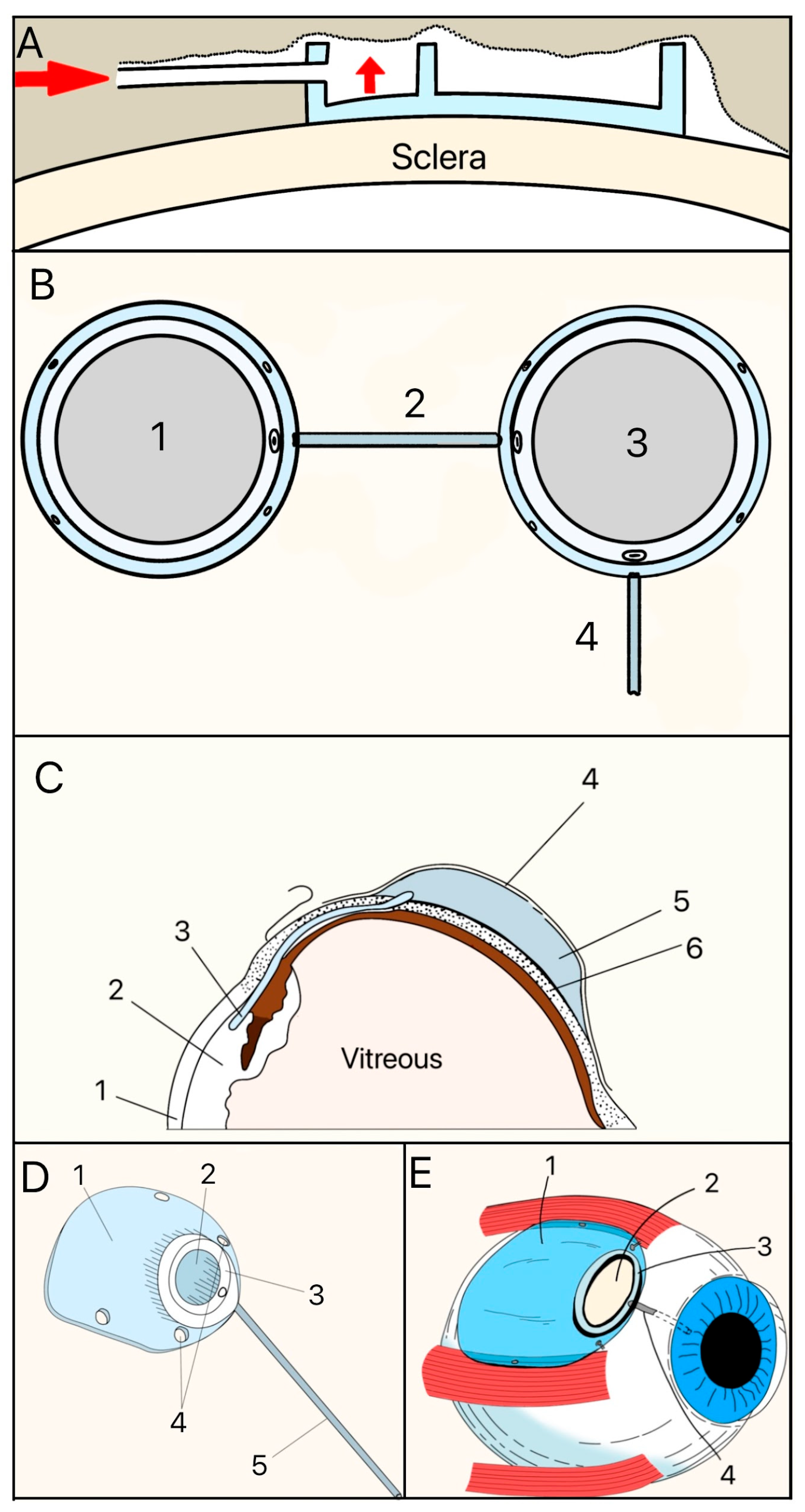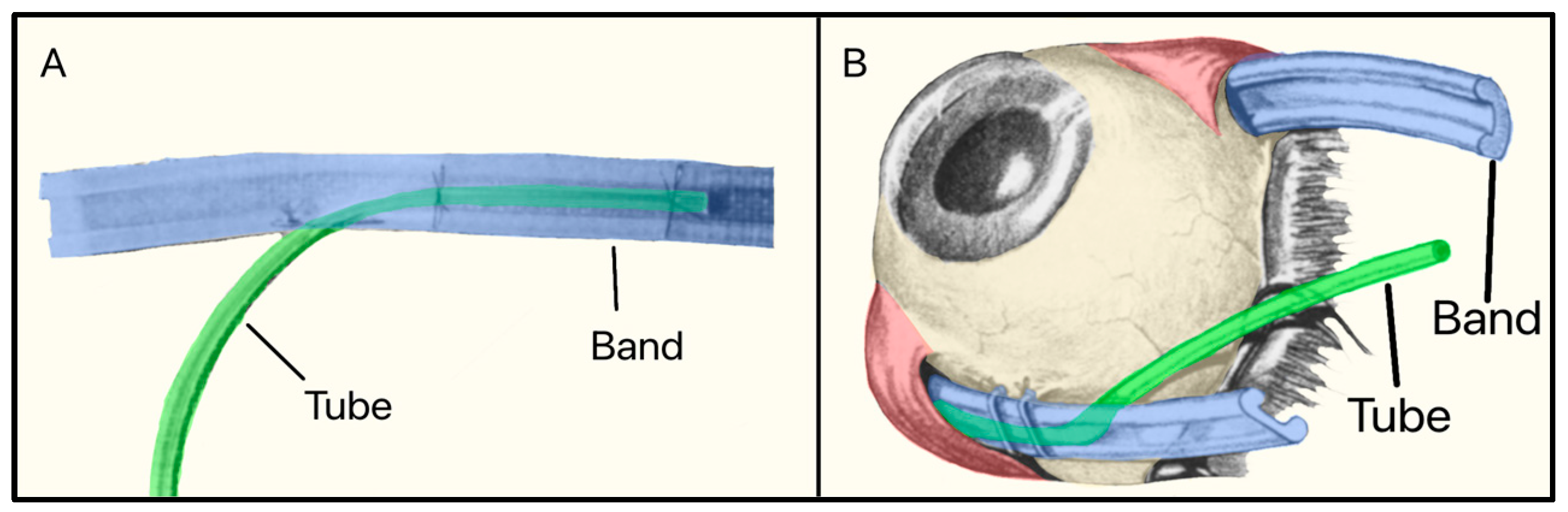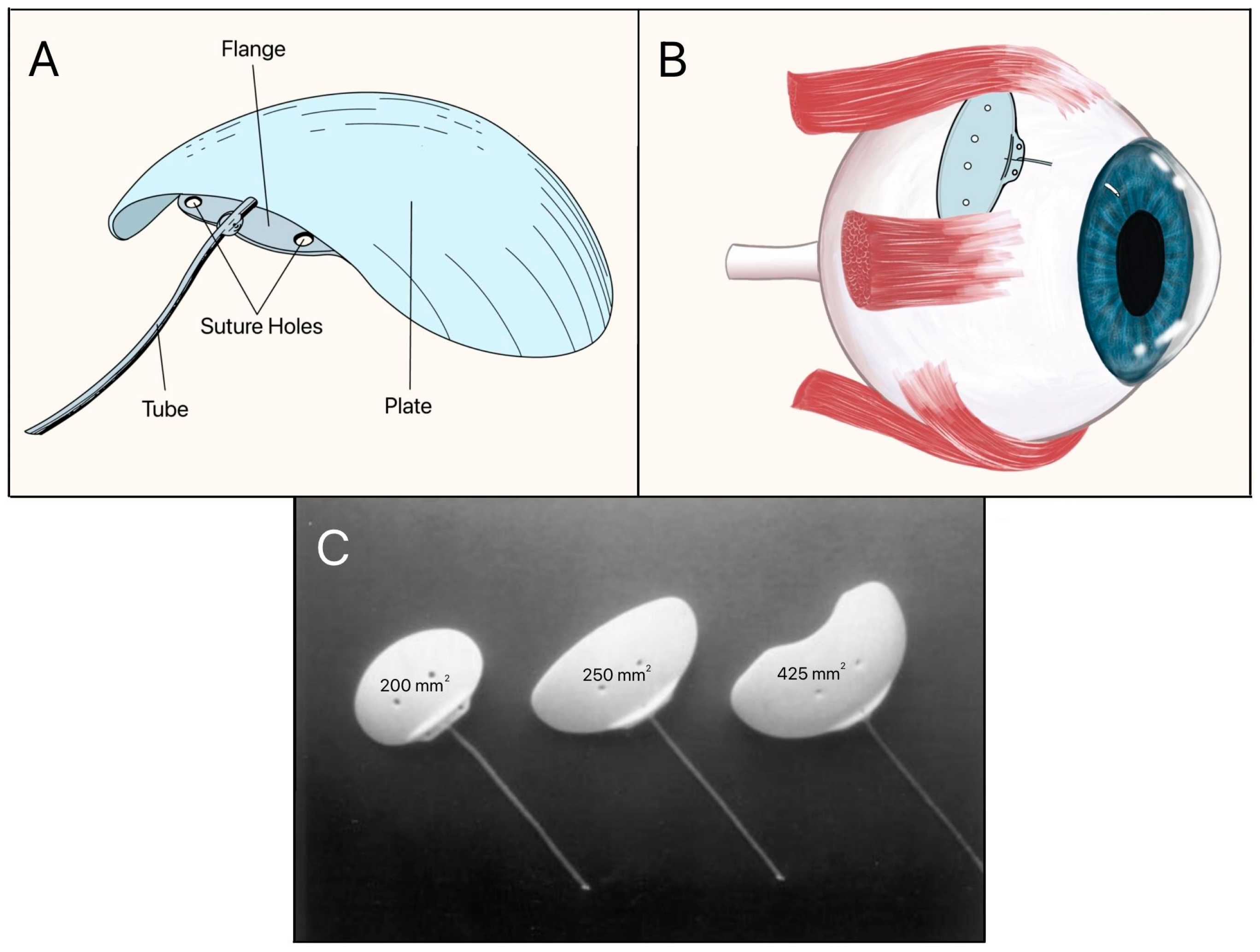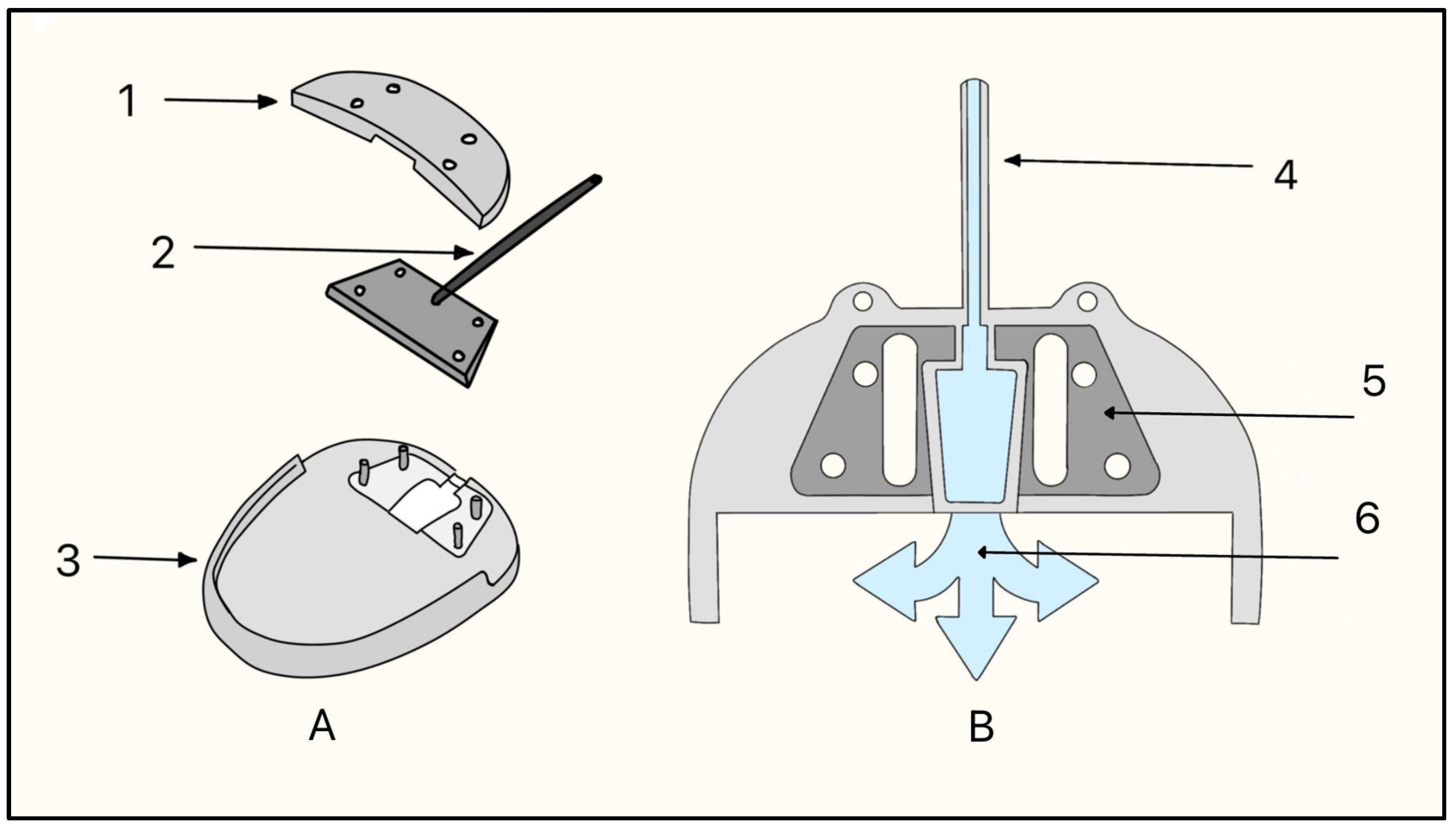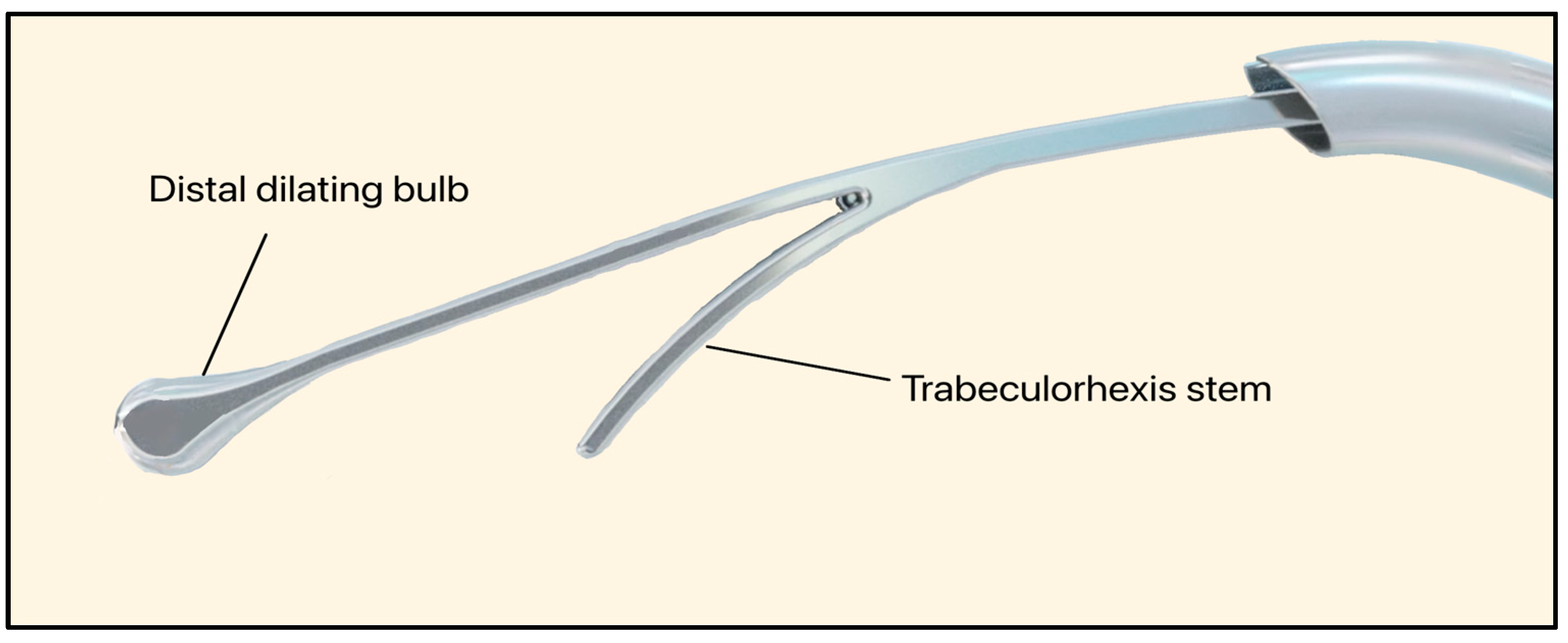


Glaucoma Drainage Devices and Minimally Invasive Glaucoma Surgery—Evolution of Designs and Materials

 ,
,  ,
,  , , , ,
  and
and 
Abstract
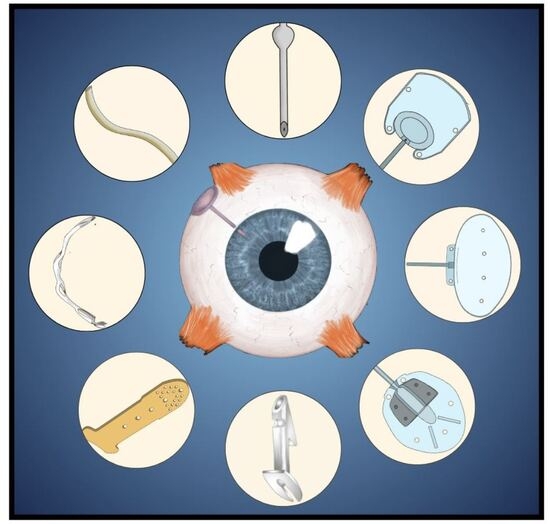
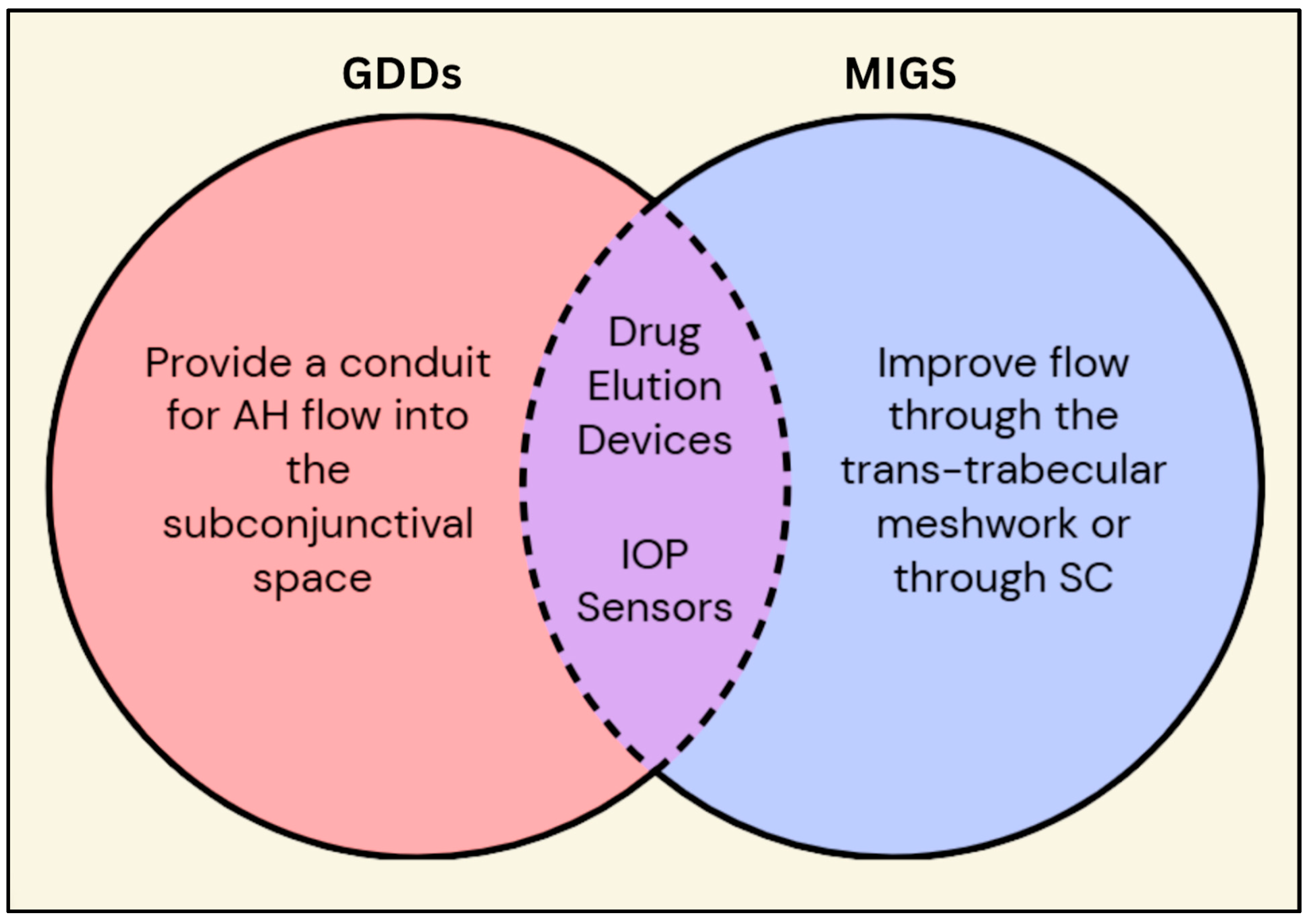
1. Introduction
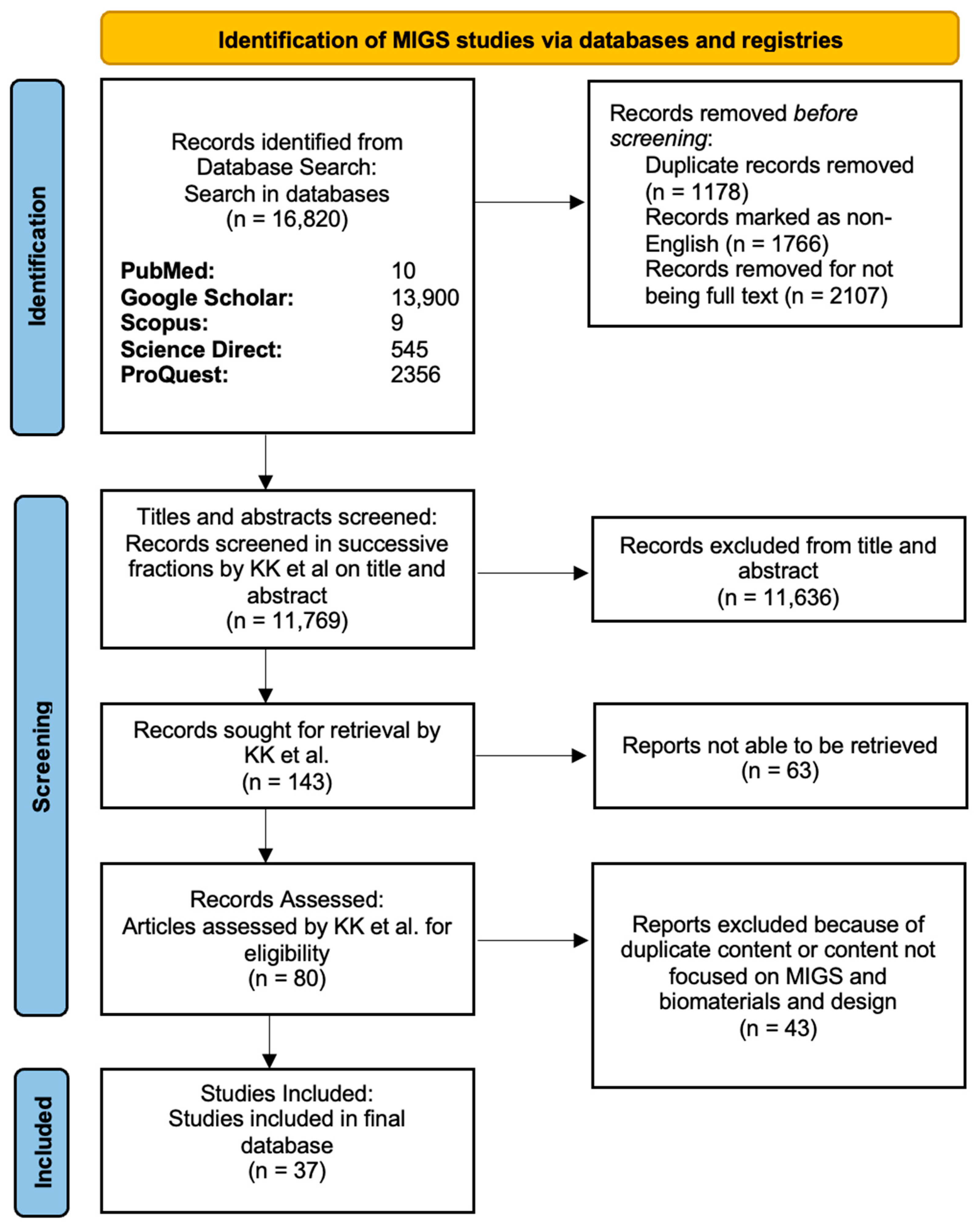
2. Materials and Methods
2.1. Initial Search
2.2. Protocol Registration
2.3. Preliminary Screening
2.4. Eligibility Assessment, Data Extraction, and Synthesis Methods
2.5. Risk of Bias, Reporting Bias, and Certainty Assessment
3. Results
3.1. Introduction to Biomaterials in Glaucoma Drainage Devices
3.2. Gold, Platinum, Horse Hair, and Sutures
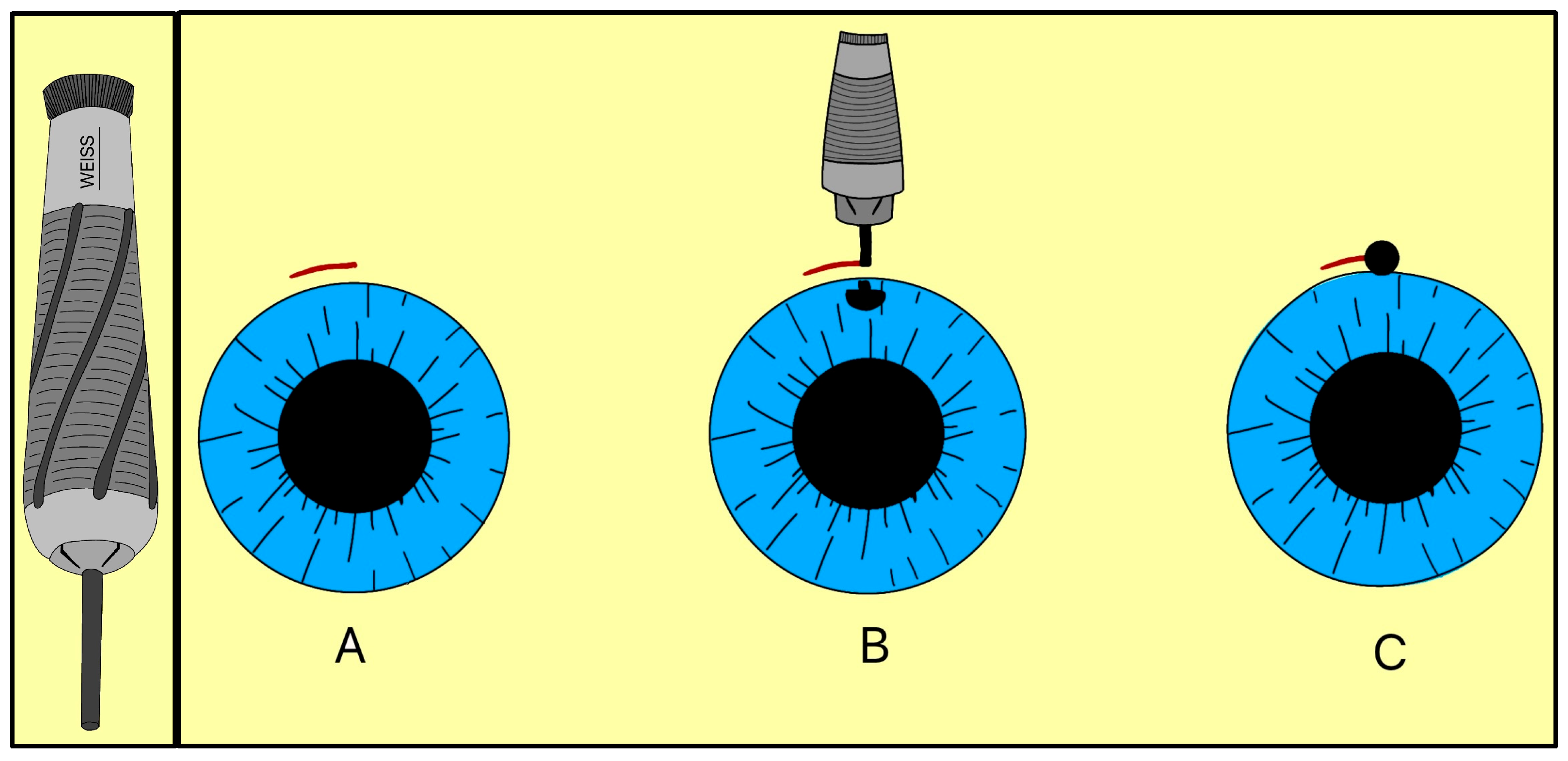
3.3. Elliot’s Trephine
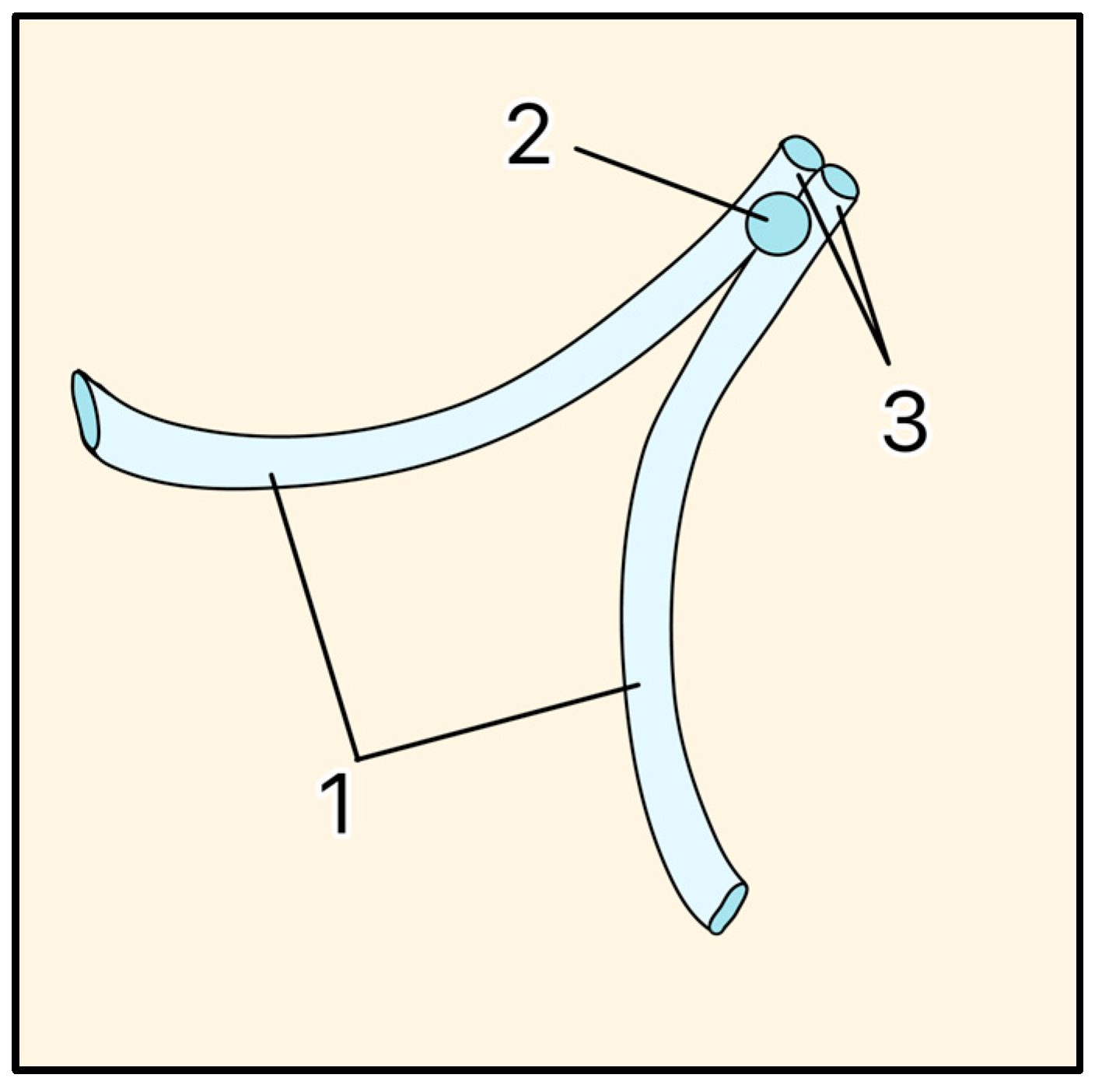
3.4. Molteno Implant
3.5. Krupin Eye Valve
3.6. Schocket Shunt
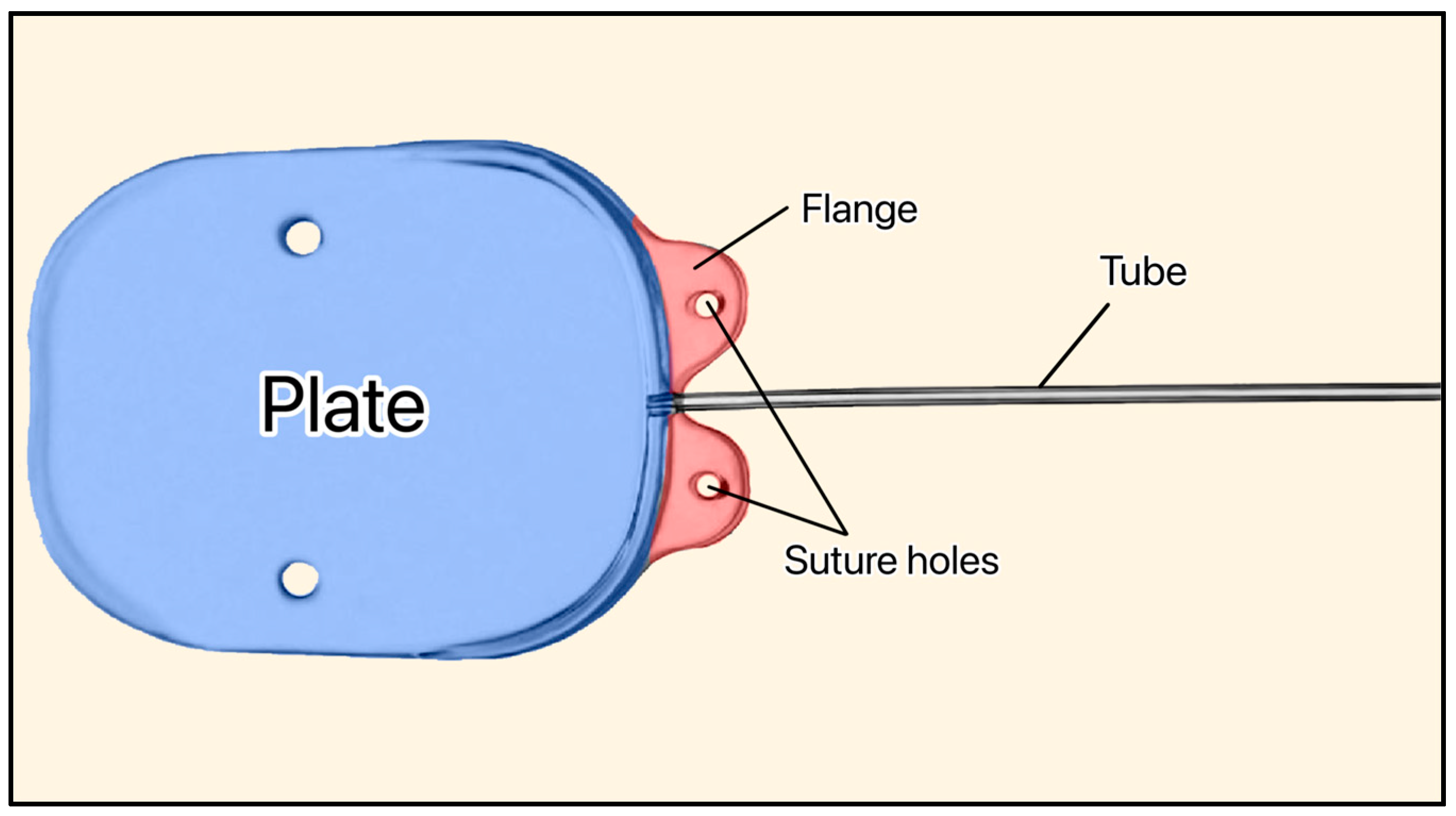
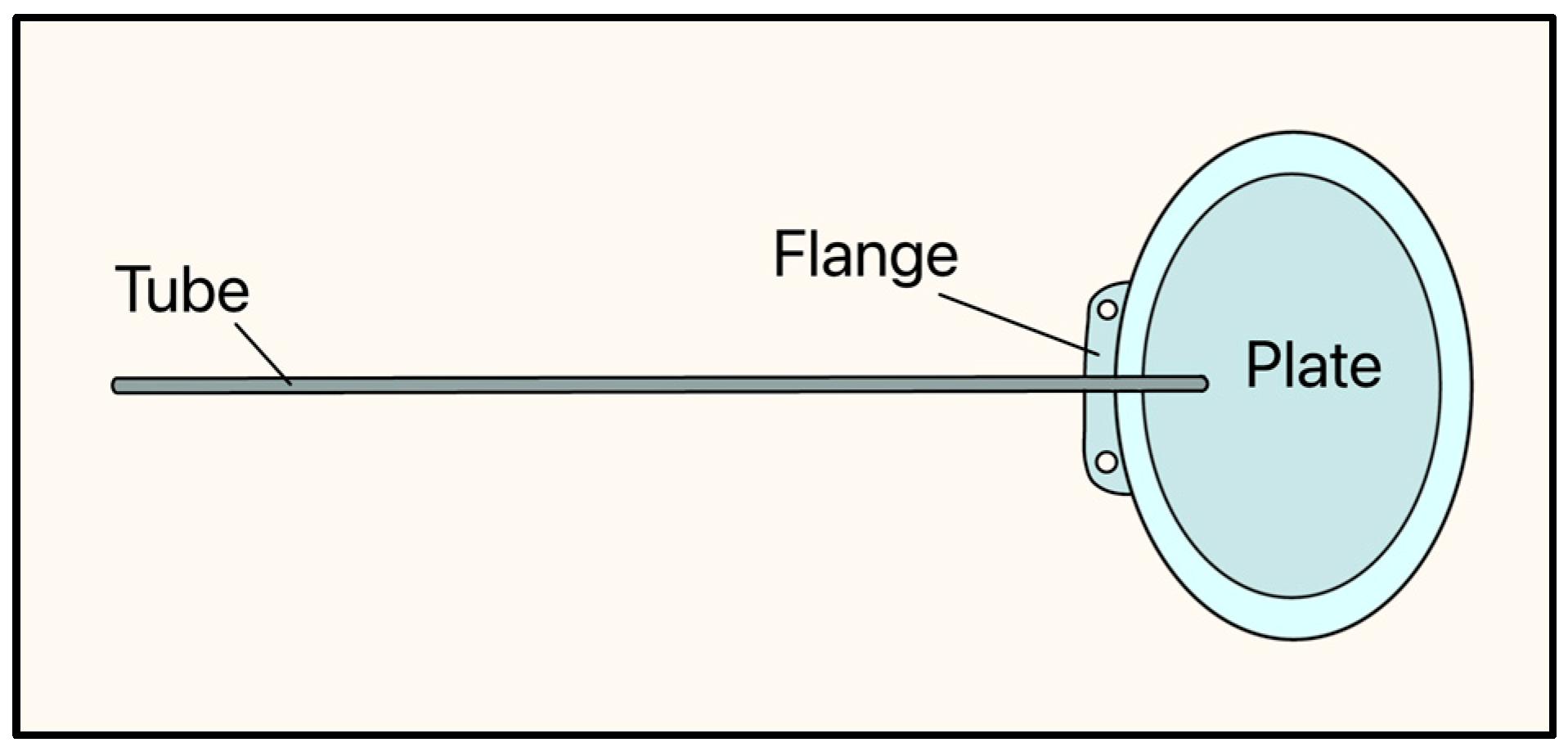
3.7. Baerveldt Implant
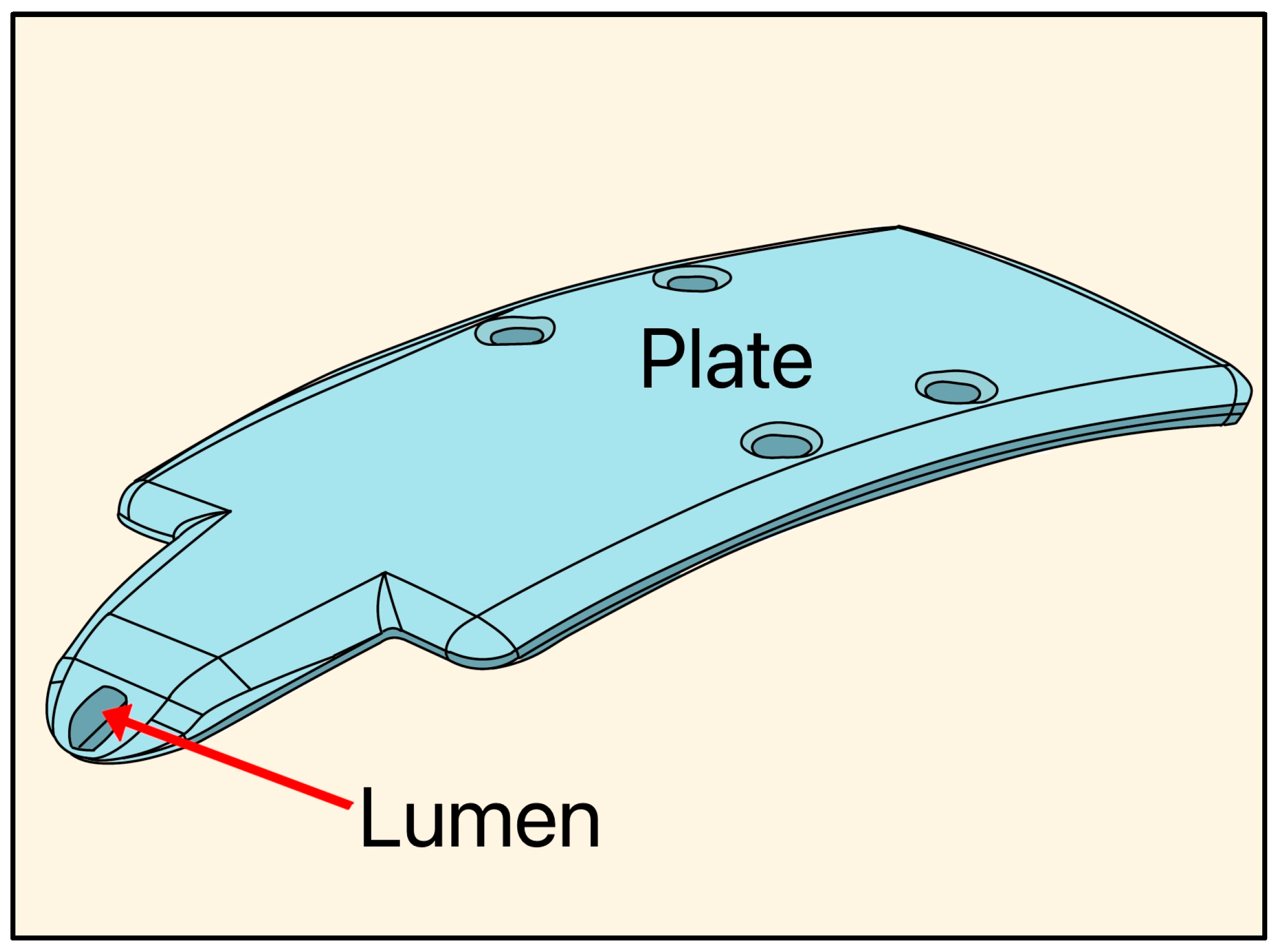
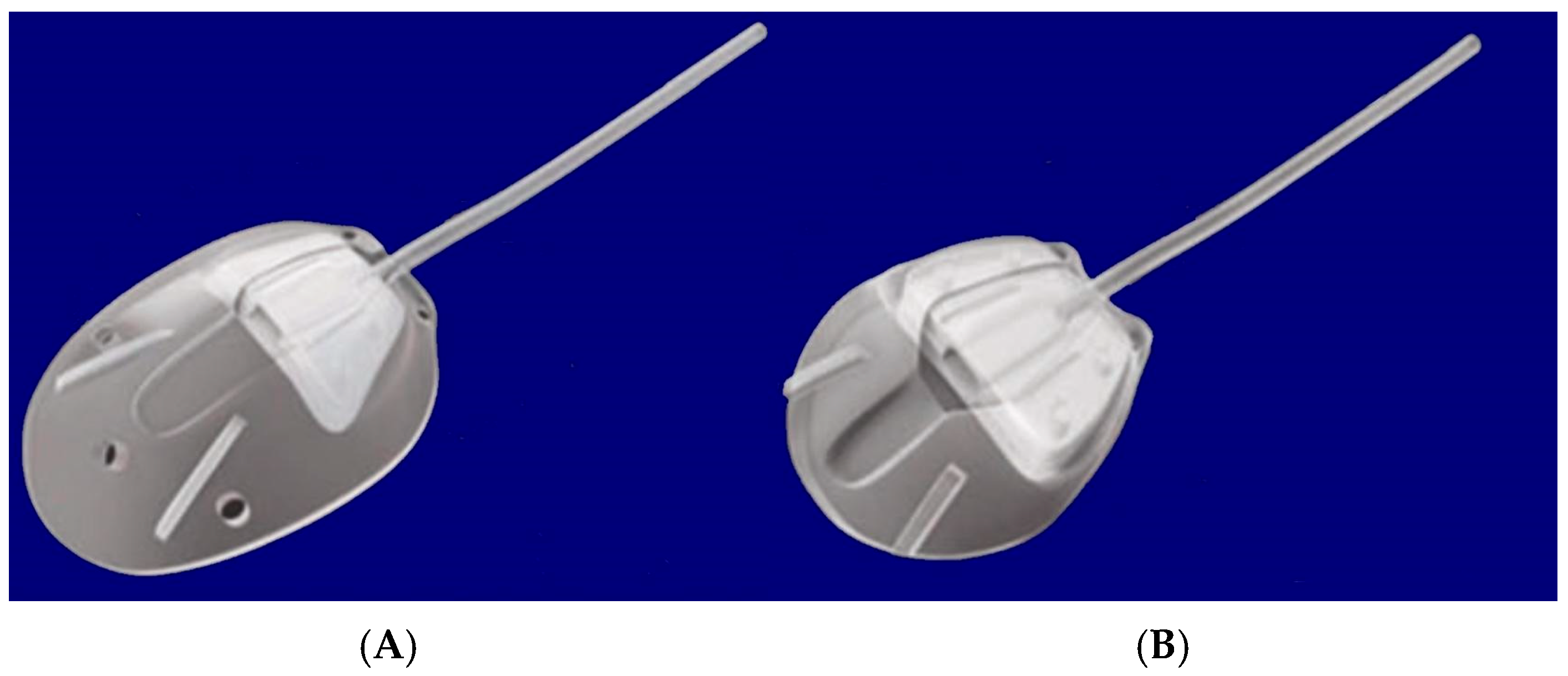
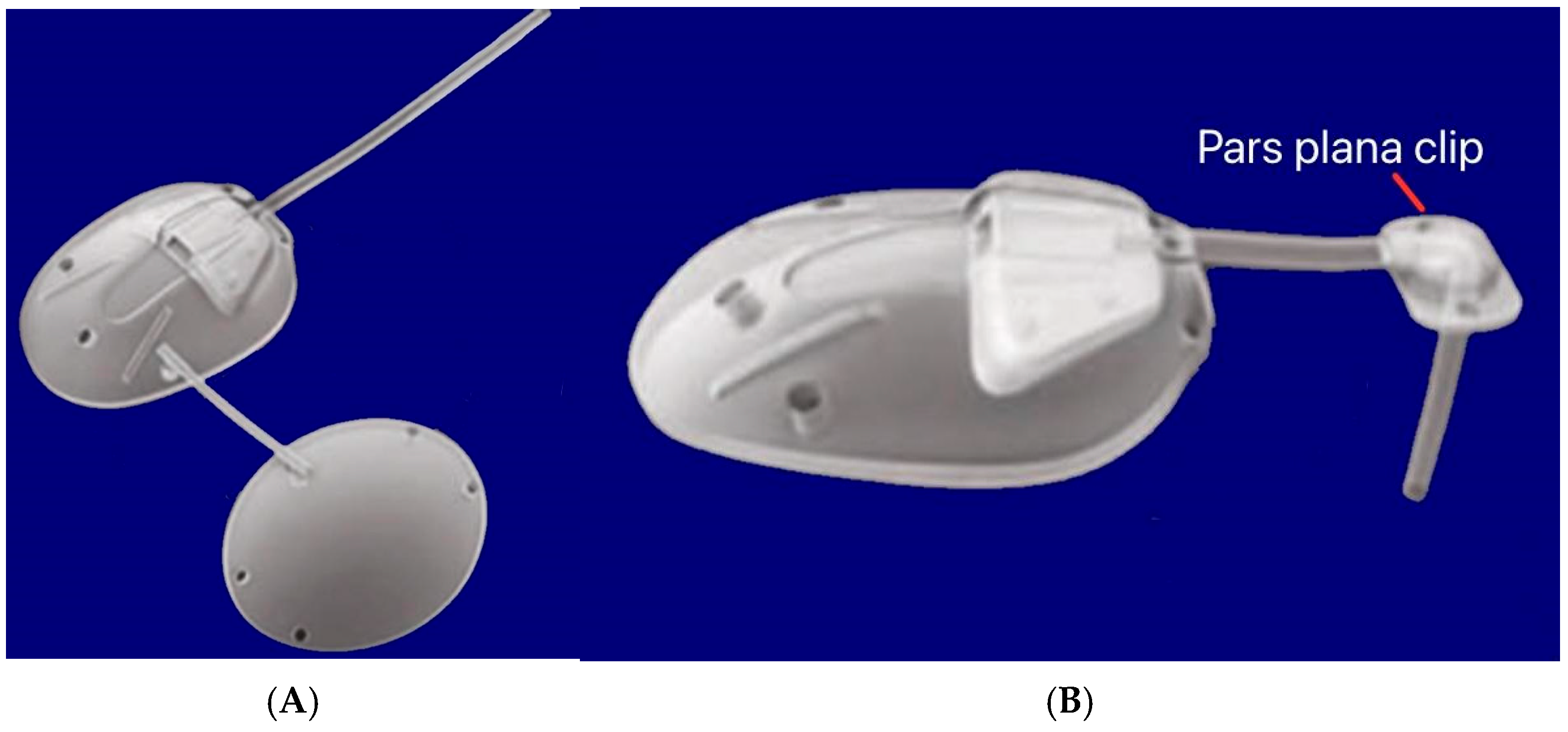
3.8. Ahmed Glaucoma Valve
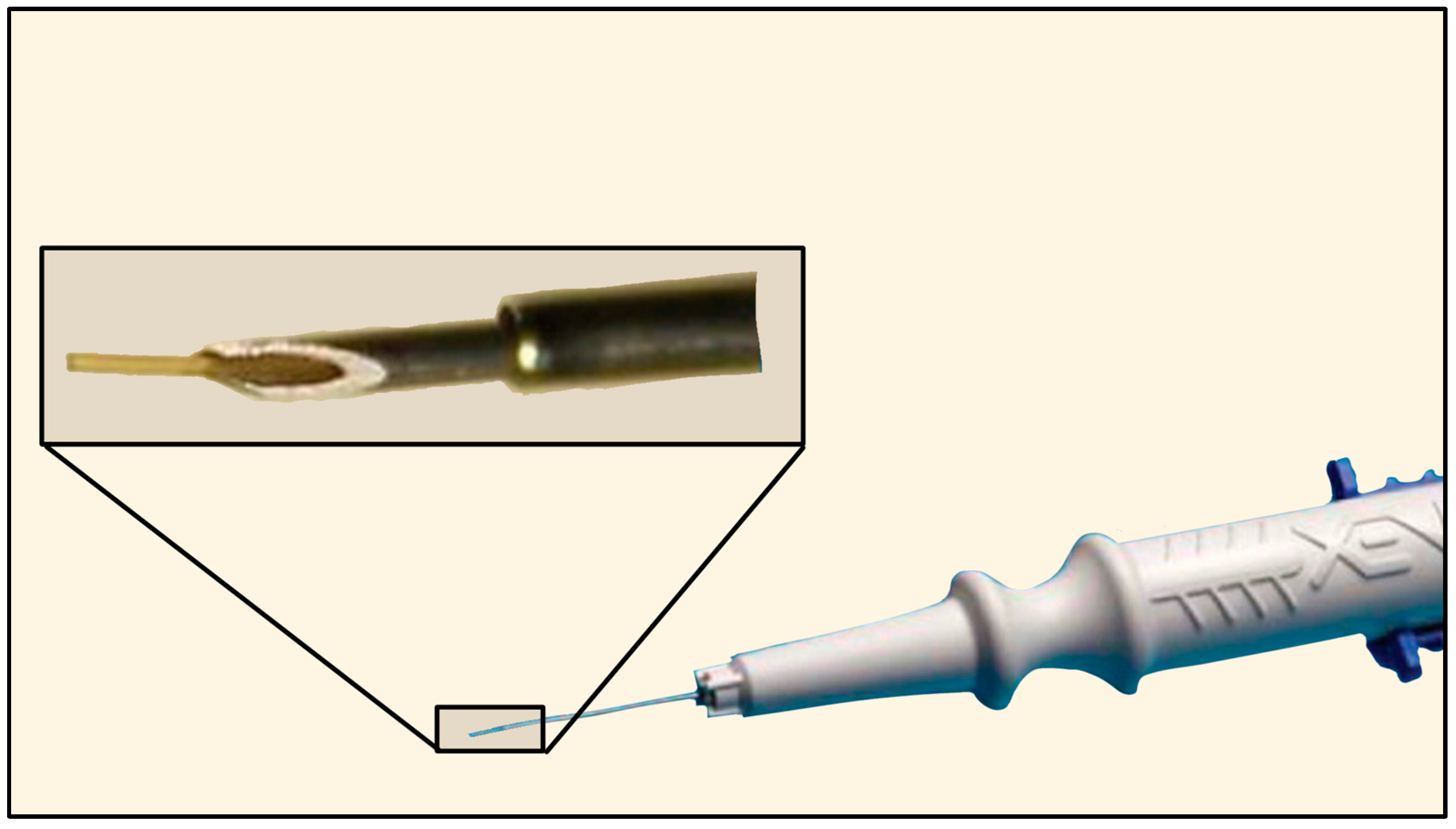
3.9. Ex-PRESS Mini Glaucoma Shunt
3.10. EyePass
3.11. Aurolab Aqueous Drainage Implant
3.12. PAUL Glaucoma Implant
3.13. Susanna GDD
3.14. Introduction to Suprachoroidal-Supraciliary Devices
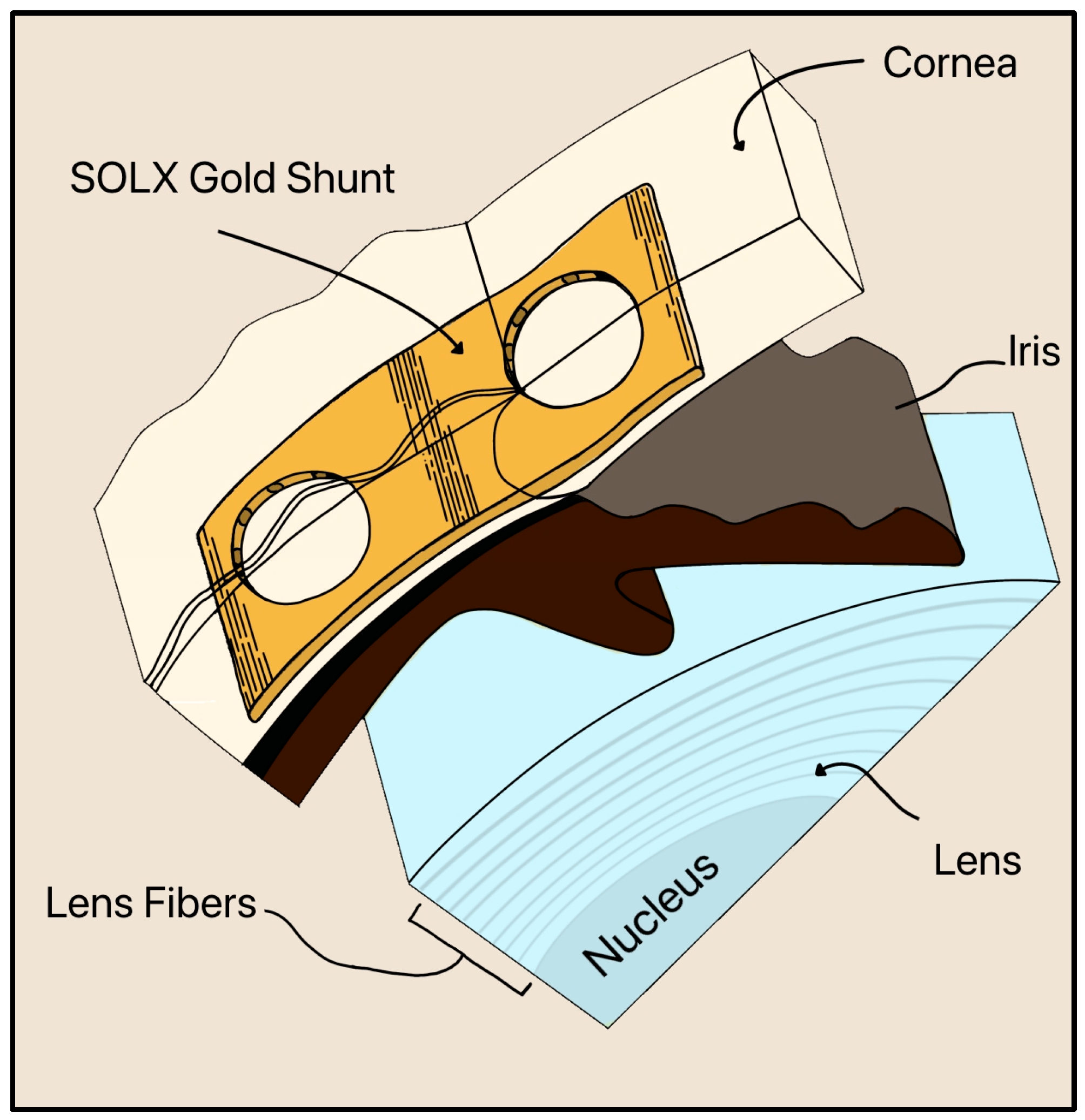
3.15. SOLX Gold Shunt
3.16. Aquashunt Glaucoma Filtration Device
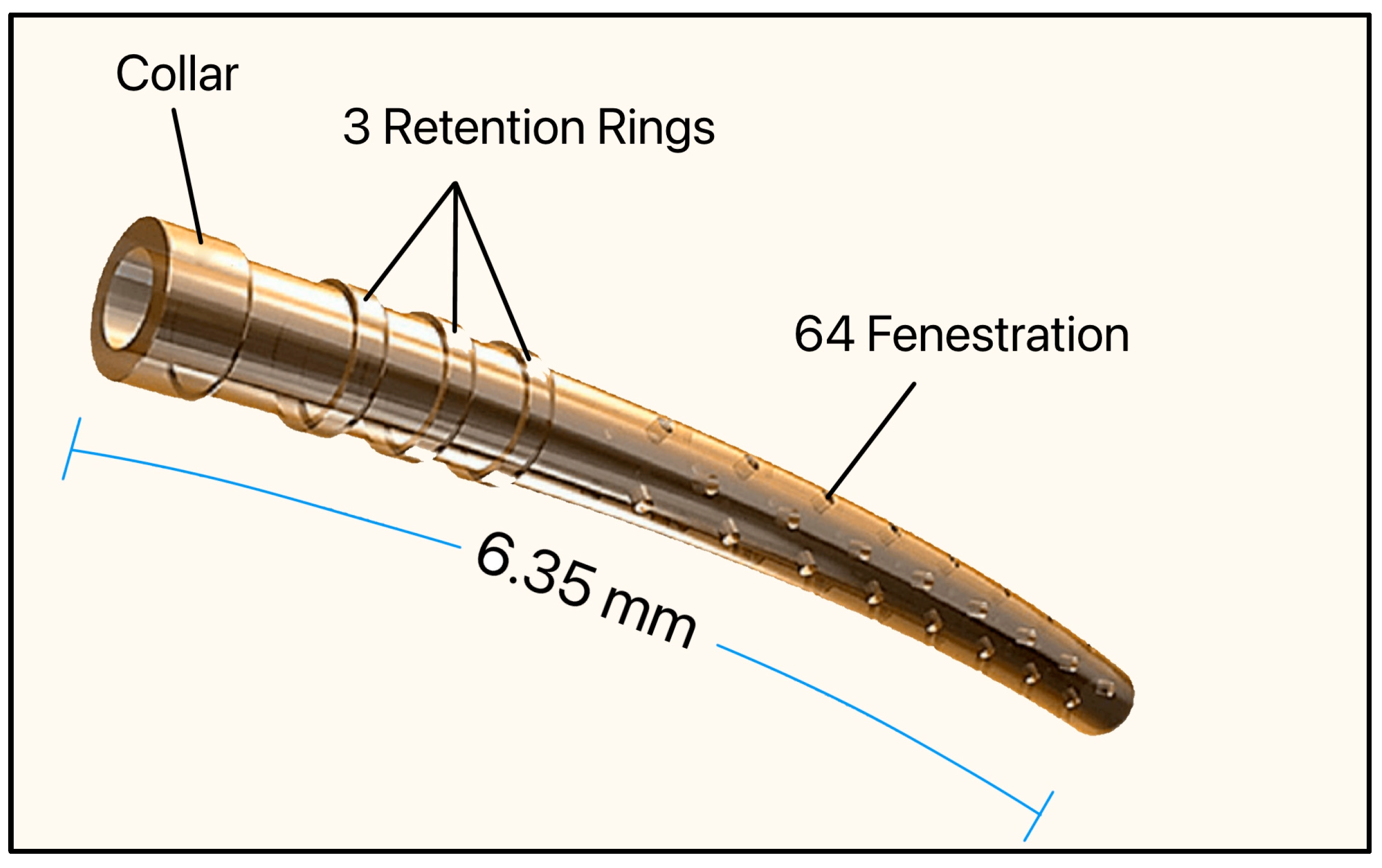
3.17. CyPass Micro-Stent
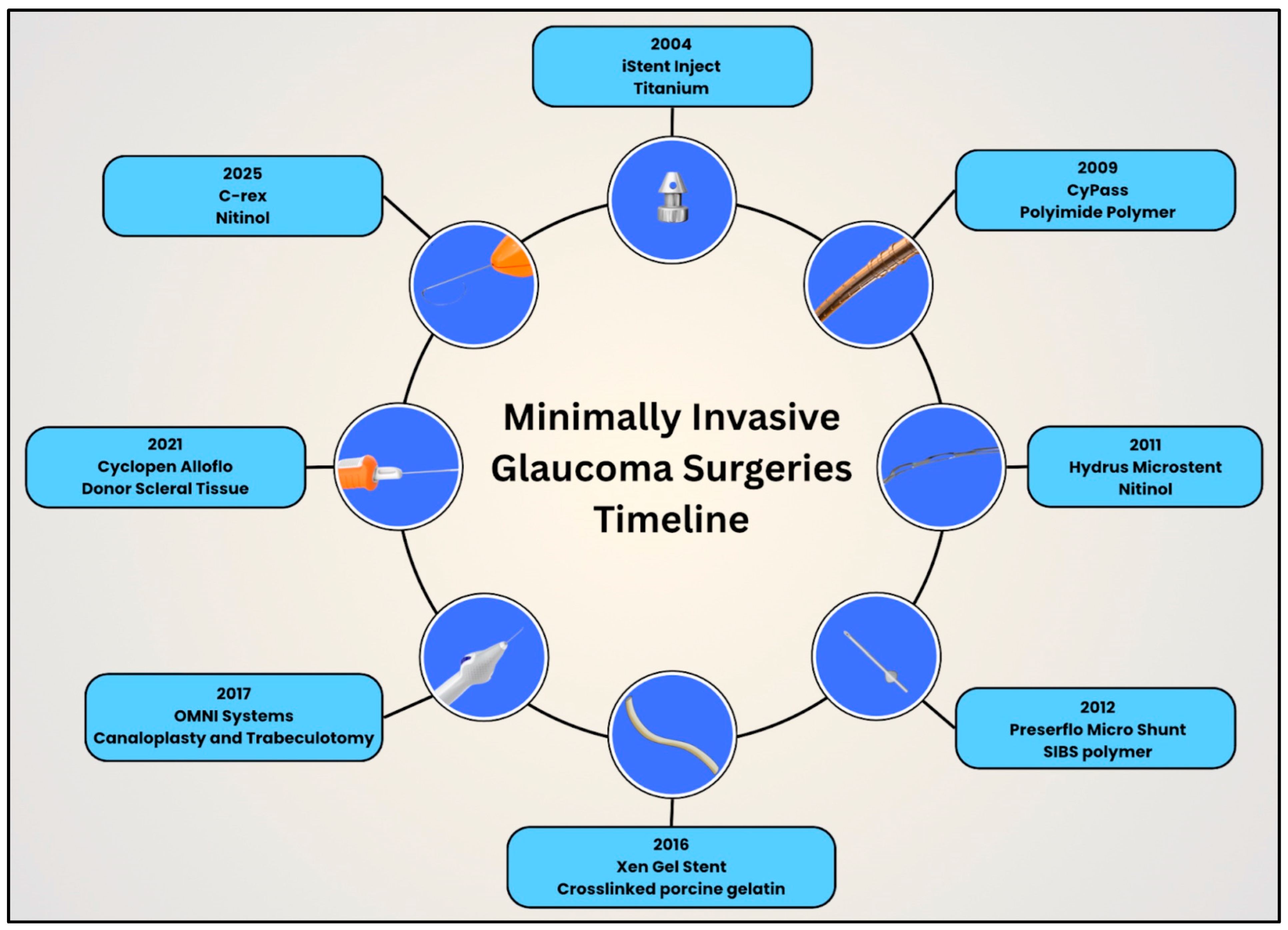
3.18. Introduction to Minimally Invasive Glaucoma Surgeries (MIGS)
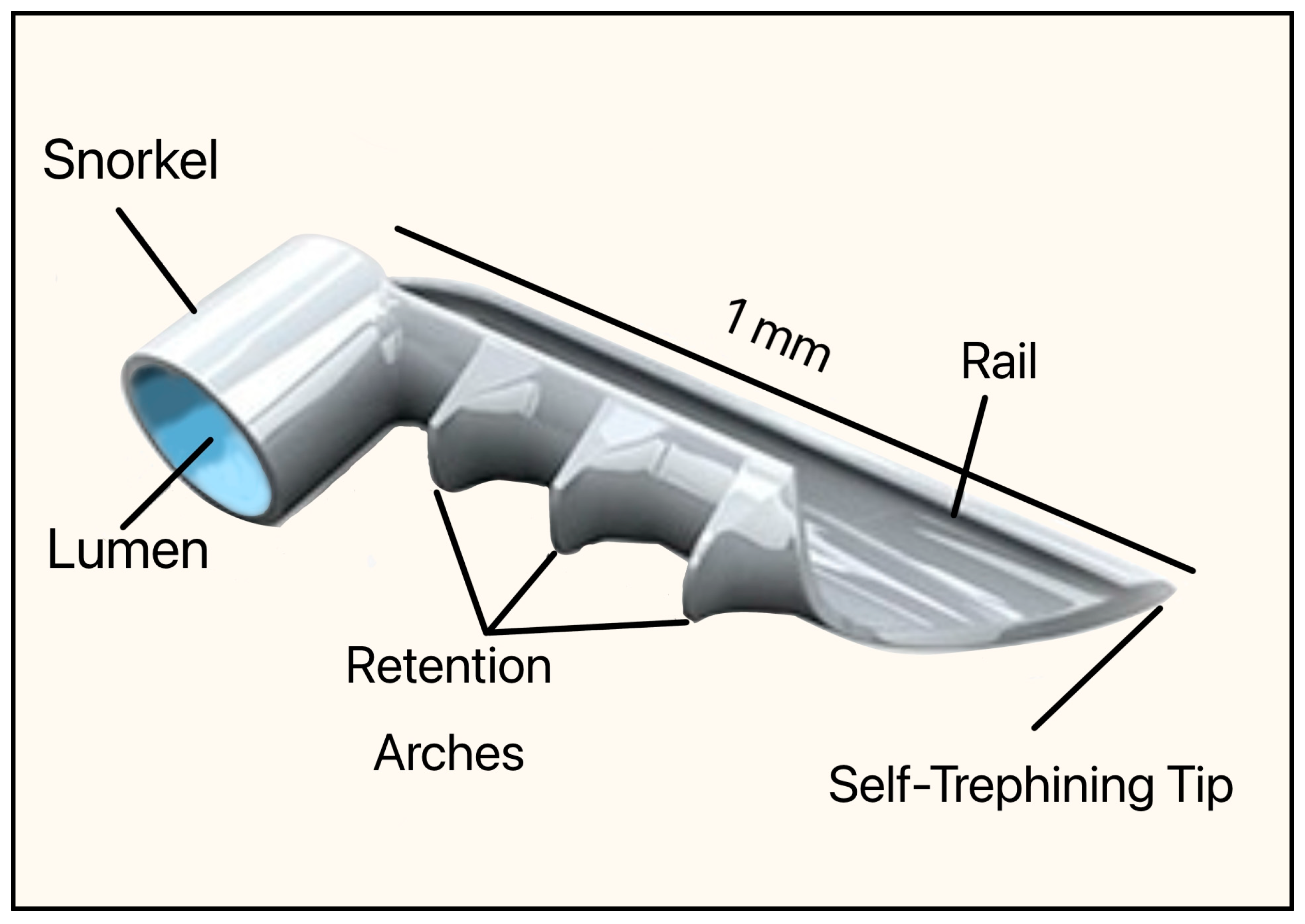
3.19. iStent
3.20. Hydrus Microstent
3.21. Preserflo MicroShunt
3.22. Xen Gel Stent
3.23. Omni Surgical System
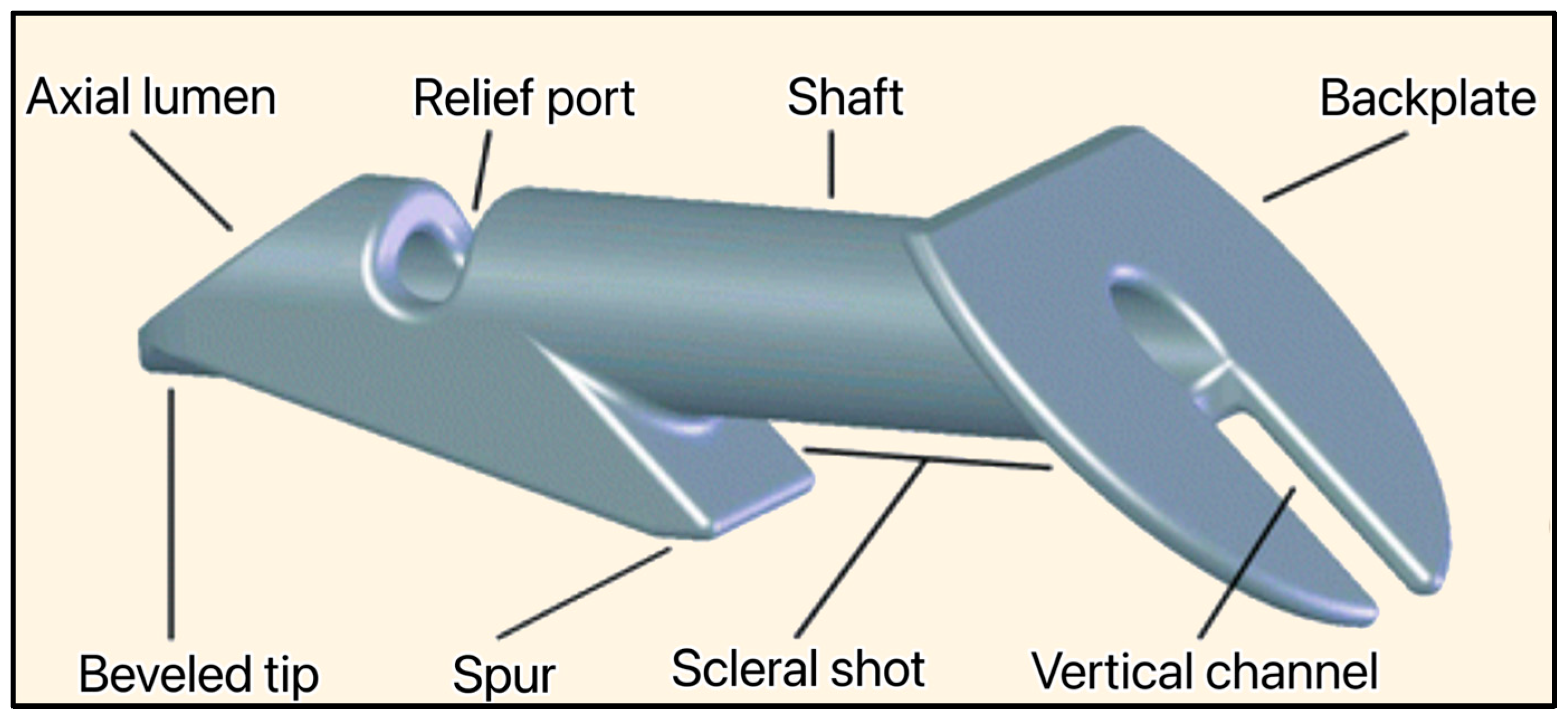
3.24. Alloflo Uveo
3.25. C-Rex System
3.26. Discussion
3.27. Future Directions
3.28. Emerging Biomaterials
3.29. Future GDDs/MIGS Devices
3.30. Proposed Metrics to Evaluate GDDs/MIGS
4. Conclusions
Author Contributions
Funding
Institutional Review Board Statement
Informed Consent Statement
Data Availability Statement
Acknowledgments
Conflicts of Interest
Abbreviations
| GDDs | Glaucoma Drainage Devices |
| MIGS | Minimally Invasive Glaucoma Surgeries |
| AH | Aqueous Humor |
| ON | Optic Nerve |
| POAG | Primary Open-Angle Glaucoma |
| IOP | Intraocular Pressure |
| TM | Trabecular Meshwork |
| SC | Schlemm’s Canal |
| DOI | Digital Object Identifier |
| ID | Inner Diameter |
| OD | Outer Diameter |
| SA | Surface Area |
References
- Stuart, K.V.; de Vries, V.A.; Schuster, A.K.; Yu, Y.; van der Heide, F.C.T.; Delcourt, C.; Cougnard-Grégoire, A.; Schweitzer, C.; Brandl, C.; Zimmerman, M.E.; et al. Prevalence of Glaucoma in Europe and Projections to 2050: Findings from the European Eye Epidemiology Consortium. Ophthalmology 2025, 132, 1114–1124. [Google Scholar] [CrossRef]
- Gedde, S.J.; Vinod, K.; Wright, M.M.; Muir, K.W.; Lind, J.T.; Chen, P.P.; Li, T.; Mansberger, S.L. American Academy of Ophthalmology Preferred Practice Pattern Glaucoma Committee: Primary Open-Angle Glaucoma Preferred Practice Pattern. Ophthalmology 2021, 128, 71–150. [Google Scholar] [CrossRef] [PubMed]
- Weinreb, R.N.; Aung, T.; Medeiros, F.A. The pathophysiology and treatment of glaucoma: A review. JAMA 2014, 311, 1901–1911. [Google Scholar] [CrossRef] [PubMed]
- McMonnies, C.W. Glaucoma history and risk factors. J. Optom. 2017, 10, 71–78. [Google Scholar] [CrossRef] [PubMed]
- Singh, P.; Kuldeep, K.; Tyagi, M.; Sharma, P.D.; Kumar, Y. Glaucoma drainage devices. J. Clin. Ophthalmol. Res. 2013, 1, 77–82. [Google Scholar] [CrossRef]
- SooHoo, J.R.; Seibold, L.K.; Radcliffe, N.M.; Kahook, M.Y. Minimally invasive glaucoma surgery: Current implants and future innovations. Can. J. Ophthalmol. 2014, 49, 528–533. [Google Scholar] [CrossRef]
- Stefan, C.; Batras, M.; Iliescu, D.A.; Timaru, C.M.; de Simone, A.; Hosseini-Ramhormozi, J. Current options for surgical treatment of glaucoma. Rom. J. Ophthalmol. 2015, 59, 194–201. [Google Scholar] [PubMed]
- Ang, B.C.H.; Lim, S.Y.; Betzler, B.K.; Wong, H.J.; Stewart, M.W.; Dorairaj, S. Recent advancements in glaucoma surgery—A review. Bioengineering 2023, 10, 1096. [Google Scholar] [CrossRef]
- Hung, S.H.; Yen, W.T.; Lu, D.W. Advances in glaucoma diagnosis and treatment: Integrating innovations for enhanced patient outcomes. Biomedicines 2025, 13, 850. [Google Scholar] [CrossRef]
- Crouch, D.J.; Sheridan, C.M.; D’Sa, R.A.; Willoughby, C.E.; Bosworth, L.A. Exploiting biomaterial approaches to manufacture an artificial trabecular meshwork: A progress report. Biomater. Biosyst. 2021, 1, 100011. [Google Scholar] [CrossRef]
- Ramachandran, M.; Court, M.; Xu, H.; Stroder, M.; Webel, A.D. Biomaterials for glaucoma surgery. Curr. Ophthalmol. Rep. 2023, 11, 92–103. [Google Scholar] [CrossRef]
- Klézlová, A.; Bulíř, P.; Klápšťová, A.; Netuková, M.; Šenková, K.; Horáková, J.; Studený, P. Novel biomaterials in glaucoma treatment. Biomedicines 2024, 12, 813. [Google Scholar] [CrossRef]
- Ivanišević, M.; Stanić, R.; Ivanišević, P.; Vuković, A. Albrecht von Graefe (1828–1870) and his contributions to the development of ophthalmology. Int. Ophthalmol. 2020, 40, 1029–1033. [Google Scholar] [CrossRef]
- Ashburn, F.S.; Netland, P.A. The Evolution of Glaucoma Drainage Implants. J. Ophthalmic. Vis. Res. 2018, 13, 498–500. [Google Scholar] [CrossRef] [PubMed]
- Elliot, R.H. Sclero-Corneal Trephining in the Operative Treatment of Glaucoma, 2nd ed.; George Pulman & Sons: London, UK, 1914; p. 228. [Google Scholar]
- Every, S.G.; Molteno, A.C.B.; Bevin, T.H.; Herbinson, P. Long-Term Results of Molteno Implant Insertion in Cases of Neovascular Glaucoma. Arch. Ophthalmol. 2006, 124, 355–360. [Google Scholar] [CrossRef]
- Molteno, A.C.B. Glaucoma Drainage Implant. U.S. Patent 4,457,757A, 3 July 1984. [Google Scholar]
- Molteno, A.C.B. Implant for Drainage of Aqueous Humour. U.S. Patent 4,750,901, 14 June 1988. [Google Scholar]
- Molteno Ophthalmic Ltd. Glaucoma Drainage Implant System. U.S. Patent 7,776,002 B2, 17 August 2010. [Google Scholar]
- Mills, R.P.; Reynolds, A.; Emond, M.J.; Barlow, W.E.; Leen, M.M. Long-term survival of Molteno glaucoma drainage devices. Ophthalmology 1996, 103, 299–305. [Google Scholar] [CrossRef] [PubMed]
- Krupin, T. Device and Method For Controlling Intraocular Fluid Pressure. U.S. Patent 5,454,796, 3 October 1995. [Google Scholar]
- Krupin, T.; Podos, S.M.; Becker, B.; Newkirk, J.B.l. Valve implants in filtering surgery. Am. J. Ophthalmol. 1976, 81, 232–235. [Google Scholar] [CrossRef]
- Mastropasqua, L.; Carpineto, P.; Ciancaglini, M.; Zuppardi, E. Long-Term Results of Krupin-Denver Valve Implants in Filtering Surgery for Neovascular Glaucoma. Ophthalmologica 1996, 210, 203–206. [Google Scholar] [CrossRef]
- Ayyala, R.S.; Michelini-Norris, B.; Flores, A.; Haller, E.; Margo, C.E. Comparison of different biomaterials for glaucoma drainage devices: Part 2. Arch. Ophthalmol. 2000, 118, 1081–1084. [Google Scholar] [CrossRef]
- Schocket, S.S.; Lakhanpal, V.; Richards, R.D. Anterior Chamber Tube Shunt to an Encircling Band in the Treatment of Neovascular Glaucoma. Ophthalmology 1982, 89, 1188–1194. [Google Scholar] [CrossRef] [PubMed]
- Wilson, R.P.; Cantor, L.; Katz, L.J.; Schmid, C.M.; Steinmann, W.C.; Allee, S. Aqueous shunts. Molteno versus Schocket. Ophthalmology 1992, 99, 672–676. [Google Scholar] [CrossRef]
- Baerveldt, G.; Blake, L.W.; Wright, G.M. Glaucoma Implant. U.S. Patent 5,558,629, 24 September 1996. [Google Scholar]
- Ceballos, E.M.; Parrish, R.K., 2nd. Plain film imaging of Baerveldt glaucoma drainage implants. Am. J. Neuroradiol. 2002, 23, 935–937. [Google Scholar] [PubMed]
- Budenz, D.L.; Feuer, W.J.; Barton, K.; Schiffman, J.; Costa, V.P.; Godfrey, D.G.; Buys, Y.M. Postoperative Complications in the Ahmed Baerveldt Comparison Study During Five Years of Follow-up. Am. J. Ophthalmol. 2016, 163, 75–82.e3. [Google Scholar] [CrossRef] [PubMed]
- Stay, M.S.; Pan, T.; Brown, J.D.; Ziaie, B.; Barocas, V.H. Thin-film coupled fluid-solid analysis of flow through the Ahmed glaucoma drainage device. J. Biomech. Eng. 2005, 127, 776–781. [Google Scholar] [CrossRef] [PubMed]
- Ahmed, M.A. Device for Treating Glaucoma & Method of Manufacture. U.S. Patent 7,025,740 B2, 11 April 2006. [Google Scholar]
- New World Medical. Ahmed Clearpath. 2025. Available online: https://www.newworldmedical.com/ahmed-clearpath/ (accessed on 30 September 2025).
- Arikan, G.; Gunenc, U. Ahmed Glaucoma Valve Implantation to Reduce Intraocular Pressure: Updated Perspectives. Clin. Ophthalmol. 2023, 17, 1833–1845. [Google Scholar] [CrossRef]
- Alcon. EXPRESS MINI GLA SHUNT P50PL. 2025. Available online: https://www.alconnordicsurgicalproducts.com/node/1051 (accessed on 30 September 2025).
- Nicolai, M.; Franceschi, A.; Pelliccioni, P.; Pirani, V.; Mariotti, C. EX-PRESS Glaucoma Filtration Device: Management of Complications. Vision 2020, 4, 39. [Google Scholar] [CrossRef]
- Mariotti, C.; Dahan, E.; Nicolai, M.; Levitz, L.; Bouee, S. Long-term outcomes and risk factors for failure with the EX-press glaucoma drainage device. Eye 2014, 28, 1–8. [Google Scholar] [CrossRef]
- Lynch, M.G.; Brown, R.H.; Smeets, G. Dual Drainage Pathway Shunt Device. U.S. Patent 2010/0234791 A1, 16 September 2010. [Google Scholar]
- Wittmann, B.; Huchzermeyer, C.; Rejdak, R.; Reulbach, U.; Dietlein, T.; Hohberger, B.; Jünemann, A. Eyepass Glaucoma Implant in Open-Angle Glaucoma After Failed Conventional Medical Therapy: Clinical Results of a 5-Year-Follow-up. J. Glaucoma 2017, 26, 328–334. [Google Scholar] [CrossRef]
- Aravind Eye Care System. 2025. Available online: https://aravind.org/ (accessed on 30 September 2025).
- Sisodia, V.P.S.; Krishnamurthy, R. Aurolab Aqueous Drainage Implant (AADI): Review of Indications, Mechanism, Surgical Technique, Outcomes, Impact and Limitations. Semin. Ophthalmol. 2022, 37, 856–868. [Google Scholar] [CrossRef]
- Chew, T.K.P.; Barton, K.; Khor, E.; Sng, C.C.A. Ocular Drainage Device and Method of Manufacturing Thereof. U.S. Patent 9,808,374 B2, 7 November 2017. [Google Scholar]
- Carlà, M.M.; Gambini, G.; Boselli, F.; Hu, L.; Perugini, A.M.; Crincoli, E.; Catania, F.; De Luca, L.; Rizzo, S. The Paul Glaucoma Implant: A systematic review of safety, efficacy, and emerging applications. Graefes Arch. Clin. Exp. Ophthalmol. 2025, 263, 2447–2459. [Google Scholar] [CrossRef]
- Susanna, F.N.; Susanna, B.N.; Susanna, C.N.; Nicolela, M.T.; Susanna, R., Jr. Efficacy and Safety of the Susanna Glaucoma Drainage Device After 1 Year of Follow-up. J. Glaucoma 2021, 30, 231–236. [Google Scholar] [CrossRef]
- Biteli, L.G.; Prata, T.S.; Gracitelli, C.P.B.; Kanadani, F.N.; Boas, F.V.; Hatanaka, M.; Paranhos, A., Jr. Evaluation of the Efficacy and Safety of the New Susanna Glaucoma Drainage Device in Refractory Glaucomas: Short-term Results. J. Glaucoma 2017, 26, 356–360. [Google Scholar] [CrossRef]
- Gigon, A.; Shaarawy, T. The Suprachoroidal Route in Glaucoma Surgery. J. Curr. Glaucoma Pract. 2016, 10, 13–20. [Google Scholar] [CrossRef] [PubMed]
- Simon, G. Shunt for the Treatment of Glaucoma. U.S. Patent 7,207,965 B2, 24 April 2007. [Google Scholar]
- Melamed, S.; Ben Simon, G.J.; Goldenfeld, M.; Simon, G. Efficacy and safety of gold micro shunt implantation to the supraciliary space in patients with glaucoma: A pilot study. Arch. Ophthalmol. 2009, 127, 264–269. [Google Scholar] [CrossRef]
- Figus, M.; Loiudice, P.; Passani, A.; Perciballi, L.; Agnifili, L.; Nardi, M.; Posarelli, C. Long-term outcome of supraciliary gold micro shunt in refractory glaucoma. Acta. Ophthalmol. 2022, 100, 753–759. [Google Scholar] [CrossRef]
- Bronstein, B.; Warner, N.F.; Warner, S.; Shields, B.; Battle, J.F. Uveoscleral Drainage Device. U.S. Patent 2011/0105986 A1, 5 May 2011. [Google Scholar]
- Kammer, J.A.; Mundy, K.M. Suprachoroidal devices in glaucoma surgery. Middle East Afr. J. Ophthalmol. 2015, 22, 45–52. [Google Scholar] [CrossRef] [PubMed]
- de Juan, E., Jr.; Boyd, S.; Deem, M.E.; Gifford, H.S., III; Rosenman, D. Glaucoma Treatment Device. U.S. Patent 8,734,378 B2, 27 May 2014. [Google Scholar]
- Vold, S.; Ahmed, I.I.K.; Craven, E.R.; Mattox, C.; Stamper, R.; Packer, M.; Brown, R.H.; Ianchulev, T. Two-year COMPASS trial results: Supraciliary microstenting with phacoemulsification in patients with open-angle glaucoma and cataracts. Ophthalmology 2016, 123, 2103–2112. [Google Scholar] [CrossRef]
- Reiss, G.; Clifford, B.; Vold, S.; He, J.; Hamilton, C.; Dickerson, J.; Lane, S. Safety and Effectiveness of CyPass Supraciliary Micro-Stent in Primary Open-Angle Glaucoma: 5-Year Results from the COMPASS XT Study. Am. J. Ophthalmol. 2019, 208, 219–225. [Google Scholar] [CrossRef]
- Lass, J.H.; Benetz, B.A.; He, J.; Hamilton, C.; Tress, M.V.; Dickerson, J.; Lane, S. Corneal Endothelial Cell Loss and Morphometric Changes 5 Years after Phacoemulsification with or without CyPass Micro-Stent. Am. J. Ophthalmol. 2019, 208, 211–218. [Google Scholar] [CrossRef] [PubMed]
- Saheb, H.; Ahmed, I.I. Micro-invasive glaucoma surgery: Current perspectives and future directions. Curr. Opin. Ophthalmol. 2012, 23, 96–104. [Google Scholar] [CrossRef]
- Larsen, C.L.; Samuelson, T.W. iStent: Trabecular Micro-Bypass Stent; Springer: Berlin/Heidelberg, Germany, 2020; pp. 21–39. [Google Scholar] [CrossRef]
- Haffner, D.S.; Gille, H.K.; Kalina, C.R., Jr.; Cogger, J.J. Glaucoma Treatment Device. U.S. Patent 9,173,775 B2, 3 November 2015. [Google Scholar]
- Glaukos Corporation. iStent Inject® W. Available online: https://www.glaukos.com/glaucoma/products/istent-inject-w/ (accessed on 1 October 2025).
- Popovic, M.; Campos-Moller, X.; Saheb, H.; Ahmed, I.I.K. Efficacy and Adverse Event Profile of the iStent and iStent Inject Trabecular Micro-bypass for Open-angle Glaucoma: A Meta-analysis. J. Curr. Glaucoma Pract. 2018, 12, 67–84. [Google Scholar] [CrossRef]
- Andrew, T.S.; Charles, L.E. Glaucoma Treatment Method. U.S. Patent 8,414,518 B2, 9 April 2013. [Google Scholar]
- Samet, S.; Ong, J.A.; Ahmed, I.I.K. Hydrus microstent implantation for surgical management of glaucoma: A review of design, efficacy and safety. Eye Vis. 2019, 6, 32. [Google Scholar] [CrossRef]
- Samuelson, T.W.; Chang, D.F.; Marquis, R.; Flowers, B.; Lim, K.S.; Ahmed, I.I.K.; Jampel, H.D.; Aung, T.; Crandall, A.S.; Singh, K.; et al. A Schlemm Canal Microstent for Intraocular Pressure Reduction in Primary Open-Angle Glaucoma and Cataract: The HORIZON Study. Ophthalmology 2019, 126, 29–37. [Google Scholar] [CrossRef]
- InnFocus, LLC. Glaucoma Implant Device. U.S. Patent 7,431,709 B2, 7 October 2008. [Google Scholar]
- Pinchuk, L.; Riss, I.; Batlle, J.F.; Kato, Y.P.; Martin, J.B.; Arrieta, E.; Palmberg, P.; Parrish, R.K., 2nd; Weber, B.A.; Kwon, Y.; et al. The development of a micro-shunt made from poly(styrene-block-isobutylene-block-styrene) to treat glaucoma. J. Biomed. Mater. Res. B Appl. Biomater. 2017, 105, 211–221. [Google Scholar] [CrossRef]
- Sadruddin, O.; Pinchuk, L.; Angeles, R.; Palmberg, P. Ab externo implantation of the MicroShunt, a poly (styrene-block-isobutylene-block-styrene) surgical device for the treatment of primary open-angle glaucoma: A review. Eye Vis. 2019, 6, 36. [Google Scholar] [CrossRef]
- Ibarz Barberá, M.; Martínez-Galdón, F.; Caballero-Magro, E.; Rodríguez-Piñero, M.; Tañá-Rivero, P. Efficacy and Safety of the Preserflo Microshunt With Mitomycin C for the Treatment of Open Angle Glaucoma. J. Glaucoma 2022, 31, 557–566. [Google Scholar] [CrossRef]
- Horvath, C.; Romoda, L.O. Methods for Deploying Intraocular Shunt from a Deployment Device and into an Eye. U.S. Patent 8,663,303 B2, 4 March 2014. [Google Scholar]
- Lim, S.Y.; Betzler, B.K.; Yip, L.W.L.; Dorairaj, S.; Ang, B.C.H. Standalone XEN45 Gel Stent implantation in the treatment of open-angle glaucoma: A systematic review and meta-analysis. Surv. Ophthalmol. 2022, 67, 1048–1061. [Google Scholar] [CrossRef]
- Badawi, D.Y.; O’Keefe, D.; Badawi, P. Ocular Delivery Systems and Methods. U.S. Patent 8,894,603 B2, 25 November 2014. [Google Scholar]
- Hirsch, L.; Cotliar, J.; Vold, S.; Selvadurai, D.; Campbell, A.; Ferreira, G.; Aminlari, A.; Cho, A.; Heersink, S.; Hochman, M.; et al. Canaloplasty and trabeculotomy ab interno with the OMNI system combined with cataract surgery in open-angle glaucoma: 12-month outcomes from the ROMEO study. J. Cataract. Refract. Surg. 2021, 47, 907–915. [Google Scholar] [CrossRef] [PubMed]
- Williamson, B.K.; Vold, S.D.; Campbell, A.; Hirsch, L.; Selvadurai, D.; Aminlari, A.E.; Cotliar, J.; Dickerson, J.E. Canaloplasty and Trabeculotomy with the OMNI System in Patients with Open-Angle Glaucoma: Two-Year Results from the ROMEO Study. Clin. Ophthalmol. 2023, 17, 1057–1066. [Google Scholar] [CrossRef] [PubMed]
- Ianchulev, T. Implantable Biologic Stent and System for Biologic Material Shaping, Preparation, and Intraocular Stenting for Increased Aqueous Outflow and Lowering Intraocular Pressure. U.S. Patent 12,257,188 B2, 25 March 2025. [Google Scholar]
- Barber, K.; Flowers, B.; Patterson, M.; Vera, L.; Ianchulev, T.; Ahmed, I.I. Bio-interventional uveoscleral outflow enhancement in patients with medically uncontrolled primary open-angle glaucoma: 1-year results of allograft-reinforced cyclodialysis. Ther. Adv. Ophthalmol. 2025, 17, 25158414251362010. [Google Scholar] [CrossRef] [PubMed]
- Robson, D.; Beaulieu, R.H.; Buxton, S.; Ianchulev, T.; Nelsen, D. Methods and Devices for Increasing Aqueous Drainage of the Eye. U.S. Patent 2025/0169989 A1, 29 May 2025. [Google Scholar]
- Joy, J. Iantrek Announces First Commercial Cases of C.Rex Micro-Interventional System. Optometry Times, 4 February 2025. Available online: https://www.optometrytimes.com/view/iantrek-announces-first-commercial-cases-of-c-rex-micro-interventional-system (accessed on 16 October 2025).
- Venkatesan, J.; Kim, S.-K.; Wong, T.W. Chitosan and its application as tissue engineering scaffolds. In Nanotechnology Applications for Tissue Engineering; Thomas, S., Grohens, Y., Ninan, N., Eds.; William Andrew Publishing: Oxford, UK, 2015; pp. 133–147. [Google Scholar] [CrossRef]
- Peng, R.; Qin, G.; Li, X.; Lv, H.; Qian, Z.; Yu, L. The PEG-PCL-PEG Hydrogel as an Implanted Ophthalmic Delivery System after Glaucoma Filtration Surgery; a Pilot Study. Med. Hypothesis Discov. Innov. Ophthalmol. 2014, 3, 3–8. [Google Scholar]
- Fea, A.M.; Novarese, C.; Caselgrandi, P.; Boscia, G. Glaucoma Treatment and Hydrogel: Current Insights and State of the Art. Gels 2022, 8, 510. [Google Scholar] [CrossRef]
- Allyn, M.M.; Luo, R.H.; Hellwarth, E.B.; Swindle-Reilly, K.E. Considerations for polymers used in ocular drug delivery. Front. Med. 2022, 8, 787644. [Google Scholar] [CrossRef]
- Boia, R.; Dias, P.A.N.; Martins, J.M.; Galindo-Romero, C.; Aires, I.D.; Vidal-Sanz, M.; Agudo-Barriuso, M.; de Sousa, H.C.; Ambrósio, A.F.; Braga, M.E.M.; et al. Porous poly(ε-caprolactone) implants: A novel strategy for efficient intraocular drug delivery. J. Control. Release 2019, 316, 331–348. [Google Scholar] [CrossRef] [PubMed]
- Borandeh, S.; Alimardani, V.; Abolmaali, S.S.; Seppälä, J. Graphene Family Nanomaterials in Ocular Applications: Physicochemical Properties and Toxicity. Chem. Res. Toxicol. 2021, 34, 1386–1402. [Google Scholar] [CrossRef] [PubMed]
- Zhang, Y.; Zhang, W.; Yang, Y.; Li, X.; Chen, H.; Wang, J.; Liu, P.; Zhao, Q.; Huang, M.; Li, Y.; et al. A novel deployable microstent for the treatment of glaucoma. Innovation 2025, 6, 100935. [Google Scholar] [CrossRef]
- Sonntag, S.R.; Gniesmer, S.; Gapeeva, A.; Offermann, K.J.; Adelung, R.; Mishra, Y.K.; Cojocaru, A.; Kaps, S.; Grisanti, S.; Grisanti, S.; et al. In Vitro Evaluation of Zinc Oxide Tetrapods as a New Material Component for Glaucoma Implants. Life 2022, 12, 1805. [Google Scholar] [CrossRef]
- Li, X.J.; Xie, L.; Pan, F.S.; Wang, Y.; Liu, H.; Tang, Y.R.; Hutnik, C.M. A feasibility study of using biodegradable magnesium alloy in glaucoma drainage device. Int. J. Ophthalmol. 2018, 11, 135–142. [Google Scholar] [CrossRef] [PubMed]
- Samaeili, A.; Rahmani, S.; Hassanpour, K.; Meshksar, A.; Ansari, I.; Afsar-Aski, S.; Einollahi, B.; Pakravan, M. A new glaucoma drainage implant with the use of Polytetrafluoroethylene (PTFE). A pilot study. Rom. J. Ophthalmol. 2021, 65, 150–156. [Google Scholar] [CrossRef]
- Berra, A.; Saravia, M.J.; Gurman, P.; Auciello, O. Science and Technology of Ultrananocrystalline Diamond (UNCD) Coatings for Glaucoma Treatment Devices. In Ultrananocrystalline Diamond Coatings for Next-Generation High-Tech and Medical Devices; Auciello, O., Ed.; Cambridge University Press: Cambridge, UK, 2022; pp. 107–120. [Google Scholar] [CrossRef]
- Collar, B.; Shah, J.V.; Cox, A.; Simón, G.; Irazoqui, P. Parylene-C Microbore Tubing: A Simpler Shunt for Reducing Intraocular Pressure. IEEE Trans. Biomed. Eng. 2022, 69, 1264–1272. [Google Scholar] [CrossRef]
- Pereira, I.C.; Bartels, P.A.; Bertens, C.J.; Söntjens, S.H.; Wyss, H.M.; Schenning, A.P.; Dankers, P.Y.; Beckers, H.J.; den Toonder, J.M. A New Polymeric Minimally Invasive Glaucoma Implant. Adv. Mater. Technol. 2024, 9, 2301686. [Google Scholar] [CrossRef]
- Singh, S.R.; Pandav, S.S.; Kaushik, S.; Nada, R.; Gautam, N.; Kaur, S.; Thattaruthody, F. Biodegradable material for glaucoma drainage devices—A pilot study in rabbits. Indian J. Ophthalmol. 2024, 72, 1624–1629. [Google Scholar] [CrossRef]
- Iacubitchii, M.; Bendelic, E.; Paduca, A.; Cociug, A.; Fernandez, M.J.G. In Vivo Evaluation of PMMA Antiglaucoma Shunt’s Biocompatibility. In 6th International Conference on Nanotechnologies and Biomedical Engineering. ICNBME 2023; IFMBE Proceedings; Sontea, V., Tiginyanu, I., Railean, S., Eds.; Springer: Cham, Switzerland, 2024; Volume 92, pp. 463–470. [Google Scholar] [CrossRef]
- Grierson, I.; Minckler, D.; Rippy, M.K.; Marshall, A.J.; Collignon, N.; Bianco, J.; Detry, B.; Johnstone, M.A. A novel suprachoroidal microinvasive glaucoma implant: In vivo biocompatibility and biointegration. BMC Biomed. Eng. 2020, 2, 10. [Google Scholar] [CrossRef]
- Koerber, N.; Ondrejka, S. Clinical outcomes of canaloplasty via an ab-interno surgical technique using the iTrack device: A narrative review. Int. Ophthalmol. 2023, 43, 2017–2027. [Google Scholar] [CrossRef]
- Huang, M.; Zhang, Y.; Chen, Z.; Li, X.; Wang, J.; Liu, H.; Zhao, Q.; Chen, Y. Effectiveness and biocompatibility of a novel Schlemm’s canal microstent for glaucoma management. Sci. Rep. 2024, 14, 24919. [Google Scholar] [CrossRef]
- Pan, T.; Brown, J.D.; Ziaie, B. An Artificial Nano-Drainage Implant (ANDI) for Glaucoma Treatment. In Proceedings of the 2006 International Conference of the IEEE Engineering in Medicine and Biology Society, New York, NY, USA, 30 August–3 September 2006; IEEE: New York, NY, USA, 2006; pp. 3174–3177. [Google Scholar] [CrossRef]
- Paschalis, E.I.; Chodosh, J.; Sperling, R.A.; Salvador-Culla, B.; Dohlman, C. A novel implantable glaucoma valve using ferrofluid. PLoS ONE 2013, 8, e67404. [Google Scholar] [CrossRef]
- Cullen, C.L. Cullen frontal sinus valved glaucoma shunt: Preliminary findings in dogs with primary glaucoma. Vet. Ophthalmol. 2004, 7, 311–318. [Google Scholar] [CrossRef]
- Harake, R.S.; Ding, Y.; Brown, J.D.; Pham, T.A.; Yu, F.; Jiang, S.; Ren, D.; Ge, J.; Yu, H.; Zeng, Y. Design, Fabrication, and In Vitro Testing of an Anti-biofouling Glaucoma Micro-shunt. Ann. Biomed. Eng. 2015, 43, 2394–2405. [Google Scholar] [CrossRef] [PubMed]
- Pourjavan, S.; Collignon, N.J.M.; De Groot, V.; Eiferman, R.A.; Marshall, A.J.; Roy, C.J. STARflo™: A Suprachoroidal Drainage Implant Made from STAR® Biomaterial. In Surgical Innovations in Glaucoma; Samples, J.R., Ahmed, I.I.K., Eds.; Springer: New York, NY, USA, 2014; pp. 303–312. [Google Scholar] [CrossRef]
- Siewert, S.; Falke, K.; Luderer, F.; Kruger, A.; Schmid, M.; Meyer, D. Development of a biodegradable flow resisting polymer membrane for a novel glaucoma microstent. Biomed. Microdevices 2017, 19, 78. [Google Scholar] [CrossRef]
- Pereira, I.C.F.; van Mechelen, R.J.S.; Wyss, H.M.; Pinchuk, L.; Beckers, H.J.M.; den Toonder, J.M.J. Magnetically actuated glaucoma drainage device for regulating intraocular pressure after implantation. Microsyst. Nanoeng. 2023, 9, 92. [Google Scholar] [CrossRef] [PubMed]
- Olson, J.L.; Groman-Lupa, S. Design and performance of a large lumen glaucoma drainage device. Eye 2016, 31, 152–156. [Google Scholar] [CrossRef] [PubMed]
- Wang, C.; Wang, F.; Liao, Y.; Zuo, C.; Lin, M.; Wang, K.; Ren, D.; Zhang, H.; Yin, R. A glaucoma micro-stent with diverging channel and stepped shaft structure based on microfluidic template processing technology. Biomed. Eng. 2024, 23, 73. [Google Scholar] [CrossRef] [PubMed]
- Rafiei, S.; Gerber, J.M.; Bigler, S.; Stergiopulos, N. A new self-adjustable glaucoma valve. Front. Bioeng. Biotechnol. 2024, 12, 1383459. [Google Scholar] [CrossRef]
- Kim, J.S.; Jeong, H.J.; Park, J.W.; Gwak, S.J.; Han, J.S.; Jung, K.I.; Lee, S.J. A 3D-Printed Aqueous Drainage Tube with an Expandable Inner Diameter to Accommodate the Intraocular Pressure (IOP) Fluctuations After Glaucoma Surgery. Polymers 2025, 17, 118. [Google Scholar] [CrossRef]
- Wang, Y.; Fang, Z.; Li, S.; Lin, K.; Zhang, Z.; Chen, J.; Pan, T. Droplet Laplace valve-enabled glaucoma implant for intraocular pressure management. Droplet 2024, 3, e109. [Google Scholar] [CrossRef]
- Park, H.; Raffiee, A.H.; John, S.W.M. Towards smart self-clearing glaucoma drainage device. Microsyst. Nanoeng. 2018, 4, 35. [Google Scholar] [CrossRef]
- CorNeat Vision. EShunt—Physicians Resources. Available online: https://www.corneat.com/eshunt-physicians-resources (accessed on 20 September 2025).
- Kao, B.W.; Meer, E.; Barbolt, T.A.; Lewis, R.A.; Ahmed, I.I.; Lee, V.; Nicaise, S.M.; Griggs, G.; Miller-Ellis, E.G. Biocompatibility and feasibility of VisiPlate, a novel ultrathin, multichannel glaucoma drainage device. J. Mater. Sci. Mater. Med. 2021, 32, 141. [Google Scholar] [CrossRef]
- Kooner, K.; Auciello, O.; Voit, W.; Zhang, Y. 2022 Medical Winner: The Novel Squid Glaucoma MicroShunt. Medical Design Briefs. Available online: https://www.medicaldesignbriefs.com/component/content/article/46957-2022-medical-winner-the-novel-squid-glaucoma-microshunt (accessed on 25 September 2025).
- Cvenkel, B.; Kopitar, A.N.; Ihan, A. Inflammatory molecules in aqueous humour and on ocular surface and glaucoma surgery outcome. Mediat. Inflamm. 2010, 2010, 939602. [Google Scholar] [CrossRef] [PubMed]








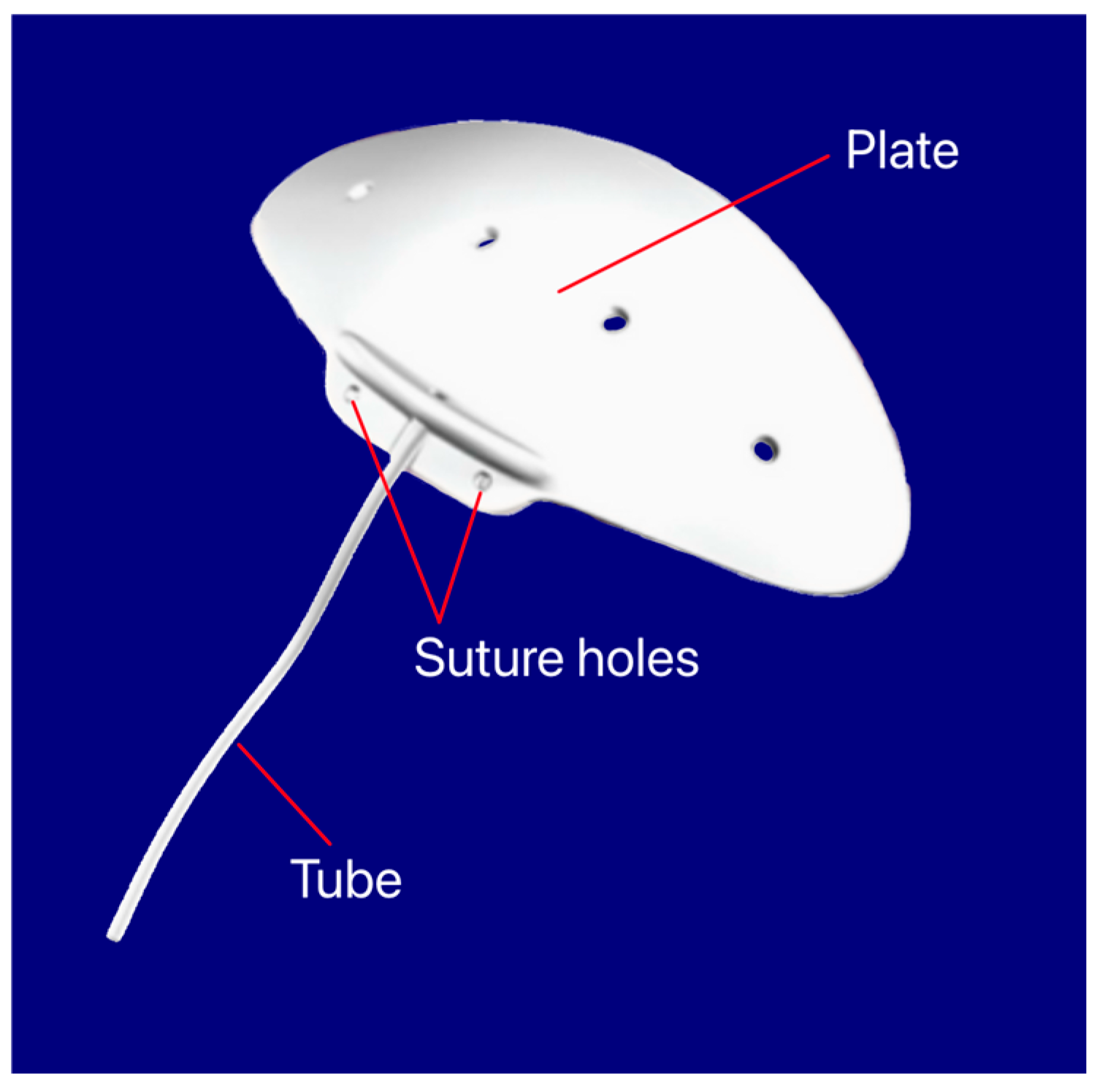
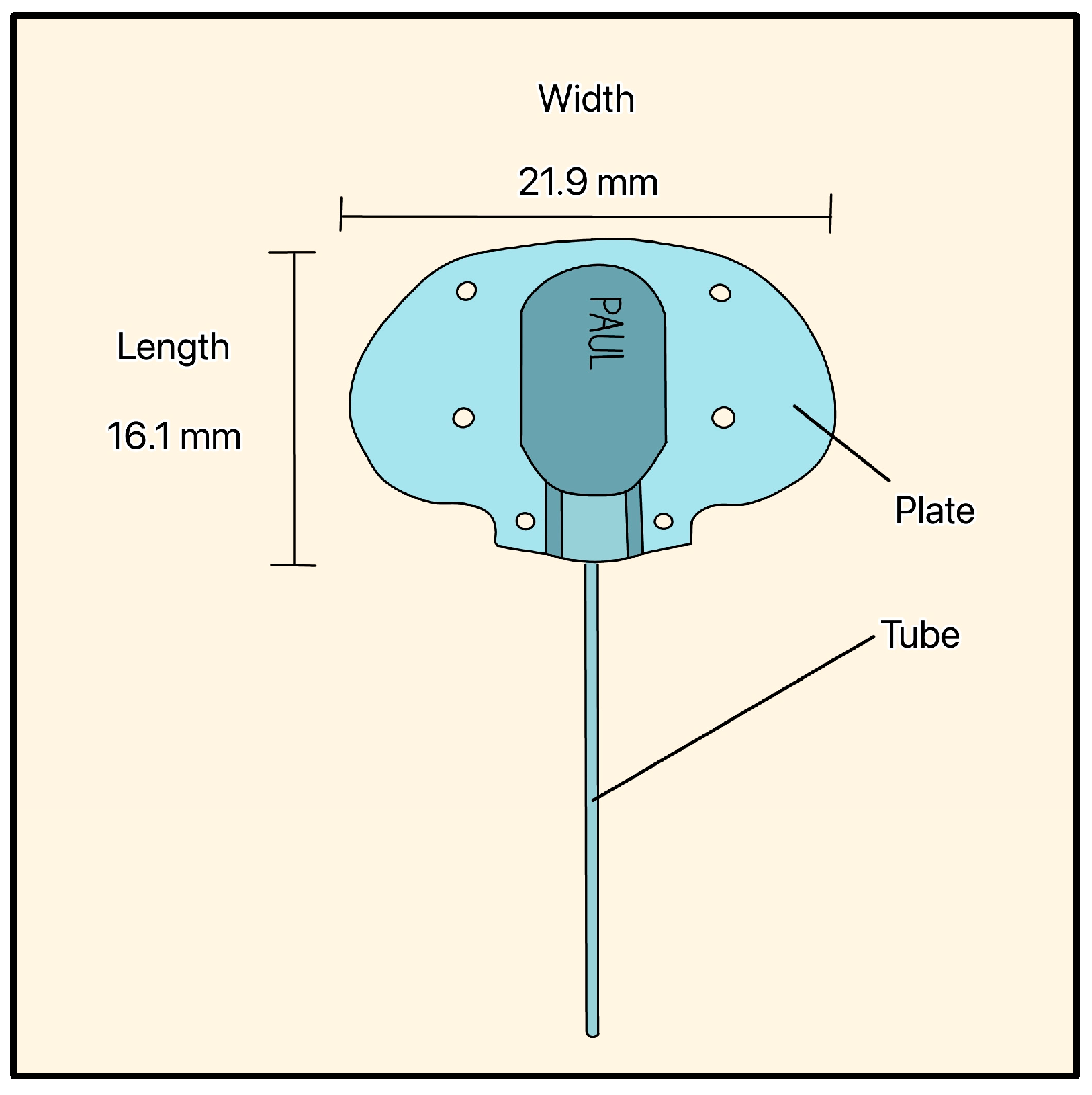


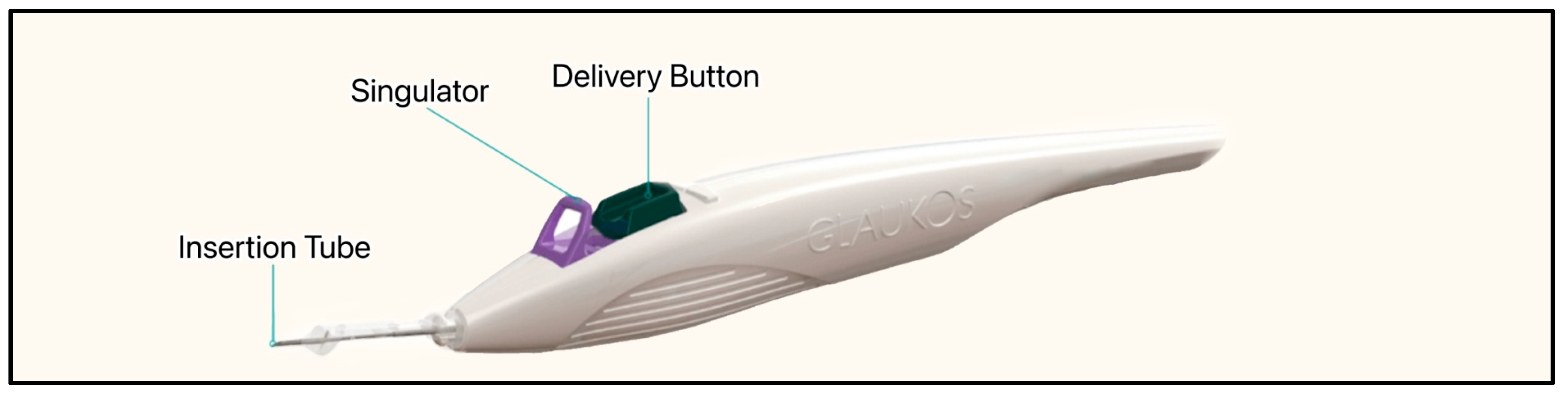


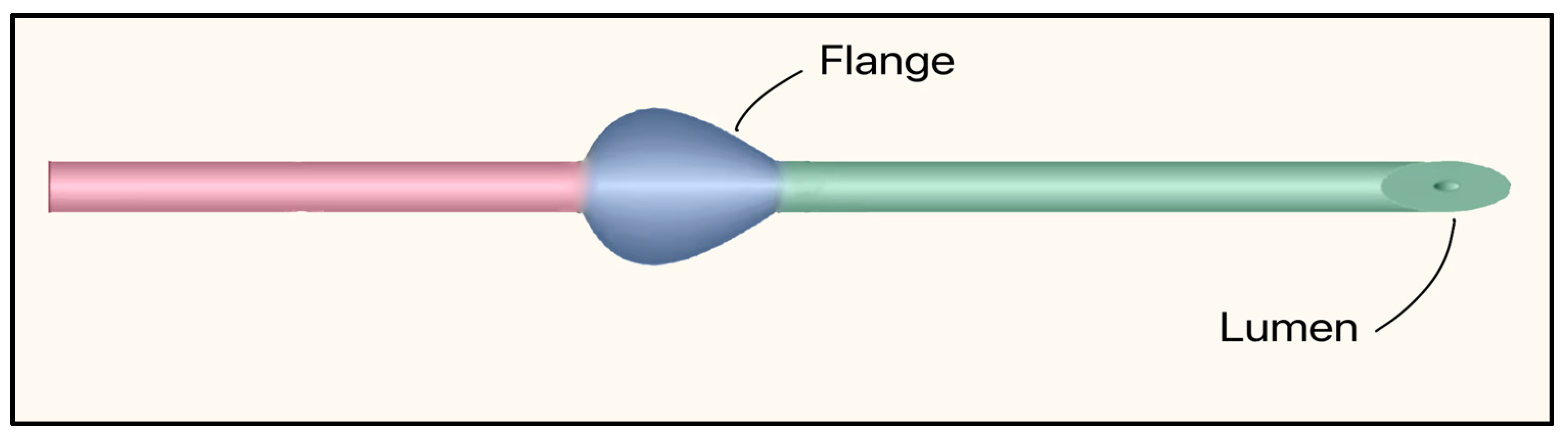



| Parameter | Description |
|---|---|
| Population | Human and/or animal studies that involve GDD or MIGS surgeries |
| Intervention | GDDs and MIGS used for AH drainage |
| Comparison | Biomaterials, design, and results of surgeries using GDDs or MIGS |
| Outcomes | Quality of IOP control, post-operative complications, and visual acuity |
| Study Design | Randomized/non-randomized and controlled/uncontrolled |
| Device | Plate Material/Size | Indications |
|---|---|---|
| FP7 (Adult Flexible) | Silicone, 184 mm2 | Standard adult refractory glaucomas |
| FP8 (Pediatric Flexible) | Silicone, 102 mm2 | Pediatric glaucomas |
| S2 (Adult Rigid) | Polypropylene, 184 mm2 | Adult refractory glaucoma (older design, more rigid, higher risk of encapsulation) |
| S3 (Pediatric Rigid) | Polypropylene, 96 mm2 | Pediatric refractory glaucoma in small orbits |
| B1/FX1 (Double-Plate) | Silicone, 364 mm2 | Severe glaucoma needing maximal surface drainage area |
| ClearPath 250 | Silicone, 250 mm2 | Used for all types of glaucoma |
| ClearPath 350 | Silicone, 350 mm2 | Used for all types of glaucoma |
| Biomaterial | Key Properties | Advantages | Limitations |
|---|---|---|---|
| Chitosan [76] | Biocompatible polysaccharide | Anti-fibrotic, modulates wound healing | Degradation kinetics vary based on pH and enzymatic activity |
| Polyethylene Glycol (PEG) [77] | Hydrophilic polymer | Modulates scarring and fibrosis | Mechanical instability |
| Hyaluronic Acid (HA) [78] | Natural, hydrophilic polysaccharide | Can be used as a coating, has anti-fibrotic effects | Low mechanical strength, rapid degradation, may attract inflammatory cells |
| Poly(lactic-co-glycolic-acid) (PLGA) [79] | Biodegradable polyester | Potential as a scaffold or membrane, and drug elution | Degradation kinetics vary, mainly used for drug delivery |
| Polycaprolactone (PCL) [80] | Semi-crystalline biodegradable polyester | Mechanical flexibility, combines well with other materials | Slow degradation, mainly used for drug delivery |
| Graphene Oxide (GO) [81] | Hydrophilic, nanostructure | With surface modification, GO reduces protein adhesion/clogging | Limited long-term safety data |
| Nitinol [82] | Biocompatible | Elastic properties, provides stable anchoring | Risk of trauma and fibrosis |
| PDMS/Zinc Oxide Tetrapods (ZnO-T) [83] | 3D-interconnected structure | Antifibrotic | Fabrication challenges, cytotoxicity at high concentrations |
| Magnesium [84] | Strong, light-weight metal | Biocompatible, biodegradable | Rapid corrosion, variable degradation rate depending on pH, enzymatic activity, and fluid flow |
| Polytetrafluoroethylene (PTFE) [85] | Synthetic, relatively inert | Limited tissue integration | Fabrication challenges, rabbit and human histological data available |
| Ultra-nano Crystalline Diamond (UNCD) [86] | Made of pure carbon, biocompatible, hydrophobic, 3–5 nm grain size | Anti-inflammatory, anti-fibrotic, durability | Intended as a device coating, not yet used in GDDs and MIGS |
| Parylene-C [87] | Thin-film polymer, applied via vapor deposition as a coating | Minimal inflammatory response | Limited mechanical strength |
| Polycarbonate Bisamide (PC-BA) [88] | Hydrogen-bonding thermoplastic polymer | Precise geometries, cytocompatible | Biodegradation properties not yet confirmed in humans |
| Oxidized Regenerated Cellulose (ORC) [89] | Biodegradable, natural polymer | Anti-fibrotic properties | Variable post-operative inflammatory response |
| Polymethyl methacrylate (PMMA) [90] | Biocompatible, hydrophobic | Minimal anterior uveitis following intraocular lens implantation (animal studies) | Possible tube occlusion, not yet tried in humans |
| Device | Material, Mechanism, and Dimensions | Stage of Development | Key Points |
|---|---|---|---|
| MINIject Implant, iSTAR Medical, Wavre, Belgium [91] | Oblong-shaped (5.0 mm × 1.1 mm × 0.6 mm), made of STARTM silicone material | Commercially available in Europe, FDA submission planned | Supraciliary implant, porous design improves bio-integration, reduces fibrosis |
| iTrack/iTrack Advance, Nova Eye Medical, Fremont, USA [92] | Cylindrical tube (220 µm diameter) with spatulated tip, performs canaloplasty with a microcatheter | FDA approved | Catheter tip contains a guiding light for easier insertion |
| Wistend MicroStent, Geneway Biotechnology, Chengdu, China [93] | Crescent-shaped tubular body with bilateral drainage windows, made of nitinol | Limited human trials, not FDA approved | Suprachoroidal implant, aims to minimize tissue destruction |
| Artificial Nano-Drainage Implant (ANDI), University of Minnesota, Minneapolis, USA [94] | Nanoporous membrane (200 nm diameter per pore, 600 nm thickness) connected to a polymeric shaft | Preclinical stage | Nano-texturing resists fibrosis and protein build-up |
| Ferrofluid Glaucoma Valve, Massachusetts Eye and Ear Infirmary, Boston, USA [95] | Silicone tube (300 µm diameter) connected to valve (2.8 mm × 4.7 mm × 2.7 mm), bilateral magnets control valve opening/closing | Limited in vitro and in vivo testing (rabbits) | Magnetic tuning allows variable resistance |
| Cullen Frontal Sinus Shunt, E. Benson Hood Laboratories, Pembroke, USA [96] | Silicone/silastic tube (6 cm length, ID/OD 0.64/1.2 mm) with valved frontal sinus explant | Animal model (dogs) only, minimal preliminary findings | Diverts AH into the frontal sinus (instead of subconjunctival space) |
| Microfluidic Device, Micro-Nano Innovations (MiNI) Laboratory, Department of Biomedical Engineering, UC Davis, USA [97] | Flat silicone chip (30 µm × 10 µm × 5 µm) with parallel micro-channels, coated with PEG | In vitro flow studies | MEMS microfabrication allows for precision and reproducibility, PEG provides anti-biofouling properties |
| STARflo, Healionics and the University of Washington, Seattle, USA [98] | Flat rectangular plate (11 mm × 6 mm × 275 µm) with micro-pores (27 µm diameter), made of STARTM silicone material | CE marked in Europe, not FDA approved | Suprachoroidal implant, effective IOP reduction in early human studies |
| Polyurethane-Membrane Microstent, University of Rostock (Institute for Implant Technology and Biomaterials), Rostock, Germany [99] | Polyurethane tube (30 mm length, 300 µm diameter) with biodegradable membrane to temporarily restrict flow, degrades over time | In vitro studies, ex vivo validation (porcine eyes) | Designed to prevent early hypotony |
| Magnetically Actuated GDD, Innfocus Inc. (Miami, FL) and Eindhoven University of Technology, Eindhoven, The Netherlands [100] | Poly-SIBS drainage tube with circular housing element containing a microvalve plug (1.0 mm length, 357 µm diameter) | Animal models and early bench testing | Magnetically controlled microvalve allows for post-implant adjustment to reduce hypotony risk |
| Large-Lumen GDD, University of Iowa, Iowa City, USA [101] | Drainage tube (ID/OD 0.5/0.72 mm) constructed from 22-G silicone angiocatheters, distal end contains a polyvinylidene fluoride (PVDF) membrane (10 nm) | Animal studies completed | Membrane can be opened with laser non-invasively, allowing for AH flow adjustment |
| Diverging Channel Micro-Stent, East China University of Science & Technology (Shanghai, China) + Mingche Biology Co. (Suzhou, China) [102] | Tube (6 mm length) with variable ID (60 µm–70 µm), stepped-shaft structure for fixation | In vitro testing, early animal studies | Increased drainage efficiency (5.76×) compared to the Xen Gel Stent in preliminary studies |
| Self-Adjustable GDD (SAGDD), Swiss Federal Institute of Technology, Lausanne, Switzerland [103] | Tube and plate stent, has a central chamber (8 mm diameter) covered by a stainless steel membrane (10 µm thick) | In vitro testing | Complex design, animal studies have not been performed |
| 3-D Printed Aqueous Drainage Tube, Columbia University, NYC, USA, Wonkwang University, Iksan, South Korea [104] | 3-D printed tri-layered tube shunt (inner layer: ID/OD 0.406/0.711 mm, middle layer: ID/OD 1.07/1.47 mm, outer layer: 1.6/2.11 mm), made of PCL | In vitro testing | Biodegradation of the middle layer designed to enable expansion of the inner tube lumen over time, tri-layered tube structure prevents early hypotony after surgery |
| Droplet Laplace Valve (DLV), University of Science and Technology of China, Suzhou, China [105] | Tube and plate containing DLV, shunts AH into a reservoir and releases it through a nozzle (diameter 200–400 µm) | In vitro testing, ex vivo validation | Utilizes surface tension physics, slow “droplet” release differs from continuous outflow in other devices |
| Smart Self-Clearing GDD, Purdue University, Indiana, USA [106] | Contains magnetic microactuators (250 µm × 50 µm) along the length of drainage tube (ID/OD 0.305/0.635 mm), made of copper-coated liquid crystal polymer | In vitro testing | First implant with microactuator technology to prevent biofouling |
| CorNeat eShunt, CorNeat Vision, Ra’anana, Israel [107] | Tube design, distal tip placed in the retro-orbital space, has an EverMatrix™ patch to suture the device to the sclera | Final stages of clinical trials | Retro-orbital insertion may cause less inflammation and fibrosis |
| Visiplate, Avisi Technologies, Philadelphia, USA, University of Pennsylvania, USA, UC San Francisco, USA [108] | Tube shunt with aluminum oxide corrugated plate (400 nm thickness), 2 μm layer of parylene-C covers the plate | Undergoing clinical trials | Corrugated nanostructure provides flexibility, distributes flow across a larger surface area |
| Squid Hybrid Glaucoma Shunt (SGS), University of Texas Southwestern and Veterans Affairs Hospital, Dallas, USA [109] | Made of medical-grade silicone, drainage tube (16 mm length, ID/OD 0.15/0.3 mm), AH flows into two enclosed chambers (combined SA 11.7 mm2), outer chamber has several fenestrations for slow/controlled release of AH | In vitro testing | 50 μm channel between the two chambers serves as a flow-control valve, two patented microforceps designed for quick insertion into the AC, may reduce surgery time by 50% |
| Metric | Categories/Scale | Why It Matters |
|---|---|---|
| Plate surface area | Small (<150 mm2) vs. large (>150 mm2) | Influences bleb size, surface area available for outflow, and long-term IOP control |
| Surgical approach | Ab externo vs. ab interno | Determines invasiveness, tissue disruption, healing response, and complication rate |
| Bleb dependence | Bleb-forming vs. non-bleb-forming | Dictates mechanism of outflow and associated late complications |
| Material composition | Silicone, polypropylene, stainless steel, titanium, porous polymers | Governs biocompatibility, inflammatory response, and fibrosis |
| Flow-modulation design | Valved vs. non-valved; intrinsic vs. extrinsic flow control | Impacts early hypotony risk and predictability of postoperative IOP |
| Lumen characteristics | Fixed lumen, micro-lumen, porous or lattice-based channels | Affects resistance to flow, likelihood of obstruction, and long-term stability |
| Device flexibility | Rigid vs. flexible plate | Influences ease of implantation and interaction with Tenon’s capsule |
| Implant location | Anterior chamber, sulcus, subconjunctival, supraciliary | Alters flow pathway, surgical complexity, and risk of endothelial cell loss |
Disclaimer/Publisher’s Note: The statements, opinions and data contained in all publications are solely those of the individual author(s) and contributor(s) and not of MDPI and/or the editor(s). MDPI and/or the editor(s) disclaim responsibility for any injury to people or property resulting from any ideas, methods, instructions or products referred to in the content. |
© 2025 by the authors. Licensee MDPI, Basel, Switzerland. This article is an open access article distributed under the terms and conditions of the Creative Commons Attribution (CC BY) license (https://creativecommons.org/licenses/by/4.0/).
Share and Cite
Tunga, H.; Shome, N.; Shafiee, A.; Jonnalagadda, P.; Wong, N.; Shafiee, A.; Bobba, S.; Kooner, K. Glaucoma Drainage Devices and Minimally Invasive Glaucoma Surgery—Evolution of Designs and Materials. Designs 2025, 9, 145. https://doi.org/10.3390/designs9060145
Tunga H, Shome N, Shafiee A, Jonnalagadda P, Wong N, Shafiee A, Bobba S, Kooner K. Glaucoma Drainage Devices and Minimally Invasive Glaucoma Surgery—Evolution of Designs and Materials. Designs. 2025; 9(6):145. https://doi.org/10.3390/designs9060145
Chicago/Turabian StyleTunga, Hari, Neloy Shome, Amirmohammad Shafiee, Prisha Jonnalagadda, Noah Wong, Amirmahdi Shafiee, Sohan Bobba, and Karanjit Kooner. 2025. "Glaucoma Drainage Devices and Minimally Invasive Glaucoma Surgery—Evolution of Designs and Materials" Designs 9, no. 6: 145. https://doi.org/10.3390/designs9060145
APA StyleTunga, H., Shome, N., Shafiee, A., Jonnalagadda, P., Wong, N., Shafiee, A., Bobba, S., & Kooner, K. (2025). Glaucoma Drainage Devices and Minimally Invasive Glaucoma Surgery—Evolution of Designs and Materials. Designs, 9(6), 145. https://doi.org/10.3390/designs9060145