Article

Mitigating Overheating Risks for Modern Flats in London Due to Climate Change

Leicester School of Architecture, De Montfort University, Leicester LE1 9BH, UK
*
Author to whom correspondence should be addressed.
Designs 2023, 7(6), 124; https://doi.org/10.3390/designs7060124

Submission received: 26 September 2023 / Revised: 18 October 2023 / Accepted: 25 October 2023 / Published: 28 October 2023

Abstract

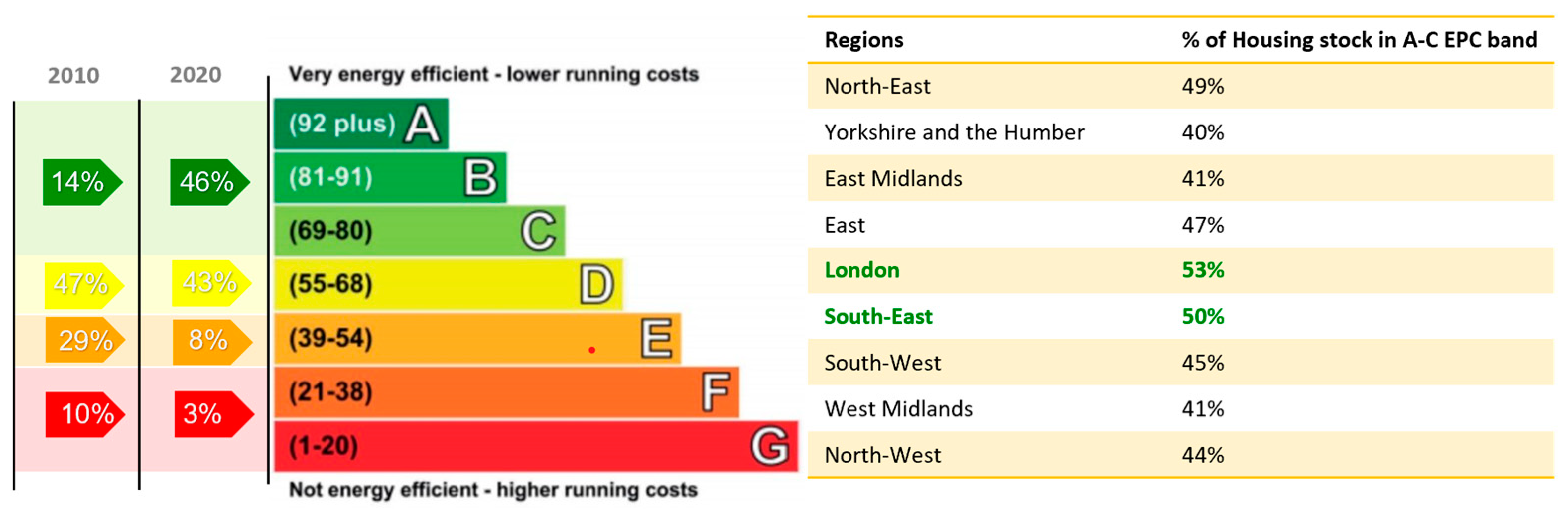
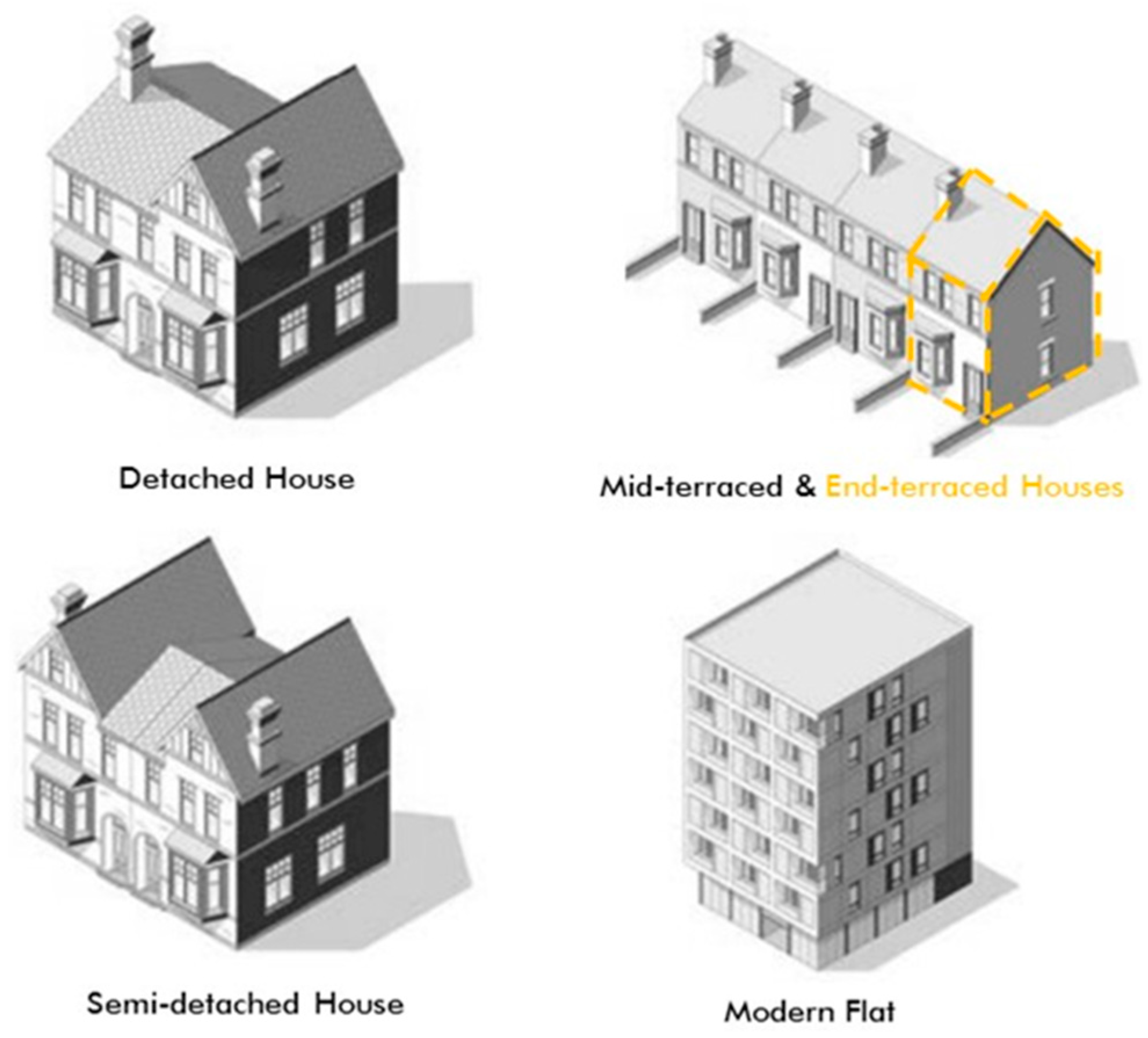
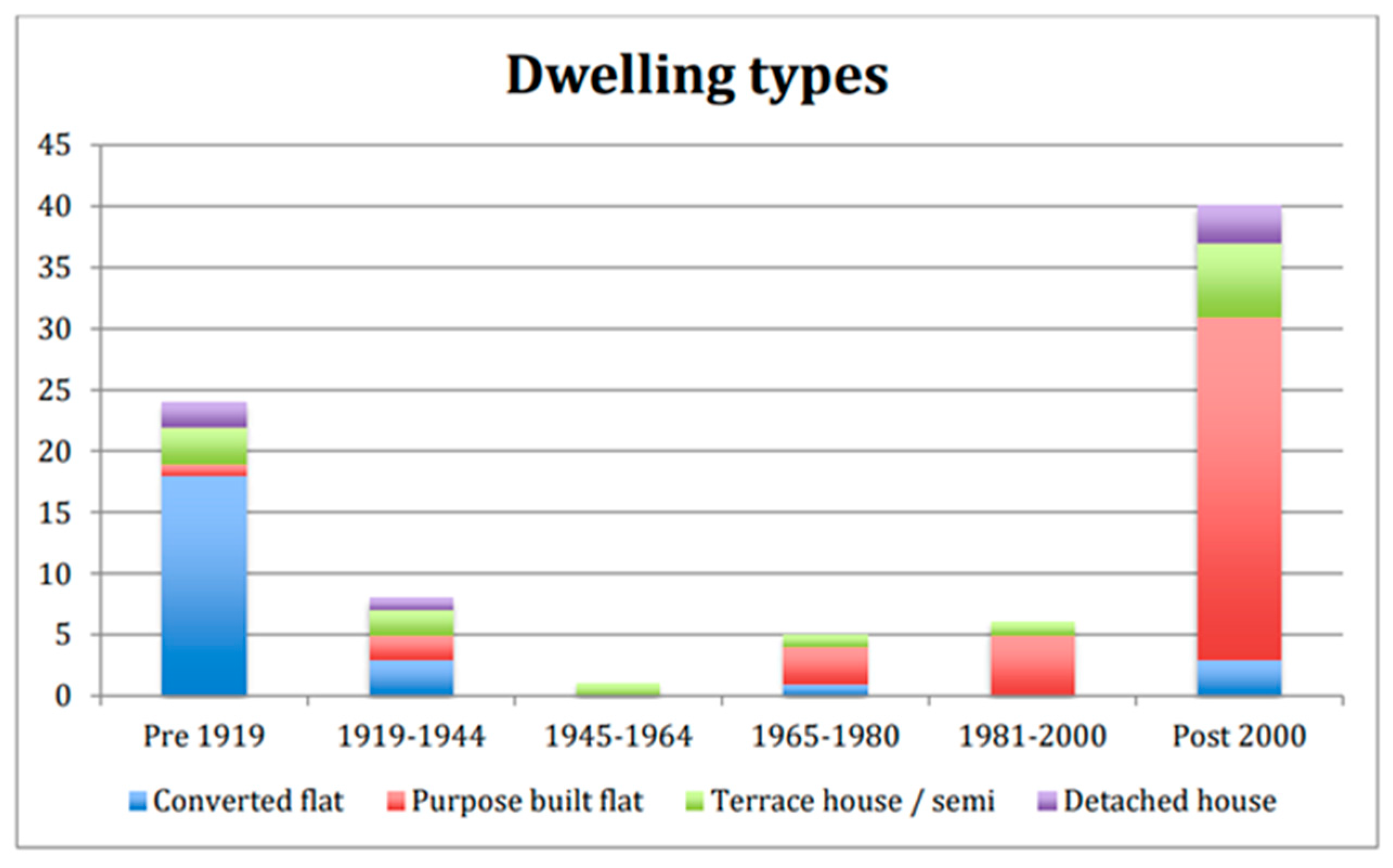
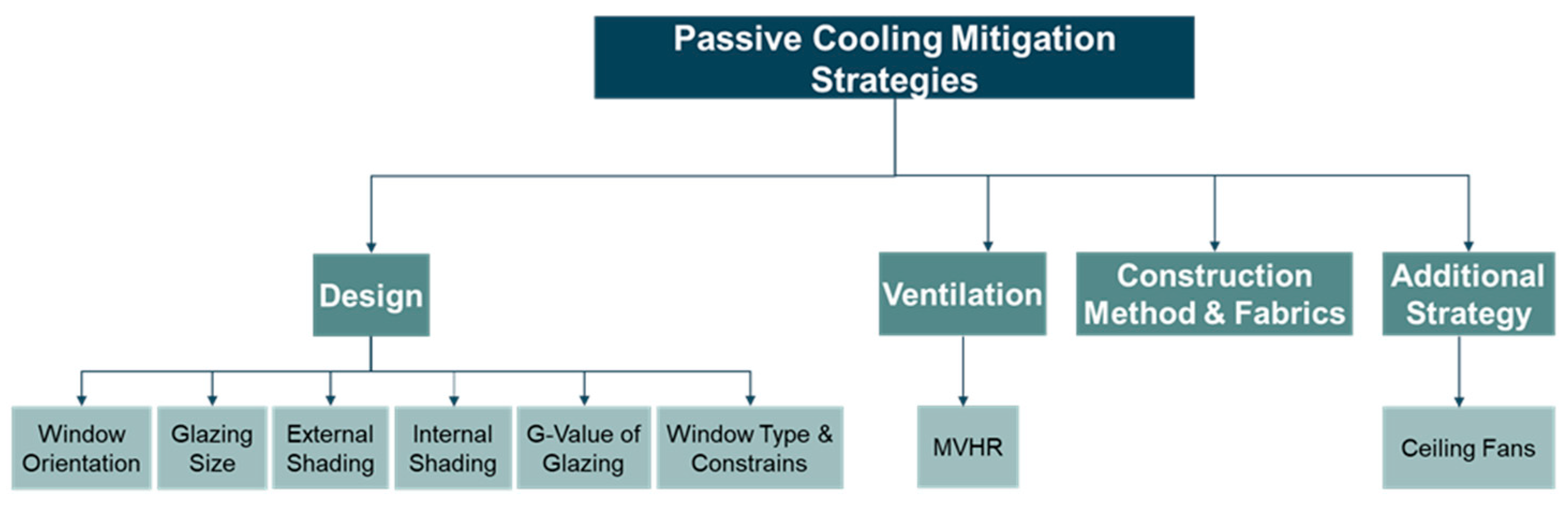
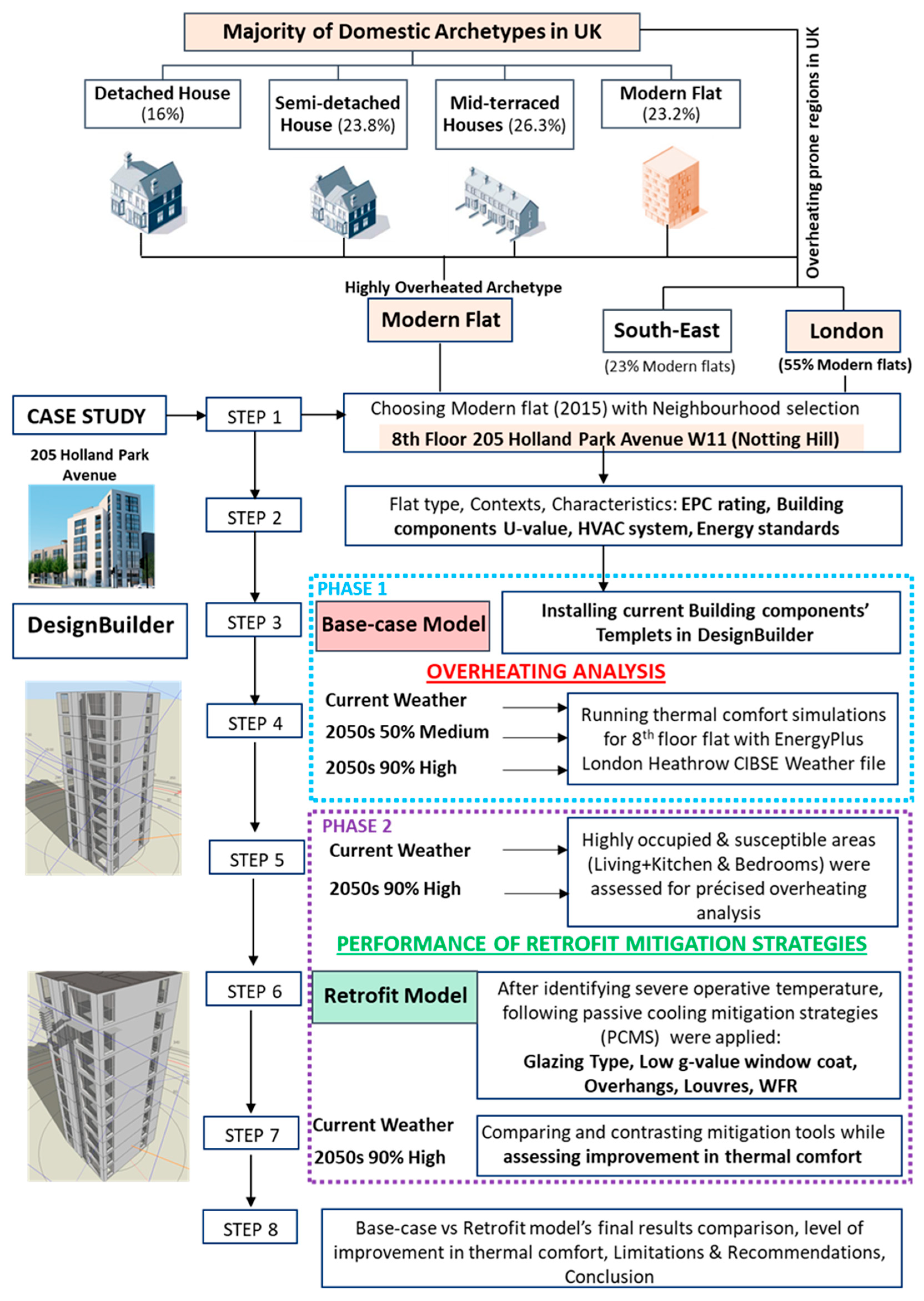
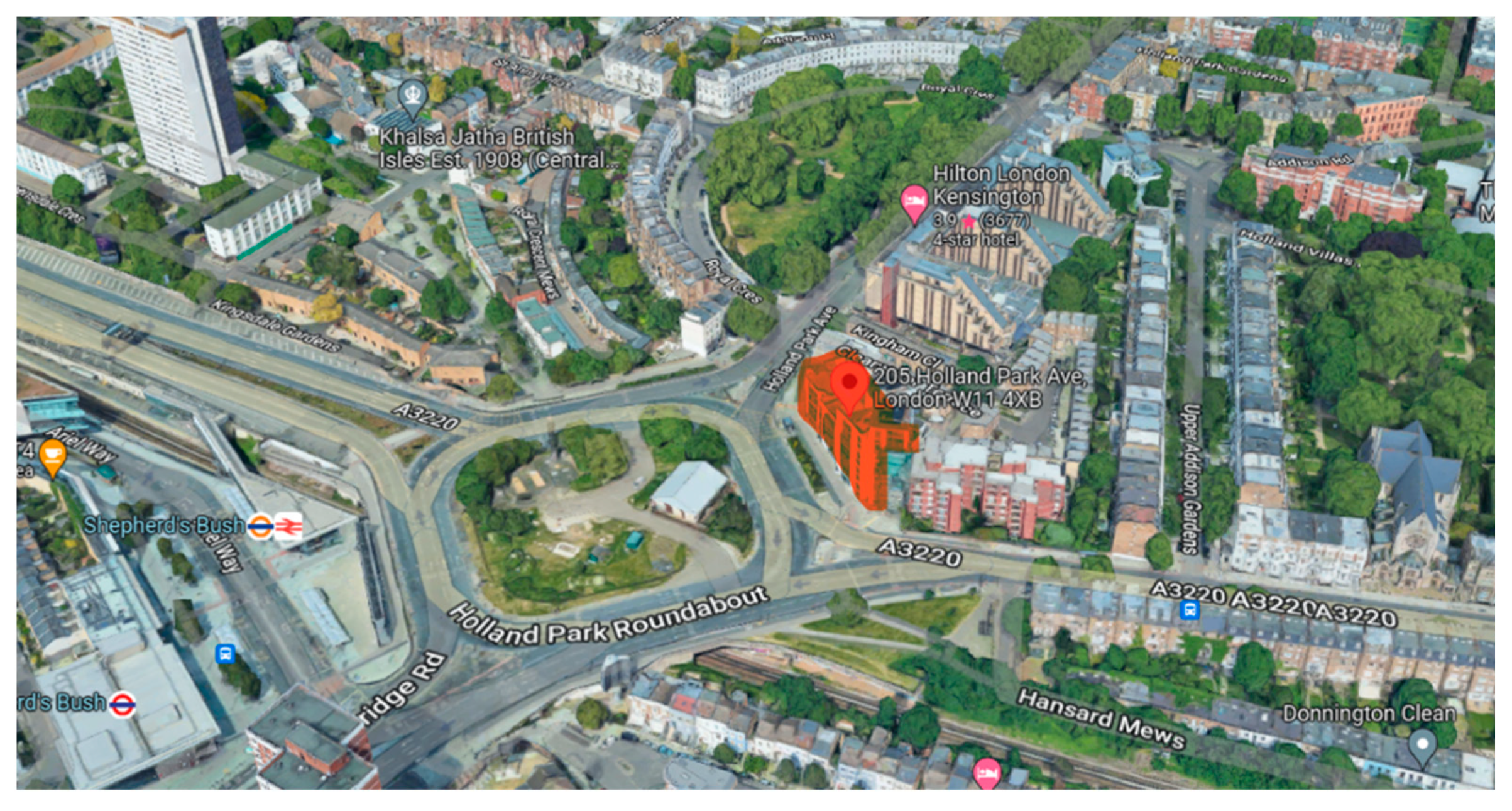
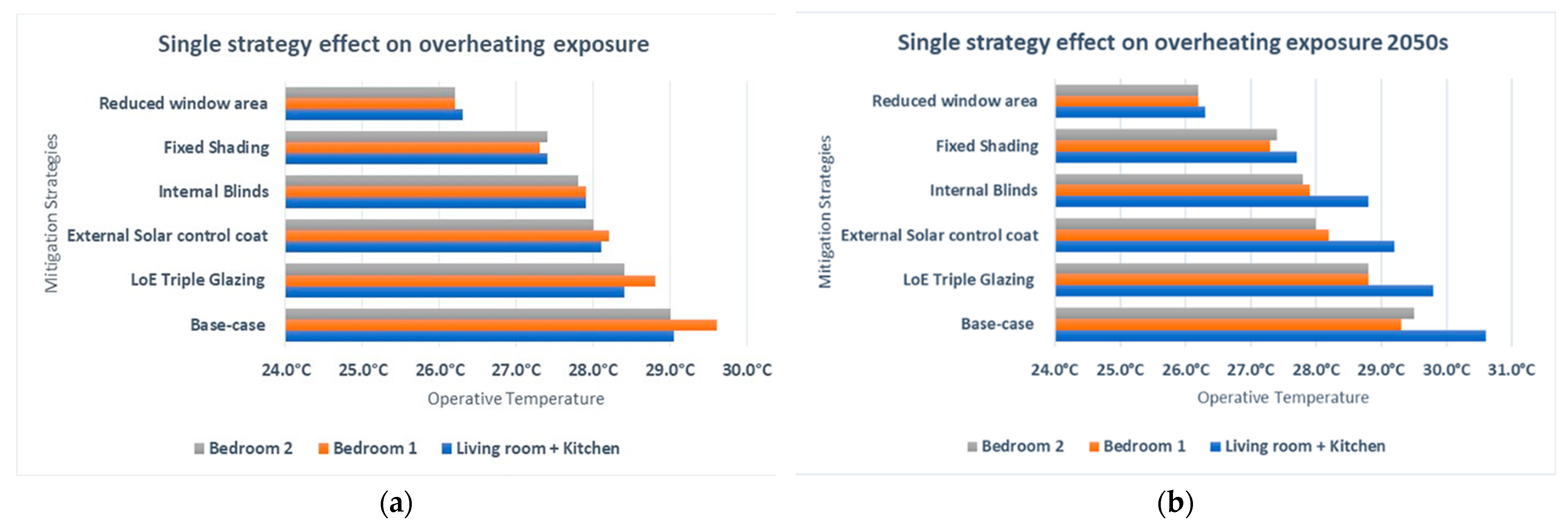
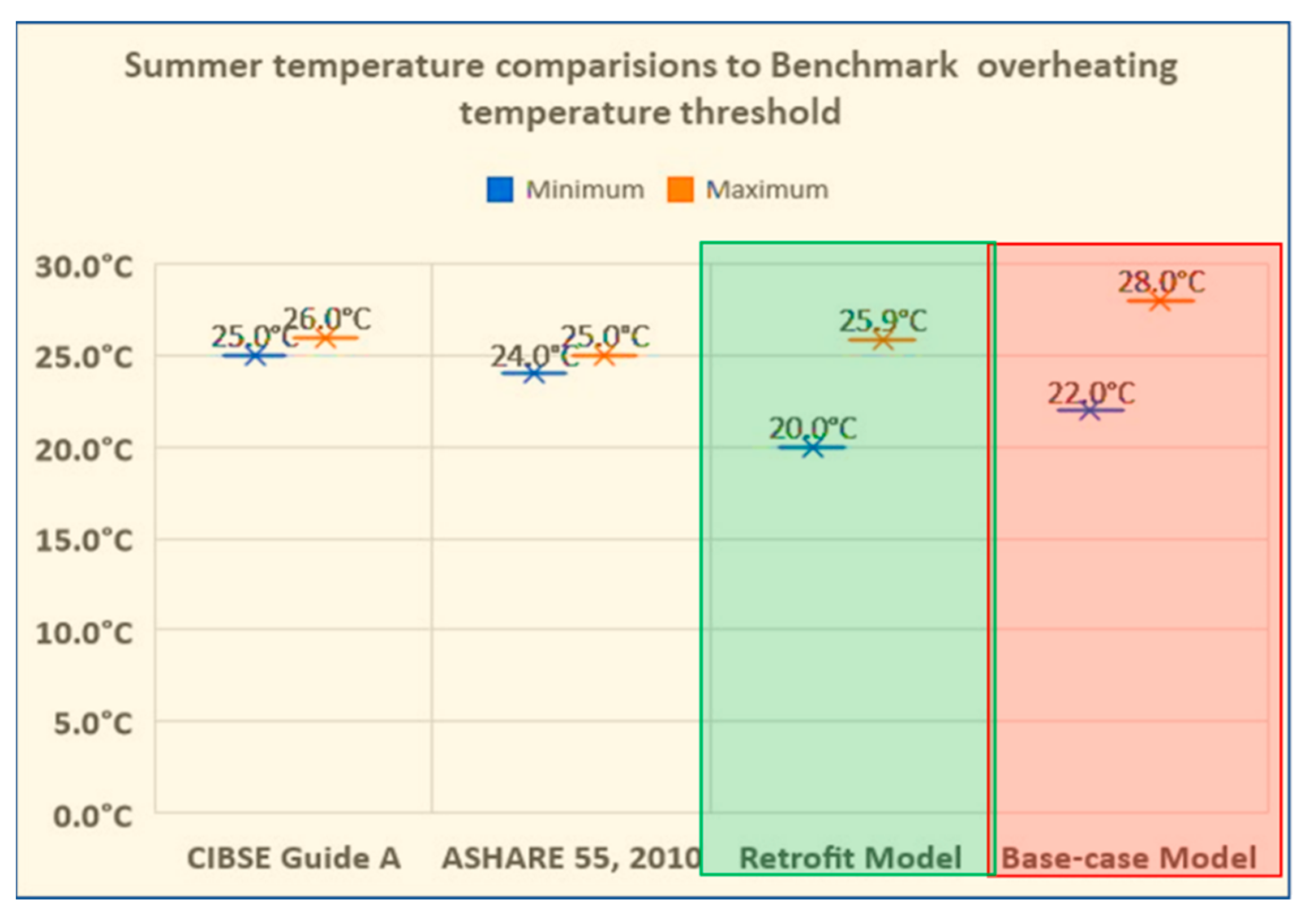
With the increase in global temperatures, a significant threat of overheating has been reported due to more frequent and severe heatwaves in the UK housing stock. This research analyzes dwellings’ physical attributes through overheating assessments and their adaptation for modern flats in London in the current (2022) and anticipated (2050) weather. According to preliminary research, Southeast and London in England, mid-terraced, and flats (especially built post 2012), among other archetypes, were discovered to be the most susceptible to overheating in the UK. This study employed a case study of a 2015 modern flat located in a high-risk overheating zone in London to understand the building’s overheating exposure. A range of Dynamic Thermal Simulations (DTS) was conducted using EnergyPlus with reference to case studies in order to assess the performance of passive cooling mitigation strategies (PCMS) on peak summer days (15 July) as well as during the summer against CIBSE Guide A and ASHARE 55. Reduced window area and LoE triple glazing were identified as excellent mitigation prototypes, in which solar gains through exterior glazing were reduced by 85.5% due to triple glazing. Zone sensible cooling was reduced by 52%, which minimized CO2 emissions. It was also identified that the final retrofit model passed CIBSE Guide A by achieving a temperature threshold of 20 °C to 25 °C during the summer months, whereas it failed to accomplish the ASHARE 55 criteria (20–24 °C). The outcome of this study justifies the necessity of tested PCMS and advises UK policymakers on how to foster resilient housing plans to overcome overheating issues.
Keywords: overheating; climate change; passive cooling mitigation strategy; modern flat; EnergyPlus; thermal comfort; London overheating; climate change; passive cooling mitigation strategy; modern flat; EnergyPlus; thermal comfort; London