Article

Optimization of the Photovoltaic Panel Design Towards Durable Solar Roads

1
University of Waterloo, Waterloo, ON N2L 3G1, Canada
2
McMaster University, Hamilton, ON L8S 4L8, Canada
3
Solar Earth Technologies Ltd., Vancouver, BC V6C 1X8, Canada
*
Author to whom correspondence should be addressed.
Inventions 2025, 10(4), 70; https://doi.org/10.3390/inventions10040070

Submission received: 7 July 2025 / Revised: 6 August 2025 / Accepted: 8 August 2025 / Published: 11 August 2025

Abstract

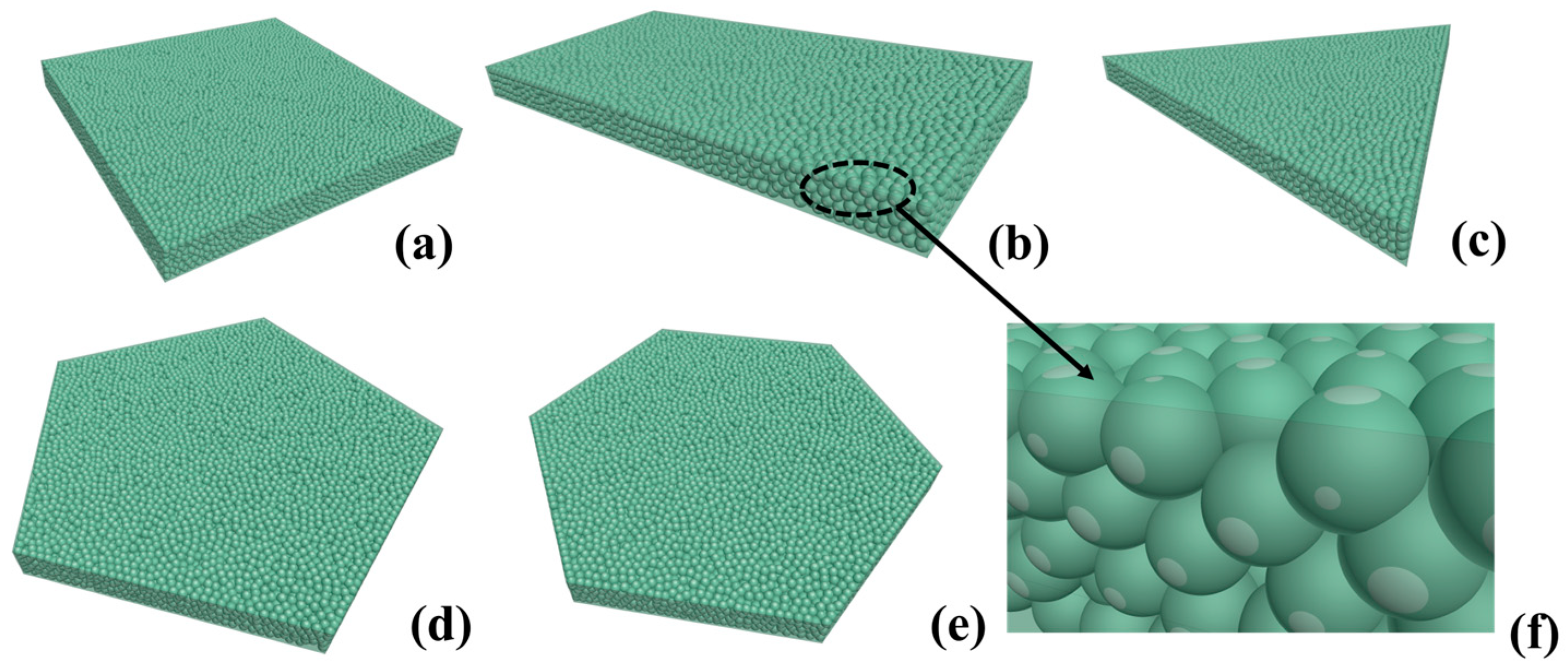
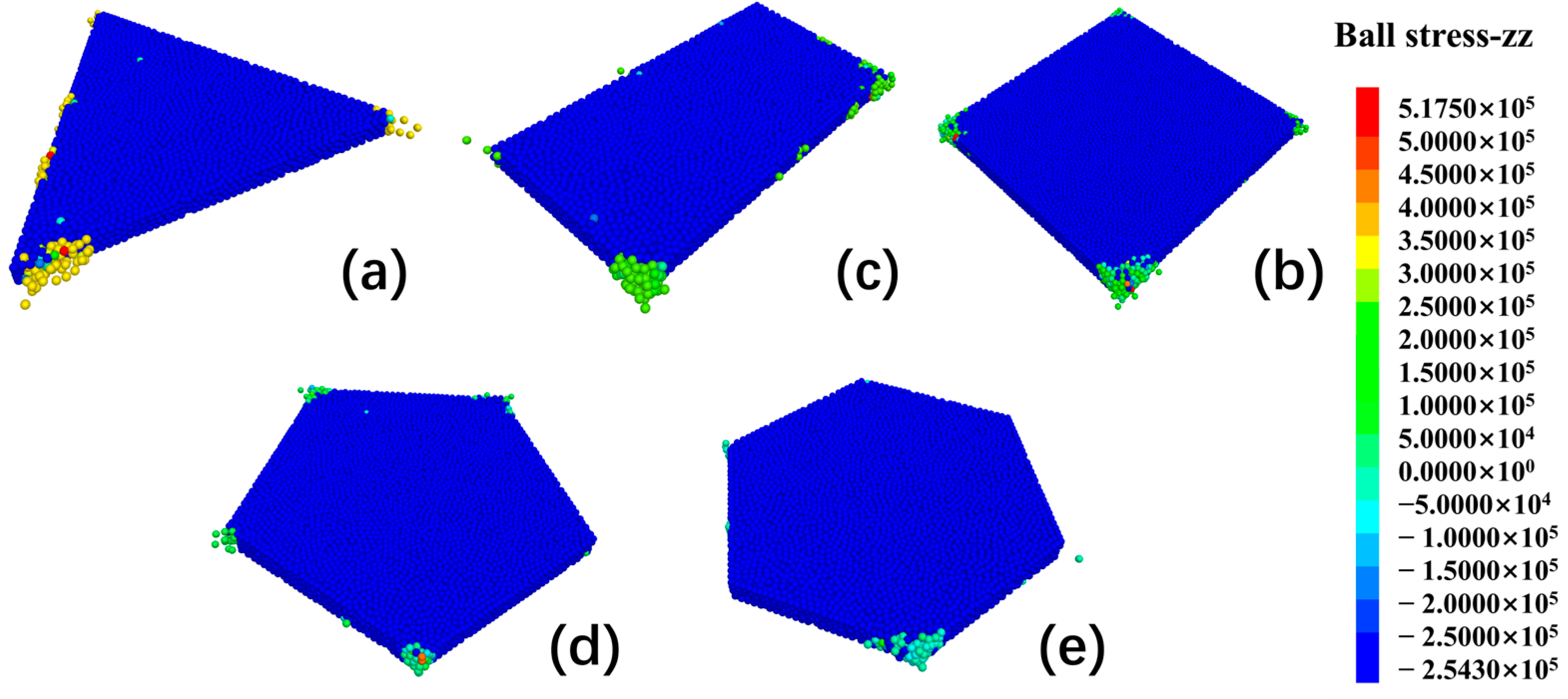
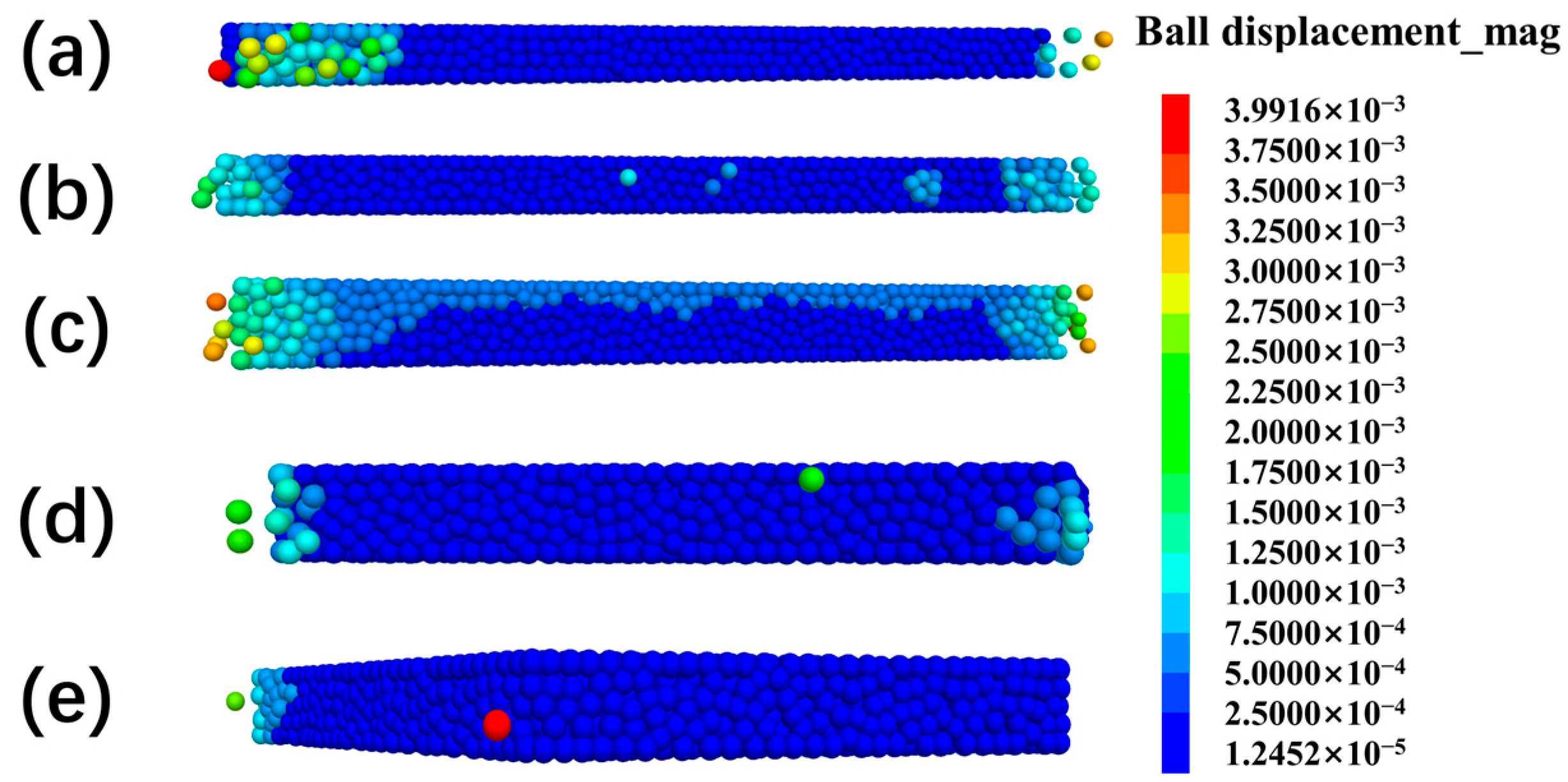
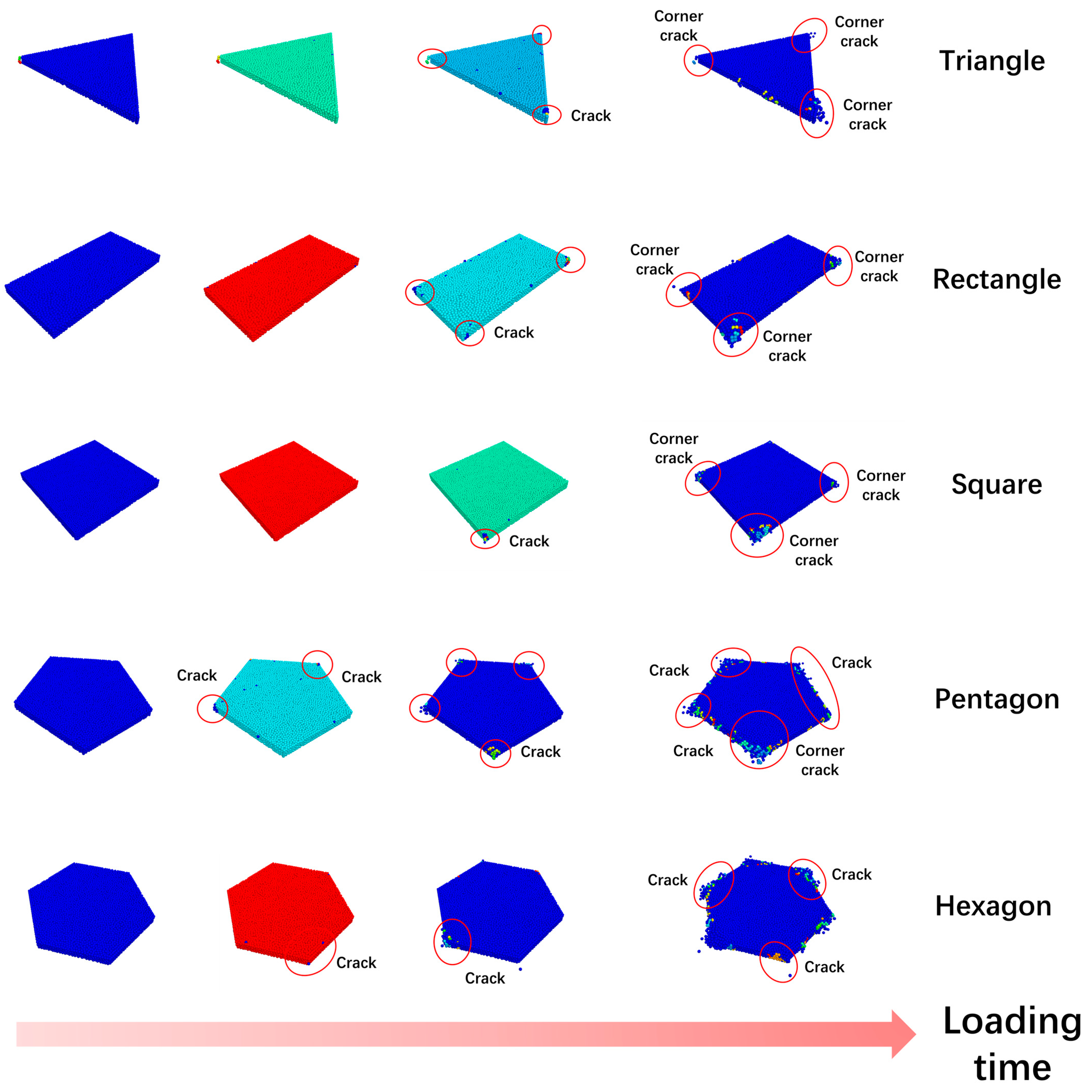
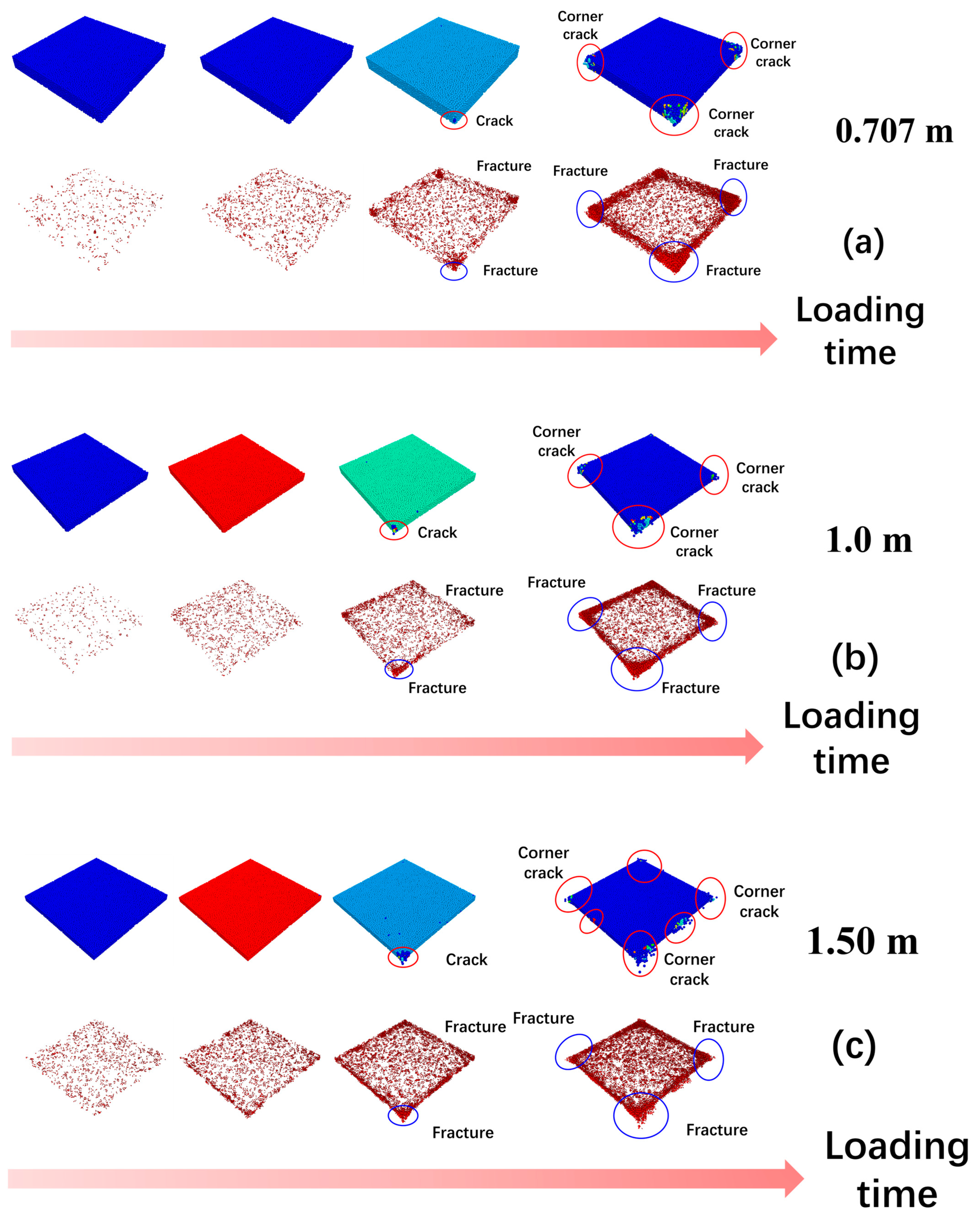
To improve the mechanical stability and service durability of solar road structures, this study systematically investigates the mechanical response characteristics of photovoltaic panels with different geometric shapes—including triangles, rectangles, squares, regular pentagons, and regular hexagons—under consistent boundary and loading conditions using the discrete element method (DEM). All panels have a uniform thickness of 10 cm and equivalent surface areas to ensure shape comparability. Side lengths vary among the shapes: square panels with sides of 0.707 m, 1.0 m, and 1.5 m; triangle 1.155 m; rectangle (aspect ratio 1:2) 0.707 m; pentagon 1.175 m; and hexagon 0.577 m. Results show that panel geometry significantly influences stress distribution and deformation behavior. Although triangular panels exhibit higher ultimate bearing capacity and failure energy, they suffer from severe stress concentration and low stiffness. Regular hexagonal panels, due to their geometric symmetry, enable more uniform stress and displacement distributions, offering better stability and crack resistance. Size effect analysis reveals that larger panels improve load-bearing and energy dissipation capacity but exacerbate edge stress concentration and reduce overall stiffness, leading to more pronounced “thinning” deformation and premature failure. Failure mode analysis further indicates that shape governs crack initiation and path, while size determines crack propagation rate and failure extent—revealing a coupled shape–size mechanical mechanism. Regarding assembly, honeycomb arrangements demonstrate superior mechanical performance due to higher compactness and better load-sharing characteristics. The study ultimately recommends the use of small-sized regular hexagonal units and optimized splicing structures to balance strength, stiffness, and durability. These findings provide theoretical guidance and parameter references for the structural design of solar roads.
Keywords: solar roads; particle discrete element method; panel shape; size effect; failure mode; structural optimization solar roads; particle discrete element method; panel shape; size effect; failure mode; structural optimization