
Article

Fish Resource Assessment in the Huoyanshan Waters of Poyang Lake Using DIDSON and Deep Learning Models

1
College of Oceanography and Ecological Science, Shanghai Ocean University, Shanghai 201306, China
2
Jiujiang Academy of Agricultural Sciences, Jiujiang 332000, China
3
College of Fisheries and Life Science, Shanghai Ocean University, Shanghai 201306, China
4
Key Laboratory of Exploration and Utilization of Aquatic Genetic Resources, Shanghai Ocean University, Ministry of Education, Shanghai 201306, China
5
Shanghai Universities Key Laboratory of Marine Animal Taxonomy and Evolution, Shanghai Ocean University, Shanghai 201306, China
6
National Demonstration Center for Experimental Fisheries Science Education, Shanghai Ocean University, Shanghai 201306, China
*
Author to whom correspondence should be addressed.
Fishes 2026, 11(4), 236; https://doi.org/10.3390/fishes11040236

Submission received: 13 February 2026 / Revised: 31 March 2026 / Accepted: 7 April 2026 / Published: 16 April 2026
(This article belongs to the Special Issue Technology for Fish and Fishery Monitoring—2nd Edition)

Abstract

To scientifically assess the fish resource status and spatial distribution in the Huoyanshan waters of Poyang Lake for the conservation of endangered species like Coilia nasus, an acoustic survey was conducted using a dual-frequency identification sonar (DIDSON) in July 2024. Fish targets were identified and extracted by combining an Echoview-based identification and deep learning models. Catch statistics were integrated to estimate fish density, abundance, biomass, and spatial distribution patterns. A total of 1891 fish targets were detected. The Echoview model achieved an average accuracy of 90.83%, while the YOLO model attained average precision and recall of 0.941 and 0.869, and the DeepSORT model attained precision and recall of 0.887 and 0.911. The total fish abundance was estimated at approximately 223,775 individuals, with a total biomass of about 199,742 kg. Spatially, fish were predominantly distributed in nearshore areas horizontally and concentrated at depths of 5–15 m vertically. The integrated approach combining DIDSON, Echoview and deep learning models proved effective for high-accuracy fish target identification and resource estimation, with deep learning models offering greater objectivity and processing efficiency. This study provides a technical reference for intelligent fish target identification in sonar images and provides baseline data and a technical reference for subsequent fish resource monitoring and management in the Huoyanshan waters of Poyang Lake.
Key Contribution: This study represents the first application of dual-frequency identification sonar (DIDSON) for fish detection in the Huoyanshan waters of Poyang Lake. We employed two methods—Echoview and deep learning—to estimate fish quantity, weight, density, and spatial distribution. Furthermore, we explored the feasibility of computer vision technology for fish target identification.

1. Introduction

In recent years, factors such as water conservancy projects, water pollution, and overfishing have caused a dramatic decline in wild Yangtze River Coilia nasus (Japanese grenadier anchovy) resources, with annual catches decreasing from a historical peak of 3750 tons reported by Yuan (1988) to only 4 tons by 2016 [1,2]. In addition, previous studies have shown that Coilia nasus has experienced habitat loss and complex life-history variation across different river–lake systems and adjacent coastal waters, highlighting the ecological sensitivity of this species and the importance of regional habitat conditions [3,4,5,6,7,8]. Consequently, the state explicitly prohibited its productive harvest starting from February 1, 2019. Poyang Lake is a major production area for Coilia nasus, playing a crucial role in its reproduction and roosting [9,10]. To understand the driving factors behind Coilia nasus spawning ground selection and provide baseline information for subsequent monitoring and management, it is essential to quickly and accurately understand the fish community structure and resource abundance in the Coilia nasus spawning grounds of Poyang Lake.
Common methods in fish resource surveys, such as mark-recapture and net-based surveys can obtain information on species composition and abundance, have limitations such as being cumbersome, causing significant disturbance to fish, and having limited spatiotemporal representativeness. Hydroacoustic survey technology, due to its non-invasive nature, high efficiency, and broad coverage has gradually become a mainstream method. Among these, the dual-frequency identification sonar (DIDSON, Sound Metrics Corporation, Bellevue, WA, USA), developed by the Applied Physics Laboratory at the University of Washington [11], is the only sonar system that employs acoustic lens technology. This device achieves beam focusing through an acoustic lens, generating high-resolution acoustic images in low-visibility water [12], and automatically adjusts focus within a range of 1–40 m to ensure clear target imaging [13]. DIDSON has been widely applied in fish resource surveys, migratory fish monitoring, and behavioral observation in shallow and complex aquatic environments [14,15].
Echoview (v6.1), a fishery acoustics post-processing software developed by Echoview Software Pty Ltd. (Hobart, Tasmania, Australia), integrates functional modules for noise removal, target identification, track tracking, and resource estimation [16]. It provides researchers with a systematic and standardized analysis workflow and has become an important tool for fish target identification and resource assessment.
Although DIDSON can acquire high-resolution acoustic images, the vast amount of data it generates still relies heavily on manual interpretation, suffering from low efficiency, strong subjectivity, and limited automation. In recent years, the rapid development of computer vision technology has provided new solutions for fish target detection. The YOLO series model, as a single-stage object detection algorithm based on convolutional neural networks [17], frames the detection task as a regression problem. It can simultaneously perform target localization and classification in a single forward pass, achieving end-to-end performance optimization [18]. This model excels in both detection speed and accuracy, offering new technological potential for the automated identification of fishery acoustic images; DeepSORT (Deep Simple Online and Realtime Tracking) is a classic algorithm in the field of multi-object tracking, developed as an improvement upon the SORT algorithm. Its core involves using Kalman filtering to predict trajectories and the Hungarian algorithm for data association. The main innovation lies in the introduction of deep appearance features, which extract feature vectors for each target. These are combined with motion information to construct a cost matrix for matching. This enables DeepSORT (v1.3.2) to achieve efficient and accurate multi-object tracking in complex environments.
This study integrates the high-resolution imaging capability of DIDSON, the acoustic post-processing advantages of Echoview, and the intelligent identification ability of the deep learning model to conduct a precise survey and analysis of fish resources in the Huoyanshan waters of Poyang Lake. The aim is to overcome the efficiency and accuracy limitations of traditional methods and provide baseline data and technical support for fish resource assessment in the Huoyanshan waters of Poyang Lake.

2. Materials and Methods

2.1. Research Area and Route Design

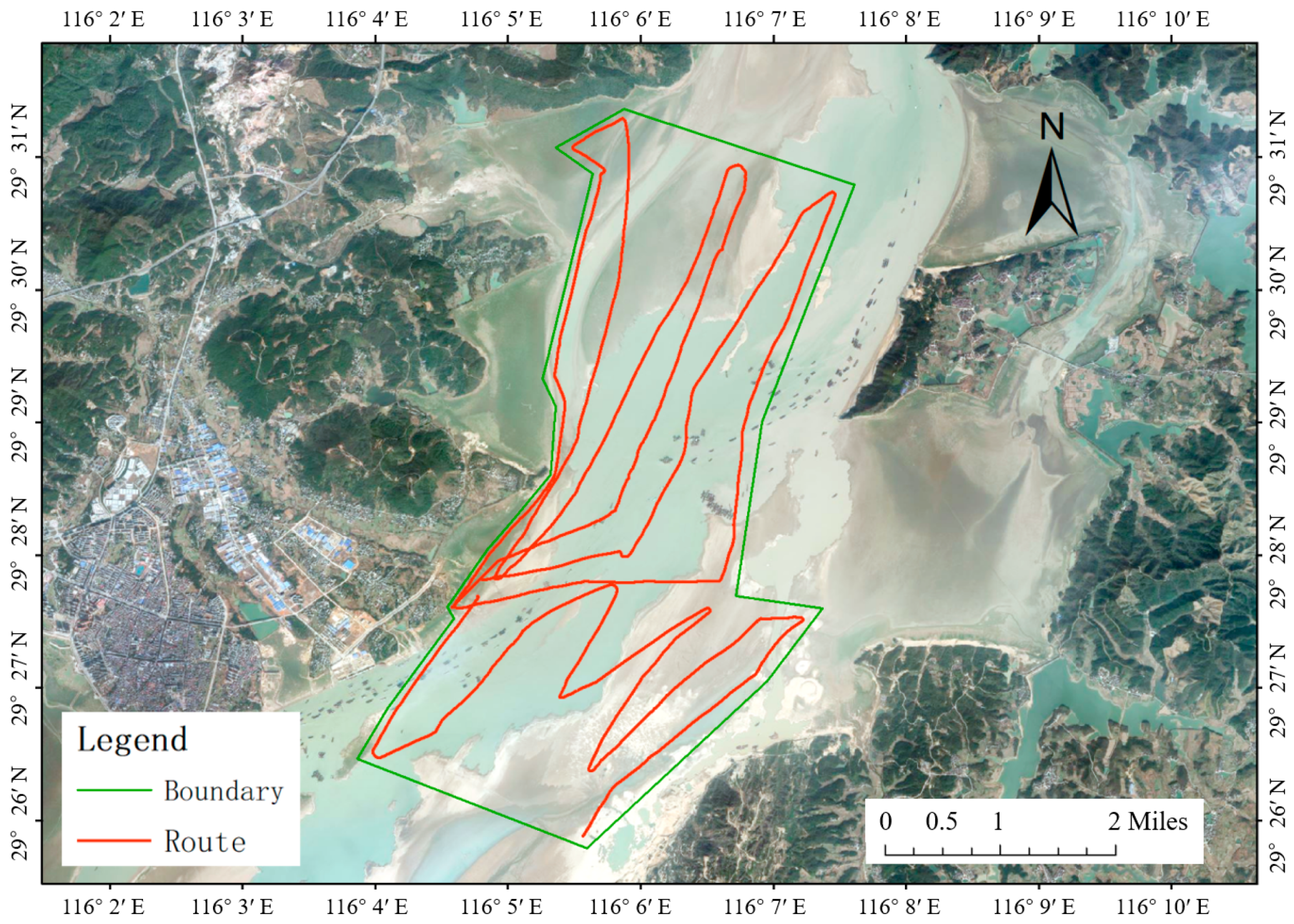
The study area is located in the Huoyanshan waters of Poyang Lake, Jiujiang City, Jiangxi Province (shown in Figure 1). The survey area is roughly pentagonal, covering an area of approximately 30.88 km2, with a maximum depth of 29 m. The survey area includes open waters with relatively fast flow. The lakebed topography is primarily a deep channel region with a mud–sand bottom, serving as the main navigation channel.

2.2. Dual-Frequency Identification Sonar

The main technical parameters of the DIDSON are shown in Table 1. During the survey, the emission frequency was automatically switched based on water depth: high-frequency mode was used when the water depth was less than 10 m, and low-frequency mode was used when greater than 10 m.
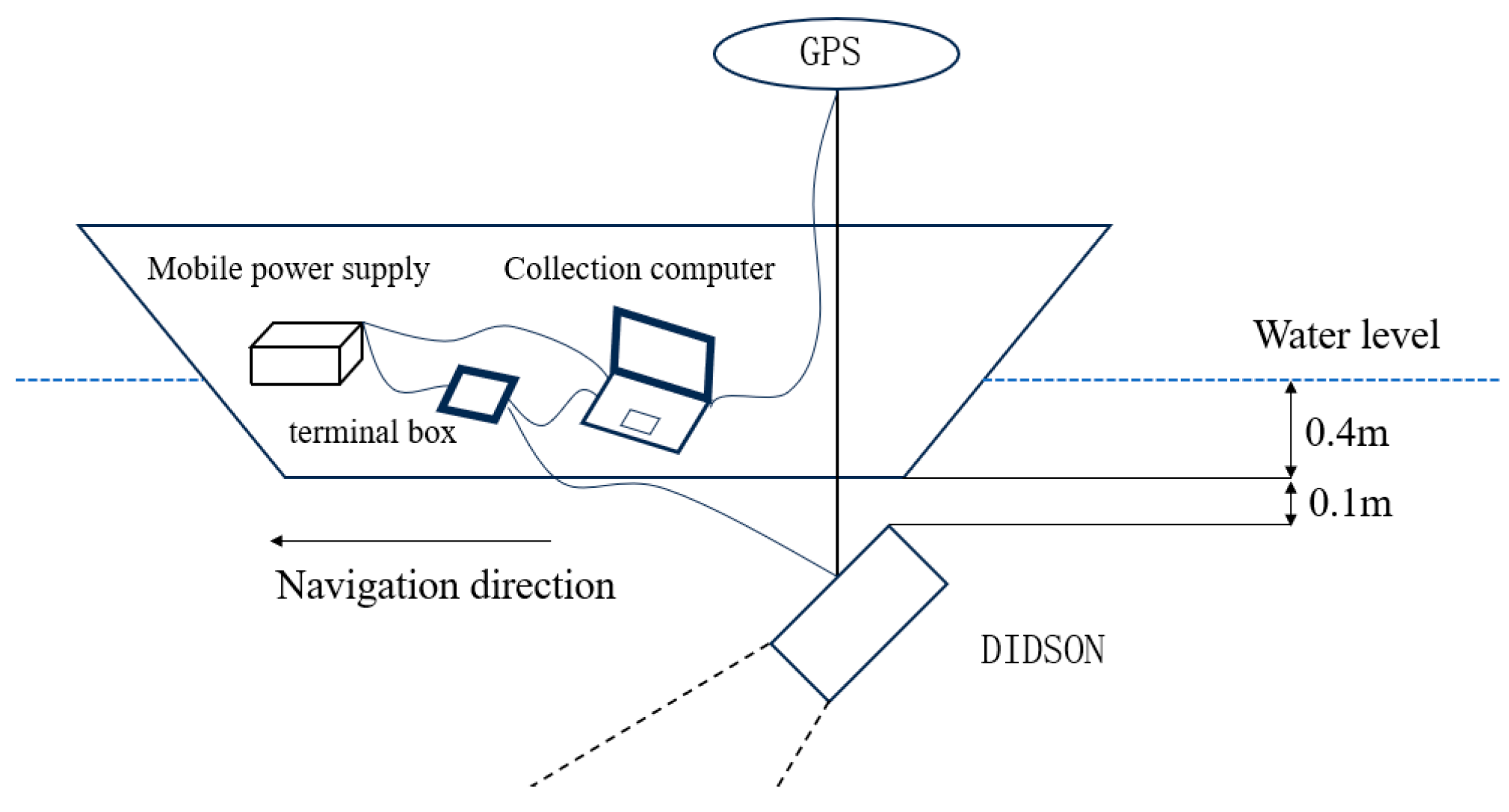
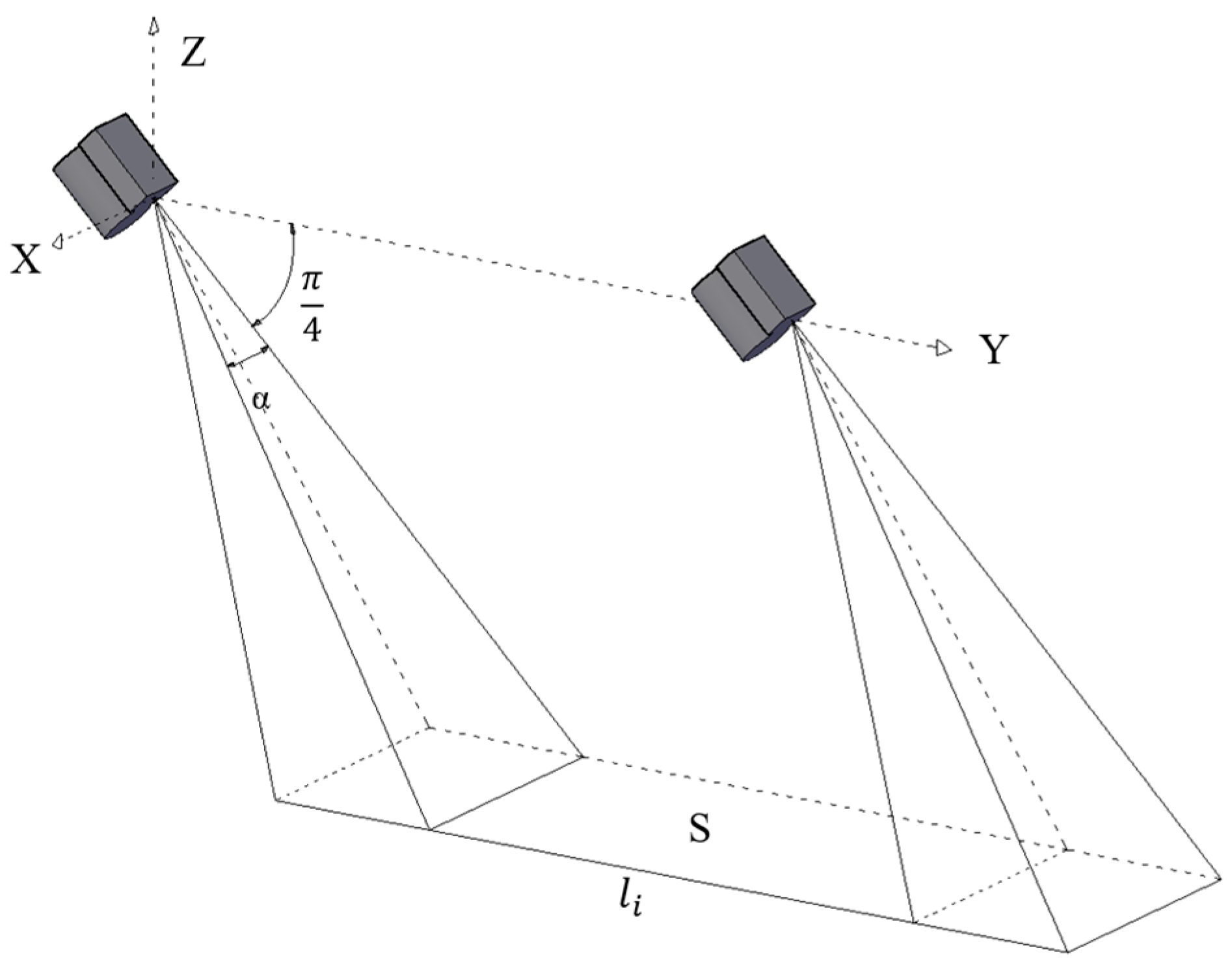
As shown in Figure 2, a small survey vessel (approximately 8.8 m long, 3.6 m wide, draft 0.4 m) equipped with DIDSON and GPS was used for mobile data collection. The average survey speed was 7.5 km/h. The DIDSON was installed on the starboard side of the vessel, with the transducer submerged about 0.5 m. The acoustic lens was oriented parallel to the hull and angled downward at 45°. All instruments and computers were powered by mobile power supplies.

2.3. Data Collection

The data collection was scheduled for 18 and 19 July 2024. Surveys were conducted two times during periods without significant wind or waves. The survey area and lines are shown in Figure 1, with specific arrangements detailed in Table 2.

2.4. Fish Sampling Methods in the Huoyanshan Area of Poyang Lake

From 23 to 25 July 2024, a research monitoring vessel was used. Nets were deployed at designated monitoring locations in the afternoon and retrieved the following morning. The exact timing was not fixed, depending on lake surface weather conditions. The sampling net consisted of four gillnet panels with different mesh sizes connected in series. Each panel measured 50 m × 2 m, forming a 200 m × 2 m sectional sampling net after connection. The mesh sizes were: 2.0 cm, 6.0 cm, 10.0 cm, and 14.0 cm. All fishing activities were conducted under special permits granted to the Academy of Agricultural Sciences.

2.5. Fish Target Identification Methods

2.5.1. Echoview-Based Fish Target Identification Model

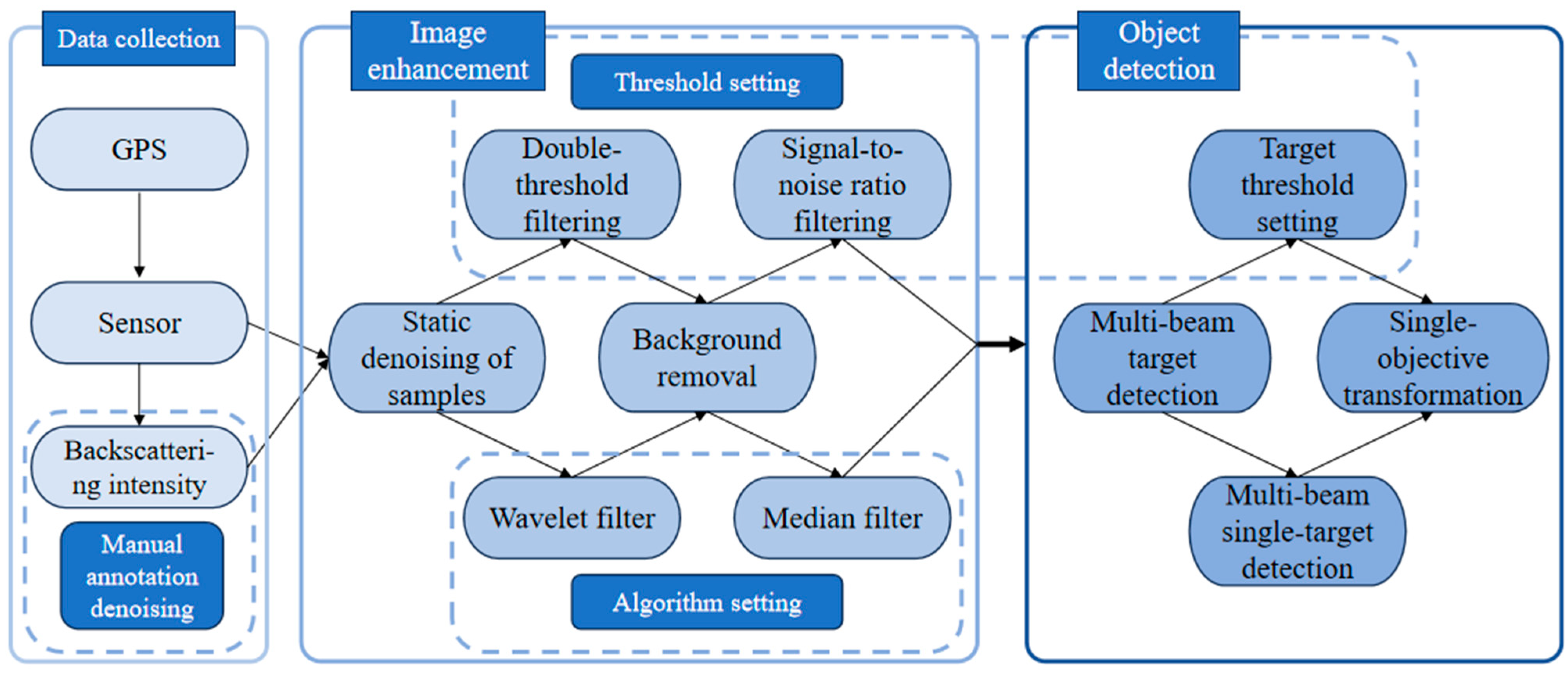
The specific workflow of the fish target identification model developed based on Echoview module functionalities is shown in Figure 3.
The main steps of the fish target identification model are as follows:
Noise removal involved a two-step process: manual visual elimination of pseudo-targets [16], followed by automated processing using the KOVESI method (for blurring minor noise points) and background subtraction (to remove the lakebed image, with a minimum SNR of 10.0 dB) [19,20].
Target identification: A sonar echo threshold was defined (seed: 40 cm2, satellite: 1 cm2; link distance: 5 cm). Pixels within the interval were marked as fish targets [21], followed by movement trajectory tracking to prevent duplicate counting [22].

2.5.2. Deep Learning Models

This study utilized YOLOv7 and YOLOv11 to perform object detection on a portion of the collected raw data images, aiming to explore the potential application of computer vision in fishery resource surveys and analyze its scope and limitations; to overcome the limitation of the YOLO object detection algorithm in distinguishing between new and existing targets when processing continuous acoustic video streams, which can lead to redundant counts, this study incorporated the DeepSORT for object tracking.
(1)
Training Set Composition
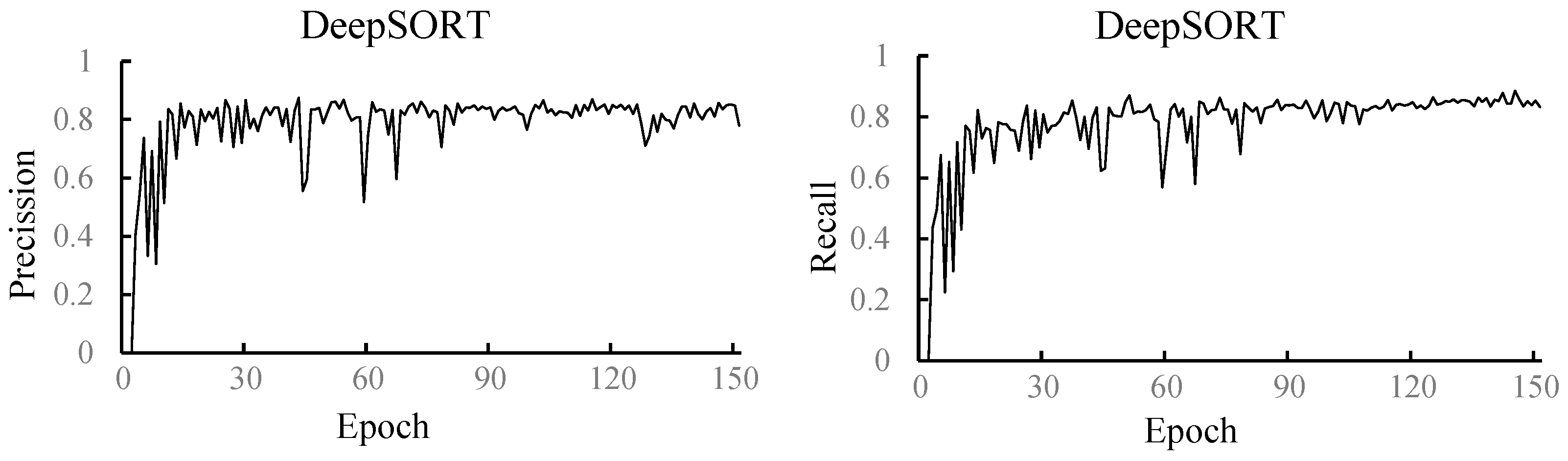
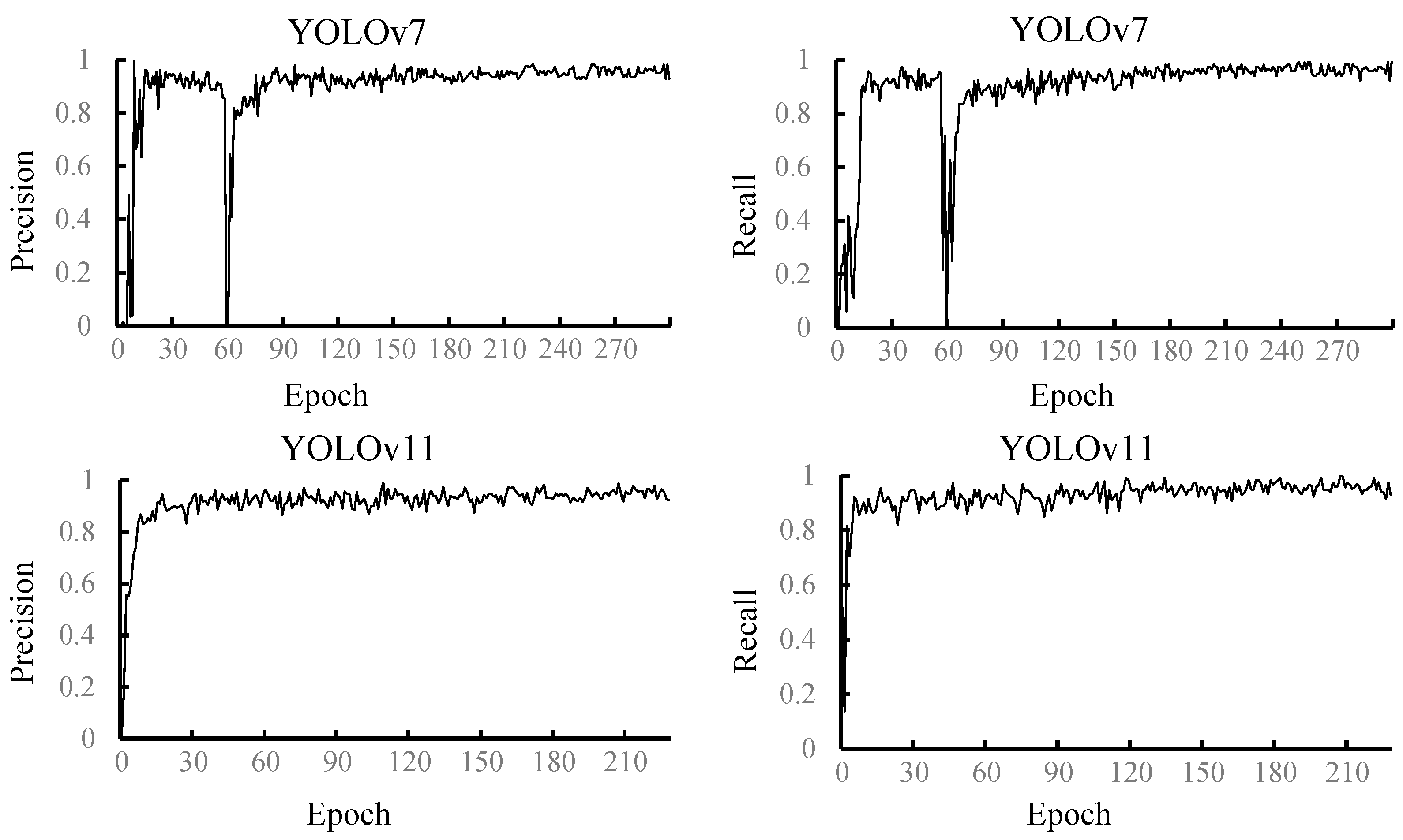
The training sets for both models consisted of 2000 acoustic images each. The training results are shown in Figure 4. In this study, the trained weight files were used to detect acoustic images collected from Poyang Lake. The YOLO test set included 300 images; the DeepSORT test set comprised a ten-minute video. After detection, accuracy was assessed through manual visual inspection.
Note: In Figure 4, the horizontal axis “Epoch” represents the number of training iterations (i.e., complete passes through the training dataset) used during model optimization, rather than the length of the survey or survey line. Therefore, it is not directly related to the spatial length of the acoustic transects. The different numbers of epochs for YOLOv7, YOLOv11, and DeepSORT result from their independent training processes and convergence behaviors. Early stopping was applied when the validation performance no longer improved, so each model terminated at its own optimal epoch rather than being forced to use the same number of training rounds.
(2)
Evaluation Metrics
This study used Precision (P) and Recall (R) to evaluate the detection performance of the models, as expressed in the following equations.
P r e c i s i o n = T P T P + F P
R e c a l l = T P T P + F N
In the formulas, TP (True Positive) is the number of instances correctly identified as positive; FP (False Positive) is the number of instances incorrectly identified as positive (actual negative); FN (False Negative) is the number of instances incorrectly identified as negative (actual positive).

2.6. Fish Resource Estimation

2.6.1. Fish Abundance Estimation

This study used the mean density method to estimate fish density in the surveyed waters. First, the fish density within the actual surveyed area (along the survey lines) was calculated. This density was then used to estimate the fish density for the entire survey area. The specific calculation process is as follows:
S = 2 × 1 k i = 1 k 1 n i = 1 n d i × s i n α 2 × i = 1 k l i
N = λ S × s
In the formulas, d i is the length (m) of each beam along a single survey line; n is the total number of beams for a single line; there are k survey lines in total; l i is the travel distance (m) of a single survey line; α is the instrument’s horizontal beam angle (29°); S is the surveyed area; λ is the number of fish targets extracted by the analysis model; s is the total water area; and N is the estimated total number of fish in the water area. The data collection process is illustrated in Figure 5.

2.6.2. Fish Biomass Estimation

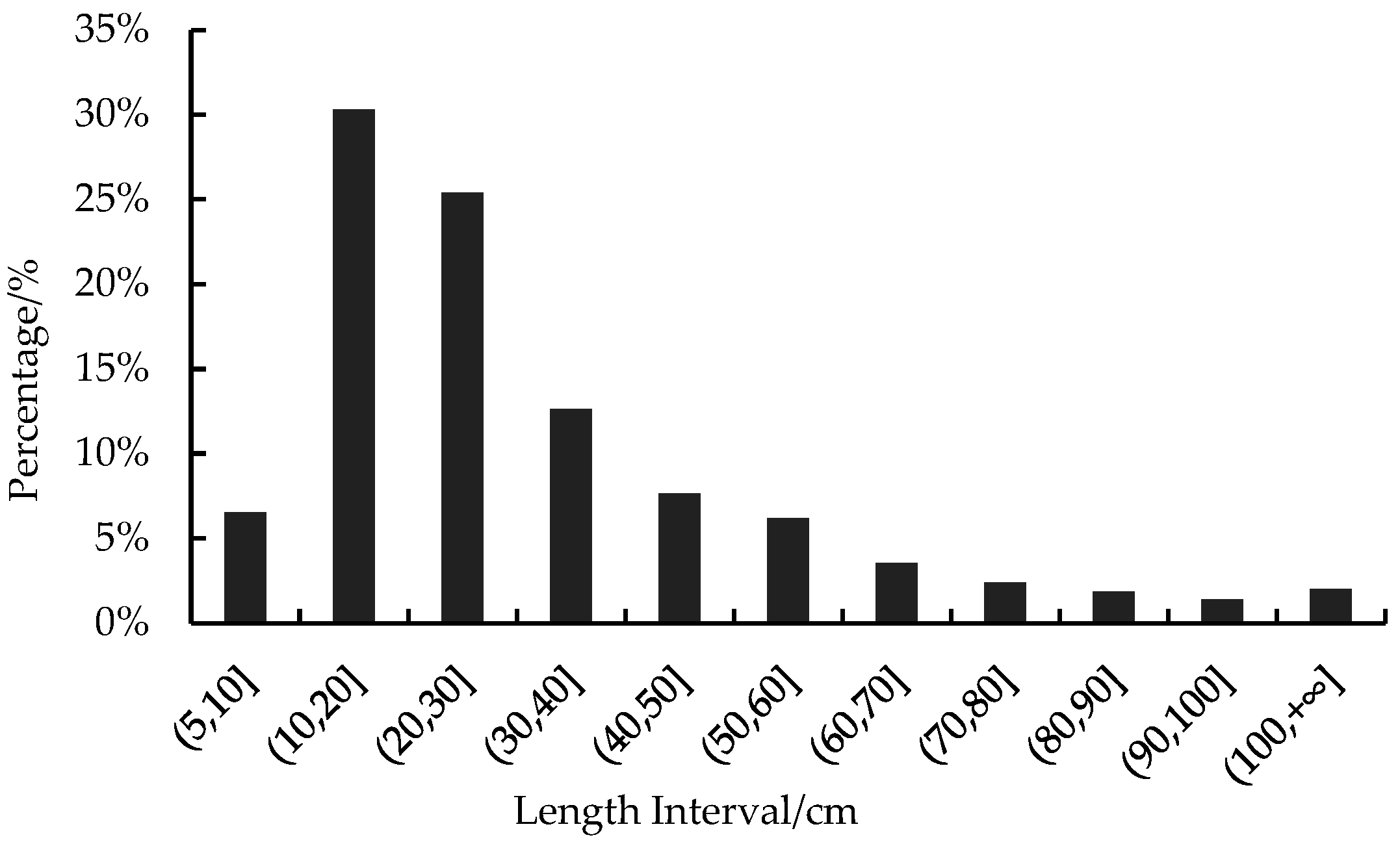
For each fish movement track, body length was extracted from every frame, with the maximum horizontal length recorded as the actual body length [22]. Fish were classified into intervals based on body length: a threshold of 5–150 cm was applied, with the 0–100 cm range divided into ten-centimeters intervals. Specimens exceeding 100 cm were grouped into a final interval. The percentage of fish and the average length within each interval were documented.
The fish length–weight relationship was derived by fitting a power function to the measured catch statistics data. The average body weight corresponding to each length interval was calculated using the average body length. The biomass within each interval was then calculated based on the number of fish in that interval, and summed to obtain the total biomass. The specific calculation process is as follows.
w i = a x i b
W = i = 1 10 w i × N × p i
In the formulas, w i is the average body weight in the i -th length interval; x i is the average body length in the i -th length interval; a , b are fitting coefficients; N is the total number of fish; p i is the percentage of fish in the i -th length interval; and W is the total biomass.

2.6.3. Spatial Distribution of Fish Resources

To visually represent the horizontal spatial distribution of fish, kernel density analysis using ArcGIS software (V10.7) was employed to create fish density distribution maps. The kernel density method estimates the density of point features within their surrounding neighborhood using a kernel density function [23]. The specific formula is as follows:
P i = 1 n π h 2 × j = 1 n W j 1 D i j 2 h 2 2
In the formula, P i is the estimated density value at point i ; h is the bandwidth, i.e., the width of the search neighborhood around study object j ; n is the number of sample points within the bandwidth; D i j is the distance between the point to be estimated and study object j ; and W j is the weight of the study object. The bandwidth h influences the kernel density analysis results and needs to be determined based on the spatial distribution of points and the actual research context. To avoid subjective setting, the “Silverman’s rule of thumb” was used to determine the bandwidth. This rule determines the search radius (SR) based on the spatial distribution of the point data itself. It calculates the mean center of all event points, computes the distance from the mean center to each event point, takes the median of these distances D m , and calculates the standard distance S D of the event points. The specific formula is as follows:
h = S R = 0.9 × min S D , 1 ln 2 × D m × n 0.2
In the formula, S D is the standard distance; D m is the median distance [24].

3. Results and Analysis

3.1. Catch Statistics

A total of 1039 fish specimens were captured. The statistics on quantity and body mass are shown in Table 3. Species with fewer than five individuals caught were grouped as “Other”(except Coilia nasus).
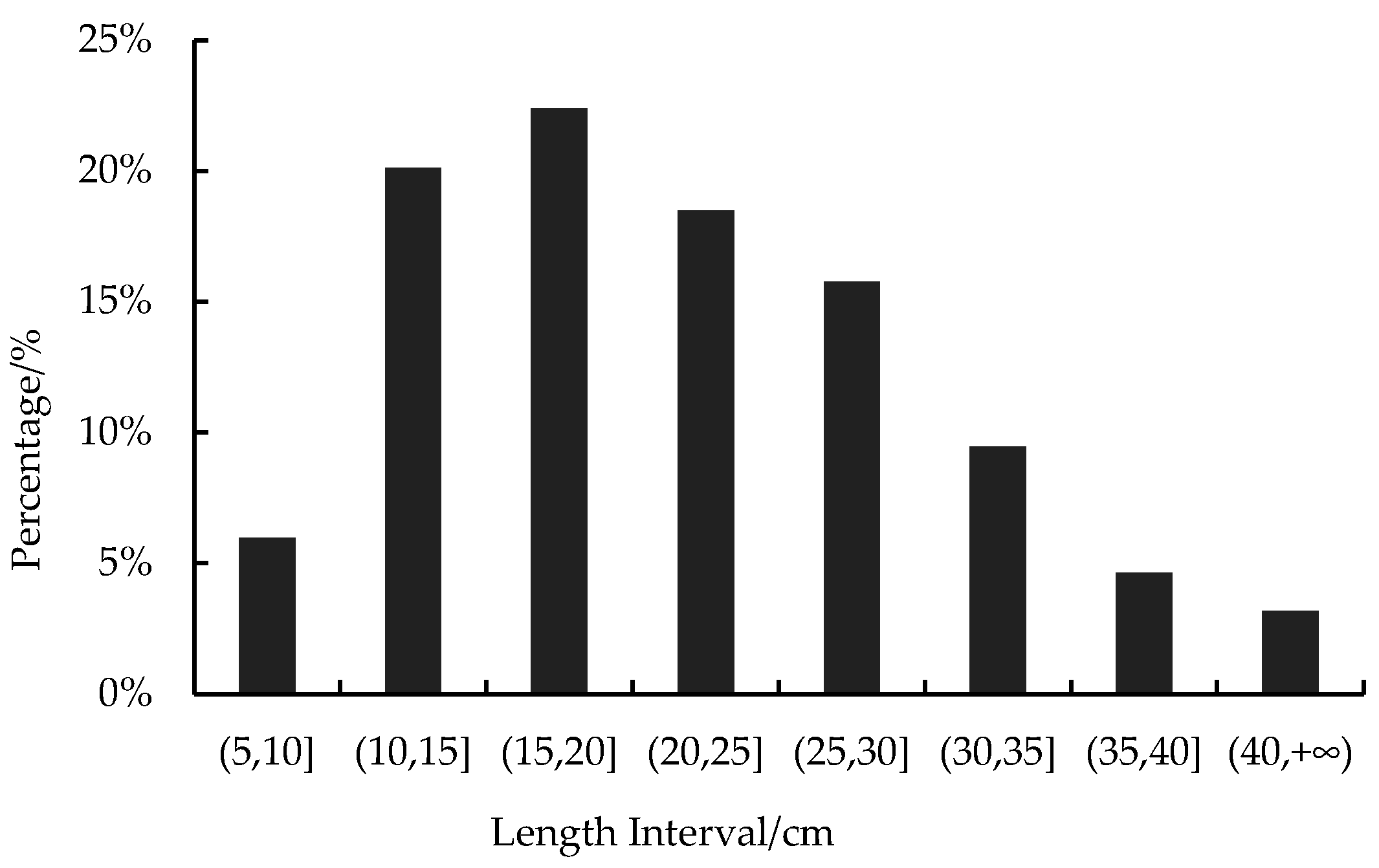
The body length distribution of the catch is shown in Figure 6.

3.2. Identification Statistics Based on Echoview

This study used the Echoview target identification model to automatically identify and count fish targets in the two-day sonar data, detecting a total of 2082 fish targets. To verify the accuracy of model recognition, a manual visual counting method was adopted, with experts identifying and counting fish targets frame by frame, resulting in a count of 1891 fish targets. The accuracy evaluation results of the model are shown in Table 4.
The statistical errors for all two days were below ten percent, with an average accuracy of 90.83%.

3.3. Fish Target Identification Result Based on YOLO

The comparison results between deep learning models identification and manual visual verification are shown in Table 5.
The deep learning models performed excellently, with both precision and recall at high levels.
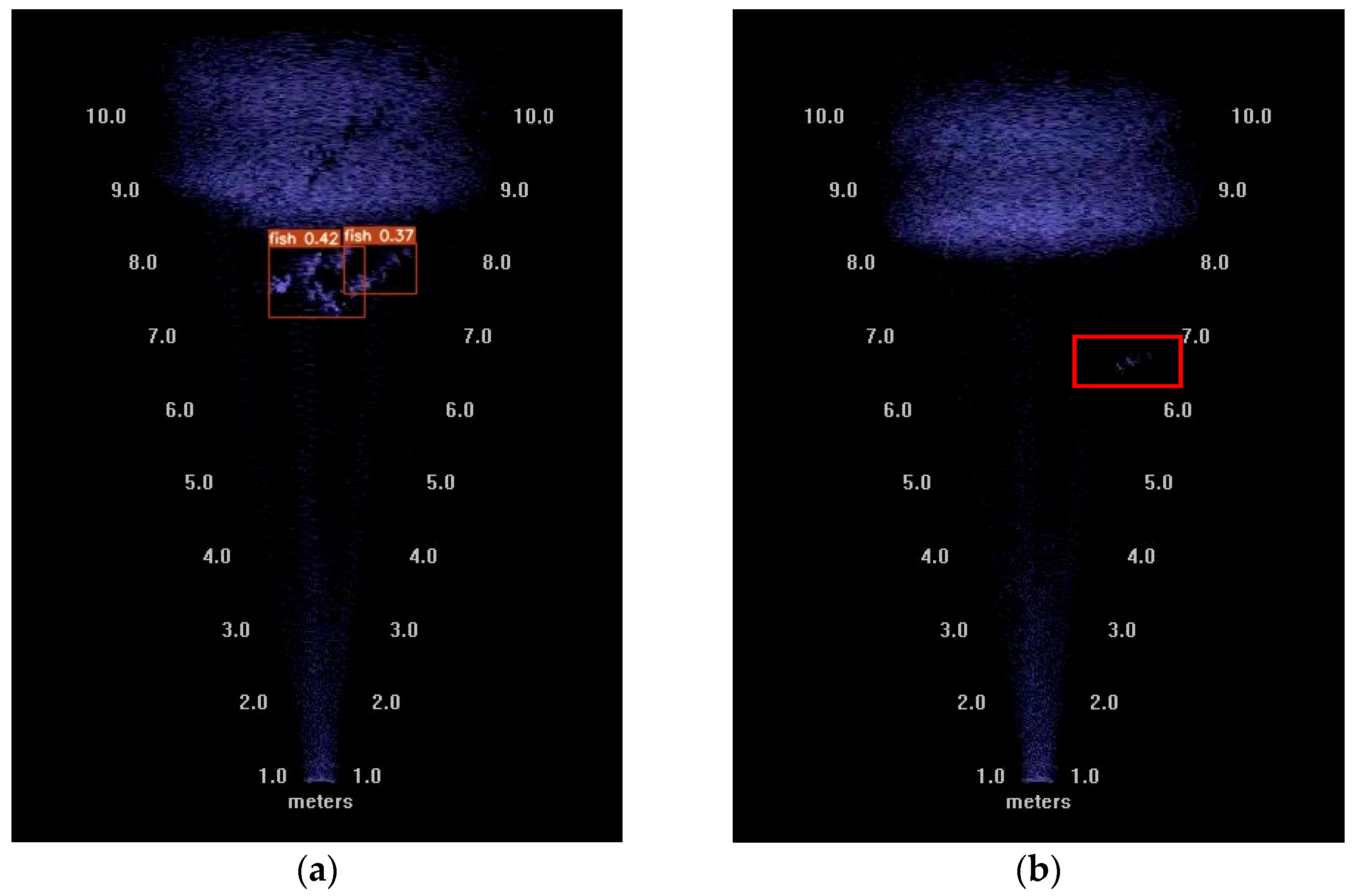
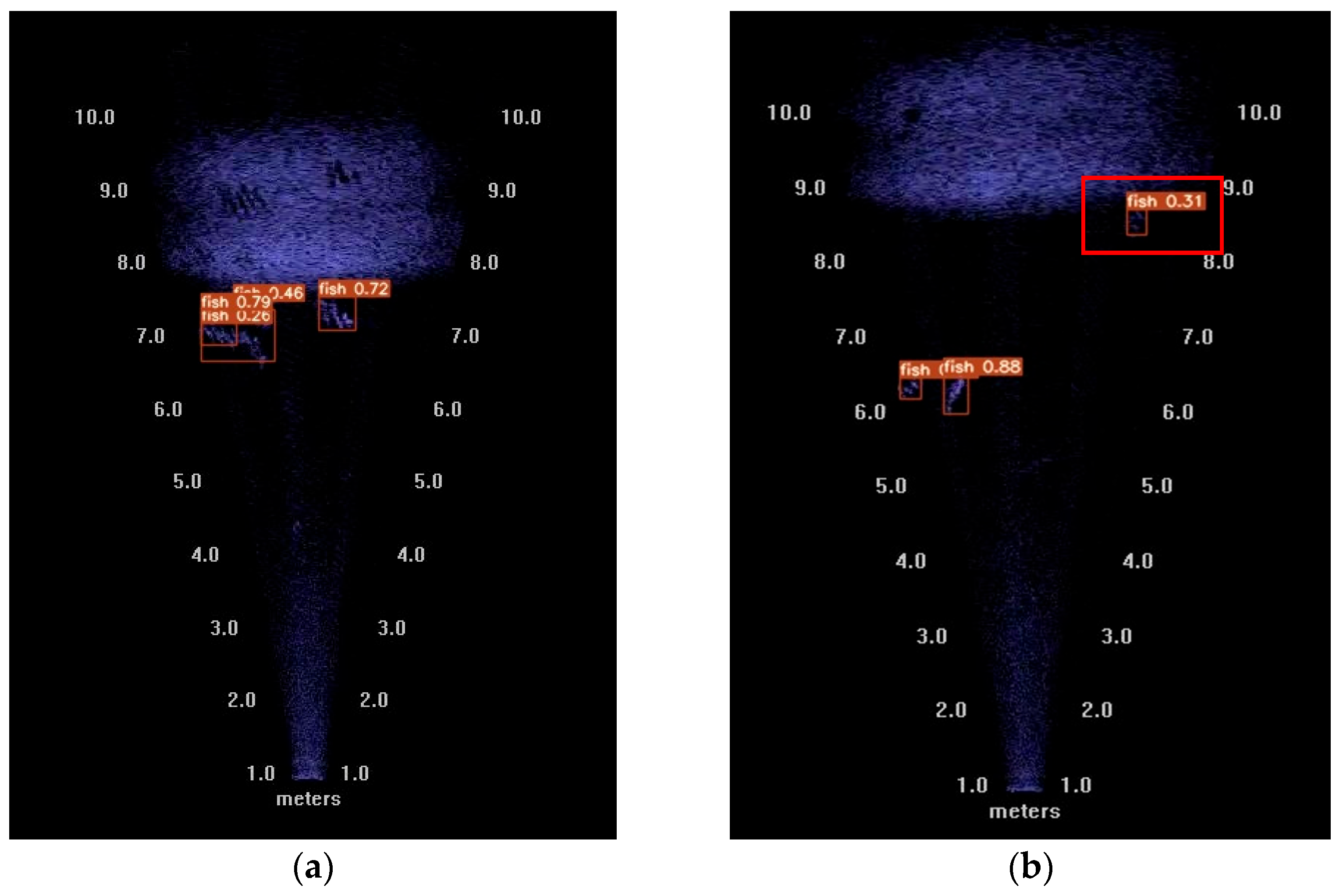
The multi-target images were analyzed separately. There were 52 such images containing 133 fish targets. The results are shown in Table 6, indicating a noticeable decline in model detection performance for multi-target scenarios. The main error situations are shown in Figure 7 and Figure 8.

3.4. Fish Resource Estimation

3.4.1. Fish Abundance Estimation

Using the mean density method and based on acoustic data post-processing results, a total of 1891 fish were counted along 60 survey lines. The average beam length was 12.52 m, the total track length was approximately 72.36 km, and the actual surveyed water area was about 454,024 m2. The calculated fish density was 0.0042 fish/m2. Given a total water area of approximately 30.88 km2, the estimated total number of fish was about 223,775 individuals.

3.4.2. Fish Biomass Estimation

The body length statistics of the catch derived from sonar data post-processing are shown in Figure 9.
The fish length–weight relationship was fitted with a power function, yielding the formula: y = 0.0197 x 2.8422 , with a correlation coefficient of 0.8065. Here, x represents body length (cm) and y represents body mass (g). Using this formula, the total fish biomass was estimated to be approximately 199,742 kg.

3.5. Spatial Distribution of Fish Resources

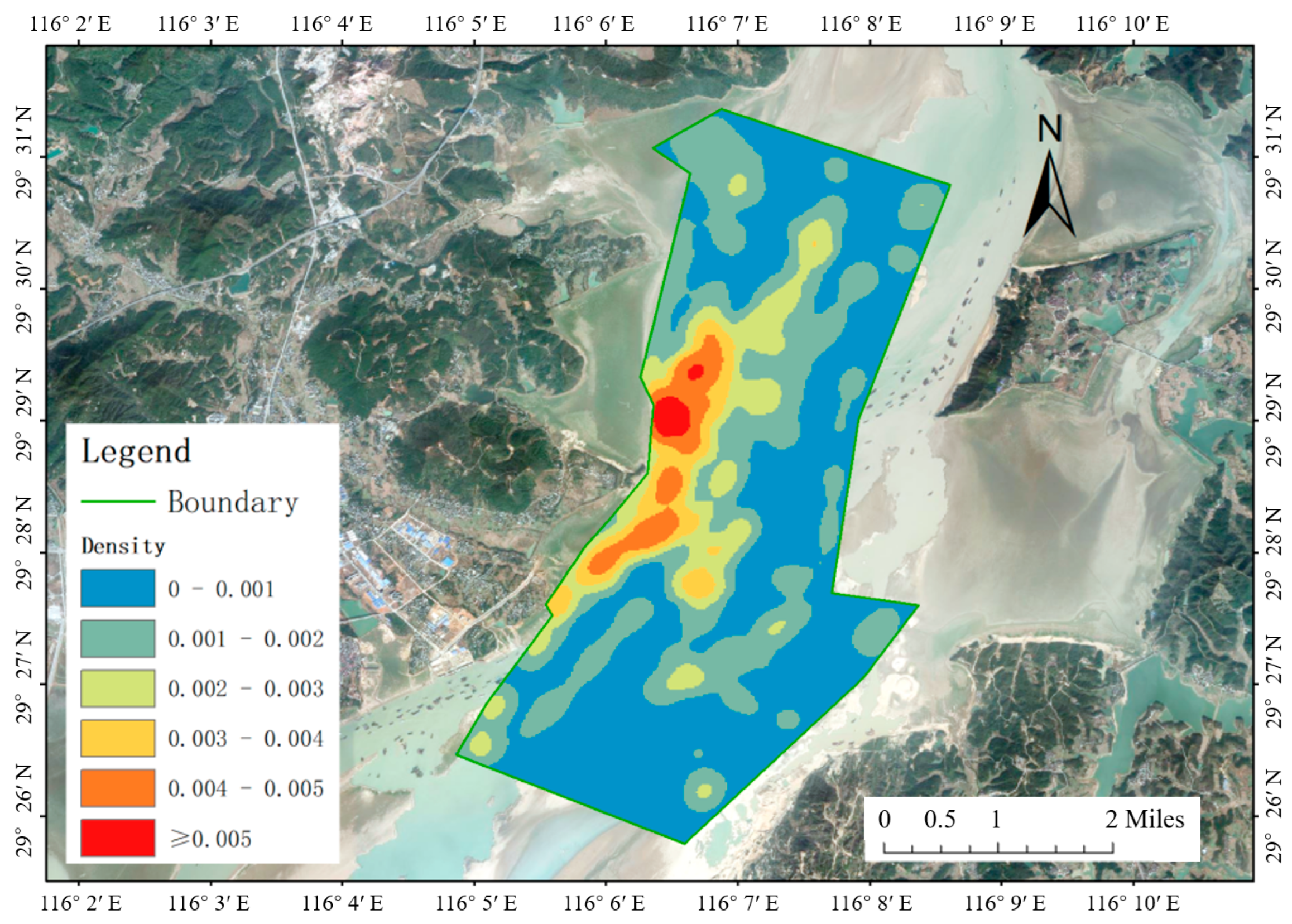
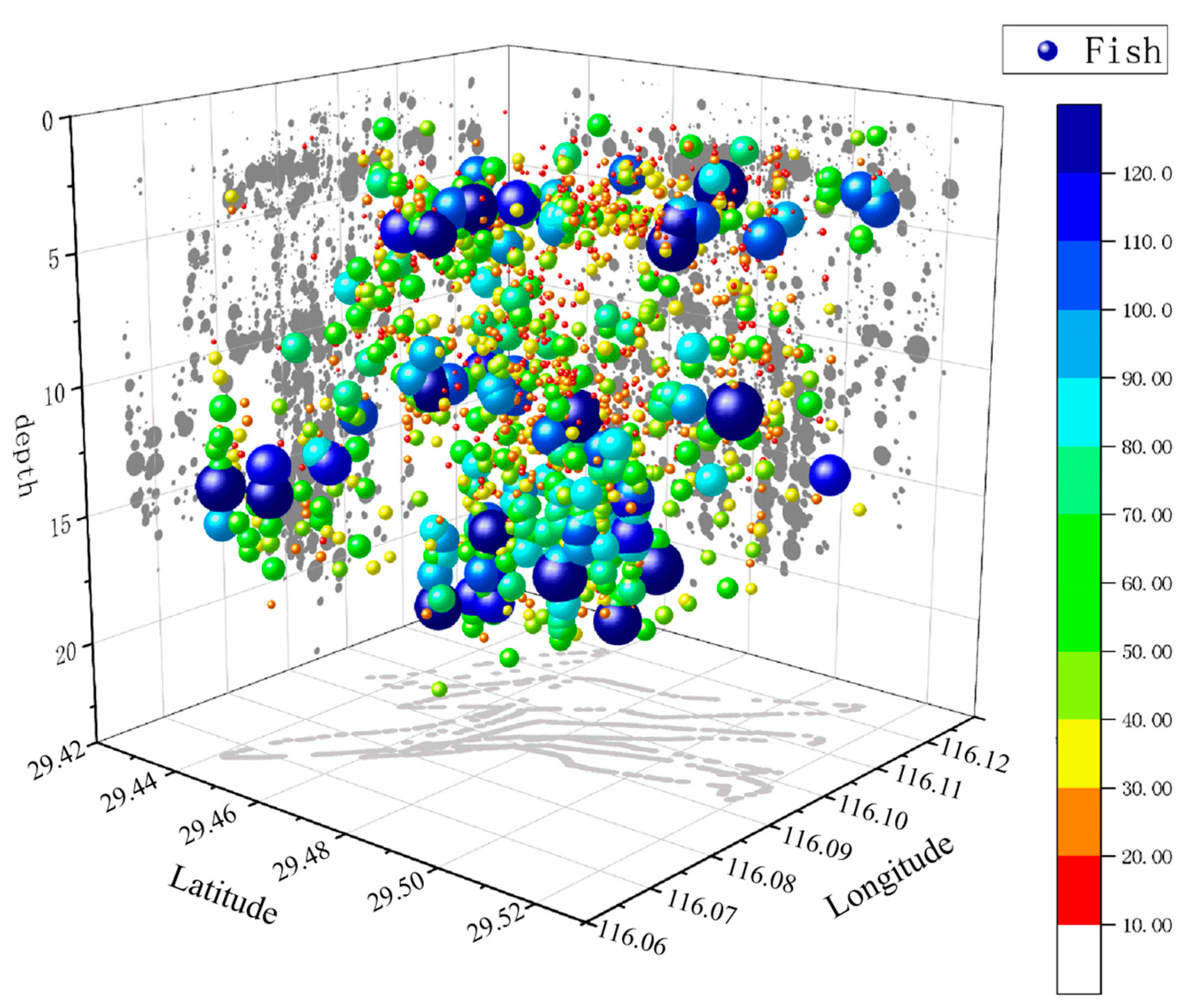
Kernel density analysis (Figure 10) and 3D spatial projection (Figure 11) clearly revealed the distribution characteristics of fish resources in the Huoyanshan waters of Poyang Lake on both horizontal and vertical scales.
Using kernel density analysis, the horizontal density distribution map of fish was obtained. The maximum density was found in nearshore waters.
Finally, all the identified fish targets are placed in the three-dimensional scatter plot and projected, which can reflect the density distribution of fish on the vertical scale. The size of the fish is correlated with the size of the points. The larger the volume of the sphere, the longer the body length of the fish target. Different body length intervals correspond to the colors in the legend on the right.

4. Discussion

This study integrated dual-frequency identification sonar (DIDSON) with deep learning models to conduct a fish resource survey in the Huoyanshan waters of Poyang Lake. The main achievements are as follows: The deep learning model was introduced into the fishery acoustics data post-processing workflow. YOLO achieved average precision and recall of 0.941 and 0.869, respectively; the precision and recall of DeepSORT are 0.911 and 0.887, respectively. Compared with traditional acoustic analysis methods, the deep learning models effectively reduced reliance on manual experience and improved processing efficiency, providing a new technological pathway and empirical support for automated fish resource assessment. Furthermore, this study represents the first systematic application of DIDSON for fishery resource detection in Poyang Lake waters, obtaining data on total fish abundance, total biomass, and three-dimensional spatial distribution characteristics in this region, filling a data gap for high-resolution acoustic surveys in these waters.
Although this study has made progress in method integration and data analysis, several technical issues remain to be optimized in the actual survey and model application process.

4.1. Deficiencies and Improvement Directions for Fish Target Identification Methods

The Echoview-based fish target identification method, due to its well-developed architecture and good integration, can simultaneously output multi-dimensional data such as water depth, fish position, body length, and navigation positioning. It remains a mainstream tool in fishery acoustics post-processing. However, it still has certain limitations: when the lakebed topography changes rapidly, delayed bottom tracking can introduce significant noise; in addition, its track tracking algorithm is prone to duplicate counting for the same target remaining in the field of view for an extended period. Therefore, further optimization of bottom tracking and target trajectory association algorithms remains of significant practical importance.
The YOLO-based computer vision method performed excellently in fish identification tasks. However, missed and false detections still occurred in some complex scenes. Missed detections mainly occurred in two situations: First, when boundaries between multiple targets overlapped or connected, the model tended to misjudge them as a single large target (Figure 7a). Second, targets were missed because of the low target strength (Figure 7b). False detections were often caused by the partial body of large-sized fish targets being repeatedly recognized as individual targets (Figure 8a), or by misidentification of lakebed structures (Figure 8b).
The reasons for false detections and missed detections of the DeepSORT model are as follows. False detections during tracking primarily originated from the acoustic noise at the bottom of DIDSON images and suspended particles in the water. The tracking algorithm may incorrectly associate regularly appearing noise across consecutive frames as a stable moving trajectory and assign it an ID. This leads to accumulated false alarms and reduces the overall precision. Missed detections were mainly constrained by sonar imaging characteristics and target motion behavior. When fish swam too quickly, causing inter-frame displacement to exceed the Kalman filter’s prediction range, or when multiple targets moved closely together, making their appearance features become blurred, tracking trajectories were prone to interruption, resulting in some targets being unrecorded.
Thus, a comprehensive improvement strategy should integrate enhancements across the processing chain. This includes refining pre-processing to ensure data quality, advancing core algorithms for more accurate multi-target segmentation and robust multi-object tracking under challenging conditions, and finally, improving model adaptability through task-specific training on datasets that encompass diverse DIDSON operational modes and typical environmental interferents.

4.2. Feasibility Analysis of Deep Learning Algorithms for Fish Resource Survey Tasks

Currently, deep learning-based fish target identification methods have been widely researched. Shen, W et al. applied the YOLO and DeepSORT algorithms to fishery resource surveys in reservoirs to improve the efficiency of data processing [25]. Fernandez Garcia et al. proposed a novel method using Convolutional Neural Networks (CNN) and classical Computer Vision (CV) techniques to detect fish targets in acoustic videos [26]. Henderson et al. used DIDSON to collect acoustic data and built a deep learning model to distinguish predatory from non-predatory fish [27].
Compared to traditional identification methods, the deep learning models demonstrate significant advantages in the following two aspects: First, traditional methods introduce subjective errors due to their high reliance on operator experience [28], whereas the deep learning models offer greater objectivity and consistency in post-processing. Although current identification accuracy may still be lower than human intervention in certain scenarios, this characteristic endows it with substantial research value. Second, once trained, the deep learning models achieve a detection speed significantly higher than that of traditional methods.
By leveraging deep learning models, the process of acquiring basic data was optimized, making the acquisition of basic data more efficient and objective. This shortened the time spent on the initial baseline data acquisition phase of the entire project, and enhanced the timeliness of subsequent management and protection measures. The resource estimates presented in the article have been provided to the local agricultural administration as a data reference for future planning and conservation.
The future development path for these methods involves continuously expanding dataset scale and diversity and optimizing model parameters. This path is expected to lead to improved accuracy and broader applicability, promoting the technology’s widespread use in hydroacoustic detection.

4.3. Spatial Distribution of Lake Resources

Fish targets were not uniformly distributed in the horizontal and vertical dimensions. This heterogeneous distribution results from fish adaptive selection to environmental factors. It holds significant value for understanding the ecosystem function of these waters and formulating precise conservation strategies.
The horizontal kernel density map (Figure 10) shows that areas with higher fish density were mainly concentrated in nearshore waters. This pattern is likely driven by the following factors: Nearshore areas are typically shallower with ample light, promoting the growth of aquatic vegetation and algae, thereby supporting richer benthic invertebrate and plankton communities, providing key feeding grounds for fish. Complex habitats such as reed beds and submerged vegetation along the shore offer shelter for fish (especially juveniles) from wind, waves, currents, and predators. The main navigation channel experienced frequent vessel traffic. The resulting noise, vibration, and water disturbance create continuous stress effects on fish, causing them to actively avoid these high-disturbance zones, forming “fish-sparse areas” within the channel.
The three-dimensional scatter plot (Figure 11) visually illustrates the spatial distribution of fish, with fish primarily concentrated in the 5–15 m water layer. This distribution pattern may occur because the surface layer experiences higher light intensity and significant diurnal temperature fluctuations, while deeper layers may have lower dissolved oxygen levels. The 5–15 m layer likely provides a “comfort zone” for fish, offering an optimal balance among light, temperature, and dissolved oxygen conditions, thus leading to their aggregation.
Based on the present results, we suggest prioritizing routine monitoring in nearshore high-density areas and in the 5–15 m depth layer, strengthening seasonal hydroacoustic surveys, and further improving automated target identification workflows. These measures may provide practical data support for subsequent fish resource management in the study area. It should be noted that the present study focused on community-level fish resource assessment in the Huoyanshan waters rather than species-specific analysis of Coilia nasus. Therefore, the results should be regarded as baseline ecological information and technical support for subsequent management, further details have been provided in a subsequent paper of this project [29].

5. Conclusions

Overall, the study objective was achieved in terms of assessing fish abundance, biomass, spatial distribution, and evaluating the feasibility of DIDSON combined with deep learning models for fish resource surveys in the Huoyanshan waters of Poyang Lake. This study conducted systematic detection and assessment of summer fish resources in the Huoyanshan waters of Poyang Lake using DIDSON imaging sonar. The survey results indicate that the total fish resource in this area is approximately 223,775 individuals, with a total biomass of about 199,742 kg. Spatially, the distribution exhibited characteristics of nearshore aggregation and mid-water distribution, being primarily concentrated in nearshore areas horizontally and mostly within the 5–15 m depth range vertically. These findings provide baseline data, technical support and subsequent monitoring, waters associated with the spawning habitat of Coilia nasus.
In terms of analytical methods, this study compared the traditional identification model based on Echoview with deep learning models. The Echoview model achieved an identification accuracy of 90.83%, while the deep learning models maintained high precision (YOLO 0.941, DeepSORT 0.887) and recall (YOLO 0.869, DeepSORT 0.911); they also offer better objectivity, consistency, and processing efficiency, demonstrating promising application prospects. However, the deep learning models still have limitations in recognizing overlapping multi-targets and near-bottom targets, and their training data require enhancement in terms of diversity and representativeness.
To address the aforementioned issues, follow-up research will focus on three main areas: optimizing bottom-tracking algorithms to reduce substrate interference; optimizing multi-target tracking strategies to improve identification and counting accuracy in complex scenarios; and constructing larger-scale, cross-seasonal, multi-habitat acoustic image datasets to enhance model generalization capability. Through systematic improvements in identification methods and expanded analysis of correlations with environmental factors, future work should focus on establishing a more accurate and efficient intelligent fish resource assessment system.

Author Contributions

Conceptualization, W.S. and Z.Y.; methodology, W.S. and Z.Y.; software, Z.Y. and E.Q.; validation, W.S., Z.Y. and B.Z.; formal analysis, W.S. and Z.Y.; investigation, Z.Y.; resources, X.G.; data curation, Z.Y. and L.L.; writing—original draft preparation, Z.Y. and E.Q.; writing—review and editing, W.S. and Z.Y.; visualization, Z.Y.; supervision, W.S. and X.G.; project administration, W.S. and X.G. All authors have read and agreed to the published version of the manuscript.

Funding

This research received no external funding.

Institutional Review Board Statement

Not applicable.

Informed Consent Statement

Not applicable.

Data Availability Statement

All data used in this study can be obtained from the corresponding author.

Acknowledgments

The authors sincerely appreciate all the reviewers for their invaluable feedback and suggestions.

Conflicts of Interest

The authors declare no conflicts of interest.

References

  1. Ma, J.; Li, B.; Zhao, J.; Wang, X.; Hodgdon, C.T.; Tian, S. Environmental influences on the spatio-temporal distribution of Coilia nasus in the Yangtze River estuary. J. Appl. Ichthyol. 2020, 36, 315–325. [Google Scholar] [CrossRef]
  2. Xuan, Z.; Jiang, T.; Liu, H.; Chen, X.; Yang, J. Mitochondrial DNA and microsatellite analyses reveal strong genetic differentiation between two types of estuarine tapertail anchovies (Coilia) in Yangtze River Basin, China. Hydrobiologia 2021, 848, 1409–1431. [Google Scholar] [CrossRef]
  3. Ly, S.; Jiang, T.; Liu, H.; Xuan, Z.; Qiu, C.; Chen, X.; Yang, J. Loss of Coilia nasus habitats in Chinese freshwater lakes: An otolith microchemistry assessment. Heliyon 2020, 6, e04571. [Google Scholar] [CrossRef] [PubMed]
  4. Khumbanyiwa, D.D.; Li, M.M.; Jiang, T.; Liu, H.B.; Yang, J. Unraveling habitat use of Coilia nasus from Qiantang River of China by otolith microchemistry. Reg. Stud. Mar. Sci. 2018, 18, 122–128. [Google Scholar] [CrossRef]
  5. Li, Y.; Chen, J.; Feng, G.; Yang, J.; Zhao, F.; Shen, C.; Song, C.; Jiang, T. Otolith Microchemistry Assessment: Evidence of Migratory Coilia nasus of Yangtze River Living in the Shengsi Sea Area. Fishes 2022, 7, 172. [Google Scholar] [CrossRef]
  6. Hu, Y.; Jiang, T.; Liu, H.; Chen, X.; Yang, J. Otolith Microchemistry Reveals Life History and Habitat Use of Coilia nasus from the Dayang River of China. Fishes 2022, 7, 306. [Google Scholar] [CrossRef]
  7. Dou, S.Z.; Yokouchi, K.; Yu, X.; Cao, L.; Kuroki, M.; Otake, T.; Tsukamoto, K. The migratory history of anadromous and non-anadromous tapertail anchovy Coilia nasus in the Yangtze River Estuary revealed by the otolith Sr:Ca ratio. Environ. Biol. Fishes 2012, 95, 481–490. [Google Scholar] [CrossRef]
  8. Jiang, T.; Yang, J.; Liu, H.; Shen, X.Q. Life history of Coilia nasus from the Yellow Sea inferred from otolith Sr:Ca ratios. Environ. Biol. Fishes 2012, 95, 503–508. [Google Scholar] [CrossRef]
  9. Zhang, T.; Li, Z. Fish resources and fishery utilization of Lake Poyang. J. Lake Sci. 2007, 19, 434–444. [Google Scholar] [CrossRef]
  10. Yang, M.; Sheng, P.; Zhang, Y.; Guo, L.; Wang, H.; Gao, X.; Chen, Y. Characteristics of fish assemblages of Poyang Lake at the initial stage of the fishing ban. Acta Hydrobiol. Sin. 2022, 46, 1569–1579. [Google Scholar]
  11. Belcher, E.; Hanot, W.; Burch, J. Dual-Frequency Identification Sonar (DIDSON). In Proceedings of the International Symposium on Underwater Technology (Cat. No.02EX556), Tokyo, Japan, 19 April 2002; pp. 187–192. [Google Scholar]
  12. Shen, W.; Chen, M.; Tong, J.; Zhang, J.; Zhang, H. Comparison of two acoustic methods for fishery resource survey and evaluation. Freshw. Fish. 2018, 48, 34–40. [Google Scholar]
  13. Liu, H.; Wang, C.; Liu, F.; Chen, M.; Zhu, L. Advances in Application of Dual-frequency Identification Sonar(DIDSON) to Fish Resources Survey. J. China Three Gorges Univ. (Nat. Sci.) 2015, 37, 28–34. [Google Scholar]
  14. Martignac, F.; Daroux, A.; Baglinière, J.-L.; Ombredane, D.; Guillard, J. The use of acoustic cameras in shallow waters: New hydroacoustic tools for monitoring migratory fish population. A review of DIDSON technology. Fish Fish. 2015, 16, 486–510. [Google Scholar] [CrossRef]
  15. Tušer, M.; Frouzová, J.; Balk, H.; Muška, M.; Mrkvička, T.; Kubečka, J. Evaluation of potential bias in observing fish with a DIDSON acoustic camera. Fish. Res. 2014, 155, 114–121. [Google Scholar] [CrossRef]
  16. Shen, W.; Peng, Z.; Zhang, J.; Cao, Z.; Liao, D. Evaluation of white shrimp(Litopenaeus vannamei) resources in aquaculture water based on DIDSON. Fish. Mod. 2022, 49, 68–75. [Google Scholar]
  17. Jiang, P.; Ergu, D.; Liu, F.; Cai, Y.; Ma, B. A Review of Yolo algorithm developments. Procedia Comput. Sci. 2022, 199, 1066–1073. [Google Scholar] [CrossRef]
  18. Wu, M. Research on Underwater Pipeline Object Detection in Side-Scan Sonar Images Based on Deep Learning. Master’s Thesis, Shenyang University of Technology, Shenyang, China, 2023. [Google Scholar]
  19. Kovesi, P. Phase preserving denoising of images. Signal 1999, 4, 212–217. [Google Scholar]
  20. Sun, B.; Huang, S. Target detection and tracking under moving background. J. Electron. Meas. Instrum. 2011, 25, 206–210. [Google Scholar] [CrossRef]
  21. Shen, W.; Zhu, Z.; Zhang, J.; Cao, Z.; Peng, Z. Fish target recognition and counting based on Dual-frequency Identification Sonar. Fish. Mod. 2020, 47, 81–87. [Google Scholar]
  22. Jing, D.; Han, J.; Wang, X.; Wang, G.; Tong, J.; Shen, W.; Zhang, J. A method to estimate the abundance of fish based on dual-frequency identification sonar (DIDSON) imaging. Fish. Sci. 2017, 83, 685–697. [Google Scholar] [CrossRef]
  23. Wang, T.; Chen, G.; Yuan, F.; Zhang, M.; Li, X.; Zhao, P. Spatial-temporal aggregation characteristics and indication of metallogenic cores of Magmatite in the middle and lower reaches of the Yangtze River based on GIS. Geogr. Inf. Sci. 2020, 36, 19–25. [Google Scholar]
  24. Silverman, B.W. Density Estimation for Statistics and Data Analysis, 1st ed.; Chapman & Hall: London, UK, 2018; pp. 20–25. [Google Scholar]
  25. Shen, W.; Liu, M.; Lu, Q.; Zhang, J.; Peng, Z. A fish target identification and counting method based on DIDSON sonar and YOLOv5 model. Fishes 2024, 9, 346. [Google Scholar] [CrossRef]
  26. Fernandez Garcia, G.; Corpetti, T.; Nevoux, M.; Beaulaton, L.; Martignac, F. AcousticIA, a deep neural network for multi-species fish detection using multiple models of acoustic cameras. Aquat. Ecol. 2023, 57, 881–893. [Google Scholar] [CrossRef]
  27. Henderson, M.J.; Loomis, C.M.; Michel, C.J.; Smith, J.M.; Iglesias, I.S.; Lehman, B.M.; Demetras, N.J.; Huff, D.D. Estimates of predator densities using Mobile DIDSON surveys: Implications for survival of Central Valley Chinook salmon. N. Am. J. Fish. Manag. 2023, 43, 628–645. [Google Scholar] [CrossRef]
  28. Keefer, M.L.; Caudill, C.C.; Johnson, E.L.; Clabough, T.S.; Boggs, C.T.; Johnson, P.N.; Nagy, W.T. Inter-observer bias in fish classification and enumeration using dual-frequency identification sonar (DIDSON): A pacific lamprey case study. Northwest Sci. 2017, 91, 41–53. [Google Scholar] [CrossRef]
  29. Luo, Y.; Xu, Q.; Wang, S.; Luo, Z.; Kong, C.; Peng, L.; Zhang, B.; Bao, B.; Li, L.; Gong, X. Assessing the stock recovery of Coilia nasus in the Yangtze River-Poyang Lake waterway and adjacent waters, using the length-based Bayesian biomass method. Front. Mar. Sci. 2025, 12, 1638854. [Google Scholar] [CrossRef]
Figure 1. Schematic diagram of research area and survey line.
Fishes 11 00236 g001
Figure 2. Schematic diagram of instrument installation.
Fishes 11 00236 g002
Figure 3. Flowchart of Echoview fish target identification model.
Fishes 11 00236 g003
Figure 4. Training result figure.
Fishes 11 00236 g004aFishes 11 00236 g004b
Figure 5. Schematic diagram of sonar detection.
Fishes 11 00236 g005
Figure 6. Statistical chart of catch object length.
Fishes 11 00236 g006
Figure 7. Missed identification diagram. Note: In Figure 7, subfigure a and b respectively illustrate two typical cases of missed identifications. (a) is caused by the overlapping of multiple targets, resulting in missed identification. (b) is caused by the target being too weak, resulting in a missed identification.
Fishes 11 00236 g007
Figure 8. False identification diagram. Note: In Figure 8, subfigure a and b respectively illustrate two typical cases of false identifications. (a) is caused by repeated detection of the target, resulting in false identification. (b) is caused by mistakenly identifying the underwater area as a fish target, resulting in a false identification.
Fishes 11 00236 g008
Figure 9. Statistical chart of fish body length.
Fishes 11 00236 g009
Figure 10. Horizontal density of fish.
Fishes 11 00236 g010
Figure 11. Three-dimensional scatter plot of fish distribution (depth unit: meter, fish unit: centimeter).
Fishes 11 00236 g011
Table 1. Main parameters of DIDSON.
Working Frequency1.1 MHZ1.8 MHZ
Beam widthHorizontal: 0.6°, Vertical: 14°Horizontal: 0.3°, Vertical: 14°
Number of beams4896
Pulse width23, 46, 92, 184 μs7, 13, 27, 54 μs
Frame rate2–10 frames/s
Horizontal perspective29°
Vertical perspective14°
Table 2. Acoustic detection data.
DataAverage Speed (km/h)Voyage Distance (km)Data Size (G)
2024/7/187.323.961.86
2024/7/197.849.603.61
Table 3. Catch statistics table.
SpecieCatches QuantityCatches Mass
NumberPercentageBody Mass(g)Percentage
Coilia brachygnathus61258.907834.519.68
Chanodichthys mongolicus15114.5310,972.427.57
Tachysurus nitidus918.761008.92.53
Saurogobio dabryi424.04221.70.56
Tachysurus vachellii292.79452.41.14
Megalobrama skolkovii222.1211,114.327.92
Culter alburnus171.642056.25.17
Chanodichthys dabryi141.35325.20.82
Rhinobagrus dumerili80.77514.061.29
Hypophthalmichthys molitrix80.77903.42.27
Coilia nasus20.19190.70.48
Other434.334401.2211.06
Table 4. Statistical table of fish target identification results by Echoview.
DataAutomatic CountManual CountAccuracy (%)
2024/7/1855651292.09
2024/7/191526137990.37
Table 5. Statistical table of fish target identification results by deep learning models.
ModelTPFNFPPrecisionRecall
YOLOv735549240.9370.879
YOLOv1134856200.9460.861
Average35253220.9410.869
DeepSORT40840520.8870.911
Table 6. Statistical table of multi-target identification results by YOLO.
ModelTPFNFPPrecisionRecall
YOLOv719138190.9100.834
YOLOv1118742140.9300.817
Average18940170.9170.825
Disclaimer/Publisher’s Note: The statements, opinions and data contained in all publications are solely those of the individual author(s) and contributor(s) and not of MDPI and/or the editor(s). MDPI and/or the editor(s) disclaim responsibility for any injury to people or property resulting from any ideas, methods, instructions or products referred to in the content.